Mexicanasseeds Follow-up: Week 1 of Flowering (Day 7)
Grow: Banana OG (Feminized)
Parents: (OG Kush x Chiquita Banana)
1. Floral Induction and Light Intake (Photoperiod 12/12)
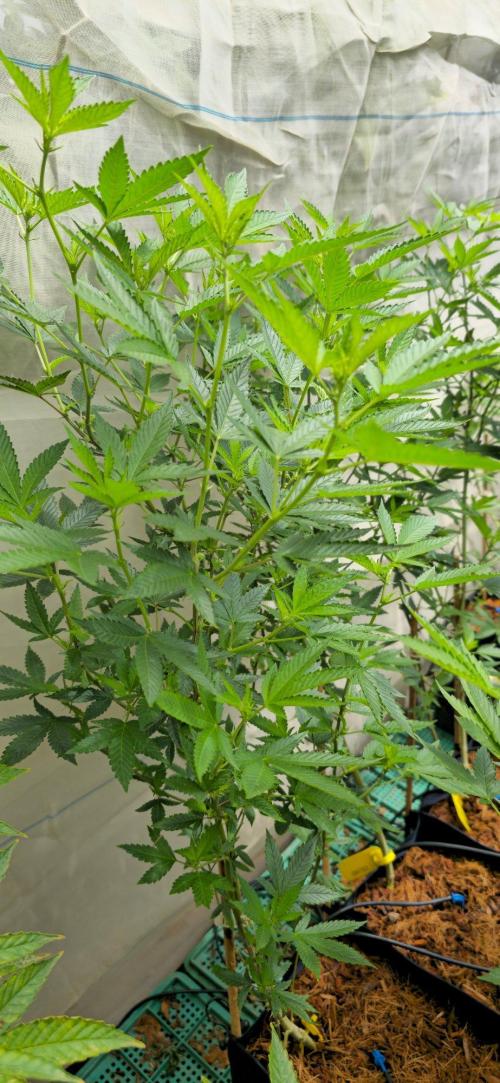
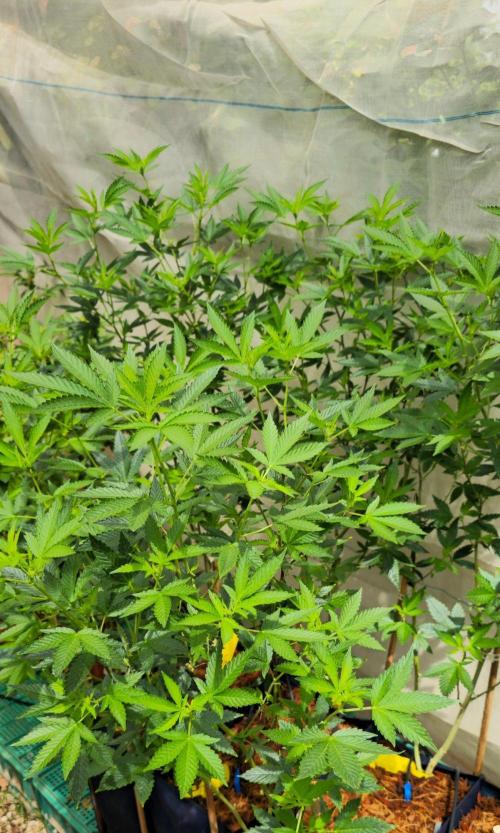
- Physiological Transition: Completed the first week since the switch to flowering photoperiod (12/12). The plant responds with an initial vigorous and controlled stretch, showcasing the classic structural inheritance of its lineage.
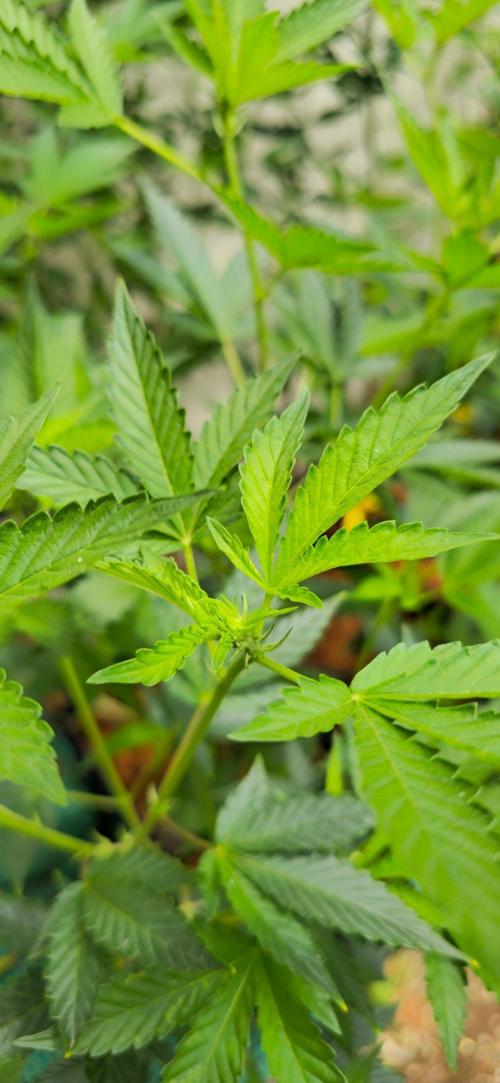
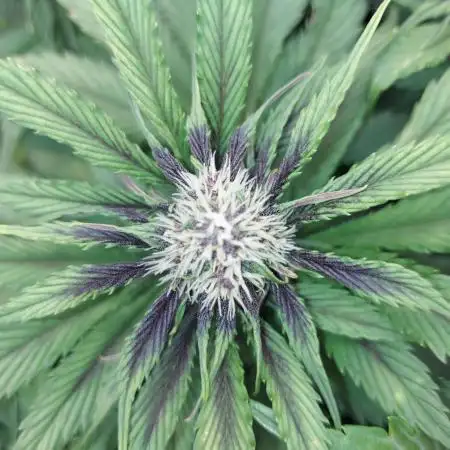
- Primary Pistillogenesis: The formation of the first floral primordia in the apical and axillary meristems is visually confirmed, with the clear appearance of turgid white stigmas/pistils.
Pigmentation and Leaf Expression: New tissue in a high photosynthetic activity lime green tone, indicating a rapid mobilization of nitrogen and phosphorus to support cell division during the stretch.
2. Canopy Architecture and Structural Control
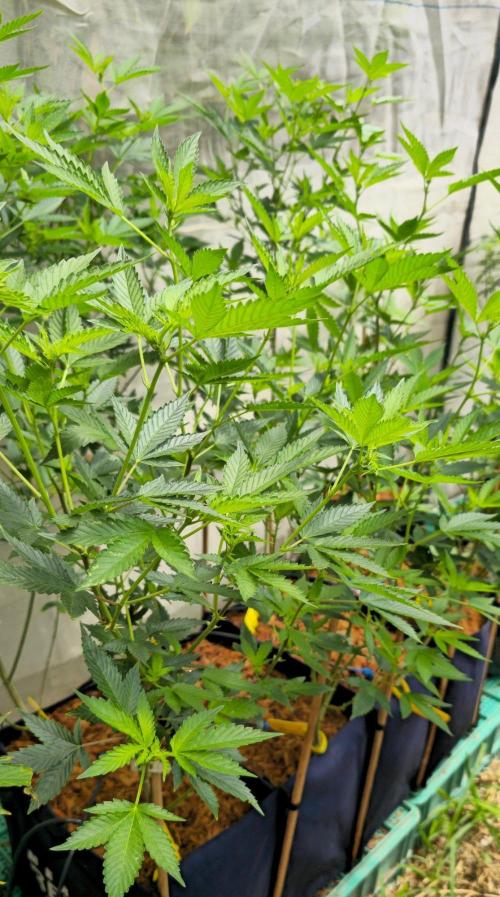
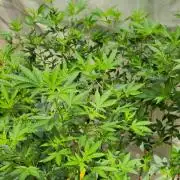
- Internodal Elongation: Accelerated vertical growth characteristic of the cultivar, maintaining a uniform internodal distance that will allow optimal penetration of PAR radiation in the middle and lower parts.
- Structure and Mechanical Support: Individual staking was consolidated with wooden stakes and support rings to guide the verticality of the main branches, preparing the structure for the future biomass overload in the buds.
- Basal Sanitation: Adjusted cleaning of lower areas to eliminate inefficient shadow points (energy sinks), channeling photosynthates directly to the dominant tips.
3. Substrate Dynamics and Hydroponic Fertigation
- Growing Medium: Inert 50/50 coco substrate mix (50% chips for macroporosity / 50% fiber for retention and CEC).
- Irrigation Regimen: Automated drip irrigation via micropulses, distributing the nutrient solution evenly in the wet bulb.
- Hydroponic Control:
Drainage pH: Maintained in the sweet range of 5.8 – 6.1 to ensure maximum bioavailability of P, Ca, and Mg during floral differentiation.
- Leachate Fraction: ~20% drainage per irrigation event to prevent salt accumulation (EC) in the root zone.
- Solution Temperature: Controlled at 24 °C to maintain dissolved oxygen saturation (DO) and avoid direct thermal stress on the roots.
4. Phytosanitary Status and Environmental Management
- Biological Protection: Greenhouse protected with high-density anti-thrips mesh and 30% Raschel shade mesh, mitigating peaks of infrared radiation and stress from excessive DPV.
- Leaf Health: Zero presence of pests (thrips, mites, or whiteflies) or symptoms of fungal pathogens (powdery mildew/botrytis). Leaves with well-expanded blades and active stomata.