Mexicanasseeds Follow-up: Week 1 of Flowering (Day 7)
Cultivar: Morphological Evaluation of Elite Banana Heir Clones (Feminized) Selection of survivors from antimitotic treatment for chromosomal duplication
Parents: (GSC x OG Kush x Chiquita Banana)
1. Floral Induction and Light Intake (Photoperiod 12/12)
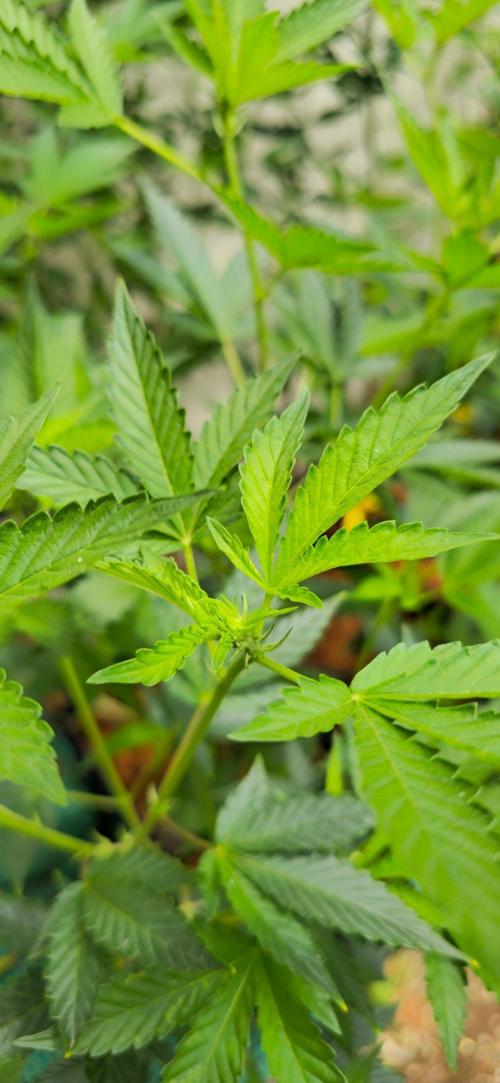
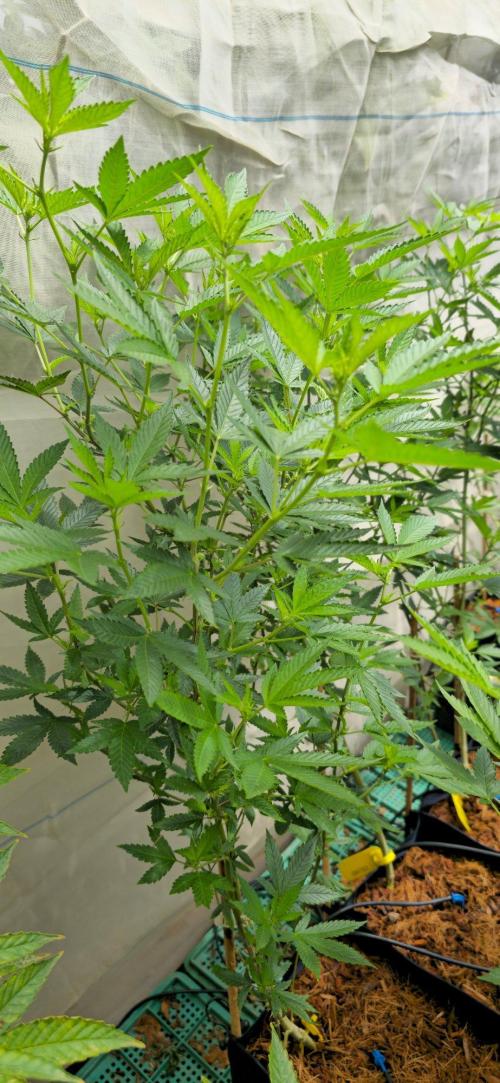
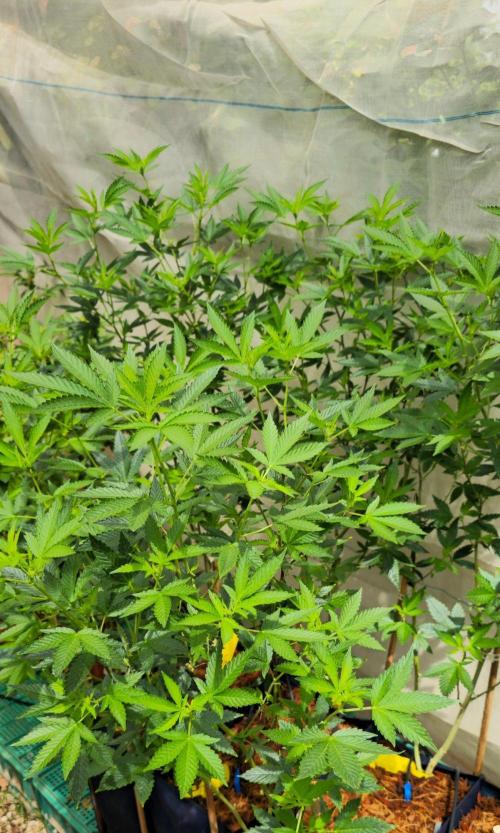
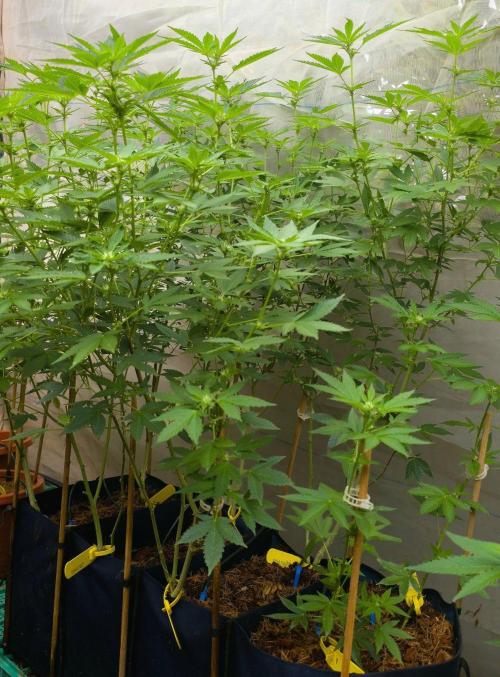
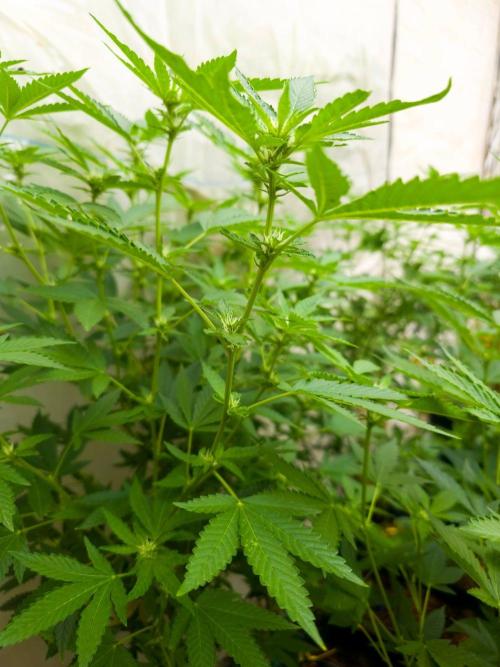
- Physiological Transition: The first week since the switch to flowering photoperiod (12/12) is complete. The plant responds with a vigorous and controlled initial stretch, showcasing the classic structural inheritance of its lineage.
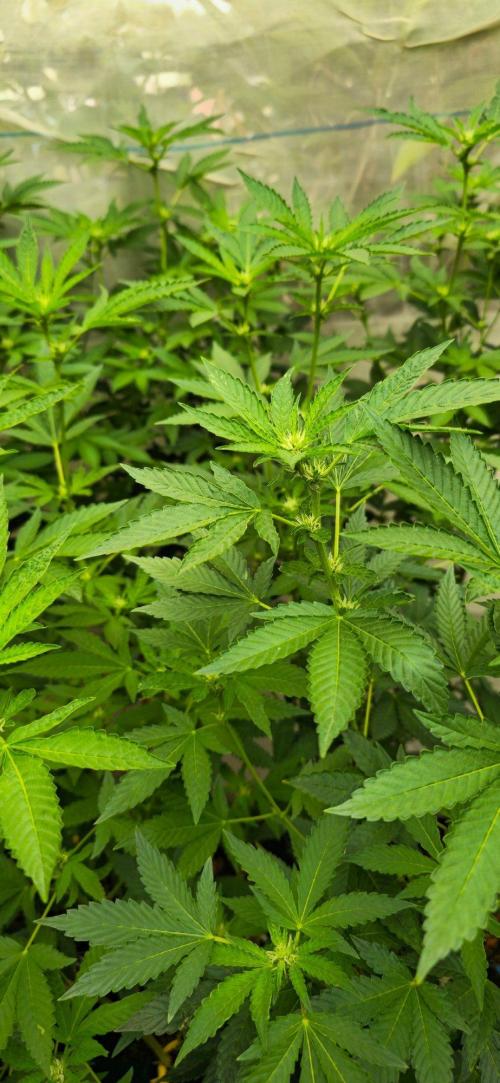
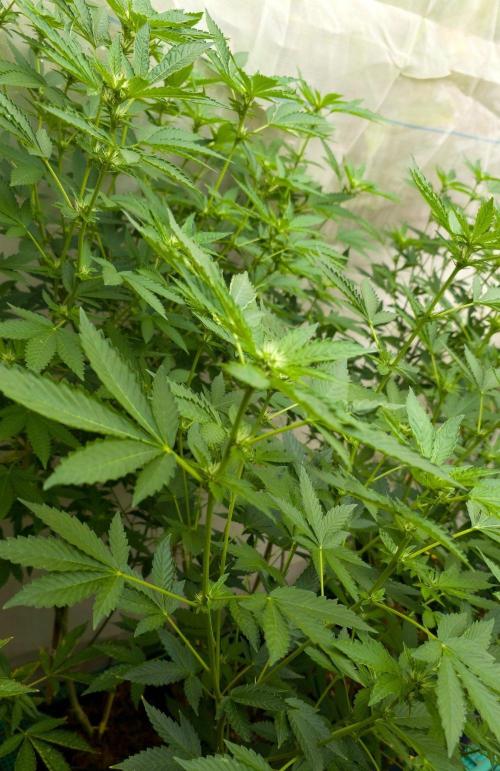
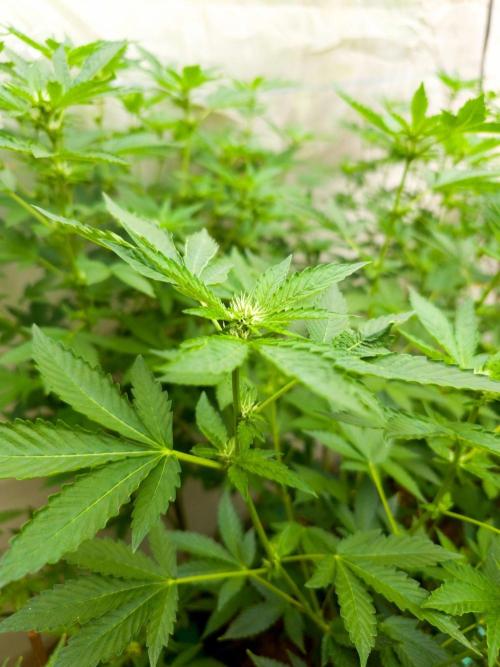
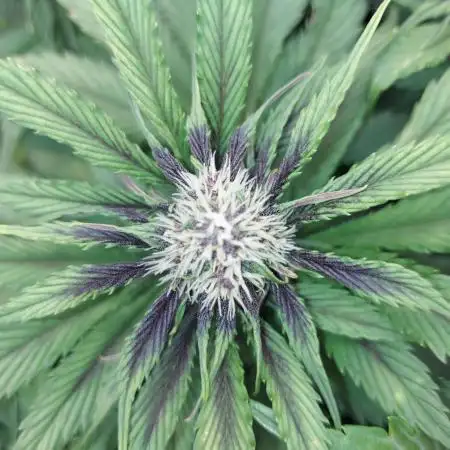
- Primary Pistilogenesis: The formation of the first floral primordia in the apical and axillary meristems is visually confirmed, with clear appearances of turgid white stigmas/pistils.
Pigmentation and Leaf Expression: New tissue in a lime green hue with high photosynthetic activity, indicating rapid mobilization of nitrogen and phosphorus to support cell division during the stretch.
2. Canopy Architecture and Structural Control
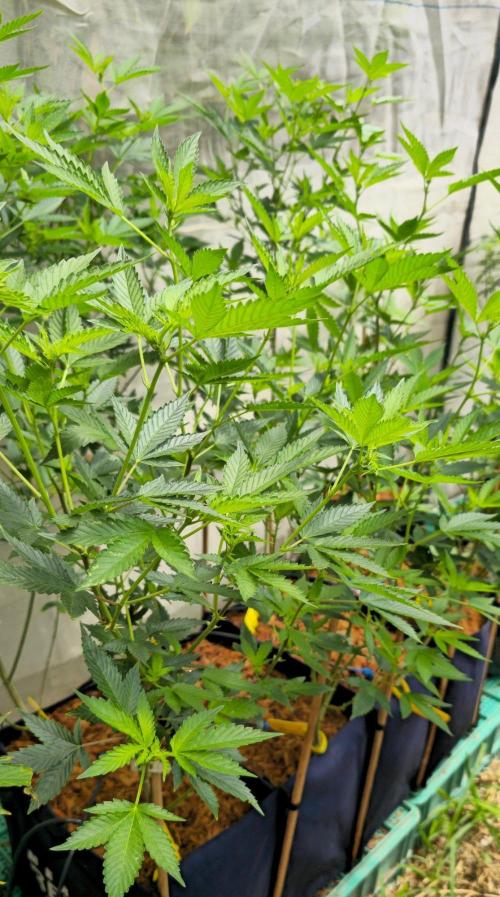
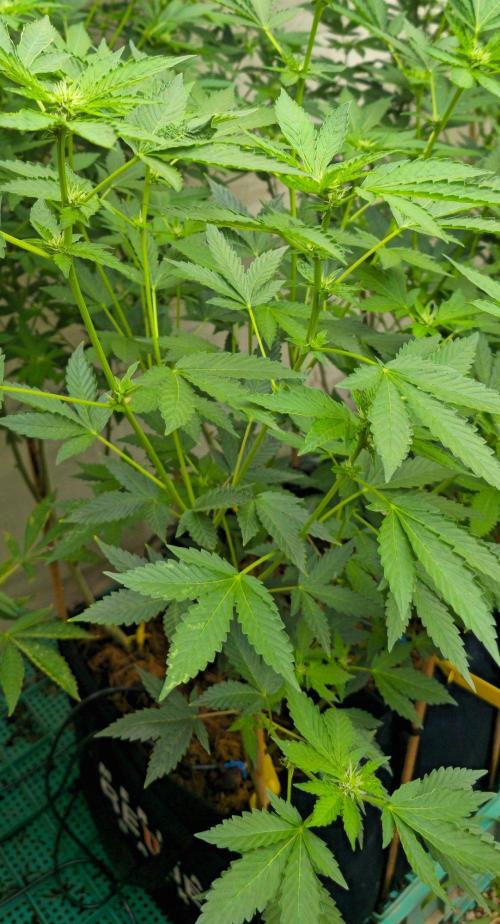
- Internodal Elongation: Accelerated vertical growth characteristic of the cultivar, maintaining a uniform internodal distance that will allow optimal penetration of PAR radiation in the middle and lower parts.
- Structure and Mechanical Support: Individual staking was consolidated with wooden stakes and support rings to guide the verticality of the main branches, preparing the structure for the future biomass overload in the calyxes.
- Basal Sanitation: Adjusted cleaning of lower branches to eliminate inefficient shadow points (energy sinks), channeling photosynthates directly to the dominant tips.
3. Substrate Dynamics and Hydroponic Fertigation
- Growing Medium: Inert mix of 50/50 coco substrate (50% chips for macroporosity / 50% fiber for retention and CEC).
- Irrigation Regimen: Automated drip irrigation by micropulses, distributing the nutrient solution homogeneously in the wet bulb.
- Hydroponic Control:
Drainage pH: Maintained in the sweet range of 5.8 – 6.1 to ensure maximum bioavailability of P, Ca, and Mg during floral differentiation.
- Leachate Fraction: ~20% drainage per irrigation event to prevent salt accumulation (EC) in the root zone.
- Solution Temperature: Controlled at 24 °C to maintain dissolved oxygen saturation (DO) and avoid direct thermal stress on the roots.
4. Phytosanitary Status and Environmental Management
- Biological Protection: Greenhouse protected with high-density anti-thrips mesh and 30% shade Raschel mesh, mitigating peaks of infrared radiation and excessive DPV stress.
- Foliar Health: Zero presence of pests (thrips, mites, or whiteflies) or symptoms of fungal pathogens (powdery mildew/botrytis). Leaves with well-expanded blades and active stomata.
18 likes
3 comments
Share
Used techniques
LST
Technique
12-12
Technique
Defoliation
Technique
Transplantation
Technique
2
Week 2. Flowering
8d ago
1/7
1.1 cm
Height
12 hrs
Light Schedule
29 °C
Day Air Temp
5.8
pH
Normal
Smell
1000 PPM
TDS
55 %
Air Humidity
24 °C
Solution Temp
24 °C
Substrate Temp
24 °C
Night Air Temp
15 liters
Pot Size
3 liters
Watering Volume
Mexicanasseeds MEXICAN SEEDS | FOLLOW-UP: WEEK 2 OF FLOWERING (DAY 14)
Cultivar: Morphological assessment of 8 elite Banana Heir clones (feminized)
Objective: Assessment of survivors to antimitotic treatment for chromosomal duplication.
Parents: GSC × OG Kush × Chiquita Banana
Stage: Early flowering | Photoperiod 12/12
1. FLOWER DEVELOPMENT AND TRANSITION
By day 14 of flowering, a progressive reproductive transition is observed, with simultaneous vegetative and floral activity. The apices and lateral branches maintain active growth, while the flowering sites increase at nodes and meristems.
White stigmas and incipient floral clusters are visible, indicating progress in reproductive differentiation. Young shoots display light green hues, while mature foliage retains a predominantly uniform coloration.
2. ARCHITECTURE AND CANOPY
The specimens exhibit internodal elongation and continuous development of lateral branches. The distribution of nodes is relatively uniform, and the canopy continues to expand.
The leaves show good expansion, with elongated leaflets and serrated margins. The stems maintain adequate structural integrity, and the different levels of growth are clearly distinguishable.
3. FOLIAGE AND PHYSIOLOGICAL STATE
The foliage predominantly retains green hues, with normal differences between mature tissue and recent growth. No extensive damage, necrosis, or generalized deformities are observed.
The meristems remain active and continue to produce leaf tissue and new growth points.
4. SUBSTRATE AND FERTIGATION
The 50/50 coconut substrate (chips/fiber) and the automated micropulse irrigation system are maintained as a reference.
Records from the previous week indicated a drainage pH of 5.8–6.1, approximately 20% leaching, and nutrient solution at 24 °C. This week, there are no new measurements of pH, EC, humidity, or root status.
5. PHYTO-SANITARY STATUS
The specimens present a vigorous overall appearance and continuous growth. No generalized foliar symptoms or extensive visible damage are identified.
The crop remains under translucent cover. The absence of visible symptoms does not completely rule out the presence of pests or pathogens.
6. CLONE EVALUATION
Variation is observed among the clones in architecture, branch distribution, internode length, leaf expansion, and floral expression. These differences will be useful for comparing the survivors to the antimitotic treatment.
Morphological observations allow for documenting development but do not confirm chromosomal duplication or genetic differences on their own.
CONCLUSION | DAY 14
The eight specimens maintain active vegetative growth and show progressive floral differentiation, with white stigmas and initial formation of reproductive structures.
The foliage presents a generally uniform condition, and no extensive damage is observed. This record establishes a new reference point for comparing the morphological evolution of the surviving clones during the following weeks of flowering.
@squalino, thank you very much for your support, my friend. Week by week we will be sharing its development. If you ever need assistance with any project related to automatic irrigation systems, nutrition, or any specific topic, we are at your service. Thank you very much for supporting us from the beginning of the project!