


start of week 3

LCF15started grow question 10mo ago
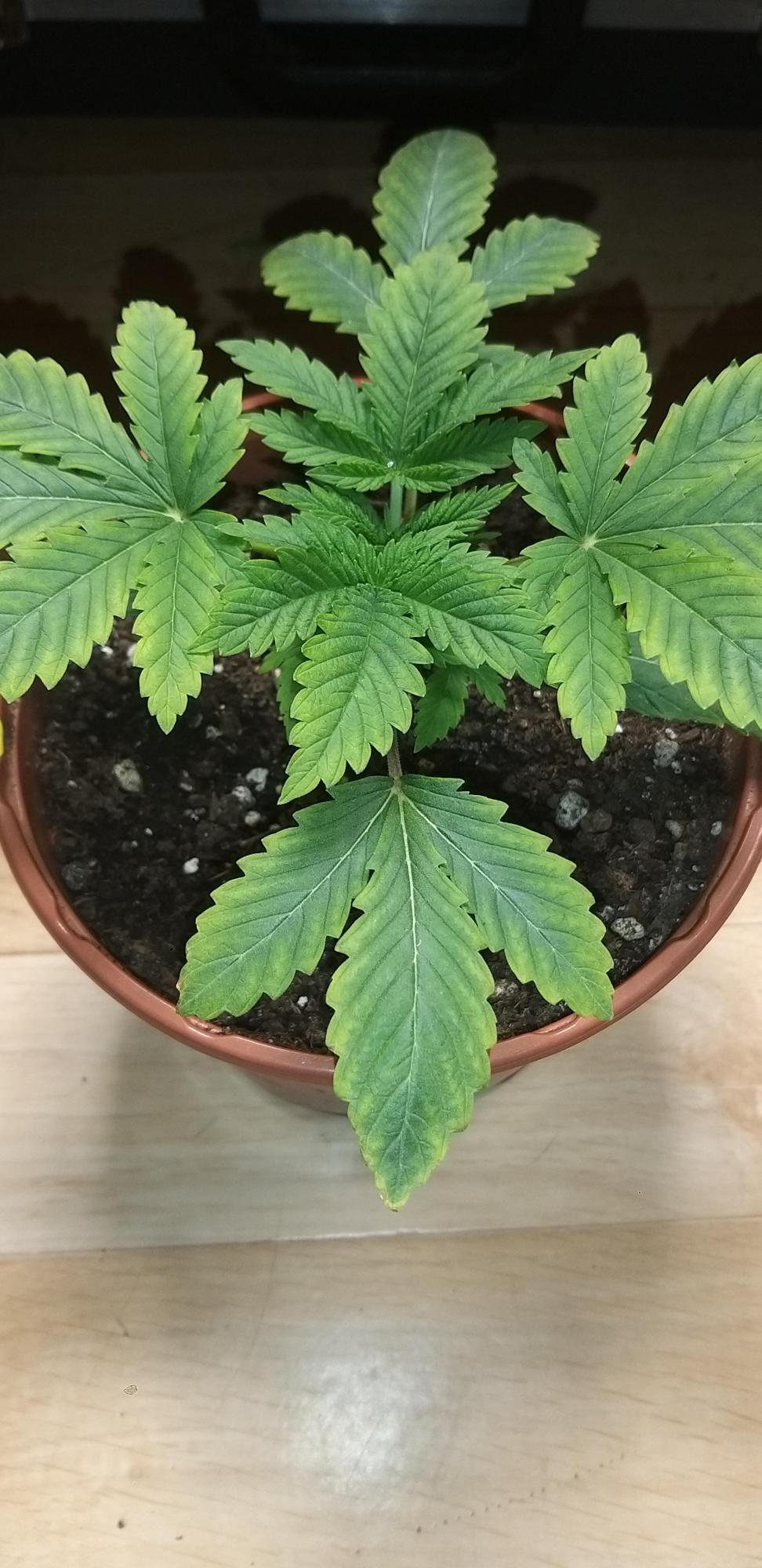
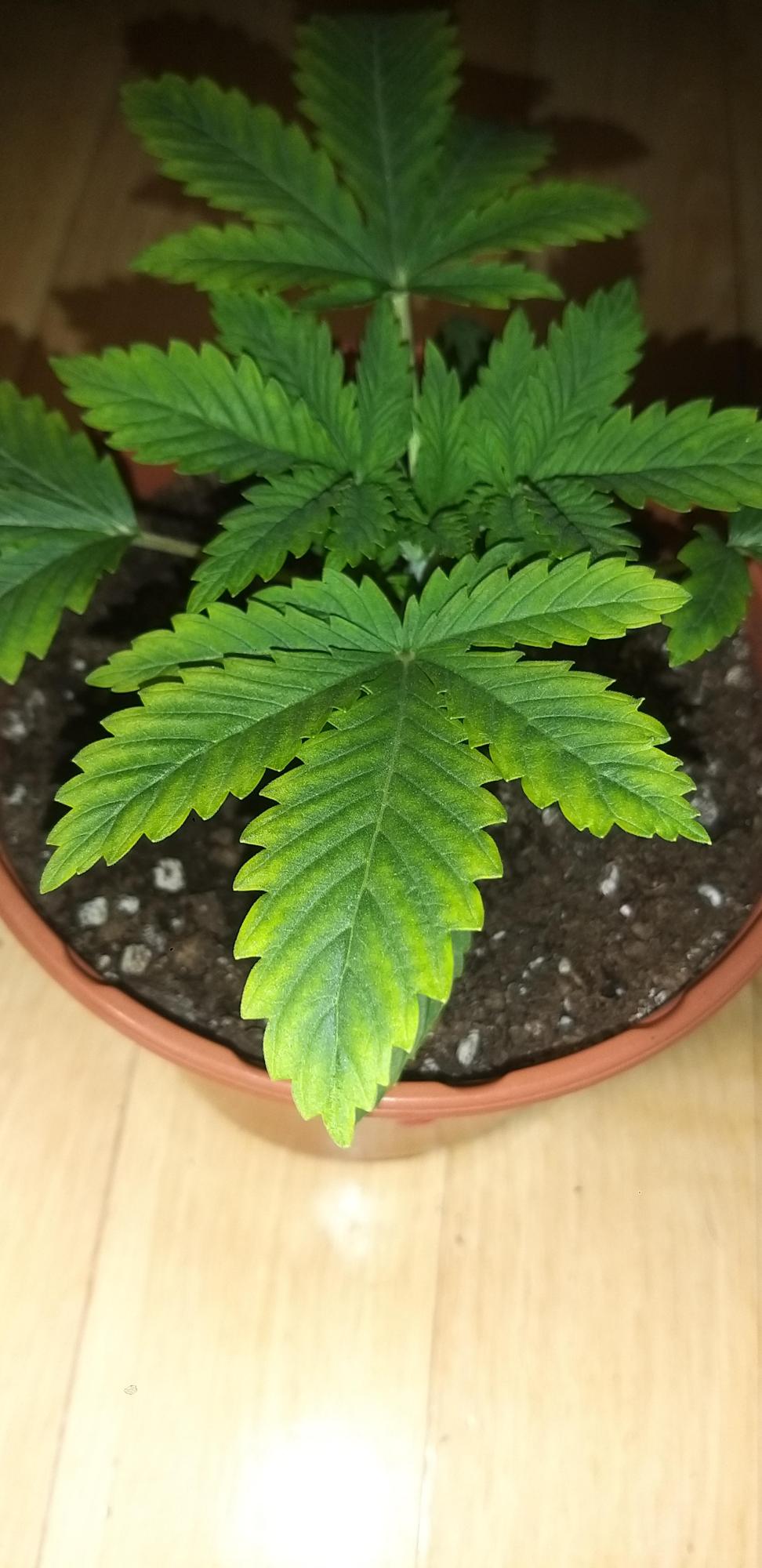
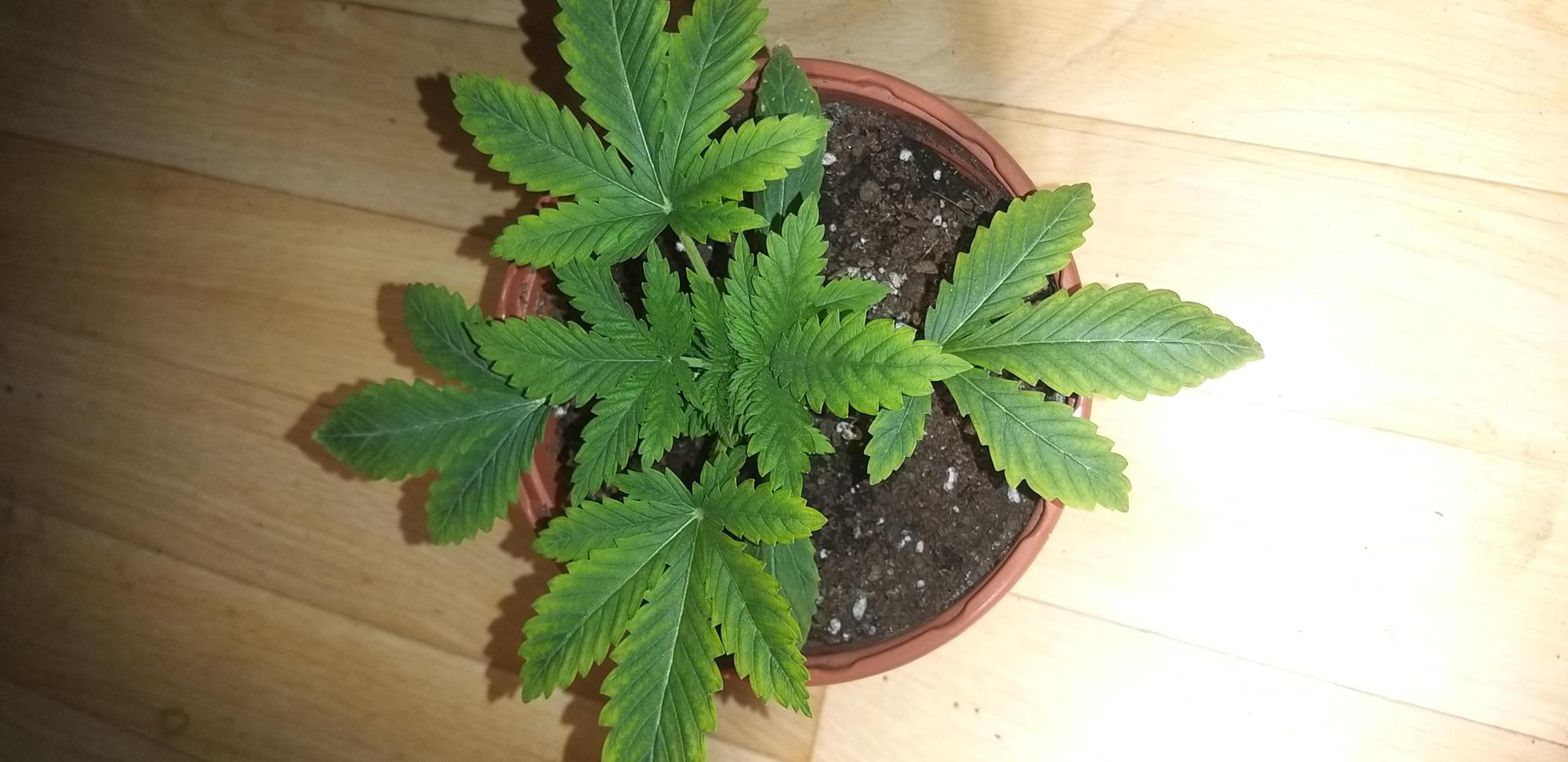
Hello, I have a question. I'd like to know what the problem might be, a deficiency or excess, because I'm finding this issue in several plants and I'm wondering if it might be due to my substrate, since I make it myself.
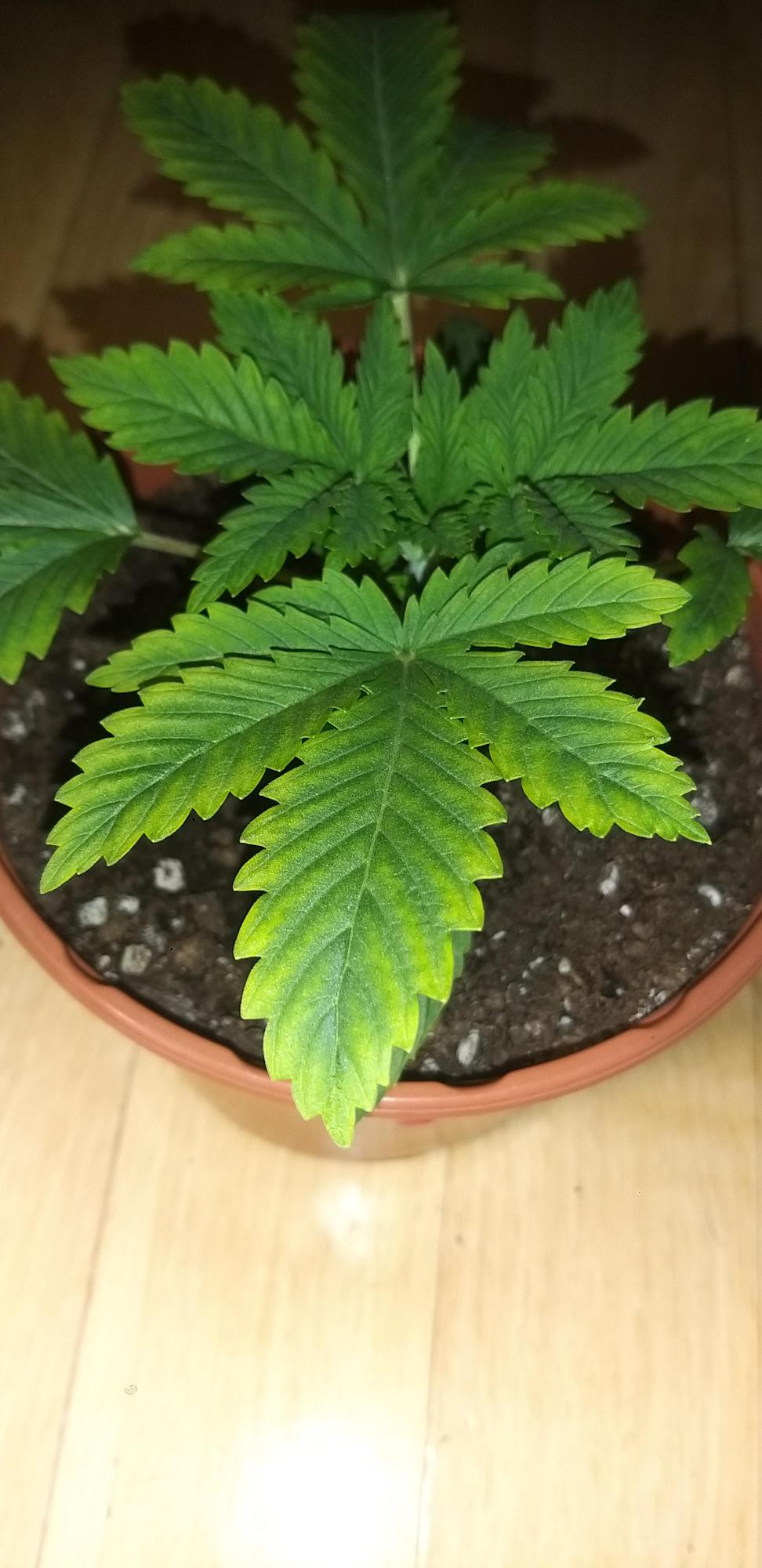
Open
Leaves. Color · Yellow
1 like
Answer

techherbieanswered grow question 10mo ago
Nitrogen deficiency, possibly magnesium too (because of the obvious veins).
likes
Complain

Green_Clawsanswered grow question 10mo ago
Sorry when you said made your own medium I instantly thought soil.. In coco.. Yeah there hungry.
likes
Complain
00110001001001111Oanswered grow question 10mo ago
promix bx comes with a 1EC charge, or thereabouts. This is plenty for a seedling for a week or tw, but not enough to feed a plant long-term.
You need to be providing 100% of nutrition each fertigation in a soilless context, which this is. I use BX and HP all the time. Best to mix with some additional vermiculite or perlite, but that isn't the cause of what we see here.
Probably low K. That's the element of promix's initial charge that is a bit on the low side of what you'll likely provide to the plant, so it's the first to be used up.
120-130 N
40-60 P
180+ K
100+ Ca
80ish Mg
100ish S
This is what i'd suggest you target with some 100% plant available and 100% soluble fertilizers. This is a low starting concentration, too. 1.2-1.3 EC is a safe starting point. You can adjust as needed based on the plants in front of you. Local variables make exactly what you need different from other gardens more times than not, but it will be very similar in this particular regard.
1) always irrigate with a full dose of fertilizer and get 10% runoff or more, religiously.
2) wait for appropriate dryback and repeat.
The 10% runoff is essential for soilless growing. This runoff water can be used on plants rooted in the earth, but should not be used on any potted plants. Or, throw it down the drain. Don't let it sit in its own piss.
I'd suggest finding something similar to "Jacks 3-2-1" hydro Part A. These setups are easy to discern. a "Base" part that should contain trace elements, too, calcium nitrate and magnesium sulfate round out the 3-part fertilizer. The last 2 can be generic products of any brand. Masterblend, cropsalt, kosher-something, megacrop, souther AG.. and more have a similar 'hydro' setup. Not all of them put the trace elements into the "Part A" ... those brands should be avoided as they are trying to force you to buy the more expensive, branded version of calcium nitrate (or less likely magnesium sulfate portion).
Even promix uses a ratio very similar to Jacks 3-2-1, except for the lower K levels i mentioned, it's essentally the same mix and that's no coincidence. These companies all based their products on the same knowledge base instead of trying to re-invent the wheel ... and then it comes out square or oblong, lol.
Soilless method is one of the easiest to hit the ground running with a good formula, which Jacks and others provide. It should not be a struggle. Fertilizing and keeping a plant happy should be one of the easiest things you do.
1 like
Complain

AestheticGenetixanswered grow question 10mo ago
She just looks hungry.
Or your ph could be off in the soil.
Around week 3 your plant is needing food.
I would start feeding her a well balanced npk cal mag
1 like
Complain

Terp1answered grow question 10mo ago
Überdüngung. Gib ihr erstmal nur noch klares Wasser... und nen größeren Topf. 👽
1 like
Complain
Green_Clawsanswered grow question 10mo ago
What have you made it with. The only thing you can do is give water only. It's hot that soil
1 like
Complain

Ultravioletanswered grow question 10mo ago
Synthetic delivery, you feed the plant final form no nonsense nutrients. No breakdown required.
Organic delivery, you feed both soil and plant. But it comes at the cost of
While plants can absorb both ammonium and nitrate, the majority of applied nitrogen fertilizers (like urea and ammonium-based products) are converted into nitrate by soil microorganisms through a process called nitrification.
Where microbes break down organic matter into ammonium (ammonification), and then different bacteria convert ammonium to nitrite and finally nitrate through nitrification, making it plant-available nitrogen (N) for uptake, though plants also use ammonium directly Plants can readily absorb and use ammonium NH4+as a direct source of nitrogen. However, high concentrations, generally anything exceeding 20% of total nitrogen supply, can lead to problems.
Understanding these differences is vital for using organic nitrogen and maintaining a basic understanding of what's going on under the hood.
Gluck
1 like
Complain
Ultravioletanswered grow question 10mo ago
Looks like something is affecting the big 3 cations, symptoms look like a mush mash of what I'd expect from iron deficiency (Fe) or sometimes magnesium (Mg) causes classic interveinal chlorosis (yellow between green veins), often on new growth. Maybe a symptom of early K. I'd be leaning more to a lockout. Nitrogen in its nh4+ form can antagonize Ca,MG and K. Impossible to be accurate without more info. Unless you have been bombing her with calmag or K I'd be looking at possibly N causing lockout of big 3.
Nh4+ is generally found in much higher quantities when using organic delivery methods. Maintaining a stable pH is crucial for the nitrification of nh4+ .
If pH is off even a bit the micros will just continue to breakdown and ccumulate nh4+ in a medium which will contribute more and more over time to a skewed ph.
Rate of nitrtrification of nitrogen iirc is 3x4x the rate at a Ph of 7, as opposed to a ph of 6. In a perfect world you wanna hold 6.4 to 6.6 to unlock hydrogen but soon as she drifts to 6.2 or lower the breakdown of nh4+ into no3- will almost cease entirely.
Ammoniacal nh4+ will take around 4 or 5 times more water to separate from soil particles.
What you do is up to you. Gluck.
1 like
Complain
Similar Grow Questions


Solved

88kasanova
PpmsYellowing, Pom’s where at 3000 way to high, flushed it got it down to 980ppm is that ok?Week 9
Leaves. Color · Yellow
6y ago
2
4


Solved

Yasai420
Discolored leafWhy the discolored leaf? Maybe the neem oil? Or over watering?
Week 2
Leaves. Color · Yellow
4y ago
2
2


Solved

Highgrade_Harvests
Light colored sugar leavesI'm at the end of week 6 and the plant is looking healthy overall but there are some bud sites that have some sugar leaves that are developing with a lime green color. Im thinking I might have been a little high on the ec so I backed off a couple days ago. Thoughts?
Leaves. Color · Yellow
3y ago
3
3


Solved

SupportiveMango
What do these yellow markings on the leave tips mean?What do these yellow tips on the leaves mean? Are my lights to close? Looks like light burn to me and have adjusted the lights up 10cm for now. Still wanted to make sure since I thought they need more lights during flower. Thanks heaps
5y ago
2
2
Solved

Bluesbreeder
well it looks like i'm facing nitrogen deficiency.
the leaves are pale on both plants and also plant 1 has very small tiny leaves and leaves turning yellow.
So i think it's nitrogen? i will put 1 ml more of coco bloom A to correct.
if anyone has another opinion let me know.Week 6
Leaves. Color · Yellow
8y ago
6
2


Solved

Homegrown93
Leaf fade vs. deficiencyHey everyone, does this look like a deficiency? I’m in week 6 of flower, I had half a week of high temperatures and I’m sure she was affected just a bit and noticed Bud growth slowed slightly. Not sure that influenced this and if it’s a deficiency(magnesium?) or normal leaf fade.
Buds. Not fattening
Leaves. Veins · Yellow between
Leaves. Color · Yellow
6y ago
3
4


Solved

Nubgrow0808
Major issues with this freebie seed.. idt I’ll ever plant freebies again ..Can’t figure out what’s wrong with this freebie seed.. week 6 veg
promixHP, Gaia green organic 444, azoz comp tea 1xWeek
PH6.5 tested with soil probe
Water when top dry e3-4d 6.2-6.8
Gavita 1700E 36 inches 420 watts
Temp 72-76… Show more
Leaves. Color · Yellow
5y ago
2
Solved

Kirky
Yellow fan leafsYellow dry fan leafs well into flower ( week 17 from seed ) is this normal ?
Leaves. Color · Yellow
4y ago
1
5

