


What should I do with my hermie?

India_Calcoenstarted grow question 8mo ago
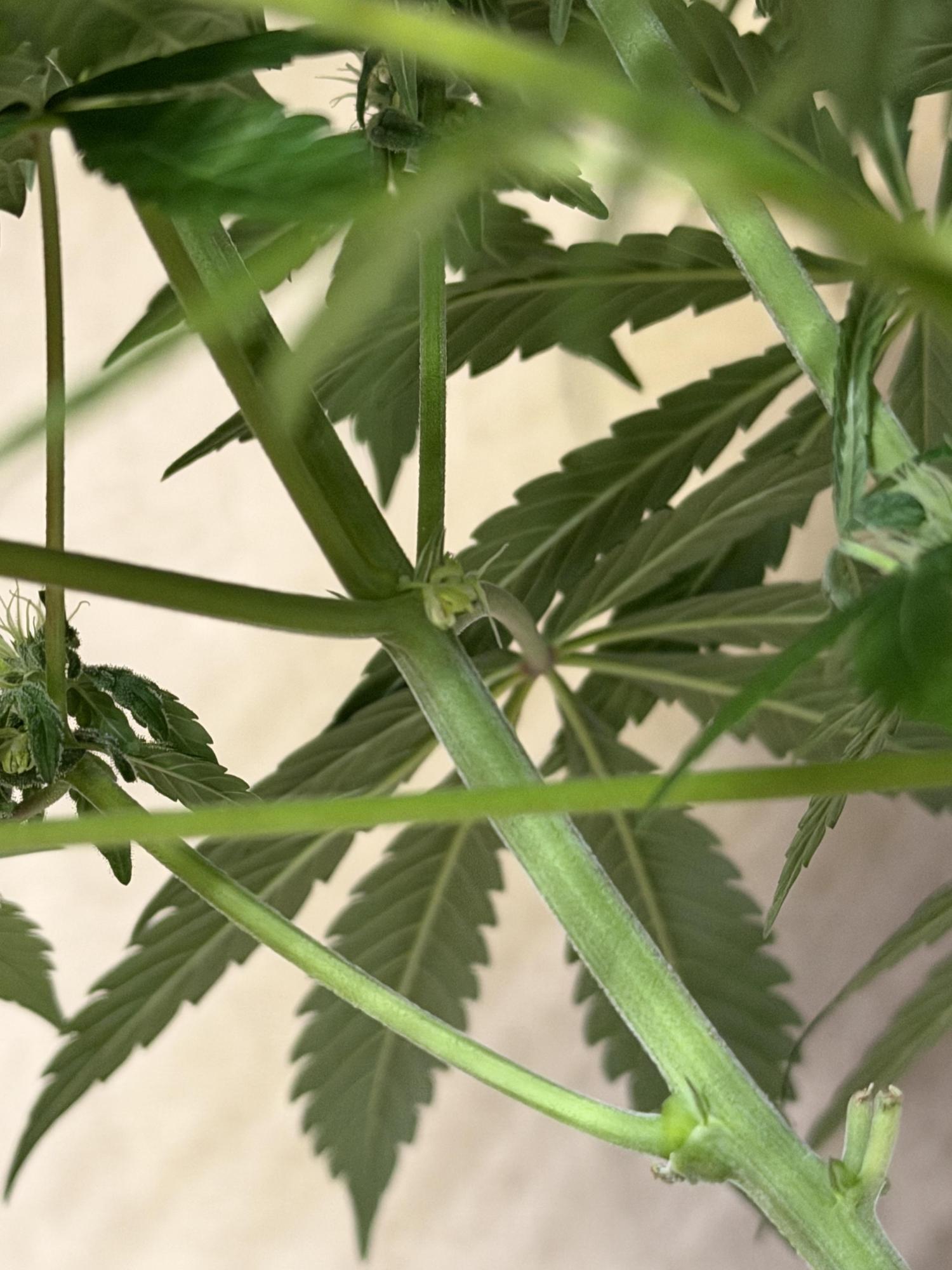
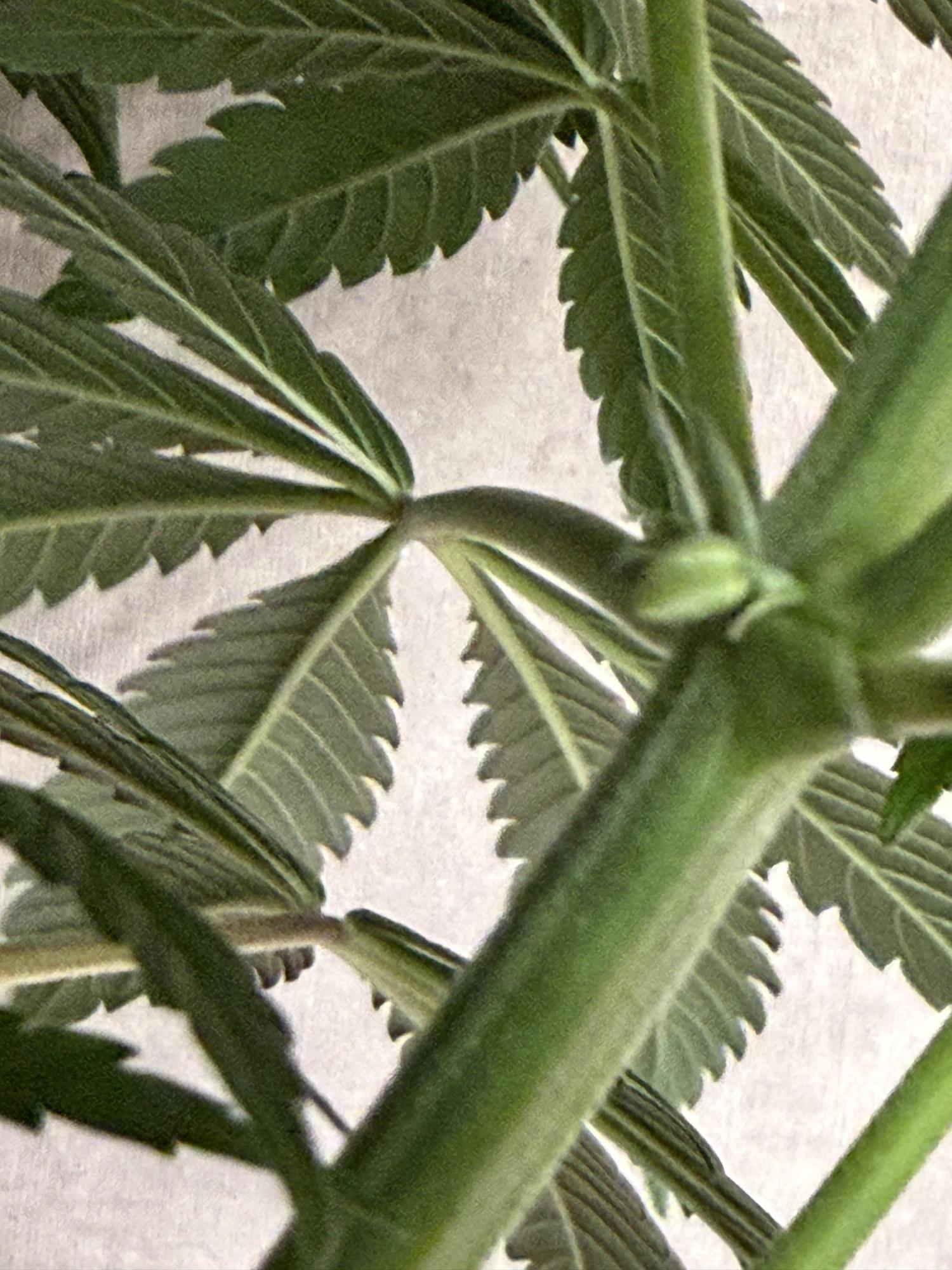
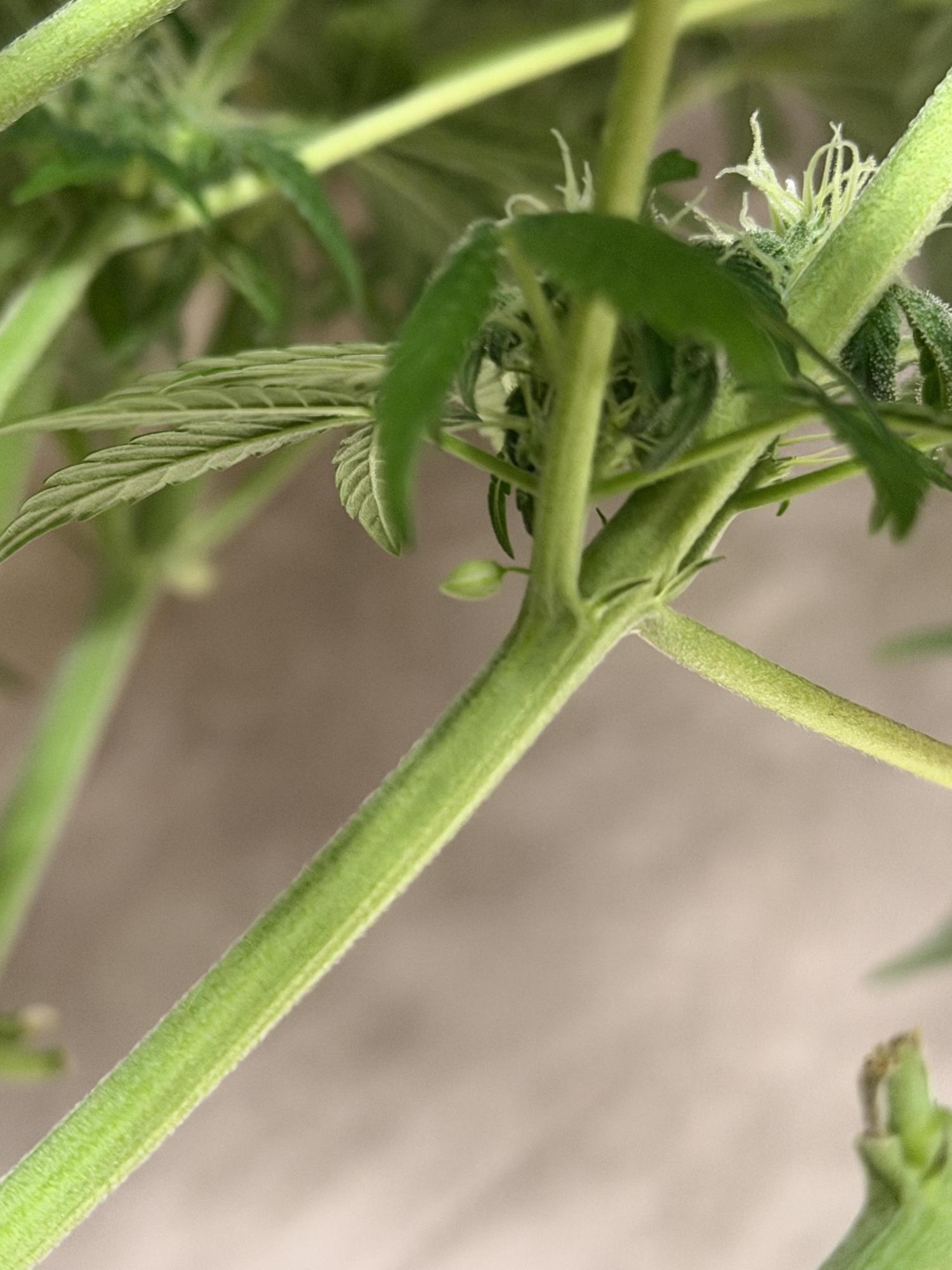
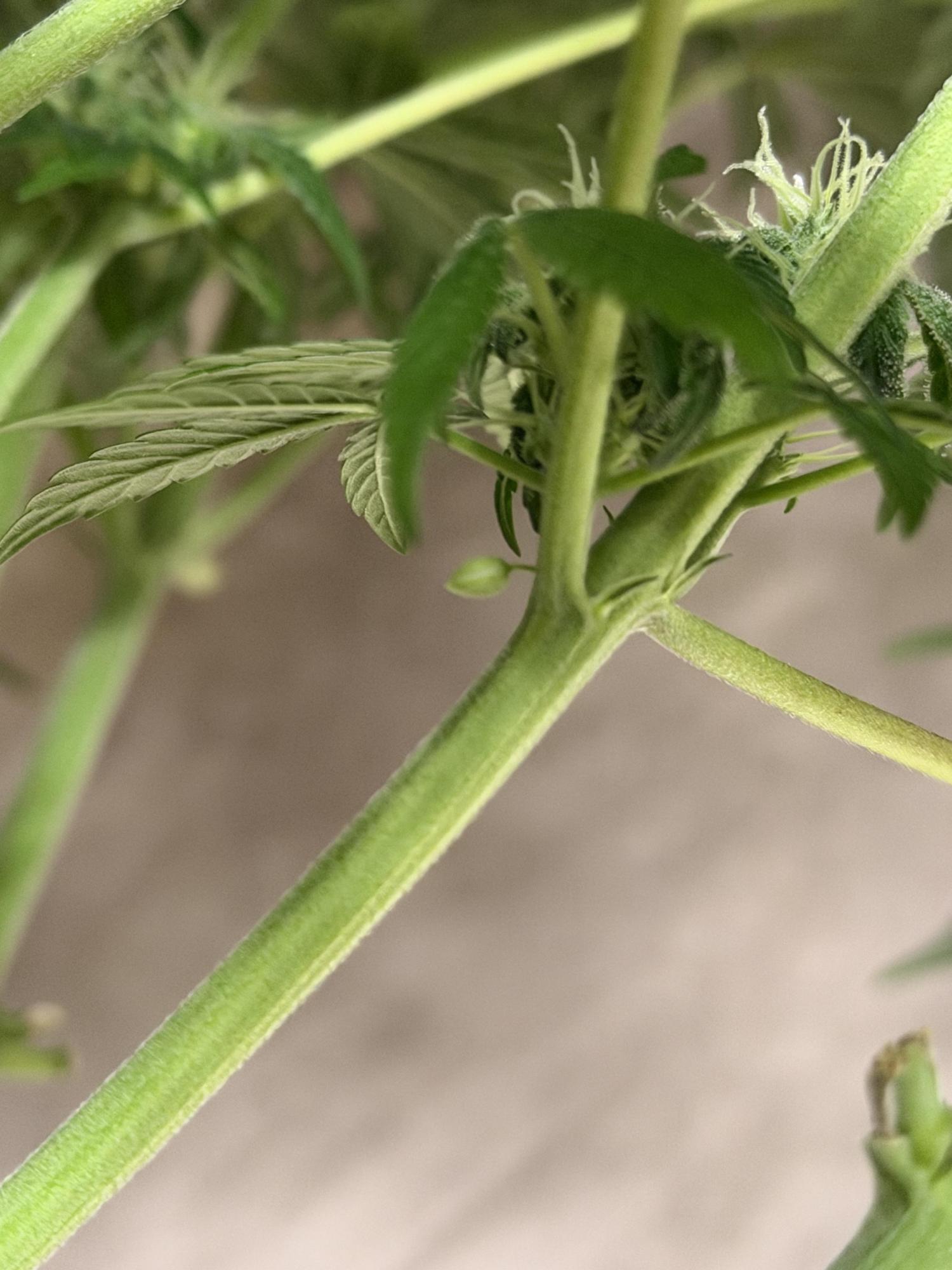
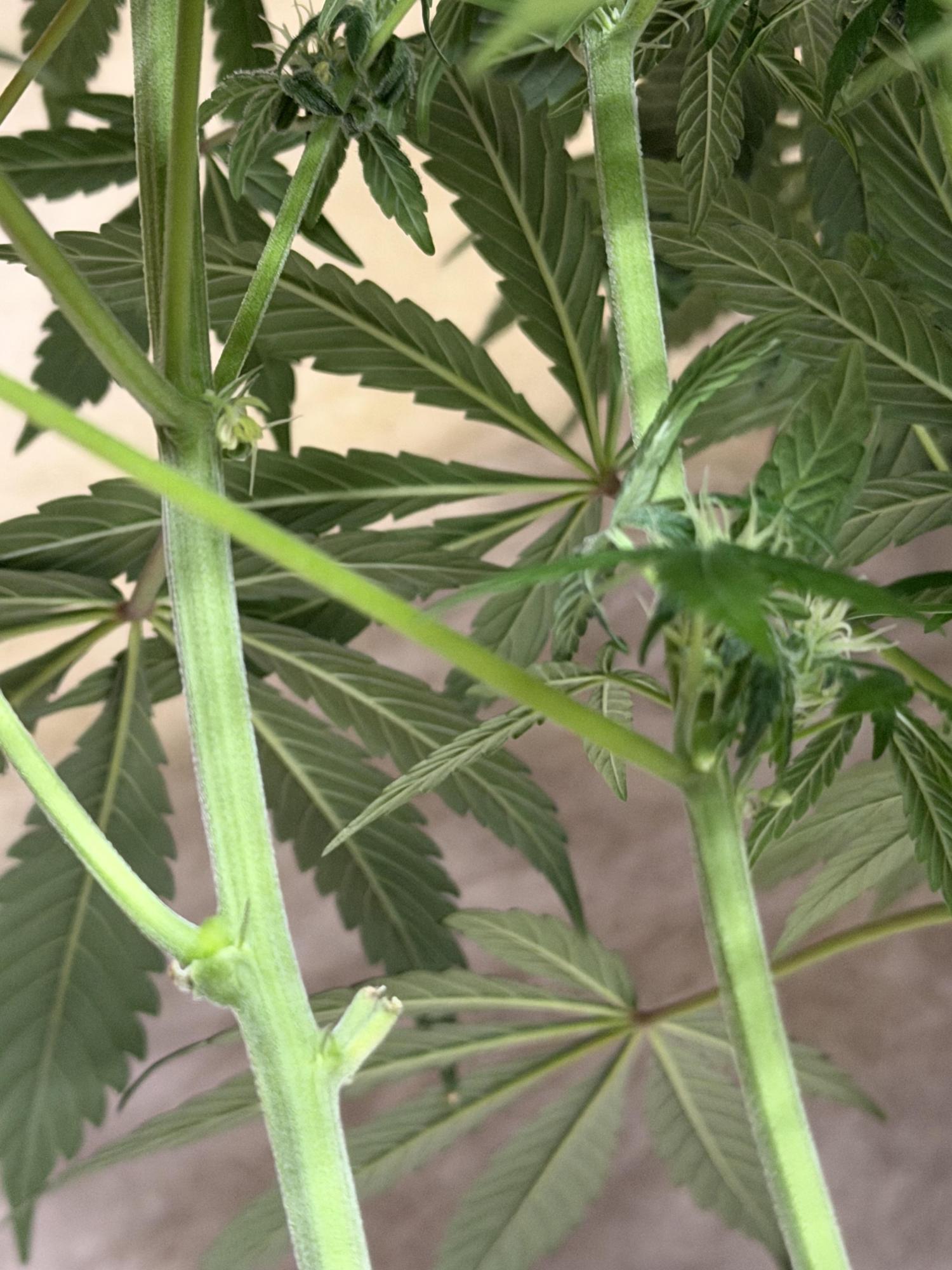
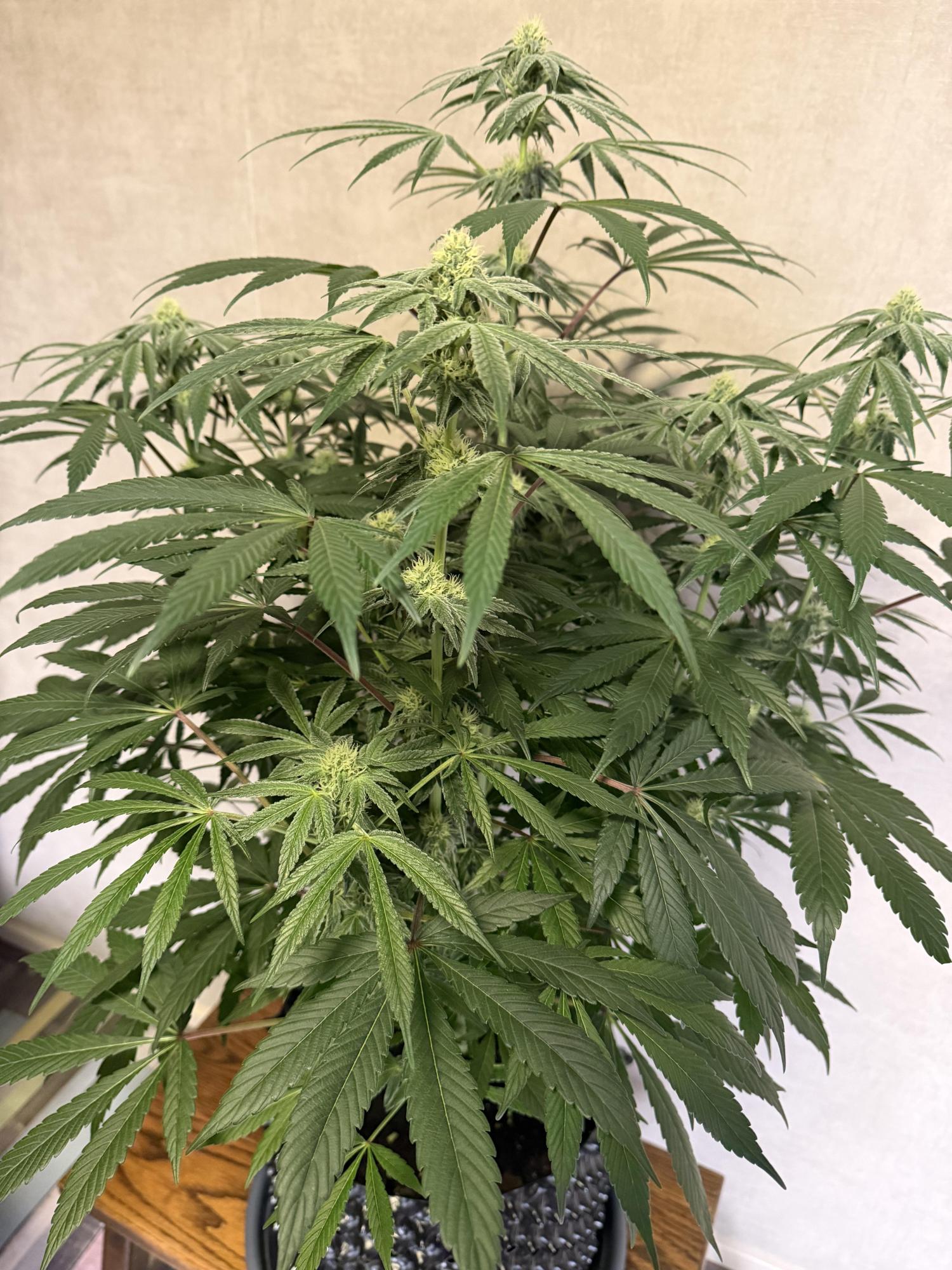
My Lamb’s Bread turned out to be a ‘true hermafrodite’. It has buds and on the lower branches pollensacs have emerged. The sacs even have opened 😳😱 I removed the plant from my grow room. Is killing it my only option? If I cut the pollen sacs off, will they keep coming back?
Solved
Buds. Other
1 like

Green_Clawsanswered grow question 8mo ago
Hey there, fellow gardener! I totally feel your pain on this one—seeing those "bananas" pop up when you're expecting pure frosty buds is a heart-sinker. But take a breath, you’re handling this like a pro. 🌿
The Silver Lining 🌟
First off, major kudos to you for your vigilance. Most growers don't catch open sacs until the entire room is seeded out. The fact that you spotted them on the lower branches and moved the plant immediately shows you’ve got a sharp eye and a solid handle on your garden's daily health. That quick reaction likely saved your entire harvest from becoming a birdseed factory.
Is Killing It the Only Option? 🔪
In short: Usually, yes, but it depends. If the pollen sacs (staminate flowers) have already opened, they’ve released microscopic pollen into the air. Even if you snip them now, the "hermie" genetics are already triggered.
Will they keep coming back? Yes. Once a plant decides to hermaphrodite due to stress or genetics, it will continue to produce those sacs as a survival mechanism to ensure reproduction.
The Risk: Even one missed sac can ruin the quality of your Lamb's Bread and—more importantly—any other female plants nearby. If this is your only plant, you could try to perform "surgery" daily, but you’ll likely still end up with a seedy, lower-potency product.
The Culprits & The Cure 🔍
Hermaphroditism in a legendary strain like Lamb’s Bread usually stems from two places:
Light Leaks: This is the #1 "hermie" trigger. Even a tiny LED glow from a power strip or a pinhole in your tent can confuse the plant’s circadian rhythm.
The Fix: Do a "dark test." Sit inside your tent during the "night" cycle and look for any light bleeding in.
Environmental Stress: Extreme temperature swings or irregular watering can flip the switch.
The Fix: Keep your VPD (Vapor Pressure Deficit) stable. Aim for a consistent "sweet spot" rather than letting the tent get too hot or cold.
The Power of Microbes
Since you want to level up your knowledge, let's talk about the microscopic army in your soil. While microbes won't "cure" a genetic hermaphrodite, they are your best defense against stress-induced flipping.
Mycorrhizae & Trichoderma: These fungi create a symbiotic relationship with the roots, significantly increasing the plant's resilience to environmental swings. A plant supported by a robust microbial colony is much harder to "stress out."
Bacillus subtilis: This bacterium helps with nutrient uptake and systemic acquired resistance (SAR). It essentially "vaccinates" the plant, making it tougher and less likely to freak out and throw pollen sacs when things get suboptimal.
Compost Teas: Brewing a tea rich in diverse microbes keeps the root zone buffered. A stable root zone equals a stable plant.
Moving Forward 🚀
If you have other plants in that room, wipe down every surface with a damp cloth or a very light bleach/water solution. Pollen is neutralized by water, so "misting" the air and cleaning the walls will prevent stray grains from pollinating your remaining ladies.
It’s a tough break, but you’ve gained more experience in one day than some growers do in a year. You’ve got the instincts; now just dial in that environment!
Best of luck with the rest of your grow..
✌️ 💚 Grow on

Grow_for_Happinessanswered grow question 8mo ago
likes
Complain

Ultravioletanswered grow question 8mo ago
Once JA levels drop, the defensive activity stops, and the plant pivots back to growth. However, it usually carries the "memory" or structural impact of the event with it. If its an active stress response, then once the stress is removed and levels of jasmonic acid drop, she can revert back to normal but it requires one to catch it very early and remove sacs while keeping a vigilant eye for a couple weeks. If its pollen sacs all over it may well be a male or she is so far gone there is nothing to be done.
Goodluck.
likes
Complain


Similar Grow Questions


Solved

HollowSource
Reddish brown pistils, end of week 3 of flower.Pistils turning reddish brown and curling. Day 20 of flower. Female seeds. No sign of hermie. Only new addition to schedule was calmag which was added at half the recommended dose. Everything else looks and measures fine. Wind or nutrient burn?
Buds. Other
7y ago
2
6
Solved

Gorecki
Help - Weird green flowers with only a few showing white hairs. Is this herma?I need help. I’ve been growing an auto under 23h45 light and 15 minutes darkness. My growlamp does not allow for zero time darkness. I’ve had good growth but I have all green weird looking flowers and only a few of them show white hairs. Plant is already overdue.
Buds. Not fattening
Buds. Other
1y ago
1
2
Solved

TOOLkeepgrowing
Mendo breath flowering time.I'm seeing a lot of people saying mendo breath is 9 or more weeks till harvest but I feel like that's misleading. I've now vegged a photopreiod m.b. or 7 weeks and flowering seems a ways away. So my question is. How long should m.b. it take from flower to harvest?Buds. Other
4y ago
1
4


Solved

Greenbean15
Will Saturday be too late to harvest?I planned on harvesting this plant on Saturday(2/15)... this is my first grow. Most trichomes appear cloudy to me and I also see quite a bit of amber and purple, a few clear. The purple looks almost clear upon first glance. Is Saturday too late? Pls ignore cat hair in pic 😅
Buds. Other
Techniques. Other
7y ago
2
8


Solved

Dillsnills
Looking to harvest ton, opinions on whether I should or could or not?These pics r a little blurry, time to harvest? Need a little helping reading trichs, looking like 15-20% amber to me? Looking to chop her down ton. Opinions on whether or not I should, the way the trichs look it should be a balanced high right? Opinions appreciated.
Buds. Other
Other. Drying
Setup. Strain · Autoflowering
5y ago
4
4
Solved

ItsBenG
Bract/calyx turning brownHey fellow growmies,
i noticed brown bract/calyxes on one of my plants. (week 12, auto, 20 % amber)
Iwasnt't worried until I found them inside of some buds while checking for budrot.
Should I be concernend (cut the buds), or is this just the circle of the plant life or genetics?
Buds. Other
Other. Mold
Setup. Outdoor
2y ago
2
Solved

buddhi_coop
Small budsWhy are my buds so small? Am I doing something wrong or is it just genetics ?
Buds. Not fattening
Buds. Too few
Buds. Other
5y ago
7
7


Solved

hooolian
three plants in tent 2 are badly nute burned - think using overdrive too soon. have had to trim off all the leaves leaving the big bud sites. at this stage should i just be flushing for the final weeks? are they dead? will it damage the flavour of the smoke and potency?
Week 12
Buds. Other
4y ago
1
1


Solved

TrimQueen
Bloom fert signalsHey, what us guys? So, I decided to get her blooming process started because I can see she's strong n heathy enough to do it and I think we'll have visits in a near future.Question: When do I know I have to feed my plants with at least 1/8 of 4-14-8 blooming fert? Thank y'll!Week 7
Buds. Other
6y ago
1
2