


Likes
Comments
Share


@FrostyTips92
Follow
Just waiting for the change in development to put these girls in darkness!

Likes
9
Share

@Mimi420
Follow
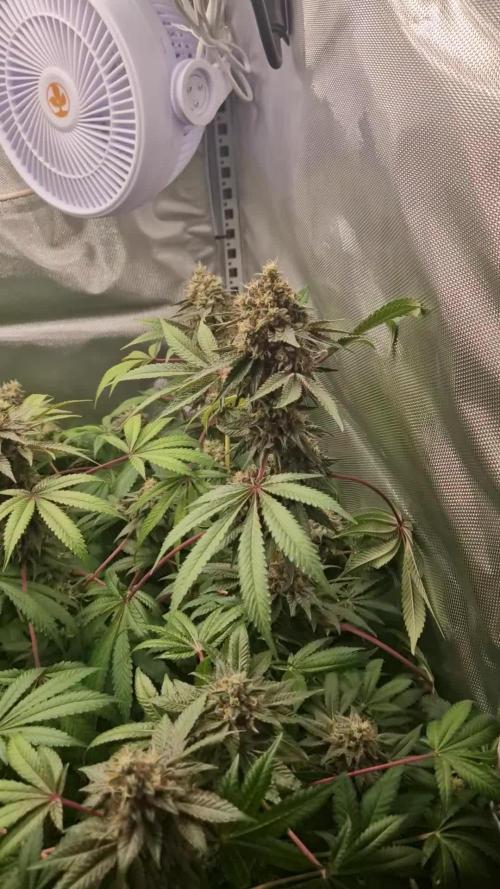
Day 56 – Rock-Hard Buds & Chop Time for Caramba!
Current Status & Plant Overview:
We are officially sitting at Day 56 of flower and the tent is an absolute jungle of frosty goodness. The canopy is completely stacked, and the SCROG net has done its job to perfection. The colas are looking massive, dense, and uniform right across the board.
Bud Density & Terpenes:
Rock-Hard: The buds on all plants are dense as rocks—completely solid from top to bottom, packing on serious weight in this final stretch.
Citrus Terps: The aroma in the room is next-level insane. Every time I open the tent, it hits you right in the face with a heavy, complex wave of pure citrus terps. The profile on these genetics is elite.
Caramba (The Chop is Tomorrow):
Readiness: She’s completely dialed and ready for the axe. The trichomes are looking prime—cloudy with just the right amount of amber creeping in. The flush did its job, and she’s fading out nicely.
The Plan: Tomorrow morning is chop day for Caramba! Time to hang her up and let her start the slow drying process.
Nebulas (Holding Down the Tent):
Progress: The two Nebulas are still pushing forward in their own rhythm. They’re frosting up heavily and packing density every single day, but they need just a little more time under the lights before their trichomes catch up to Caramba.
Final Thoughts:
Everything is running smoothly, and watching these finishes under these conditions has been a rewarding ride. Tomorrow morning we start harvesting the fruits of this labor. Stay tuned for the chop update!

Likes
22
Share


@Ieiogrow94
Follow
Tutto perfetto piante molto molto soddisfacenti!
Sicuramente verranno riproposte!!
Grazie a tutti del supporto e al team @Kannabia per la collaborazione ❤️💚
Ne vedremo delle belle!!!

Processing
Likes
3
Share


@Ogbangbang2981
Follow
week 9 was a good week I watch my pollen sacks grow into beautiful pods cant wait to use it plant doing pretty good health and strong

Likes
9
Share


@Chubbs
Follow
Weekly update on these couple. One got the chop for some fresh frozen bubble wash and these two still have another week for the one and only a couple days for the other. They smell like a bakery and are covered in frost. All in in an easy one to grow and produces amazing flowers and yields.

Likes
21
Share


@CanadianFillmore
Follow
Welcome to week 3F of growfessor theatre, 4x4 edition.
The ladies are looking happy and healthy. Do-si-dos received a heavy defoliation, there were a ton of small inner branches starved for light, so they got cut.
LSD, Green Crack and Mandarin dreams all received a light defo, yellowing leaves were removed.
Lighting provided by Mars-Hydro TSW2000.
Thanks for stopping by, tune in next week growfessors for the next episode 👽🌳💚


Likes
2
Share


@Iggman87
Follow
Sorry for the lack of up dates but life comes at your fast lol.
Anyway she has about 2 weeks left. Vegged for 9 weeks. Looking good. Bushy stout colas

Likes
9
Share


@TheGreenGroomer
Follow
Hello fellow growers,
I harvested my plant on Day 68 of the flowering stage. The buds are now hung up and drying in an environment with a relative humidity (RH) of 55-60% and temperatures ranging from 18°C to 21°C, I've set up two fans to keep the air moving gently around the drying space. Today marks Day 6 of drying, and I'm aiming for a nice, slow dry to preserve the quality of the buds, followed by a dry trim.
Reflecting on this grow, I can see areas where I could have improved, but considering it's my first time, I believe I've done a commendable job. There are quite a few larfy buds underneath, but the top buds, which were closest to the light, turned out great. I initially thought I had nailed the training techniques, but as soon as I flipped her into the flowering stage, she got out of control. This experience has taught me the importance of being even more disciplined with my training methods in future grows.
Overall, I'm thrilled with the outcome and have learned valuable lessons for my next run. Can't wait to see how these buds turn out after curing!
Wish me luck as I move into the final stages of this journey. Let's Grow!

Likes
13
Share

@Ieiogrow94
Follow
Eccoci qui...
Tutto va per il meglio, questa settimana ho eseguito Lollipopping e Defoliation per far si che le cime principali sprigionino al meglio il loro vigore.
Siamo verso la fine del progetto ora bisogna solo aspettare la fine...
Grazie a tutti per il supporto🔥🌲❤️

Likes
6
Share


@AlbasDiary
Follow
Jardineros una semana más dándole al lío!
Ya queda poco para cortar
Todas las plantas tienen su limpieza de raíz y están listas para que las pongamos a secar

Likes
36
Share


@OGTrauma
Follow
Consider 14 weeks the flowering process itself at when i report i cut it also forced me to do the taste to something too fresh - ? So Consider this a final thoughts post as i wanted to show i slashed them,all at once as i was noticed that were on their limits on time range for a balace between not over ripe the g13 and not let mature enough santa bilbo chamos , it can be very easy to reveal what where each one as they were fuck very stable between them, that uniformity com from very stable bank indeed so fuck i eager to report & fly on some old school shit itself , and shit, this is fuck a sativa and indica differences so clear and by their own simple yet remarcable smell punch from dope lemon demon & sweet og hash ou that are refining from what stated last week & outperforming my own personal previous growof them personal SUCESS & SOPA DE MACACO & BIG GAS LEAKS N BIG DICK ENERGY 👌 .
STILL A LOT TO IMPROVE HOMIES & I WILL DERIVE TO OTHER GROW TRY / FAIL / REPEAT & REPORT AF AS I CAN BE FOND OF THIS TIPE OF JOURNAL as on my time, were useful when searching from some previous insight on some grow experiment , or smoke reference as well, every shit can help even and sweet bless of autotranslate as well !

Processing
Likes
2
Share


@Justrite
Follow
Topped and defoliate the CDS cuttings
Also started some seeds off last week
Just in progress setting up veg tent
CDS also repotted
Likes
64
Share

@valiotoro
Follow
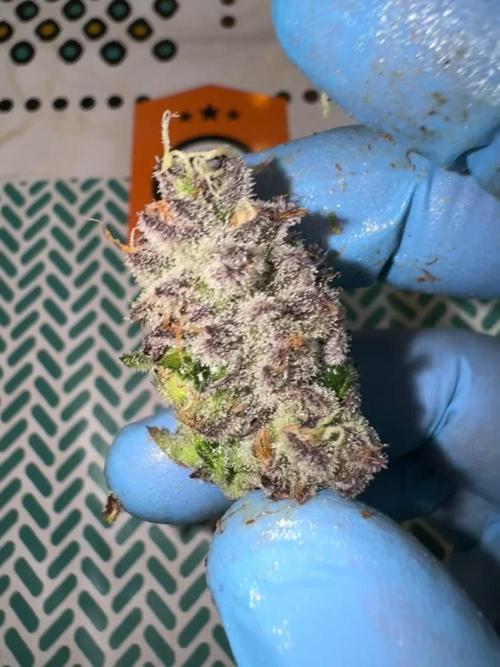
Bud trim is super easy and nicely sticky, not too many leaves just perfect!

Likes
3
Share

@Oldwied
Follow
Let it grow.
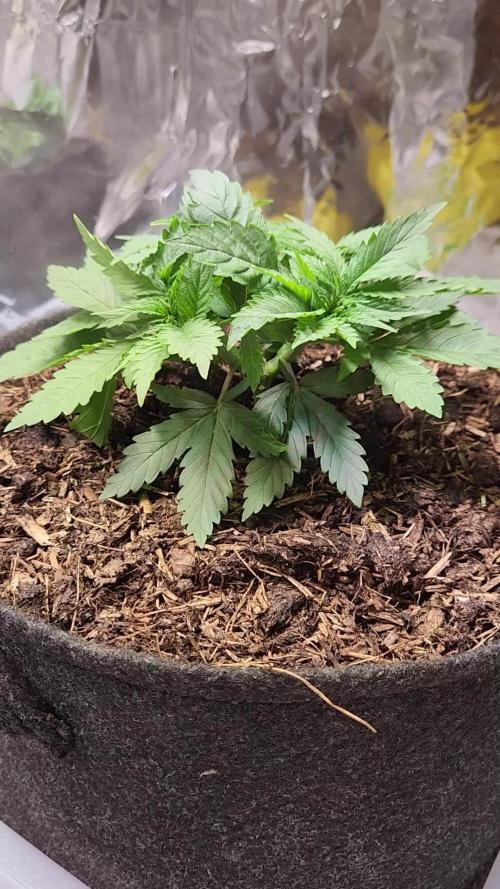
Training is not necessary. She grows extremely compact.
Light Power: 60%
Day 37
Photoshooting

Likes
45
Share


@masterofsmeagol
Follow
9/3 Shook the plants off this morning and took a few pics and did a video. Let's see if it uploads. Plants are doing good. Toasted toffy is due for another plant doctor application tonight. It seems like I'm losing lots of leaves. Looking back on my other diaries I guess it's normal. BUT I could've had pest/pathogen problems then. I'm over thinking it. Toasted toffy only needs a few more weeks. It will definitely outvrun the disease. The nugs are super dense too. The plant in the 50 is loosing leaves faster than I'd like. It is also one of the furthest along. The big leaves that turn yellow look like it's a calcium/magnesium issue. The stalk and branches are all bright green and healthy looking. So are the flowers. It could be something below the soil. I couldve been overwatering but last time I waited until it drooped. It will be fine though. I'm happy with my results so far. Not my best or biggest year but I'm going to put in the work and Mae these plants produce the best quality cannabis that im able too. Also I think plant doctor may kill insects. K bicarb with dawn does too. I've found a few dead bugs like flies and pillars. Pillars actually seem to be gone. Not many moths either. Unless I see them I'm not going to treat them for it. This is that magical time where you get to watch the plant produce those beautiful flowers. Despite some small problems I'm very grateful for what I have. I've worked hard for it.
9/4 Watered everything but the sherb pie which was still heavy with leaves yellowing. It's tied for the furthest behind in flower with the seed in the 10. I treated the toasted toffy with 1/4 gallon (4tsp/gallon) of plant doctor. I avoided flowers as much as possible and tried to just get a few leaves. I used the rest on the soil. I just wanted it to absorb a little faster. That's why I sprayed the foliage. It's not 4 days it's 14 days when tje plant doctor just leaves behind a bunch of potassium and phosphorus after it's done its job. Can't be used in a 14 day interval with copper and I think that's what treats septoria best. I dontvknow if I can use that in flower. Doesn't really matter. Things are looking good. Plant Doctor and the K bicarb seem to be doing there job effectively as long as i stick to the application times. I made a short video but didn't upload. I'll try again but I may have some medical emergencies that need to be dealt with. If not I should defoliate and tie down some event horizon branches. I thought about treating the other event horizon as well. I'm not positive it has septoria but it wouldn't hurt anything to be practice. It AT LEAST has a couple suspucuous spots. I smelled a skunk as soon as I got out of my car. It can't get in my grow but I might put out traps to catch it. We'll see how it goes. Video seems to be uploading. It's at 31% so I'll wait for it. I think I've got like four or five weeks on my toasted toffy and one event horizon and the one in the 50 that I THINK is red runtz. That's good that I'll have different plants to harvest at different times. It's seeds from here on out though. It was hard to find info on some of the strains I'm growing but they all have ONE thing in common. They are EXOTIC and they are at least MODERATELY DIFFICULT to grow. AT LEAST lol. Last year I picked the right seefs and strains and it greatly helped. Still, if these are difficult strains to grow, then I'm doing a good job.
EDIT: I WAS STONED BUT IM PRETTY SURE I TREATED THE PLANT IN THE 50 WITH PLANT DOCTOR. DIDNT SPRAY BUDS. TRIED TO GET THE LEAVES THEN USED THE REST ON THE SOIL. I REMEMBER BECAUSE A STREAM ACCIDENTLY HIT A COUPLE LEAVES ON THE HUGE PLANT IN THE 10.
9/5 Sherb Pie was light and drooping. It's not to far in flower and still seemed moist yesterday with a little bit of weight. I watered it a gallon. I defoliated a little but I need to go through that plant. I have a bunch of plants that need a little work. The 50 gal seed is losing lots of leaves. I must not be feeding it enough, overwatering or maybe theres some sort of lock out. The plant looks nice and healthy. Leaves just turn yellow and die. Looked like a calcium or magnesium deficiency but i saw a septoria spot. I wouldn't think I've over feed or locked out using the small amounts of nutes I've used. It will be time to feed again soon. It's in the middle of flowering and still has leaves. I'm hoping things work out. I just have an anxiety disorder and worry too much. I'm GOING To have a great harve! I just need to keep moving forward and putting in the work.
9/6 What a fucking shitty morning. I did research on how to keep skunks out of your garden. Because I smelled it and the neighbors shot a few. Dad put traps out and it caught one. It wasn't a no spray trap so I approached it with him. Both had tarps. I kept telling him to throw it while I was distracting it bur he got a cramp and only got it over half. The half away from my garden. It's pretty far and down in a field but still. We had talked all morning about how to release it. I offered to drive their dog to take it for a walk so his alcoholic girlfriend wouldn't spiteful put the dog on its run. It wouldn't be sprayed but I made it out like it would ruin my plants. Picked dad up and got him to the bathroom. In that 30 seconds the stupid bitch grabbed the dog and brought it outside despite me YELLING "Can't you wait 5 minutes!? We've been dealing with this all morning. I heard fuck you in my head and she did it anyway. Dog ran at the skunk barking and it sprayed. Not a lot but I was fucking pissed. She's a full blown alcoholic and doesn't like me around early or the fact that my old man's 80 and house is mine. Anyway I got back and there was NO SKUNK SMELL. AT ALL! I WATERED EVERYTHING BUT SHERB PIE AND FED EVERYTHING BUT SHERB PIE. ILL FEED AND WATER THAT TOMORROW. WATERED A GALLON WITH A QUART OF FEED. Researched my strains found out they were all "difficult" to grow. One year ago to the Day I cut my first tenth planet. I got a couple close to a few weeks but the others will be later. If I can pull this off though I'll have some crazy quality! Grateful for what I have that's for sure! I doubled beastie bloom this time. We'll see how it goes.nothings uploading. I did some vids a pictures but I'll have to upload today.
9/7 I think it rained last night. I forgot to water and feed the sherb pie but I'll do it when I get back. I shook off the plants the best I could. I need to get the leaf blower out now and put it to use. Buds are swelling like crazy. GMOs are very tight flowers. Same with the event horizon. Rock hard nugs. With the gmo's I'm not worried. The were monster cropped so they have enough leaves even if some do die off. The toasted toffy only has like four weeks left. Same with the event horizon. The plant in the ten is the furthest behind but it's extremely healthy. I removed some leaves from the bottom and large fan leaves. The plant in the 50 I hope finishes before it loses all its leaves. I treated it with plant doctor and SOME people strip their plants but I don't. I'm grateful for what I've got. Won't be the biggest harvest but WHEN I make it to the finish line I will have some incredibly potent strains. I'm proud of myself to even get these to finish seeingvthe level of difficulty on cultivation. I'm trying to upload some stuff. We'll see.
9/8 Apparently it rained pretty hard last night. Took forever to go through and shake everything off and defoliate what needs it. Sherb pie is praying to the sky and almost totally purple. It's flowering so much more in the last couple days. Everything has. Even the one in the ten is stacking up! I defoliated most of what needed it and I was soaked. I noticed a branch on the middle gmo that was getting heavy and starting to break away from the trunk. It wad wobbly but I don't think there was a break un the Cambrian. I made a sling with rope (couldn't find zip ties) and I pulled it tight amd secured that branch to the tomato cage. GMO buds are hard as rocks. Everything is in overdrive. They liked that beastie bloom. I have cha ching but nothings ready for that yet I don't think. We'll the event horizon and toasted toffy might be I'll have to check. It's been beautiful today but not too hot. Lots of wind which is good. I'll upgrade supports as needed. Flowers are progressing at an amazing rate. Weather is supposed to be great the next few days. I'll keep this updated.
9/9 Had to shake the plants off. WATERED EVERYTHING BUT THE SHERB PIE WHICH WAS REALLY HEAVY. It's also lost a lot of leaves and the majority of leaves have turned purple. Toasted toffy and event horizon and red runts are pretty far into flower. I tried to take some pictures. Even the ten is blowing up! That looks like I'm going to switch to cha ching when flower gets further. Trichs are developing nicely on the ones further in flower. This year it's going to be quality over quantity. All these strains are ranked HARD to grow but have insane cannabinoid profiles and high THC %'s. So if I can keep it together for another month I'll be golden. Looking forward to it. This is the fun part. It's also the anxiety provoking part. I've learned a lot just since joining grow diaries.

Likes
10
Share

@Gamfin
Follow
// Day 85
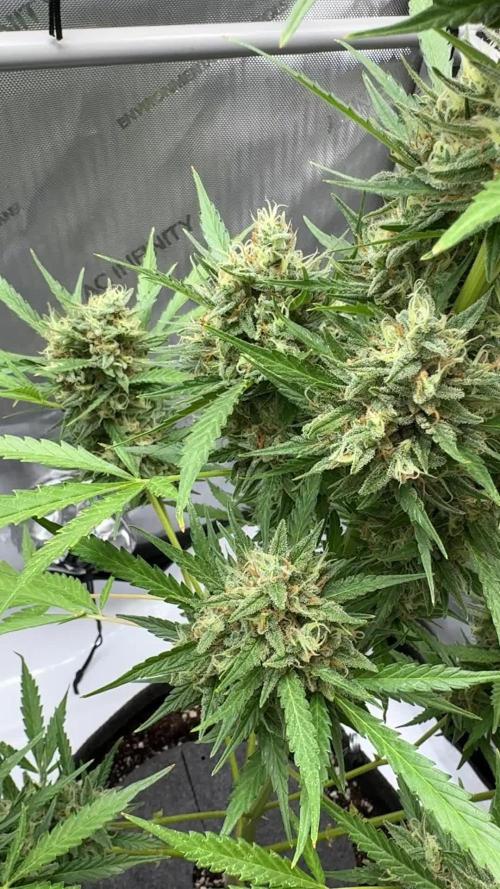
I started to give her only water + CalMag at the last watering. That was 3 days ago and today I gave her water + CalMag again. No nutrients anymore, she still has plenty, which you can see by her green leafs. And she is still drinking a lot, which means that she is not near to be done. No fade on her what so ever which is really sad, I was looking forward to some nice colours at the end of flower. It's day 85 already, she does not look ready at all. I'll give her 2 more weeks max., after that I just chop her down no matter how she looks. I go on vacation and want her to dry during that time. I cannot let her stay in the tent when I am gone so that's her last chance. Hopefully she finishes during the next 14 days.
For the ones who missed it: I removed a head bud from a side branch because of spider mites. I catch some here and there on the leafs but did not spot another camp yet. Hopefully it stays that way and they're not well hidden inside bud sites. That would be a catastrophe. I'll do a bud wash of course but I doubt that you can flush all their well hidden web-camps out, if more of them exist. Let's just hope that I am lucky this time.
// Day 88
Got 3L again, just plain water. No CalMag, no pH adjustment, just hard H20. She does not need anything anymore at this point of life.


Likes
14
Share


@Chucky324
Follow
Hello. This is the end of week 8 and the beginning of week 9 of flowering.
One more week of flowering for these plants and then harvest after 9 weeks of flowering..
Things are good here. I got 1 big flush in. Should be able to get 2 more flushes in this week. And I like a couple of days of dark before harvest.
I'll show some pictures of, before the harvest, next week.
I see some of the buds are heavy enough to start heading for the floor. I though I tied them up tight. 😏
Ok. Be Great.
Chuck.


Likes
8
Share


@pzwags420
Follow
On day 1 the plants are looking good. I confirmed that my one cola was seeded, so I removed all visible seed pods. After this run I will do a deep cleaning to make sure there is no pollen in my grow box. The rest of my plant colas seem fine... I changed out my reservoir and adjusted the PH to 6.1. I also dimmed my light to 75% to mimic spring conditions. On day 2 I adjusted the PH of the reservoir down to 6.1. The plants are looking great besides a few fox tails from too much light. On day 3 the PH in the reservoir is 6.2. On day 4 I diluted my reservoir with plain water to lower the ppm down to 400 ppm, and I adjusted PH to 6.2 . The buds are ripening for sure and smell great! I haven't gotten any autumn colors yet even though I have dimmed my grow light and lowered my night time temps. I hope by 8 weeks the plants will have some more purple tones but if not I'm good with the flower quality thus far :). The breeder says 7-8 weeks so I'm hoping I am close to the finish line. I will continue to monitor the trichomes for ripeness. On day 5 I adjusted the reservoirs PH to 6.0. I harvested my seeded cola on Pheno #1 as it had stopped growing/ripening and would be a good tester ;) On day 6 the reservoirs PH is 6.2. On day 7 the PH is 6.0 50 % pistils have turned amber so I believe I have entered my harvest window and expect to flush and harvest soon:) very excited!