The Grow Awards 2026 🏆
Likes
Comments
Share
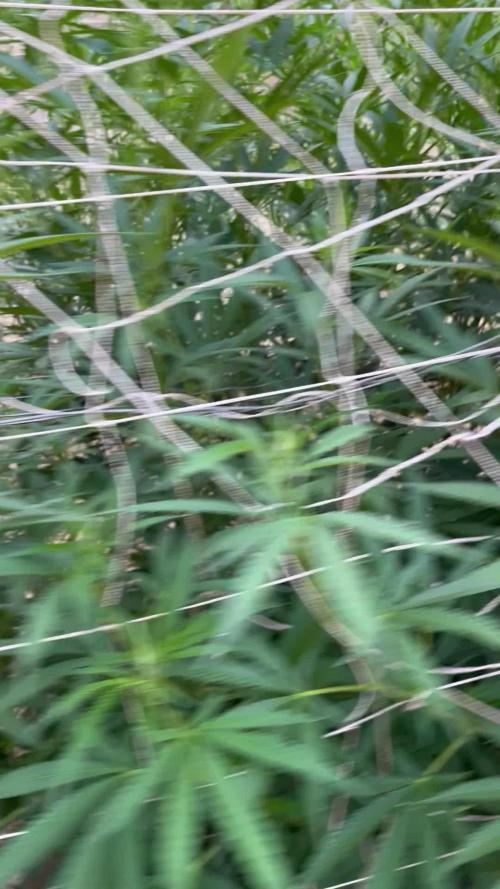
Week 6 and these girls got a scrog net added. As the plants are getting extremely heavy. Started to unfold an open up eagle spread style. So had to lend a helping hand. They got a scrog net added an the untrained plant got tied up from tents upper support bars an lower branches got some support also from the net. So far everything is going smoothly. The e680s light is putting in that work work
Likes
1
Share
@Ninjabuds
Follow
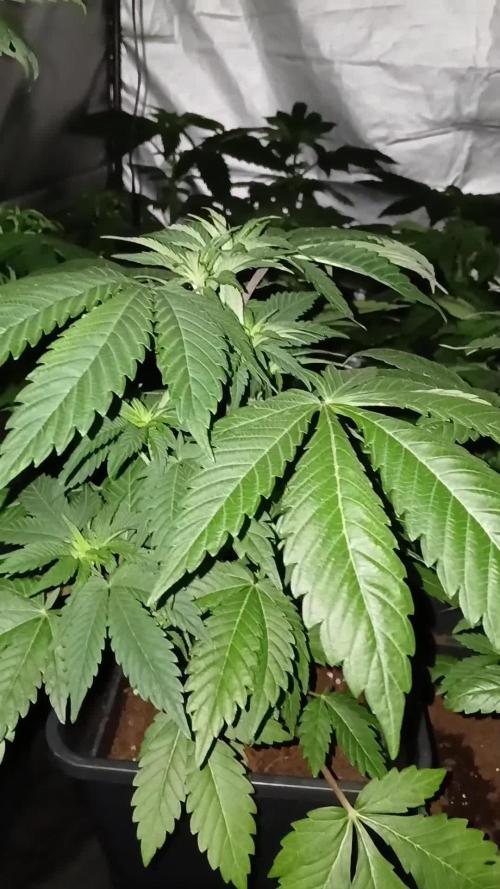
Super boof is doing amazing like expected. The nodes are real close and stacking well medium size leaves with fast growth and a super strong smell. I bet this one finishes fast it’s ahead of the others All of the plants have really taken off. Usually I have a couple plants that are much smaller but all of these plants are getting huge. Seeing I got a new eluefah uap1500 the other day and I have my 2 fastbuds plants under that now I have my spider farmer light free. So I popped up another 2x2 and moved 3 of the 10 plants into the 2x2 and left the 7 other in the 2x4.
Likes
18
Share
Settimana 14 Mercoledi 21/12/2022 Per livello acqua bassa aggiungo 25 lt demineralizzata con 45 ml Flaschclean. Sabato 24/12/2022 raccogliamo.. buona vigilia di natale!
Likes
4
Share
@Hacky82
Follow
Wachstum: Die Pflanze hat sich diese Woche kräftig gestreckt. Die Seitenäste sind deutlich gewachsen und sie zeigt eine schöne gleichmäßige Verzweigung. Der Haupttrieb sowie die Nebentriebe haben sich gut entwickelt – typisch für das Ende der Vegiphase. Blattfarbe ist sattgrün, keine Mängel erkennbar. Struktur ist offen, luftig und gesund – ein gutes Zeichen für die kommende Blüte. Training: Bereits getoppt, gute Wirkung sichtbar. Die Seitentriebe übernehmen zunehmend die Führung. Leichtes LST zur besseren Lichtverteilung wurde begonnen bzw. fortgesetzt. Wasser/Dünger: Gegossen mit Regenwasser . Letzte Gabe des 5in1 Bio-Düngers erfolgt – ab nächster Woche wird auf Blütedünger umgestellt, wenn sich die Vorblüte weiter zeigt. Sonstiges: Vermutlich letzte Woche in der Vegi, da an den oberen Nodien bereits erste Anzeichen der Vorblüte sichtbar sind (kleine “Fädchen”). Ab nächster Woche wird genau beobachtet und ggf. auf Blüteschema umgestellt.
Likes
15
Share
Moin Leute, hab vor paar Tagen mit der Ernte der beiden Pflanzen begonnen, war etwa 3 Stunden mit dem Trimmen der beiden Pflanzen beschäftigt. Von der Farbe sind keine großen Auffälligkeiten erkennbar, Standard orange, hell bis dunkelgrüne Buds dabei. Die Größe der Buds variiert von den beiden Pflanzen, die eine eher mit sehr langen aber eher dünneren Headbuds, die andere eher mit breiten und kürzeren Headbuds. Insgesamt kam jetzt circa 640g Nass auf die Waage zusammen (gewogen am darauffolgenden Tag), denke das wird schon eine ganz gute Ausbeute. Im Nachhinein hätte ich schon eine Woche früher ernten können: Die trichome sind schon an manchen Stellen sehr bernsteinfarben gewesen (siehe Bilder). Auch musste ich ein paar Stellen aufgrund von Schimmel wegschneiden (denke das lag daran, dass manche Triebe zu nah an der Zeltwand lagen und aufgrund des wechselhaften Klimas insgesamt). Insgesamt bin ich natürlich sehr zufrieden mit dem Grow, ich konnte einiges an Erfahrung sammeln und werde diese auch für weitere Grows nutzen. Zurzeit trocknen die beiden im Zelt mit aufgehängtem Trockennetz bei etwa 23 grad und zwischen 55-60 RH. Denke in einer Woche werden diese schon bereit für die Gläser sein, und dann kann man schon mal ein wenig naschen ;) Ich danke nochmals dem Sponsor Dutch Passion für die Gelegenheit, bei diesem Contest dabei gewesen zu sein. Ich bin mit dem Strain sehr zufrieden - es gab kaum Komplikationen, die Pflanzen waren relativ resistent und das Wachstum ziemlich schnell. Ein endgültiges Review werde ich erst nach dem Tasting machen können (um ehrlich zu sein hatte ich mir schon vor ner Woche mal einen Trieb abgeknapst und schon probiert, ist aber natürlich nicht ganz repräsentativ für den Grow - war aber mega :P). Weiter gehts für mich erst mal mit den zwei Stecklingen von den Pflanzen und der dritten Pflanze, die anfangs im Zelt war - diese ist draußen in die reveg gegangen und wird - nachdem die Pflanzen im Zelt trocken sind - zusammen mit den Stecklingen in die Blüte geschickt. Auch möchte ich jedem nochmal danken der dieses Diary supported und mich auf diesem Weg unterstützt - ich bin sehr froh Teil dieser Community zu sein, der gegenseitige Austausch ist wirklich super und alle sind sehr freundlich :) Ich wünsche euch ein schönes Wochenende und ich melde mich zum smoke review wieder. LG Wulle 😻🏻.
Likes
22
Share
@Mazgoth
Follow
After nutrition lockout for about more than a week,8 and a half hours without oxygen because the fan stopped working at night so I notice it in the morning,EVERY PLANT IS STILL ALIVE,I give her a good flush and she is looking much better and much fatter
Likes
5
Share
@CalGonJim
Follow
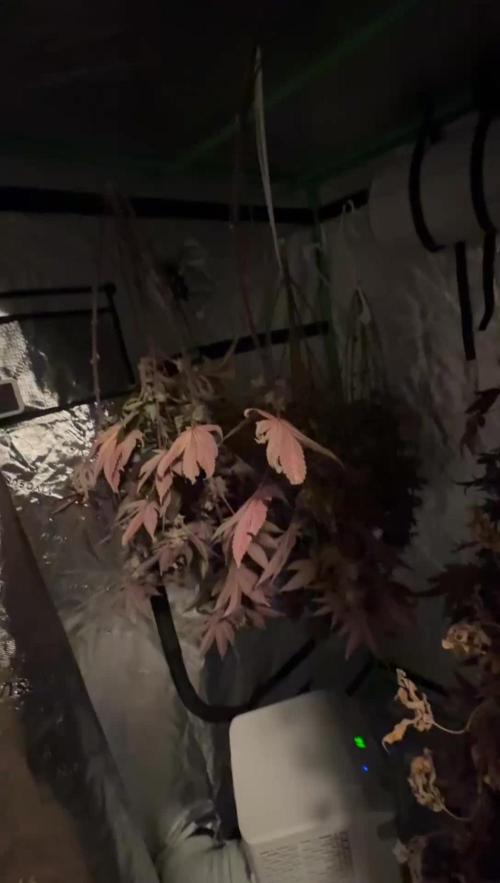
9/15 12AM MONDAY!!! THEY ARE ALL DOING GREAT!!! VERY HEAVY AMINOS YESTERDAY, NO DAMAGE. 9/15 11:24PM. In plant cells, glutathione S-transferases (GSTs) act as transporters, facilitating the movement of anthocyanins from the endoplasmic reticulum (ER) to the vacuole for storage, though their exact mechanism is still being studied. The synthesis of glutathione (GSH) itself occurs in the cytosol of mammalian cells through two ATP-requiring enzymatic steps, while anthocyanins are synthesized via a separate phenylpropanoid pathway 9/15 11:42PM glutathione metabolism glutathione S-transferases plantsThinkingKicking off 5 searchesLooking at 71 sitesPutting it all together In plants, glutathione S-transferases (GSTs) are a diverse family of enzymes integral to glutathione (GSH) metabolism, primarily functioning in detoxification and stress response. The core of this process involves GSTs catalyzing the conjugation of the tripeptide GSH with various toxic compounds, or xenobiotics, making them less harmful and easier to sequester or transport. Glutathione (GSH) metabolism in plants GSH metabolism is a tightly regulated process that maintains cellular redox balance and protects against stress. Biosynthesis: GSH is synthesized in two adenosine triphosphate (ATP)-dependent steps:(gamma )-Glutamylcysteine synthetase (GSH1) joins L-glutamate and L-cysteine to form (gamma )-glutamylcysteine. In Arabidopsis, this enzyme is located exclusively in the chloroplasts.Glutathione synthetase (GSH2) adds glycine to (gamma )-glutamylcysteine to produce GSH. This enzyme is found in both the cytosol and the chloroplasts.Oxidation and reduction: GSH exists in two forms: a reduced monomer (GSH) and an oxidized disulfide dimer (GSSG).Oxidation: In the process of scavenging reactive oxygen species (ROS), GSH is oxidized to GSSG.Reduction: Glutathione reductase (GR) uses NADPH to reduce GSSG back into active GSH, which is essential for maintaining a high GSH-to-GSSG ratio inside the cell.Degradation: Glutathione can be degraded in the cytosol, apoplast, and vacuoles by (gamma )-glutamyltransferases (GGTs) and other peptidases, allowing for recycling of its amino acid components.Transport and compartmentalization: While synthesis occurs in the chloroplasts and cytosol, transporters move GSH and its conjugates throughout the cell, including to the mitochondria, peroxisomes, and vacuoles. Functions of glutathione S-transferases (GSTs) GSTs are a large, ancient gene family with diverse roles that extend beyond detoxification. The primary functions involving GSH are: Detoxification of xenobiotics and heavy metals: GSTs catalyze the conjugation of the thiol group of GSH to a wide range of electrophilic and hydrophobic substrates, including herbicides, pesticides, and heavy metals. The resulting GSH-conjugates are then recognized by ATP-binding cassette (ABC) transporters and sequestered in the vacuole, reducing their cellular toxicity.Protection from oxidative stress: Stress conditions like drought, salinity, and high light increase levels of ROS, which cause lipid peroxidation. 🚨Some GST isoforms have glutathione peroxidase (GPOX) activity, using GSH to reduce toxic lipid hydroperoxides to less damaging alcohols, thereby protecting cell membranes.Defense against pathogens: During pathogen attacks, GST activity increases to detoxify microbial toxins and secondary defense-related compounds. This helps to bolster the plant's resistance response.Metabolism of endogenous compounds: GSTs play roles beyond immediate stress response by participating in the normal metabolic processes of plants. Examples include:Hormone transport: Some GSTs act as binding proteins (ligandins) that transport plant hormones like auxins within the cell.Metabolite transport: Specific GSTs facilitate the transport of important compounds like flavonoids and anthocyanin pigments into the vacuole.Tyrosine degradation: The zeta GST class (GSTZ) catalyzes a critical step in the breakdown of the amino acid tyrosine.Redox signaling: By influencing the GSH/GSSG ratio and interacting with plant hormones, GSTs can regulate cellular signaling pathways that control growth and stress response. 🚨GSTs and plant stress response The expression of many GST genes is highly inducible by various environmental and endogenous cues, making them key players in a plant's ability to adapt to adverse conditions. Abiotic stress: Drought, salinity, heavy metals, and extreme temperatures all trigger increased GST expression, which helps plants manage resulting oxidative damage. Overexpression of specific GST genes has been shown to enhance stress tolerance in transgenic plants.Herbicide resistance: The ability of crops and weeds to detoxify herbicides through GST-catalyzed conjugation is a well-studied example of GSTs in stress adaptation. Herbicide safeners, chemical agents that protect crops from herbicide injury, work by boosting the activity of these GST enzymes.Developmental processes: Studies have linked the expression of certain GST genes to specific stages of plant development, such as fruit ripening, root and stem development, and flower formation. "" 9/16 12:32am AI Overview In plants, phenylalanine is the precursor for anthocyanin synthesis, a process that involves a multistep pathway in which glutathione (GSH) plays a critical role in the transport of the final pigment to the cell vacuole. Phenylalanine initiates anthocyanin synthesis The biosynthesis of anthocyanins begins with the amino acid phenylalanine, which is produced via the shikimate pathway. The conversion process, known as the phenylpropanoid pathway, involves a series of enzymatic reactions: 1. Phenylalanine ammonia-lyase (PAL): This enzyme catalyzes the first committed step of the pathway, converting L-phenylalanine into trans-cinnamic acid. 2. Downstream enzymatic reactions: A series of additional enzymes, such as chalcone synthase and chalcone isomerase, convert the intermediate compounds into unstable anthocyanidins. 3. Glycosylation: Glycosyltransferase enzymes stabilize the anthocyanidins by adding sugar molecules, creating the final, stable anthocyanin pigments. 4. Glutathione is crucial for anthocyanin transport After synthesis, glutathione is essential for transporting anthocyanins for storage. * Glutathione S-transferases (GSTs): These enzymes bind to the newly formed anthocyanins in the cytoplasm. This binding is a key step that facilitates the transport of the anthocyanin-GST complex across the tonoplast (the vacuolar membrane) and into the vacuole. * Vacuolar storage: Once inside the vacuole, the anthocyanins accumulate and provide color to plant parts, such as flowers, fruits, and leaves. * Catalytic role: Recent research has also found that certain GSTs have a catalytic role in anthocyanin synthesis. They can catalyze a dehydration step to form specific anthocyanidins, significantly boosting production in engineered systems. * The process in summary The synthesis and accumulation of anthocyanins involve a coordinated process of multiple steps: 1. Production from phenylalanine: The amino acid phenylalanine enters the phenylpropanoid pathway, where enzymes convert it into the basic flavonoid structures. 2. Formation of anthocyanidins: Further enzymatic modifications produce the colored but unstable anthocyanidins. 3. Stabilization and transport with glutathione: These anthocyanidins are stabilized by glycosylation and then bound by GSTs (which use glutathione). This binding enables their transport into the vacuole for storage and visible pigmentation. 9/15 12:46AM https://pmc.ncbi.nlm.nih.gov/articles/PMC7238016/ 9/16 1:30AM BKO is looking great!!! Conclusion The “butter frosting” resin on Cookie Apple F1, healthy yellow-green fusiform, and Blueberry KO’s pigmented cotyledons show your anthocyanin-glutathione-phenylalanine strategy is working—phenylalanine drives synthesis, glutathione ensures transport. Tweak amino acids to 100–150 mg/L to reduce tip burn. 9/16 3:34am 9/16 4:31AM Anthocyanin glutathione synthesis phenylalanine proline tmg powder relating current project: * Phenylalanine is a precursor: Phenylalanine is an amino acid and the starting point for the phenylpropanoid pathway in plants. * Anthocyanin synthesis: This pathway creates various secondary metabolites, including the flavonoid pigments known as anthocyanins, which give plants their red, purple, and blue colors. * Pathway activation: Multiple enzymes, such as phenylalanine ammonia-lyase (PAL), catalyze the conversion of phenylalanine into the building blocks for anthocyanin. * Anthocyanin and glutathione synthesis * Glutathione S-transferase (GST): This enzyme is crucial for synthesizing anthocyanins in plants. It transports anthocyanins into the cell's vacuole for storage. * Glutathione (GSH) production: Anthocyanins can promote glutathione synthesis in certain cells. For instance, the anthocyanin cyanidin-3-O-β-glucoside (C3G) has been shown to increase the expression of glutamate-cysteine ligase (Gclc), a key enzyme in GSH synthesis. * Antioxidant effect: By upregulating GSH production, anthocyanins contribute to the antioxidant defense system, protecting cells from oxidative stress. * Proline and glutathione synthesis * Shared precursor: In some organisms, the synthesis pathways for proline and glutathione share a precursor molecule called γ-glutamyl phosphate. * Alternative pathway: Research on bacteria and yeast has revealed an alternative, trace pathway where γ-glutamyl phosphate from the proline synthesis pathway can be diverted to produce the glutathione precursor γ-glutamylcysteine. * Oxidative stress response: Studies in mouse oocytes show that supplementing with proline upregulates genes related to glutathione synthesis (Gclc and Gclm), increases glutathione levels, and reduces oxidative stress. * TMG powder, methylation, and homocysteine * Methyl donor: Trimethylglycine (TMG), or betaine, is a potent methyl donor, meaning it provides methyl groups needed for various biochemical processes in the body, including the methylation cycle. * Homocysteine regulation: One of TMG's primary functions is to convert the amino acid homocysteine into methionine. This helps regulate homocysteine levels, which is important for cardiovascular health. * TMG and proline interaction: In plants and some organisms, TMG and proline act as compatible solutes or osmoprotectants, helping cells stabilize against osmotic stress like drought or salinity. However, in human biology, TMG mainly functions through methylation, while proline is involved in different metabolic and antioxidant roles. * How they all relate The listed components are connected through several overlapping metabolic and regulatory pathways: * Anthocyanin synthesis starts with phenylalanine. * Anthocyanins can promote glutathione synthesis via upregulation of key enzymes like Gclc. * Glutathione synthesis can be influenced by the proline synthesis pathway, as they share an intermediate in some contexts. * TMG powder supports the methylation cycle, which helps regulate homocysteine levels. While TMG and proline serve similar protective roles in some organisms, their primary human metabolic functions differ, with TMG focusing on methylation and proline having distinct roles in antioxidant response and metabolism 9/17 217am Die Hard Christmas Grow 9/18, 11:34 AM. I ordered some square saucers that were cartoonishly too small but they fit inside the AC infinity germination kit and they fit with the Bud Cups perfectly really nice so it’s not a total loss. 9/18 11:45AM mix. Foliar Spray, the rest of the mix ec 0.46 Mixed up Aminos first and separate and use 16 oz for foliar spray. Then mixed up: Root: 1 mL/L Connoisseur A & B GROW, .2 mL/L CaliMagic, .2 mL/L Purpinator. Setria Glutathione: 150 mg/L(Brand: Emerald 250mg capsule.) TMG: 150 mg/L = (Brand Nutricost) Phenylalanine: 150 mg/L (Brand Nutricost) Proline: 150 mg/L (Brand Nutricost). 9/18 228PM AI Overview Glutathione influences plant colors by regulating the accumulation of pigmented compounds, primarily anthocyanins. The tripeptide accomplishes this through its role in transporting pigments within plant cells and in protecting against environmental stresses like UV radiation that can cause oxidative damage. Transporting pigments into plant cell vacuoles Glutathione works with a class of enzymes called Glutathione S-transferases (GSTs) to transport pigments like anthocyanins into the vacuole for storage. Anthocyanin transport: In plants with pigmented tissues, such as purple grapes or red flowers, glutathione-conjugated pigments are transported by GSTs across the tonoplast membrane into the vacuole. This process is crucial for the stable accumulation of pigments. Genetic manipulation: Research shows that manipulating specific GST genes can alter a plant's pigmentation. For instance, silencing a particular GST gene in purple grape hyacinths caused their petal color to shift to a lighter shade of purple. Similarly, defective GST genes in carnations resulted in pale-colored flowers. Protecting against UV light and stress Glutathione helps regulate plant pigmentation in response to environmental factors, especially UV-B radiation. Activating flavonoid production: When plants are exposed to UV light, a surge in glutathione triggers the expression of genes involved in producing flavonoids. Flavonoids, including anthocyanins, can act as protective sunscreens for the plant, and their increased synthesis and accumulation can alter visible coloration. Balancing oxidative stress: Intense UV-B radiation increases reactive oxygen species (ROS) in plants, which can cause oxidative damage. Glutathione is a master antioxidant that helps detoxify these ROS, preventing cellular damage that can affect a plant's pigment-producing mechanisms. Indirectly influencing plant colors By regulating cellular redox status and interacting with other molecules, glutathione also affects pigment expression in more indirect ways. The xanthophyll cycle: As part of a plant's antioxidant system, glutathione helps maintain the reduced state of other protective antioxidants like tocopherol and zeaxanthin. Zeaxanthin is a carotenoid pigment involved in the xanthophyll cycle, which helps dissipate excess light energy. Redox signaling: The balance between reduced glutathione (GSH) and oxidized glutathione (GSSG) is a key cellular signal for stress response. A shift in this ratio during environmental stress can influence the production of secondary metabolites like pigments, allowing the plant to adapt. " 9/19 1:41AM AI Overview The key difference is that anthocyanins are the sugar-containing form (glycosides) of pigments, while anthocyanidins are the sugar-free form (aglycones). Anthocyanidins are the foundational molecules, and when a sugar molecule attaches to them, they become anthocyanins, which are more stable and water-soluble, making them the forms found naturally in plants, such as berries and purple vegetables. Anthocyanidin (Aglycone) Structure: The basic, sugar-free molecule of the anthocyanin structure. Location: Not found freely in nature but is the core component that is then glycosylated. Properties: Color changes with pH, being visible in acidic conditions but colorless in basic conditions. Examples: Cyanidin, delphinidin, pelargonidin, peonidin, petunidin, and malvidin. Anthocyanin (Glycoside) Structure: Consists of an anthocyanidin linked to one or more sugar molecules. Location: Found in the vacuoles of plant cells. Properties: Water-soluble and are the pigments responsible for the red, purple, and blue colors in plants. Function: The sugar attached provides stability, allowing for accumulation in plants and providing antioxidant properties. Examples: Cyanidin-3-glucoside and other derivatives like acylated anthocyanins. " 9/19 2:43AM I also saw a good mans immediate accent into Heaven, that perspective matters too. no less angry about it though. 9/19 10AM Heavy Amino spray 250mg each in 1L of Setria Glutathione and Phenylalanine 9/19 10:10PM The sons and daughters of americas real terror organization carried out the last horror show, and the one before that and before that. It's not a foreign country, it's always the anti white anti human black sheets and badges that did this. 9/19 10:43PM AI Overview Phenylalanine and glutathione contribute to plant colors through different biochemical pathways . Phenylalanine is a precursor for the pigments themselves, primarily anthocyanins, while glutathione is involved in the transport and stabilization of these pigments within the plant cell. Phenylalanine: The pigment precursor The source of aromatic compounds: Phenylalanine is an aromatic amino acid and the starting compound for the phenylpropanoid pathway in plants. This pathway produces a vast number of secondary metabolites, including anthocyanins, which give many plants their red, purple, and blue colors. Color enhancement: Research has shown that increasing the amount of available phenylalanine can lead to more intense red coloration in some fruits, such as mangoes and apples. Pathway stimulation: Phenylalanine ammonia-lyase (PAL) is a key enzyme in this pathway that converts phenylalanine into precursors for anthocyanin biosynthesis. An increase in phenylalanine levels stimulates this entire process. Glutathione: The pigment transporter Anthocyanin transport: After anthocyanin pigments are synthesized in the cell's cytoplasm, they must be transported into the central vacuole for storage. Glutathione S-transferases (GSTs) are a family of enzymes that facilitate this process. Color intensity: A functional GST is essential for proper anthocyanin accumulation. Mutations in GST genes can result in a significant decrease in color intensity, as seen in the pale or white flowers of certain gentian mutants. Mechanism of action: The GST binds to the anthocyanin pigment and moves it from the cytoplasm into the vacuole. If the GST is defective, the pigment cannot be transported correctly, leading to a loss of coloration. Summary of interactions The roles of phenylalanine and glutathione are distinct but cooperative in producing plant colors: Phenylalanine provides the essential building blocks for creating the colored compounds (anthocyanins). Glutathione, with the help of GSTs, ensures these colored compounds are correctly moved to their storage location (the vacuole). This cooperative system explains why mutations or deficiencies in either process can lead to reduced or altered coloration in plants." 9/19 10:51PM AI Overview. Trimethylglycine (TMG) supports the production of glutathione, a vital antioxidant . However, there is no evidence to suggest a direct relationship between these supplements, the amino acid phenylalanine, and the colors of plants. The concepts are linked indirectly via complex biological processes. Trimethylglycine (TMG) and glutathione TMG and glutathione are connected through the body's methylation cycle. TMG as a methyl donor: TMG plays a critical role in the methylation process by donating a methyl group, which helps convert the harmful amino acid homocysteine back into methionine. Support for glutathione production: This methylation cycle, which is supported by TMG, is essential for producing glutathione. Glutathione is a powerful antioxidant that protects against cellular damage and is crucial for detoxification. Supplementation considerations: TMG supplements are sometimes taken alongside other supplements to support health, though consultation with a healthcare provider is recommended. Phenylalanine and the methylation cycle Phenylalanine is an essential amino acid, but its role is distinct from the TMG-glutathione process. Essential nutrient: Phenylalanine is a key nutrient for cellular metabolism. Potential interactions: A separate medical study on experimental hyperphenylalaninemia (abnormally high phenylalanine levels) in chicks observed a decrease in other amino acids in the brain, including those involved in the glutathione pathway. This demonstrates how excessive levels of one amino acid can potentially influence others, though this does not represent a typical interaction. Plant colors The connection between the supplements and plant colors is purely conceptual, as the colors are determined by completely different biological processes. Anthocyanins: The colors of many plants, including red, purple, and blue flowers, come from pigments called anthocyanins. Glutathione in plants: While plants contain glutathione as an antioxidant to combat stress, it influences color by regulating the transport and accumulation of anthocyanin pigments, not by being a pigment itself. TMG and phenylalanine in plants: Plants contain TMG, which functions as an osmoprotectant (protecting against osmotic stress). They also contain phenylalanine, but these substances do not directly determine the plant's visible color." 9/19 11:21PM. !!!!!! this was pointless and im dumber for having read it. !!! Light intensity and spectrum affect metabolism of glutathione and amino acids at transcriptional level: https://pmc.ncbi.nlm.nih.gov/articles/PMC6938384/ 9/20 11:08 AM the seedlings and the four autos are doing just great. The amino spray with phenylene and glutathione really had nice effects no burning nice solid growth even seedlings from basil lavender various lettuce all are perfect.🚨🚨🚨👍👍👍👍👍 9/21 2AM I AM BECOME ANTHOCYANID!!! ITS WORKING AND ON A SEEDLING I SEE THE GELATO COLLORS IN BLUEBERRY KO AND THE LEAF SHAPE OF BUBBLES BLUEBERRY,!!!
Likes
3
Share
@madcash
Follow
Really stacking nicely now. Added a UV light bar to the setup - going on for 1 hr / day total, in 15 min every hour increments in middle of day.
Likes
6
Share
@Killabeez
Follow
This one come in on top of my list, buds are fat and covered in tricomes also it has a lovely stench! Great autoflower genetics! Harvest 9weeks from seed
Likes
114
Share
💩Alrighty Then Growmies We Are Back At it 💩 Well folks we just finished up the last run and so we are back to do it all over again 😁 So what do you say we have some fun 👈 We got some Gorilla Punch 👊 👊 👊 Redue 👉 I just had to do this one again 😛 ( Love the smoke, terps, and effects, ) Definitely Would Recommend 👌 Seed soaked for 24 then placed in a tub with paper towels , once it cracked and rooted , placed into its main pot 👌 FC4800 from MarsHydro Lights being readjusted and chart updated .........👍 www.marshydro.ca 👉I used NutriNPK for nutrients for my grows and welcome anyone to give them a try .👈 👉 www.nutrinpk.com 👈 NutriNPK Cal MAG 14-0-14 NutriNPK Grow 28-14-14 NutriNPK Bloom 8-20-30 NutriNPK Bloom Booster 0-52-34 I GOT MULTIPLE DIARIES ON THE GO 😱 please check them out 😎 👉THANKS FOR TAKING THE TIME TO GO OVER MY DIARIES 👈
Likes
3
Share
@Rinna
Follow
Defoliated here and there, she's stretching hard now so I'm gonna have to wait a few more weeks before I can really start stripping and defoliating her. Because I LST, topped, and then super cropped all the main branches, there's way to much branches for the available surface.
Likes
12
Share
@Brickie74
Follow
So far so good. Not all that much to say this week. She is still going strong but a bit slower than a few others i have growing now. Continuing the LST trying to keep as many bud sites exposed to the light as possible.
Likes
16
Share
Stopped adding nutrients 2 weeks ago due to slight nutrient burn. Also I am growing in an organic composted 'super soil' that should have plenty of nutrients of its own (probably partly why I saw some nutrient burn after adding additional nutrients). Trichomes look nice and milky. Probably harvesting this week.
Likes
5
Share
So it’s been 11 days since I last seen them we’ve had a couple showers of rain between that time, she’s started flowering.. Some animal has helped itself to a few tips and leaves, only took probably 2-3 tops and a couple leaves but mustn’t of enjoyed it.. I hope so anyway. 🤞 So everyone how does it look?? Anything I should do?? Any tips on how to support the branches for when they get abit heavier? Thanks everyone!!
Likes
10
Share
She is growing large and fat looking forward to next week's to see the monster ladie
Likes
73
Share
@MisterZ
Follow
Bonjour les amis, Je me suis absenté et je n'ai pas apporté beaucoup de soins. Peu de photos dernièrement, les fleurs commencent à se former et une odeur légère est apparue. J'ai taillé le niveau le plus bas. J'ai amélioré l'environnement, l'isolation et la température est maintenant meilleure. Les feuilles ne s'enroulent plus et le développement se poursuit. J'arrose d'un litre tous les 4 jours environ. À bientôt, M.
Likes
38
Share
@Oyziphar
Follow
DAY49 7 Weeks Buds are hard. Smell is extreme. Very limited amount of spidermites under some leaves. No reason to exterminate them, because next week I'll probably harvest the plants. The smell of the Triple G is fanastic, Big separated buds. The Cookies Gelato are more sativa style of buds than I'm use of them. There leaves are turning purple. The Liberty Haze has a lot of small leaves in the buds, and thet got amasing blinking white flowers. Probably this will be the plants I'll harvest the last, because they need some extra flowering time. The Wedding Gelato is creamy, lots of trichomes and is fast flowering. But some flowers got budrot. I'ts hard to get the humidity low because of the rainy and misty autumn outside.
Likes
48
Share
@Rangaku
Follow
GSC is doing great she’s covered in nice bud and winding down now , she’ll back off on the feed this week and start flushing next week . I’ve already picked a few smokes off of this little monster and it tastes so nice . I super cropped a few of the taller buds just to get them out of the light so much and gave her a defol, she’s happy as .