




Likes
9
Share


@TheWeedaltor
Follow
She took her first (and maybe only) natural sun before going direct under the HPS hell 😂🤙
Likes
5
Share


@Deli_Weed
Follow
Esta semana fue solamente de flush 🚿 en esta ocasión decidí usar florakleen para ver con cual obtengo mejor resultado si con este o con flawless finish, lo hice así, primero hice un lavado con pura agua con ph de 6.2 lo hice desde el ultimo día de la semana anterior, fue lavado doble, uno en cuanto se encendio la luz y otro justo antes de apagarse, luego empezando esta semana regué dos dias usando el florakleen y ph de 6.2, el tercer día no regué y al final de ese día le di corte ✂️ y la colgué, actualmente ya la tengo curando, la tuve 10 días secándose con una humedad de entre 50 y 60% para un secado lento.

Likes
12
Share


@HIAZ_urbanbudfarmer
Follow
Flower day 32, week 5.
Every thing going well.
Filled out the majority of the tent
Removed all popcorn growth beneath scrog net.
2nd scrog net to support branches & separate them also.
Way to many colas to count!
Really filling out, & stacking up.
BIG colas! Every where.
Super resinous, very very sticky.
Likes
2
Share

@AlphaCut_Gen
Follow
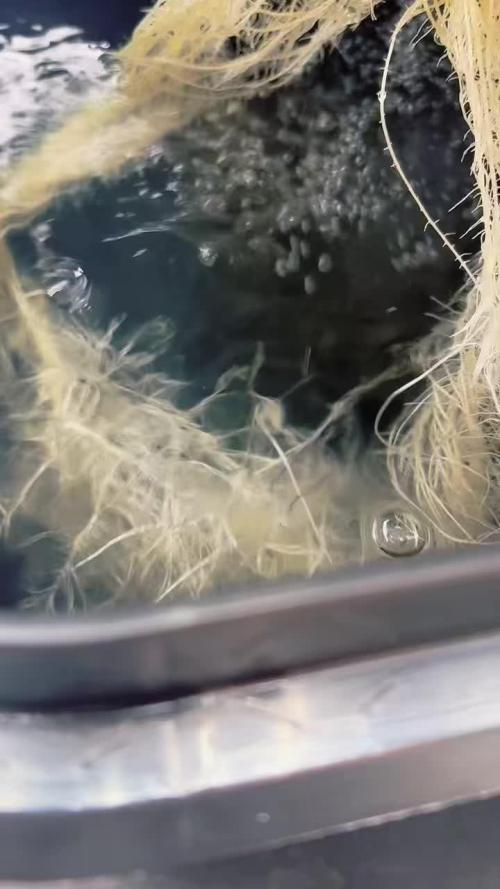
Minor pH drift caused a Ca/Mg deficiency. Corrected with a full water change and adjustments—plants recovered fast. Running 1.8 EC, pH locked at 6.0. Light intensity increased another 25% and VPD at 0.9–1.1. Put the trellis net in—plan is to fully fill most the net within two weeks before flower
Likes
40
Share


@Ganja_Victoria_Aus
Follow
LITTLE BEAST PLANT. GETTING ALL THE LOVE AND CARE I CAN GIVE THEM!
15 Apr. Finally I close a period of my life. With the previous grow. Got switch light. Now running fluence spyder 2i 630w full blast 70 cm from plant. Plenty c02 even if this version of fluence doesn't requires. I'm watering the plant almost everyday. Growing pretty fast.
Orange Kusk Cake topping 8 main node. I'm about to turn the first one in a monster. Mainling super cropping lst hst all in. I get to know her more close.
16 everything is running smoothly. Amazing computer keep temperature night and day under control also fan speed. Every tools work in redundancy and equality low speed talking each other.
Plant growing beautifully and super lushness. 3 more week of veg. After allingin all of them. Few clones for patient friend. New grower people. Switch to flower. I'm in peace of mind.
17 Apr. I bend and snap practically every node. Poor Lady.
I don't have the right of the music. Please remove it if create trouble.

Likes
11
Share


@RunWithIt
Follow
This update was made Day 58 from seed. I just now realized I've had my day count offset by about 2-3 days. No biggie, at least it's been rectified.
Anyways, onto the update. Beautiful deep purple tones have begun peeking throughout the plant. Similar to my lemon berry but with more of a magenta hue.
Feedings have been rather frequent. 2-3 nute feedings last week. With XSD. For the rest of the grow, XSD will be omitted. Just molasses and Liquid Seaweed from here on out.
Absolutely love the development of this photo period variety. I'll probably give this strain a rest for the next journal, however. Still need to spread my wings with Ethos' catalogue.
Likes
11
Share


@PurpleFingers
Follow
Ready for a week of water only.
Really frosty buds and extremely fruity terps.
I did hit he with a little dose of PK before the flush which looks like it has helped.


Likes
2
Share


@EtnoGrow
Follow
todo muy bien! esperando paciente el desarrollo de los cogollos, conociendo y viendo los puntos de maduracion asi como la fertilizacion ajustando a su maximo que creemos posible para incentivar que los cogollos engorden, ahora en adelante les hare segumiento de la grande principalmente, que es la que cumple con la edad del diario, ya que las otras como se explico en un principio venian recien cultivadas por eso tienen un par de semanas de retraso , tambien hay una hermafrodita, que al detectar como comentamos semanas anteriores aplicamos al tecnica vista de un cultivador mexicano, consistia en romper los brotes de machos las pelotas con el fin de que no vuelvan a salir, dejando solo los pelos estigmas de las hermbras, si bien el cogollo queda maltratado, al parecer se detiene el crecimiento, asi que estamos viendo como rinde ese experimento.
Likes
29
Share


@yvet_te
Follow
Waited a little long to top the three shorties. Made a little time lapse from weeks 4.5 and 5.5, kind of cool to watch them puff up and grow! They’re coming along nicely!

Likes
7
Share


@Cogollo_eu
Follow
**Encontrarás la traducción a español al final de la descripción**
From/Desde: 22/02/19 || To/Hasta: 28/02/19
From day/Desde día: 1 || To day/Hasta día: 7
-----INTRO-----
Hi Buds!!, this is my new diary, the first i made while growing, as the other diaries i have were made close or after harvest.
This is my second indoor grow, you can check my first indoor grow here (Auto BlueBerry Mazar x4):
- https://growdiaries.com/diaries/24700-auto-bbmazar-x-4-1rst-indoor-60-to-90
Also i have a couple of diaries of an outdoor grow series (my first grow experience) that i made this summer, there you will find Lemon Zkittle, Think Big, Auto GlueBerry, Critical + 2.0 Auto, Auto Girl Scout Cookies & Auto Mazar (some are in progress and some are to come), check my user page if you are interested: https://growdiaries.com/grower/abducted.
This time i'm going to grow 2 different Feminized Strains, 2 x Gorilla Glue @Dinafem & 2 x Money Maker @StrainHunters, i will make separate diaries as suggested by @GrowDiaries. You can find the Gorilla Diary here: https://growdiaries.com/diaries/25675-makingmoney-with-gorilla-mm-vs-gorilla
My expectations inspired by @TOTEM awesome Man-Linning Dr. Grinspoon plant (https://growdiaries.com/diaries/18090-dr-grinspoon-by-totem) are to try to perform a small Man-lining in both plants or in one of them, i'm still guessing. I'n not trying to reach the kind of monster TOTEM has, as i don't have equipment nor even place. Also i want a max 3,5 months grow, so i'm planning 4 or 5 weeks of growing, and my pots are just 8l, but i want to see where i reach with a feminized strain and with the equipment i have, trying to apply technics for first time. I just LST'ed a Lemon Zkittle, but i wasn't a really LST.
-----IMAGES & VIDEOS-----
Photo 1: Seeds stocked from summer
Video 5: Timelapsed planting non germinated seeds
Photo 9: Somangos at back, they've grown almost wild outdoors, tomorrow (02/03/19) i will harvest them. You can see the first weeks of that Somangos in this diary (weeks 1 to 7): https://growdiaries.com/diaries/24700-auto-bbmazar-x-4-1rst-indoor-60-to-90
Video 16: Timelapsed transplantation
-----WEEK SUMMARY-----
This week is the setting up medium week, the day 21 (22 already as were 4:40 a.m.) i prepared small pots with soil as seen on images and videos and buried the seeds at about 1 cm deep, in this case 2 Gorillas and 2 Money Makers. After buried i irrigated the pots with 2 syringes of 60 ml on each. And put them under a 50W Led (pink/purple light), you can see the process in video 5.
The first gorilla (A.Gorilla) showed itself few minutes past day 23, the day 24 at about 00:00, the second Gorilla (B.Gorilla) emerged the same day 24 at 15:44, the first Money Maker (B. Money) appeared the day 24 between 23:30 & 00:00 and the last money (A.Money) appeared the day 25 at 13:50.
The day 28 i transplanted the babies to 8 l pots (Root Poch), you can see the process in video 16.
-----WATERING CALENDAR-----
22/02/19 - 120 ml with all week nutrients @ 0.4~0.5 E.C. PH5.5
24/02/19 - 10 ml with all week nutrients @ 0.4~0.5 E.C. PH5.5 (over buried seed)
28/02/19 - 1.500 ml with all week nutrients @ 0.4~0.5 E.C. PH5.5 (Setting up the 8l pot)
*****ESPAÑOL*****
**Encontrarás la traducción a español al final de la descripción**
From/Desde: 22/02/19 || To/Hasta: 28/02/19
From day/Desde día: 1 || To day/Hasta día: 7
-----INTRO-----
¡Muy buenas compañeros!, este es nuevo diario, el primero que seguiré mientras se desarrolla la plantación, ya que los demás que he escrito lo he hecho con la cosecha a punto o ya realizada. Esta es mi segunda experiencia indoor, podéis ver la primera en este diario (Auto BlueBerry Mazar x4):
- https://growdiaries.com/diaries/24700-auto-bbmazar-x-4-1rst-indoor-60-to-90
También tengo unos cuantos diarios que forman una serie de cultivos correspondientes a lo que he plantado este verano, que ha sido mi primera experiencia. En ellos encontrarás las genéticas Lemon Zkittle, Think Big, Auto GlueBerry, Critical + 2.0 Auto, Auto Girl Scout Cookies y Auto Mazar (unos los estoy desarrollando ahora mismo y otros están por venir), si están interesado visita mi página de GrowDiaries: https://growdiaries.com/grower/abducted.
Esta vez voy a crecer 2 genéticas feminizadas diferentes, 2 Gorilla Glue de @Dinafem y 2 Money Maker de @StrainHunters, haré diarios separados como recomienda @GrowDiaries. Podéis encontrar el diario de las Gorilla aquí: https://growdiaries.com/diaries/25675-makingmoney-with-gorilla-mm-vs-gorilla
Mis expectativas para este cultivo son introducirme en alguna técnicas de cultivo, inspirado por la increíble Dr.Grinspoon de @TOTEM alineada desde el principio (https://growdiaries.com/diaries/18090-dr-grinspoon-by-totem). Voy a intentar hacer una alineación principal pequeña en una de las plantas o en ambas, aún estoy decidiéndome. Por supuesto no voy a intentar crear un monstruo como el de TOTEM, pues no tengo ni el espacio ni el equipo adecuados, además de que quiero que el cultivo no me sobrepase los 3 meses y medio, por lo que planeo hacer 4 o 5 semanas de crecimiento únicamente, también está el hecho de que mis tiestos son de 8 litros que no es demasiado, por lo que quiero ver hasta donde llego con una genética feminizada y el equipo que tengo, intentando aplicar las técnicas de cultivo principales por primera vez. Este verano le hice LST a una Lemon Zkittle, pero no fue un LST verdadero.
-----IMAGENES & VÍDEOS-----
Foto 1: Mi stock de semillas desde verano
Vídeo 5: plantando las semillas en TimeLapse
Foto 9: En el fondo unas Somangos, han crecido medio salvajes en exteriores, mañana (02/03/19) haré la cosecha. Podéis ver las primeras semanas de estas Somangos en las 7 primeras semanas de este diario: https://growdiaries.com/diaries/24700-auto-bbmazar-x-4-1rst-indoor-60-to-90
Vídeo 16: Transplante en TimeLapse
-----SUMARIO SEMANAL-----
Esta semana es la de configuración del entorno de cultivo, el día 21 (22 ya pues eran las 4:40 a.m.), preparé unos tiestos pequeños con tierra como se ve en las imágenes y vídeos, y planté las semillas a aproximadamente 1 cm de profundidad, en este caso 2 semillas Gorilla y 2 Money Makers. Después de plantar las semillas regué los tiestos echando 2 jeringas de 60 ml en cada uno. Después dejé los tiestos bajo un foco led de 50W (rosa/morado), podéis ver este proceso en el vídeo 5.
la primera Gorilla (A.Gorilla) apareció unos minutos pasado el día 23, el 24 a las 00:00 +/-, la segunda Gorilla (B.Gorilla), salió el mismo día a las 15:44, la primera Money Maker en aparecer (B.Money) apareció también el día 24 entre las 23:30 y las 00:00 y la última que pareció fue la otra money (A.Money) el día 25 a las 13:50
El día 28 transplanté a lso tiestos definitivos de 8l de la marca (Root Poch), podéis ver el proceso en el vídeo 16.
-----CALENDARIO DE RIEGO-----
22/02/19 - 120 ml con todos los nutrientes semanales @ 0.4~0.5 E.C. PH5.5
24/02/19 - 10 ml con todos los nutrientes semanales @ 0.4~0.5 E.C. PH5.5 (sobre las semillas)
28/02/19 - 1.500 ml con todos los nutrientes semanales @ 0.4~0.5 E.C. PH5.5 (regado inicial del tiesto de 8l)

Likes
39
Share


@Hazecat_420
Follow
Se realizó una defoliación en la parte más baja y en las 2 hojas más grandes de la parte superior para que pudiera entrar de mejor manera la luz a los brotes más pequeños. Se aplicó Voodo Juice para las raíces y Top Bloom para la floración, ya todas tomaron de buena manera el cambio del fotoperiodo. Seguimos 👽 ...
Likes
45
Share


@masterofsmeagol
Follow
8/27 I think I mightve been overwatering. It's so hard to tell when the conditions change week to week. That's Maine for ya. Bags were still heavy and plants were soaked. I tried to shake the more advanced flowering plants without sending water everywhere. That's how septoria spreads. The event horizon I treated with plant doctor looks the best it ever has. It's tile for another application on the toasted toffy. I'm seeing a few spots again. I didn't have time to take pictures or do a video. This video is from last night. I'll treat that toasted toffy again today and I'll record it here. After I see it working u may treat the others. I see some residue of k bicarb but it has pretty much eradicated the pm. I know it will always be there but these treatments seem to be working. I'll be adding beastie bloom to my line up soon. EVERYDAY I go over the buds are bigger more compact and dense. Event horizon, toasted toffy and the red runtz (I think) in the 50 are flowering to beat hell! The get bigger everytime I see them. I can smell them as soon as I round the corner. This is going to be a good year. These strainsxare high in thc. Maybe I gave up some mold resistance and a harder to grow strain but if I can make it to the end it will be fire.
WENT BACK OVER AROUND 5. OBVIOUSLY IN THIS SCORCHING 80°+ day the seedling in the 10 was dry as a popcorn fart. Some other plants seemed dry when I stuck my arm down the bag but I could feel some moisture when I pushed my finger through the medium. They WILL need water but I'm not giving it to them tonight. Took a shit ton if pictures and a video this morning. I'll uploadcthat shit tomorrow. I'm trying to do a couple right now. Anyway I continued to defoliate what needs it. Flowers are swelling. I GAVE THE TOASTED TOFFY ITS 2ND TREATING OF PLANT DOCTOR. I USED A QTR GALLON OF A 4 TSP PER GALLON MIXTURE. I MADE SURE TO GET AS MUCH OF THE FOLIAGE AS POSSIBLE AND THEN I USED THE RESTCON THE MEDIUM. I SHOULDVE PROBABLY WATERED THAT ONE BUT ITS GOING TO RAIN TONIGHT. AT LEAST I HOPE IT IS. Looks like some of the pics are uploading! Yay! The plants looked the best I've ever seen them tonight so I held off watering. My wife is I'll and may need to go to the hospital. So instead of watering prematurely I can monitor the situation and make a decision in the morning. I made enough phed water for my father to go around and water everything. He is aware of the situation. Hopfully that will not be necessary. However, I don't want to over water and I feel like they didn't want it. Just going with my intuition. It's done me pretty good so far.
8/28 Luckily no hospital. It's sprinkling out. Plants are covered in water so we got SOME rain. It says we will get 0.00 but that can't be right. I watered the 10 yesterday and everything else this morning with a gallon each except the middle gmo in the 30 which got 1.5 gallons. Did not water the one in the 50 gal pot. It looks a little overwatered. Also looks like it has a slight calcium/magnesium deficiency. I'll up the calmag and i'll make sure when I do water I'll water thoroughly. Like usual toasted toffy is looking better after the treatment. The all star has been the k bicarb. I haven't seen shit for pm. Just a little residue from the k-bicarb. Took a video and some pictures. This is the fun time. I like watching the buds develop. Some of these plants were monster cropped so they are STACKED. I'll keep what I do updated.
8/29 Made an awesome video today bit it won't upload. Probably because its a little over 2 minutes. I'll do another one if it won't upload. Nope it won't even attempt to upload it now. Oh well. They flowers just looked so pretty this morning. I noticed some WPM on the event horizon in the middle. I noticed SOME on the bottom and interior of the GMO that I had already identified. I'll do another k-bicarb treatment and see how that goes. Plant Doctor seems to he doing a pretty good job on the septoria on toastedctoffy and my favorite event horizon. That plantvis THICK. it's going to be stacked and have some huge colas. I need to LST it and suppirt those giant colas and separate them a bit more. There is never any shortage of work to be done I can tell you that. I have defoliation to do on the sherb pie and the middle event horizon. It seems like crisis after crisis. Bu my plants are STRONG.
8/30 It was in the 40s at 6am. Shook off the plants. Bags are still heavy. I see some septoria climbing a bottom branch of the toasted toffy. It's foggy as hell out. Can't see a foot in front of me. Saw a LITTLE PM on the gmo I've been treating. It's just time to apply the ki bicarb. Plant Doctor is working wonders on even horizon in the back. I see some pm on the one in the middle. I think I'll treat that with plant doctor as well. I'm not sure. I messed up the video. I've got work to do. I'm waiting until I water and I'll feed again. I'm going to add beastie bloom to the lineup this time I think. Only one plant seems like it m9ght be too early for it. We'll see. I need to look back. I'll document what I do. Video won't upload. I'll try later but it's sideways
WENT OVER AROUND 3PM AND EVERYTHING LOOKED FABULOUS. WELL....THE PLANT I DIDNT WATERCLAST TIME IN THE 50 WAS DROOPING SO I GAVE IT A GALLON AND A HALF. THE TEN WAS LIGHT SO I GAVE IT A GALLON. IT WASNT DROOPY BUT ITS A HUGE PLANT IN A 10GAL AND USES A LOT OF WATER. I WAS PLANNING TO GO CHECK THEM TONIGHT AND SEE IF THEY NEEDED WATER BUT EVERYTHING IS PRAYING TO THE SUN! I DONT WANT TO OVERWATER AND I BELIEVE THESE WOULD BE BEST SUITED TO BE WATERED IN TGE MORNING. ILL FEED THIS TIME AS WELL. IM CONSIDERING ANOTHER APP OF K BICARB. TOOK A FEW PICTURES AND VIDEOS BUT ILL NEED TO UPLOAD
8/31 FED AND WATERED EVERYTHING. TOASTED TOFFY DIDNT GET FED DUE TO SEPTORIA AND THE 10 ISNT FAR ENOUGH ALONG.. THE 50 WAS WATERED YESTERDAY BUT GOT THE FEED WITH A LITTLE MORE WATER THIS MORNING. I ADDED ABOUT 1/16 TSP BEASTUE BLOOM TO THE REGULAR LINEUP TO SEE HOW IT GOES. MY BUDDY TOLD ME LOTS OF PEOPLE HAVING PROBLEMS WITH PM. I WENT BACK OVER TO DEFOLIATE AND LOOK FOR PM AND I FOUND IT. ON THE GMO INTETIOR AND SOME BOTTOM BRANCHES. I DEFOLIATED WHAT WAS BAD AND THEN I SPRAYED 3 GMO'S, EVENT HORIZON IN THE MIDDLE AND SHERB PIE WITH K-BICARB. HOPFULLY THAT WILL KEEP THINGS OUT OF CONTROL. I WILL BE WATCHING AND KEEPING UP WITH FUNGACIDES. IF I FIND ONE NOT WORKING ILL SWITCH IT UP. I HAVE A FEW OPTIONS. BUDS ARE EXPLODING IN GROWTH! WINDY OUT. I SAW A SECONDARY BRANCH LIMP AND MY GEART SUNK. I LOOKED DOWN THOUGH AND SAW THAT IT JUST WAS BLOWN HATD AGAINST THE TOMATO CAGE AND SNAPPED. I REMOVED IT WITB A SIGH OF RELIEF. MY BUDDY SAYS THE SEPTORIA DOESNT LOOK TO BAD AND ITS PRETTY FAR IN FLOWER SO HE THINKS ILL BE ALRIGHT. NEVER GROWING CLONES AGAIN. ILL STICK TO SEEDS AND STEAINS MADE FOR MAINES
9/1 Forgot to write an entry. IT RAINED FOR A BIT BUT TURNED TO BRIGHT 80'S
9/2 WATERED EVERYTHING. I THINK ITS TIME FOR ANOTHER TREATMENT OF PLANT DOCTOR TODAY. The septoria is getting a little worse. The buds are swelling everyday though. I think this plant only has a month left. I just need to outrun it. So far so good. I think my watering habits are better now. It's different depending on weather. Potassium bicarb has been wonderful treating the pm on that gmo. I treated the middle event horizon with it as well. It seems to work awesome. I'm losing tons of leaves. I hope that's normal senescence. I think it is seeing as how I see SOME foliage in the woods. Its matching other diaries. The plant must shed some leaves to make these flowers that seem to double in size every time I see them! Trying to upload a couple videos but they are long so we'll see what happens.
WENT BACK OVER AT NIGHT ANDCAPPLIED A LITTLE BIT OF K BICARB AND DEFOLIATED WHAT I SAW ON THAT GMO. IVE BEEN DEFOLIATING WHAT SEEMS LIKE A LOT BUT BUDS ARE SWELLING AND ITS CONGRUENT WITH THE MAJORITY OF MY DIARIES. I WISH I HAD PERFECT CONDITIONS BUT I DONT. I TREATED THE EVENTHORIZON WITH PLANT DOCTOR AGAIN. I USED APPROX A QTR GALLON OF 2 TSP/GALLON AND TRIED TO AVOID BUDS WHILE STILL GETTING THE LEAVES. I KINDA USED THE REST AS A SQUALCH SINCE I HAD WATERED THIS MORNING. THE WIND WAS STRONG. I ADDED A GARDEN STAKE AND ROPE SUPPORT TO THE TOASTED TOFFY AND ATTACHED IT RIGHT TO THE FRAME OF THE CAGE. LOOKS GOOD FOR NOW. ILL KEEP THINGS UPDATED.

Likes
24
Share


@BB_UK
Follow
She's the one on the right at the front and is stood at 39"+ she has such a beautiful fade on her leaves from early of purple red pink and already is letting off some deep tones, so she's going to be a powerful strain!

Likes
19
Share


@Osrsbuddy
Follow
Happy with my first grow! Was relatively easy for my first time, had no issues other than buds not getting as fat as I wanted but still came away with 35g from 1 plant in a 2x2x3 tent with 1 small 100 watt grow light so all in all I say it was a success!

Likes
12
Share


@tipsyking
Follow
Fungus gnat seems to be gone forever after less than a week after applying bti+air flow!
She looks happier, buds are fattening up very fast now, trich production on point.

Likes
11
Share


@The_Hoods_Club
Follow
Third week since the change of photoperiod and resin production begins to look promising, we expect a fairly abundant layer of resin for extractions.

Likes
35
Share


@valiotoro
Follow
Hello everyone 😎
Week 5 of flower for the Gorilla Cookies auto from Fast Buds 💥🍪
She grew fast with a beautiful green color,for the nutrient 4ml/L terra bloom & 1ml/L power buds & Green sensation 1ml/L from Plagron
Spider Farmer SE-7000 70%
Have a nice day 😋
Processing
Likes
38
Share


@snowybudz
Follow
Just gotta get the cmh for the veg tent and some ducting, hang the 600 in between the 2 thouies and bloom is on... some transplanted some left to transplant

Likes
9
Share


@Doctor_Torex
Follow
Il titolo lo potrei definire ( meravigliose creature) . Cmq siamo alla quarta settimana è tutto va alla grande, devo dire che per me che vengo dall’idroponica, lavorare con la terra è davvero semplice. Domanda per gli esperti; come vi sembra questa coltura? Devo sistemare qualcosa?
