The Grow Awards 2026 🏆
Likes
Comments
Share
@Nune2021
Follow
Hey sorry das ich es nicht vorher geschafft habe bzw nicht komplett dokumentiert habe aber die Pflanzen machen sich gut für die Umstände vor der Blüte haben die Pflanzen Nährstoff Probleme gezeigt oder das kommt von dem Insektizid das ich angewendet habe weil ich mit trauermücken zutun hatte
Likes
18
Share
@PakkaFarm
Follow
Start rinsing day 71 💧🚿 Light 35 cm day 72 💡 Trichomes pics last day for my girl 🍊🤩😭
Likes
15
Share
@PapasGrow
Follow
Tent from Mars Hydro Factory (3,3'x3,3') 🏕️ Powered by Mars Hydro LED FC 3000 🐙🚀 Super Lemon Haze CBD from clone 🍋 Genetics from Green House Seeds 🌿 Flowering week 4 ✅ 25L coco 🌴 Green House Feeding Mineral Line 💦
Likes
34
Share
@Roberts
Follow
Blue Dream Auto grew okay. She didn't get as big as I expected, but I was not able to keep grow temp up due to the winter. She is loaded in trichromes and has a berry, woody, citrus aroma. I am gonna cut her today and get back with a smoke report soon. Thank you Seedsman, and Medic Grow. 🤜🏻🤛🏻🌱❄️ Thank you grow diaries community for the 👇likes👇, follows, comments, and subscriptions on my YouTube channel👇. ❄️🌱🍻 https://www.seedsman.com/?a_aid=Mrsour420. This is my affiliate link to seedsman. Thank you Happy Growing 🌱🌱🌱 https://youtube.com/channel/UCAhN7yRzWLpcaRHhMIQ7X4g.
Likes
4
Share
Quick tour taking a little longer to flower than expected but I don't mind that askong as there healthy it'd more important not had any problems with these plants so if they take an.extra week to flower I forgive them super hardy plants with massive yeilds will be doing more zamnesia f1 for
Likes
13
Share
Bestva Quantum Board LM301B / Mr Hide seeds Semana de agua reposada únicamente. Están casi totalmente amarillas, lo que indica que se han lavado bien. Flores compactas, sanas, olorosas y pegajosas. Semana de cosecha 🤙🔥
Likes
8
Share
@Lazuli
Follow
Final week the smell is amazing so fruity
Likes
12
Share
Checkout my Instagram @smallbudz to see the Small budget grow setup for indoor use, low watt, low heat, low noise, step by step. 21/12/2019 - Fed her 1.5l of 6.4PH water with 0,5ml of each: Grow, Bloom and Max, and 1ml of each: Heaven, Alga-mic and Vera, noticed almost no run off, I use about 1/3 of the nutrient dosage on the chart, to achieve about 200/300PPM (500 scale). Did some light pruning also.
Likes
7
Share
@Hash268
Follow
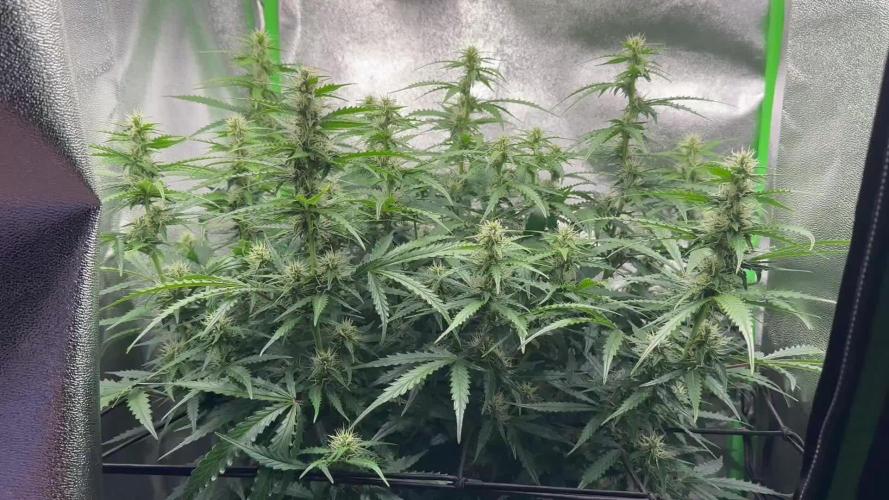
With this beautiful lady just days away from hanging I must say she is a sight to behold I dont think my cam is doing the job right but I'm working on that for future grow. The buds are rock hard with a purple and gold color on her buds, she is already cleaning up awesomely so flushing should take it a notch up stay tuned.
Likes
21
Share
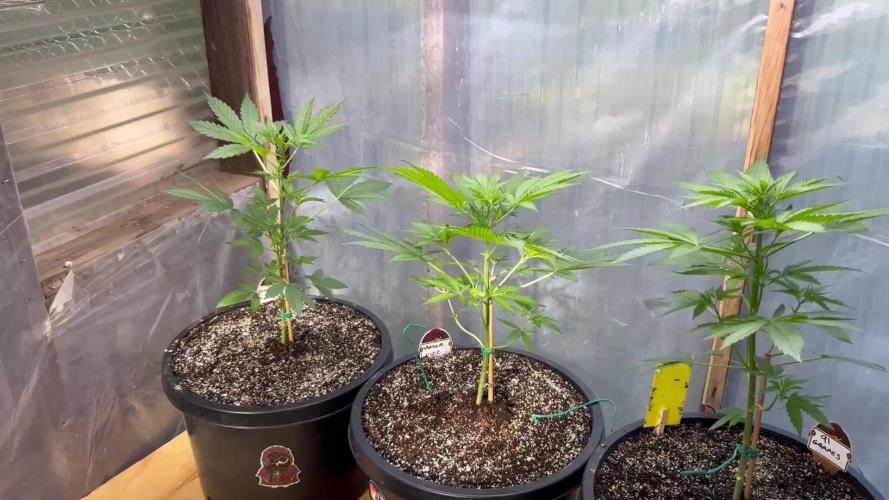
Im finding these great fun to grow, training is very easy to do considering it the first time ive trained any plants
Likes
17
Share
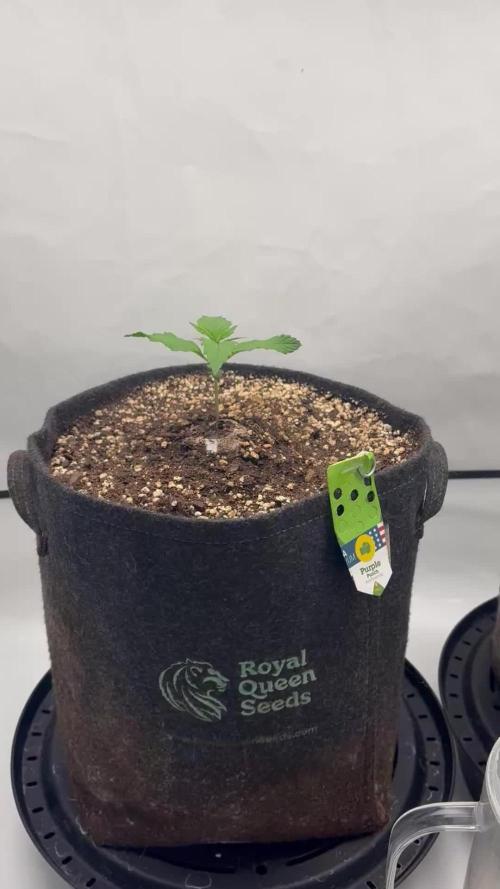
Week two of the vegetative phase, and the Banana Purple Punch is growing like crazy!🌱🌿 The Banana Purple Punch is growing fast and looks super healthy. The leaves are a vibrant green, and the plant is definitely thriving. I’m sticking to the BioBizz nutrient schedule for the vegetative phase, and I’ve also added some Root Juice to support strong root development. 🌱 So far, everything seems to be going perfectly. The growth has been steady, and I’m excited to see how much more progress the plant will make in the coming weeks. This is shaping up to be a great grow! 😁✨
Likes
17
Share
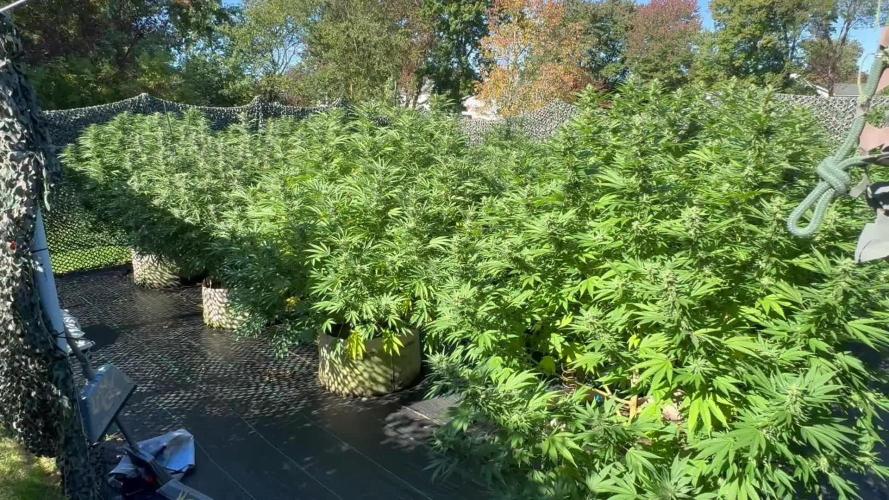
Week 18 Middle August : weather is changing. Return of heat and humidity: 28 degrees, a little bit rain. A heat wave is coming but near the ocean the maximum will be around 32 degrees. It’s good to grow in greenhouse during this period : -ventilation control: I adapted the rythme: for now it’s around 18h/24h intermittently -pests and diseases control: insect’s traps natural and artificial, less heat -humidity control: no rain problem Daylight 14h: 7h/21h Flowering time 😁. Healthy plant, beautiful green color, just a few yellow leaves on the base. More watering: 1,5L every 60 hours Same cocktail: Calmag (0,5ml/L)+ FloraGro (2ml/L), FloraMicro (2ml/L), FloraBloom (1ml/L) + Root booster + Cannazym Feeding soil with guano bat (NPK 3/6/10) for a slow dispersion + dried horn and blood (NOK 13/0/0) for nitrogen add. Protecting plant: sprayed Neem Oil, added diatomaceous earth on soil. I found signs of thrips attack. I will make a defoliation soon.
Likes
11
Share
La crescita é stata proprio lenta e impostando la lampada con il dimmer al 30% e distanza di 50cm le piante si sono allungate troppo. Ho regolato la distanza la settimana successiva. Non ho usato nutrimenti e nemmeno radicanti, solo acqua Geraci di bottiglia a 6,2 ph
Likes
5
Share
Day 60 No sun from Monday to Thursday. Almost finished. Will stop feeding her and flush next week or so.
Likes
21
Share
@Excalibur
Follow
09 October 2018 - Day 106 Crystal was trimmed and nugs left for a week to fill out. 10 October 2018 - Day 107 pH good 11 October - 2018 - Day 108 Kolas are dense and thick 12 October 2018 - Day 109 Removed from Tent and hung. 13 October 2018 - Day 110 Drying nicely , Humidifier added . 14 October 2018 - Day 111 Further trimmed and added to discs for overall ventilation 15 October 2018 Day 112 Rotating Tiers to make sure we dry evenly
Processing
Likes
55
Share
@Njaak
Follow
Most of the week was spent setting up the hydro grow. Needed to build a DIY chiller since air temp in our grow room is hot, and water needs to be a good deal colder. Fridge from kijiji, garden hose, fittings, and submersible pump all in were under $100 but knowing what I know now I'd likely go with a thermoelectric chiller (DIY, with power supply and temp controller) next time around. Looking forward to tracking metrics and seeing how it goes :). Seems there's a lot of contradiction in terms of level of nutrients recommended, max water temperature, using H2O2 to boost water temp that can keep algae and rot at bay, etc. Got my hands on some Hydroguard via Amazon... despite local shops saying you can't get it in Canada... so I'm going to go with that instead of H2O2 to start, despite water temp getting up above 21 C (70 f) during the day. Fingers crossed. Update - keeping water reservoir tank under 20 C now by using reflective bubble wrap insulation on the reservoir itself and pipe insulation as well. It's a 10 C difference from the room temp, so I'm SUPER pleased with that.
Likes
5
Share
@CalGonJim
Follow
9/15 12AM MONDAY!!! THEY ARE ALL DOING GREAT!!! VERY HEAVY AMINOS YESTERDAY, NO DAMAGE. 9/15 11:24PM. In plant cells, glutathione S-transferases (GSTs) act as transporters, facilitating the movement of anthocyanins from the endoplasmic reticulum (ER) to the vacuole for storage, though their exact mechanism is still being studied. The synthesis of glutathione (GSH) itself occurs in the cytosol of mammalian cells through two ATP-requiring enzymatic steps, while anthocyanins are synthesized via a separate phenylpropanoid pathway 9/15 11:42PM glutathione metabolism glutathione S-transferases plantsThinkingKicking off 5 searchesLooking at 71 sitesPutting it all together In plants, glutathione S-transferases (GSTs) are a diverse family of enzymes integral to glutathione (GSH) metabolism, primarily functioning in detoxification and stress response. The core of this process involves GSTs catalyzing the conjugation of the tripeptide GSH with various toxic compounds, or xenobiotics, making them less harmful and easier to sequester or transport. Glutathione (GSH) metabolism in plants GSH metabolism is a tightly regulated process that maintains cellular redox balance and protects against stress. Biosynthesis: GSH is synthesized in two adenosine triphosphate (ATP)-dependent steps:(gamma )-Glutamylcysteine synthetase (GSH1) joins L-glutamate and L-cysteine to form (gamma )-glutamylcysteine. In Arabidopsis, this enzyme is located exclusively in the chloroplasts.Glutathione synthetase (GSH2) adds glycine to (gamma )-glutamylcysteine to produce GSH. This enzyme is found in both the cytosol and the chloroplasts.Oxidation and reduction: GSH exists in two forms: a reduced monomer (GSH) and an oxidized disulfide dimer (GSSG).Oxidation: In the process of scavenging reactive oxygen species (ROS), GSH is oxidized to GSSG.Reduction: Glutathione reductase (GR) uses NADPH to reduce GSSG back into active GSH, which is essential for maintaining a high GSH-to-GSSG ratio inside the cell.Degradation: Glutathione can be degraded in the cytosol, apoplast, and vacuoles by (gamma )-glutamyltransferases (GGTs) and other peptidases, allowing for recycling of its amino acid components.Transport and compartmentalization: While synthesis occurs in the chloroplasts and cytosol, transporters move GSH and its conjugates throughout the cell, including to the mitochondria, peroxisomes, and vacuoles. Functions of glutathione S-transferases (GSTs) GSTs are a large, ancient gene family with diverse roles that extend beyond detoxification. The primary functions involving GSH are: Detoxification of xenobiotics and heavy metals: GSTs catalyze the conjugation of the thiol group of GSH to a wide range of electrophilic and hydrophobic substrates, including herbicides, pesticides, and heavy metals. The resulting GSH-conjugates are then recognized by ATP-binding cassette (ABC) transporters and sequestered in the vacuole, reducing their cellular toxicity.Protection from oxidative stress: Stress conditions like drought, salinity, and high light increase levels of ROS, which cause lipid peroxidation. 🚨Some GST isoforms have glutathione peroxidase (GPOX) activity, using GSH to reduce toxic lipid hydroperoxides to less damaging alcohols, thereby protecting cell membranes.Defense against pathogens: During pathogen attacks, GST activity increases to detoxify microbial toxins and secondary defense-related compounds. This helps to bolster the plant's resistance response.Metabolism of endogenous compounds: GSTs play roles beyond immediate stress response by participating in the normal metabolic processes of plants. Examples include:Hormone transport: Some GSTs act as binding proteins (ligandins) that transport plant hormones like auxins within the cell.Metabolite transport: Specific GSTs facilitate the transport of important compounds like flavonoids and anthocyanin pigments into the vacuole.Tyrosine degradation: The zeta GST class (GSTZ) catalyzes a critical step in the breakdown of the amino acid tyrosine.Redox signaling: By influencing the GSH/GSSG ratio and interacting with plant hormones, GSTs can regulate cellular signaling pathways that control growth and stress response. 🚨GSTs and plant stress response The expression of many GST genes is highly inducible by various environmental and endogenous cues, making them key players in a plant's ability to adapt to adverse conditions. Abiotic stress: Drought, salinity, heavy metals, and extreme temperatures all trigger increased GST expression, which helps plants manage resulting oxidative damage. Overexpression of specific GST genes has been shown to enhance stress tolerance in transgenic plants.Herbicide resistance: The ability of crops and weeds to detoxify herbicides through GST-catalyzed conjugation is a well-studied example of GSTs in stress adaptation. Herbicide safeners, chemical agents that protect crops from herbicide injury, work by boosting the activity of these GST enzymes.Developmental processes: Studies have linked the expression of certain GST genes to specific stages of plant development, such as fruit ripening, root and stem development, and flower formation. "" 9/16 12:32am AI Overview In plants, phenylalanine is the precursor for anthocyanin synthesis, a process that involves a multistep pathway in which glutathione (GSH) plays a critical role in the transport of the final pigment to the cell vacuole. Phenylalanine initiates anthocyanin synthesis The biosynthesis of anthocyanins begins with the amino acid phenylalanine, which is produced via the shikimate pathway. The conversion process, known as the phenylpropanoid pathway, involves a series of enzymatic reactions: 1. Phenylalanine ammonia-lyase (PAL): This enzyme catalyzes the first committed step of the pathway, converting L-phenylalanine into trans-cinnamic acid. 2. Downstream enzymatic reactions: A series of additional enzymes, such as chalcone synthase and chalcone isomerase, convert the intermediate compounds into unstable anthocyanidins. 3. Glycosylation: Glycosyltransferase enzymes stabilize the anthocyanidins by adding sugar molecules, creating the final, stable anthocyanin pigments. 4. Glutathione is crucial for anthocyanin transport After synthesis, glutathione is essential for transporting anthocyanins for storage. * Glutathione S-transferases (GSTs): These enzymes bind to the newly formed anthocyanins in the cytoplasm. This binding is a key step that facilitates the transport of the anthocyanin-GST complex across the tonoplast (the vacuolar membrane) and into the vacuole. * Vacuolar storage: Once inside the vacuole, the anthocyanins accumulate and provide color to plant parts, such as flowers, fruits, and leaves. * Catalytic role: Recent research has also found that certain GSTs have a catalytic role in anthocyanin synthesis. They can catalyze a dehydration step to form specific anthocyanidins, significantly boosting production in engineered systems. * The process in summary The synthesis and accumulation of anthocyanins involve a coordinated process of multiple steps: 1. Production from phenylalanine: The amino acid phenylalanine enters the phenylpropanoid pathway, where enzymes convert it into the basic flavonoid structures. 2. Formation of anthocyanidins: Further enzymatic modifications produce the colored but unstable anthocyanidins. 3. Stabilization and transport with glutathione: These anthocyanidins are stabilized by glycosylation and then bound by GSTs (which use glutathione). This binding enables their transport into the vacuole for storage and visible pigmentation. 9/15 12:46AM https://pmc.ncbi.nlm.nih.gov/articles/PMC7238016/ 9/16 1:30AM BKO is looking great!!! Conclusion The “butter frosting” resin on Cookie Apple F1, healthy yellow-green fusiform, and Blueberry KO’s pigmented cotyledons show your anthocyanin-glutathione-phenylalanine strategy is working—phenylalanine drives synthesis, glutathione ensures transport. Tweak amino acids to 100–150 mg/L to reduce tip burn. 9/16 3:34am 9/16 4:31AM Anthocyanin glutathione synthesis phenylalanine proline tmg powder relating current project: * Phenylalanine is a precursor: Phenylalanine is an amino acid and the starting point for the phenylpropanoid pathway in plants. * Anthocyanin synthesis: This pathway creates various secondary metabolites, including the flavonoid pigments known as anthocyanins, which give plants their red, purple, and blue colors. * Pathway activation: Multiple enzymes, such as phenylalanine ammonia-lyase (PAL), catalyze the conversion of phenylalanine into the building blocks for anthocyanin. * Anthocyanin and glutathione synthesis * Glutathione S-transferase (GST): This enzyme is crucial for synthesizing anthocyanins in plants. It transports anthocyanins into the cell's vacuole for storage. * Glutathione (GSH) production: Anthocyanins can promote glutathione synthesis in certain cells. For instance, the anthocyanin cyanidin-3-O-β-glucoside (C3G) has been shown to increase the expression of glutamate-cysteine ligase (Gclc), a key enzyme in GSH synthesis. * Antioxidant effect: By upregulating GSH production, anthocyanins contribute to the antioxidant defense system, protecting cells from oxidative stress. * Proline and glutathione synthesis * Shared precursor: In some organisms, the synthesis pathways for proline and glutathione share a precursor molecule called γ-glutamyl phosphate. * Alternative pathway: Research on bacteria and yeast has revealed an alternative, trace pathway where γ-glutamyl phosphate from the proline synthesis pathway can be diverted to produce the glutathione precursor γ-glutamylcysteine. * Oxidative stress response: Studies in mouse oocytes show that supplementing with proline upregulates genes related to glutathione synthesis (Gclc and Gclm), increases glutathione levels, and reduces oxidative stress. * TMG powder, methylation, and homocysteine * Methyl donor: Trimethylglycine (TMG), or betaine, is a potent methyl donor, meaning it provides methyl groups needed for various biochemical processes in the body, including the methylation cycle. * Homocysteine regulation: One of TMG's primary functions is to convert the amino acid homocysteine into methionine. This helps regulate homocysteine levels, which is important for cardiovascular health. * TMG and proline interaction: In plants and some organisms, TMG and proline act as compatible solutes or osmoprotectants, helping cells stabilize against osmotic stress like drought or salinity. However, in human biology, TMG mainly functions through methylation, while proline is involved in different metabolic and antioxidant roles. * How they all relate The listed components are connected through several overlapping metabolic and regulatory pathways: * Anthocyanin synthesis starts with phenylalanine. * Anthocyanins can promote glutathione synthesis via upregulation of key enzymes like Gclc. * Glutathione synthesis can be influenced by the proline synthesis pathway, as they share an intermediate in some contexts. * TMG powder supports the methylation cycle, which helps regulate homocysteine levels. While TMG and proline serve similar protective roles in some organisms, their primary human metabolic functions differ, with TMG focusing on methylation and proline having distinct roles in antioxidant response and metabolism 9/17 217am Die Hard Christmas Grow 9/18, 11:34 AM. I ordered some square saucers that were cartoonishly too small but they fit inside the AC infinity germination kit and they fit with the Bud Cups perfectly really nice so it’s not a total loss. 9/18 11:45AM mix. Foliar Spray, the rest of the mix ec 0.46 Mixed up Aminos first and separate and use 16 oz for foliar spray. Then mixed up: Root: 1 mL/L Connoisseur A & B GROW, .2 mL/L CaliMagic, .2 mL/L Purpinator. Setria Glutathione: 150 mg/L(Brand: Emerald 250mg capsule.) TMG: 150 mg/L = (Brand Nutricost) Phenylalanine: 150 mg/L (Brand Nutricost) Proline: 150 mg/L (Brand Nutricost). 9/18 228PM AI Overview Glutathione influences plant colors by regulating the accumulation of pigmented compounds, primarily anthocyanins. The tripeptide accomplishes this through its role in transporting pigments within plant cells and in protecting against environmental stresses like UV radiation that can cause oxidative damage. Transporting pigments into plant cell vacuoles Glutathione works with a class of enzymes called Glutathione S-transferases (GSTs) to transport pigments like anthocyanins into the vacuole for storage. Anthocyanin transport: In plants with pigmented tissues, such as purple grapes or red flowers, glutathione-conjugated pigments are transported by GSTs across the tonoplast membrane into the vacuole. This process is crucial for the stable accumulation of pigments. Genetic manipulation: Research shows that manipulating specific GST genes can alter a plant's pigmentation. For instance, silencing a particular GST gene in purple grape hyacinths caused their petal color to shift to a lighter shade of purple. Similarly, defective GST genes in carnations resulted in pale-colored flowers. Protecting against UV light and stress Glutathione helps regulate plant pigmentation in response to environmental factors, especially UV-B radiation. Activating flavonoid production: When plants are exposed to UV light, a surge in glutathione triggers the expression of genes involved in producing flavonoids. Flavonoids, including anthocyanins, can act as protective sunscreens for the plant, and their increased synthesis and accumulation can alter visible coloration. Balancing oxidative stress: Intense UV-B radiation increases reactive oxygen species (ROS) in plants, which can cause oxidative damage. Glutathione is a master antioxidant that helps detoxify these ROS, preventing cellular damage that can affect a plant's pigment-producing mechanisms. Indirectly influencing plant colors By regulating cellular redox status and interacting with other molecules, glutathione also affects pigment expression in more indirect ways. The xanthophyll cycle: As part of a plant's antioxidant system, glutathione helps maintain the reduced state of other protective antioxidants like tocopherol and zeaxanthin. Zeaxanthin is a carotenoid pigment involved in the xanthophyll cycle, which helps dissipate excess light energy. Redox signaling: The balance between reduced glutathione (GSH) and oxidized glutathione (GSSG) is a key cellular signal for stress response. A shift in this ratio during environmental stress can influence the production of secondary metabolites like pigments, allowing the plant to adapt. " 9/19 1:41AM AI Overview The key difference is that anthocyanins are the sugar-containing form (glycosides) of pigments, while anthocyanidins are the sugar-free form (aglycones). Anthocyanidins are the foundational molecules, and when a sugar molecule attaches to them, they become anthocyanins, which are more stable and water-soluble, making them the forms found naturally in plants, such as berries and purple vegetables. Anthocyanidin (Aglycone) Structure: The basic, sugar-free molecule of the anthocyanin structure. Location: Not found freely in nature but is the core component that is then glycosylated. Properties: Color changes with pH, being visible in acidic conditions but colorless in basic conditions. Examples: Cyanidin, delphinidin, pelargonidin, peonidin, petunidin, and malvidin. Anthocyanin (Glycoside) Structure: Consists of an anthocyanidin linked to one or more sugar molecules. Location: Found in the vacuoles of plant cells. Properties: Water-soluble and are the pigments responsible for the red, purple, and blue colors in plants. Function: The sugar attached provides stability, allowing for accumulation in plants and providing antioxidant properties. Examples: Cyanidin-3-glucoside and other derivatives like acylated anthocyanins. " 9/19 2:43AM I also saw a good mans immediate accent into Heaven, that perspective matters too. no less angry about it though. 9/19 10AM Heavy Amino spray 250mg each in 1L of Setria Glutathione and Phenylalanine 9/19 10:10PM The sons and daughters of americas real terror organization carried out the last horror show, and the one before that and before that. It's not a foreign country, it's always the anti white anti human black sheets and badges that did this. 9/19 10:43PM AI Overview Phenylalanine and glutathione contribute to plant colors through different biochemical pathways . Phenylalanine is a precursor for the pigments themselves, primarily anthocyanins, while glutathione is involved in the transport and stabilization of these pigments within the plant cell. Phenylalanine: The pigment precursor The source of aromatic compounds: Phenylalanine is an aromatic amino acid and the starting compound for the phenylpropanoid pathway in plants. This pathway produces a vast number of secondary metabolites, including anthocyanins, which give many plants their red, purple, and blue colors. Color enhancement: Research has shown that increasing the amount of available phenylalanine can lead to more intense red coloration in some fruits, such as mangoes and apples. Pathway stimulation: Phenylalanine ammonia-lyase (PAL) is a key enzyme in this pathway that converts phenylalanine into precursors for anthocyanin biosynthesis. An increase in phenylalanine levels stimulates this entire process. Glutathione: The pigment transporter Anthocyanin transport: After anthocyanin pigments are synthesized in the cell's cytoplasm, they must be transported into the central vacuole for storage. Glutathione S-transferases (GSTs) are a family of enzymes that facilitate this process. Color intensity: A functional GST is essential for proper anthocyanin accumulation. Mutations in GST genes can result in a significant decrease in color intensity, as seen in the pale or white flowers of certain gentian mutants. Mechanism of action: The GST binds to the anthocyanin pigment and moves it from the cytoplasm into the vacuole. If the GST is defective, the pigment cannot be transported correctly, leading to a loss of coloration. Summary of interactions The roles of phenylalanine and glutathione are distinct but cooperative in producing plant colors: Phenylalanine provides the essential building blocks for creating the colored compounds (anthocyanins). Glutathione, with the help of GSTs, ensures these colored compounds are correctly moved to their storage location (the vacuole). This cooperative system explains why mutations or deficiencies in either process can lead to reduced or altered coloration in plants." 9/19 10:51PM AI Overview. Trimethylglycine (TMG) supports the production of glutathione, a vital antioxidant . However, there is no evidence to suggest a direct relationship between these supplements, the amino acid phenylalanine, and the colors of plants. The concepts are linked indirectly via complex biological processes. Trimethylglycine (TMG) and glutathione TMG and glutathione are connected through the body's methylation cycle. TMG as a methyl donor: TMG plays a critical role in the methylation process by donating a methyl group, which helps convert the harmful amino acid homocysteine back into methionine. Support for glutathione production: This methylation cycle, which is supported by TMG, is essential for producing glutathione. Glutathione is a powerful antioxidant that protects against cellular damage and is crucial for detoxification. Supplementation considerations: TMG supplements are sometimes taken alongside other supplements to support health, though consultation with a healthcare provider is recommended. Phenylalanine and the methylation cycle Phenylalanine is an essential amino acid, but its role is distinct from the TMG-glutathione process. Essential nutrient: Phenylalanine is a key nutrient for cellular metabolism. Potential interactions: A separate medical study on experimental hyperphenylalaninemia (abnormally high phenylalanine levels) in chicks observed a decrease in other amino acids in the brain, including those involved in the glutathione pathway. This demonstrates how excessive levels of one amino acid can potentially influence others, though this does not represent a typical interaction. Plant colors The connection between the supplements and plant colors is purely conceptual, as the colors are determined by completely different biological processes. Anthocyanins: The colors of many plants, including red, purple, and blue flowers, come from pigments called anthocyanins. Glutathione in plants: While plants contain glutathione as an antioxidant to combat stress, it influences color by regulating the transport and accumulation of anthocyanin pigments, not by being a pigment itself. TMG and phenylalanine in plants: Plants contain TMG, which functions as an osmoprotectant (protecting against osmotic stress). They also contain phenylalanine, but these substances do not directly determine the plant's visible color." 9/19 11:21PM. !!!!!! this was pointless and im dumber for having read it. !!! Light intensity and spectrum affect metabolism of glutathione and amino acids at transcriptional level: https://pmc.ncbi.nlm.nih.gov/articles/PMC6938384/ 9/20 11:08 AM the seedlings and the four autos are doing just great. The amino spray with phenylene and glutathione really had nice effects no burning nice solid growth even seedlings from basil lavender various lettuce all are perfect.🚨🚨🚨👍👍👍👍👍 9/21 2AM I AM BECOME ANTHOCYANID!!! ITS WORKING AND ON A SEEDLING I SEE THE GELATO COLLORS IN BLUEBERRY KO AND THE LEAF SHAPE OF BUBBLES BLUEBERRY,!!!
Likes
Comments
Share