


Likes
Comments
Share


@Grilla
Follow
March 25, 2023 at 1:48 PM
-Ever since I started watering them with lower pH water, 6.0 to 6.3, the 2 BOH’s really started to takeoff. I might do some slight defoliation on all the plants. I’ll takeoff their lower nodes to make it easier to bend them from the main stock. The strawberry crinkle has very close internodes and is really bushy with large and thick fingers. It’s too short to try and bend over so I might have to do more of the defoliation job in order for the lower nodes to get more light.
March 28, 2023 at 5:24 PM
-
March 29, 2023 at 2:01 PM
-I’ve bent over several stems this week. I have only had one small accident with the strawberry crinkle. The top was snapped off somehow but I don’t remember it happening, but it seems to be taking it well. I watered them the day before with some tea with ph at 6.3. so far I could bend over things every day. They are starting to cover the entire pot.
- Today’s the last day of week three.

Likes
8
Share


@Mon_monde_onirique
Follow
Les branches de Purple shine sont assez épaisse même un peu trop, le LST est vraiment galère à faire pour l'instant je vais encore attendre un peu qu'elle se développe plus et j'envisage peu être de supercropped les 4 branches principal une fois plus développé afin de former la base(a voir les prochain jours 🤔)
Le 1/05 rempotage de Purple Shine, elle a bien colonisé son air pot 1l passage en 4L géotextile dans un supersoil composé de (lombricompost,guano verre, sang et corne de boeuf sèché, phosphate naturel, zéolite, sel Epsom+ mycorhizines) et terreau covercrop
Le 3/5 début du LST , pose de clip lst pour former les 4 branches principal, petit accident lors de la pose des clips un apex c'est bien cassé et ne tien que sur 1mm. Je fait une tentative pour essayer de le sauver mais je doute de résultat 😥.
Le 4/5 perte de l'apex accidenté 😮💨😥 ce matin la branche avait les feuilles flétrie et la tige recroqueviller, fini pour elle le sauvetage a été un échec😥.
Le 5/5 on se relève de cette déception et envisage quelques changements dans le programme pour que cette connerie deviennent profitable😉.
Nouvelle taille des apex, on passe à 6 pousse maintenant je laisse un temps de repos à purple shine avant une nouvelle taille je prévoyais 8 apex et au final j'en aurai 12😉🔥.
PS: même s'il t'arrive une couille, baisse pas les bras et relève toi, arrange toi pour que cette galère te soit profitable😉🔥
Likes
92
Share


@DogDoctorOfficial
Follow
Week 9 - First Week of Flowering 🌸
The dark period has ended, and these ladies came back into the light fully energized and ready for action! It’s just the first week of flower, and they’re all praying, stretching, and absolutely thriving—filling up every inch of the tent. This grow space is officially packed from wall to wall, with each plant competing for its share of light and showing off some of the biggest, healthiest leaves I’ve seen yet! 🌱
A few strategic plucks here and there have kept airflow smooth and light penetration balanced. Those big leaves? They’re a sign of happy, healthy growth. Large leaves help the plant capture maximum light energy, essential during this stage, especially as they start focusing on developing those flowers. When plants grow huge, vibrant leaves like these, it means they’re well-nourished and content in their environment—a true testament to the well-balanced conditions we’ve got going in the tent!
Flowering Parameters 🌡️
Room Environment:
• Temperature: 26.7°C
• Humidity: 63.3%
• CO2: 960 ppm
• VPD: 1.29 kPa (prime zone for flowering health!)
Lighting:
• Light Intensity: 835 PPFD (ideal for boosting flower growth)
• Solution: pH 5.96, TDS 460 ppm, temp 21.1°C
• Medium: Moisture: 100%, TDS: 520 ppm, Temp: 21.6°C
Carbon Filter Installation & Smell Management 🌬️🌱
With the transition to flower, the scent profile is already starting to kick in—crazy for the first week, right? 🌸 To keep everything fresh and under wraps, I’ve set up a carbon filter system. Here’s how it’s working: I’ve connected the filter to my Aerofan, which pulls air directly from the tent. This air is cleaned by the filter and released into the main room, where it then passes through another filter before exiting my space. This dual-filter setup means no scent escapes into the wild, keeping things stealthy and the grow room a peaceful, scent-contained environment. Perfect for anyone concerned about keeping their home free from that telltale aroma! 🕶️🌬️
Enhanced Lighting with Emerson Effect 🌞
This week, I’ve introduced an extra 15 minutes of red light at the beginning and end of each light cycle. Why? Well, this red boost taps into the Emerson effect, enhancing photosynthesis efficiency, especially during the flowering stage. By stimulating a little extra wake-up and wind-down light, we’re mimicking the natural sunrise and sunset experience for these plants, which can help reduce flowering time. Not only does it encourage smoother transitions into day and night, but in theory, it’ll help these ladies finish a bit faster, while giving them a little nudge to build more substantial, quality flowers. 🌇
Nutrient Adjustments 🌱
Now that we’re in flower, I’ve swapped out the Start Booster for P-Boost and TopBooster to specifically support flowering needs. Here’s why:
• P-Boost brings in additional phosphorus, vital for energy transfer and cell division as the plant channels more resources into budding sites.
• TopBooster supports the flowering phase by improving flower quality and density, helping to build those big, aromatic buds we’re after.
These changes bring the nutrient mix in line with what’s most beneficial at this stage. All this precise dialing in is easy to manage thanks to the TrolMaster system. From pH to nutrient scheduling, the TrolMaster ecosystem and ThinkGrow LEDs have been the ultimate teammates in this grow journey, giving me real-time data, fine control, and peace of mind. 💯
(Not introducing UV light just yet, but stay tuned as that’s coming soon for an added boost!)
Looking Forward 🌟
Next week, we’ll be upping the reds, giving us an even greater chance of activating those flowering signals for a smoother, faster transition through the cycle. I’ll keep tweaking and fine-tuning every parameter to make sure these ladies get exactly what they need to thrive.
Big thanks to the TrolMaster system for keeping everything in balance and optimized, along with the supportive Grow Fam following this journey! Your enthusiasm, advice, and support are a huge part of this grow’s success. Keep following for more updates, and stay tuned for what’s next! 🌿✨
P.S. Deep Dive: TrolMaster’s MBS-S8 CO₂ Sensor & Smoke Detector 🚨
The MBS-S8 CO₂ Sensor from TrolMaster is a powerhouse for growers, especially when it comes to optimizing plant growth and efficiency in a controlled environment. This sensor continuously monitors CO₂ levels and integrates directly with the TrolMaster ecosystem, giving you real-time data on CO₂ concentration. Ideal levels of CO₂ can significantly boost growth and yield during certain stages, so understanding and managing CO₂ is key. With the MBS-S8, I can control CO₂ levels precisely, keeping them within the optimal range for photosynthesis. This sensor is a game-changer because it adjusts CO₂ delivery automatically, giving plants exactly what they need without any extra monitoring from me.
Meanwhile, TrolMaster’s Smoke Detector is an essential safety device, especially in spaces with electrical equipment, lights, and heat-generating components. This detector can be set up to alert me instantly via the TrolMaster app if any smoke is detected, allowing me to respond immediately to any potential issues. Fires and smoke are rare in controlled grow setups but having this safety measure provides peace of mind and lets me focus on the plants without constant worry. It’s an incredible tool for any grower prioritizing safety and proactive monitoring.
Discount Codes so you can save big on your next check out 💚💚💚
Kannabia - DOGDOCTOR 30% off
SeedsmanSeeds - DOGDOCTOR 10% off
CannaKan- DOGDOCTOR 15% off
terpyz.eu - DOCTOR 15% off
The Neutralizer - PORKIT5-DOG 15% off
As always thank you all for stopping by, for the love and for it all , this journey of mine wold just not be the same without you guys, the love and support is very much appreciated and i fell honored and so joyful with you all in my life 🙏
With true love comes happiness 💚🙏 Always believe in your self and always do things expecting nothing and with an open heart , be a giver and the universe will give back to you in ways you could not even imagine so 💚
Friendly reminder all you see here is pure research and for educational purposes only
Growers Love to you all 💚💚💚


Likes
15
Share


@Oetelando
Follow
We have Day 1 of Week 6.
The buds Get Biger And Denser.
Last week of Nutrients and week 7- Harvest only Water.
They smell like Exotic Fruits.

Likes
2
Share

@GorkedOut
Follow
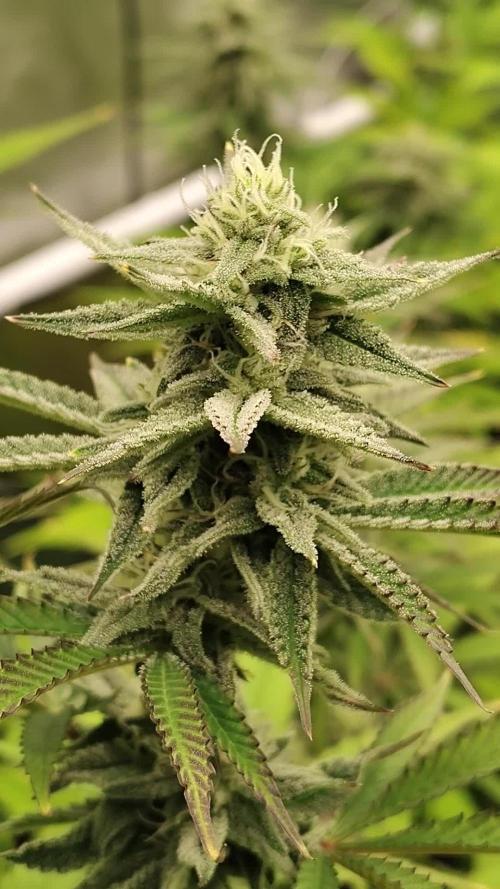
Week 10. I am still trying to get the ladies back on track, as my Ph meter was off a bit. I re calibrated and they should be good to go from here on out. The toads are starting to pack on weight and when I open up the tent it smells very tropical. Super frosty christmas tree structure. RH is around 50-52%. Temps around 73-78 F. Lights cranked up to 70-75% (500ish true watts)
They're hungry and I'll feed them good.
Likes
26
Share


@pifflestikkz
Follow
Day 51
20/08/24 Tuesday
Feed today using de-chlorinated tap water pH 6. With Plagron PK13-14 and power buds.
Noticing the stretch stop, and now packing out there bud sites 💪💚
ACOP , Melonade Runtz have Xmas tree structure where as orange bud is pure tall sativa structure... The Overdose is a compact indica looking dwarf but the bud sites are packing out a punch 👊🤣
Day 54
23/08/24 Friday
Watering only today using de-chlorinated tap water pH 6,
I'm watering in 350ml no run off. 400ml I'm seeing tiny run off.
Day 56
25/08/24 Sunday
Water today using de-chlorinated tap water pH 6. Added bud candy and rhino skin 1ml per litre


Likes
13
Share


@HeavyHead
Follow
Did get to rake to many pictures this week due to the holidays so most are towards day 5-6. Will be adding big bug and bud candy from here out :)
Likes
22
Share


@Slobasian
Follow
Both plants same weight just ones more built into a bat and the other is built with small strong side shoots


Likes
8
Share


@CK-OrgGrow
Follow
Woche 7
Die Mimosa Fast von 00 Seeds Bank kommt langsam in die letzte Phase wo die Blüten einiges an Gewicht zulegen sollten. Soweit geht es den Mimosa auch weiter gut. Die Blüten bilden sich weiter aus, werden dicker und verharzter.
Erstaunlicher weise haben die Pflanzen vom geringen abstand der LED Lampe (EVO6-150) immer noch keine negativen Auswirkung oder Schäden.
Am Dünger habe ich in dieser Woche nix verändert. Ich denke nächste Woche werde ich den Dünger noch mal für ca. 2 Wochen anpassen.
Likes
124
Share


@Legendaryseedthumb
Follow
Last few days now, i gave them one feed with canna flush. I’ll just give them ph balanced water for now.
Then put them in 48hr darkness with no water.
I moved them to my other tent in preparation for harvest.
Likes
12
Share
@Bluefinger038
Follow
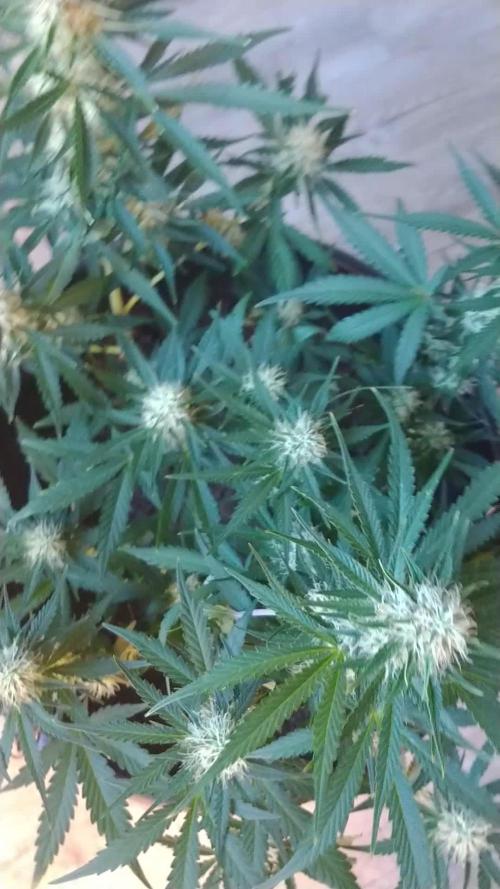
My god what a Week🧐😔😁 I had some stress over the plant, the lower leaves where getting yellow, and brown spots. I removed the top layer of the soil, because I found al those tiny white little flea's. They are gone, @ least the majority of them. Then I had a water leakage in my Pot. The soil was rock hard, because the roots, I guess,,
Al of the above, is solved,, but time will tell..😀😬


Likes
126
Share

@DogDoctorOfficial
Follow
this is a very easy one to grow with an enormous bag appeal true her all cycle, a must in any garden, her trichomes production is out of these world, as are them grams on them fruits, a true must for us all to grow
Likes
26
Share


@Canadian_Steelheader
Follow
Week 8, Day 56, Day 12 of Flower.
Well the girl is doing nicely again. All in all things are going well. I did notice a few fan leaves with a slight purpling so I will try adding a little more CaliMagic on the next feed. She is currently receiving 200ppm of CaliMagic. The last feeding was 660ppm total nutes, but 950ppm 1.9EC in the run-off so I gave her some Phed water to help clear some of the nutes building up in the media on the next feed which went down to 650ppm 1.3EC in the run-off. Thinking about doing a flush with some Florakleen, or should I wait until flush time at week 7 and 8 of flower when Trichomes are hopefully milky. All comments and suggestions welcome.

Likes
22
Share


@Basementganja
Follow
Gave her a nice LST+Defoliation session after the week 1 of flower stretch!
She's currently drinking a 1 gallon dosage of the above listed nutes, every 4-5 days!
Processing
Likes
5
Share


@Deli_Weed
Follow
Va un poco lento el engrosamiento de esos cogollos, pero la planta se ve bien en general, pudo haber estado mejor si hubiera recibido más luz creo yo, pero huele delicioso 😋 y tiene unos colores hermosos, ya quiero ver el resultado final 🌱
Likes
12
Share


@2Stones1Bird
Follow
Checkout my Instagram @smallbudz to see the Small budget grow setup for indoor use, low watt, low heat, low noise, step by step.
13/12/2019 - Change the light schedule to 12-12h after 8 weeks of no signs of flowering I think is a photo not and auto.
16/12/2019 - Fed her 1.5l of 6.5PH water with 0,5ml of each: Grow, Bloom and Max, and 1ml of each: Heaven, Alga-mic and Vera, noticed about 10% run off, I use about 1/3 of the nutrient dosage on the chart, to achieve about 200/300PPM (500 scale).
17/12/2019 - Did some defoliation on the lower branches mainly.

Likes
9
Share

@BlackForestGrower
Follow
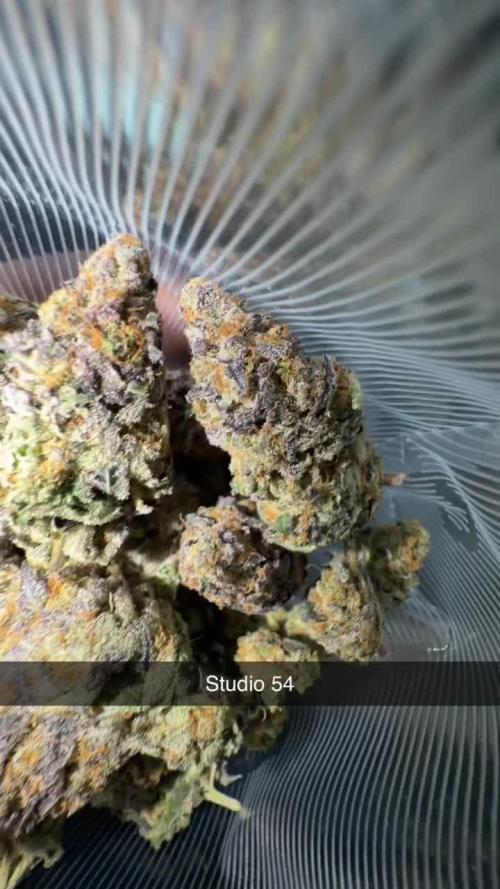
It was a great last run.
It’s been a beautiful time.
My time here done now.
BlackForestGrower out. 🌲✌️

Likes
8
Share


@GrowingABushWithButch
Follow
It's Day 54 Week 08 0f Flower For My 02 Kombucha Cream by atlasseed . And For My Snow White and SpliffStrawberry by Spliff Seeds Amsterdam . So Today I Started My Day By Checking My Tricomes On My 2 Kombucha Cream. The 02 Where Looking Fully Milky So My 02 Kombucha Cream Got Flushed TODAY with Some Flawless Finish by Advanced Nutrients . The 2 Received 80ml of Flawless Finish mix with 1OGallons Of Water Ph at 6.0. Tomorrow they will get Rinse off with ph balance water. Yesterday I watered my Snow White and SpliffStrawberry Ppm where down to 100ppm. All 4 Plants will get a nice ice bath in a few days. My plan is to check the Tricomes on the SpliffStrawberry In a few more days she was still Milky when I check her yesterday. I will chop her down next weekend. And the rest will get the chop at 30%Amber Tricomes.
Happy Growing Growmies 🤘🏻


Likes
Comments
Share
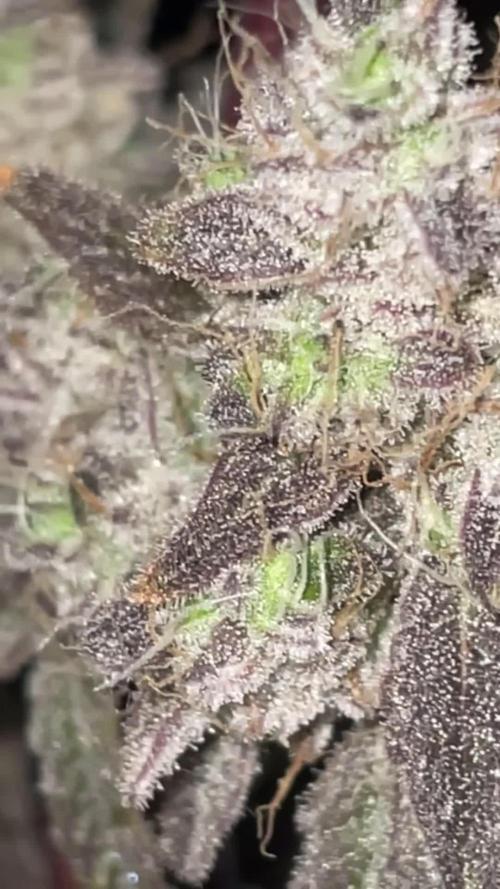


Likes
9
Share


@my420experiment
Follow
Learning a ton as I go.
Started low stress training using rubberized wire poked down into the soil.
Spent a lot of time just tucking the fan leaves down.
I'm an idiot when it comes to watering.
I dont think I'm getting enough down to the bottom of the pot, but dont want to over water.
I'll just continue with what I'm doing.
