


Likes
Comments
Share


@eldorado1977
Follow
I started using the bud clips to bend the longer tops where I want them. hopefully I’ll be able to get a trellis net up after my drainage trays get here and I can suck out my runoff with a pump or shop vac. I’m thinking a small transfer pump with two hoses. vac is just too loud. next grow I’m using a tilted drain table and a pump out I hope.

Likes
10
Share


@Cocogrow1234
Follow
Week 5 flower : upped the a&b to 2.5ml litre and steered the pk at 1.2ml per litre
Blue cheese : they have completely outgrown the sunset sherbet . I’ve raised the light as the buds at the back of the tent were literally 1” away it didn’t do much harm although the leaves on them buds started to curl a little so I thought best to raise it now before it causes any stress . I’m still watering everyday to run off . I removed a few fan leaves but I am considering doing a bigger defoliation in a few days as the fan leaves have taken over . They are really starting to smell very sweet and filling out .I was worried about these seeds as I have grown Buddha blue cheese about 10 years ago and now they have changed the name to blueberry cheese and I was told they will be different from 10 years ago . So far I don’t think so as they look the same and smell the same at this point I can’t see any difference which I’m happy about as I haven’t had any good blue cheese for many many years .although they smell the filter is definitely controlling the smell outside the tent .
Sunset sherbet : although it hasn’t grow very big it’s very frosty and starting to smell .
I will carry on the pk for another 3-7 days and will start the flush about 6 1/2 weeks in for 2 weeks with plain water
I will also defoliate about in a few days

Likes
6
Share

@eldruida_lamota
Follow
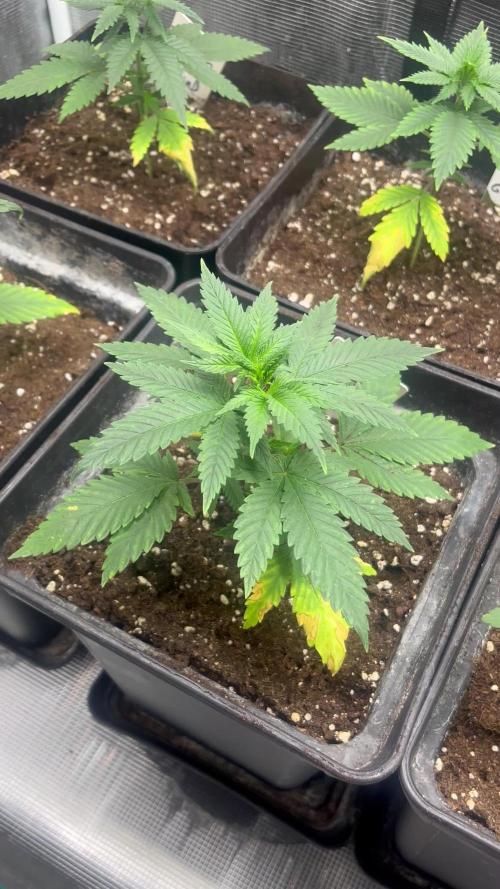
Que pasa familia, vamos con la cuarta semana de vida de estas Gorilla girl F1 de Sweetseeds.
Vamos al lío, las plantas se trasplantaron a macetas de 7 litros.
El ph se controla en 6.5, la temperatura la tenemos entre 24/22 grados y la humedad ronda el 70%.
El ciclo de crecimiento puse 20h de luz, el foco está al 50% de potencia.
Me gustaría estar más encima este cultivo pero la salud me está impidiendo un poco este 100% con el proyecto. Con suerte la semana que viene andaré mejor.
- os dejo por aquí un CÓDIGO: Eldruida
Descuento para la tienda de MARS HYDRO.
https://www.mars-hydro.com
Hasta aquí todo, Buenos humos 💨💨💨

Likes
11
Share





Likes
44
Share


@BlackDragon22
Follow
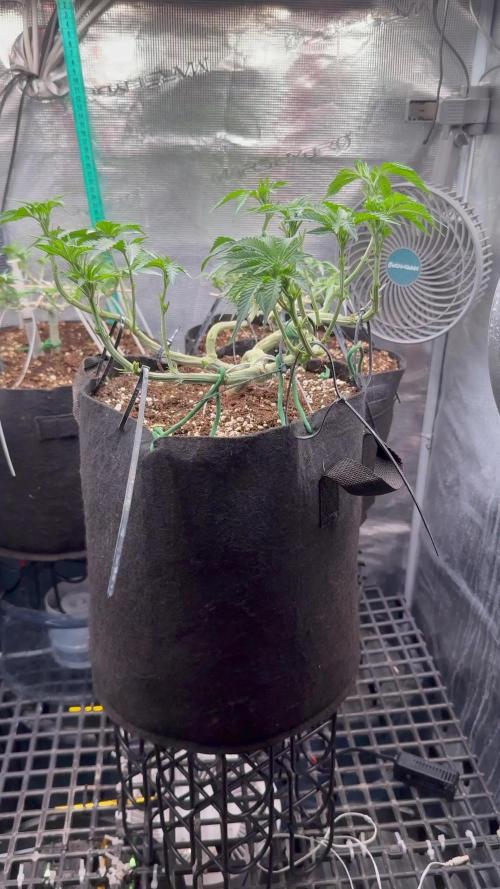
Cheese.. Un nome, una storia, una garanzia. Vecchia scuola, la mia preferita di sempre. La crescita è stata perfetta, non ha mai mostrato sintomi del minimo stress è ci sono andato abbastanza duro, tanto da spezzare il ramo apicale per aver tirato troppo con LST intorno alla settimana 4. Non ha sentito niente. Ha proseguito crescendo sempre di più e dicendomi "stronzo vacci piano..ora ti faccio vedere io". " 🤣😍 Ibrido pazzesco cresciuta strutturalmente più dalla parte sativa.
Cime dure, gelide, puzzolenti. Ha infestato casa. Non c'è una sola cima pop corn. Perfetta. Grazie in primis a voi di Fast Buds per queste prelibatezze. Per ora a presto per nuovi aggiornamenti e grazie per essere passati fratelli e sorelle 💚 PEACE

Likes
Comments
Share

@craudiaoDaMassa
Follow
What’s up my diplomats, all good?
Here’s the latest grow update — I’m super excited for the next few weeks.
Let’s get to it:
---
* **July 23, 2025**
My pH meter arrived. After calibration, just like my buddy @FishWhistler pointed out, the pH was a bit off. I also got some pH down, and now I’m watering with water adjusted to around 6.5.
Result: all the plants started showing much better growth, and the two that were struggling are now clearly bouncing back. Huge thanks @FishWhistler!
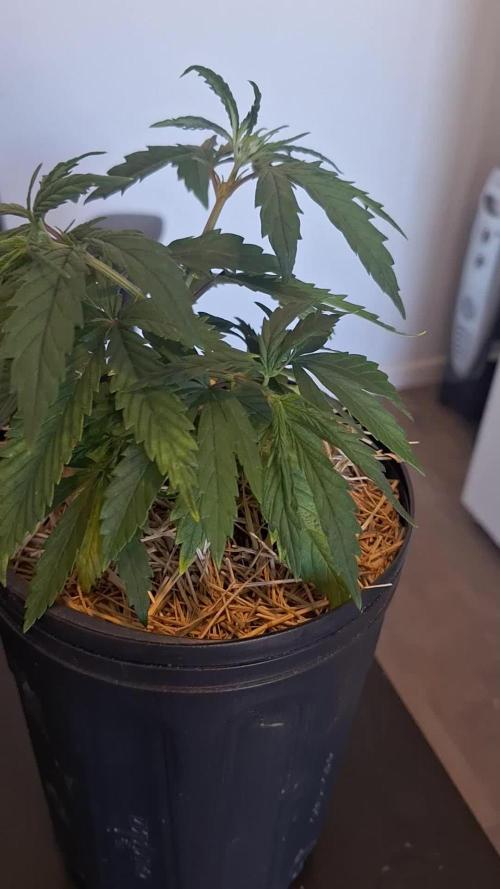
Plants 1 and 2, which were moved to bigger pots a week ago, are looking way better now.


---
* **July 26, 2025**
I transplanted plant 3 into a bigger pot. Since the move, it’s shown clear improvement. With a richer soil mix, it should thrive even more now.
---
* **July 28, 2025**
Before lights out, I applied a preventive spray made of water, andiroba oil, and potassium silicate to protect from pests.
Also did a TOP cut on plant 3.
At sunrise, the girls looked beautiful! Some of them have droopy tips because the photo was taken before watering.

Likes
8
Share


@Rangaku
Follow
Defol and tied down she doubled in size , ran a flush . Keeping up the defol and spreading her out this week then another week of veg before flipping

Likes
45
Share


@masterofsmeagol
Follow
6/12 Thunderstorms turned to sun
Plants are growing substantially. The ones that were damaged from the sun have pulled out of it. I checked the fim I did on a gmo that later burned and it has five tops! I took a couple videos bur I'll have to wait until tomorrow to upload them. Despite the weather severity and inconsistencies I'm in a really good spot. I'll upload the two videos tomorrow when I'm in a better area. Wifi is far to slow.
6/13 Rained yesterday before turning to hot sun. Supposed to be in the 90s today. Due to the rain and storms we've been having I hacebt had to water. Soil is still moist. Plants seem to be growing at a great pace. With all this rain they've gotten a hearty dose of the nutes in my soul mix and then when the sun comes out and they bask for a few hours they look considerable bigger. Another storm coming up but other than that weather is good. Plants are happy and doing well.
6/14 Plants are loving this hot weather. Rainy then it will clear up and be sunny. All plants have recovered from the shock of the weather and are growing like crazy. Ice started some lsting. I haven't even had to water.
6/15 Medium is still damp. I don't think we'll get much rain the next few days but we've gotten a lot lately. I'll continue playing it by ear. The water lasts much longer with the smaller plants in lather containers. Later in the summer I could be watering daily. If there is no rain I'll allow the bags to dry out and I'll water them. I may start them on a small nutrient schedule like the fox farm organic one you use for the entirety. I've hesitated though because my soil is chock full of nutrients and they show no sighs of deficiencies. I'll keep an eye on it. They look great though.
9/16 Watered after church. 3 1/2 gallons so approximately a half gallon each. Iys been really hot and i dont see rain in the forecast. Also broke the gmo that I fimmed right at a topping point. It wasnt wilted, and I ran and grabbed duct tape and fixed it. I've had good luck in the past this way. Hopfully I will this time as well. Still sucks though
9/17 The plant that split at the V that I taped up seems to be doing just fine. Looks just like the other top next to it. Thank God. Things seem to be going well. I'm wondering if I should start giving nutrients but I don't see any deficiencies and I know this soil mix lasts pretty much through veg without showing signs of deficiencies. I think it might be a case of "if it's not broke don't fix it." I'll look back on diaries and I'll do some research.
9/18 It's overcast but it's been in the upper 80's. I checked the plants around 11 and they looked good. They'll need water but I'm holding off until the morning. The plant I broke at the crook shows no signs of wilting or any negative effects. I assume it will come back stronger. I was thinking about watering tonight but at 12 there was still a little moisture. They will be fine until morning. Plants seem bigger every day.

Likes
435
Share


@Ju_Bps
Follow
Hello my friends 👩🌾👨🌾🌲🌲
Week was good, my last with the girls, from today, I'll be in remote grow for 2 weeks, cause vacation 😎🌞.
I've my webcam, xiaomi flower care (using since several grow, a nice stuff to don't make mistake watering, and for data sheets, ec, soil moisture, light intensity), a dip to put in plastic bottles, seller told me it was ok for 1 week, hope it's not a liar lol, a friend will come change bottles in 7 days.
This week I've watering each day with vaporisator,
Water + Rhizo PH@6
In end week, set up automatic watering.
My lamp is now around 35%.
Quality of webcan not so well, I'll try to got pic from my friend minus 1 time per week, for the diaries Quality 😀.
Hope will be fine with the girls spend 2 weeks,
Thanks community for follow, likes, comments, always a pleasure 👩🌾👨🌾❤️🌲
Also to @marshydrococo2 , @News_SweetSeeds for sponsoring 💕💕.
Mars Hydro TS 1000
https://www.mars-hydro.com/ts-1000-led-grow-light
Gorilla Girl F1 fast version
https://sweetseeds.es/en/photoperiod-dependent-seeds/3065-gorilla-girl-f1-fast-version.html
See you next week my friends
Have a good week end 😁💕
Likes
13
Share


@Gorilaweed420
Follow
Muchas gracias por dejarme participar BsF y grow diariaries y compartir este cultivo gorila glue 4. Fue un hecho en scroog en un metro veinte cuadrado usando dos masetas de 23 ltrs usanso microorganismos y productos orgánicos súper contento con esta sepa, fueron criadas con dos focos galoponeros en un armario con poco a lo q tengamos podemos hacer mucho lo importante es aprender un poco todos los días y disfrutar de nuestras cosechas un fuerte abrazo para todos @gorilaweed420

Likes
8
Share

@ThatsmyGrow
Follow
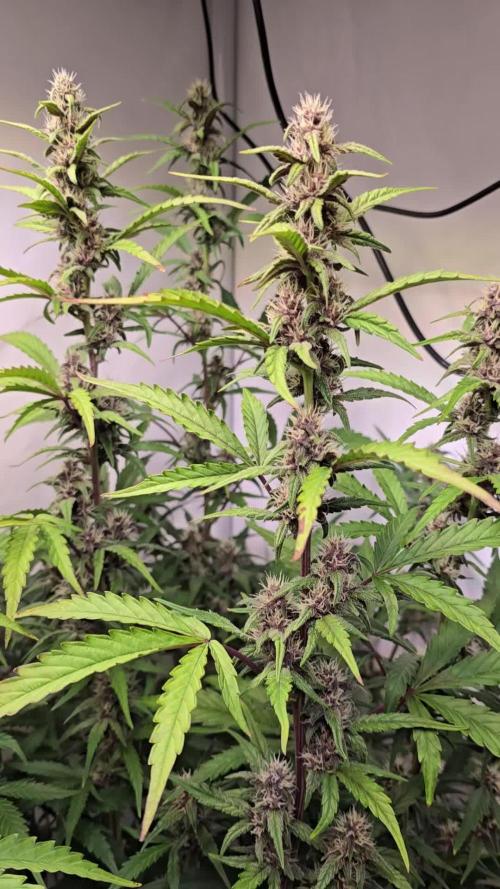
117 cm for a autoflower is crazy, she got now a sanlight evo-4 80 for her own. Thats will be crazy buds
Likes
18
Share

@eldruida_lamota
Follow
Que pasa familia, vamos con la sexta semana de floración de estas Tropicana Cookies Fast Flowering, de FastBuds.
Los ejemplares tienen muy buen color han cedido muy uniformes y las flores están progresando a muy buen ritmo.
El ph se controla en 6.2 , la temperatura la tenemos entre 21/24 grados y la humedad ronda el 50%.
Van llenándose las flores de resina y van hinchando las flores, veremos estas próximas semanas como avanzan.
Mars hydro:
Code discount: EL420
https://www.mars-hydro.com/
Agrobeta:
https://www.agrobeta.com/agrobetatiendaonline/36-abonos-canamo
Hasta aquí todo, Buenos humos 💨💨💨
Likes
5
Share


@High_And_Hydro
Follow
- Ich hab die erste Woche des Biobizz Allmix Düngeschemas gestartet und gebe wie immer erstmal vorsichtige 100%, da meine Erde an sich durch den Kompost recht potent sein sollte.
- Außerdem hab ich mit meinem Calmag-Rechner mein Leitungswasser angepasst. Die Werte könnt ihr auf den Bildern sehen.
- Den PH-Wert passe ich ebenfalls auf 6,5 an.#
- Die Lampe bringt zur Zeit etwa einen PPFD-Wert von 350 - 360 µmol/s/m² bei 18 Stunden Beleuchtungszeit (DLI von 22 - 23 mol/d/m²). Sie wird aber nur eingesetzt bis es warm genug draußen bleibt. Tagsüber stehen sie jetzt schon draußen, sofern es nicht regnet oder stürmt.
Die Purple Haze macht sich hervorragend und sie ist ganz vorne mit dabei. Das freut mich wirklich, da ich die immer mal sehen wollte. Ist vermutlich nachvollziehbar. 💪😁👍

Likes
87
Share


@Mrs_Larimar
Follow
2021-01-07
Starting into Week 2 of Flower on Monday
Puddin stretched around 10 cm, Iam very Pleased with this Grow.
Today I supercropped the Plant, to give her strong Structure.
The Fun begins, and next Week we can see tiny Flowers
Shes sitting into 75l of Soilmix, and gets around every 3rd day 5l of Water
Its pure Pleasure to look at her
here are some Codes
Lights:
https://viparspectra.eu/discount/M.Larimar
And for the Fertilisers:
https://greenbuzzliquids.com/en/shop/
Code: mrs_larimar


Likes
19
Share


@Book_of_Thoth
Follow
I've been away for a week, leaving my tent in the care of a friend. Coming back I was surprised to see how much bud growth has occurred, as you can see colas are really starting to stack up, and trichromes are already appearing.
AK48 seems to have some purple coloration creeping in on her buds which is really beautiful, just hard to capture as my led throws a purple hue on my photos in the first place. Today I spent two hours trimming leaves from the tent and have kept the airflow at a healthy level. Happy at how everything is looking, and at only three weeks into flowering she seems really promising. Stay tuned!
Likes
2
Share


@HighOhioAn
Follow
Fast bud autos are truly my favorite some of the best autos in the world. I won this apple strudel and a contest, and I wanted to put her on the Grow diaries so I can keep track of her growth to be a great sativa And of course it’s Halloween so gotta throw a little creepy love and with the beauty of the plant🔥
Likes
151
Share


@CANNASIM
Follow
------GENERAL COMMENT------
Flush time, within the end of this week is now flush time.
To summary this week i just kept on my feeding habits, Water with base > Water with boosters, alternating Recharge.
My led seams to be crashing a bit, the colors are not stable as is possible to see in the timelapse.
Trichomes are mostly cloudy, with a slight amber. 9 weeks flowering time will be exact, just need time to flush, they are maturing fast fast, hairs are getting orange in a blink.
------SM.BB COMMENT------
The buds are very imponent and bulky, with a lot of resin, the smell is sweet and fruty with a bit of pine.
