




Processing
Likes
8
Share


@Energie111
Follow
it was a super week, the girls grew nicely, the full moon is always effective. :) I like to grow cannabis.

Likes
4
Share

@420DeepGrow
Follow
📆 Semana 7
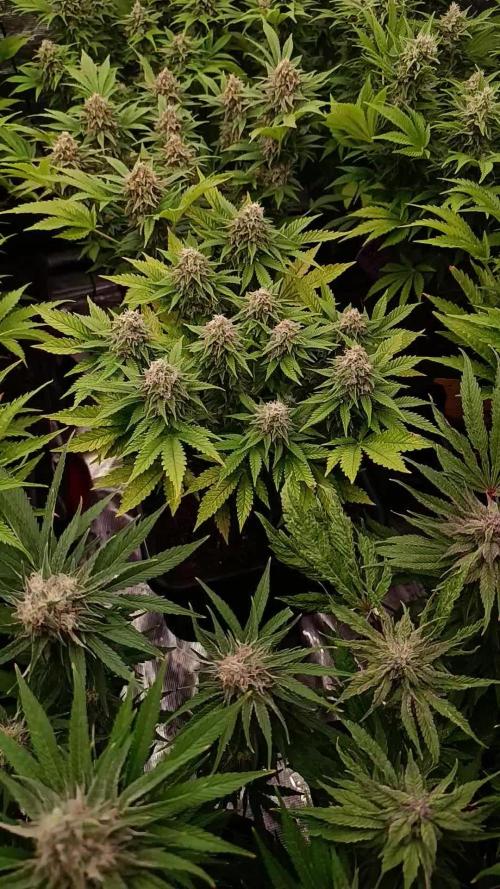
El cultivo entra en la fase final de engorde, con el coco equilibrado y una absorción estable. La canopia se mantiene sana mientras la planta concentra su energía en las flores.
Los cogollos siguen compactando y aumentando en peso, con una producción de resina cada vez más visible que empieza a cubrir bien las flores.
La Red Banana Pudding continúa algo más baja pero mantiene un desarrollo uniforme y acompaña el ritmo del cultivo.
El aroma del armario se intensifica y aparecen notas dulces y cremosas propias de esta etapa.
Seguimos creciendo fuerte 💪!

Likes
3
Share


Likes
80
Share


@Hydro_Hiebs
Follow
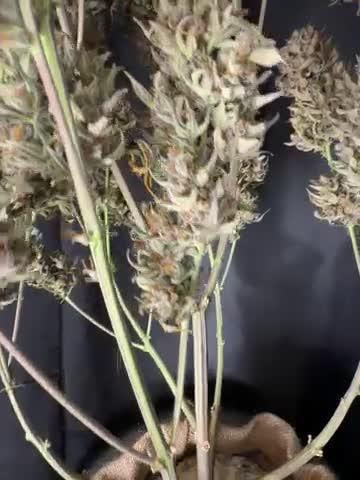
Will update smoke report once buds have cured and fermented long enough to where I say they are ready for a legit test. So far I can tell you that this is the most pineapple, tangerine smelling cultivar I have ever come across. I've always heard of the pineapple weed but this is identical to the tropical fruit. This crop also is the fastest flowering crop I have grown in sometime. Harvest in 50 days from flipping into flower. Had some stretching going on with some golf ball / Coney type flowers covered in resin. I am looking forward to smoking on these tropical / citrus flowers.

Likes
18
Share


@Ironblimp
Follow
I fed the plants 75% nutrients for it's very last feeding although 6 or more leaves are showing signs of nitrogen deficiency but the buds are still growing, all signs show that I think they need 2 more weeks. Most pistols are amber, and a few new pistols still grow from the tops or sides of each bud. New sugar leaf growth on the tops look more rounded.
The trichomes on the oldest sugar leaves have turned amber, less so on middle and top. Trichomes on the buds range from appearing clear, cloudy and milky, but not amber.
I want the trichomes on the buds to be anywhere between 10-30% amber.

Likes
16
Share


@eldruida_lamota
Follow
Vamos familia, hora de cosechar estas gorilla de RoyalQueenSeeds.
No veáis que pinta que tienen las flores están bien formadas y repletas de tricomas.
Estoy deseando probarlas.
El problema han sido las temperaturas las últimas semanas que excedieron los 30 grados.
Aun así salió todo para alante
Agrobeta:
https://www.agrobeta.com/agrobetatiendaonline/36-abonos-canamo
Mars hydro:
Code discount: EL420
https://www.mars-hydro.com/
Hasta aquí es todo , espero que lo disfrutéis, buenos humos 💨💨.

Likes
20
Share


@xbabybitchx
Follow
Happy Chrimbus. TW is looking better this week, lots of growth in the nodes, the stalk looks THICK. BUT she also is a weird plant because I know nothing about it. Was found in my bud from the test plant. Just switched over to my large tent so the two can be alone to grow. I topped her a few days ago and looks to recovering well. :)
2019.12.29 well well well this beautiful bitch is pre flowering and showing ITS A GIRL! im so so so happy. YAY I plant to keep her in veg maybe 2/3 more weeks- she isnt very tall.


Likes
10
Share


@JreyBudz
Follow
Ready for chop everything looks great. This looks like some awesome bud. Ready to go in the Ready for chop everything looks great. This looks like some awesome bud. Ready to go in the jars!!


Likes
3
Share

@Grasshopper96
Follow
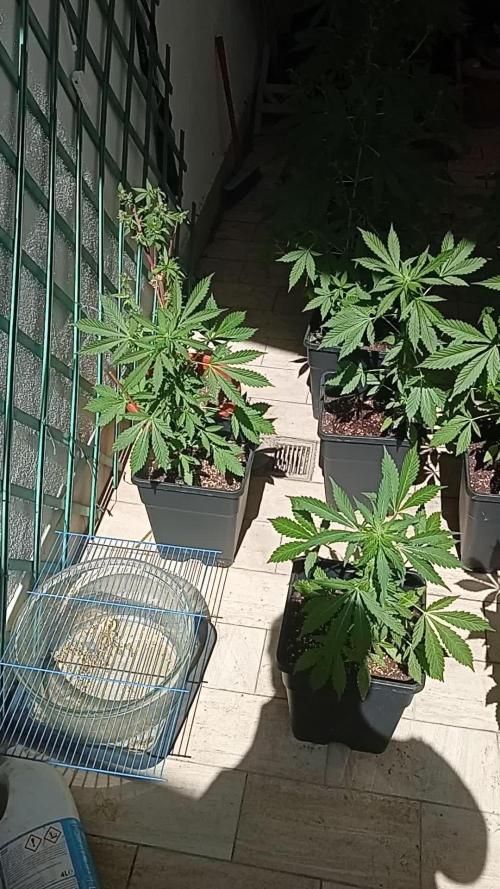
Welcome back here on the coast of central Italy, the b.purple punch continue the strech while at the same time they develop the flowers, they have a very promising smell to scratch the stem........ These RF3s are proving to be valid and so far with a very good quality / price ratio. The week started in the best way, heat and sea breeze during the day and in the evening temperatures around 19°c/20°c which in my opinion give breath to the plants after the heat of the day
Likes
5
Share


@Terpio1500
Follow
Week 2
I got Pistils showing
Gelato Cake.
Check out my other Dairies (The New & Jungle Verde)
Nutrients (floraflex) are in Grams/gal*
Light: HLG
Follow my IG @therealterpio for more updates & content!
Likes
43
Share


@TheCannaProphet
Follow
~ GG4 SHERBET FAST FLOWER by FastBuds ~
Well fam, here we go again with another epic strain from FastBuds Fast Flowering stable. After having such tremendous success growing their Gorilla Cookies Fast Flower outdoors last year, I've decided to run another of their fast flowering strains outdoors this year... GG4 Sherbet Fast Flower!
The best description of this awesome cultivar comes directly from my friends at FastBuds which is as follows:
"Bred from extremely potent and flavorful Gorilla Glue and Orange Sherbet genetics, GG4 Sherbet FF (Fast-Flowering) takes all the best traits to the next level, offering a high-yielding strain that can produce up to 600 g/m2 in a 7-week flowering time. This super resilient Indica-leaning hybrid thrives indoors and outdoors, and in all types of climates while producing mouth-watering sweet, fruity, spicy and earthy terps that translate into a delicious sugary hazelnut aroma. Expect an extremely relaxing and overall happy effect that’ll leave you with a huge smile from ear to ear. It’s the perfect strain for growers of all levels of experience seeking low-maintenance yet highly productive photoperiod varieties that deliver quality and quantity without extra effort.
GG4 Sherbet FF grows chunky buds with long dark orange hairs and spade-shaped calyxes that get encrusted with trichomes by harvest time, giving them a gorgeous silvery-white appearance. This medium-sized photoperiod can reach up to 200 cm in height and yields up to 650 g/m2 while developing that typical hybrid structure. GG4 Sherbet FF grows with a stocky, bushy appearance, developing one sturdy main cola and fat side branches that support huge yields without much effort. This super-fast variety produces distinctive light-green buds with a high bud-to-leaf ratio, making your trimming sessions a breeze. It’s a top-notch resin producer that doesn’t need much maintenance and will thrive in almost every climate, rewarding growers of all levels with extremely flavorful resin that makes for outstanding hash end extracts."
________________________________________________________________________________________________________________________________________________________________________________________________________________________________________________________________________________________________________________________
The Setup:
This is going to be an outdoor grow, but I have started the GG4 Sherbet Fast Flower indoors as our weather is still too cold to put her outside (nighttime temp's dipping regularly into the 30's℉).
The plan is simple... let her grow inside under a 19/5 light schedule until the nighttime temperatures stay above the mid 40's℉, at which point she'll be moved outside and transplanted into the soil which I have already setup and inoculated with beneficial microbes, and then let the fun begin!🤪💚
________________________________________________________________________________________________________________________________________________________________________________________________________________________________________________________________________________________________________________________
Weekly Updates:
8/2- Here we go into Week Three of flower for the GG4 Sherbet Fast Flower from FastBuds and this lady is kickin butt and taking names!
She has flowers sprouting out, it seems, from everywhere! I did dive into the middle of her canopy and removed a dozen or so small, scraggly shoots that would have only drawn nutrients that are better served elsewhere on the plant!
8/4- Our weather continues to be hot and humid. I am continuing with my daily watering routine, watering in the late afternoon after the sun sets. I went through the underside of the GG4 Sherbet FF and removed some shade leaves that were either dead and brown or all yellow, and basically gave the entire plant a good look over to spot any issues that may arise as early as possible. If any issues are identified, it's a lot easier to cure them when they are spotted early!
8/6- We finally have some much needed rain on the way in the way of a tropical system which will be bringing on and off showers beginning tomorrow through the 9th. As a result of this gift from above I will not have to water the rest of this week!
8/8- Well there's three full weeks in flower for the GG4 Sherbet FF and she's continuing on course to be another epic result from FastBuds genetics!
Thank you for checking out my diary, your positive comments and support make it all worthwhile! 💚Growers Love!💚😎🙏
Likes
19
Share


@DrBud420
Follow
13.06.
Cherry Poppers 1# Day 49#
Cherry Poppers 2# Day 46#
The plants are making good progress, the deuce has overtaken the ace, the game has reversed.
5 nights ago there was a strong storm, the morning after the storm when I came to the site, I found some plants crooked, some normal, but there were no broken ones, thank God, but they were very stressed and what you can see in the pictures appeared on the leaves, some leaves were crispy at the edges, but still green, mostly shoots before the newest ones.
I haven't had this problem before, I researched a bit on the internet and came to the conclusion that the wind burned them, and I also turned to GW for an opinion, two characters confirmed my opinion.
Two days later I noticed that the matter was getting worse and that it was spreading, which worried me, so I contacted GW again for an opinion.
Some told me that it was mold, some that it was an infection, disease and so on, mostly guesswork, but no one specifically told me what was certain, so I decided on nim oil, and whatever it is, I guess the problem should be solved.
According to some leaves, I would say that insects might be the problem, but I really don't know, I haven't had similar problems before.
I regulate the ph of the plants, I still don't feed them, there is food in the ground for another week, except for the fact that I added cal-mag after that storm when I watered them.
I want to say that the plants are certainly not locked, and the heat is not yet so high that this would happen from the same, the more the temperatures have dropped and now it is perfect.
Since transplanting, I have watered the plants only 2 times.
Yesterday morning they were topped for the second time, only the main branches, I will do the next topping of the side branches.
Last night I sprayed the plants with neem oil and already today the problem seems to be going away, if I tripped at least it doesn't spread further, that's for sure.
I didn't mix the oil very well, I didn't add any soap or anything like that because I wouldn't really spray the plants with any chemicals, and on some of the leaves on one or two plants there is that thick, brownish liquid, so I hope it won't hurt them, I noticed that today during the day, I couldn't see it at night.
I still don't know what the problem is, but my guess is still that the wind burned them or some insects.
Speaking of insects, I think I noticed thrips on one plant on the underside of the leaf, so in addition to the neem oil I already gave, I also ordered SMC, so I will spray that at least once a week while they are still young.
Happy Growing and Stay High!!!


Likes
8
Share


@CannabisCultivate
Follow
These girls have become part of our favourites list and we are already discussing the next round for this strain! As you can see one of them has powdery mildew and will most definitely need a wash. This is also the one that had the issue with the rust a while back and her colours have not changed like the other two. Her buds are still beautifully formed and smell delicious, so the issues for the week are obvious, but they could be much worse.

Likes
16
Share

@Northern_Ent
Follow
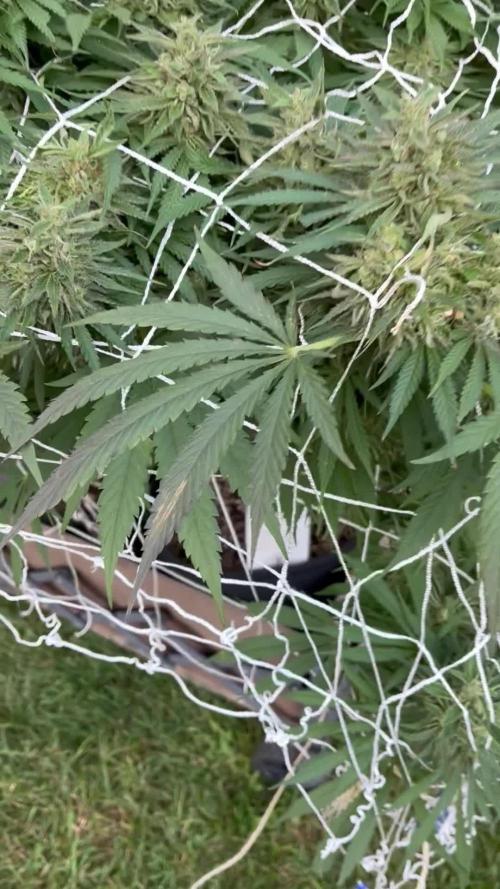
Sep 27: lower buds are maturing nicely withh no further signs of bud rot.
Sep 29: buds look great, and lots of them still ripening.
Oct 2: lower buds look good and there are still lots of them. Despite losing all 16 tops to bud rot from a single cool humid night, causing a loss of about 300 g dried bud equivalent, this plant will still yield hundreds of grams of high quality buds. Manifolding and scrog nets really pay off at this stage. Easy harvest of nice uniform buds should make all growers happy.