


Likes
Comments
Share


@Budz_Bunny
Follow
Grow Journal Week Zero : Special Project Kickoff 🌱
Hello dear growers and growerettes,
I’m thrilled to start this new grow journal, featuring a special project that I'm incredibly excited about. Here are all the details for Week 1:
Plant Details
The plants are already 9 weeks old when transplanted and have been kept alive through careful repotting. They are topped and include 3 plants of the Banana Krumble feminized strain from Greenhouse Seeds. 🌿🍌
Tent Setup
I’m placing them in a 90x90x200 cm tent.
They will be in 20 liter fabric pots filled with Living Soil from Florganics.
Watering will be managed by the Blumat system, which works particularly well with my living soil, as the soil needs to be kept constantly moist. 💧
Soil Additions
Nematodes were added to the soil while mixing the living soil, not during transplanting.
Control System
Everything is monitored by my TrolMaster Tent-X system, thanks to TrolMaster, who kindly provided me with the controller. This system also controls and dims my lights.
The exhaust system has been upgraded to the extremely quiet AC Infinity system, controlled by a separate controller that also manages my fan. 🌬️
Partner and Special Offer
I’m partnering with Alchimia Grow Shop, where you can use my code Budz_Bunny to save up to 20% on seeds and up to 10% on the rest of the assortment. Don't miss out on this great deal! 🛒💰
Goals and Expectations
Last year, I overextended myself by trying too much and expanding too rapidly, which led to less control over my grow. Therefore, I’ve decided to go back to basics: only one strain in the tent to refine my skills. 🌱
To focus more on one thing, I chose the Blumat system, which works particularly well with my living soil as it needs to stay constantly moist.
During my last Automatic run, I introduced the plants around week 4, which was not the best decision. It was too early, so I had to top them to keep them small, leading me to practice mainlining. I succeeded with one plant, but learned a lot from the other two without any serious damage. After 6-7 weeks of growth under truly wild conditions in terms of VPD and stress, they were finally moved into their 20-liter Living Soil fabric pots and the humidity and temperatures were adjusted.
Weekly Progress
This journal starts in week 9. The ladies have perfectly adapted to the soil and recovered well in the 2 weeks since being placed in Living Soil. I will create a timelapse of the flowering phase; due to the above-mentioned conditions, it wasn't possible during the vegetative phase.
At times, I was really worried about the ladies, but they seem to be recovering. I am excited to see what this run will yield.
Watering Schedule
An aquarium pump constantly supplies the watering watertank with oxygen.
I am eager to take you on this journey with me. Let’s see how this setup works and what you all think! Thank you for joining me, and stay tuned for more updates. 🌿✨

Likes
8
Share

@Gratak
Follow
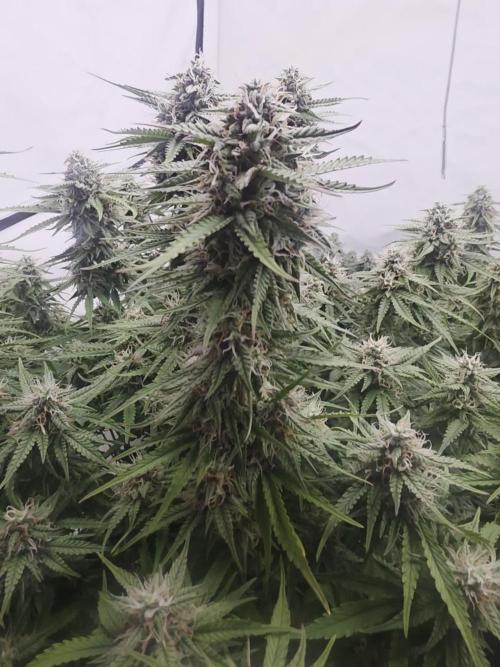
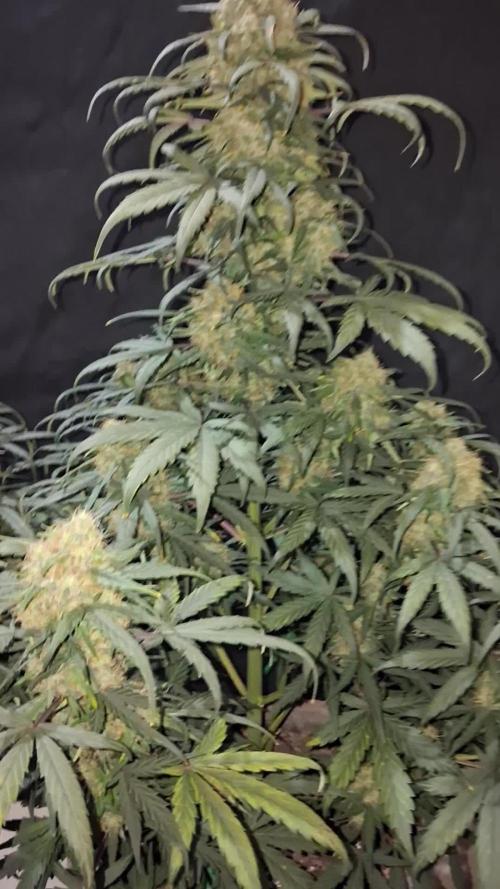
Ich bin mit der Entwicklung der Buds sehr zufrieden, wie jede Woche musste ich wieder ordentlich entlauben und die Pflanzen wieder genau anschauen.
Die Pflanzen beginnen bereits von selbst die Blätter ab zu werfen , also erhöhe ich meine Lichtleistung auf 100% für feste Buds am Ende.



Likes
6
Share

@420DeepGrow
Follow
📆 Semana 10
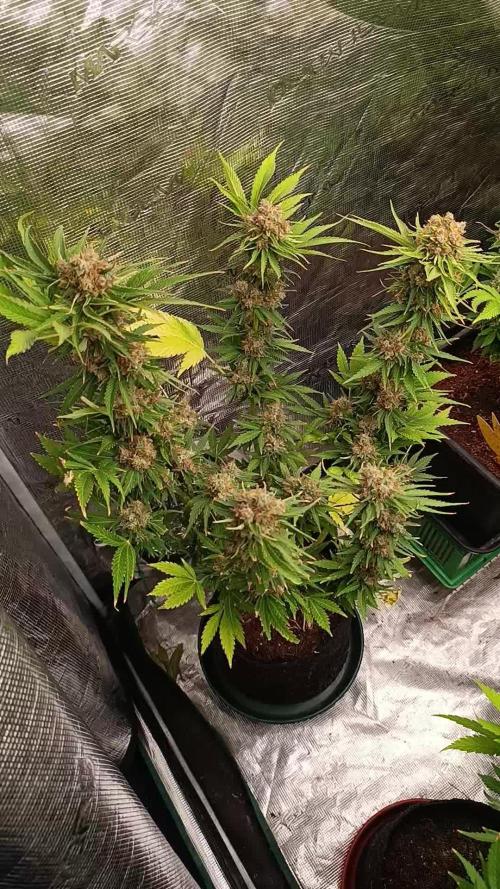
La fase final avanza con cogollos muy densos y bien formados, terminando de afinar su compactación y carga de resina. Los tricomas se mantienen mayoritariamente lechosos con aumento progresivo de ámbar, acercándose al punto óptimo de corte.
El aroma gana intensidad y profundidad, definiendo su perfil final. La planta reduce su actividad y se centra en la maduración, mostrando un ligero consumo de reservas en hojas grandes.
Cultivo estable y bien encaminado, entrando en las últimas dos semanas.
Seguimos creciendo fuerte 💪!
Likes
2
Share


@D_Dank
Follow
Blue Mystic buds are starting to develop. Left lemonade nearing completion, right lemonade is several weeks behind left lemonade on bud development. Left lemonade has purple hues in the buds.


Likes
66
Share


@DogDoctorOfficial
Follow
Not doing much this week, letting the girls do they’re thing and closer to the end of the week i will defoliate them hard
Day 11 and they are beautiful to my eyes 😅🤩💚💚💚
Ppfd- 800Umol/m2s
VPD- 1.15 kPa
Girls :
Tropicana Poison @sweetseeds - 7X
Chocolate Skunk @00seeds - 2X
Badazz Cookies OG @seedsman- 3X
Lights 2X Lumatek Zeus 465W Compact Pro @ 50%
All i Grow is medicine for myself, i do it with love for the love 💚💚💚
Growers love to you all


Likes
6
Share


@HUMO_Cultiva
Follow
Update of Goofiez 2 of compound genetics!! On RDWC it’s literally super fast grow !! We are doing a pheno hunting of 12 plants and we seed 4 of them that are the best at the moment

Likes
7
Share

@Kevs_Best
Follow
DE
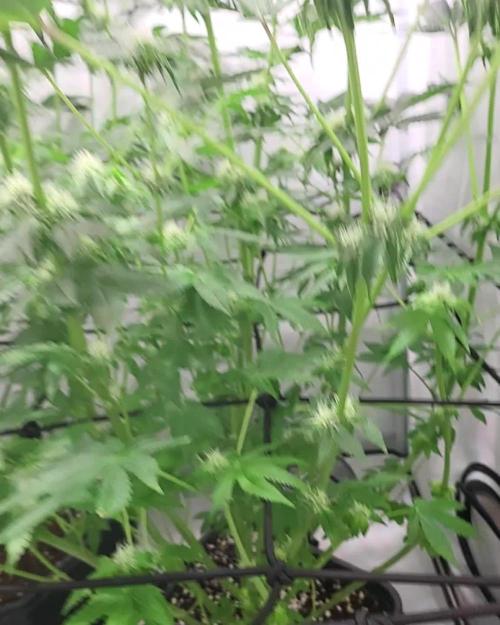
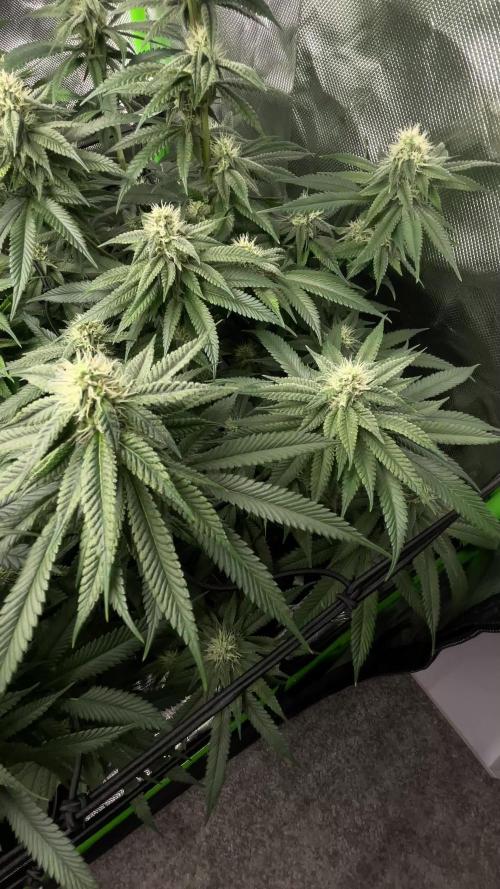
In der vierten Blütewoche verdichten sich die Strukturen beider Last Dance-Phänotypen weiter. Der erste Phänotyp hat seinen Stretch nahezu abgeschlossen und legt nun deutlich an Blütenmasse zu. Die Hauptcolas sind fest definiert und beginnen sich mit einer feinen Harzschicht zu überziehen. Das Aroma wird noch dominanter – sehr schwer, gassig und durchdringend, mit einem kräftigen Funk.
Der zweite Phänotyp bleibt kompakter, zeigt aber eine sehr gleichmäßige Blütenausbildung über alle Seitentriebe hinweg. Die Buds setzen zunehmend Kristalle an und wirken schon jetzt frostig. Sein Duft entwickelt sich klar in Richtung süß-fruchtiger Cocktailnoten, die immer intensiver und komplexer werden.
Insgesamt präsentieren beide Pflanzen in Woche vier eine starke Blütenentwicklung mit ersten sichtbaren Harztrichomen, stabiler Struktur und einem weiter ausreifenden, charakteristischen Terpenprofil.
EN
In the fourth week of flowering, both Last Dance phenotypes continue to build density and structure. The first phenotype has nearly finished stretching and is now focusing on bud mass. The main colas are firmly established and starting to glisten with a fine layer of resin. Its aroma grows even heavier – strongly gassy, pungent, and deeply funky.
The second phenotype remains compact but shows very uniform bud formation across all side branches. The flowers are noticeably frosty already, as trichomes begin to cover the sites. Its scent develops further towards a sweet, fruity cocktail profile that is becoming more intense and layered.
Overall, both plants show strong flower development in week four, with the first visible resin production, solid structure, and increasingly mature terpene expression.

Likes
59
Share


@TheCannaProphet
Follow
~ AirCube Active Oxygen Ebb/Flow System sponsored by GrowAce, featuring Tropicana Cookies by FastBuds ~
Well guy's and gal's here we go again on another exciting Autoflower run together! This time will be different as I will be doing a 'Hydroponic' run utilizing the AirCube Active Oxygen Ebb/Flow System by GrowAce, who were kind enough to sponsor me for this run, so it should be interesting to see what results I get and have some fun along the way!
•Let me first tell you about this 6 Pot Ebb/Flow system from GrowAce:
"The AirCube system is the one and only Ebb & Flow grow system on the market that combines the benefits of air pruning with a fully automated Ebb+Flow system! With the AirCube's proprietary fabric pot in bucket design, this system is guaranteed to outgrow any other Ebb + Flow system on the market. The results speak for themselves- grow MASSIVE roots that result in MASSIVE fruits!
Air Pruning- Air Pruning only happens with fabric pots. As the roots reach the fabric walls of the pot, they penetrate and grow into the breathable fabric. Once penetrated, the roots are exposed to air, which causes the tips of the root to dehydrate and naturally prune themselves. This natural pruning process forces the roots to grow tons of lateral fibrous feeder roots. This results in a plant that utilizes the entire root zone and fills the entire pot with tons of roots. These fibrous feeder roots are incredibly effective in uptaking water and nutrients, resulting in a plant that grows healthier and more vigorously!
Oxygen Benefits- Without oxygen, nutrient absorption cannot occur. On a molecular level, oxygen is needed to transmit nutrients across the cell walls and into the roots of a plant. With the AirCube's proprietary bottom lifted draining design, the system actively draws all of the water out of the bucket pulls vital oxygen into the root zone.
Maximum Versatility with Any Grow Medium: The AirCube System is the only system on the market that allows you to use any growing medium you like. Use coco coir, soil, peat moss, perlite, vermiculite, hydroton, rockwool or any other medium you wish! This system is the most versatile Ebb and Flow bucket system in today's hydroponics industry.
Temperature Control- with the fabric pots constructed with highly porous polypropylene fabric, heat dissipates easily and effectively. Unlike standard plastic pots, heat isn't trapped in the root zone. Heat in standard plastic containers can reach temperatures of up to 125 degrees. When this type of heat is trapped and unable to escape, it can damage your plant's health and limit the potential of your harvest. Growing in the AirCube System, plant roots grow cooler, healthier, and more vigorous.
Largest Pots in its Class- this system features 5 Gallon grow buckets, the largest pot size of any other ebb and flow hydroponic system in the market.
Modular and Expandable- start with 6 grow buckets and expand up to 36 grow buckets with the optional 105 gallons PopTank reservoir!"
For my medium and nutrients I decided to also switch things up from my regular Organic runs, going with Plagron Nutrients and Root Royale 70/30 Coco/Perlite. When filling the fabric pots with medium, I first added just under a gallon of horticulture perlite from Nor-Cal as a base layer to ensure good drainage and then filled the remainder with the Root Royale.
•Now for the outstanding, award winning strain from my friends at FastBuds... Tropicana Cookies Auto:
I'll be running Tropicana Cookies Autoflower which is a 60/40 Indica/Sativa Hybrid. "Tropicana Cookies Auto is the perfect variety for growers of all levels, especially beginners as this strain performs very well outdoors and indoors, and can produce up to 500 gr/m2 in 56-63 days without needing extra maintenance. Reaching up to 110 cm, this strain grows fairly tall with medium-sized branching, showing its mixed heritage. Definitely the right choice for those with a high tolerance looking to get their hands on the strongest autoflowers out there. You can expect an extremely powerful and long-lasting high that’ll boost your mood and give you that extra push you need to start your days on the right foot. This variety offers the whole range of citrus and woody flavors with a strong candy-sweet background that will keep you coming back for more and more."*
*References: GrowAce.com, 2fast4buds.com
______________________________________________________________________________________________________________________________________________________________________________________________________________________________________________________________________________________________________________________________________
The Setup:
• AC Infinity 4x4 tent
•AC Infinity Cloudline T6 Exhaust Fan w/ Controller 67
•HLG 650R w/UVA Bar *** For some reason GD does NOT have a listing for the USA version of the 650R so I selected the closest match to it.
•AirCube Active Oxygen Ebb/Flow 6 pot System
•DL Wholesale Root Royale Coco Lite 70/30 coco/perlite
•TrolMaster Hydro-X Controller for light
•AutoPilot APC8200 co2 controller fed by a 50# tank
•16" Hurricane oscillating fan and 8" floor fan
•Tent cooling via filtered outside air delivered by AC Infinity Cloudline T6 fan
•BlueLab instruments: PH Pen and Truncheon Nutrient Meter
______________________________________________________________________________________________________________________________________________________________________________________________________________________________________________________________________________________________________________________________________
Weekly Updates:
11/19- Week 4 of flower is here and OMG, these Tropicana Cookies auto's from FastBuds are on🔥!
The #1 pheno is stacking away, and is going to have some large flowers! The #3, which along with the #1, has beautiful purple coloration in her flowers and albeit not as stacked as the #1, she's a stunner! The #2, which is missing the purple coloration, definitely wins for having the 'funk'. The #2's flowers are getting covered with trichomes and her aroma is super strong!🤪
11/21- All three continue to do well and are progressing through flower nicely. I'll be doing a drain/clean/refill on the AirCube reservoir tomorrow to give the girls a fresh dose of nutrients.
11/23- 🦃Happy Danksgiving Fam!😎💖
11/25- I'm continuing with running the AirCube reservoir for 5-6 days between drain/refill, only topping off with well water and checking.adjusting the PH. The beginning nutrient strength is 800ppm, and over the course of the 5-6 days it has only been dropping approx. 150ppm's.
The #2 pheno is getting super frosty, has a very fruity aroma, and is looking like a champ! The #1 and #3 plants are looking sexy as hell with their deep purple coloration and both have a earthy funk aroma to them!
Yesterday I raised the HLG 650R to it's maximum height available putting it approx. 26" above the #3's, which is the tallest of the three plants, canopy. In addition, I reduced the power to 80% to keep from bleaching out the top of her main cola.
There's eight weeks past now since these girls broke ground and they're coming into the final stretch with only a couple of weeks to go. I hope to see you next week where I'll be starting to try to figure out a 'flush' for the trio. 😎🙏💚
💚 Thank you for checking out my passion in life! Please visit as often as you wish and I hope you enjoy this journey as much as I know I will! Grow what you love, Love what you grow!💚


Likes
10
Share


@Pechu420
Follow
The best plant I have grown so far. 64 grams for 3.7 liters (1 gallon). Drying for 8 days.
Dead at 92 days of life, practically the rhythm of an automatic with powerful results.
Flush in the last week, very light. Two separate times 4 days before harvest.


Processing
Likes
14
Share


@Wicked_Stix
Follow
We are at day 21 on this Cali snow and she is doing well. Takes training great and she hit a nice growth spurt at the beginning of the week. The girls are getting crowded but the setup is running like a well oiled machine. I will have to get them spread further apart somehow and they will be going under the QB lights soon. If I can keep the momentum going as smooth as it has been we might just get some late summer snow! Happy growing everyone.
Likes
22
Share


@PrairieFrostGrow
Follow
Week 4, May 2 to 8/20**********Days 22 to 28 from germination*********
Fighting pH with numbers of 7.1 still coming out after putting in 4.5 for days and never given over 6.1 from the start?? Its time to rule out the damn pots as the issue because there is simply nothing else left......coco with perlite flushed from the start.....feed never over 6.1?????? How is run off staying so high even after several waterings of 4.5pH. They are only three weeks when this issue became apparent. I had cut slits in the bottom of the pots to aid in further drainage????
I transplanted the Fast Buds girls into 3 gal plastic pots. They are fighting the pH issues more than the other girls and will I pick on the weaker ones.......unfortunately its these ones. Plus since GSC is a longer running strain In this grow I figured these girls may have the most time to make up from any shock.
GSC went well and she came out of the fabric pot well and into the new one. They were both exactly 10” across so I cut the whole fabric pot in half with razor knife while holding together. First girl fell right down in and went okay!!!! Cool👍👍👍
GSC2 on the other hand had more of an F U attitude about it all😡 Followed the same process but she didn’t’ come right apart nicely like the first one. She fought one side of the pot and in hind sight I should have cut a plus symbol or star pattern in the bottom of the pot rather than just the one slice.......It wouldn’t give right on the bottom of the pot on one side. When it finally did the roots came up from the bottom and she was flipped inside the medium..........basically worst case scenario 🤬🤬🤬 So what can you do.......you show her some extra love❤️ and talk softly to her😚 and promise to make her healthy👊 and strong💪 and never to hurt her agian😍😍🤞
Little more detail.........
May 2/20 - Day 22
- 2L feed for each girl with CalMag @ 0.5ml, Vitathrive, Sensyzime, Piranha, Voodoo, Dual Fuel @ 1ml = 625ppm and 5.0pH
- runoff numbers:
- GSC 590ppm with 7.3pH
- GSC2 580ppm with 7.2pH
- why so high damn it??
May 3/20 - Day 23
- 6L mixed with Vitathrive, VeloKelp, Sensyzime @ 2ml, Piranha, Voodoo @ 1ml = 165ppm and 5.0pH
- 3L given to each girl.
- GSC girls have perked up the last three days.
- GSC2 is getting wider but not taller.
- Runoff numbers:
- GSC - 725ppm and 6.9pH
- GSC2 - 650ppm and 6.8pH
- thinking that cheap fabric pots are the issue with high pH I am going to transplant two of the four girls into plastic pots and see how that goes.
- GSC transplant went well.
- GSC2 transplant not so well.......she caught the edge coming out of the old pot and her root mass became all twisted😞😞😞
May 4/20 - Day 24
- dry out day and leave them alone after being so shook up yesterday.
May 5/20 - Day 25
- gave a small plain water feed of 2L each with ph to 5.0
- water and left them alone again today.
May 6/20 - Day 26
- Feed day again. 1.5L each for each girl with Dual Fuel, Vitathrive @ 1ml, CalMag, VeloKelp @ 0.5ml = 675ppm and 5.1pH
- the girls are working through it......just give them time.
May 7/20 - Day 27
- simple feed today with VeloKelp @ 1ml and Sensyzime @ 2ml = 165ppm and 5.0pH
- each girl given 1L.
- GSC is looking like she is fighting back and starting to see her increase in size.
- GSC2 is also coming along because her dying leaves are also starting to perk up.
- Did some some stem twisting on GSC to help strengthen her stock.
May 8/20 - Day 28
- Dry out day
- The girls are doing well with the Kelp and while they are not much bigger they look healthier!
- GSC2 low branches are not sitting in soil anymore👍
Cheers Growmies........have a great week!!!!!
Likes
15
Share

@masterofsmeagol
Follow
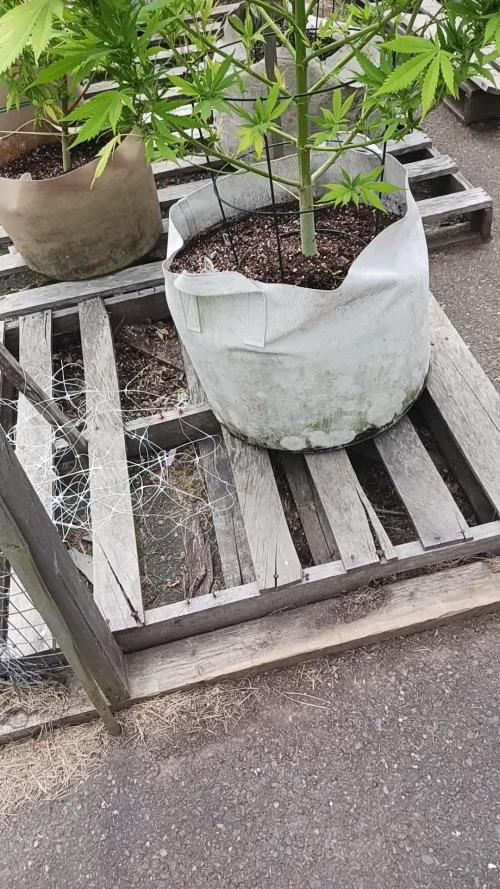
8/17 Watered everything but the 50. Found two leaves with sep markings on the pink kish in the 50. Definitely not using old soil again. I'm pretty sure THIS plant contracted it from the soil and not the way the others did with the lawn mower and birdseed hijinx. It's supposed to rain for the first time basically all summer. It's am 80% chance so I HELD OFF ON PLANT DOCTOR AND DID NOT APPLY as I'm supposed to have a clear day after. I'll apply the plant doctor in the morning. I'm hoping this rain will knock down a bunch of those thrips. They seem to be on a small branch on a plant or two. One or two leaves show damage and I'll pick them off. I figure I'll get them after I apply plant doctor. I'll use either citric acid or just my regular bt-k pillar treatment with Castille or liquid soap. That will kill them as well. I'm on really worried about it. I also might just buy a bunch of lady bugs and unleash them once things get further along.
EDIT: TOOK A QUICK VIDEO AND A COUPLE PICS. HOPEFULLY WE GET THIS RAIN. IF NOT IM GOING TO TREAT THE THRIPS THAT ARE ON TWO PLANTS NOW. I THINK IM GOING TO GO WITH BT-K FOR NY PILLARS AND HOPE THAT THE DISH SOAP IN THE MIX KILLS THE THRIPS. I HAVE LOTS OF DIFFERENT OPTIONS SO ILL FIGURE SOMETHING OUT. BUDS SEEM TO BE EXPLODING IN GROWTH. OH AND THANKS TO THE OUTDOOR GROWER THAT MESSAGED OFFERING TO HELP. I APPRECIATE THAT. THANKS


Likes
47
Share


@Ultraviolet
Follow
New week. 55-65 DLi. The dodecahedron is the only Platonic solid that has infinite numerical pathways. Might mean nothing to you yet, but its means infinity to me.
Likes
14
Share


@TOMI08
Follow
120.nap...de lehet hogy több😀😀
A lányok szépen meg nyúltak
Volt egy kis tápanyag problémám de már jól vannak
Elfelejtettem a rovarok ellen a múlthéten fújni és a kender moly is be fúrt a bubba slushba
A jövő héten puskaport akarok adni a special kushnak
Likes
12
Share


@Big0zGrower420
Follow
Day 21 from seed today, plants are growing good. Going to give some Microbe life and add some top dressing but that’s about it. Been doing LST on the one cookies and she is growing really nicely.


Likes
2
Share

@Bluetenfee_420
Follow
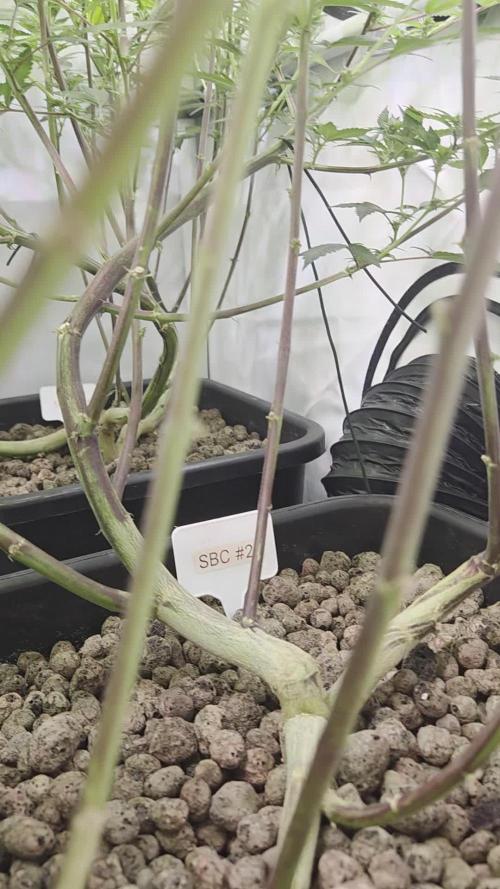
Die 3. Woche ist um, die Ladys haben kleine rot/lila Blüten gebildet und reagieren gut auf den höheren EC (2.1).