


Likes
Comments
Share


@hyperborean
Follow
I am glad to see her so well. Every day I water her and give her my love. Not much else needs to be done so no more words just videos and pictures to you guys. Happy new year! ❤️

Likes
11
Share

@ohcibi
Follow
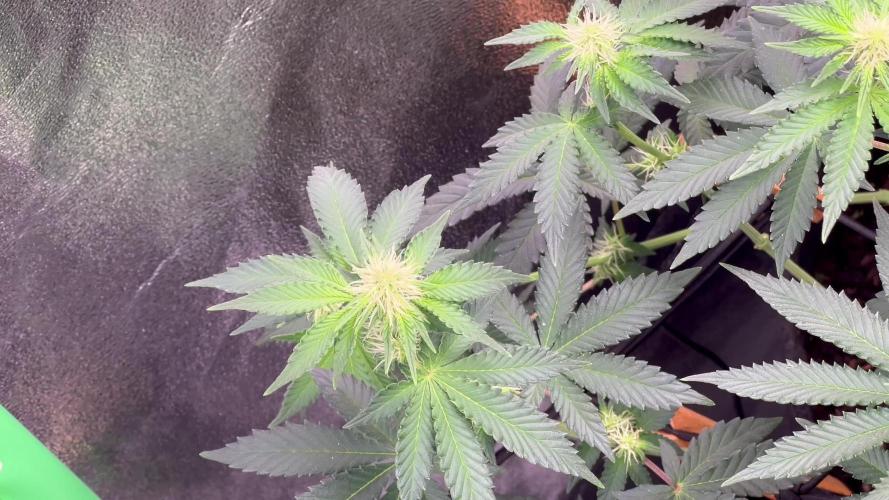
After a week of super stretch to today 52 centimeters which crashes the 100% growth mark finally bud sites became clearly visible. Now for the final phase. Water intake is massive. When I upped to 2.5l per plant per 2 days from before 1.5l I saw zero difference in how fast the soil went dry etc.
The plants stopped transpiring as much such that my humidity came a bit down. I was up to 60% at some times during the day. But it’s down to 50-55 again. Depends a bit on how often I vent the room.
Gotta have to have a final stress point which is that I might have too move. Will share some pictures of how I’ll pull it off. Stay tuned.

Likes
14
Share

@PPFDaddy
Follow
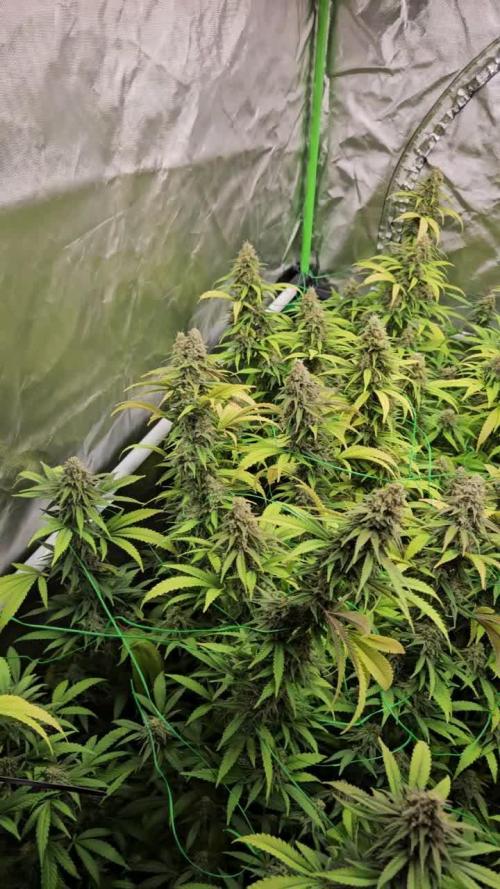
Flowering week 8 is done for my girls. The week went pretty smoothly, except for one issue that’s getting more obvious as the buds gain weight. On at least the three Critical Orange Punch plants, the branches are starting to give up and lean wherever they feel like, so the tent is a bit “lived in” right now.I did my best to support everything without making it a whole engineering project, tying branches together and pulling them into better positions. A scrog net would’ve helped, but with the tent upgrade and how often I’ve needed to move plants out for checks, it just wasn’t practical this run.Aroma-wise, this round feels noticeably sweeter than my previous Critical Orange Punch run, except maybe the Special Kush. Buds are a bit smaller, but they’re making up for it with resin, color, and overall intensity. Special Kush might be the least productive, but that piney note with a touch of lemon is seriously addictive.Parameters are stable, humidity is slightly high at around 55% to 60%, temps around 23°, and I’m keeping feeds consistent with low EC like I’ve been doing the last three weeks. I’m expecting at least two more weeks to go.That’s it for this week. Tips and opinions are always welcome. Happy growing everyone!

Likes
3
Share

@MyWetPussy
Follow
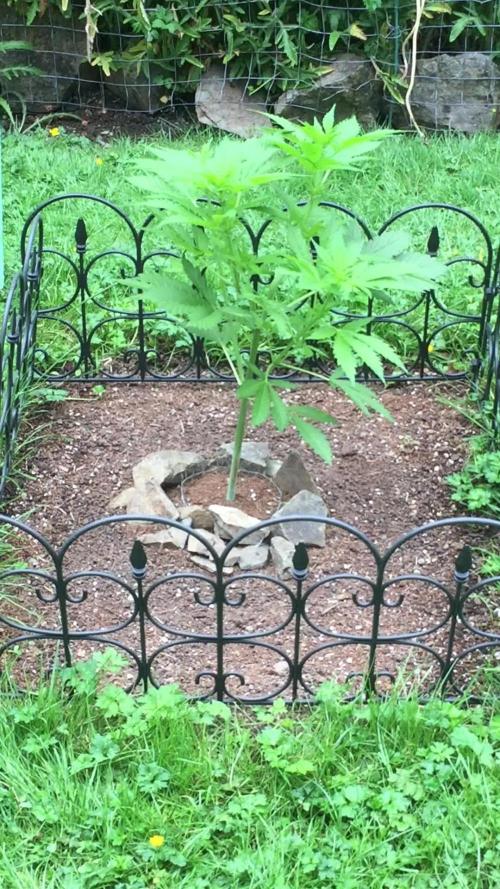
Day 43 Sunny
Day 44 Sunny
Day 45 Cloudy
Day 46 Cloudy with periods of rain
Day 47 Cloudy with periods of rain
Day 48 Cloudy
Day 49 Cloudy
Week review: Temperatures dropped this past week. Day 45 I removed the two bud clips. Plant is now in the flowering stage.
😍

Likes
9
Share


@JamaweedOPO
Follow
A planta segue bem parou de crescer na última semana e começou a engordar as flores.

Likes
9
Share

@Oldwied
Follow
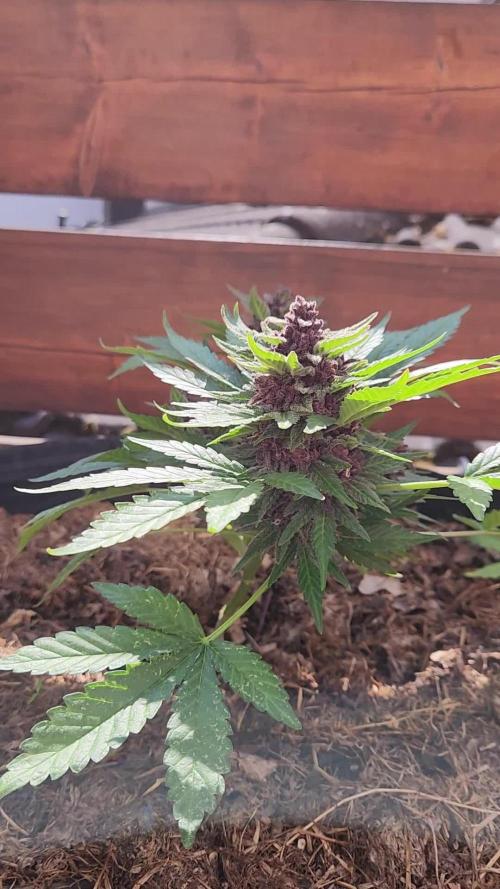
One day before I cut down this massive tree. The flowers are very thick, deep purple and exude a floral, fruity smell.
Day 85
Photoshooting
Likes
48
Share


@TheCannaProphet
Follow
~ WEDDING CHEESECAKE FAST FLOWER by FastBuds ~
Well fam, here we go again with another epic strain from FastBuds Fast Flowering stable. After having such tremendous success growing their Gorilla Cookies Fast Flower outdoors last year, I've decided to run another of their fast flowering strains outdoors this year... Wedding Cheesecake Fast Flower!
The best description of this awesome cultivar comes directly from my friends at FastBuds which is as follows:
"A delight for the mind and body: Wedding Cheesecake FF (Fast-Flowering) is a delicious strain that offers XXL yields in a 7-8 weeks flowering cycle. This terpene powerhouse produces loads and loads of mouth-watering vanilla-creamy-cookie-scented terps with hints of citrus and cinnamon. In addition to its delicious aromas, this variety grows very well in both indoor and outdoor setups, yielding up to 650 g/m2 without extra maintenance, making it the ideal strain for beginners as it allows you to maximize yields while minimizing work. This super-fast feminized photoperiod version offers upbeat and energetic yet deeply relaxing effects that are perfect for consumers looking for a heavily focused, motivating, and creative high. It’s the ideal strain for those needing that extra energy boost to start a busy day on the right foot.
Wedding Cheesecake FF boasts chunky, large-sized buds with a thick layer of silvery-white resin and bright orange hairs scattered all over: that just screams ‘quality’. The lime-green flowers sparkle with an array of hues ranging from dark to light green, to magenta and purple, and reek of a delicious aroma that’ll remind you of fresh store-bought cheesecake.
This is an XXL hybrid that grows extremely tall in height, reaching up to 3m with one huge main cola and multiple long side branches that can withstand enormous yields of up to 650 g/m2 with ease. Wedding Cheesecake FF is extremely resilient to the elements and can be grown in almost every climate as long as you’ve got the space and basics covered, making her an excellent choice for those looking for large-scale harvests with a quick turnaround time without much effort."
________________________________________________________________________________________________________________________________________________________________________________________________________________________________________________________________________________________________________________________
The Setup:
This is going to be an outdoor grow, but I have started the Wedding Cheesecake FF indoors as our weather is still too cold to put her outside (nighttime temp's dipping regularly into the 30's℉).
The plan is simple... let her grow inside under a 19/5 light schedule until the nighttime temperatures stay above the mid 40's℉, at which point she'll be moved outside and transplanted into the soil which I have already setup and inoculated with beneficial microbes, and then let the fun begin!🤪💚
________________________________________________________________________________________________________________________________________________________________________________________________________________________________________________________________________________________________________________________
Weekly Updates:
8/13- Week Two of flower is here for the FastBuds Wedding Cheesecake FF, and I must say how thoroughly impressed I am so far with this strain! It has withstood attacks by insects (leaf hoppers and Japanese Beatles), intense heat and humidity (110℉ heat indexes with 90+% RH) and multiple splits of two of her main branches at the trunk, and yet has grown into the 'Beast from the East' reaching over EIGHT feet in height and spreading her branches out to an enormous SIX foot diameter! Our weather has cooled off after last weeks tropical system passed and it's nice to have a much needed break from the heat and humidity!
8/15- I am continuing to water daily with 5-8 gallons of well water from the garden hose.
Today, I top dressed the Wedding Cheesecake FF with 3 cups of Gaia Green 2-8-4 Power Bloom which I watered in with well water from the hose. I then applied 1/2 gallon of a nutrient mix I made up in 2 1/2g of well water consisting of: 1/4 cup Neptune's Harvest Seaweed(kelp) plant food and 2 1/2 tsp. of Plantonics Amino Bliss.
While I was under the canopy I also removed a bunch of scraggly small, thin branches that were anywhere from 12" to 20" long and would never had amounted to anything worthwhile.
8/17- We had a couple of passing light rain showers today which didn't provide a lot of rain so I went ahead and watered the Wedding Cheesecake Fast Flower with approximately 5g of well water just to make sure that she didn't get thirsty.
8/19- Thunderstorms yesterday and today have taken care of my watering duties and all I really had to do today is to remove some yellowed and dead leaves throughout the canopy.
There's the second week of flower on the books for the FastBuds Wedding Cheesecake Fast Flower and I anticipate that she'll really start to take off in the next week or two so hold on, this could be a wild ride!🤯
Thank you for checking out my diary, your positive comments and support make it all worthwhile! 💚Growers Love!💚😎🙏
Likes
31
Share


@Pedrojuan
Follow
Esta semana, será muy corta solo 48 horas con el florakleen y después cosecharé los tricomas se ven a punto, espero en estos 2 días que no se pasen así tendré unos cogoyos muy potentes. Veremos cuanto dará en húmedo y seco.


Likes
73
Share


@Andres
Follow
I mean this genetics it's excellent ... if I would grow zombie kush again ... good job ripper seed ... she fought and was very strong against the plagues after a beginning outdoors ... she fought against the white fly. worms .. red spider and other insects ... and deserves your recognition ... it will not be the most beautiful plant with its leaves impeccable ... but she is a champion ... thank you ripper seed .. .

Likes
13
Share

@Huntablunt
Follow
High!
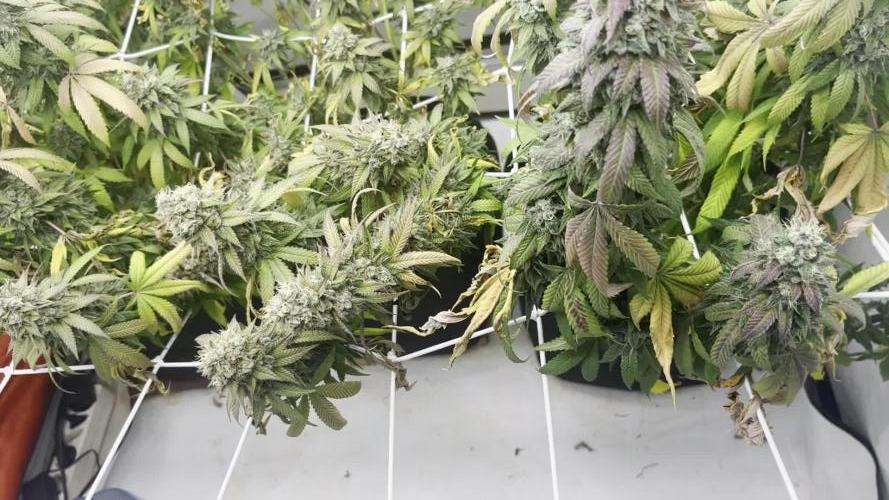
The final courtain fell today.............I am amazed and will report again after curing......smell, looks is just amazing. After ripping of the leaves of these resinous buds I had 1,5g of hash in my hand.....
Processing
Likes
6
Share


@ganjaman24
Follow
Just got a new 600w mh/hps light for now it’s in my current setup with my 250 n it’s dimmed to 50%, only reason I mention is b/c the plants seem to be loving it!! They’re 12 days old from seed, still just ph’d water for them! So far so good :P


Likes
45
Share


@valiotoro
Follow
The buds are exactly how I like them super dense, frosty, and sticky!
The smell almost makes you hungry… gonna pair perfectly with the afternoon coffee, haha!
Biscotti see you soon

Likes
8
Share


@eldruida_lamota
Follow
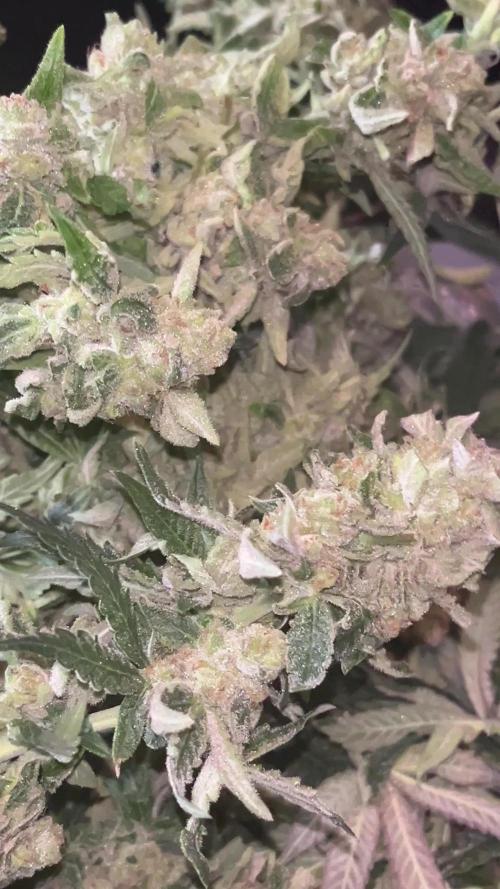
Que hay fumetillas, terminamos el primer mes de floración, pensé que serían algo más rápidas pero bueno, tengo tiempo, aun así hay que ver hasta el final que es lo que sucede.
Controlamos ph humedad por debajo de 45% temperatura media de 24.5 grados, aumentó una vez por semana la cantidad de ml por producto, último cultivo con advancednutrients, los próximos proyectos los trabajaré con AgroBeta.
Buenos humos fumetillas 💨💨💨



Likes
21
Share


@Bak2Blk
Follow
Yall see the yellowing of the leaves closest to the top? I've since switched my nutes over to Tiger Bloom and I've thrown in some Cal-mag into the mix. They'd gotten kinda droopy but since I changed their nutes up a bit, they've been perky af even tonight as it's getting close to lights out. I switched them over to flower on Sunday. They're already starting to stretch in just a few days which tells me that they're feeling much better. My last video... even though it's not loaded correctly is from tonight. It's 11pm, lights are out in an hour and they're still perky. Love it!! 😍😍😍
4/6/23: Yall.... the plant in the back right hermied!!! OMFG. The 2 tallest branches had seeds on them... just popped up because they weren't there yesterday or at least I didn't notice. The seeds were concentrated at the top, I didn't find any on the rest of the plant but with as bushy as they are, there may be more. I cut those 2 tallest branches down to below where the seeds were but I will be watching that plant and the rest like a hawk for more seeds. I didn't find any on the other 3 plants but still I'm saddened. Unsure of why this one plant is hermie'ing. Smh

Likes
14
Share

@GREENPHOENIX6262
Follow
03/22 - (M) - She is perfectly - Her numbers are spot on and the feeding schedule seems to be dialed in perfectly - I will increase her carbohydrate feeds with the Raw Cane Molasse to increase terpene production.
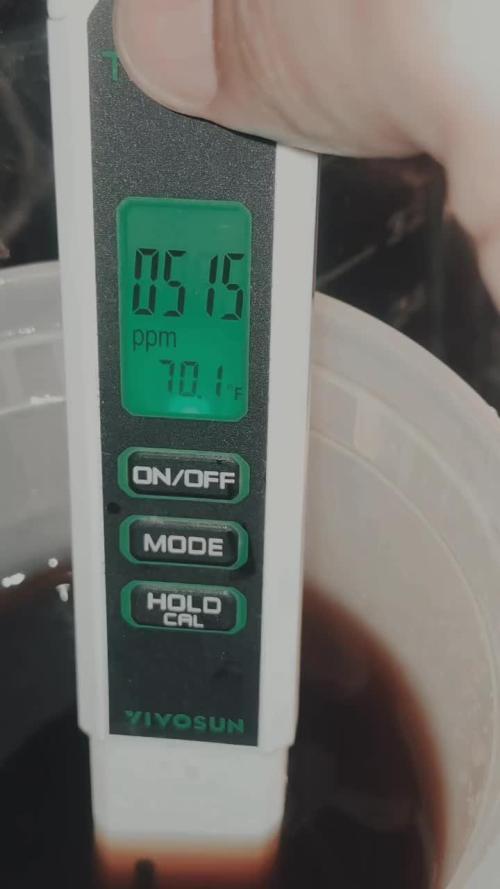
03/22 - (C) - Hit a little snag with the babies last week and through off their PH/EC/PPM's - Gave them a hard flush yesterday (Only distilled water) to stabilize the numbers and got all of them down to optimal levels. Did some defoliation on the yellowing leaves. I will upload both night and day shots for this week for the babies
03/23 -(C) - Flushed them out hard last night and in less then 24hrs WHABAMMMM!!! they are already bouncing back - Will stick to just clean water feeds for now - They will begin a low-dosage nutrient feed (Micro-dosing) in about a week.😎😎😎😎😎😎😎
03/24 - Flush out complete - They have all bounced back and back to running accordingly - Running AC infinity supp lights and level 2 for under top canopy coverage.

Processing
Likes
26
Share


@GrowGuy97
Follow
Day 49 - Still giving the ladies just PH water with no nutrients trying to see if I can fix whatever is wrong with them😅 All in all the White Widow & Orange Sherbet plants I took individual pictures of are growing great & should have a pretty nice yield! Thank you for following & make sure to check back for daily updates! Happy growing friends!🌱✌️🏼

Likes
Comments
Share

@blaze_fpv
Follow
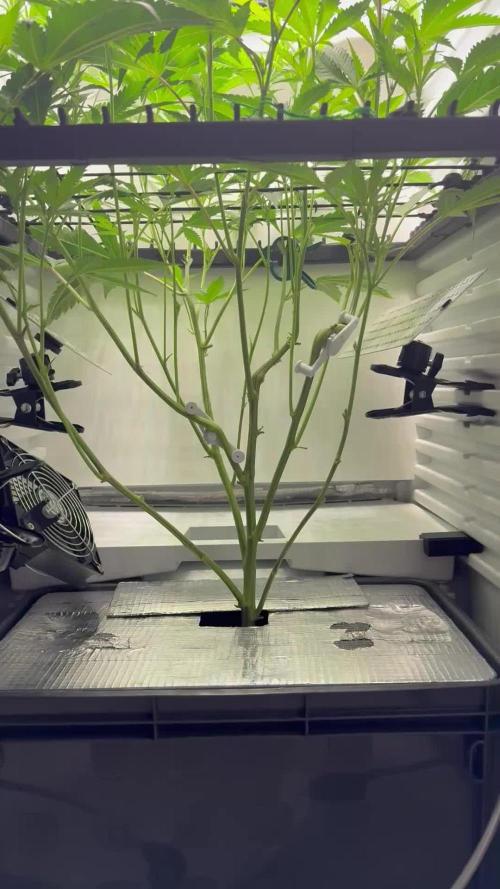
Week 2 flower | it started to fill out the space pretty well | did some scrog work | gonna keep adjusting the net
