


Likes
Comments
Share


@Borberad
Follow
Letzte Woche verlief ohne Probleme hätte auch noch 2 bis 3Tage länger stehen können. Mögen aber lieber weniger amberfarbene Trichome daher jetzt kommt sie schon ab.

Likes
29
Share

@For2itous
Follow
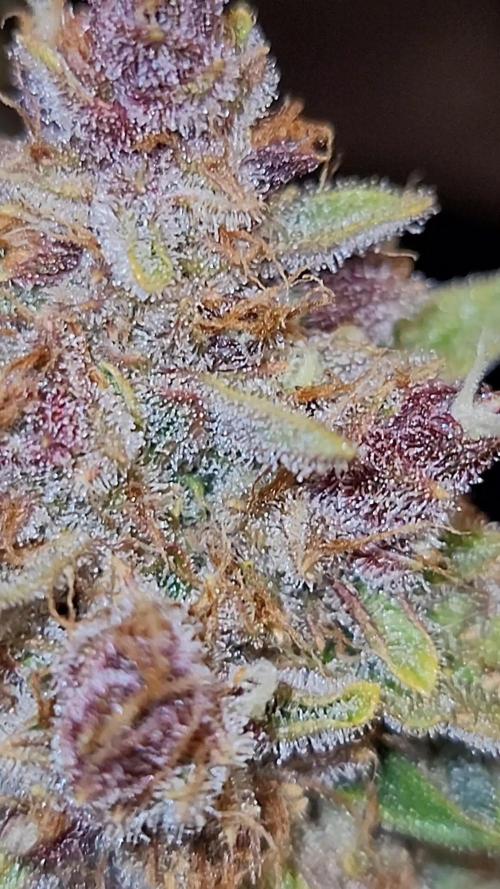
Very easy and flavorful strain to grow. Pleased with how she turned out and the smoke/smell is definitely something weird and unique. Some chemical fruit with a little bit of sour/sweet. Definitely will grow this again. Happy growing 🌴



Likes
10
Share


@Papastroumf
Follow
Day 40 : Watering today community after 3 days. They were too thirsty and drank 2.5L per plant. I added a lot of food to the water. But it finished with 800ppm only. I think Biobizz decreased the density of nutrients. I added 1 co2 tab / 5L as every time. Also made small defoliation to the bottom for all ladies. She have reached 45cm. There is something strange in this one. She is indica phenotype as its obvious, which means she flowers faster but she looks a bit behind. Maybe she felt the air so much in front of fan. I moved her and places DsD in front of fan.

Likes
8
Share

@GREENPHOENIX6262
Follow
03/22 - Night/Daytime shots - Both have grown about an inch since last week and are thriving - I will be running drip lines on them probably by the end of the week for consistency with feeds.
03/23 - They got a little funky on me last week so I fed them both to run off and realized their PPMS/PH where insane!! - Flushed them out hard last night and in less then 24hrs they are already bouncing back - Will stick to just clean water feeds for now - They will begin a low-dosage nutrient feed (Micro-dosing) in about a week.😎😎😎😎😎😎😎
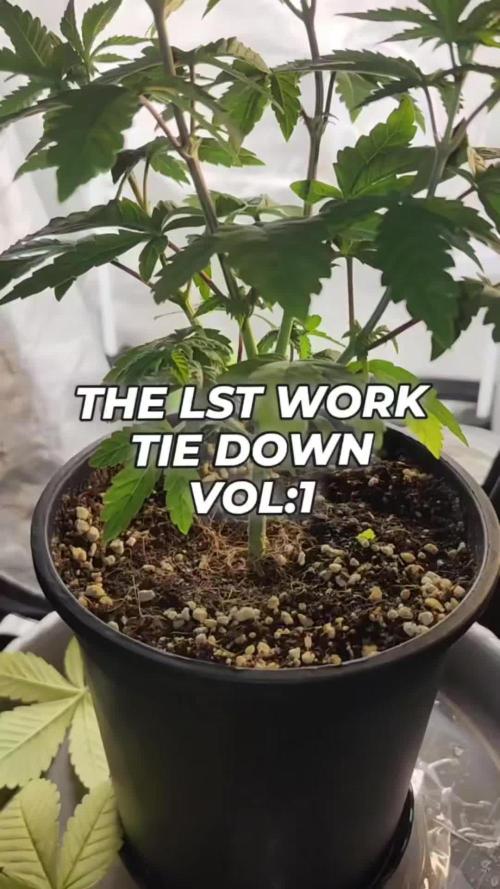
03/27 - After flushing to combat the PPM/EC/PH over kill they are bouncing back accordingly - LST'ed them both to make room for mid root zone coverage and try to even out the canopy early.
04/01 - Closing out the week humbled - got 2 comfortable and impatient - they took a minor hit but are rebounding accordingly - She new week for current update.

Likes
11
Share


@Farmer1
Follow
Hi everyone, I transplanted the lady into a bigger pot before her last transplant for early August. I added mycorrhizae and I pinched the stems to control the height. She looks very happy .it resists very well to very high temperatures. 38 degrees in the shade in the middle of the afternoon.


Likes
4
Share

@Canna055
Follow
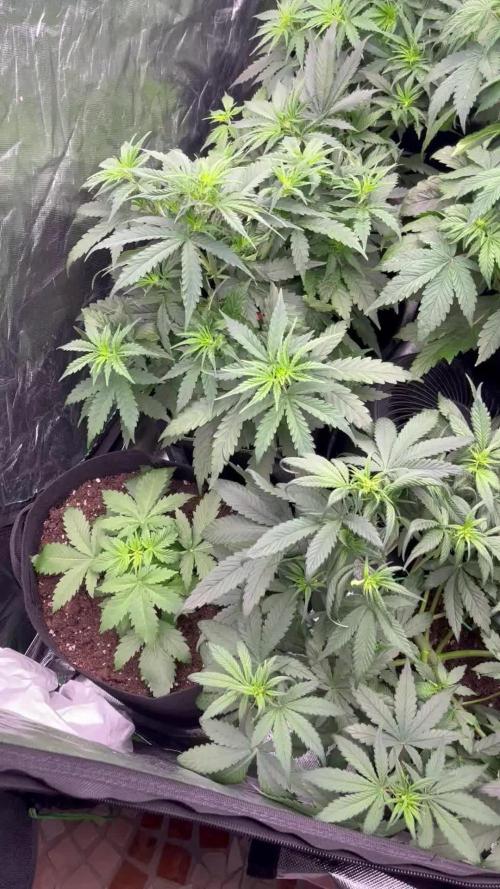
4 Wochen im Run, & ab jetzt wirds richtig eng in der Box 😆 die Ladys flippen langsam in die Blüte

Likes
62
Share


@masterofsmeagol
Follow
8/23 Fed 2 gallons of nutes to the garden. I'm planning to increase feeding to three gallons as plants look hungry. Ice cream cake isn't as vibrant as it once was. Still losing leaves but I find that is consistent with others in my area according to the local growers page. The hurricane missed us but the rain and humidity are still a problem. It's not raining (plants were soaked so it rained last night) and rh is still 100%. It's outdoor so what can I do? What I NEED to do is spray BT and something to combat PM. Plants are flowering nicely. It's good to actually have some flowers to look at. The smell is great too.
8/24 Didn't water as it rained last night. Defoliated what was dead. Fog was so thick you could cut it with a knife. Everything is in flower. The little ice cream cake flowers don't look like they like this rain. I don't blame them. I don't remember the last time it didn't rain at night. I noticed more damage on plants or maybe old damage. Either way bud shoots are gone on a few lower limbs. I can't pull up my bags as the are firmly rooted. I checked under the five gallon buckets (which were also somehow firmly rooted) and found a shit ton of earwigs underneath. I killed what I could. I tried spraying a bug with dawn but it didn't kill it or at least didn't kill it right off. I stomped on them and tore open the earth. Logic dictates they are probably under the grow bags as well. I'm going to try Spinosid tonight. I'll look up some other methods as well. If anybody has advice please hit me up.
UPDATE: Went back down at 6. Super sunny and humid today. Temp was 92 with humidity about 90%. I couldn't spray. I'll have to wait until tomorrow. Found four more moth leaves on the sick isolated plant. They must like the injured ones better.
8/25 Watered and defoliated what needed it. Buds are growing rapidly. Took pictures but have been unable to upload due to slow internet connection. Hopefully the weather will allow me to spray tonight.
8/26 Watered heavy as it's been in the 90s. Couldn't spray as it was to hot last night. Buds are tightening up. Ran out of LCPT so I need to find an alternative. Now that plants are flowering it's easier to see the damage from the earwigs. No buds where they should have been on some low branches. Not many and hopefully the few that got lollipoped will focus growth on the top. I hope I'm able to make it down late tonight to work. I was worried about my plants flowering late but that might be a blessing in disguise. I've seen lots of people losing plants to bud rot. Thanks for stopping by and please leave any thoughts or advice in the comments.
8/27 UPPED MY FEEDING REGIMEN TO THREE GALLONS AND USED TWO TBSP TIGER BLOOM IN PLACE OF KOOL BLOOM AND USED A WHOLE TBSP KELP FOR THE HEAT. This heat is killing me. Yesterday was over 95f with rh in the 90s. My medication makes the heat harder to bare. Defoliated what needed it. I'm in town looking for a fungicide. Planned to use apple cider vinegar this morning but of course I couldn't find it. Buds still rapidly forming. I'll update later. I picked up potassium bicarbonate and citric acid and have the recipe and ingredients for both diy green cleaner and green cure. Once the sun starts going down I'm going to use the potassium bicarbonate recipe. Bought a bunch of potassium bicarbonate and citric acid. I am now able to make diy versions of both green and green cleaner. I mixed 1tbsp potassium bicarbonate with 1/4 teaspoon dawn and sprayed two gallons on the plants last night. Leaves were yellowing more and traveling upward on the blueberry. Bleeding like nitrogen deficiency. I'll monitor. If plants don't improve I'll need to do a flush and an application of Spinosid. Wanted to take pics but the phone died.
8/28 Thoroughly watered today. I also had to defoliate a ton of yellow leaves on my blueberry's. I'm hoping it's not nutrient lockout. I still have three issues that could be my problem 1) the WPM 2) PISSIBLY ph fluctuation or worse w lockout and 3) earwig or inch 🐛/ moth larvae causing damage. I'm coming out of my funk so hopefully I can fix these issues. Smell is amazing and the buds are really starting to develop. They looked bigger in the evening than they did in the morning. It was over 90° f yesterday and I woke up to 50 this morning. I'm sure these big temp swings don't help much.
8/30 Rained last night but I watered slightly as there wasn't much rain. ADDED TWO MORE I.R. CAMERA'S last night. I feel more secure as the area is also protected with motion sensors and a whole bunch of other stuff I'm not going to mention. Anything bigger than a porcupine and things get bright and loud and signals get sent, roads blocked ECT. Not my first rodeo deep in the Maine woods. The grow will not be left alone and hadn't been for a few weeks. Anyway I lifted a 5 gallon bucket and found more earwigs. It jives with some of the damage I've been seeing. I'm thinking of spraying spinosid instead of BT tonight. At least the buds are starting to fill in. They don't seem to bother those as much. They did bite off a bunch of grow shoots though. Either way I have a few issues to deal with. As long as the weather stays alright until October I should be fine. My ice cream cake is barely flowering and it's HUGE. I have another seed that's in a similar state. Others are further along. We shall see how things go. The little ones could be transported inside at night if necessary.


Likes
2
Share

@Crazy_Luxembourg
Follow
🌱 Dognabis Cup 2025 – Jalousy Diesel Auto · Octo Genetica
After preparation comes life. 💚
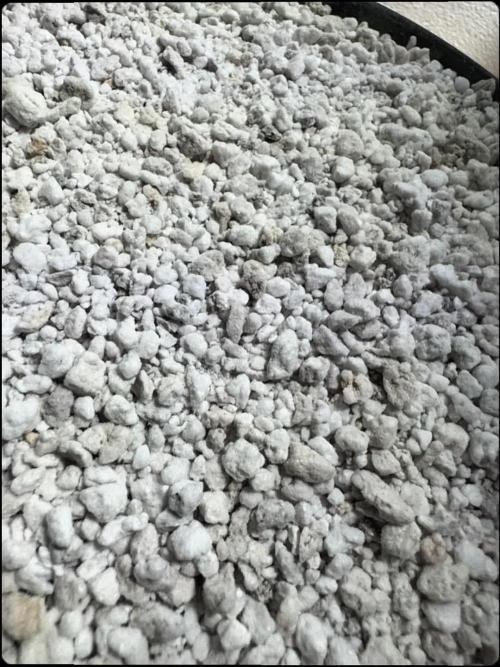
Before the seeds sowed, I carefully prepared my 100% coco substrate with the Aptus Super Soil Organic program – the foundation for an active, vibrant medium that provides everything a young plant needs right from the start.
Since coco naturally contains no nutrients, I deliberately chose a slightly stronger mix to create a stable and biologically active base:
Likes
4
Share


@Soskar69
Follow
The plant is doin very well, the colas are all getting bigger and the resin production is huge. I'm near the harvest so within few days I'll give her the last nutrients ans the next week I'm gonna flush her. I'm very happy about this plant, she takes nutes very well and give zero problem.
Likes
60
Share


@julian100614
Follow
La pequeña gorila sigue fabricando pistilos y sus tricomas siguen transparentes, con lo cual la dejaremos alguna semanas mas para ir viendo el proceso.
Los cogollos están realmente prensados y tiene un fuerte olor a cítricos 🔥 muy muy pegajosos
Con ganas de terminar esta maravilla para poder fumarla 👌

Likes
49
Share

@masterofsmeagol
Follow
6/23 Due To The Two 8 Day weeks this week will only consist of five days to get me back on track. SEE LAST WEEK FOR DETAILS. I DID ANOTHER EIGHT DAY WEEK. I'LL DO THIS WEEK AS SIX DAYS. THAT WAY IM BACK ON SCHEDULE. WATERED 6/22. WENT BACK AT NIGHTCAND WATERED ANOTHER GALLON WITH 1/3 TSP Armor Si. I mixed the solution with kelp you kelp me but I dumped it out. I've mixed silica with other nutes before but I had read something earlier about bioavailability issues and I didn't want to risk it. My plants are the healthiest I've ever grown. I'm considering transplanting the large 10th planet that I'm light depping. I also need to develop my ipm and my nute schedule. Still gonna have to keep an eye onvthe water situation. Luckily I have a buddy in my corner that's co tinualkt Bern a great help.
WENT BACK OVER AROUND NOON. BEAUTIFUL OUTSIDE AND THE PLANTS WERE LOVING THIS SUN. I DEFOLIATED SOME BURNED LEAVES AND MIXED A SOLUTION IF KELP ME KELP YOU THAT I PLAN TO FEED TO THE GARDEN TODAY. IM HAPPY WITH HOW THINGS ARE GOING. WE HAVE SOME RAIN AND THINDERSTORMS COMING. I NEED TO GET MY IPM UP AND RUNNING AND THE NUTES ONLINE. I ALSO NEED TO DECIDE IF IM GOING TO TRANSPLANT THE LIGHT DEP 10th PLANET. Went back over to put the girls to bed at six and if was still 90 degrees. The water from yesterday had dissipated. The tops were dust dry. I mixed two gallons of kelp you kelp me and fed it to the garden. Afterwards I pointed qbd found a couple plants that were more open to the wind were a little lighter. I know tomorrow will be very hot. Maybe quarter inch of rain. However after that it will rain (showers) off and on for days. I wanted to make sure the girls had what the needed to make it through tjis heat wave until they get that rain. I had another gallon mixed up and I'm thinking I should've given it to them. Oh well. I'd rather underwater than overwater any day. I did notice a burnt top on the plant furthest from the tarp that the sun JUST BARELY TOUCHES when the rest are in shade. I'll just raise the tarp a little. These are tiny problems. Can't upload video until tomorrow.
6/24 Good thing u gave the plants that water. I know it wasn't much but we didn't get any rain. Suppised to get a qtr in today and another qtr in tomorrow. Then rain a couple more days. It's working our really good for my watering schedule lol. Yesterday the girls got there first dose of a bottled nute. They got two gallons of kelp me kelp you (1/3 tsp per gallon) and another gallon of just phed water. I was going to do another gallon but held off due to the threat of syring rain. Didn't get it bur it looks like the plants loved the kelp. It had reached 90 yesterday. They look better today. It's 70 at 9 today. I LST the 10th planet in the 3 gallon. It's getting huge. I should start a separate diary for those three light dep plants. Its cool as hell watching this. One of the purple punches is flowering pretty good. I probably should start another diary for them. I'll be starting to feed my plants soon. Wondering if I should pinch plants again. TUCKED THE LITTLE GIRLS IN AT SIX AND SHOT A VIDEO AND TOOK SOME PUCTURES. PLANTS LOOKED PHENOMINAL! GOT HOME AND AROUND SEVEN IT JUST STARTED RORREBTIAL DOWNPOURS! THE TYPE OF RAIN THAT BREAKS STEMS. I SHOULDVE PUT MY OTHET TARP UP BUT I DIDNT. I WISH I HAD. IM A LITTLE NERVOUS. I KNOW THESE GIRLS ARE STRONG THOUGH! TOMORROW. ILL ROLL THE RARP UP AND SECURE THE BOTTOM FOR FAST ACCESS. IM ALSO GOING TO KOOK INTO FINDING A TOP FOR MY CAGE I CAN USE IN INCLIMENT WEATHER.
6/25 That little qtr in of rain we were supposed to get turned into torrential downpours and high winds. Luckily no REAL damage. If you watch the video you'll see what I mean. I'm going to havecto be cognizant moving forward. Noticed a few chunks from leaves butvplants are still healthy. I'm surprised how well these girls withstood this storm. They are certainly resilient. The 2 purple punch 1 10th planet that I'm light depping are flowering nicely now. They missed all the commotion from the storm as they were inside. It's smelling good. I'm happy.
6/26 It's what a friend would say is "maineing") out. That mistcthe plants love. I'm surprised the plants are doing as good as they have been considering the wind. Will be adding nutes soon. Need to add extra supports too. Light dep
6/27 Brief periods or torrential downpours. Light depped 3 gallon 0lants are under an overhanfcwhete the hatsxrain can't hurt them but they still get sun. They are really starting to flower now! I'm going to begin feeding with a base nute and a flower nute I think. I'm thinking about giving the light dep some open sesame or something similar. I need to set up a nute program soon but the plants ALL look so healthy! And it's been raining! I've only watered like once or twice since they've been in the big pots. I've seen zero pests aside from a chunk missing from a grasshopper. Usually by now I'd have battled half a dozen things and be battling another half dozen. However I was posing from clones. These are seeds and boy don't I see the difference!

Likes
42
Share


@Tropicannibis_Todd
Follow
👉Alrighty Then👈
👉Apple And Banana 👈
So we had some real nice growth this , had to do a little leaf management👈 The Stretch is on ......
Low Stress Training to pull the lower branches out ....
Everything is looking good 👍I'm using well water which is hard so I'm having a few issue but I'm on it ....
So ive up'd the nutrients to accommodate pre flower .....
Soil by Promix
Nutrients by Cronks
Lights by MarsHydro.ca FC4800 X UR45 X Adlite Deep Red And Blue
Tent 4x4x6.5 & Equipment by MarsHydro.ca
High reflectivity inner mylar
Thick Oxford fabric
Smooth heavy duty zipper
Sturdy metal frame
Zipper blackout cloth
Good anti light leakage performance
The 6in Inline kicks ass moves alot of air
Well this should be fun 🙃
Thanks to all my growmies out there for stopping by its much appreciated 👈
👉Happy Growing👈

Likes
43
Share


@Hashy
Follow
********************************************
Week 10 mid flower (flower week 4)
********************************************
Light cycle=12/12
Light Power=155w 65%
Extractor controller settings
High temp= Day 26c, Night 20c
Low temp= c
Temp step=0c
High Rh= Day 50%, Night 55%
Low Rh= %
Rh step=0%
Speed max=10
Speed min=2
Smart controller settings (during lights on).
Lights on=9.00am
Top fan on=+22.5c
Top fan off=-22.0c
Dehumidifier on=+50% and -26c
Dehumidifier off=-50% or +26c
Smart controller settings (during lights off).
Lights off=9.00pm
Dehumidifier on=+55% and -20c
Dehumidifier off=-55% or +20c
VPD aim=0.6-1.6
DLI aim=30-45
EC aim=0.2-2.0
PH aim=6.0-6.5
NPK(14.3/16.2/43)
💧💧💧💧💧💧💧💧💧💧💧💧💧💧💧💧
Method= Autofeed 6 drippers.
Feed=Flower Nutes.
Neutralise=0.1ml/L
Bloom=4.0ml/L
Silicon=1.0ml/L
Calmag=0.5ml/L
Pk=1.0ml/L
Boost=2.0ml/L
Volume=12L
Easy Ph down= 0.125ml/L
Ec=2.1 PH=6.7/6.8
Runs=17
Run times=4min (276ml each)
Gap times=16min
Total runtime=68mins (5.0L each)
Total flowrate= 138ml/min (69ml/min each)
Auto start time=10.00am
Auto stop time=3.24pm
💧💧💧💧💧💧💧💧💧💧💧💧💧💧💧💧
********************************************
********************************************
📅21/7/24 Sunday (day 64, day 22 flower)
📋 away
📅22/7/24 Monday (day 65, day 23 flower)
📋away
💧
Method= automatic
Feed=water
Volume=20L
Ec=0.2 PH=6.6/6.7 (PH D=0.013ml/L)
Volume left=11L Est
Volume used=9L (138ml/min) est
Volume each=4.5L (69ml/min) est
Runoff.
Total runoff=0.2L est
Ec=PH=/
💧
📅23/7/24 Tuesday (day 66, day 24 flower)
📋away
📅24/7/24 Wednesday (day 67, day 25 flower)
📋away
📅25/7/24 Thursday (day 68, day 26 flower)
📋away
💧
Method= automatic
Feed=water
Volume=11L est
Ec=0.2 PH=6.6/6.7 (PH D=0.013ml/L)
Volume left=2L Est
Volume used=9L (138ml/min) est
Volume each=4.5L (69ml/min) est
Runoff.
Total runoff=0.2L est
Ec=PH=/
💧
📅26/7/24 Friday (day 69, day 27 flower)
📋 Arrived home before lights out.
H=98cm D=16cm Dli=65.7 Ppfd=1521
Raised light to maximum hight.
H=98cm D=17cm Dli=59.4 Ppfd=1375
Did a defoliation.
Checked bucket.
Volume left=4L
Volume used=16L
Volume each=8L
Runoff.
Total runoff=0L
Drip system should have done an extra 2L but at least each plant got 4L per watering.
📅27/7/24 Saturday (day 70, day 28 flower)
📋Hot day.
H=98cm D=17cm Dli=48.5 Ppfd=1122
********************************************
Weekly roundup.
📋This one is superb and only stretched an extra 4cm this week, there isnt much room left between tops and the light, she looks great. Grown fine while I was away and starting to bulk.
Take it easy.
Back soon.
********************************************
Likes
3
Share


@Lebanese_Landrace
Follow
Week 12 Day 86 August 12
Ive been on vacation hada friend to water only plain water no nutrients today was first feeding since july 21 3L 3ml/l bio bloom 1ml topmax 1 ml bio grow


Likes
57
Share


@BigDaddyK
Follow
I see purple
KEEP AN EYE ON ph !!!
Updated daily
Complete reservoir change Thursday 12/12/19
Likes
37
Share


@MrJones
Follow
MrJones Pink Sugar Breath F2 by VMAN - ViparSpectra XS2000 240W Infrared Full Spectrum LED Grow Light
´🌿⊱╮🌿╰⊰🌿 WEEKLY GOALS 🌿╰⊰´🌿╰⊰´🌿
🏡Indoor - 3"x4"x8" Custom Built Grow Closet
🌞Environment - 80F and 65% Humidity - using Humidfyer as needed.
🌾This strain likes to stretch during flower, so a heavy training regiment will be needed.
🗓️Vegging
⚱️3-Gallon 📊6.0 / 6.8 PH
💧 Feeding / Dry Amendments using Dr. Erth Live all Purpose and Using Up my Mr. B's Green Trees ORGANIC BLOOM 2-8-6
🌞ViparSpectra XS2000 240W x2 Infrared Full Spectrum LED Grow Light
🕷️ IPM - We will be using Green Cleaner" 1 OZ per Gallon, and CannControl from Mammoth alternating between products each month for Integrated Pest Management.
🌿╰⊰´🌿╰⊰´🌿 PLANT UPDATES 🌿╰⊰´🌿╰⊰´🌿
📝 Notes - A good friend of mine gave me some of his crosses to test, please read below for his amazing details, I am very excited to see what I can accomplish with these genetics and my cannabis gardening approach.
╰⊰´🌿 ╰⊰´🌿 ╰⊰´🌿 ╰⊰´🌿 ╰⊰´🌿 ╰⊰´🌿 ╰⊰´🌿
🗓️ Tuesday 09/27/22 - Repotted the plants today, and started to defoliate them, will finish this up tomorrow, the plants will take a week to settle in and it will be time to flip them, and let the MAGIC Begin!
🗓️ Thursday 09/29/22 - Plants are on AUTOPILOT they are filling into their pots very nicely, will be flipping these plants into flower Sunday or Monday, the next focus will culling out the males, and looking at support for the stretch and massive buds that are in the horizon!
╰⊰´🌿 ╰⊰´🌿 ╰⊰´🌿 ╰⊰´🌿 ╰⊰´🌿 ╰⊰´🌿 ╰⊰´🌿
Breeders Notes by VMAN
Pink Sugar Breath is a creation of Platinum Kush Breath x Pink Sugar cookies originally Bred by UFO Genetics.
Pink Sugar Breath F2 is the second filial Generation that was hunted and creates by Visions.
The vigorous cultivar takes 63 to 75 days to flower with various phenotypes. These phenotypes can express terpene profiles ranging from Bakery Dough, Sugar, Og Funk, Fruity, Gas, Dank, Chemical Floor Cleaners, and much more. Expect Purple and Pink Phenotypes to pop up fairly easily. Color starts to show within 7 to 8 days of flower for the purple and pink phenotypes. Green phenotypes have more of an OG Funk/Floor Cleaner presence
Likes
59
Share


@Ganjagrandaddy
Follow
Day 63: This week has seen the bud stacks building up nicely. They look a far way off a finish still in general but that's ok by me for their overall yield potential. All 3 have been doing good and I dont doubt without any training, would have been impossible to fit in the room without a drop in plant count. They are putting out a beautiful aroma now and it seems I have another very fruity smelling beauty strain to harvest.
#1 Has kept her growth consistent throughout and been the best producer until now She has a lot of bud sotes to get busy stacking on so hopefully a few weeks will see her balloon.
#2 Has become the behemoth of the grow now with her pushing her way through foliage like a British Missionary. She needs some space now and will be very happy to get it following the 1st harvest of blackberry.
#3 Has done well to keep her development active among the thicket she was in. Trimming out the undersides of these ladies has given great airflow so I dont have to worry too much about mould and too much Rh. She will also get more space soon.
Feeds are going well and they Love the MC/shogun combo it seems. Let's hope we have a great harvest to show how amazing these Fast Buds strains are.