


Likes
Comments
Share


@BelSun_420
Follow
Hey Growmies,
We’re kicking off another week — and we’re officially in flowering mode now! 😄
She’s showing a few signs of deficiencies from the past weeks, but only on the bigger fan leaves (which I’ll be removing sooner or later anyway). The ones supporting the buds are still looking good 🙂
This week I’ll slowly start clearing out the soil and see how she responds, checking if she’s rooted enough into the new pot to hold herself up once the base soil is removed and it’s just the roots keeping her in place.
All in all, I’m happy with this girl 🙂🧡💚

Likes
59
Share


@JeyGanesha
Follow
Gente,sono arrivato alla 6 settimana di fioritura,per fortuna sto riuscendo a debellare sto cazzo di ragnetto rosso...e tutti i fiorellini maschi che stavano spuntando...al momento sembra che non stiano più facendo sviluppare,ne nannars ne fiori completi di Maschio......il che è buonissimo 😋...spero riuscire a portare a termine bene la mia terapia, altrimenti mi ritroverò (ma di molto nellaCACCONA...MERDA!!!)..MA no! sono positivo e quasi sicuro che sarà buonissima 😋


Likes
4
Share


@Facocero
Follow
È appena cominciata la 3°settimana, le mie bimbe crescono molto bene😍.. A breve comincerò con LST!
Aggiornamento: Ieri sera ho effettuato topping su tutte e tre le piantine, in giornata inizierò LST per riuscire ad esporre il più possibile alla luce le foglie tra gli internodi!
Ultimo aggiornamento: Ormai e quasi finita anche la 3°settimana, ho iniziato LST da un paio di giorni, ho notato che le prime foglioline presentano delle piccole macchie marroni ma credo che sia normale considerando che si tratta delle foglie più vecchie.. Per il resto le piantine sembrano in ottima salute!💪

Likes
15
Share


@Waveform
Follow
Day 17 (starting Aug. 2nd afternoon): Will water them with a lightly enhanced RO water that was imprinted with frequencies via a PEMF coli for about one day when their day starts.
After being away over the extended weekend, on day 20 ladies have grown very nicely. I topped nr# 1 and #2 after I took the photos and will give them a bit of water with Root Complex to compensate for the shock later. Sadly my brilliant control equipment has crashed completely and will not even take a photo currently. Yikes. Hope I can get it back alive this week again. Also turned the left light up by another 20%, now running at 40 W, and lifted it a bit. Eye inspection told me lights were lower here and ladies can get a bit more.
At the end of their day 20, they seem to have survived the topping well. I managed to cut right above the new nodes which are already growing. Ladies are at 20 cm height before going to sleep.
Day 21 shows great growth again, with lady #1 being at 22 cm now and lady #2, while being a bit less tall, extremely good side branch development. I hope that the rearranged lighting on the left side of the tent will make #1 grow a bit bushier too.
Besides from that, I am really happy I tested Hesi HPE. I had such enormous success with room plants that made me want to see how Cannabis plants react to it. It will not add much to salinity, so I dared to add it quite early. While the photos are processed to compensate the lighting, I did not add much to saturation, so leaves are indeed of a very vivid, luscious green and ladies looking extremely healthy. Speed of growth has increased too as the added video shows. It also tells me lighting is enough – they are turning their leaves away right at the end of their day. I am really uncertain if I will change to usual Hesi grow fertiliser at all …
Did a bit of LST to the lowest branches of lady #2 which spread almost to the border of her pot.
Both temporary girls will leave the tent soon, so that the competitors will have maximum space to develop.
Day 22, end of week 3:
Outside girl went to get fresh air from now on. Wishing her luck, good weather and not a single male in the vicinity.
I rearranged the lights and positioned them a bit higher. First preflower signs appeared on the ladies, so I will change the lighting phase when I return next week. Currently, I have them at 18/6, 45 cm above heads, with 80% running to a total of 80 W.
I wasn’t so lucky topping #2. She has only one "top side" branch now … But grows extremely well, so ok!

Likes
6
Share


@TGriner420
Follow
This week I switched from feeding them the General Hydroponics MaxiBloom to KoolBloom. I kept the same pattern with feeding. I feed them the nutrients then just pH'd plain H20 the following day. I pH at 5.8-5.9. I also defoliate as I go so the plant doesn't get stressed out and stop focusing on flowering. These ladies are definitely starting to stink and get sticky!

Likes
48
Share


@Hashy
Follow
Day 91 and all 4 plants have been on ripen for 8 days. That has helped speed up the lemon pie so I will get something from her. I spotted a good few what I think may be spring tails swimming in the res, as its near my res change and I'm flushing after that I'm not to worried about them.
Pineapple express has been bulking all week and trichomes are all cloudy, she looks ace.
Jack herer also bulked up a bit more, she has cloudy and a few amber trichomes, she is ready for the flush.
Gorilla cookies has put on a little weight this week, her trichomes are cloudy and Amber and lots of them, she was ready to flush a few days ago really.
Lemon pie the one that's looked poorly all the way through has turned into a Swan. Colours have come out nicely and bud production is coming on nicely, she could do with another 5 to 10 days before flushing but I'm finishing her with the others.
2 more days on ripen then I'm starting to flush. Not long left.
Max 25.8deg
Avg 22.1deg
Min 17.2deg
Max 59.6%
Avg 47.4%
Min 37.5%
Likes
2
Share

@GERGrowDesigns
Follow
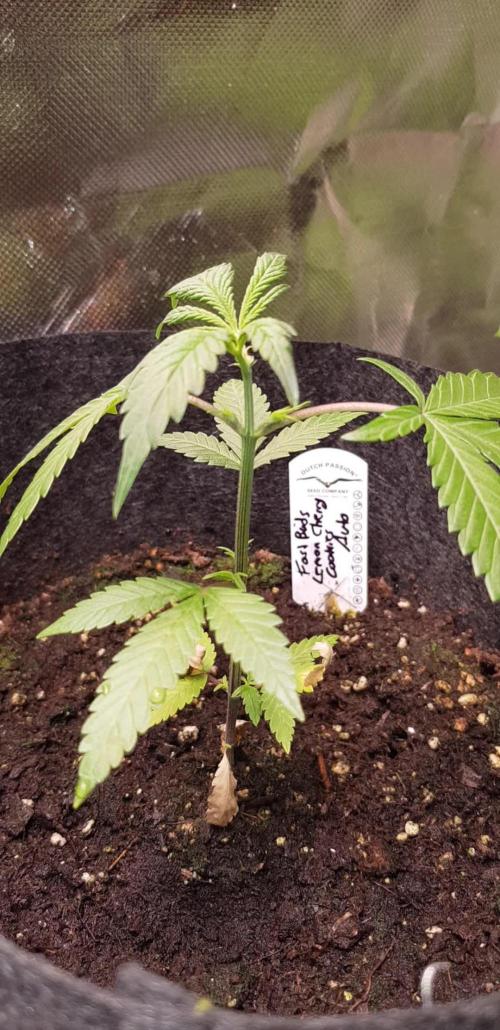
Welcome to Veg Week 3 of Fast Buds Lemon Cherry Cookies Auto
I'm excited to share my grow journey with you from my
FastBuds Project . It's going to be an incredible ride, full of learning, growing, and connecting with fellow growers from all around the world!
For this Project , I’ve chosen the Feminized Auto strain Lemon Cherry Cookies :
Here’s what I’m working with:
• 🌱 Tent: 120x60x80
• 🧑🌾 Breeder Company: Fast buds
• 💧 Humidity Range: 60
• ⏳ Flowering Time: 8 Weeks
• Strain Info: 28,5%THC
• 🌡️ Temperature: 26
• 🍵 Pot Size: 0.1
• Nutrient Brand: Hy-Pro
• ⚡ Lights : 600W x 2
A huge thank you to Fast Buds for allowing me to try my Best with this amazing collection from Automatic and Photo Strains they managed to Sponsore . Big thanks for supporting the grower community worldwide! Your genetics and passion speak for themselves!
I would truly appreciate every bit of feedback, help, questions, or discussions – and of course, your likes and interactions mean the world to me as I try to stand out in this exciting competition!
Let’s grow together – and don’t forget to stop by again to see the latest updates!
Happy growing!
Stay lifted and stay curious!
Peace & Buds!
Likes
21
Share


@RekNBlazed
Follow
Very pleased with my results! 🔥💪 trichs started turning amber sooner than anticipated, so i went ahead and gave her the chop. Very smelly and lots of trichomes. Didn't weigh or sample anything yet, ill be back with a weight update after drying ✌️
-update- final dry weight is 89g, and have it jarred up now with boveda 62% packs. Also got about 30g of sugar trim/larf ill use for butter. It may have gotten a bit too dry but i hear the humidity packs will help. Vaped a bowl to test and it was very sweet and floral tasting, and seemed pretty strong from the small tester out of a dynavap. Overall very happy with the outcome and with this strain. Happy growing! ✌️✌️

Likes
5
Share


@BenChasinBigBudz
Follow
Initiated flower with a 48 hour period of darkness on the 35th day from seed.
#SFgrow

Likes
11
Share


@Finsfan
Follow
Everything is dense with tight buds. Decent yield to her, I think.
Nice light green color and smells. Fruity/blueberry scentbto her for sure.
Going to be harvesting in less then a Week.
I started flushing a couple days ago.
I want to let her pot dry out, become lighter in weight, before I chop it.
To ensure she's properly flushed and because I'm going to chop as an entire plant so If I chop it when the container's lighter then heavy, it'll dry faster for trimming/jarring/curing.
All the hairs appear to be orange and curling back in; if not already done so.
I checked with my scope and am beginning to notice amber trichomes far and few.
Another reason im giving her another 4-5 days before taking it down.
Definitely there, but i like to wait a tad bit longer.
Also, I feel the flush is important, although others can say otherwise.

Likes
25
Share


@Gruenerfinger85
Follow
Hallo meine Garten Freunde.
Ich heiße euch herzlich willkommen zum Ende von diesem Grow, ich bin mit der Qualität der Blüten äußerst zufrieden.
Dieser Strain hat mich vollstes überzeugt, ich bin sehr begeistert von der Resistenz gegenüber den Schädlingsbefall oder im allgemeinen.
Man kann ruhig ein zwei Tage mit dem Gießen im Verzug sein ohne das dieser Strain dir das gleich Übel nimmt.
Diese Sorte ist auch nicht so anfällig für über Gießen oder über und unter Düngung.
Ich habe in der Mitte der Blüte ein kleines Problem mit Frassflügler ( Triepse ) gehabt, da für kurze Zeit mein Lüfter ausgefallen ist, den Befall hat sie ohne weiteres weggesteckt, ohne jegliche Anzeichen für Probleme.
Die Buds haben sich sehr vielversprechend entwickelt und haben einen süßlich tropischen Geruch im Raum verströmt.
Wo drüber ich am meisten gestaunt habe war dass man diesen Strain Trainieren kann egal ob topping oder HST das haben die Damen gut weggesteckt.
Das einzige was man beachten sollte wenn man die Pflanzen toppt ist, dass man mit einer längeren Anbau Zeit rechnen muss.
Von insgesamt 5 sind 5 Seeds gekeimt, leider habe ich ein Sämling verloren.
Ansonsten haben sich alle Pflanzen so entwickelt wie ich es mir gedacht habe.
Der Ertrag hätte größer ausfallen können, dann hätte ich aber auch größere Töpfe nehmen müssen, und das konnte ich zu dieser Zeit leider nicht. Die Medusa #1 braucht noch einwenig länger.
Also meine Freunde wär eine schnelle Sorte sucht, dem kann ich diesen Strain ans Herz legen.
Vielen Dank das du mich und meine Schönheiten bis hierhin gefolgt bist ich weiß das sehr zu schätzen und wenn du willst kannst du bei meinen anderen Tagebüchern vorbeischauen oder mein Instergram Profil besuchen. https://instagram.com/gruenerfinger85?igshid=OGQ5ZDc2ODk2ZA==
Ich wünsch euch eine erfolgreiche Woche und fette Ernten ✌️🏼bleibt alle gesund.
Hier gibt es noch 20% Rabatt wenn ihr Diesen oder andere Strains sucht.
Bei Royal Queen Seeds gibt es auch viele andere tolle Produkte die dir beim Thema Grow oder dir bei der Fermentation helfen können.
Gib diesen Code ein.GROWERS20
https://www.royalqueenseeds.de


Likes
6
Share


@masterofsmeagol
Follow
5/25 Some pics may be repeated because I forgot to add a new week. Waited until about 11 to bring the girls outside. They were definately dry on top so I used the rest of the gallon to water them. When going outside I noticed a specific kush plant that's lighter than the rest. I really need to up my water volume on these big plants. They are also getting close to not liking it in the 1 gal. and are ready for a transplant. I cleaned the cage so as soon as the weather permits these girls will be outside in the direct sunlight. Basking in the sun in the cage to finish hardening before going into their final homes which will be 20-30 gal smart pots and a 50 gal grow pot. Well SOME of them are ready for transplant. The link kush seems to take its time but it looks extremely indica-E. Weather looks like it will be amazing this week so I'm obviously stoked. Wouldn't suprise me if these girls were outdoors be the end of the week!
EDIT: THE GIRLS STAYED OUT FOR 3.5 HOURS AND LOOKED FANTASTIC. TUEY GOT SOME INTENSE SUN, EXPOSIRE TO THE HIGH RH AND A LITTLE EXPISURE TO THE HIGH WINDS. SPECIAL KUSH SEEMS TO BE THRIVING. I THINK IT WILL DO WELL IN THIS CLIMATE. THAT ONE MK ULTRA IS GROWING AT A RIDICULOUS RATE. I WATERED THE PIBK KUSH THAT WAS LIGHT. I CANT WAIT FOR THE UPCOMING WEATHER. I CAN EXPOSE THE PLANTS TO SOME DIRECT SUNLIGHT AND SEE HOW THEY HANDLE IT. I CAN ALSO GET THE GROW BAGS READY WITH SOIL MOXED AND THEM IN THE RIGHT LOCATION THE DAY BEFORE THE TRWNSPLANT TO FINAL HOME BUT IM GETTING AHEAD OF MYSELF. IM HAPPY THUS FAR. I also added another half hour of darkness so the plants will be closer to actual daylight times. They're down to 16.5. I'd like to have them lower by now but it is what it is. If some reveg I'll deal with it.
5/26 Plants seem to grow an inch I'm a day. MOST are getting to the point where they want to stretch their feet out. Good thing they'll be going in their final homes as soon as they are hardened off completely. I brought them out around 8 this morning. I have to be back at noon but I'm uncertain if leaving them out that long is a good idea. I'll probably have to check them in an hour or so. They're in the lean-to but THAT gets direct sun until the sun rises high enough in the sky to block it. I put them in here rather than the cage so they can build a tolerance to these harsh winds. Topsoil was dry as fuck. I watered everything. I focused on those that SEEMED the lightest and the largest plants. That MK Ultra plant I fimmed is going to be MASSIVE. I'll update what I do as I do it. Oh I also cleaned the bags twice and they are hanging inside the cage with the direct uv rays hitting any part that's discolored. I MIGHT do one more cleaning but I doubt it. Twice is enough. Technically three times but still. I want things to go right. It looks like I've got some pretty good phenos.
EDIT: I PULLED IN (BLOCKING VIEW FROM PART OF THE DRIVEWAY OFF) BECAUSE THAT WAS CLOSER TO MY PLANTS. I GET OUT AND START ADMIRING MY PLANTS AND LOOK ACROSS THE STREET TO SEE TWO STATE TROOPERS AND SOME DETECTIVE ACROSS THE STREET. DAD SAID AN AMBULANCE CAME BUT LEFT WITH NO LIGHTS ON. THEY WERE TALKIMG TO THE COUPLE SEPERATELY. I ATE LUNCH AND THEY WERE STILL THERE. MY HOT WIFE WENT OUT AND THE ALL STARTED FUCKING RUBBER NECKING. MEANWHILE I BROUGHT THE PLANTS INSIDE WITH THE SMALL COVER MY S.U.V PROVIDES LOL. PLANTS WERE LEFT IN DIRECT LIGHT UNTIL IT ROSE HIGH ENOUGH TO CUT IT OFF TO THE LEAN TO. PLANTS SEEM LIGHT. WELL SOME DO. I NEED TO GET A GOOD WATERING SCHEDULE DOWN. JUDGING BY HOW THESE PLANTS TOOK IT TODAY I THINK THEYLL BE OUTSIDE IN FOREVER HOMES WITHIN A WEEK.
5/27 Just poked my head in and checked on them real quick. NO damage whatsoever from all that time in the sun. I left them inside this morning so I can bring them out later in the day to see what happens. I'll add pics later and update what I do.
EDIT: BROUGHT THE PLANTS OUT TO THE CAGE AT A LITTLE BEFORE 10AM AND LET THEM BASK IN THE 85° SUN. THE WIND WAS A LITTLE ROUGH ON THEM. IT WAS ACTUALLY THRASHING THEM BUT MY INTUITION SAID 'LEAVE THEM BE' SO I DID. I DID MORE CLEANING AND FIGURED OUT SPACING IN THE CAGE AND I MIXED A 30GAL GROW BAG AND 2 20GAL GROW BAGS WITH A 50/50 MIX OF FOX FARM OCEAN FOREST AND HAPPY FROG. SOUL WAS MIXED WITH A GRADE STAKE AFTER BEING PUT IN A GALLON AT A TIME (TO ENSURE EQUAL PARTS) AND FINALLY MISED BY HAND. TAKES A LOT OF WORK. IM NOT GOING TO BE AS PICKING WITH THE OTHER ONES. I STILL HAVE MY 50 WITH SOIL IN IT. MAINLY DUE TO LAZINESS AND THE PAIN IN THE ASS IT IS TO MOCE THE FUCKER. PLUS IF IM LOW ON SOIL (WHICH IM NOT) THAT WAS GOOD SOIL AND THE PLANT HAD NO PROBLEMS SO I GUESS IF NEEDED IT FOULD BE REUSED. I NORMALLY JUST EMPTY THAT FIRST AND MIX A SHIT TON OF SOIL IN THERE AND SHOVEL IT IN THE BAGS. THIS WAS MUCH HARDER. PLANTS GOT CLOSER TO 2 HOURS OF DIRECT SUNLIGHT BEFORE I MOVED THEM TO THE LEAN TO. I WILL UPDATE WHEN I HRING THEN IN BUT DESPITE THE HARSH SUN AND WIND THEY SEEM FINE.
EDIT: BROUGHT THE GIRLS IN AT TWO BECAUSE MY WIFE HAD AN APPOINTMENT. NO DAMAGE WHATSOEVER. I THINK IF I USE THIS WEEK TO INCREASE DAYLIGHT HOURS AND UP THE WATERING THESE PLANTS WILL BE READY TO GO IN THEIR HOMES. A FEW ARE BIG AND DEF READY TO STRETCH THEIR FEET.
5/28 With the increased sun some these plants are out growing their containers. PLANTS SPENT APPROX AN HOUR AND A HALF IN DIRECT 85° SUN. EVERYTHING SEEMED FINE AND I WAS GOING TO LEAVE THEM FOR THE DAY IN THE CAGE. THEN I NOTICED THE BIG MK ULTRA'S MAIN STEM (IT GOT FIMMED BUT THE MAIN ONE) WAS STARTING TO DROOP A LITTLE. I PICKED THE PIT UP AND DESPITE A LITTLE BIT OF MOUSTURE ON THE TOP THE PIY WAS LIGHT AS A FEATHER. PLUS SETTING ON THE THEM ON THE TAR WASN'T THE BEST IDEA EITHER. I MISED UP SOME WATER AND WATERED THE PLANTS THAT SEEMED LIGHT. I NEED TO PICK UP LIKE ONE MORE BAG OF OCEAN FOREST FOR MY 50 GAL. I'M GOING TO TRY TO FINISH MY OTHER TWO 20'S AND THE TWO 10'S TONIGHT SO I'LL KNOW WHAT IM LACKING. ITS BASICALLY JUST THE 50. IF MY INTUITION SAYS ITS OK ILL TALE THE "COOLER" DAY TOMORROW AND TRANSPLANT THE THREE PLANTS TGAT ARE GETTING TO BIG FOR THERE POT. ÌF NEEDED I MIGHT GET SOME SCREENS TO USE AS A "BLIND" SO THE PLANTS DONT GO STRAIGHT TO FULL SUN ALL DAY.
EDIT: TJAT HUGE MK ULTRA REVOVETED NOCELY ONCE WATERED AND PUT IN THE SHADE. IT NEEDS TO BE TRANSPLANTED. I MAY DO ITCTOMORROW. PLANTS HAVE GOT TO BE CLOSE TO HARDENED. I MIXED ALL MY SOIL AND FILLED ALL THE GROW BAGS WITH THE MIX. I FINISHED CLEANING THE CAGE AND REMOVED BAMBOO AND TRELLISING. TOMORROW IS GOING TO BE A MILD DAY AND PERFECT FOR TRANSPLANT. SOME OF THESE GIRLS ARE GETTING VERY BIG. I RAN OUT OF SOIL AFTER THE LAST 10GAL GROW BAG. ITS NOT FILLED "ALL" THE WAY AND I GAVENT FILLED MY 50 GAL. I'LL GET THE REST OF THE SOIL I NEED FOR THAT 50 TOMORROW.


Likes
50
Share


@DogDoctorOfficial
Follow
🌟 Eternity Grow Cup – Week 3 Veg Report 🌱
Another week in the books, legends, and though the temps aren’t perfect, our Runtz babies are growing strong! 💪 This week marks a pivotal moment as we get serious and start to push these girls toward greatness.
🌱 Growth Update:
• The girls are officially showing their third pair of leaves, and while they’re growing slow due to cooler temps, they’re consistent. Standing at 6 cm tall, these beauties are ready for the next steps in their journey.
• The yellow sticky traps have also done their job, catching some gnats—always a win for pest management!
Let’s talk about the unexpected guests making an appearance in the grow room—gnats! These tiny critters can be a common nuisance for growers, especially in environments with moist soil. While they’re not devastating, they can be a sign that things need a bit of tweaking.
Why the Yellow Stickers?
Yellow sticky traps are like candy for gnats—they’re irresistibly attracted to the bright color, which mimics flowers. These traps are a simple, non-toxic way to monitor and control the population. It’s not just satisfying to see them stuck (though, let’s admit it, it kind of is)—it’s also a great way to keep tabs on how many are lurking around and take action if necessary.
What Causes Gnats?
Gnats love moist environments, and overwatering or humidity that’s a bit too high can create their perfect breeding ground. Using high-quality soil like Pro-Mix HP with Mycorrhizae helps, but these little critters can still sneak in.
How to Handle Them?
While yellow stickers are a great first line of defense, staying vigilant with watering practices is key. Letting the top layer of soil dry out between waterings can disrupt their life cycle. Plus, products like beneficial nematodes or soil conditioners can help keep them under control.
They may be tiny, but we’ve got our eye on them! Let’s not let the gnats steal the show—our Runtz have got all the spotlight! 🌟
Nutrient Regimen:
This week, we’re sticking with the Aptus Clean Mineral Line for Veg, a powerful combo designed for optimal plant health:
• Regulator: 0.15 ml/L – This keeps the plants strong, aids in stress tolerance, and boosts nutrient uptake.
• RO Water Conditioner: 0.8 ml/L – Balances the water profile and improves nutrient delivery.
• All-in-One Liquid: 1.25 ml/L – Provides a balanced mix of essential macro and micronutrients for sustained growth.
📌 Key Stats:
• pH: 6.05
• EC: 1.0
• Temp: 18.3°C
🔧 Tech, Tools & Building the Dream Studio
Behind the grow, I’ve been fine-tuning my workspace. Using just a piece of wood, carefully cut feet, and some imagination, I’ve elevated my monitors for better editing. It’s not fancy, but it works! 💻✨
For the grow, my trusted TrolMaster gear (from the Tent-X to the AMP-3) has been my go-to for precision. Every measure—pH, EC, temps—is logged and tracked to keep these plants thriving.
🌟 Exciting Milestones:
💚 Huge thank you to the community for helping me reach:
• 500 YouTube Subscribers 🎥 – Weekly episodes are dropping, so make sure to tune in for detailed updates!
• 4.5K Instagram Followers 📸 – Join the fun as we share the Runtz journey and so much more!
💨 Welcome, Ziggi Papers!
A warm welcome to Ziggi Papers, our newest sponsor! 🌟 Ziggi’s high-quality rolling papers are the perfect addition to any smoke session. They’re all about sustainability and precision—just like this grow. Check them out at ziggioriginal.com.
💚 Shoutouts:
To the diary sponsors, to my sponsors and this incredible community:
• @GrowDiaries, @Plagron, @Zamnesia, @AptusHolland, @ProMixSoil, @TrolMaster, @ThinkGrowLED, @FutureOfGrowLED, @CannaKan, @ZiggiPapers
Thank you for believing in the craft and making this journey possible!
To the community—supporters, lovers, and yes, even the haters—you all inspire me to give my best every day. Together, we’re writing history with this grow.
This week, I’m dropping:
• A photo set of all 5 phenos, showing their progress.
• Behind-the-scenes shots of my workspace build.
• A closer look at the tools and products making this grow epic and more.
For next week only God knows but one thing is for sure this promisses to be epic 💚
Let’s keep the momentum going, legends. This grow is more than just a competition—it’s a journey of learning, growth, and passion. Good luck to all the participants—may your grows be epic, your spirits high, and the journey fun for everyone involved! Stay tuned, and let’s make history together!
Genetics - Runtz https://www.zamnesia.com/6000-zamnesia-seeds-runtz-feminized.html
Nutrients - Plagron https://plagron.com/en/hobby
- Aptus Holland https://aptus-holland.com/
Controls - Trol MAster https://www.trolmaster.eu/
LED - https://www.futureofgrow.com/en
LED - https://www.thinkgrowled.com
Soil - https://www.promixgardening.com/en
Germination - Cannakan https://cannakan.com/?srsltid=AfmBOopXr-inLXajXu3QFgKXCXXos4F1oEvScjMKIB5MR5dk8-GJ-F49
DOGDOCTOR 15% off
Smoking Papers - https://ziggioriginal.com/
Terpene saver - https://grovebags.com/
As always thank you all for stopping by, for the love and for it all , this journey of mine wold just not be the same without you guys, the love and support is very much appreciloved and i fell honored with you all in my life
With true love comes happiness Always believe in your self and always do things expecting nothing and with an open heart , be a giver and the universe will give back to you in ways you could not even imagine so
As always, this is shared for educational purposes, aiming to spread understanding and appreciation for this plant. The journey with nature is one of discovery, creativity, and respect. Let’s celebrate it responsibly and continue to learn and grow together!
Growers Love To you All 💚
#EternityGrowCup #RuntzHunt #GrowersLove #CannabisCommunity #AptusHolland #ProMixSoil #TrolMaster #Zamnesia #Plagron #ZiggiPapers


Likes
2
Share


@DrBud420
Follow
02.11.'24
After 5 days of drying, this little girl who was a little bigger than a meter gave 950 grams and a little bit of popcorn...this picking was 870 and a little bit of popcorn, and 4-5 weeks ago during a storm, one branch broke, which yielded about 100, but let's say 80 for sure, a total of 950 grams of beautiful, huge, potent buds
Likes
13
Share


@Fatnastyz
Follow
10-1
Day 2 week 2 flower
Everyone else was over fed and burns and ahes no different!😱 8k something ppm, flush, now 850 ppm. 😱 Little too much. Ph 7.3. little high.
Early flower, so maybe be ok.
10-5
Water 500ml yucca val/mag and .2 ml epson per liter. Slight defol.
10-6
1/4 cup poo, 3 tbs buildaflower, scoop connect.
.
Likes
3
Share


@TS_Greens23
Follow
The Pineapple 🍍 Express definitely takes a lot of work with defoliation,,that’s if your training her I guess,,,🤔anyways keeping her well fed,,with the castings,,and some extra liquid potash to satisfy her hunger,,,,I think she might go to 90 days,,,,
Likes
Comments
Share


@DaddyPrime2
Follow
7/4 she's taking well to the training
7/5 its so hot out here its 105F and 19%
7/7 5ml grow 5ml
