Likes
Comments
Share
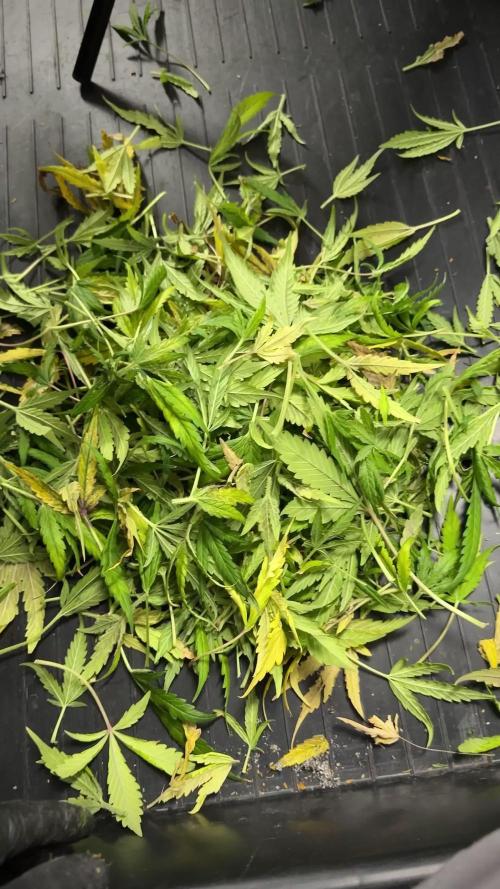
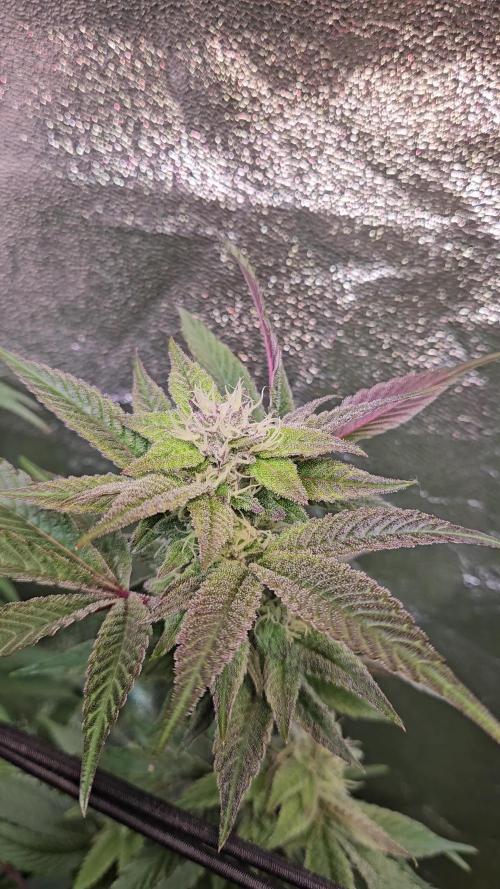
Notas/Registos: 25/06/2025 - Fiz rega "A" com Ph 6.5, e aplicação foliar "B". 28/06/2025 - Fiz uma rega com agua mineral, livre de cloro, Ph 6.2, cerca de 1L por vaso. Fiz o primeiro lollipopping para melhorar a circulação do ar na base. Vou esperar responderem para aplicar a rede Scrog na proxima semana.
Likes
6
Share
@Moss420
Follow
Potted up from 5L fabric pots to 10L air pots. I got these air pots because they are tall and narrow which helps disperse the water laterally (I also use Yucca and Silica additives), it's important because I use the auto watering halos.
Likes
72
Share
_____ Week 14 | Day 92 - 98 | 7th week of Flower ______ Day 93🌞💧 - 3 liter each Plant, small drain. Day 94 🌞 - Since I'm a bit afraid of mold, I run the fans at a higher speed, which causes the leaves to rub against each other and causes physical damage to the leaves. A few tips are burnt but nothing to worry about. ------------------------------------------------------- Temp. avg. - 22,6° Hum. avg. - 53,6 %
Likes
5
Share
@CalGonJim
Follow
9/15 12AM MONDAY!!! THEY ARE ALL DOING GREAT!!! VERY HEAVY AMINOS YESTERDAY, NO DAMAGE. 9/15 11:24PM. In plant cells, glutathione S-transferases (GSTs) act as transporters, facilitating the movement of anthocyanins from the endoplasmic reticulum (ER) to the vacuole for storage, though their exact mechanism is still being studied. The synthesis of glutathione (GSH) itself occurs in the cytosol of mammalian cells through two ATP-requiring enzymatic steps, while anthocyanins are synthesized via a separate phenylpropanoid pathway 9/15 11:42PM glutathione metabolism glutathione S-transferases plantsThinkingKicking off 5 searchesLooking at 71 sitesPutting it all together In plants, glutathione S-transferases (GSTs) are a diverse family of enzymes integral to glutathione (GSH) metabolism, primarily functioning in detoxification and stress response. The core of this process involves GSTs catalyzing the conjugation of the tripeptide GSH with various toxic compounds, or xenobiotics, making them less harmful and easier to sequester or transport. Glutathione (GSH) metabolism in plants GSH metabolism is a tightly regulated process that maintains cellular redox balance and protects against stress. Biosynthesis: GSH is synthesized in two adenosine triphosphate (ATP)-dependent steps:(gamma )-Glutamylcysteine synthetase (GSH1) joins L-glutamate and L-cysteine to form (gamma )-glutamylcysteine. In Arabidopsis, this enzyme is located exclusively in the chloroplasts.Glutathione synthetase (GSH2) adds glycine to (gamma )-glutamylcysteine to produce GSH. This enzyme is found in both the cytosol and the chloroplasts.Oxidation and reduction: GSH exists in two forms: a reduced monomer (GSH) and an oxidized disulfide dimer (GSSG).Oxidation: In the process of scavenging reactive oxygen species (ROS), GSH is oxidized to GSSG.Reduction: Glutathione reductase (GR) uses NADPH to reduce GSSG back into active GSH, which is essential for maintaining a high GSH-to-GSSG ratio inside the cell.Degradation: Glutathione can be degraded in the cytosol, apoplast, and vacuoles by (gamma )-glutamyltransferases (GGTs) and other peptidases, allowing for recycling of its amino acid components.Transport and compartmentalization: While synthesis occurs in the chloroplasts and cytosol, transporters move GSH and its conjugates throughout the cell, including to the mitochondria, peroxisomes, and vacuoles. Functions of glutathione S-transferases (GSTs) GSTs are a large, ancient gene family with diverse roles that extend beyond detoxification. The primary functions involving GSH are: Detoxification of xenobiotics and heavy metals: GSTs catalyze the conjugation of the thiol group of GSH to a wide range of electrophilic and hydrophobic substrates, including herbicides, pesticides, and heavy metals. The resulting GSH-conjugates are then recognized by ATP-binding cassette (ABC) transporters and sequestered in the vacuole, reducing their cellular toxicity.Protection from oxidative stress: Stress conditions like drought, salinity, and high light increase levels of ROS, which cause lipid peroxidation. 🚨Some GST isoforms have glutathione peroxidase (GPOX) activity, using GSH to reduce toxic lipid hydroperoxides to less damaging alcohols, thereby protecting cell membranes.Defense against pathogens: During pathogen attacks, GST activity increases to detoxify microbial toxins and secondary defense-related compounds. This helps to bolster the plant's resistance response.Metabolism of endogenous compounds: GSTs play roles beyond immediate stress response by participating in the normal metabolic processes of plants. Examples include:Hormone transport: Some GSTs act as binding proteins (ligandins) that transport plant hormones like auxins within the cell.Metabolite transport: Specific GSTs facilitate the transport of important compounds like flavonoids and anthocyanin pigments into the vacuole.Tyrosine degradation: The zeta GST class (GSTZ) catalyzes a critical step in the breakdown of the amino acid tyrosine.Redox signaling: By influencing the GSH/GSSG ratio and interacting with plant hormones, GSTs can regulate cellular signaling pathways that control growth and stress response. 🚨GSTs and plant stress response The expression of many GST genes is highly inducible by various environmental and endogenous cues, making them key players in a plant's ability to adapt to adverse conditions. Abiotic stress: Drought, salinity, heavy metals, and extreme temperatures all trigger increased GST expression, which helps plants manage resulting oxidative damage. Overexpression of specific GST genes has been shown to enhance stress tolerance in transgenic plants.Herbicide resistance: The ability of crops and weeds to detoxify herbicides through GST-catalyzed conjugation is a well-studied example of GSTs in stress adaptation. Herbicide safeners, chemical agents that protect crops from herbicide injury, work by boosting the activity of these GST enzymes.Developmental processes: Studies have linked the expression of certain GST genes to specific stages of plant development, such as fruit ripening, root and stem development, and flower formation. "" 9/16 12:32am AI Overview In plants, phenylalanine is the precursor for anthocyanin synthesis, a process that involves a multistep pathway in which glutathione (GSH) plays a critical role in the transport of the final pigment to the cell vacuole. Phenylalanine initiates anthocyanin synthesis The biosynthesis of anthocyanins begins with the amino acid phenylalanine, which is produced via the shikimate pathway. The conversion process, known as the phenylpropanoid pathway, involves a series of enzymatic reactions: 1. Phenylalanine ammonia-lyase (PAL): This enzyme catalyzes the first committed step of the pathway, converting L-phenylalanine into trans-cinnamic acid. 2. Downstream enzymatic reactions: A series of additional enzymes, such as chalcone synthase and chalcone isomerase, convert the intermediate compounds into unstable anthocyanidins. 3. Glycosylation: Glycosyltransferase enzymes stabilize the anthocyanidins by adding sugar molecules, creating the final, stable anthocyanin pigments. 4. Glutathione is crucial for anthocyanin transport After synthesis, glutathione is essential for transporting anthocyanins for storage. * Glutathione S-transferases (GSTs): These enzymes bind to the newly formed anthocyanins in the cytoplasm. This binding is a key step that facilitates the transport of the anthocyanin-GST complex across the tonoplast (the vacuolar membrane) and into the vacuole. * Vacuolar storage: Once inside the vacuole, the anthocyanins accumulate and provide color to plant parts, such as flowers, fruits, and leaves. * Catalytic role: Recent research has also found that certain GSTs have a catalytic role in anthocyanin synthesis. They can catalyze a dehydration step to form specific anthocyanidins, significantly boosting production in engineered systems. * The process in summary The synthesis and accumulation of anthocyanins involve a coordinated process of multiple steps: 1. Production from phenylalanine: The amino acid phenylalanine enters the phenylpropanoid pathway, where enzymes convert it into the basic flavonoid structures. 2. Formation of anthocyanidins: Further enzymatic modifications produce the colored but unstable anthocyanidins. 3. Stabilization and transport with glutathione: These anthocyanidins are stabilized by glycosylation and then bound by GSTs (which use glutathione). This binding enables their transport into the vacuole for storage and visible pigmentation. 9/15 12:46AM https://pmc.ncbi.nlm.nih.gov/articles/PMC7238016/ 9/16 1:30AM BKO is looking great!!! Conclusion The “butter frosting” resin on Cookie Apple F1, healthy yellow-green fusiform, and Blueberry KO’s pigmented cotyledons show your anthocyanin-glutathione-phenylalanine strategy is working—phenylalanine drives synthesis, glutathione ensures transport. Tweak amino acids to 100–150 mg/L to reduce tip burn. 9/16 3:34am 9/16 4:31AM Anthocyanin glutathione synthesis phenylalanine proline tmg powder relating current project: * Phenylalanine is a precursor: Phenylalanine is an amino acid and the starting point for the phenylpropanoid pathway in plants. * Anthocyanin synthesis: This pathway creates various secondary metabolites, including the flavonoid pigments known as anthocyanins, which give plants their red, purple, and blue colors. * Pathway activation: Multiple enzymes, such as phenylalanine ammonia-lyase (PAL), catalyze the conversion of phenylalanine into the building blocks for anthocyanin. * Anthocyanin and glutathione synthesis * Glutathione S-transferase (GST): This enzyme is crucial for synthesizing anthocyanins in plants. It transports anthocyanins into the cell's vacuole for storage. * Glutathione (GSH) production: Anthocyanins can promote glutathione synthesis in certain cells. For instance, the anthocyanin cyanidin-3-O-β-glucoside (C3G) has been shown to increase the expression of glutamate-cysteine ligase (Gclc), a key enzyme in GSH synthesis. * Antioxidant effect: By upregulating GSH production, anthocyanins contribute to the antioxidant defense system, protecting cells from oxidative stress. * Proline and glutathione synthesis * Shared precursor: In some organisms, the synthesis pathways for proline and glutathione share a precursor molecule called γ-glutamyl phosphate. * Alternative pathway: Research on bacteria and yeast has revealed an alternative, trace pathway where γ-glutamyl phosphate from the proline synthesis pathway can be diverted to produce the glutathione precursor γ-glutamylcysteine. * Oxidative stress response: Studies in mouse oocytes show that supplementing with proline upregulates genes related to glutathione synthesis (Gclc and Gclm), increases glutathione levels, and reduces oxidative stress. * TMG powder, methylation, and homocysteine * Methyl donor: Trimethylglycine (TMG), or betaine, is a potent methyl donor, meaning it provides methyl groups needed for various biochemical processes in the body, including the methylation cycle. * Homocysteine regulation: One of TMG's primary functions is to convert the amino acid homocysteine into methionine. This helps regulate homocysteine levels, which is important for cardiovascular health. * TMG and proline interaction: In plants and some organisms, TMG and proline act as compatible solutes or osmoprotectants, helping cells stabilize against osmotic stress like drought or salinity. However, in human biology, TMG mainly functions through methylation, while proline is involved in different metabolic and antioxidant roles. * How they all relate The listed components are connected through several overlapping metabolic and regulatory pathways: * Anthocyanin synthesis starts with phenylalanine. * Anthocyanins can promote glutathione synthesis via upregulation of key enzymes like Gclc. * Glutathione synthesis can be influenced by the proline synthesis pathway, as they share an intermediate in some contexts. * TMG powder supports the methylation cycle, which helps regulate homocysteine levels. While TMG and proline serve similar protective roles in some organisms, their primary human metabolic functions differ, with TMG focusing on methylation and proline having distinct roles in antioxidant response and metabolism 9/17 217am Die Hard Christmas Grow 9/18, 11:34 AM. I ordered some square saucers that were cartoonishly too small but they fit inside the AC infinity germination kit and they fit with the Bud Cups perfectly really nice so it’s not a total loss. 9/18 11:45AM mix. Foliar Spray, the rest of the mix ec 0.46 Mixed up Aminos first and separate and use 16 oz for foliar spray. Then mixed up: Root: 1 mL/L Connoisseur A & B GROW, .2 mL/L CaliMagic, .2 mL/L Purpinator. Setria Glutathione: 150 mg/L(Brand: Emerald 250mg capsule.) TMG: 150 mg/L = (Brand Nutricost) Phenylalanine: 150 mg/L (Brand Nutricost) Proline: 150 mg/L (Brand Nutricost). 9/18 228PM AI Overview Glutathione influences plant colors by regulating the accumulation of pigmented compounds, primarily anthocyanins. The tripeptide accomplishes this through its role in transporting pigments within plant cells and in protecting against environmental stresses like UV radiation that can cause oxidative damage. Transporting pigments into plant cell vacuoles Glutathione works with a class of enzymes called Glutathione S-transferases (GSTs) to transport pigments like anthocyanins into the vacuole for storage. Anthocyanin transport: In plants with pigmented tissues, such as purple grapes or red flowers, glutathione-conjugated pigments are transported by GSTs across the tonoplast membrane into the vacuole. This process is crucial for the stable accumulation of pigments. Genetic manipulation: Research shows that manipulating specific GST genes can alter a plant's pigmentation. For instance, silencing a particular GST gene in purple grape hyacinths caused their petal color to shift to a lighter shade of purple. Similarly, defective GST genes in carnations resulted in pale-colored flowers. Protecting against UV light and stress Glutathione helps regulate plant pigmentation in response to environmental factors, especially UV-B radiation. Activating flavonoid production: When plants are exposed to UV light, a surge in glutathione triggers the expression of genes involved in producing flavonoids. Flavonoids, including anthocyanins, can act as protective sunscreens for the plant, and their increased synthesis and accumulation can alter visible coloration. Balancing oxidative stress: Intense UV-B radiation increases reactive oxygen species (ROS) in plants, which can cause oxidative damage. Glutathione is a master antioxidant that helps detoxify these ROS, preventing cellular damage that can affect a plant's pigment-producing mechanisms. Indirectly influencing plant colors By regulating cellular redox status and interacting with other molecules, glutathione also affects pigment expression in more indirect ways. The xanthophyll cycle: As part of a plant's antioxidant system, glutathione helps maintain the reduced state of other protective antioxidants like tocopherol and zeaxanthin. Zeaxanthin is a carotenoid pigment involved in the xanthophyll cycle, which helps dissipate excess light energy. Redox signaling: The balance between reduced glutathione (GSH) and oxidized glutathione (GSSG) is a key cellular signal for stress response. A shift in this ratio during environmental stress can influence the production of secondary metabolites like pigments, allowing the plant to adapt. " 9/19 1:41AM AI Overview The key difference is that anthocyanins are the sugar-containing form (glycosides) of pigments, while anthocyanidins are the sugar-free form (aglycones). Anthocyanidins are the foundational molecules, and when a sugar molecule attaches to them, they become anthocyanins, which are more stable and water-soluble, making them the forms found naturally in plants, such as berries and purple vegetables. Anthocyanidin (Aglycone) Structure: The basic, sugar-free molecule of the anthocyanin structure. Location: Not found freely in nature but is the core component that is then glycosylated. Properties: Color changes with pH, being visible in acidic conditions but colorless in basic conditions. Examples: Cyanidin, delphinidin, pelargonidin, peonidin, petunidin, and malvidin. Anthocyanin (Glycoside) Structure: Consists of an anthocyanidin linked to one or more sugar molecules. Location: Found in the vacuoles of plant cells. Properties: Water-soluble and are the pigments responsible for the red, purple, and blue colors in plants. Function: The sugar attached provides stability, allowing for accumulation in plants and providing antioxidant properties. Examples: Cyanidin-3-glucoside and other derivatives like acylated anthocyanins. " 9/19 2:43AM I also saw a good mans immediate accent into Heaven, that perspective matters too. no less angry about it though. 9/19 10AM Heavy Amino spray 250mg each in 1L of Setria Glutathione and Phenylalanine 9/19 10:10PM The sons and daughters of americas real terror organization carried out the last horror show, and the one before that and before that. It's not a foreign country, it's always the anti white anti human black sheets and badges that did this. 9/19 10:43PM AI Overview Phenylalanine and glutathione contribute to plant colors through different biochemical pathways . Phenylalanine is a precursor for the pigments themselves, primarily anthocyanins, while glutathione is involved in the transport and stabilization of these pigments within the plant cell. Phenylalanine: The pigment precursor The source of aromatic compounds: Phenylalanine is an aromatic amino acid and the starting compound for the phenylpropanoid pathway in plants. This pathway produces a vast number of secondary metabolites, including anthocyanins, which give many plants their red, purple, and blue colors. Color enhancement: Research has shown that increasing the amount of available phenylalanine can lead to more intense red coloration in some fruits, such as mangoes and apples. Pathway stimulation: Phenylalanine ammonia-lyase (PAL) is a key enzyme in this pathway that converts phenylalanine into precursors for anthocyanin biosynthesis. An increase in phenylalanine levels stimulates this entire process. Glutathione: The pigment transporter Anthocyanin transport: After anthocyanin pigments are synthesized in the cell's cytoplasm, they must be transported into the central vacuole for storage. Glutathione S-transferases (GSTs) are a family of enzymes that facilitate this process. Color intensity: A functional GST is essential for proper anthocyanin accumulation. Mutations in GST genes can result in a significant decrease in color intensity, as seen in the pale or white flowers of certain gentian mutants. Mechanism of action: The GST binds to the anthocyanin pigment and moves it from the cytoplasm into the vacuole. If the GST is defective, the pigment cannot be transported correctly, leading to a loss of coloration. Summary of interactions The roles of phenylalanine and glutathione are distinct but cooperative in producing plant colors: Phenylalanine provides the essential building blocks for creating the colored compounds (anthocyanins). Glutathione, with the help of GSTs, ensures these colored compounds are correctly moved to their storage location (the vacuole). This cooperative system explains why mutations or deficiencies in either process can lead to reduced or altered coloration in plants." 9/19 10:51PM AI Overview. Trimethylglycine (TMG) supports the production of glutathione, a vital antioxidant . However, there is no evidence to suggest a direct relationship between these supplements, the amino acid phenylalanine, and the colors of plants. The concepts are linked indirectly via complex biological processes. Trimethylglycine (TMG) and glutathione TMG and glutathione are connected through the body's methylation cycle. TMG as a methyl donor: TMG plays a critical role in the methylation process by donating a methyl group, which helps convert the harmful amino acid homocysteine back into methionine. Support for glutathione production: This methylation cycle, which is supported by TMG, is essential for producing glutathione. Glutathione is a powerful antioxidant that protects against cellular damage and is crucial for detoxification. Supplementation considerations: TMG supplements are sometimes taken alongside other supplements to support health, though consultation with a healthcare provider is recommended. Phenylalanine and the methylation cycle Phenylalanine is an essential amino acid, but its role is distinct from the TMG-glutathione process. Essential nutrient: Phenylalanine is a key nutrient for cellular metabolism. Potential interactions: A separate medical study on experimental hyperphenylalaninemia (abnormally high phenylalanine levels) in chicks observed a decrease in other amino acids in the brain, including those involved in the glutathione pathway. This demonstrates how excessive levels of one amino acid can potentially influence others, though this does not represent a typical interaction. Plant colors The connection between the supplements and plant colors is purely conceptual, as the colors are determined by completely different biological processes. Anthocyanins: The colors of many plants, including red, purple, and blue flowers, come from pigments called anthocyanins. Glutathione in plants: While plants contain glutathione as an antioxidant to combat stress, it influences color by regulating the transport and accumulation of anthocyanin pigments, not by being a pigment itself. TMG and phenylalanine in plants: Plants contain TMG, which functions as an osmoprotectant (protecting against osmotic stress). They also contain phenylalanine, but these substances do not directly determine the plant's visible color." 9/19 11:21PM. !!!!!! this was pointless and im dumber for having read it. !!! Light intensity and spectrum affect metabolism of glutathione and amino acids at transcriptional level: https://pmc.ncbi.nlm.nih.gov/articles/PMC6938384/ 9/20 11:08 AM the seedlings and the four autos are doing just great. The amino spray with phenylene and glutathione really had nice effects no burning nice solid growth even seedlings from basil lavender various lettuce all are perfect.🚨🚨🚨👍👍👍👍👍 9/21 2AM I AM BECOME ANTHOCYANID!!! ITS WORKING AND ON A SEEDLING I SEE THE GELATO COLLORS IN BLUEBERRY KO AND THE LEAF SHAPE OF BUBBLES BLUEBERRY,!!!
Likes
Comments
Share
Likes
56
Share
@nonick123
Follow
Día 57 (16/12) CBD Auto 20:1 #1 ha empezado a bajar el consumo de agua... pero sigue creciendo! ¿Tendrá fin el stretch de esta planta? CBD Auto 20:1 #2 empieza a perder hojas por senescencia. Está a punto de cosecha!?!?!?! LSD-25 Auto está increiblemente dura y brillante. Un color morado oscuro casi negro OG Kush Auto ha bajado un poco el consumo de agua, pero empieza a formar unos cogollos monstruosos, completamente cubiertos de resina+ Día 58 (17/12) CBD Auto 20:1 #1 empieza a tocar la lampara! Vuelvo a subir la lampara.... Además presenta una ligera coloración morada en las puntas de las hojas... ¿Coloración natural o deficiencia de P? CBD Auto 20:1 #2 tiene un montón de hojas con senescencia acelerada de un dia para otro! Ha llegado el día de la cosecha! 😍💥 LSD-25 Auto sigue acercandose al final... todos los cogollos son duros como pelotas de golf 💥 OG Kush Auto estaba practicamente seca! Vuelvo a darle 1250 ml de H2O RO. Va a hacer unos cogollos brutales Día 59 (18/12) CBD Auto 20:1 #1 - empieza a mostrar coloración morada en las puntas de las hojas ¿Genetica o deficiencia? Aprovecho el riego con BIO PK 5-8 10 ml/L y darle un booster! LSD-25 Auto - se acerca la cosecha! 😍💥 Cogollos duros como piedras en todas partes y bajando el consumo de agua... OG Kush Auto - muestra más avanzada a deficiencia de hace unos dias, de modo riego con BIO PK 5-8 10 ml/L. A ver como le sienta! Día 60 (19/12) CBD Auto 20:1 #1 - sigue mostrando más deficiencia de P con alguna mancha en las hojas superiores. Menos mal que ayer la regué con el BIO PK 5-8! LSD-25 Auto - Le miro los tricomas y aún no está lista. 50% trasparentes + 50% nublados. Pero solo faltan días! OG Kush Auto - Está empezando a apilar cogollos de forma brutal, y el olor es una maravilla! Además se muestra sedienta! Eso es buena señal Día 61 (20/12) Busy time Día 62 (21/12) LSD-25 Auto - muy cerca de la cosecha. Apenas consume agua.... Día 63 (22/12) LSD-25 Auto - harvest day! Tricomas mayoría nublado y alguno ambar. Perfecta! 💦Nutrients by Bio Tabs - www.biotabs.nl/en/ 🌱Substrate PRO-MIX HP BACILLUS + MYCORRHIZAE - www.pthorticulture.com/en-us/products/pro-mix-hp-biofungicide-plus-mycorrhizae "GDBT420" 15% DISCOUNT code for the BIOTABS Webshop https://biotabs.nl/en/shop/
Likes
60
Share
Pineapple Express looks to be coming in on the finish line, maybe 2 weeks tops on left on it. The ghost Train haze i the back of the tent is still throwing out all white pistils and i see bo end in sight for that one, the ghost train at the front of the tent however looks much farther along and may be ready in 2-3 weeks. they are all looking healthy, save for some fade starting to hit some of the leaves. the flowers are dense and sticky, i cannot wait to experience these plants after cure!
Likes
10
Share
Bloom has begun. I have two plants that are Sedona shorter than the other three but still very happy with each of them. There is a favorite which is in the center. I like her structure, bounce back from the heat and training. She’s absolutely lovely. I’ve also been bottom watering/feeding. They love it. The roots have creeped out from the bottom of the power pots.
Likes
13
Share
@GrowerGaz
Follow
Easy week the autopots are doing the hard work. I have been foliar feeding with my KNF collection LAB, FAA, WCAP. I also went foraging to make some IMO , have added pictures if anyone is interested.
Likes
11
Share
Growing like a weed. Did some LST, defoliated some yellowing leaves. Looks like nitrogen deficiency. Side dressed with Back to Earth 4-4-4, half the recommended amount and Superthrive. Hasn’t been give any nutrients since transplant. 4 days earlier treated with cal-mag and recharge. Sprayed with some organic neem oil mix a few days prior to that to keep pests away. I’m doing my best to keep everything au naturale.
Likes
48
Share
Oh my darling Tropicana Cookies Auto from Fast Buds, you have stolen my heart completely in just five short weeks of growth! Your pre-flower emergence at day 30 was right on schedule, and since then you have been growing with such vigor and beauty that it takes my breath away. You truly are an amazing Girl, and I am so grateful to have you in my life <3 <3 <3 I affectionately call my plants my Girls, and you, my dear Tropicana Cookies, are quickly becoming one of my favorites. Watching you grow and develop over the past few weeks has been a true labor of love, and I am committed to giving you everything you need to thrive. As we entered into your flowering phase, I knew it was time to start supplementing your diet with the right nutrients. I trust only the best for you, which is why I am using Atus Holland Regulator, Camg, P, and top boosters to give you the perfect blend of organic and mineral nutrients that you need to grow strong and healthy <3 <3 <3 These nutrients are so important to me because I know they are providing you with everything you need to reach your full potential. Aptus Holland Regulator helps me keeping you on point with everything , while Camg provides you with vital calcium and magnesium, P gives you the phosphorus you need for strong bud development, and the top boosters give you the extra boost you need to grow big and beautiful Fruits. Most importantly, I am committed to using only organic and mineral nutrients for my girls. I want to ensure that you are getting the most natural and pure nutrients possible, so that you can grow into the healthiest and happiest plant possible. I love you so much, my dear Tropicana Cookies Auto, and I am so excited to see what the future holds for us <3<3<3 As always thank you all for stopping by and for supporting me on this journey, i am super passion about growing and fell blessed to have you all with me on this new journey <3 <3 <3 Genetics - Fast Buds Tropicana Cookies Auto Ligth - LUMATEK ZEUS 465 COMPACT PRO 
Food - APTUS HOLLAND 
 Tent - MARS HYDRO 
All info and full product details can be find in can find @ https://2fast4buds.com/ 

https://aptus-holland.com/
 
https://autopot.co.uk/ 

https://lumatek-lighting.com/ <3 <3 <3 Growers love to you all <3 <3 <3 Tropicana Cookies Auto is the perfect variety for growers of all levels, especially beginners as this strain performs very well outdoors and indoors, and can produce up to 500gr/m2 in 56-63 days without needing extra maintenance. Reaching up to 110cm, this strain grows fairly tall with medium-sized branching, showing its mixed heritage. Definitely the right choice for those with a high tolerance looking to get their hands on the strongest autoflowers out there. Thanks to the 27% THC, you can expect an extremely powerful and long-lasting high that’ll boost your mood and give you that extra push you need to start your days on the right foot. This variety offers the whole range of citrusy and woody flavors with a strong candy-sweet background that will keep you coming back for more and more. Bud description Tropicana Cookies Auto produces gorgeous dark purple flowers, so expect really dark buds with gorgeous hues of pink, purple and blue, and thick dark-orange hairs that get completely covered in resin by harvest time, giving them an almost shiny-white appearance. This variety develops a typical Indica-like structure and very few sugar leaves that will make your trimming sessions a breeze. But make sure to store your trimmings as the gorgeous flowers reek of a mouth-watering blend of lemon peels, orange juice, and sandalwood that gives it almost a citrus candy-like flavor that makes for the most aromatic hash and extractions.Smoke report Thanks to the 27% THC, Tropicana Cookies Auto’s effect starts with an energizing head rush that gets your mind up and running while leaving you in a nice calm state. As the Indica-dominant side kicks in, the powerful cerebral effect gradually moves downwards and hits your whole body with a deep relaxation that leaves you with a joyful stoney sensation that alleviates chronic pain while leaving you in an overall happy and positive state of mind. It’s the perfect daytime and nighttime strain as it can boost your mood and enhance a night out with friends but can also quiet your mind as you get ready for a good night of sleep. No matter the scenario, expect a powerful high that lasts for hours on end.Plant appearance Tropicana Cookies Auto reaches up to 110cm and develops a tall main cola with shorter side branches, typical of hybrid strains. You can expect a stocky yet tall main cola with medium-sized side branches and thin fan leaves that fade into a yellowish hue with a beautiful dark purple tint. Thanks to the excellent selection, this variety develops a short internodal spacing that makes the medium-sized flowers look like they’re growing stacked on top of each other. It’s the ideal choice for growers who want to get big yields without having to deal with huge plants, as this monster yielder can produce up to 150g per plant while growing relatively short. Grow tips This variety grows super dense buds so make sure to space out the branches by tying them down, this way you improve airflow which helps prevent mold and other pests. Tropicana Cookies auto reek of a delicious sweet and sour smell so make sure to flush thoroughly to enhance the aromas even more. This terpene heavyweight finishes with lots of resinous sugar leaves that make for fantastic hash and extractions so remember to have your trim bucket ready!Flavor Tropicana Cookies Auto boasts remarkably sweet flavors that resemble a blend of lemon peels and fresh orange juice, with subtle floral undertones that make it the perfect choice for extractors looking for unique terpene profiles. Expect an overall citrusy zest that’ll coat your whole mouth and leave a delicious tropical candy-like flavor aftertaste. The sweet and sour flavors get balanced out with a herbal background that gets stronger as you exhale and gradually opens up, bringing out the whole range of woody, floral, and spicy flavors, making it the perfect choice for the most flavorful extracts.
Likes
13
Share
@Damonkey
Follow
Everything went well right through flush the last to show amber trichs were the Banana Crack, on harvest everything was well ready to come down. Everything is hanging to dry I’ll complete the harvest section in about a week. I’ve tested all three. Zour Apples is an Indica beast, super strong and dank. Banana Crack is a Sativa with a kick, it’s good and tastes great, strong bananas and ripe fruits. The Cherry is fantastic, smooth sweet and strong. All drying steadily 5 days down.
Likes
7
Share
Day 56 Veg from Seed Crazy what a scrog method could do in just 1 week 🔥 Definitely going to preform this method again in my future grows. Today was the last day of veg I prep my reservoir for flowering stage (nutrients mix with 5Gal spring water) and flip my lights to 12/12 Also collected a few clones from each plant giving me the opportunity for a mother plant or 2 then have a full run in the near future ⛽️
Likes
35
Share
She's moving along alot smoother now the temps been steadily in rhe warmer zone. Doing two of these since the first slowed down put this in just for a back up. But both look to be growing just fine now. Nothing much to note at her age now. Smooth daily growth again as ud expect once the temps got back up. Gonna be giving her another week or so in this current container then she'd go into the Promix with growdots (2 tsp/gal of media) then vegged another 5 weeks prior to flipping If all goes to plan . See how the growth goes tho, can't wait to see these moving thru the flower stage !! Gonna update photos as the week goes , thanks again to anyone checking in on the progress of any of these grows. Hope your all doing well !!
Likes
14
Share
@Canna96
Follow
Hey now, hope everyone is having a great weekend. Not much to report on the Durban Nights, she popped above soil on day 3 and is now on day 7 and has her first true set of leaves. I started prepping the Coco Coir by flushing down to .4 EC and then soaking in water with an EC of 2.0 with Cal Mag and a PH of 6.8. I will let it soak until the seedlings are ready to be transplanted hopefully by next weekend or shortly thereafter. The weather in my region is perfect for cultivating seedlings as it is fairly hot and humid and I only have the Spectrum X running at 30% so it is not putting out much heat and I also have a humidifier running in the tent on low which is maintaining a RH of around 68%. I do have the AC Infinity fan kick on here and there just to keep some fresh air in the tent but no real issues with heat. Super excited for this strain as it is a cross of Durban Thai and Jack Herer which are two of my favorite Sative Strains. I hope everyone has a safe weekend. Thanks for stopping by, Stay Safe and Blaze On!!! 💪 Website: https://medicgrow.com/ https://growdiaries.com/grower/medicgrowled
Processing
Likes
12
Share
@GrowGuy97
Follow
Day 28 - These ladies are growing like crazy! 2 of them are already almost as tall as my white widow autos that are about 2 weeks ahead! Day 30 - Still stretching like crazy, starting to look much better though I have to say! Day 32 - Ladies are starting to get nice & purple!
Likes
5
Share
This week has gone well again. All plants are in flower now 3 I would say are a week behind the others. Ztrawberries without doubt is looking like the busiest girls with each day presented new changes in there grow the terps are starting to come through abit now, all smell amazing and it will only get better!! This week increased EC to 1.8 and plants are reacting very well not really had any issues as yet 🤞🏼 Ztrawberries seem to have stopped with the stretch ranging between 130 to 100cm, Tropicana cookies are between 120- 100 but one is still stretching and Cherry cola seems to be having a little stretch at the minute at 80cm but still going ✌️🏽
Likes
42
Share
Hey everyone 😊. Both phenotypes do very well and both look beautiful 😍. Again two super genetics from Sweet Seeds 👍. Let's start with the weekly overview: Flowering day 15 Today both were carefully checked for health and sprayed with Canna Cure. Flowering day 16 Today both were poured with 1 l each. The tent was cleaned and fresh osmosis water was filled into the tank. Flowering day 17 Both were sprayed with canna cure and checked for health. Flowering day 18 Today both were once again poured with 1 liter because they are very thirsty 😃. and like every day they were checked for their health. Flowering day 19 Today there was nothing to be done except to fill the humidifier :-). Flowering day 20 Today both were lifted out of their pots and the roots on the root ball checked, everything was great ☺️👍. For this purpose, the plants were sprayed with Canna Cure. Flowering day 21 to the At the end of the week, another 0.8 l was poured per plant :-). Both checked for health, and the humidifier refilled. I wish you all the best until the next update, stay healthy and let it grow 🙏🏻👌. You can buy this Strain at : https://sweetseeds.es/de/cream-caramel/ Type: Cream Caramel ☝️🏼 Genetics: Blue Black x Maple Leaf Indica x White Rhino 👍 Vega lamp: 2 x Todogrow Led Quantum Board 100 W 💡 Bloom Lamp : 2 x Todogrow Led Cxb 3590 COB 3500 K 205W 💡💡☝️🏼 Soil : Canna Coco Professional + ☝️🏼 Fertilizer: Green House Powder Feeding ☝️🏼🌱 Water: Osmosis water mixed with normal water (24 hours stale that the chlorine evaporates) to 0.2 EC. Add Cal / Mag to 0.4 Ec Ph with Organic Ph - to 5.5 - 5.8 .
Likes
12
Share
Man I can not wait til she finishes drying and curing she smells amazing I will be trying to reveg her so I can hopefully try my hand at her again this time in a huge pot she definitely deserves it