


Likes
Comments
Share

@All_our_small_plants
Follow
Bewässerung: 100ml
pH-Wert: 5,8
EC-Wert: 0,6
Temperatur: 30ºC
Luftfeuchtigkeit 68%
Schädlingsbekämpfung:
PPFD: 200 µmol/m²/s
DLI
Düngemittel: mineralischer Dünger NPK 7-3-5
Besonderheiten: wir versuchen bei diesem Grow Effektive Mikroorganismen aus. Die Opfer Linsen sind wieder da 😜
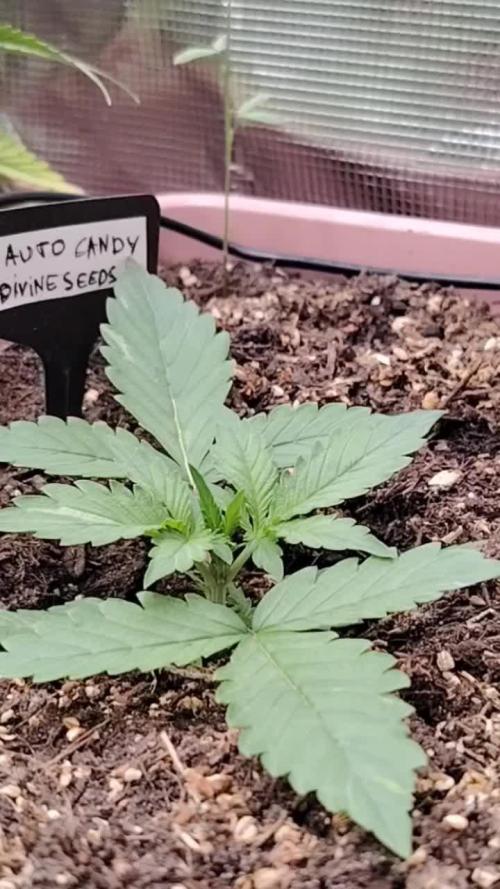
-Tag 9 Heute wurde sie mit mineralischen Dünger gegossen 7-3-5 😌
-Tag 11 sie wächst sehr gut, wir haben ihr heute wieder etwas Dünger gegeben
-Tag 13 Heute hat sie nur Wasser bekommen und wir haben sie getoppt 😄

Likes
4
Share

@Relentless-Pressure
Follow
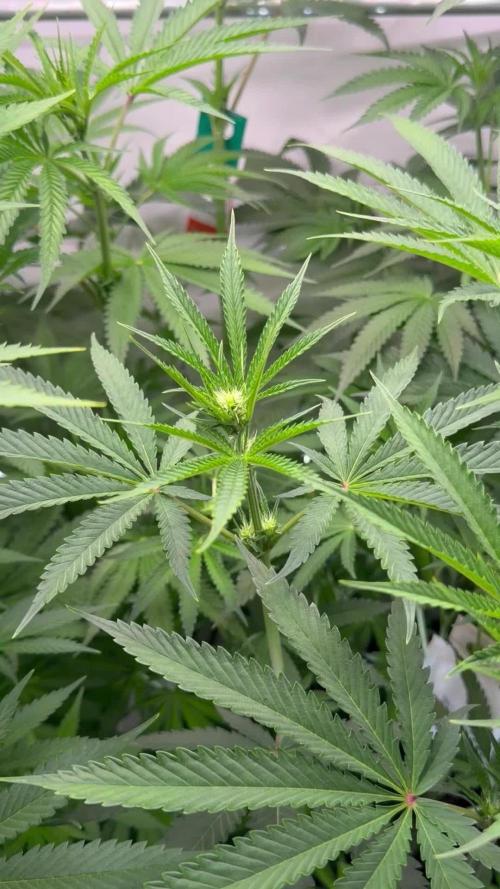
Didnt topped her didnt trained her at all to reduce stress for new Genetics,because this time im using 2 different Spectra,full spectrum 75% and UV•IR 50% at Full Shift 12 hrs {UV•IR} and they really love the different worlds im really hyped to See the effects in Full flower 🍀🔥💯
It should increase your trichome Production to the fullest Maximum Potential !!!

Likes
22
Share


@Slobasian
Follow
You walk into the back yard and it’s a straight face punch of smells. Looking like some indoor rn moved all plants to safer place in case storm hits so now I atleast have a wind break


Likes
14
Share

@MrGrowDiarie
Follow
Day 106
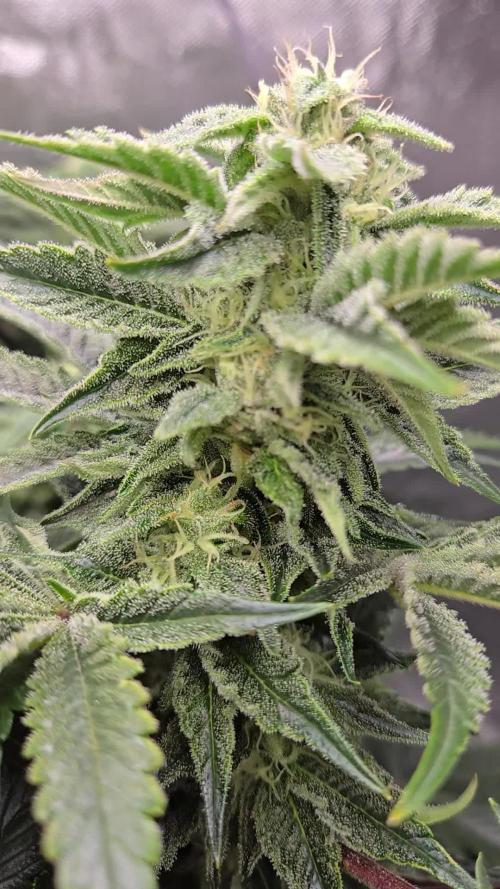
The close-up view shows very healthy flowering development. Buds are stacking up nicely with dense clusters forming and plenty of white pistils still visible, showing that the plant is still actively flowering. The trichome production is already significant, giving the buds a frosty appearance. The sugar leaves around the buds are coated with resin, a good indicator of potency.

Likes
10
Share


@Hix57
Follow
La semaine 5 s'est plutôt bien déroulée, même si les autres plants ont connu un léger excès d'azote.
Heureusement, mes plantes n'en ont pas souffert.
J'ai pris la décision de les nourrir exclusivement avec des éléments favorables à la floraison.
En parallèle, je commence à défolier délicatement une à deux feuilles par jour.
Elles ont arrêté de s'étirer et elles commencent à se concentrer sur les bourgeons.
Un grand merci à Louloutre qui m'apporte son précieux soutien !
Likes
5
Share

@Black_Widow
Follow
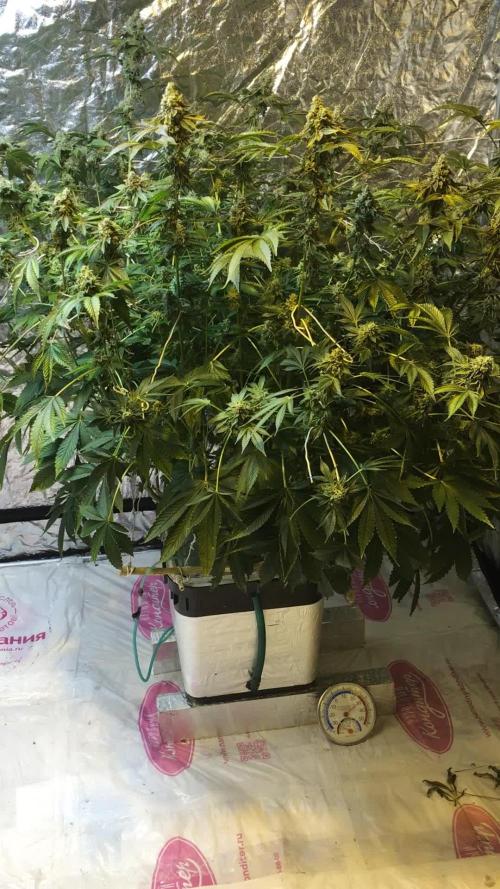
Привет садоводы и огородники !!!
Началась новая неделя и через пару дней поставлю ее на чистую воду

Likes
17
Share


@Mr_nugs_lover_David
Follow
Beautifully looking buds with certain purple tones showing off in some pistils and also in some leafs, very good sweet fragrance coming from the flowrs, smells just like the other 2 aks420 I'm growing, looks like it's a very stable strain! Very recomended 👨🌾😋🌸 stay tuned guys! 💯🧡💚

Likes
4
Share

@Leprechauns_Garden
Follow
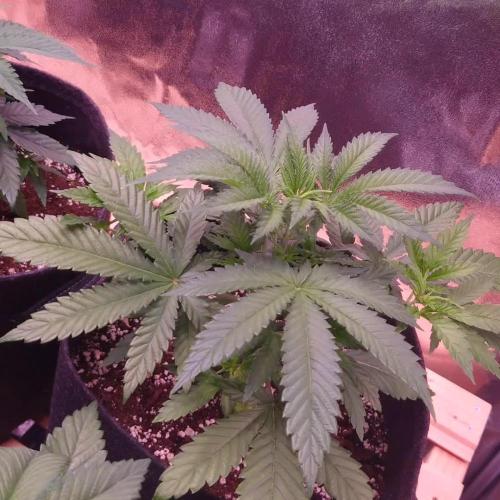
Alle Ladys super gesund und ordentlich am wachsen.
Keine neuen Informationen.
Nächste Woche werden sie getoppt und entlaubt.
Bis dahin haben sie aktuell 450 ppfd und ca 2 Liter Wasser alle 2 Tage.
Ab Woche 6 werde ich mit leichter Düngerzugabe beginnen.
Let IT grow 🌱🌿💚

Likes
26
Share


@pifflestikkz
Follow
Day 51
20/08/24 Tuesday
Feed today using de-chlorinated tap water pH 6. With Plagron PK13-14 and power buds.
Noticing the stretch stop, and now packing out there bud sites 💪💚
ACOP , Melonade Runtz have Xmas tree structure where as orange bud is pure tall sativa structure... The Overdose is a compact indica looking dwarf but the bud sites are packing out a punch 👊🤣
Day 54
23/08/24 Friday
Watering only today using de-chlorinated tap water pH 6,
I'm watering in 350ml no run off. 400ml I'm seeing tiny run off.
Day 56
25/08/24 Sunday
Water today using de-chlorinated tap water pH 6. Added bud candy and rhino skin 1ml per litre

Likes
5
Share


@420Hydro
Follow
Clones got flipped before i wanted mom plant was getting to big. Just trying squeeze quick run in before move. Still trying dial in my new nutrient line.. masterblend 0 12 24 and cal nit

Likes
7
Share


@GanjaFarmar
Follow
Day 50 from seed and this plant has exploded compare to the slow growth at the start. I doubt its ready for harvest by week 8 like it states on the brand. But a few more weeks and should be good.
I hope i can get a few ounces of this.
Ill update by week 8!
One love


Likes
4
Share


@PortkeyCannabis
Follow
Beautiful plant. Just moving her around a bit my fingers smell like lemon lime and gas flavor still devolving! Fire!! Looking forward to this one!!
Likes
17
Share


@w4tch2gr0w
Follow
Steady growth no time for LST yet but doubled the water to 120ml every 8h let’s check after the weekend. :)
Likes
Comments
Share

@po710
Follow
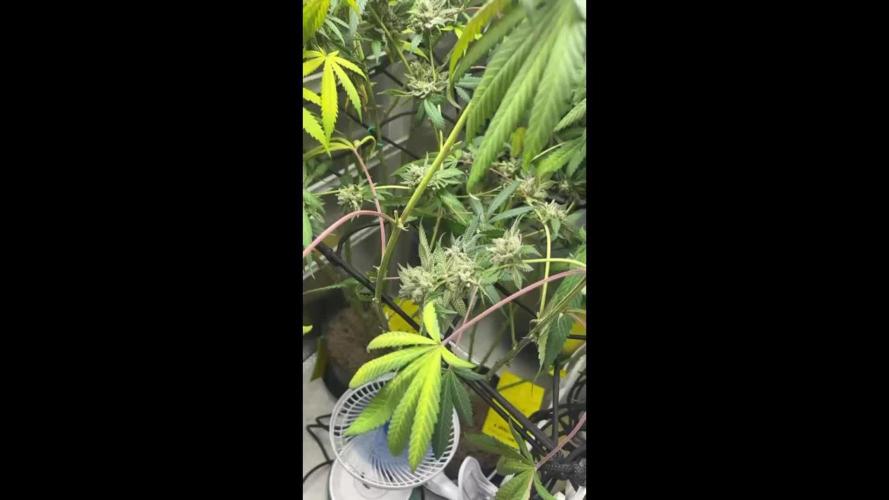
I have finished this cicle, and this image shows you everything you need to know. OBS: UV light on the holl flowering stage, except in flush.

Likes
12
Share


@Papabro2k
Follow
Growing great no problems just that I had the light a bit close and burned the tips she grew very fast and I never realised but she’s very happy now and fattening up smells great too
Likes
42
Share


@MrJoint
Follow
🍁Dicas e sugestões? As meninas agradecem!
📸Update de fotos, vídeos e informações diariamente.
DAY 22
Estudado muito para ver se aprendo algo sobre NUTRIÇÃO DAS PLANTAS e consigo fazer um bom schedule. Daqui 3 dias começo alimentá-las com nutrientes minerais. Infelizmente preciso esperar os medidores de pH e TDS/EC chegarem. O pior é que acho que elas estão pedindo comida. Ainda bem que são só 3 dias até os medidores chegarem.
DAY 23
Amanhã os medidores de EC e pH chegam! Minhas meninas finalmente vão ser alimentadas, estão famintas com certeza. Cresceram muito e comeram o “quase nada” que tinha no substrato. A deficiência de Nitrogenio (N) já pode ser vista nas folhas enroladas 90°.
DAY 24
😃 Os medidores de pH e EC finalmente chegaram!! Já podemos começar a alimentação das meninas. Todos muito felizes.
DAY 25
Todas meninas devidamente alimentadas. Muita expectativa para saber se elas gostaram dos nutrientes. Elas estão crescendo bem, mesmo com fome (até 1cm/dia).
DAY 26
😍Minhas meninas estão crescendo maravilhosamente! Hoje reguei só com água, mas amanhã vou dar mais comida de novo. Escolhi dar alimentação 2 vezes na semana.
COP está cada dia mais bonita.
C4 foi removida do growbox e agora está na varanda aproveitando a luz natural.
Agora são 4 plantas, as 2 mais fortes irão para a floração na barraca.
DAY 27
As meninas receberam a segunda alimentação da semana e ficaram muito felizes. Aumentei a rega para 500ml/planta.
DAY 28
✂️ Para aprender e entender um pouco melhor como funciona e como elas se comportam fiz hoje poda de cobertura e defoliation nas plantas C1 e C3.
Na C1 eu deixei 4 fan leafs, na C3 eu deixei 2 fan leafs. Espero que elas gostem do novo penteado.
🎃Obrigado por verificar meu cultivo.

Likes
25
Share


@JonnyKush
Follow
hello growmies! day 51 finally the pre-flowers begin to appear. I apologize for the few photos but unfortunately they really filled the box and I find it difficult. overall I have to say they look in perfect shape! I will keep you updated thanks for passing by. like and comment! good day and beautiful growth to you 🌳🌱

Likes
21
Share


@Swiftgrow
Follow
Paper towel method for 48 hrs, planted into soil and sour goo poison is first to break the soil as of 21 May.
Lightly misting soil probably twice a day
Likes
4
Share


@Ferenc
Follow
Lovely buds sweet and fruity with citrus smell. Taste is the same ;) She has a potential to have a good yield if you have a good lamp. Nice buds really sticky, with nice trichomes. :) It must be tried.
