


Likes
Comments
Share

@Skynets_Growing
Follow
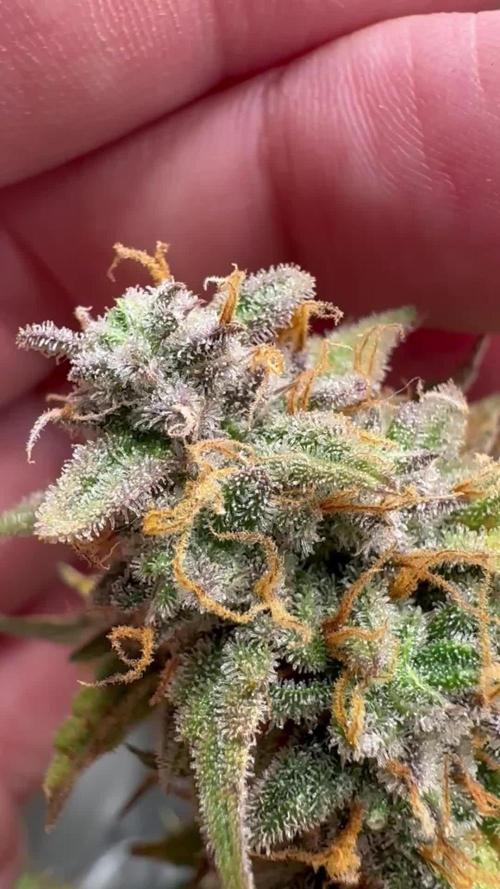
The bud‘s smell like lemon and they are small but this was my fail i think. Elsa was doing a Great Job and I will take every product again in Grows in the Future. Thx



Likes
4
Share


@Bimli92
Follow
harvest, flower length 64 days, total growth time 88 days. Now wait for it to dry.

Likes
23
Share


@BarrieGrower
Follow
Buds are continuing to build and all is well. The plants is really thirsty and taking lots of water.
All is well.
Likes
13
Share


@HashCakes
Follow
Everything going well. Girls got their first recharge bath and loved it.


Likes
7
Share

@Kevs_Best
Follow
DE
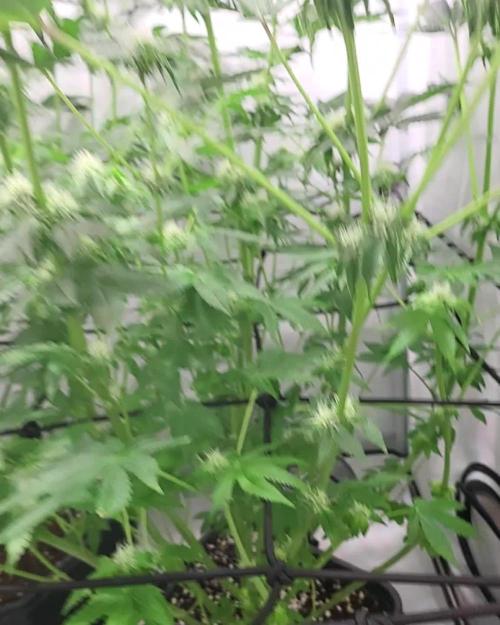
In der vierten Blütewoche verdichten sich die Strukturen beider Last Dance-Phänotypen weiter. Der erste Phänotyp hat seinen Stretch nahezu abgeschlossen und legt nun deutlich an Blütenmasse zu. Die Hauptcolas sind fest definiert und beginnen sich mit einer feinen Harzschicht zu überziehen. Das Aroma wird noch dominanter – sehr schwer, gassig und durchdringend, mit einem kräftigen Funk.
Der zweite Phänotyp bleibt kompakter, zeigt aber eine sehr gleichmäßige Blütenausbildung über alle Seitentriebe hinweg. Die Buds setzen zunehmend Kristalle an und wirken schon jetzt frostig. Sein Duft entwickelt sich klar in Richtung süß-fruchtiger Cocktailnoten, die immer intensiver und komplexer werden.
Insgesamt präsentieren beide Pflanzen in Woche vier eine starke Blütenentwicklung mit ersten sichtbaren Harztrichomen, stabiler Struktur und einem weiter ausreifenden, charakteristischen Terpenprofil.
EN
In the fourth week of flowering, both Last Dance phenotypes continue to build density and structure. The first phenotype has nearly finished stretching and is now focusing on bud mass. The main colas are firmly established and starting to glisten with a fine layer of resin. Its aroma grows even heavier – strongly gassy, pungent, and deeply funky.
The second phenotype remains compact but shows very uniform bud formation across all side branches. The flowers are noticeably frosty already, as trichomes begin to cover the sites. Its scent develops further towards a sweet, fruity cocktail profile that is becoming more intense and layered.
Overall, both plants show strong flower development in week four, with the first visible resin production, solid structure, and increasingly mature terpene expression.


Likes
3
Share


@High_Grade_Dadli
Follow
Mother: to the older sets that are in pot
Gonna transplant dem new mother by the end of the week or next week...jus letting LST do it thing since I already started it
New cutting first visible root in 8 day off of water only gonna hit them with a rooting mixture before end of week


Likes
10
Share


@Xspellsx
Follow
Here it is...Fucking bomb id definitely grow again Sadly this was a single bag seed it did HERM but late in the game so the seeds it did make which there weren't many are white and empty....got clones of his jet fuel so we will see the similarities.. Gave me about 3 ounces. Been smoking on it hard so hard to tell hahha aging well has a grapefruit smell that does not inhibit the taste which is fresh flowery chronic similar to a skywalker but much lighter
Processing
Likes
16
Share


@KcKoolaidMan
Follow
OK so this weeks kicking off big time lots of flowering everything’s really taking off plants are really loving the nutrients super happy with this grow so far I switched bulbs at the beginning of this week to my HPS super excited about the next few weeks I’ll update soon thanks for stopping by!!
Quick update its dat 31 32-ish these things are really getting big the LST worked great some of them are kind of thin in the middle but got lots of tops nice bushes the OG Kush just looks killer has a kind of open spread out look I love it it’s going to produce some big buds I can tell!
It’s the end of the week I Defoliated again and tied a few more branches down one of the jacks still has a pretty low center but it’s starting to catch up all the plants seem to really be loving the feeling and are starting to really stack up the buds The next few weeks should be fun!

Likes
45
Share


@masterofsmeagol
Follow
8/1 This wad the most fucked up morning ever. Didn't get much time with the girls. I was able to take a few pics when I got back amd a video this morning. Pillars are still around. I killed a couple but I probably should spray BT. I think we got rain last night. Bags are heavy. I defoliated a little bit more on the interior and found some small yellow leaves. Event horizon is still on point to flower first. I NEED to lst and add supports for flower bit I've got a lot of other things going on too. I'm going to TRY to spray BT tonight if weather permits and I should have the supports up this weekend. At least that's what I'm hoping.
8/2 Quickly watered as I had to fix a flat tire to get my wife to the doctor. Gave most a gallon but closer to 3/4 on one event horizon and the sherb pie. Half g for the 10 and I gave the 5 and the 50 a little water. I didn't give the 50 much. That holds water far longer. I'm glad I got it done. It was 90°+ and sunny all day. Earlier everything looked great. I think I'm gonna go check them and maybe add a few pictures.
WENT OVER AND FOUND THE EVENT HORIZON I GAVE A LUTTLE LESS WATER TO, IN THE BACK COMPLETELY DEOOPED OVER AND DRY. I QUICKLY WATERED A GALLON. I CHECKED THE OTHER PLANTS AND SAW A COUPLE THAT "MIGHT'VE STARTED DROOPING BUT WERE LIGHT SO I GAVE ALL THE GMO'S HALF A GALLON. I WATERED THE CONTAINER PLANTS AND THE ONE IN THE 50. BETTER SAFE THAN SORRY. THEY WERE SUPER LIGHT. SOME ARE SHOWING SOME HEAT STRESS BUT I DONT BLAME THEM WHEN ITS PUSHING 100° OUT. I HOPE THIS PLANT WILL PICK UP BUT ILL HAVE TO WAIT UNTIL MORNING TO SEE. I GOTTA GO EAT DINNER AND IT WAS IN ROUGH SHAPE. CANT BELIEVE THIS. ITS THE FURYHEST IN FLOWER TOO. INTERNET TOO SLOW TO UPLOAD
8/3 This morning it was "maineing" out. Basically like raining but more of an alternating mist. The event horizon that looked DEAD is completely recovered! I'm so stoked. I've had a really rough few days but at least I've still got my girls. After this little bit of rain I'll do the supports and a spray of BT for the pillars. I'm noticing more damage and I don't want them arpund when they can burrow into buds.
WENT BACK AT LIKE FIVE. THE 5 GAL WAS DROOPING AND THE 10 WAS DRY AF. OTHERS WERE ALSO LIGHT. I USED 5 GALLONS ON THE GARDEN AS SOME STILL "LOOKED GOOD" BUT WERE DUSTY AND DRY. I ONLY GAVE THE GMO IN THE 30 A HALF GALLON. DIDNT WATER THE ECENT HORIZON IN THE BACK AND THE GMO IN THE FRONT BY THE DOOR ASXTHE LOOKED GOOD AND STILL HAD SOME WEIGHT TO THEM. THIS WAS ANOTHER DAY IN THE 90s THAT WAS SUPPOSED TO HAVE RAINED. LUCKILY IVE GOT THAT INTUITION AND I CAN CHECK. CAMS HELP WITH THAT BUT ITS BEST TO CHECK A FEW TIMES A DAY IN WEATHER LIKE THIS. FAR TO HOT TO SPRAY ANYTHING.
8/4 Chose not to water as we were supposed to get an inch of rain, then a half in and now it says .1in. I'm going to go over and check on the garden and see what they look like. I took pictures but I'll have to wait to upload them.
WENT BACK OVER IN THE AFTERNOON AROUND 2ISH. GMO IN THE FRONT WAS DROOPY. WATERED THAT A GALLON AND IT WAS UP BY THE TIME I LEFT. THE GMO ON THE END (MY CANARY) WAS SUPER LIGHT SO SHE GOT A GALLON. THE EVENT HORIZON I DIDNT WATER YESTERDAY GOT ABOUT 3/4 OF A GALLON AND I WATERED THE ONE IN THE 10 1/2 GALLON. SHOWERS ARE IN THE FORECAST AND EVERYTHING ELSE LOOKED PRETTY GOOD AND WASNT DEAD LIGHT. AS OF 3 EVERYTHING IS GOOD. I IMAGINE ILL PROBABLY NEED TO WATER SOMETHING TOMORROW. IT SUCKS HAVING TO DO THIS SEPERATELY BUT SOMETIMES THATS HOW IT GOES. I DONT EXPECT THESE 90 TEMPS WILL CONTINUE. ALSO NOTICING SOME FADING AS THEY TURN TO FLOWER. DEF NEED NUTES. AND ONCE THE TEMPS GO DOWN I NEED TO SPRAY EITHER BT OR SPINOSID.
8/5 It Rained last night so I didn't need to water. Everything was nice and heavy. Beautiful day today. Hopfully I can do an app of bt tonight. Weather man needs to get things right. It says we got .005in last night but I heard it and it was way more than that. This is a tiny town.
WENT BACK OVER AND FED. EVERYTHING GOT 1.75 PINTS. THE 10 GOT HALF THAT. THE FIVE A LITTLE LESS. I DEFINATELY NEED TO SPRAY FOR PILLARS. I ALSO HAVE A BIT OF DEFOLIATING ON A COUPLE PLANTS THAT I NEED TO DO. USUALLY I'VE LOST TONS OF LEAVES BY NOW. I JUST NEED TO IMPROVE AIRFLOW. THE TRELLIS WILL HELP WITH THAT PLUS SUPPORT. I THINK I MAY BE ABLE TO SPRAY PISSIBLY TONIGHT (DEPENDING ON WEATHER) AND SUPPORTS AND DEFOLIATION THE NEXT FEW DAYS.

Likes
3
Share

@Meckyman
Follow
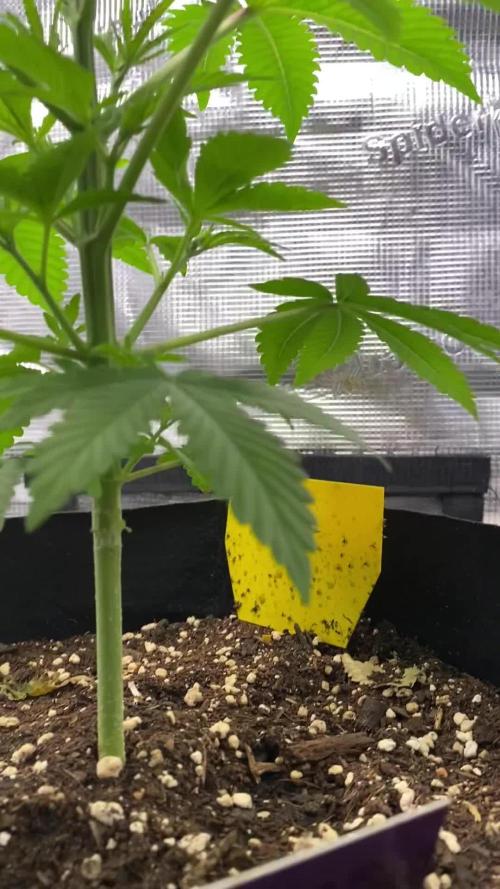
Hallo Gärtner 👩🌾 💚 die tage hab mit düngen anfangen, sie hat schön gewachsene.
Plargon grow
Power roots und Sugar royal nach Schema vpd zur zeit besser im griff habe

Likes
23
Share


@danieljeremiah2911
Follow
Exciting week the plants are all out of germination and into their veg growth stage. This means we get to begin the exciting work of building our soil. When the plants veg growth reaches the tips of the pots, this indicates the roots also have and your plant is then ready for more room. We have a fantastic grow shop in town that is great about soil classes and teaching you some great essentials. We plan on utilizing this resource and will keep you updated with the progress of the soil build. Stay tuned for compost tea as well ;)
Stopped by the grow shop to get the run down on the soil build. Because building your own soil creates hot soil, it needs to sit for 6-8 weeks. This obviously won't work for our purposes on this grow. After some deliberation we decided to go with a pre built soil that has already sat and composted. We are going to go with Build A Soil because they have done tons of research into their super soils. We want to do a super soil so that we don't have to top dress or add in any nutrients, we want the grow to be as natural as possible. After looking at Build A Soil's options we are leaning toward the L.O.S. OLY Recipe. This recipe uses 33% OLY Mountain fish compost. We want each plant to be able to finish out in the pots that we switch them into from their nursery pots. I recently found a new grow bag that we are going to try out for this next grow. It is a bag so it has a much larger circumference than the grow pots. It also has a lining on the sides of the grow bag so that it doesn't dry out from the sides like normal grow bags. This is our ideal growing situation because we are trying to simulate earth. When a plant is in the ground in the earth it doesn't dry out from the sides, we don't want our plants to either. The bags are very large (15 gal) but we don't want to fill to the top, in case we need to top dress more soil in the future. We use one cubic foot bag of soil per plant per container. This change will happen tomorrow at the turn of the week. Starting week two of Veg growth we will be in the containers that we finish in. This means minimal transplant stress and much less room for human error effecting my medicine.


Likes
44
Share


@RakonGrow
Follow
Note :
+ jegliches Zubehör wird in der GermniationsWoche aufgelistet . Zeitraffer Videos folgen immer nachträglich.
+ videos werden so geschnitten das nur ein geschlossenes Zelt erscheint , ergo Fehlen paar reale Minuten (ca 1 Std) .
Day 64:
Die Nacht war kalt und die Ventilatoren an . Ergebnis , der Hauptrieb der viel ventilation abbekommt ist wunderschön dunkel geworden.
Bilder hinzugefühgt um mal den Vergleich zu haben , beide haben die gleiche Bedingung , sowohl Dünger als auch Licht . Nur das Zoe mehr Wind abbekommt und damit halt eine kältere Nacht erhalten hat .
Wir sehen das es wohl keine wirklichen defiziete. Es ist ein verhalten auf die Kälte.
Day 65:
+ 1.75 Liter Flaschenwasser
+ + Dünger für Blühte
+ + + Canna Terrar Flores (Achtung wirkt wie PH-)
+ + + Canna Boost
+ + + Cannazym
+ + + Canna Rhizotonic
+ + + Canna PH+
+ + PH 5.91
Day 66:
Das viele Licht zeigt wie es aus allen Seiten der Buds wächst . Das ist nicht gerade ein Qualitätsmerkmal , eher ein Quantitätsmerkmal . Aber ich möchte auch wissen wie stark sich das auf die Qualität auswirkt .
Die Schwester hinkt zwar kräftig hinterher wegen ihrem Wasserschaden, aber zum Rauchen allemal gut .
Leichte Cal-Mag Probleme werden sichtbar .
Day 67:
+ 2 Liter Flaschenwasser
+ + Spülung
+ + + Canna Boost
+ + + Cannazym
+ + + Plagron PH-
+ + PH 6.0
Day 68:
keine besonderen Anzeichen , die Luftfeuchtigkeit ist so zwischen 60% bis 64% . Geht gerade nicht anders . Ist jetzt aber zum abreifen auch nicht Schlimm . Dafür sind die Temperaturen bei konstanten 26°C
Day 69:
Alles läuft nach Plan. Kein defizit, ergo , es wird nur rest Dünger in der Erde abgebaut.
Day 70:
+ 2 Liter Flaschenwasser
+ + Dünger für Blühte Generative Phase III
+ + + Canna Terrar Flores (Achtung wirkt wie PH-)
+ + + Canna Boost
+ + + Cannazym
+ + + Canna Rhizotonic
+ + + Canna PH+
+ + PH 5.91
Likes
4
Share


@902EastCoast
Follow
This week went great again. They are getting heavy now and packing on the crystal. They smell soooo fckin good!


Likes
26
Share


@Ageddd
Follow
Last week, 2 irrigations, gave her plain water.
Beautiful colours, it was a pleasure to grow such a pretty plant, production is going to be like 10 grams i expect, Cloudy days and bad weather while growing and flowering, but quality seems pretty good, she is so frosty and smells like fruits.
1 week of drying, and curing at the moment.
Put the weed in jars with Boveda 62.
Im making a harvest post with the smoke effects flavour and all the stuff, so you can get more details about the high, flavour and quality.
Harvested 1/07/2018
Good vibesss
