



@Hempface86
Follow
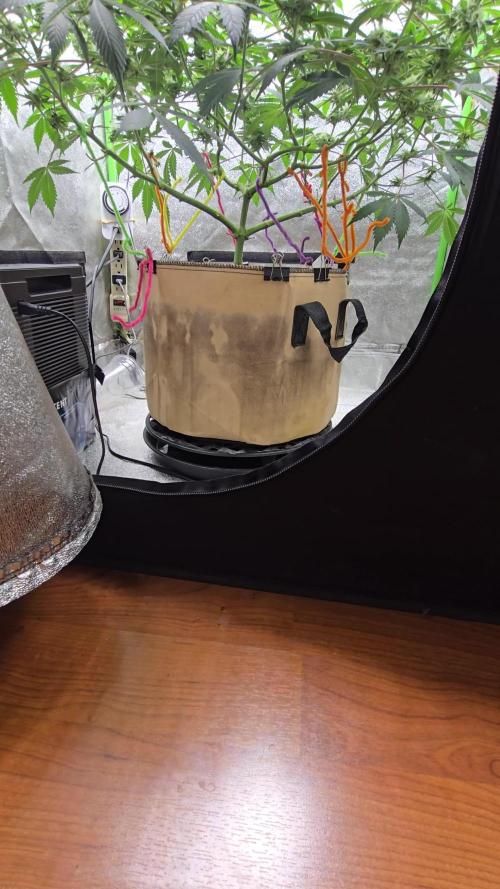
So as you can see, this girl is big and happy.. Very impressed with the dots, and recharge combo.. Definitely the easiest grow.. I introduced some green sensation because we are into the fourth week of flower and beyond.. i'm really looking forward to seeing how this one turns out, and once again, big shout out to the homie @Grow4releaf for the bean... That's a good dude right there.. Hope all is well, God bless and happy growing

shorts_status_processing


@BigBudWolf
Follow
BLUE CUSH (Seedsman)
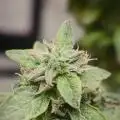
28 Days from sprout.
Easy with the nutrient feed at about quarter strength recommended.
She is small but seems to be doing well.
@Chrisandweed
Follow
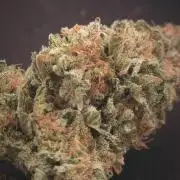
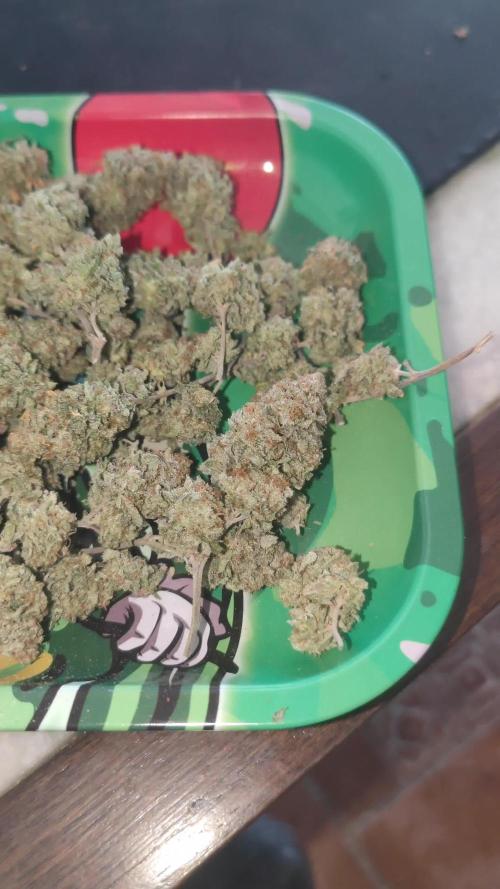
Bueno, pues ya está, secada, manicurada y enfrascada.
Huele muy muy muy bien, pero que muuuy bien!!
Pues 7 dias de secado han sido al final, hubiera sido mejor algo mas imagino, pero bueno, estaba ya con poco stock asique no está mal reponer ya xD.
Luego, se ve en las fotos, he dividido el recorte, uno en no fumable ya que son hojas mas grandes, y otro recorte o trim, de hojas mas pequeñas y con mas resina. Ambos los juntaré con sus respectivos recortes de las demás plantas para con el Pollinator hacer hash, peeeeeero con la cosa de que, el recorte de hojas mas grandes (también tienen resina) y mas secas no lo fumaré, peeeero el otro si que lo guardaré a modo reserva, para si me quedo sin fumar de aquí a la proxima cosecha (que en casa fumamos 2 😅🤦🏾♂️) pues poder tirar de ese trim de emergencia.
Luego, el tema fotos, hoy el internet de mi proveedor ha dicho de caerse, un sábado 😅, y mi internet va del revés, asique subiré las que pueda e iré subiendo mas fotos y un par de videos conforme pueda.
La he ido fumando haciendo el truco del microondas a lo largo de estos dias ya que me quedaba sin existencias 😂 y ya ahí tenia muy buen gusto y ahora ya seca... Tela! El sabor no lo identifico claro pero se nota el citrico tropical muchísimo! Es como si te tomases un Bifrutas de naranja y le quitases la leche.


@DonKrika
Follow
I starting to see a bit of light bleaching this week.
This week I did a bit of defoliation but nothing too crazy, next week I will do the last defoliation.
DAY 87
PH - 5.95
Solution Temp - 15
PPM-1900
Watering Volume per plant - 5L
DAY 90 - Water
PH - 5.95
Solution Temp - 15
PPM-560
Watering Volume per plant - 5L



@ItsBaBaa
Follow
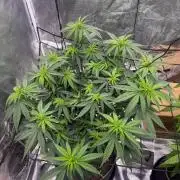
Week 2 of flower is officially in the books, and things are starting to get exciting! 🔥
This week has been all about watching the girls make that transition from vegetative growth into the early stages of flowering. After spending time getting the canopy spread out and working with the SCROG net, it's been rewarding to finally see those first little flower sites beginning to develop.
One of the biggest things I've noticed this week is the amount of fresh growth coming from the tops. There are multiple flowering sites developing throughout the canopy, with bright lime-green new growth and little white pistils beginning to show.
The plants are still putting energy into their upward growth and stretching, but they're also starting to show where the future buds will form. Some tops are slightly ahead of others, which has been interesting to watch.
The close-up pictures really capture this stage well. The flowers are still extremely young, but seeing those first pistils is a pretty exciting milestone.
The SCROG setup is really starting to show its purpose. The branches have spread out across the net, creating multiple growing tops instead of having all the growth concentrated in just a few main branches.
Looking at the wider canopy pictures, there's a noticeable amount of foliage and branching throughout the tent. Some areas are more developed than others, but overall I'm pleased with how the plants are filling out the space.
The foliage is predominantly green, with lighter shades around the newest growth. I haven't noticed any obvious widespread discoloration in the pictures, which is encouraging.
This week definitely came with a little learning experience when it came to controlling the environment, especially during lights out.
After watering, nighttime humidity started climbing higher than I wanted, eventually reaching around 70–71% RH. Even with my 6-inch inline exhaust running, it was difficult to bring the humidity back down.
I experimented with ventilation and room conditions before eventually turning up my house heater. That helped raise the temperature and bring the relative humidity down.
My latest nighttime readings were:
🌡️ Temperature: 74.9°F
💧 Relative Humidity: 63%
🌿 VPD: 1.09 kPa
It's still something I'm keeping an eye on, especially as the flowers continue developing. This week reminded me how much the surrounding room affects the conditions inside the tent.


@Microsemilla
Follow
Se va terminando el mes de Marzo y ya se cosecharon las Double Cookies, con un riquisimo aroma pero por sobretodas las cosas con una resina muy pagajosa y abundante. Ya se van al secadero
Las lebrones las mantenemos un poquito mas pero tambien estan explotadas. Tumbadas por el peso de los propios cogollos.


@420DeepGrow
Follow
Gracias al equipo de Seedsman Marshydro XpertNutrients y Trolmaster sin ellos esto no sería posible.
💐🍁 Tangerine Snow F1 Fast:
Esta gran cepa es un cruce de cuatro vías 75% sativa de (Boost x Tangelo) con (Lavender x Power Plant). Este híbrido Fast F1 proviene de la genética Cali y cuenta con excelentes terpenos cítricos, alta producción de resina para extractos, altos niveles de THC, muy buenos rendimientos y excelente resistencia al moho. Tangerine Snow F1 Fast se puede cultivar tanto en interior como en exterior. Los tiempos de floración en interiores son de entre 8 y 10 semanas, mientras que el tiempo de cosecha en las latitudes del norte es en septiembre, mientras que en el hemisferio sur los productores cosecharán durante marzo. Las regiones climáticas recomendadas son cálidas, secas, húmedas y cálidas. Se trata de plantas altas, semiramificadas, que superan los 200cm y que presentan un alto vigor con muy buena uniformidad. Al igual que muchas otras variedades con fuerte dominancia sativa, Tangerine Snow F1 Fast ofrece una excelente resistencia al moho, así como a las plagas y enfermedades de las plantas. La combinación de terpenos cítricos y mucha resina la convierten en una cepa de muy buen extracto, cuyo método de "lavado" produce muy buenos rendimientos de hachís. El perfil de terpenos cítricos recuerda a las mandarinas y mandarinas y también tiene notas dulces. La producción de THC ha sido verificada en laboratorio en un fuerte 24%, mientras que el CBD es bajo. El efecto es edificante y energizante, perfecto para usar durante el día y las primeras horas de la noche.
🌻🚀 Consigue aqui tus semillas:
💡TS-3000 + TS-1000: se usaran dos de las lámparas de la serie TS de Marshydro, para cubrir todas las necesidades de las plantas durante el ciclo de cultivo, uso las dos lámparas en floracion para llegar a toda la carpa de 1.50 x 1.50 x 1.80.
https://marshydro.eu/products/mars-hydro-ts-3000-led-grow-light/
🏠 : Marshydro 1.50 x 1.50 x 1.80, carpa 100% estanca con ventanas laterales para llegar a todos los lugares durante el grow
https://marshydro.eu/products/diy-150x150x200cm-grow-tent-kit
🌬️💨 Marshydro 6inch + filtro carbon para evitar olores indeseables.
https://marshydro.eu/products/ifresh-smart-6inch-filter-kits/
💻 Trolmaster Tent-X TCS-1 como controlador de luz, optimiza tu cultivo con la última tecnología del mercado, desde donde puedes controlar todos los parametros.
https://www.trolmaster.com/Products/Details/TCS-1
🍣🍦🌴 Xpert Nutrients es una empresa especializada en la producción y comercialización de fertilizantes líquidos y tierras, que garantizan excelentes cosechas y un crecimiento activo para sus plantas durante todas las fases de cultivo.
Consigue aqui tus Nutrientes:
https://xpertnutrients.com/es/shop/
📆 Semana 4:
Continuamos la etapa de vegetación, ella se desarrolla muy bien 😎, comienza el buen tiempo, temperaturas agradables para todos.
Esta semana se aplica una solución de trichodermas para una mejor adaptación aunque realmente va genial.
Se mantiene 1/3 de nutrientes Master Root y Master Grow


@Ctrellis90
Follow
Welcome back to my Strawberry Cheesecake diary from seedsman seeds.
So we've finished up week 6 and we're in full bloom! She blew up big time and I'm loving it!
She stretched out beautifully and we did a little defoliation on the lower leaves to help get some light to those flower sites.
All in all, I'm impressed with this auto so far and I'm stoked to see how she produces in these coming weeks.
I have some build a flower on the way that we'll be adding in the next day or 2 for some added p and k.
Thanks for stopping by


@Ganja_Victoria_Aus
Follow
Due to the timer being wrong, I slow the flowering time. Hopefully, she will speed up soon. They love hot temperatures 🤒


@Mospeada
Follow
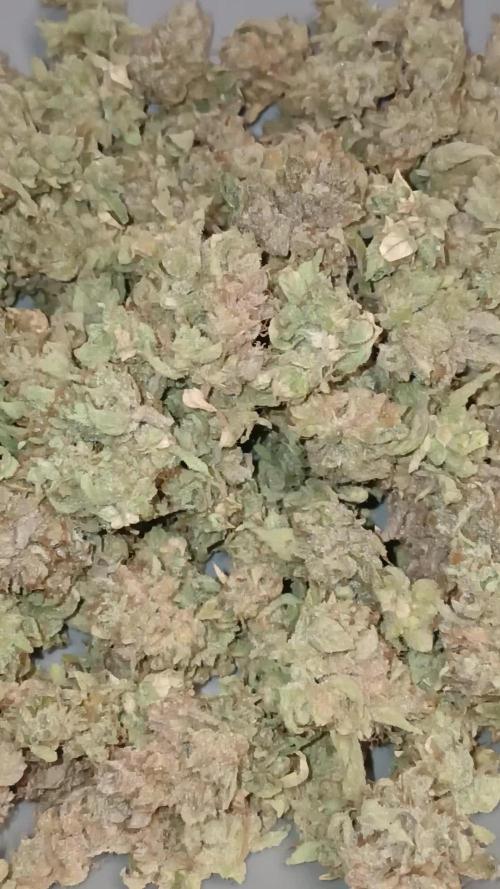
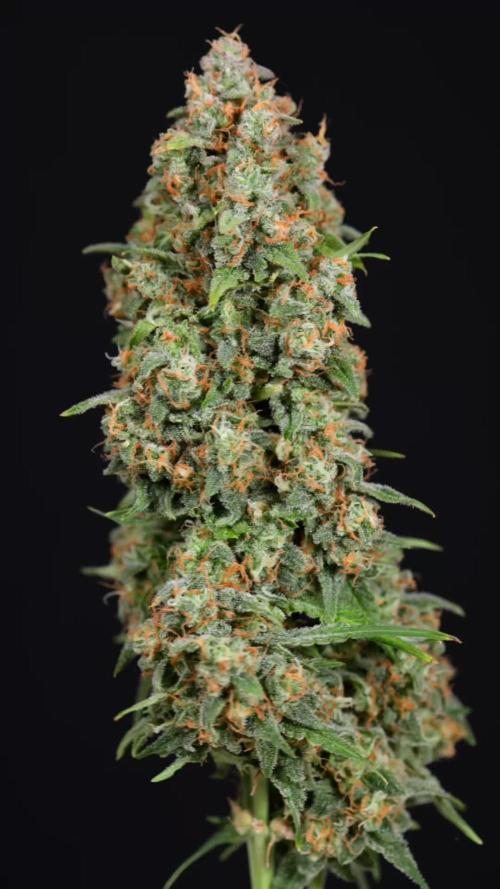
Final week, things got really easy for a few days. The plants are eating less and less each time I check the ppm at the end of the day. It will be RO water only when topping up the res for the rest of the grow. Made an effort to lower humidity as much as possible seeing as I can't do cold stress. Triches are pretty much all cloudy and just waiting on some amber to show.
Only seven plants made it in the end as a revegged plant was out competed and basically it might give an ounce.
1.235
2.440
1.920
1.385
.940
1.075
Combined wet weight: 8.99 kg or 19.8 pounds



@Bread_n_Buds
Follow
Our Watermelon Candy Automatic #1 from Zamnesia Seeds is ready, and we're excited to show it to you.
This plant has always performed well, a true powerhouse of nature as it grows, especially as it swells with high-quality central and lateral flowers.
Ripeness - The resin content is excellent. The trichomes are mostly white and milky (about 60%), with some clear (20%), and some amber (20%). Some beautiful red-headed trichomes are quite common. The pistils are almost all red (about 80%). Remember, the plant should be harvested according to your taste. Since this is a 50/50 plant, I want to maintain the sativa/day-use characteristics and not turn it into an indica bomb by over-ripening the amber colors. (Amber is a sign of THC oxidation.)
The overall shape of the plant is truly splendid.
Techniques chosen: As mentioned, we only performed pruning, lollipopping, and defoliation here. Basically, we simply cleaned the bottom parts, which, as mentioned, helps us achieve better results at the top.
We're 100% organic and 1000% Plagron, as always.
The soil we chose is the recently launched Plagron Bio LightMix, which will allow us to start with smoother and more reliable watering, without the sudden changes that liquid fertilizers can cause. A week's worth of soil is enough, so don't overdo it.
Choose your preferred style and calculate your results on the website:
www.plagron.com
Visit the new Growshop area on the Zamnesia website:
Z - https://www.zamnesia.io/it/531-growshop
A fantastic strain, not too tall but very bushy! Give it a try!
Z - https://www.zamnesia.io/en/7484-zamnesia-watermelon-candy-automatic-semi-seeds.html
Z - This feminized strain boasts everything you've come to know and love about the original cultivar, but with some welcome improvements. Combining Watermelon x Candy Kush with a pinch of ruderalis genetics results in a strain you won't want to miss, we promise.
Being an autoflowering strain, the growing options are virtually endless. So, whether you choose to grow her indoors or outdoors, one thing is certain: she'll be extremely easy to grow. Otherwise, she'll take care of herself without requiring any special care. With a little general care and pruning, you can control her growth all the way to harvest. She's perfect for beginners growing indoors, as well as more experienced growers looking for easy-to-grow, high-yielding plants.
Although she's not a particularly tall plant, her size can be easily controlled with LST, to which she responds positively. So, if you're interested in experimenting with this technique, don't be afraid to try Watermelon Candy Auto.
In just 9-10 weeks from seed to harvest, this strain grows rapidly and, just like the original, will display a bushy canopy completely covered in large buds. Regardless of your growing environment, you can expect impressive yields. Indoor plants produce 350-400 g/m², while plants left to flower outdoors produce 50-100 g/plant. These are quite substantial yields for an autoflowering strain.
With a THC level of 20%, Watermelon Candy Auto is a 50/50 sativa/indica hybrid, offering users the best of both worlds. After a few tokes, you'll feel more optimistic, and even the most stoic smokers won't be able to suppress a smile. After a few minutes, a deep sense of relaxation will take over, perfect for welcoming you home after a long day.
Overall, Watermelon Candy Auto builds on the qualities that made the original so popular, but it also has other qualities that make it a much simpler and more practical option.
You know it, but I recommend it. You'll find so much beauty here, essentially "the best nature has to offer."
Z - www.zamnesia.com
Music // www.radionula.com
+ Feng Shui Music
+ Frequency 432Hz



@Ultraviolet
Follow
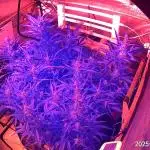
Yellow butterfly came to see me the other day; that was nice.
Starting to show signs of stress on the odd leaf, localized isolated blips, blemishes, who said growing up was going to be easy!
Smaller leaves have less surface area for stomata to occupy, so the stomata are packed more densely to maintain adequate gas exchange. Smaller leaves might have higher stomatal density to compensate for their smaller size, potentially maximizing carbon uptake and minimizing water loss. Environmental conditions like light intensity and water availability can influence stomatal density, and these factors can affect leaf size as well. Leaf development involves cell division and expansion, and stomatal differentiation is sensitive to these processes. In essence, the smaller leaf size can lead to a higher stomatal density due to the constraints of available space and the need to optimize gas exchange for photosynthesis and transpiration. In the long term, UV-B radiation can lead to more complex changes in stomatal morphology, including effects on both stomatal density and size, potentially impacting carbon sequestration and water use. In essence, UV-B can be a double-edged sword for stomata: It can induce stomatal closure and potentially reduce stomatal size, but it may also trigger an increase in stomatal density as a compensatory mechanism. It is generally more efficient for gas exchange to have smaller leaves with a higher stomatal density, rather than large leaves with lower stomatal density. This is because smaller stomata can facilitate faster gas exchange due to shorter diffusion pathways, even though they may have the same total pore area as fewer, larger stomata. Leaf size tends to decrease in colder climates to reduce heat loss, while larger leaves are more common in warmer, humid environments. Plants in arid regions often develop smaller leaves with a thicker cuticle and/or hairs to minimize water loss through transpiration. Conversely, plants in wet environments may have larger leaves and drip tips to facilitate water runoff. Leaf size and shape can vary based on light availability. For example, leaves in shaded areas may be larger and thinner to maximize light absorption. Leaf mass per area (LMA) can be higher in stressful environments with limited nutrients, indicating a greater investment in structural components for protection and critical resource conservation. Wind speed, humidity, and soil conditions can also influence leaf morphology, leading to variations in leaf shape, size, and surface characteristics. Small leaves: Reduce water loss in arid or cold climates.
Environmental conditions significantly affect gene expression in plants. Plants are sessile organisms, meaning they cannot move to escape unfavorable conditions, so they rely on gene expression to adapt to their surroundings. Environmental factors like light, temperature, water, and nutrient availability can trigger changes in gene expression, allowing plants to respond to and survive in diverse environments.
Depending on the environment a young seedling encounters, the developmental program following seed germination could be skotomorphogenesis in the dark or photomorphogenesis in the light. Light signals are interpreted by a repertoire of photoreceptors followed by sophisticated gene expression networks, eventually resulting in developmental changes. The expression and functions of photoreceptors and key signaling molecules are highly coordinated and regulated at multiple levels of the central dogma in molecular biology. Light activates gene expression through the actions of positive transcriptional regulators and the relaxation of chromatin by histone acetylation. Small regulatory RNAs help attenuate the expression of light-responsive genes. Alternative splicing, protein phosphorylation/dephosphorylation, the formation of diverse transcriptional complexes, and selective protein degradation all contribute to proteome diversity and change the functions of individual proteins.
Photomorphogenesis, the light-driven developmental changes in plants, significantly impacts gene expression. It involves a cascade of events where light signals, perceived by photoreceptors, trigger changes in gene expression patterns, ultimately leading to the development of a plant in response to its light environment.
Genes are expressed, not dictated! While having the potential to encode proteins, genes are not automatically and constantly active. Instead, their expression (the process of turning them into proteins) is carefully regulated by the cell, responding to internal and external signals. This means that genes can be "turned on" or "turned off," and the level of expression can be adjusted, depending on the cell's needs and the surrounding environment. In plants, genes are not simply "on" or "off" but rather their expression is carefully regulated based on various factors, including the cell type, developmental stage, and environmental conditions. This means that while all cells in a plant contain the same genetic information (the same genes), different cells will express different subsets of those genes at different times. This regulation is crucial for the proper functioning and development of the plant.
When a green plant is exposed to red light, much of the red light is absorbed, but some is also reflected back. The reflected red light, along with any blue light reflected from other parts of the plant, can be perceived by our eyes as purple.
Carotenoids absorb light in blue-green region of the visible spectrum, complementing chlorophyll's absorption in the red region. They safeguard the photosynthetic machinery from excessive light by activating singlet oxygen, an oxidant formed during photosynthesis. Carotenoids also quench triplet chlorophyll, which can negatively affect photosynthesis, and scavenge reactive oxygen species (ROS) that can damage cellular proteins. Additionally, carotenoid derivatives signal plant development and responses to environmental cues. They serve as precursors for the biosynthesis of phytohormones such as abscisic acid () and strigolactones (SLs). These pigments are responsible for the orange, red, and yellow hues of fruits and vegetables, while acting as free scavengers to protect plants during photosynthesis.
Singlet oxygen (¹O₂) is an electronically excited state of molecular oxygen (O₂). Singlet oxygen is produced as a byproduct during photosynthesis, primarily within the photosystem II (PSII) reaction center and light-harvesting antenna complex. This occurs when excess energy from excited chlorophyll molecules is transferred to molecular oxygen. While singlet oxygen can cause oxidative damage, plants have mechanisms to manage its production and mitigate its harmful effects.
Singlet oxygen (¹O₂) is considered a reactive oxygen species (ROS). It's a form of oxygen with higher energy and reactivity compared to the more common triplet oxygen found in its ground state. Singlet oxygen is generated both in biological systems, such as during photosynthesis in plants, and in cellular processes, and through chemical and photochemical reactions. While singlet oxygen is a ROS, it's important to note that it differs from other ROS like superoxide (O₂⁻), hydrogen peroxide (H₂O₂), and hydroxyl radicals (OH) in its formation, reactivity, and specific biological roles. Non-photochemical quenching (NPQ) protects plants from damage caused by reactive oxygen species (ROS) by dissipating excess light energy as heat. This process reduces the overexcitation of photosynthetic pigments, which can lead to the production of ROS, thus mitigating the potential for photodamage. Zeaxanthin, a carotenoid pigment, plays a crucial role in photoprotection in plants by both enhancing non-photochemical quenching (NPQ) and scavenging reactive oxygen species (ROS). In high-light conditions, zeaxanthin is synthesized from violaxanthin through the xanthophyll cycle, and this zeaxanthin then facilitates heat dissipation of excess light energy (NPQ) and quenches harmful ROS.
The Issue of Singlet Oxygen!!
ROS Formation: Blue light, with its higher energy photons, can promote the formation of reactive oxygen species (ROS), including singlet oxygen, within the plant.
Potential Damage: High levels of ROS can damage cellular components, including proteins, lipids, and DNA, potentially impacting plant health and productivity.
Balancing Act: A balanced spectrum of light, including both blue and red light, is crucial for mitigating the harmful effects of excessive blue light and promoting optimal plant growth and stress tolerance.
The Importance of Red Light:
Red light (especially far-red) can help to mitigate the negative effects of excessive blue light by:
Balancing the Photoreceptor Response: Red light can influence the activity of photoreceptors like phytochrome, which are involved in regulating plant responses to different light wavelengths.
Enhancing Antioxidant Production: Red and blue light can stimulate the production of antioxidants, which help to neutralize ROS and protect the plant from oxidative damage.
Optimizing Photosynthesis: Red light is efficiently used in photosynthesis, and its combination with blue light can lead to increased photosynthetic efficiency and biomass production.
In controlled environments like greenhouses and vertical farms, optimizing the ratio of blue and red light is a key strategy for promoting healthy plant growth and yield.
Understanding the interplay between blue light signaling, ROS production, and antioxidant defense mechanisms can inform breeding programs and biotechnological interventions aimed at improving plant stress resistance. In summary, while blue light is essential for plant development and photosynthesis, it's crucial to balance it with other light wavelengths, particularly red light, to prevent excessive ROS formation and promote overall plant health. Oxidative damage in plants occurs when there's an imbalance between the production of reactive oxygen species (ROS) and the plant's ability to neutralize them, leading to cellular damage. This imbalance, known as oxidative stress, can result from various environmental stressors, affecting plant growth, development, and overall productivity.
Causes of Oxidative Damage: Abiotic stresses: These include extreme temperatures (heat and cold), drought, salinity, heavy metal toxicity, and excessive light. Biotic stresses: Pathogen attacks and insect infestations can also trigger oxidative stress. Metabolic processes: Normal cellular activities, particularly in chloroplasts, mitochondria, and peroxisomes, can generate ROS as byproducts. Certain chlorophyll biosynthesis intermediates can produce singlet oxygen (1O2), a potent ROS, leading to oxidative damage. ROS can damage lipids (lipid peroxidation), proteins, carbohydrates, and nucleic acids (DNA). Oxidative stress can compromise the integrity of cell membranes, affecting their function and permeability. Oxidative damage can interfere with essential cellular functions, including photosynthesis, respiration, and signal transduction. In severe cases, oxidative stress can trigger programmed cell death (apoptosis). Oxidative damage can lead to stunted growth, reduced biomass, and lower crop yields.
Plants have evolved intricate antioxidant defense systems to counteract oxidative stress. These include: Enzymes like superoxide dismutase (SOD), catalase (CAT), and various peroxidases scavenge ROS and neutralize their damaging effects. Antioxidant molecules like glutathione, ascorbic acid (vitamin C), C60 fullerene, and carotenoids directly neutralize ROS. Developing plant varieties with gene expression focused on enhanced antioxidant capacity and stress tolerance is crucial. Optimizing irrigation, fertilization, and other management practices can help minimize stress and oxidative damage. Applying antioxidant compounds or elicitors can help plants cope with oxidative stress. Introducing genes for enhanced antioxidant enzymes or stress-related proteins over generations.
Phytohormones, also known as plant hormones, are a group of naturally occurring organic compounds that regulate plant growth, development, and various physiological processes. The five major classes of phytohormones are: auxins, gibberellins, cytokinins, ethylene, and abscisic acid. In addition to these, other phytohormones like brassinosteroids, jasmonates, and salicylates also play significant roles.
Here's a breakdown of the key phytohormones:
Auxins: Primarily involved in cell elongation, root initiation, and apical dominance.
Gibberellins: Promote stem elongation, seed germination, and flowering.
Cytokinins: Stimulate cell division and differentiation, and delay leaf senescence.
Ethylene: Regulates fruit ripening, leaf abscission, and senescence.
Abscisic acid (ABA): Plays a role in seed dormancy, stomatal closure, and stress responses.
Brassinosteroids: Involved in cell elongation, division, and stress responses.
Jasmonates: Regulate plant defense against pathogens and herbivores, as well as other processes.
Salicylic acid: Plays a role in plant defense against pathogens.
1. Red and Far-Red Light (Phytochromes):
Red light:
Primarily activates the phytochrome system, converting it to its active form (Pfr), which promotes processes like stem elongation and flowering.
Far-red light:
Inhibits the phytochrome system by converting the active Pfr form back to the inactive Pr form. This can trigger shade avoidance responses and inhibit germination.
Phytohormones:
Red and far-red light regulate phytohormones like auxin and gibberellins, which are involved in stem elongation and other growth processes.
2. Blue Light (Cryptochromes and Phototropins):
Blue light:
Activates cryptochromes and phototropins, which are involved in various processes like stomatal opening, seedling de-etiolation, and phototropism (growth towards light).
Phytohormones:
Blue light affects auxin levels, influencing stem growth, and also impacts other phytohormones involved in these processes.
Example:
Blue light can promote vegetative growth and can interact with red light to promote flowering.
3. UV-B Light (UV-B Receptors):
UV-B light:
Perceived by UVR8 receptors, it can affect plant growth and development and has roles in stress responses, like UV protection.
Phytohormones:
UV-B light can influence phytohormones involved in stress responses, potentially affecting growth and development.
4. Other Colors:
Green light:
Plants are generally less sensitive to green light, as chlorophyll reflects it.
Other wavelengths:
While less studied, other wavelengths can also influence plant growth and development through interactions with different photoreceptors and phytohormones.
Key Points:
Cross-Signaling:
Plants often experience a mix of light wavelengths, leading to complex interactions between different photoreceptors and phytohormones.
Species Variability:
The precise effects of light color on phytohormones can vary between different plant species.
Hormonal Interactions:
Phytohormones don't act in isolation; their interactions and interplay with other phytohormones and environmental signals are critical for plant responses.
The spectral ratio of light (the composition of different colors of light) significantly influences a plant's hormonal balance. Different wavelengths of light are perceived by specific photoreceptors in plants, which in turn regulate the production and activity of various plant hormones (phytohormones). These hormones then control a wide range of developmental processes.


@TPBzh
Follow
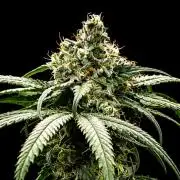
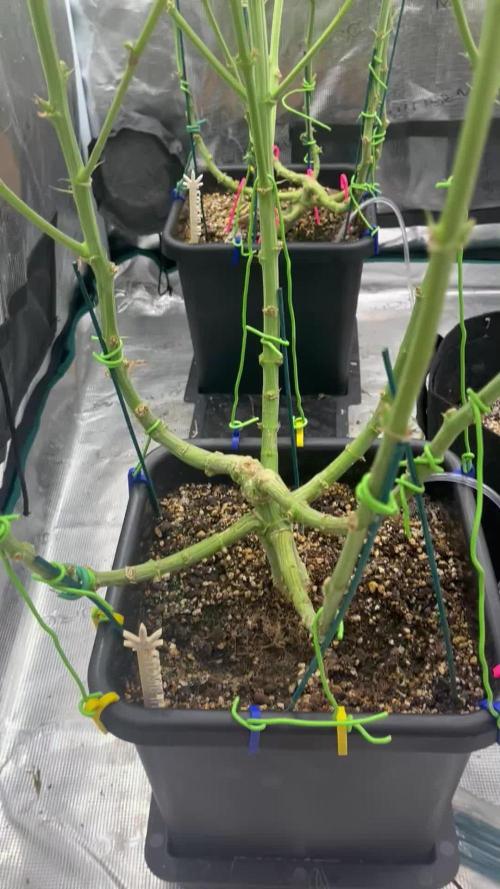
They are getting fat and smelling strong. I have to defoliate quite often as my room get small now. I think i got 2 more week b4 harvest. Everything is on trace I think.



@HandsomeTerpz
Follow
The buds are swelling nicely 🌱💨 and developing super well the terps are turning out amazing! 😍✨



@Heregrowsnothing
Follow
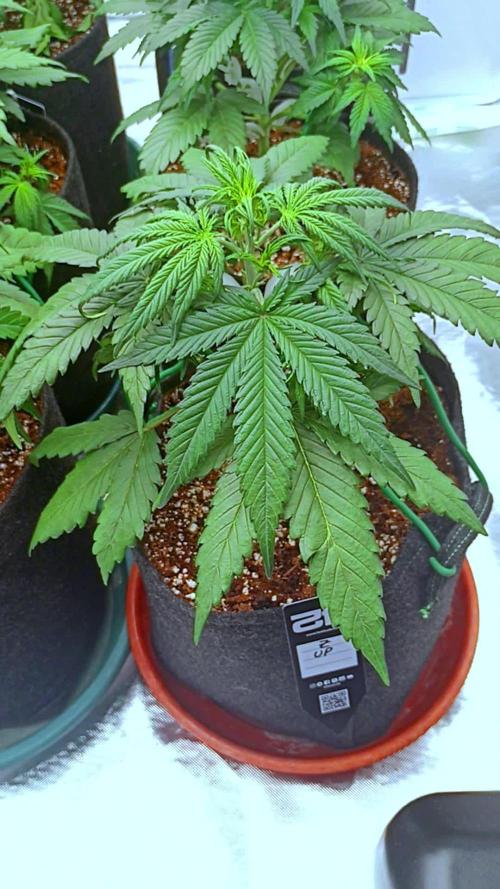
I've kept this beauty longer than the rest and she has piled in with some dense nuggs that I can't wait to taste!! She's now being flushed. The smells coming from the tent are amazing. To sum it up in three words it'd be "what a strain!" Thanks for stopping by ✌️🏻😎

@Marijuanaut
Follow
💚💛❤️
Well, the blackout effects are showing now with some stunt grow! 😞
Small but bulky branches that are very hard to work/train with... defoliation before some bending clips and already snapped a few 😤
Already installed the net but I don´t think theres much to be done... guess I´m just let them go wild and do their thing. 😅
💚💛❤️

shorts_status_processing


@Tazard
Follow
Wow she looks awesome!!!! I really don’t know what else to say. She smells pungent with a fuel odor. She has big buds buds big as my head!


@CeGrow
Follow
week 9
day 61:
the buds are growing well, first leaves turn yellow, I cutted some leaves
height: 76 cm
nutrition:
day 61: 0,5 litre water + 1,5 ml mairol blütenwunder
day 62: 0,5 litre water + 1,5 ml mairol blütenwunder



@Rabidreject
Follow
Thursday
this week has been good so far, I pulled each plant out yesterday and tidied everything up. I got rid of all the tiny lateral branches that didn’t make the cut and I got Rid of everything that was below about half way down the plant. Obviously the lateral branches that grew to the same height as the canopy are staying it’s just all the non starter stuff below.
I annoyingly had my in take fan die on me. We’ll sort of, it just keeps tripping the fuse on my electric so I assume it’s from when I had my res flood onto the floor - I forgot it was there on the floor because it was hidden behind the res