


Likes
3
Share


@Krautbauern
Follow
As with the other plants, it was high time to harvest the main cola. The rainy season in Germany begins next week, the temperatures no longer rise above 20 degrees and there is a lot of rain. So it's high time to harvest! Exactly 67 days after sowing we harvest all the upper buds, only the lower popcorn buds stay on for a few more days. It is a little more airy than the Ztrawberriez from the first grow but still beautiful
Thanks to fastbuds!

Likes
4
Share

@CalGonJim
Follow
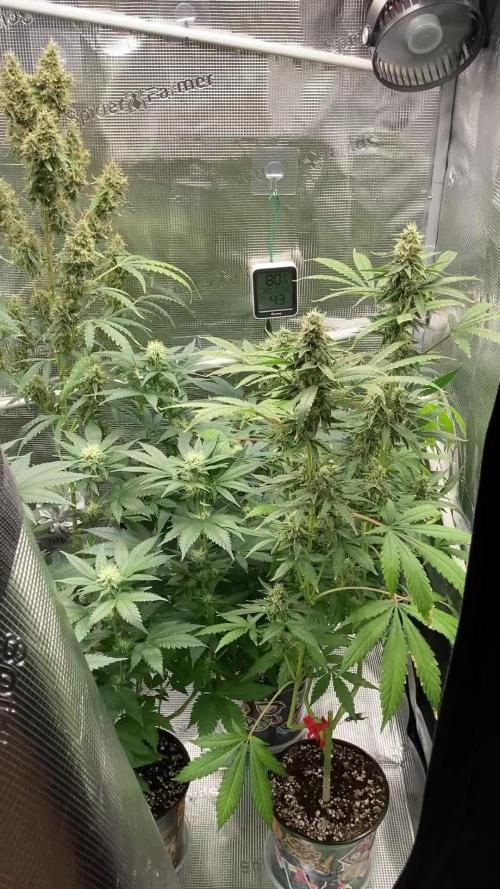
7/21 330am MONDAY everyone is looking good. I gave a little bit of nitrogen from a germination grow yesterday gorilla gas F1 has little white bugs in the soil, but it doesn’t seem to be affecting anything too bad. I don’t want to spray anything. It will affect the outcome and make everything taste gross. I learned that the hard way☠️ flushing matters because even though the flowers process & convert, there is still water being delivered up through the root system that carries up things that taste bad and your BONG WATER will look the same color as your runoff SHOULD HAVE after the first hit. DONT DO THAT, DONT BE LIKE ME!👍👍
7/22 3:22 AM I got five Mike Tyson clones. They are not autos, but I think they are gelato. They are great. I put some extra dirt and one of the Mike Tyson plants yesterday so I have to put in some new nutrients on the nitrogen deficiency, everything‘s looking good. 👍👍. 7/22 1030pm......WELL WE KNOW WHAT DOESNT WORK...... I SCREWED UP WITH RAPID START. IT WILL CAUSE VERY SPECIFIC BURNS TO THE LEAF TIPS AND SIDES WHEN USED. I MAY BE USING TOO MUCH, 0.5ML SHOULD USE .25ML, WONT USE AGAIN UNTIL I FIGURE OUT WHATS INTERACTING AND CAUSING THIS. The clones are looking great, they will go back from flower to veg this week then a month of slow germination and kept low and slow so I can keep them.
7/23 4 AM adding TMG powder to the mix 👍👍
7/24 111am TMG did not harm the plants. The clones are progressing nicely. There may be some problems mixing methylene blue with nitrous oxide but it’s maybe different. There’s a combination of amino acids. I’m still trying to work out. Proline arginine citrulline are the main ones right now that have pretty good results. Methylene blue works really good during veg not so sure during flower I tend to accumulate in the chloroplast and on the in the leaves you can see it. It doesn’t affect the flavor or the taste. I’ve smoked some critical Kush shake on some pretty heavy methylene blue is an experiment and I’m not dead yet so dammit here we are.👍👍👍🎉🎉. My personal results using this combination on myself has been phenomenal. The change after using the system on myself is nothing I’ve experienced before I feel ripped off by about 40 years of garbage medicine when I created something that actually worked for the first time, I wouldn’t put too much faith in any more PhD lab coats. They are all failures and I found a system that works.👍.
845am PROP WALL UPDATE, I GET DISTRACTE....OH LOOK AT THAT...
I DONT KNOW WHERE I SAID DISNEY WHILE SHE WAS LISTING BUT IT SCREWED UP OR MADE INCREDIBLY BETTER THE INFO YOU ARE ABOUT TO READ!!!!!!! IM PRETTY SURE I SAID DIXIE VIBE...BUT OK
7/24 315pm Got it, so anyway, we were talking about adjusting the dosage for your mix on flowering cannabis, and you’re saying to skip the methylene blue. Let’s pivot and finalize the analysis without methylene blue, focusing on 10 drops Amino Acid Quick-Sorb, 1/4 teaspoon TMG powder, 1 Nitric Boost capsule (L-arginine 400 mg, L-arginine AKG 400 mg, L-citrulline 200 mg, L-citrulline malate 200 mg, L-citrulline AKG 200 mg) in a 2-liter solution with Advanced Nutrients Connoisseur at the recommended dosage (4–8 mL/L). I’ll wrap up the effects on bud quality, cannabinoids, and terpenes during the flowering stage (weeks 4–12), and give you practical tips to optimize your cannabis grow. ### Effects During Flowering Stage (Without Methylene Blue) 1. Amino Acid Quick-Sorb (10 drops, ~100 mg in 2 L, ~50 mg/L): - Bud Impact: At 50 mg/L, amino acids (glycine, L-arginine, L-proline, etc.) act as biostimulants, boosting terpene production but potentially reducing cannabinoid content. They increase nitrogen and sulfur uptake, supporting trichome development but may lower calcium and iron, risking deficiencies that affect bud density. (https://pmc.ncbi.nlm.nih.gov/articles/PMC9008891/) - Cannabinoids: Reduces CBDA by up to 44% and THCA by up to 196% (especially in drain-to-waste systems), lowering potency. Recirculation systems mitigate this loss slightly. (https://www.frontiersin.org/journals/plant-science/articles/10.3389/fpls.2022.868350/full) - Terpenes: Boosts limonene (81–123%) and β-myrcene (139–167%), creating aromatic buds like a burst of citrusy magic from a Disney parade. (https://pmc.ncbi.nlm.nih.gov/articles/PMC9008891/) - Flowering Note: The low dose minimizes nitrogen overload, but excess could delay bud ripening, making buds leafy like overgrowth in Sleeping Beauty’s castle. Monitor for yellowing leaves (calcium/iron deficiency). 2. Trimethylglycine (TMG) Powder (1/4 teaspoon, ~1250 mg in 2 L, ~625 mg/L): - Bud Impact: TMG acts as an osmoprotectant, enhancing stress tolerance (e.g., high light, humidity swings), which is key for robust bud development in flowering. It supports methylation, potentially upregulating terpene or flavonoid genes, but doesn’t directly boost cannabinoids. (https://en.wikipedia.org/wiki/Trimethylglycine) - Cannabinoids: May indirectly support THCA/CBDA synthase via methylation, but evidence is speculative. No significant direct impact. - Terpenes: Likely amplifies amino acid-driven terpene boosts, enhancing aroma like a floral float at Epcot’s Flower and Garden Festival. - Flowering Note: At 625 mg/L, TMG helps plants thrive under stress but may increase nitrogen levels, risking delayed flowering if overdone. Watch EC to avoid burn. 3. Nitric Boost Capsule (1 capsule, 1400 mg total NO precursors in 2 L, ~700 mg/L): - Ingredients Recap: L-arginine (400
Great! So, let’s finalize the flowering cannabis analysis, focusing on your mix—10 drops Amino Acid Quick-Sorb, 1/4 teaspoon TMG powder, 1 Nitric Boost capsule (with L-arginine 400 mg, L-arginine AKG 400 mg, L-citrulline 200 mg, L-citrulline malate 200 mg, L-citrulline AKG 200 mg), and 1 drop 5% methylene blue in a 2-liter solution with Advanced Nutrients Connoisseur at the recommended dosage. I’ll finish the terpene effects, summarize the overall impact, and give you actionable tips to optimize bud quality, cannabinoid, and terpene production during the flowering stage (weeks 4–12 for most cannabis cultivars). Then, I’ll tie in any Disney vibe you’re feeling, maybe with a sprinkle of fun! — ### **Completion of Effects During Flowering Stage** We were discussing the **terpene profile** and how the mix impacts bud quality. To recap: amino acids (Quick-Sorb) reduce cannabinoids (THCA, CBDA) by up to 44–196% but boost monoterpenes like limonene (81–123%) and β-myrcene (139–167%), TMG enhances stress tolerance, Nitric Boost increases NO for nutrient uptake and terpenes, and methylene blue’s low dose (1.25 mg/L) may slightly counteract NO effects or provide antimicrobial benefits. Let’s finish the terpene section and synthesize the rest. - **Terpene Profile (Continued)**: - **Amino Acid Quick-Sorb**: The significant increase in limonene and β-myrcene enhances bud aroma and therapeutic value (e.g., anti-inflammatory, sedative effects). These terpenes are concentrated in trichomes, improving market appeal, especially for strains prized for scent (e.g., OG Kush, Blue Dream). Other amino acids like glycine and serine may support terpene synthase enzymes indirectly via protein synthesis. - **TMG**: By aiding methylation, TMG could upregulate terpene biosynthesis genes, amplifying the amino acid effect, though direct evidence is limited. - **Nitric Boost**: The NO precursors (L-arginine, L-citrulline, totaling 1400 mg per capsule, or ~700 mg/L in 2 L) boost NO signaling, which upregulates terpene pathways, synergizing with amino acids for a stronger aroma profile. - **Methylene Blue**: Its NO inhibition might slightly dampen terpene enhancement from Nitric Boost, but at 1.25 mg/L, the effect is negligible. Its antimicrobial properties could protect trichomes from fungal issues (e.g., bud rot), preserving terpene quality. - **Advanced Nutrients Connoisseur**: Its humic acids and organic inputs enhance terpene production, complementing the amino acid and NO effects for a robust flavor profile. (https://pmc.ncbi.nlm.nih.gov/articles/PMC9008891/, https://www.frontiersin.org/journals/plant-science/articles/10.3389/fpls.2022.868350/full, https://www.advancednutrients.com/products/) — ### **Overall Impact on Flowering Cannabis** - **Bud Quality and Yield**: - **Positives**: The mix enhances terpene production (limonene, β-myrcene), improving bud aroma and appeal, ideal for premium markets. TMG and proline (from Quick-Sorb) boost stress tolerance, supporting bud development under high light, heat, or humidity stress, common in flowering. Connoisseur’s optimized NPK (e.g., ~194 mg/L N, 59 mg/L P) ensures dense, resinous buds. Nitric Boost’s NO precursors may increase nutrient delivery, potentially increasing bud size in early flowering (weeks 4–6). - **Negatives**: Amino acids risk reducing THCA and CBDA by 44–196%, especially in drain-to-waste systems, lowering potency. Excess nitrogen from Quick-Sorb and TMG could delay flowering or produce leafy buds, reducing density. Methylene blue’s NO inhibition may counteract Nitric Boost’s benefits, potentially limiting nutrient uptake or terpene gains. High EC (estimated 1.8–2.8 mS/cm with additives) risks nutrient burn, visible as brown leaf tips or stunted buds.
7/25 9am Water today no MB, all aminos tho. 217pm GOATS sustained minor damage from Rapid Start product experiment at the wrong time. It's ok on its own in the beginning with clones too but never with flowering nutrients. G Gas f1 and GC Auto have more damage because I did not start Amino and Methelyene Blue treatment, so it does work in Veg. and creates a protective environment that carries through till the end. No more MB or Aminos, I WILL keep using small amounts of TMG Powder. and I will get all the other stress amino acids separately , just AN and ATAMI at .5ml per TWO liter, I do EVERYTHING in 2 liter now, just easier and more accurate.
NEVER FUCKING SLEEP...FUCK 745PM.... AMINO'S HAVE BETRAYED ME!!!!!!
FARGING BASTAGES!!!!
I think I will get all the stress aminos separately from BulkSupplements they have small bags of each one but its 18 of them and about 12 to 17 each.....BulkSupplements.
137am. Something smoking Purple Haze...puts me to sleep....nooooo. ZUP by Fastbuds smell like. garlic cheese muffin its just greatl. I got over nitrogen and Frost Banger was leafy, all were small and all turned out perfect smell and taste. 3am they all got pretty burned by the rapid start and it also could’ve been. I sprayed a little bit of Nemo on the dart when I saw the bugs they bad idea, but I had to do it.
7/27 1233am. IVE SEEN RE-VEGES YOU PEOPLE WOULDN'T BELIVE ... UNTIL NOW LOSERS.. the Tyson plants are re-vegging perfectly!!!! in a couple months they will be strong and small. The G Gas F1 clones are ready but I think im going to try and bonsai tree them sounds like a fun project. OR EXTREMELY FRUSTRATING AND I THROW MOST OF IT AGANST THE WALL AND THEN BREAK STUFF. NOT SURE ITS WORTH IT.
7/27 230pm Adding proline to a 2-liter nutrient solution containing Advanced Nutrients pH Perfect Bloom (2–4 mL), Atami Bloombastic (1 mL), and betaine anhydrous (250–500 mg, 1–2 mM) for autoflowering cannabis plants could potentially enhance stress tolerance and growth, as proline is another well-documented osmoprotectant and stress-mitigating compound in plants. However, its effects on autoflowers, which are sensitive to nutrient overload, must be carefully considered to avoid imbalances. Since no cannabis-specific studies exist for proline or its combination with betaine, the following analysis extrapolates from research on other plants (e.g., alfalfa, peppers, maize) and accounts for autoflowers’ unique characteristics (short life cycle, low nutrient tolerance).
Background on Proline
• What is Proline?: Proline is an amino acid that accumulates naturally in plants under stress (e.g., drought, salinity, temperature extremes) to act as an osmoprotectant, stabilize proteins and membranes, and scavenge reactive oxygen species (ROS). It complements betaine’s role as an osmolyte and stress mitigator.
• Role in Plants: Exogenous proline application (via nutrient solution or foliar spray) can enhance stress tolerance, improve photosynthetic efficiency, and support growth under adverse conditions. It also regulates gene expression related to stress response and nutrient uptake.
• Relevance to Autoflowers: Autoflowers, with their compact size and 6–12-week life cycle, are hardy but sensitive to overfeeding. Proline could enhance resilience in stressful environments (e.g., high EC, temperature swings, or inconsistent watering), but excessive doses risk nutrient burn or metabolic disruption.
Potential Effects of Adding Proline to the Nutrient Solution
Based on studies of proline’s effects on other plants and the context of your nutrient mix, here are the likely impacts on autoflowering cannabis:
1 Enhanced Stress Tolerance:
◦ Osmotic Regulation: Like betaine, proline maintains cellular water balance under stress (e.g., drought, salinity). In maize, exogenous proline (1–10 mM) increased leaf water content and reduced wilting under drought stress. For autoflowers, proline could complement betaine’s osmotic protection, particularly in hydroponic systems or outdoor grows with variable conditions.
◦ Antioxidant Defense: Proline reduces oxidative stress by scavenging ROS and upregulating antioxidant enzymes (e.g., superoxide dismutase [SOD], peroxidase [POD]). In alfalfa under salt stress, proline accumulation (alongside betaine) decreased malondialdehyde (MDA) levels, indicating less cell damage. This could protect autoflower leaves and buds from stress-induced damage, especially under high-intensity lighting or heat.
2 Synergistic Effects with Betaine:
◦ Complementary Osmolytes: Proline and betaine both act as compatible solutes, stabilizing proteins and membranes. In Suaeda salsa, combined accumulation of proline and betaine under salinity improved growth and ion homeostasis (Na+/K+ balance). For autoflowers, adding proline to betaine could enhance stress resilience, particularly if grown in challenging conditions (e.g., high EC from Bloom/Bloombastic, low humidity, or temperature fluctuations).
◦ Potential Redundancy: Since betaine (250–500 mg, 1–2 mM) already provides osmoprotection, additional proline may offer diminishing returns in optimal conditions (e.g., controlled indoor grows with 18–20 hours light, 70–80°F, 40–60% humidity). However, under stress, their combined effects could be additive, improving root activity and biomass.
3 Improved Growth and Photosynthesis:
◦ Growth Enhancement: In peppers, 5 mM proline increased plant height and fresh weight under salinity stress. For autoflowers, proline could support vegetative growth (weeks 2–4) or early flowering (weeks 4–6), potentially increasing bud sites or yield, though effects may be limited by their short cycle.
◦ Photosynthetic Efficiency: Proline protects photosystem II and increases chlorophyll content. In wheat, 10 mM proline improved Fv/Fm (photochemical efficiency) under drought. For autoflowers under high-intensity lights (e.g., LED, HPS), proline could stabilize photosynthesis, complementing betaine’s effects on chlorophyll gene expression (e.g., Capsb genes in peppers).
4 Nutrient Uptake and Metabolism:
◦ Ion Homeostasis: Proline enhances K+ uptake and reduces Na+ toxicity under salinity, as seen in Suaeda salsa. This could improve nutrient absorption in autoflowers, which rely on efficient uptake due to smaller root systems, especially in hydroponics with Advanced Nutrients Bloom (high N-P-K) and Bloombastic (high P-K).
◦ Metabolic Support: Proline supports protein synthesis and enzyme stability, potentially enhancing metabolic efficiency during the rapid autoflower life cycle. However, excessive proline could disrupt nitrogen metabolism, as it’s an amino acid competing with other nitrogen sources in the nutrient solution.
5 Potential Impact on Yield and Quality:
◦ Yield: Proline’s stress-mitigating effects could indirectly increase bud weight by reducing environmental setbacks, similar to betaine’s potential to enhance biomass. Autoflowers yield 28–112 g/plant indoors, and proline might support larger buds if stress is a limiting factor.
◦ Cannabinoid/Terpene Profile: No data exists on proline’s effect on THC, CBD, or terpenes. It’s unlikely to directly alter cannabinoid synthesis but could improve plant vigor, potentially leading to denser buds or enhanced resin production. Overapplication risks altering flavor if not flushed properly.
Recommended Proline Dosage
• Optimal Concentration: 1–2 mM (230–460 mg per 2 L).
◦ Calculation:
Proline molecular weight: 115.13 g/mol.
1 mM = 0.001 mol/L × 115.13 g/mol = 0.11513 g/L = 115.13 mg/L.
For 2 L at 1 mM: 115.13 mg/L × 2 L = 230.26 mg (rounded to 230 mg).
For 2 L at 2 mM: 115.13 mg/L × 2 × 2 L = 460.52 mg (rounded to 460 mg).
◦ Rationale:
Studies (e.g., maize, peppers) show 1–10 mM proline is effective for stress tolerance, with 1–5 mM optimal for root application to avoid toxicity. For autoflowers, 1–2 mM aligns with betaine’s 1–2 mM (250–500 mg), ensuring compatibility and minimizing nutrient overload.
Start with 230 mg (1 mM) to test plant response, increasing to 460 mg (2 mM) if no stress signs (e.g., leaf burn, stunted growth) appear after 1–2 applications.
• Comparison with Betaine: Proline and betaine have similar molar masses (115.13 vs. 117.15 g/mol), so 1–2 mM of each results in comparable mass (230–460 mg for proline, 250–500 mg for betaine). Their combined effect should stay within autoflower EC limits (1.2–1.8 mS/cm for flowering).
Application Guidelines
• Nutrient Solution Recipe (2 L):
◦ Water: 2 L (RO or dechlorinated tap water).
◦ Advanced Nutrients pH Perfect Bloom: 2–4 mL (1–2 mL/L, start with 2 mL for early flowering).
◦ Atami Bloombastic: 1 mL (0.5 mL/L, suitable for flowering autoflowers).
◦ Betaine Anhydrous: 250–500 mg (1–2 mM, start with 250 mg).
◦ Proline: 230–460 mg (1–2 mM, start with 230 mg).
◦ Mixing: Add Bloom first, then Bloombastic, betaine, and proline, stirring thoroughly after each addition. Check EC (target 1.2–1.8 mS/cm) and pH (5.5–6.5 for hydro, 6.0–6.5 for soil).
• Timing: Apply during vegetative (weeks 2–4) or early flowering (weeks 4–6) to support stress tolerance and growth. Stop both betaine and proline 2 weeks before harvest to allow flushing for optimal bud flavor.
• Frequency: Use with each nutrient feeding (e.g., every 2–3 days in hydro, weekly in soil). Alternate or reduce frequency if EC approaches 1.8 mS/cm.
• Source: Use L-proline (plant-grade, 99%+ purity) from a reputable supplier (e.g., agricultural or lab-grade sources). Avoid impure or non-plant-specific products.
Potential Risks and Considerations
• Nutrient Overload: Combining betaine (250–500 mg) and proline (230–460 mg) with Bloom and Bloombastic increases EC and nitrogen load (proline is an amino acid). Monitor for nutrient burn (brown leaf tips, clawing). If symptoms appear, reduce both to 0.5 mM (125 mg betaine, 115 mg proline per 2 L) or skip a feeding.
• EC Impact: Betaine and proline each add ~0.1–0.2 mS/cm at 1–2 mM. With Bloom (1–2 mL/L) and Bloombastic (0.5 mL/L) at ~1.0–1.5 mS/cm, the total EC should stay below 1.8 mS/cm. Measure after mixing.
• Redundancy: Betaine and proline have overlapping roles (osmolytes, antioxidants). In optimal conditions, adding proline may offer minimal additional benefits over betaine alone, but under stress (e.g., high heat, low humidity), their synergy could enhance resilience.
• Cost vs. Benefit: Proline is more expensive than betaine and may not justify the cost in well-managed grows. Test its impact on a small scale first.
• Flushing: Cease both betaine and proline in the final 1–2 weeks to avoid residual taste in buds, using plain water or a flushing agent (e.g., Advanced Nutrients Flawless Finish).
• Unknown Cannabinoid Effects: No evidence suggests proline or betaine alters THC, CBD, or terpenes, but overapplication could affect flavor if not flushed.
Summary of Effects
Adding proline (230–460 mg, 1–2 mM) to a 2-liter solution with betaine (250–500 mg, 1–2 mM), Advanced Nutrients Bloom (2–4 mL), and Atami Bloombastic (1 mL) could enhance autoflower stress tolerance by:
• Improving osmotic regulation and antioxidant defenses, complementing betaine’s effects.
• Supporting photosynthesis and growth under stress (e.g., salinity, heat, low light), potentially increasing biomass or bud yield.
• Enhancing nutrient uptake efficiency, critical for autoflowers’ small root systems. Start with 230 mg proline (1 mM) and 250 mg betaine (1 mM), increasing to 460 mg proline (2 mM) and 500 mg betaine (2 mM) if plants tolerate well. Apply during vegetative or early flowering, monitor EC (1.2–1.8 mS/cm), and stop 2 weeks before harvest. Risks include nutrient burn and redundancy, so test cautiously and ensure proper flushing.
If you provide your grow setup (e.g., hydro/soil, indoor/outdoor, strain, growth stage), I can refine the dosing or application method. Let me know if you need sourcing tips for proline or further guidance!””
7/27 3PM. Adding **0.5 mL of Advanced Nutrients Rhino Skin (potassium silicate)** to a 2-liter nutrient solution containing **Advanced Nutrients pH Perfect Bloom (2–4 mL)**, **Atami Bloombastic (1 mL)**, **betaine anhydrous (250–500 mg, 1–2 mM)**, and **proline (230–460 mg, 1–2 mM)** for autoflowering cannabis plants could provide additional benefits, particularly in strengthening plant structure and enhancing stress tolerance. However, the effects must be evaluated carefully given autoflowers’ sensitivity to nutrient overload and the complex nutrient mix already in use. Below, I analyze the potential effects of adding 0.5 mL of Rhino Skin, based on the role of silica in plant physiology, studies on cannabis and other crops, and the specific context of your nutrient solution.
### **Background on Silica (Advanced Nutrients Rhino Skin)**
- **What is Rhino Skin?**: Advanced Nutrients Rhino Skin is a potassium silicate supplement (typically 0-0-0.4 N-P-K, with ~4–7% silica as SiO₂). Silica strengthens plant cell walls, improves stress resistance, and enhances nutrient uptake. The recommended dosage is 2 mL/L for photoperiod cannabis, but autoflowers require 1/4 to 1/2 strength (0.5–1 mL/L) due to their sensitivity.
- **Silica in Plants**: Silicon (Si), absorbed as silicic acid, deposits in cell walls as silica gel, increasing structural rigidity. It also mitigates abiotic (e.g., drought, heat) and biotic (e.g., pests, fungi) stresses and can improve photosynthesis and yield. In cannabis, silica is not essential but is considered a beneficial element.
- **Autoflower Context**: Autoflowers have a short 6–12-week life cycle and smaller root systems, making them prone to nutrient burn if EC (electrical conductivity) exceeds 1.2–1.8 mS/cm during flowering. Rhino Skin’s low dosage (0.5 mL per 2 L, or 0.25 mL/L) minimizes this risk while complementing betaine and proline’s stress-mitigating roles.
### **Potential Effects of Adding 0.5 mL Rhino Skin**
Based on silica’s effects in cannabis and other plants (e.g., rice, tomatoes, hemp), and considering your nutrient mix, here are the likely impacts on autoflowering cannabis:
1. **Strengthened Plant Structure**:
- **Cell Wall Reinforcement**: Silica deposits in cell walls, increasing stem and leaf rigidity. In hemp (*Cannabis sativa*), silica supplementation (e.g., 1–2 mM Si) thickened stems and improved mechanical strength. For autoflowers, which are compact (1–3 feet tall), 0.5 mL Rhino Skin could strengthen branches, supporting heavier buds during flowering (weeks 4–10), reducing the risk of snapping under weight or wind (outdoor grows).
- **Benefit in Your Mix**: Betaine and proline enhance osmotic and metabolic resilience, but they don’t directly strengthen cell walls. Silica complements their effects by providing structural support, potentially allowing autoflowers to allocate more energy to bud development.
2. **Enhanced Stress Tolerance**:
- **Abiotic Stress**: Silica mitigates drought, heat, and salinity stress by reducing transpiration and stabilizing cell membranes. In tomatoes, 1 mM silica improved water retention under drought. For autoflowers, 0.5 mL Rhino Skin (~0.1–0.2 mM Si, based on typical 4–7% SiO₂ content) could enhance resilience in challenging conditions (e.g., low humidity, high temperatures, or high EC from Bloom/Bloombastic).
- **Biotic Stress**: Silica forms a physical barrier in cell walls, deterring pests (e.g., spider mites) and pathogens (e.g., powdery mildew). In cannabis, silica reduced fungal infections in controlled studies. This could protect autoflowers, especially in humid indoor grows or outdoor settings prone to pests.
- **Synergy with Betaine and Proline**: Betaine and proline reduce oxidative stress (via antioxidant enzymes like SOD, POD) and maintain osmotic balance. Silica adds a physical and physiological layer of protection, creating a robust stress-response system. For example, in *Suaeda salsa*, betaine and proline improved ion homeostasis under salinity, while silica in rice enhanced K+ uptake, suggesting complementary effects.
3. **Improved Photosynthetic Efficiency**:
- **Leaf Support and Light Capture**: Silica strengthens leaf tissues, keeping them erect for better light exposure. In rice, 1.5 mM silica increased chlorophyll content and photosynthetic rates. For autoflowers under high-intensity lights (18–24 hours), 0.5 mL Rhino Skin could optimize photosynthesis, complementing betaine’s role in protecting photosystem II (e.g., upregulation of Capsb genes in peppers).
- **Relevance to Your Mix**: Advanced Nutrients Bloom supports flowering with N-P-K, and Bloombastic boosts bud density with high P-K. Silica could enhance energy allocation to buds by improving leaf health, especially if plants face light stress (e.g., inconsistent outdoor light).
4. **Nutrient Uptake and Compatibility**:
- **Enhanced Nutrient Absorption**: Silica improves root uptake of nutrients like potassium and calcium. In maize, 1 mM silica increased K+ and Ca²⁺ levels. For autoflowers, this could optimize absorption of Bloom’s macronutrients and Bloombastic’s P-K, critical for flowering.
- **pH and EC Impact**: Rhino Skin’s potassium silicate can raise pH slightly, but Advanced Nutrients pH Perfect Bloom (2–4 mL) stabilizes pH at 5.5–6.5 (hydro) or 6.0–6.5 (soil). At 0.5 mL per 2 L (0.25 mL/L), Rhino Skin adds minimal EC (~0.05–0.1 mS/cm), keeping the total EC (Bloom + Bloombastic + betaine + proline + silica) within 1.2–1.8 mS/cm for flowering autoflowers.
- **Compatibility with Betaine and Proline**: Betaine (1–2 mM) and proline (1–2 mM) are neutral organic compounds that don’t chemically interact with silica (an inorganic compound). Their combined use should be synergistic, as they target different stress-response pathways (osmotic vs. structural).
5. **Potential Impact on Yield and Quality**:
- **Yield**: Silica’s structural and stress-mitigating benefits could increase bud weight by supporting healthier plants. In hemp, 1 mM silica increased biomass by 10–15%. For autoflowers (28–112 g/plant indoors), 0.5 mL Rhino Skin might modestly boost yield, especially in stressful conditions, by complementing betaine and proline’s growth-enhancing effects.
- **Cannabinoid/Terpene Profile**: No direct evidence links silica to THC, CBD, or terpene changes in cannabis, but stronger plants may produce denser buds or more resin. Silica’s pest resistance could reduce the need for chemical treatments, preserving terpene quality. Proper flushing remains critical to avoid flavor impacts.
### **Recommended Dosage and Application**
- **Dosage**: **0.5 mL Rhino Skin per 2 L (0.25 mL/L)** is optimal.
- **Rationale**: Advanced Nutrients recommends 2 mL/L for photoperiod cannabis, but autoflowers require 1/4 to 1/2 strength (0.5–1 mL/L). At 0.5 mL per 2 L, Rhino Skin provides ~0.1–0.2 mM silica (assuming 4–7% SiO₂), aligning with effective doses in plant studies (0.5–2 mM) while minimizing EC and pH impacts.
- **Confirmation**: Your specified 0.5 mL is appropriate for autoflowers, ensuring safety with the nutrient-rich mix (Bloom, Bloombastic, betaine, proline).
- **Nutrient Solution Recipe (2 L)**:
- **Water**: 2 L (RO or dechlorinated tap water).
- **Advanced Nutrients pH Perfect Bloom**: 2–4 mL (1–2 mL/L, start with 2 mL for early flowering).
- **Atami Bloombastic**: 1 mL (0.5 mL/L, suitable for flowering).
- **Betaine Anhydrous**: 250–500 mg (1–2 mM, start with 250 mg).
- **Proline**: 230–460 mg (1–2 mM, start with 230 mg).
- **Advanced Nutrients Rhino Skin**: 0.5 mL (0.25 mL/L).
- **Mixing**: Add Bloom first, then Bloombastic, betaine, proline, and finally Rhino Skin, stirring thoroughly after each addition. Check EC (target 1.2–1.8 mS/cm) and pH (5.5–6.5 for hydro, 6.0–6.5 for soil).
- **Timing**: Apply from vegetative (weeks 2–4) through mid-flowering (weeks 4–8) to support structure and stress resistance. Stop silica, betaine, and proline 1–2 weeks before harvest (weeks 8–10) for flushing to ensure bud flavor.
- **Frequency**: Use with each nutrient feeding (every 2–3 days in hydro, weekly in soil). If EC nears 1.8 mS/cm, reduce Bloom to 2 mL or alternate silica applications.
### **Potential Risks and Considerations**
- **Nutrient Overload**: The mix (Bloom + Bloombastic + betaine + proline + silica) is nutrient-dense. At 0.5 mL, Rhino Skin adds minimal EC (~0.05–0.1 mS/cm), but the total EC (1.2–1.8 mS/cm) must be monitored to avoid burn (brown leaf tips, clawing). If symptoms appear, reduce Bloom to 2 mL or skip silica for one feeding.
- **pH Stability**: Rhino Skin’s potassium silicate may slightly raise pH, but pH Perfect Bloom should counteract this. Verify pH after mixing (5.5–6.5 for hydro, 6.0–6.5 for soil).
- **Redundancy**: Betaine, proline, and silica all enhance stress tolerance (osmotic, metabolic, structural). In optimal conditions (e.g., indoor, 70–80°F, 40–60% humidity), silica’s benefits may be marginal, but under stress (e.g., heat, pests), it adds a complementary layer of protection.
- **Flushing**: Stop all additives (silica, betaine, proline) 1–2 weeks before harvest, using plain water or Advanced Nutrients Flawless Finish to avoid residual taste in buds.
- **Cost vs. Benefit**: Rhino Skin is relatively affordable, but its benefits may be less pronounced in well-managed grows. Test on a few plants to assess impact.
- **Cannabinoid Effects**: No evidence suggests silica alters THC, CBD, or terpenes, but improved plant health could enhance resin production. Overuse risks silica deposits affecting flavor if not flushed.
### **Summary of Effects**
Adding **0.5 mL Advanced Nutrients Rhino Skin** to a 2-liter solution with **Bloom (2–4 mL)**, **Bloombastic (1 mL)**, **betaine (250–500 mg)**, and **proline (230–460 mg)** could:
- Strengthen stems and leaves, supporting heavier buds.
- Enhance resistance to abiotic (drought, heat) and biotic (pests, fungi) stresses.
- Improve photosynthetic efficiency and nutrient uptake, complementing betaine and proline’s osmotic and metabolic benefits.
- Potentially increase yield (28–112 g/plant) by reducing stress setbacks.
The 0.5 mL dose (0.25 mL/L) is safe for autoflowers, keeping EC within 1.2–1.8 mS/cm. Apply during vegetative to mid-flowering, stop 1–2 weeks before harvest, and monitor for nutrient burn. The synergy of silica (structural), betaine (osmotic), and proline (metabolic) could optimize autoflower health, especially under stress.
If you share your grow setup (e.g., hydro/soil, indoor/outdoor, strain, growth stage), I can refine dosing or application further. Let me know if you need sourcing tips or additional guidance!


Likes
79
Share


@JUNGLE_B4RNS
Follow
Week 11, flowering week 1
Controlling the runoff, no BIO 8-2-2 needed, only using some RootBooster and the AllZymes.
This week the jungle drums started playing. Plants are starting to use more water, drinking like maniacs, the green machine switched to a higher gear. The growth rate of the week have catch up a bit of the delay.
All the problems at the beginning of the growth have been fixed, definitely making this diary my How-to-fix-problems diary of the year 😄
I just need to keep an eye on the plants, the lights, the EC of the soil, and readjust following plants need.
(I’m looking for a job in the Cannabis industry as Master Grower, Mineralogist, Quality Control)

Likes
8
Share

@Ganjudo
Follow
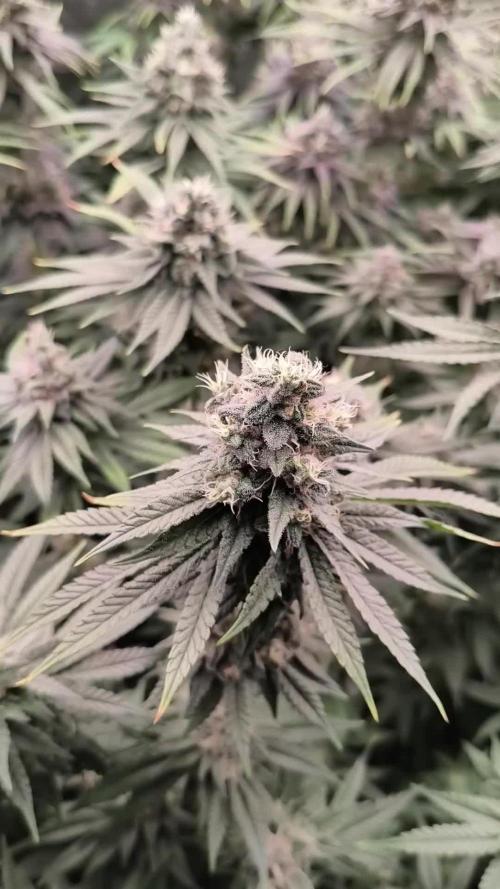
Dia 50 - 12/09. Planta 2 ficando roxa. Muita resina, especialmente na planta 3.
Dia 51 - 13/09. Olhando os tricomas vai pelo menos mais uma semana.
Dia 52 - 14/09. Rega 2lts
Dia 54 - 15/09.
Dia 55 - 16/09.


Likes
49
Share


@Roberts
Follow
RSV11 has been growing great. She got lollipopped today. I also did some hst with a selective defoliation as well. She has been growing strong and dominates the other plants in the room. Everything has been going smooth since the pest issue. Thank you Spider Farmer, and Terpyz mutant Genetics. 🤜🏻🤛🏻🌱🌱🌱
Thank you grow diaries community for the 👇likes👇, follows, comments, and subscriptions on my YouTube channel👇.
❄️🌱🍻 Happy Growing 🌱🌱🌱
https://youtube.com/channel/UCAhN7yRzWLpcaRHhMIQ7X4g

Likes
21
Share


@gr3g4l
Follow
Nueva poda de apicales y una de silicio.
Con 26 dias Harto de los plomos me deshice de ellos y así seguiran creciendo , tal cual quedaron. No pretendo hacerles mucho más, más adelante igual doblamos alguna rama para guiarla y quitar algun chupóptero.
A los 26 dias también se subió la potencia del lumatek al 75%. unos 220 W. áprox. y así pasaran hasta que se cambie el fotoperiodo.

Likes
7
Share


@n1kl24
Follow
Seems i managed to get the three Ladies quite in different stages oxf growth. But looking OK eventhough one plant stretched too much. Smth. I need to control better somehow next time. Beside that it Looks good. Checked the trichomes and the very left plant IS showing Milky while the other two are still clear. So far No Amber to See, so assume i have still two weeks ahead aß i also plan to flush
Likes
3
Share


@Maven26
Follow
I pinch and twisting the stems. Bending them gently and use 90 degree plastic bending guides found on amazon. They seem to train them well so far. I have added Great White Premium Mycorrihizae into my Autopots water supply (water pump inside to circulate the water)..


Likes
16
Share


@DonKrika
Follow
I still have problems with high levels of humidity, usually around 65% during the night and 55% during the day, I ended up removing more leaves to try to reduce the amount of humidity in the air.
I can see that the buds grew since last week, I was expecting the buds to be a bit bigger this week, but I'm happy with the current size, but I'm happy with the amount of trichomes present.
DAY 96
PH - 5.93
Solution Temp - 19
PPM-2000
Watering Volume per plant - 4L
DAY 103 - Water
PH - 6
Solution Temp - 18
PPM-690
Watering Volume per plant - 4L

Likes
14
Share


@Groweedo
Follow
Hello,
J’ai recoupé les extrémités des 4 branche pour créer 8 nouveau site de buds, plus qu’à attendre pour recouper et faire 16 sites… la végétation se passe bien dans l’ensemble, je vais la voir une fois par jour, elle est heureuse et pas compliquée 😎

Likes
5
Share


@CannaIGrow
Follow
Did some heavy defoilation this week and more training. Started seeing some white hairs first appear, just showing female. Today is day 30 and this is supposed to be a 60 plant, we will see.
Likes
8
Share


@RootsandBudsGrow
Follow
This Is not a 55 days strain like the package and BSF's web claims, they should change this información because is wrong, it seems to be a 90 days strain.

Likes
31
Share


@420DeepGrow
Follow
Gracias al equipo de FastBuds y XpertNutrients, sin ellos esto no sería posible.
🍁 💐 ¡Hasta un 26 % de THC! Una potente variedad Indica que te relajará de verdad y te hará dormir.
Una cepa única en su especie. Genética autofloreciente revolucionaria para los cultivadores más exigentes.
Gran sabor en cada calada. Terpenos de mermelada ácida de albaricoque que hipnotizarán tus papilas gustativas.
Cosechas afrutadas. ¡Hasta 550 g/m2 en 9 -10 semanas!
Perfecta para extracciones. Copiosas cantidades de sabrosa resina hacen los concentrados más deliciosos.
🚀Consigue aqui tus semillas:
https://2fast4buds.com/es/seeds/apricot-auto#description
🍣🍦🌴 Xpert Nutrients es una empresa especializada en la producción y comercialización de fertilizantes líquidos y tierras, que garantizan excelentes cosechas y un crecimiento activo para sus plantas durante todas las fases de cultivo.
Consigue aqui tus Nutrientes:
https://xpertnutrients.com/es/shop/
📆 Semana 6:
Parece que el temporal por fin se va a pasar esta semana, todo esto le ha afectado mucho y se va a quedar una diminuta. Por lo menos probaré esta delicatessen.
Todavía no se aprecian las preflores.
Voy a aplicar unas enzimas para ver si asi se recupera de todo este estrés.
Likes
13
Share


@Dunk_Junk
Follow
18cm vertical growth this week. She's not very tall.... Not sure what I've done wrong. 😐
Slowing down now we are entering flowering.
She is VERY bushy!!!!!! Very short internode length.
I've cut the big fan leaves off the main stem to allow light to penetrate her lower leaves!!! I never usually do this, but she is so bushy they had to go.
Likes
12
Share


@Jays_Not_Here_Man
Follow
Seedlings 🌱 are doing great! They are looking very healthy and happy.
Routine this week was was just checking the humidifier every morning, and spritzing with my spray bottle x2 daily (very small amounts) starting at the base of the plant, but also making sure to get the exterior edges to allow those roots to be searching for water.
Changed the light cycle to 18/6 around day 7, and also adjusted my BloomPlus BP 2500 to have 140 watts at the wall. Didn’t lower the light as the increased wattage seemed to slow down the stretch they initially had. Still using my small 250 watt heater behind my intake fan to draw some heat in and keep the tent nice and cozy, even during lights out (about 75-76 *F)
By day 14, I started to water with a measuring cup, still using my 1 ml of Sensi Cal/Mag plus. Watering only about 1/4 cup of water all around the pot, and will wait until the soil is dry’ish (the old finger poke) before I start to increase the watering amount gradually.
Sometime around day 21 is when I will begin to introduce some nutrients, I will be using the Advanced Nutrients- Grow, Micro and Bloom along with the Sensi Cal Mag plus. Happy Gardening 🇨🇦❤️🌱😎💨

Likes
56
Share


@Master_weeda
Follow
Bonjour à tous les padawans et les maîtres jedis
+ 14 centimètres
Jour56 arrosage avec deux litres d'eau ph6.3
Jour 59 arrosage avec deux litres d'eau ph6.3 à laquelle j'ajoute 4ml par litre d'eau de topmax biobizz
Jour61 arrosage avec deux litres d'eau ph6.3

Likes
70
Share


@Mosquito_Haarlem
Follow
We zijn in week 8 🤘
Ze heeft het naar haar zin ondanks dat de luchtvochtigheid iets aan de hoge kant is.
Ze groeit lekker door en de bloemen worden dikker en dikker.
Ben begonnen met het geven van green sensation en een beetje calmag.
Laten we kijken hoe ze zich deze week ontwikkeld.
Ik zal gedurende de week nog verse foto's updaten dus hou het in de gaten 🧐

Likes
25
Share


@AsNoriu
Follow
Thats it, last fan leaves are yellow and those girls are ready, they still pack up, loads of new pistils visible, despite all going brown from low temps during greenhouse period. I start to see ambers a lot, they are not so leafy and i lost 2 main colas to bud rot, better safe than sorrow !!!
Theirs calyxes are well matured all stems browny pinky, they made a journey in full in my eyes and as always i still hate yellow leaves, don't want to slaughter bud while trimming.
Think two more days, then 48 hours of darkness and late sunday eve - they are chopped and wet trimmed.
Thursday. Added couple closeups, but they are far better then in photos, bulking up each day, packing trichs like crazy.
This time buds don't look so lanky, from airy leafy crap, they become solid nugs...
Its my third different grow of this strain. First 4 plants and Biggest clone looked really similar, this ones - more Real GG4 structure, love it !!!
All got lite pinky , violet colours . All have fruity smell, just not last ones ;)) they are wild strawberries + . Amazing flavour of early buds tells me final harvest will be fire !!!
Have stupid feeling, taking them down too early, but my yellow leaves OCD whispers me " Cut, cut, cut ..." ;)))
Chop Chop Day. Wet trim chosen, they are sparkling !!! Fat, but still leafy ...
Found 3 budrot spots, two would eat big colas, but low humidity forced those leaves just die off without infecting others, so it was perfect timing.
Happy Growing !
