


Likes
Comments
Share

@Bizarrr
Follow
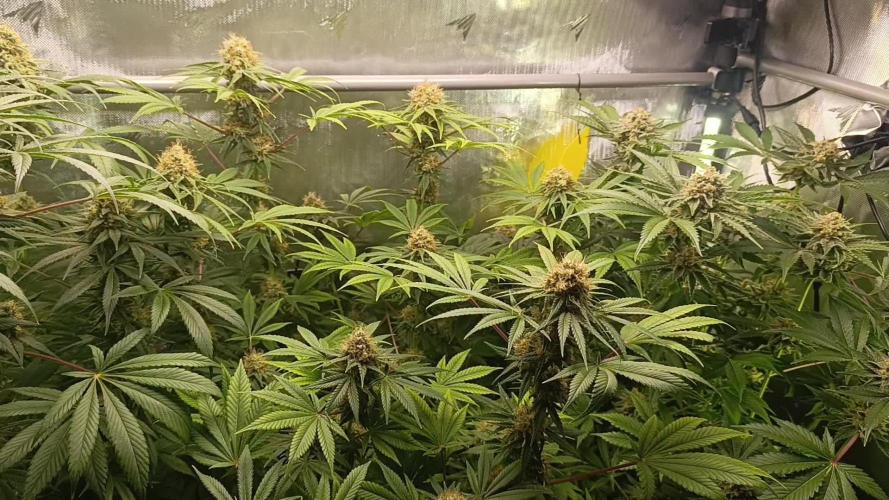
Zdravíme ze stanu den květu 57. Naštěstí není moc co řešit momentálně,takže už jen čekáme na "podzim" a sklizeň.Rekl jsem si že už je čas přestat hnojit a dnes zálivka už pouze s calmagem a bio grow 2ml/L.Takhle dám ještě týden asi a pak už to zaleji jen vodou a vidím to že cca. 10 dní 3 hodiny 26 minut 10 sekund do sklizně.Ne samozřejmě sranda,záleží hlavně na trichomech na které jsem ještě ani nekoukal se přiznám,kouknu až ke konci příštího týdne,kdy mám holky stejně v plánu vyndat a prohlédnout pořádně.Jinak vůně už hodně intenzivní sladká.Palice jsou tvrdé, hezké,ale žádné podvazování není potřeba.Gorilla vypadá že má dost síly na to aby je udržela. Už se samozřejmě začínám těšit na první ochutnávku mého prvního indooru 💚✌️Za týden info o stavu trichomů ?

Likes
60
Share


@SooSan
Follow
12/12 + 28 jours
Mon 1er Schwazzing !!!
Photos et vidéos avant et après la defoliation
1️⃣
🏠 90x60x90
☀️ FC-E 4800 => puissance a 70%
🍁
1x Black Bomb / Philosopher Seed
2x Amnesia Lemon / PEV Seeds
1x Blueberry / PEV Seeds
1x Blueberry / 00 Seeds
1x Wappa / Paradise Seed
1x Dark Phoenix / Green House Seed
1x Quick Sherbet / Exotic Seeds
1x Mango Cream / Exotic Seeds
1x Banana Frosting / Sensi Seed
1x Hindu Kush / Sensi Seed
4x Fast Mix / Sweet Seed
📎 https://growdiaries.com/diaries/122084-grow-journal-by-soosan
📎https://growdiaries.com/diaries/124052-grow-journal-by-soosan
2️⃣
🏠 30x60x50
☀️TS1000 => puissance a 80%
🍁 4x Quick Sherbet - Exotic Seed
📎 https://growdiaries.com/diaries/122080-grow-journal-by-soosan
Sponsorisé par Mars Hydro




Likes
62
Share


@Santica_Garden
Follow
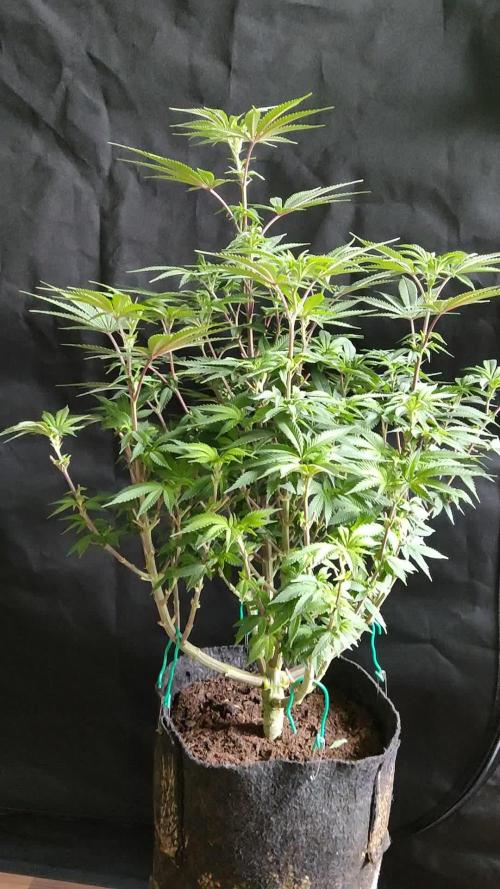
This is how things are looking for the Cheese, going really well, just need to keep on top of things and everything should go smoothly! I have uploaded a video for you guys with all the information you need 👍🏾🌱💚
Likes
4
Share

@The_Doctor_Green
Follow
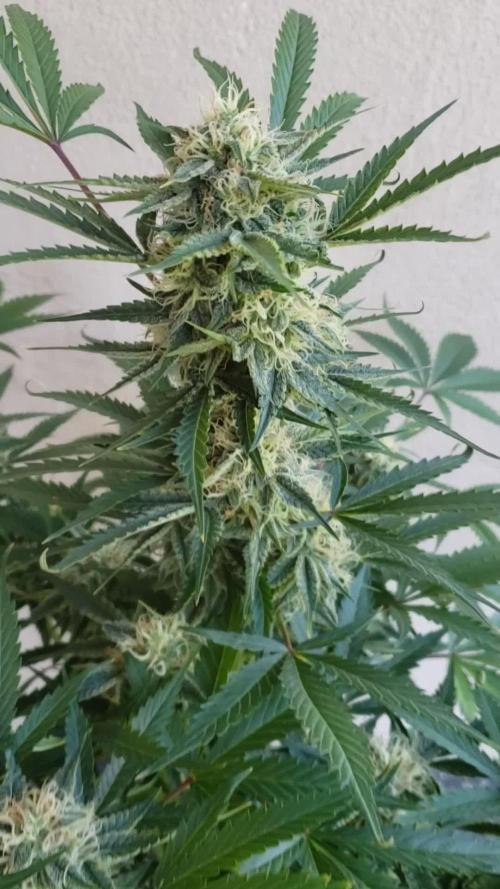
Hola a todos!! Perdón por la brevedad es que ando con poco tiempo.
Pero explicare brevemente, la situación. La planta en el drenaje he notado el ph muy alto, volvi a hacer un pequeño lavado, y luego de eso, a los 2 días volví a regar con el 50% de las dosis, por última vez, luego seguira solo con agua.
Espero la semana próxima explicar mejor como viene.😬😬😬😬

Likes
6
Share

@AkatsukiVirtue
Follow
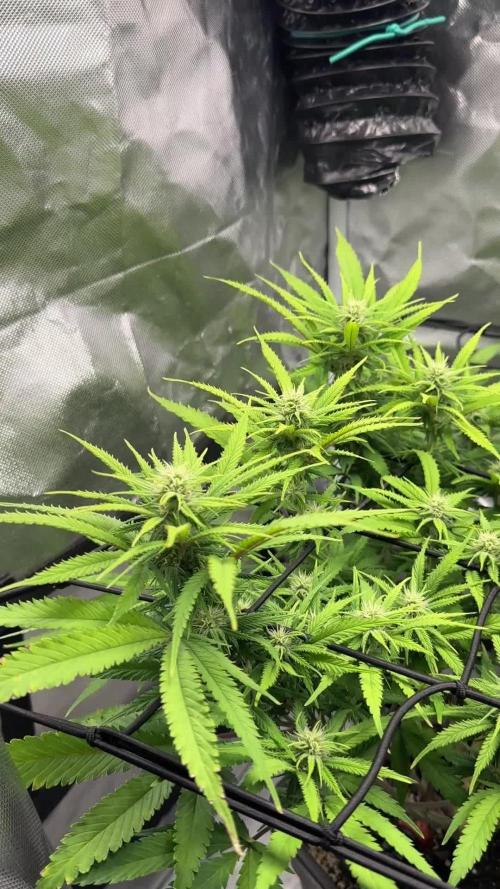
Only watering with plain water this week.
Last week PPMs were hovering around 2k so the slow flush is working properly. I will skip nutes this week to prevent additional build up.
CSK 1 - PPM 1230 / PH 6.7
CSK 2 - PPM 1315 / PH 6.6
CSK 3 - PPM 1225 / PH 6.5
Likes
6
Share


@gr3g4l
Follow
Iniciamos la semana alegremente, con buena temperatura y poca humedad relativa.
Las plantas muestran buen aspecto
Comentaros una curiosidad. la nº3 creció como diploide y después de cortar el apical y bifurcase en dos una de las ramas tendió a Triploide, tan solo una de las ramas, la otra rama es bien diferente, ni tan solo salen dos ramas por nudo, ni tan solo seria una diploide convencional.
A finales de semana volvieron a bajar las temperaturas en el exterior y se hizo algo mas complicado mantener un buen ambiente.
We started the week happily, with good temperatures and low humidity.
The plants are looking good. Here's an interesting tidbit: plant #3 grew as a diploid, and after I cut the apical bud and it split in two, one of the branches tended towards triploid. Only one of the branches, though; the other branch is quite different. It doesn't even produce two branches per node, nor would it even be a conventional diploid.
At the end of the week, the temperatures outside dropped again, making it a bit more difficult to maintain a good growing environment.





Likes
8
Share


@sevengreenfingers
Follow
Hello everyone! I promised to track this grow very closely this time and ufortunately life got in the way. Here is a quick sumup of the grow.
First of all- One of the sour stomper plants unfortunately didn't make it. It died at about week 4. The main stem somehow had rubbed/broken down. That's why it was falling down. It was almost like a mini beaver had chewed it off at the point where the stem touches the riot rooter. At first I thought nothing much of it, maybe it hasn't been rooted in quite well yet or something. And I was constantly touiching it when watering, that made it worse. Soo the leaves were dropping and the plant looked very weak. Then I decided cut thr rapid rooters top layer and found out the severity of the problem. Tried to tape it up and other things, but it was too late. At the end it appeared all good as the remaing plants got so big the I had some space issue so I wouldn't have been able to fit another plant in anyway.
At that time I finally made my self-draining saucers. I took me a while and a lot of effort, but finally they were ready and working well. I also installed the self watering system and flowering was starting. Pretty soon I started noticing weird leaf symtoms. Brown spots, different kind. Some plants had it more, some less. Sour Stomper looked pretty good throughout the grow. Mango smiles seemed sensitive and Strawberry Nuggs were pretty strong until the end.
The grow was basically me experimenting with the setup- changing watering schedules , changing ppm, ph and all that stuff to keep the leaves looking healthy and it was very hard I have to admit. Probably my hardest grow in that regard. But somehow, the bud leaves remained healthy and the buds really fattened up good. I got away with an amzing 700G dry bud harvest which was def a new record from one grow. And the bud quality is very good too!
Next time definetly no more than 4 plants as they got pretty big and I thought it was a little overcrowded. I was doing some good defoliation too. I should have defolited strawberry nugs more tho. Sour Stomper got some amazing bud development from top to bottom because it was was growing next to strawberry nuggets which were really small most of the grow. They actually took the most time to harvest even longer than Mango smile. Mango smiles were ready quite early. Sour Stomper was just in time!
I topped sour stomper and both Mangoi smiles, left SNs both normal. Looking back at it, the way I grow them, Should have topped SNs too. Would probably have more space in the middle and longer side branches. Probably wouldn't have been as bushy!
I followed the full Terra aquatica feed chart until the end. I was supplementing with CalMag a lot as I thought the symptoms could have been from a CalMag deficiency as this was my first grow with RO water.
Overall a very challenging but good grow at the end. First time no mold problems. A record breaking yield for me. Basically surpassed the upper limit for all plant probable harvest sizes. Got good smelling quality bud. Very happy overall and will continue experimenting with Mephisto beans in the future for sure! I guess what I like the most about Mephisto is how close to description the plant is, very stable genes in that regard.
Next time I will also have to start feeding plants higher PPM feed faster at the very start. and during flowering. But still not 100% sure what caused the leaf symptoms.

Likes
14
Share


@Smile_gan
Follow
BCN both plant leaf turn to lighter shade and some older leaf turn to yellow-brown
Pineapple still small plant size and low growing rate. Just making a bud size increasing only.
At the end of week 7 BCN both plant some older leaf turn to a brown with a bit purple at the end of week.
In this week, All 3 plant i feed Flower fuel and Myco+


Likes
6
Share


@Reidy_B
Follow
Got fertilizer burn, had to flush them. Things are looking better but I think they are stunted a bit for sure. 😣

Likes
25
Share


@Weedbadk
Follow
Enamorado de esta variedad,está demostrando unos colores muy hermosos,su aroma es muy fuerte y notorio,esta semana vamos a aplicar la técnica rib para ver si tiene un beneficio en la planta . Ahora se viene el engorde unas de mis etapas favoritas.estoy pensando en poner tutores para soportar el peso de las flores

Likes
26
Share


@PedroAndHisPlants
Follow
Day 99: New Week
We've decided against using additional nutrients and have completely stopped fertilizing. The light cycle has been reduced to 11 hours, and we're already starting to give them cooler water. Starting Monday, I will be watering with ice water to stress the plants further, aiming for higher yield, more terpenes, and increased frost. The adjustment to the light cycle should also help the plants ripen evenly.
The lights are hanging about 20 cm above the buds, which are getting thicker every day, soaking up the light intensely. In about a week, most of the plants should be ready for harvest. We plan to stop watering them for about 100 hours before harvest. During this period, I'll place ice cubes on the soil to shock the roots one last time.
48 hours before harvest, I will turn off the lights, giving the plants two days of darkness. After this period, the plants will be cut and hung to dry.
Likes
4
Share


@LittleBigTrees
Follow
I've been pulling the top fan leaves to stop the main stem growing any taller and repotted them into 4L pots, once they show roots I'll flip them over to flower.
They've all outgrown their mutations but the apple fritter has a slight varigation.

Likes
7
Share


@green_impression
Follow
The Ladys are now in their last week and only going to be flushed without nutrients till harvest
Processing
Likes
33
Share


@Ferenc
Follow
Day 36 : I did LST again plants are growing quick. I set the lamp approx 26 cm away. 600 W LED, 20 hours on 4 hours off the same with ventilation humidity approx 60 percent. Ferlizitaion will continue the same way Monday Wednesday and Friday BioBizz family and Tuesday Thursday and Saturday bat gunao and Epson salt. Water intake 100 ml per day per plant.
Day 39: Pre-flowers are coming BlackBerry Kush is getting purple ❤️. All of them started flowering and colas are coming out.
Day 41: All of them have pre-flowers and pistils are out. BlackBerry Kush started turning into Purple. She and LSD-25 are the most developed. I did more LST on them.

Likes
11
Share


@torgul2000
Follow
1 week, fast everything has germinated.
Watering whiteout ph correction


Likes
53
Share


@GMSgrows
Follow
A day late on the update, had to move a big arse shed yesterday...
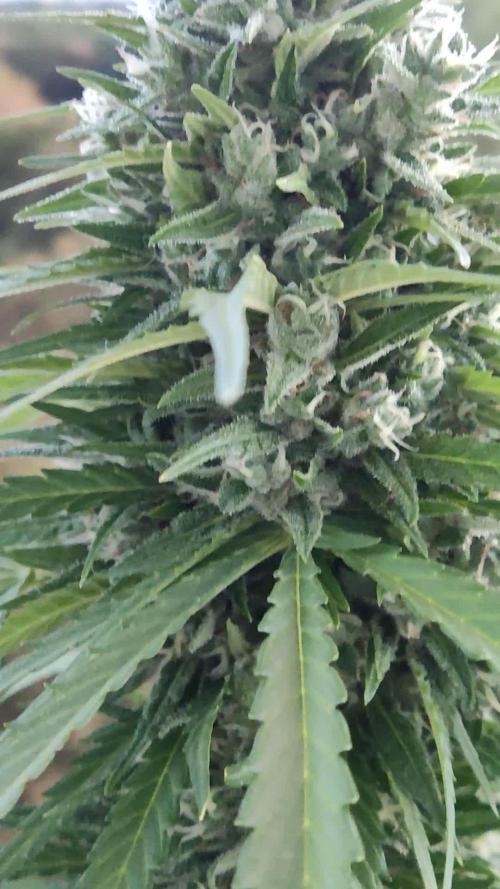
Girls are budding on strong now. Recovered from the soap blast they got to rid the plants of a heavy aphid infestation. Accidentally sprayed pretty heavy a second time. Well it killed the bugs but slowed bud production for a few days. Things are back to blooming beautifully now.
Shout out to AMS again for some of the best genetics this world has to offer...👍

Likes
4
Share


@Ninjabuds
Follow
I finally harvested all of my photo plants. So my 2 auto plants are getting an outage for the rest of their lives I have moved them both into my larger tent with more light and more room. I’m sure 100%h sure why both of these plants are alot light green. I think it’s I got a little behind on the nutrients but the green is slowly comeing back.
It’s been hot lately I have the lights running at night now