


Likes
Comments
Share
@Olduffybastard88
Follow
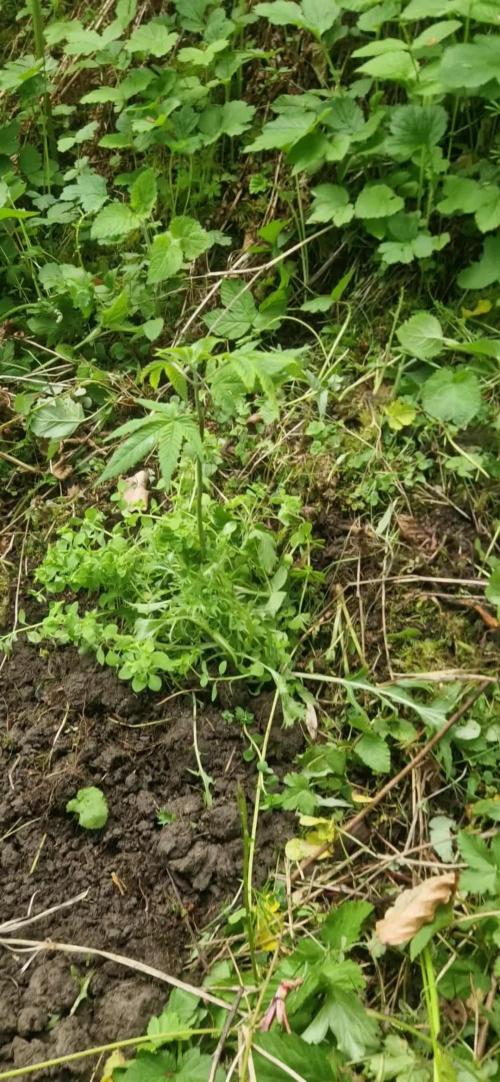
Got my candy creams outside along with other f1s I have separate diarys for but will have loads off weekly updates for the outside plants and will have plants that I am going to flower inside

Processing
Likes
10
Share


@YAKDADDYDWC
Follow
started this week off by changing it to 12/12 lighting once i see her start to bud i will change bulbs... will keep updated


Likes
85
Share


@Tropicannibis_Todd
Follow
Start of day 56 ...... Dec 4 Start of week 8 ........ 30 DAYS INTO FLOWERING
Check out the full grow video on latest weekly update
Super Exceptional Growth Daily
Still adjusting LST when needed and leaf tucking.......
Water Only when needed but its drinking more every otherday and adjusting lights when needed......
Rain Water Only .......
( DAY 26 AND BOTH NL 1 & NL 2 SHOWED PREFLOWERS )
( DAY 49 AND RESIN PRODUCTION HAS STARTED )
( DAY 57 , EQUIPMENT FAILURE , main FAN , over heated😡 tripped breaker , reset light timers , lost a DAY, REPLACED new Main Fan 😁 back up running 👌)
( DAY 60 AND IT SHOWS ZERO DEFICIENCIES ) IM ALSO DOING VERY LITTLE, SLIGHT DEFOLIATION
( DAY 60 AND ALL IS GOOD , THERE FATTING UP )
I hope you enjoy my growlog...

Likes
13
Share


@ChitownCannaChica
Follow
Plant is starting to look really nice and purple! Just been dunking the solo into water with feed to keep it moist! That’s the hardest part. Otherwise, just keeping her from falling over is the only thing! ✌️💚🌿💨

Likes
30
Share


@SqwshKush
Follow
Major morphological changes being observed still. Stretch & bud thickening occurring.
Sept 18 - looking good. Hairy hairy buds!
Sept 19 - all watered with nutes 2ml/L all. 1.5L each.
Sept 20 - looking great, sticky colas when handling, smelling noticeably when opening the tent now & Lina’s hairs starting to brown off. Subtle purple colours are popping on some cola’s - notably BM & TB. Scrog’d them. Need to find out how to make it square and less bowed in..I’m guessing poles or bungee cord?
21 Sept - doing well.
22 Sept - all watered, 2L each w/ bud burst @ 3ml/L and in total 1/2 cup of molasses for 10L.
23 - all good
24 - looking great!


Likes
Comments
Share


Likes
5
Share

@PhinolaGreen
Follow
6. Woche
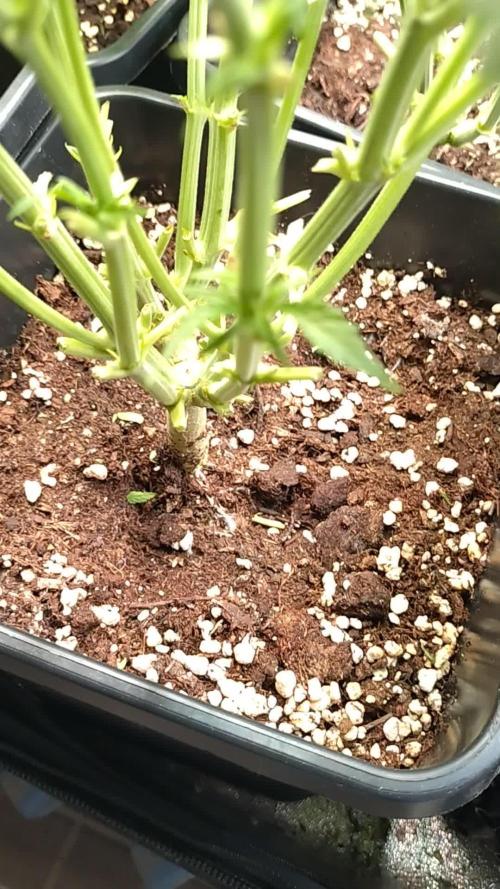
Sie wächst sehr Buschig und wechselt langsam in die Bloom. Denke sie kriegt noch einen Stretch in den nächsten Wochen 😀

Likes
14
Share


@Teak76
Follow
Bis auf das Problem das es in unserer Region Arsch Kalt ist und ich im Grow Temperatur Probleme habe läuft es gut. Die Ladys haben eine gesunde Farbe und sie sind in der Vorblüte. Leider musste ich eine Gorilla Glue entsorgen, die andere Erholt sich gerade. Bin mal gespannt was aus ihr wird.
Da ich noch sehr Unerfahren bin und ich bei meinen ersten Grow durch ein Zwitter alles zerstört habe bin ich mir nicht sicher ob auch jetzt einer dabei ist. Habe ein Bild hochgeladen. Vielleicht kann mir ja jemand sagen ob ich mir Sorgen machen muss.
Bis jetzt läuft es Überraschend gut. Beobachte Die Lady weiter und hoffe das es kein Zwitter ist. Glaube aber nicht. Den anderen Damen geht es super.


Likes
114
Share


@GMSgrows
Follow
Girls feed has been increased to max for outdoor in the ground grows. 1500 ppm 3.0 ec and their all doing fine. The Gelato K is getting huge. Going to tie string to every big branch to keep them from breaking. Very long branches and very heavy just with the leaves. No branches have snapped yet, just waiting on string coming today. Bring the branches back up frrom their bent down positions. Crowding out the branches underneath.
Thanks to all the looks and likes.
Thanks to Kannabia for some fine seeds.

Processing
Likes
65
Share


@Wicked_Stix
Follow
She is the slowest to flower and not stretching much but looking good. I am still pulling a few leaves off her every day because she wants to be bushy. I gave each plant a 10 gallon flush and fresh nutrients. Started them on liquid koolbloom.
Nutrients per gallon
.75 tsp maxibloom
.2 tsp liquid koolbloom
.5 tsp calimagic
.25 tsp armor si
.1 tsp 90/10 humic/fulvic acid


Likes
2
Share


@TheBudWhisperer
Follow
Video pretty much says it all. Plants are doing great.
*Grow Notes: limit defo. In most stages. Little tip burn overall so prob. At the high end of the Berkana. Good internodal spacing - look’n at a quality stack. Lowers were still too low on launch, would’ve benefited from a little more veg. Time.
*minor light burning in localized areas has begun to show up elsewhere. There is a chance it’s early and very slight nute burn after the tent was flooded out last week. Running 20L of water through em over the next two days to dilute the current Rez mix and flush out any lingering solids and minerals that be throwing em off. That shouldn’t cause any issues and will isolate the problem if it’s localized light burning. Moved up the lights a touch regardless as well.
*update - there was definitely a little light burn in one hot spot but the leaf issues are now prevalent on plants 2,6&7. It’s repp’n like P&K deficiency which would track with previous runs and further support how nute hungry some of them have been in the past. We’re changing out from the Berkana to Maxi-Bloom anyway due to need and the GH nutes are generally somewhat stronger in content than Druid so that should solve the problem🤞. Either way - on this basis alone, plants 1,3&4 are starting to look like our prime candidates for seed from the clone cabinet. Only time will tell on this issue but prefer we breed it out as best as possible when we start the back cross against the F1 pollen.
Likes
7
Share


@Stickygreens420
Follow
4/3/2023 - Day 36 Flower: Just watered yesterday so not much to report. The living soil bed makes this stage very easy. Basically, I'm on autopilot at this point.
4/5/2023 - Day 38 Flower: watered again today with 4 gallons, mixed with Jay Plantspeaker Quillaja, Rootwise Bio-Phos and Bio-Catalyst, BuildASoil Big 6 and BuildABloom, Fermented Peach Extract, and Coconut Powder.
4/7/2023 - Day 40 Flower: Plants look great and are starting to smell more. The Grand Prix #2 continues to be the stinkiest and has the most frost. Has a slight grape smell, but still too early to really nail it down. Both Grand Prix are showing some purple in the leaves as well.
4/9/2023 - Day 42: watered about 3.5 gallons today, mixed with ThermX-70, Coconut Powder, and Yah-Whey Thrive.

Likes
2
Share


@DurbanPoison420
Follow
This is definitely one of the slower growing autos I have run. 11 weeks after germination and the buds are only starting to fatten up now.
AH#2 is looking like it could easy yield double her older sister! Let's hope the added molasses can help her get some fat nugs!
Likes
45
Share


@Ultraviolet
Follow
2nd net is up. Early bud formations are promising. holding up to the extremes pretty well, some leaves taking minor damage, but overall, she is holding up, gave her 1 night at 50F see how she would react, stressful. Not advised as it messes with her metabolism, but I want to see if it triggers any anthocyanin response. Love to see her purp up but no signs yet.
My homework.
Rubisco regeneration is intrinsically linked to nitrogen supply because Rubisco is a major sink for nitrogen in plants, typically accounting for 15% to over 25% of total leaf nitrogen. The regeneration phase itself consumes nitrogen through the synthesis of the Rubisco enzyme and associated proteins (like Rubisco activase), and overall nitrogen status heavily influences the efficiency of RuBP regeneration.Structural Component: Nitrogen is an essential building block for all proteins, and the sheer abundance of the Rubisco protein makes it the single largest storage of nitrogen in the leaf.
Synthesis and Activity: Adequate nitrogen supply is crucial for the synthesis and maintenance of sufficient Rubisco enzyme and Rubisco activase (Rca), the regulatory protein responsible for maintaining Rubisco's active state. Nitrogen deficiency leads to a decrease in the content and activity of both Rubisco and Rca, which in turn limits the maximum carboxylation rate, Vmax, and the rate of RuBP regeneration Jmax, thus reducing overall photosynthetic capacity.
Nitrogen Storage and Remobilization: Rubisco can act as a temporary nitrogen storage protein, which is degraded to remobilize nitrogen to other growing parts of the plant, especially under conditions of nitrogen deficiency or senescence.
Nitrogen Use Efficiency (NUE): The allocation of nitrogen to Rubisco is a key determinant of a plant's photosynthetic nitrogen use efficiency (PNUE). In high-nitrogen conditions, plants may accumulate a surplus of Rubisco, which may not be fully activated, leading to a lower PNUE. Optimizing the amount and activity of Rubisco relative to nitrogen availability is a target for improving crop NUE.
Photorespiration and Nitrogen Metabolism: Nitrogen metabolism is also linked to the photorespiration pathway (which competes with carboxylation at the Rubisco active site), particularly in the reassimilation of ammonia released during the process.
To increase RuBisCO regeneration, which refers to the process of forming the CO2 acceptor molecule Ribulose-1,5-bisphosphate (RuBP) during photosynthesis, the primary methods involve optimizing the levels and activity of Rubisco activase (Rca) and enhancing the performance of other Calvin-Benson-Bassham (CBB) cycle enzymes.
Biochemical and Environmental Approaches:
Optimize Rubisco Activase (Rca) activity: Rca is a crucial chaperone protein that removes inhibitory sugar phosphates, such as CA1P (2-carboxy-D-arabinitol 1-phosphate), from the Rubisco active site, thus maintaining its catalytic competence.
•Ensure optimal light conditions: Rca is light-activated via the chloroplast's redox status. Adequate light intensity ensures Rca can effectively maintain Rubisco in its active, carbamylated state.
•Maintain optimal temperature: Rca is highly temperature-sensitive and can become unstable at moderately high temperatures (e.g., above 35°C/95F° in many C3 plants), which decreases its ability to activate Rubisco. Maintaining temperatures within the optimal range for a specific plant species is important.
•Optimize Mg2+ concentration: Mg2+ is a key cofactor for both Rubisco carbamylation and Rca activity. In the light, Mg2+ concentration in the chloroplast stroma increases, promoting activation.
•Manage ATP/ADP ratio: Rca activity depends on ATP hydrolysis and is inhibited by ADP. Conditions that maintain a high ATP/ADP ratio in the chloroplast stroma favor Rca activity.
Enhance Calvin-Benson-Bassham (CBB) cycle enzyme activity: The overall rate of RuBP regeneration can be limited by other enzymes in the cycle.
•Increase SBPase activity: Sedoheptulose-1,7-bisphosphatase (SBPase) is a key regulatory enzyme in the regeneration pathway, and increasing its activity can enhance RuBP regeneration and overall photosynthesis.
•Optimize other enzymes: Overexpression of other CBB cycle enzymes such as fructose-1,6-bisphosphate aldolase (FBA) and triose phosphate isomerase (TPI) can also help to balance the metabolic flux and improve RuBP regeneration capacity.
Magnesium ions, Mg2+, are specifically required for Rubisco activation because the cation plays a critical structural and chemical role in forming the active site: A specific lysine residue in the active site must be carbamylated by a CO2 molecule to activate the enzyme. The resulting negatively charged carbamyl group then facilitates the binding of the positively charged Mg2+ion. While other divalent metal ions like Mn2+ can bind to Rubisco, they alter the enzyme's substrate specificity and lead to dramatically lower activity or a higher rate of the non-productive oxygenation reaction compared to Mg2+, making them biologically unfavorable in the context of efficient carbon fixation. The concentration of Mg2+ in the chloroplast stroma naturally increases in the light due to ion potential balancing during ATP synthesis, providing a physiological mechanism to ensure the enzyme is activated when photosynthesis is possible. At the center of the porphyrin ring, nestled within its nitrogen atoms, is a Magnesium ion (Mg2+). This magnesium ion is crucial for the function of chlorophyll, and without it, the pigment cannot effectively capture and transfer light energy.
Mg acts as a cofactor: Mg2+ binds to Rubisco after an activator CO2 molecule, forming a catalytically competent complex (Enzyme-CO2-Mg2+). High light + CO2) increases demand: Under high light (60 DLI is a very high intensity, potentially saturating) and high CO2, the plant's capacity for photosynthesis is high, and thus the demand for activated Rubisco and the necessary Mg2+ cofactor increases. Mg deficiency becomes limiting: If Mg2+ is deficient under these conditions, the higher levels of Rubisco and Rubisco activase produced cannot be fully activated, leading to lower photosynthetic rates and potential photo-oxidative damage.
Optimal range: Studies show that adequate Mg2+ application can enhance Rubisco activation and stabilize net photosynthetic rates under stress conditions, but the required concentration is specific to the experimental setup.
Monitoring is key: The most effective approach in a controlled environment is to monitor the plant's physiological responses e.g., leaf Mg2+ concentration, photosynthetic rate, Rubisco activation state, and adjust the nutrient solution/fertilizer to maintain adequate levels, rather than supplementing a fixed "extra" amount.
In practice, this means ensuring that Mg2+ is not a limiting factor in the plant's standard nutrient solution when pushing the limits with high light and CO2.
Applying Mg2+ through foliar spray is beneficial to Rubisco regeneration, particularly in alleviating the negative effects of magnesium (Mg) deficiency and high-temperature stress (HTS). While Mg can be leached from soil, within the plant it is considered a mobile nutrient, particularly in the phloem. Foliar-applied Mg is quickly absorbed by the leaves and can be translocate to other plant parts, including new growth and sink organs.
Foliar application of: NATURES VERY OWN MgSO4 @ 15.0g L-1 in a spray bottle.
Foliar sprays are often recommended as a rapid rescue measure for existing deficiencies or as a supplement during critical growth stages, when demand for Mg is high. Application in the early morning or late evening can improve absorption and prevent leaf burn.
The starting point [of creativity] is curiosity: pondering why the default exists in the first place. We’re driven to question defaults when we experience vuja de, the opposite of déjà vu. Déjà vu occurs when we encounter something new, but it feels as if we’ve seen it before. Vuja de is the reverse—we face something familiar, but we see it with a fresh perspective that enables us to gain new insights into old problems. Come walk in the enchanted forest.
Likes
Comments
Share


@SelfCultivationGrower
Follow
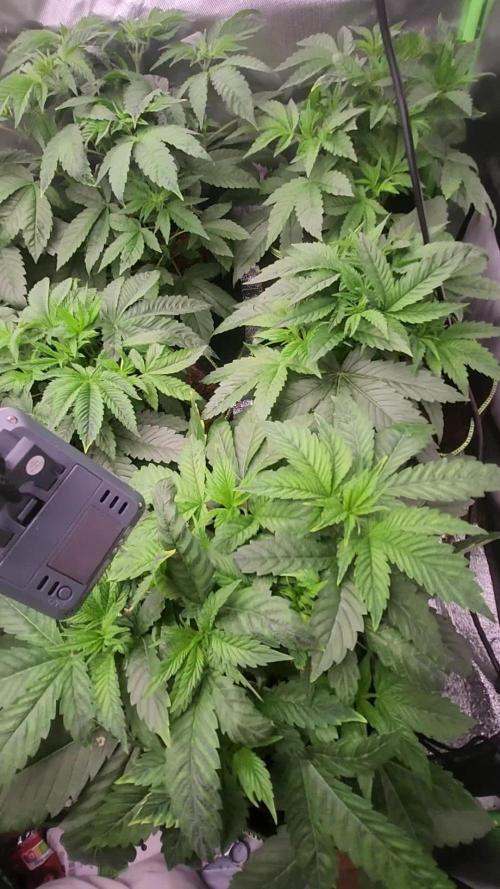
After 14 days vacation my tent Went crazy. The Stretch is absolute shocking and so many new leaves in this short time. I really have to defo. And HST some Main-Colas or they will get burned



Likes
2
Share

@Ninjabuds
Follow
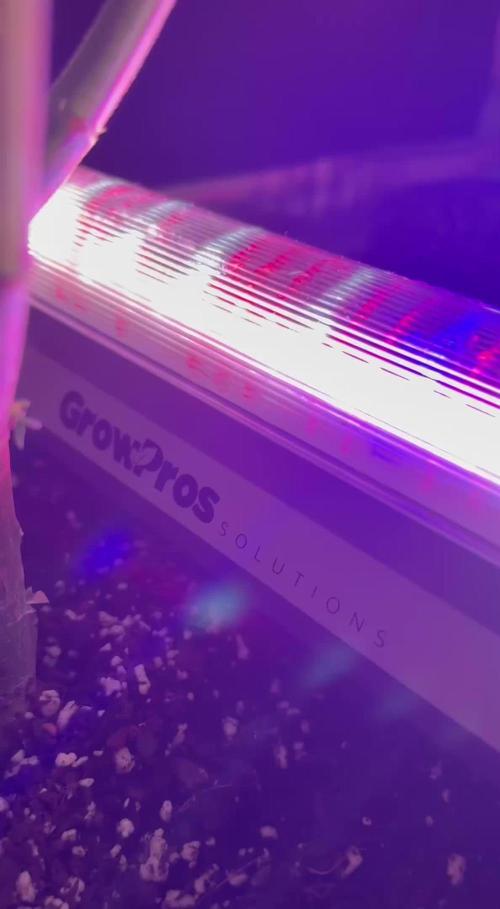
My nine Week 7 flowers are thriving under the new GrowPro Solutions under-canopy lights. The lights have really brought out some amazing colors in the buds. It's so cool to see how much they've changed in just a day! I'm excited to see how they develop even more in the coming weeks
Likes
6
Share

@Chucky324
Follow
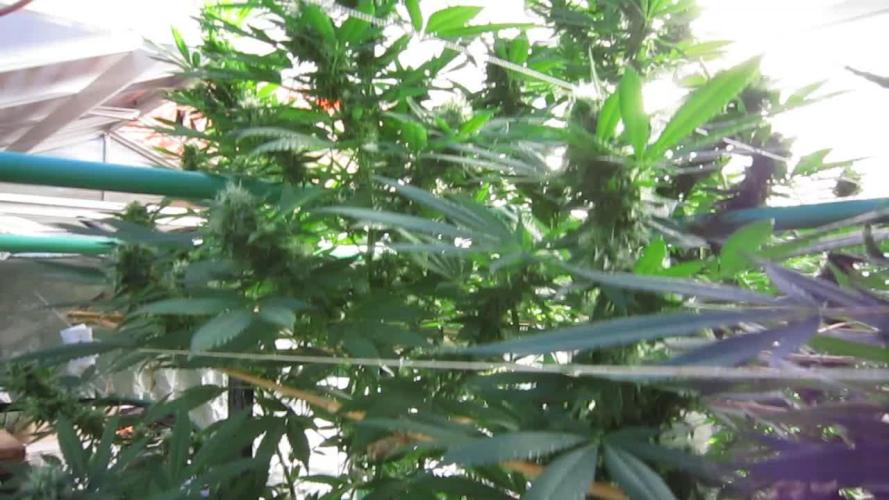
Hello. This is the end of week 8.
I've found some white powdery mildew... so I'm going to harvest tomorrow.
I'd rather harvest than try to fight the WPM for another week.
It's getting down to 15* c in the greenhouse overnight now, even with the heat on.
I'm liking the plant #3 so I'm going to try to reveg it.
I'll spray it for bugs and bring it into the workshop with some heat on the roots... it should reveg.
Back in a couple of weeks with the harvest report.
I've shown the last 2 pages from the underground comic Weirdo #10. I'll start some other underground comic next diaries.
I went to the grow shop yesterday and saw the free mag. "Absolute Underground" who had a tribute to Ozzy.
So I included some pics of that. Hope you enjoy.
OK. Have Fun.
Chuck