


Likes
Comments
Share

@der_mycologe
Follow
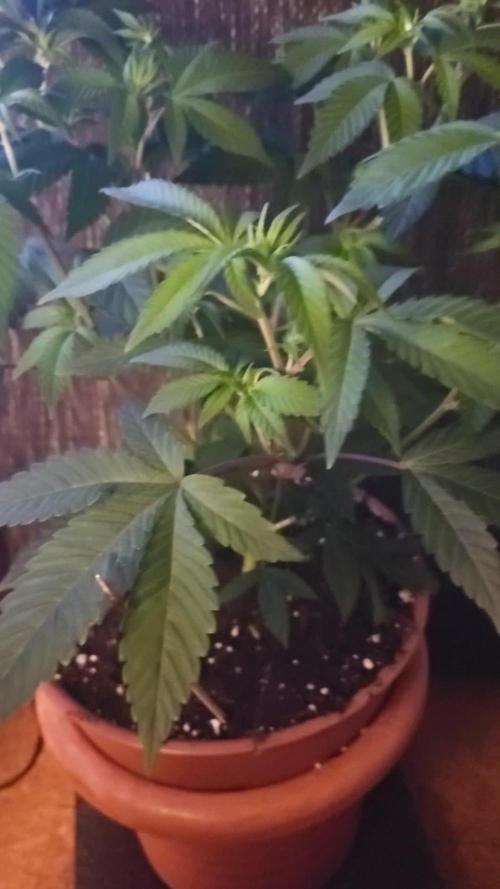
Nächste Woche wird umgetopft und getoppt,Sie entwickelt sich im 4 Liter topf besser als ihre sister im 13 l topf hmm mal 👀👀👀👀

Likes
3
Share


@DoctorD
Follow
Overview:
As the fourth week of cultivation unfolds in "Schroedinger's Plants," our focus remains on the three strains: Tropicana Cookies, Gorilla Zkittlez, and Apple Strudel. This week, we concentrated on maintaining consistent environmental conditions, implementing light defoliation, and introducing low-stress training (LST) to encourage optimal growth and development.
Plant Progress:
1. Tropicana Cookies:
Growth: The plant showed significant progress, reaching a height of 37 cm by mid-week.
Health: The plants remained healthy throughout the week. No signs of nutrient burn or deficiencies were noted.
Interventions: Regular watering with 2 liters on alternating days and nutrient feeding with Alfa Boost at 1-1.5 ml/L. Light defoliation was performed on the 23rd to improve light penetration and airflow.
Environmental Conditions: Maintained a stable temperature range (25-27°C during the day and 20-21°C at night) with relative humidity levels ranging from 62% to 75%. Increased PPFD to 500 towards the end of the week.
Training: Introduced LST on the 27th to promote even canopy development and better light exposure to lower nodes.
2. Gorilla Zkittlez:
Growth: Continued healthy growth, with notable vertical development reaching 21 cm by the end of the week.
Health: Overall health was good, with no significant issues. A slight abrasion on a large fan leaf was monitored but did not worsen.
Interventions: Followed the same watering and feeding schedule as Tropicana Cookies. Conducted light defoliation on the 23rd to enhance airflow.
Environmental Conditions: Similar stable conditions as the other strains, with temperature and humidity maintained within optimal ranges. PPFD was increased to 500.
Training: LST was implemented on the 27th to encourage bushier growth and ensure even light distribution.
3. Apple Strudel:
Growth: Displayed steady growth, reaching a height of 21 cm by the end of the week.
Health: Maintained good health throughout the week with no visible signs of stress or nutrient issues.
Interventions: Consistent watering and feeding regimen with 2 liters of water on watering days and Alfa Boost nutrients. Light defoliation was done on the 23rd.
Environmental Conditions: Environmental parameters were kept stable, mirroring the conditions of the other strains. The increase in humidity to 75% towards the end of the week was monitored.
Training: LST was applied on the 27th to support even growth and improve light access to all parts of the plant.
General Observations and Actions:
Lighting and CO2 Enhancement: Continued to monitor and adjust the PPFD levels to ensure optimal light exposure for all plants, with a final adjustment to 500 towards the end of the week. CO2 levels were kept stable to support healthy growth.
Nutrient Management: The consistent use of Alfa Boost and Epsom Salt has been effective, with no signs of overfeeding or deficiencies observed.
Training and Defoliation: Light defoliation was carried out to enhance light penetration and airflow, reducing the risk of mold and pests. LST was introduced to encourage more even and bushy growth, promoting better overall plant health and yield potential.
Conclusion:
Week 4 has shown continued healthy development across all strains. The plants are responding well to the environmental conditions, nutrient regimen, and training techniques. Moving into the next week, we will continue to monitor growth closely, maintain stable conditions, and make adjustments as necessary to support the ongoing health and vigor of the plants.
Cheers,
D.


Likes
11
Share


Likes
4
Share


@Coopmc
Follow
Just wish she had got more purpose but everyting elses is Perfeckt!!
Samples A bit she did not show purple but she tastes of it and tickles your nose like a purple plant!!
Likes
43
Share


@MadeInGermany
Follow
Flowering day 30
since time change
to 12 / 12 h
Hey guys :-)
Every day when I look into the tent, the sight and the smell are a dream 💚.
They are all developing very well.
There is no tip of the leaf that looks funny at the bottom or at the top 😃.
They were watered every 2 days with 1.3 l each (nutrients see table above).
They were all checked and checked for their health.
Stay healthy 💚🙏🏻
👇🏼👇🏼👇🏼👇🏼👇🏼👇🏼👇🏼👇🏼👇🏼👇🏼👇🏼👇🏼
You can buy this Nutrients at :
https://greenbuzzliquids.com/en/shop/
With the discount code: Made_in_Germany you get a discount of 15% on all products from an order value of 100 euros.
👇🏼👇🏼👇🏼👇🏼👇🏼👇🏼👇🏼👇🏼👇🏼👇🏼👇🏼👇🏼
You can buy this strain at :
https://www.exoticseed.eu/
Water 💧 💧💧
Osmosis water mixed with normal water (24 hours stale that the chlorine evaporates) to 0.2 EC. Add Cal / Mag to 0.4 Ec Ph with Organic Ph - to 5.8 - 6.5
MadeInGermany

Likes
7
Share


@DRO420
Follow
About 3 weeks left ... This will be the last week they receive nutrients. Doing very well , got some fat buds already and they smell amazing.

Likes
57
Share


@Roberts
Follow
Pablo Escobar is coming to a end. She has some nice frosty colas on her. She has a fruity smell with a pine undertone. Her feed was pretty strong and it probably effected my final yield. She will still provide several ounces once she is processed. I have not has a good sativa in some time. She smells very good. Thank you Spider Farmer, and Divine Seeds. 🤜🏻🤛🏻🌱❄️
Thank you grow diaries community for the 👇likes👇, follows, comments, and subscriptions on my YouTube channel👇.
Thank you Happy Growing 🌱🌱🌱
https://youtube.com/channel/UCAhN7yRzWLpcaRHhMIQ7X4g.

Likes
19
Share


@RFarm21
Follow
Semana 5 ( 05Nov-11Nov)
Única rega da semana foi dia 11Nov. Os nutrientes foram misturados em 1,5L de água. Primeira dose de Bloom administrada.

Likes
1
Share

@ThatDudesDad
Follow
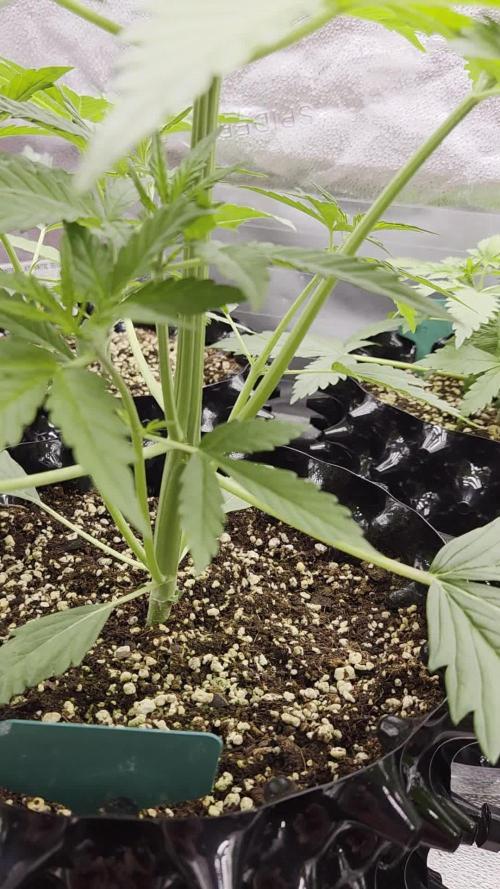
9/20 Adjusted lights to 40% at 24 inches. It looks like I have a whorled phyllotaxy with the Sticky Mango. 3 branches per node. Should be cool to see how she develops.
9/22 Watered at 900 mS/cm
9/23 Dropped ir light on plants. Broke a fan leaf off the Moonberry Pie Auto. Removed other leaf to maintain light distribution and symmetry. Otherwise plants look great.
9/24 Added IR lighting. 10 before and after lights on and off. Hung at about 48 inches.
9/25 Topped Pink Apple Soda and Yuzu Sour above 4th node. Watered at 1.080 mS/cm pH 6.1. Watered to minimal runoff. Reduced RH to 62%
9/28 Increased lighting to 50%. Topped the Sticky Mango Auto. Was going to get to tall. The whorled phyllotaxy aspect of the plant is interesting. It is definitely growing faster than the others . It even has pistils already and a VERY dominant side branch.
The plant I dropped the IR light on (Moonberry Pie Auto) definitely got stunted even though only 2 fan leaves had to be removed. The other topped plants (Yuzu Sour Auto and Pink Apple Soda Auto) look great. Starting to get bushy. Tucked the large fan leaves. Turtle Taffy Auto has been rather disappointing. If it doesn't show me something soon I may not waist the nutrients and get another Tastebudz Genetics seed going.
PLANT HEIGHTS :
Sticky Mango Auto 12"
Turtle Taffy Auto 8.5"
Moonberry Pie Auto 5"
Pink Apple Soda Auto 7.5"
Yuzu Sour 6.5"

Likes
12
Share


@Cannibalgardens
Follow
Not much to report this week she is getting more frosty buds and smelling so dam good right now it's crazy that fresh bowl of berries smell I love it .. she can't be beat that smell and her deep black on the leaves a very tasty looking girls .can't wait to see her plump ii over the weeks now ..cheers canna family .


Likes
21
Share


@OGTrauma
Follow
gulag tercermundista vol. 2 'killer kush fast version de sweet seeds' , esta wea quedo tan flayte que debo mostrarlo en mi lengua madre, como si estuviera hablando alguien que fuera igual de aficionado que yo y tb le de brigido a los bongazos sordidos.
weno :) , corregi algunos errores del cultivo anterior,cambiando tambien el sustrato a organic life light mix que fue una experiencia nueva* , que en conjunto a los tiempos que di pensando que seria un repollo indicon, bien confiao le di un mes y una semana de vegeta que pasaron volando se presento tuve un stretch asi de adolescente por lo que la moraleja que puedo dejar como en el contexto de asegurar una buena vegeta, sin saberlo la estaba vendiendo porque no es aprovechar el espacio, es agregar otro nivel de dificultad y riesgo en este caso fue una buena resolucion pero debo advertirlo xq si me hubiera entrao una plaga en flora estaria mas cagao que calsoncillo de milico ctm), fuera de eso tambien sirve no como referencia general de que es algo que te puede pasar con og kush y sus variantes, como esta , y tambien algo que tiene algo de rudelaris para acortar su floracion , al respecto , que 8 de 9 hayan dado diferente tipo de frutas, algunas de hermosa calidad.
cultivar ahi es rapido, y se seca muy rapido en verano ctm , pero es un buen sustrato al menos pa germinar y primeras semanas de vegeta rinde, despues muestra carencia muy rapido pero tomenlo como algo bueno, vienen muy acomedidas - imagino que variara levemente lo que sea segun la calidad de agua pero es mejor esperar a que aparezcan sin alimentar o estar dando fertilizantes/estimulantes leves y la carencia tomarle como señal que hay que darle mas comida, especialmente si pueden identificarlas acorde a su propio conocimiento. mi fertilizacion fue top veg, top bloom, top candy, barrier , hesi boost, calmag 2.0 de bac. razon de siempre - no es lo mejor de lo mejor pero es lo mejor que uso relacion precio/calidad porque les doy como chancho. regulo ph con acido citrico , no se mide ec, la temperatura si de hecho al agregar un nuevo termohigrometro descubri que tenia unos puntos ciegos donde no circulaba el calor y quede pal pico mi sistema big dick energy quedo destrosao en eficiencia, pero la tecnica de acumular ventiladores como enfermo, pudo sopesarlo vagamente , mi luxometro es precario pero efectivo , se llama esta wea se vuelve tan instintiva que podria identificar con mis ojos llenos de semen la elongacion causada por carencia de luz y señales de exceso de luz y consiguiente masa calor que genera como cogollos y hojas blanqueadas, resequedad ambiental , y en algunos casos todo esto conlleva a crecimientos deformes dejan de ser tiernos como el fox-tailing.
9x weno, hubo una seleccion media charcha porque puse mas a germinar pensando que no me saldrian tantas pero como de 12, estas fueron como las mejores 9 o una wea asi, criterio de seleccion nivel la lista de schlinder, y weno,las macetas con las que comence fueron pot on pot premeditando su utilidad, luego la generica de 11 lt como tambien asi la luz se incremento y redujo para prevenir momentos que estuvieran a un parametro superior a 28c porque es mas facil reducir el calor que genero que extraerlo en este sistema precario y posiblemente canero, pero que se le puede presentar a mas de una persona , porque el calor ambiental q deben contrarestar puede ser un aliado o enemigo en muchas situaciones de la vida, como este pais presenta un calor extremo en el norte y un frio extremo al sure, imaginense las weas que uno hace por amor a la droga ctm incluyendo lo que los leen desde otros gulags , ser un dimmer humano weon simp por y para de la mota - lo digo por mi y por todos los que sigan leyendo a estas alturas xdddd .
intente reusar una malla anterior para tambien prevenir que los cogollos cuando se elongen le peguen al foco y se quemen feo , una de scrog formal puede cumplir el mismo proposito si no tienen intencion de llenarla c:, las plagas son muy poco presente , lo unico que hago ahi es meter barrier debe en cuando en el riego, pero en flora no usaria foliar alguna cosa a menos que fuera una situacion briyida como hongos, que aqui tambien aqui en este espacio reventao, enganchar un hongo o plaga te hace piko altoke. cuidense chamos akakkakakaak
meti luces de fiesta porque se ven cool de noche, y algunos pigmentos que genere los rayos uv para protegerse del clima culiao inhospito estilo guerrilla cyberpunk noventero que resulto esta wea fea.
big gas leaks energumen@s qlz 😄😄😄

Likes
47
Share


@Northern_Ent
Follow
Aug 31: now done six weeks of flowering. Started force flowering by putting her in the dark garage for 10 h plus two hours of bonus darkness by using a 730 nm far red light at dusk as a bloom booster. After three weeks of moving in and out of garage I’ve just been using the red light at dusk. I use Civil Twilight as listed on dateandtime.com for my location. Civil Twilight is getting earlier by about 3 min per night and will be at 9 pm tonight.
Awesome plant should be 2-3 weeks to finish and the weather forecast is perfect for next two weeks. Should be a strong finish, and we’re still in August. Awesome.
Sep 1: flowers are huge and progressing quickly. The top buds seemed to change colour a bit today. Overnight temperatures are still above 10 C so no purple colour showing yet. Maybe right at the end in a couple of weeks she’ll show some extra colour.
Sep 3: buds are getting big, dense and sticky. Perfect.
Sep 4: flash pics are okay if using the 730 nm far red light right after. If you don’t have a red light, don’t take flash pics of your photoperiod plants. Nice big buds are quite hard too. Very nice.
#seedsman420growoff
#seedsmanseeds

Likes
2
Share

@Ribemarti
Follow
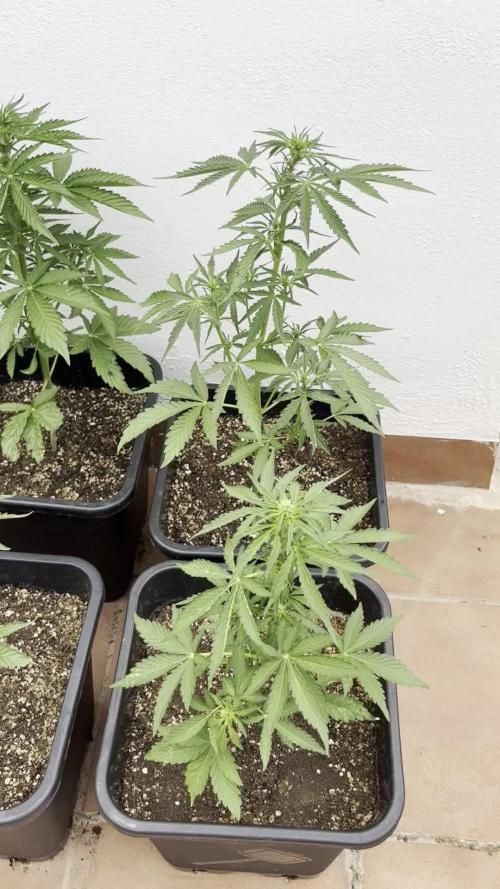
ESTAS PLANTAS LES QUITE 2 NUDOS DE GOLPE Y SE PARALIZARON, SE VE QUE SE ESTRESARON Y SE QUEDARON PARADAS,
YA ESTAN EN FLORACION VEREMOS EL RESULTADO FINAL QUE TAL


Likes
7
Share


@Mr_Pgrow
Follow
Yet another reliable fastbuds run.
OG Kush grew to a very large bushy girl, looking back I should have lollipoped a bit better, seem to be left with a lot of popcorn buds.
But I'm still happy and can't wait to try her out.
Likes
6
Share


@SomeLikeItGrow
Follow
The week has passed really awesome, a big height growth, thats is bad in my case, but will see to what it gonna lead, last very hard defoliation has been done as well, cheers! ;)

Likes
8
Share


@GreenForce
Follow
Hey Growers,
Week 7 Day 1, girls growing well, good juump in week 6.
We can see 2 girls more developed then other, since i dont know the strains (yet) i dont know the days off flowering.
Thank you.
Have a great Week, i will come back next year, with updates.
Good entrances for everyone 😎.
_GrF_
Likes
3
Share


@High_Grade_Dadli
Follow
Ending up trans set 1 got a lil more space in GH...topped up the other also did some defoliation(everything) and LST HST( set 1&2)
Likes
11
Share

@TrickzGrowz
Follow
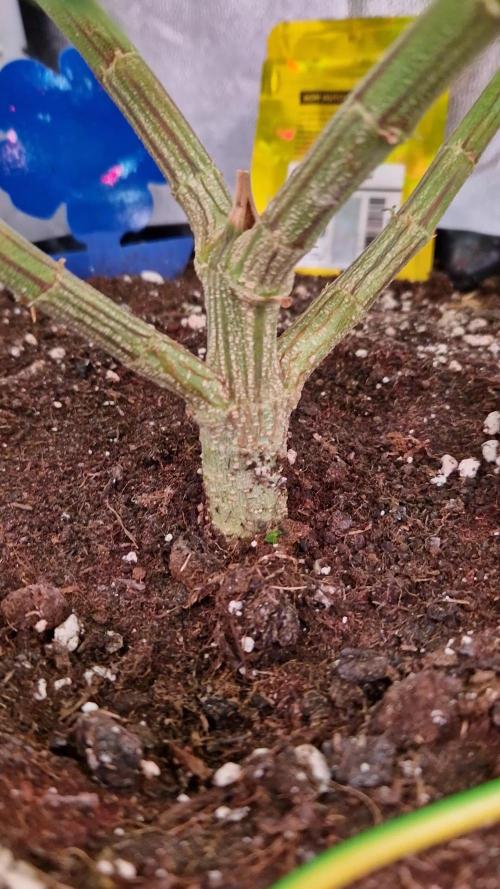
Die Dame hat ein super Wuchs hingelegt. Um den unteren Trieben für den Stretch nochmal die Chance zu geben, habe ich die großen Fächerblätter entfernt.
Präventiv Neemöl gesprüht, weil ich ein paar Freunde gesehen habe.
Spraymix alle 2 Tage.
Heute wird auch die Lampe auf 12/12 umgestellt.