


Likes
Comments
Share

@GoodTimesOrganics
Follow
Welcome Back liebe Community 🌱💚
Double Gum von White Label Seeds on the Run!
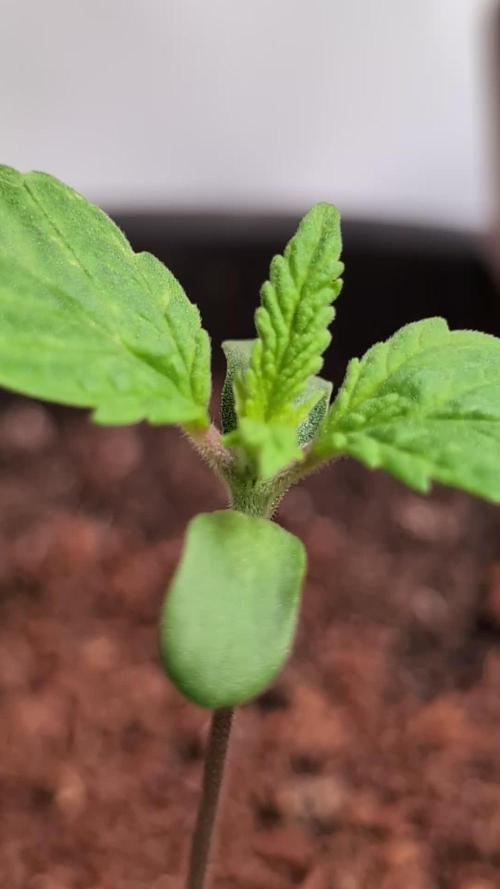
Die erste Woche ist vorbei und wir haben eine kleine gesunde Jungpflanze.
Sie ist 6cm hoch und das nächste Blattpaar kommt zum Vorschein.
Die Umgebungsgegebenheiten sind aktuell gut:
—————
🌞 Temp: 26
🌚 Temp: 18°C bis 19°C
💨 RH: 64%
VPD: 0,83 kPa
💡ppfd: 330 mpm
—————
Viele Grüße 👋


Likes
11
Share


@STAYINGONMYMAINCBATORUNTWO
Follow
I will always go organic from now! Especially using rqs nutrients had the best grow and the best outcome I’ve ever had! Dense buds all over and end weights matched that! And I didn’t even top it or stress it Too much! Wanted to see what happened if I just let it grow and I’m amazed! Royal queen seeds deserves the top place!

Likes
4
Share

@ohcibi
Follow
Please hit the like button in the diary and follow me for more updates.
Update July 26th
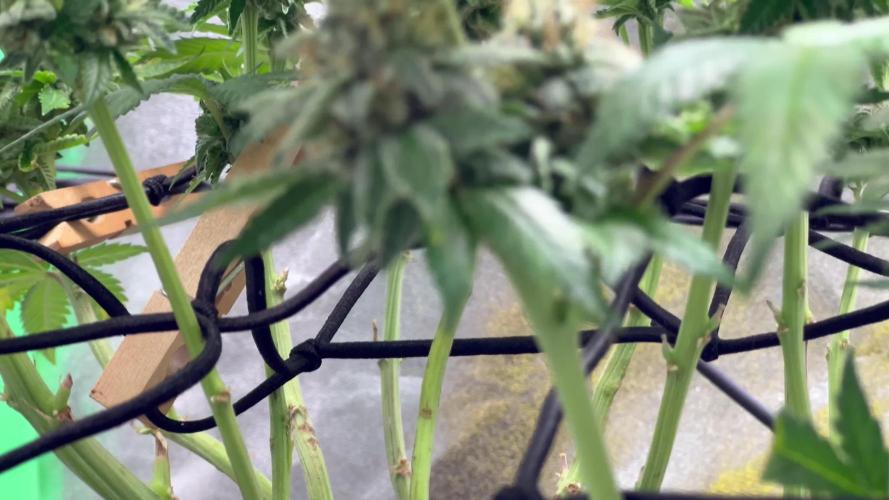
Final week started. Today was the last time I put fertilizer into the water. Next watering will be clean and then a few days later will be harvest time.
Gnats seem to be gone again. Maybe they’ll bounce back once but at this point their days are over anyway.
I’m already thinking about the next grow. Whether I’m doing another two diesels or maybe an autoflower. In any case stay tuned.


Likes
47
Share


@Ultraviolet
Follow
Gave her a cocktail to help with stress. Added 1st net for lateral support, not so much now, but for later. Blue light is absorbed by photoreceptor proteins called phototropins, which trigger a hormonal response that causes cells on the shaded side to elongate, making the plant bend toward the light. Try and fill this side a little. She is quite big already, just needs to find her stride again after the undue torture.
The mind is constantly working and producing, just like a factory. It's not just a passive recipient of information but an active producer of ideas, attitudes, and beliefs. The "ingredients" in this factory are the information you consume, such as books, conversations, and the media you engage with. The "products" are your thoughts, beliefs, and actions. The quality of the ingredients directly influences the quality of the output.
5 apex stems with 20-30 mini cola, let them develop a little, with the apical dominance shattered, all those 20-30 will all compete with each other as soon as that stretch is initiated. Key to a good stretch is making sure the plant is cycling efficiently, with large ATP conversions occurring lights out.
For now, keeping light intensity high. A plant will slow its vertical growth in very high light intensities, leading to a more compact form with thicker stems and leaves. This response is a protective mechanism against light stress, which can damage the photosynthetic apparatus and lead to symptoms like leaf scorching, yellowing, and brittleness. Instead of growing taller, the plant invests its energy into creating a more robust, stress-tolerant structure.
Providing plants with necessary antioxidants helps protect the photosynthetic apparatus by scavenging reactive oxygen species (ROS) that cause damage from excess light.
UV light exposure can impact the xanthophyll cycle by either enhancing its photoprotective role or causing damage, depending on the intensity and type of UV radiation. UV exposure can trigger the synthesis of more xanthophyll cycle pigments to increase the plant's capacity to dissipate excess energy, but it can also cause direct damage, particularly to Photosystem II, and may lead to a decrease in the de-epoxidation state (DEPS ratio) which indicates a reduced capacity to dissipate excess energy.
Plants can respond to UV stress by increasing the synthesis of xanthophyll cycle pigments, such as violaxanthin and zeaxanthin, to improve their photoprotective capacity. UV-induced changes in xanthophyll cycle pigments can be linked to a plant's overall tolerance to high radiation stress. The xanthophyll cycle helps protect against photoinhibition, which is especially important when the plant is exposed to high levels of both UV and visible light. High doses of UV radiation can directly damage photosynthetic components, including the proteins, lipids, and pigments in the thylakoid membranes. Exposure to UV radiation can have a mixed effect on the de-epoxidation state (DEPS ratio) of the xanthophyll cycle pigments. In some cases, UV can inhibit the conversion of violaxanthin to zeaxanthin, resulting in a lower DEPS ratio and a reduced capacity for energy dissipation. However, the total pool of xanthophyll cycle pigments may increase, and this enhanced pool size could provide a greater potential for photoprotection despite a lower DEPS ratio.
The xanthophyll cycle works alongside other mechanisms, such as the accumulation of flavonoids (UV screens), to protect the plant from UV-induced damage.
Blue light repairs 100% UV-induced damage in plants through a process called photoreactivation, which uses a light-dependent enzyme called photolyase. This enzyme uses energy from blue and UV-A light to directly reverse the damaging pyrimidine dimers in the DNA caused by UV-B radiation, a key mechanism for maintaining the plant's genetic integrity.
After carbon, light, water, temperature, and nutrients, the limiting factor of a plant's growth is often its own internal factors or the amount of a key ingredient. Chlorophyll concentration is one such factor, as the amount of this pigment limits how much light can be captured for photosynthesis. Other factors include chloroplast number, respiration rate, and the concentration of carbon dioxide in the atmosphere, as plants are often in a CO2-deficient condition.
60x60x18=64800seconds x 700 = 45,360,000moles. 45DLI
Exposure to 165 µW/cm² of ultraviolet-B (UV-B) light for 3600 seconds = 1 hour, a extremely high, acute dose triggering stress responses and protective mechanisms.
.
The plant's photoreceptor protein, UVR8, senses the UV-B radiation. This triggers a signaling cascade that activates specific genes to protect the plant from damage. In response to the UV-B signal, the plant ramps up the biosynthesis of protective compounds like flavonoids, phenolic acids, and anthocyanins. These compounds absorb UV radiation and accumulate in the epidermal layers of leaves to shield inner photosynthetic tissues. The plant may increase leaf thickness or deposit more cuticular wax, creating a physical barrier to the radiation. The plant will produce more enzymatic and non-enzymatic antioxidants to neutralize the reactive oxygen species (ROS) produced by the UV-B radiation. The plant activates enzymes, including photolyases, to repair DNA damage caused by the UV-B. These repair mechanisms are critical for preventing permanent genetic mutations.
While protective measures are activated, a high dose delivered over a short period can cause stress that overwhelms the plant's defenses.
Photosynthesis is highly sensitive to UV-B. A high dose can inactivate Photosystem II (PSII), damage thylakoid membranes within the chloroplasts, and reduce chlorophyll content, which lowers the plant's overall photosynthetic capacity. Despite repair mechanisms, high UV-B doses can inflict persistent damage on the plant's DNA. The overproduction of reactive oxygen species can cause oxidative stress, leading to the oxidation of lipids and proteins and disrupting cellular function.
I am playing in the enchanted forest. A shift in perspective is what changes perception over time. By deliberately considering a situation from another point of view (perspective), you can challenge your initial, knee-jerk interpretation (perception). This is a valuable skill in both personal and professional life for fostering empathy, improving problem-solving, and making more informed decisions.
Move the mind off perception into perspective.
Thank you.
Likes
3
Share


@FlowerOasis420
Follow
Ernte Tag ... ich liebe es zu grown, das entlauben mag ich garnicht. Aber was Muss das Muss, erst Sonnensegel ab, dann rein in Dryferm Bags. Zum Teil hab ich sie schon von den Stielen getrennt, andere ganz gelassen und ein Teil so wie immer auf das Netz gelegt. Ich bin gespannt ob man ein Unterschied bemerkt.
Nächstes Update nach den Feintrimm in ca 10 Tagen. :)

Likes
5
Share


@Budking420
Follow
Things are going really well. I'm kind of surprised these are labeled 10-12 weeks I see this finishing before week 9 amazingly. The smells great they are pretty quick. I think that this may be the first harvest indoors with an ilgm auto strain for me. Check back next week to see how far she progresses!


Likes
2
Share


@CannaPharma
Follow
The seedlings in their rockwool cubes were planted into high quality soil in clear (to monitor root development) 140mm pots. The seed raising soil was first sterilised with boiling water and cooled then Mykos root enhancer was added. The clear pots were then placed into a black pot to keep light from getting to the roots. Each plant was then placed into larger white pot to reflect light and heat, with a clear dome placed over them to maintain humidity. The lamp used was a cheap 1400 lumen warm white LED spotlight from the local hardware, set to 16-8. No watering was done for many days as the soil was saturated from the sterilisation.

Likes
15
Share

@jellyjelly
Follow
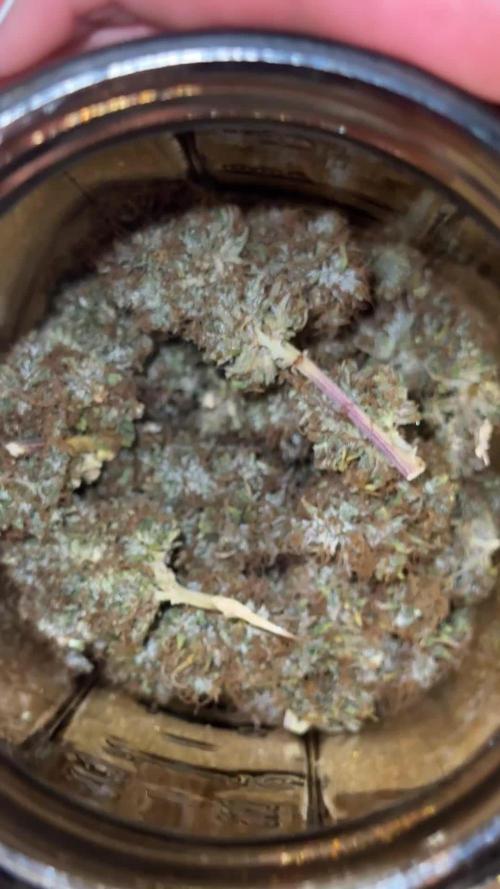
Each one has such a unique smell and flower structure. I really neglected the hell our most of these plants given the tiny 3 gallon container and arid conditions - however these plants were resilient.
Crystal Light x Pelee Sword stands out as gassy pungent strain covered in trichomes.
(Purple Haze x Malawi) x pelee sword was also very note worthy. Very citrusy/floral notes, airy bud structure but surprisingly very resinous.
Super stoked and thanks again DaDankSeed bank for the genetics and pointers!
Likes
12
Share


@QueenBZA
Follow
This is a flush week, next week we shall be introducing EHG Ripener for the very first time in our grows,does it work? Does it not? We'll find out soon enough boys and girls.


Likes
15
Share


@Kurow
Follow
This week is dedicated to finalizing the pot and nutrients for the rest of the lifecycle, looks like it took to the nutrients very well not much new upwards growth but new leaf sites appeared!

Likes
11
Share

@GERGrowDesigns
Follow
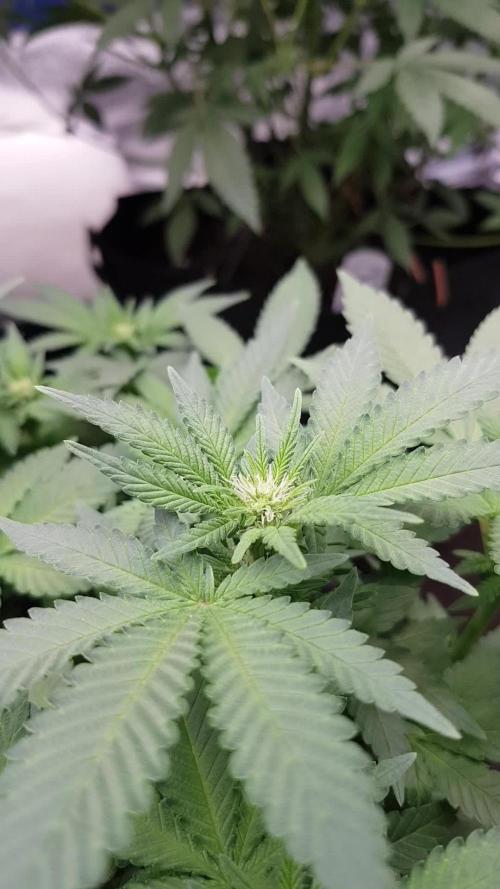
Welcome to Flower Week 2 of SuperStrains OreoZ
I'm excited to share my grow journey with you from my
SuperStrains Project . It's going to be an incredible ride, full of learning, growing, and connecting with fellow growers from all around the world!
For this Project , I’ve chosen the Feminized Photo Strain OreoZ:
Here’s what I’m working with:
• 🌱 Tent: 120x60x80
• 🧑🌾 Breeder Company: SuperStrains
• 💧 Humidity Range: 60
• ⏳ Flowering Time: 8-9 Weeks
• Strain Info: 22%THC
• 🌡️ Temperature: 26
• 🍵 Pot Size: 20
• Nutrient Brand: Hy-Pro
• ⚡ Lights : 600W x 2
A huge thank you to SuperStrains for allowing me to try my Best with this amazing collection from Photo Strains they managed to Sponsore side by side with theyre Hy-Pro Nutriets . Big thanks for supporting the grower community worldwide! Your genetics and passion speak for themselves!
I would truly appreciate every bit of feedback, help, questions, or discussions – and of course, your likes and interactions mean the world to me as I try to stand out in this exciting competition!
Let’s grow together – and don’t forget to stop by again to see the latest updates!
Happy growing!
Stay lifted and stay curious!
Peace & Buds!
Likes
44
Share


@Roberts
Follow
FBT2402 is getting close to done. I had a lot of issues through the grow. I believe it is pest related. I treated other plants not flowering with neem and the issue stopped on them. So I will be glad to get her done so I can treat everything again, and the room. She does have some colas on her. She could of done so much more though. My bad. Thank you Medic Grow, Athena and, Fast Buds. 🤜🏻🤛🏻🌱🌱🌱
Thank you grow diaries community for the 👇likes👇, follows, comments, and subscriptions on my YouTube channel👇. ❄️🌱🍻
Happy Growing 🌱🌱🌱
https://youtube.com/channel/UCAhN7yRzWLpcaRHhMIQ7X4g
If anyone needs to purchase fastbuds here is a link for my affiliate program
https://myfastbuds.com/?a_aid=60910eaff2419
Likes
8
Share


@Skunky420
Follow
➡️ Day+35, this week, the plants will receive their first dose of PK Booster compost tea around next Tuesday or Wednesday, when the temperatures drop a bit. Otherwise, the water might be too hot before then with the current heatwave, since the tea needs to steep for 24 to 36 hours.
On day+31, I made a mistake. I wanted to pinch the apex of the tallest Dosidos auto in the back left corner because it was growing much taller than the other plants and starting to get stressed from the light. But when I tried to bend it afterward (supercropping), I broke the apex. So I ended up topped it, but the plant recovered very well. Even though the yield might be slightly affected, the secondary branches immediately grew more vigorously (I applied a Boom Boom spray the day I topped it). Since then, it's been developing a triple main bud.
At Day+32, I placed the Swirski Ulti mite and Ulti mite spical sachets under the canopy, and yesterday I also introduced about 10-15 Orius laevigatus predators which will take care of the adult thrips if there are any left, in combination with the sachets under the canopy which release predators which take care of the larvae.
I noticed a few small spots on one of the Purple Punch Auto leaves a few days ago, but nothing too serious, and since then there haven't been any more bites on any of the leaves, so everything is under control for the moment. However, I'm staying vigilant with the heatwave, especially this weekend given the outside temperature (I've released the rest of the 500 Orius laevigatus box into the garden outside, so I'm waging war on thrips on all fronts, as well as any potential spider mites).
Luckily, I'm managing to keep the temperature under control (between 25 and 26°C in the grow box with air conditioning on at certain times of the day).
(The Purple Punch Auto is now in the bottom right of the photo; I swapped it with the small Dosidos Auto because it was too close to the larger Dosidos)
In one of the photos, there's a height-adjustable camping stool I found at Aldi for €5 (I bought two), exactly what I needed to have a canopy at roughly the same height.
Currently at 580-650 PPFD/40-45 DLI
➡️ Day+37, the plants finally received their first PK booster compost tea today after 28 hours of brewing. I was able to maintain the tea temperature between 23 and 23.5°C, so it worked well.
700ml per plant, with 5ml/L of Orgatrex, and 30 minutes before the end of the brewing cycle, I added a small spoon of Bactrex and Mycotrex to the tea.
The Purple Punch Auto is less advanced in its flowering compared to the three Dosidos Auto.
Towards the end of flowering, I'll see if I can postpone harvesting the Dosidos by a week or ten days to give the Purple Punch time to mature sufficiently. If the difference in maturity is too significant, then I might have to finish the Purple Punch outside, as the tent is the only place I can dry at the right temperature and humidity.
Currently at 600-650 PPFD

Likes
2
Share


@Unpluggy
Follow
Partially harvested to Test the ripening of the remaining Buds.
Awesome looking and crazy strong smell.
The purple with light Green Looks awesome

Likes
3
Share


@vilahaze
Follow
empieza a ter un olor muyy fuerte a gelato 33 con toques a vainilla sin duda sera una planta brutal, resina muy gorda , esta empezando a joder un poco algun gusano por eso y no parece demasiado resistente a los homgos con esos cogollos tan gordos y prietos
Likes
12
Share


@DBQush
Follow
Dear diary,
Week 10 total and week 1 of flower is behind us. Will just be making sure all tops are exposed and somewhat in the right place as I let them stretch for about 21 days before some defoliation.
🌸🌸🌸🌸🌸🌸🌸🌸🌸🌸
⏰ Day 67:
Feeding was given in the evening with a solution of 1.87ms and pH of 5.6. During this feeding, I guided most of the tops into their designated positions within the net, ensuring they are adequately spread out to receive optimal light.
I also checked the runoff, which measured 2.3ms, but considering the extra dissolved salts from full draining and collection that would be higher that it really is, I will aim to bring it back to the desired range of 1.65-1.7ms to be sure.
⏰ Day 68:
In the evening, the plants were fed with a solution of 1.64ms at a pH of 5.8.
⏰ Day 69:
Evening feeding consisted of a solution with 1.66ms strength and a pH of 5.9. I also took the opportunity to confirm that the lights were positioned at a 48cm distance from the canopy.
Additionally, I'm testing the exhaust system by venting it outside the room. Currently, the relative humidity (RH) ranges from 53-55% during lights-off and 58-60% during lights-on, while the temperatures remain around 18°C with lights off and 23.5°C with lights on. These conditions fall within the desired vPD (vapor pressure deficit) range of 0.95-1.2.
⏰ Day 70:
Feeding was carried out in the evening using a solution with a strength of 1.66ms and a pH of 5.9. To enhance air circulation, I added a fan at the top of the tent.
Furthermore, I checked the light intensity, which measured around 760-780ppfd.
⏰ Day 71:
During the evening feeding, the plants received a solution with a strength of 1.64ms and a pH of 6.4. The RH levels range from 55-65% as the girls get more bushy, while temperatures vary between 23-18°C, depending on whether the lights are on or off.
⏰ Day 72:
Evening feeding included a solution with 1.64ms strength and a pH of 6.4.
⏰ Day 73:
The plants were fed with a solution having a strength of 1.66ms and a pH of 6.0. As indicated by the feeding schedule, the A+B mix was increased to 3.5ml/l.
I also ensured that the lights were positioned approximately 50cm above the canopy and set to 90% intensity to provide additional heat.
Likes
13
Share


@Sadhus
Follow
Je laisse pousser un peux les apex pour faire des boutures a la prochaine coupe apical, je laisse que 2 bourgeon par branche ,pour faire une formation a 16 colas a la fin
