




Likes
10
Share


@yaron
Follow
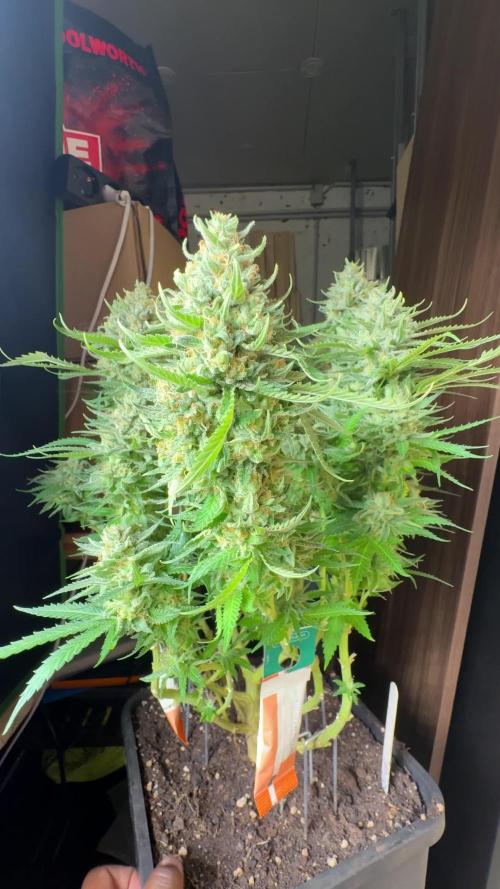
Hi everyone!So i had to rearrange the whole thing because i was doing it all wrong.To be clear 3 gorilla glue and two wedding cheesecakes and in the smaller pot a haze that was added later by a friend of mine.The smallest gg was born a week later so that explains the size i guess.
cheers!




Likes
14
Share


@Quintall
Follow
Grow geht langsam richtung Ende. Leider zu kleine Töpfe benutzt aber was soll man sagen ist mein erster Grow

Likes
27
Share


@adam_pawloski87
Follow
Let’s go day 43!!!! Week went real well , girls started preflower so sometime this week I will be switching up the nutrients for flowering! We are stable and looking super healthy! Can’t wait to see what these ladies do this week! Hope you all enjoy !


Processing
Likes
18
Share


@desijones
Follow
The ladies have completely stopped the stretch and are starting to shoot out a tone of frost on the Gorilla Zkittlez.


Likes
10
Share


@MichaelMan
Follow
Took two 20L buckets. Drilled holes in the bottom of the buckets and transplanted them right in. Should have done this before.
Sending them into bloom next week.

Likes
2
Share


@dauntless
Follow
Strain is Lemon Pie x Gorilla Cookies Auto R2
Grow started on July 8th, 2022
I dropped these directly into another pot with some plants that I was pretty sure were not awesome. I was right and these germinated quickly and are growing well.
Out of four, the two I kept were the best ones, so I named them 1 and 2
Direct to soil, same feed as my Green Gelato Auto grow, Flora Nova Bloom with all the good Gaia Green nutes and worm castings and myco in the soil already.
Crimson Clover is cover/companion
July 23, 2022
Day 15
My impression of these two autos so far: super fast growing, topped on day 15, 1st week of veg. I was NOT going to top them, but they are so fast, I need to buy some time, since the other plants are filling out now. I don't think she will slow down by much.
Likes
11
Share


@Skinnytalls420
Follow
Day 38- 18/01/22 and we are now in flowering everything is looking good I’m still cutting down the plants from my last grow Afghan kush and once I’m done with that I’ll be moving everything that isn’t chemdawg into the HPS tent!! Day42 -22/01/22 looking good apart from the burnt tips in the hps tent now!!!
Likes
2
Share


@Barzenegger
Follow
The journey continues, nothing much has changed. The Chem Beyond Diesel is taco-ing hard, probably due to the light being close, but since the NYC and BJ are the same height and are not taco-ing, this one might also just be a little more sensitive (?). The BJ and NYC are fox-tailing quite a bit, so the plants could also just be showing different reactions to the same stress?
Either way, there isn't much I can do at this point. The humidity is a bit high and I have defoliated some more to help bring it down. I might have to consider some other options, too.
I switched from Hesi Root Complex to Canna Rhizotonic now (because my bottle was empty and I wanted to try something new), and also added some D-Block to my reservoir to help prevent clogging.
The plants are supposed to be 8-9 weekers, but they look more like at least 11 right now.
I guess we will see.


Likes
5
Share


@Bluemels
Follow
Tag 61: Noch 2 Wochen bis zur Ernte. Die beiden Mädels richen schon sehr aromatisch und sehen recht verschieden aus. Ab heute gieße ich nur noch Wasser ohne Dünger.
Likes
6
Share

@Allybearx3
Follow
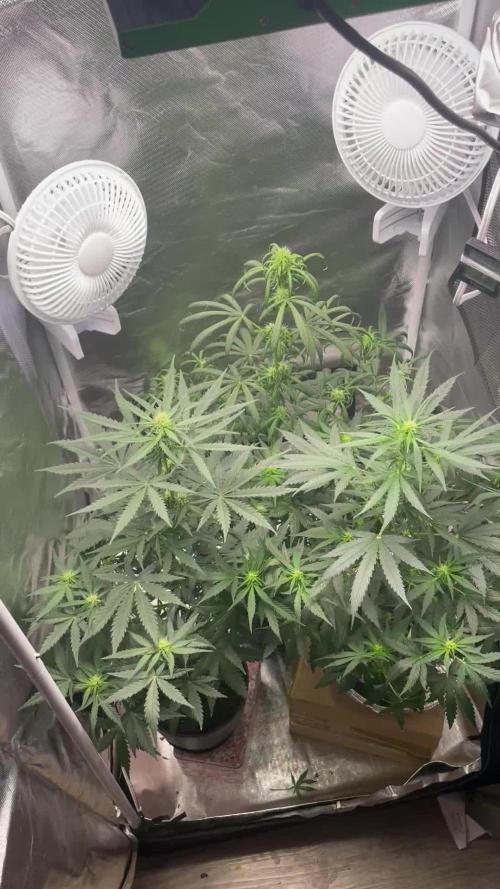
Second week of flowering and I accidentally over watered/feed one of my girls 😩 she’s in the process of recovering but she’s looking so sad and i feel so bad 😩😩 other than that the other two are still thriving bud sites are getting so much white hairs, stretched has seemed to stopped so hopefully the bud sites start to chunk up
Processing
Likes
1
Share


@Wizardgreen317
Follow
Just feeding auger and water and getting it right she love the low feed so yeah I like what she doing no the best looking but a she a keeper if you want a piney sweet smell it grows lanky as hell and the structure of the plant though but doesn’t have that appealing look while grow but hopefully the smoke is good cause that what we trying to get
Likes
19
Share


@Joeycrack9
Follow
2 Lemon Mandarin
2 Papaya Sherbet
1 Orange Sherbet FF
2 Gorilla Melon
2 Lemonpaya
Likes
23
Share


@HomeGrownFamz
Follow
Just keeping the temps correct is always a challenge in certain indoor grow areas but a tube heater seems perfect. Fan heaters should never be used as they ruin the flavours of the final product. I used a very small fan heater in my first run (obviously not blowing at my plants) but they are too aggressive in heating the air in my opinion and results in on off operation causing fluctuations in temperature. I have purchased a cylinder ceramic heater that does the job perfectly. I know that the temperature in the tent will always be in the good zone.
Likes
7
Share

@Kaya666
Follow
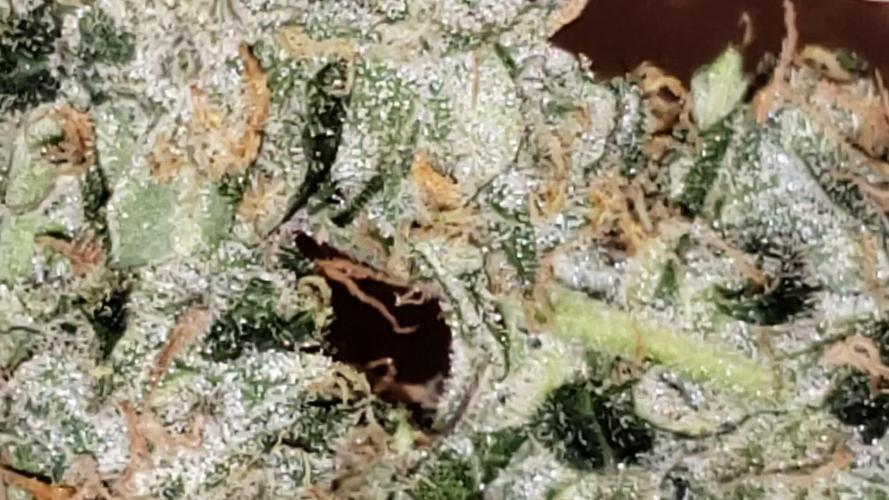
Dry yield is sadly an estimate, as I smoked some as it cured and then sort of got my jars mixed up lol. But the top half of the plant was definitely 5.6 grams. Then I just added what I thought to be the second box of buds lol woops. 9.3g is the LOW estimate of dry weight. Either way, it'll last me ages.
Likes
Comments
Share

@AlpenZilla
Follow
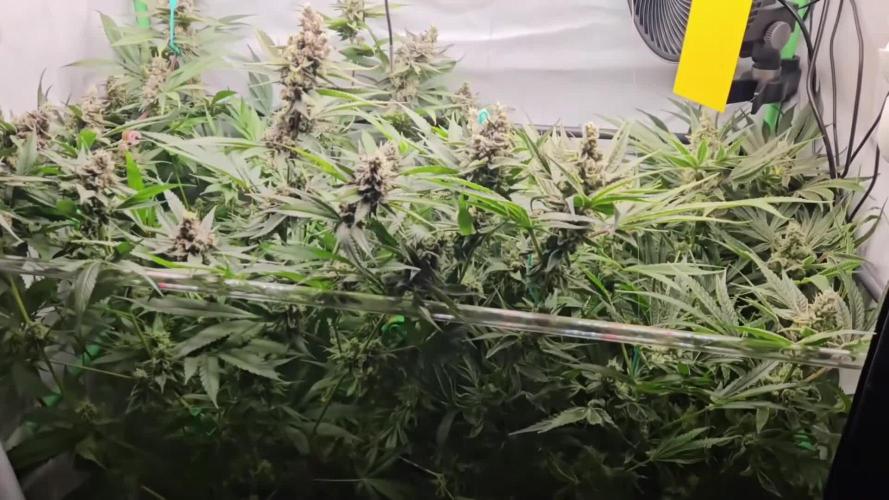
🗓️ Week 12 – Flower Week 8 ✅ (Late Flower)
🔹 General
The plants have now entered deep late flower.
Buds are gaining more density and resin, and the aroma is intensifying day by day.
For Cherry MAC Muffin, fruity-sweet notes are becoming dominant 🍒✨
🔹 Feeding
After a longer phase of reduced EC, feeding has been increased again.
Input: 1.65–2.0 EC / pH 6.3
Runoff has built up to ~3.0 EC, but remains stable – no signs of overfeeding or stress.
No flushing yet – the final flush with Flawless Finish is planned in about a week 💧
🔹 Observations – Cherry MAC Muffin
🍒 Development: Densest buds in the tent, very sticky and frosty
📏 Runoff EC: 3.0
✅ Status: No stress symptoms despite the high EC – watering frequency slightly reduced to maintain balance

Likes
3
Share


@Dunk_Junk
Follow
Day 70 - She grew 5cm / 2" this week! The amount of trichomes she has on her is frankly ridiculous 😍 totally white over. The smell upon touching them is intense Grapefruit 😍
PhenoFinders have done a great job breeding this. I'd like to try more of their range.
