Likes
Comments
Share


@AlbasDiary
Follow
Buenas Jardineros!!🌱🌱💚
Hoy podé un poco las plantitas y las voy a abonar con las cantidades q puse en nutrientes.
He tenido un sustito con orugas, malditas, ya estaban dentro de dos hojas!!!😑
Revisé bien, están limpias, seguiré atenta
Muy buenos humos compis!😙💨🌿

Likes
39
Share


@Herbz_Unkraut
Follow
Installed UVA, set it to 7h a day
Defoiled a little...plants are not in a perfect condition so i didn't remove much..
Buds are still forming greatly!
Found some herms on 1 plant...removed them and will keep a closer look every 2 days now...

Likes
18
Share


@Mr_weed_pt
Follow
One more week..the buds are looking great and the smell is really sweet…

Likes
7
Share


@KannaKullektiv
Follow
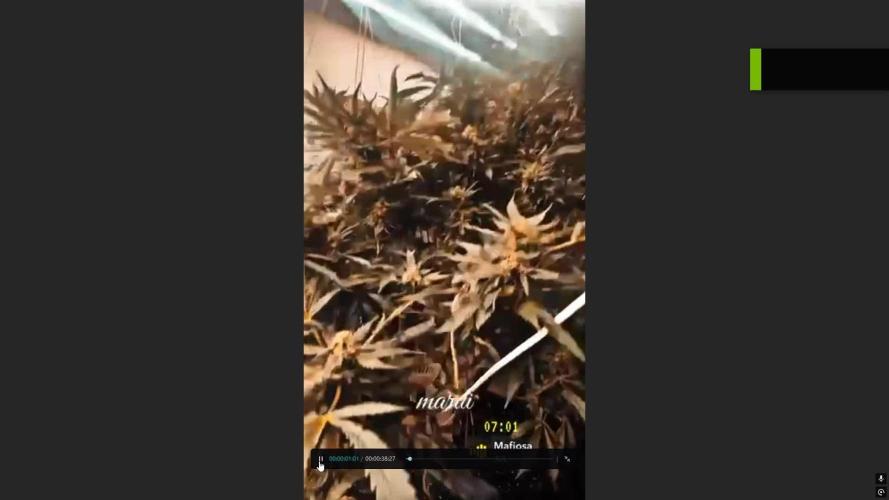
Hiiigh friends 🙌
Welcome to week 8. 😍
Due to too much unwanted stress, flowering is delayed. The big lady was unable to withstand the training. Her neck is broken. But she is far from giving up and will fight to the end.. 😊
See you next week. 👋
Arturo for KannaKullektiv
🙏

Likes
5
Share

Likes
34
Share


@CanadianFillmore
Follow
Start of week 6. Week 5 went really well, this Do-si-dos is packing on bud weight, size, density and she is insanely sticky! Just lightly touching her, is like touching sticky pads or glue, just crazy!!

Likes
15
Share

@TrickzCutz
Follow
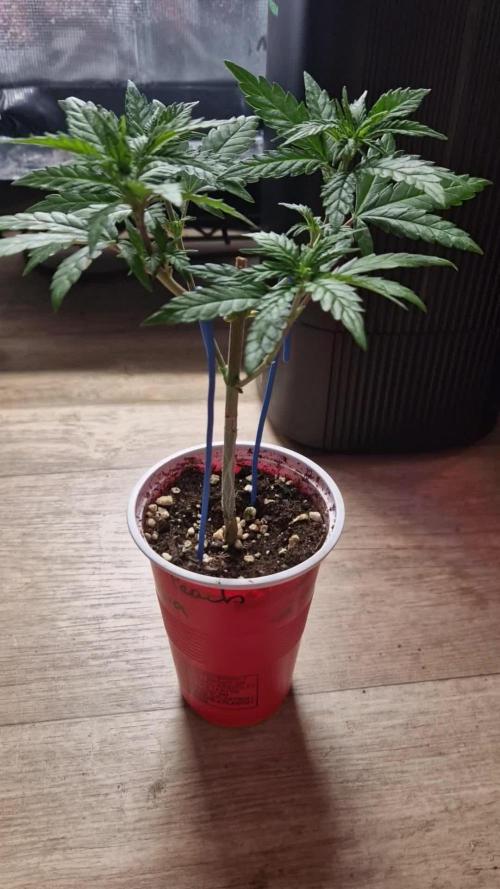
Servus Moin!
Auch die Sun of a Peach macht sich super. Ein paar Fraßstellen von Insekten sind auch bei ihr zu sehen. Deswegen wird sie mit Neemöl eingesprüht.

Likes
43
Share


@TheCannaProphet
Follow
~ FastBuds PAPAYA SHERBET Photoperiod~
Well here we go on another journey together through 'Canna-land' and this one's kinda special... forget that, it's VERY special because this is FastBuds newest surprise for the community, a FEMINIZED PHOTOPERIOD STRAIN!🤯
I was fortunate enough to score these seeds, of which only 1000 were available and can't wait to see what this strain can do! This Papaya Sherbet, according to FastBuds, is a hybrid with a 9-10 weeks flowering period. For a more detailed and accurate description of this strain the following from FastBuds says it best:
"Combining the massive stature of Papaya (Oni Selection) with the strength and resilience of one of our best keeper cuts (Sunset Sherbet), this strain develops into a big, expansive bush adorned with numerous bud sites that later transform into a generous harvest of medium-sized buds. Papaya Sherbet flowers deliver a signature flavor of premium cannabis with subtle citrus undertones that emerge upon inhaling. During growth, her aroma makes for a sweet yet pleasantly bitter fragrance, giving you an idea of what the smoke will taste like. Notably stress-resistant, Papaya Sherbet is a great choice for growers working in challenging environments. She is very forgiving and rebounds quickly from any adversity, allowing growers the freedom to experiment with confidence that she will take everything like a champion she is. This strain embodies resilience, flavor, and abundant yields in every grow cycle."
Sounds like an epic strain and I personally cannot wait for this lady to strut her stuff!😍
________________________________________________________________________________________________________________________________________________________________________________________________________________________________________________________________________________________________________________________
The Setup:
This is going to be an outdoor grow, but I have started the Papaya Sherbet photoperiod indoors as our weather is still a bit too chilly to put a newly sprouted seedling outside (nighttime temp's dipping regularly into the 40's℉).
The plan is simple... let her grow inside under a 19/5 light schedule until the nighttime temperatures are in the mid 50's℉, which shouldn't be long. After which, she'll be moved outside and transplanted into the soil which I have already setup and inoculated with beneficial microbes from BioTabs and slow release dry amendments from Gaia Green. Once she's established herself outside she'll be given periodic top dressings of Gaia Green 4-4-4 and 2-8-4 along with worm castings and Compost Tea's. Her grow area is approx. 5'x5' and I have posts and a trellis net set up already for when she gets bigger to aid in training her. Let the fun begin!🤪💚
________________________________________________________________________________________________________________________________________________________________________________________________________________________________________________________________________________________________________________________
Weekly Updates:
6/8- Here we go into Week Five and all is looking great with the Papaya Sherbet photoperiod from FastBuds!
Our weather is beautiful now with daytime high temp's in the 80's F without a lot of rain so I am watering her daily at sundown with approximately 4-5g of well water.
6/10- I watered the Papaya Sherbet today and also did a little canopy maintenance, removing some leaves and some small shoots that would have taken energy better used elsewhere on the plant.
6/12- I gave the Papaya Sherbet photo a good watering today at sundown via the garden hose with straight well water.
I am also planning on top dressing her in roughly 7-10 days from now with a blend of Gaia Green 4-4-4 and a little of their 2-8-4 along with some Wiggle Worm castings and a little Down to Earth Bio-Fish.
6/14- Another week gone and this little lady has really come along considering her late start and getting chewed on when she was young. All in all the FastBuds Papaya Sherbet photoperiod is shaping up to be one fine looking plant!
Thank you for checking out my diary, your positive comments and support make it all worthwhile! 💚Growers Love!💚😎🙏
Processing
Likes
6
Share


@CzAlmighty
Follow
Ahoooj 🍀
Další týden za mnou. Řekl bych ze bez nějakých vaznch problému.( Aspoň doufám )😅 jinak u předchozího modelu co tu mám “TheNew” . Mám nejaky (problémy) ,tak jestli mate čas. Napište mi k tomu jestlinse tím mate nějaký zkušenosti. A zda je to velký. Peoblem . Jsem linej to vše zase předělávat a lepit to u bodu kde je to rozlomene. 😅🤦♂️🏼
Problém : po zastrihnuti jsem naplnul hlavní tepny a po čase se mi roztomily trošičku na místech kde byly zastrihnute.
Příjemný den BRATŘI .🍀


Likes
5
Share


@Ninjabuds
Follow
Man, that plant is really taking off. It's finally starting to look just like the good old Gas House Parent. I can almost smell it already. Can't wait to see how much bigger it gets!
Well, another year has come and gone. Yesterday was New Year's Eve, and I want to wish all of you a happy and healthy 2025. May this year bring you all the things you've been wishing for. Let's make this the best year yet!
Likes
5
Share


@Ringoworm
Follow
Every thing is looking fine I think the two at the back looks really good 👍


Likes
14
Share


@BudXs
Follow
CRAZY NIGHT (continued)
So apparently frontdeskgirl is pissed that NX left and is saying shes coming back to the hotel (she knows which rooms he has booked) Im just trying to eat breakfast and watch naked waitresses serve the bacon, and now we gotta race back to the hotel whilst calming down frontdeskgirl. We settle up, leave generous tips, and cab back to home base. We arrive to find Jon and Stephanie 2 missing, Stephanie 1 still passed out. The other 2 werent missing long, we found them fucking in the nearby stairwell. Under a security camera, so that was nice. They didnt have a key to get back in the room once they had left to smoke a joint, so they just fucked in the hallway. Got em in the room, and it wasnt 5 minutes before a knock at the door : "security!" Never good at 6am in a hotel room
DIARY STUFF
Coming in strong this week, these fast finishing photos are on the final stretch. Various percentages of amber coning out daily, waiting till about 30% Nutes are eliminated, running straight ph'd water and the fall colors are coming about. Looking forward to a chop very soon, and the harvest reports to follow.


Likes
4
Share

@SmokeyRich
Follow
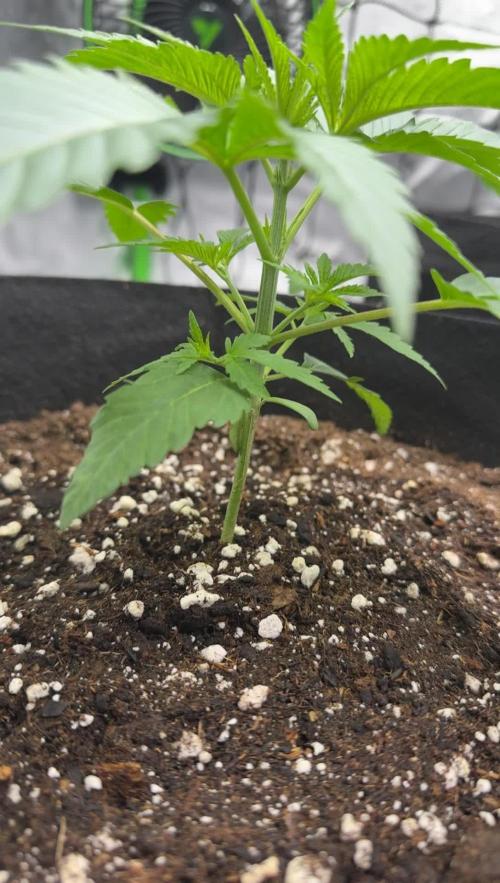
Week 4 , Bigger Babies ? They’re Working On Their Side Branches & Keeping Great Structure 💪🏽 . Space Queen Is Definitely The Bigger Monster For Now But That Can Definitely Change After Topping ✂️🍃 Whipped Biscuits Starting To Show Beautiful Symmetrical Branches 😍 I Think She’s Going To Surprise Me


Likes
23
Share


@Kitties_and_Colas
Follow
~_~_~_~_~_~_~_~_~_~_~_~_~_~_~_~_~_~_~_~_~_~_~_~_~_~_~_~_~_~_~_~_~_~_~_~_~_~_~_~_~_~_~_~_~_~_~_~_~_~_~_~_~_~_~_~_~_~_~_~_~_~_~_~_~_~_~_~_~_~_~_~_~_~_~_~_~_~_~_~_~_~_
❤️💡🌱😽💨
Business has been on fire lately so we haven't had any spare time for social media..a good problem to have but not so much for the plants. Thankfully these girls have been completely self-sufficient until now. We just started showing signs of magnesium defiency and will be giving both plants a full dose (5ml/gal) later this afternoon...they're not getting as much sun as we'd like but its the best we can do with our property layout..this will prob hurt our yield but it is what it is.. not too much else to report, we've been straight out with work for weeks lol..thanks as always for dropping by and happy harvests everyone!! ❤️🌱
~_~_~_~_~_~_~_~_~_~_~_~_~_~_~_~_~_~_~_~_~_~_~_~_~_~_~_~_~_~_~_~_~_~_~_~_~_~_~_~_~_~_~_~_~_~_~_~_~_~_~_~_~_~_~_~_~_~_~_~_~_~_~_~_~_~_~_~_~_~_~_~_~_~_~_~_~_~_~_~_~_~_

Likes
152
Share


@BioBuds
Follow
The end of the fourth week. Only 2,5 to 3 weeks to go, since this is the FAST version of Gelato 33 by Advanced seeds.
Last week temps were better, so that was a lot better to manage. The smell is a different story. We are trying to combat it as we speak with a double filter which my friend still had from a previous grow.
The ladies are performing, however, because this is a monstercrop with many budsites, none of them will be very big. We anticipate a lot of cutting come harvest time.
The stickieness and smell (cookies, dough, herbs, spices, gingerbread, vanilla) promise a lot to make up for that hopefully!!
The middle plant that seemed to go fastest, now looks like to have the hardest time flowering. Her more advanced stage of flowering as a bigger clone, made it harder for her to return to veg, which she never really did.
This seems to make her want to rush to the finish, as she is already browning the pistils. Also these buds seem more flakey, popcorny. As if the many flowers and grapelike bundled growth was too much for her.
I put the light a little closer, to help her fatten up in the time she is given. I never expected the two 'runts' to outperform the mighty middle clone, but hey seem to fatten up and age much more nicely.
So for now, prelimenary tip: make sure all your plants are completely revegged before flowering and consider that faster flowering species might have some ruderalis ancestry that might siderail all your lighting intentions and remains in flower what ever the growers lighting schedule.
So with at least two more weeks for the two outer plants, and well see how many for the middle one, we are going to make them as comfortable as possible the final push of this flowering.
Thank you for following and see you next week!!

Likes
9
Share


@Soskar69
Follow
This strain had a very strange behaviour. It was the first to germinate, and at first had the fastest growth. But at the 3rd week she started flowering. I've done some LST, but after entering in flower, the plant stopped entirely to grow, and I was left with only 5 branches. On the other hand, now the colas are very big, the biggest I had ever grown. They are very thicc, sticky and dense. The smell it's very delicate, a lil minty I would describe it.

Likes
16
Share

@PPFDaddy
Follow
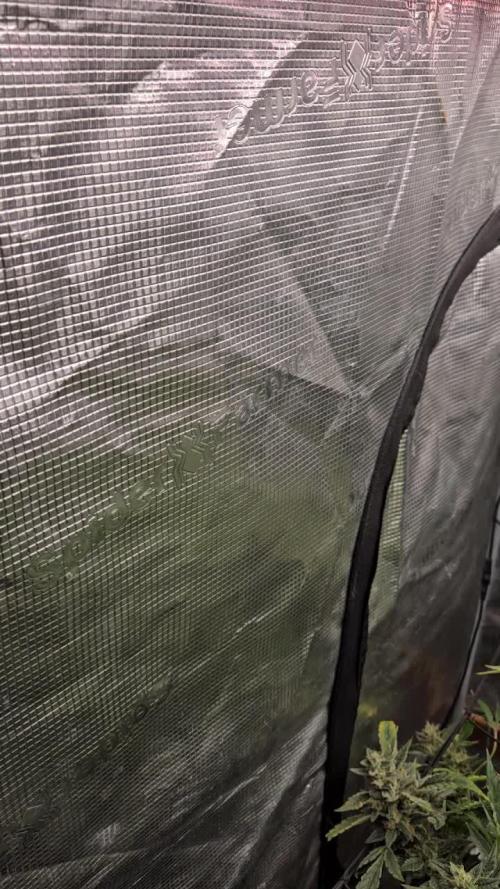
Week 13 for our Runtz, just like I said earlier. She’s officially been moved to center stage, and now all eyes are on her, especially with the auto-watering system.Since I had four spare drippers, because the other plants have been removed, I decided to run all four into Runtz’s pot. There isn’t a single patch of coco outside the reach of those four drippers, so no more “dry corner” excuses.Feed strength is steady as usual at around EC 1.3, and humidity is way more manageable now. I can keep it around 55%. Temperatures sit at about 23 to 24°C, so everything is nicely in range for flowering tops.It’s actually crazy to think she used to share the same tent with three other roommates, because since they left, the space looks like it was custom-built for her. The plant is happy, I’m happy, so let’s keep it rolling. Tips are always welcome, and happy growing everyone.