


Likes
Comments
Share


@GnomeMoe
Follow
Starting into Week 7 Flower, week 13 total
Mandarin Cookies smelling out of this world!
Very nice and sparkling trichs!
Silver Kush #1 is filling in and getting some nice buds, #2 is pretty far behind. I’ve got a feeling #2 might be destined for the hash bag. Not much weight on that little lady yet.
3 - Madarin Cookies are two in back and one in center;
2 - Silver Kush are two up front;
2 gallons water/nutes per 5 plants, alternating with plain water (just calmag, malassis, Ph. 6.4) every other day.
Ph.6.4
(1.5 C.F.) Fox Farm Ocean Forest, mixed with (1.5 C.F.) garden soil, fills (5) 5 galllon fabric pots perfectly. (50/50 mix.)
Again, The new version of Spider Farmer SF-4000 is an awesome light, for anyone wondering.
Can’t say enough good things about this light!
This is my first LED, so still trying to figure it all out. I ended up moving the light higher up, to about 18” from the highest buds, to stop the curing and mild heat stress.
Power outage was a long few days, but the plants seem to be bouncing right back from it. Quality doesn’t seem affected, but end weight might have been hurt slightly.
Oh well... what can ya do!


Likes
13
Share

@masterofsmeagol
Follow
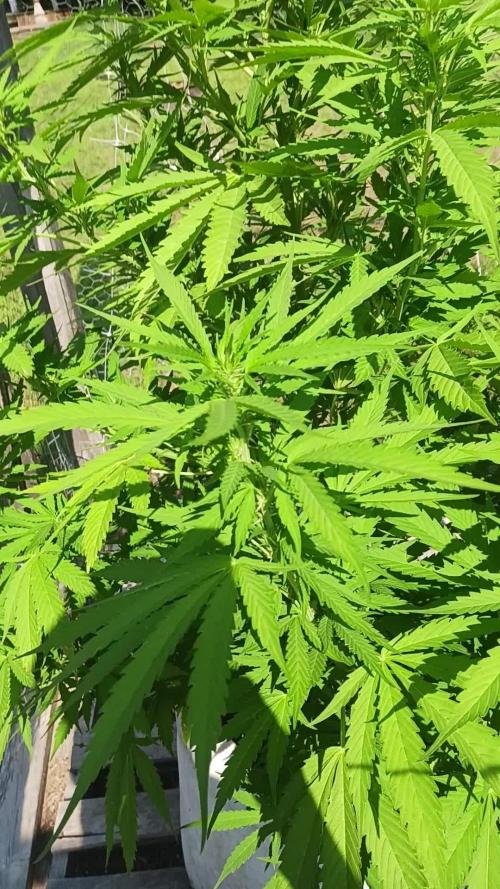
7/20 Went over this morning to plants soaking wet and heavy rain. Went back around 4pm and plants actually look really good. The rain has stopped for a bit and the girls looked great. Apart from some septoria leaves I needed to defoliate on the first plant I treated. I also noticed a few others on other plants so it's spreading albeit slowly. I treated the three in the middle with their second dose of Plant Doctor at 3tsp/1gal. One gallon administered to each plant via root drench. I think I may treat the other plant showing signs with a diy Dr. Zymes using citric acid as the active ingredient. That way I Gould start treatment right away without having to rely fully on plant doctor. Plus it would kill any pests. Ive seen damage but the birds do a number on them. I dont want to spray my plants with a bunch of chemicals if I don't have too. I shouldve replaced the pallets and cleaned the cage better. I think I did a good job sanitizing as I have no wpm. Just this septoria I probably got when the lady mowing the lawn cut all tjis fucking grass and blew it in my pen, throwing bird seed and I'm sure tons of disease into my grow bags. I literally had to harvest a bunch if fucking sunflowers. It looked like my plants had been mulched. Just with small disease carrying shrubs. At some point some of this stuff has to be on purpose. You CAN'T be that stupid. A couple kushes in the back look hungry. I think I may need to up my feed. I've written to much. I'll keep this updated. Thanks if you made it this far.
7/21 I guess it rained last night. Oh well. It was blue skies for hours before dark. It must've rained late/early morning. I'm sure the app of plant doctor will be fine. Like I said I'm considering using citric acid as a foliar spray to help with the septoria and clean up any pests. I don't have enough pests to warrant spraying. I just don't want to put all my eggs in the plant doctor basket. Today is overcast and windy. The wind has really assisted in spreading this virus. I remove anything I see infected immediately and since these plants are reveges they have plenty of leaves. Plants are really stretching. I know I talk about the septoria a lot but realistically if someone looked through my garden they'd have a hard time spotting it. I don't want to exaggerate the problem but I don't like dealing with ANY fungus or molds.
7/22 It was 55° this morning when I went over. I defoliated some septoria leaves and a few that were fading or damaged. I saw almost a whole leaf eaten so it's probably a good idea to move forward with citric acid. I can add that to the plants I've already treated with plant doctor. This is the first year it's been so noticeable. It's the reveg 10th planet that started this off. Oh well. I've dealt with MUCH worse. Plants LOOK good (other than septoria leaves (on bottom of plant). Today is water day for me but it's been raining and it's a lot cooler today. Bags still had weight to them. I want them to have a proper wet dry cycle. Temps top out at 75° so I'll monitor during the day and if something NEEDS WATER I'll give it to it. I'm suprised I have ZERO WPM. The septoria is much more identifiable but pm is usual present in these conditions bur I don't have a spot of it. I may do some defoliation today. I also need to add supports for flowering but one thing at a time.
EDIT: Went over around noon. 70°. Bags seem to be holding weight (it was easier to tell as ONE plant was substantially lighter than the rest) so I decided to hold off on watering. At least until tonight. There are three plants (at least that are going to NEED water). They look phenomenal now though and we've had lots of rain. Plan is to go over later and get the light ones and mix the water for the others so I can administer it in the morning quickly. I have an early doctor's appointment but I don't to overwater or water unnecessarily just because. But when you grow alone sometimes you need to do things when your able. I have people there that would help if I asked. And I have before but its late . I'm very grateful. I defoliated quite a few septoria leaves. They were all from the bottom of the plant. A couole wete bottom interior. I know there are worse things to contend with but still a pain.
EDIT #2 WENT BACK AT FOUR AND PLANTS LOOKED FANTASTIC AND STILL HELD WEIGHT. THE REVEG MK ULTRA IN EARLY FLOWER "MAY" HAVE STARTED TO DROOP AND "SEEMED" LIGHT. THE LARGE SPECIAL KUSH FUETHEST IN FLOWER BY THE DOOR WAS ALSO EXRRENELY LIGHT. I HAVE AN EARLY DOCTORS APPOINTMENT BUT DONT WANT TO OVER WATER MY PLANTS JUST BECAUSE IM IN A HURRY. ITS COOLER THIS WEEK. 70 TODAY AND HIGH OF 80 TOMORROW BUT DAD SAID THATS NOT UNTIL THE AFTERNOON. I MIXED UP ENOUGH WATER TO WATER EVERYTHING IN THE MORNING IF IT NEEDS IT. I HAVE AN IMPORTANT DOCTORS APPOINTMENT EARLY THAT WILL TAKE ME AWAY AND IM FEELING A LITTLE ILL SO I WANTED TO GET DONE WHAT I COULD TODAY. WATERED THE TWO THAT NEEDED IT WITH TWO GALLONS A PIECE (30GAL REVEG MK ULTRA AND THE BIG SPECIAL KUSH IN FRONT I DIDNT TOP THATS FLOWERING THE FASTEST. EVERYTHING ELSE CAN WAIT.
7/24 Surprisingly the plants still held weight this morning! The looked pretty good too! However its going to be highs in the 80's for the next 7 days. Since the plants still had some heft to them I watered everything just a gallon. I gave the 10s a half gallon and skipped the 50gal container plant. I think this is a good happy medium. I'm still seeing random septoria leaves but still no WPM. I defoliate daily sometimes a couple times. I need to get a minute to myself and add a foliar spray. I'll start with a dih Dr. Zymes while I'm looking into other products like bicilus (i have bt but its a different bicilus) or trichodermia. I need to feed sometime this week too.
7/25 Plants looked great this morning. I watered the 10th planet on the end that hadn't been watered in forever. I think I had been overwatering during those 100° days. I didn't water today as everything looks great and they don't seem to need it. I'll check later today. I did water the pink kush beside the 50 as it was much lighter (1/2 gal) to get it on par with the others. I'm starting to see pest damage as well so I think an app of Dr. Zymes would be a good idea. Both for pests and septoria. Plants are REALLY stretching. One special Kush is far ahead of the others.
EDIT:WENT OVER AT NOON AND 4PM. PLANTS LOOKED GREAT APART FROM MIRE SEPTORIA ON THE 10TH PLANET. I NEED TO WATERING DIFFERENT IN THESE TEMPS. IT WAS BREEZY AND 80° BUT THE BAGS DIDNT FEEL TOTALLY LIGHT AND THE PLANTS LOOKED AWESOME! THE HUGE EARLY FLOWERING SPECIAL KUSH IS PRETTY DAMN LUGHT BUT ITS PRAYING AMD LOOKING GREAT. I DECIDED TO WATER AND FEED IN THE MORNING AND HOPFULLY APPLY A DR. ZYMES PRODUCT ON THE ENTIRE GARDEN IN THE EVENING. PLANTS LOOK HUNGRY AND I HAVE RANDOM PESTS. ITS MOSTLY FOR THE FUNGACIDE ASPECT. PLANT SOCTOR SEEMS TO BE WORKING GREAT ON TWO OUT OF THE THREE I USED IT ON. THE THIRD IS A REVEG AND HAS TONS OF FOLIAGE I NEED TO ADDRESS AND CLEAN OUT. IT SEEMS LIKE IT WILL SPIT OFF SOME SEPTORIA LEAVES A DAY OR TWO BEFORE ANOTHER APP IS DUE. I'M LOOKING INTO MY OPTIONS. IF ANY OF YOU HAVE A SURE DIRE WAY TO DEAL WITH LEAF SEPTORIA IN EARLY FLOWER HIT ME UP! IM NOT TOO WORRIED THOUGH. I CAN SUPPRESS IT ENOUGH IF I HAVE TO EVEN IF I GOTTA SPRAY THE LEAVES WITH THAT 9.0PH ALKALINE WATER.
7/26 Supposed to be REALLY hot with thunderstorms. I watered the two thirstiest with a gallon and a half. Everything else got a gallon (but the 10th planet on the end that was still heavy and the 50). I fed everything too. I SHOULD'VE done the DIY Dr. Zymes spray but I wanted to keep feeding and adding an unknown foliar spray seperate in case of any reactions. A day before plant doctor is due to be applied again the 10th planet in the 20 starts showing signs of septoria again. I've defoliated quite a few septoria leaves. I'm not giving up. I assume I'll do something tonight and I MAY just look to see what I can find on Amazon. Luckily my plants still look beautiful. I hope it continues and I can stay on top of it.
7/27 Wow everything looked amazing this morning. EVERYTHING. The runt in the 50 has septoria but it was such nice fine Kong branches. I haven't treated tjat plant with anything. Plant Doctor app is due tomorrow. That product is working wonders and saving my crop. I'll pull a leaf or two here or there but this keeps it suppressed at least. For the most part. I think I might just treat everything with preventative doses and ANYTHING I've seen with a spot a cure dose (even though I know it's not "cured" but it's "supressed"). Plants I think are almost over the stretch. I have one special kush pheno that is much further in flower than the others. I can't wait to see what the flowers look like.
EDIT: WENT OVER AT FOUR TO CHECK ON THE GIRLS. THE REVEGS ARE A LITTLE DROOPY AND A LITTLE LIGHT BUT THEY CAN MAKE IT UNTIL MORNING. IM SURPRISED BY THE DIMINISHOMG NUMBER OF SEPTORIA LEAVES IM SEEING AND IM WONDERING IF THAT HAS ANYTHING TO SO WITH THE CUT DOWN ON WATER. IM CONSIDERING TREATING EVERYTHING IN THE GARDEN TOMORROW WITH AT LEAST A PREVENTATIVE DOSE. IM STILL PLANNING ON DOING THE DIY ZYMES NEXT WEEK THAT WAY IT ATTACKS IT ON BOTH FRONTS. TOMORROW WILL BE THE THIRD APPLICATION FOR THE 10TH PLANET REVEG. I'M VERY GRATEFUL FOR MY GARDEN AND HAVING THE TIME TO MAINTAIN IT. IM SUPRISED I DONT HAVE PM THIS YEAR BUT THERES NOT ONE SINGLE SPOT. KNOCK ON WOOD. IF I DO ZYMES ILL PROBABLY HOLD OFF ON BT. ITS EARLY FLOWER. THE MAKE IT OR BREAK OT TIME. THE TIME ALL THE THINGS THAT CAN RUIN YOUR YEAR COME REARING THEIR UGLY HEAD. IM GOD THOUGH. THIS YEARS GOING TO BE GREAT. I CAN FEEL IT. IT IS DONE.


Likes
3
Share


@RunicKevin58675
Follow
63 days of flowering have passed, according to various colleagues they are 1/2 weeks behind on the swelling. But to me they look squat enough to pick up. Quite evident smell of sweet Hashy. Fed lightly with Bio Bloom but it was more of a rinse. 2.22l per day for 6 days, including 2 days put 1 drop of Bio Bloom in the irrigation
Likes
11
Share


@ZombieKushAddicted
Follow
to view this lamp or any other marshydro product go to: https://instagram.com/marshydro_aliexpress?igshid=YmMyMTA2M2Y=

Processing
Likes
49
Share


@Ganjagrandaddy
Follow
Update: A productive and busy week in the farm this week.
FFT#8 Got moved into the same tank as the other plants. Shebhas now thankfully started producing new roots and top growth too. With 2 weeks to catch up with her counterparts from germination alone , she jad a tall task ahead. Now with the recovery time and damage she took , her path is even more determined and set. I am hoping another week will give her some height to at least be flipped as her friends need to get into their flowering cycle now.
FFT#9 Is responding to her supercropping well and staying put now. She jas a nice sized canopy forming of around 2ft so far . I am mindful of the stretch at this point so want to set her up into a good foundation for tall colas when i flup them. The strainnis very easy to work with and tooknfhe bending and supercropping with ease. So far it is a dream to work with. She is starting to smell "pissy" as most do at this point so all good so far.
FFT#10 Is the biggest plant in the room at this point. Hwt stems are very thick and strong looking. Leaves are a nice dark green and very thick and large on her fans. They all had a defol earlier in the week and she has quickly replaced so much of her leaf matter already. A nice healthy and vigerous plant. She will be flattened a little more for the flip so I can manage her frame better.
All told these ladies are proving to be great strains as the other have been and I am looking forward to seeing what they can harvest too now.
Be well folks

Likes
7
Share

@Terp_Turkey
Follow
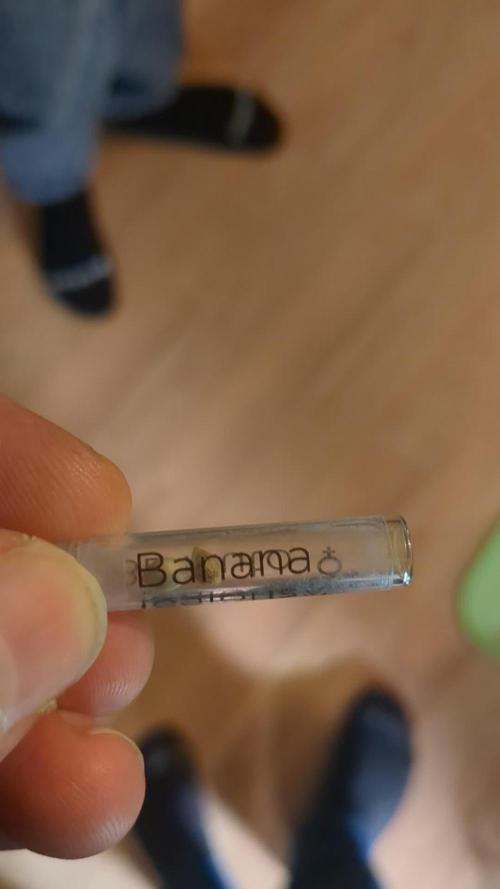
Should be about 80 days from when the seed comes up. This is my first time running Ethos gear and I'm pretty excited. Can't wait to see the quick results. The other plants I have it seems like I've been growing them for an eternity because it's been so cold in my basement. Hopefully I can give this gal a better start.


Likes
50
Share


@Rwein93
Follow
Ciao ragazzi e bentornati qui con me e le sorelle Limonose 🍋
Tutte 3 hanno smesso di crescere, la numero uno ha una struttura incredibile,💪 mi sono pentito di non aver fatto Lst su tutte le sorelle.🤦♂️
La numero 2 è alta e ben strutturata ma ha una sola cola bella grassa.
Mentre la numero 3 sembra più avanti delle altre con quasi tutti i peli arancioni e i buds di media grandezza.
Le cole principali delle altre invece misurano circa 3/4 cm, ma sono ancora parecchio indietro👍
Il colore è standard! Niente di particolare bei buds verde chiaro e pistilli bianchi ma sembrano molto gelide🤙
L odore delle sorelle sembra diverso tra di loro. La numero 1 ha note accentuate di diesel e nocciola, la numero 2 ha un profumo aspro tipo mapo e la numero 3 ricorda un dolce cremoso al limone 😋
Eh niente ragazzi! Aspettiamo che loro ingrassino per bene!👊
Grazie a tutti per aver guardato e restate sintonizzati per nuovi aggiornamenti.🙏
Buona settimana e felice crescita 🌱 🌱 🌱
Likes
Comments
Share

@Decimotox
Follow
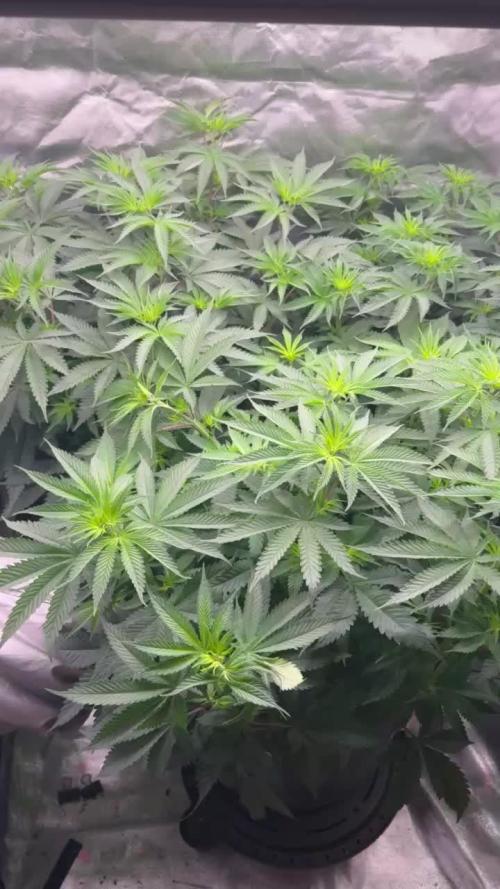
End of week 7 for DL1/2 and E4.
Start of flowering for E/1/2/3! I flipped those girls 3 days ago. Will be transplanting DL1/2 and E4 today after I post this update, so next week's update will have the start of flower for those girls as well! DL1 especially is showing her hunger, so it's definitely time to transplant! We pushed it out a few days longer than I'd have liked, but it's ok.
We're looking good overall. The Eucalypti (1/2/3 especially) are looking insanely healthy. They seem to have taken to their new soil well and are loving the silicore supplement from Solfire that I've worked into the waterings. Can't wait until I can buy more of this silicore stuff. The sample won't last me long lol.
In about 10 days, I'll do a heavy defoliation on E/1/2/3 and check for herms/sacs; then another, lighter defoliation 2 weeks later around week 4 of flower. Smooth sailing after that. Haven't seen any signs of sacs in the preflowers, but we'll see what we get in a couple weeks. I'm not even close to the best grower in the world, but I definitely feel like I've found a great recipe for success. This might've been the least amount of LST I've ever done on plants to get ~10-12 tops per plant, which is usually my goal. I would love to find a keeper pheno in a grow sometime and keep one giant mother plant, or even just train one plant in my 3x3 and fill the whole thing out. But for now, I'll keep going with three in the 3x3 lol. Should be another great harvest when all is said and done; fingers crossed no major issues. Humidity and temp will be my biggest challenges this summer. I likely will have to contend with 60+% humidity in flower. It's gonna suck. But we're going to persevere...somehow.
Likes
37
Share


@Aedaone
Follow
The temperatures, humidity, height, and watering volume(if measured) in grow conditions are all averaged for the week. The pH is soil pH. Any watering done by me is well water which is 7.6 pH and 50° F. Coop Poop, Feather Meal, and Soluble Kelp are ml/gallon of soil top dressed. Everything else listed in nutrients is ml/gallon of water fed to plants without checking the solution Ph.
Day 1 we had a high temperature of 85°F with mostly sunny skies. The girls are happy. I think I missed hitting the nutes hard for mid flower.
Day 2 we had a high temperature of 79°F. We missed the rain, but had a big dew and it was 90+ humidity. I watered about 5 gallons each.
Day 3 we had a high temperature of 78°F. It was mostly cloudy and super humid, but again no rain. I watered about 5 gallons each. I fed coop poop at 75ml top dressed and Soluble Kelp 50ml top dressed.
Day 4 we had a high temperature of 89° with clear sunny skies. Humidity is still up. I watered about 5 gallons each pot.
Day 5 we had a high temperature of 88°F with mostly sunny skies. I watered about 5 gallons.
Day 6 we had a high temperature of 91. Skies were clear during the day. I watered about 5 gallons of well water.
Day 7 we had a high temperature of 91°F with mostly sunny skies. I added 160ml of molasses to top of pot and washed it in with my watering wand. I watered about 5 gallons. Run off isn't an issue. The girls are rooted through the pots into the ground and the loved the K in the molasses.
This week was a success. The buds are filling out and the smell is incredible. Like super loud lemon orange tang. They're sweet and the lemon mandarin orange smell can't be missed. I'm a little disappointed at the stretch and I didn't blow up the buds. I'm suspecting a combo of these getting more shade and not getting the right nutes at the right time. Even with all that they have lots of frosty buds on them.

Likes
8
Share


@mikearon
Follow
April 1st - Day 44 : All good nothing to declare
April 6th - Day 50 : Growing good.

Likes
7
Share


@Madman2020
Follow
14APR- 20APR
70klux burned plants and cause leaf temps to hit 87f
Moved lights to 12 inch 50-65kLux
and leaf Temp was at 82

Likes
3
Share


@Superfly0303
Follow
White widow auto only gave about 25g but basically all of perfect nugs. Anti auto people could be converted from her, I contend. Big blast of berry taste, giggly, lifted effects. Very frosty, plump nugs.
Special Queen yiekded easily 3 and a half ounces and her look is great. So far the tsste isnt what white widow is, might lift with curing. Using grove bags.
Likes
19
Share


@Mzsnoop2001
Follow
Está semana se siente bastante el aroma de whithe widow y blue moby, mientras que moby Dick sano y viene en viaje entrando en flora. Me quedé sin medidor de ph y sufren un desvalance de ph, más que nada ww pero ya lo voy a solucionar! Muchas Gracias por ver! Acepto críticas y concejos.


Likes
7
Share


@Mrg7667
Follow
Rough week! Found two major hermie issues Pheno #5&2. Could be because they where the OGs and they just had a long stressful life. Really bummed because they where the biggest in the tent for sure. Have a coupoe tops with orange hairs so maybe got pollinated, all i can do is keep my eye on them!
Besides that everything is looking so great had to re-train and move canopy around but still have full coverage. Getting allot more tops

Likes
4
Share

@Ninjabuds
Follow
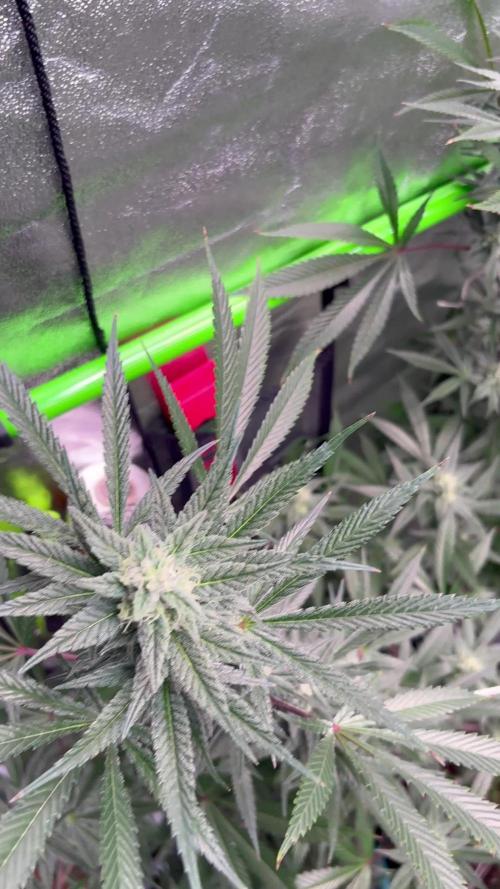
This plant stacked all over very well I was kinda surprised it also has some really great look bud structure it’s gonna be some fire idk if the buds will be huge but they will be some a1
Likes
10
Share


@JohnnyGrower
Follow
Esta semana los nutrientes siguen de la misma manera, es notorio el exceso de Nitrogeno por ende se disminuira en los próximos riegos, se realizaron podas apicales en los clones que no les hice anteriormente para que alcanzaran más altura. Dentro de esta semana instalare la malla scrog Kanovi para guiar los vigorosos brotes.
Además esta semana ya esta retomando el crecimiento la planta madre variedad Tangie la cual cumplió su ciclo de propagación por esquejes y porfin florecerá.
Leo comentarios, opiniones y recomendaciones


Likes
49
Share

@masterofsmeagol
Follow
6/1 I'm anxious to get my plants in their final homes. Another 90 degree day today and then it will be cooling off with some showers. I plan to take advantage and utilize that to make the transition. I have some small burns on a couple plants bit considering the weather we've had its nothing. Temperature swings 50 degrees. I hope these girls do OK outside. I was tired and stoned last night and I accidently topped a plant I had already FIMed. Oh well. Transplants soon. Supports screwed in after the heat. Plants have been handling this weather like a champ. Big thick healthy stalks.
UPDATE PUT THE PLANTS IN AROUND 730. Cutting down on light hours I'm poverty close to where we are. It was 95 today. Plants have suprisingly little burning. My fan was taken so they go without that tonight too. In the next few days it's going to cool down and that's when I'll transplant. Only thing left before transplant is sanitizing trellis and supports. Easy peezy. Especially if it's supposed to be in the 50s. And people dent climate change lol. I'm hoping that all this adversity makes my flower a higher quality. I'm glad to have the quantity to pick the best phenos for the BIG POTS. Im trying to stay excited but it's just so dumb hot. Oh well. If the plants can do it so can I. I'm planning to give them some kelp me kelp you next watering and may start some light organic nutes.
6/2 Phone doesn't like uploading my videos. Broke record high temp yesterday 95 and tomorrow we will break the record low 50. Plants withstood the heat well and are doing great. Transplant soon. They were a little light but I held off on the water. Plan on it tomorrow. May transplant tomorrow. I have several videos that haven't uploaded. I thought they did but I was wrong. Oh well.
UPDATE: Forgot to water. Some were light and others could've held off. Did the half a powerade bottle ahain. A litt ke less on the heavier ones. However I'm looking to transplant into final homes tonight and into this weekend. I sanitized a fifty and a forty so my bags and two pots are sanitized. Cage is sanitized and ready and pallets are sanktized and in place. The 40 and 60 fit PERFECT in the small space left from the pallets. Plus the plants always lean the opposite direction so things should go smooth. Only thingvleft is sanitizing stakes, bamboo, plastic garden stakes and all the other plastic training stuff. I'll just soak it while I transplant. Gotta mix the soil first too though.
UPDATE. Heat went higher than expected and hit 90. I figured I'd go back around three and screw in suppirt stakes and begin getting everything ready for transplant (i.e. supports, mix soil, sanitize trellis) before I transplanted tomorrow MORNING was what I had planned. Unfortunately we got a huge thunderstorm with a shot ton of rain and it's gonna continue throughout the night. I think this is God's way of telling me to take a break. I can get up early and get those support stakes screwed in. Then when I get back from the wife's doctor's I can do the transplants. I'm trying to break the labor up into manageable chunks. Looking at my other diaries I can see that my plantscare fine in their three gallon homes. It'd a little disheartening seeing such big clones that I started so much earlier on the other diaries. However I always was fighting SOMETHING (usually more than one thing) and last year was a shit show. At least this year I stay away from anyone else's cannabis any clones and I'm extremely cautious. I've seen my cousin out perform me multiple times with healthy plants like this I'm excited to see how it goes. I really needed the break anyway but tomorrow morning the stakes will be in. Hopefully they'll be outside.
6/3 Broke the record for low days after breaking record for highs. I saw it 94 yesterday and the day before. On the way to my grow at 6am it was 44 degrees and it's not warming up much. Fifties at best. Rainy. I left the door closed. The big door on the otherside got opened as the other end of the garage neededcto he used. If the rain let's up I'm going to set up the grade stakes so I can transplant in the morning and throughout the day. I think I'm going to light dep a couple of them and leave them in the 3's. We'll see.
UPDATE: At 12:30 the temp today was 44. Yesterday it was 94. I can't believe this. Plants are doing great though and are in the garage under lights for the day. The BIG door was open part of the day. Didn't take any pictures (or even enter the grow area) as I sanitized the last 40 gallon pot and a bunch of grade stakes. I drilled the grade stakes to the pallets in the front. The first row is done. Just need to sanitize the plastic trellis itself and finish attaching the other grade stakes. I don't need the fill trellis up by transplant. I just need the bags to not knock over and have SOME support. I'll be back over there either to tonight to put more supports in or tomorrow when I actually plan to start transplanting. I'm getting excited. After dealing witb the stiff that I sanitized I didn't dare go fuck with my plants so I looked through the window. I'll finish sanitizing the net tomorrow. These plants look great. I'm wondering if doing the two diagonal I poles with zipties actually works. It would save me some kone for sure. I'll definitely update in the morning.
6/4 It's warmed up to a balmy 44 degrees. My plantsxare in the garage still. Weather sucks this whole week but after this heavy rain it should be perfect weather to transplant these girls. A little to chilly but it will warm up and I need to get this shit done. I'm trying to do to much at once. I need to just out dirt in bags and get them outside. I'm glad I waited until after this craziness. Breaking temp records for high one day then breaking it for low the next can't be good for the plants. I'll update what gets done today. I may mix soil or I might wait until tomorrow. It will let up some then. Plants still look fabulous 👌
6/5 50 degrees still raining like hell. Rain until Friday. Plants are inside under the onecworking light. Lots of indirect light through the massive windows though. I'm planning on mixing soil today and tomorrow and getting bags and pots half filled. Just trying to break the labor up into manageable pieces. It's probably a good thing I didn't put them in their huge containers before all this rain.
UPDATE: MIXED SOIL 1/3 of each (FOX FARM OCEAN FOREST, HAPPY FROG, AND ROOTS ORGANIC 707). I prepared I believe 11 containers for transplant. I need to sanitize two more containers and I'm good. I got a lot done. Might go back over. Set up extra cams too. I'm excited. Talked to my commercial buddy amd he motivated me. No reason my plants can't handle this shit. I've just had massive personal shit going on. Friday is the next GOOD day but these girls might go out earlier. I'm checking the forecast. I'll sanitize the other containers in the morning and fill them.
6/5 Today is usually my watering day but shit still seems heavy so I'm going to hold off. Despite that i need to transplant. I think they're wet enough. I could do it today. Plants are looking good and weather takes a better turn Friday. It's not raining hard though. It's just sprinkle right now. I may transplant some today depending on how things go. I'll keep the diary updated.
UPDATE: I went back over with the intent to just mix soil and let it acclimate. I decided to try to transplant one. I grabbed a 10th planet and started to go. I had done a bunch of manual labor already so i wasn't thinking. Of course the fucker was dry and didn't wanna come out ofcthe pot and the root ball pretty much decintigrated in my hand so I'm not sure how that will go. Tried again with the Blueberry Cheese Cake. I thought the roots just might not have been rootbound abdcthat could've been the case. After having another rough transplant I recognized I was tired, all the hard stuff is done and it's gonna keep raining until Friday. I wanted to transplant three and put them outside but with the wind and rain and the difficult transplant I let them sit under the light in the garage in indirect light. I had the doors open for a while. Should be open now but i don't want to have to go back over and shut it. Plus I'm not to keen on getting water on my light. Let's hope for a better day tomorrow. This was the only thing I had going good. Phrple punches are still behind. I've decided I'm oing to light dep ttwo of the plants in the 3 gallon pots. The two shittiest or smallest plants (probably purple punch will be light deped.
WENT BACK OVER AT FIVE AND IT APPEARS EVERYTHING IS ALRIGHT. WILL HAVE CHECK IN MORNING. Vid won't upload. Tried multiple times. I'll try again tomm.
6/6 Waiting for a doctor's appointment when I should be transplanting buy whatever. Everything is looking really good. Despite me disint9grating the rootball in my hands the two transplants look great! When I get back I'm planning to get some more work done. It's still lightly raining off and on but the door is up. I'm lettingvthe soil mix acclimate a little bit too. Hard labor is mostly done. Now the intricate part. Wish me luck. Not sure if it will be today bit I'm hoping.
WENT BACK OVER CAUSE IT WASNT RAINING BUT AS SOON AS I WAS CLOSE IT STARTED POURING SO THE PLANTS ARE UNDER THE ONE WORKING 150HPS AND THE AMBIENT LIGHTING FROM THE WINDOWS. TOMORROW IS TRANSPLANT DAY. I WONT HAVE A VEHICKE SO IT WILL BE TRICKY BUT IM GONNA MAKE IT HAPPEN. Opened doors at 530. Video still didn't upload
6/7 Still raining. It's off and on and a nice rain though. It's 53 degrees at noon. I transplanted two 10th planet's into 20 gallon pots. I transplanted these two a little differently. I put the bags in there final spot I side my cage andctransplanted in the misting rain. The first one came out and seemed to be heavier on the bottom and broke off. I tend to "throw" them in the hole before they collapse. With my anxiety I suck at transplanting. Plus these plants haven't filled the 3 gallon pots with roots yet but i want hem in their final homes and its time to go outside. I transplanted the other two plants indoors and let them have days in the garage with the door open and the light on then protection from the elements at night. I've been doing this for awhile. They would all be outside if the weather wasn't so shitty. This rain is supposed to stop. I'm curious as to what will be the fate of the two plantsci transplanted and left outside. I'm praying and hoping for the best. I also put my back tarp up so I have a wind break between rhe buildings. I stopped working because I didn't want to fuck anything up. Anxiety disorders suck. TOOK A BUNCH OF VIDS BUT THEY WONT UPLOAD. GOES FROM 9% TO 65% BUT ALWA7S TURNS RED "FILE FAILED TO LOAD". I'LL KEEP THE DIARY UPDATED. ESPECIALLY IF I GO BACK OVER. WAS ABLE TO LOAD A COUPLE VIDEOS. I GUESS ITS NOT AS BAD AS I THOUGHT. AT LEAST I HOPE. WENT BACK OVER AT 3 AND CHECKED THINGS OUT. THE TWO REXENT TRANSPLANTS I LEFT OUTSIDE SEEMED TO BE IMPROVING. DESPITE THE FACT I DUMPED A SHIT TON OF SOIL ALL OVER ONE OF THEM. IT SNAPPED A LITTLE BRANCH CLOSEST TO THE SURFACE. ITS STUFF I'LL REMOVE ANYWAY BUT STILL. IM REALLY CROSSING MY FINGWRS AND PRAYING THESE GIROS WILL MAKE IT. With everything i have going on tjis is my respite.IM GOING TO TRY TO SEE WHAT I CAN ACCOmplish TOMORROW. SOME OF THE PURPLE PUNCHES ARENT READY FOR TRANSPLANTING THOUGH. I ALSO ADDED TEO TARPS TO THE CAGECTO COVER THE WIND TOWER BETWEEN THE TWO BUILDINGS. THIS IS GOING TO BE A GOOD YEAR! Shut the door at seven. For some reason the two 10th planet's I transplanted (that fell all over the plant and I thought mightve broke it) look awesome lol. Despite the ridiculous pouring rain. It's going to let up soon and we are do fir some good weather. I'm trying to get everything (that isn't getting light depoed) into the cage. Four transplanted. Ten (I mean 8 more) to go.
Likes
9
Share


@RSAFirstOrganicGrow
Follow
This week I’ve decided to defoliate a bit, I just hope she doesn’t die bcs of it. Had to get rid of some yellowing bottom leaves as well as big, sun blocking fan leaves!
Cloudy weather all week but coming week some nice sunny days are expected again!
She has a nice pungent fruity smell which make me wonder if she isn’t the Sweet Tooth haha.
