


Processing
Likes
Comments
Share


@Skillgrower
Follow
Inicio da 5° semana cheiro a ficar forte e adocicado, ticomas a começar a aparecer exelentes ganhos de resina começa a ficar frosty, foi uma boa semana no geral fortes e saudaveis...
Nunca o cheguei a dizer mas sou iniciante no cultivo nunca tinha treinado uma planta e é a primeira vez com substrato de coco.. acho que ate nem esta mau para a preimeira vez deixem a vossa opiniao.. e obrigado por verem

Likes
11
Share


@Chubbs
Follow
420 Fastbuds
FBT2304 Week 4
Weekly update for these two beauties. From sprout to this point they've grown like Champs. A little calmag issues a few weeks back but over all nothing major. Still spraying PureCrop every Monday as preventive maintenance for pest,mold, or any other topical problems. I upped to feeding to 2000ml everyother day and alternating from nutes to just Ph'd water. Until next week's update grow fam Happy Growing my fellow growers.


Likes
27
Share


@adam_pawloski87
Follow
This week went really great! Plants are looking super healthy today at day 22 from seed!! Today they got a dose of just pure water phd at 6.5 ! Temperature an humidity has been staying pretty stable everyday, staying around 70-75 degrees and 58-61 % humidity!! Can’t wait to see what these girls do this week ! Hope you all enjoy , an had a great safe weekend! Peace love an positive vibes to y’all Cheers 😶🌫️💨💨💨If there’s any questions, please ask me 🙏🏻
Likes
16
Share


@GrowerGaz
Follow
This week are repotted the plants and will move the four in BAC lava soil up to my Dr120 this week. I have just cleaned it and like to leave it empty for a week , move the food source for any bugs. They have just had water this week and are bouncing back from being topped.
The two in dwc are staying in this tent.


Likes
Comments
Share

@majklsoft
Follow
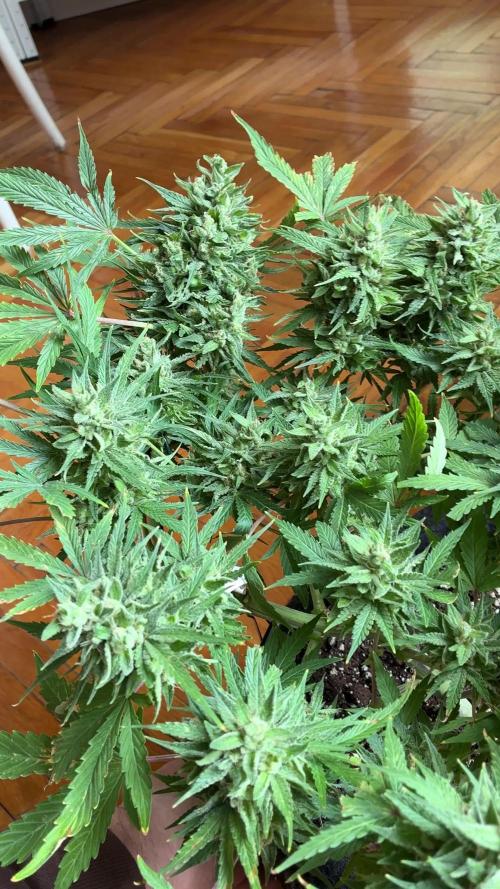
Hey there growmies!
Gothic Remake just released, so there hasn’t really been time to keep a proper diary, folks 😂
Anyway, a lot has changed around my little gal. I had to kick her out of the tent, so she now dwells by the window. I bought her a cheap 50W blue/red spectrum light — around 20 euros — and she seems to like it.
Observing the previous weeks, the recovery is something unbelievable. how she got green again.. nice job little lady
As you can see, the buds are a bit on the leafy side. I’m not sure if I messed something up along the way, or if it’s just genetics. From what I’ve researched, Mephisto’s Grape, which is in her genes, is often quite leafy.
She smells sour, grapey, and sometimes has hints of Hubba Bubba bubble gum.
The main bud is huge though — at least for 50W and my “skills” 🤓
I wish you all a super-trooper summer grow 🤞🏻🙏🌱🌱
Processing
Likes
4
Share


@GrowSmith
Follow
No feed needed this week, had another temp rise though. Excited to see the project to the end

Likes
14
Share


@Black_Widow
Follow
Привет садоводы
мой цветок чувствует себя хорошо
он уже зацвел и вытянулся
и еще наверно вытянется
прошло 4 дня и цветок стал еще гуще и выше
листья переливаются перламутром
красавица растет

Likes
8
Share


@pegas
Follow
El olor es cada vez más dulce y afrutado, 3 semanas y estarán listas para la cosecha.

Likes
2
Share


@MaltaHerbman
Follow
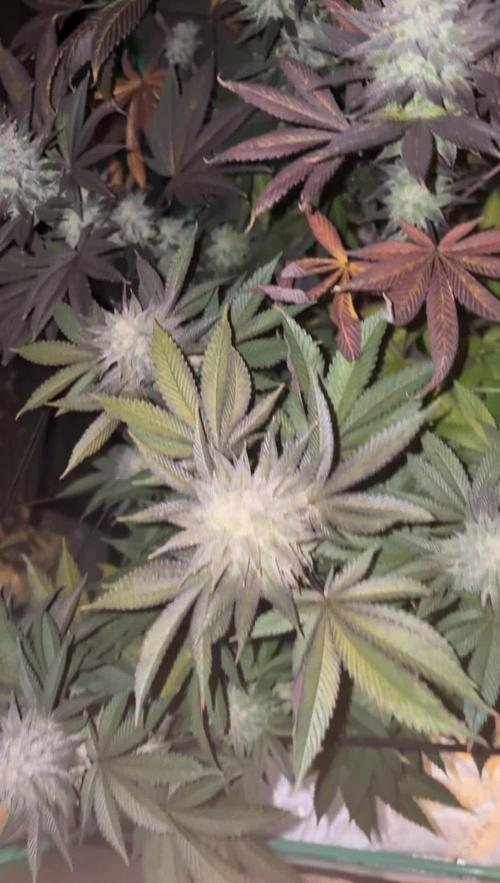
Start of week 3 feeding
Plagron:
Alga grow 1ml per liter
Fish force 1 ml per liter
Power roots 0.50ml per liter
Calmag Pro 0.50 ml per liter
Siilic rock 0.50 ml per liter
450 to 550 ppm
Day 18 had keep same feeding but changed light to 18/6 as soon need to do first topping so plant need to rest.


Likes
10
Share


@Plzgrow4me
Follow
This will be the last week in veg! You can already see some coots forming and their height is upwards of 18 inches. I will switch their light schedule on Sunday and start the bloom. Can’t wait!!

Processing
Likes
13
Share


@kevgrow
Follow
Hey Friends, end of week 9 from seed
Plant #1 is growing big, not too much flower yet
I started noticing a weird smell coming out from the plant. The nutrients I use do not have a pleasant smell but this smell coming out from the plant smells very weird. When i touch the leaf with my finger it leaves a strong smell like Lemon and green mango which is good, but when I put my nose close to the cola it smells weird like wet socks. I searched for mold and didn't see any signs.
The plant looks healthy, humidity is at 51%
Temperature 76 f
This week I also noticed some of the leaf stems close to the light were turning red, only the top ones were turning red so I lowered light intensity and the stems are slowly turning back to green.
Looking forward in seeing some flower development in week 10, will keep you guys posted, see you next week 😊
Likes
36
Share


@GYOweed
Follow
Wow its good i pruned all the fan leaves at flip.
Hit it cytokinins week ago to stop stretch both low ppm drench and foliar later. Lucky i still have room to shorten light hanger to raise lights.
Keeping it 13/11 but now I'll introduce far red led initiator now before dark perdiod. Then 12 12 week 4 and add UV cfl.

Likes
36
Share


@OGTrauma
Follow
A catastrophe happened, The 4 Eleven Roses died from what i expect, veing shadowed by the other bigger plants as i found the corpse of the plants very stretched, like they were searching light (i don't know how to mark this on this platform) . On the bright side there are 8 female examples, 4 g13 and 4 santa bilbo full of hell flowering. There is a bit of plague, but thats also a negligence i caused by reusing soil from the outdoors. Why i highlight this? because, as the plant are near mid flowering, the use of foliar sprays will not longer be a viable option and i must stick with the basics.
Kind regards homies.!

Likes
29
Share


@Ganja_Victoria_Aus
Follow
Keeping my lady happy is a full-time job full of surprises, sometimes heavily exhausting long hours. I'm giving all my love to them. So thankfully, Respect and Love for my family for keeping me able to spend hours daily. 🌅🙏🤙
Unfortunately, grow diaries crash every time I update nutrients and photo 🤷


Likes
7
Share


@Ieiogrow94
Follow
Eccoci qui...
Tutto va per il meglio, questa settimana non ho applicato stress alla piccola, ma ho guardato l'evoluzione che ha avuto dando i nutrienti.
Ora ha un odore davvero intenso ed uno strato di resina pauroso, vediamo come si riprende dalla defogliazione che ho fatto settimana scorsa.
Seguiranno aggiornamenti, grazie a tutti per il supporto🔥🌲❤️
Likes
15
Share


@Siriuz
Follow
Check out the videos guys, she is flowering real good even tho we are not using any special nute like big bud for example, but i really want to try it soon, hopefully!
Still she is doing great and im happy to have her!
How are you doing growers whats up!?
Dont forget to leave a comment
Any suggestion is welcome!
We are happy to learn new things alwas,
Thanks for the support happy growing everybody
Enjoy the footage thanks to Siriuz
Likes
4
Share


@KirbyFarm
Follow
Had to switch the ladies to different lights for reasons undisclosed. They handled it very well and are growing vigorously. Lst was easy on them due to the topping a couple weeks ago. First signs of flower are showing as well.
Likes
6
Share

@420DeepGrow
Follow
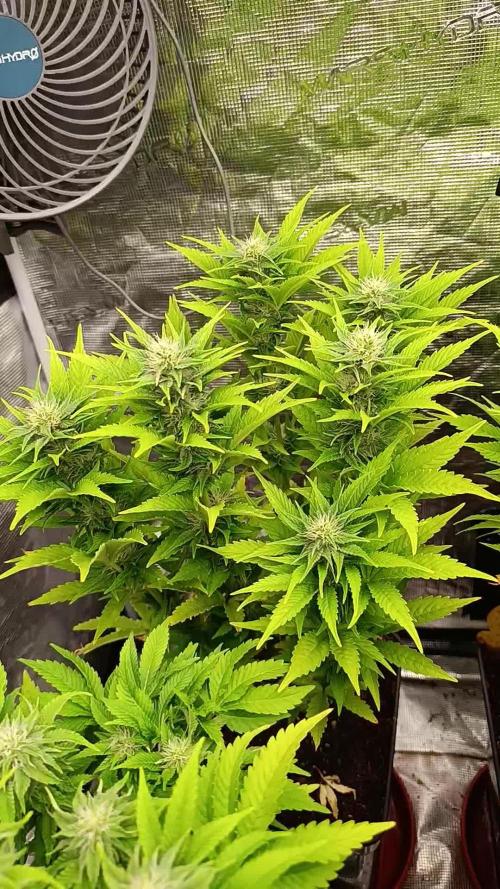
📆 Semana 4:
Con el pH del coco terminando de ajustarse y el entorno radicular ya plenamente equilibrado, la planta consolida su floración funcional. El estiramiento se detiene y los puntos florales se compactan en las puntas, con mayor densidad de pistilos y estructura ya fijada.
Los riegos siguen acompasando la demanda sin acumulaciones, manteniendo EC estable y favoreciendo una absorción limpia. La respuesta aérea se mantiene óptima: hojas firmes, color uniforme y una expresión aromática cítrica más intensa y definida.
Semana de afirmación floral y estabilidad radicular tras el ajuste del medio.
Seguimos creciendo fuerte 💪!