


Likes
Comments
Share


@Pureleelove
Follow
So this week she has started to really put on some chub. She's frosty like a frosty flake. I also just love her light green. Super super light green. But strong dark green healthy leaves still no sign of stress (although I can't really know deeper than what I can see- she might be mashing for some KNF shit-which I rate all plants probably are). I wanted to use supplements like OHN ( Oriental Herbal Nutrient), FPJ (Fermented plant Juice) and trying to create more living soil but I was just very busy with work at this point and did not get to making the pro-biotic supplements. Next grow I have already made some ferments and intend on making more to aid nutrition during the next ladies that get laid.
But Maria's got about 11-12 Big colas, but looking back I would maybe have continued to try to keep the heads a little further apart so more light could break through to the lower nodes. I also think an investment in a proper HPS bulb-reflector would do wonders, I was using a homemade foil device to reflect light back down to the plants (NOT EFFICIENT, or sexy, but ay.)

Processing
Likes
27
Share


@Endriu
Follow
Helloooo Bros&Sis! Ciao!
As you can see this baby likes the net a lot! She is growing like she doesn't have some sort of cage to limits her growth, she simply doesn't mind and do her business, stretching here and there 😍
There's some pre-budsites that will develop into a full scented buds in the next weeks, I hope! Enjoy the video, mates!
See ya, and always thank you for stoppin by. Ciao! :D

Likes
4
Share


@GREENPHOENIX6262
Follow
03/1 - Applied LST last week - thus far no issues - Gave her a top dressing of warm castings - increased nutrient formula by .5 on all nutrients. She will be transferred out of the nursery tent within this coming week and moved into the 4x4 to run alone and prep for clone picking.
03/04 - Transplanted into a 5 gallon pot & transferred into the 3x3 to run alone for clone prep - topped 8 more additional sites - She is running under the 3x3 Sunraise QB3000.
Likes
4
Share


@Schreibwaise
Follow
Nach wie vor nahe zu täglich mit knapp 200ml gegossen pro Pflanze.
Heute sind mir die leicht nach oben gewölbten Blätter aufgefallen, hab die Lichtstärke um 25% erhöht auf 50%, Abstand blieb bei 25cm (Hersteller Angaben)
Letzter Tag der Woche 2, Licht auf 75% und 30cm Abstand

Likes
41
Share


@Fatnastyz
Follow
12-19
Shes aching for some cal/mag. So I gave her some. 5ml and some drops.
12-21
She thankful for the cal/mag, might need some more. 😂 Rough.
Removed few lower not so sites.
.




Likes
10
Share


@bcuzZ
Follow
I think the stretch is going to start now. All are in bloom and developing OK. Leaves are drooping a bit too much for my taste and due to the bushy growth are quite overlapping. But I'll from now just let them grow and try to do as little as possible..
Which is incredibly hard.
Sometimes I just sit 10 mins staring at my girls,smelling their scent and being thankful that I don't have to fear being locked up for growing a fucking plant 😄


Processing
Likes
5
Share


@Deli_Weed
Follow
Va estupendo 😁 una semana más y empezare el flush, para cosecharla al terminar la semana 15
Todas las colitas tienen casi el mismo tamaño se ven de lujo y huelen muy bien 😊

Likes
19
Share


@JeyGanesha
Follow
Undicesima settimana.siamo arrivati quasi al traguardo.la vendemmia si prepara... .il profumo invade tutta la mia stanza.. delizioso,😂😉🤣🤤🤤🕉️
Likes
11
Share


@CanadianFillmore
Follow
Start of flowering week 1. This girl is already bigger then her round 1 sister and she's starting to stretch after just a few days of 12/12 light. The only nutrient difference this grow, will be the addition of sensizym, hopefully it helps pack on a few more grams per plant.

Likes
24
Share

@Oldwied
Follow
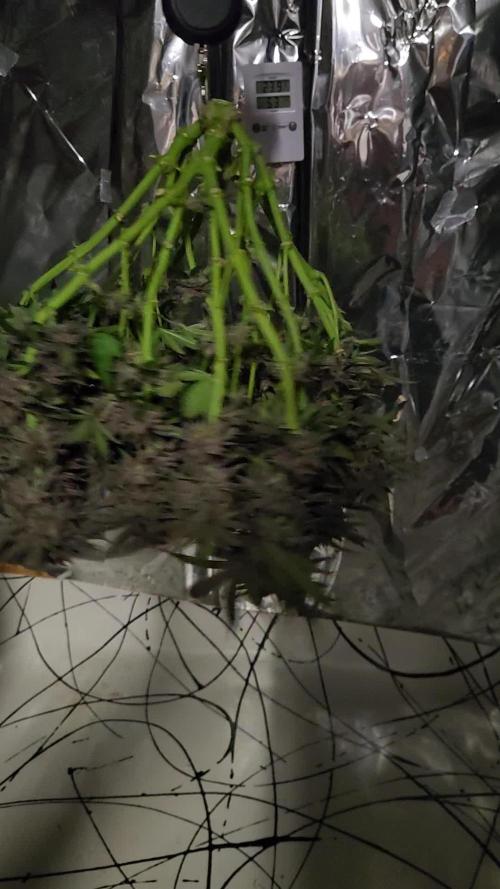
After 3 days of darkness the buds turned in a deep purple colour.
I divided the plant in three, it was hung up and dried at 19°C for 7 days. After that it was dry trimmed.
Strawberry Cola Sherbet F1 Fast Version:
= 109 g buds + 25 g trimm
= 134g


Likes
13
Share

@PEAKYPLANTERS
Follow
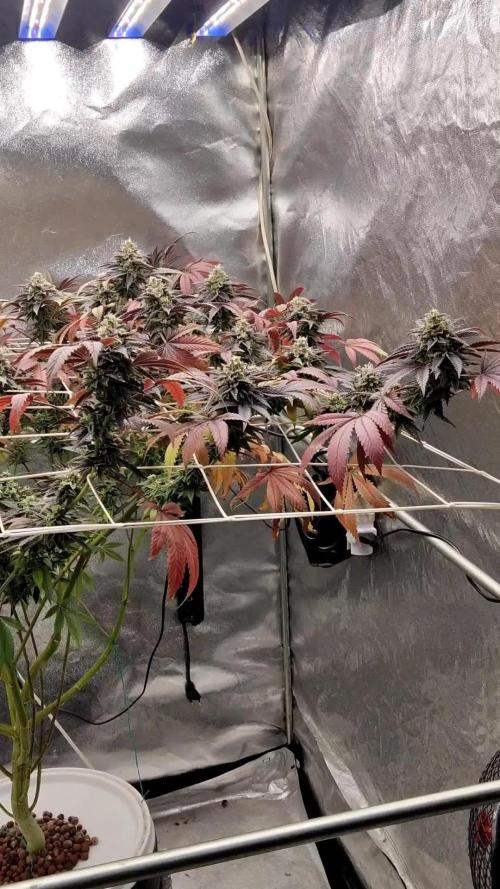
Cuando comencé a cultivar nunca pensé que tendría éxito en semejante empresa, con esta incluso tuve éxito en dos... La primera es alimentar mi boca con una sola planta,Y la segunda fue estudiar, aprender y practicar botánica en el agua...Y créeme cuando te digo que en mi vida nunca me ha gustado la escuela, pero me encantan nuestras plantas y tuve que aprender sobre ellas (por mi cuenta).Esto me hizo comprender muchas cosas, especialmente a creer en mí mismo.

Likes
18
Share
@squalino
Follow
frost banger
la plante m'a surpris. je pensais à vue d'œil recevoir dans les 250 grammes .
mais les tête sont dense et lourde .
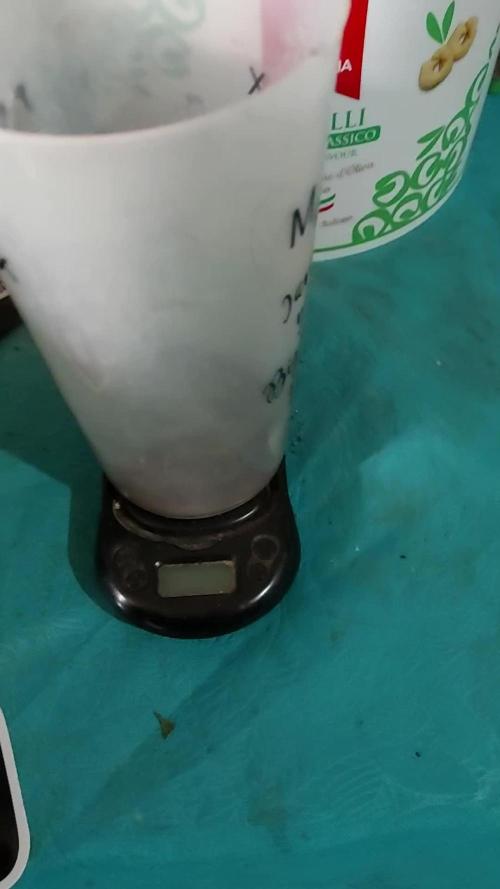
donc resultat final 370 grammes humide . le nombre de trichome visible et impressionnant super plante à première vue . plus que le séchage et la dégustation
la deuxième plante est plus grosses.
donc 1er conclusion
elle a l'air d'être exceptionnelle attendre la suite
Processing
Likes
4
Share


@Mr_nugs_lover_David
Follow
She's an organic beauty haha,I'm giving her all my love man I love this lady,she looks super healthy and strong,very green thanks to the lactobacillus liquid and all the bacteria and fulvic and humic acids of the bat guano and also the mycorrizae that contains florians living organics,she's a happy girl 😍 I suppercroped her so I could uncover a few young branches let's she how she keeps developing,hope you like my work guys peace ✌️ 💚 ❤️ 💛

Processing
Likes
15
Share


@CannabisAprendiz
Follow
Hola , esta es la última semana de floración del seguimiento de las "WAKAS" , Se consiguió lograr un amarilleo más notorio en algunas plantas , estas estuvieron desde el 11 de noviembre solamente con agua , en total tuvieron 27 días sin fertilizantes que solamente se regó con agua.
se cortó este seguimiento el dia 8 de Diciembre guiándonos por la fase lunares con 70 dias de floracion y cerca de 102 días de vida total. Muy contento de poder haber cultivado esta genética que estoy con ansias de poder probar y testear.
dejamos igual un video con el espíritu navideño jajaj...
Hello, this is the last week of flowering of the follow-up of the "WAKAS", It was possible to achieve a more noticeable yellowing in some plants, the latter since November 11 only with water, in total they had 27 days without fertilizers that only watered with water
This follow-up was cut on December 8, guiding us through the lunar phase with 70 days of flowering and about 102 days of total life. Very happy to have cultivated this genetics that I am looking forward to being able to test and test.
we leave the same video with the Christmas spirit haha ..
Likes
44
Share


@Cogollo_eu
Follow
**Encontrarás la traducción a español al final de la descripción**
From/Desde: 29/03/19 || To/Hasta: 04/04/19
From day/Desde día: 36 || To day/Hasta día: 42
You can find the Money Maker Diary here:
** Podéis encontrar el diario de las Money Maker aquí:**
https://growdiaries.com/diaries/25667-gorillamakingmoney-gorilla-vs-money-m
-----IMAGES & VIDEOS-----
Video 1:
Exactly the same video as 2 but accelerated +206% to fix it to 1 minute for instagram.
Video 2:
7 days (36~42) TimeLapse, 1 image each 60 secs @ 30 fps (I think there's a missing day in the middle, GoPro things...)
Photo 5:
Nutrients Used this Week
-----WEEK SUMMARY-----
I must apologize myself for the lack of pictures this week.
I raised a bit the amount of water this week, anyway as you can see at the end of the timelapse video the babies are drinking much more now, and I'm not using enough water. Starting from the next week i will water in shorter periods alternating nutrients and additives.
I finally decided to switch to flowering the first day of the next week, i want to see what size of colas they can generate from this size of plant. I don't wan't to try to create monsters at time, and i think my pots are small for too big plants i think. With this growing i'm just introducing myself to growing techniques and to indoor photoperiod strains.
The day 1 i switched the lights to flowering mode, and as i said the day 5 (1rst 7th week day) i will switch to 12/12.
-----WATERING CALENDAR-----
29/03/19 - 1.000 ml with all week nutrients @ 0.9 E.C. PH5.8
02/04/19 - 500 ml. Just water @ PH6
*****ESPAÑOL*****
-----IMAGES & VIDEOS-----
Video 1:
TimeLapse, exactamente el mismo vídeo que el 2 pero acelerado al 206% para ajustarlo a 1 minuto para Instagram.
Video 2:
7 días (36~42) TimeLapse, 1 image each 60 secs @ 30 fps (Creo que falta un día entre medias, cosas de GoPro)
Photo 5:
Nutrientes usados esta semana
-----WEEK SUMMARY-----
Tengo que disculparme por la falta de imágenes esta semana, y es que no siempre uno dispone de todo el tiempo que desearía.
A pesar de haber incrementado un pelín la cantidad de agua con respecto a la semana anterior, en el final del video timelapse se hace evidente como ya empiezan a beber bastante más agua y lo que les vengo echando ya no es suficiente, a partir de la semana que viene regaré cada menos días alternando nutrientes y aditivos.
He decidido que esta va a ser la última semana de crecimiento, quiero ver que tal se forman la colas con este tamaño de planta, hay que tener en cuenta que las tengo en tiestos pequeños/medios y tampoco es mi intención crear monstruos por el momento. Con este cultivo simplemente me estoy introduciendo a las técnicas de cultivo y al cultivo de fotodependienes en interior.
Con respecto a la luz, el día 1 he cambiado el modo de la luminaria a floración, y el día 5 (primer día de la semana 7) voy a hacer el cambio a 12/12.
-----CALENDARIO DE RIEGO-----
29/03/19 - 1.000 ml con todos los nutrientes semanales @ 0.9 E.C. PH5.8
02/04/19 - 500 ml. Sólo agua @ PH6
Likes
34
Share


@Ultraviolet
Follow
Yellow butterfly came to see me the other day; that was nice.
Starting to show signs of stress on the odd leaf, localized isolated blips, blemishes, who said growing up was going to be easy!
Smaller leaves have less surface area for stomata to occupy, so the stomata are packed more densely to maintain adequate gas exchange. Smaller leaves might have higher stomatal density to compensate for their smaller size, potentially maximizing carbon uptake and minimizing water loss. Environmental conditions like light intensity and water availability can influence stomatal density, and these factors can affect leaf size as well. Leaf development involves cell division and expansion, and stomatal differentiation is sensitive to these processes. In essence, the smaller leaf size can lead to a higher stomatal density due to the constraints of available space and the need to optimize gas exchange for photosynthesis and transpiration. In the long term, UV-B radiation can lead to more complex changes in stomatal morphology, including effects on both stomatal density and size, potentially impacting carbon sequestration and water use. In essence, UV-B can be a double-edged sword for stomata: It can induce stomatal closure and potentially reduce stomatal size, but it may also trigger an increase in stomatal density as a compensatory mechanism. It is generally more efficient for gas exchange to have smaller leaves with a higher stomatal density, rather than large leaves with lower stomatal density. This is because smaller stomata can facilitate faster gas exchange due to shorter diffusion pathways, even though they may have the same total pore area as fewer, larger stomata. Leaf size tends to decrease in colder climates to reduce heat loss, while larger leaves are more common in warmer, humid environments. Plants in arid regions often develop smaller leaves with a thicker cuticle and/or hairs to minimize water loss through transpiration. Conversely, plants in wet environments may have larger leaves and drip tips to facilitate water runoff. Leaf size and shape can vary based on light availability. For example, leaves in shaded areas may be larger and thinner to maximize light absorption. Leaf mass per area (LMA) can be higher in stressful environments with limited nutrients, indicating a greater investment in structural components for protection and critical resource conservation. Wind speed, humidity, and soil conditions can also influence leaf morphology, leading to variations in leaf shape, size, and surface characteristics. Small leaves: Reduce water loss in arid or cold climates.
Environmental conditions significantly affect gene expression in plants. Plants are sessile organisms, meaning they cannot move to escape unfavorable conditions, so they rely on gene expression to adapt to their surroundings. Environmental factors like light, temperature, water, and nutrient availability can trigger changes in gene expression, allowing plants to respond to and survive in diverse environments.
Depending on the environment a young seedling encounters, the developmental program following seed germination could be skotomorphogenesis in the dark or photomorphogenesis in the light. Light signals are interpreted by a repertoire of photoreceptors followed by sophisticated gene expression networks, eventually resulting in developmental changes. The expression and functions of photoreceptors and key signaling molecules are highly coordinated and regulated at multiple levels of the central dogma in molecular biology. Light activates gene expression through the actions of positive transcriptional regulators and the relaxation of chromatin by histone acetylation. Small regulatory RNAs help attenuate the expression of light-responsive genes. Alternative splicing, protein phosphorylation/dephosphorylation, the formation of diverse transcriptional complexes, and selective protein degradation all contribute to proteome diversity and change the functions of individual proteins.
Photomorphogenesis, the light-driven developmental changes in plants, significantly impacts gene expression. It involves a cascade of events where light signals, perceived by photoreceptors, trigger changes in gene expression patterns, ultimately leading to the development of a plant in response to its light environment.
Genes are expressed, not dictated! While having the potential to encode proteins, genes are not automatically and constantly active. Instead, their expression (the process of turning them into proteins) is carefully regulated by the cell, responding to internal and external signals. This means that genes can be "turned on" or "turned off," and the level of expression can be adjusted, depending on the cell's needs and the surrounding environment. In plants, genes are not simply "on" or "off" but rather their expression is carefully regulated based on various factors, including the cell type, developmental stage, and environmental conditions. This means that while all cells in a plant contain the same genetic information (the same genes), different cells will express different subsets of those genes at different times. This regulation is crucial for the proper functioning and development of the plant.
When a green plant is exposed to red light, much of the red light is absorbed, but some is also reflected back. The reflected red light, along with any blue light reflected from other parts of the plant, can be perceived by our eyes as purple.
Carotenoids absorb light in blue-green region of the visible spectrum, complementing chlorophyll's absorption in the red region. They safeguard the photosynthetic machinery from excessive light by activating singlet oxygen, an oxidant formed during photosynthesis. Carotenoids also quench triplet chlorophyll, which can negatively affect photosynthesis, and scavenge reactive oxygen species (ROS) that can damage cellular proteins. Additionally, carotenoid derivatives signal plant development and responses to environmental cues. They serve as precursors for the biosynthesis of phytohormones such as abscisic acid () and strigolactones (SLs). These pigments are responsible for the orange, red, and yellow hues of fruits and vegetables, while acting as free scavengers to protect plants during photosynthesis.
Singlet oxygen (¹O₂) is an electronically excited state of molecular oxygen (O₂). Singlet oxygen is produced as a byproduct during photosynthesis, primarily within the photosystem II (PSII) reaction center and light-harvesting antenna complex. This occurs when excess energy from excited chlorophyll molecules is transferred to molecular oxygen. While singlet oxygen can cause oxidative damage, plants have mechanisms to manage its production and mitigate its harmful effects.
Singlet oxygen (¹O₂) is considered a reactive oxygen species (ROS). It's a form of oxygen with higher energy and reactivity compared to the more common triplet oxygen found in its ground state. Singlet oxygen is generated both in biological systems, such as during photosynthesis in plants, and in cellular processes, and through chemical and photochemical reactions. While singlet oxygen is a ROS, it's important to note that it differs from other ROS like superoxide (O₂⁻), hydrogen peroxide (H₂O₂), and hydroxyl radicals (OH) in its formation, reactivity, and specific biological roles. Non-photochemical quenching (NPQ) protects plants from damage caused by reactive oxygen species (ROS) by dissipating excess light energy as heat. This process reduces the overexcitation of photosynthetic pigments, which can lead to the production of ROS, thus mitigating the potential for photodamage. Zeaxanthin, a carotenoid pigment, plays a crucial role in photoprotection in plants by both enhancing non-photochemical quenching (NPQ) and scavenging reactive oxygen species (ROS). In high-light conditions, zeaxanthin is synthesized from violaxanthin through the xanthophyll cycle, and this zeaxanthin then facilitates heat dissipation of excess light energy (NPQ) and quenches harmful ROS.
The Issue of Singlet Oxygen!!
ROS Formation: Blue light, with its higher energy photons, can promote the formation of reactive oxygen species (ROS), including singlet oxygen, within the plant.
Potential Damage: High levels of ROS can damage cellular components, including proteins, lipids, and DNA, potentially impacting plant health and productivity.
Balancing Act: A balanced spectrum of light, including both blue and red light, is crucial for mitigating the harmful effects of excessive blue light and promoting optimal plant growth and stress tolerance.
The Importance of Red Light:
Red light (especially far-red) can help to mitigate the negative effects of excessive blue light by:
Balancing the Photoreceptor Response: Red light can influence the activity of photoreceptors like phytochrome, which are involved in regulating plant responses to different light wavelengths.
Enhancing Antioxidant Production: Red and blue light can stimulate the production of antioxidants, which help to neutralize ROS and protect the plant from oxidative damage.
Optimizing Photosynthesis: Red light is efficiently used in photosynthesis, and its combination with blue light can lead to increased photosynthetic efficiency and biomass production.
In controlled environments like greenhouses and vertical farms, optimizing the ratio of blue and red light is a key strategy for promoting healthy plant growth and yield.
Understanding the interplay between blue light signaling, ROS production, and antioxidant defense mechanisms can inform breeding programs and biotechnological interventions aimed at improving plant stress resistance. In summary, while blue light is essential for plant development and photosynthesis, it's crucial to balance it with other light wavelengths, particularly red light, to prevent excessive ROS formation and promote overall plant health. Oxidative damage in plants occurs when there's an imbalance between the production of reactive oxygen species (ROS) and the plant's ability to neutralize them, leading to cellular damage. This imbalance, known as oxidative stress, can result from various environmental stressors, affecting plant growth, development, and overall productivity.
Causes of Oxidative Damage: Abiotic stresses: These include extreme temperatures (heat and cold), drought, salinity, heavy metal toxicity, and excessive light. Biotic stresses: Pathogen attacks and insect infestations can also trigger oxidative stress. Metabolic processes: Normal cellular activities, particularly in chloroplasts, mitochondria, and peroxisomes, can generate ROS as byproducts. Certain chlorophyll biosynthesis intermediates can produce singlet oxygen (1O2), a potent ROS, leading to oxidative damage. ROS can damage lipids (lipid peroxidation), proteins, carbohydrates, and nucleic acids (DNA). Oxidative stress can compromise the integrity of cell membranes, affecting their function and permeability. Oxidative damage can interfere with essential cellular functions, including photosynthesis, respiration, and signal transduction. In severe cases, oxidative stress can trigger programmed cell death (apoptosis). Oxidative damage can lead to stunted growth, reduced biomass, and lower crop yields.
Plants have evolved intricate antioxidant defense systems to counteract oxidative stress. These include: Enzymes like superoxide dismutase (SOD), catalase (CAT), and various peroxidases scavenge ROS and neutralize their damaging effects. Antioxidant molecules like glutathione, ascorbic acid (vitamin C), C60 fullerene, and carotenoids directly neutralize ROS. Developing plant varieties with gene expression focused on enhanced antioxidant capacity and stress tolerance is crucial. Optimizing irrigation, fertilization, and other management practices can help minimize stress and oxidative damage. Applying antioxidant compounds or elicitors can help plants cope with oxidative stress. Introducing genes for enhanced antioxidant enzymes or stress-related proteins over generations.
Phytohormones, also known as plant hormones, are a group of naturally occurring organic compounds that regulate plant growth, development, and various physiological processes. The five major classes of phytohormones are: auxins, gibberellins, cytokinins, ethylene, and abscisic acid. In addition to these, other phytohormones like brassinosteroids, jasmonates, and salicylates also play significant roles.
Here's a breakdown of the key phytohormones:
Auxins: Primarily involved in cell elongation, root initiation, and apical dominance.
Gibberellins: Promote stem elongation, seed germination, and flowering.
Cytokinins: Stimulate cell division and differentiation, and delay leaf senescence.
Ethylene: Regulates fruit ripening, leaf abscission, and senescence.
Abscisic acid (ABA): Plays a role in seed dormancy, stomatal closure, and stress responses.
Brassinosteroids: Involved in cell elongation, division, and stress responses.
Jasmonates: Regulate plant defense against pathogens and herbivores, as well as other processes.
Salicylic acid: Plays a role in plant defense against pathogens.
1. Red and Far-Red Light (Phytochromes):
Red light:
Primarily activates the phytochrome system, converting it to its active form (Pfr), which promotes processes like stem elongation and flowering.
Far-red light:
Inhibits the phytochrome system by converting the active Pfr form back to the inactive Pr form. This can trigger shade avoidance responses and inhibit germination.
Phytohormones:
Red and far-red light regulate phytohormones like auxin and gibberellins, which are involved in stem elongation and other growth processes.
2. Blue Light (Cryptochromes and Phototropins):
Blue light:
Activates cryptochromes and phototropins, which are involved in various processes like stomatal opening, seedling de-etiolation, and phototropism (growth towards light).
Phytohormones:
Blue light affects auxin levels, influencing stem growth, and also impacts other phytohormones involved in these processes.
Example:
Blue light can promote vegetative growth and can interact with red light to promote flowering.
3. UV-B Light (UV-B Receptors):
UV-B light:
Perceived by UVR8 receptors, it can affect plant growth and development and has roles in stress responses, like UV protection.
Phytohormones:
UV-B light can influence phytohormones involved in stress responses, potentially affecting growth and development.
4. Other Colors:
Green light:
Plants are generally less sensitive to green light, as chlorophyll reflects it.
Other wavelengths:
While less studied, other wavelengths can also influence plant growth and development through interactions with different photoreceptors and phytohormones.
Key Points:
Cross-Signaling:
Plants often experience a mix of light wavelengths, leading to complex interactions between different photoreceptors and phytohormones.
Species Variability:
The precise effects of light color on phytohormones can vary between different plant species.
Hormonal Interactions:
Phytohormones don't act in isolation; their interactions and interplay with other phytohormones and environmental signals are critical for plant responses.
The spectral ratio of light (the composition of different colors of light) significantly influences a plant's hormonal balance. Different wavelengths of light are perceived by specific photoreceptors in plants, which in turn regulate the production and activity of various plant hormones (phytohormones). These hormones then control a wide range of developmental processes.
Likes
55
Share


@nonick123
Follow
Día 64 (17/03) Riego con 500 ml H2O EC 0,45
Estamos en el día 36 de floración y empieza a mostrar una senescencia preciosa 😍💥
Día 65 (18/03) Riego con 500 ml H2O EC 0,45
Día 66 (19/03) Dia 39 de floración y la senescencia empieza a avanzar en algunas hojas. Unos colores preciosos!
Riego con 150 ml H2O EC 0,45
Día 67 (20/03) Riego con 500 ml H2O EC 0,45
Día 68 (21/03) Riego con 500 ml H2O EC 0,45
Día 69 (22/03) No riego (vacaciones)
Día 70 (23/03) No riego (vacaciones)
🚀 Khalifa Genetics - https://khalifagenetics.com/product/lemon-blanco-v3/ @khalifa.genetics
💦 BioTabs 15% DISCOUNT code "GDBT420" biotabs.nl/en/shop/ @biotabs_official
🌱Substrate PRO-MIX HP BACILLUS + MYCORRHIZAE @promixmitch @promixgrowers_unfiltered
💡2 x Mars Hydro FC1500 EVO Led Grow Light (2024 NEW FC 1500-EVO Samsung LM301H 150W LED) - https://marshydro.eu/products/fc1500-evo-led-grow-lights/ - https://www.amazon.de/dp/B0CSSGN5D8?ref=myi_title_dp


