


Likes
Comments
Share


@JUNGLE_B4RNS
Follow
Week 13, flowering week 3
Omg, omg, omg 😱 Lemon Cream Kush has some Jack magic beans in it 😅 Putting them on the side, I was expecting a big stretch but not like that, it is reaching a x3 in size in 3 weeks.
All 3 phenotypes are similar.
The MEGA POWER PLANT is definitely the perfect strain to grow. Compact structure, not too tall not too small, and making nice buds. The 4 phenotypes are totally identical, this strain seams to be absolutely stable and suitable for a SoG from seeds.
Next week I will swap the BIO 8-2-2 for the Alga-Max. I should avoid a Die back around week 5 of flowering, except maybe on one mega power plant. One of the girls started to turn light green from the bottom, giving it a last feed of Veg nootz shall slow it down turning yellow in 2 weeks.
Let’s see how it goes next week, stay tuned folks 😊
(I’m looking for a job in the Cannabis industry as Master Grower, Mineralogist, Quality Control)


Likes
7
Share

@KickSweets
Follow
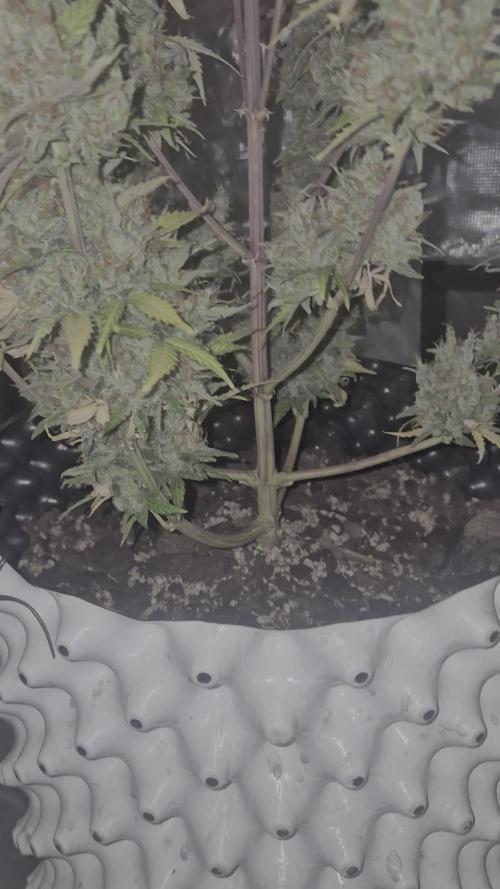
Week 13 Sour Jelousy Last day after lights on i cut them and they are going in Vivosun Vcure 14-16 days cycle around 55-62F with 58-65RH will add pictures when i cut her , plants smell really nice speacily taller one and the density is decent not rock solid but decent dence , Bear Knuckle is allso done and she smells and tasty like some gassy green apple .

Likes
42
Share


@Ginger_gnome
Follow
Well she has definitely stopped growing now. I got a bit of light bleaching on a few tops unfortunately. Should have turned the light down to 80% but I wasn't thinking. Hopefully itll bounce back like my chempie by Ripper seeds I did a few grows back that got a bit of light bleaching also. It was just on one bud but I caught it and was able to correct it before crop. Going to add a bit of Revive to the feed next week to see if it'll help a bit. Also had a issue with high ppm in my run off that I was struggling with a bit that I've slowly corrected.
Been a bit of a learning curve with the coco but I'm loving it. Great results all around.
Well that's all for now so happy growing everyone

Likes
17
Share

@Kevs_Best
Follow
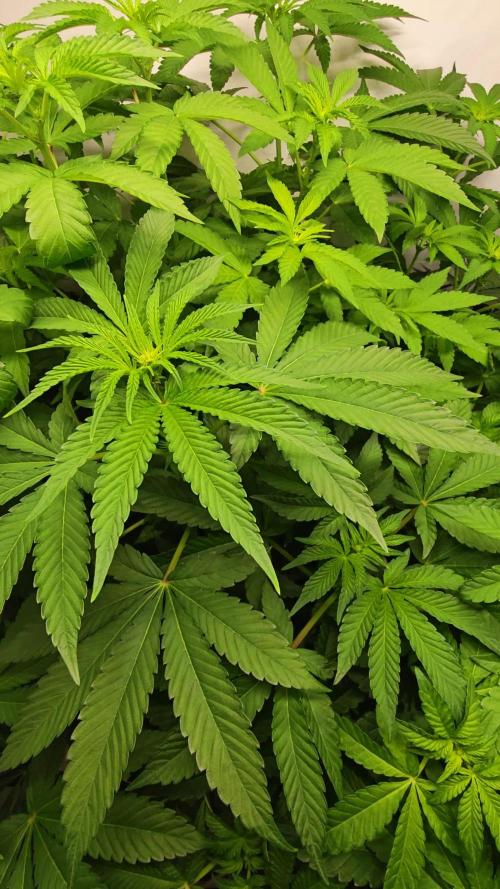
Flower Week 2 – Strong Stretch, Full Canopy & First Flower Development
Flower week two was mainly defined by a very strong transition into the stretch phase. Both Black Light phenos continued growing aggressively and quickly filled almost the entire available canopy space. The difference compared with the beginning of flowering is already very noticeable, with many branches now pushing upward and creating a dense, highly branched structure across the tent.
The plants remained vigorous throughout the week with healthy foliage, strong stems and a large number of active tops. The canopy is becoming increasingly crowded, but the structure underneath still allows the individual branches to develop upward toward the light. Both phenos continue to show slightly different growth habits, although under the current environment their overall structure is becoming surprisingly similar.
The first proper flower sites are now clearly establishing themselves. Pistil production increased noticeably during the week and the transition from vegetative growth into actual flower formation is becoming visible across the entire canopy. Stretch is still very active, so most of the energy at this point is going into height, branch extension and building the framework that will later carry the flowers.
The final IPW application was given last week. From this point onward the focus shifts completely toward flower development while keeping the canopy healthy and stable. Overall, both plants entered the second week of flower with a lot of momentum and are now beginning to reveal what their flowering structure will look like.
The tent is officially getting full now. 👀🔥
DE: Blütewoche 2 – Starker Stretch, volle Fläche & erste richtige Blütenentwicklung
Die zweite Blütewoche war vor allem durch einen sehr starken Übergang in die Stretchphase geprägt. Beide Black-Light-Phenos sind weiterhin extrem kräftig gewachsen und haben die verfügbare Fläche mittlerweile fast vollständig ausgefüllt. Im Vergleich zum Beginn der Blüte ist der Unterschied bereits deutlich sichtbar, da immer mehr Seitentriebe nach oben ziehen und sich eine sehr dichte, stark verzweigte Canopy entwickelt.
Die Pflanzen blieben während der gesamten Woche sehr vital und zeigen gesundes Laub, kräftige Stiele und eine große Anzahl aktiver Tops. Die Fläche wird zunehmend dichter, gleichzeitig können sich die einzelnen Triebe unterhalb der Canopy weiterhin gut nach oben zum Licht entwickeln. Beide Phenos zeigen nach wie vor leichte Unterschiede im Wuchs, entwickeln sich unter den aktuellen Bedingungen insgesamt aber überraschend ähnlich.
Mittlerweile bilden sich deutlich die ersten richtigen Blütenstände aus. Die Anzahl der Pistillen hat im Verlauf der Woche stark zugenommen und der Übergang vom vegetativen Wachstum zur eigentlichen Blütenbildung ist inzwischen über die gesamte Fläche sichtbar. Der Stretch ist weiterhin sehr aktiv, weshalb momentan noch viel Energie in Höhe, Triebverlängerung und den Aufbau der späteren Blütenstruktur fließt.
Letzte Woche wurde die letzte IPW-Anwendung durchgeführt. Ab jetzt liegt der Fokus vollständig auf der Blütenentwicklung und darauf, die Pflanzen möglichst gesund und stabil durch die kommenden Wochen zu bringen. Insgesamt sind beide Pflanzen mit sehr viel Momentum in die zweite Blütewoche gegangen und beginnen jetzt langsam zu zeigen, wie ihre endgültige Blütenstruktur aussehen könnte.
Das Zelt ist mittlerweile offiziell voll. 👀🔥

Likes
9
Share


@MuzzFuzz
Follow
9 out of 10 seeds germinated 4 x WW and 5 CSC. Germinated in paper towel then moved to easy plug sowing kit then to small pots coco coir 30/70 ph water only.
Bit of stretch as under a low powered led that was set too high. Now under Spider Farmer 300 watt led set at 25% at 12 inches.
Best of the bunch will go to Autopots x 6 running GT nutrients veg 2 part and Great White Premium Mycorrhizae. Under Mars FCE 8000 and CO2 system with inkbird icc-500t controller. Controller is a nightmare to program with the poor manual. Hoping to set at 800 ppm for veg stage.
Likes
25
Share


@Rob691
Follow
D-77 : Girls are going well and they are beautyful but, they are growing alot less than expected. They are 30cm behind they should be. I hope it is because of all the effort I made on the mainlining process at the beginning....


Likes
3
Share

@Organic_G
Follow
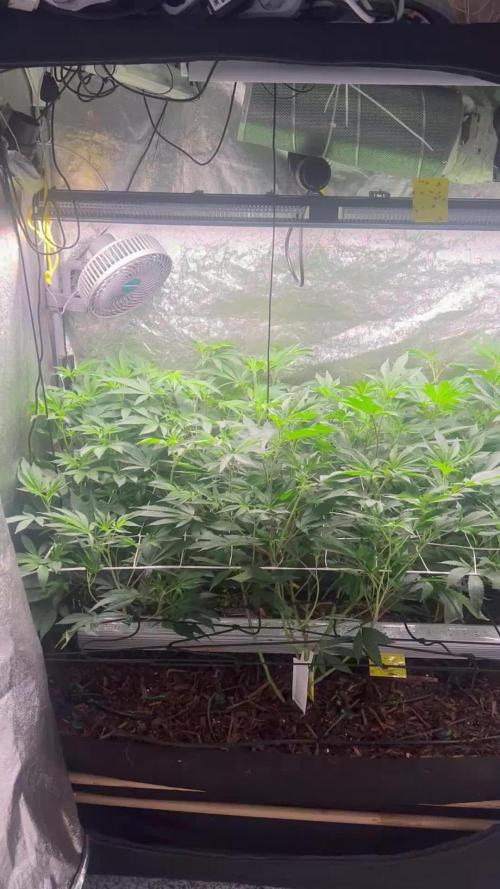
Erste Blütewoche ist durch, ist genug Platz nach oben, Nachschub ist schon bald wieder am Start auch wenn ich noch mehr als genug übrig habe 🤣

Likes
7
Share


@Holy_dog_farm
Follow
3 weeks curing and i think its done now very strong and sweet smell.
Really enjoy my first autoFlowering harvest with this strain.
Likes
20
Share


@CollieBuddz
Follow
Update Tag 5 von Woche 6
16.05.2012 19.00 Uhr. Belichtung umgestellt auf 12/12.
Gezählt hab ich über 50 Köpfchen. Ich bin wirklich gespannt.
Der 8 Liter Stofftopf ist wirklich super. Keine Ahnung warum viele damit nicht klar kommen. Beim nächsten Grow werden nur noch Stofftöpfe verwendet.
Die White Widows x Big Bud sind wirklich robust und Anfängerfreundlich.
Alles in allem sieht es doch ganz gut aus.

Likes
19
Share


@Herroqitti
Follow
Looking good, smelling sweet. I’ve been having the urge to ask people to smell my fingers because it honestly smells THAT good 😂 some of the trichomes have a little amber but she’s no where near done. I want her to bulk up some more. I was hoping the flower fuel would assist with that.

Likes
7
Share

@Stacy_smokez
Follow
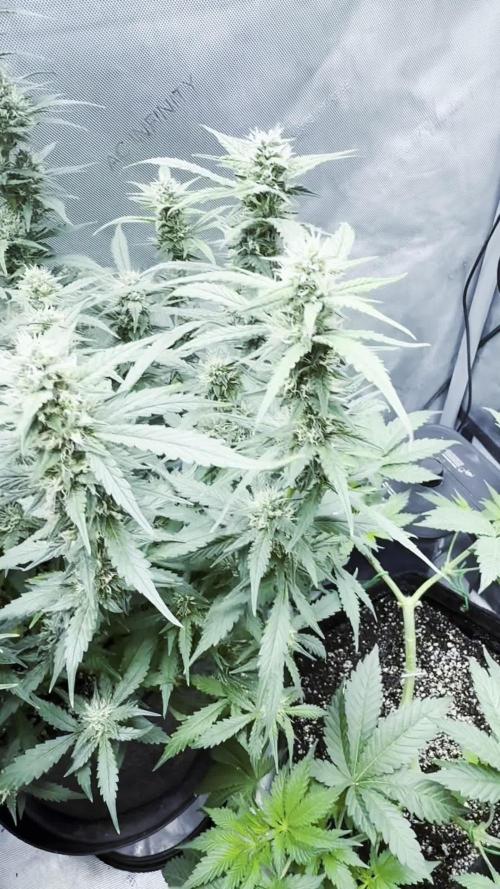
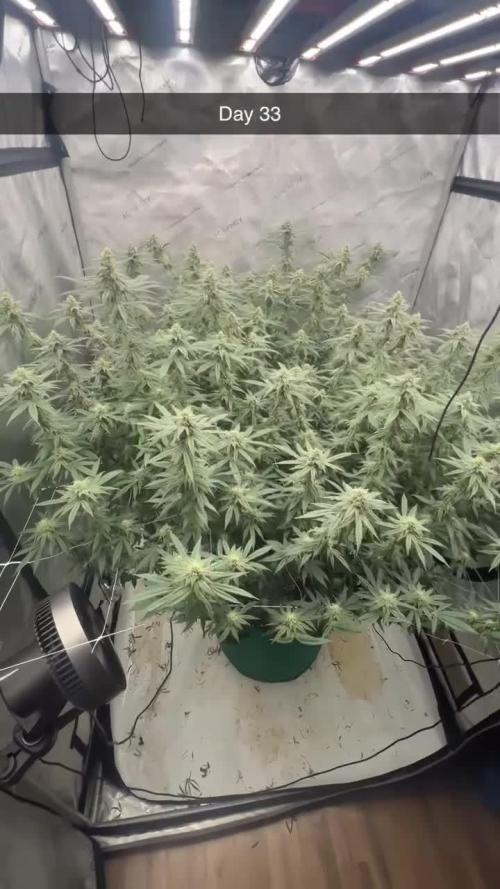
Left the 4 main stocks alone and thinking taking some of the bigger fan leaves off. Overall she is happy and thriving very well can wait to flip to flower.



Likes
36
Share


@MadeInGermany
Follow
Hey everyone 😀.
Another veggie week goes by and they are developing surprisingly well 😃.
Both phenotypes look very nice and have a perfect leaf green.
Both were topped again.
I wish you lots of fun with the update, and stay healthy 🙏🏻🍀
You can buy this Strain at :
https://sweetseeds.es/de/sweet-skunk-f1-fast-version/
Type:
Sweet Skunk F1 Fast Version
☝️🏼
Genetics:
Sweet Skunk Auto (SWS34)
X
Early Skunk
👍
Vega lamp:
2 x Todogrow Led
Quantum Board 100 W
💡
Bloom Lamp :
2 x Todogrow Led
Cxb 3590 COB 3500 K 205W
💡💡☝️🏼
Soil :
Canna Coco Professional +
☝️🏼
Fertilizer:
Green House Powder Feeding
☝️🏼🌱
Water:
Osmosis water mixed with normal water (24 hours stale that the chlorine evaporates) to 0.2 EC. Add Cal / Mag to 0.4 Ec Ph with Organic Ph - to 5.5 - 5.8 .

Likes
53
Share


@xbrico
Follow
D78/FD50 - Apologies, a week late on my report. So, the Cookies are being a bit of a dick really!!! The Cheese is striking them and trying to take a few wee bits here and there to save the crop but dont know if I am being agressive enough...Time will tell!!! Tried a bit of Cinnamon around the affected buds and it does appear to stop the rot on contact but don't know how it will impact them. Will continue to monitor...
**Update** D84/FD56 - Cookies have become a real problem...Partial harvest time!!! Taking what looks to be "ripe enough" off the girls and leaving some lower buds to mature...hopefully they've not been too impacted. Had some real obvious ones that had to go and though I had some nice keepers, until I started trimming them down for the box to dry and random buds in the bunch had wee bits of grey mold at the stem!! Mild but just not doing it!!! Total bastard!!! Lost about 3-4oz (expected dry weight) easy!!! So no trim kept, all binned or burnt!
All a bit of a ballache but, what can you do!!! Anyway, happy growing all!!! 💪


Processing
Likes
43
Share


@IndicaRising
Follow
START OF WEEK 4 FLOWERING. NUTRIENTS SAME 4 ML PER LITER RO WATER OF BOTH A & B. 2 ML PER LITER BIG BUD.
MIXED UP 8 LITERS OF NUTRIENT SOLUTION
---------------------------------------------------------------------------------------------------------
Day 64 April 18th - 2019 Both ladies had a little trim to get rid of thick interior.
Day 64 April 18th - 2019 Both Jessica Rabbit & Elly May were fed 1.5 liters of nutrient mix.
Day 64 April 18th - 2019 Temp in tent is @ 78.4° F.
Day 64 April 18th - 2019 Humidity in tent is @ 51%.
Day 64 April 18th - 2019 Jessica Rabbits Coco temp is @ 70.2° F.
Day 64 April 18th - 2019 Elly Mays Coco temp is @ 70° F.
---------------------------------------------------------------------------------------------------------
NOTE - Day 65 April 19th - 2019 The Lady in the coffee can is a clone from the Blue Cookies. The clone was 2 weeks old put in soil in the coffee can
It was put in the tent straight to flower No Veg time at all the clump of leaves at the bottom was how tall it was.
I have been feeding Her the same Nutrients I am using for Coco flowering with the Big Bud for Coco.
---------------------------------------------------------------------------------------------------------
Day 65 April 19th - 2019 Both Ladies are looking good after their little trim.
Day 65 April 19th - 2019 Temp in tent is @ 81.1° F.
Day 65 April 19th - 2019 Humidity in tent is @ 55 %.
Day 65 April 19th - 2019 Jessica Rabbits Coco temp is @ 71.8° F.
Day 65 April 19th - 2019 Elly Mays Coco temp is @ 71.6° F.
Day 66 April 20th - 2019 Ladies are looking good coming alone.
Day 66 April 20th - 2019 Temp in tent is @ 79° F.
Day 66 April 20th - 2019 Humidity in tent is @ 40 %.
Day 66 April 20th - 2019 Jessica Rabbits Coco temp is @ 69.3° F.
Day 66 April 20th - 2019 Elly Mays Coco temp is @ 69.4° F.
---------------------------------------------------------------------------------------------------------
Day 67 April 21st - 2019 Both Ladies received 1 liter pre-mixed solution
---------------------------------------------------------------------------------------------------------
Day 67 April 21st - 2019 The girls are looking fine.
Day 67 April 21st - 2019 Temp in tent is @ 79° F.
Day 67 April 21st - 2019 Humidity in tent is @ 47 %.
Day 67 April 21st - 2019 Jessica Rabbits Coco temp is @ 70° F.
Day 67 April 21st - 2019 Elly Mays Coco temp is @ 70° F.
Day 68 April 22nd - 2019 Ladies are looking good no issues.
Day 68 April 22nd - 2019 Temp in tent is @ 71.2° F.
Day 68 April 22nd - 2019 Humidity in tent is @ 57 %.
Day 68 April 22nd - 2019 Jessica Rabbits Coco temp is @ 67.6° F.
Day 68 April 22nd - 2019 Elly Mays Coco temp is @ 66.6° F.
Day 69 April 23rd - 2019 Both Ladies looking good.
Day 69 April 23rd - 2019 Temp in tent is @ 69.4° F.
Day 69 April 23rd - 2019 Humidity in tent is @ 61 %.
Day 69 April 23rd - 2019 Jessica Rabbits Coco temp is @ 65.7° F.
Day 69 April 23rd - 2019 Elly Mays Coco temp is @ 64.8° F.
Day 70 April 24th - 2019 Both ladies are coming alone.
Day 70 April 24th - 2019 Temp in tent is @ 67.1° F.
Day 70 April 24th - 2019 Humidity in tent is @ 61 %.
Day 70 April 24th - 2019 Jessica Rabbits Coco temp is @ 65.2° F
Day 70 April 24th - 2019 Elly Mays Coco temp is @ 64.0° F.

Likes
7
Share

@Organic_G
Follow
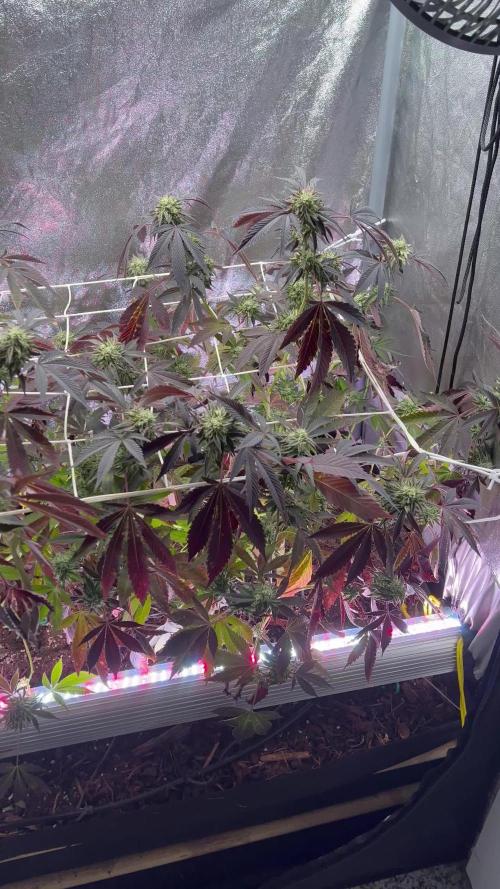
Absolut ungewohnt das Zelt mit so abgemargerten Pflanzen zu sehen 🤣🤣🤣
Die Ladys von draußen sind endlich nach innen gezogen für den restlichen Blüte Schub.
Sehen wie Crackys aus im vergleich zu den den davor drin waren 🤣🤣
Likes
19
Share


@Organic473
Follow
Luckily, I got some seeds from this girl before someone in the village stole it.
