The Grow Awards 2026 🏆
Likes
Comments
Share
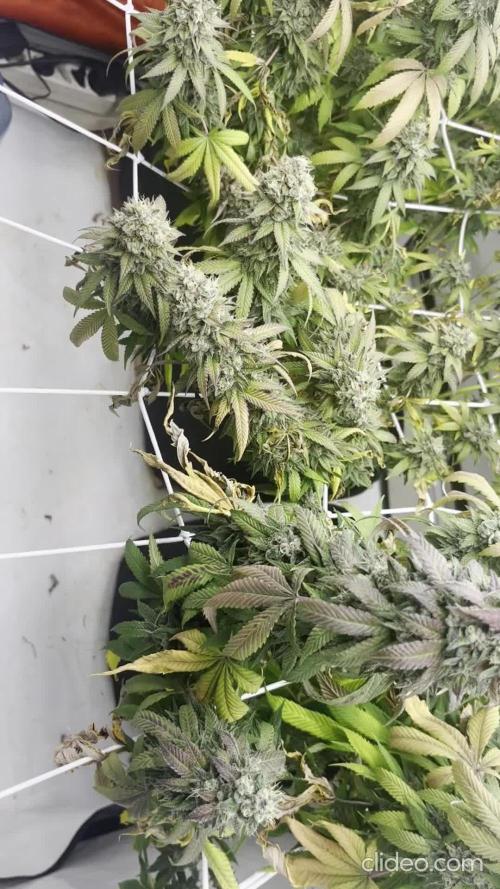
Most ladies are showing signs of flowering so today I will start counting the weeks. Here u can also see my mutant/special ladies. They germinated a bit different from the others. Day 3 of flower is showing some major progress‼️🙌🏽 I did NOT top any of these mutated plants. I only removed some very ugly growing leaves. So everything u see on them is done by mother nature.
Likes
29
Share
@nijuana
Follow
I'm flushing it since 1 week , HERE WE ARE ENDLY 💚 !!!!! the 3 latest day i increase the water that I'm giving to it and the latest day I'm flushing with terra aquatica flush (3ml/l) I'm so impressed by this queen 👑 , so heavy , so powerful !!! From the beginning to the end this is a phenomenal strain , total love !
Likes
9
Share
Went to harvest them in the midst of night with a friend. Not as much mold as I was expecting considering how dense the vegetation was surrounding the spot. Lost less that 5% to mold which is good.
Likes
8
Share
Esta semana tuve dudas con el riego, como en casi toda la etapa de la planta, pero al fin, la veo super bien. Le doy 1 Litro de agua cada 3 dias, y parece que le encanta! Las ramas principales miden entre 70-80 cm, la mas grande llego a los 90 cm ! Ya no hay lugar para que siga creciendo mas alto, ya que no puedo subir mas la luz. Excepto ese asunto, todo va de 10 puntos! Ya estoy saboreando mis primeras cookies. Paz!
Likes
7
Share
@NSABND
Follow
Day 64 the queens got some fertilizer 💪😃👍 Day 65 that massive smell and these juicy buds 😃👌 Day 66 that massive smell 😍👌 Day 67 i think the results are near 😍👍 Day 68 final countdown 😎👌 Day 69 only a few days more 😍👌 Day 70 a few more days till final results 😃👌
Processing
Likes
5
Share
@sinfantas
Follow
Algunas hojas estan arrugadas pero creo que es normal, estuve dando 3 dias de no riego hoy tienen que beber les dare a cada una 120 cc
Likes
35
Share
@Hashy
Follow
She did quite well for being grown in a 9L pot and got a decent root structure. Because there where 4 plants in the tent this one suffered a bit and got squashed out the way. But she still did a good solid yield.
Likes
44
Share
**Encontrarás la traducción a español al final de la descripción** From/Desde: 19/04/19 || To/Hasta: 25/04/19 From day/Desde día: 57 || To day/Hasta día: 63 You can find the Money Maker Diary here: ** Podéis encontrar el diario de las Money Maker aquí:** https://growdiaries.com/diaries/25667-gorillamakingmoney-gorilla-vs-money-m -----IMAGES & VIDEOS----- 1 - Before defoliation 2 - Defoliation 3 - After defoliation -----WEEK SUMMARY----- (Following text was translated with tools and reviewed, sorry for mistakes, misspellings or nosense things) As you can see I've done a defoliation this week. Yes, I have really gone over the top, I have removed many more leaves than I had, and the tails of the plants has not come to join at all due to the failed defoliation. Being the first defoliation I do, I did not really know what I was doing and I went crazy. Now that it has been several weeks since I made this defoliation, I realize that I should not have removed the leaves from the nodes of the tails, because they have stopped growing and have not joined with their superior parts. Anyway, the plants are beautiful today and although they could be much better I feel very happy with them. I know I've made 2 fatal mistakes in this grow  - The first has been the massive defoliation badly done, defoliation yes, but with head ... do not follow my example.  - The second failure that I see today, is that I did not leave enough growth time (18/6) after having made the last pruning and that has made the tails have been a length much less than what would have been desired, I think that 2 more weeks of growth would have been perfect. -----WATERING CALENDAR----- 20/04/19 - 1,250 ml with Sensizym, Silica, Rhino Sk, Bud Ignitor, Big Bud, Bud Candy & Bud Factor-x @ PH6.4 & 1.2 E.C. 23/04/19 - 1,250 ml with All week nutrients - (Silica, Sensizym & Bud Ignitor) @ PH6.5 & 1.5 E.C. *****ESPAÑOL***** -----IMÁGENES Y VÍDEOS----- 1 - Antes de la defoliación 2 - Defoliación 3 - Después de la defoliación -----SUMARIO SEMANAL----- Como podéis ver esta semana he hecho una defoliación. Si, efectivamente me he pasado de listo, he quitado muchas más hojas de las que debía y las colas de las plantas no ha llegado a unirse del todo debido a la fallida defoliación. Al ser la primera defoliación que realizo, no sabía muy bien que hacía y me lancé a lo loco. Ahora que han pasado varias semanas desde que realicé esta defoliación, me doy cuenta de que no debí de haber quitado las hojas de los nodos de las colas, pues estos han dejado de crecer y no se han unido con sus partes superioras. De todas maneras, las plantas están preciosas a día de hoy y aunque podrían estar mucho mejor me doy con un canto en los dientes. Se que he cometido 2 errores gordos en este cultivo - El primero ha sido la defoliación masiva mal realizada, defoliación si, pero con cabeza.... no sigáis mi ejemplo. - El segundo fallo que yo veo a día de hoy, es que no dejé suficiente tiempo de crecimiento (18/6) después de haber realizado las últimas podas y eso ha hecho que las colas hayan quedado de una longitud muy inferior a la que hubiera deseado, creo que 2 semanas más de crecimiento hubiera sido perfecto. -----CALENDARIO DE RIEGO----- 20/04/19 - 1.250 ml con Sensizym, Silica, Rhino Sk, Bud Ignitor, Big Bud, Bud Candy y Bud Factor-x @ PH6.4 & 1,2 E.C. 23/04/19 - 1.250 ml con todos los nutrientes semanales - (Silica, Sensizym y Bud Ignitor) @ PH6,5 & 1,5 E.C.
Likes
11
Share
This little lady had some trouble shedding the seed shell, which caused it to skew slightly. I helped take the shell off and she straightened out pretty quickly. Took about 3 days from germination to open up. (temps were a little low)
Likes
21
Share
@CBTreee
Follow
This grow for a lot of attention on IG and I appreciate everyone’s support so much!!!
Likes
34
Share
@rhodes68
Follow
5/17 Week 8 ... and the state of the grow is unsettled This grow has fought us since germ and it is showing no signs of giving in. Just cannot seem to find their "happy place" environmentally or nuet wise. They doing ok-ish this is not a big yielding strain no matter the ad copy but havent had this much issue with it indoors before. Starting at baseline with the lighting HID 300w 16 inches above Baba LED moved towards front of tent. Both lights tilted very slightly towards each other hopefully giving better dispersal. Still showing nitrogen sensitivity so reducing Bloom to 8ml/gal while increasing PK to 6 so PK does not suffer, will watch for deficiencies Looking at going considerably over on these now, nothing coming up behind them so zero space issues, see what happens. Continue to leaf pluck when one needs to go Evening feed 5/17: They look better and some experimenting with the lights showed me the angle tilt needed increasing and HID increased to 450w giving a total of 600w in the tent. Should not cause too much heat issue. Still have 150w in reserve 5/18 PM Pic of lights - Seems to be working out managing to cover base of tent with both lights giving a 5000k and 3000k spectrum. Buds building faster now in particular on Baba, Hadnt gotten sick we would have thought of this weeks ago, aint that inspired. Man this Cov-19 stuff will cloud your thinking. Keeping HID at 450w Pics of plants - doing better Nuets - Running low on Soul Peak so gradually working in the KoolBloom to make it last. Seriously think the Soul Peak is better. 5/18 TAHTA TA TAHHHH! Baba found her happy place and is bulking very fast. See how long it continues Re-did the lights Had to drop wattage on HID due to heat even after a redesign of the extraction to eliminate drag on air movement. For 14 hours they will run at 450 watts but for 6 hours a day will drop to 300 watts. This should keep any problems from occurring. Just hard to run that Metal Halide at more than 300 watts in warm weather without AC which aint happening. HID to 300/450 watts, 13 inches above Baba at a 20 degree tilt to disperse light. LED at full 17 inches above Athena with a 20 degree tilt. Coincidentally that puts them at the same height. Added a 30 watt 2700K LED on Baba and Athena give them some more red. See how it works. Nuets as is 5/20 Pics After viewing tricones beginning to walk down the EC to flush in a couple days. Plan 10 day flush. That puts them finishing about the middle of week 11. Not perfect but nothing so far with this grow has been lol Adding the 30 watt 2700K LED in the bottom seems to be helping, lot of increased lower growth WHICH I WILL TAKE ... 😬 Seriously every bud counts lol 5/21 Buds continuing to build at a decent rate finally. Had to re-arrange the tent my wife's plant is getting big Holding nuets where they are till flush, plan to begin flush during week 9. Working on a tactic to harvest Sally ahead of Jane without hurting either After a talk with her and looking seriously at what we have here I am going to break up the feeds. Athena will need to go into flush first she is furthest along. So start it on week 9. Sally ... we are going to do something unusual for her and Jane. Since flushing Sally per normal would be just no good for the twin Jane we are going to flush but then put the plants on organic bloom. So big initial flush with agent to clean out the salts then shifting her to light organics to continue feeding the twin without having to revisit the flushing issue. No idea how long the twin may go Baba will just play by ear on her, continue the light Bloom feeding keeping her PK up until we see the go signal from her. Hoping she goes a week longer than the others. 5/22 Lights to full weather is cool today and time is short Holding nuets here till new week then begin flush on Athena Buds still building nicely on Baba Almost forgot the twin: Here is the plan we flush the pot same time as Athena but on the next feeding we introduce organic bloom nuets for Jane instead of a flush as normal. We dont smoke so not overly concerned with harshness just want the pot clean. The organics will belay any further need of flushing. Best we can do 5/23 Need to start flush now so Athena and Sally on water only till I introduce organics to Sally. No agents Baba staying on feed
Likes
12
Share
Throughout the week, I give compost tea, and fermented plant juice once each ^^ Hope you guys have a wonderful day today ^^v *** Please Like, comment & share *** Highly appreciated -----/-----<@
Likes
60
Share
@Natrona
Follow
FBA2502 Week 4 April 20-26 Veg 4 Highlights of this week: I defoliated the large fan leaves from the main stems. After defoliating, I saw that plant #3 has a short, tight node structure like plant #1, so I pinned her down before she goes into flowering. Plants 2, 4, 5, and 6 are taller than plants 1 and 3. The larger plants 2, 4, 5, 6 show pre flowers with thinner new growth and hairs at the nodes. The leaves are wide and thick. Some have a slight blue tinge. This makes me think I’m over feeding. Apparently, the blended soil has enough nutrients for the autos, so I don’t need to feed right now. At the end of the week, I watered with ph 6.5 water with cal mag and recharge. Lights are 20” from tops of tall plants and 30 from 1& 3. My general thought for the future grows is to wait until the plant is bigger and see its structure before starting training. #1 has many branches coming into the middle. By beginning with pinning and keeping it at the ground, she will not achieve the stretch around the pot. I pinned #3 to push out the bud sites from being up against the main stem. It is easier to LST when there is more space between the nodes, so a bit of growth or stretch is required. Training to open the top is needed when the plant is short and tight. If you want to follow what's happening with my other two FBA2502s see my friend's @Susquihanna diary. 4/20 Hairs on 2, 4, 5, 6 and feeding Micro ½ tsp/gal Gro ½ tsp/gal Bloom ½ tsp/gal CalMag 1 tsp/gal at full strength 4/21 pics & video 4/22 water only ph6.5. I watered with plain water, it looks like over feeding and they are in are transitioning to flower. 4/24 Water with recharge ½ tsp/g & CalMag 1 tsp/g ph 6.5 pics & vid see blue tinges in leaves. Plants shot up, doubling in height again this week. #1 6”, # 2 10”, #3 7”, 1 14 “ 5 14” 6 13” Your likes and comments are appreciated. Thanks for stopping by. Growers love 💚🌿 💫Natrona💫
Likes
10
Share
-Flowering nicely and starting to bulk up -Some trichomes starting to amber
Likes
21
Share
@BudsBros
Follow
What to say, every time I find myself writing about this plant, I spoke in pure romanticism, a little because I love the story and the way to do Franco the other little as his friends are honoring the memory really seriously than Full emotion because when a friend goes away you want especially bring her memory forever. Great Arjan besides being king of cannabis if a king in person, I would love to know them I admire the story of the strain hunters a lot. The Franco's Lemon Cheese, indeed I am one of which a majestic vveraeNeNe, is very very very inflated with violet nuances is very good very beautiful full of stuffing and trichomi will be ready in 7-8 weeks we are almost seeing the first colors and I would like to lend you My nose to smell it. Sun by Viparspectra Seedbank Greenhousee Seeds - Strain Hunters top of the world. Franco Loja R.I.P. #strainhunters <3
Likes
37
Share
La tercera semana ha ido bien, ya me respondió Biobizz y puedo usar toda su gama perfecta, a si que a partir de ahora irá todo mucho mejor. Aparecen los primeros cogollines. 📅 Dia 22🔹 Continuo con el Low Stress hasta que dejen de crecer. 📅 Dia 23🔹Descanso ( no estoy en casa) 📅 Dia 24🔹Riego según la tabla de nutrientes, EC 1500 , PH 6.3 y un drenaje del 10%
Likes
18
Share
@Pokan187
Follow
The trichomes on the Runtz are all milky and I'm getting some amber on the sugar leaves, I think the end is near 😁 The G13 is looking great and smelling wonderful, the buds are getting heavier and same for the GDP
Likes
34
Share
Yellow butterfly came to see me the other day; that was nice. Starting to show signs of stress on the odd leaf, localized isolated blips, blemishes, who said growing up was going to be easy! Smaller leaves have less surface area for stomata to occupy, so the stomata are packed more densely to maintain adequate gas exchange. Smaller leaves might have higher stomatal density to compensate for their smaller size, potentially maximizing carbon uptake and minimizing water loss. Environmental conditions like light intensity and water availability can influence stomatal density, and these factors can affect leaf size as well. Leaf development involves cell division and expansion, and stomatal differentiation is sensitive to these processes. In essence, the smaller leaf size can lead to a higher stomatal density due to the constraints of available space and the need to optimize gas exchange for photosynthesis and transpiration. In the long term, UV-B radiation can lead to more complex changes in stomatal morphology, including effects on both stomatal density and size, potentially impacting carbon sequestration and water use. In essence, UV-B can be a double-edged sword for stomata: It can induce stomatal closure and potentially reduce stomatal size, but it may also trigger an increase in stomatal density as a compensatory mechanism. It is generally more efficient for gas exchange to have smaller leaves with a higher stomatal density, rather than large leaves with lower stomatal density. This is because smaller stomata can facilitate faster gas exchange due to shorter diffusion pathways, even though they may have the same total pore area as fewer, larger stomata. Leaf size tends to decrease in colder climates to reduce heat loss, while larger leaves are more common in warmer, humid environments. Plants in arid regions often develop smaller leaves with a thicker cuticle and/or hairs to minimize water loss through transpiration. Conversely, plants in wet environments may have larger leaves and drip tips to facilitate water runoff. Leaf size and shape can vary based on light availability. For example, leaves in shaded areas may be larger and thinner to maximize light absorption. Leaf mass per area (LMA) can be higher in stressful environments with limited nutrients, indicating a greater investment in structural components for protection and critical resource conservation. Wind speed, humidity, and soil conditions can also influence leaf morphology, leading to variations in leaf shape, size, and surface characteristics. Small leaves: Reduce water loss in arid or cold climates. Environmental conditions significantly affect gene expression in plants. Plants are sessile organisms, meaning they cannot move to escape unfavorable conditions, so they rely on gene expression to adapt to their surroundings. Environmental factors like light, temperature, water, and nutrient availability can trigger changes in gene expression, allowing plants to respond to and survive in diverse environments. Depending on the environment a young seedling encounters, the developmental program following seed germination could be skotomorphogenesis in the dark or photomorphogenesis in the light. Light signals are interpreted by a repertoire of photoreceptors followed by sophisticated gene expression networks, eventually resulting in developmental changes. The expression and functions of photoreceptors and key signaling molecules are highly coordinated and regulated at multiple levels of the central dogma in molecular biology. Light activates gene expression through the actions of positive transcriptional regulators and the relaxation of chromatin by histone acetylation. Small regulatory RNAs help attenuate the expression of light-responsive genes. Alternative splicing, protein phosphorylation/dephosphorylation, the formation of diverse transcriptional complexes, and selective protein degradation all contribute to proteome diversity and change the functions of individual proteins. Photomorphogenesis, the light-driven developmental changes in plants, significantly impacts gene expression. It involves a cascade of events where light signals, perceived by photoreceptors, trigger changes in gene expression patterns, ultimately leading to the development of a plant in response to its light environment. Genes are expressed, not dictated! While having the potential to encode proteins, genes are not automatically and constantly active. Instead, their expression (the process of turning them into proteins) is carefully regulated by the cell, responding to internal and external signals. This means that genes can be "turned on" or "turned off," and the level of expression can be adjusted, depending on the cell's needs and the surrounding environment. In plants, genes are not simply "on" or "off" but rather their expression is carefully regulated based on various factors, including the cell type, developmental stage, and environmental conditions. This means that while all cells in a plant contain the same genetic information (the same genes), different cells will express different subsets of those genes at different times. This regulation is crucial for the proper functioning and development of the plant. When a green plant is exposed to red light, much of the red light is absorbed, but some is also reflected back. The reflected red light, along with any blue light reflected from other parts of the plant, can be perceived by our eyes as purple. Carotenoids absorb light in blue-green region of the visible spectrum, complementing chlorophyll's absorption in the red region. They safeguard the photosynthetic machinery from excessive light by activating singlet oxygen, an oxidant formed during photosynthesis. Carotenoids also quench triplet chlorophyll, which can negatively affect photosynthesis, and scavenge reactive oxygen species (ROS) that can damage cellular proteins. Additionally, carotenoid derivatives signal plant development and responses to environmental cues. They serve as precursors for the biosynthesis of phytohormones such as abscisic acid () and strigolactones (SLs). These pigments are responsible for the orange, red, and yellow hues of fruits and vegetables, while acting as free scavengers to protect plants during photosynthesis. Singlet oxygen (¹O₂) is an electronically excited state of molecular oxygen (O₂). Singlet oxygen is produced as a byproduct during photosynthesis, primarily within the photosystem II (PSII) reaction center and light-harvesting antenna complex. This occurs when excess energy from excited chlorophyll molecules is transferred to molecular oxygen. While singlet oxygen can cause oxidative damage, plants have mechanisms to manage its production and mitigate its harmful effects. Singlet oxygen (¹O₂) is considered a reactive oxygen species (ROS). It's a form of oxygen with higher energy and reactivity compared to the more common triplet oxygen found in its ground state. Singlet oxygen is generated both in biological systems, such as during photosynthesis in plants, and in cellular processes, and through chemical and photochemical reactions. While singlet oxygen is a ROS, it's important to note that it differs from other ROS like superoxide (O₂⁻), hydrogen peroxide (H₂O₂), and hydroxyl radicals (OH) in its formation, reactivity, and specific biological roles. Non-photochemical quenching (NPQ) protects plants from damage caused by reactive oxygen species (ROS) by dissipating excess light energy as heat. This process reduces the overexcitation of photosynthetic pigments, which can lead to the production of ROS, thus mitigating the potential for photodamage. Zeaxanthin, a carotenoid pigment, plays a crucial role in photoprotection in plants by both enhancing non-photochemical quenching (NPQ) and scavenging reactive oxygen species (ROS). In high-light conditions, zeaxanthin is synthesized from violaxanthin through the xanthophyll cycle, and this zeaxanthin then facilitates heat dissipation of excess light energy (NPQ) and quenches harmful ROS. The Issue of Singlet Oxygen!! ROS Formation: Blue light, with its higher energy photons, can promote the formation of reactive oxygen species (ROS), including singlet oxygen, within the plant. Potential Damage: High levels of ROS can damage cellular components, including proteins, lipids, and DNA, potentially impacting plant health and productivity. Balancing Act: A balanced spectrum of light, including both blue and red light, is crucial for mitigating the harmful effects of excessive blue light and promoting optimal plant growth and stress tolerance. The Importance of Red Light: Red light (especially far-red) can help to mitigate the negative effects of excessive blue light by: Balancing the Photoreceptor Response: Red light can influence the activity of photoreceptors like phytochrome, which are involved in regulating plant responses to different light wavelengths. Enhancing Antioxidant Production: Red and blue light can stimulate the production of antioxidants, which help to neutralize ROS and protect the plant from oxidative damage. Optimizing Photosynthesis: Red light is efficiently used in photosynthesis, and its combination with blue light can lead to increased photosynthetic efficiency and biomass production. In controlled environments like greenhouses and vertical farms, optimizing the ratio of blue and red light is a key strategy for promoting healthy plant growth and yield. Understanding the interplay between blue light signaling, ROS production, and antioxidant defense mechanisms can inform breeding programs and biotechnological interventions aimed at improving plant stress resistance. In summary, while blue light is essential for plant development and photosynthesis, it's crucial to balance it with other light wavelengths, particularly red light, to prevent excessive ROS formation and promote overall plant health. Oxidative damage in plants occurs when there's an imbalance between the production of reactive oxygen species (ROS) and the plant's ability to neutralize them, leading to cellular damage. This imbalance, known as oxidative stress, can result from various environmental stressors, affecting plant growth, development, and overall productivity. Causes of Oxidative Damage: Abiotic stresses: These include extreme temperatures (heat and cold), drought, salinity, heavy metal toxicity, and excessive light. Biotic stresses: Pathogen attacks and insect infestations can also trigger oxidative stress. Metabolic processes: Normal cellular activities, particularly in chloroplasts, mitochondria, and peroxisomes, can generate ROS as byproducts. Certain chlorophyll biosynthesis intermediates can produce singlet oxygen (1O2), a potent ROS, leading to oxidative damage. ROS can damage lipids (lipid peroxidation), proteins, carbohydrates, and nucleic acids (DNA). Oxidative stress can compromise the integrity of cell membranes, affecting their function and permeability. Oxidative damage can interfere with essential cellular functions, including photosynthesis, respiration, and signal transduction. In severe cases, oxidative stress can trigger programmed cell death (apoptosis). Oxidative damage can lead to stunted growth, reduced biomass, and lower crop yields. Plants have evolved intricate antioxidant defense systems to counteract oxidative stress. These include: Enzymes like superoxide dismutase (SOD), catalase (CAT), and various peroxidases scavenge ROS and neutralize their damaging effects. Antioxidant molecules like glutathione, ascorbic acid (vitamin C), C60 fullerene, and carotenoids directly neutralize ROS. Developing plant varieties with gene expression focused on enhanced antioxidant capacity and stress tolerance is crucial. Optimizing irrigation, fertilization, and other management practices can help minimize stress and oxidative damage. Applying antioxidant compounds or elicitors can help plants cope with oxidative stress. Introducing genes for enhanced antioxidant enzymes or stress-related proteins over generations. Phytohormones, also known as plant hormones, are a group of naturally occurring organic compounds that regulate plant growth, development, and various physiological processes. The five major classes of phytohormones are: auxins, gibberellins, cytokinins, ethylene, and abscisic acid. In addition to these, other phytohormones like brassinosteroids, jasmonates, and salicylates also play significant roles. Here's a breakdown of the key phytohormones: Auxins: Primarily involved in cell elongation, root initiation, and apical dominance. Gibberellins: Promote stem elongation, seed germination, and flowering. Cytokinins: Stimulate cell division and differentiation, and delay leaf senescence. Ethylene: Regulates fruit ripening, leaf abscission, and senescence. Abscisic acid (ABA): Plays a role in seed dormancy, stomatal closure, and stress responses. Brassinosteroids: Involved in cell elongation, division, and stress responses. Jasmonates: Regulate plant defense against pathogens and herbivores, as well as other processes. Salicylic acid: Plays a role in plant defense against pathogens. 1. Red and Far-Red Light (Phytochromes): Red light: Primarily activates the phytochrome system, converting it to its active form (Pfr), which promotes processes like stem elongation and flowering. Far-red light: Inhibits the phytochrome system by converting the active Pfr form back to the inactive Pr form. This can trigger shade avoidance responses and inhibit germination. Phytohormones: Red and far-red light regulate phytohormones like auxin and gibberellins, which are involved in stem elongation and other growth processes. 2. Blue Light (Cryptochromes and Phototropins): Blue light: Activates cryptochromes and phototropins, which are involved in various processes like stomatal opening, seedling de-etiolation, and phototropism (growth towards light). Phytohormones: Blue light affects auxin levels, influencing stem growth, and also impacts other phytohormones involved in these processes. Example: Blue light can promote vegetative growth and can interact with red light to promote flowering. 3. UV-B Light (UV-B Receptors): UV-B light: Perceived by UVR8 receptors, it can affect plant growth and development and has roles in stress responses, like UV protection. Phytohormones: UV-B light can influence phytohormones involved in stress responses, potentially affecting growth and development. 4. Other Colors: Green light: Plants are generally less sensitive to green light, as chlorophyll reflects it. Other wavelengths: While less studied, other wavelengths can also influence plant growth and development through interactions with different photoreceptors and phytohormones. Key Points: Cross-Signaling: Plants often experience a mix of light wavelengths, leading to complex interactions between different photoreceptors and phytohormones. Species Variability: The precise effects of light color on phytohormones can vary between different plant species. Hormonal Interactions: Phytohormones don't act in isolation; their interactions and interplay with other phytohormones and environmental signals are critical for plant responses. The spectral ratio of light (the composition of different colors of light) significantly influences a plant's hormonal balance. Different wavelengths of light are perceived by specific photoreceptors in plants, which in turn regulate the production and activity of various plant hormones (phytohormones). These hormones then control a wide range of developmental processes.
Likes
6
Share
text to edit nbvnbvnbvnbvnbvnbvnvnbvnbvbbbbnjbmhgdhgshcnkbvfxvvb,nmmbvcxcvbncxcvbnbvcvbnmtext to edit nbvnbvnbvnbvnbvnbvnvnbvnbvbbbbnjbmhgdhgshcnkbvfxvvb,nmmbvcxcvbncxcvbnbvcvbnm
Likes
2
Share
@QoverQ
Follow
So we came to the end guys, these ladies gonna stay in the dark for 36 hours now and get cut on saturday Think i made some mistakes with Topping on earlier stage with Cookies and Cream, and also some mistakes with bubba kush on flower stage, its my first grow and i can say it was a nice experience with them strains 😌 Im gonna share the dry weight and more detailed informations about the strains and the nutes ive used as long as its ready 👌