


Two hippos in one box


Orange Hippo
x2Zamnesia



VEG
UV30 LED Grow Lamp Light Emitting Diodes/30W
VEG
SUPP-R30 Red Led Grow Lamp Light Emitting Diodes/30W

Tent
Grow Tent 3´x2´x5.3´ (90x50x160cm)



Contr
GGS5
Spider Farmer


Worm Humus Other
R&R Shop

Indoor
Room Type
LST
weeks 4-7
Defoliation
weeks 4-7, 11
Topping
weeks 4, 6
11 liters
Pot Size
0.7 liters
Watering
Start at Harvest
G
Germination10mo ago

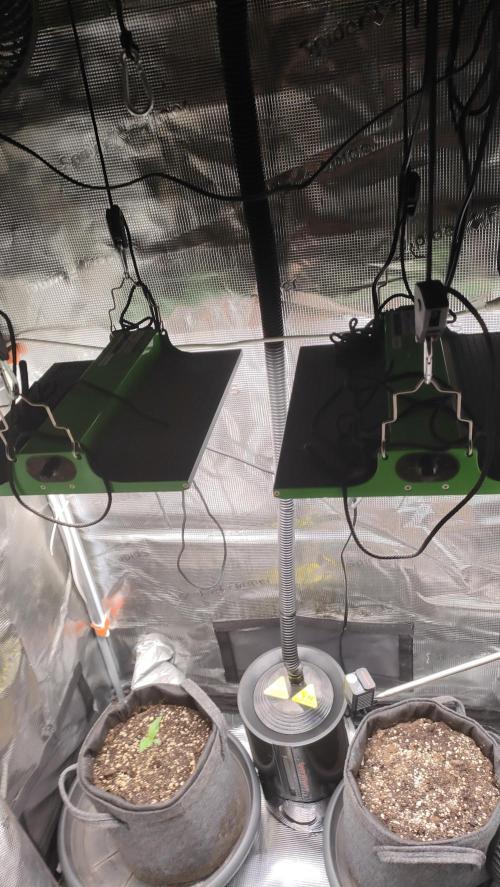
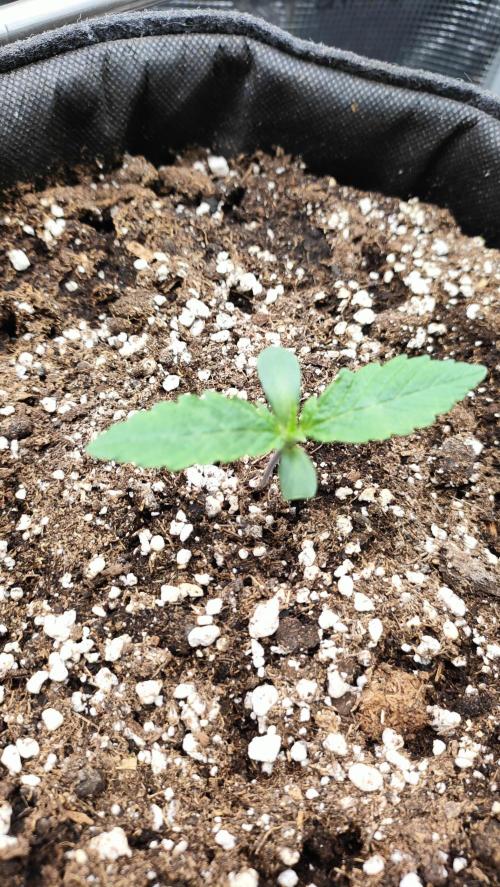

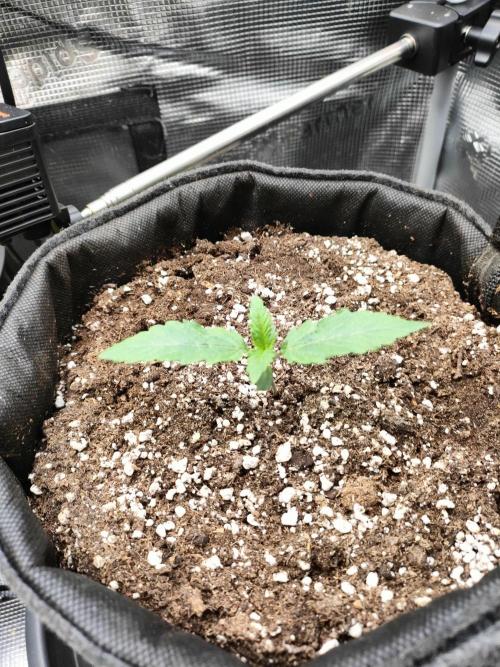

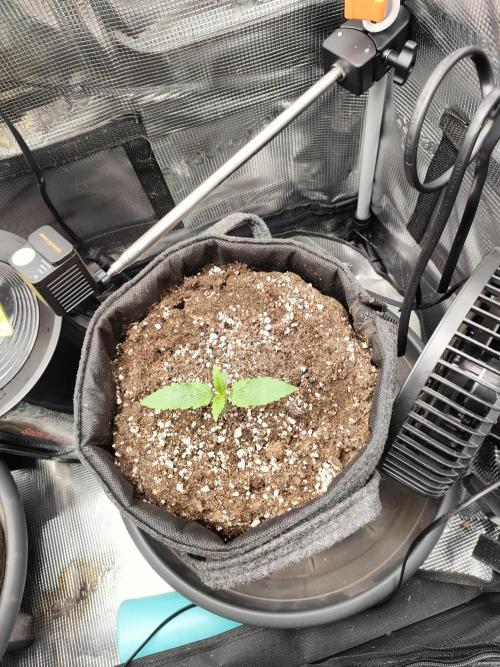
KraftKlotz Week 1 – Germination & seedling phase (days 1–7)
Status: Germination successful, stable start without stress
The Orange Hippo germinated quickly and evenly. Both plants developed strong cotyledons and began to form their first true leaf pairs early on.
Root growth started cleanly, with no signs of waterlogging or drought stress.
Setup & Conditions:
Grow medium: Organic soil
Light: Moderate, approx. 200–250 PPFD
Photoperiod: 18/6
Climate: stable, no extreme fluctuations
Watering: very restrained, only slightly moistened substrate
Observation:
Compact growth, short internodes, healthy leaf color. No deficiencies, no stretching.
The plants appeared well-rooted and stress-free from the start.
2 likes
comments
Share
1
Week 1. Vegetation10mo ago

4 cm
Height
18 hrs
Light Schedule
26 °C
Day Air Temp
No Smell
Smell
70 %
Air Humidity
21 °C
Solution Temp
24 °C
Substrate Temp
24 °C
Night Air Temp
11 liters
Pot Size
0.1 liters
Watering Volume
30 cm
Lamp Distance
KraftKlotz Week 1 – Early Vegetative Growth (Day 8–14)
Status: Transition into vegetative phase
Growth rate increased noticeably. Leaf surface expanded and photosynthesis stabilized.
Focus during this week was on root expansion and establishing a solid plant structure.
Setup & Conditions:
Light: gradually increased to approx. 300–320 PPFD
Climate: stable with constant air movement
Watering: adjusted to rising consumption
Nutrients: still mainly provided by the soil, no aggressive feeding
Observation:
Even leaf development with no discoloration.
No signs of nutrient stress or overwatering.
Plants began expressing their natural growth pattern.
1 like
comments
Share
2
Week 2. Vegetation10mo ago
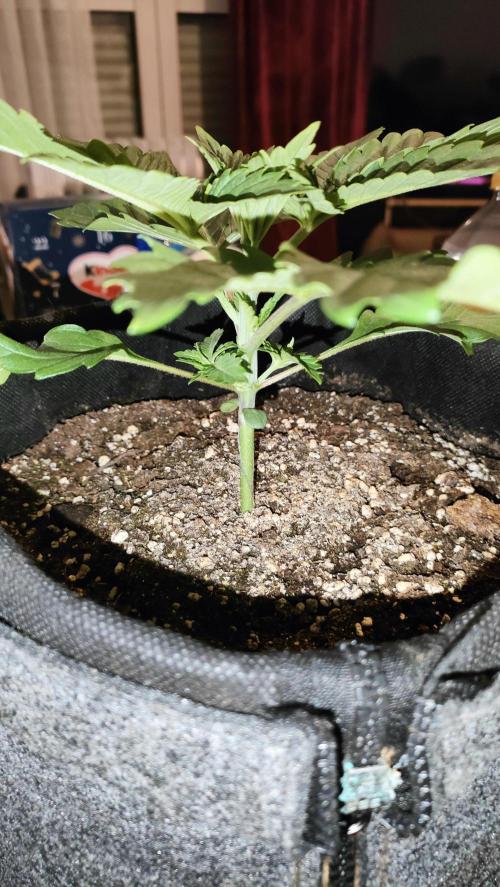
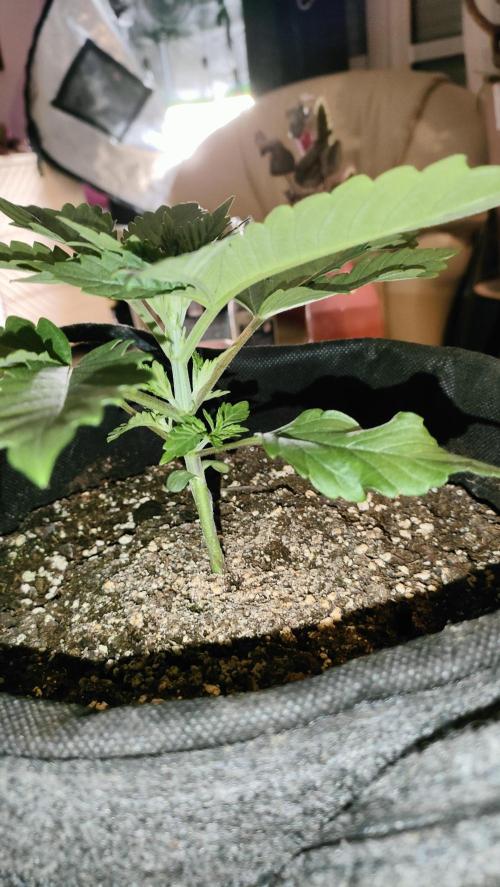
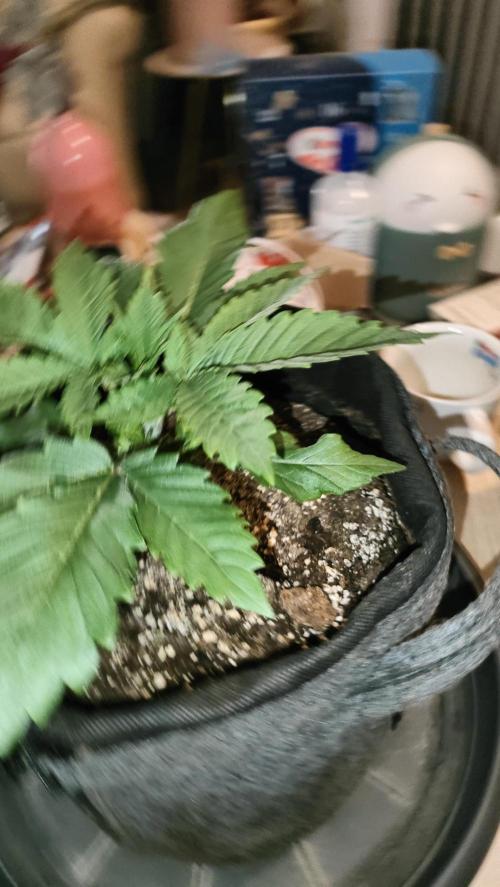
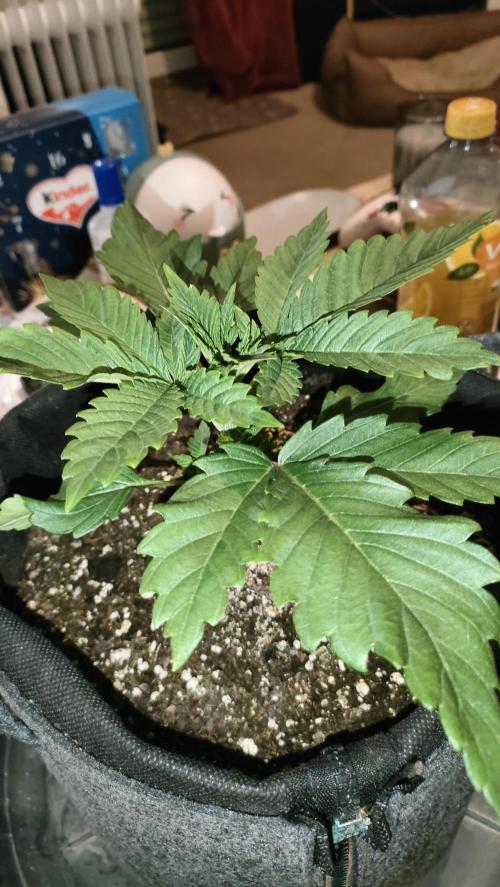



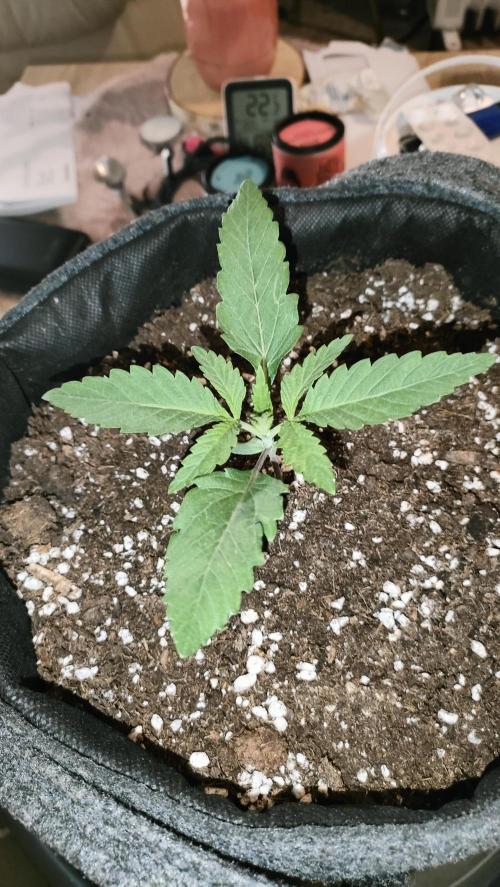
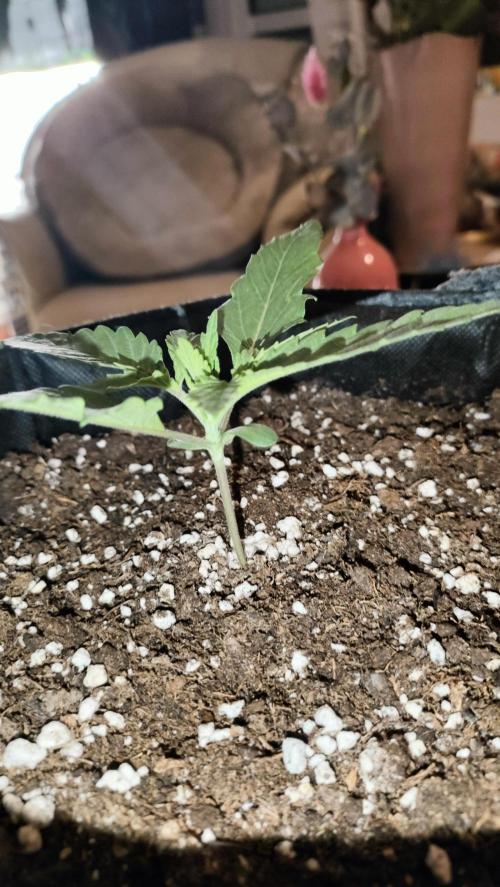
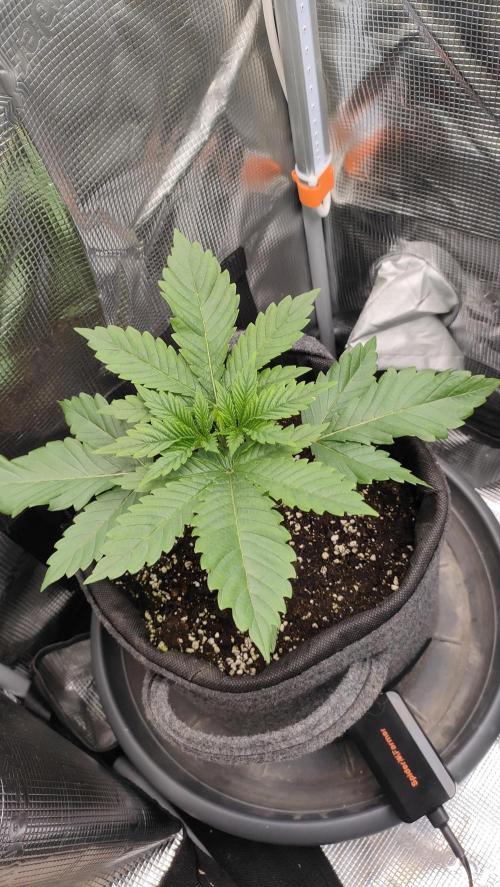
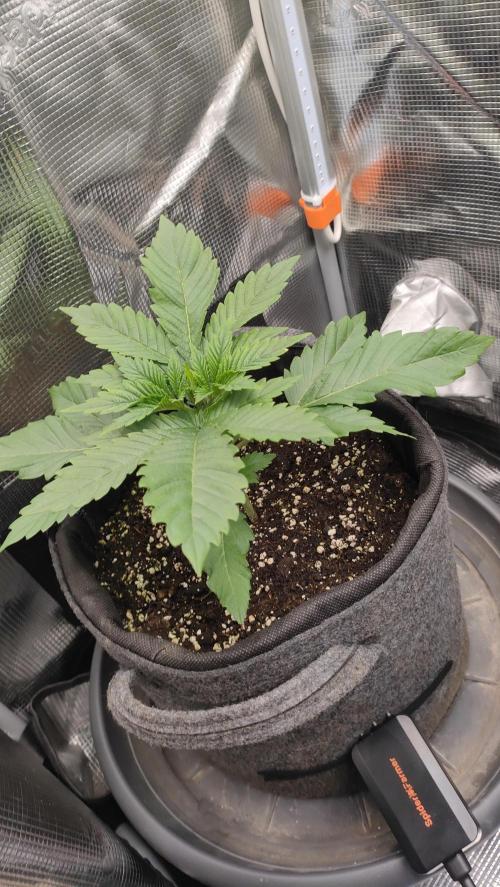
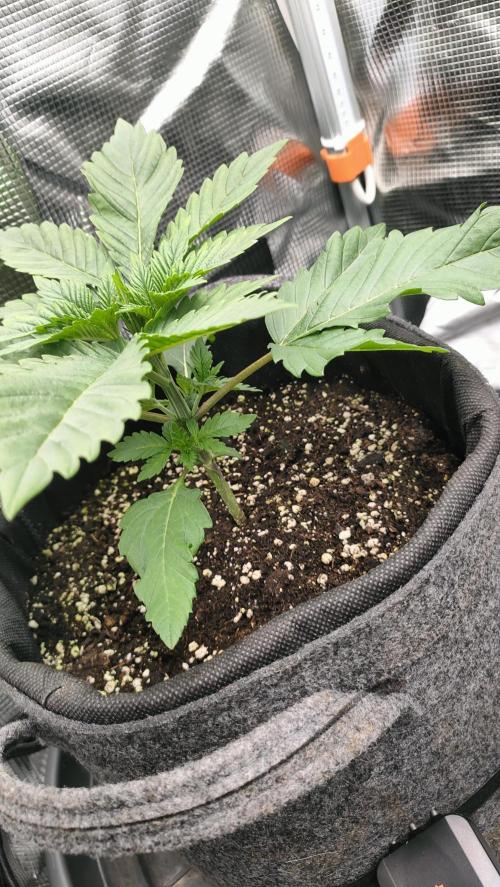
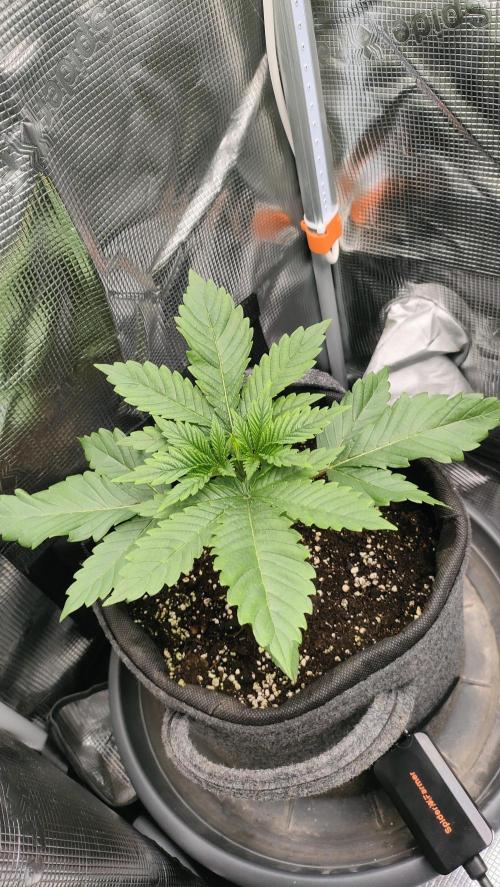
10 cm
Height
18 hrs
Light Schedule
26 °C
Day Air Temp
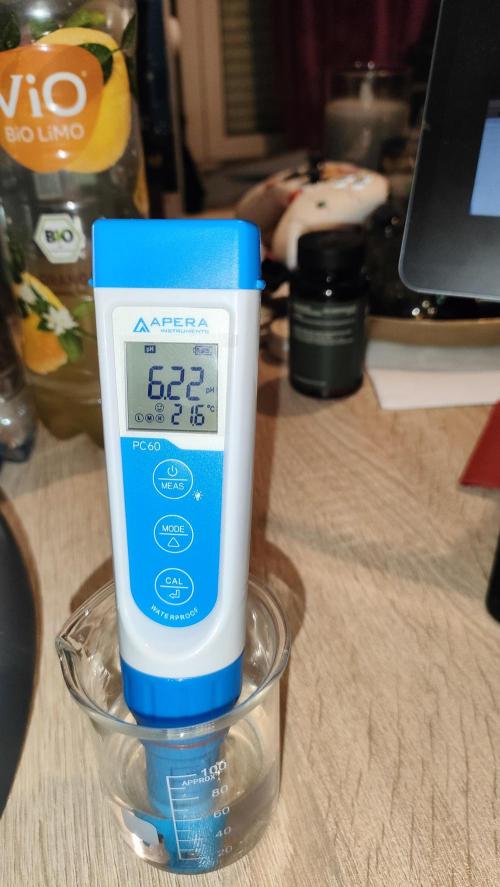
6.2
pH
No Smell
Smell
100 PPM
TDS
65 %
Air Humidity
21 °C
Solution Temp
24 °C
Substrate Temp
24 °C
Night Air Temp
11 liters
Pot Size
0.3 liters
Watering Volume
30 cm
Lamp Distance
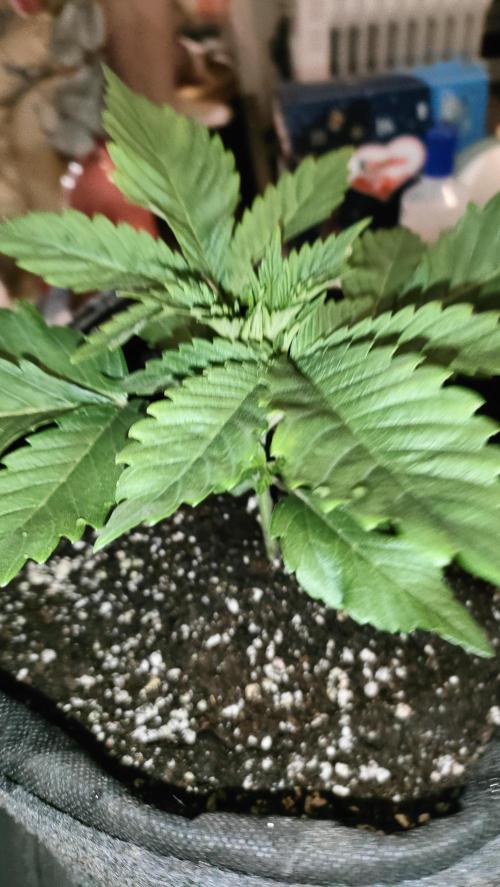
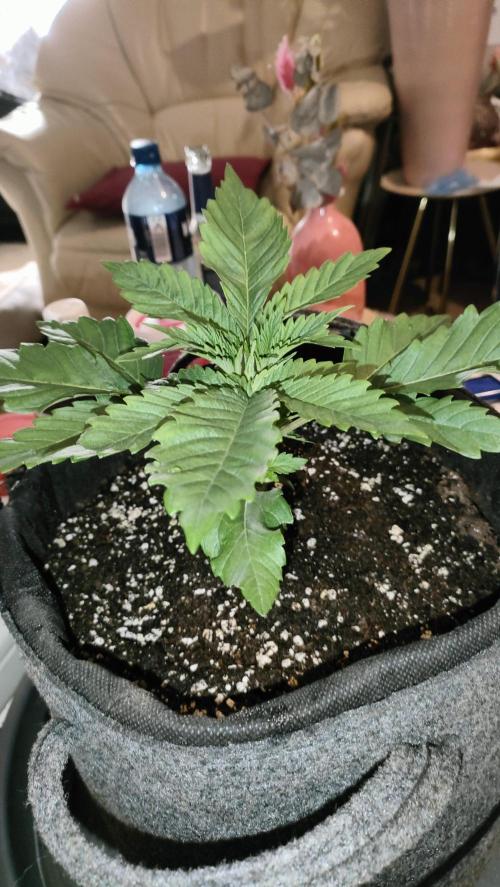
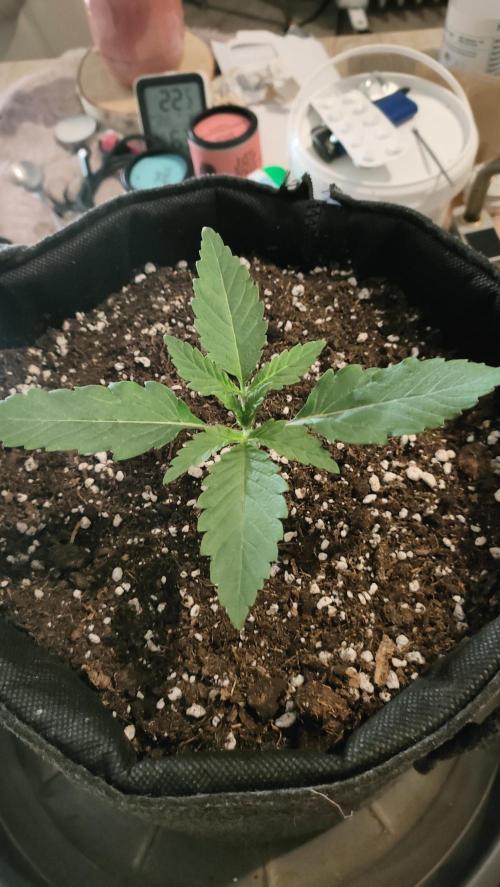
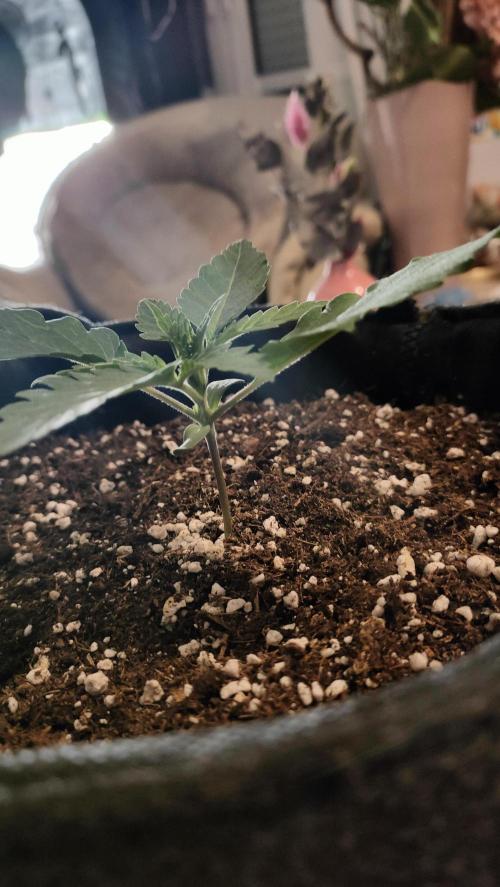
KraftKlotz Week 1 – Early Vegetative Growth (Day 8–14)
Status: Transition into vegetative phase
Growth rate increased noticeably. Leaf surface expanded and photosynthesis stabilized.
Focus during this week was on root expansion and establishing a solid plant structure.
Setup & Conditions:
Light: gradually increased to approx. 300–320 PPFD
Climate: stable with constant air movement
Watering: adjusted to rising consumption
Nutrients: still mainly provided by the soil, no aggressive feeding
Observation:
Even leaf development with no discoloration.
No signs of nutrient stress or overwatering.
Plants began expressing their natural growth pattern.
2 likes
comments
Share
3
Week 3. Vegetation10mo ago

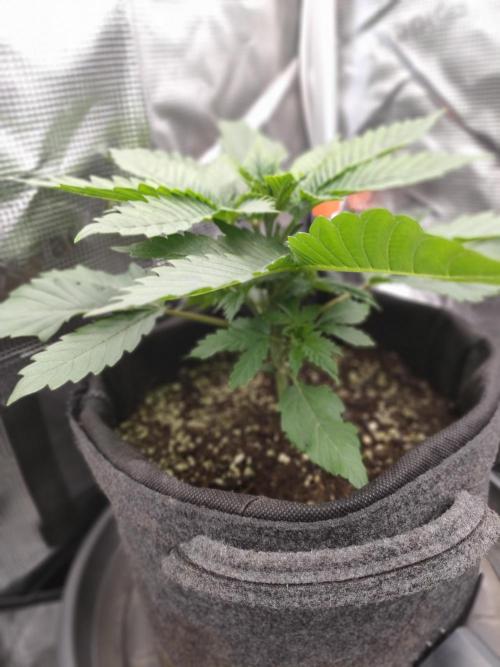


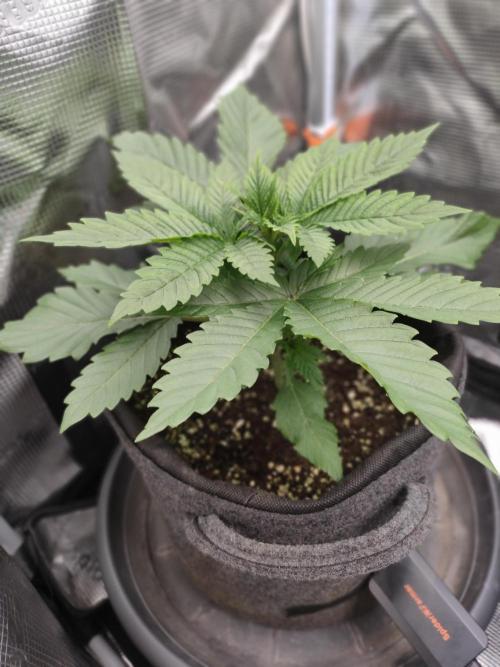
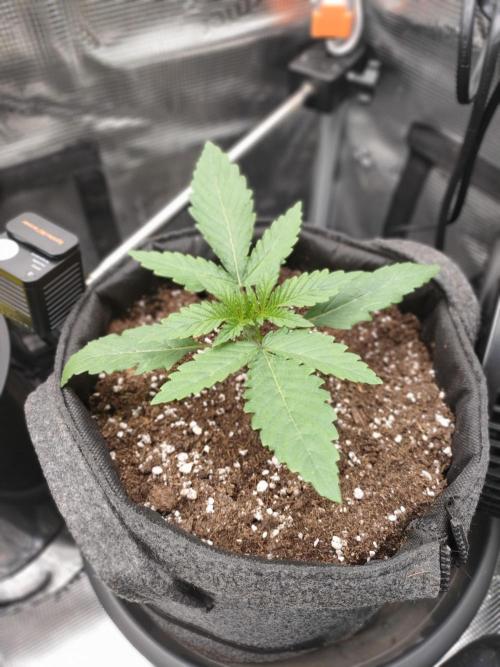


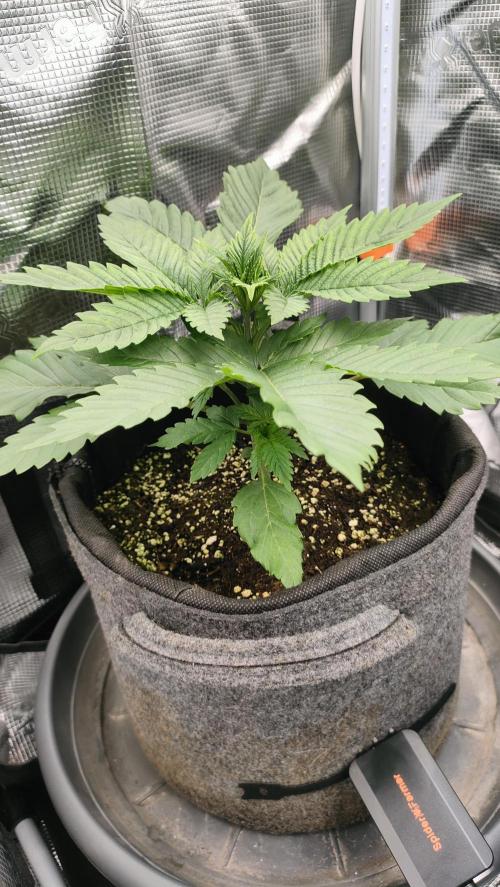
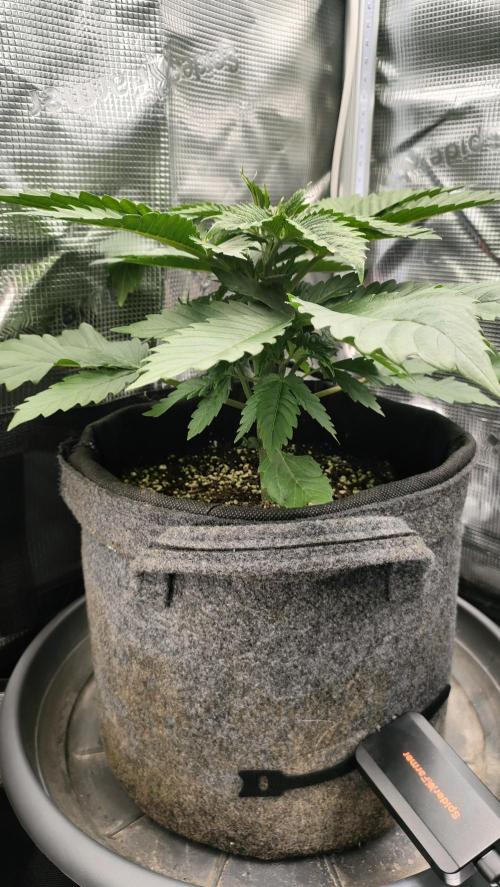





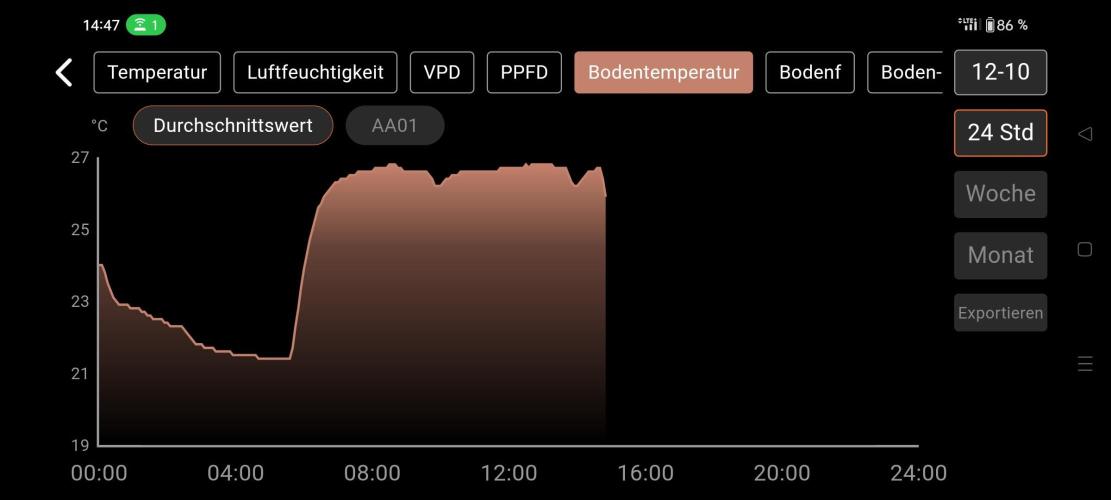
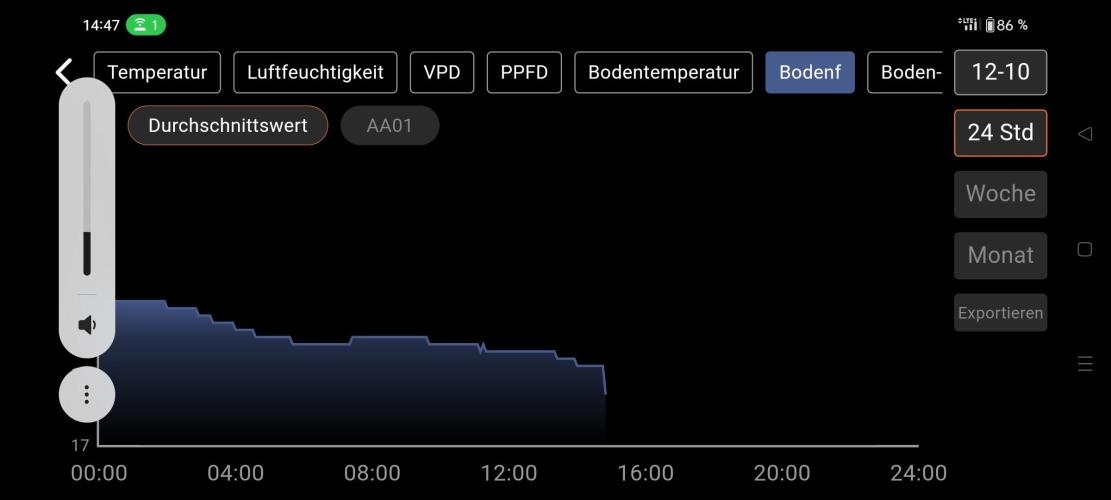
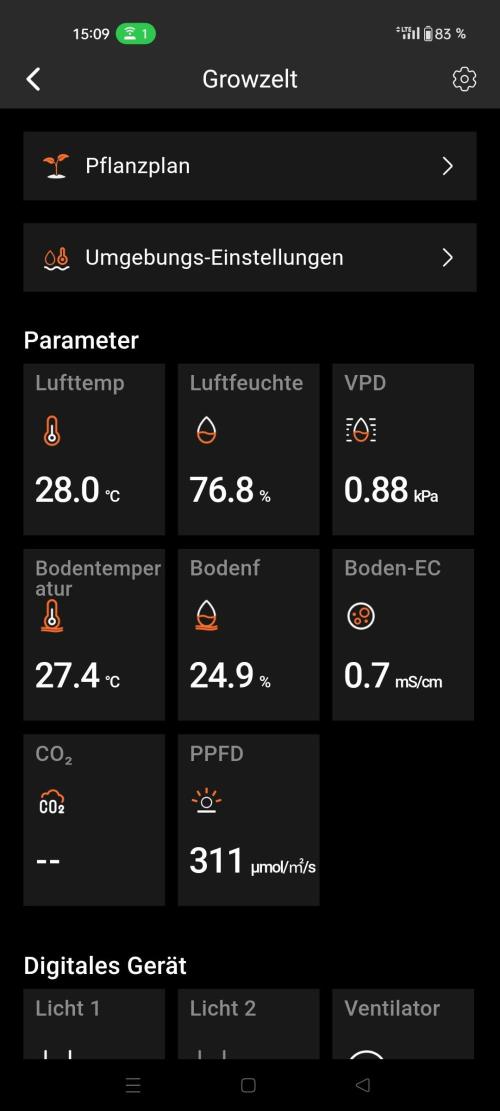
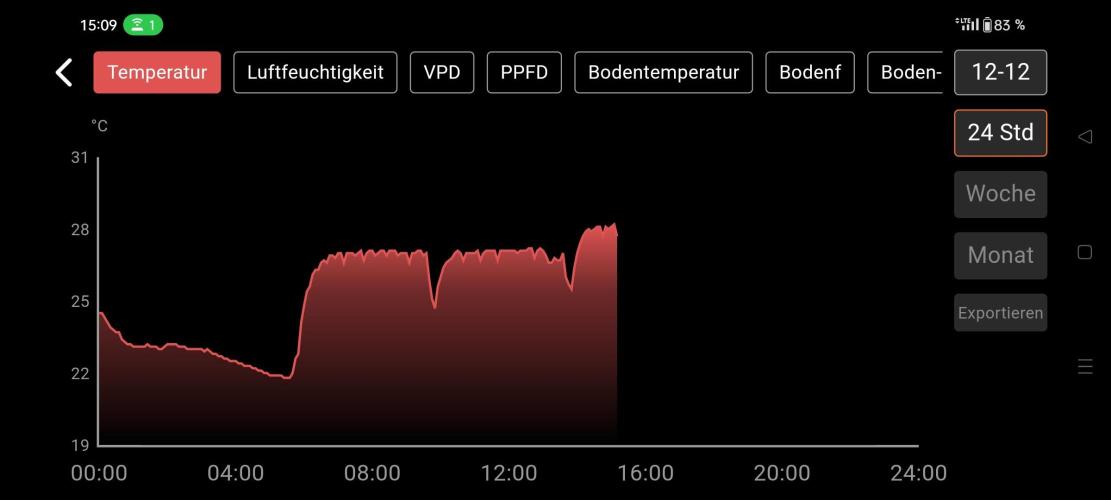
20 cm
Height
18 hrs
Light Schedule
28 °C
Day Air Temp
6.2
pH
No Smell
Smell
350 PPM
TDS
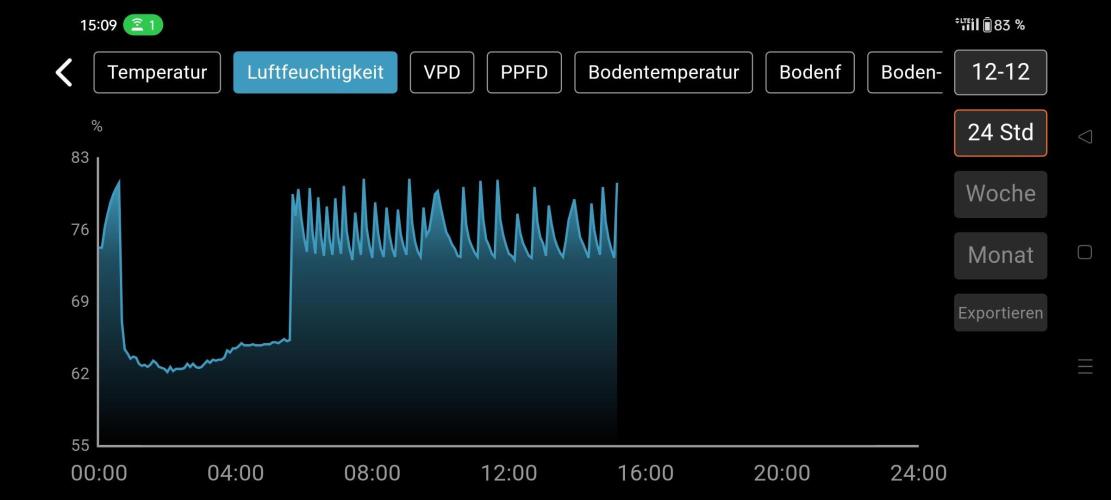
76 %
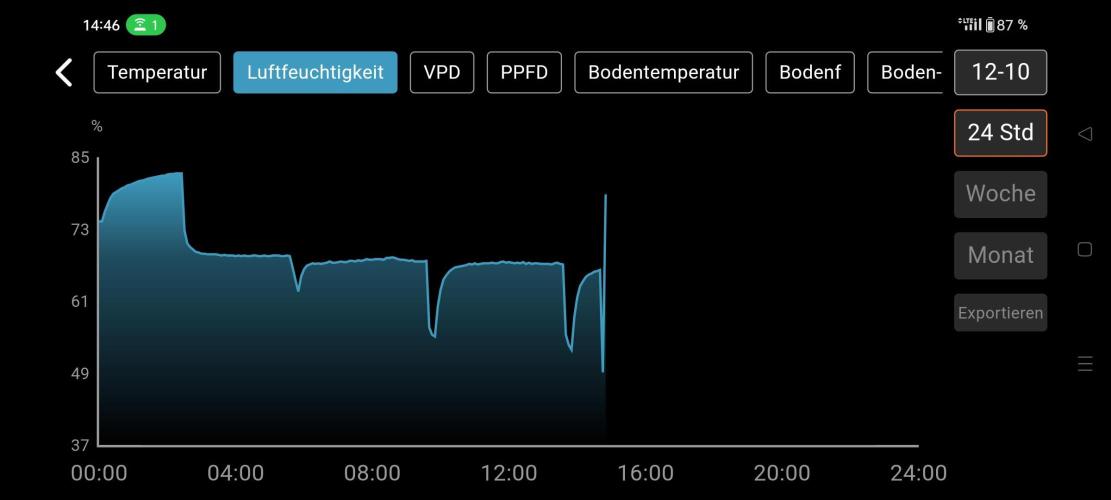
Air Humidity
21 °C
Solution Temp
27 °C
Substrate Temp
24 °C
Night Air Temp
11 liters
Pot Size
0.3 liters
Watering Volume
30 cm
Lamp Distance
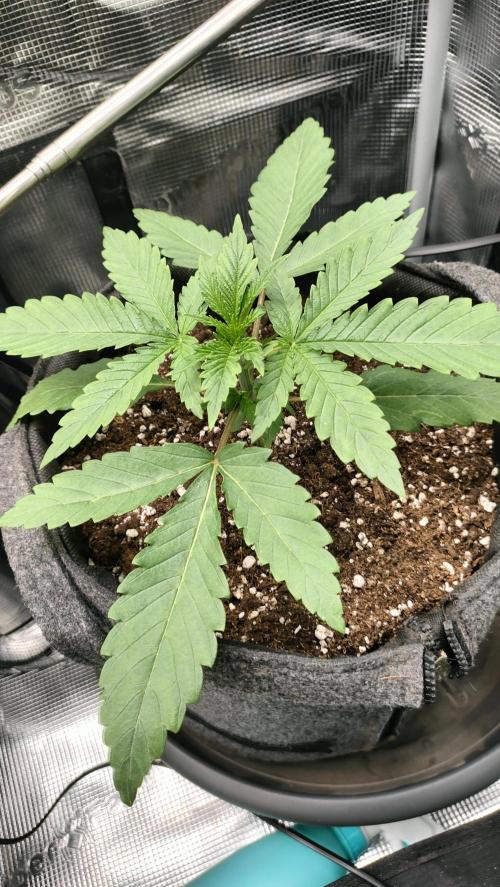
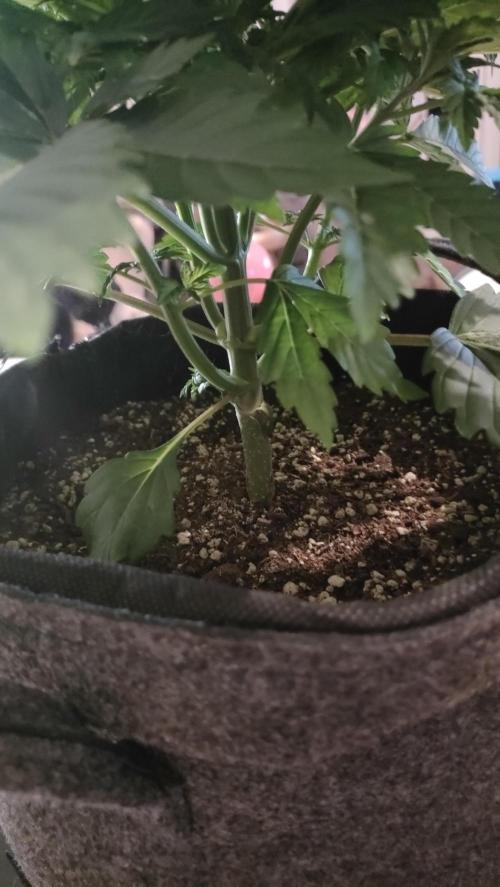
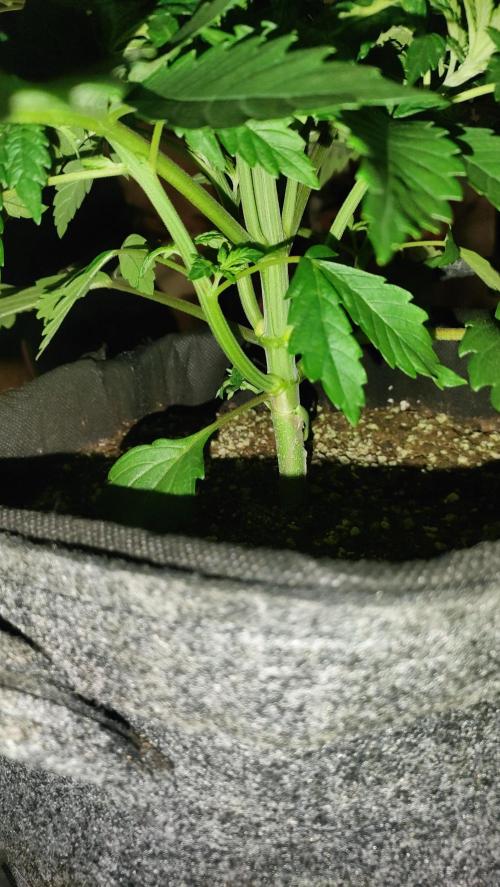
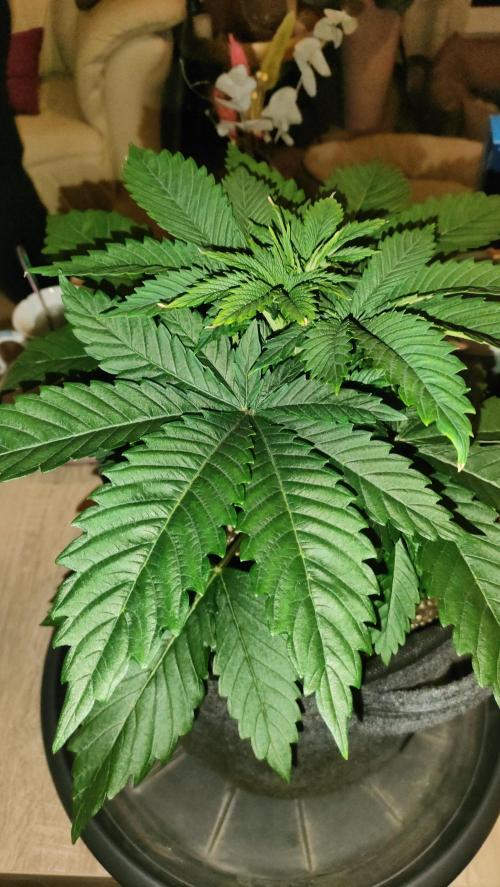
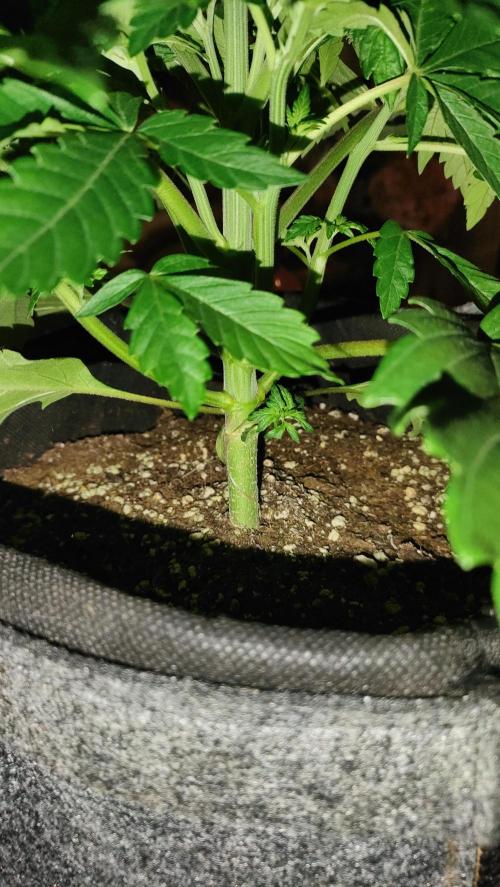
KraftKlotz Week 2 – Established Vegetation & First Training (Day 15–21)
Status: Strong vegetative growth, structure control begins
The larger plant developed strong side branches.
The smaller plant was topped to improve structure and canopy balance.
First light defoliation and low stress training were applied carefully.
Setup & Conditions:
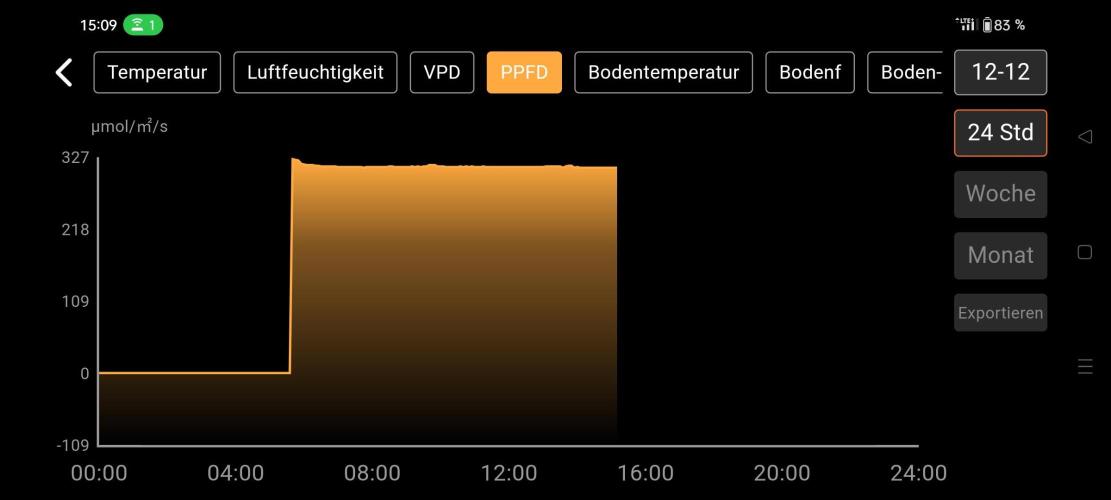
Light: approx. 360 PPFD using two Viparspectra P600
Photoperiod: 18/6 (5:30 – 23:30)
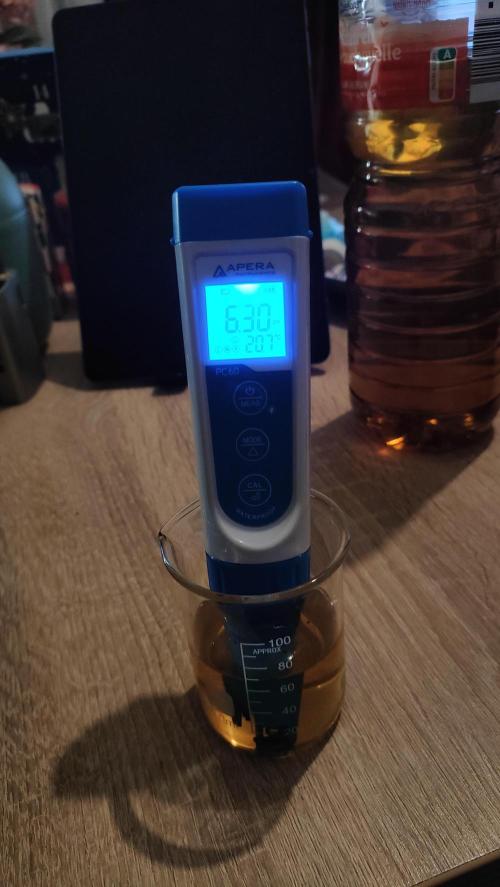
Soil EC: approx. 0.6–0.7 mS/cm
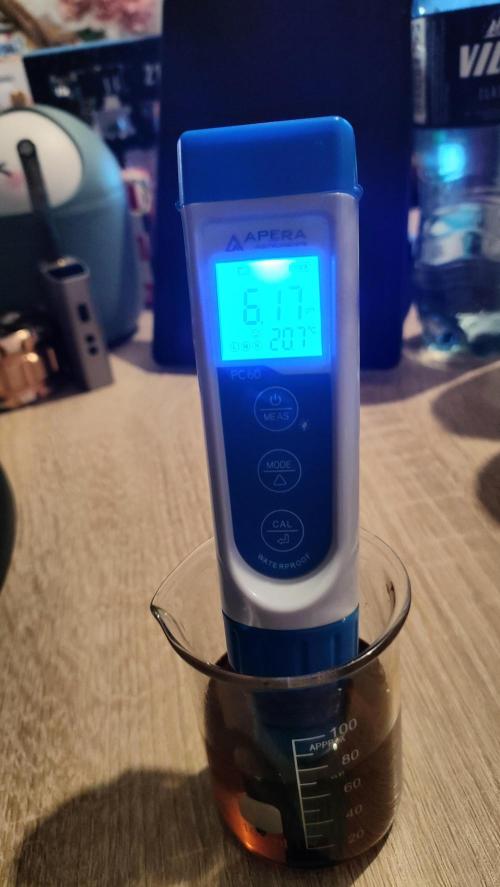
Root zone pH: approx. 6.2
Watering: demand-based and closely monitored
Observation:
Very good response to topping, LST and defoliation.
No visible stress after interventions.
Plants actively redistributed nutrients, older leaves acting as reserves.
1 like
comments
Share
4
Week 4. Vegetation10mo ago






30 cm
Height
18 hrs
Light Schedule
27 °C
Day Air Temp
6.2
pH
Weak
Smell
400 PPM
TDS
56 %
Air Humidity
21 °C
Solution Temp
24 °C
Substrate Temp
23 °C
Night Air Temp
11 liters
Pot Size
0.6 liters
Watering Volume
30 cm
Lamp Distance
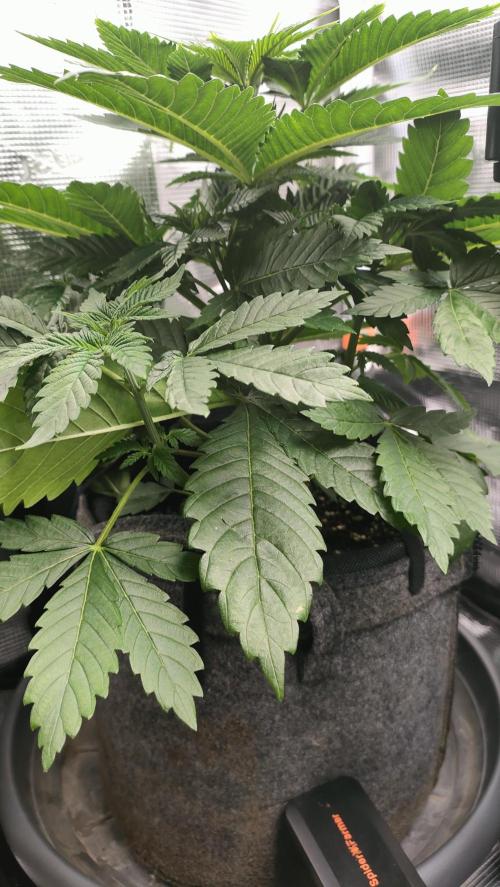
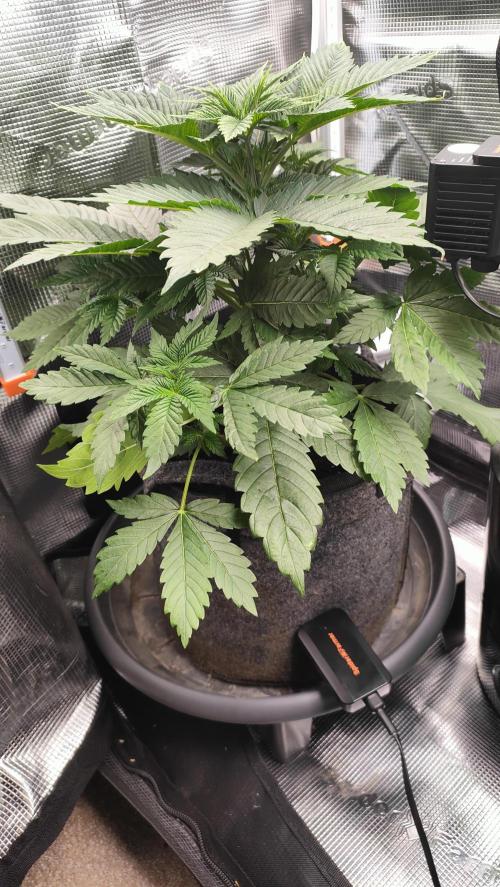
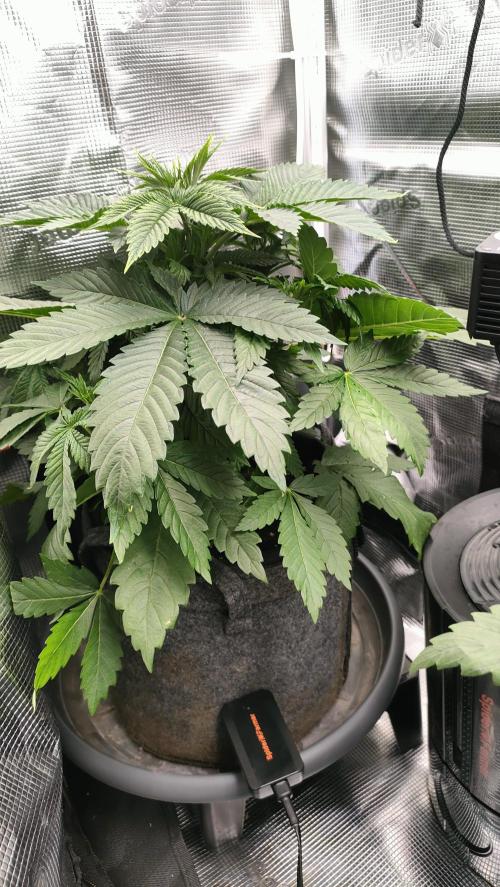
KraftKlotz Week 3 – Vegetative Performance Phase (Day 22–28, current)
Status: Transition toward high-efficiency growth
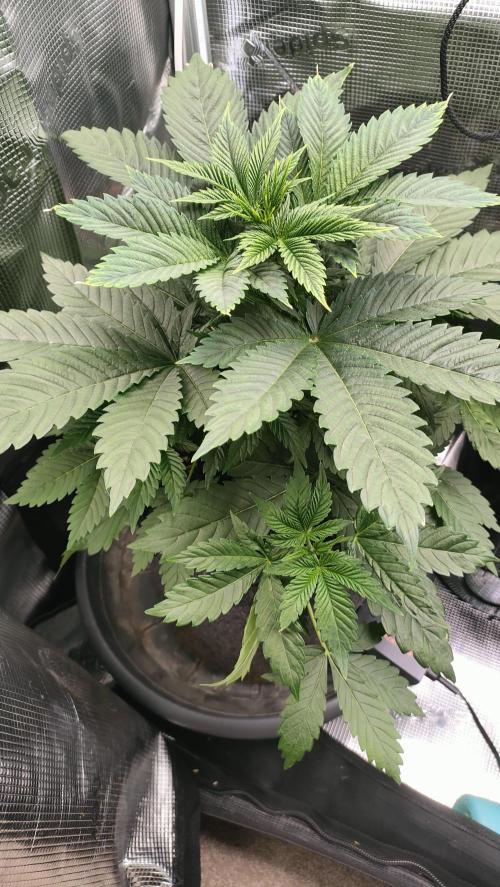
After defoliation, LST and optimized light distribution, both plants showed visible growth within 24 hours.
Light intensity is adjusted individually to balance plant size and development.
Setup & Conditions:
Light:
Larger plant: approx. 410–412 PPFD
Smaller plant: approx. 320 PPFD
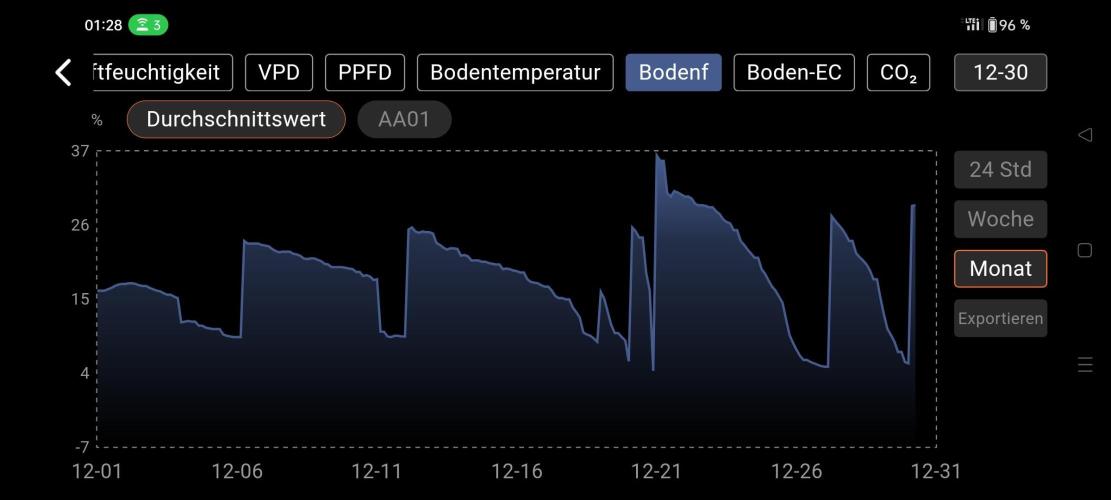
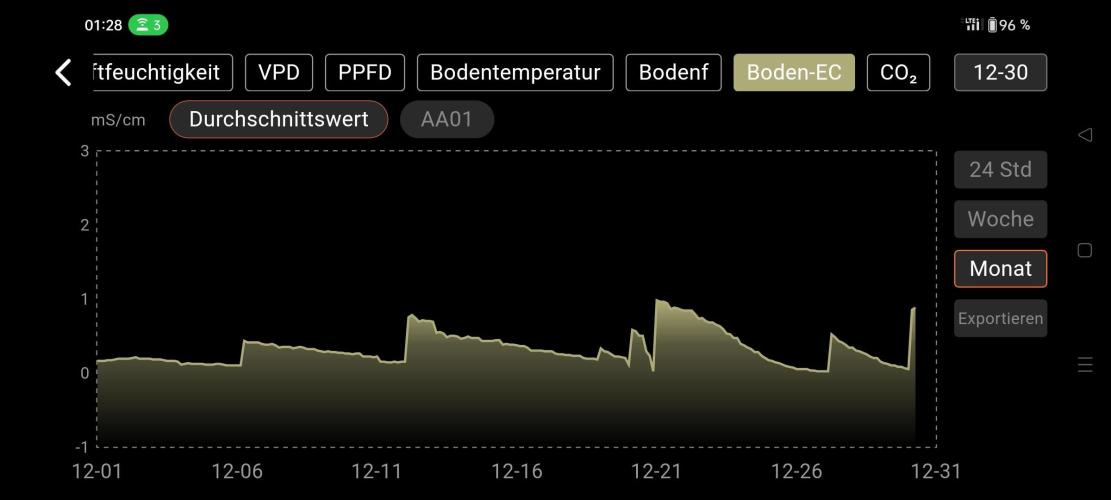
Soil EC: decreasing due to active uptake (0.65 → ~0.33 mS/cm)
Watering:
Larger plant: approx. 2.0–2.5 L
Smaller plant: approx. 1.5 L
Climate:
Target RH: 53–63 %, later 45–55 %
Strong air circulation, no stagnant zones
Observation:
Very efficient water and nutrient uptake.
Leaves remain vital, no deficiencies, no burn.
Clear resource shift from older leaves to new growth.
Controlled development, no stress reactions.
Overall Summary (up to now)
Clear structure following GrowDiaries week logic
Fully data-driven grow
No panic actions, no blind feeding
Plants behave exactly as expected under optimal conditions
4 likes
2 comments
Share
Used techniques
LST
Technique
Topping
Technique
Defoliation
Technique
5
Week 5. Vegetation10mo ago
40 cm
Height
18 hrs
Light Schedule
27 °C
Day Air Temp
6.2
pH
Weak
Smell
400 PPM
TDS
56 %
Air Humidity
21 °C
Solution Temp
24 °C
Substrate Temp
23 °C
Night Air Temp
11 liters
Pot Size
0.6 liters
Watering Volume
30 cm
Lamp Distance
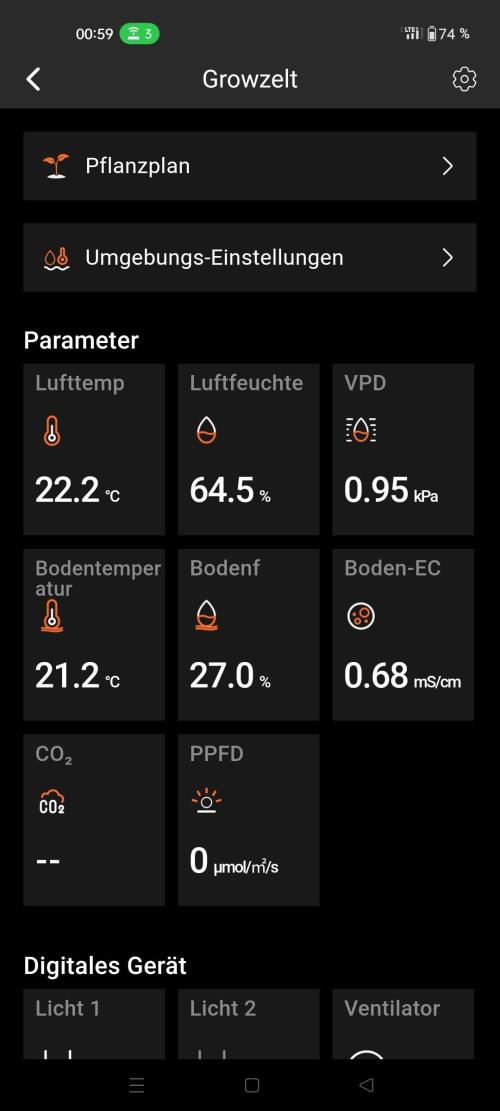
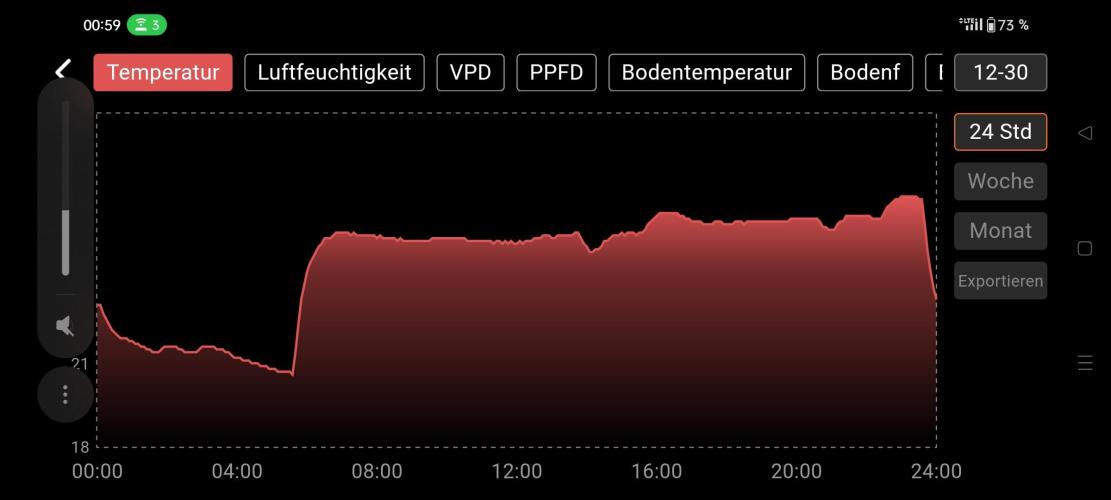
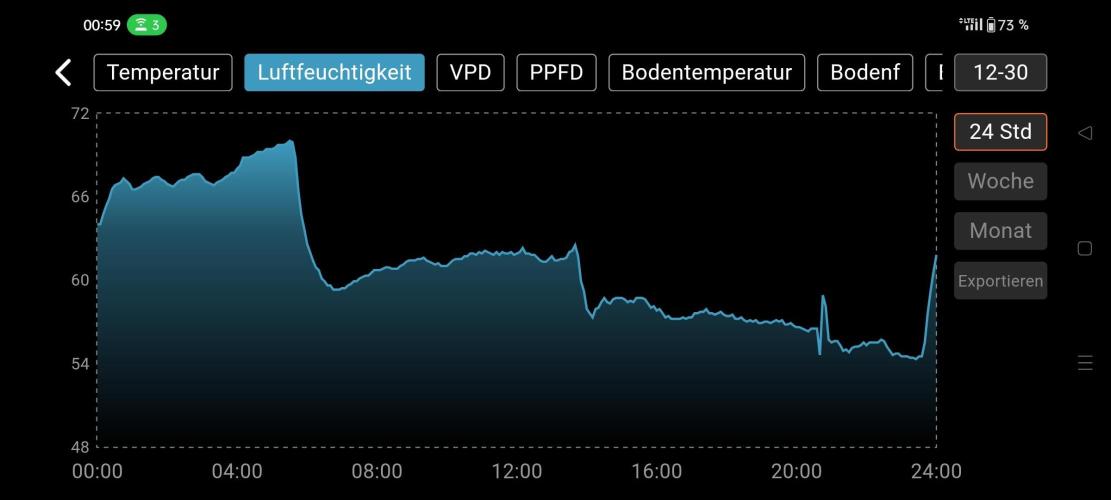
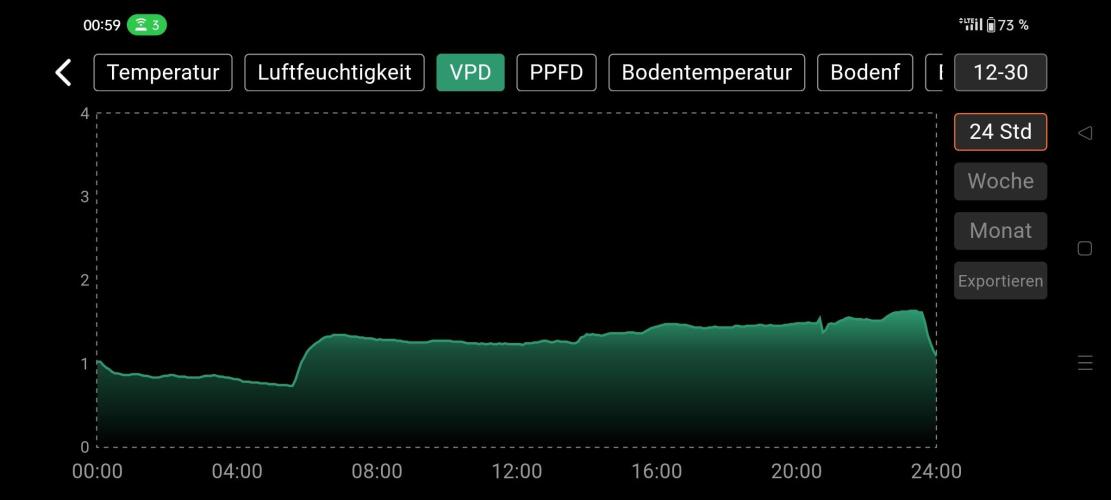
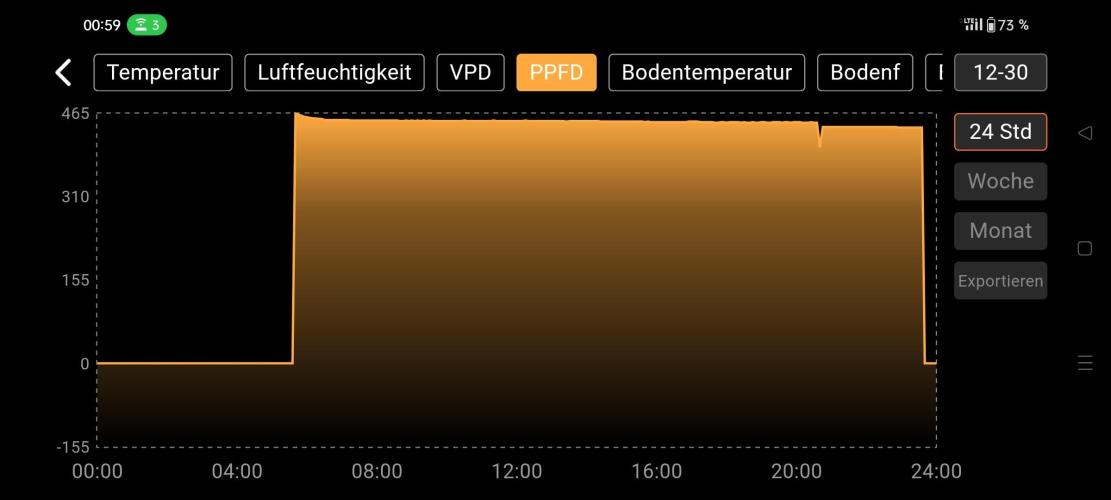
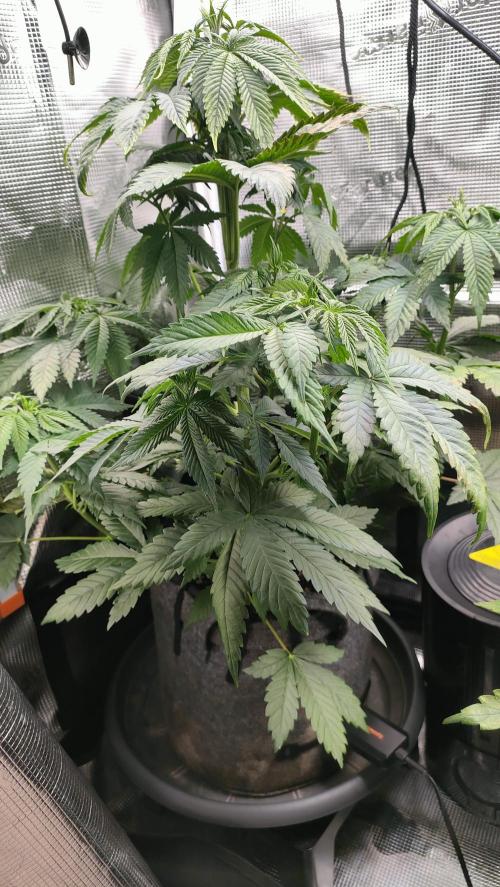
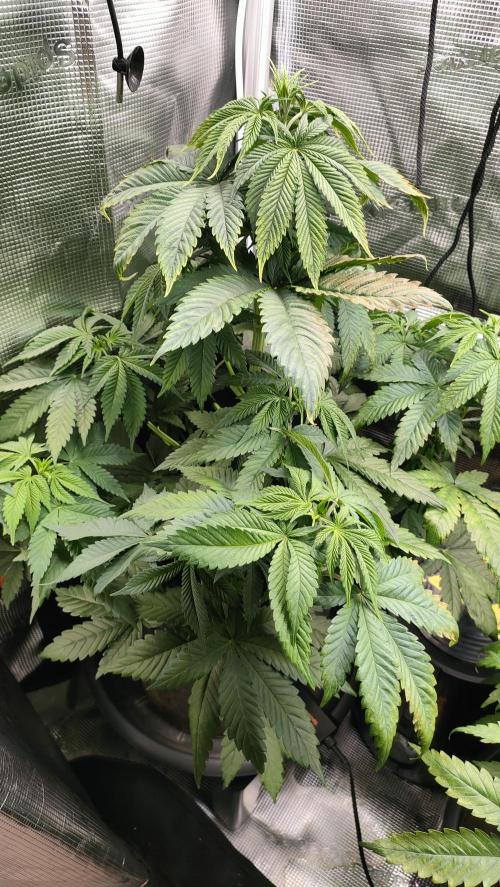
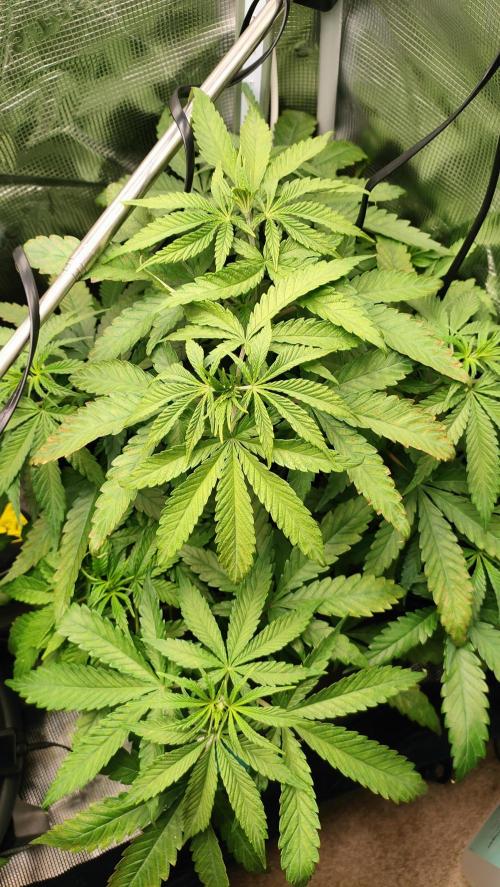
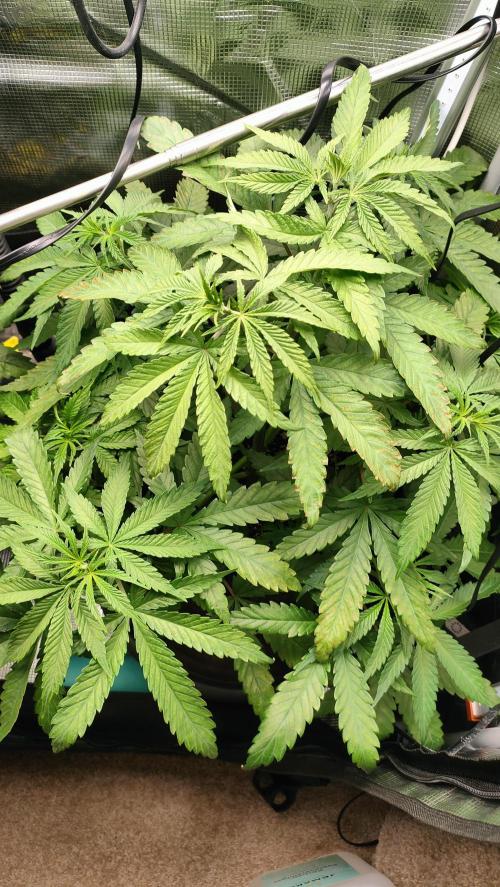
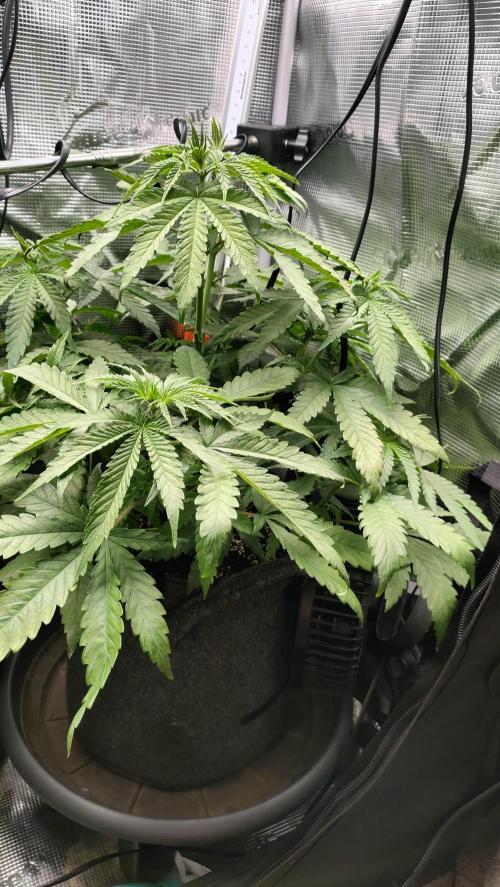
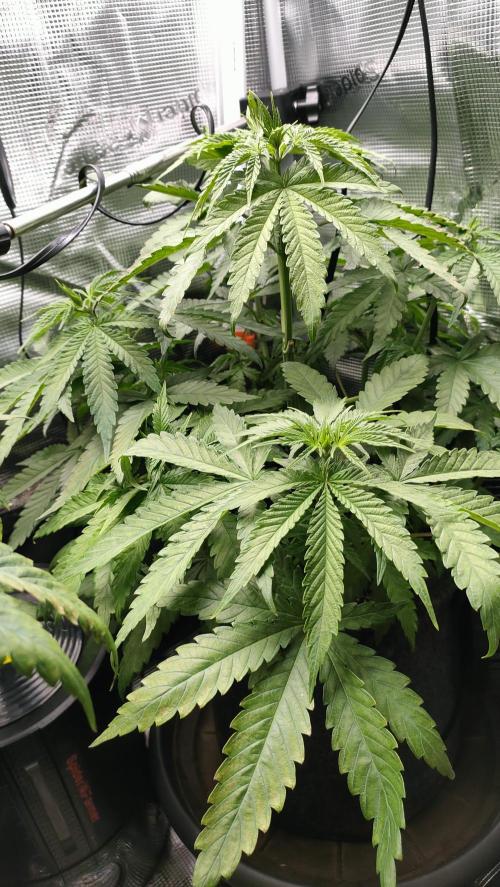
KraftKlotz Day 31:
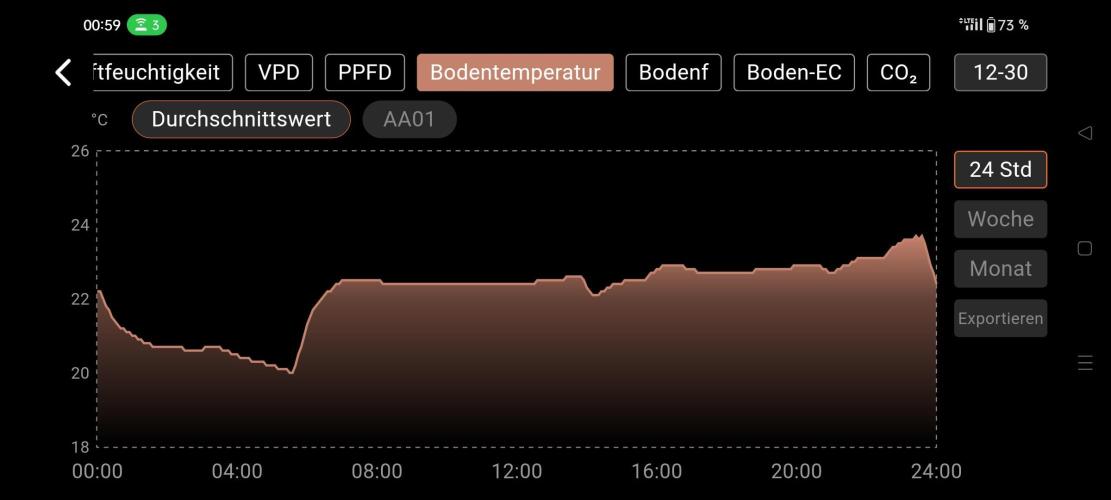
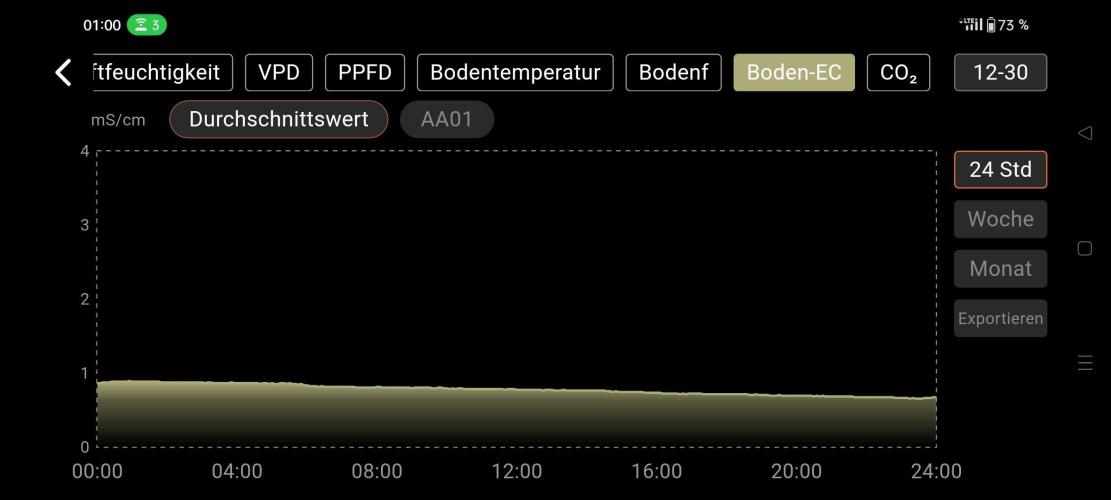
Soil EC decreased from 0.68 to 0.56 mS/cm, clearly showing active nutrient uptake.
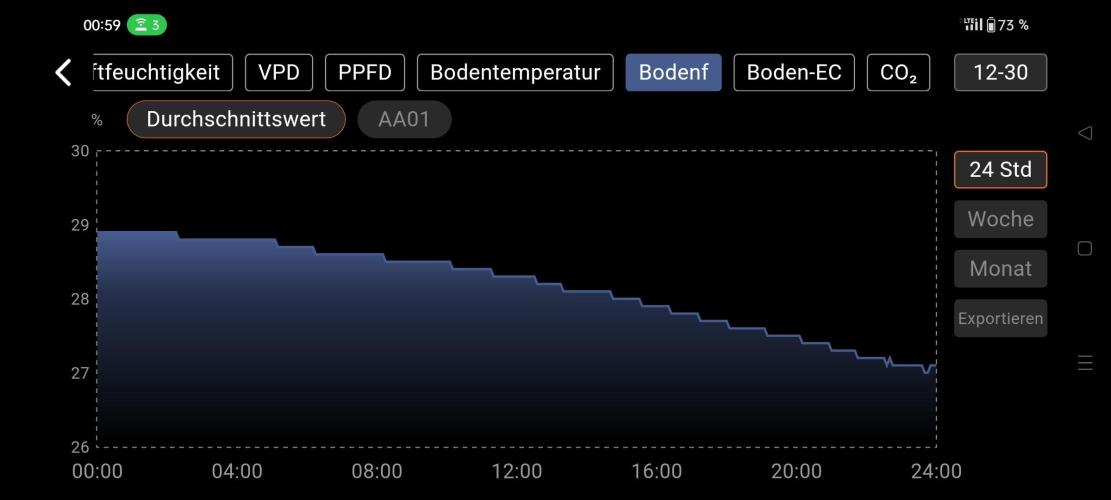
Soil moisture continued to drop, plants are consuming water efficiently.
Daytime VPD remained around 1.2 kPa, well within the optimal range for vegetative growth.
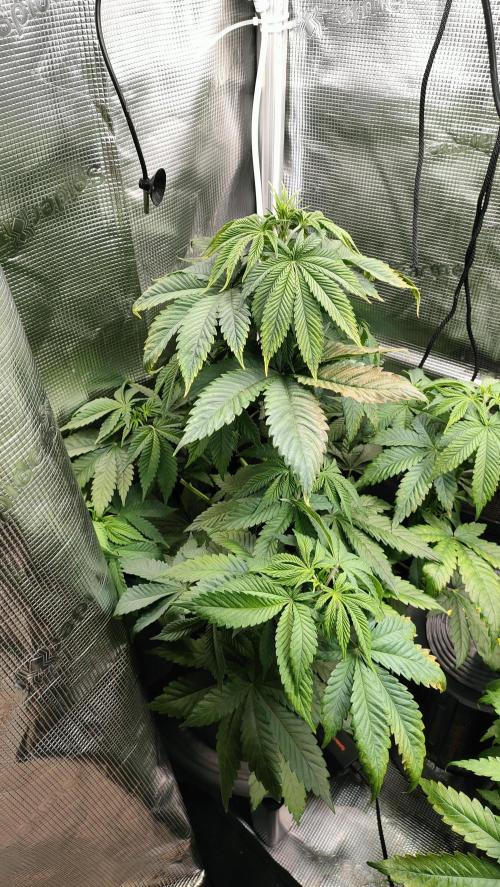
Despite mild stress from recent defoliation and LST, the larger plant continues to develop strongly.
The smaller plant is recovering as expected but remains behind due to age and training.
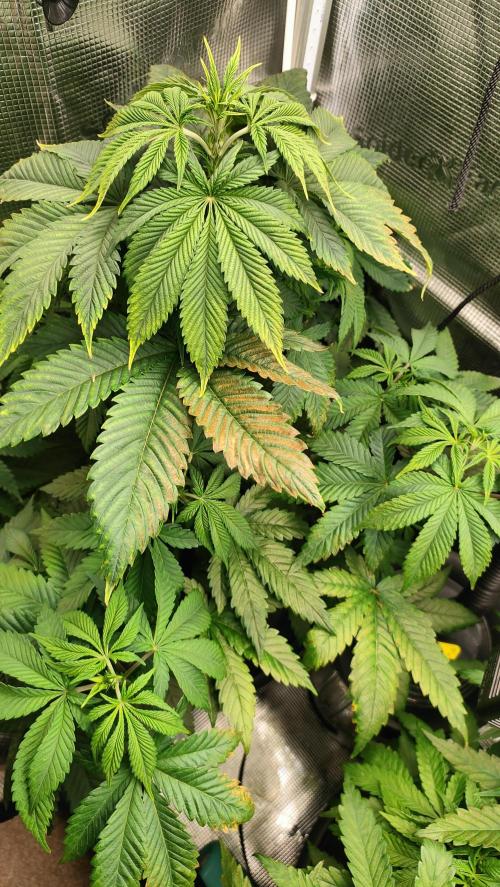
Day 32:
Early leaf symptoms indicate a temporary pH-related potassium and magnesium lockout, likely caused by a short-term pH drop below ~6.2.
New growth currently shows no deficiencies, suggesting the issue is already stabilizing.
Current status:
VPD day: ~1.4 kPa
VPD night: ~0.8 kPa (actively regulated via RH increase)
Soil temperature: ~23 °C
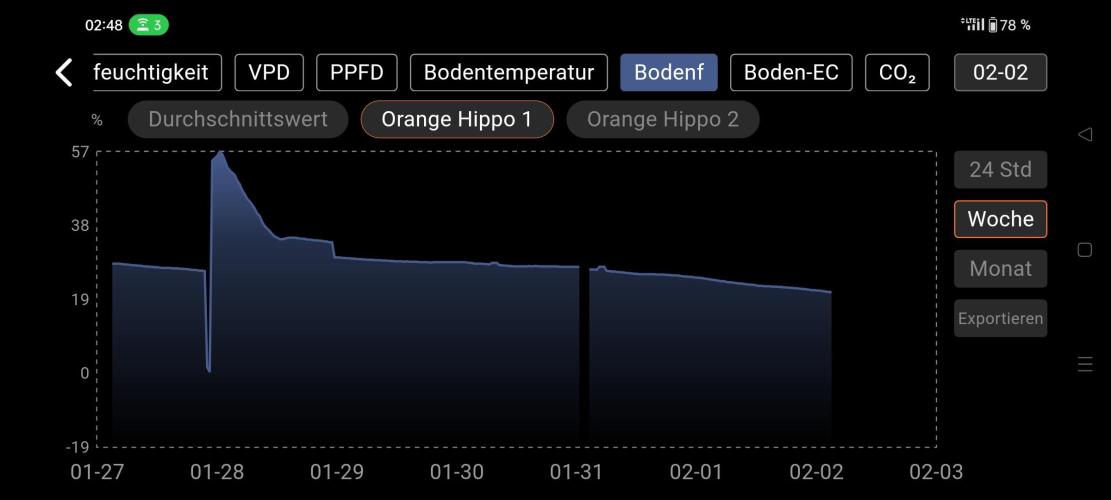
Soil EC: down to 0.22 mS/cm
Soil moisture: 16.9 % (next irrigation due)
Next steps:
Upcoming irrigation with adjusted nutrient solution (EC 1.2–1.4 mS/cm, pH 6.5–6.6), focusing on restoring magnesium and potassium availability.
Summary:
The grow remains stable. Minor, temporary imbalances were identified early and are being corrected in a controlled manner. Both plants are on a solid trajectory.
likes
comments
Share
Used techniques
LST
Technique
Defoliation
Technique
6
Week 6. Vegetation9mo ago
45 cm
Height
18 hrs
Light Schedule
27 °C
Day Air Temp
6.2
pH
Weak
Smell
550 PPM
TDS
56 %
Air Humidity
21 °C
Solution Temp
24 °C
Substrate Temp
23 °C
Night Air Temp
11 liters
Pot Size
0.6 liters
Watering Volume
30 cm
Lamp Distance
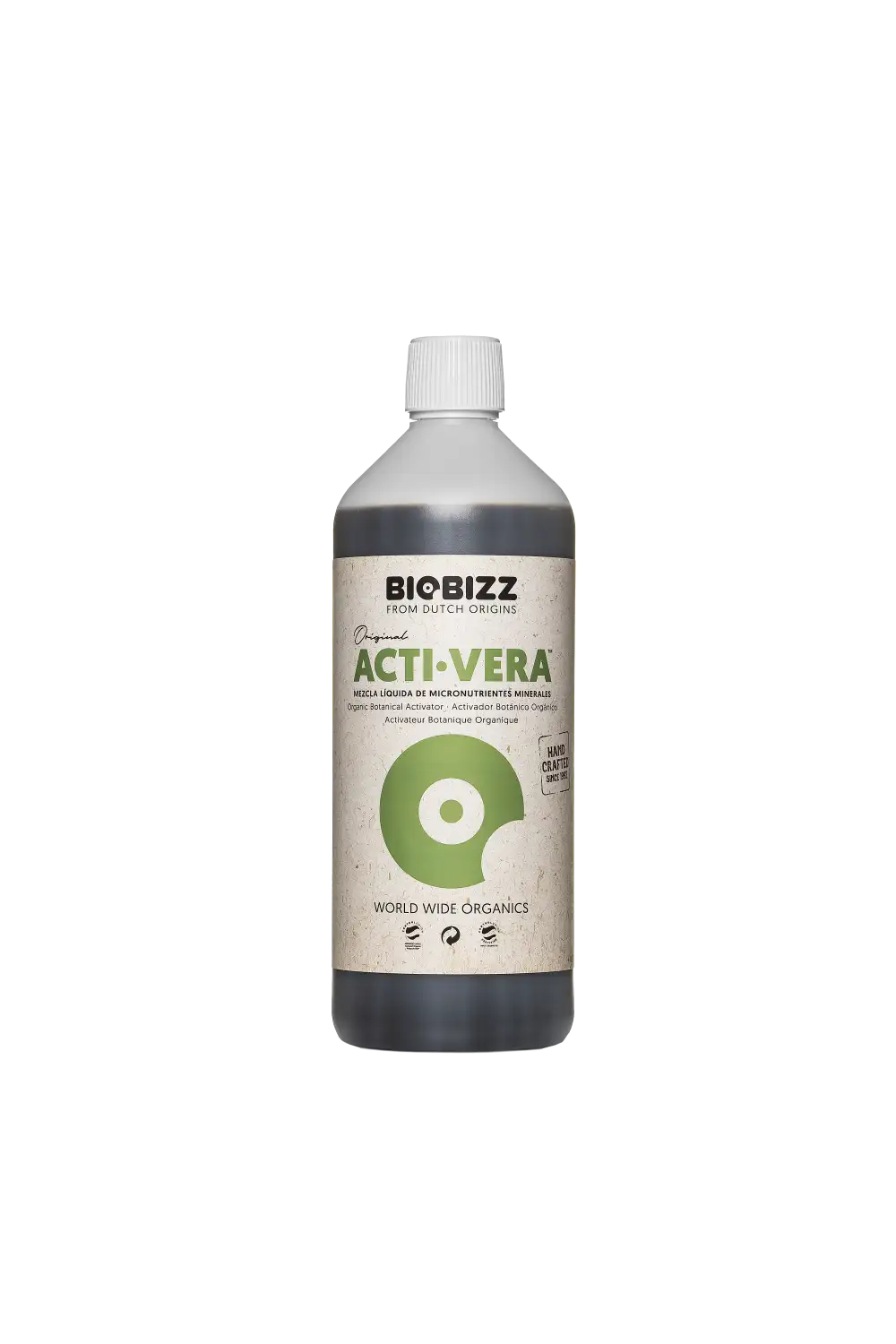
Nutrients 6

Trace Mix
1 mll

Acti-Vera
1 mll

Alg-A-Mic
2 mll
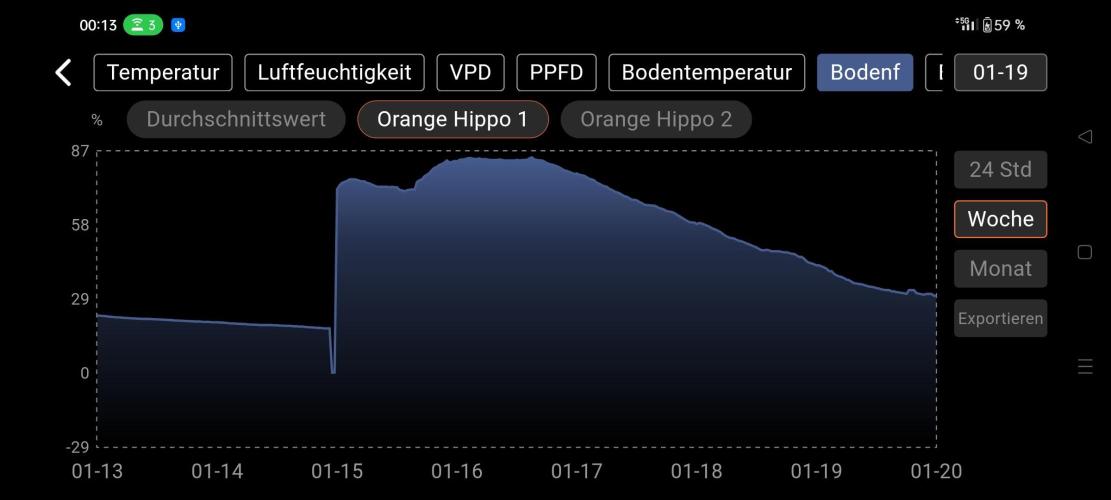
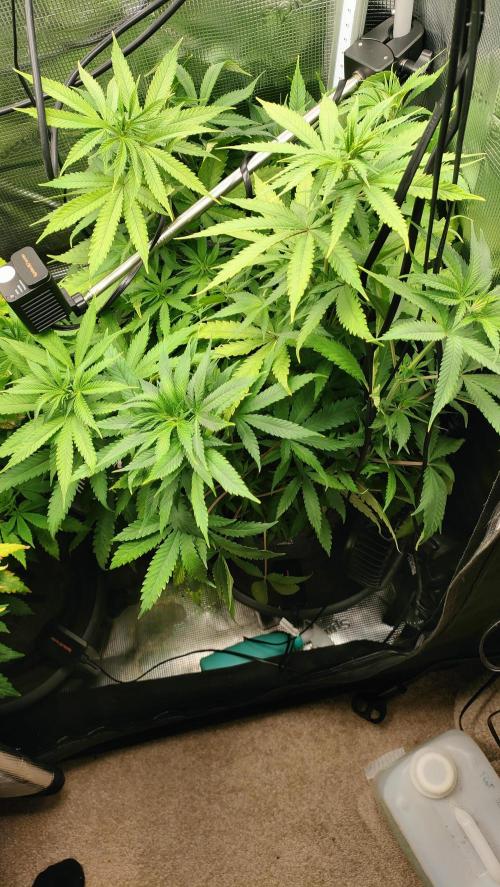
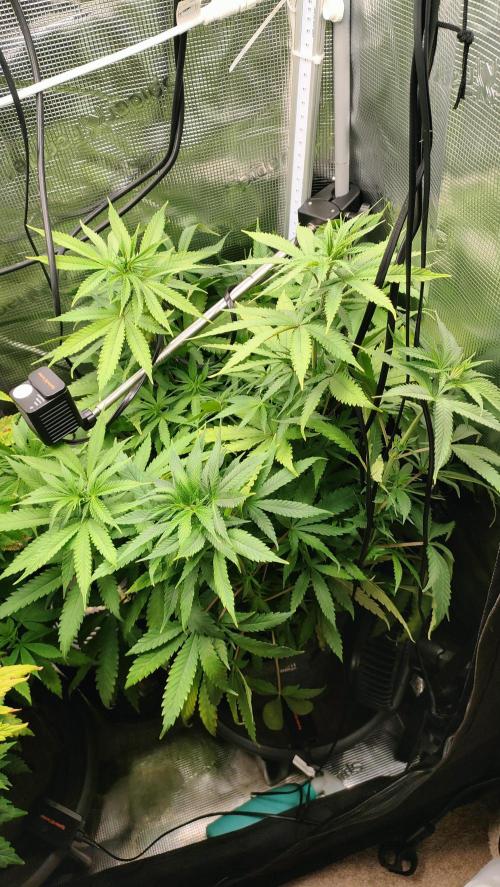
KraftKlotz Growth day 42
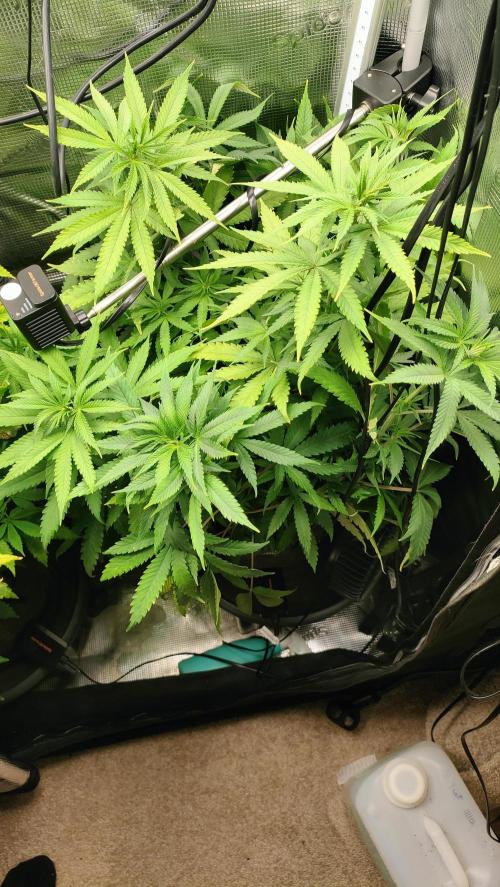
Environment and lighting stable.
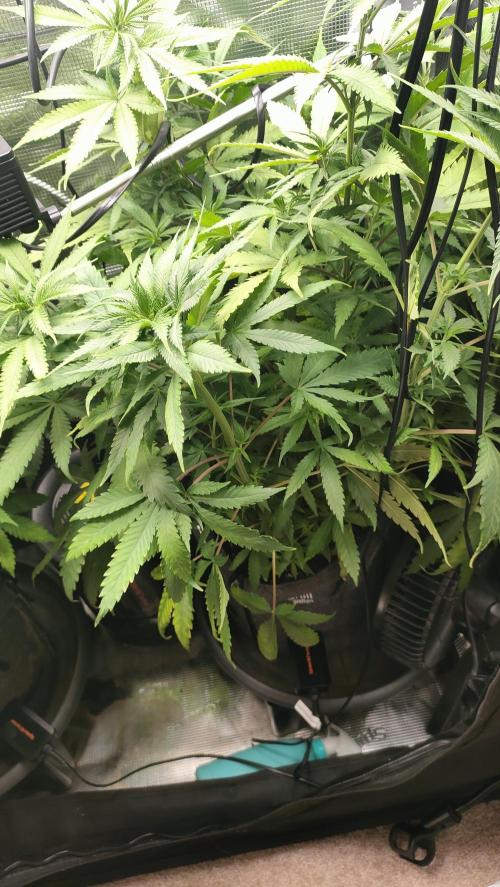
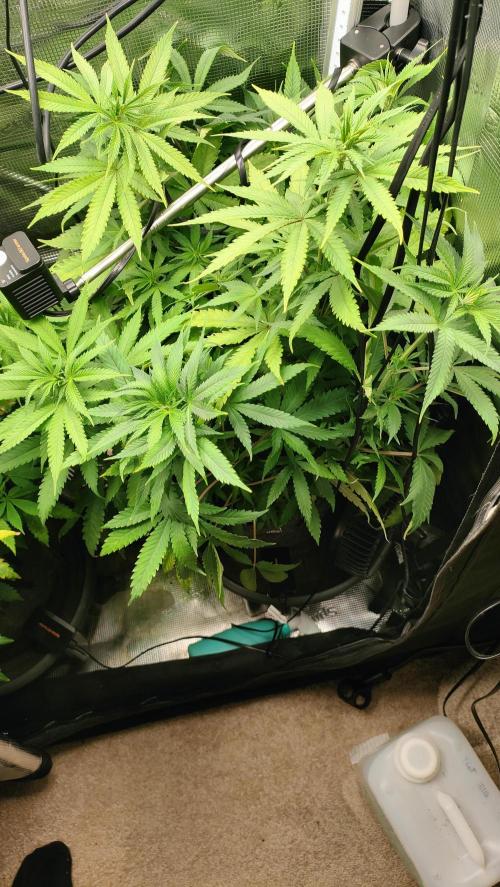
Leaf color still mostly uniform green.
No new visible issues.
Substrate continued to dry, no watering.
Growth day 43
No changes to the setup.
First slight lightening visible on some older leaves, mainly in the upper canopy.
New growth looked normal.
Soil continued drying.
Growth day 44
Watered according to plan.
Soil moisture increased accordingly.
During the day, leaf discoloration became more noticeable: yellowing on older leaves and first signs of marginal necrosis.
New growth remained green.
Light intensity increased to approx. 650–670 PPFD.
Nutrient solution used:
approx. 65 mg/l N, 92 mg/l P, 117 mg/l K, 177 mg/l Ca, 61 mg/l Mg.
No Epsom salt added.
Growth day 45
Leaf symptoms more clearly visible, mainly on older and more exposed leaves.
Typical pattern of chlorosis with localized necrotic spots, not evenly spread across the plant.
New shoots remained stable in color.
Climate stayed calm and controlled.
Growth day 46
No further interventions.
Symptoms did not visibly spread to new growth.
Affected areas remained mostly older leaves.
Substrate continued to dry evenly.
Growth day 47
Leaf appearance largely unchanged compared to the previous day.
No visible progression, but existing damage clearly present.
New growth still without visible symptoms.
Growth day 48
Light intensity slightly reduced to approx. 600–620 PPFD.
Upper new growth remained stable in color.
Older leaves still clearly yellowed with necrotic areas, visually unchanged.
Soil moisture at the lower range before the next irrigation.
Summary
This week was marked by one irrigation event followed by visible leaf reactions.
Symptoms mainly affect older leaves, while new growth remains stable.
Climate and lighting stayed controlled without extreme fluctuations.
The current visual state is noticeable but can be clearly placed in context over time.
likes
comments
Share
Used techniques
LST
Technique
Topping
Technique
Defoliation
Technique
7
Week 7. Vegetation9mo ago
60 cm
Height
18 hrs
Light Schedule
29 °C
Day Air Temp
6.3
pH
Normal
Smell
700 PPM
TDS
58 %
Air Humidity
21 °C
Solution Temp
24 °C
Substrate Temp
23 °C
Night Air Temp
11 liters
Pot Size
0.7 liters
Watering Volume
30 cm
Lamp Distance
Nutrients 6
Trace Mix
1 mll
Acti-Vera
1 mll
Alg-A-Mic
2 mll
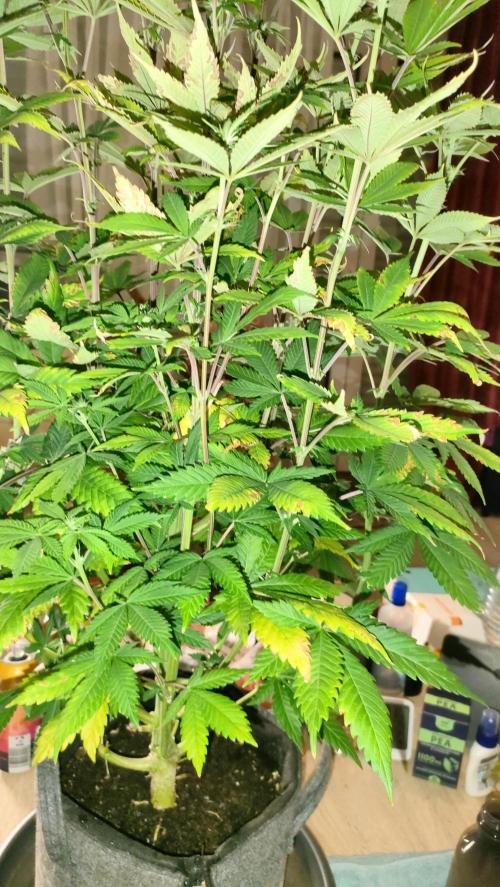
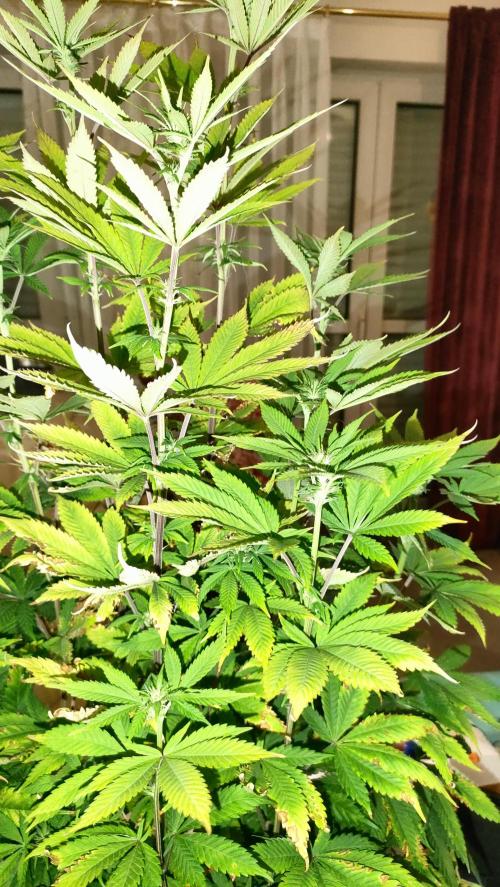
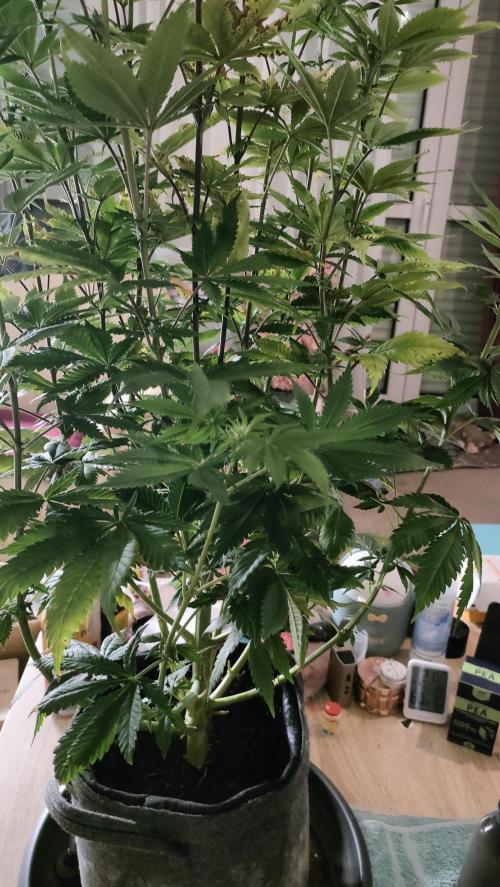
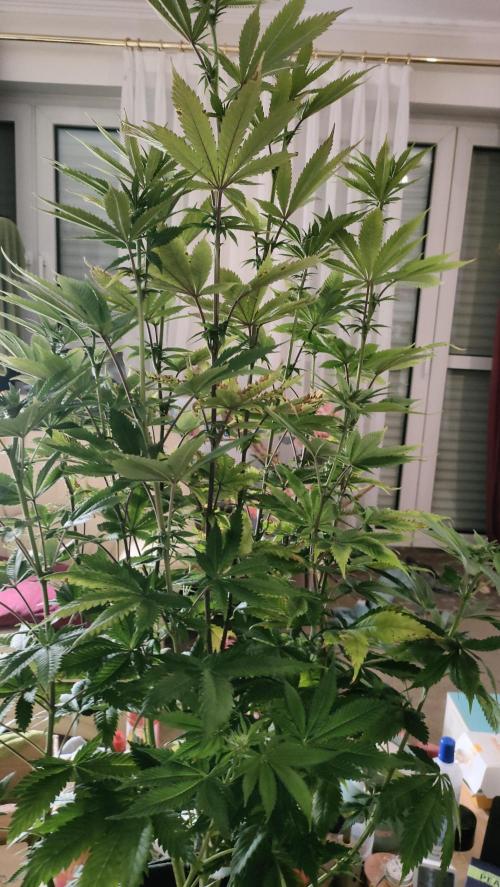
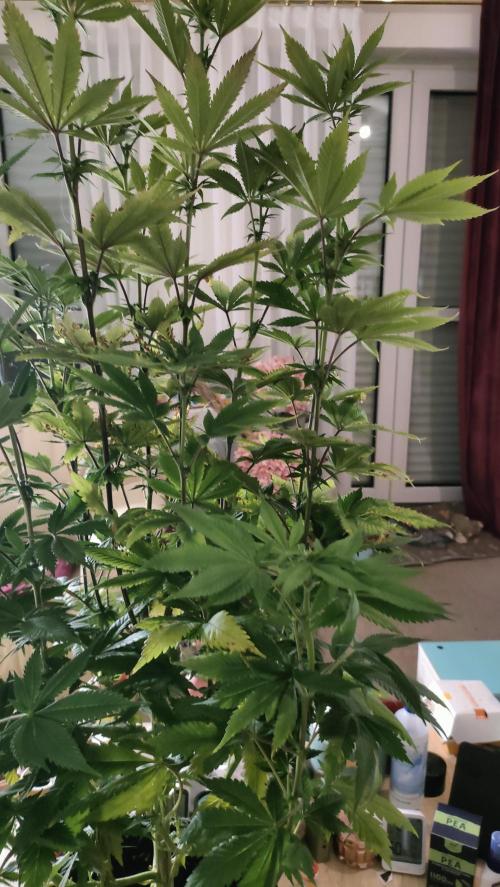
KraftKlotz Day 49–54 (Transition week / early flowering)
During this period, the plants were mostly left undisturbed. No training was applied, only watering and close monitoring. Nutrient solution was kept around EC 1.3, which both plants absorbed very well.
Substrate EC dropped significantly within a few days, indicating strong nutrient uptake.
Daytime climate averaged VPD ~1.1–1.3, with higher night humidity but no signs of dew or mold. First clear flower formation appeared.
Some yellowing and necrotic leaves are clearly linked to an earlier pH drift and a single nitrogen omission and are not spreading.
likes
comments
Share
Used techniques
LST
Technique
Defoliation
Technique
8
Week 8. Flowering9mo ago
70 cm
Height
12 hrs
Light Schedule
29 °C
Day Air Temp
6.3
pH
Normal
Smell
700 PPM
TDS
58 %
Air Humidity
21 °C
Solution Temp
24 °C
Substrate Temp
23 °C
Night Air Temp
11 liters
Pot Size
0.7 liters
Watering Volume
30 cm
Lamp Distance
Nutrients 10

pH- Powder
0.1 mll
Trace Mix
1 mll
Acti-Vera
1 mll
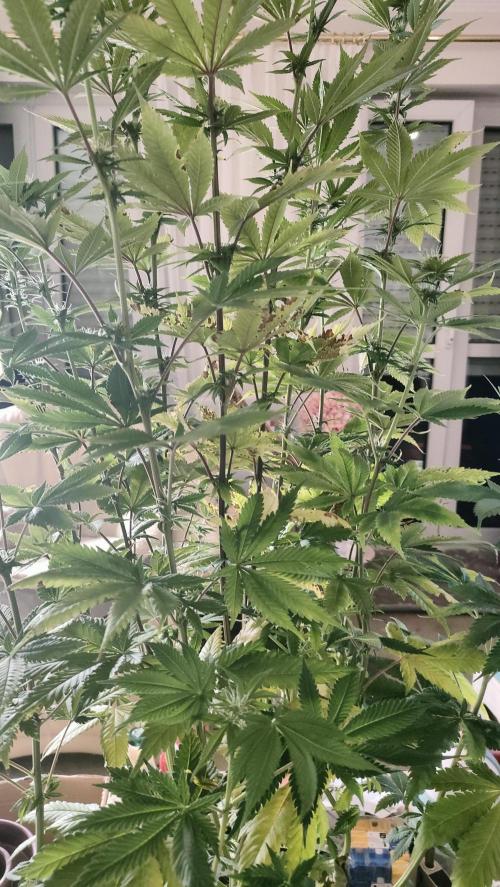
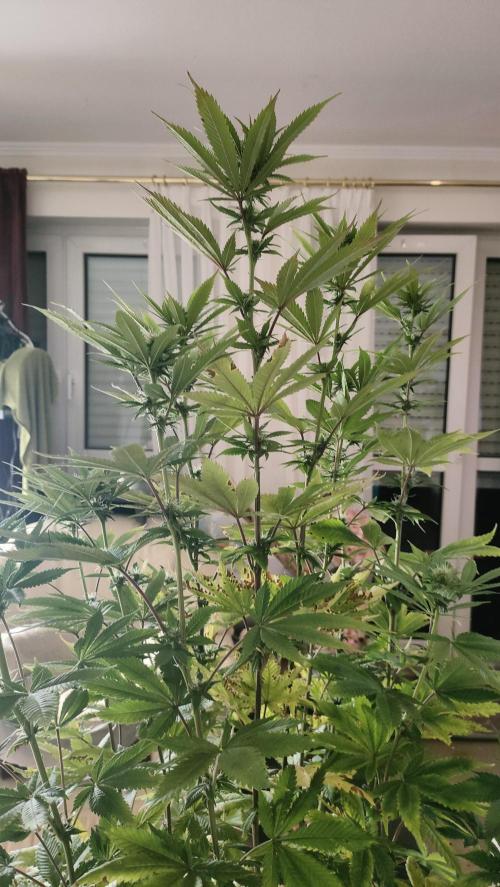
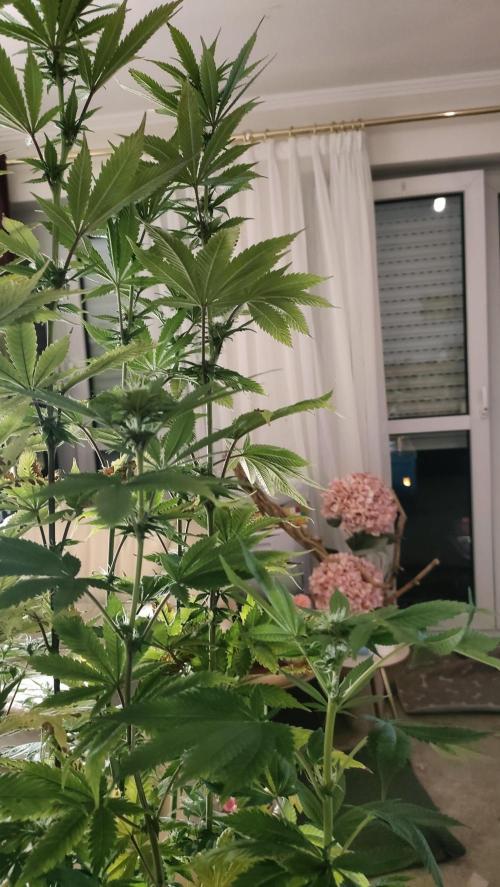
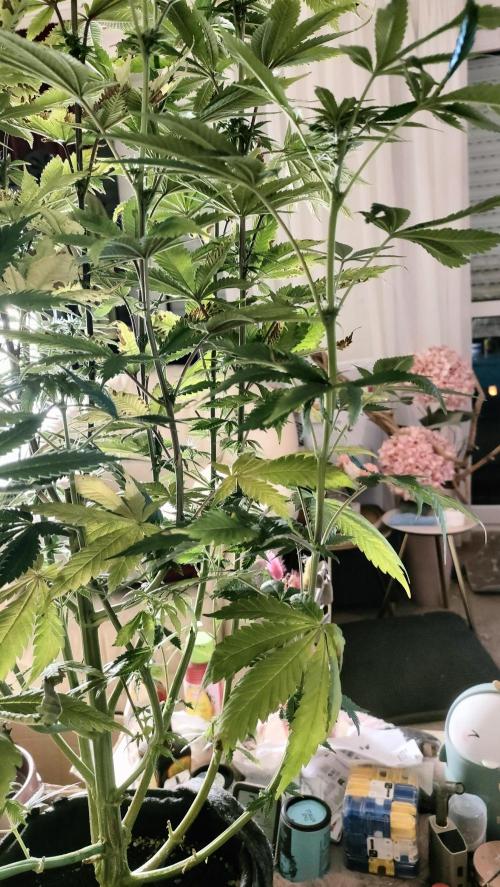
KraftKlotz Day 55–61 (stable flower development)
Plants continued to develop in a very stable manner with moderate feeding. EC 1.3 proved to be a good balance, providing roughly 3–4 days of nutrient availability.
Both plants kept pulling significant EC from the substrate, without any signs of overfeeding.
Air circulation was optimized to avoid stagnant humidity in upper canopy areas. Defoliation was intentionally avoided to minimize stress.
Hippo 2, although around 7 days younger, already showed larger flower sites compared to Hippo 1.
likes
comments
Share
9
Week 9. Flowering9mo ago
80 cm
Height
12 hrs
Light Schedule
29 °C
Day Air Temp
6.3
pH
Normal
Smell
700 PPM
TDS
58 %
Air Humidity
21 °C
Solution Temp
24 °C
Substrate Temp
23 °C
Night Air Temp
11 liters
Pot Size
0.7 liters
Watering Volume
30 cm
Lamp Distance
Nutrients 10
pH- Powder
0.1 mll
Trace Mix
1 mll
Acti-Vera
1 mll
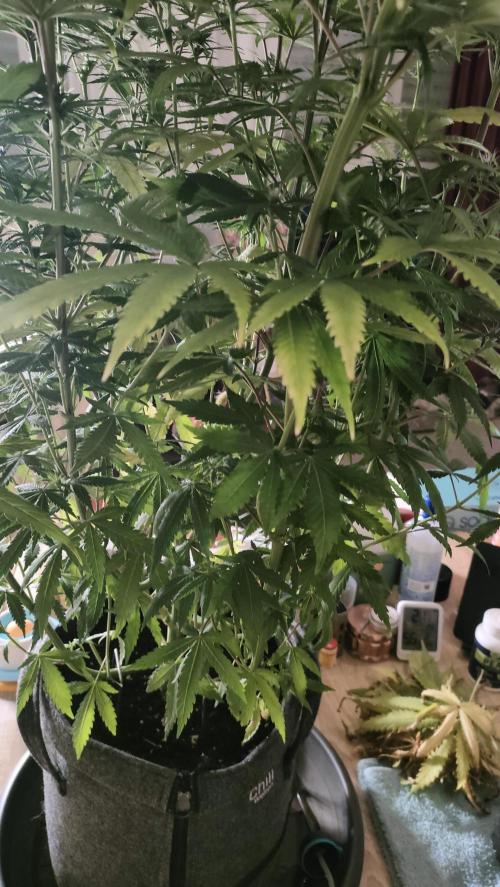
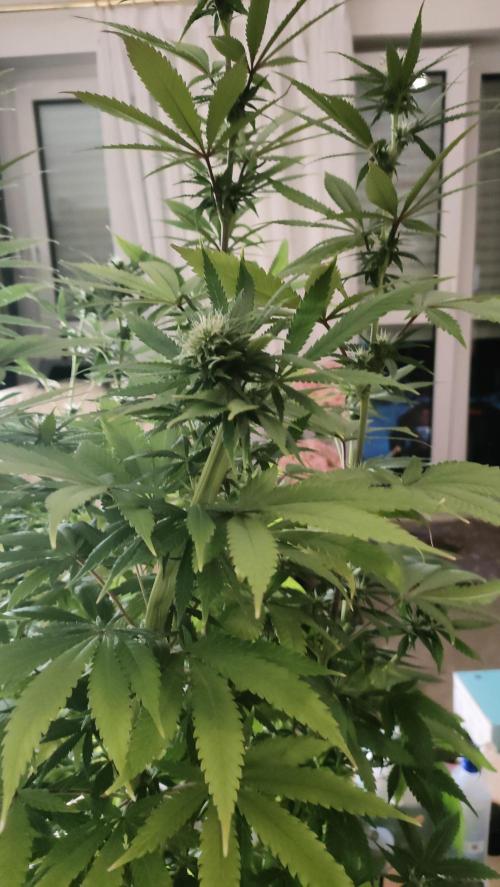
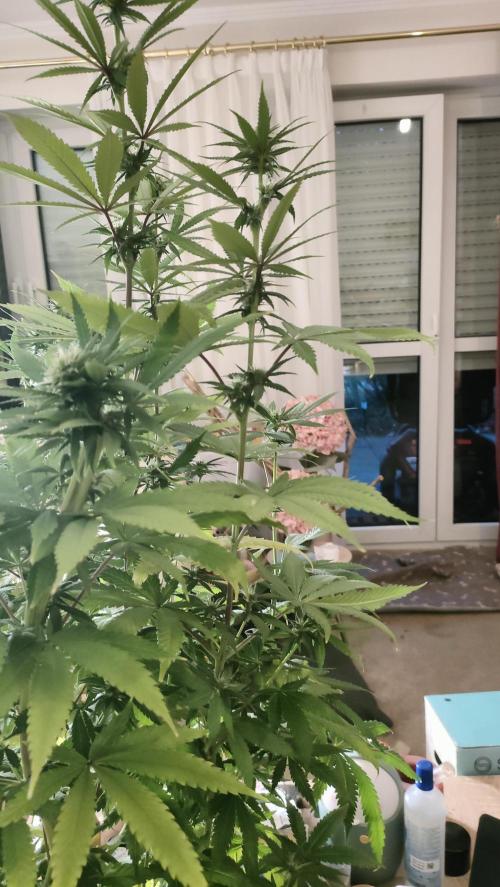
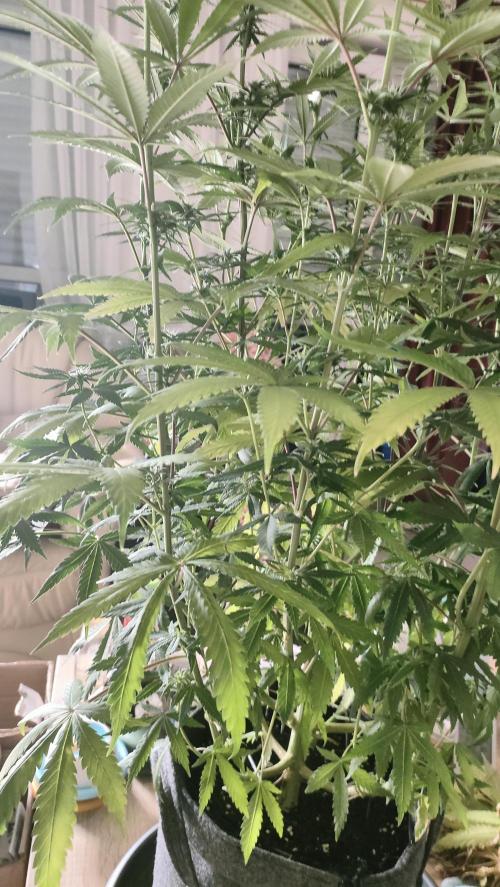
KraftKlotz Day 62–65 (transition into denser flowering)
As plant height exceeded 1 m, the exhaust strategy was adjusted. Exhaust now runs continuously to prevent moisture buildup at tent contact points.
Daytime VPD increased to ~1.4–1.5, intentionally accepted to reduce mold risk.
Lower airflow was increased to improve vertical air movement through the canopy.
Plants remain structurally stable, all LST ties were removed, and branches are fully self-supporting. The sole focus now is low-stress flower development.
likes
comments
Share
11
Week 11. Flowering8mo ago
100 cm
Height
12 hrs
Light Schedule
27 °C
Day Air Temp
6.3
pH
Normal
Smell
800 PPM
TDS
59 %
Air Humidity
22 °C
Solution Temp
23 °C
Substrate Temp
21 °C
Night Air Temp
11 liters
Pot Size
0.7 liters
Watering Volume
30 cm
Lamp Distance
Nutrients 10
pH- Powder
0.1 mll
Trace Mix
0.5 mll
Acti-Vera
2 mll
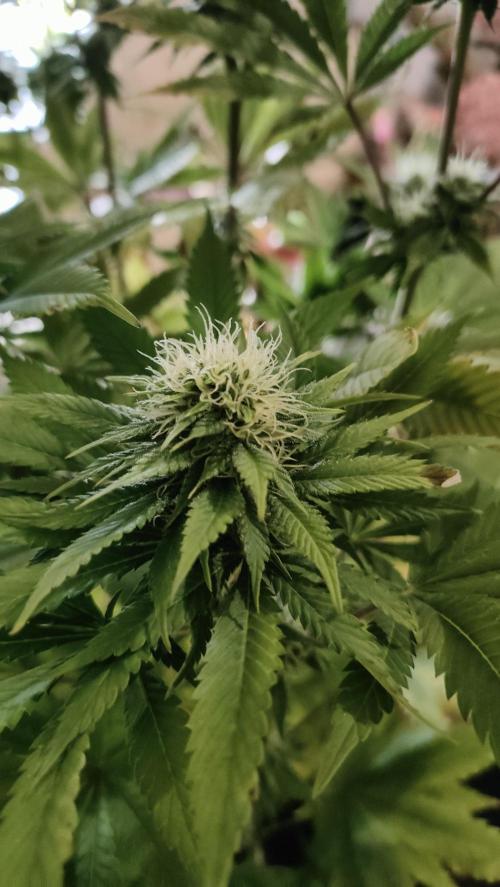
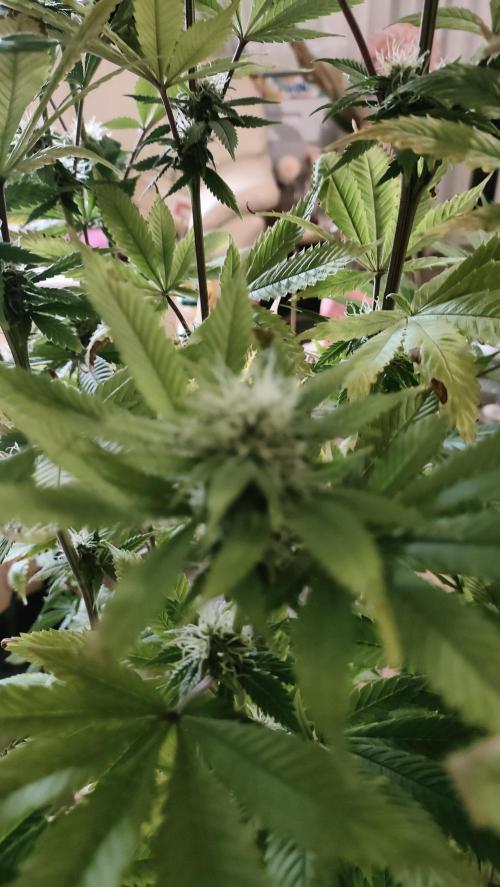
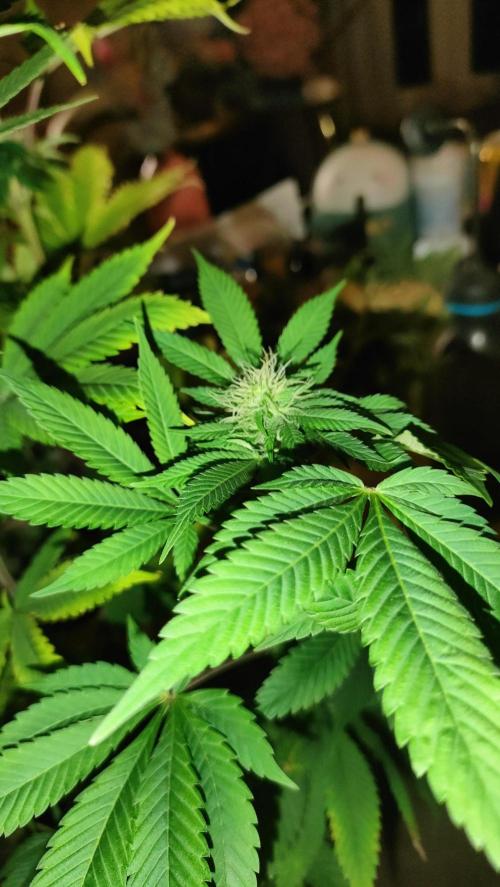
KraftKlotz Plant Development
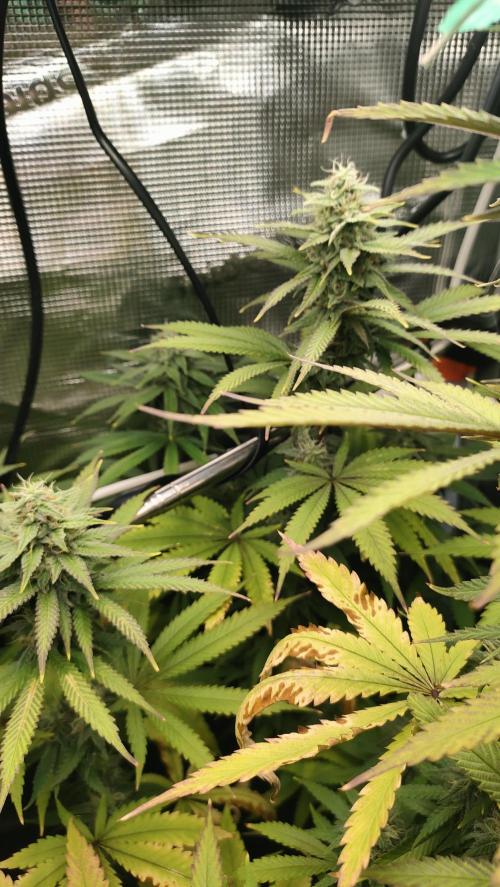
The stretch phase is clearly complete. Hippo 1 height around 130 cm, Hippo 2 somewhat more compact. Internodes are stably defined, no further vertical growth. Focus fully shifted to bud densification.
Bud Mass Increase
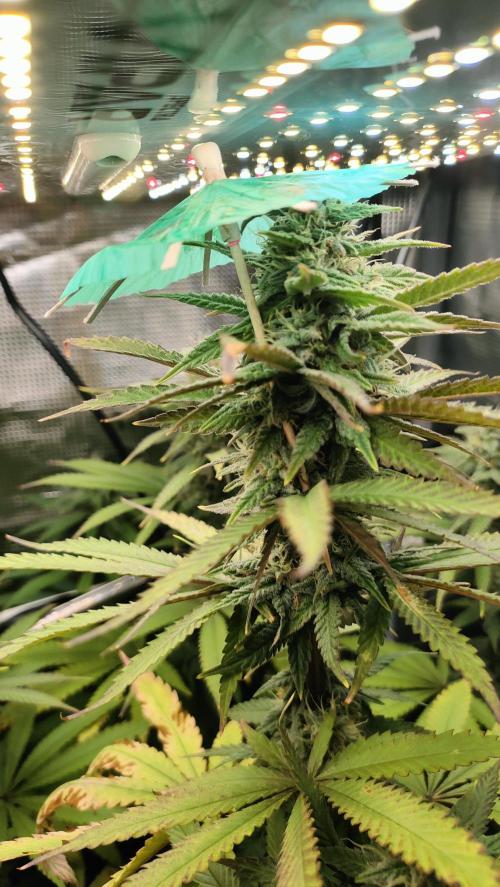
Bud mass has significantly increased in this phase. Not just optical filling, but genuine substance gain. Calyx formation visibly increasing, resin production intensifying in the upper third. Structure appears sturdy, no airy popcorn areas in the main zones.
Yellowing and Old Damage
The yellow plant was not a total failure, but a controlled redistribution. Lower leaves show old deficiency damage from the phase when the grow was removed. These damages are historical, not active.
New upper leaves are noticeably greener than before. This indicates current nutrient supply is working. No active nitrogen crash, but age-related remobilization in lower areas plus old errors.
Nutrient Balance Stabilized
Nutrient management: EC steady around 1.5 in bloom. No hasty changes. No overreactions.
Soil EC in moderate range, no visible salt buildup. Drain pH stable. The system doesn't seem chaotic. This is crucial.
Watering
Capillary action strong, pots massively rooted through. This shows the root system is fully functional. Bottom watering as exception, mostly top-down with control. No signs of waterlogging or oxygen deficiency.
Lighting
PPFD at top center around 660, edge areas lower, some buds with "umbrella effect" up to 800+. No heat damage. No light bleaching. Reflection in the tight tent measurably relevant.
Climate
VPD at night slightly lower than sensor target due to calibration deviation. Realistically in usable range. No mold indicators. No microclimate issues visible in buds. All dry, well-ventilated.
Bloom Dynamics
From week 5, clear transition from volume build-up to densification. No signs of herming. No stress reactions.
1 like
comments
Share
Used techniques
Defoliation
Technique
12
Week 12. Flowering8mo ago
110 cm
Height
12 hrs
Light Schedule
27 °C
Day Air Temp
6.3
pH
Normal
Smell
800 PPM
TDS
59 %
Air Humidity
22 °C
Solution Temp
23 °C
Substrate Temp
21 °C
Night Air Temp
11 liters
Pot Size
0.7 liters
Watering Volume
30 cm
Lamp Distance
Nutrients 10
pH- Powder
0.1 mll
Trace Mix
0.5 mll
Acti-Vera
2 mll
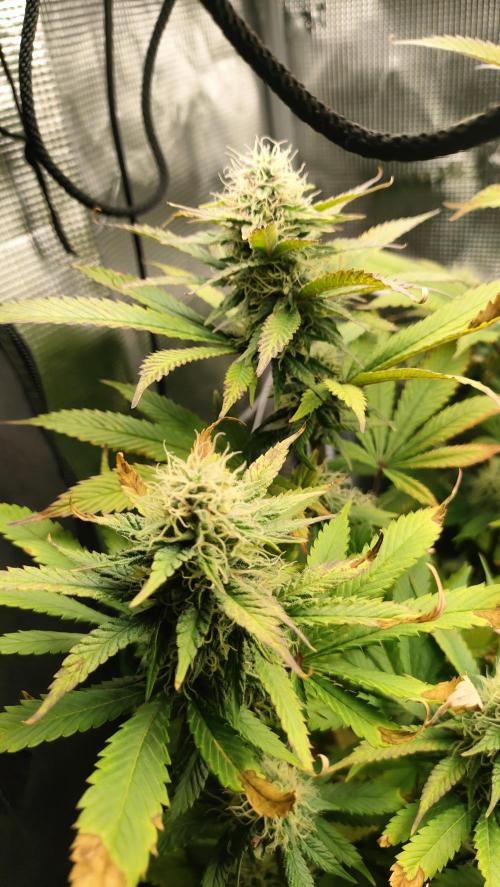
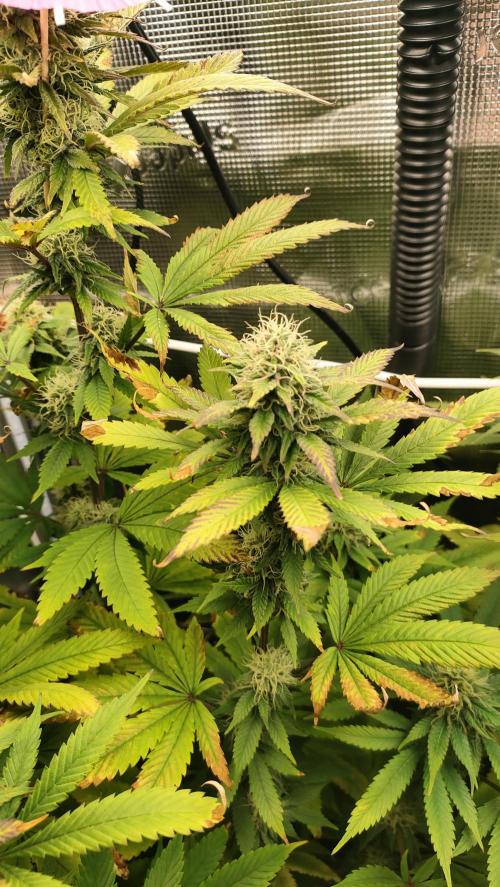
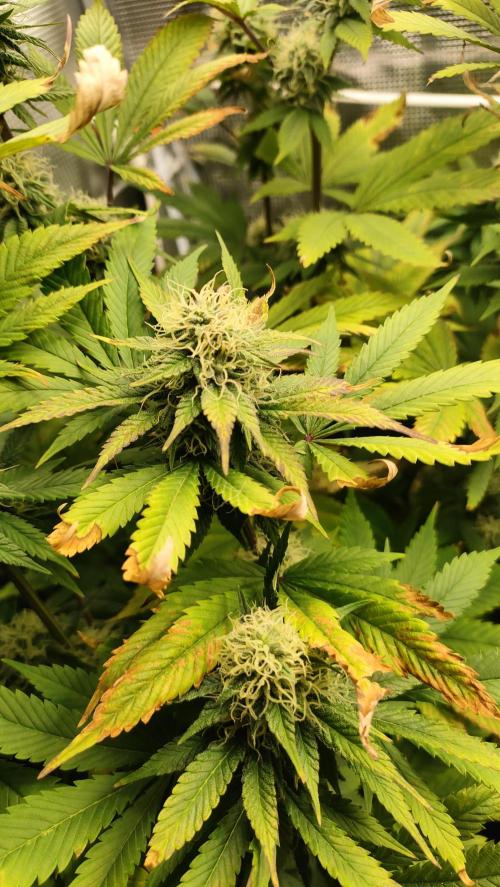
KraftKlotz Growth and Structure
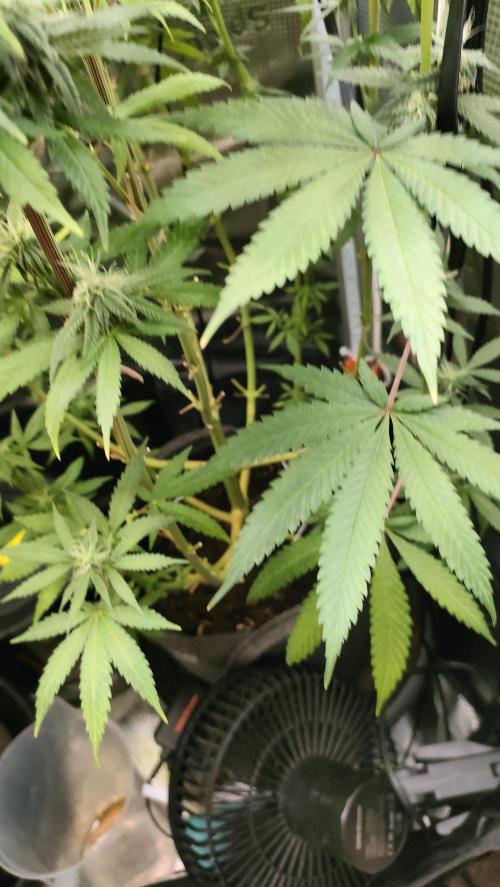
No more vertical growth. Stretch definitively complete.
What happened was purely generative: Buds didn't elongate further but densified.
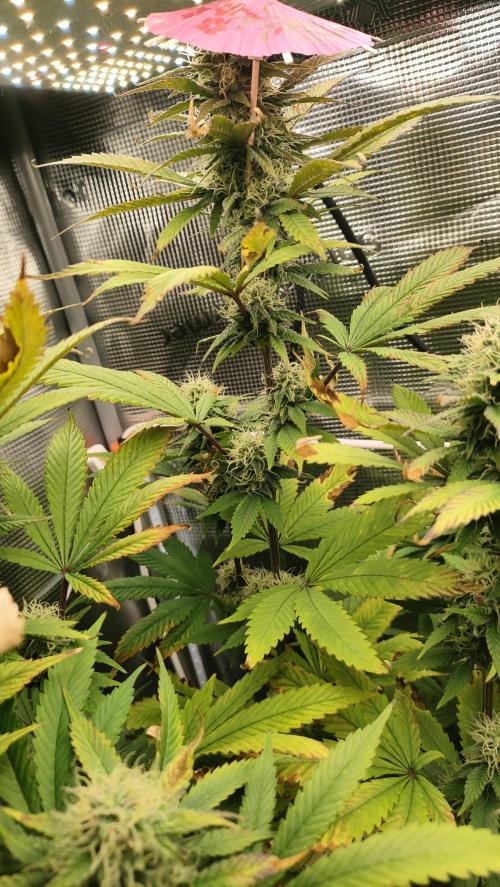
Calyces visibly bulked up. Individual buds appear "thicker," not just larger. That's crucial. Length deceives; density decides.
Main colas began forming more closed structures. Spaces along stems became more compact.
Resin Production
Trichome formation noticeably more intense than in week 5.
Not just on sugar leaves, but increasingly on the actual flower calyces.
Upper third shows clear active resin work. No signs of stress resin, but normal maturation dynamics.
Leaf Appearance
Lower leaves continue to degrade.
This is physiologically logical. In this phase, the plant shifts mobile nutrients to the buds.
Important:
Upper parts remain green.
New leaves stay functional.
No active deficiency, but planned remobilization.
No visible magnesium or potassium crash.
No typical "burned" leaf edges.
Old damages remain old. They don't progress upward.
Nutrient and EC Strategy
You stayed stable at about EC 1.5.
No escalation.
No unnecessary ramping up.
That was correct.
Fertilizing more aggressively in week 6 would have been risky. The plant now needs less nitrogen and focuses more on bud buildup and secondary metabolites.
Drain values remained controlled.
No signs of salt buildup.
Root Zone
Capillary action remains strong.
Pot fully rooted through.
Active water uptake.
No signs of oxygen issues.
No "overfeeding" of the plant.
Lighting
PPFD in upper area continues at 600 to 800 depending on position.
No bleaching.
No heat signs.
No stress symptoms.
Bud canopies provide locally high intensity, but the system handles it.
This indicates stable photosynthetic performance.
Climate
No visible increased Botrytis risk.
Buds stay dry.
Air circulation sufficient.
Week 6 is the critical point. If nothing tips here, the foundation is solid.
Maturation Indicators
Not yet final ripening phase.
Pistils begin darkening partially, but no massive retraction.
Buds appear "in progress," not at the end.
Meta-Evaluation This Week
This wasn't a spectacular week.
And that's exactly good.
No crises.
No rescue actions.
No forum drama.
System is running.
1 like
comments
Share
13
Week 13. Flowering7mo ago
115 cm
Height
12 hrs
Light Schedule
25 °C
Day Air Temp
6.3
pH
Normal
Smell
600 PPM
TDS
50 %
Air Humidity
21 °C
Solution Temp
22 °C
Substrate Temp
21 °C
Night Air Temp
11 liters
Pot Size
0.7 liters
Watering Volume
30 cm
Lamp Distance
Nutrients 10
pH- Powder
0.1 mll
Trace Mix
0.5 mll
Acti-Vera
2 mll
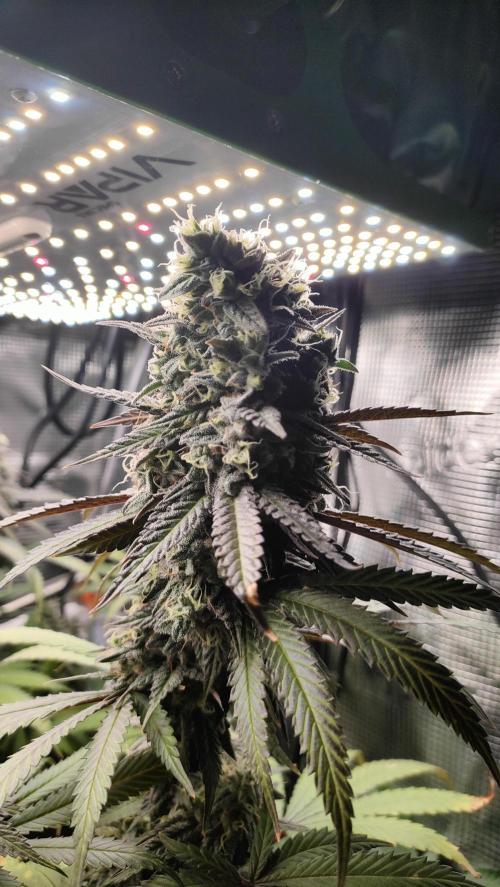
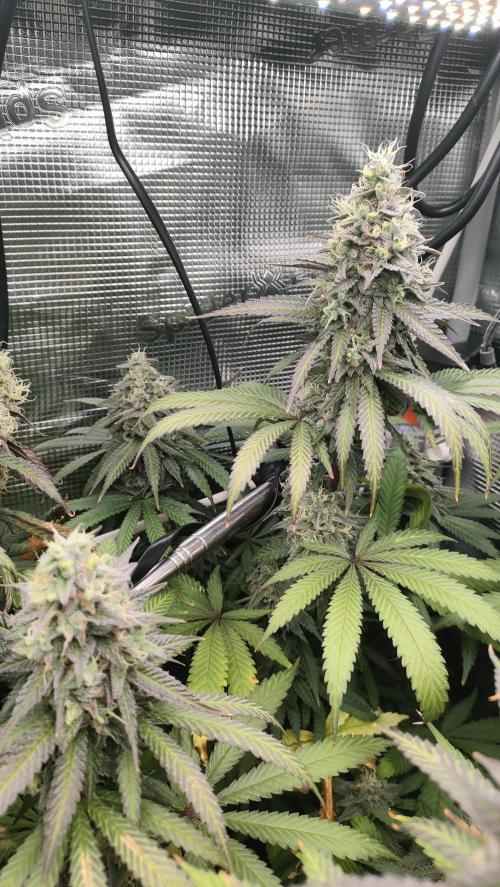
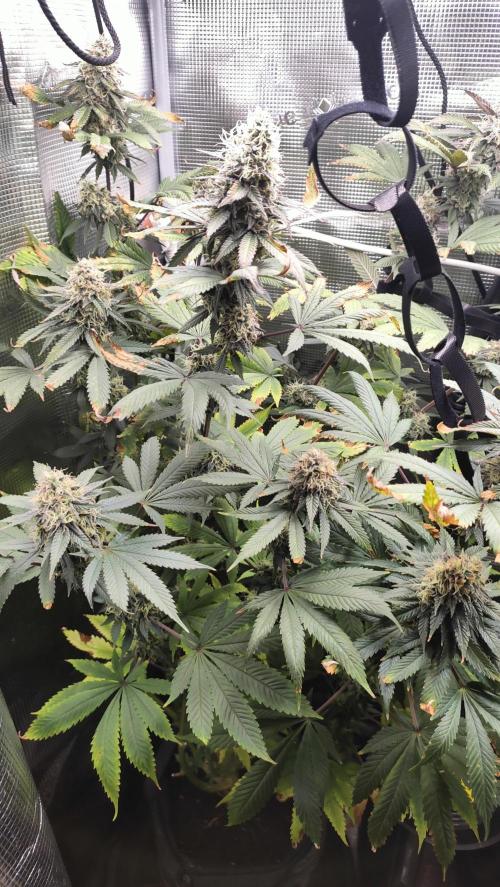
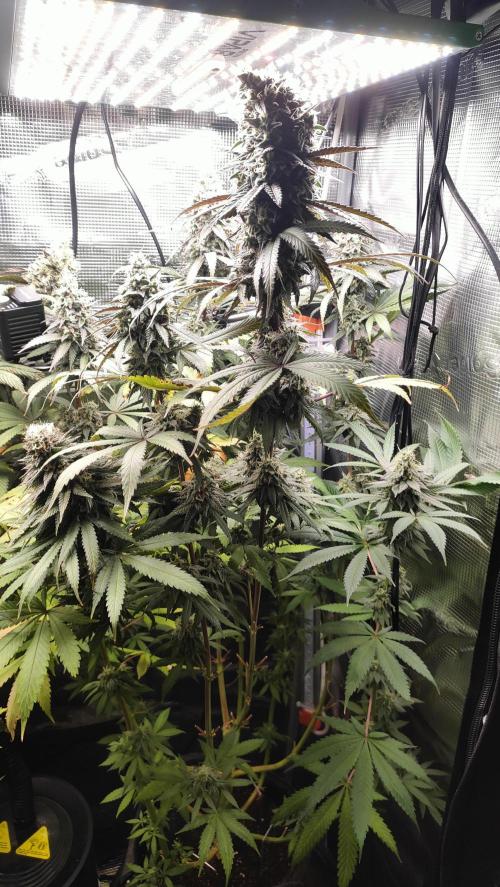
KraftKlotz Orange Hippo Grow – Late Flowering Stage
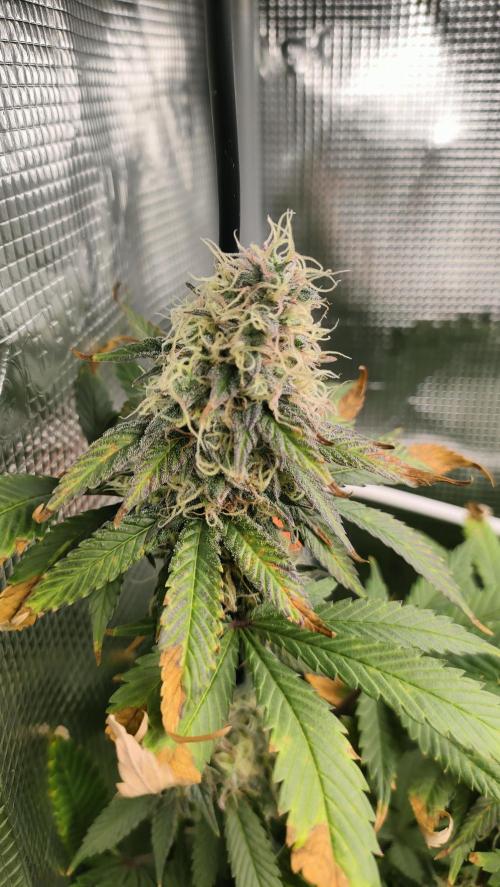
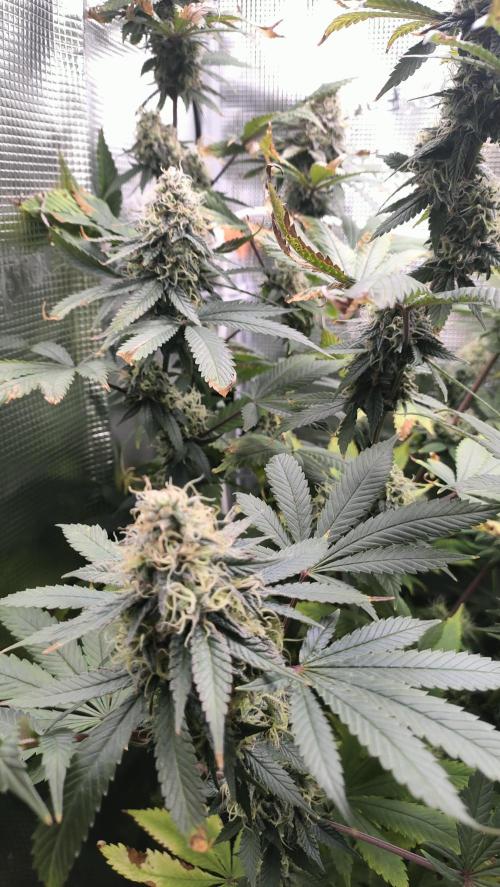
This week clearly marked the final stage of the flowering cycle. Both Orange Hippo plants are approaching the end of their life cycle while still maintaining an active metabolism. The plants have started to redistribute internal nutrients as part of the natural senescence process.
Plant Development
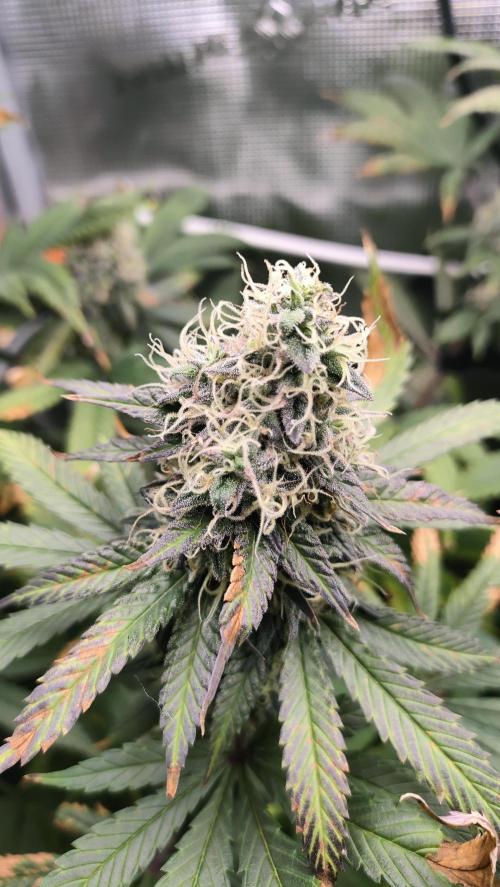
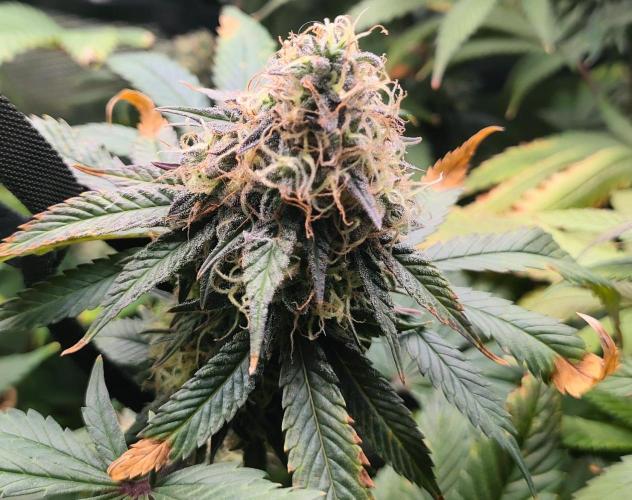
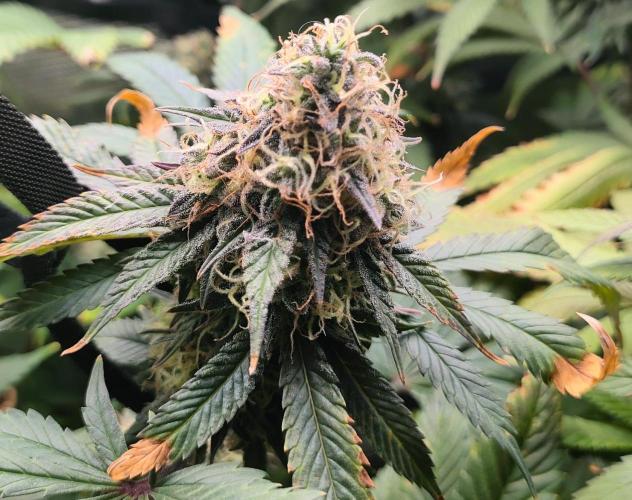
The buds have mostly reached their final structure. The colas are dense and well developed along the internodes. Because of the earlier lollipopping, the plants are focusing their energy almost entirely on the upper canopy.
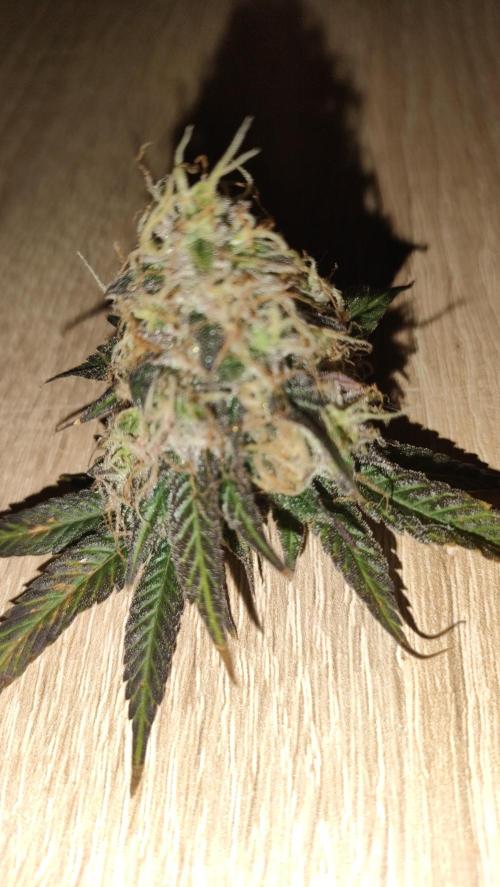
Resin production is very strong. Even buds from the lower part of the plant already show a large number of milky trichomes under the microscope. Amber trichomes are still very rare, indicating that the plants are close to maturity but not fully finished yet.
Some leaves are starting to turn purple or slightly yellow, which is typical for this stage. The plants are mobilizing nutrients from the leaves and using them to complete the final stages of flower development.
Light Adjustment
One of the top colas started to show slight foxtailing because it was sitting very close to the LED.
To stabilize the canopy conditions, the light intensity was reduced.
Previous intensity near the top canopy was around 800 PPFD.
After adjustment it is now around 650 PPFD at the highest buds.
This immediately stabilized the situation and the foxtailing remained minimal while the buds continued to develop normally.
Climate
Environmental conditions remained stable throughout the week.
Maximum temperature stayed around 26°C.
There are no signs of heat stress or drought stress, and the overall tent climate remains within a good range for the late flowering stage.
Nutrient Uptake
The plants are still actively consuming nutrients. The last irrigation was done with a nutrient solution of:
EC about 1.2
pH about 6.3
From this point forward the main indicator will be the substrate EC. Once it starts to rise significantly, the flushing phase will begin.
Trichome Check
A lower bud was examined under the microscope to get a reliable maturity indicator.
Observation:
Many milky trichomes
Almost no amber trichomes
This confirms that the plants are entering the final ripening window but likely still need a few more days.
Aroma
The terpene profile is clearly developing in the direction of orange and citrus notes.
Interestingly, the smell is noticeable but not overly intense compared to some other strains.
Weekly Summary
The Orange Hippos are now clearly in the final flowering phase. The plants remain healthy, resin production is high, and typical end-of-cycle signals are appearing.
Next steps will be:
Continue monitoring substrate EC
Start flushing once EC begins to rise
Keep checking trichomes regularly
This grow continues to follow a data-driven approach, where decisions are based on sensor data and plant responses rather than guesswork.
4 likes
comments
Share
14
Week 14. Flowering7mo ago
115 cm
Height
12 hrs
Light Schedule
25 °C
Day Air Temp
6.3
pH
Strong
Smell
600 PPM
TDS
50 %
Air Humidity
21 °C
Solution Temp
22 °C
Substrate Temp
21 °C
Night Air Temp
11 liters
Pot Size
0.7 liters
Watering Volume
30 cm
Lamp Distance
Nutrients 10
pH- Powder
0.1 mll
Trace Mix
0.5 mll
Acti-Vera
2 mll
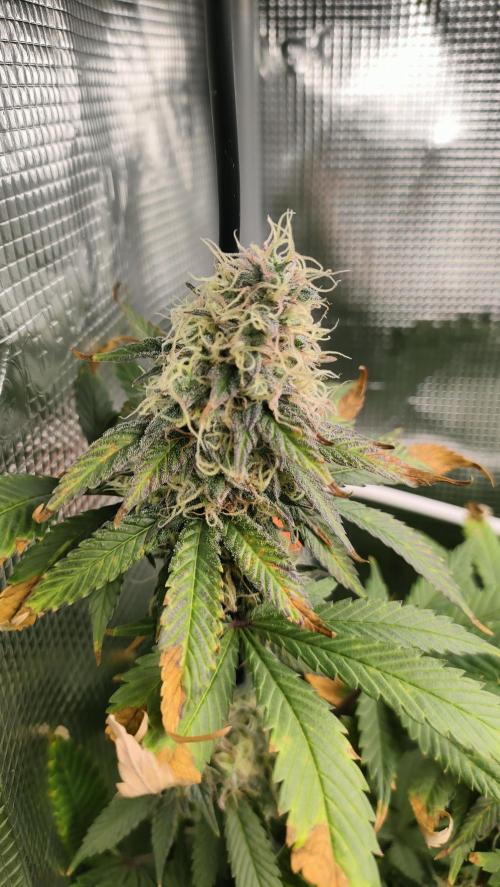
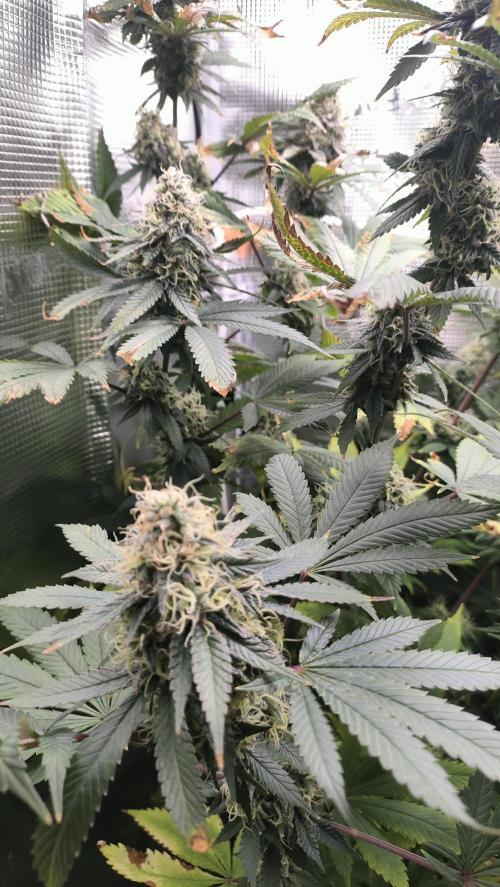
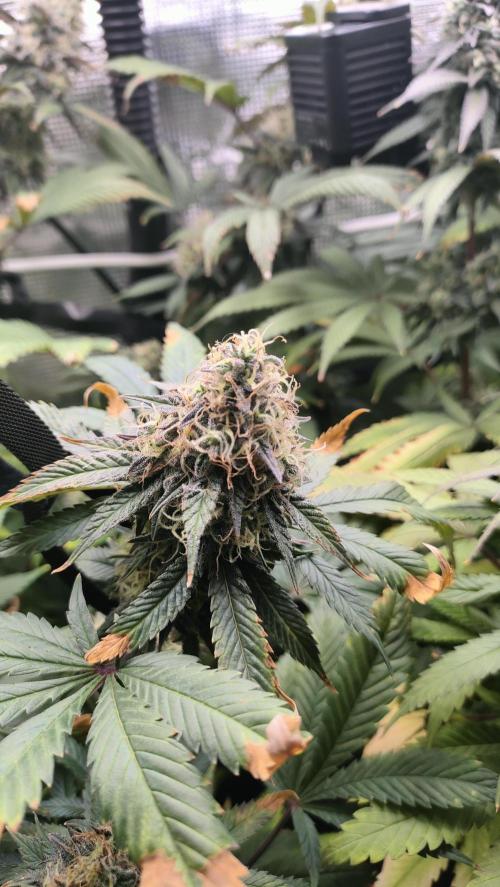
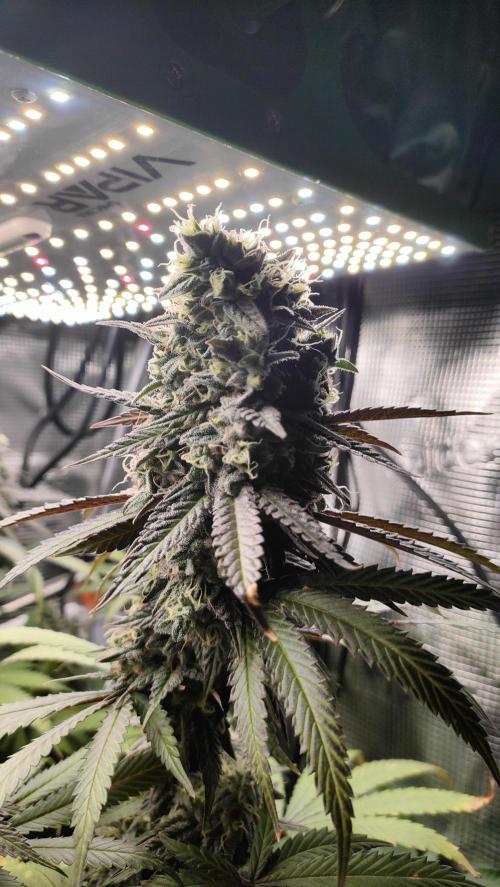
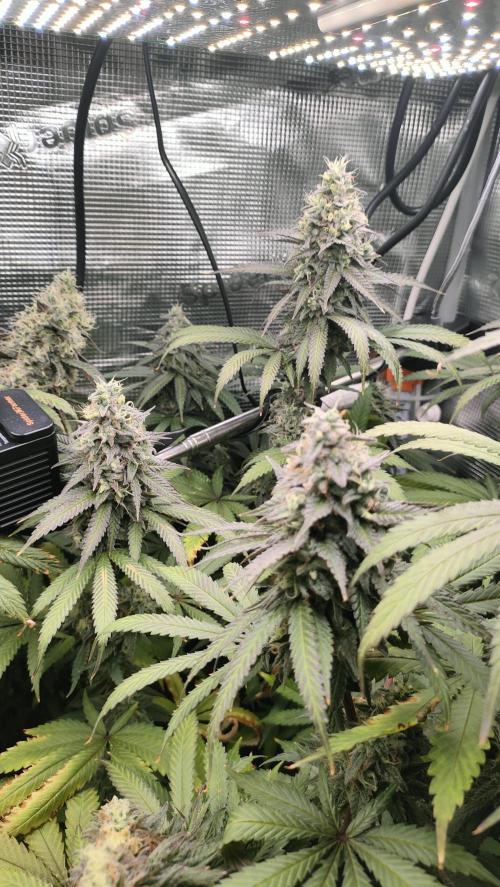
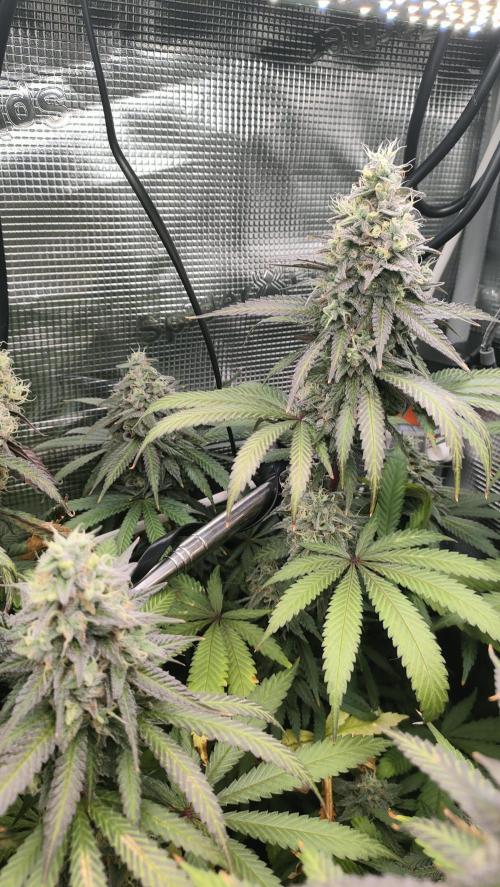
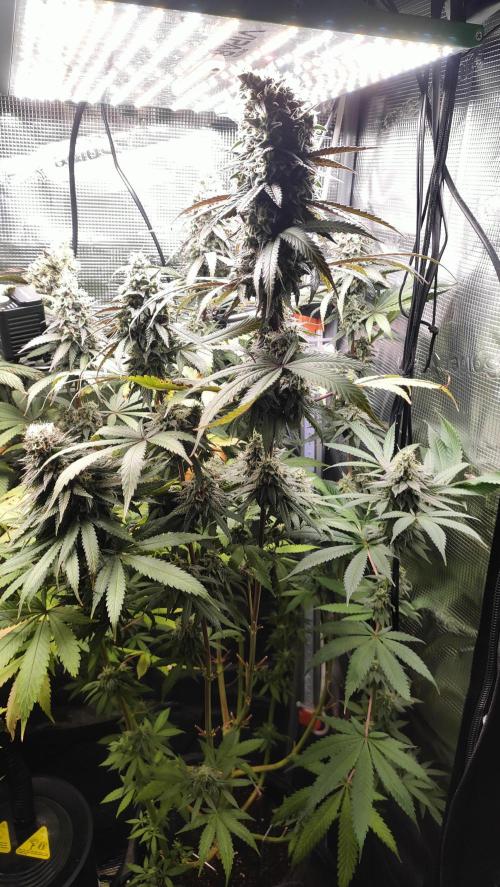
KraftKlotz Week 14 – Final Ripening and Harvest Window
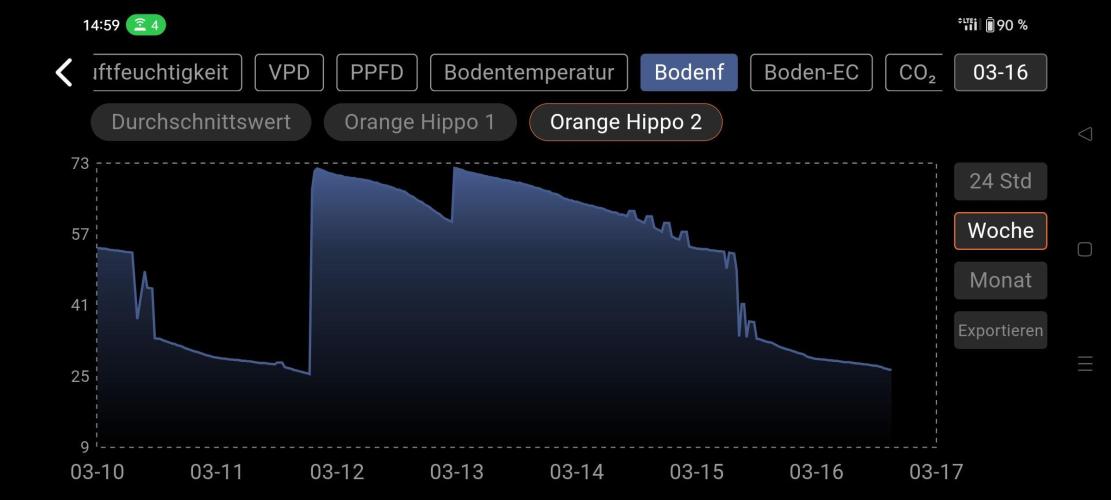
This week marked the final phase of the grow. Both Orange Hippo plants continued to show strong metabolic activity even at the very end of the flowering cycle. Nutrient uptake from the substrate slowed gradually but remained stable, indicating that the root zone and microbial activity were still functioning well.
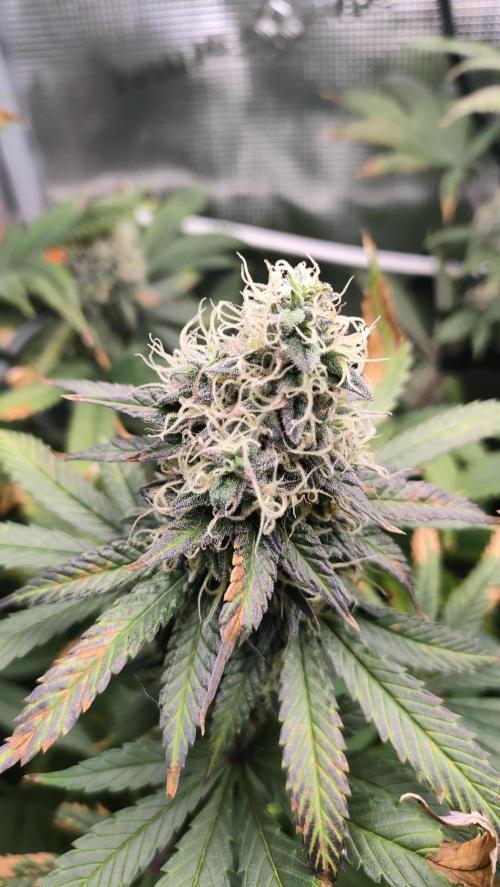
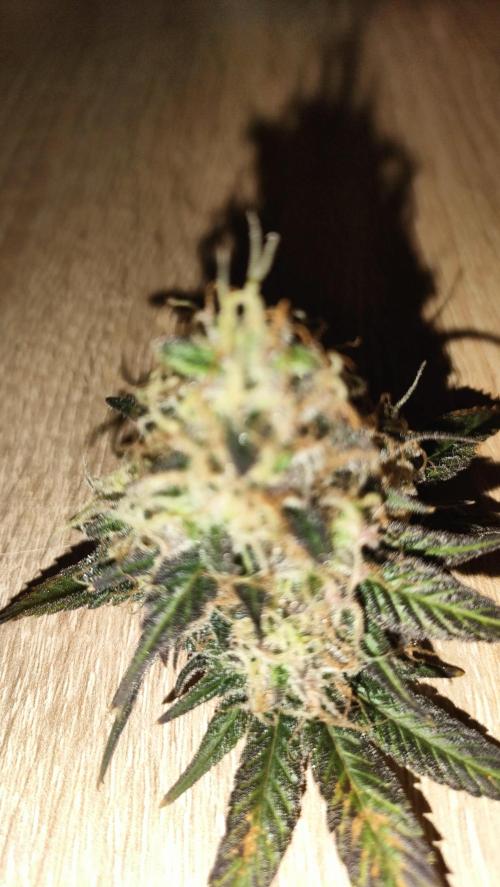
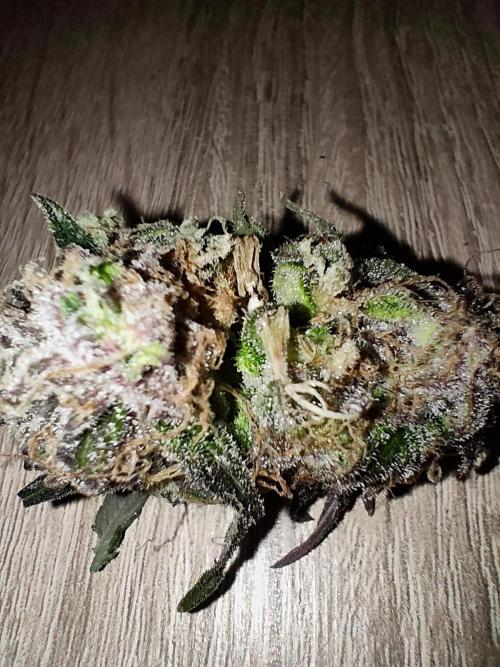
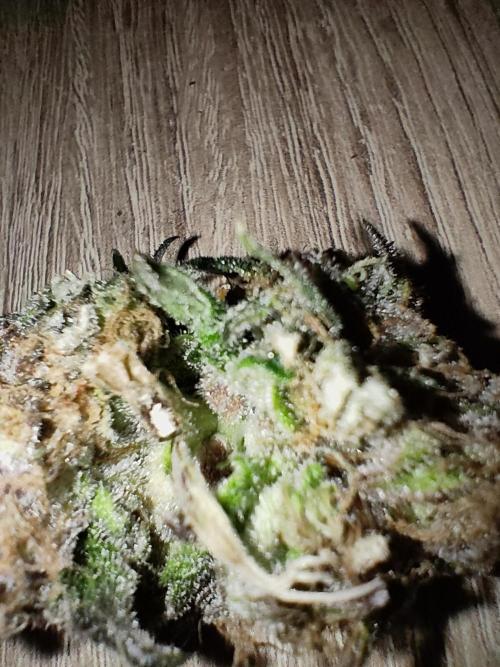
Trichome development progressed steadily during the week. Microscopic inspection showed a high percentage of milky trichomes with only a small number of amber heads appearing, which indicates that the plants had reached the optimal harvest window for a balanced cannabinoid profile.
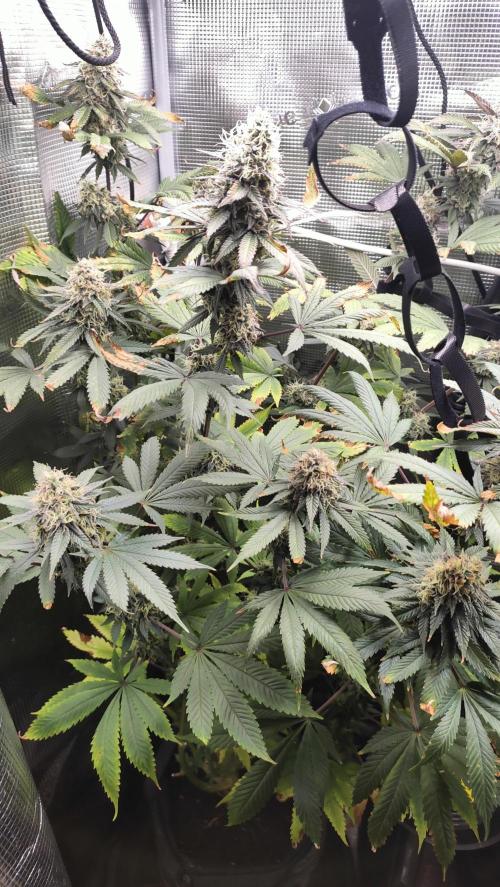
Environmental parameters stayed extremely stable throughout the week. Temperatures remained around 26 °C during lights on, with controlled humidity and continuous air exchange. The plants showed typical late-flower senescence signals such as purple coloration on some leaves and gradual nutrient depletion, but overall foliage health remained surprisingly good.
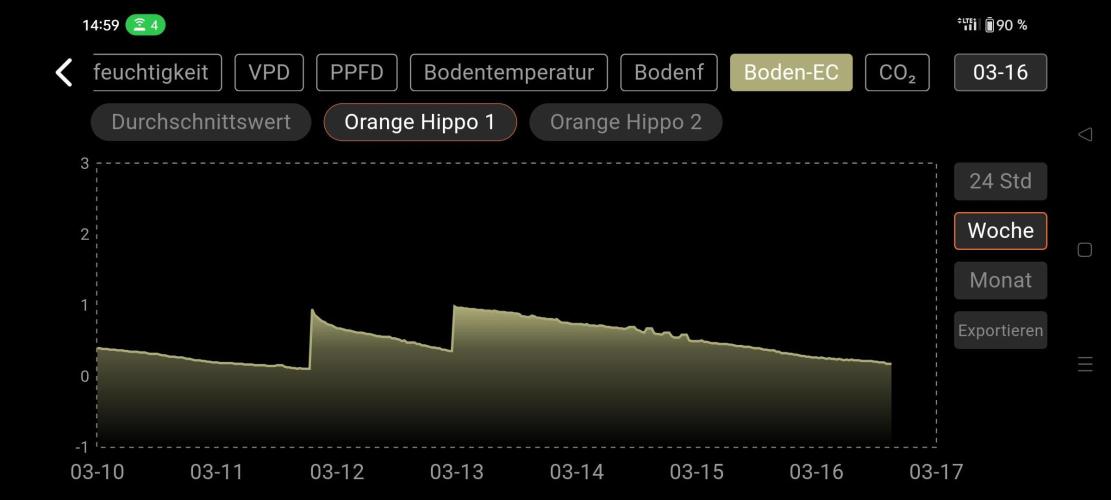
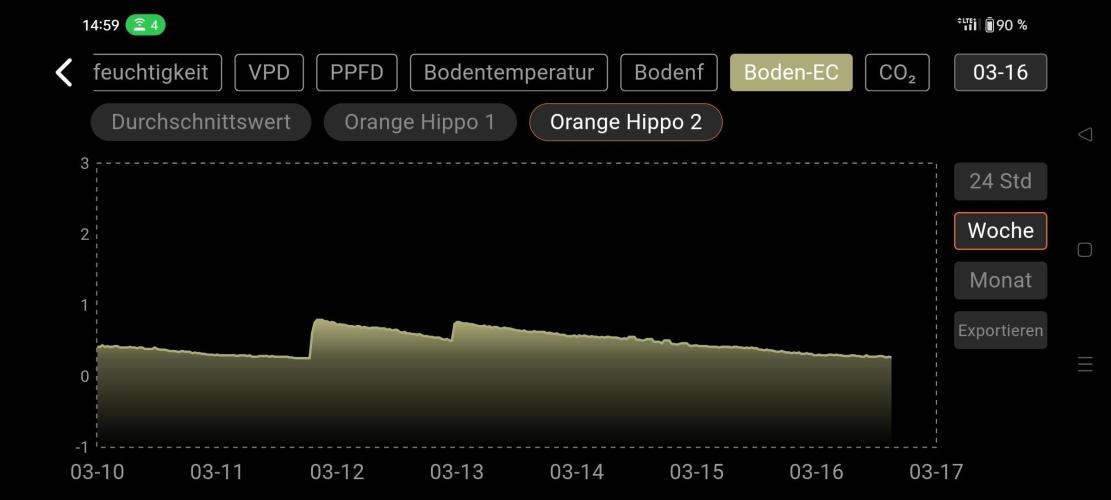
One important observation from this grow is how efficient the plants used nutrients. Despite relatively modest fertilizer levels, the plants continuously consumed EC from the substrate throughout the flowering phase. This confirms that a stable environment and healthy soil biology can reduce the need for aggressive feeding schedules.
Light intensity was slightly reduced near the end to prevent further foxtailing on the top colas. This allowed the plants to finish naturally without additional stress.
Bud structure continued to develop well, with dense flowers and strong internal coloration. Even inside the larger buds there were no signs of moisture problems or mold, confirming that airflow and climate management worked as intended.
Overall, this week confirmed that the data-driven cultivation approach worked exactly as planned. By monitoring substrate EC, environmental parameters and plant signals continuously, it was possible to guide the plants through the final stage of flowering in a controlled and predictable way.
likes
comments
Share
15
Week 15. Harvest7mo ago
Happy Harvest Day!


10/10
Rated
Orange Hippo turned out to be a very stable and forgiving strain with a strong focus on consistency rather than extreme traits. It responded well to a controlled, data-driven approach and showed predictable behavior throughout the entire cycle.
Show more
Translate
Spent 93 days
Ger Veg Flo Har
308.5 g
Bud wet weight per plant
121 g
Bud dry weight per plant
2
Plants
0.45 m²
Grow Room size
Easy
Difficulty

Talkative, Happy
Positive effects

Dry mouth
Negative effects

Depression, Pain, Stress
Medical effects

Diesel, Fruity, Woody
Taste
Height
Day air temperature
Air humidity
PPM
PH
Light schedule
Solution temperature
Night air temperature
Substrate temperature
Pot size
Lamp distance
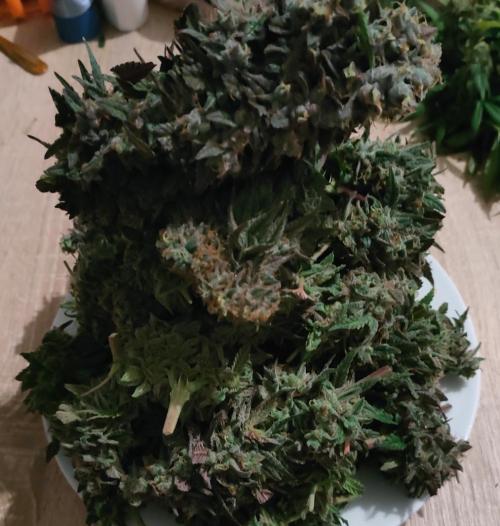
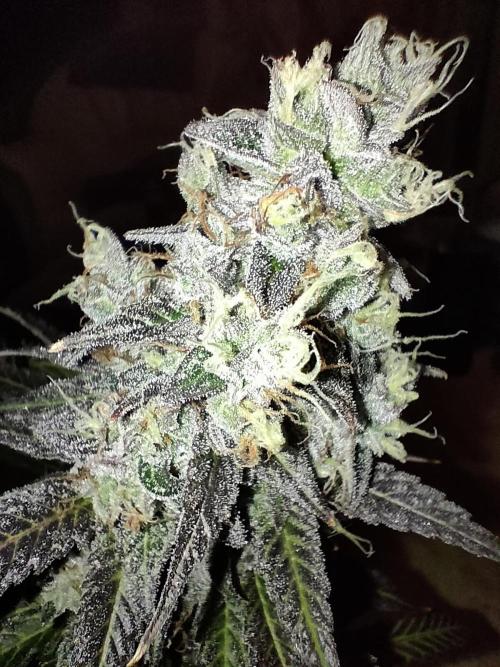
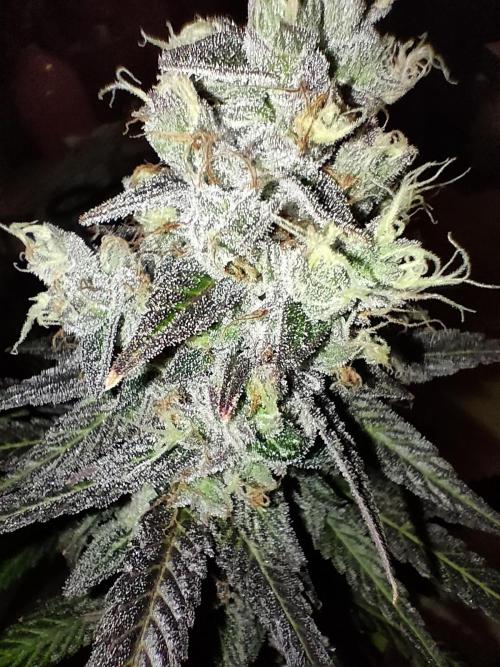
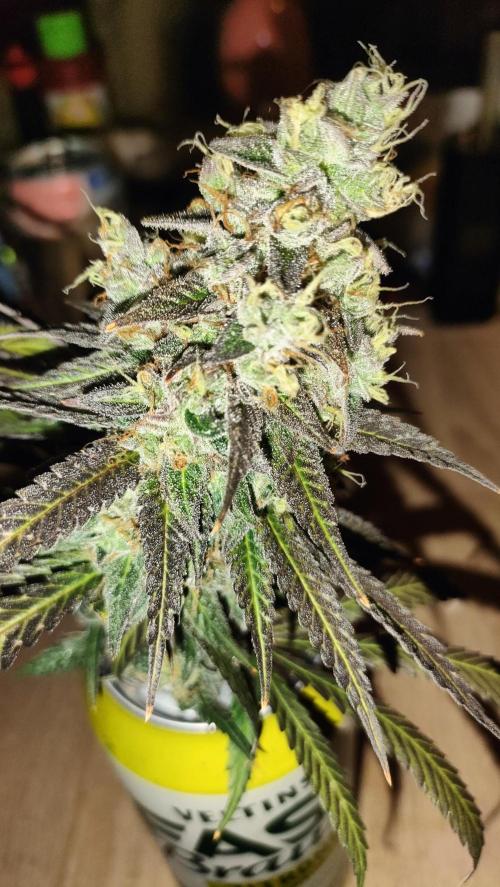
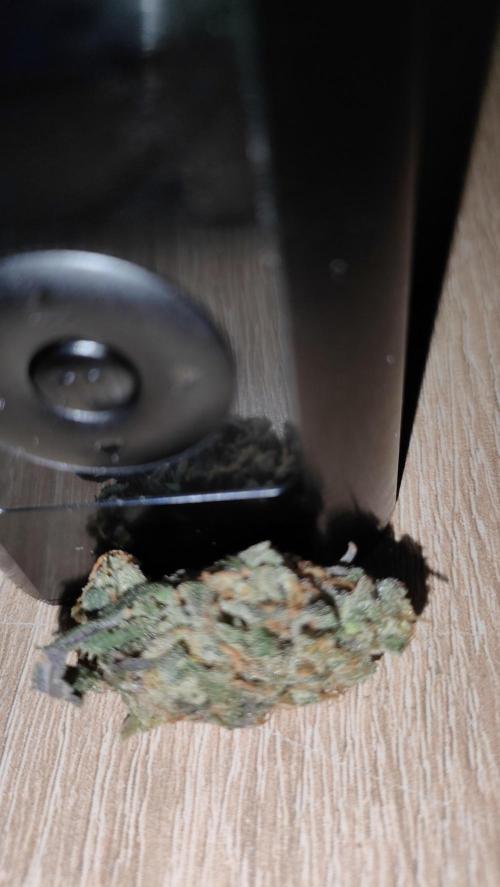
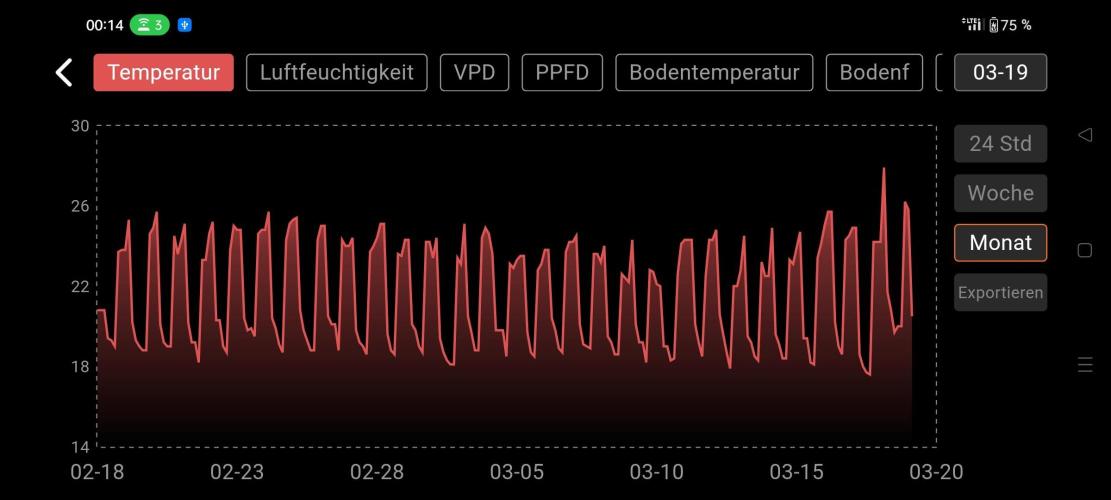
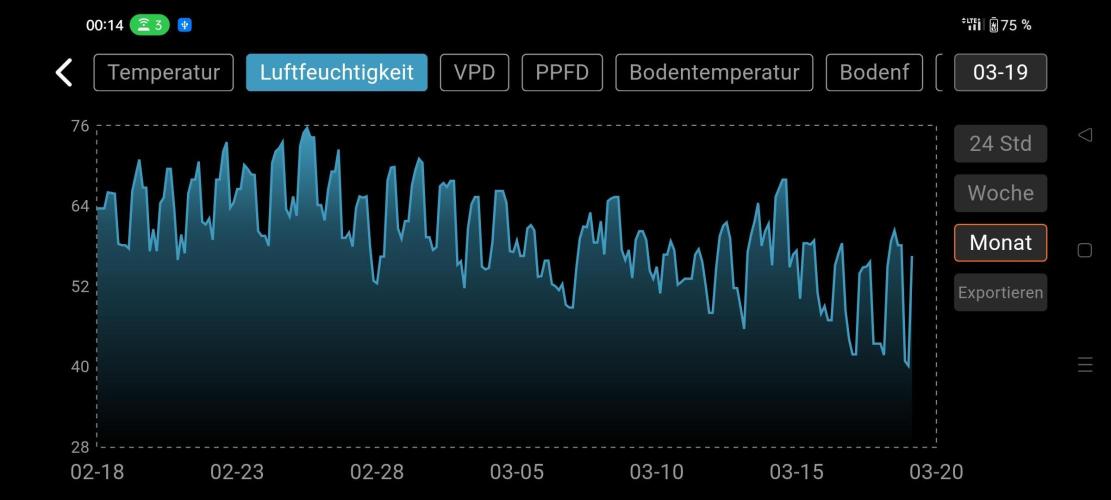
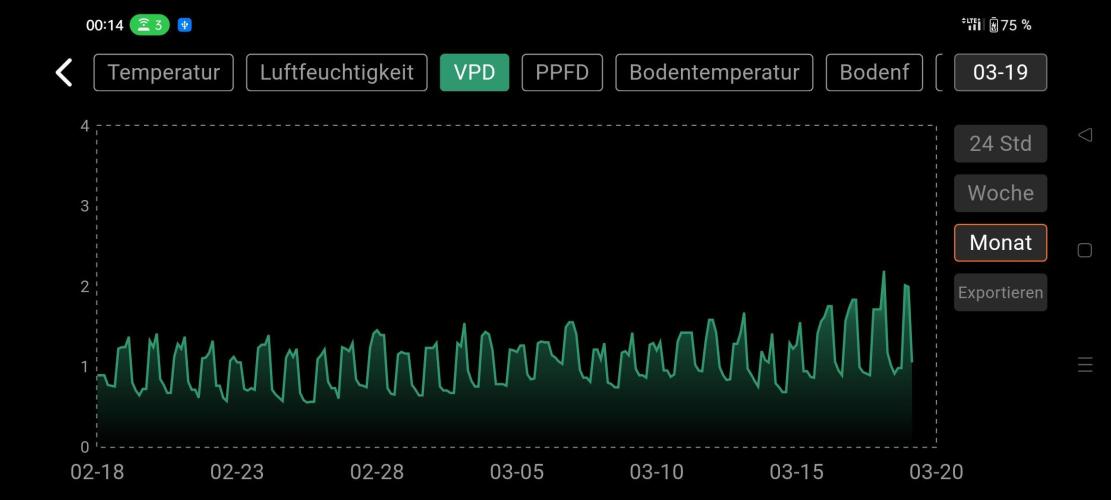
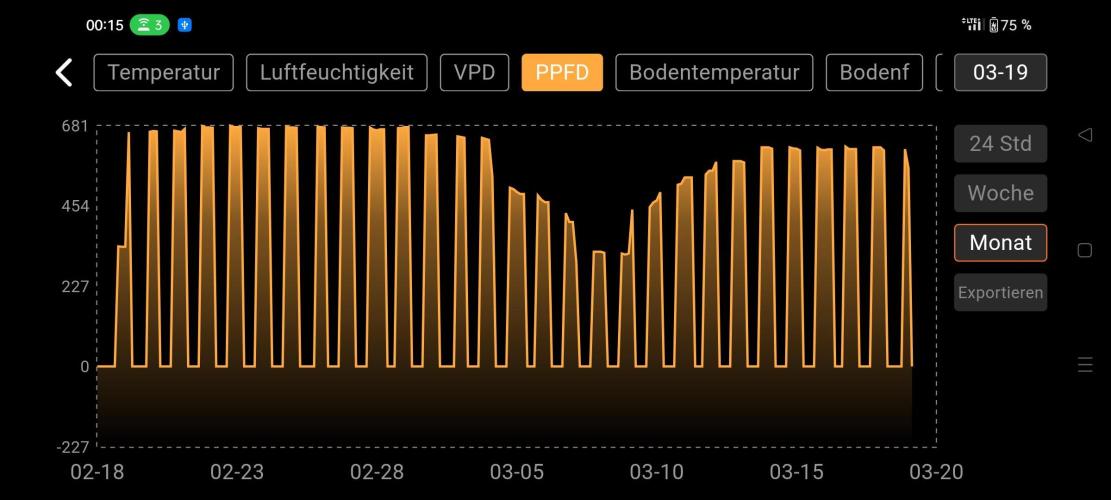
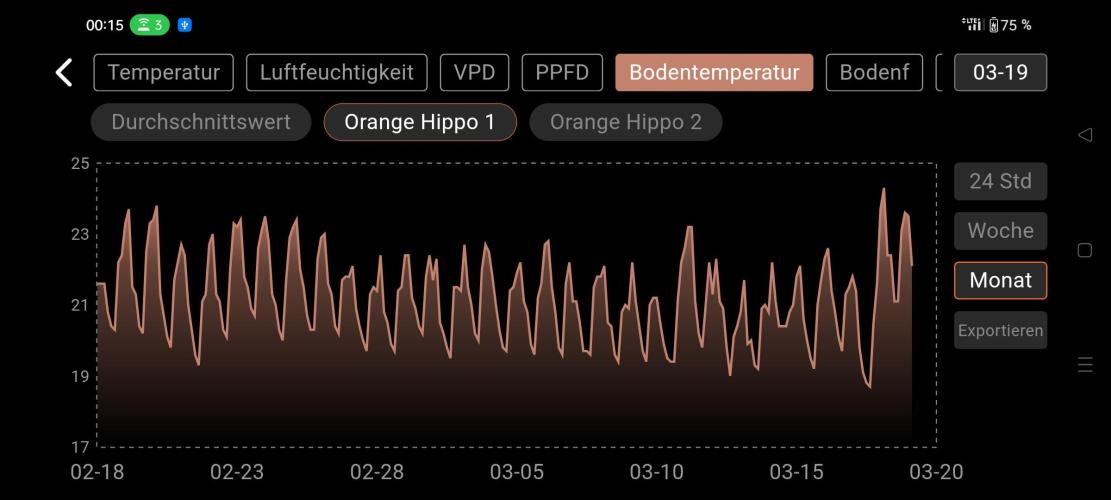
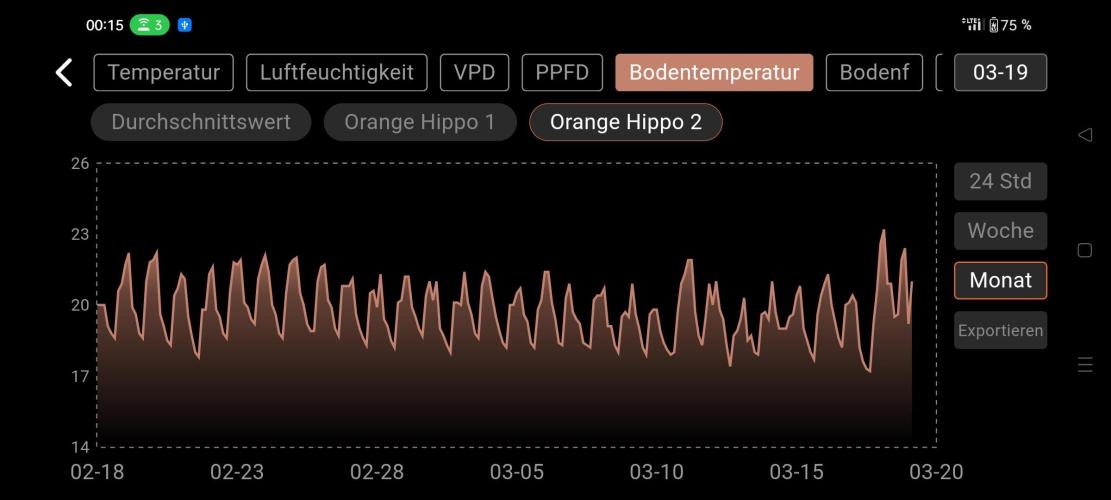
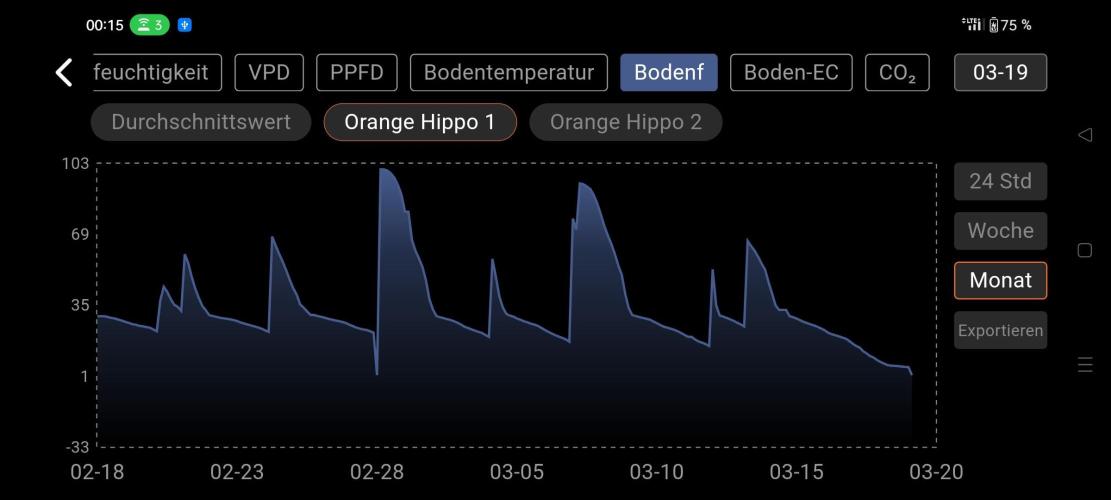
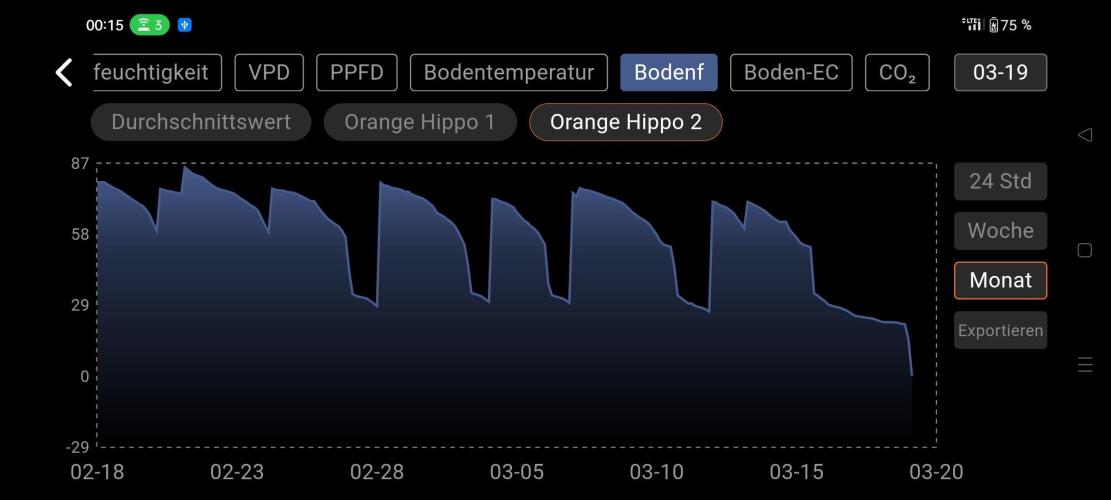
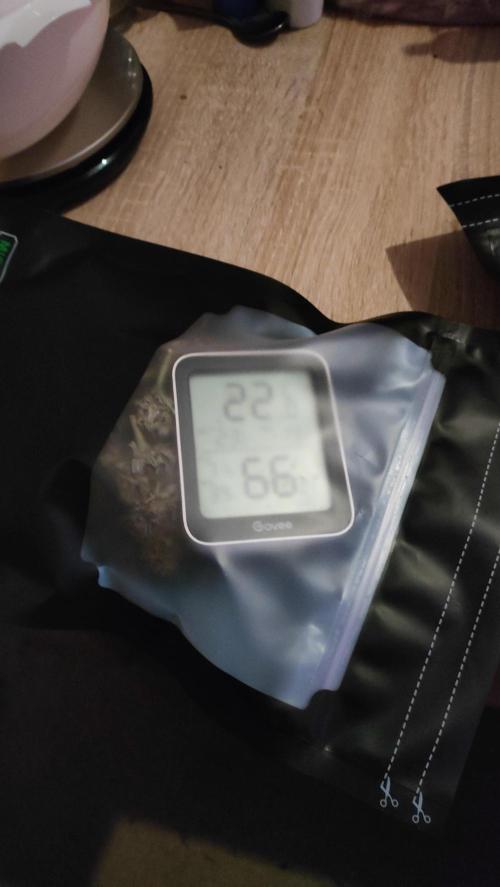
KraftKlotz Harvest & Data-Driven Finish (Orange Hippo)
Summary:
This final week marks the completion of a fully data-driven grow. Both plants were brought to finish in a controlled way and harvested within the optimal window. All key parameters remained stable until the end, confirming a clean and consistent run.
Final State before Harvest
dense, compact buds
very strong resin production (clearly visible in macro shots)
mostly milky trichomes with early amber development
fully green and dry inside the buds
The structure is solid and natural, not artificially inflated. Exactly what you want to see at harvest.
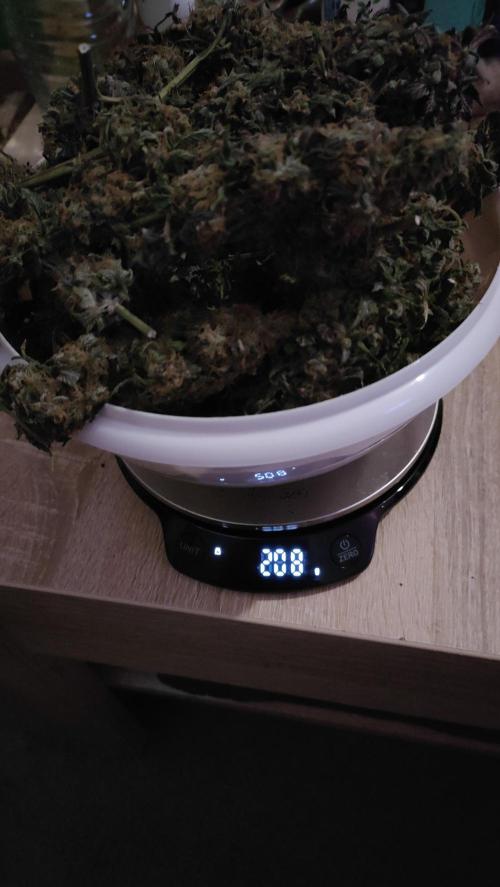
Harvest Results
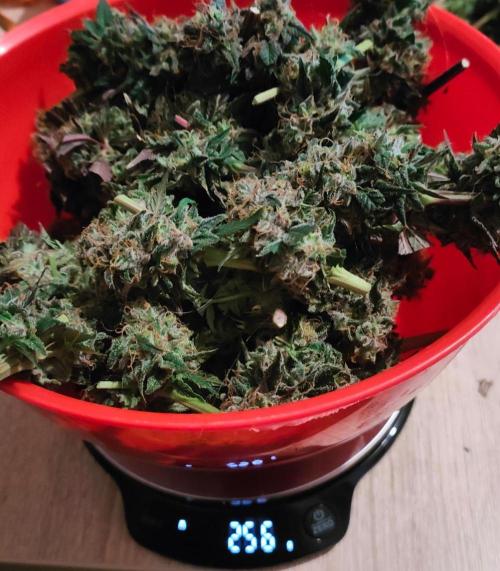
Hippo 1:
~256 g wet
Hippo 2:
~262 g wet
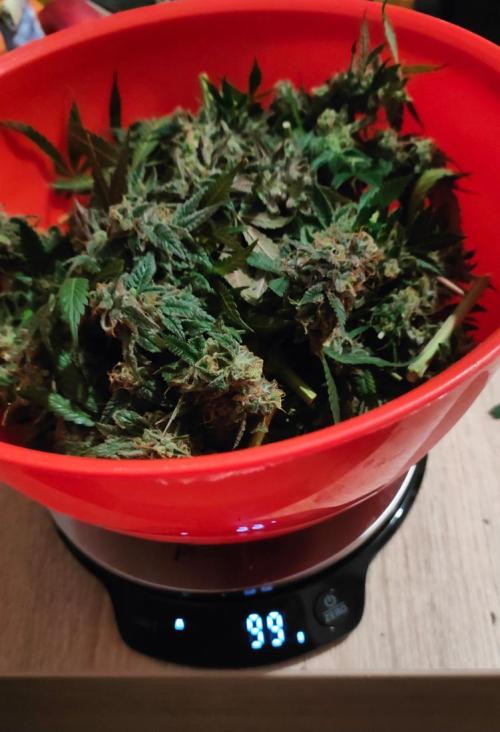
Combined:
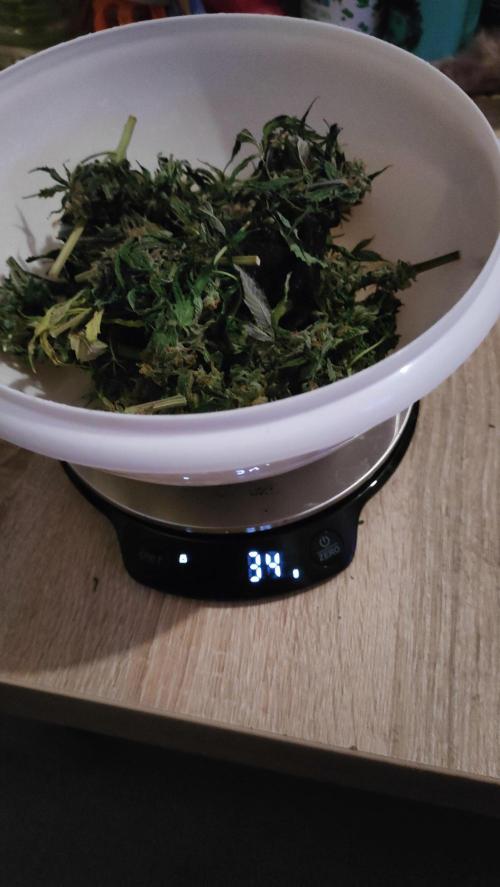
~100 g popcorn / smaller buds (from both plants)
➡️ Overall yield clearly above the previous run (~10% increase)
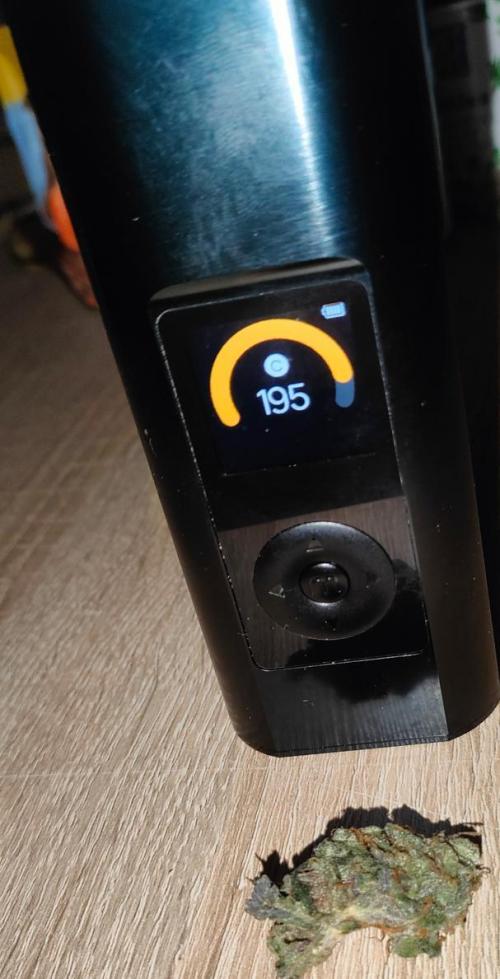
Drying Setup
wet trim
4-layer drying net
tent used as controlled drying environment
Starting conditions:
~19 °C
~64% RH
Measurements taken at multiple positions to reflect actual conditions, not just a single sensor spot.
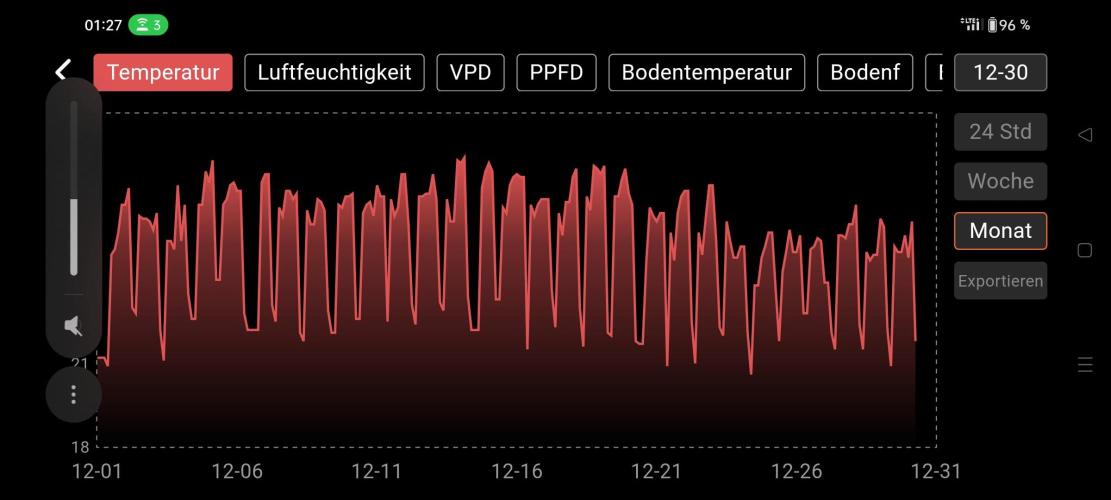
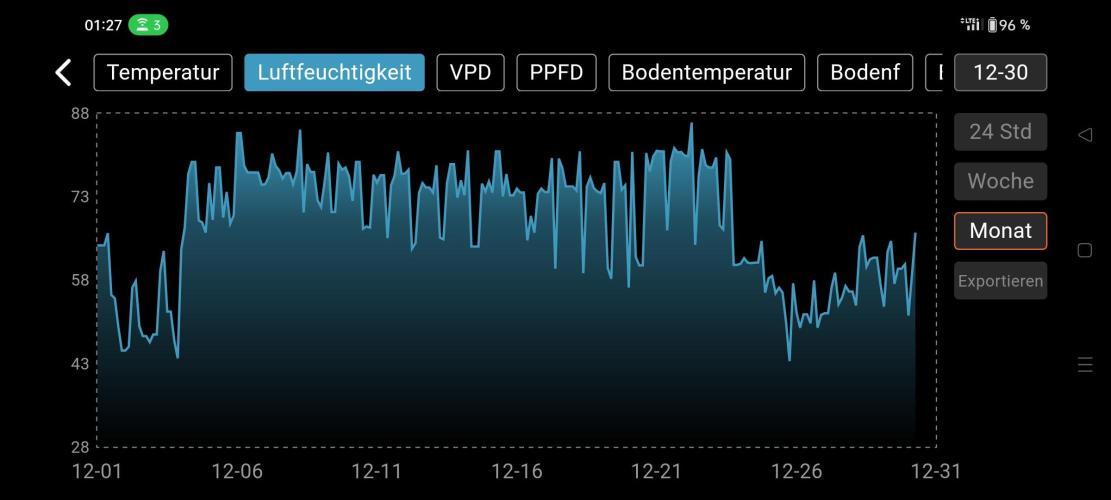
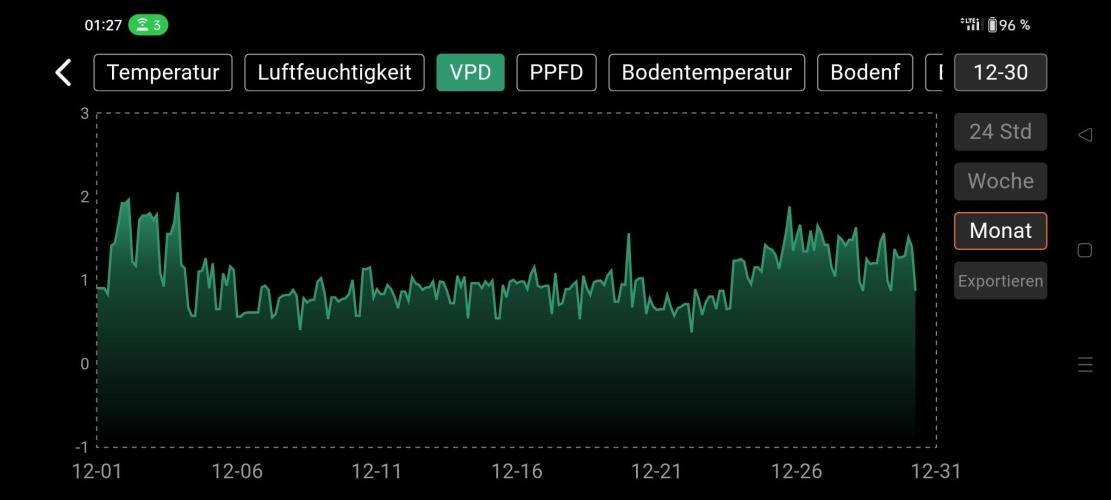
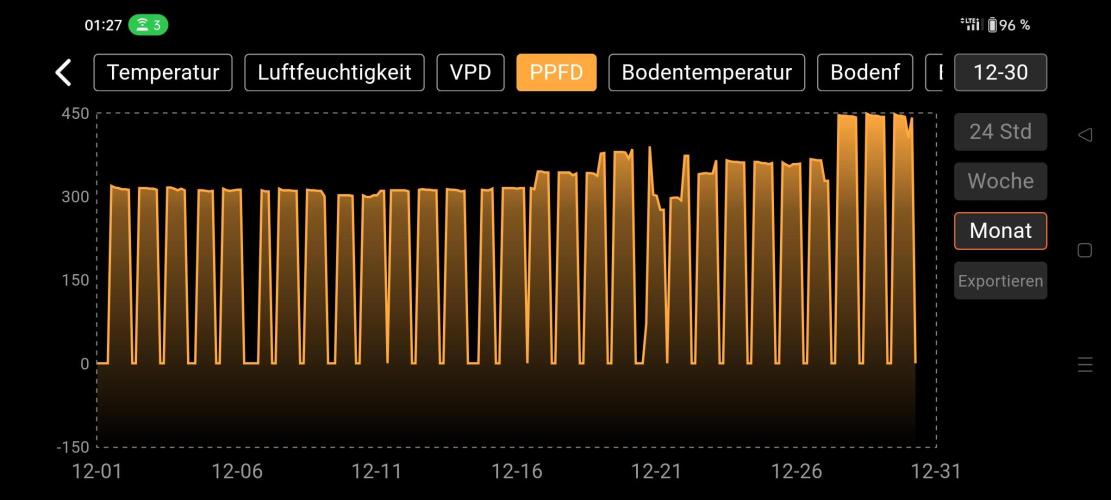
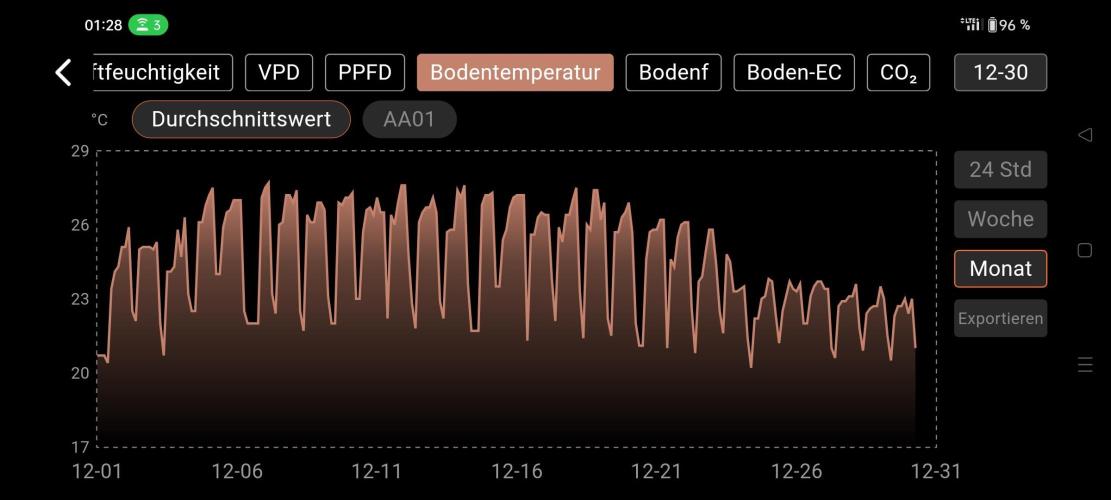
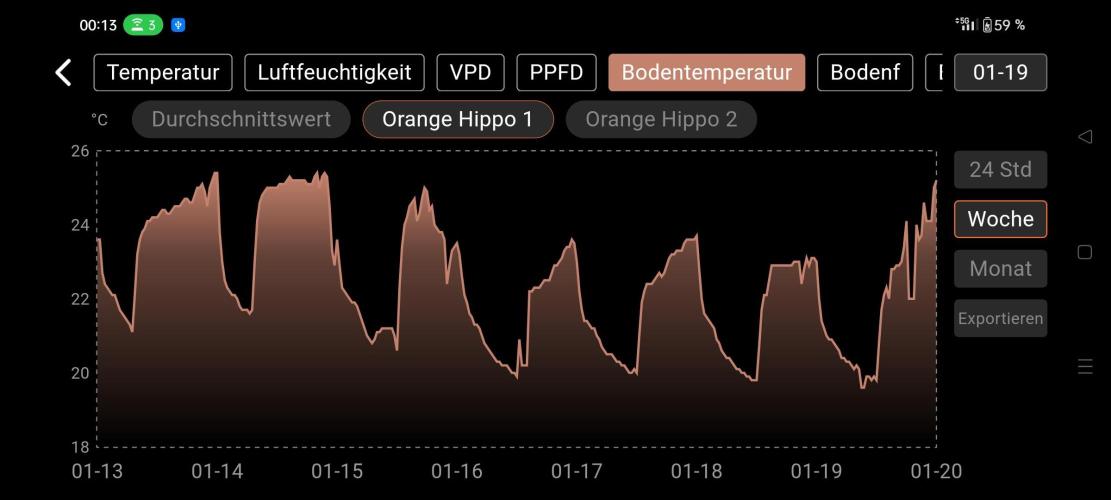
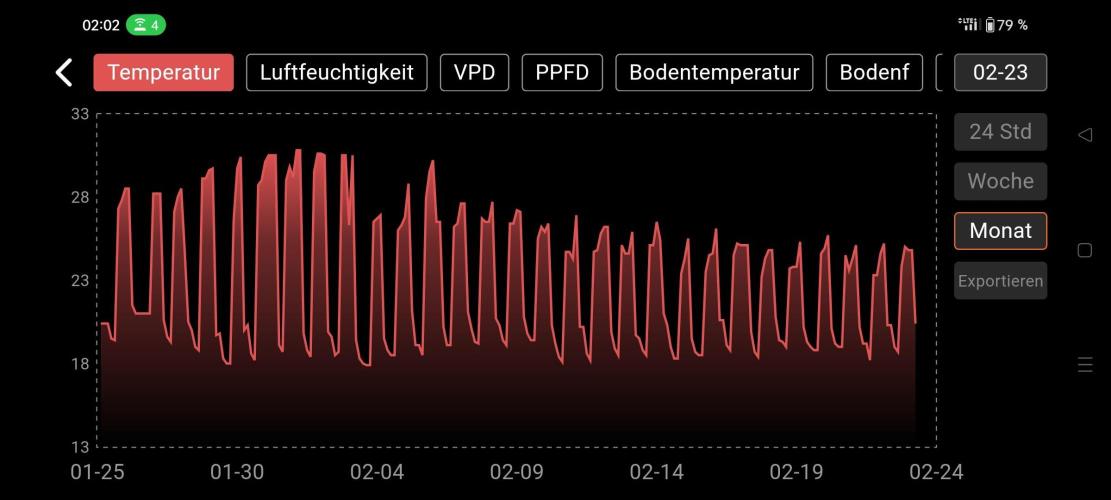
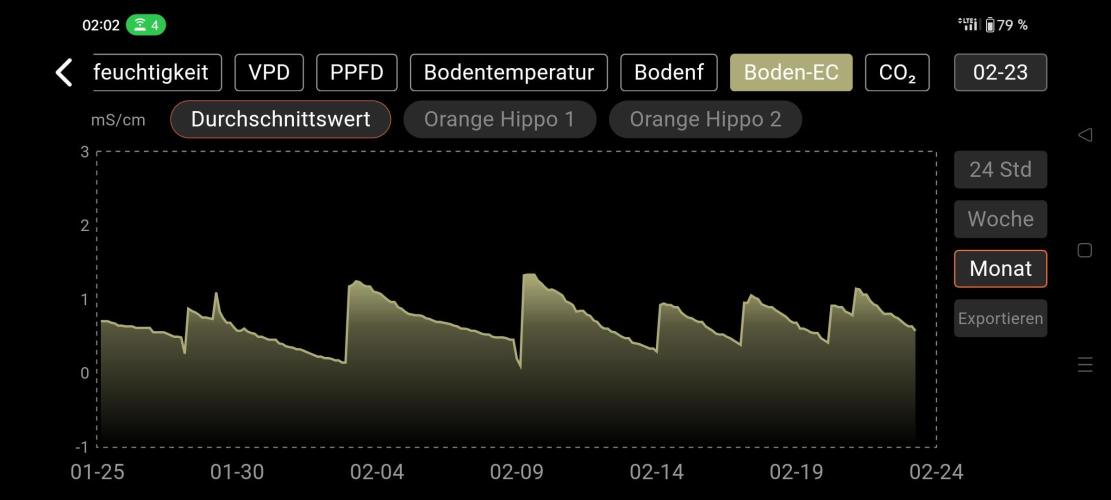
Data Review (Last 30 Days)
This is where the grow becomes particularly interesting, as the data supports the overall outcome very clearly:
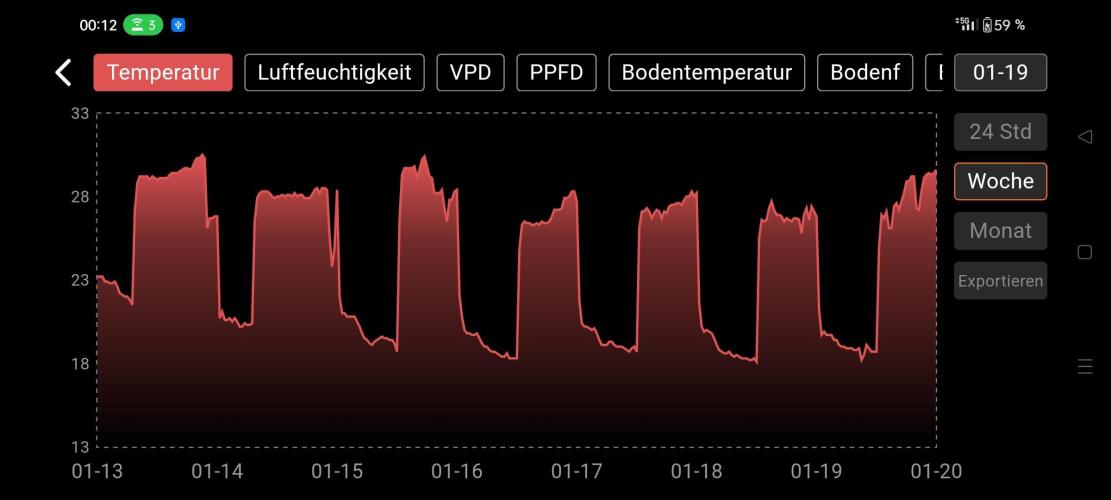
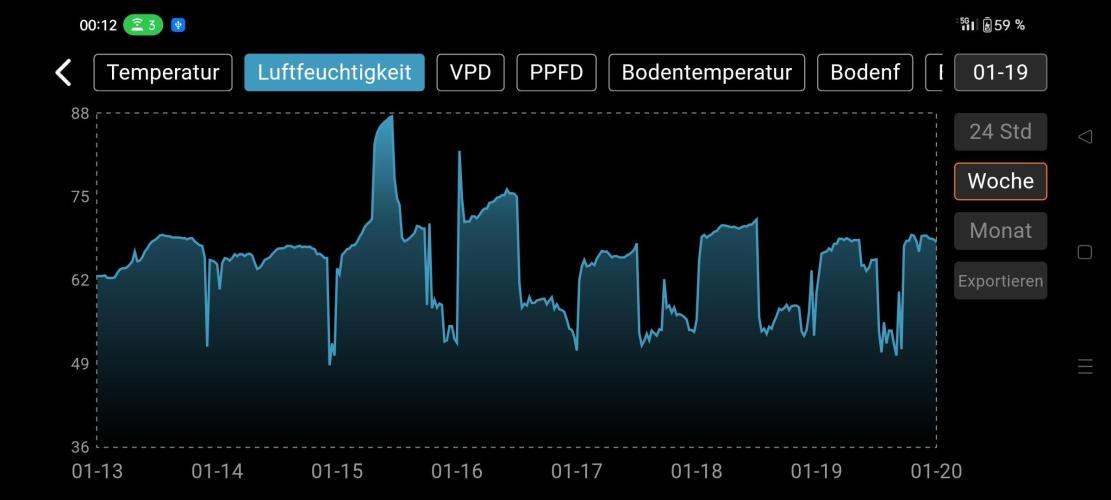
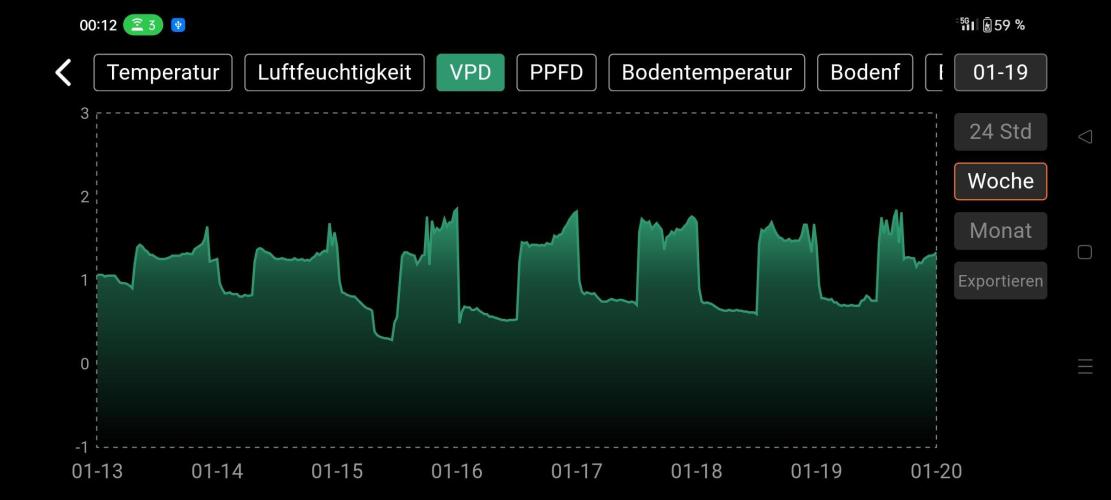
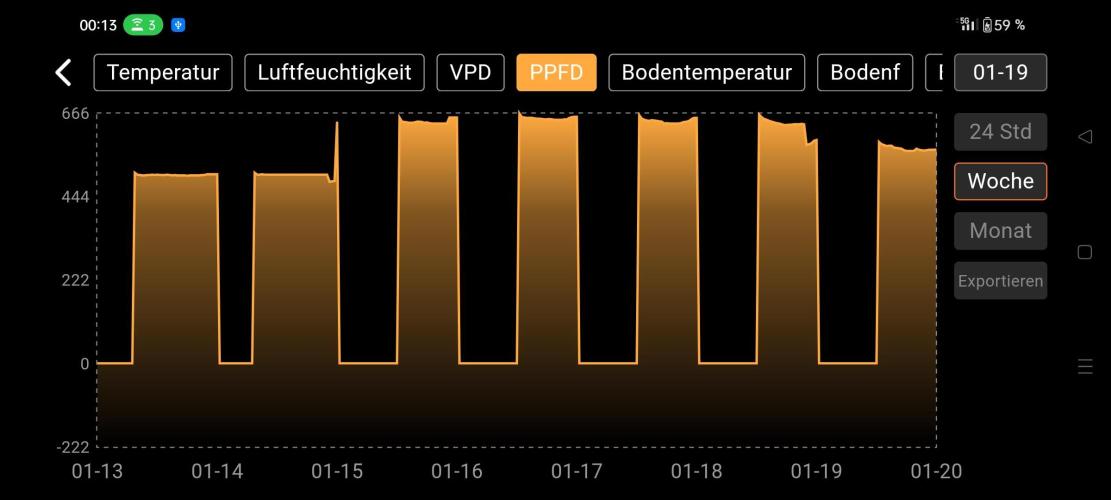
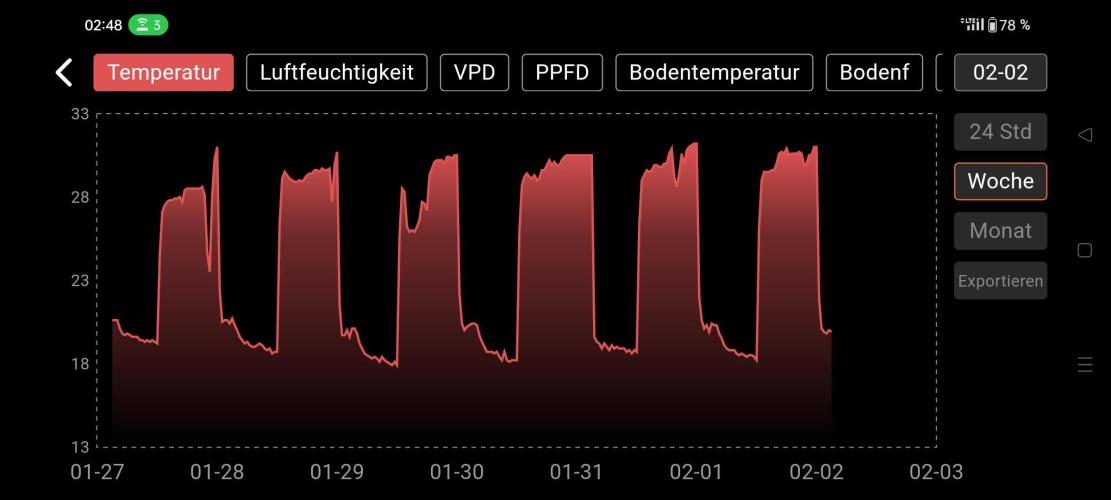
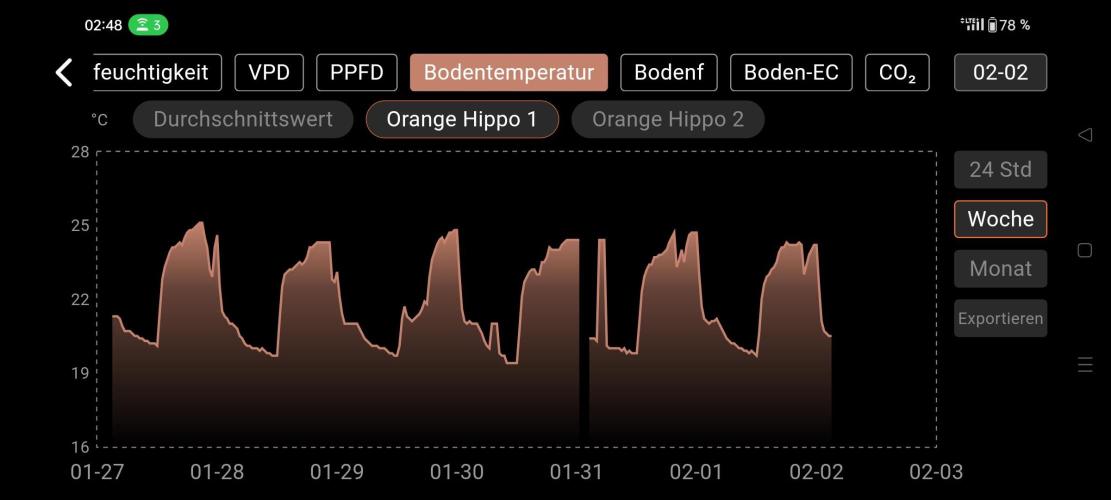
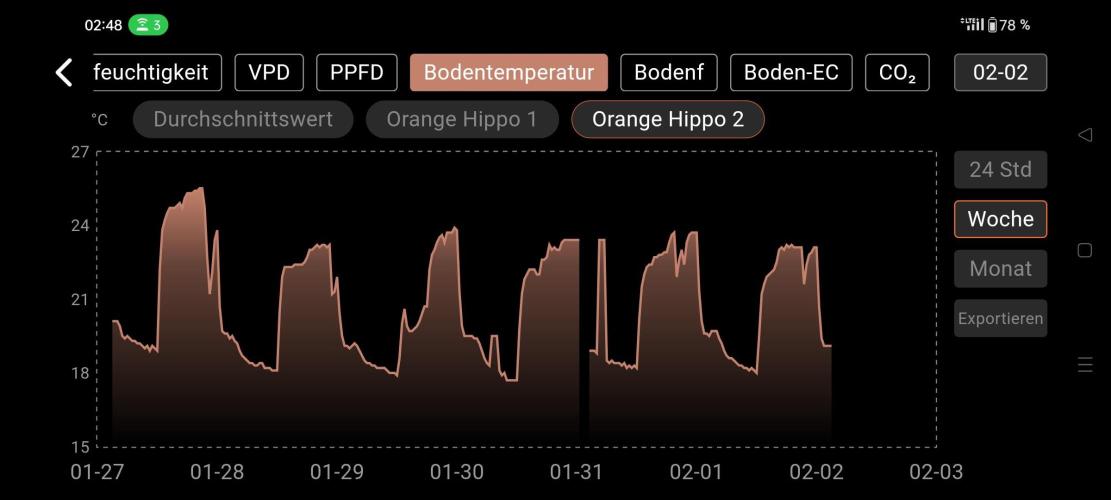
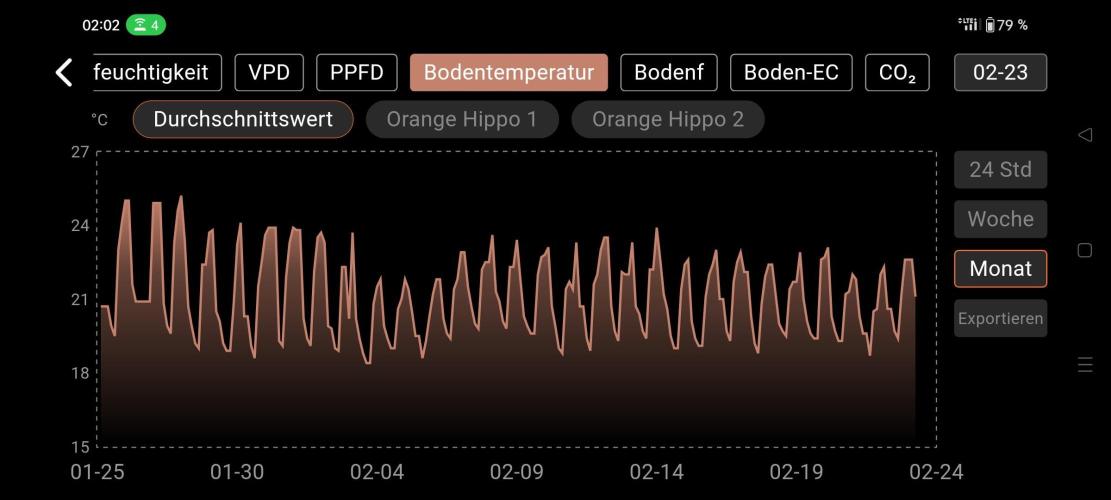
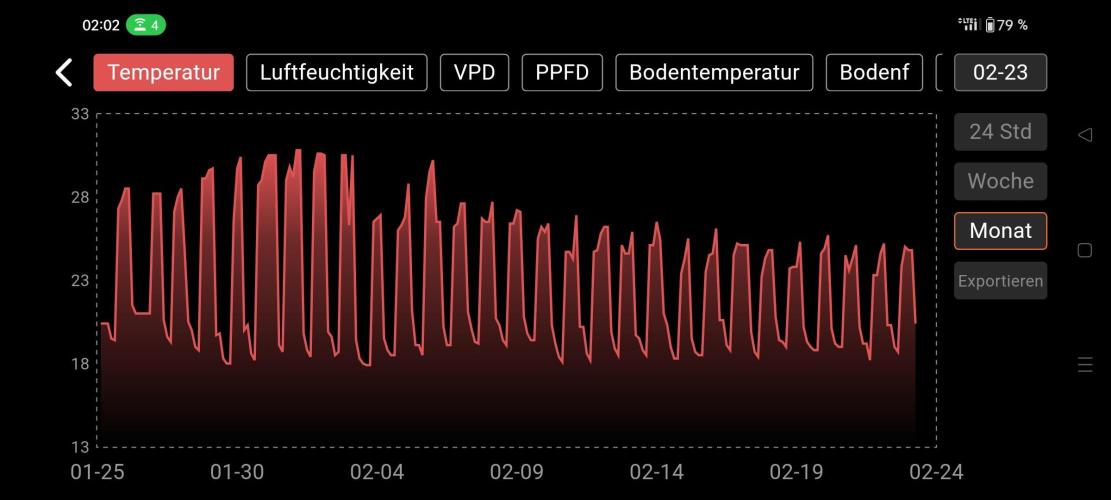
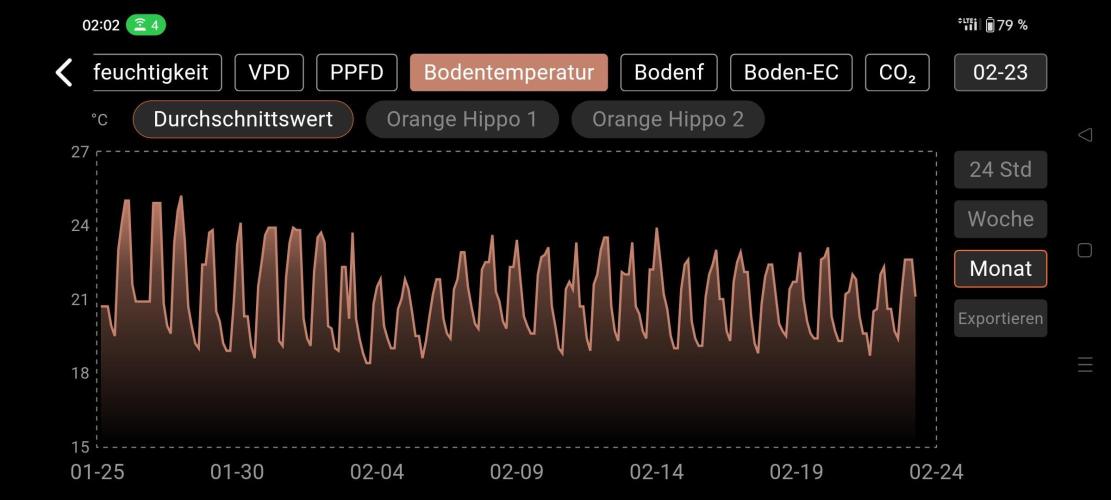
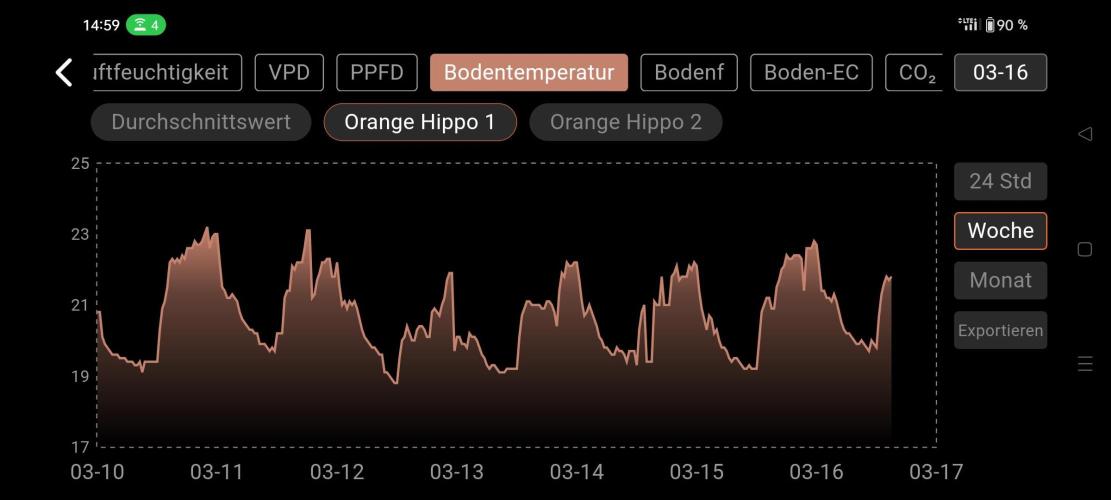
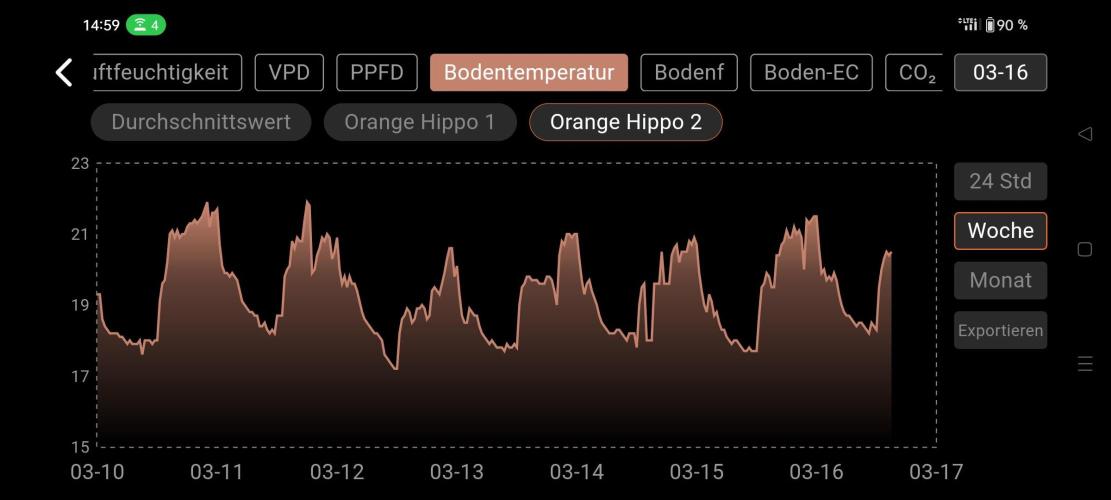
Temperature
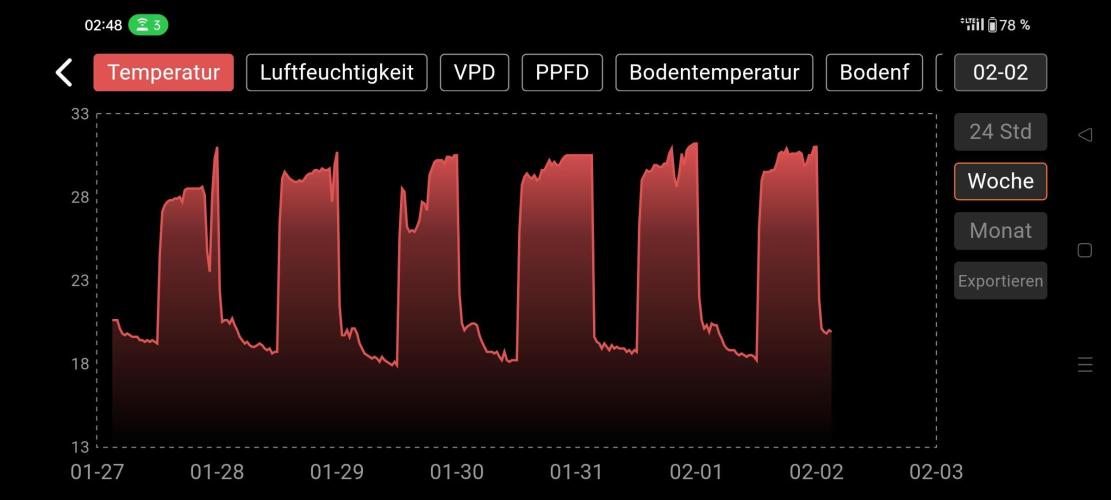
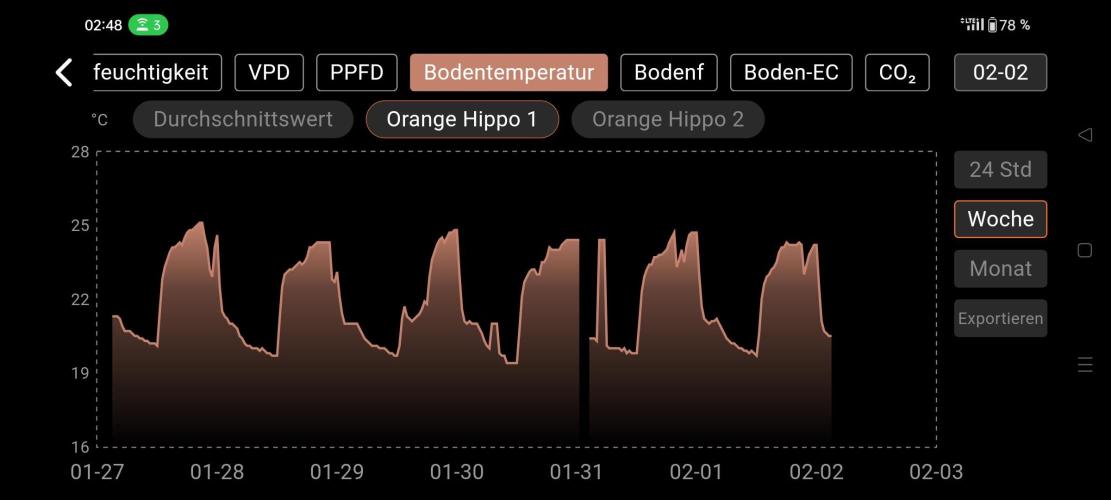
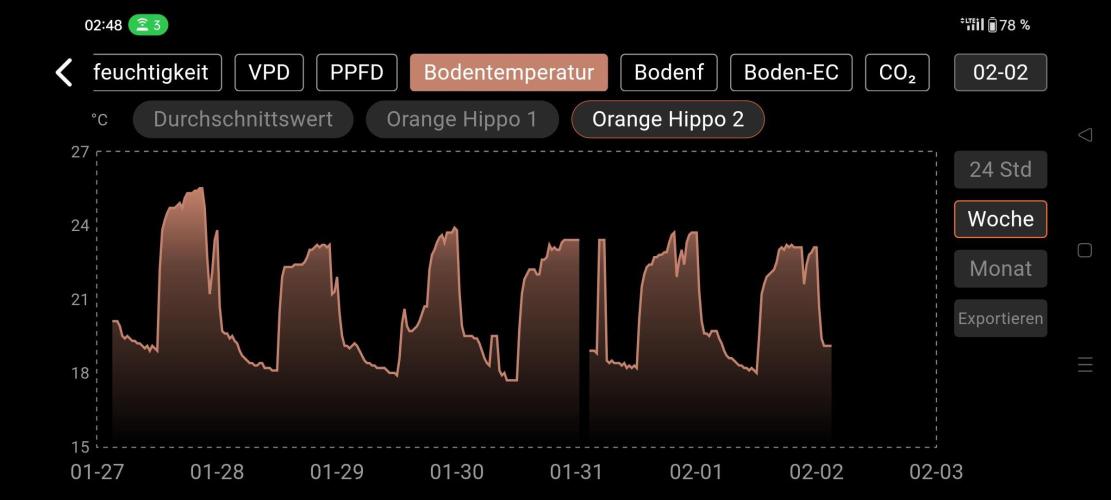
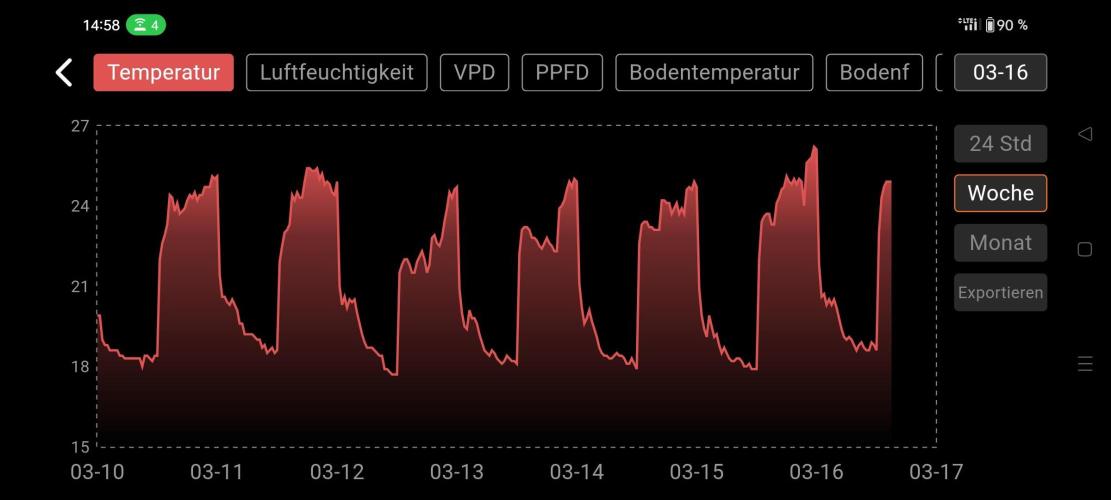
stable daily cycle between ~18–26 °C
clean and consistent peaks during lights-on
no uncontrolled spikes
➡️ indicates a stable environment without thermal stress
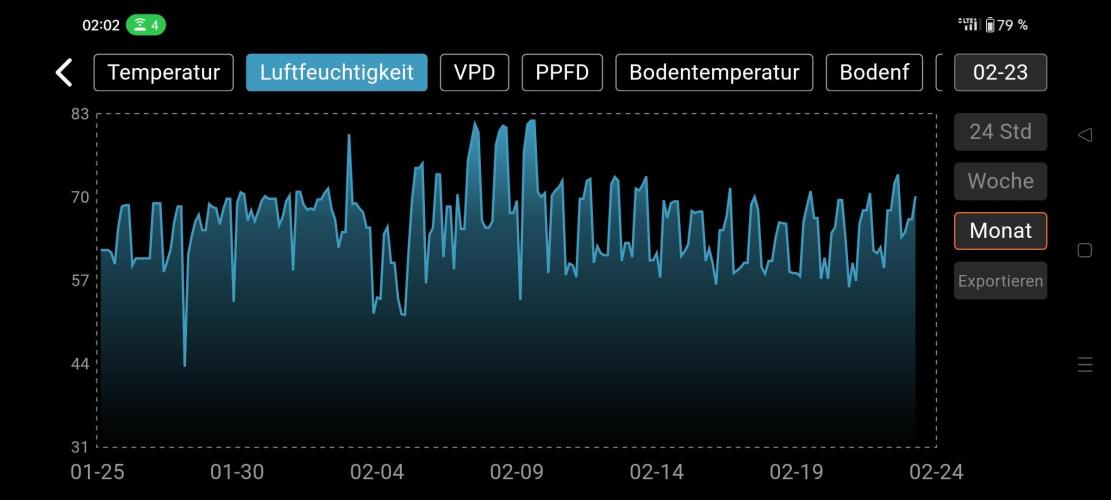
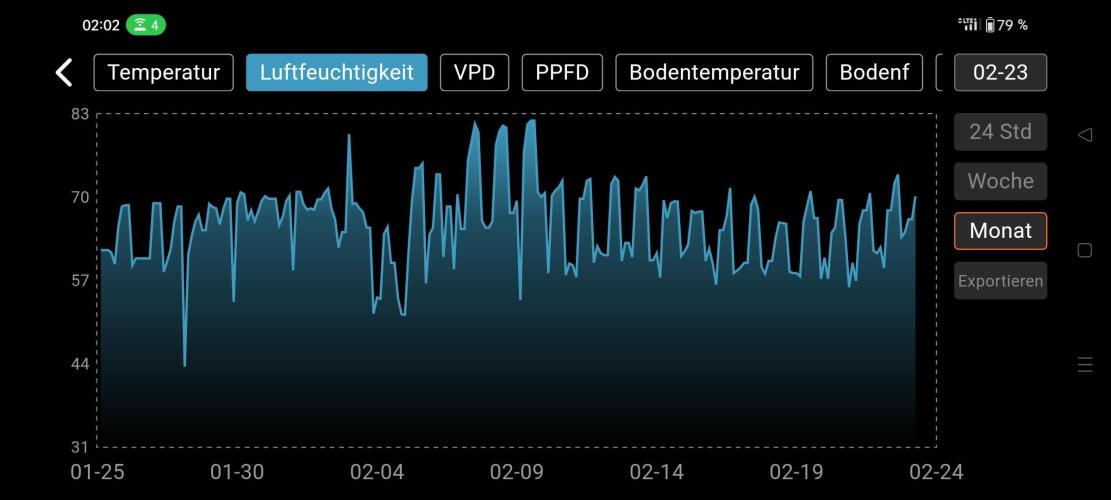
Humidity
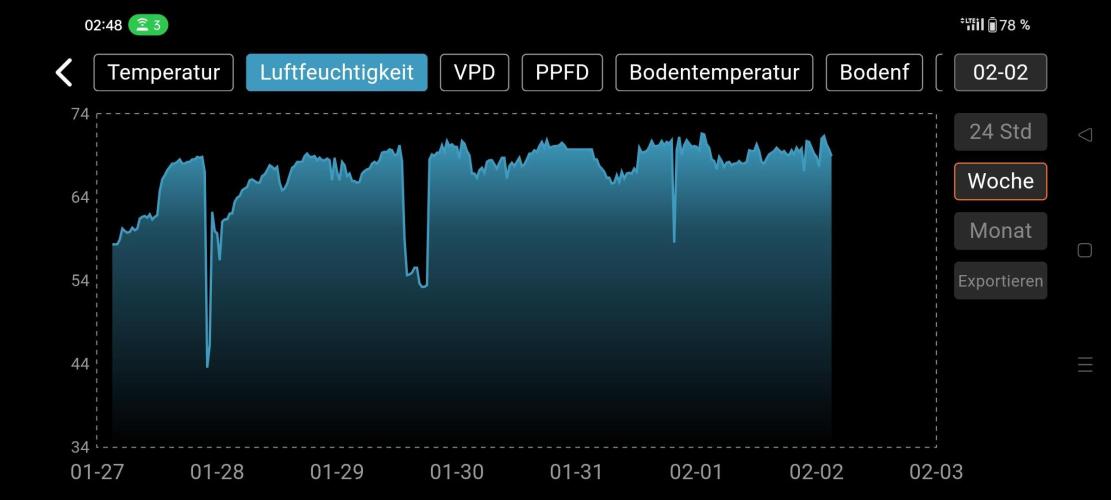
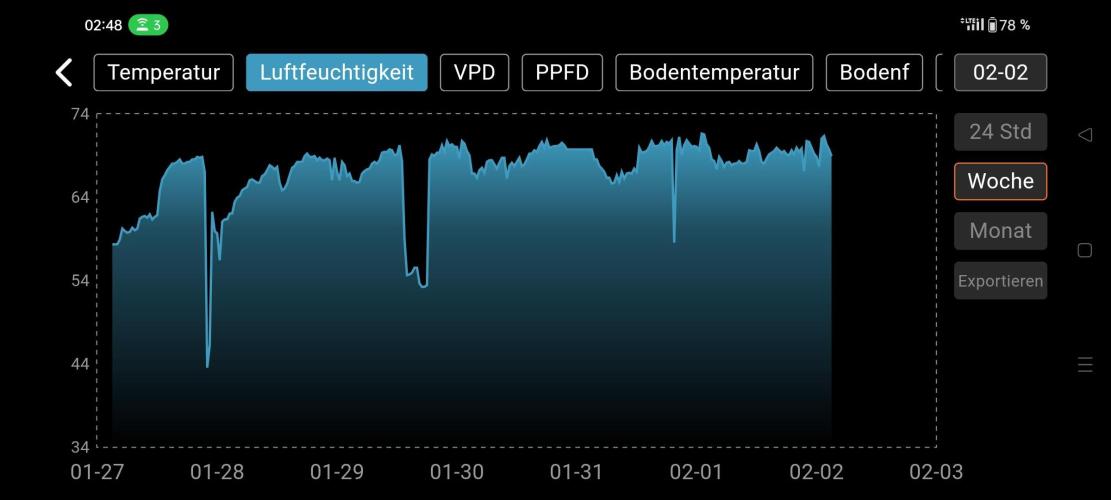
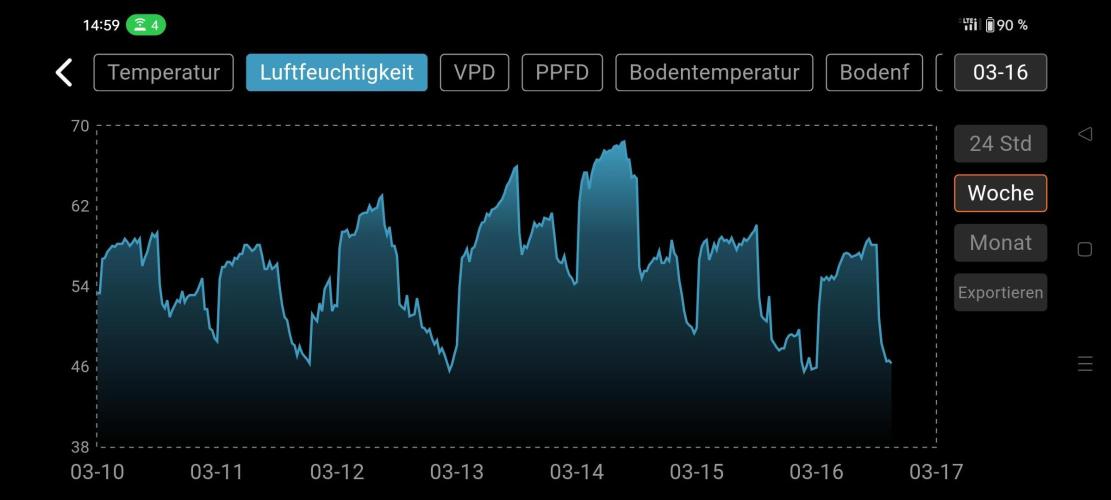
steady trend from ~70% down to ~45–55%
controlled reduction towards harvest
➡️ ideal for:
lowering mold risk
improving final maturation
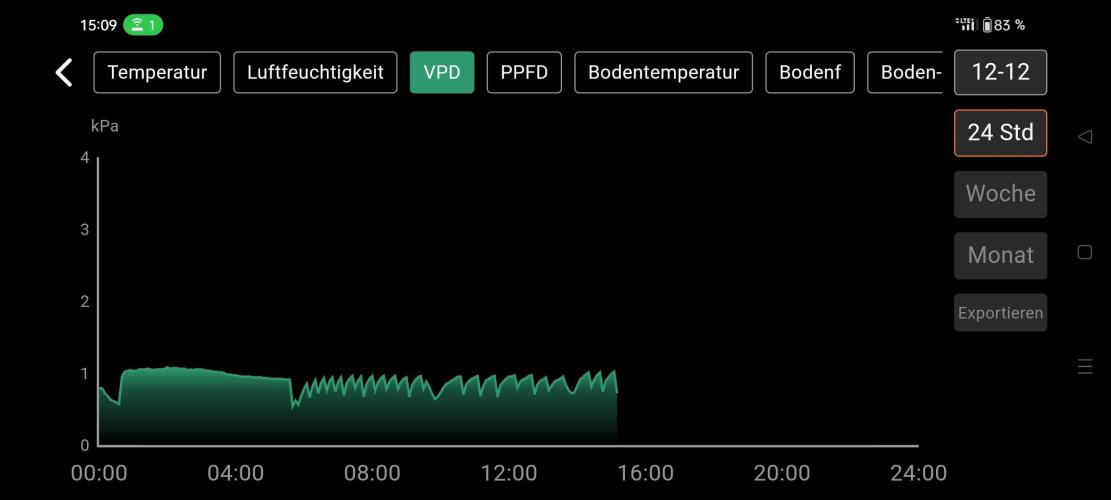
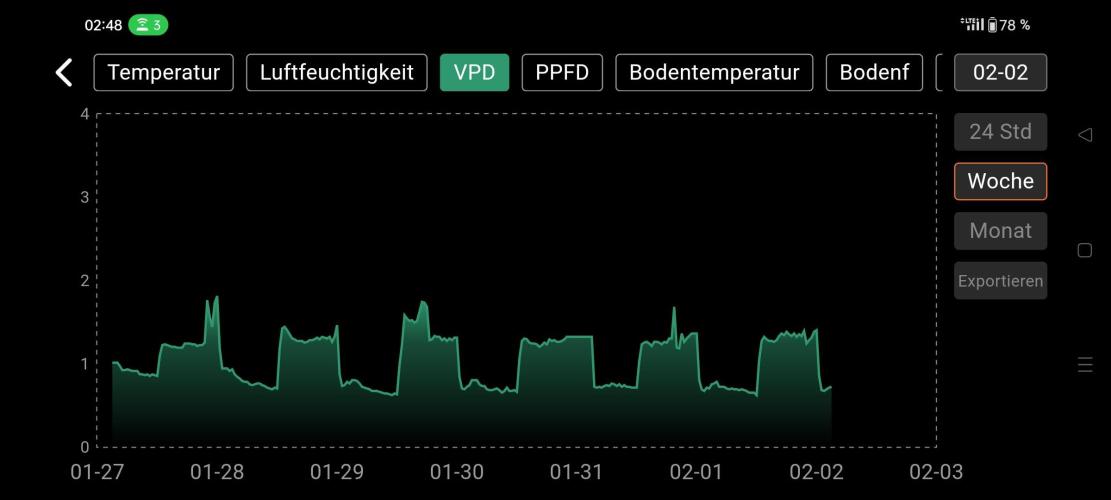
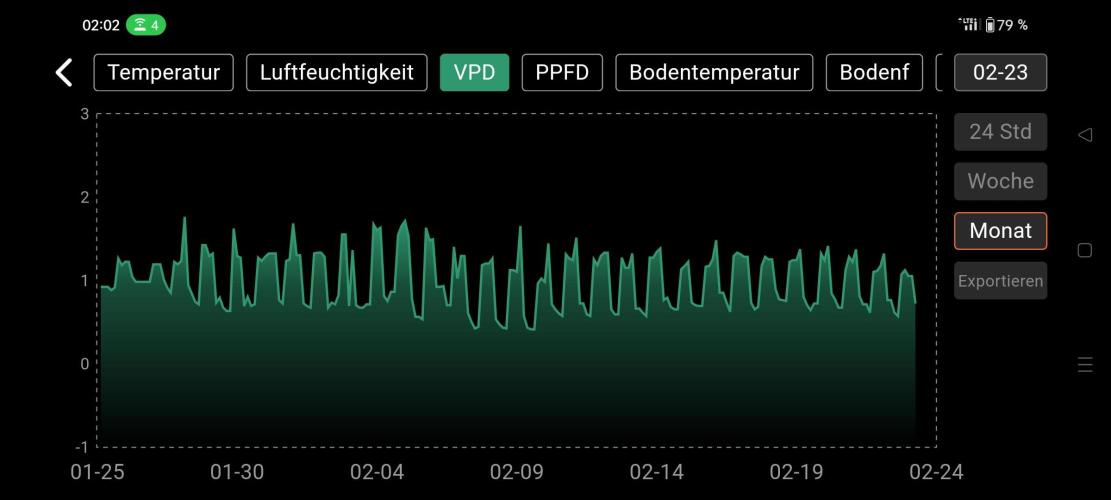
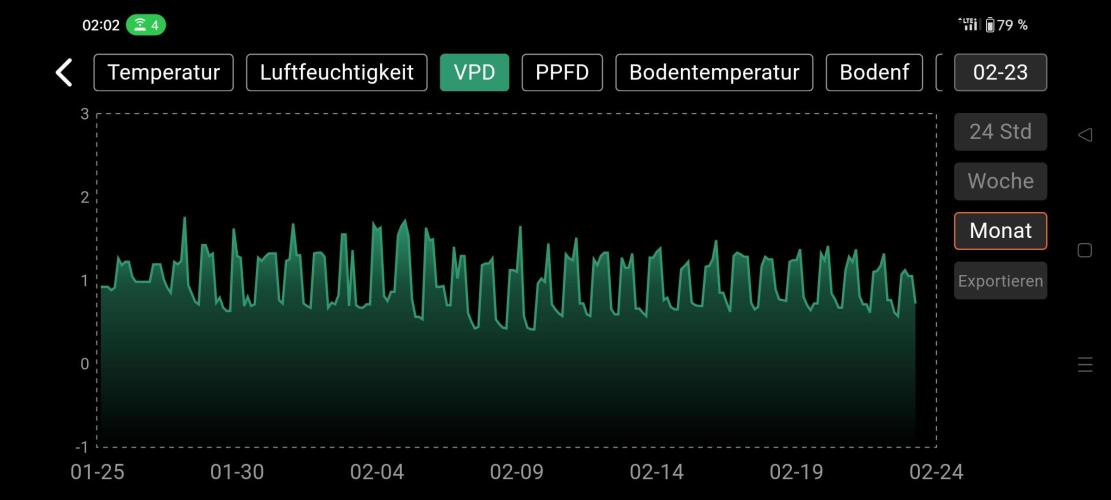
VPD
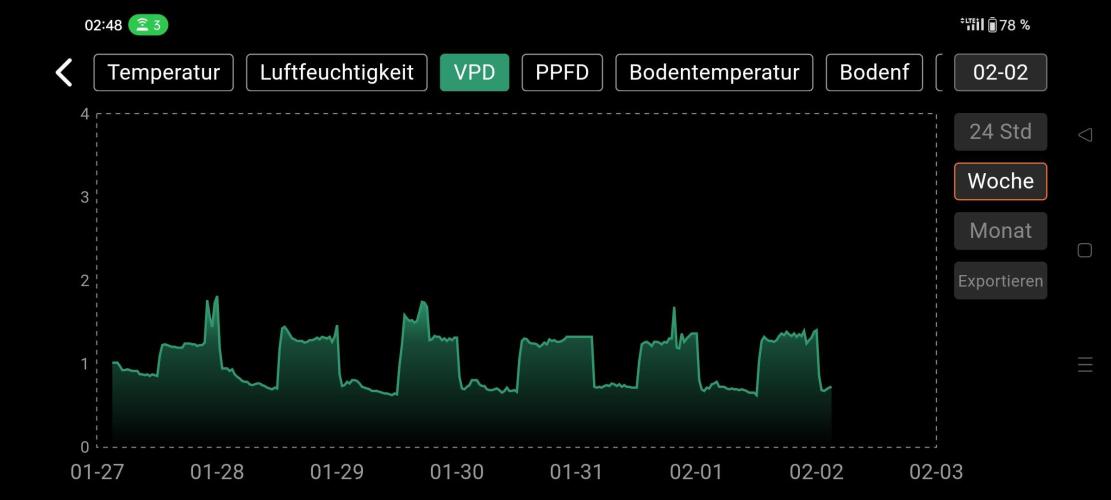
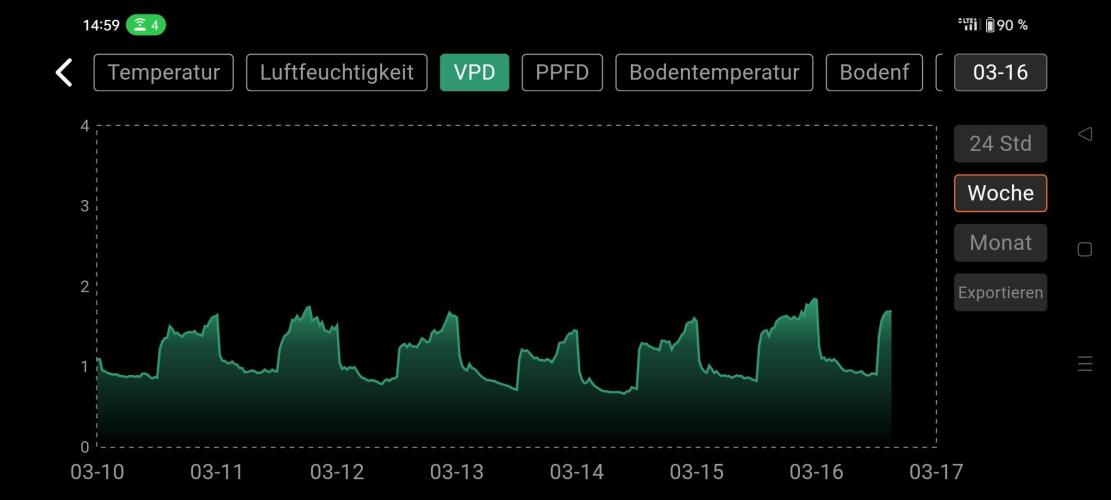
mostly within 0.8 – 1.5 range
slight increase towards the end
➡️ optimal for:
stable transpiration
controlled plant finishing
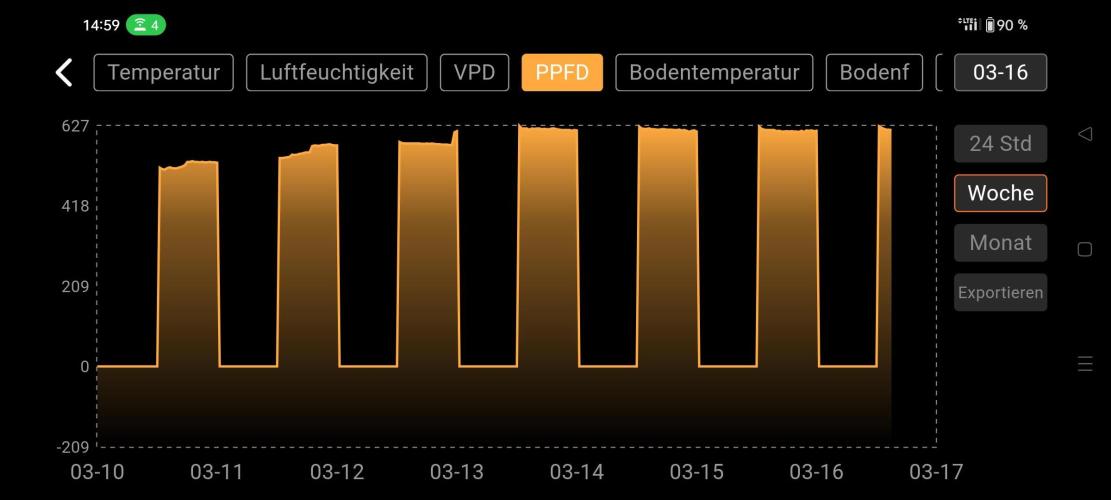
PPFD
clearly structured strategy:
high at the beginning (~650–700)
deliberately reduced
moderately increased again later
➡️ confirms a key approach:
not pushing maximum intensity, but steering plant response
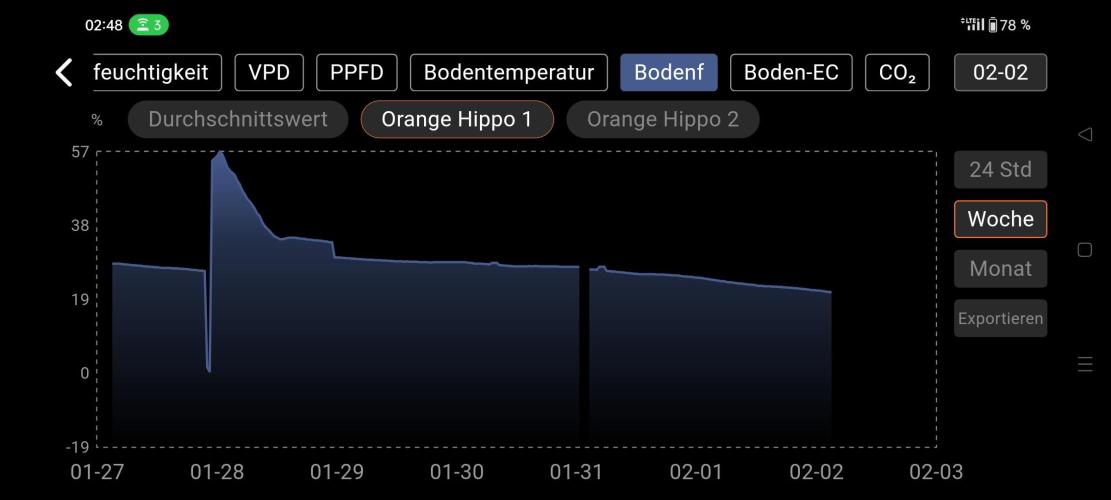
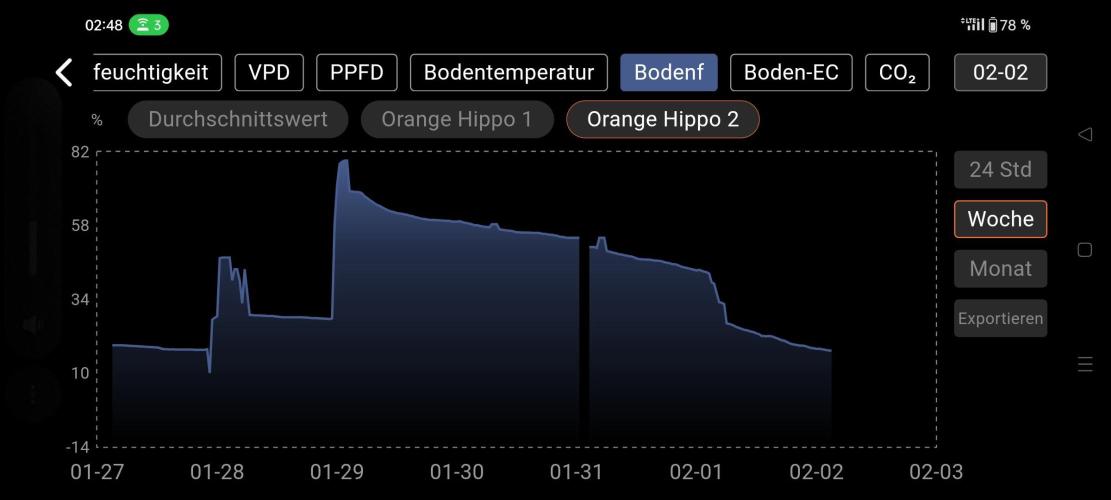
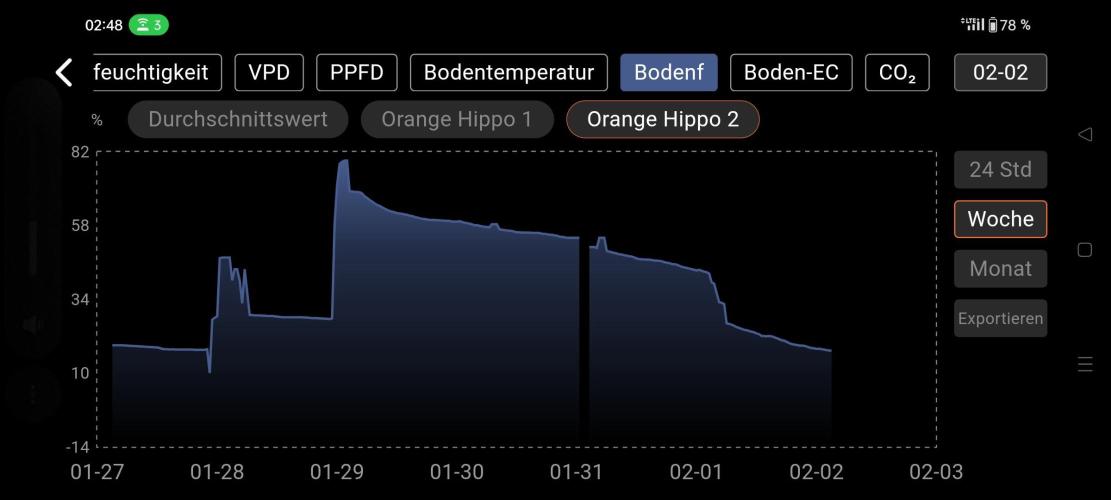
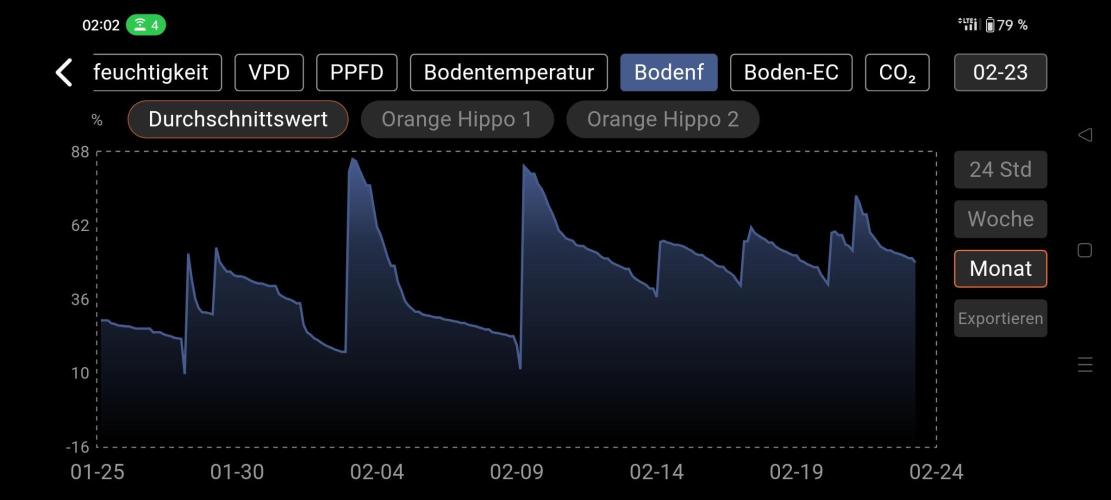
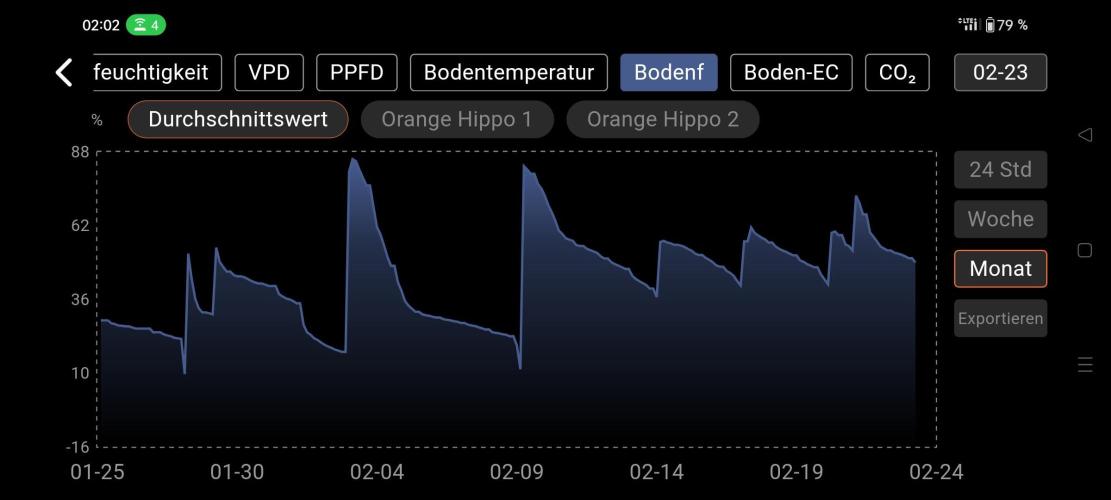
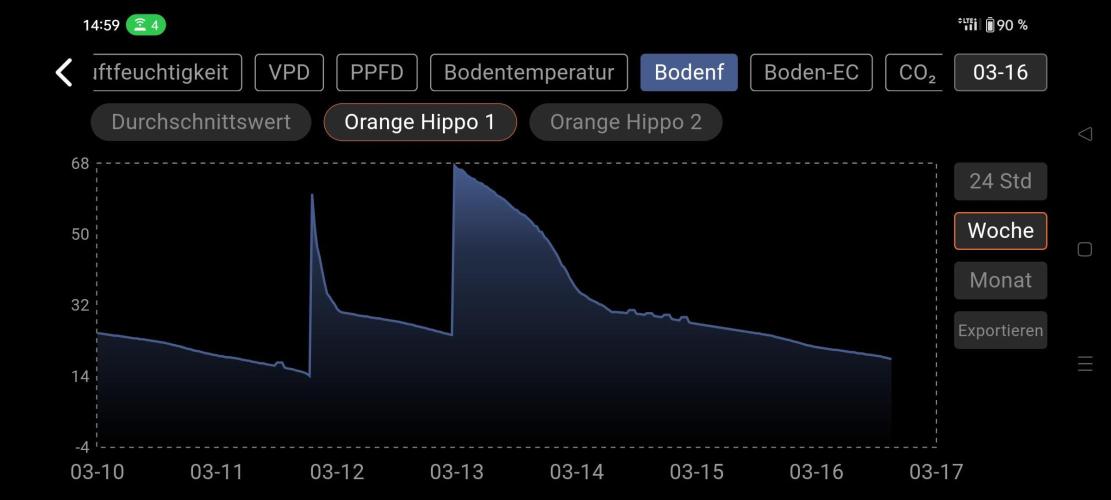
Soil Moisture
classic pattern:
peaks after watering
consistent dry-down phases
strong depletion towards the end
➡️ plants actively consumed water and nutrients, no stagnation
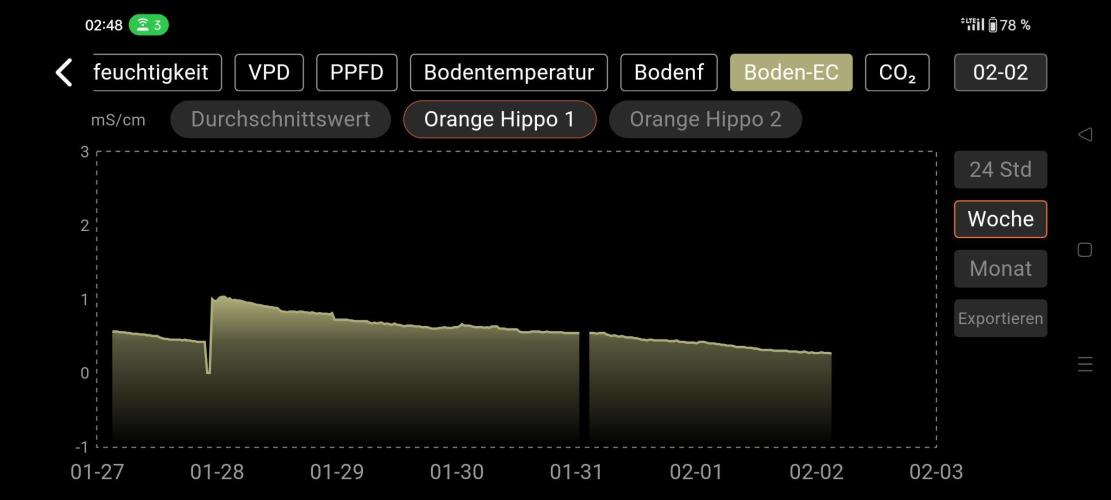
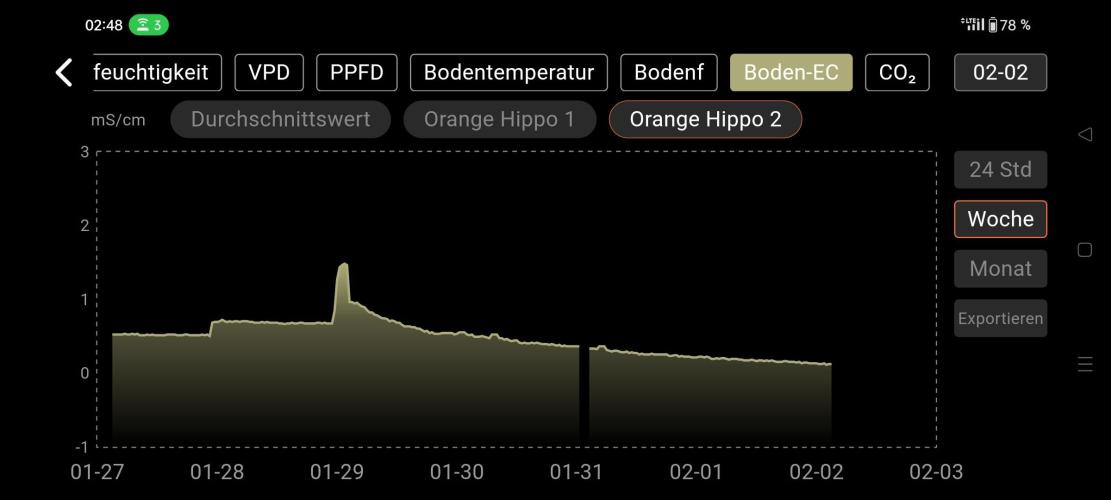
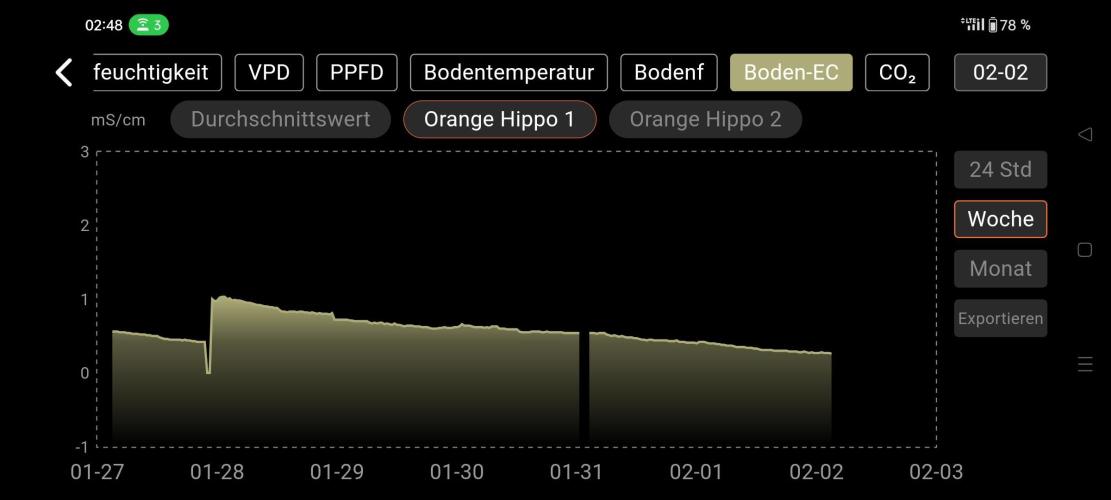
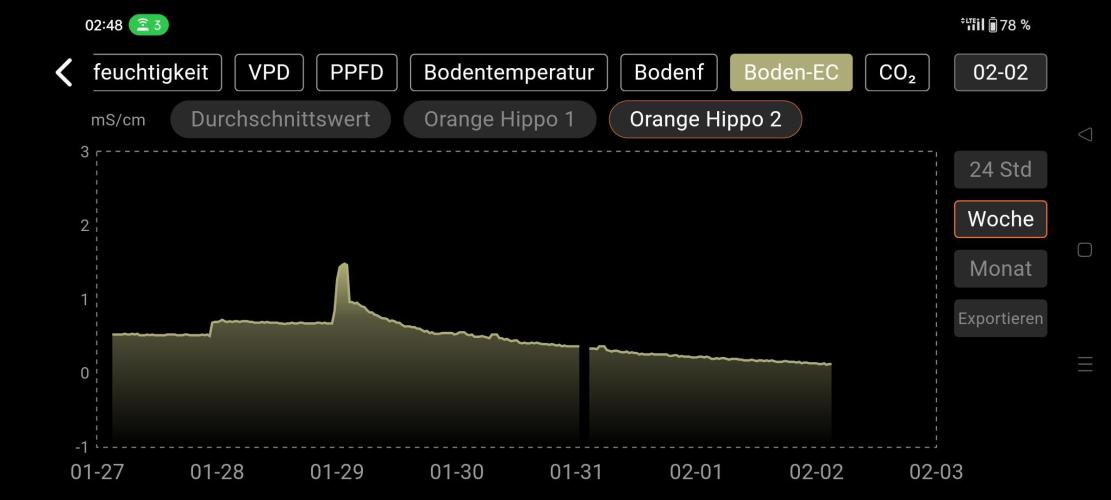
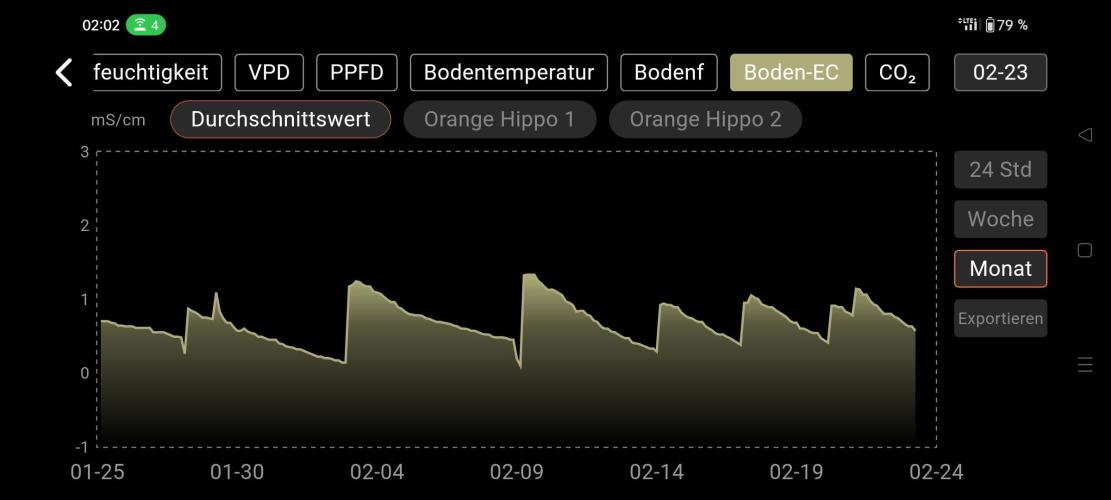
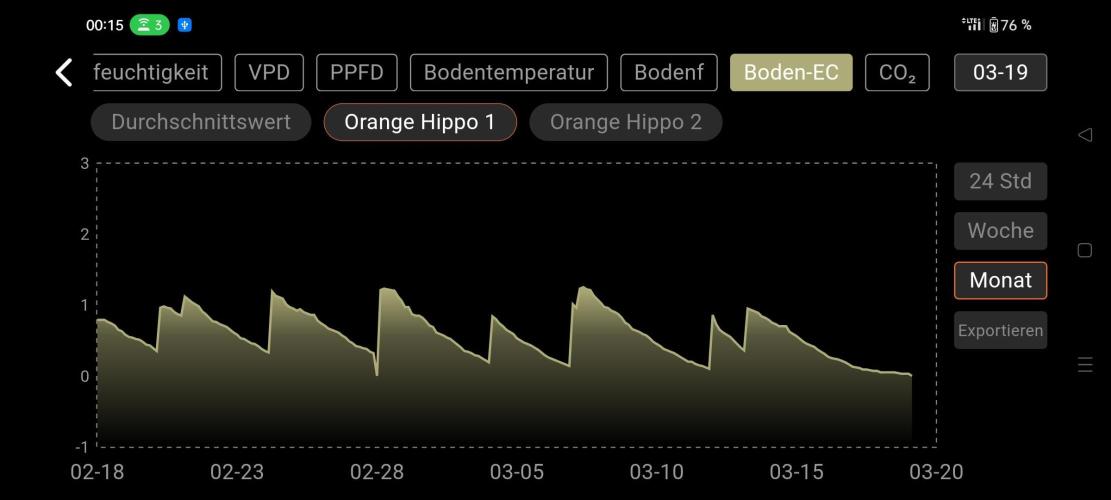
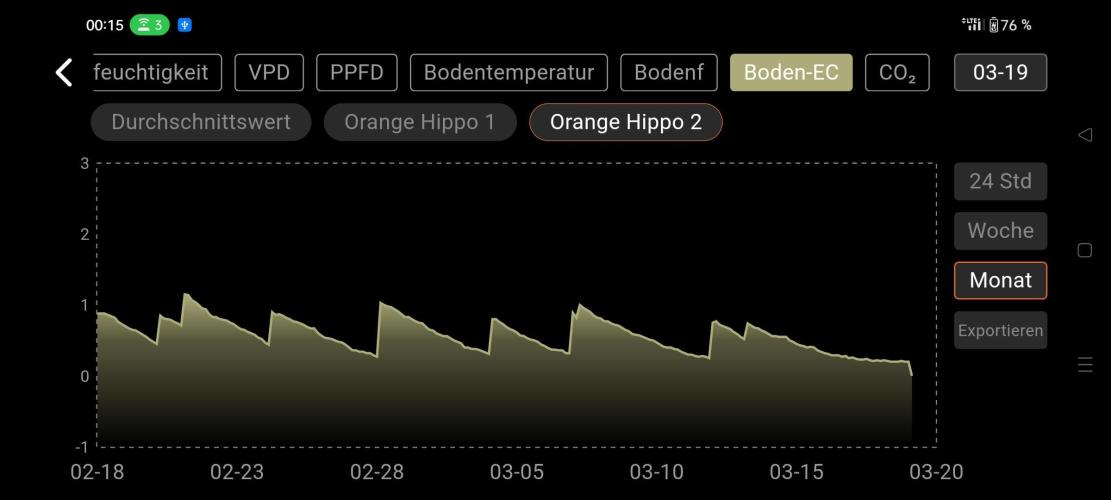
Soil EC
smooth curve without extreme spikes
steady decline towards near zero
➡️ textbook finish:
no excess nutrients, no lockout, no stress
Overall Conclusion
This grow clearly demonstrates:
stability outperforms maximum intensity
data-driven decisions lead to measurable improvements
plants were guided, not forced
Key strengths:
consistent nutrient uptake throughout flowering
controlled transition into the final phase
improved quality alongside increased yield
Personal Conclusion
This was not a “lucky grow”, but a reproducible system.
With the same approach, the next run can likely be improved further without increasing risk.
2 likes
comments
Share
Equipment Reviews



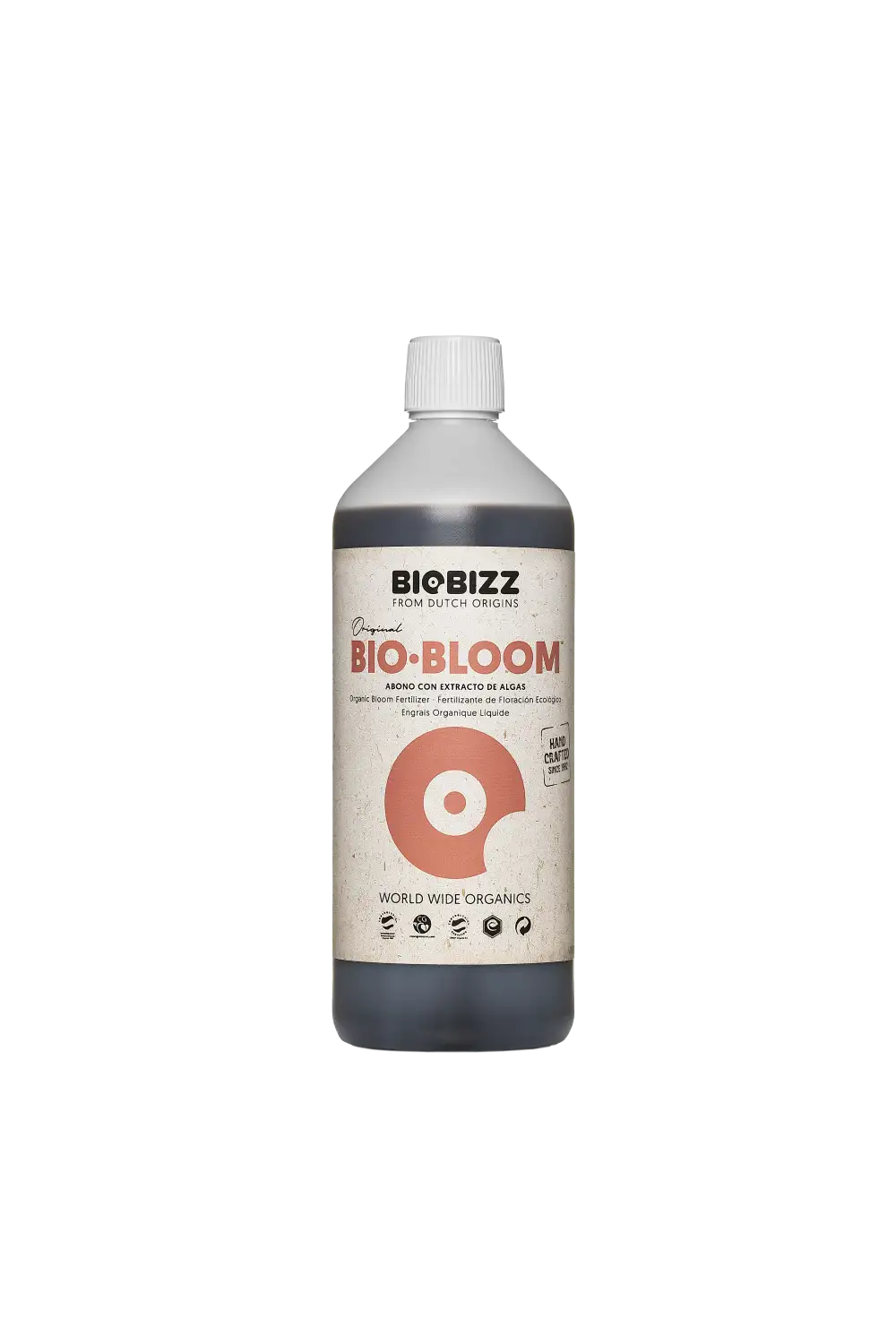





2 comments
Sort by
popularity
popularity
newest
oldest

Cannabeast40 commentedweek 410mo ago
Looks amazing 😊 What a detailed diary 😎 Best of luck with the rest of the grow 🌱
like 1

KraftKlotz commented10mo ago
@Cannabeast40,
Thank you very much, I'll do my best.
like 1

the end.
Enjoying this diary? Follow for more updates!
Prefer the old Diary view?
Go back to the old Diary view