


Mix it 2026 Outdoor Germany


Sour Diesel
Shantibabaseeds.com



Mix
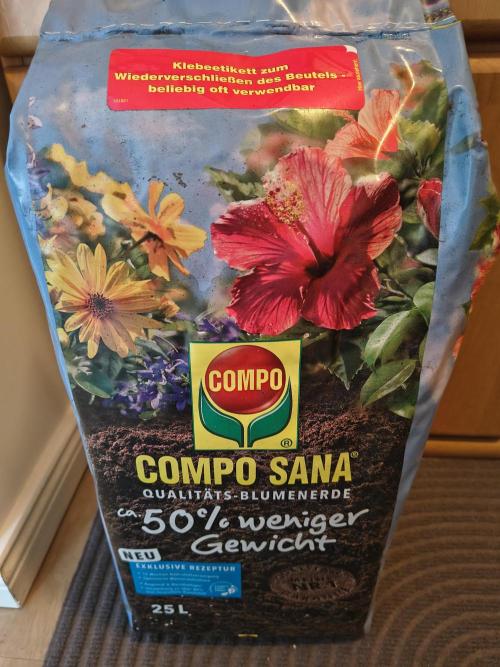
50% weniger Gewicht

Outdoor
Room Type
Transplantation
weeks 1, 13
Topping
weeks 3, 12
HST
weeks 13-14
Love
weeks 1-27
weeks 23
Defoliation
weeks 4-13, 16-27
LST
weeks 5-7, 13-14, 18
39 liters
Pot Size
1 liters
Watering
Start at Harvest
G
Germination8mo ago
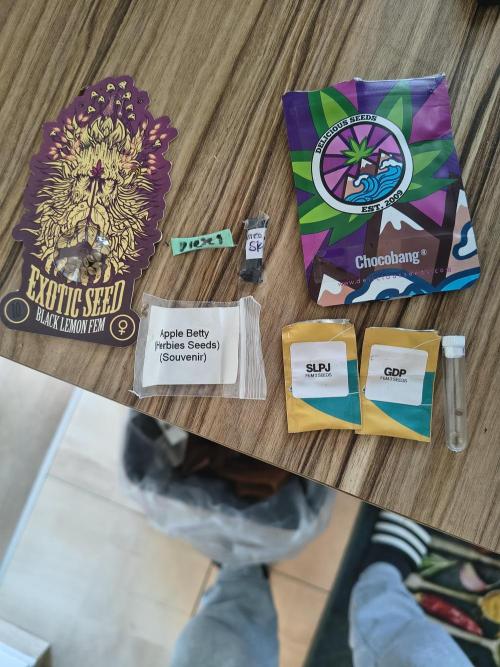
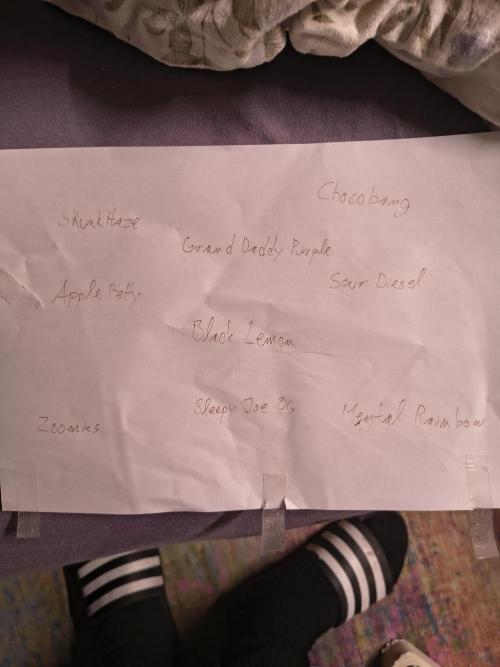
JaramnieJazz Leider kann ich nur 8 Strains eintragen es sind aber 9 es fählt Shantibabaseeds.com Skunk Haze
12 likes
comments
Share
Used method
Paper Towel
Germination Method
1
Week 1. Vegetation8mo ago
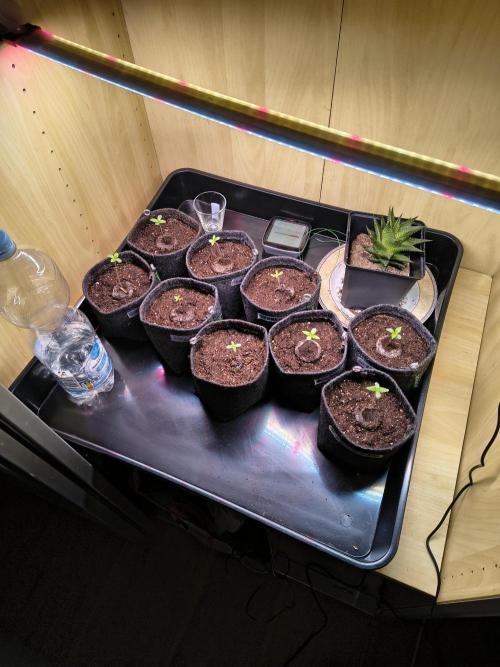
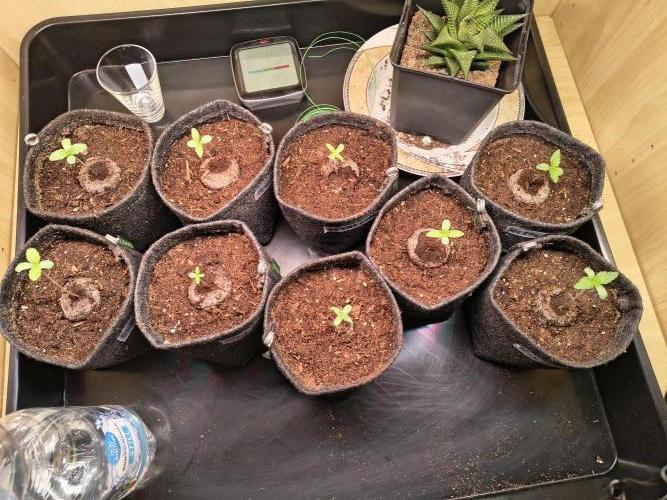
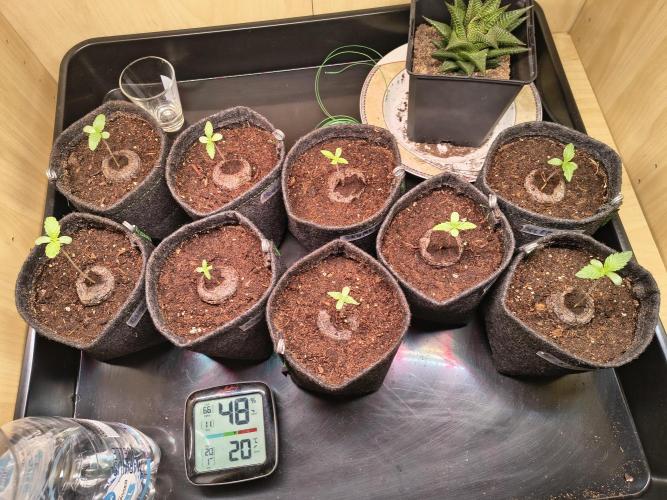
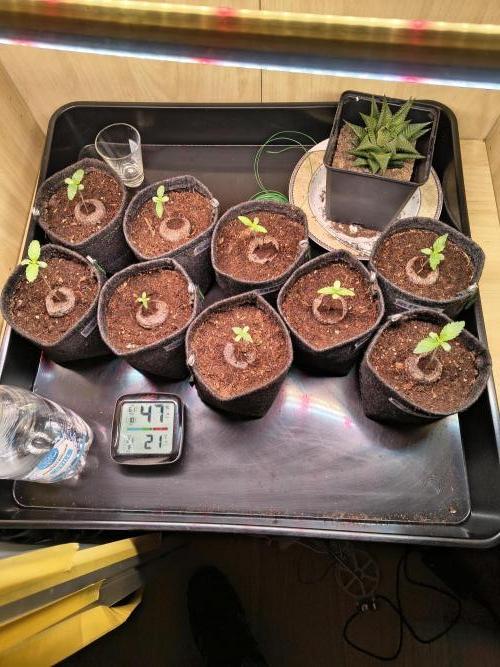
3 cm
Height
18 hrs
Light Schedule
21 °C
Day Air Temp
40 %
Air Humidity
20 °C
Solution Temp
18 °C
Night Air Temp
1 liters
Pot Size
0.1 liters
Watering Volume
60 cm
Lamp Distance
Nutrients 1

Root-Juice
1 mll
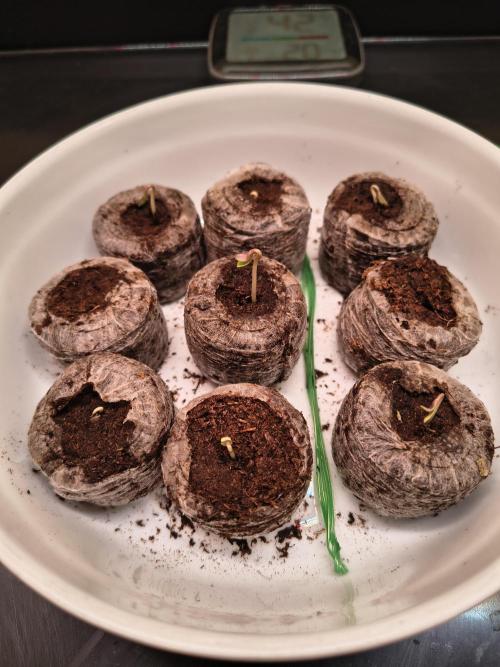
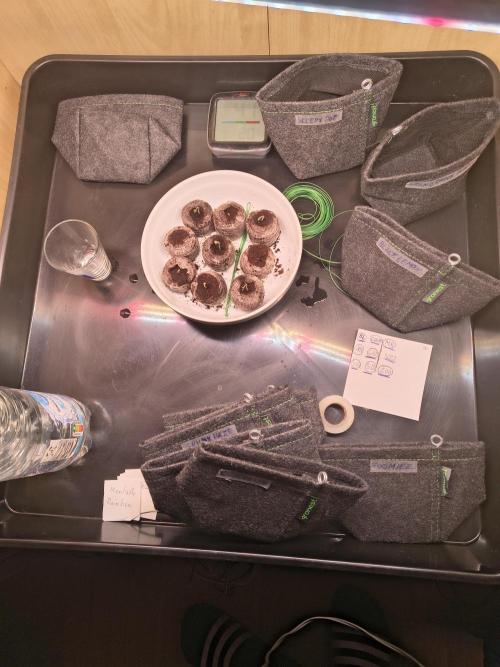
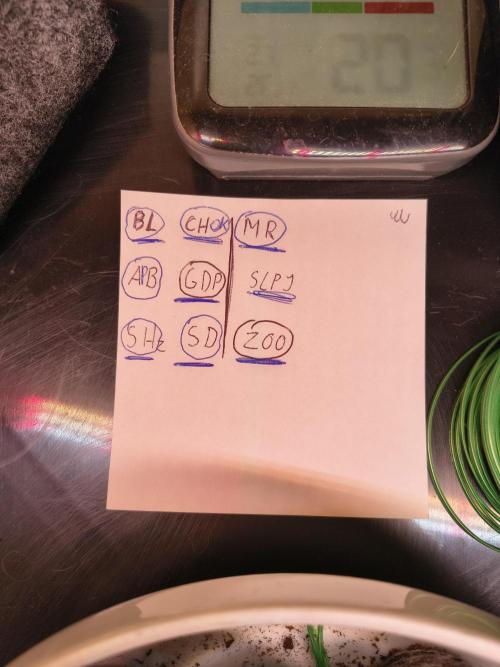
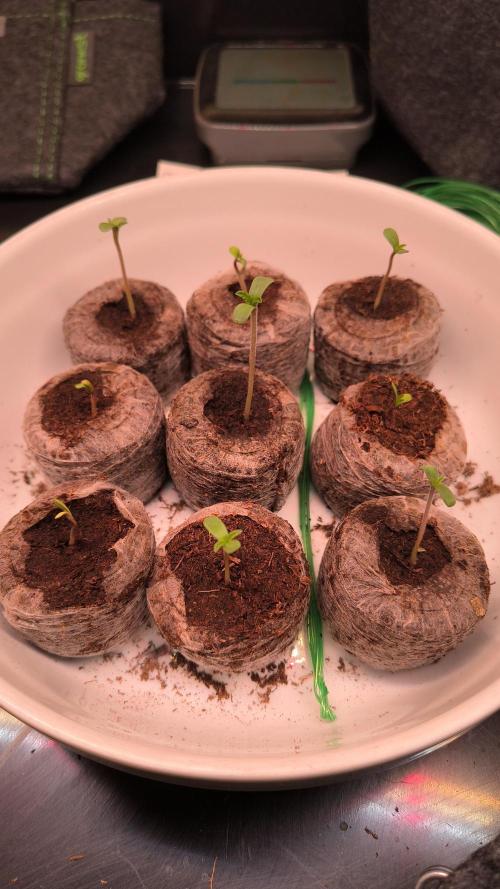
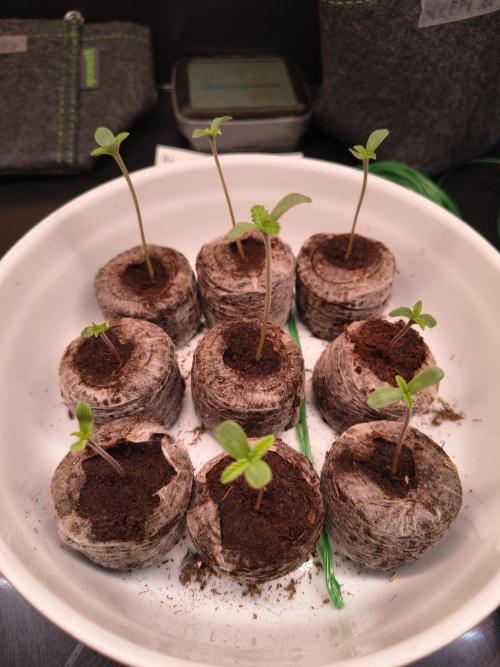
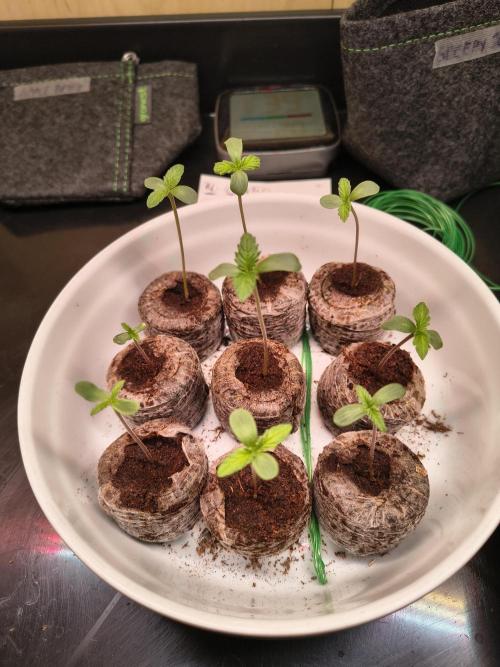
JaramnieJazz Sieht gut aus alle samen sind gesprossen woche 1 geht los sie werden in laufe der Woche in 1L Smart Pots gesetzt mit Compo Sana 50% weniger Gewicht unter Secret Jarden Cosmorrow LED 40Watt PPE2.85 Full Spectrum und später im frühjahr in 15L 39L 50L Smart Pots mit der aufbereiteten Erde die ich seit 2023 benutze auf den Balkon
03.02.26 Sieht gut aus nur Apple Betty ist hinterher aber das wird schon ist noch genug zeit
15 likes
1 comment
Share
Used techniques
Transplantation
Technique
Love
Technique
1
Week 1. Harvest4mo ago
Happy Harvest Day!

Spent 241 days
Ger Veg Flo Har
1
Plants
3 m²
Grow Room size

Sleepy, Energetic, Giggly
Positive effects

Insomnia, Dry mouth, Dry eyes
Negative effects

Depression, Anxiety, Insomnia
Medical effects

Cheese, Citrus, Sweet
Taste
Height
Day air temperature
Air humidity
Light schedule
Solution temperature
Night air temperature
Pot size
Lamp distance
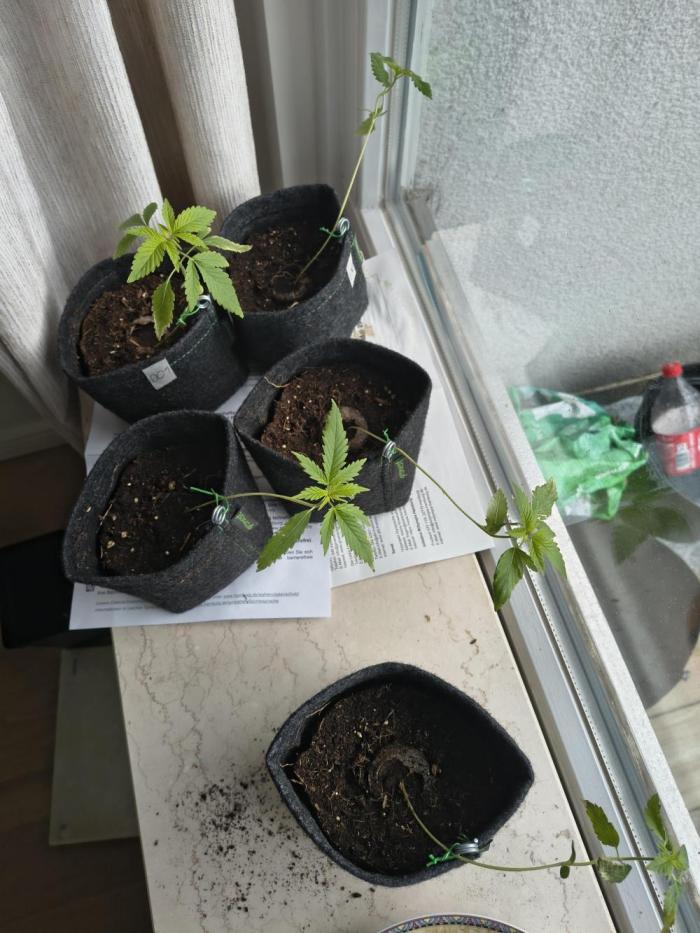
JaramnieJazz Leider tot
6 likes
1 comment
Share
Equipment Reviews














2
Week 2. Vegetation8mo ago
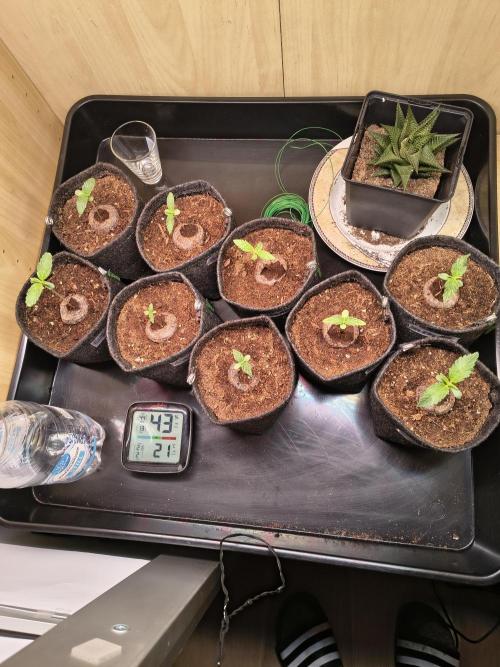
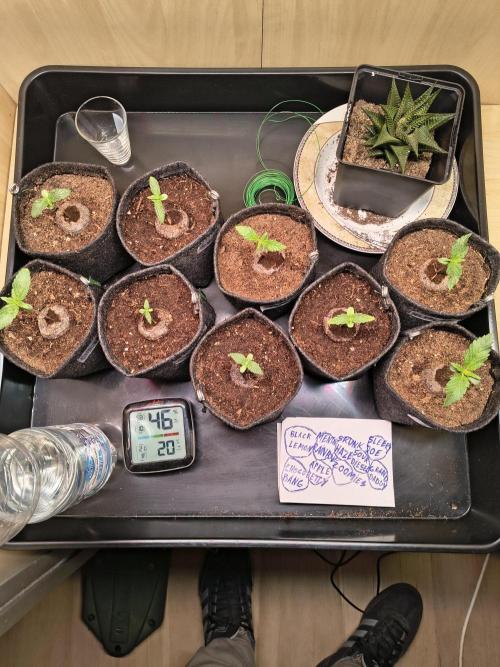
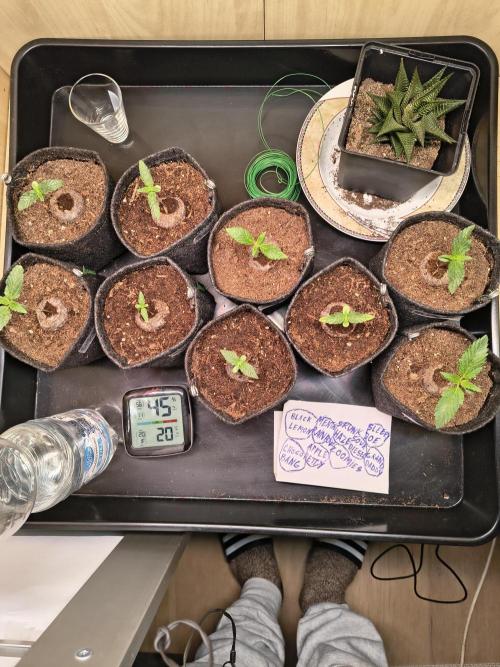
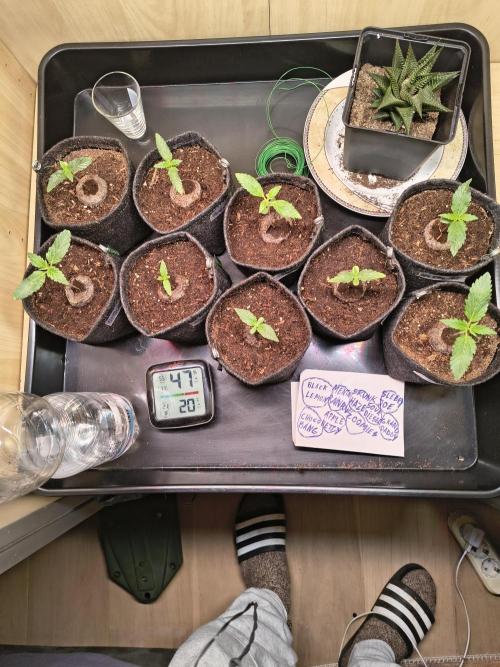
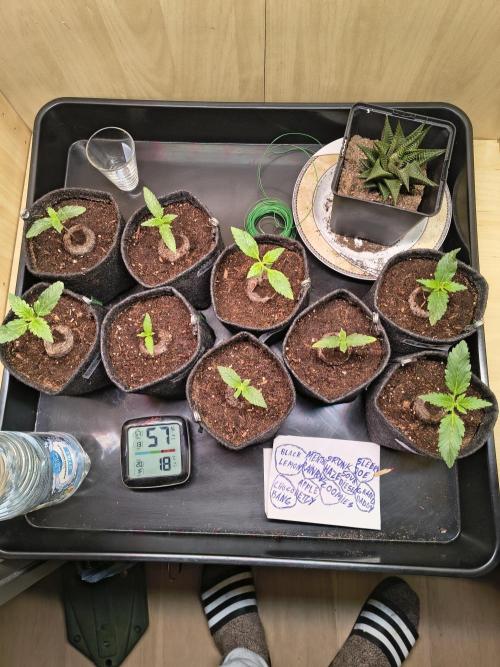
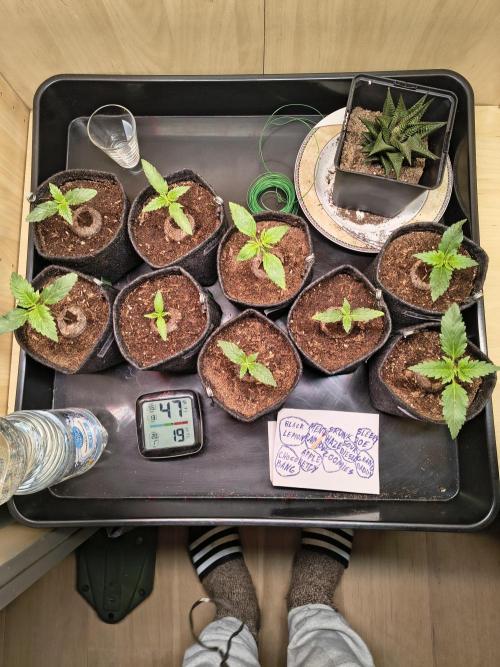
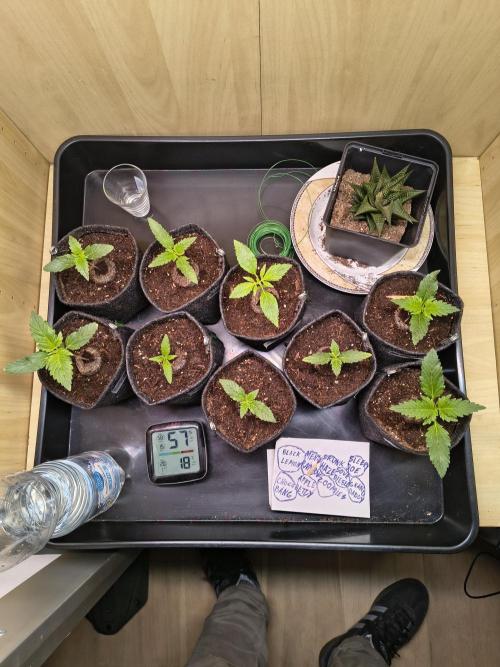
5 cm
Height
18 hrs
Light Schedule
21 °C
Day Air Temp
40 %
Air Humidity
20 °C
Solution Temp
18 °C
Night Air Temp
1 liters
Pot Size
0.1 liters
Watering Volume
60 cm
Lamp Distance
Nutrients 1
Root-Juice
1 mll
JaramnieJazz So Woche 2 alles Sieht gut aus die Kleinen entwickeln sich gut
08.02.26 Die Kleinen sind schon richtige Kleine Pflänzchen
Skunk Haze hat gut aufgeholt Chocobang und Grand daddy purple und Sleepy Joe OG kommen super der reset kommt selbst Apple Betty entwickelt sich ist aber Klein aber ist noch gut zeit später in mehr Erde.....
10.02.26 Heute einmal richtige gegossen mit rund 100ml je Pflänzchen das sollte min 1 Woche reichen
13 likes
1 comment
Share
Used techniques
Love
Technique
3
Week 3. Vegetation7mo ago
10 cm
Height
18 hrs
Light Schedule
21 °C
Day Air Temp
60 %
Air Humidity
20 °C
Solution Temp
18 °C
Night Air Temp
1 liters
Pot Size
0.1 liters
Watering Volume
25 cm
Lamp Distance
Nutrients 1
Root-Juice
1 mll
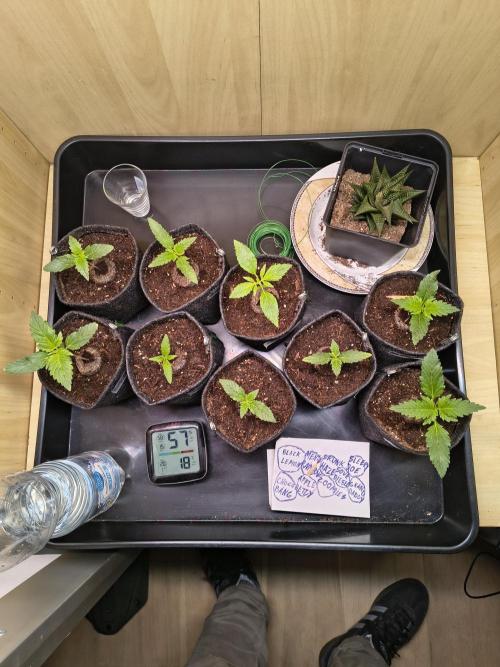
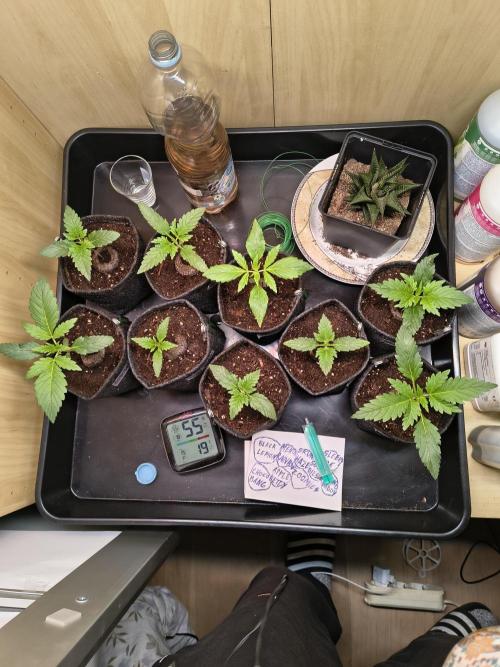
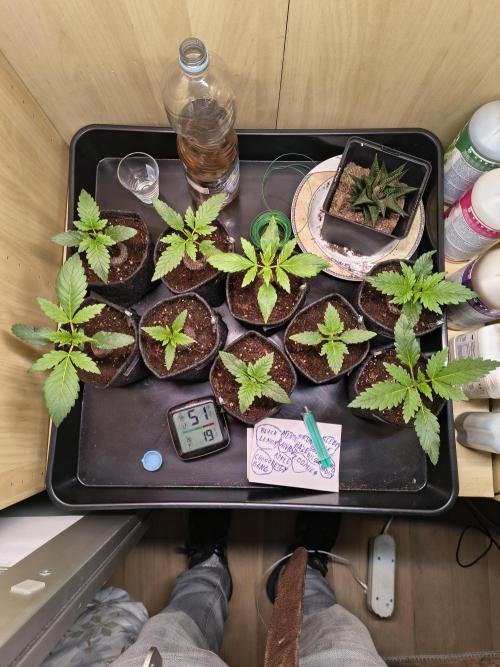
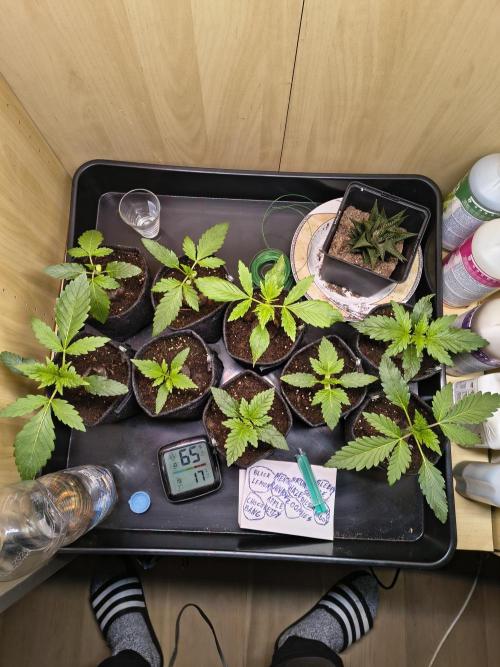
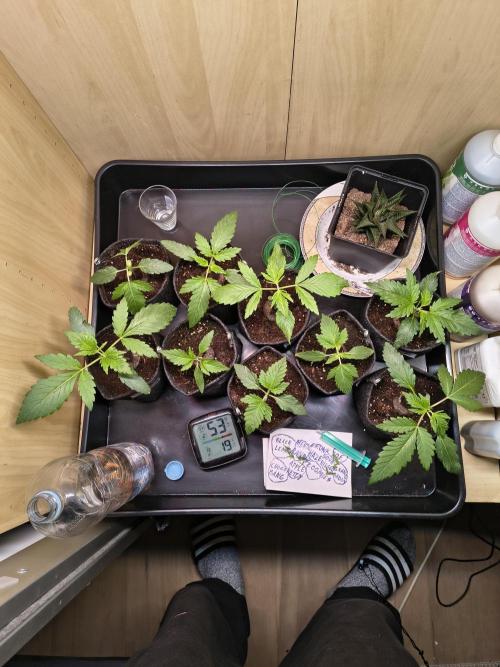
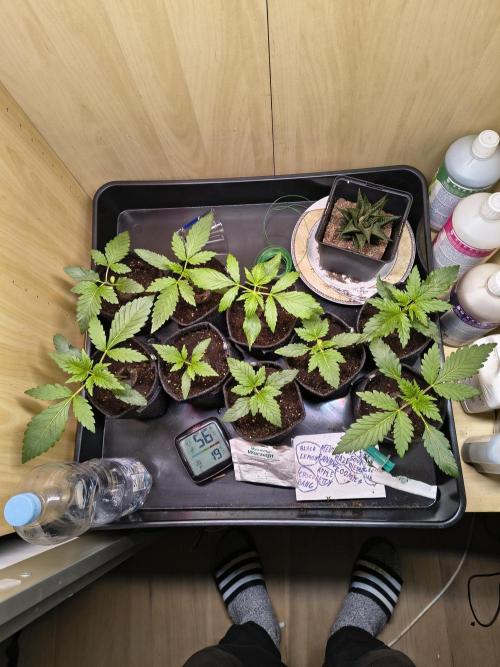
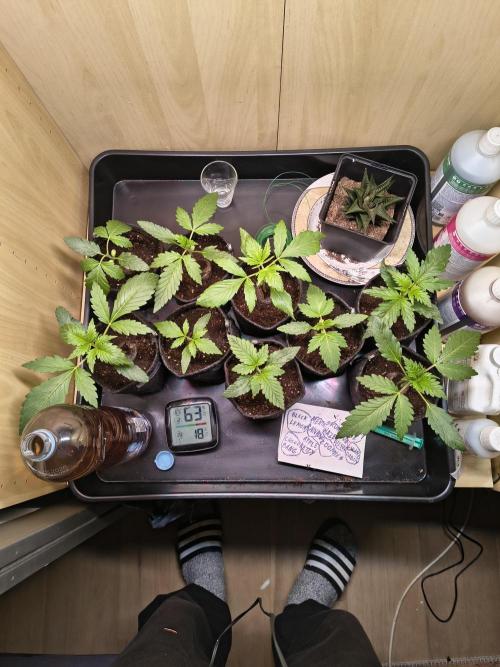
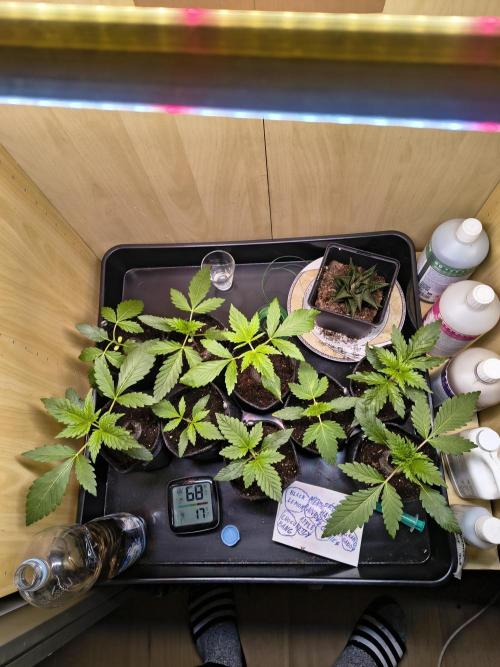
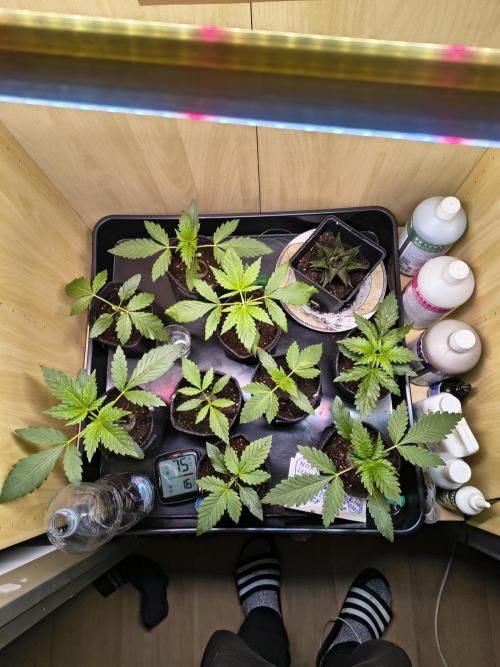
JaramnieJazz Woche 3 sie entwickeln sich gut selbst Apple Betty hat sich gut entwickelt.
So Freitag der 13 ist am start. Ich hoffe nur das es sich um ein bomben product handle wird
14.02.26Kein plan was ich das geschrieben hatte aber alles ist bombe und alle wurden getopt!!!!!!!
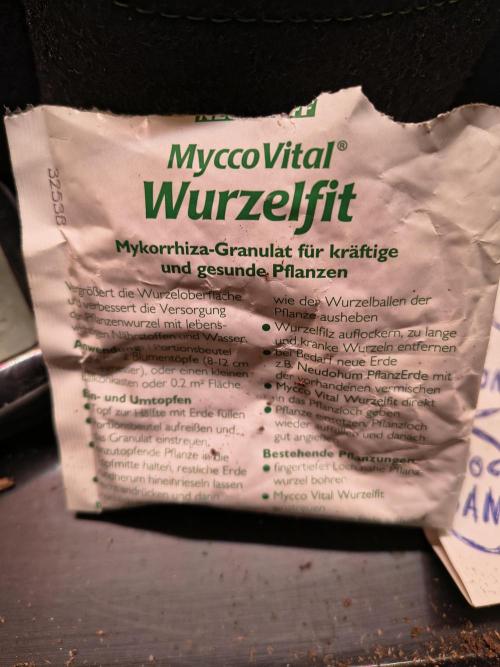
Mykorrhiza Pilz wurde bei Allen Pläntchen eingearbeitet .Peace
11 likes
3 comments
Share
Used techniques
Topping
Technique
Love
Technique
4
Week 4. Vegetation7mo ago
18 cm
Height
18 hrs
Light Schedule
21 °C
Day Air Temp
Weak
Smell
40 %
Air Humidity
20 °C
Solution Temp
18 °C
Night Air Temp
1 liters
Pot Size
0.1 liters
Watering Volume
60 cm
Lamp Distance
Nutrients 1
Root-Juice
1 mll
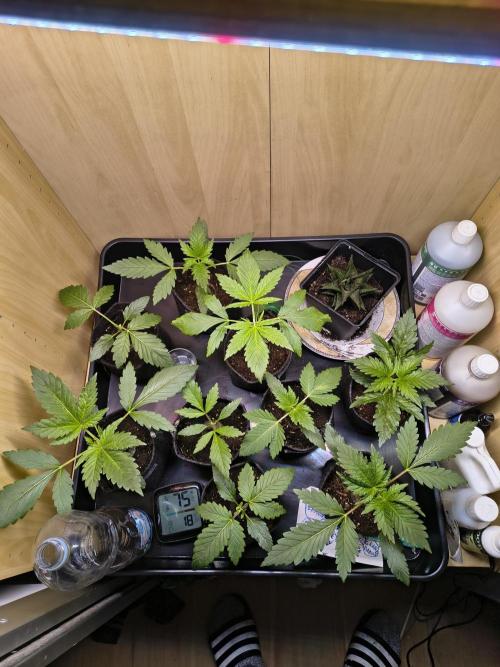
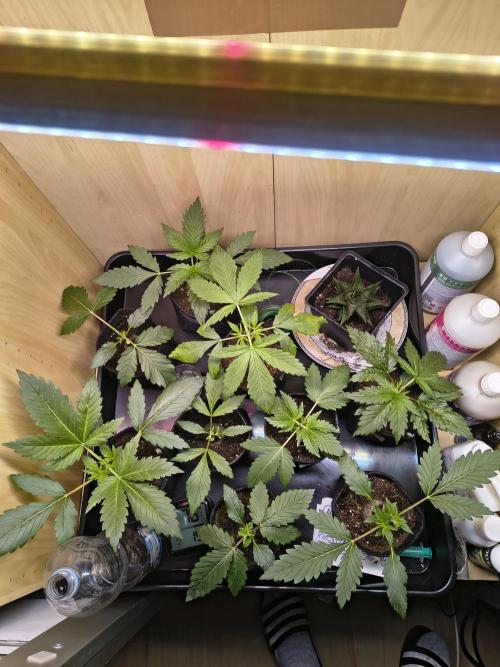
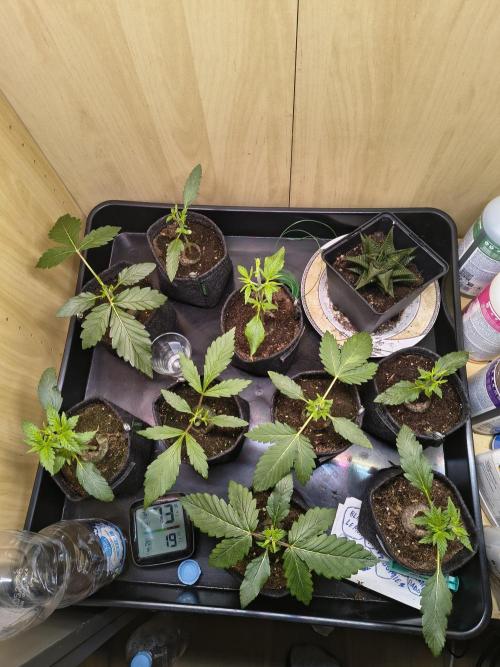
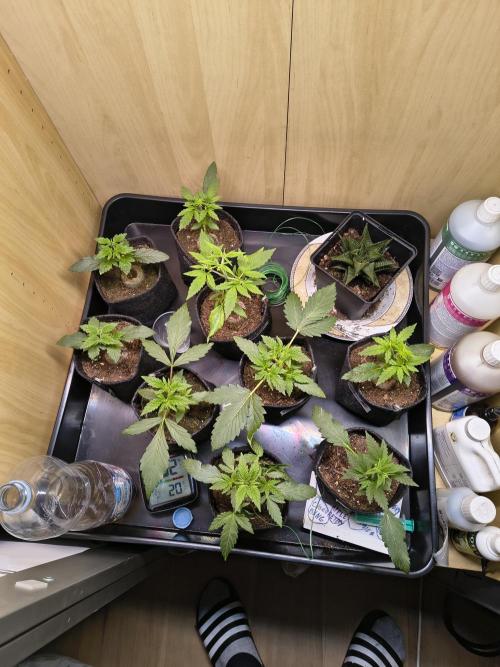
JaramnieJazz 18.02.26 und Woche 4 ist gestartet einige Pflanzen entwickeln sich besser als andere und ich werden wohl anfangen müssen einige zu entblättern um 1 das wachstum zu bremsen und 2 den kleineren mehr licht und die chance gleiche entwicklungs stadium zu erreichen wie jede einzählne Pflanze am ende aussehen wird wird die zeit zeigen aber ich ziele meisst auf 8+ gleich gut entwickelte Äste ab
20.02.26 Einige Pflanzen entwickeln sich super wie Grand daddy purple 💜 musste ihr wasser geben und Apple Betty ist der pot immer noch sehr schwer nach fast 2 wochen ohne giessen hab anfangen zu entblättern um einerseits die Kleinen triebe gross werden zu Lassen mehr licht unten und die schwecheren bekommen licht
11 likes
comments
Share
Used techniques
Defoliation
Technique
Love
Technique
5
Week 5. Vegetation7mo ago
18 cm
Height
18 hrs
Light Schedule
21 °C
Day Air Temp
Weak
Smell
40 %
Air Humidity
20 °C
Solution Temp
18 °C
Night Air Temp
1 liters
Pot Size
0.1 liters
Watering Volume
60 cm
Lamp Distance
Nutrients 4

Bud Candy
1.5 mll

TriPart Grow
1.125 mll

TriPart Micro
0.75 mll
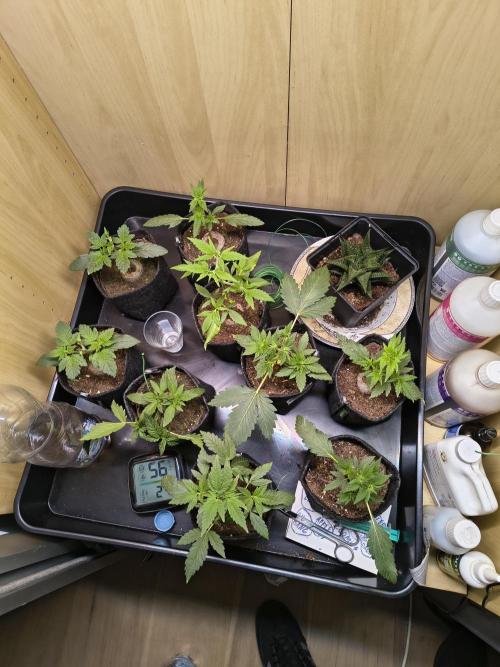
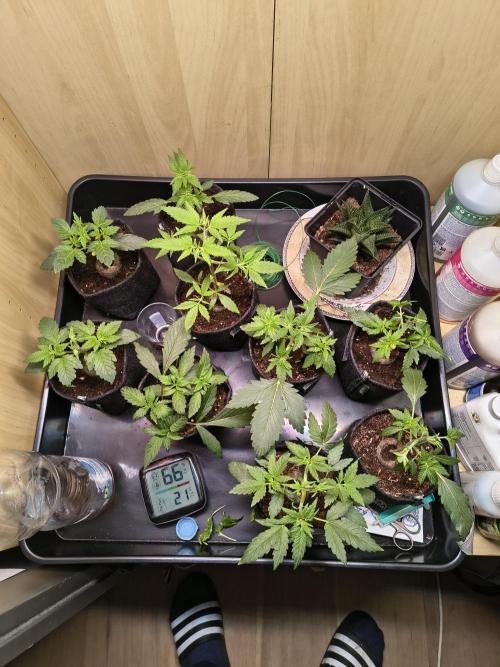
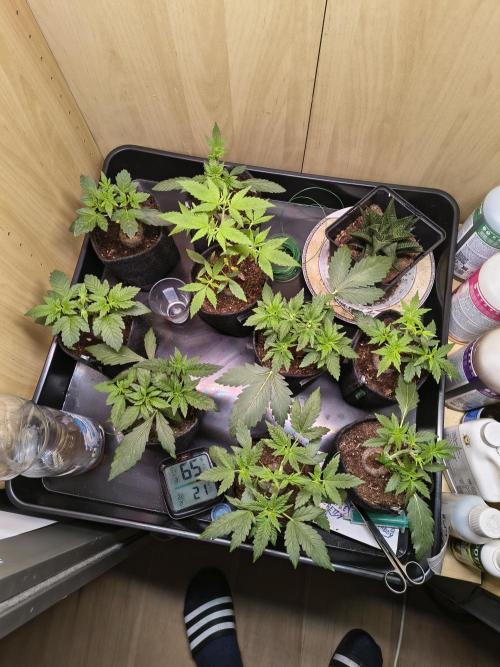
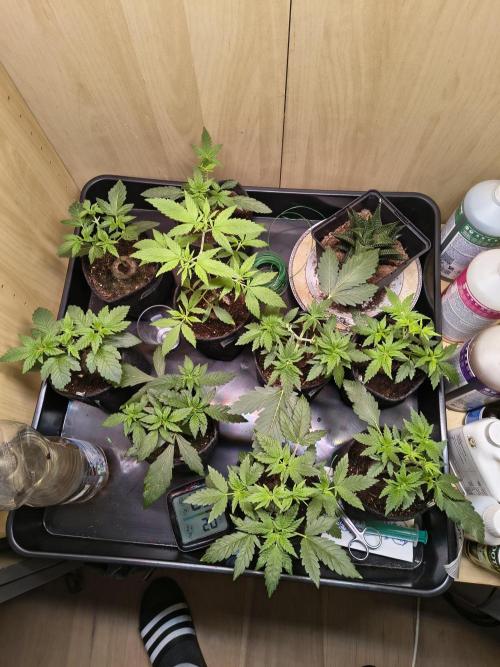
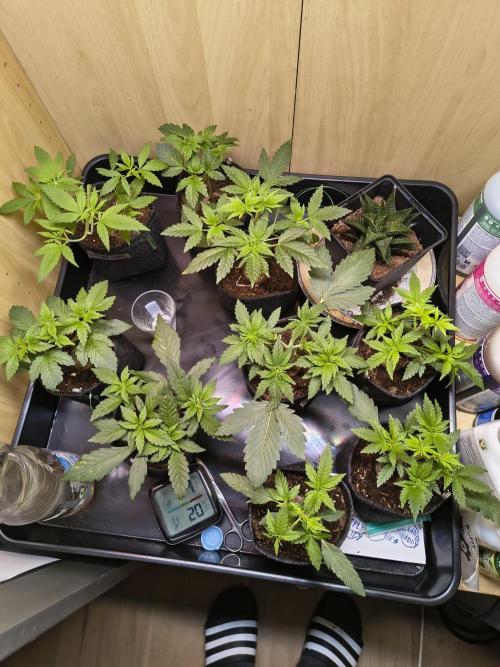
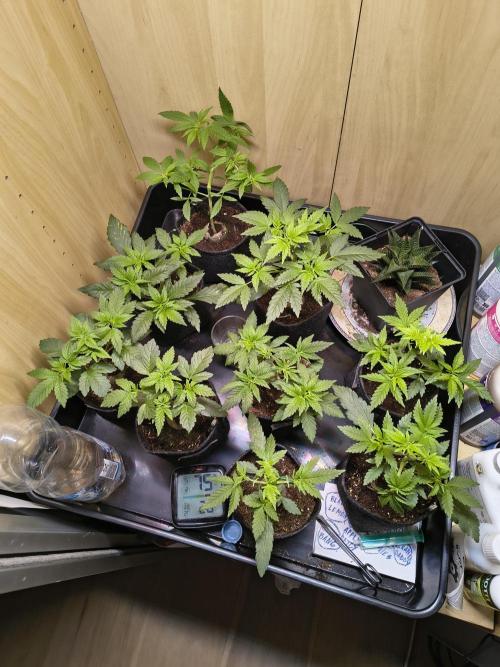
JaramnieJazz 26.02.26 Alles sieht gut aus
01.03.26 langsam nehmen die Kleinen gestalt an
11 likes
2 comments
Share
Used techniques
LST
Technique
Defoliation
Technique
Love
Technique
6
Week 6. Vegetation7mo ago
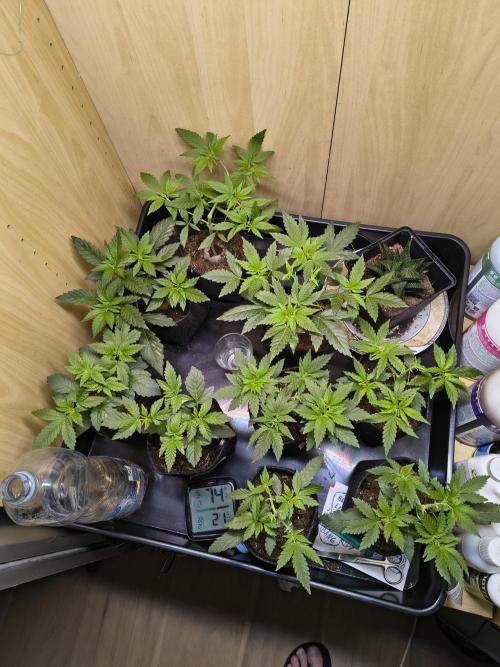
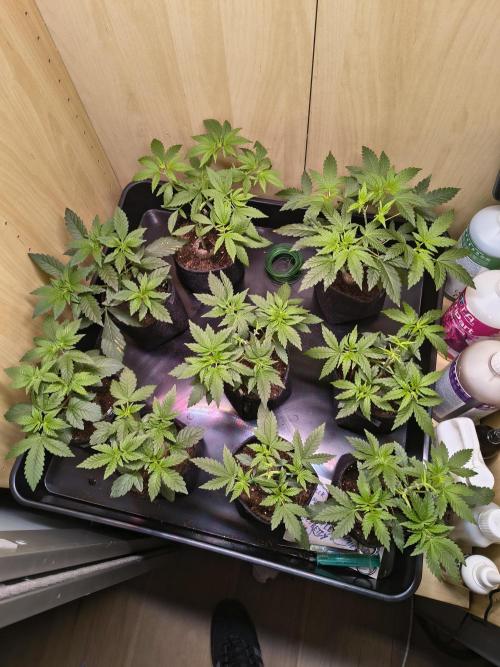
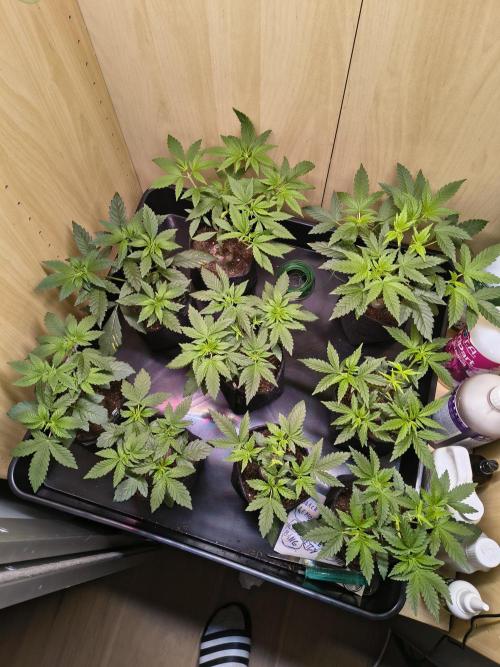
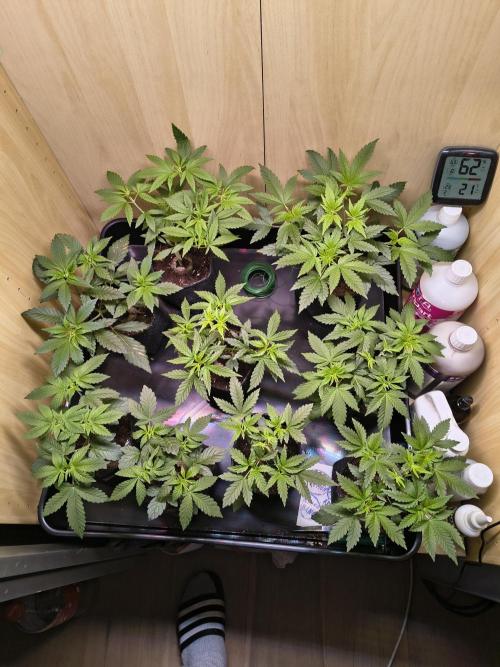
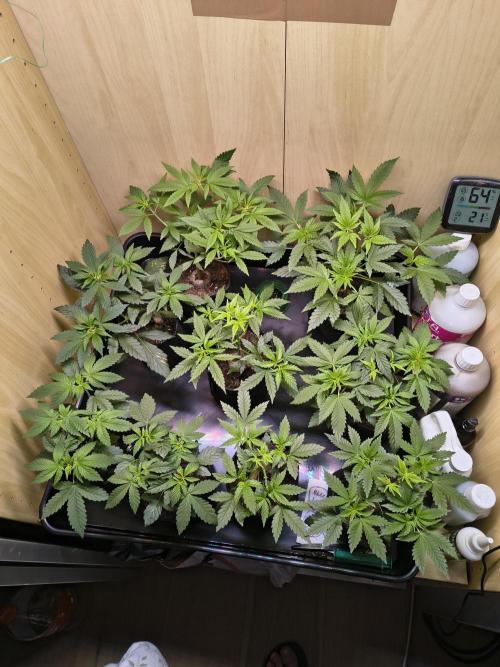
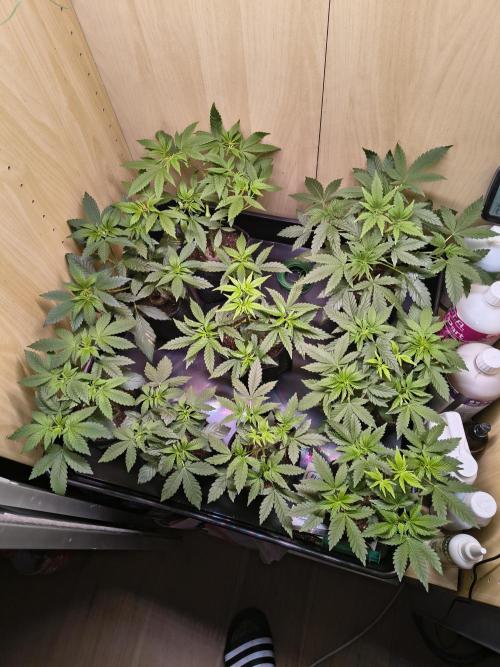
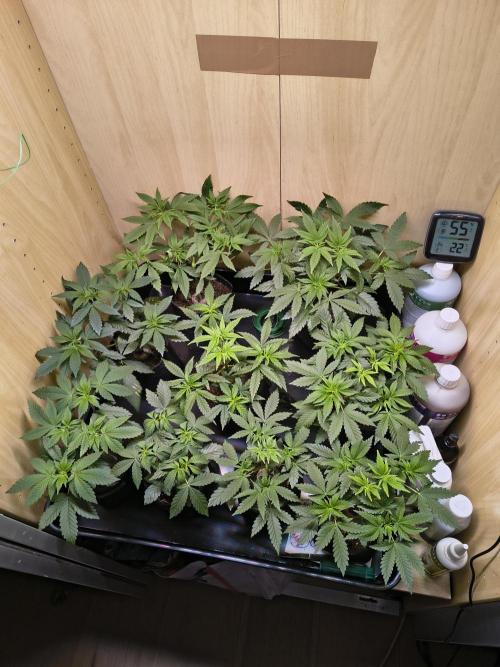
18 cm
Height
18 hrs
Light Schedule
21 °C
Day Air Temp
Weak
Smell
71 %
Air Humidity
20 °C
Solution Temp
18 °C
Night Air Temp
1 liters
Pot Size
0.1 liters
Watering Volume
60 cm
Lamp Distance
Nutrients 4
Bud Candy
1.5 mll
TriPart Grow
1.125 mll
TriPart Micro
0.75 mll
JaramnieJazz 04.03.26 Alles sieht gut aus die Kleinen haben alle min 4 -6 triebe
12 likes
2 comments
Share
Used techniques
Defoliation
Technique
LST
Technique
Love
Technique
7
Week 7. Vegetation7mo ago
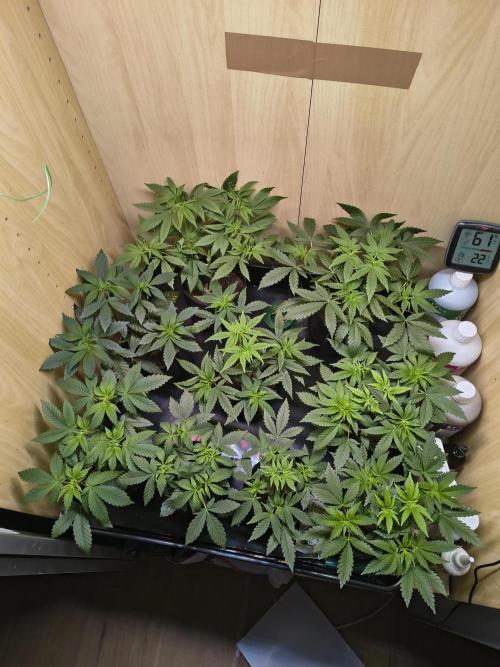
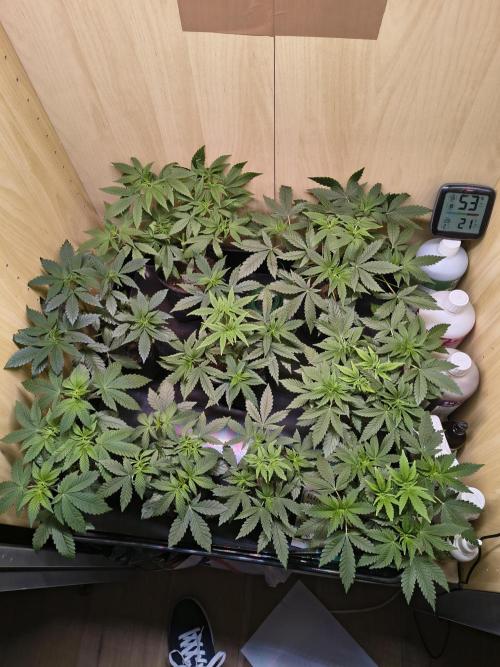
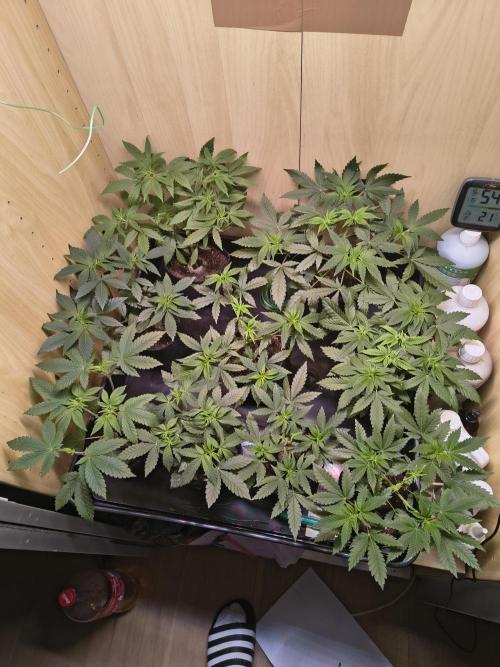
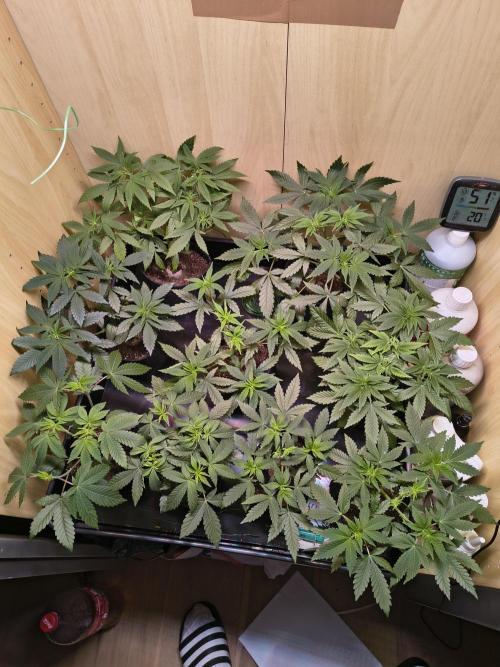
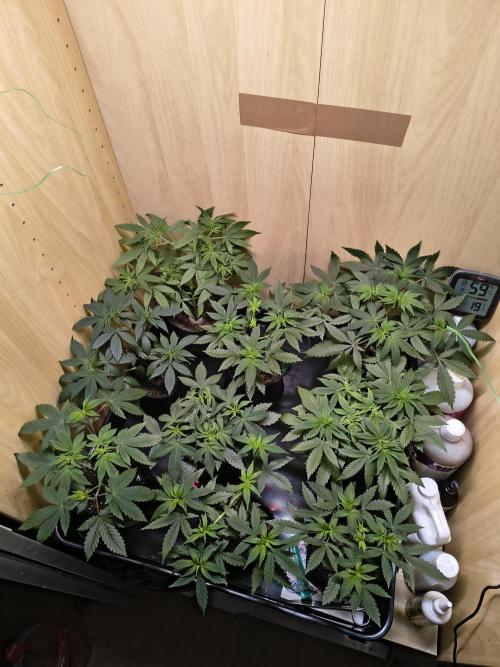
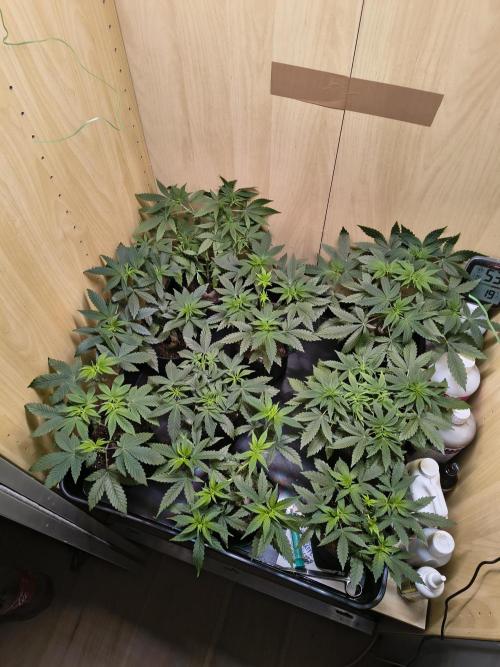
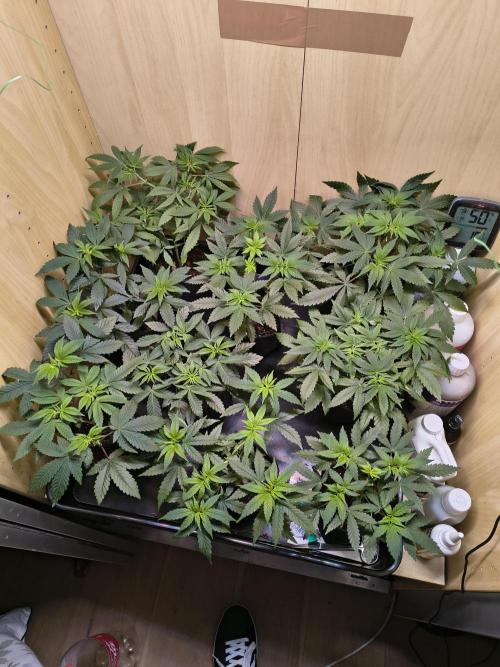
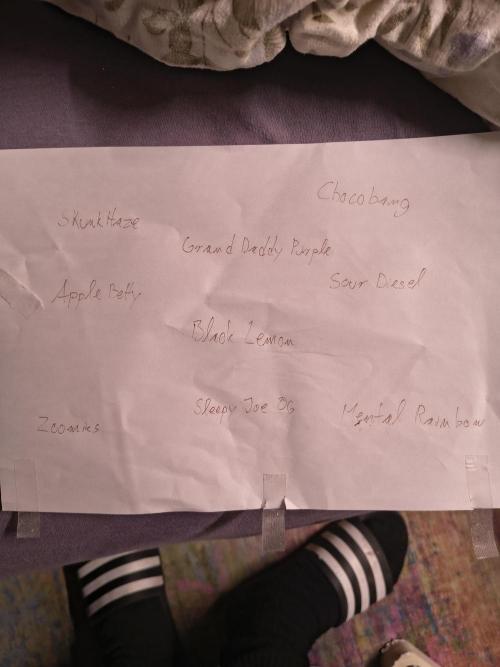
18 cm
Height
18 hrs
Light Schedule
21 °C
Day Air Temp
Weak
Smell
71 %
Air Humidity
20 °C
Solution Temp
18 °C
Night Air Temp
1 liters
Pot Size
0.2 liters
Watering Volume
60 cm
Lamp Distance
Nutrients 4
Bud Candy
1.5 mll
TriPart Grow
1.125 mll
TriPart Micro
0.75 mll
JaramnieJazz Sieht gut aus
12 likes
4 comments
Share
Used techniques
Defoliation
Technique
LST
Technique
Love
Technique
8
Week 8. Vegetation6mo ago
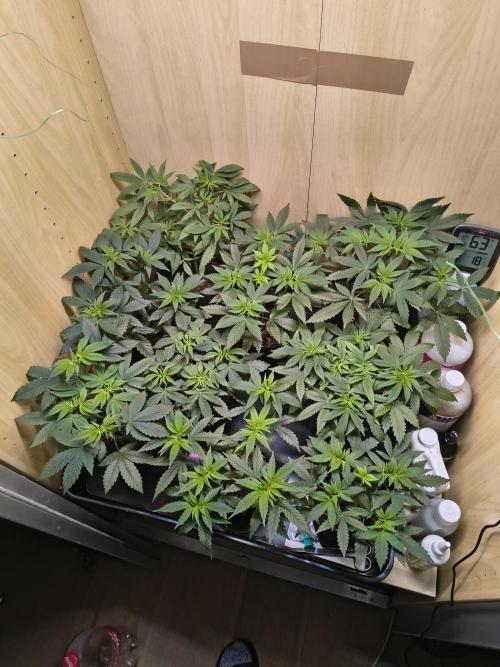
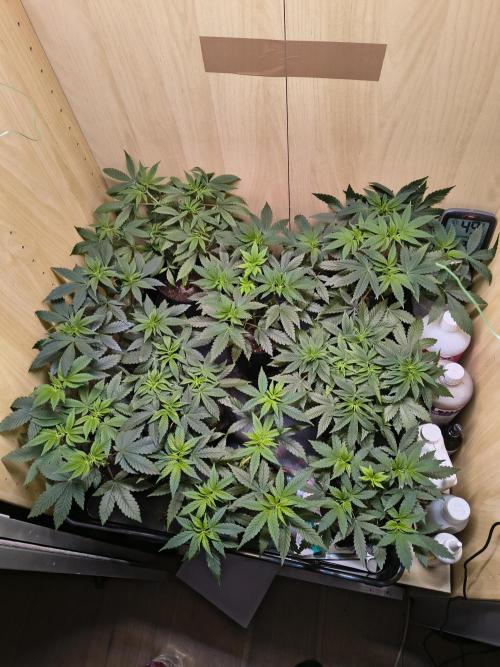
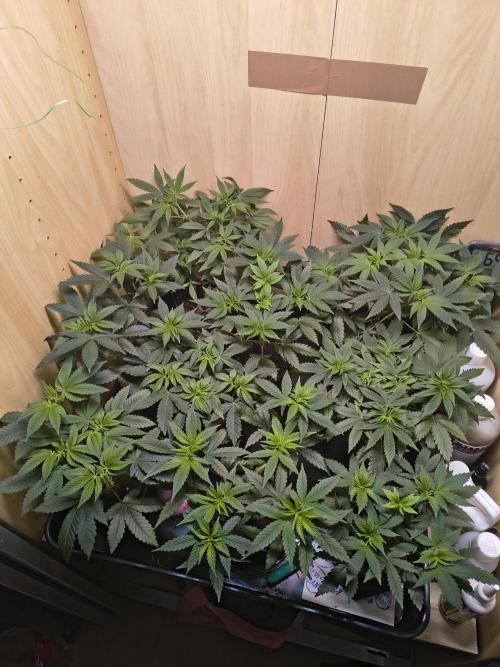
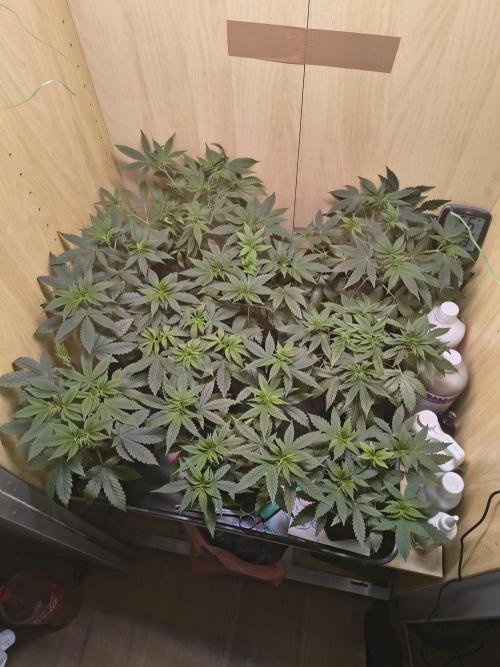
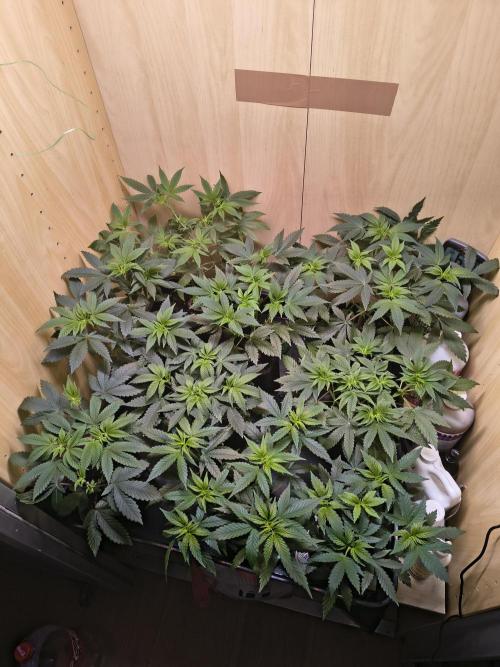
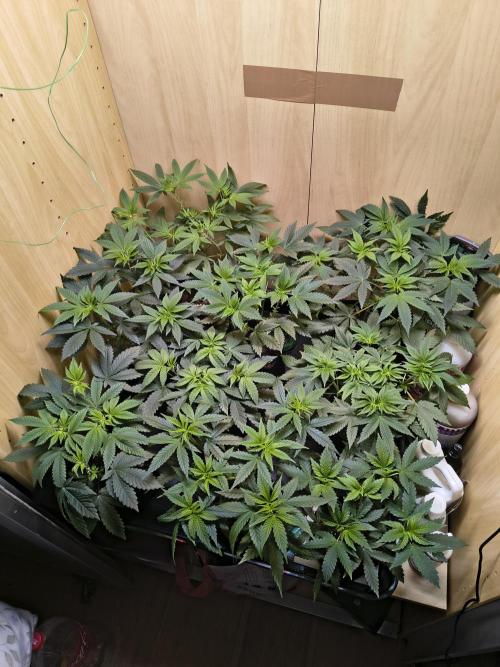
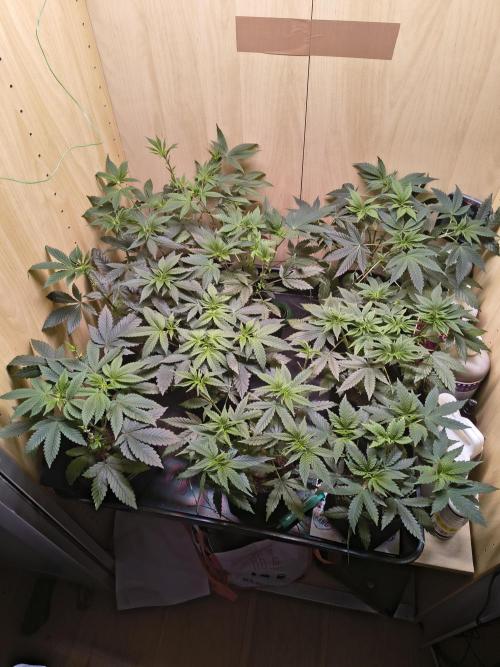
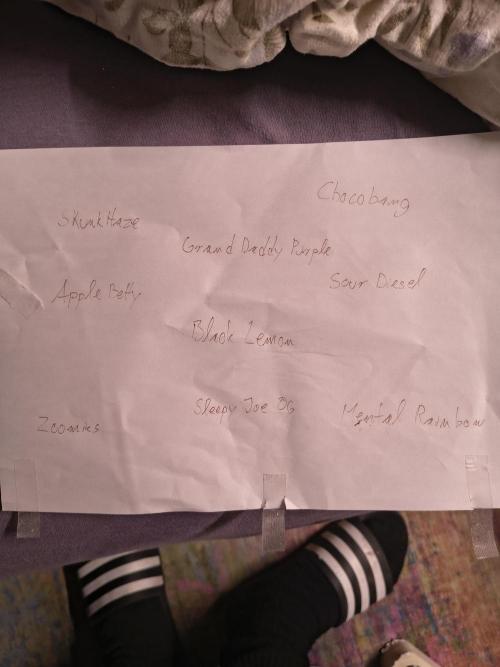
18 cm
Height
18 hrs
Light Schedule
21 °C
Day Air Temp
Normal
Smell
56 %
Air Humidity
20 °C
Solution Temp
18 °C
Night Air Temp
1 liters
Pot Size
0.2 liters
Watering Volume
70 cm
Lamp Distance
Nutrients 4
Bud Candy
1.5 mll
TriPart Grow
1.125 mll
TriPart Micro
0.75 mll
JaramnieJazz Es wird langsam eng
12 likes
3 comments
Share
Used techniques
Defoliation
Technique
Love
Technique
9
Week 9. Vegetation6mo ago
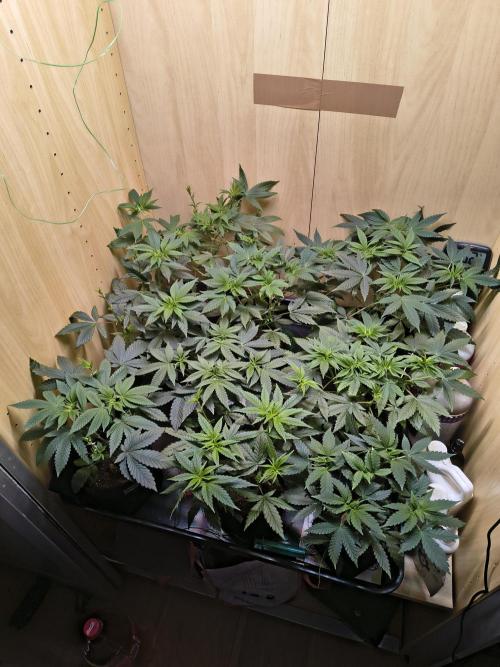
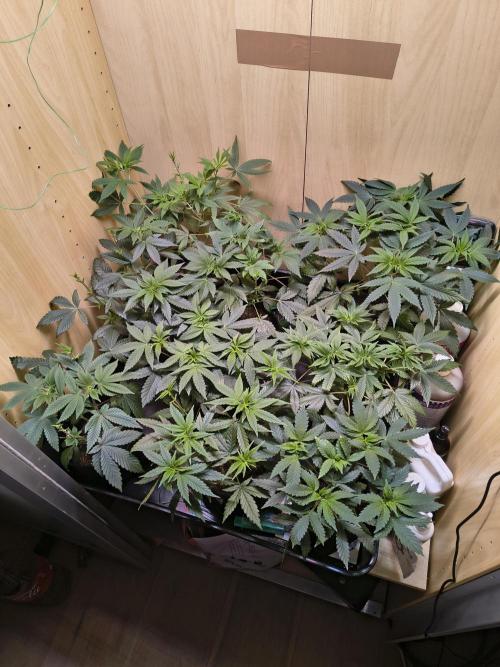
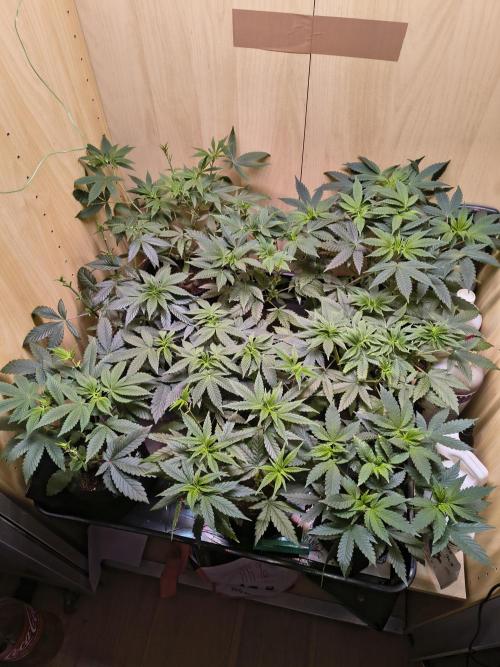
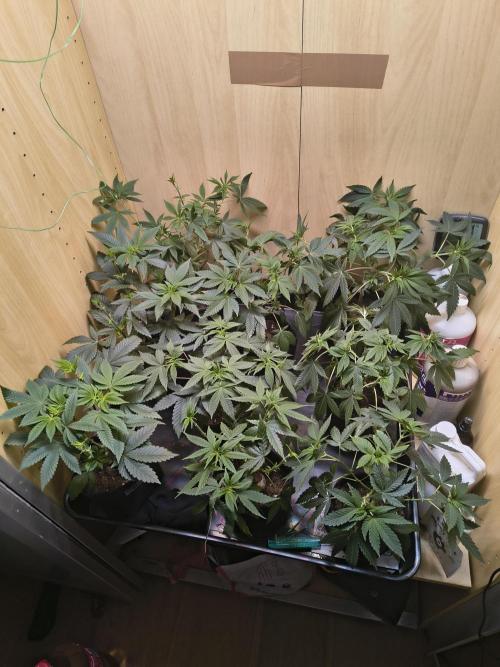
25 cm
Height
18 hrs
Light Schedule
21 °C
Day Air Temp
Normal
Smell
56 %
Air Humidity
20 °C
Solution Temp
18 °C
Night Air Temp
1 liters
Pot Size
0.2 liters
Watering Volume
70 cm
Lamp Distance
Nutrients 4
Bud Candy
1.5 mll
TriPart Grow
1.125 mll
TriPart Micro
0.75 mll
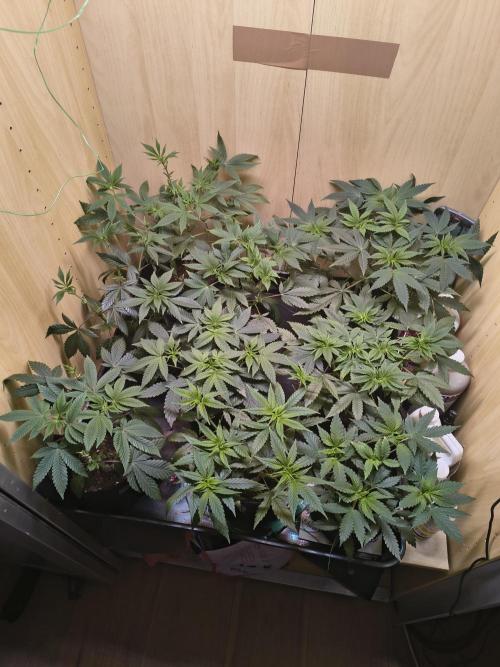
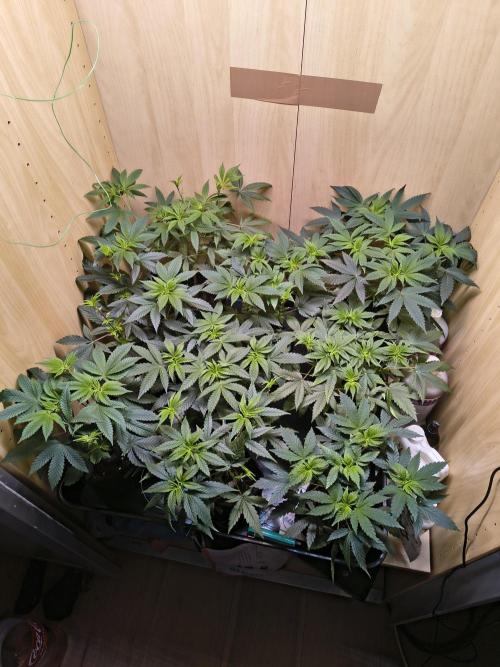
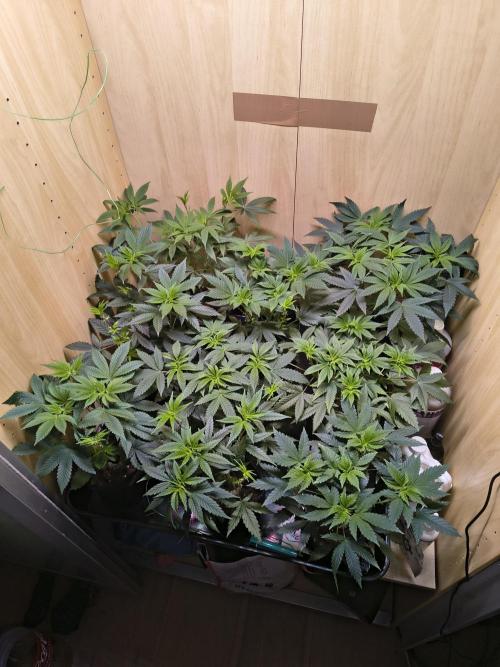
JaramnieJazz Woche 9 hab wieder ein bischen entblättert bei den grössten trieben damit die kleineren nachkommen
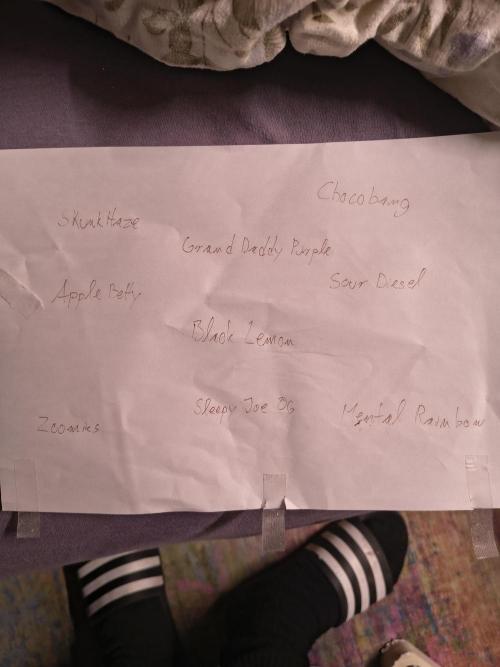
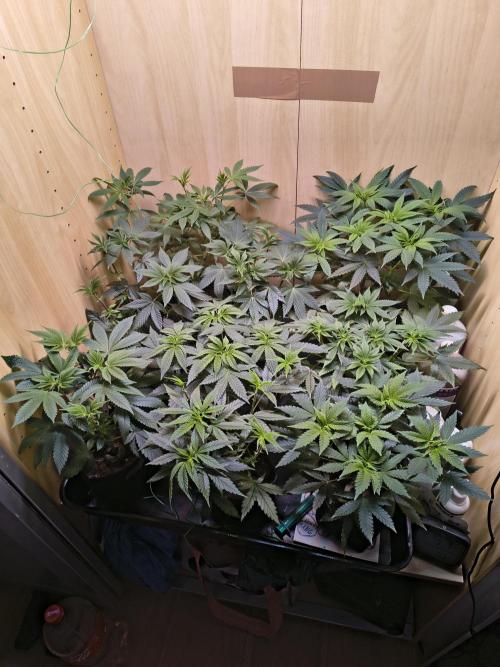
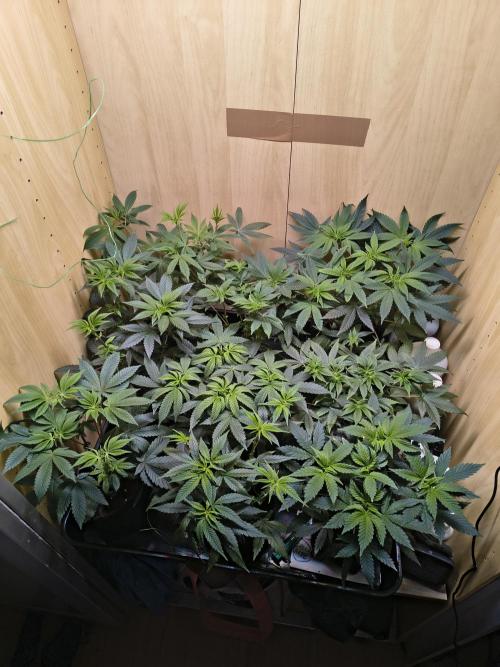
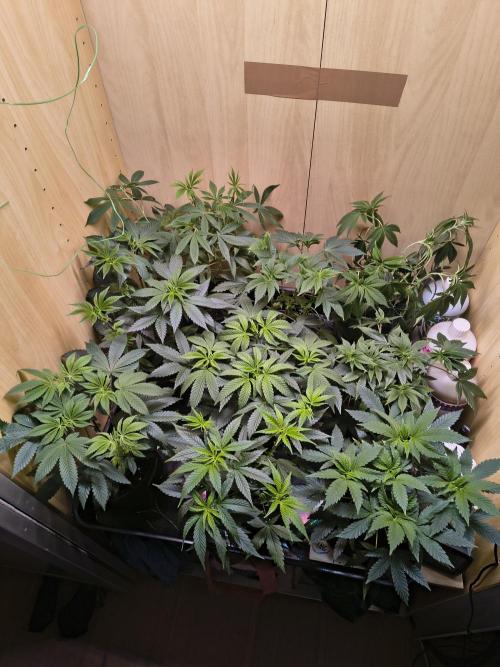
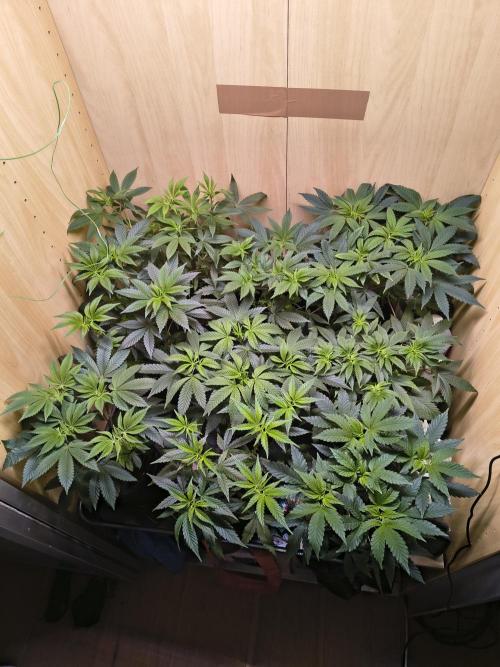
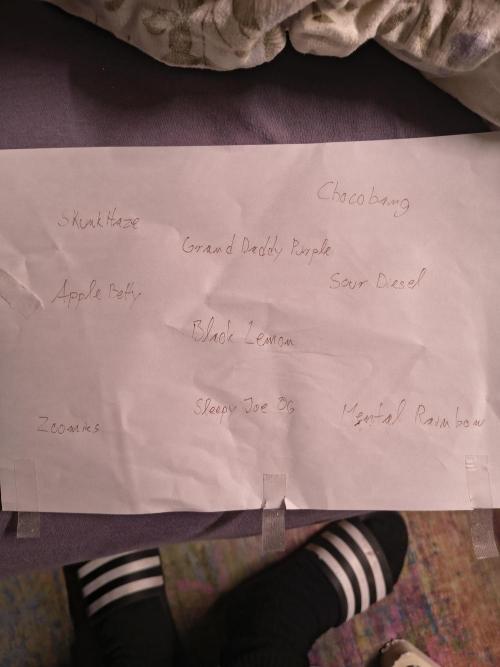
29.03.26 Heute haben alle Pflänzchen wasser bekommen Chocobang ist die grösste mit Skunk Haze, Sour Diesel ist sehr gedrungen und voller blätter 3 blätter an fast jeder node. Apple Betty ist sehr dunkel Obwohl sie das selbe bekommt wie die anderen. Black Lemon ist wie Sour Diesel gedrungen und mit 3 Blättern an ein paar nodien aber nicht so krass wie Sour Diesel. Zoomiez kommt normal wie auch Sleepy Joe, Mentally rainbow 🌈 und Grand Daddy Purple 💜. ✌️ah Sour Diesel hat teilweise sogar 5 Blätter an ner Nodie. Und hab heute entblättert das die kleineren Triebe nachkommen können und das sich die Kleinen nicht gegenseitig das Licht klauen aber so wenig wie geht jedes blatt selbst wenn es ganz unten im schatten liegt erzeugt energy und trägt zum wachstum bei.
10 likes
1 comment
Share
Used techniques
Defoliation
Technique
Love
Technique
10
Week 10. Vegetation6mo ago
30 cm
Height
18 hrs
Light Schedule
21 °C
Day Air Temp
Normal
Smell
56 %
Air Humidity
20 °C
Solution Temp
18 °C
Night Air Temp
1 liters
Pot Size
0.2 liters
Watering Volume
70 cm
Lamp Distance
Nutrients 4
Bud Candy
1 mll
TriPart Grow
0.75 mll
TriPart Micro
0.5 mll
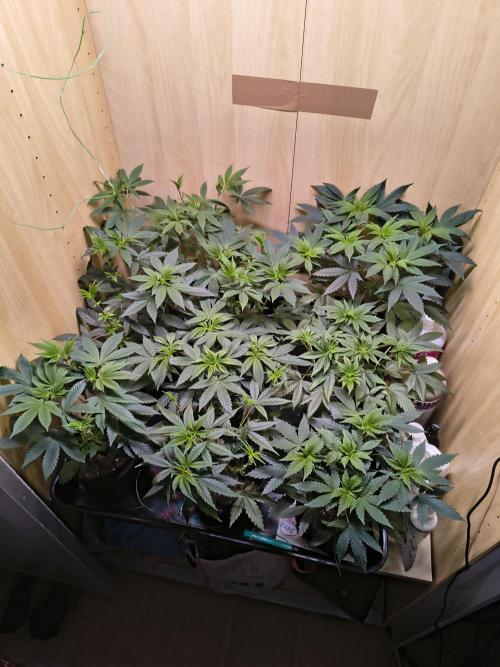
JaramnieJazz Woche 10
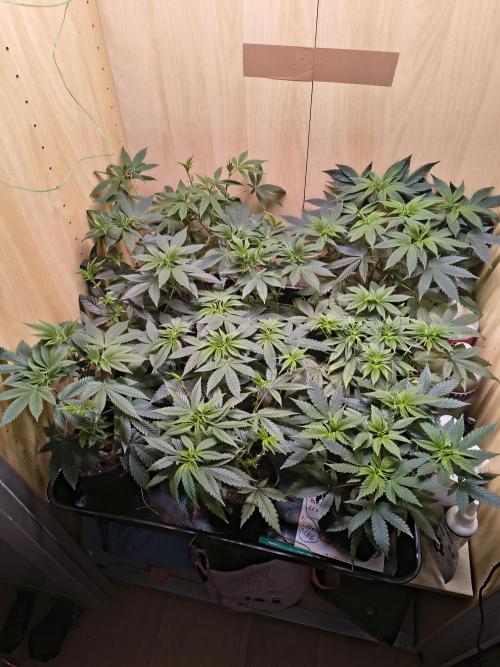
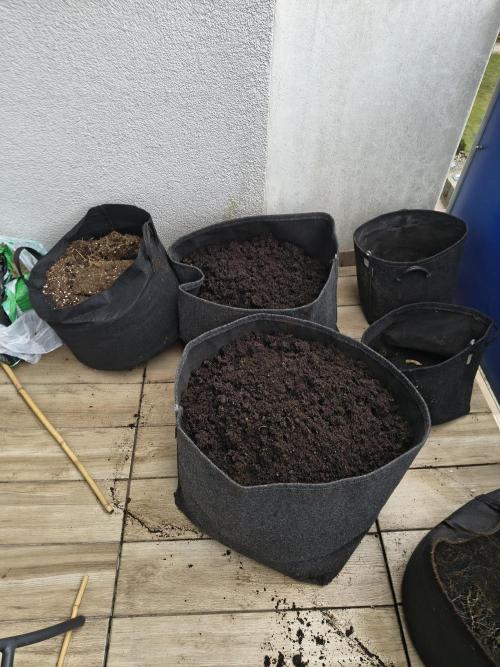
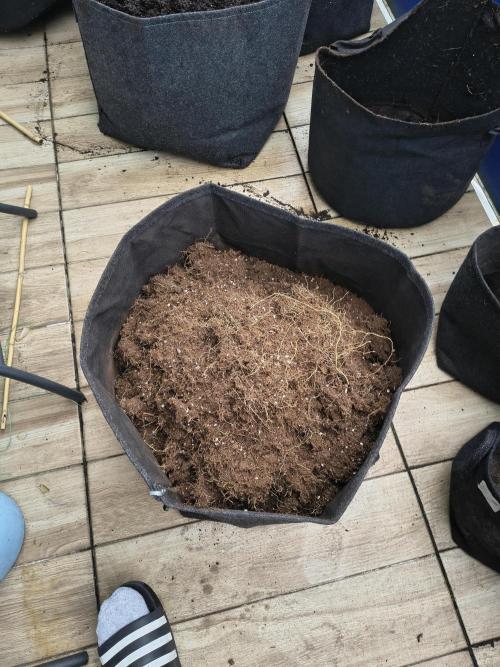
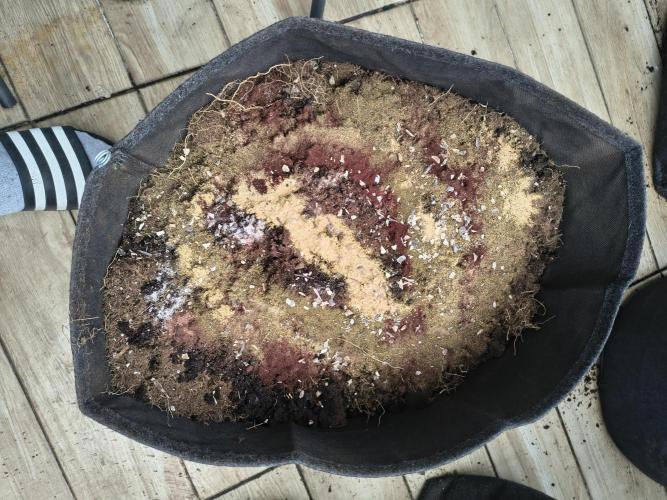
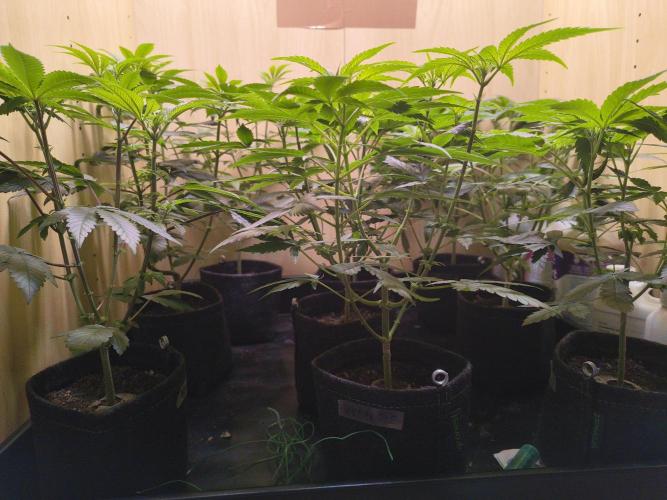
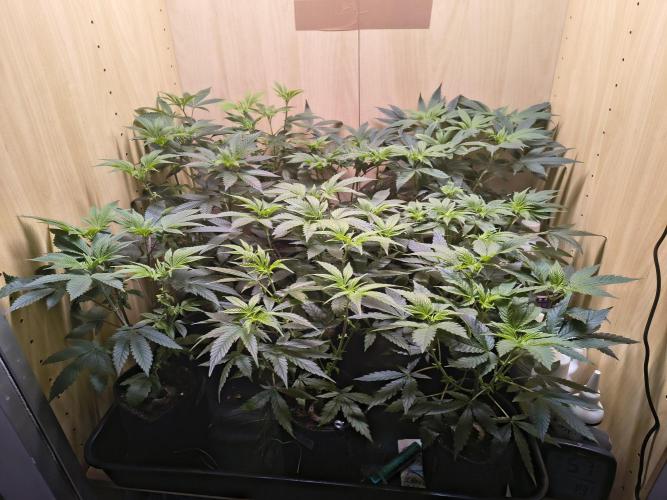
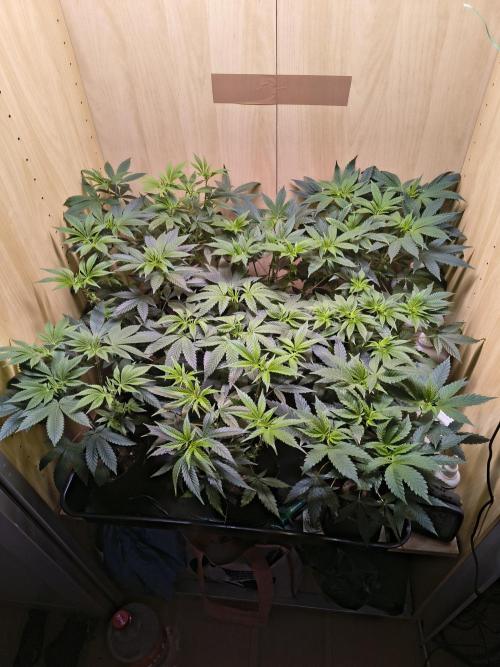
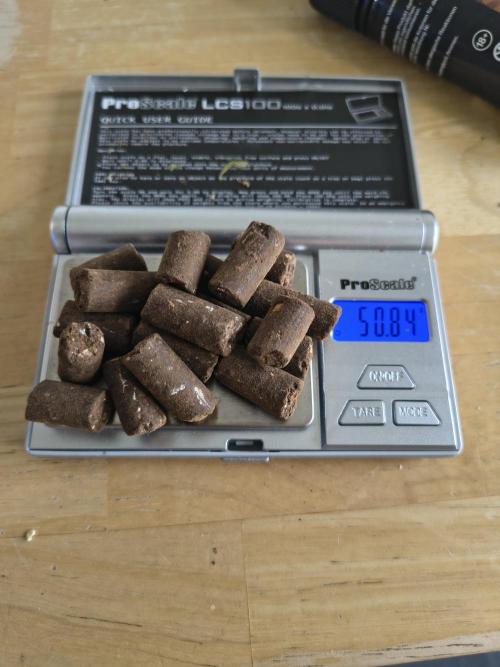
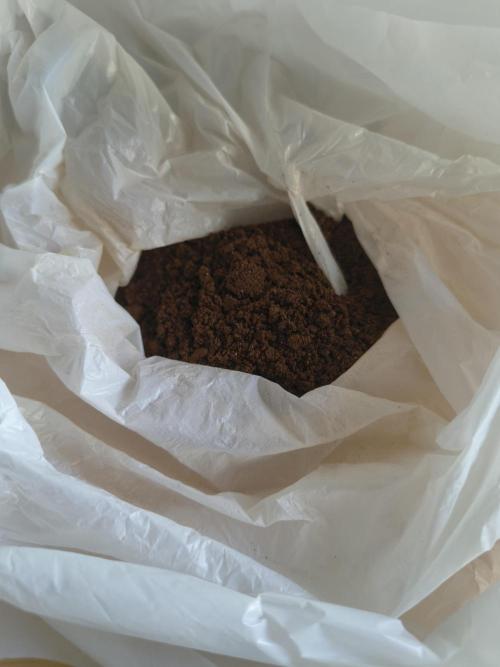
02.04.26 Heute hab ich weitere rund ~60L gebrauche Erde aufbereitet mit Wurmschiss,Bittersalz,Blutmehl,Algenmehl,Krustentiermehl,Hornmehl,Hornspäne und Uhrgesteinsmehl das ganzen wurde gut durchgemischt und paar L Wasser mit Advanced Nutrition Bud Candy feucht gemacht und soll nun 1 Monat ziehen die beiden 50L Smarttöpfe auf dem Bild wurden schon vor ein paar Wochen Vorbereitet mit den selben Zutaten Mengen sind wie folgt Wurmschiss 9-10 Handvoll mit dicken handschuhen an der Rest ein halben Becher also ~rund 125ml pro ein voller 50L Smarttopf was aber mehr Erde ist da sind ~rund 60-70L Erde drin
05.04.26 Heute wurde wieder gegossen rund 200ml pro Pflanze bin mit dem Dünger ein bisschen runter gegangen jetzt nur noch die hälfte da Apple Betty doch sehr dunkel ist und der Rest auch nur nicht ganz so doll aber hab bei Mental Rainbow verbrannte spitzen am haupttrieb entdeckt erst dachte ich die Lampe sei zu nah hab diese vorsorglich bis zum Maximum nach oben gesetzt mehr geht nicht. Die hat echt power für 40watt aber es war wohl der Dünger. Und die Wurzeln wachsen wohl auch schon im kreis nach so langer Zeit in 1L Töpfen aber es sieht noch gut aus obwohl ich denke das Wachstum ist ziemlich langsam aber bald geht es raus in größeren Töpfen.
10 likes
comments
Share
Used techniques
Defoliation
Technique
Love
Technique
11
Week 11. Vegetation6mo ago
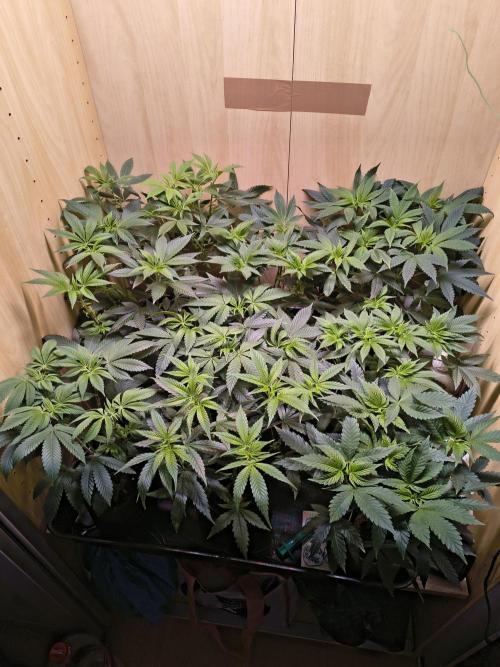
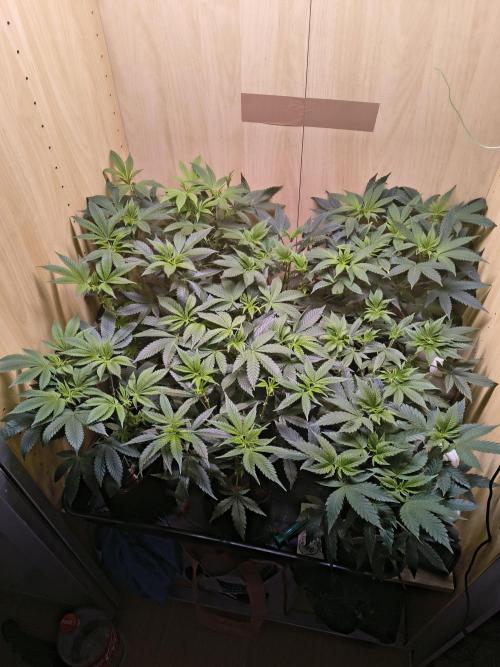
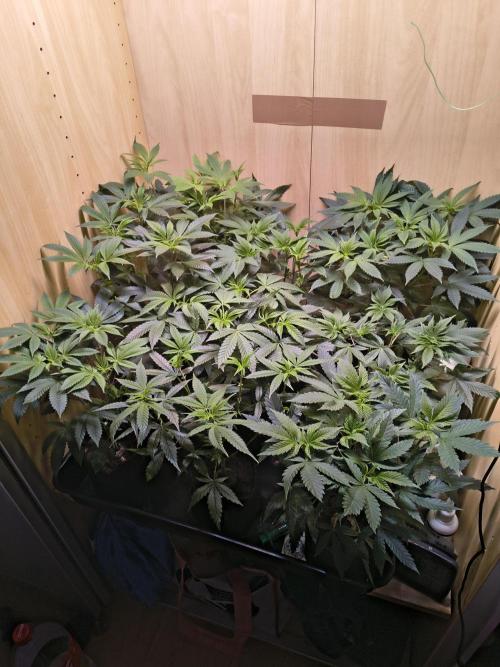
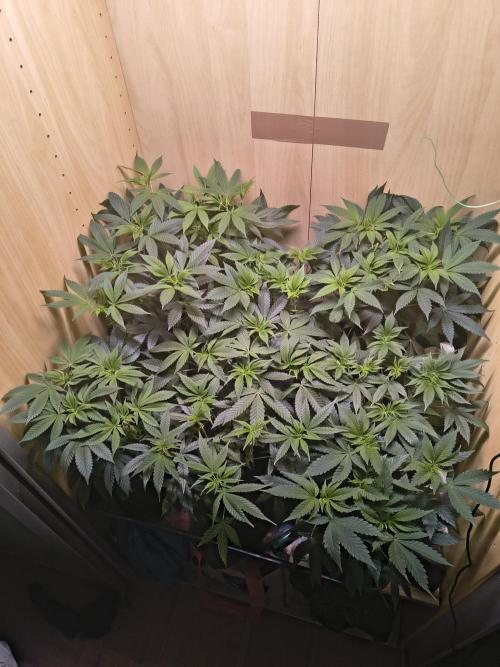
35 cm
Height
18 hrs
Light Schedule
21 °C
Day Air Temp
Normal
Smell
56 %
Air Humidity
20 °C
Solution Temp
18 °C
Night Air Temp
1 liters
Pot Size
0.2 liters
Watering Volume
70 cm
Lamp Distance
Nutrients 4
Bud Candy
1 mll
TriPart Grow
0.75 mll
TriPart Micro
0.5 mll
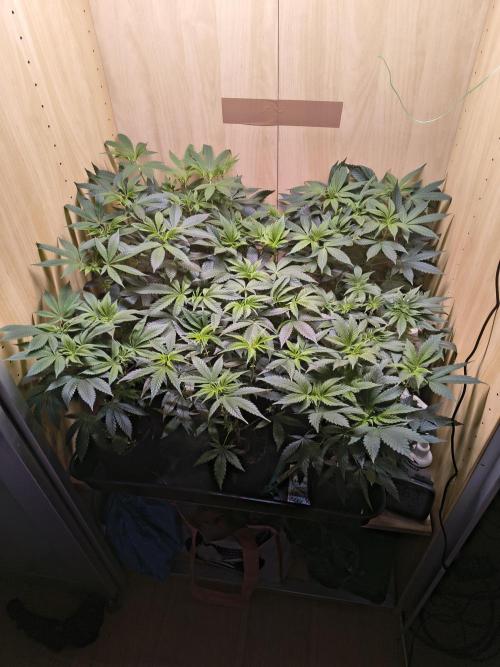
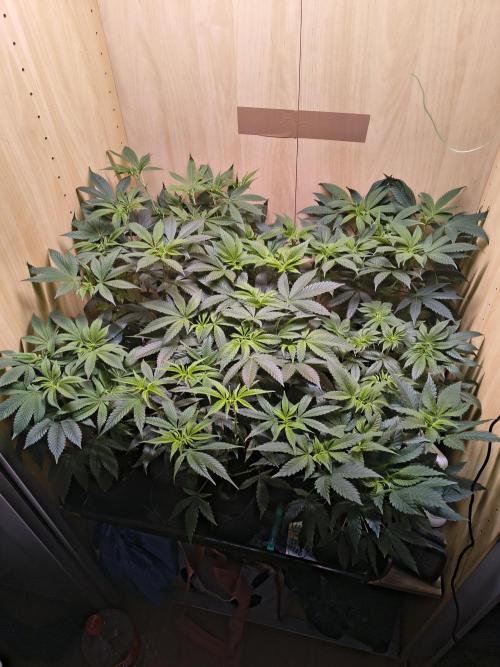
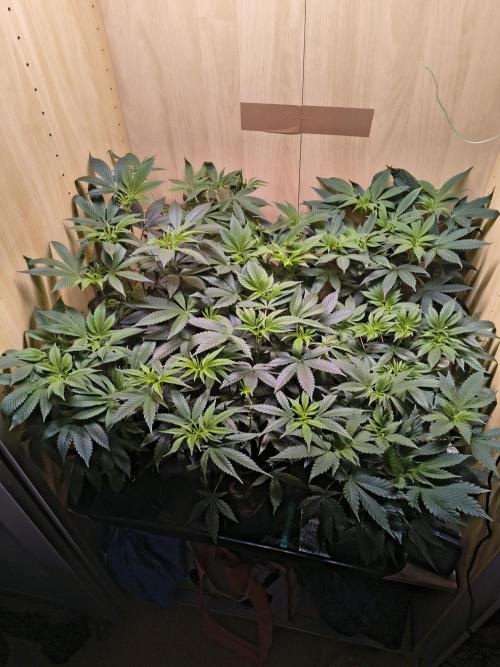
JaramnieJazz So Woche11 so langsam finde ich vermert braune spitzen was wohl an den zu Kleinen Töpfen liegt aber sicher bin ich mir nicht aber es sicher zeit für grössere aber leider ist es noch zu kalt vorallem nachts aber bald geht es raus peace
09.04.26 Apple Betty 🍎 hat super aufgeholt ist jetzt mit Skunk ? Haze und Chocobang zusammen die grössten Pflänzchen der rest macht sich auch gut
9 likes
comments
Share
Used techniques
Defoliation
Technique
Love
Technique
12
Week 12. Vegetation5mo ago
40 cm
Height
18 hrs
Light Schedule
21 °C
Day Air Temp
Normal
Smell
56 %
Air Humidity
20 °C
Solution Temp
18 °C
Night Air Temp
1 liters
Pot Size
0.2 liters
Watering Volume
70 cm
Lamp Distance
Nutrients 4
Bud Candy
1 mll
TriPart Grow
0.75 mll
TriPart Micro
0.5 mll
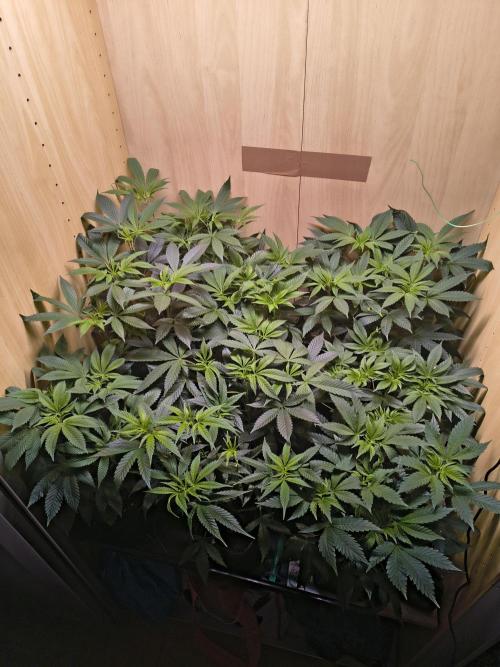
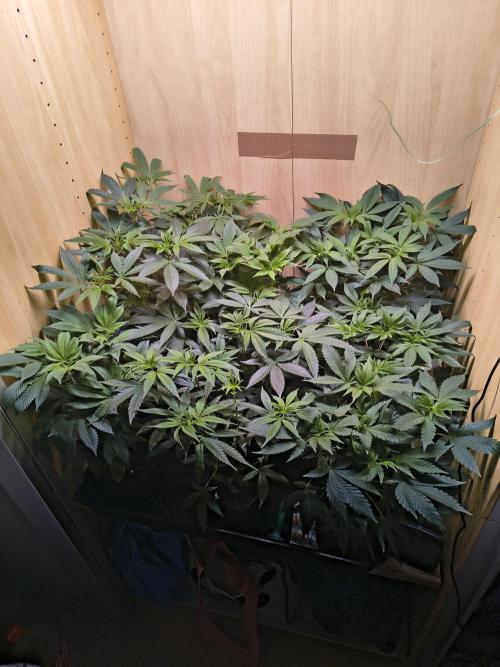
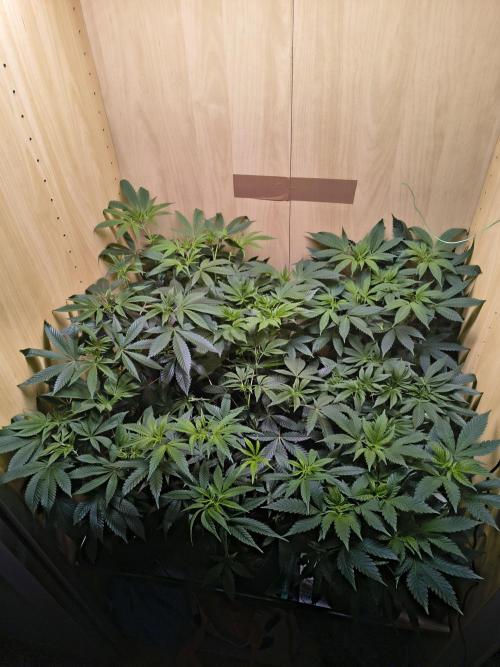
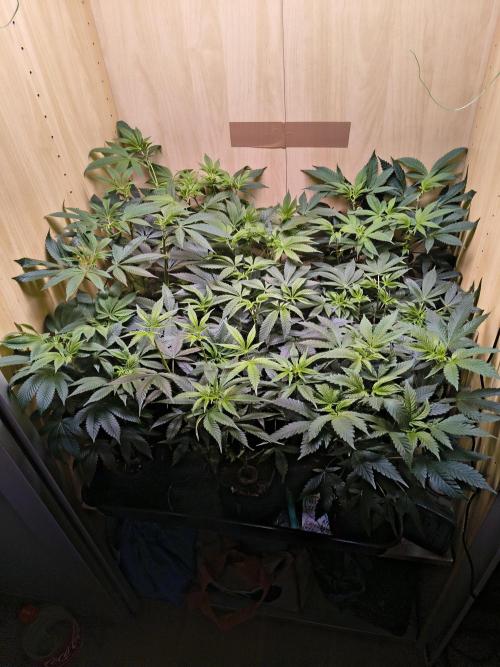
JaramnieJazz So weiter geht's woche12
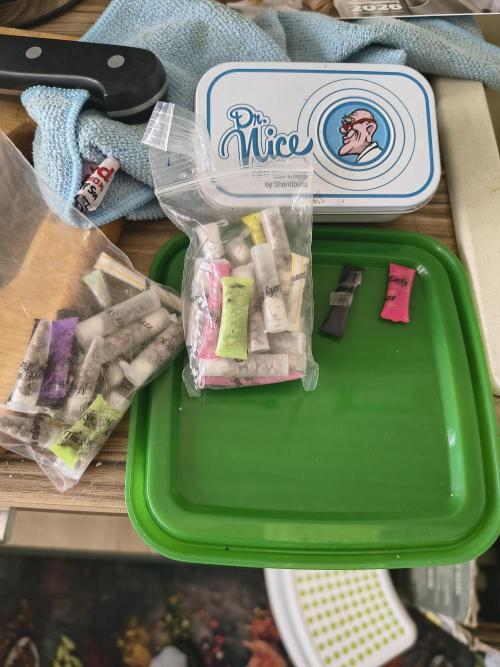
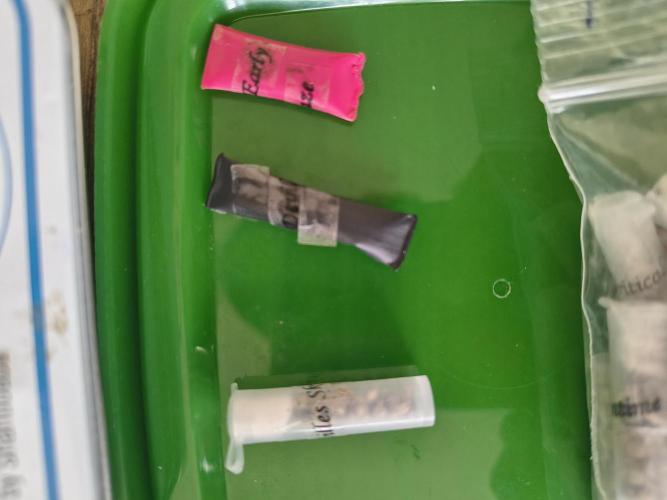
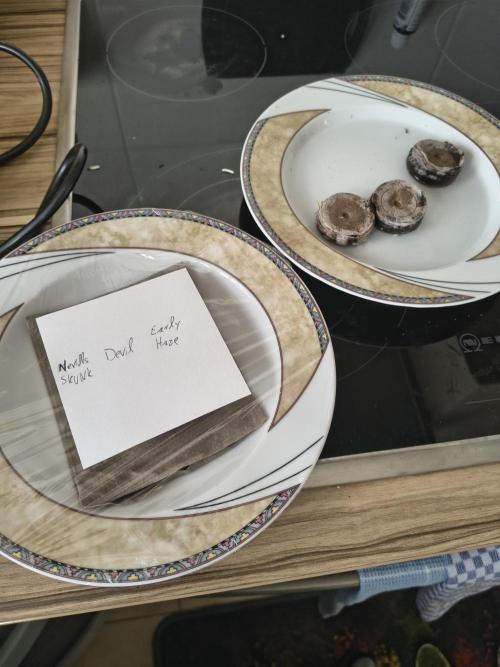
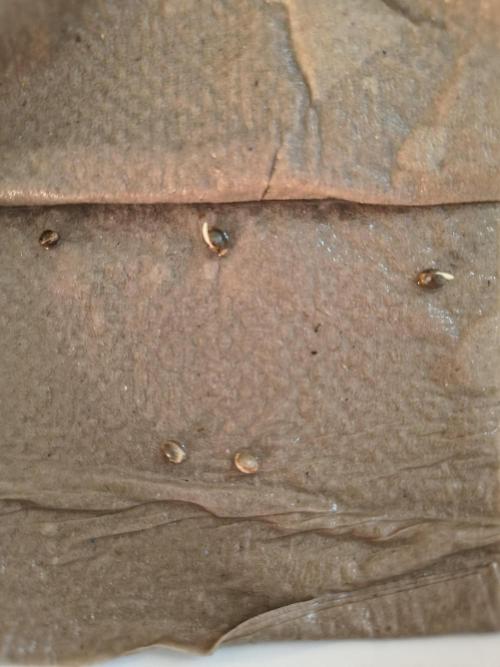
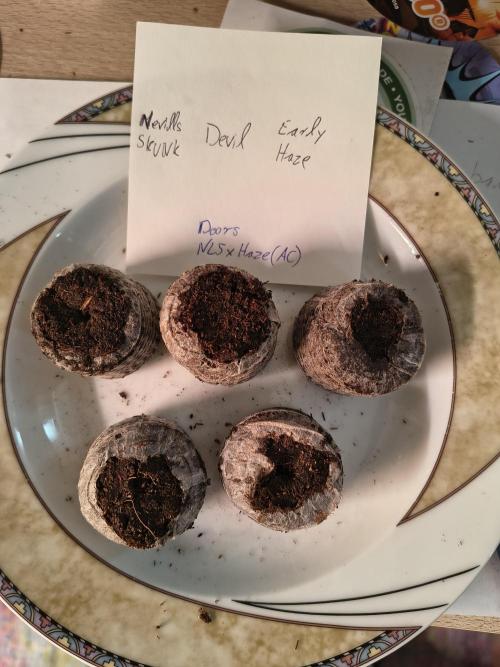
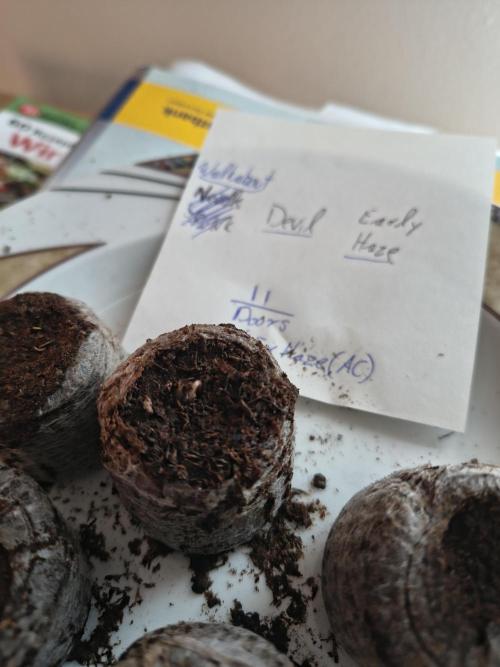
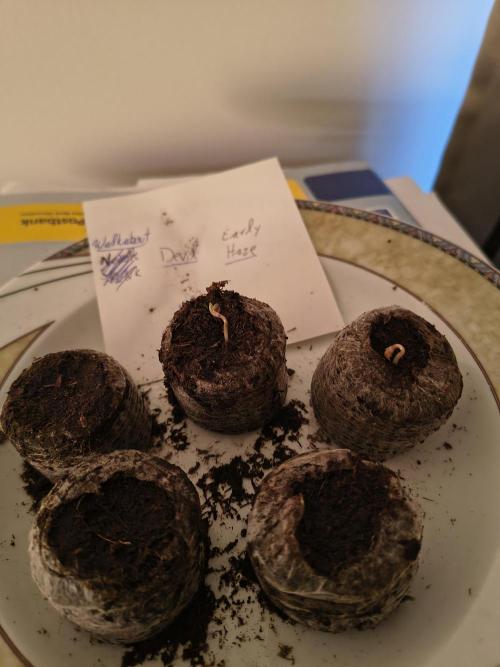
18.04.26 So da ich bemerkt habe das ich keine einzige Männliche Pflanze dieses Jahr hab hab ich heute noch 1 Samen von Neville's Skunk was eine Kreuzung von (Nevilles Haze x Afghan Skunk) ist und ein Samen Devil was
(Afghan x Afghan Skunk) ist und 1 Samen Early Haze was (Early Queen x Afghan Haze) ist gestartet um in der Hoffnung zumindest 1 schönes Männchen zu finden am meisten Hoffe ich auf ein Devil Männchen hab ein Bild im Mr.Nice forum gesehen wo ein member ein Männchen gefunden hat das in der blühte aussah wie ein Weibchen voll mit männlichen Blüten die auf den ersten Blick wie ein Weibchen aussah so voll aber über ein Neville's Skunk Männchen würde ich mich auch sehr freuen wegen der Genetik das Neville's Haze was drin steckt aber ein Early Haze Männchen wäre auch super auch wegen der Genetik die Early Queen mit Haze da ich so weit im Norden sitze Peace
19.04.26 So heute hab ich 7 der 9 nochmals gestoppt das sie 8. 10.
Oder 12 Haupttriebe haben werden
Hab heute noch den rest der Erde rund ~60L die noch nicht vorbereitet worden waren heute gut durchgemischt mit dem Rest der schon vorbereiteten Erde.
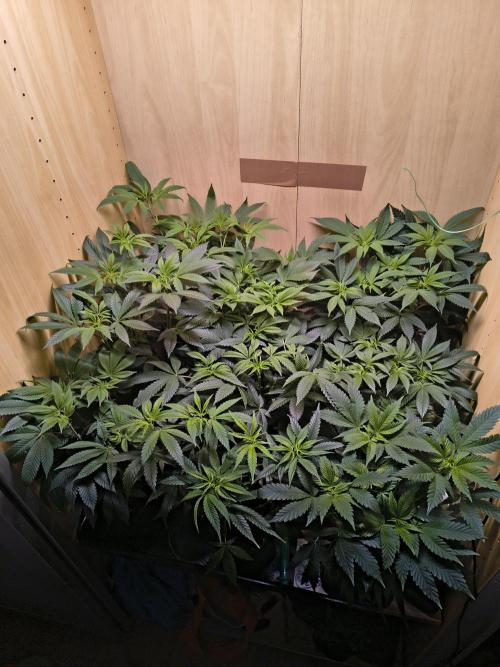
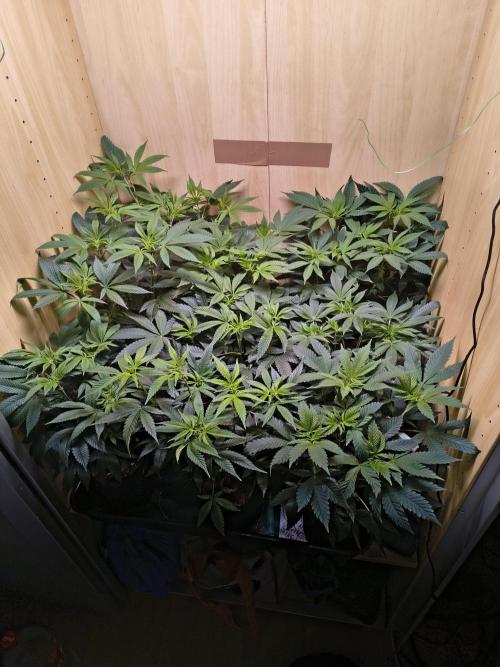
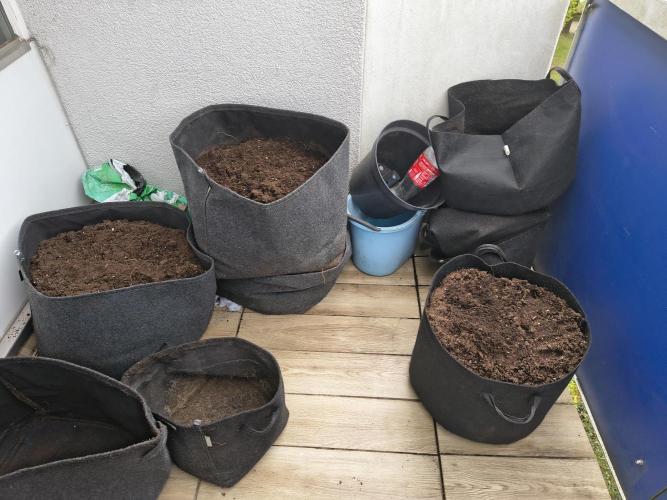
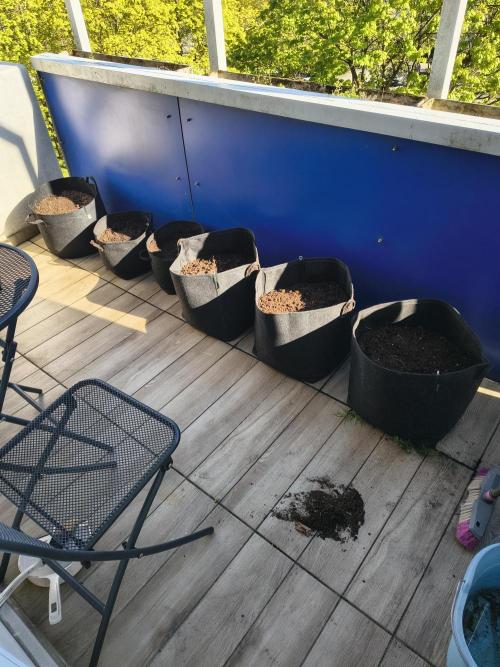
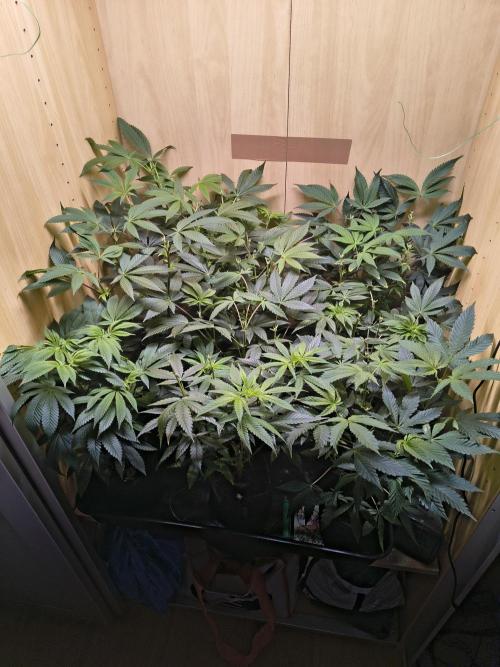
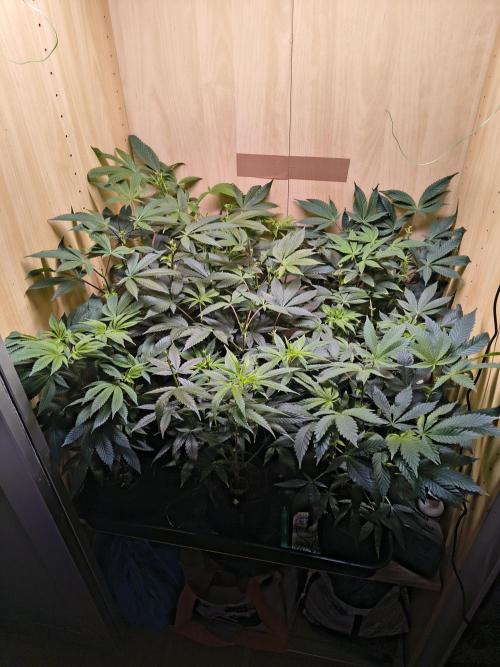
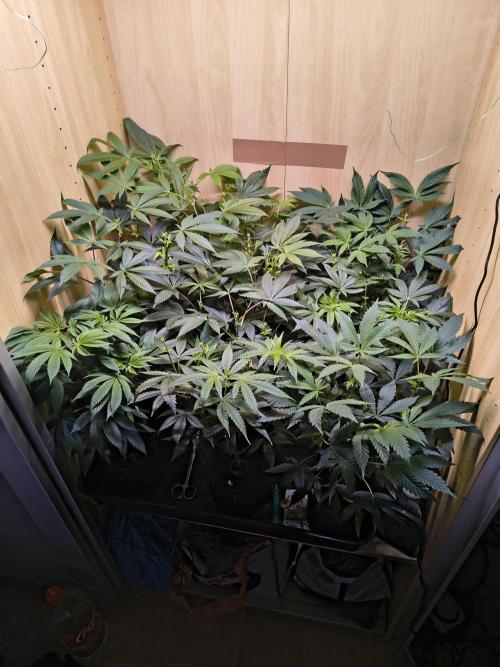
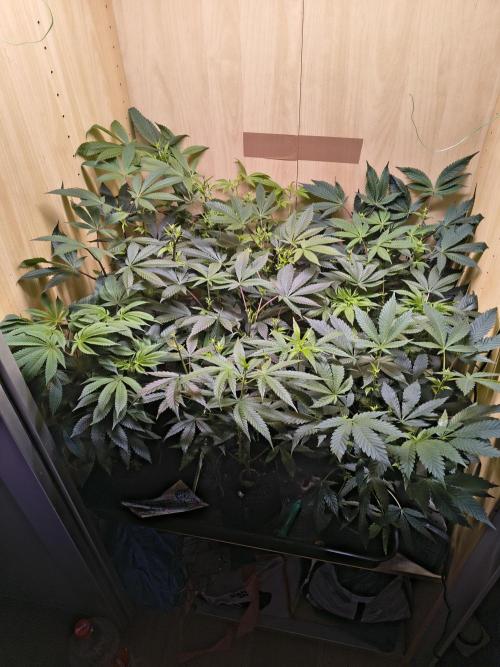
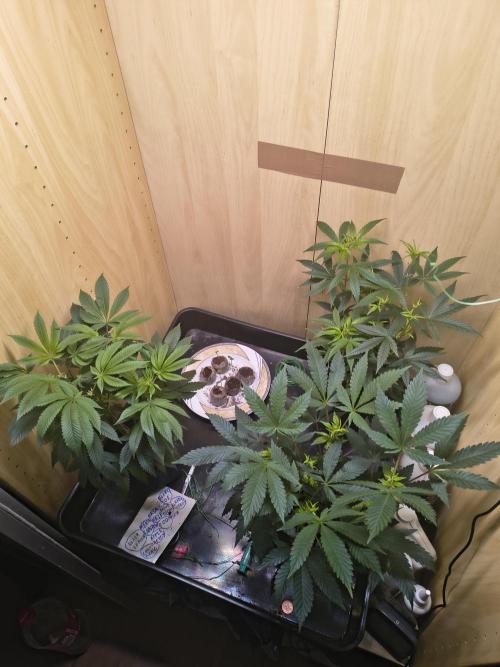
Wie auf dem Bild zusehen sind 2 volle 50L und 1 der so zu 3/4 gefüllt sind und ein 39L Topf wo aber rund 60L drin sind dann sind in den vollen 50L Töpfen so 100L Erde das weiß ich weil ich letztes Jahr ein vollen 40L Sack Erde plus ein befüllten 15L Stoff Topf in den 39L Topf bekommen hab.
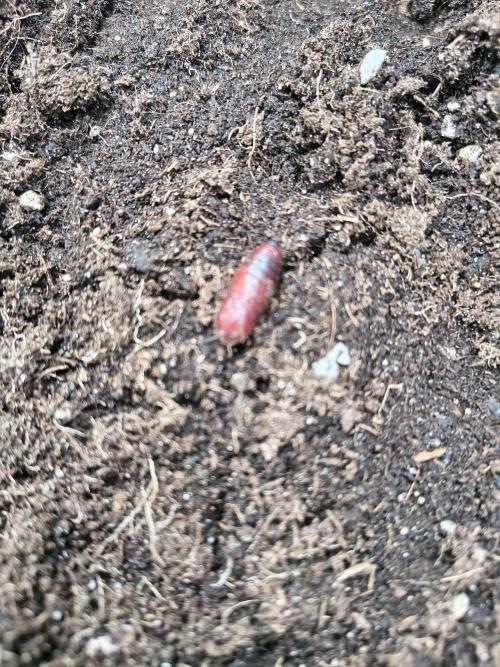
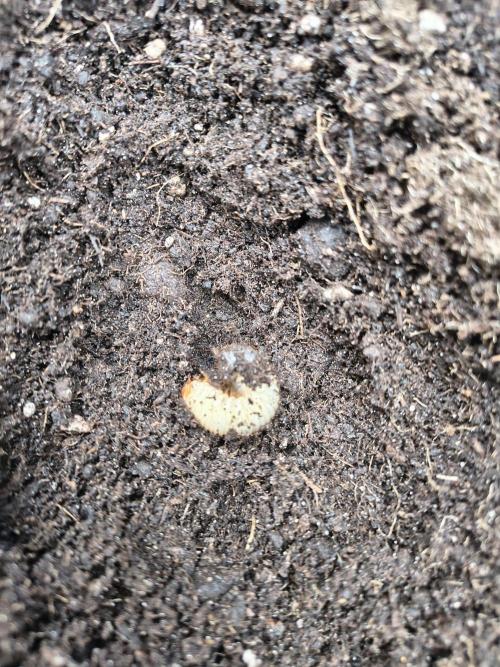
Und wärend der Vorbereitung hab ich 10 Engerlinge gefunden und ein verpuppten das sind wohl die nützlichen die sich von Toten Pflanzenmaterial ernähren da sie in den "Leeren" Töpfen waren also lass ich sie drinne damit sie weiter die Erde vorbereiten können.
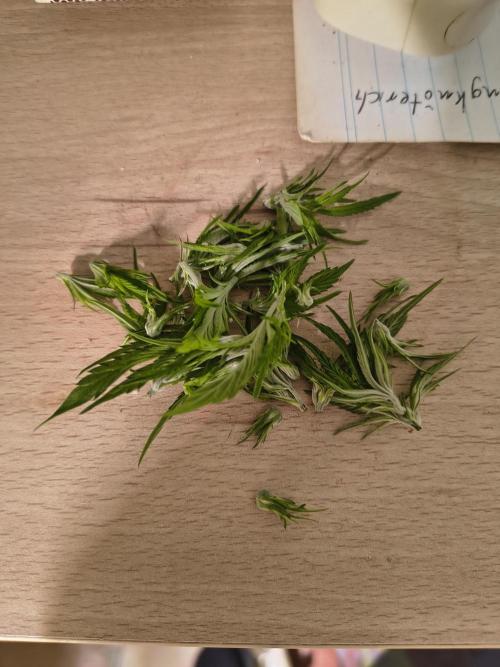
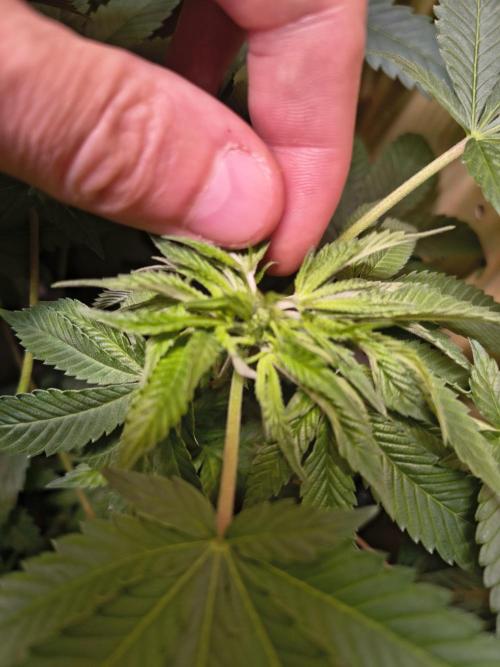
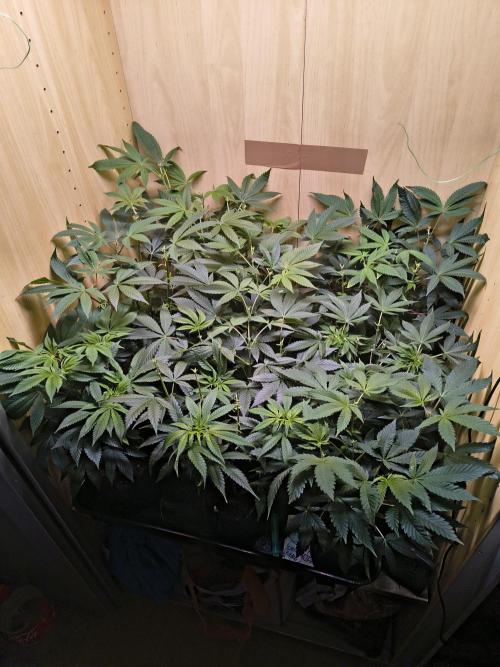
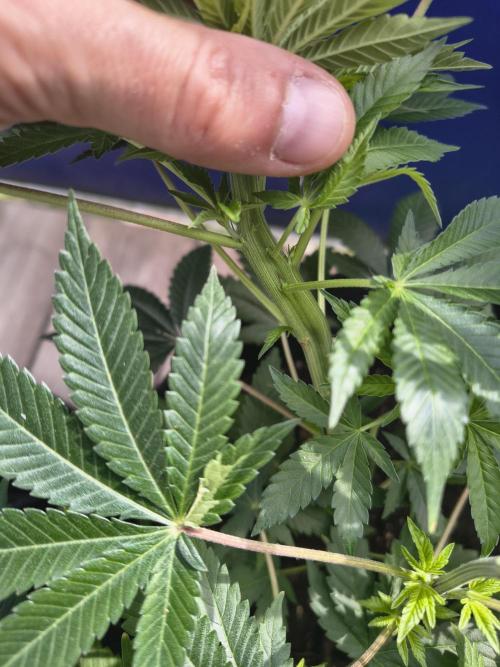
Und beim Toppen von Sour Diesel ist mir aufgefallen wie viele Blätter sie hat wie in irgend einer Woche vorher erwähnt hat sie bis 5 Blätter an einer node hab 4 tops getoppt eine waren 2 also hab ich nicht gemacht und die 6 ist so voll mit Blättern das ich nicht wusste wo ich da was abmachen soll siehe Bild!!! Ganze 8 Blätter an einer node ganz nach beinander crazy 😧
Hab dann auch noch 2 reguläre Samen gestartet the.Doors von Mr.Nice was (NL5Haze x Haze(AC) ) also noch mehr old school Haze als das normale NL5xHaze ich denk so ein extrem Haze würde sich gut machen mit den Weibchen Peace
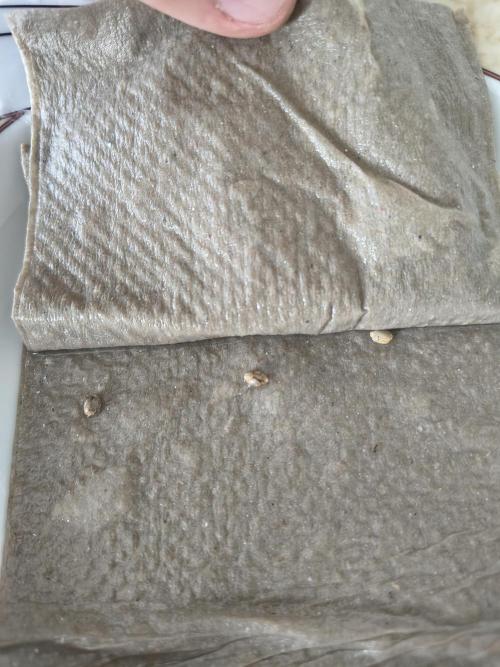
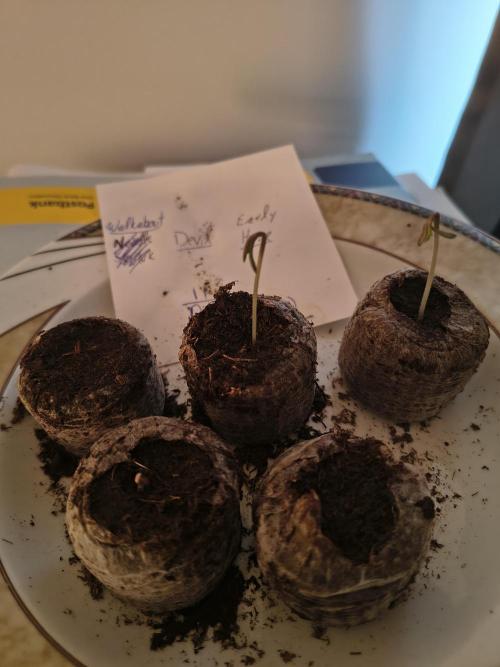
20.04.26 Devil und Early Haze sind aufgegangen und nun in den Coco Quell Tabletten siehe Bild
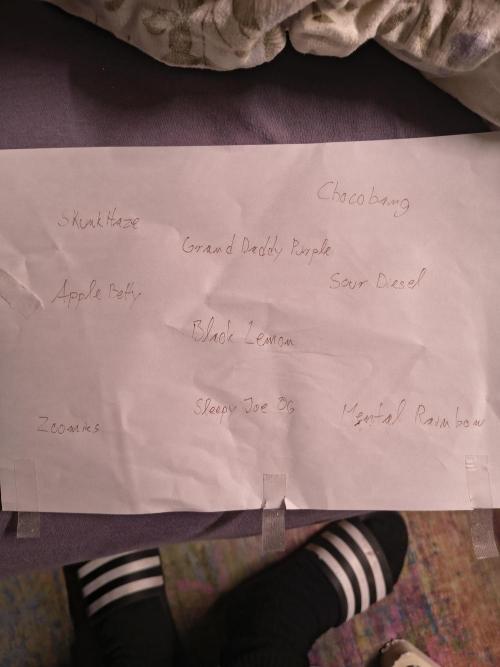
21.04.26 Hab heute die Töpfe fertig gemacht 4 x 39L und 2 x 15L jetzt ist die Frage welche bekommen 15L und welche 39L die restlichen 3 Pflanzen kommen wo anders hin hab eh kein Platz für so viele 6 ist max
11 likes
14 comments
Share
Used techniques
Defoliation
Technique
Topping
Technique
Love
Technique
13
Week 13. Vegetation5mo ago
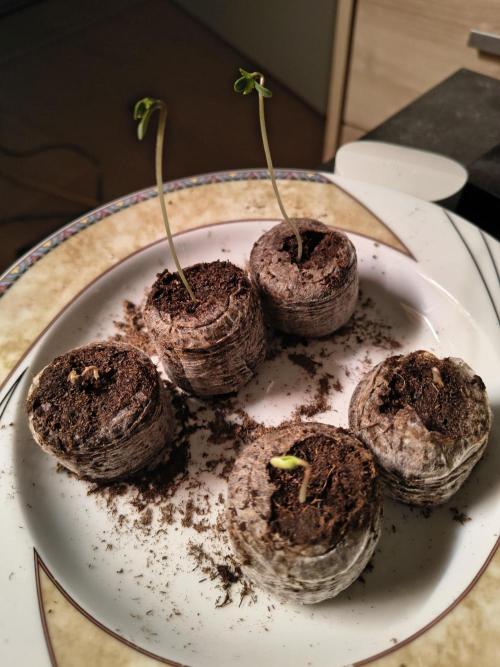
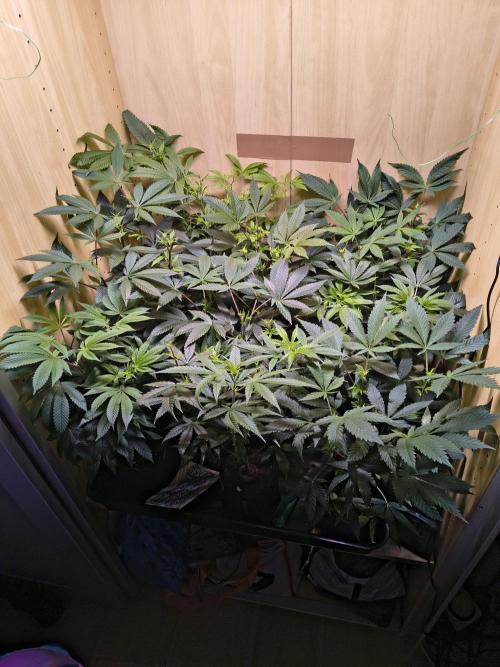
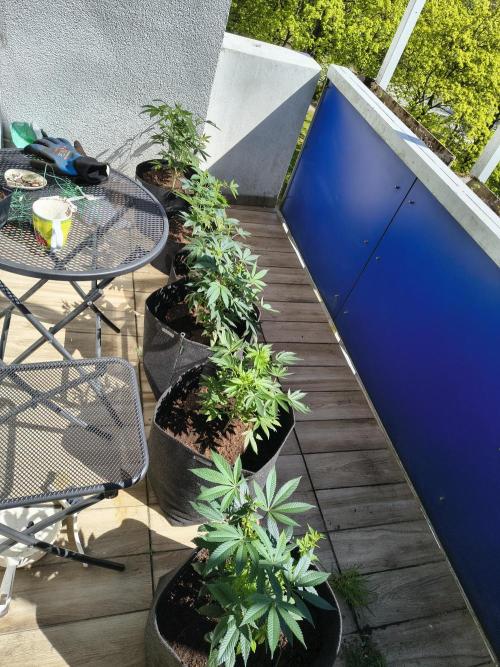
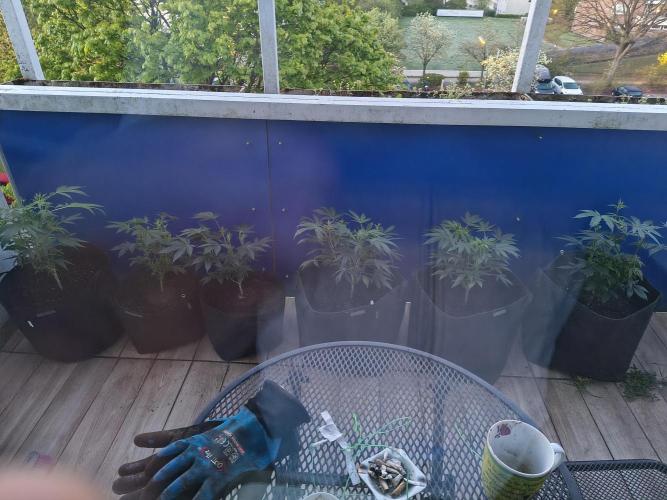
40 cm
Height
14 hrs
Light Schedule
21 °C
Day Air Temp
Normal
Smell
56 %
Air Humidity
20 °C
Solution Temp
18 °C
Night Air Temp
39 liters
Pot Size
2 liters
Watering Volume
70 cm
Lamp Distance
Nutrients 4
Bud Candy
1 mll
TriPart Grow
0.75 mll
TriPart Micro
0.5 mll
JaramnieJazz Woche 13
23.04.26 Alle regulären Samen sind offen und in Cocos Quell Tabletten aber Neville's Skunk ist offen aber tut sich nichts so hab ich noch ein Samen Walkabout gestartet der auch schon offen und in Cocos Tabletten steckt anstelle des Neville's Skunk, Walkabout ist ein mix aus Thai, skunk, Mexican, New Guinea und Haze extra für Outdoor oder die die runter gefallen sind. Devil kommt gerade raus
24.04.26 Early Haze ist auch draußen
25.04.26 Einer von den Doors kommt raus und Walkabout ist auch zu sehen der 2 Doors sollte wohl morgen rauskommen da die Wurzel unten aus der Cocos Quell Tablette rausguckt
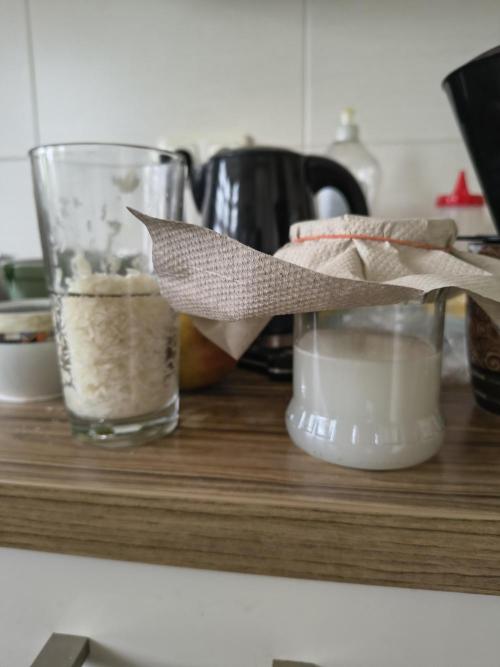
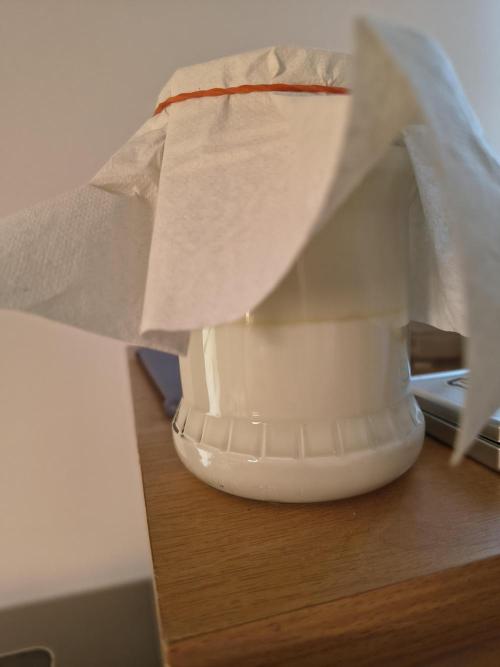
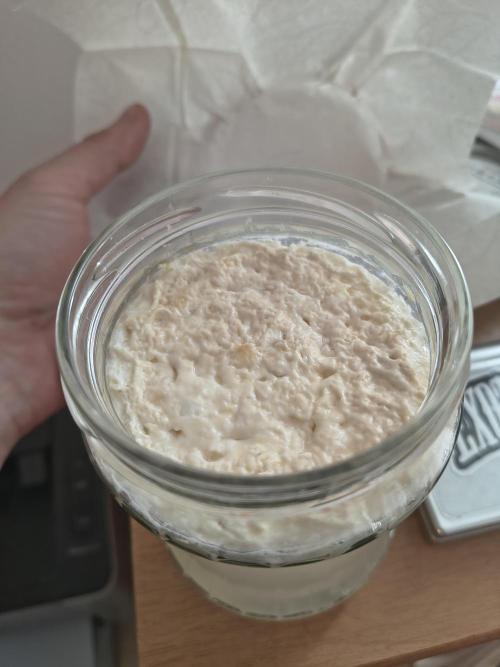
Hab eine Tüte Reis mit bisschen Wasser gespült das Reiswasser wurde in ein Einmachglas getan und mit ein Stück Taschentuch bedeckt und mit dem Gummi befestigt das Luft rankommt das ganze an einem warmen Ort für 1-3 Tage stellen dann mit so ungefähr 0,5L Milch vermischen und weitere 1-3 Tage stehen lassen danach den Käsebruch von der Molke trennen. Die Molke hat dann viele Microorganismen womit die Erde in den Töpfen beimpft wird.
26.04.26 So alle reg Samen sind draußen 😀
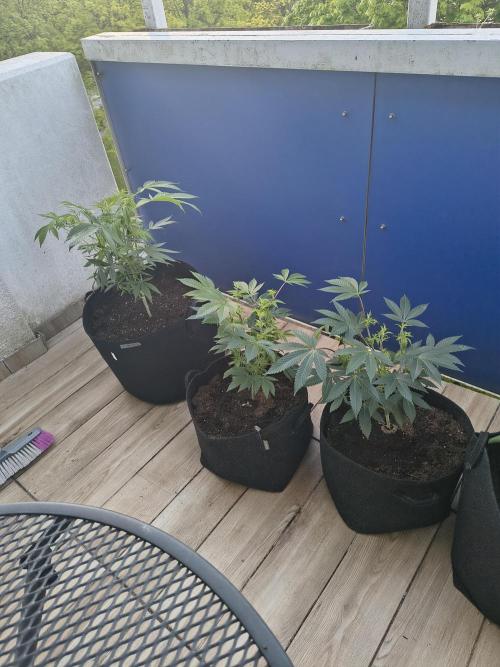
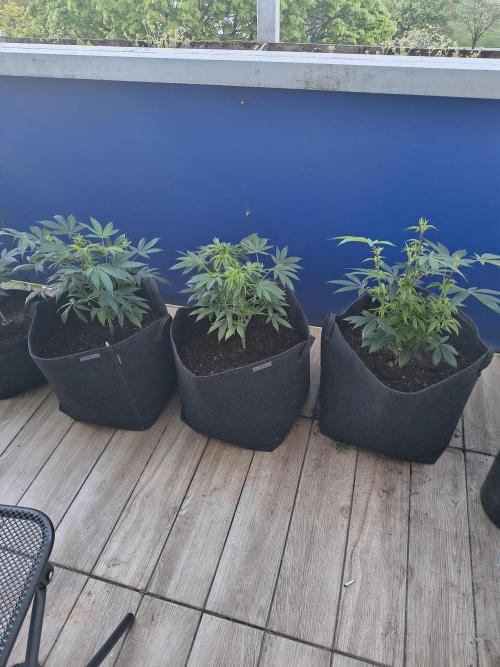
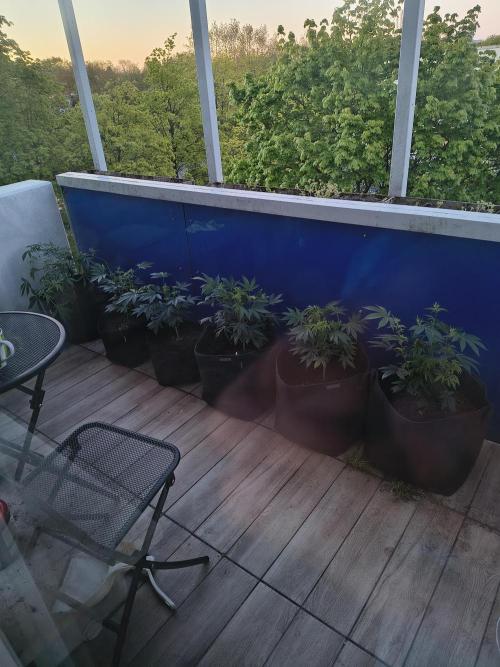
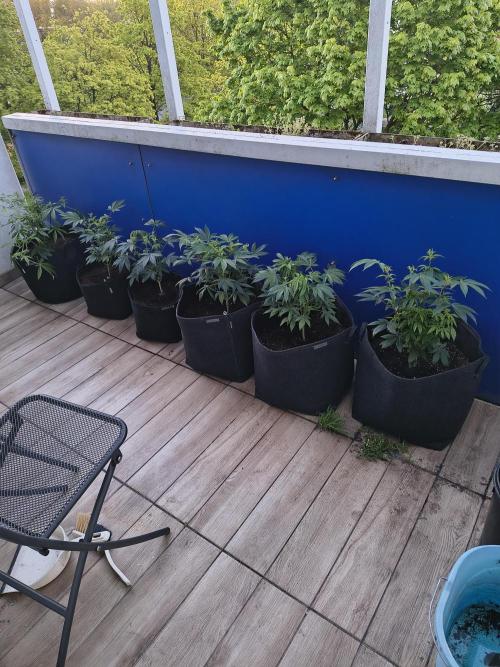
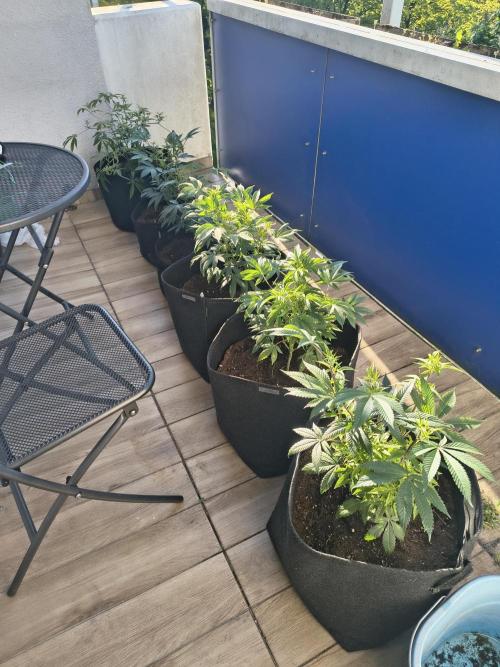
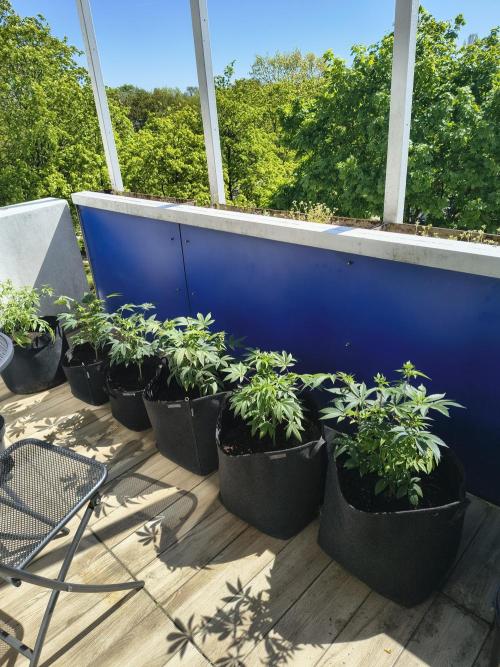
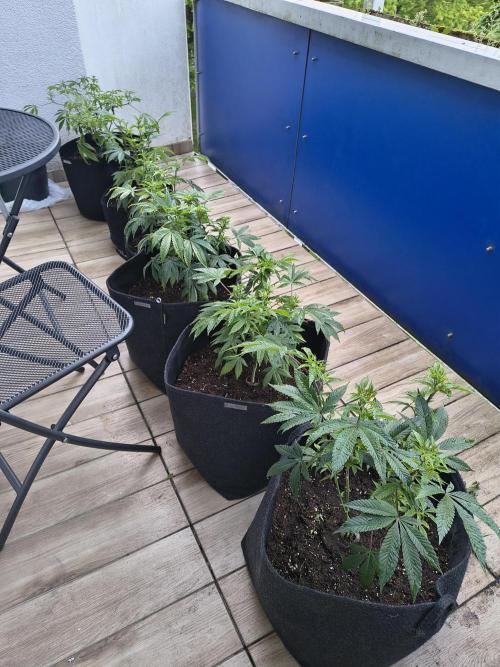
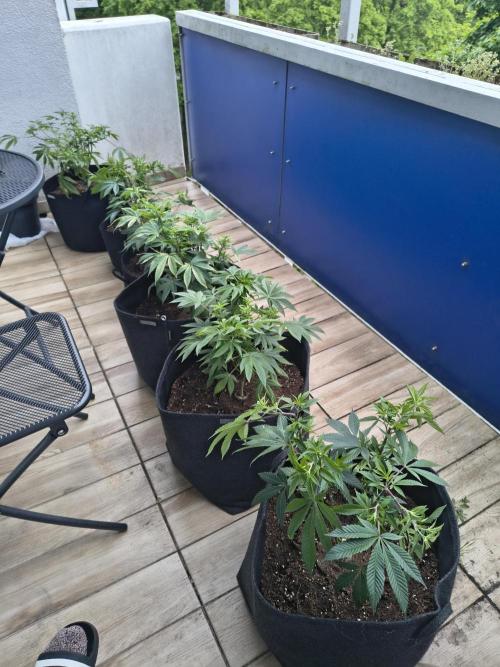
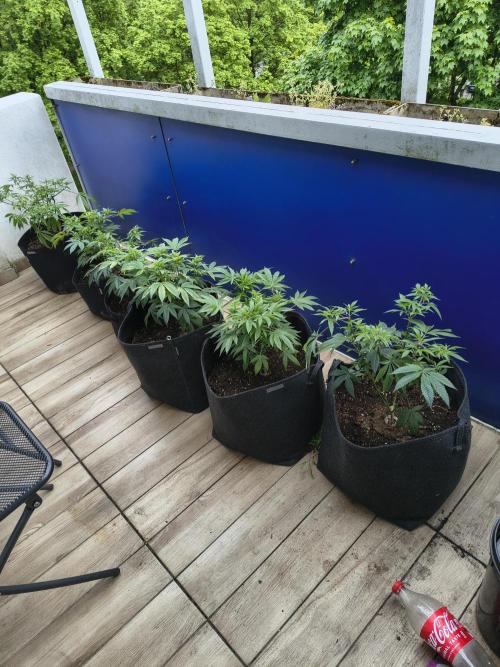
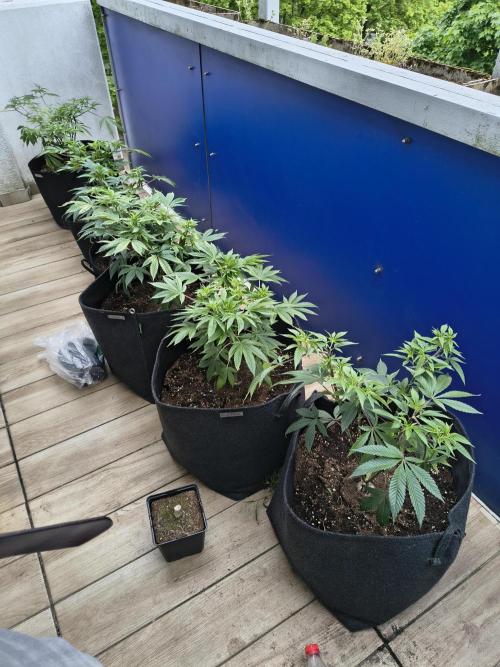
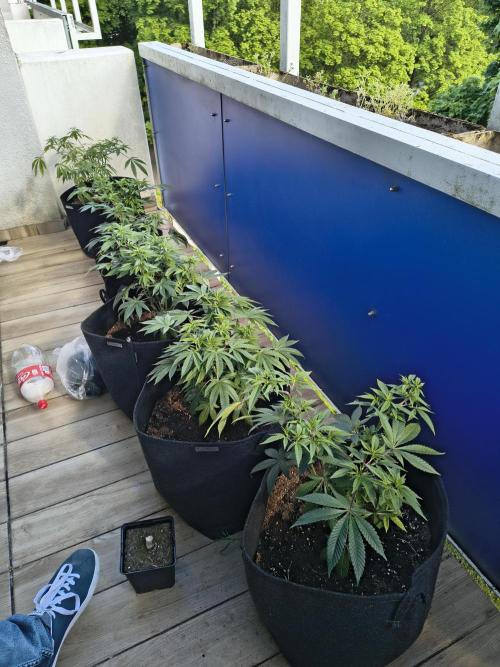
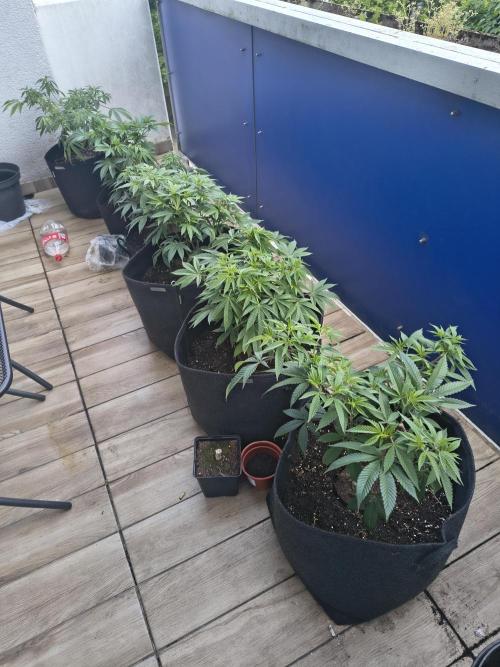
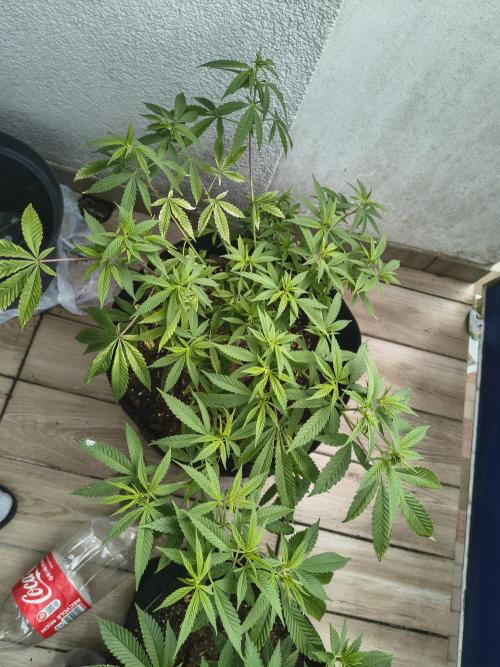
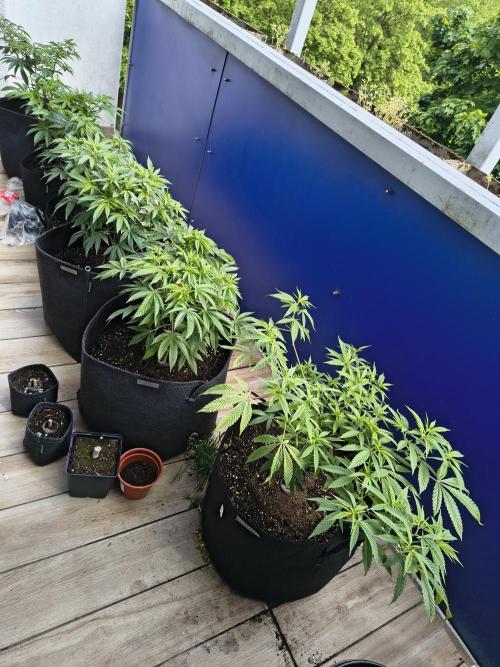
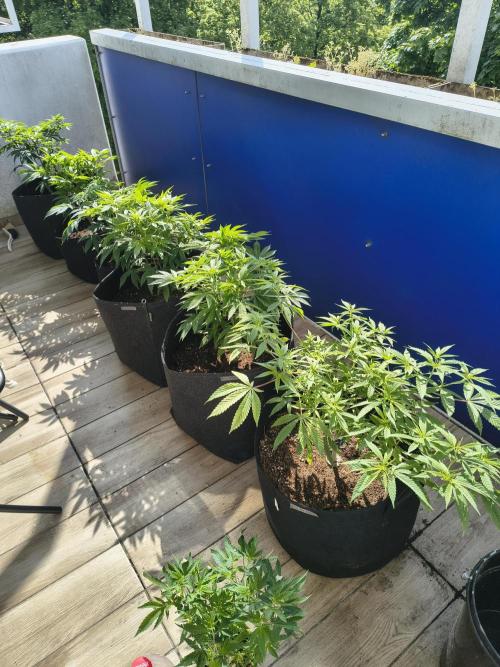
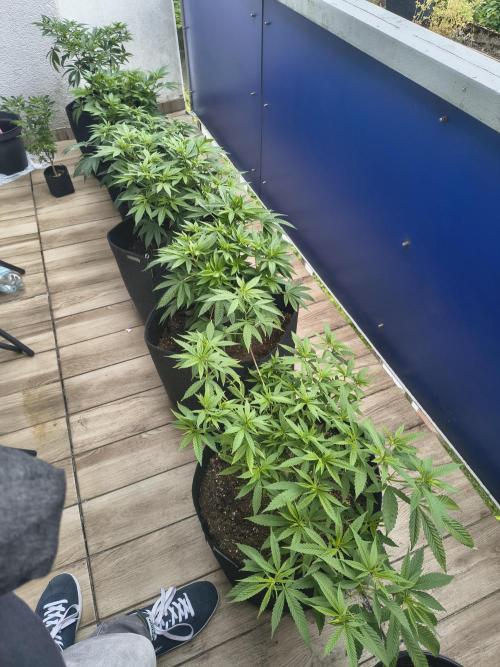
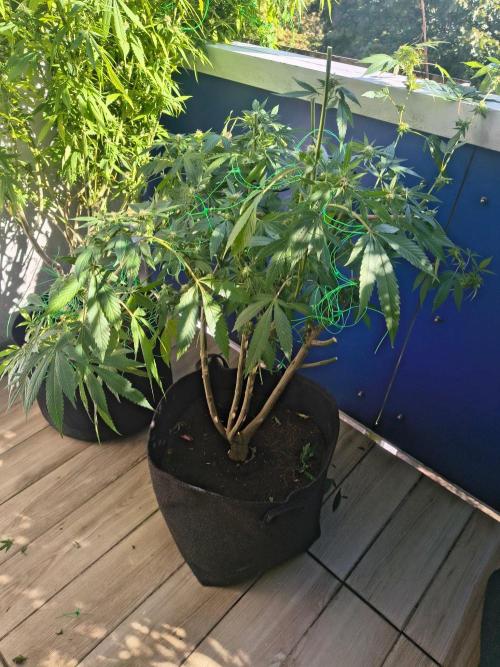
Hab 6 der kleinen in 39L und 15L umgetopft siehe Bild von oben nach unten Skunk Haze,GDP,Black Lemon, Chocobang,Sour Diesel, Apple Betty 🍎 Peace
27.04.26 so es hatte ein bisschen gefroren heute Nacht die Autodächer sind weiß aber den kleinen hat das anscheinend nichts gemacht puuuh also doch nicht so empfindlich wie man sagt wohl nur bei kleinen Sämlingen
Die die drinnen geblieben sind machen sich auch gut haben jetzt Platz gut ist das das die regulären jetzt Licht bekommen die Frage ist jetzt was mach ich mit den 3 Weibchen werde die wohl oder Übel zu meiner Mutter bringen müssen
Beim Sour Diesel sind 2 Triebe zusammengewachsen auf der anderen seite das selbe🤔?
28.04.26 Alles scheint gut zu laufen die nicht mehr so kleinen sehen gut aus die Erde ist gut geworden die kleinen erholen sich von den zu kleinen Töpfen
Hab auch angefangen mit LST/HST damit die Triebe alle gleich gut entwickelt sind könnte dies aber nur bei der Skunk Haze machen die anderen müssen erst die ganzen neuen Triebe ein bisschen wachsen lassen war viel Stress alle Triebe zu Toppen ich denke dieses Jahr werden das Monster werden wenn die schon so riesig in 15L wurden und die in 39L ohne vorzucht Letztes Jahr was werden dann die in 39L dieses Jahr?? Vielleicht hab ich mir zuviel vorgenommen wir werden sehen Peace
13 likes
comments
Share
Used techniques
Defoliation
Technique
Transplantation
Technique
LST
Technique
HST
Technique
Love
Technique
14
Week 14. Vegetation5mo ago
40 cm
Height
15 hrs
Light Schedule
15 °C
Day Air Temp
Normal
Smell
56 %
Air Humidity
20 °C
Solution Temp
1 °C
Night Air Temp
39 liters
Pot Size
200 cm
Lamp Distance
JaramnieJazz Weiter gehts
29.04.26 Das Glas mit dem Reiswasser wurde nun mit Milch aufgefüllt und an einen warmen Ort für 1-3 Tage gestellt je nach Temperatur aber mindestens 19 Grad Celsius in so 3 Tagen mehr Peace
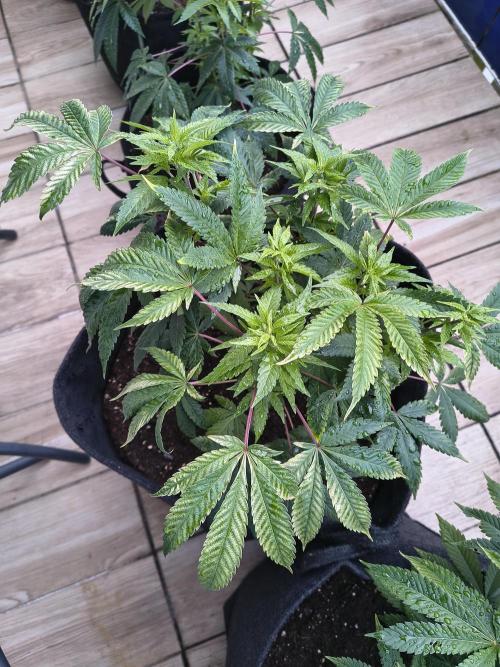
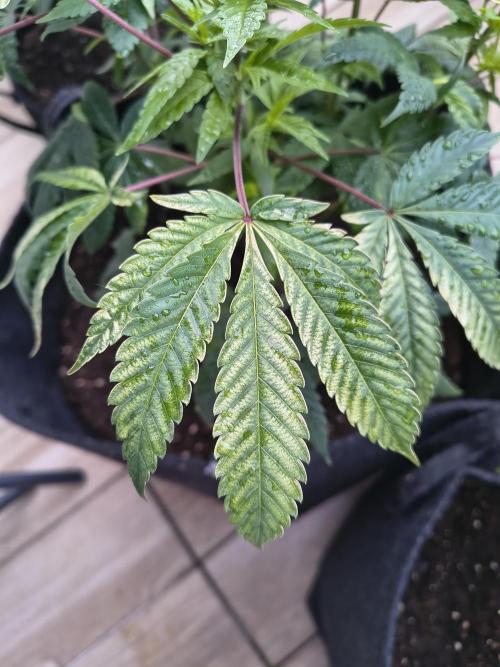
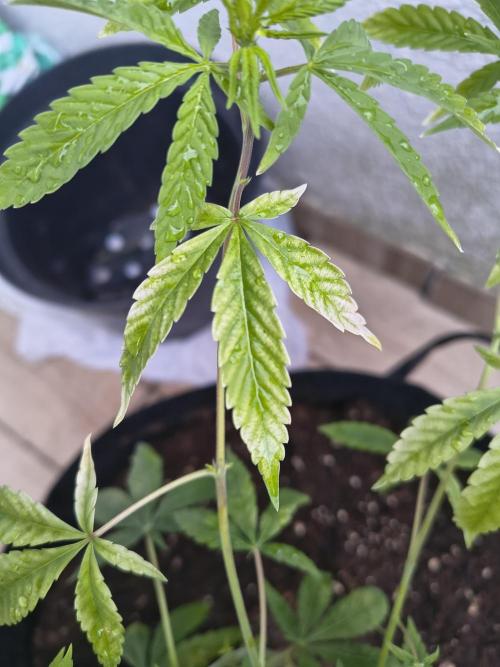
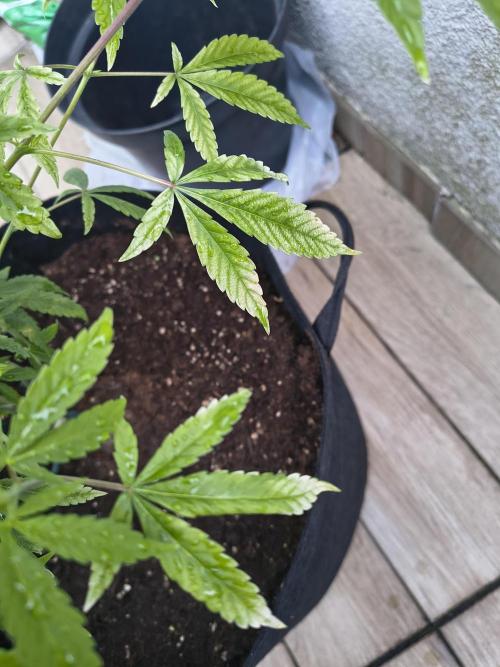
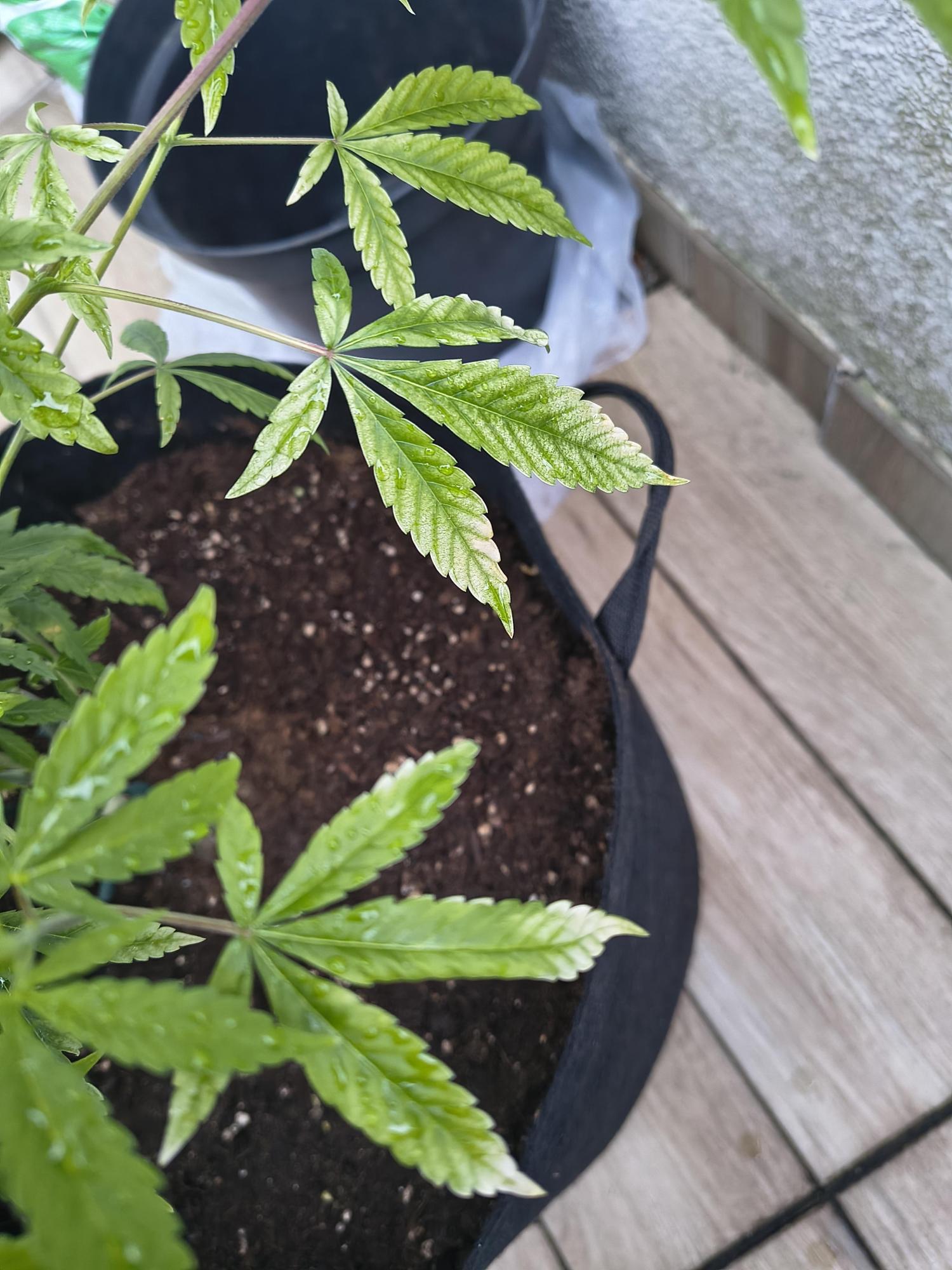
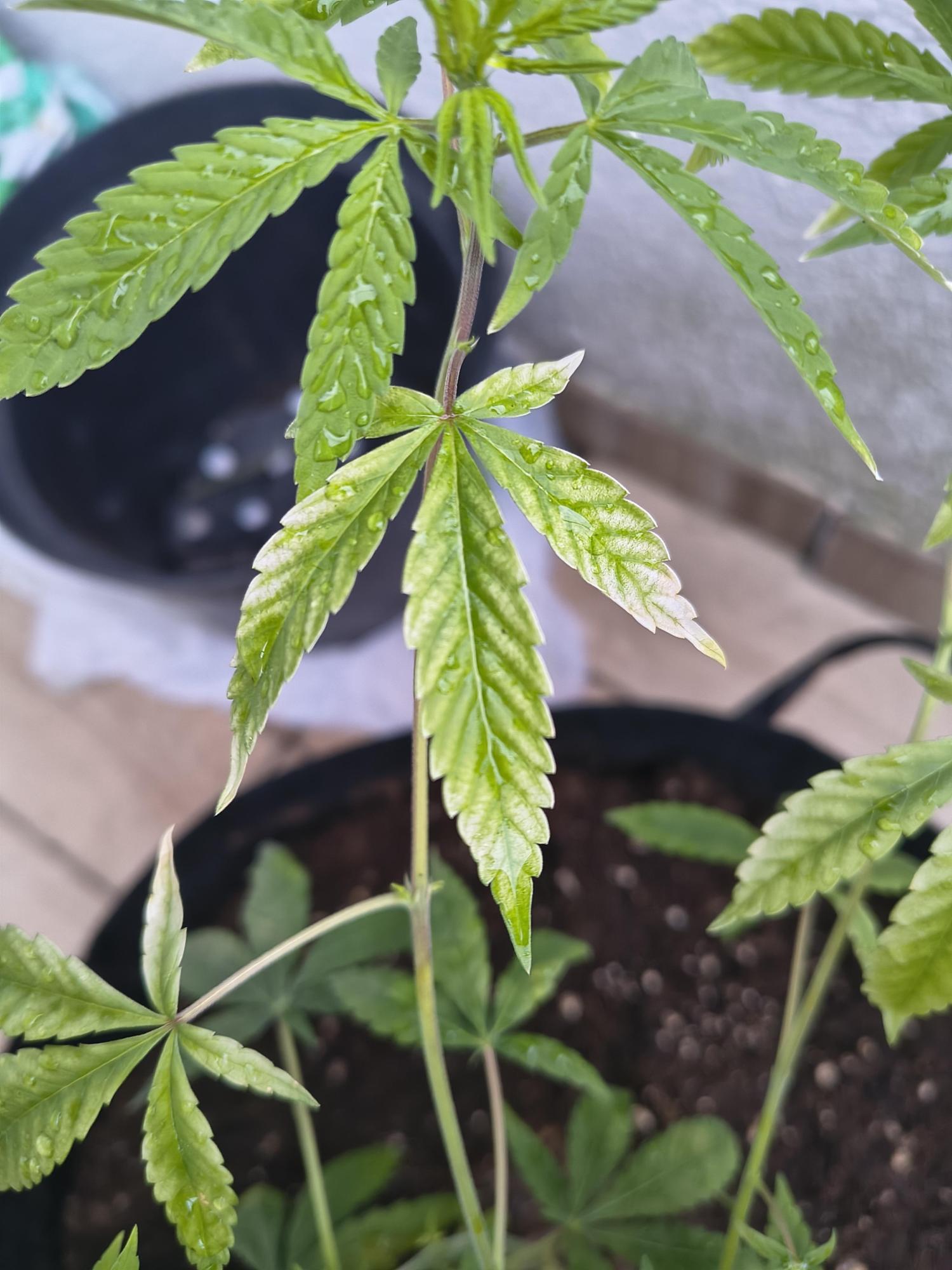
30.04.26.Wieder doch recht kalt gewesen heute Nacht 0°C aber das scheint ihnen nicht viel anhaben zu tun aber Skunk Haze hat weiß Flecken bekommen und die Blätter sind sehr weich und Chocobang ein kleines bisschen nicht viel die anderen gar nichts diese weißen Flecken hab ich glaub ich schon gesehen als ich die Erde das 2 mal benutzt habe das dachte ich das liegt an der Erde aber die haben alle das selbe Substrat hoffe es wird schnell wieder warm muss weiter beobachten wie es weiter geht ist auch noch genug Zeit bis zur Blüte peace
01.05.26 Sie scheinen sich zu erholen langsam war wohl auch der Schock raus in die Sonne mit krassen Grad Schwankungen
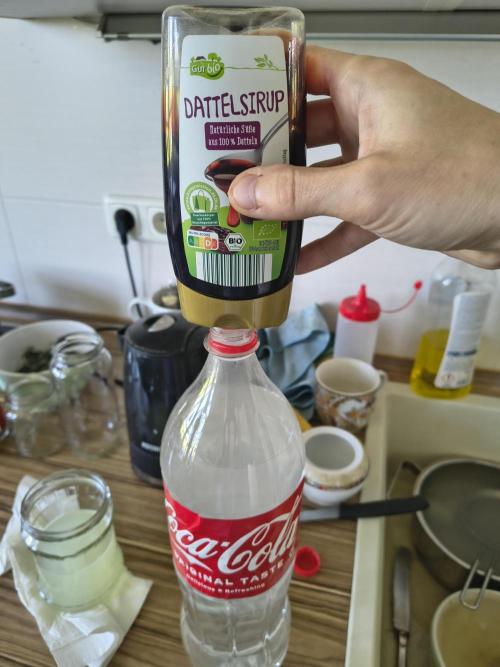
02.05.26 So das Microorganismen Gebräu riecht nach hefe und bisschen nach Käse hab versucht es durch ein Kaffeefilter zu filtern das Zeug läuft aber nicht durch ist fast wie gelle das 20 zu 1000 mit Wasser gemischt und eine Zuckerquelle in meinem fall Dattelsirup das ganze dem Boden gegeben hoffe das bringt irgend was peace
03.05.26 Chocobang sieht schlimmer aus leider und Skunk Haze zeigt auch bisschen mehr muss das weiter beobachten. Hab dazu eine Frage gestellt und die Antworten sind wild 😳 also meiner Meinung ist der PH des Bodens falsch und die bekommen kein Zink aber was für wilde Antworten da gekommen sind haben sich einige überhaupt das Tagebuch angeguckt?!
04.05.26 So ein bisschen HST bei GDP, Black Lemon und Apple Betty gemacht peace
05.05.26 So die Kleinen kommen langsam wieder zu sich muss aber besonders auf Chocobang achten das war viel stress erst das Toppen dann raus und HST und noch umtopfen aber ich bin guter Dinge das sie sich wieder fangen werden in den nächsten Wochen und zusätzlich hab ich noch all die kleinen triebe in den nodien entfernt die kein Licht bekommen und die energy klauen für die Haupttriebe da ich später eh den unteren Teil säubern muss aber ich lass die kleinen jetzt in Ruhe damit sie sich fangen Peace ✌️
15 likes
7 comments
Share
Used techniques
LST
Technique
HST
Technique
Love
Technique
Grow Questions

JaramnieJazzstarted grow question 5mo ago
Hab diese weißen Flecken auf den Blättern was ist das?
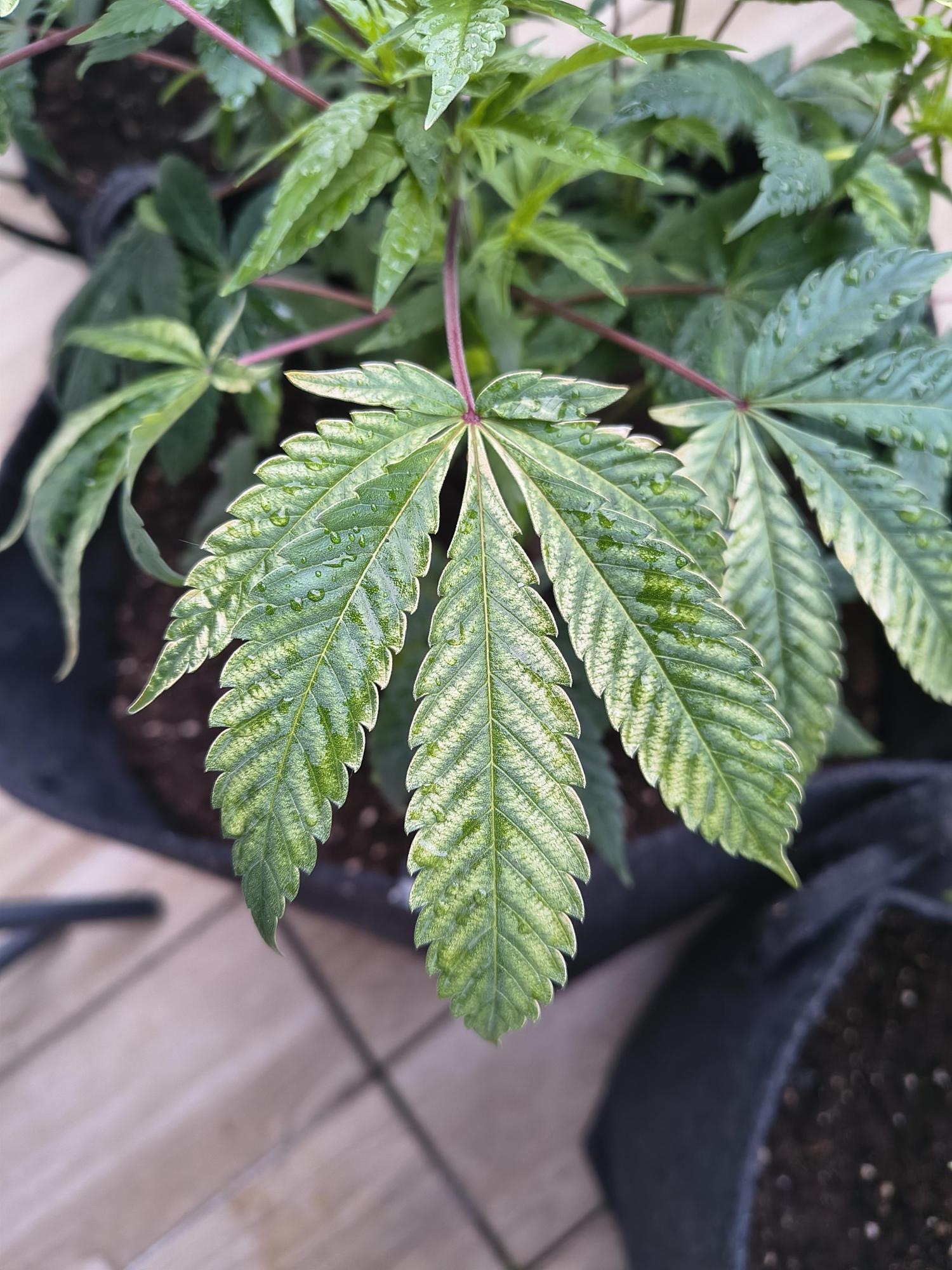
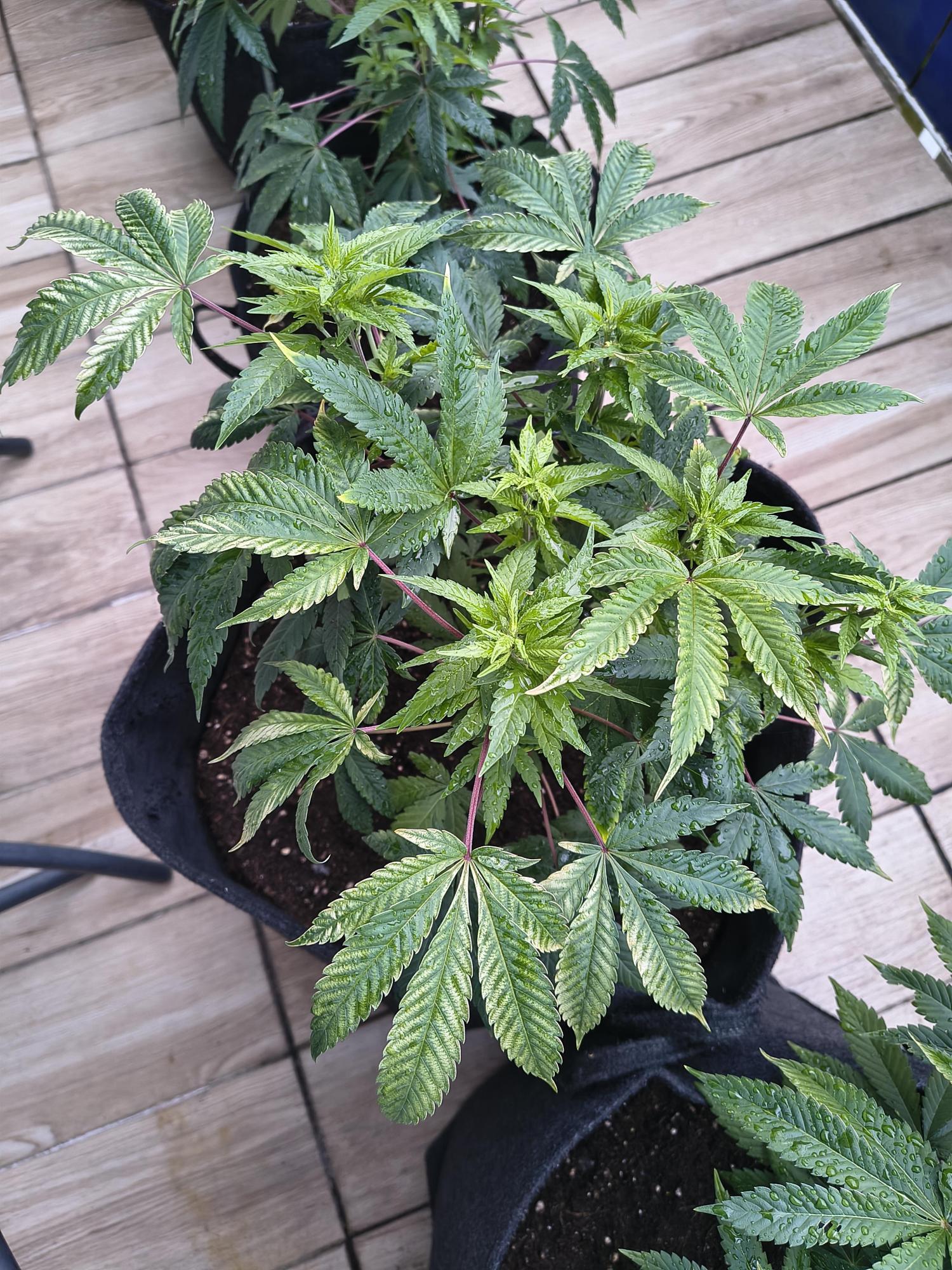
Solved
Leaves. Color · Pale
3 likes

AlienScrOGanswered grow question 5mo ago
Looking at the photos and the grow diary, the situation doesn’t appear serious. The apical growth is healthy and actively developing, which means the plant is still functioning correctly. The damage is mainly visible on older leaves, which indicates a past stress event rather than an ongoing systemic problem.
The key factor here is the transition from indoor to outdoor conditions. Natural sunlight is significantly more intense and broader in spectrum compared to LED lighting. Without a proper acclimation phase (hardening off), it is common to see signs of light stress such as bleaching on leaf tips, localized tissue damage, and increased transpiration on the most exposed leaves.
There may also be a mild nutrient uptake imbalance, particularly involving calcium and magnesium, or possibly phosphorus (slight purple stems can suggest this). However, in this case it looks more like a secondary effect of stress rather than a primary deficiency.
The use of fermented inputs and sugars may have temporarily altered the rhizosphere environment (microbial activity and nutrient availability), but without precise data it’s not possible to draw a firm conclusion.
The most important point is that the new growth is clean and healthy. This indicates the plant has already recovered from the initial stress phase.
At this stage, the focus should be on: – maintaining stable soil moisture (no overwatering or drought stress)
– avoiding additional stress factors (especially thermal and water stress)
– preventing overfeeding or unstructured input mixes
For summer conditions, soil cultivation is often the most stable option if you don’t have a chiller system. In hydroponics, nutrient solution temperatures can rise too much and create serious root-zone issues.
In short: this was a light and transition stress event (indoor → full sun exposure), but the plant has already adapted. Now the priority is stability and consistency.
15
Week 15. Vegetation5mo ago
40 cm
Height
15 hrs
Light Schedule
15 °C
Day Air Temp
Normal
Smell
56 %
Air Humidity
20 °C
Solution Temp
1 °C
Night Air Temp
39 liters
Pot Size
200 cm
Lamp Distance
JaramnieJazz 06.05.26 So Woche 15 langsam scheinen sie sich zu erholen aber das muss weiter beobachten werden
07.05.26 Sieht besser aus
11 likes
comments
Share
Used techniques
Love
Technique
16
Week 16. Vegetation4mo ago
50 cm
Height
15 hrs
Light Schedule
20 °C
Day Air Temp
Normal
Smell
56 %
Air Humidity
20 °C
Solution Temp
7 °C
Night Air Temp
39 liters
Pot Size
200 cm
Lamp Distance
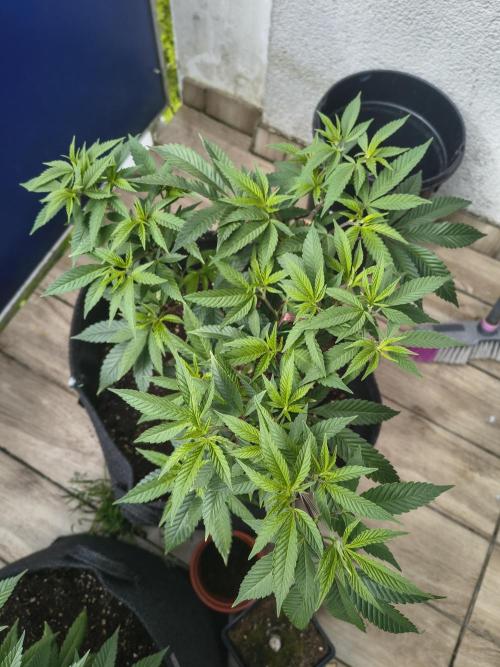
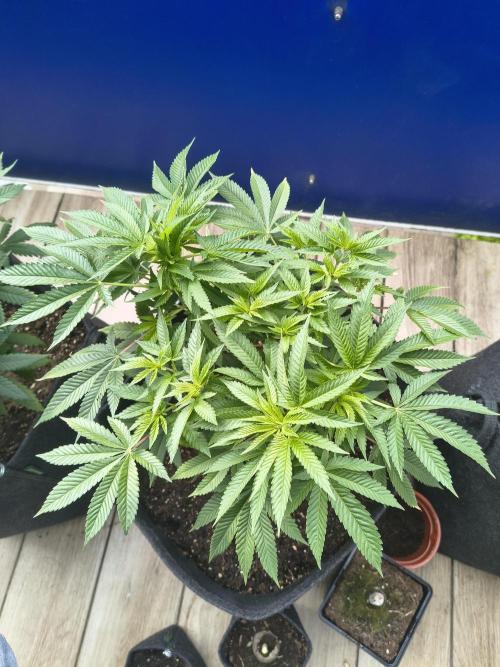
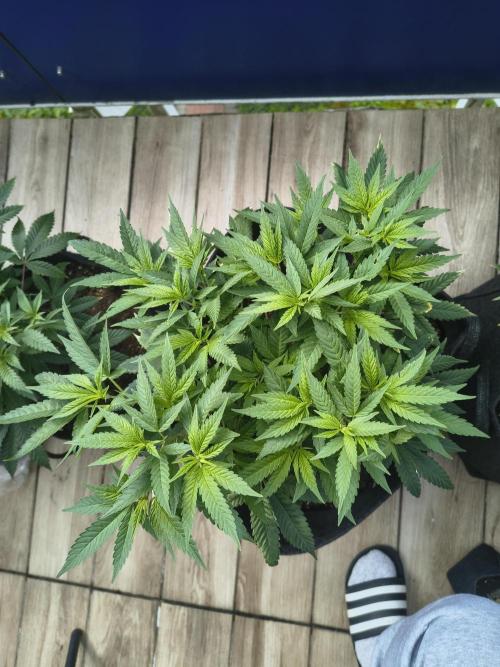
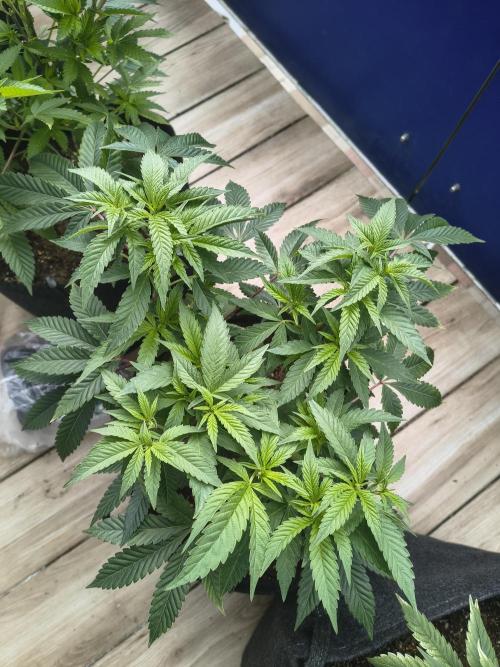
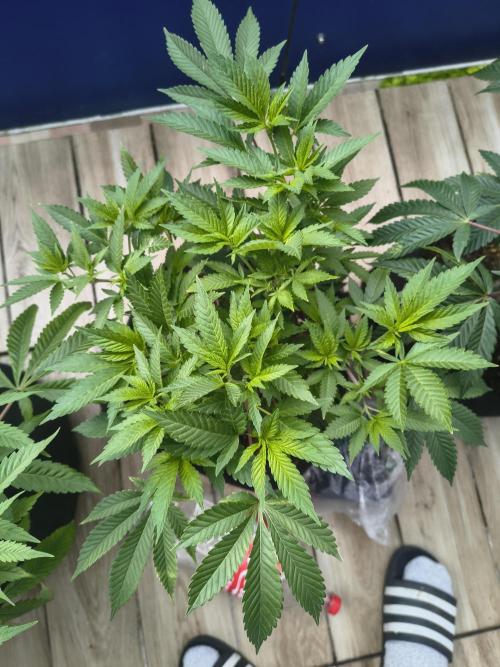
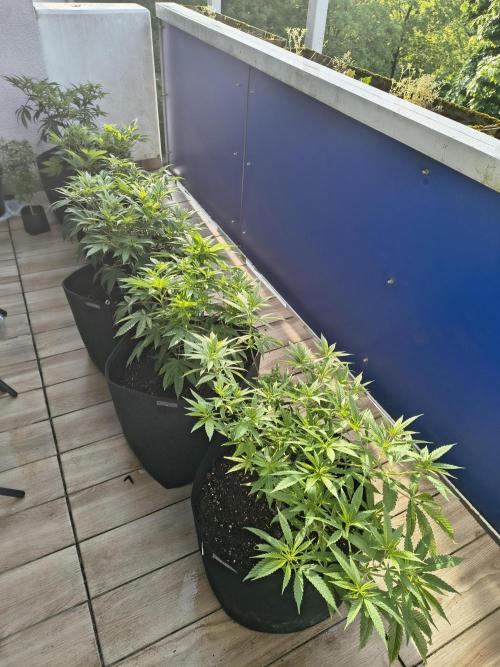
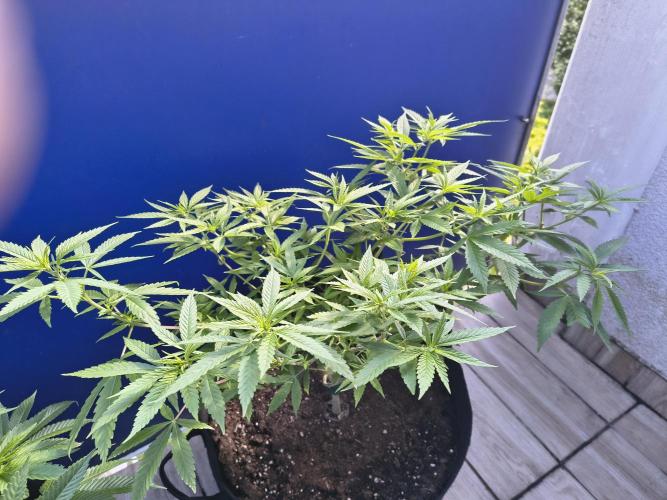
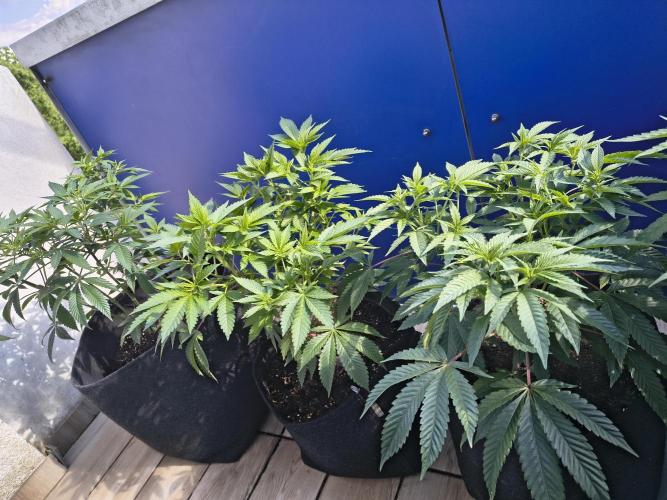
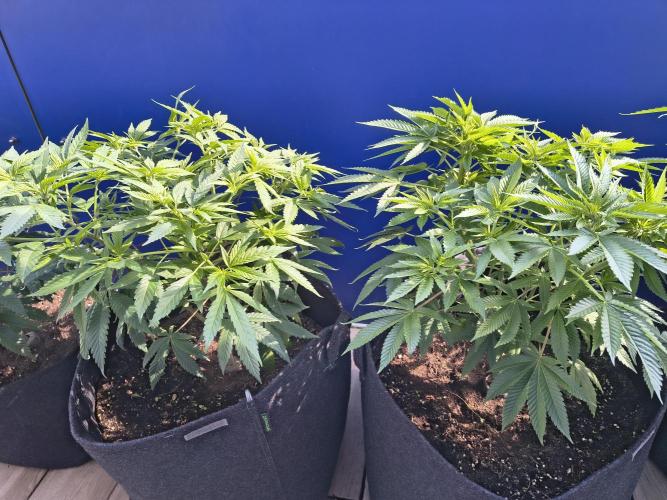
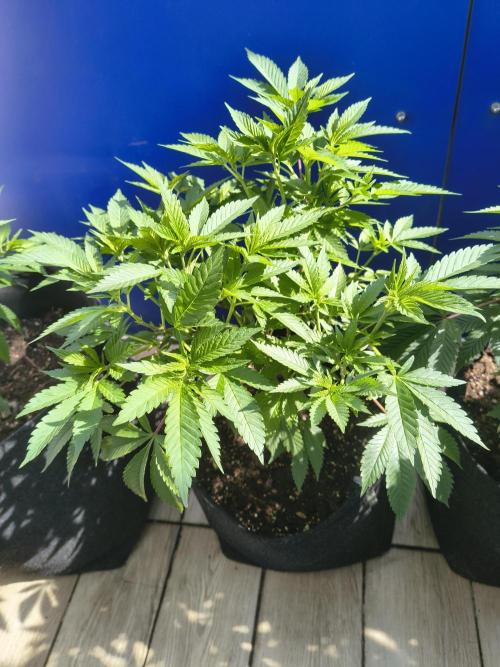
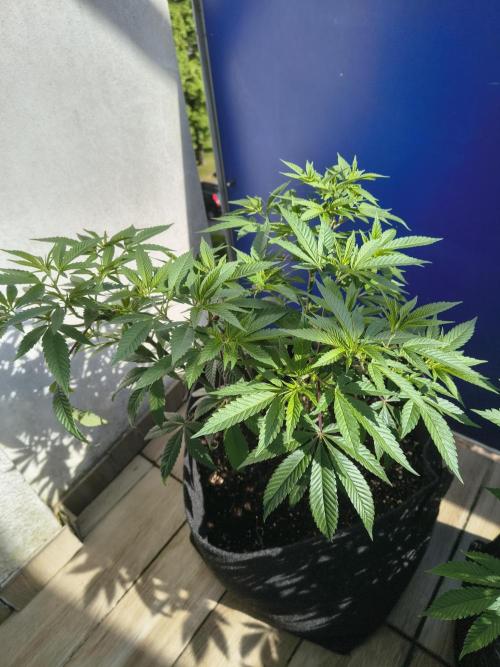
JaramnieJazz 13.05.26 So die Kleinen haben meine Abwesenheit überlebt und haben sich erholt sehen schon viel viel besser aus
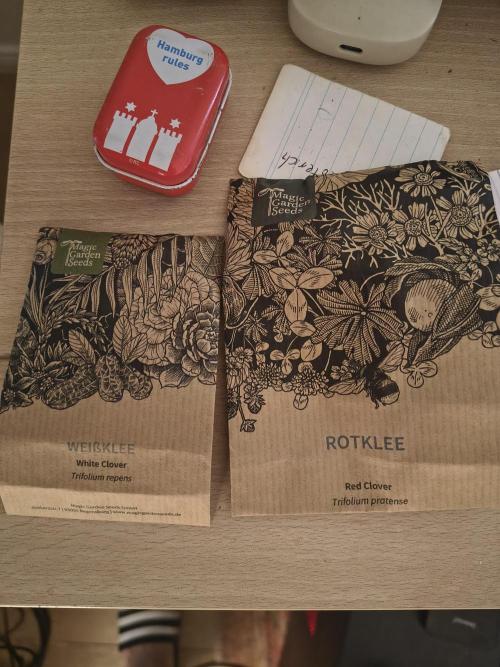
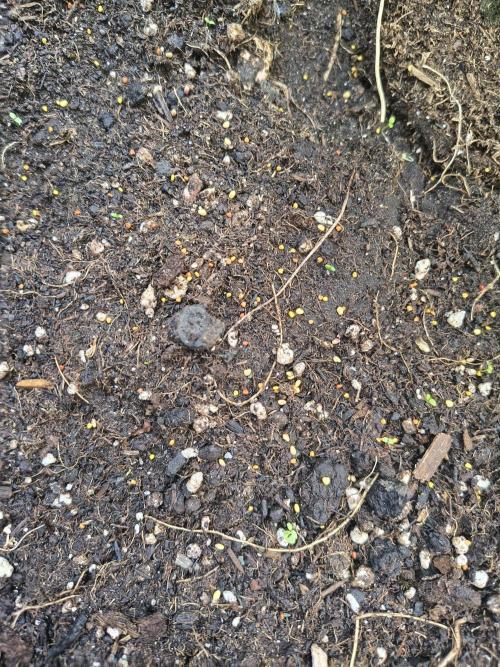
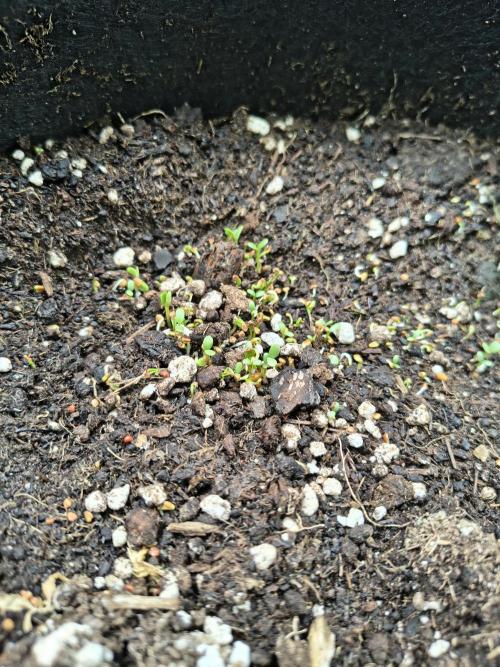
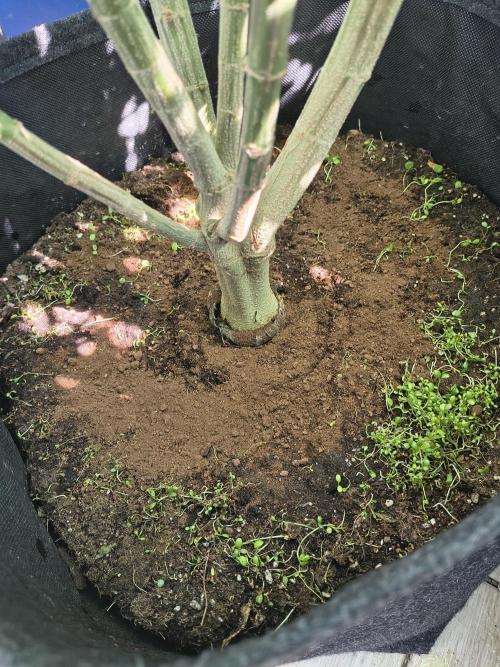
14.05.26 Sieht gut aus hab bei allen Rot und Weißklee in die Töpfe gepflanzt da Klee Stickstoff aus der Luft zieht und eine Symbiose mit anderen Pflanzen eingeht und diesen Stickstoff an die Wurzeln abgibt.Die Erde beschattet, denn Platz Weck nimmt das keine unliebsamen Wildkräuter sich ansiedeln,die Erde bleibt durch die Beschattung länger feucht besonders gut an heißen Tagen und es wird heiß über 40°C auf meinem Balkon
16.05.26 Der Klee hat sich noch nicht gezeigt die Pflanzen sehen super aus ein schönes gesundes Grün haben sie bekommen nur Apple Betty ist noch ein bisschen zickig
17.05.26 Immer noch kein Klee zusehen die Töpfe sind immer noch sehr schwer da es immer mal wieder regnet und die Stofftöpfe die Eigenschaft haben Wasser aufzusaugen kann es sein das ich noch 1 Monat nicht Giessen muss und Düngen wohl auch so lange im Moment einfach beobachten und schauen gegebenfalls LST und HST
19.05.26 Die Pflanzen sehen bombe aus ein gesundes Grün haben sie bekommen die Erde ist super gelungen werde in Woche 10 die Mengen Angaben noch dazugeben für jeden der das nachmachen will hat auch gut geregnet und die Pötte sind sehr schwer also kein Wasser was aber einerseits gut ist da are Regen einen guten PH wert hat
12 likes
comments
Share
Used techniques
Defoliation
Technique
Love
Technique
17
Week 17. Vegetation4mo ago
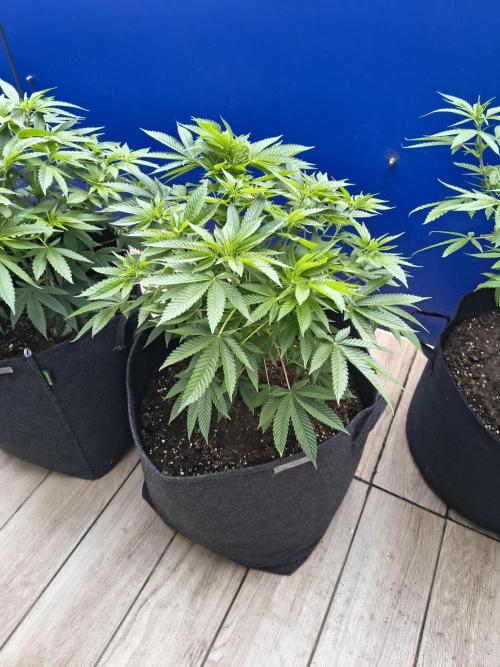
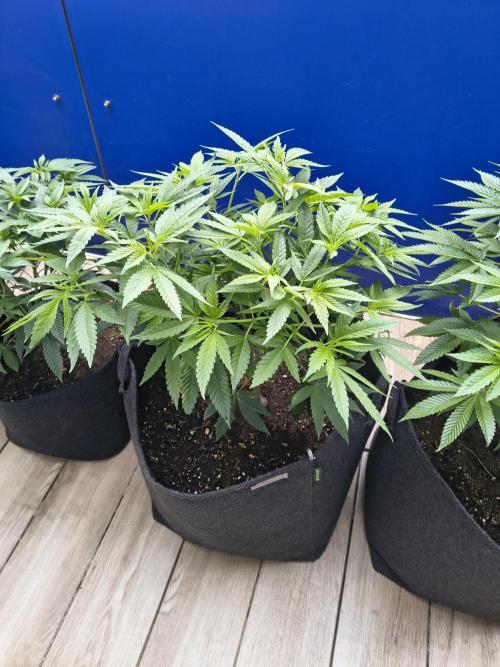
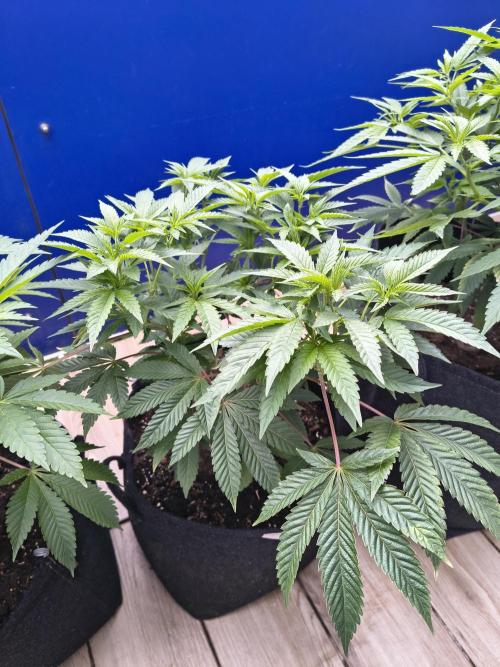
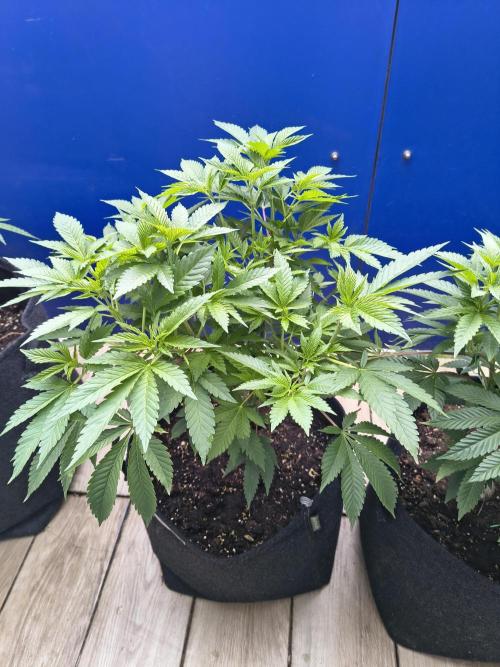
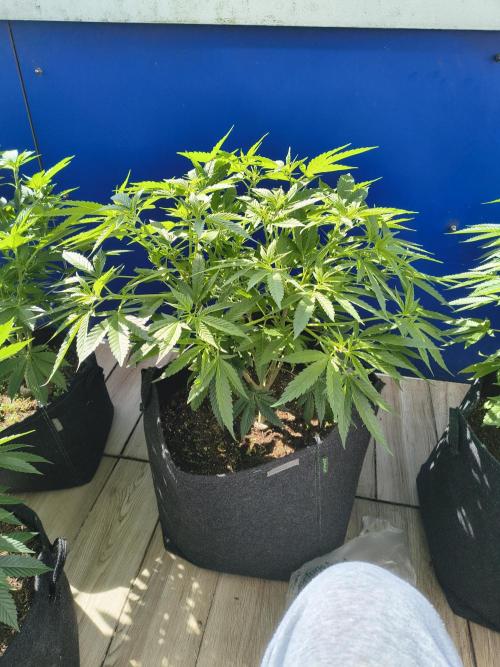
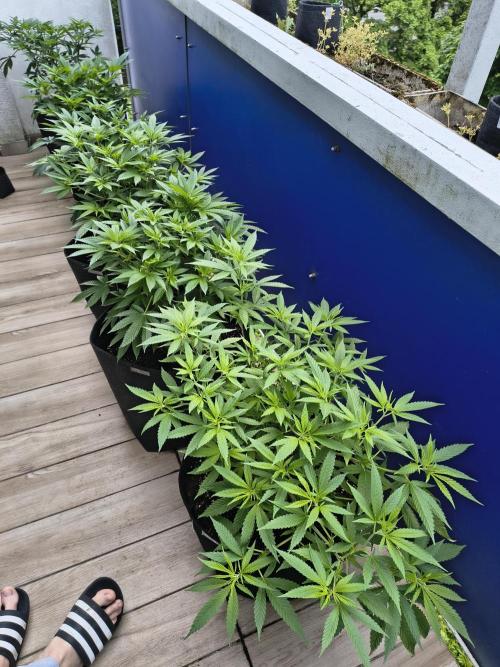
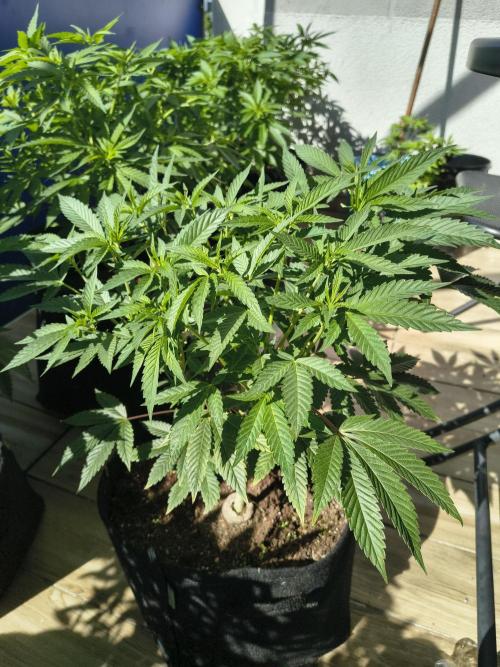
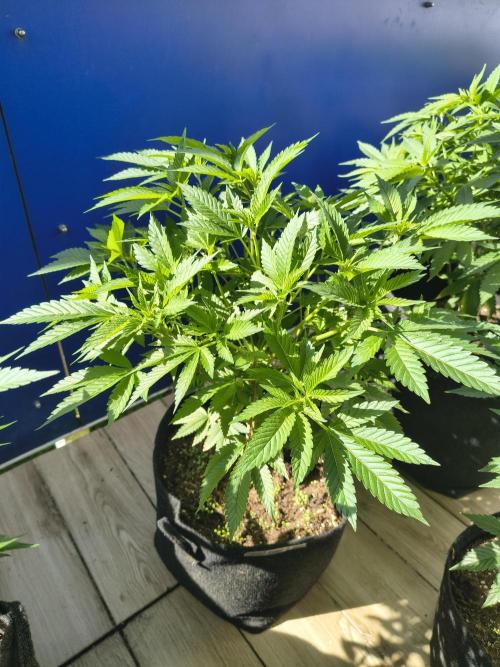
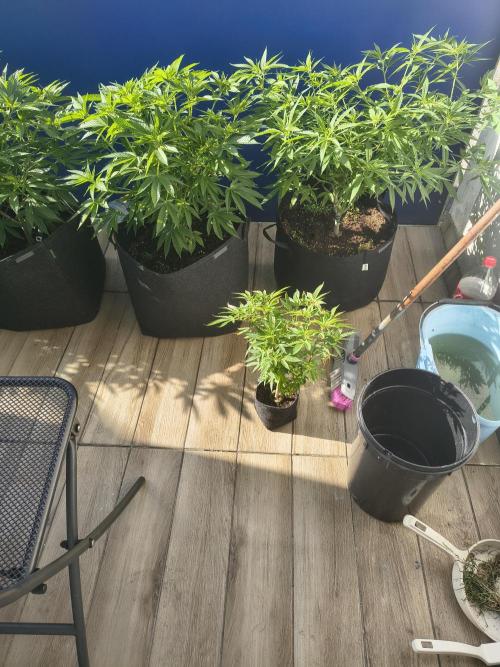
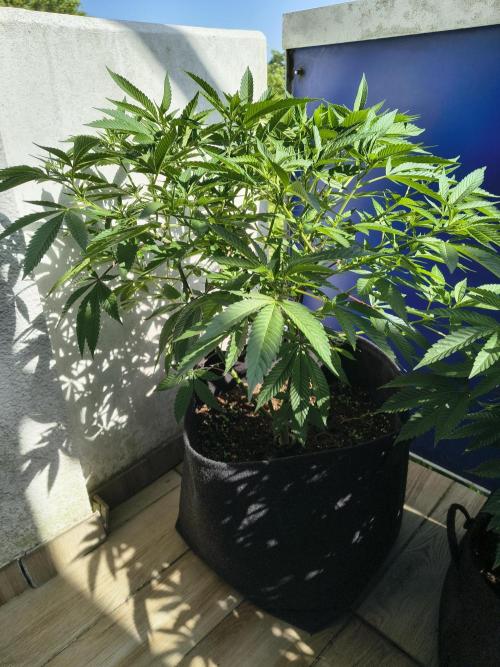
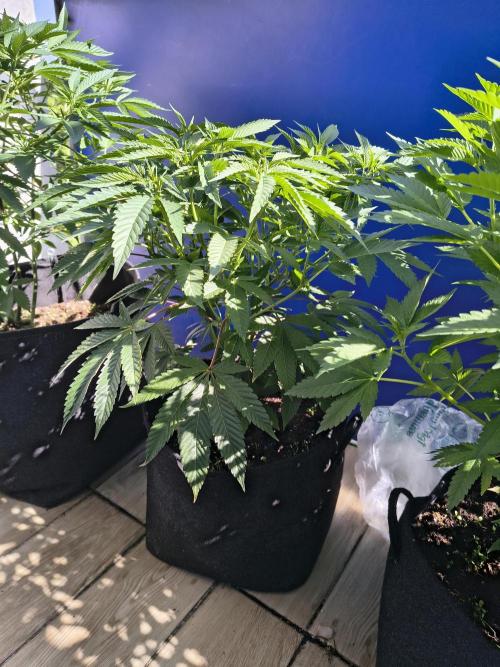
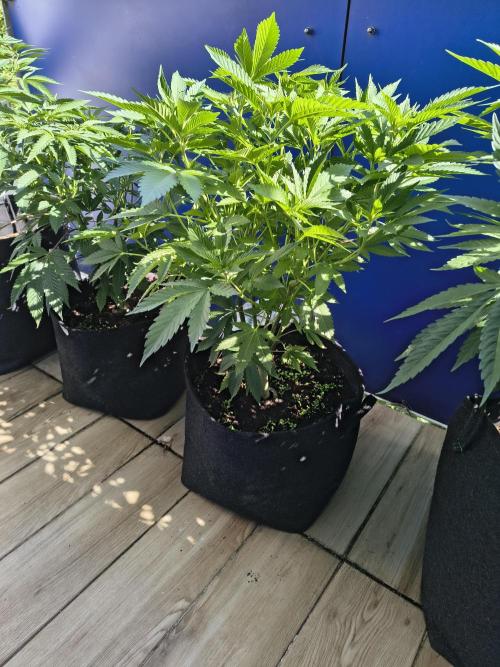
50 cm
Height
16 hrs
Light Schedule
20 °C
Day Air Temp
Normal
Smell
56 %
Air Humidity
20 °C
Solution Temp
7 °C
Night Air Temp
39 liters
Pot Size
200 cm
Lamp Distance
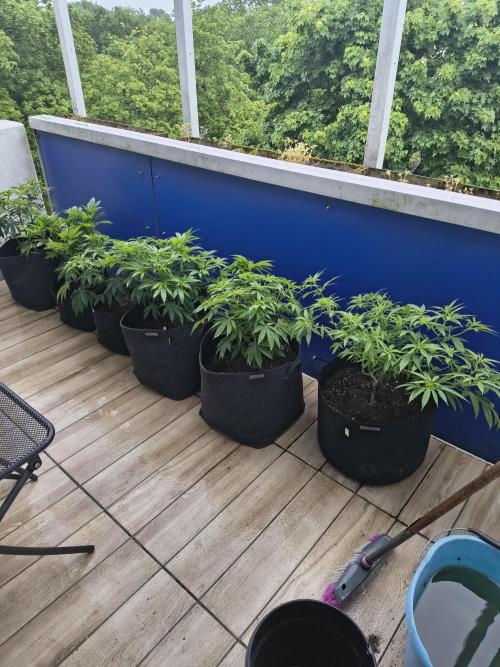
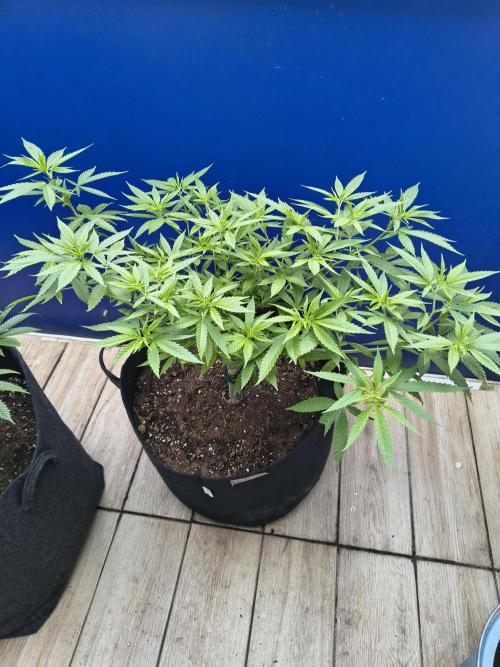
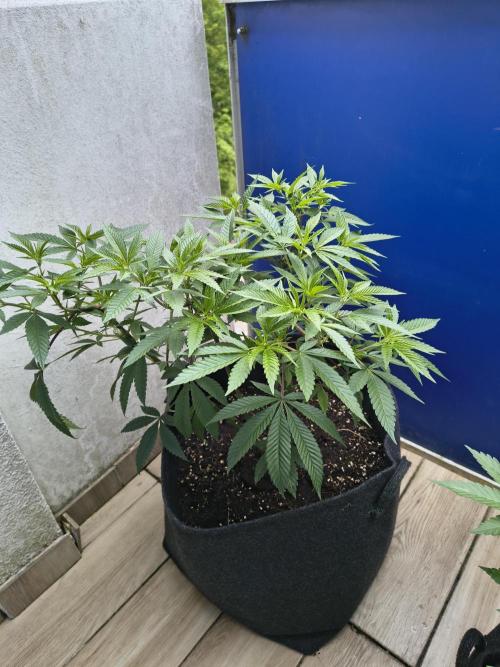
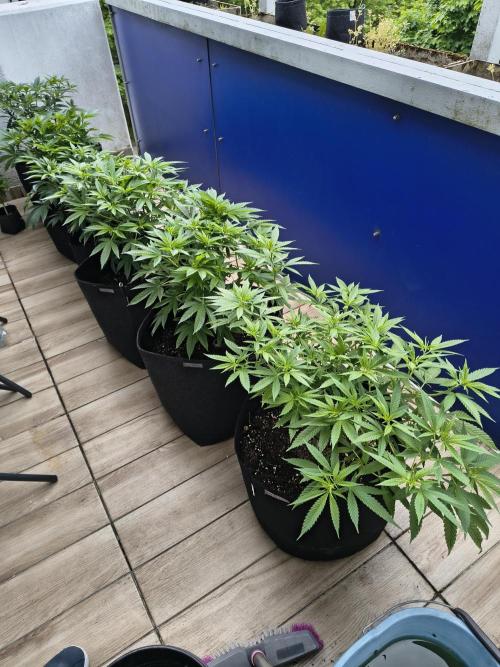
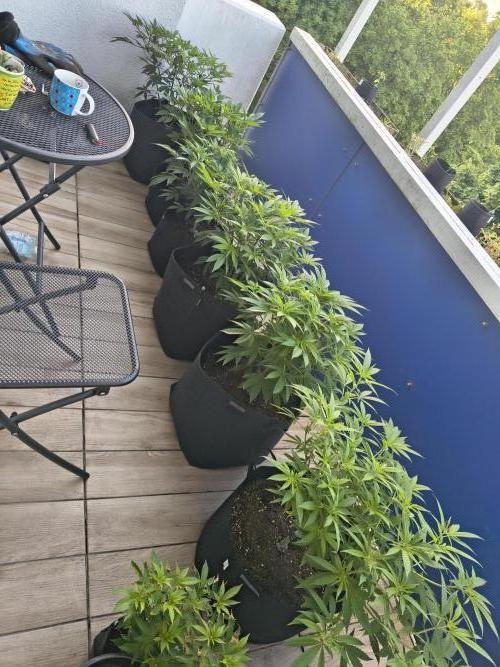
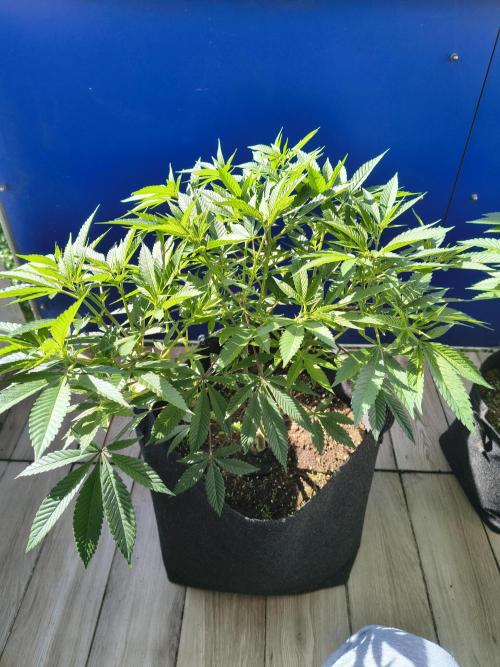
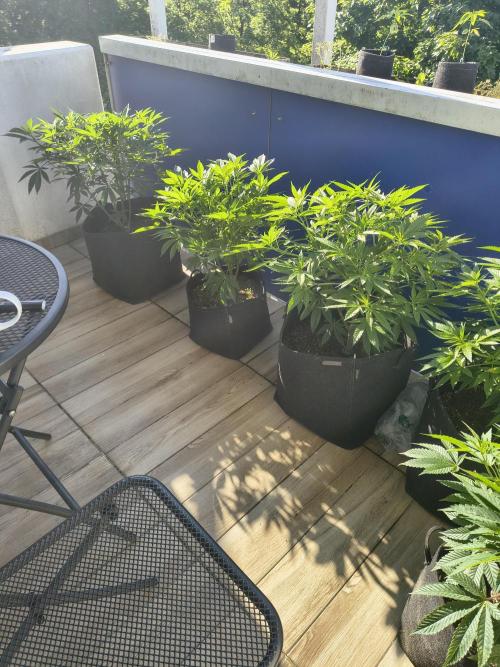
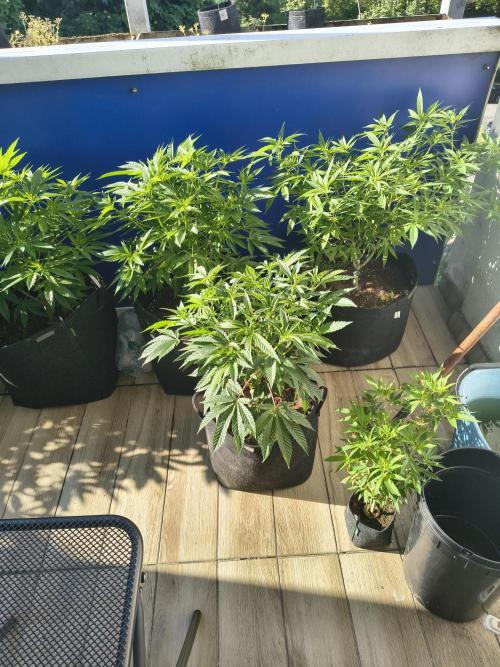
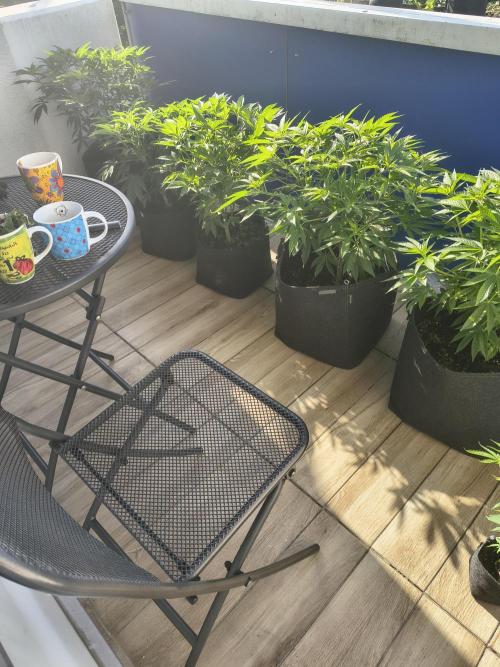
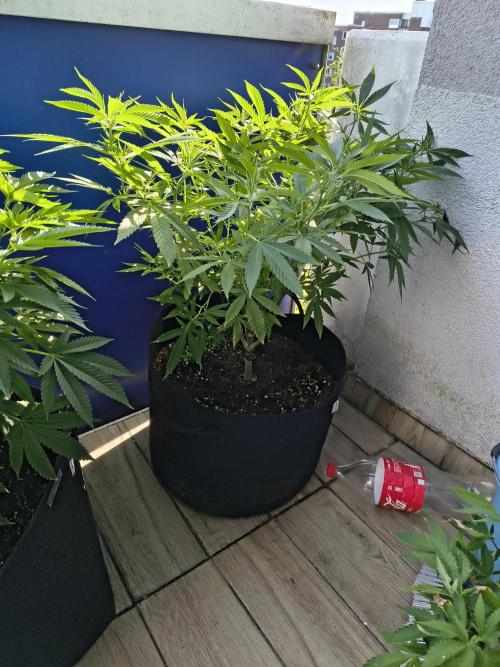
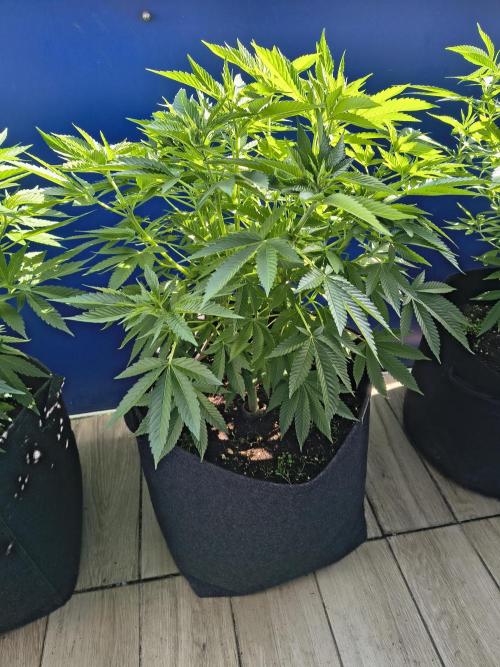
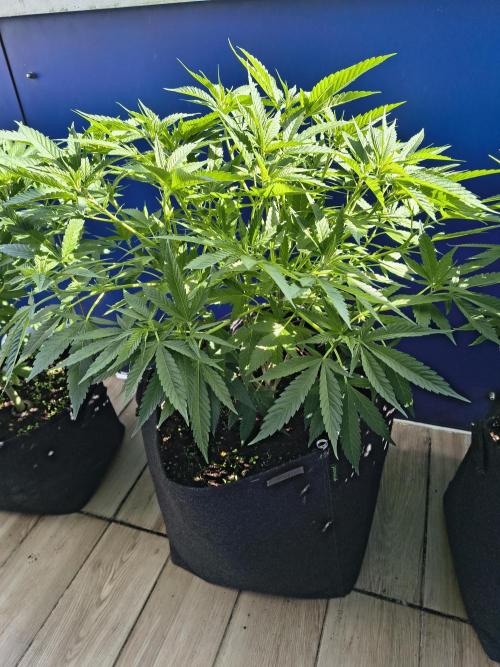
JaramnieJazz 20.05.26 Weiter geht's der Klee kommt auch langsam man sieht schon erste kleine Sämlinge
24.05.26 Und schon wieder ein Eintrag Weck Pflanzen kommen bombe. Und mega Wetter
25.05.26 Läuft
26.05.26 Läuft super Wetter hab ein bisschen an den Stielen gerieben und Skunk Haze riecht süß floral fast wie huba bubba oder juicy fruit ,Sour Diesel ⛽ hat einen würzigen Eigengeruch den ich nicht zuordnen kann, Chocobang sehr intensiv fast wie Parfum, GDP 💜 interessanten Eigengeruch den ich nicht zuordnen kann,Black Lemon 🍋 wie Zitrone oder Zitronenbonbons richtig lecker man riecht richtig diesen fizzzz Zitrone 🍋, Apple Betty 🍎 Dunkel irgendwie vielleicht diese Dessert note?
13 likes
comments
Share
Used techniques
Defoliation
Technique
Love
Technique
17
Week 17. Harvest4mo ago
Happy Harvest Day!
Spent 241 days
Ger Veg Flo Har
1
Plants
3 m²
Grow Room size
Easy
Difficulty
Height
Day air temperature
Air humidity
Light schedule
Solution temperature
Night air temperature
Pot size
Lamp distance
JaramnieJazz Leider tot
7 likes
comments
Share
Equipment Reviews
17
Week 17. Harvest4mo ago
Happy Harvest Day!

Spent 241 days
Ger Veg Flo Har
1
Plants
Height
Day air temperature
Air humidity
Light schedule
Solution temperature
Night air temperature
Pot size
Lamp distance
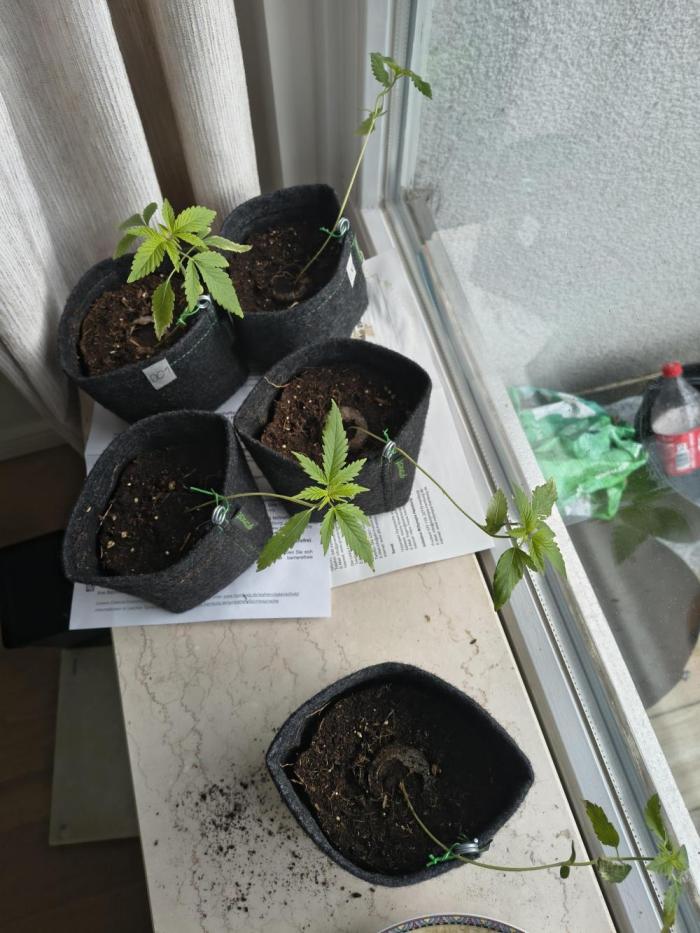
JaramnieJazz Nicht überlebt
10 likes
5 comments
Share
Equipment Reviews
18
Week 18. Vegetation4mo ago
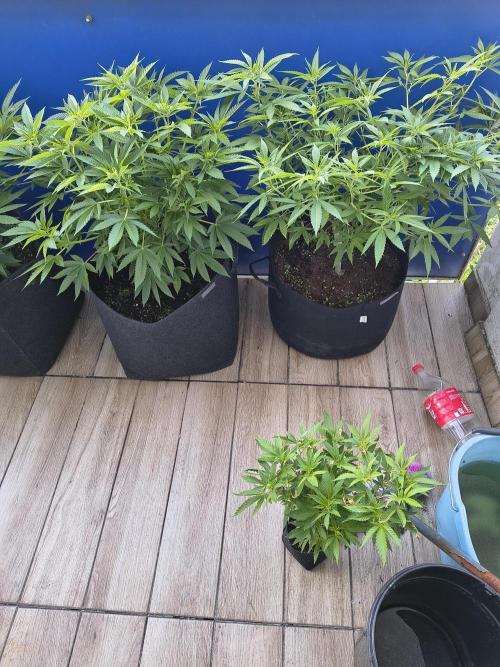
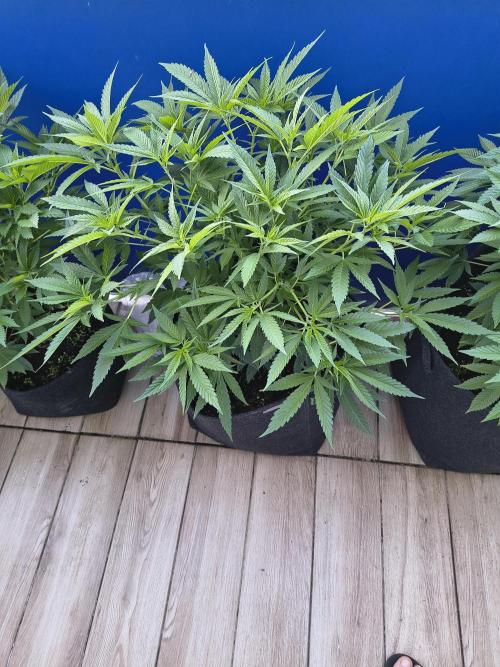
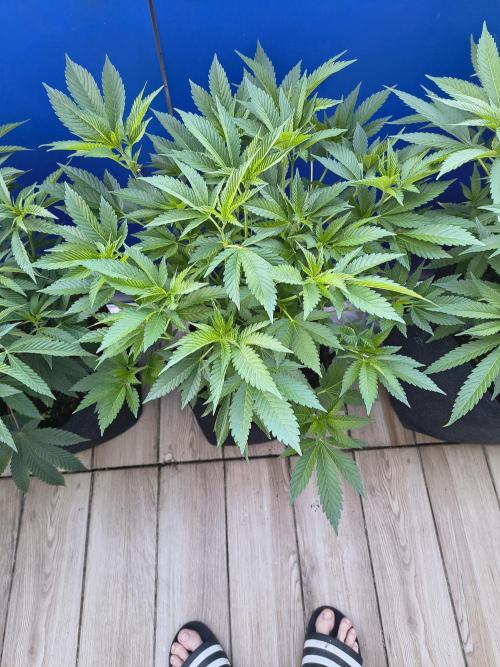
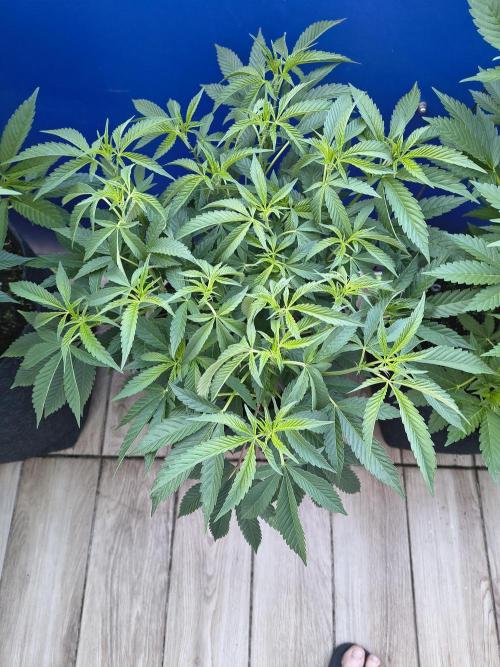
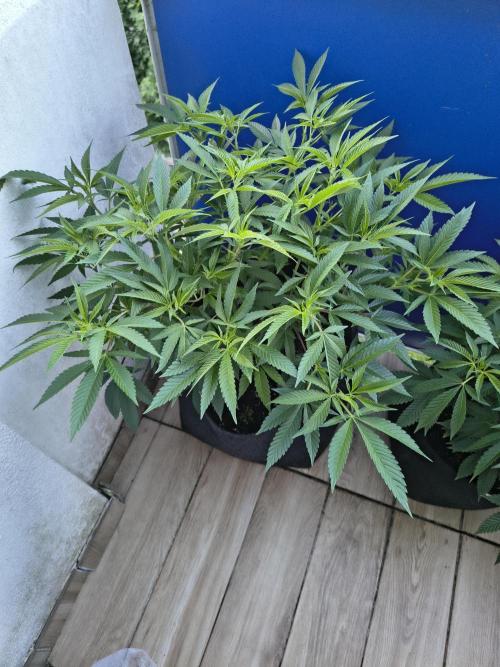
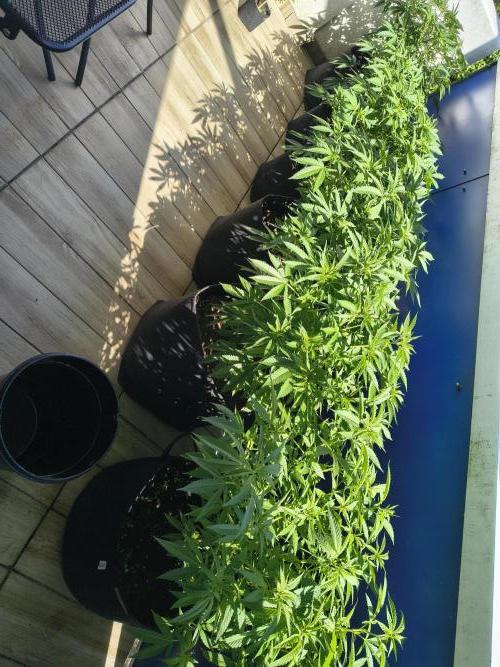
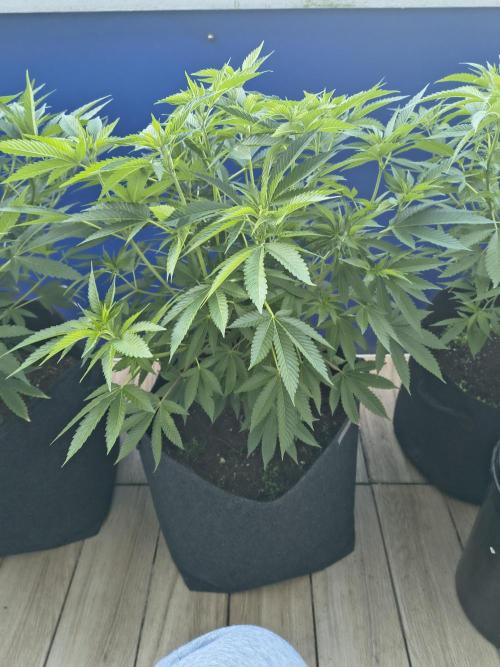
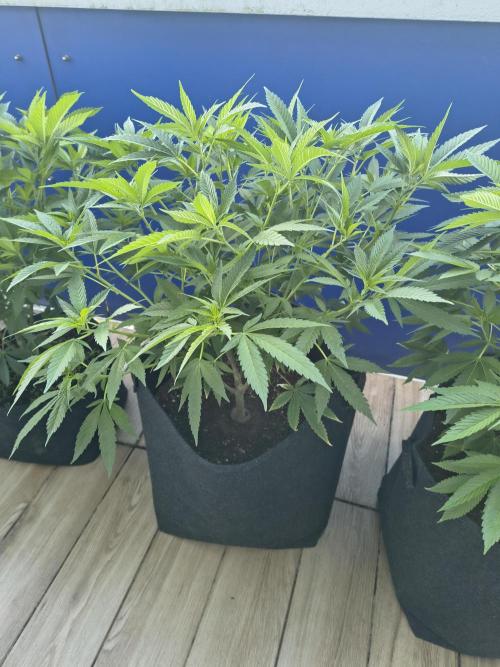
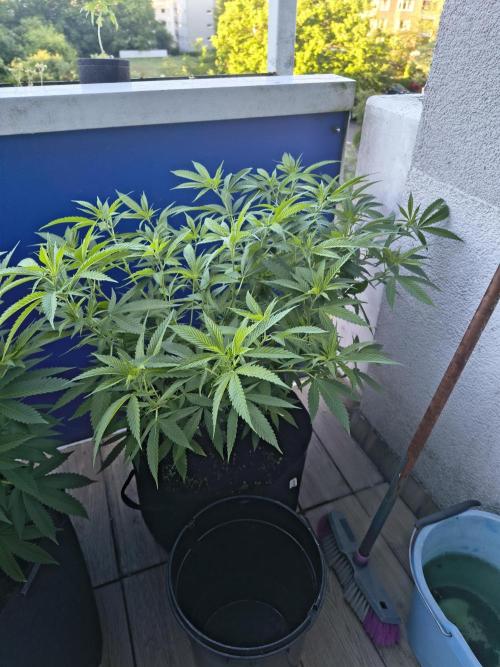
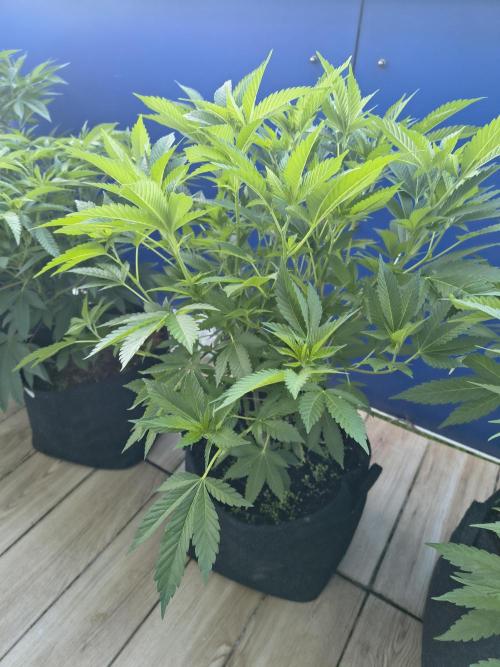
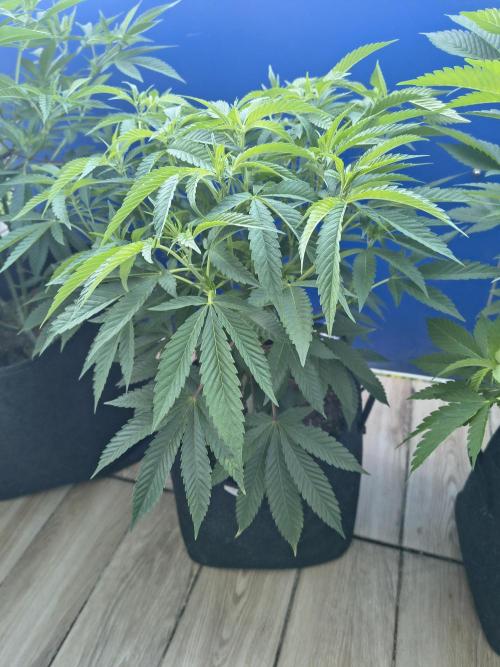
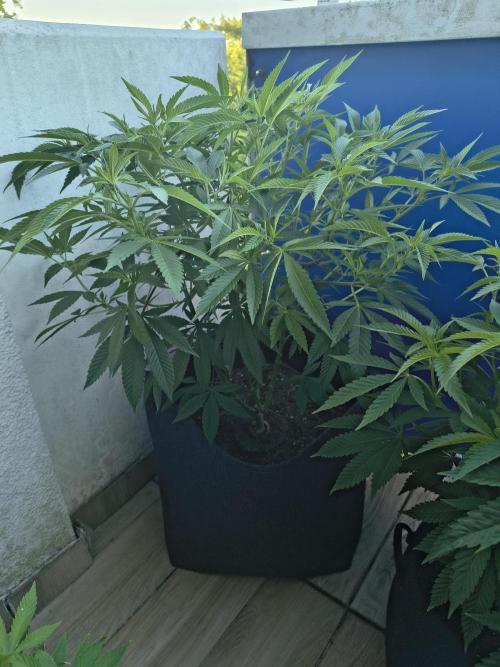
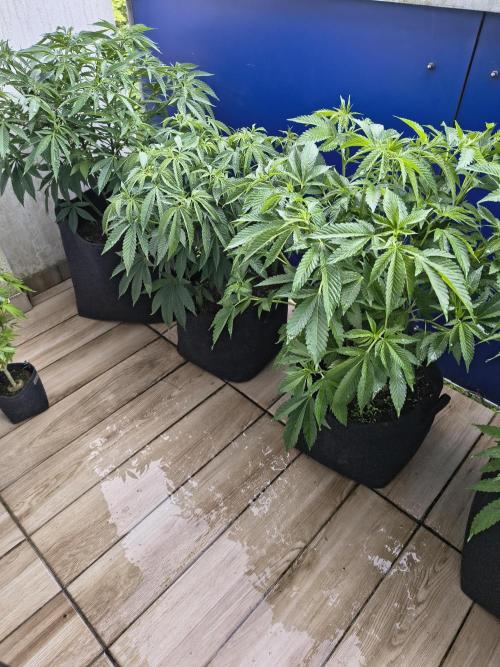
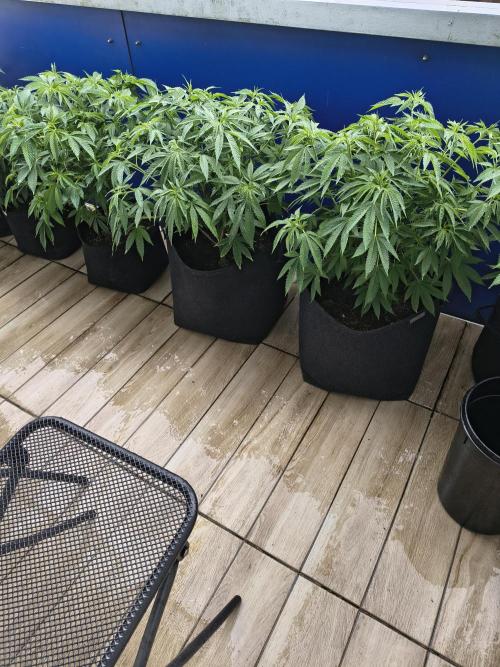
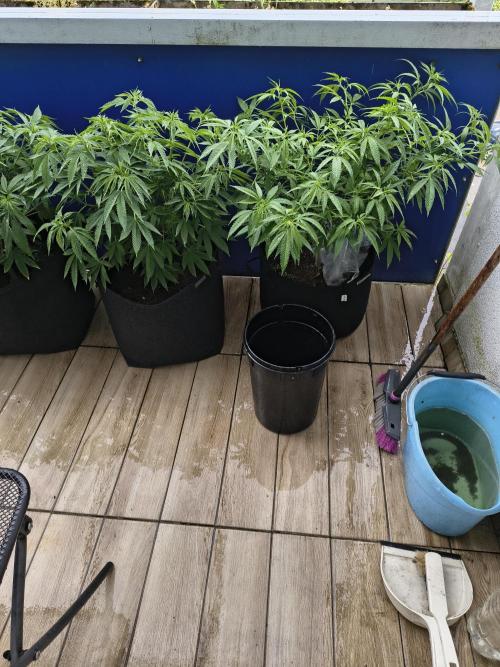
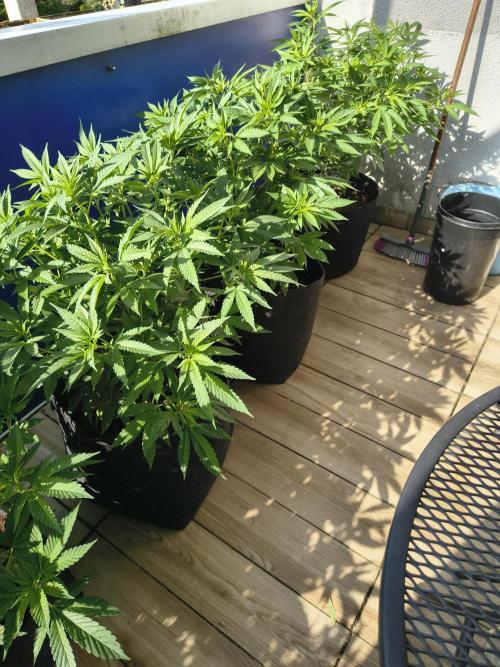
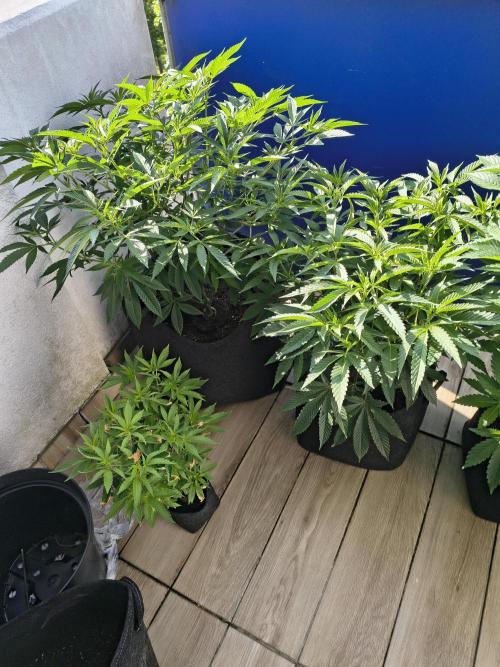
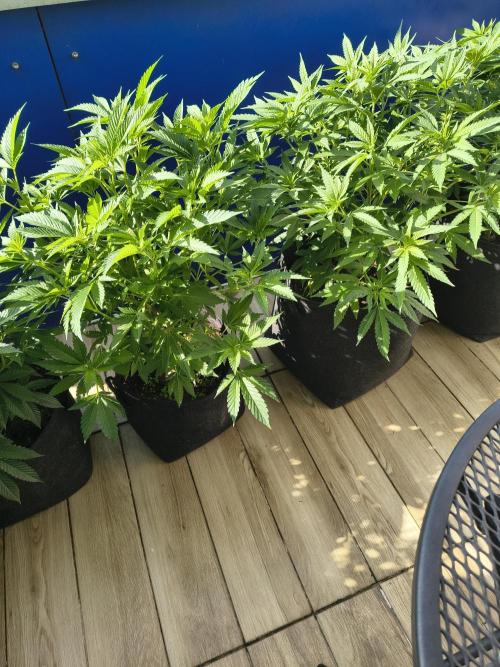
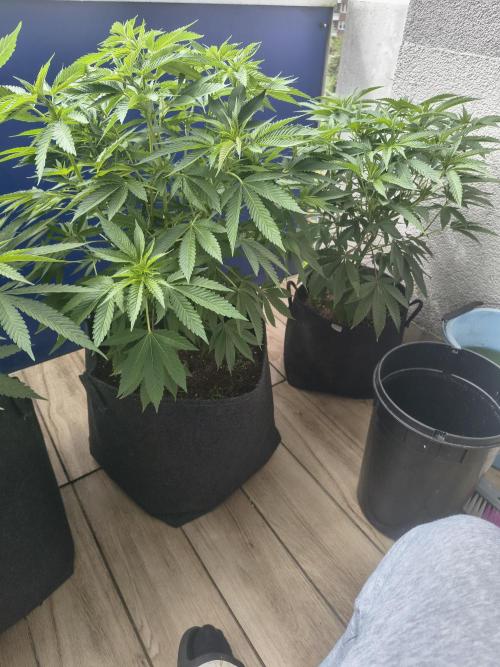
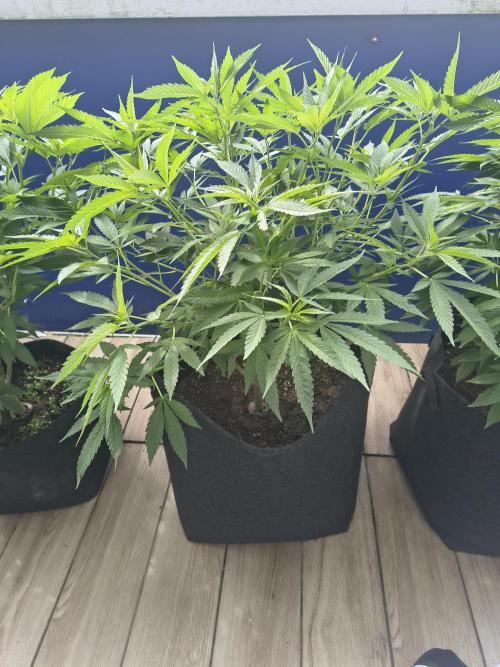
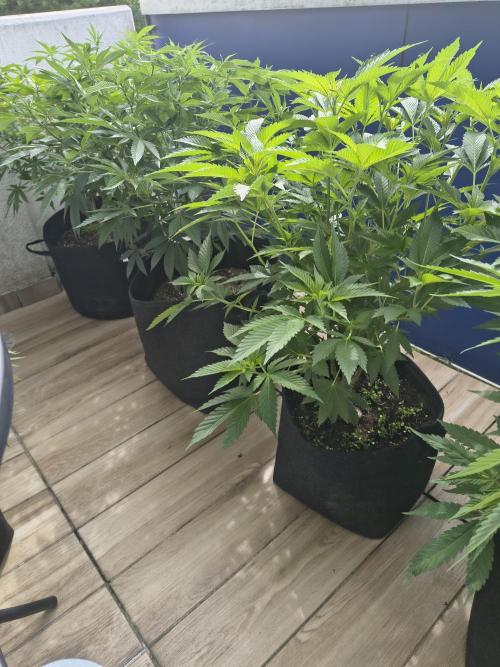
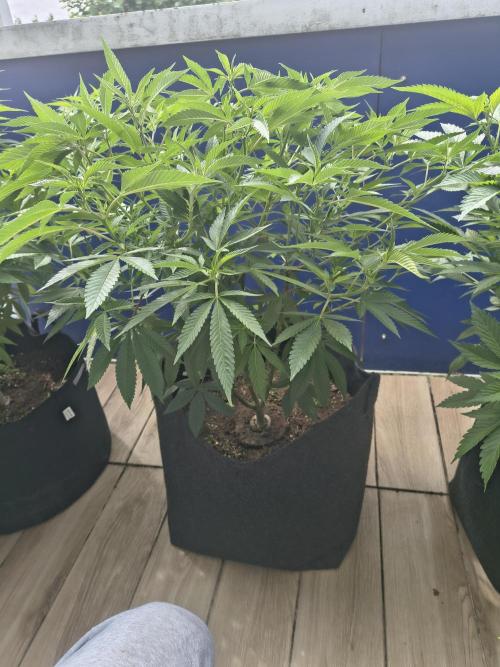
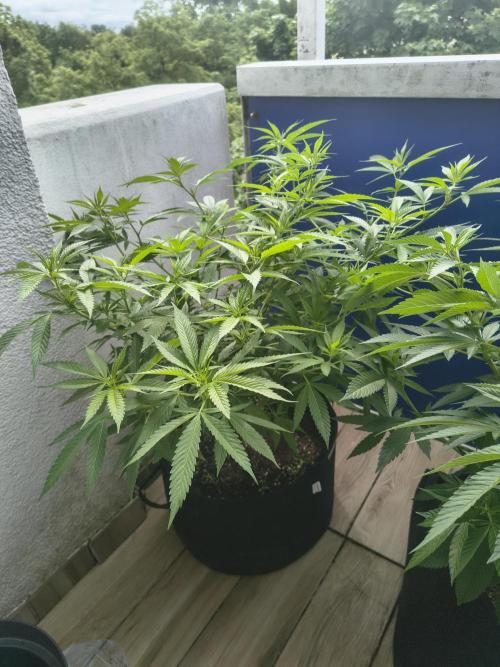
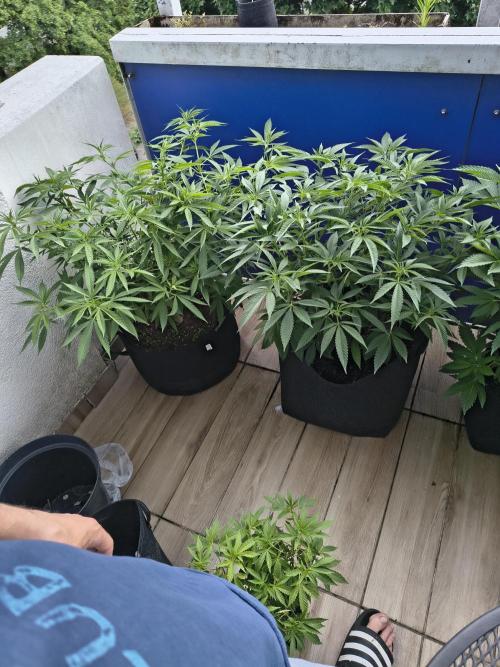
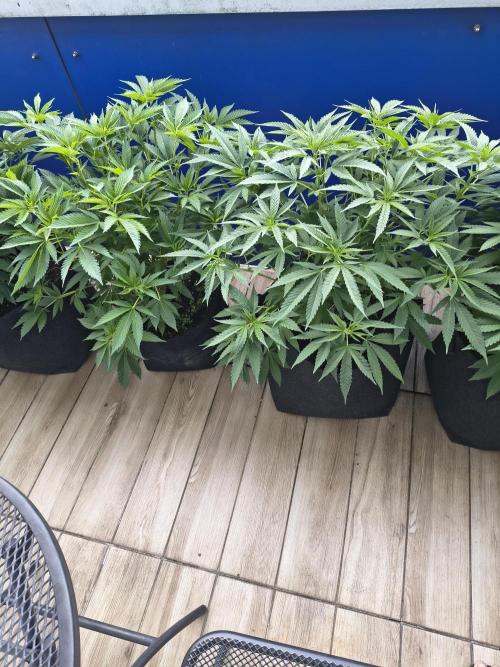
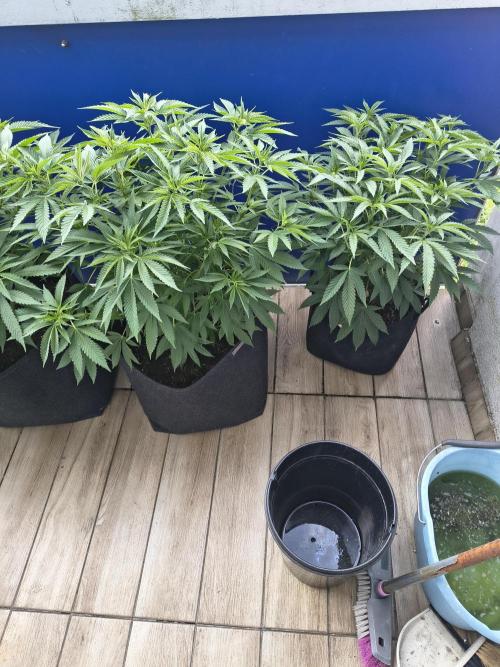
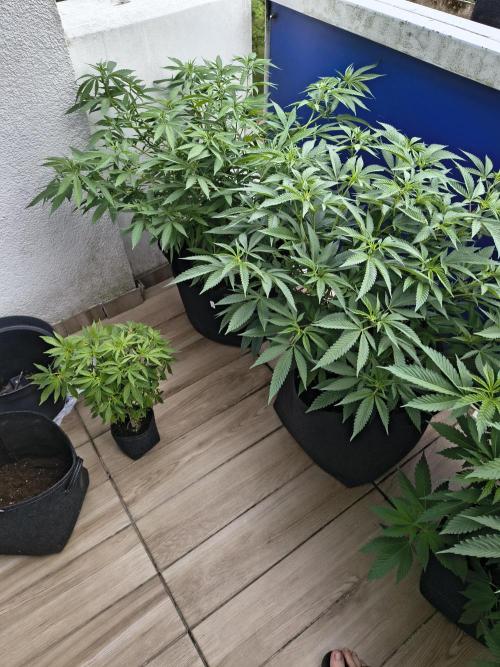
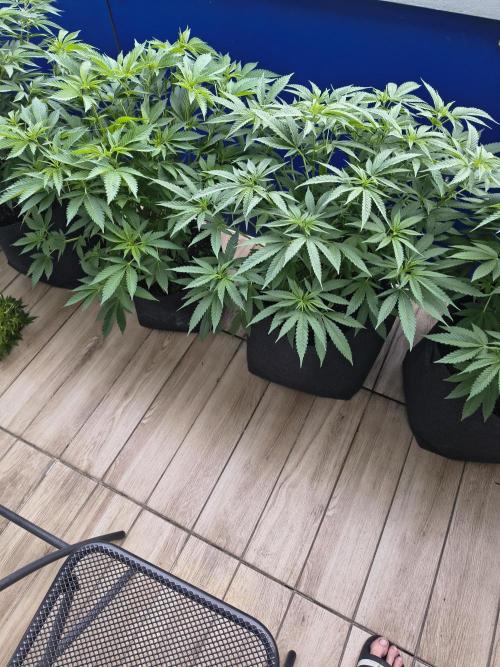
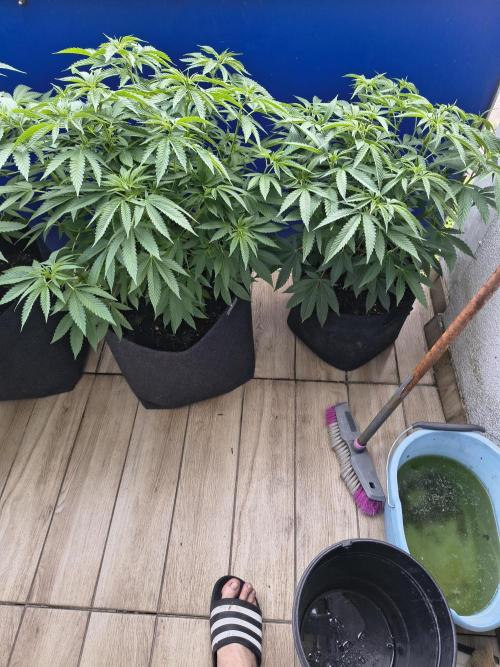
60 cm
Height
16 hrs
Light Schedule
28 °C
Day Air Temp
Normal
Smell
56 %
Air Humidity
20 °C
Solution Temp
12 °C
Night Air Temp
39 liters
Pot Size
200 cm
Lamp Distance
JaramnieJazz 27.05.26 So start von Woche 18 alles läuft super besser geht nicht die Frage ist was am ende bei rumkommt das Wetter kann dem ganzen noch ein Strich durch die Rechnung ziehen Daumen drücken ✌️🕊️
28.05.26 Läuft hab überlegt ob ich nicht so ein Maschendrahtzaun kaufe und den in 75 x 75 cm stücke zurecht schneid und dann auf die Pflanzen lege wo ich dann die ganzen Triebe ein tütle wäre glaube ich ne gute Idee weil so langsam muss ich anfangen weiter zu trainieren der Balkon wird voll werden jetzt ist angesagt so viele Triebe wie möglich gut entwickelt nach oben oder hoch und zur Seite zu haben die im besten Fall über das Geländer ragen das alle Triebe gleich viel Licht bekommen die Zeit jetzt entscheidet wie die in der blühte aussehen werden und wie die Ernte ausfallen wird Wetter mal nicht bedacht peace
29.05.26 Läuft bis jetzt haben nur Skunk Haze ? und GDP 💜 Wasser bekommen und GDP hat sich super entwickelt sieht fast so groß aus wie die in 38L und es sieht so aus als ob Apple Betty 🍎 sich endlich erholt hat und nicht mehr rumzickt die ließ sich nicht so gut trainieren wie die anderen Black Lemon 🍋 ist auch ne kleine Mimose kommt aber stark jetzt 💪Skunk Haze ? ist ein Monster geworden sehr dünn viel Licht kommt in die Pflanze man sieht die Haze Seite ,Sour Diesel ⛽ der eine trieb wächst jetzt nach unten ich werden sie auch nicht weiter trainieren die bleibt jetzt so mal schauen
30.05.26 Läuft
31.05.26 Läuft Skunk Haze ein bisschen LST gemacht eigentlich nur die triebe in eine Höhe gebracht sie ist so Scheisse dünn und ein gewir aus Ästen sehr leicht zu trainieren voll Sativa mal schauen was das wird.GDP kommt super ist riesig geworden.Sour Diesel hat jetzt einen Orangen Geruch bekommen beim Stemrub lecker
01.06.26 Läuft Grand Daddy Purple 💜 geht ab macht den anderen Pflanzen in den 38L Säcken Konkurrenz
02.06.26 Letzter Tag der Woche Läuft
12 likes
comments
Share
Used techniques
Defoliation
Technique
LST
Technique
Love
Technique
19
Week 19. Vegetation4mo ago
70 cm
Height
16 hrs
Light Schedule
28 °C
Day Air Temp
Normal
Smell
56 %
Air Humidity
20 °C
Solution Temp
12 °C
Night Air Temp
39 liters
Pot Size
2 liters
Watering Volume
200 cm
Lamp Distance
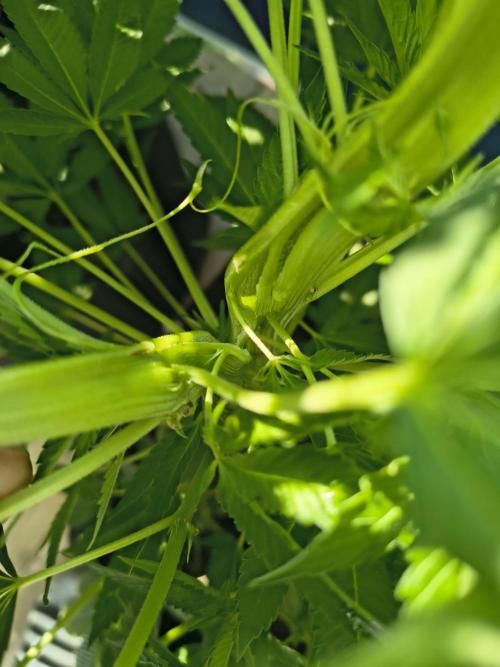
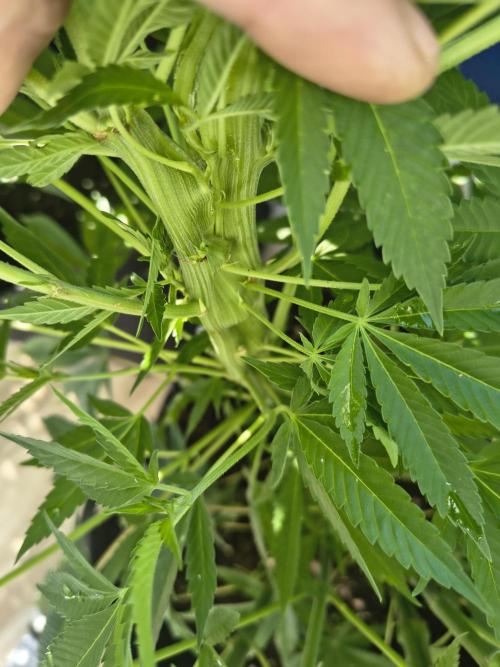
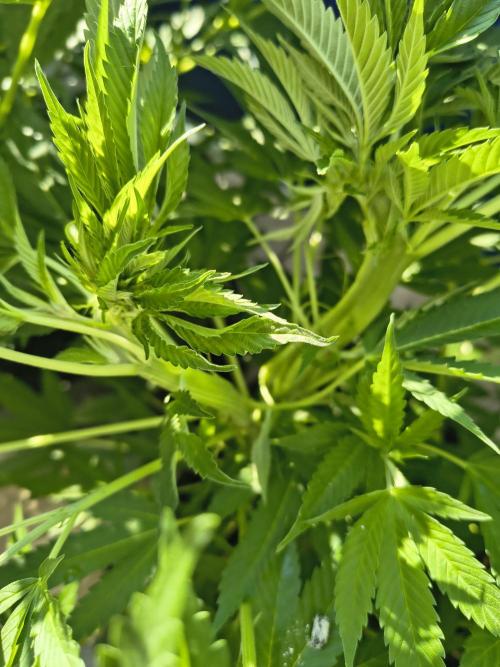
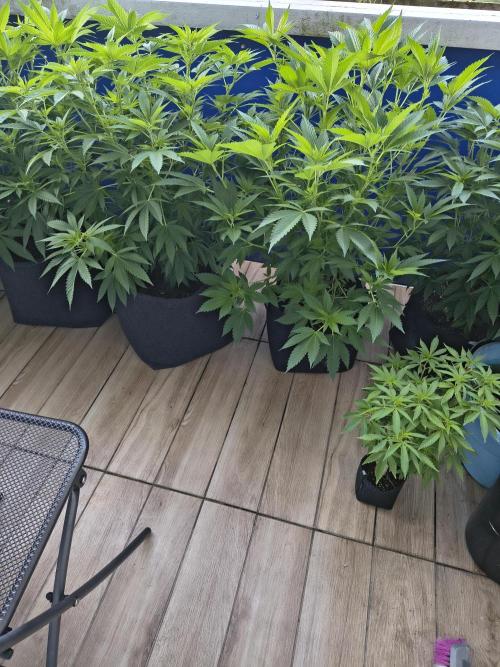
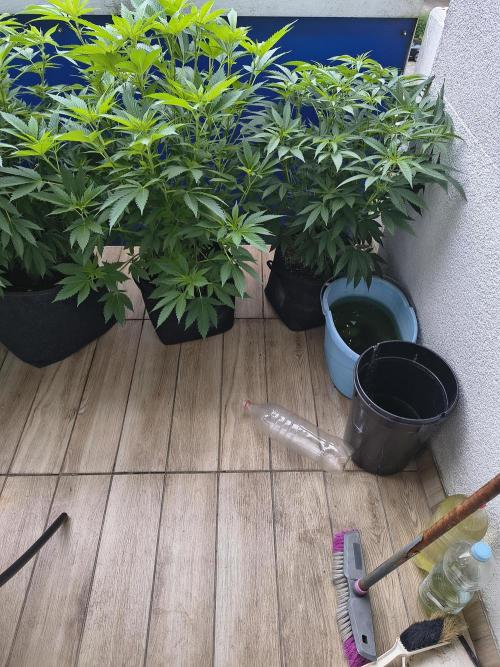
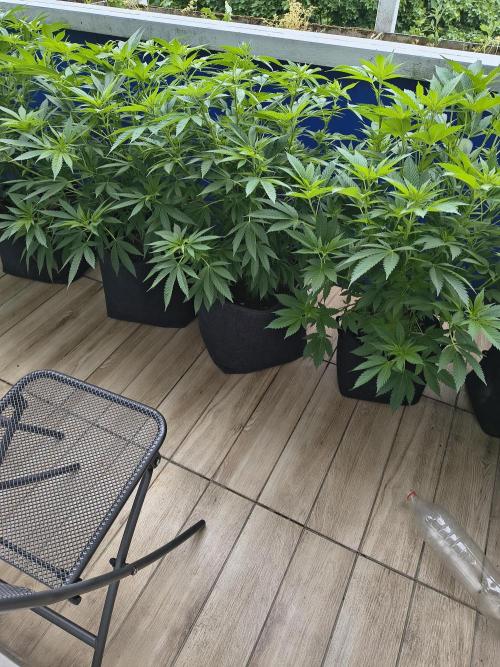
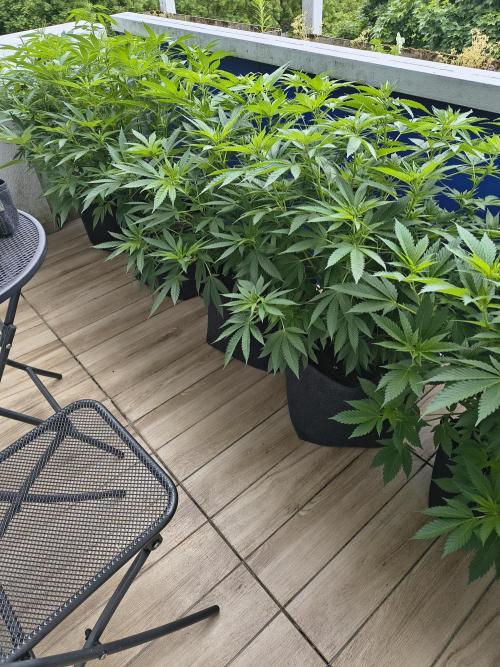
JaramnieJazz 03.06.26 Erster Tag der 19 Veg Woche ...Läuft im Video die Reihenfolge ist: Black Lemon, Sour Diesel, Chocobang, GDP, Apple Betty, Skunk Haze
04.06.26 Letzte Tage nur Regen hoffe es wird besser die Tage und Wochen ist aber noch Zeit bis zur Blüte die Frage ist nur wann, wie die Jahre zuvor am 01.08 oder doch früher wie letztes Jahr und es regnete nur und versaute mir die Ernte letztes Jahr
Daumen drücken
05.06.26 Läuft die kleinen wachsen und scheinen immer noch nicht hungrig zu sein haben immer noch ein schönes Grün wäre cool wenn ich gar nicht mehr füttern müsste aber wenn ich sie zum 01.08.26 in die Blüte schicke werden sie wohl was haben müssen sind noch 2 Monate und 1 Monat sind sie schon in den end Töpfen wir werden sehen muss weiter beobachten werden 🏻 Peace
06.06.26 Läuft das Wetter scheint auch besser zu werden ich hoffe nur ich bekomme das hin alle Tops gut zu entwickeln weil es sind teilweise so über 30 Stück bei der Apple Betty zB
Und ich glaube ich benutze Mental Rainbow 🌈 zum Samen machen sie wird einfach Gang gebangt von allen Männchen die ich finde der name past ja auch Rainbow 🌈 alle Farben des Regenbogens werde dazu die Männchen falls ich welche finde mit ihr Weck bringen damit ich hier nur ausgewählte Äste bestäuben kann und sie wird ja.....,😚😘😍🌋❤️🔥❤️🌈
Hab an der Sour Diesel Rum gespielt und den einen doppelten trieb geteilt der andere hat sich von selbst geteilt 1 von den 2 wächst normal der andere aber als ob es immer noch 2 wären da es zur Seite wächst wie der trieb den ich geteilt habe jetzt liegt das Innere des stiehls frei hoffe das da kein Infekt/Pilz sich breit macht ansonsten werde ich ihn abschneiden muss weiter beobachtet werden Peace 🏻 🕊️
08.06.26 GDP geht ab
09.06.26 Läuft das Wetter ist leider Mies hoffe das geht nicht so weiter sonst endet es noch wie letztes Jahr
10 likes
2 comments
Share
Used techniques
Defoliation
Technique
Love
Technique
20
Week 20. Vegetation4mo ago
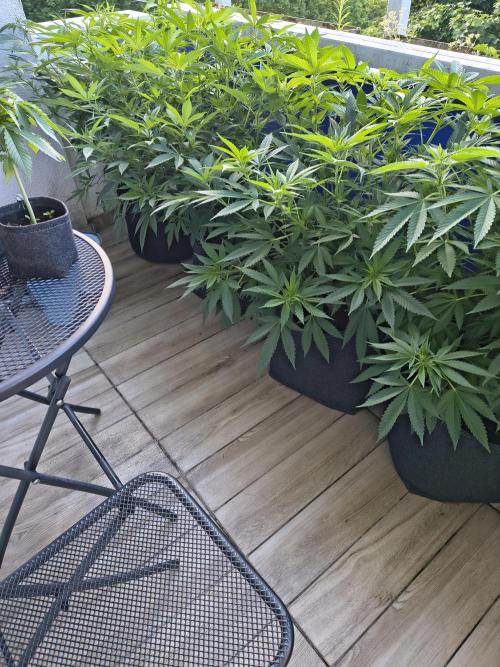
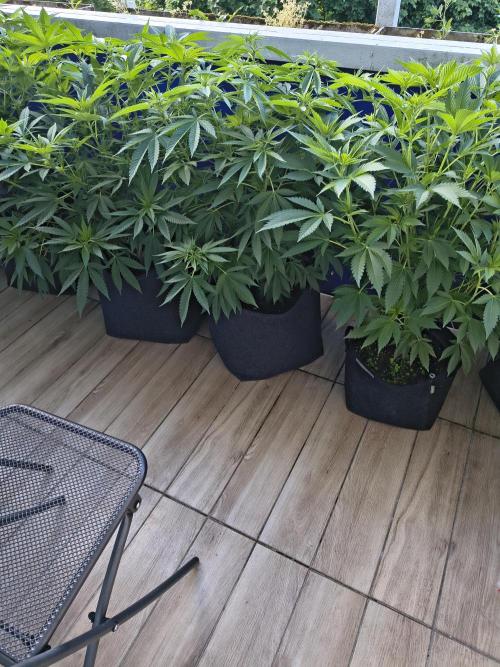
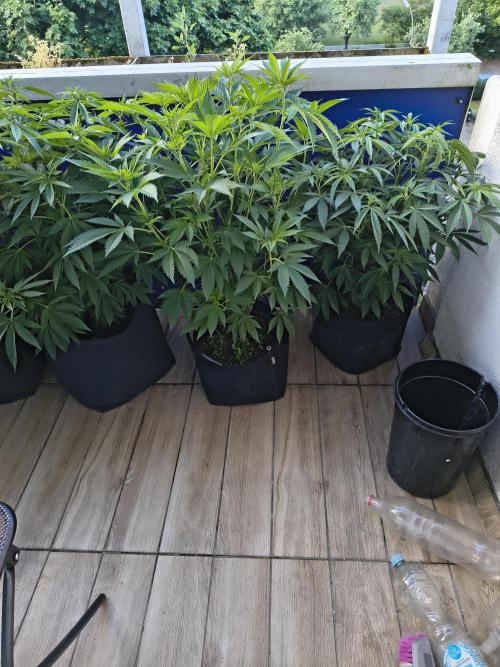
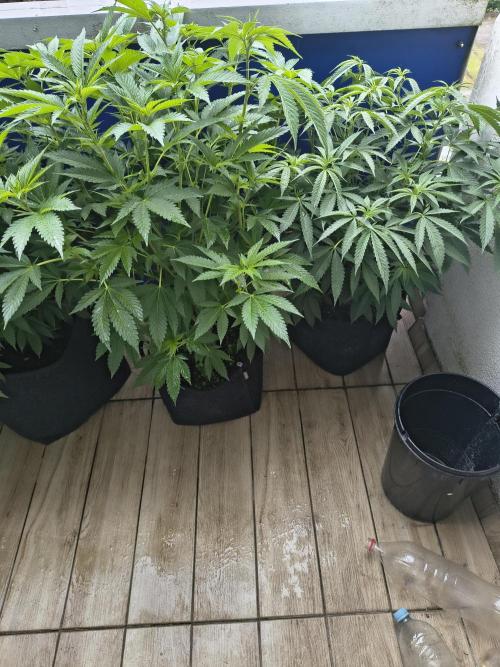
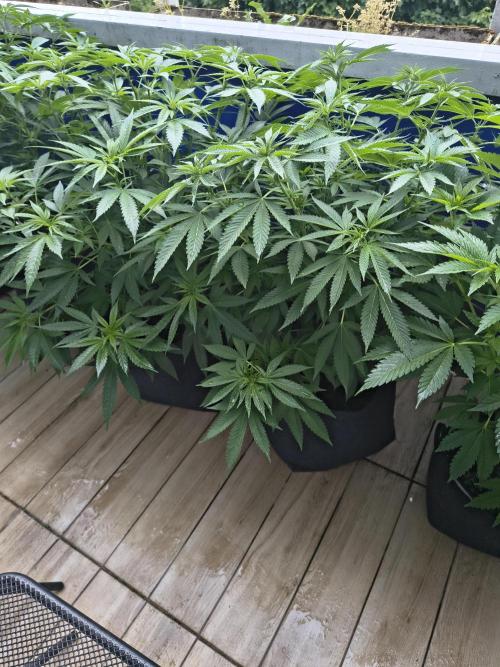
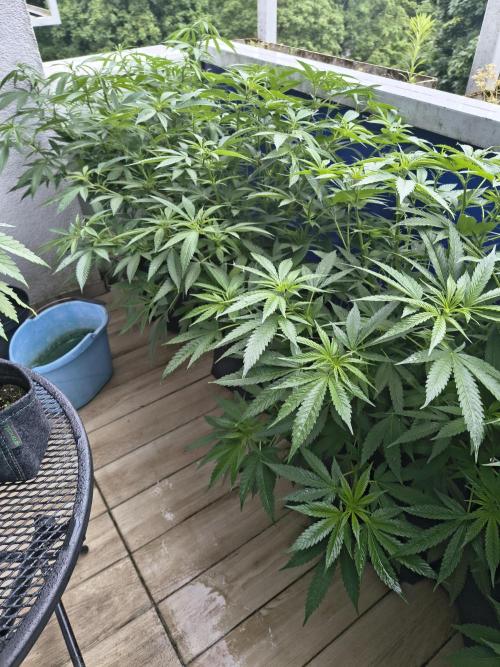
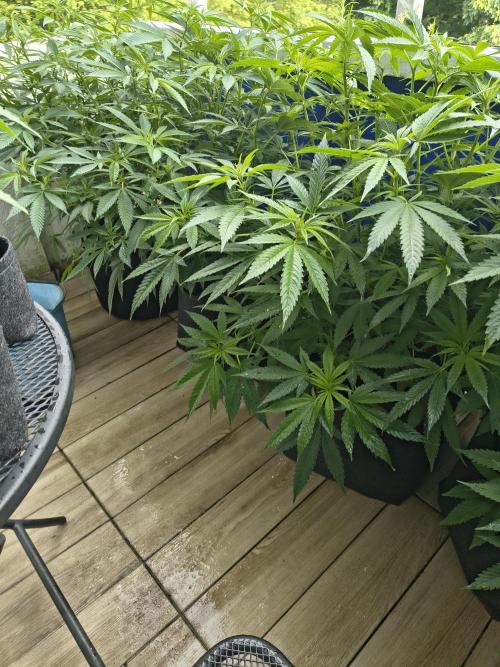
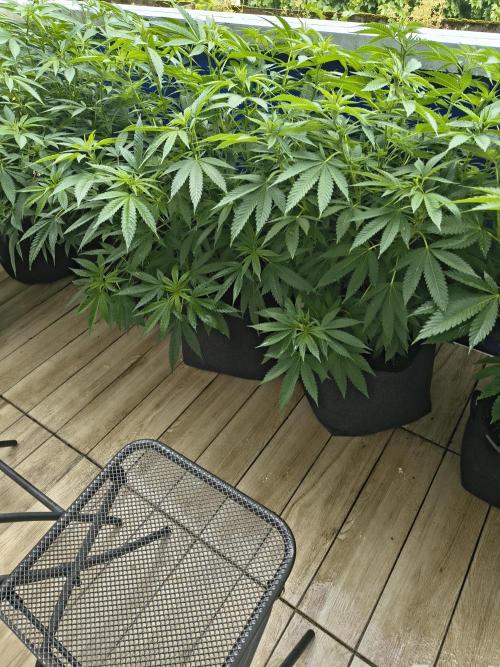
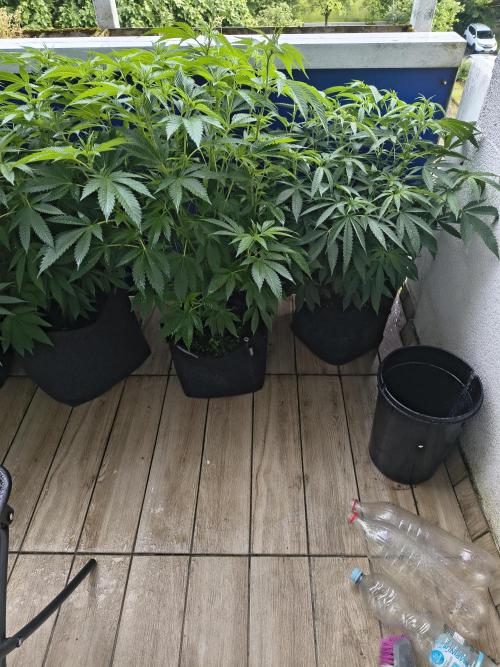
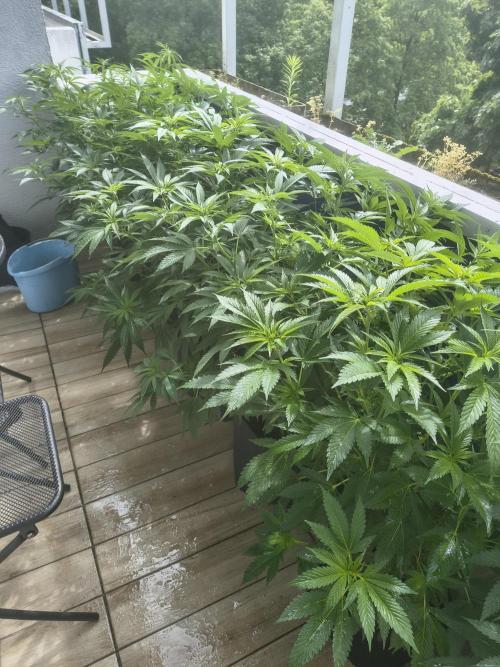
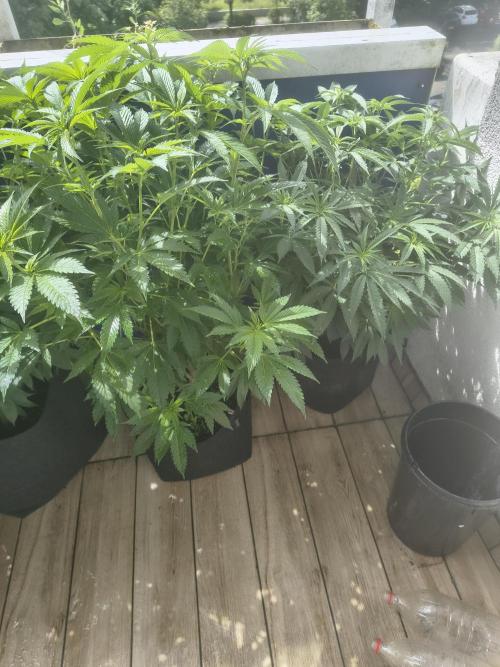
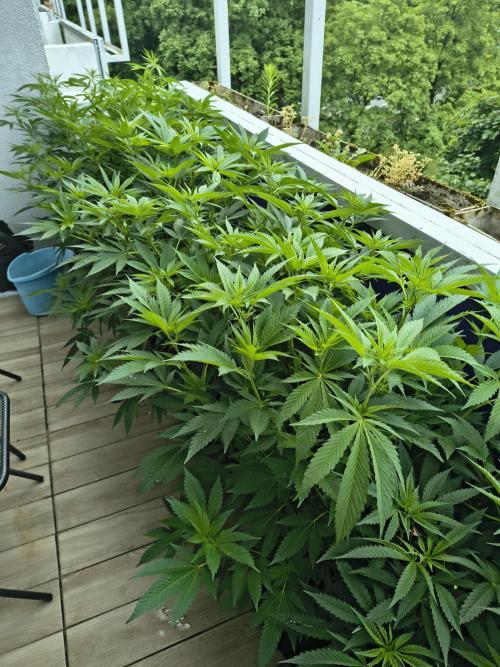
80 cm
Height
17 hrs
Light Schedule
18 °C
Day Air Temp
Normal
Smell
56 %
Air Humidity
20 °C
Solution Temp
7 °C
Night Air Temp
39 liters
Pot Size
2 liters
Watering Volume
200 cm
Lamp Distance
Nutrients 2

pH Perfect Sensi Grow Part A
1.5 mll

pH Perfect Sensi Grow Part B
1.5 mll
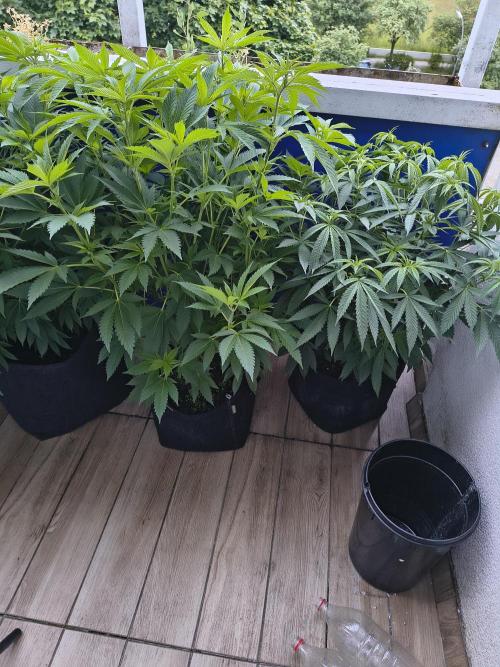
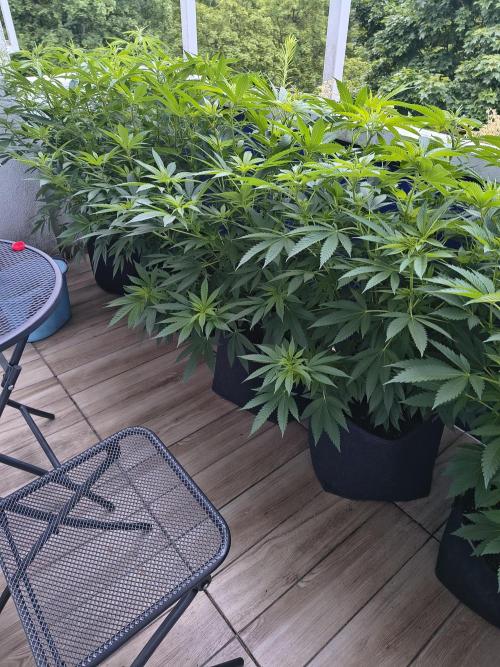
JaramnieJazz 10.06.26 Woche 20 Veg startet sieht top aus
11.06.26 Bombe
12.06.26 Läuft Wetter ist nur Scheisse ganze Zeit Regen hoffe nur das der September gut wird weil das die 2 Hälfte der Blühte ist dann könnte das was werden Pflanzen sehen bombe aus
13.06.26 Regen
14.06.26 Mehr Regen und Mental Rainbow hat ein neues Zuhause gefunden werden von Zeit zur Zeit ein kleines Update für sie machen + Bild
15.06.26 Sieht gut aus nur das Wetter könnte besser sein und ich könnte langsam anfangen zu füttern aber sicher bin ich mir nicht
16.06.26 Letzter Tag der Woche alles gut hab ein bisschen advanced nutrition sensi grow A und B je 2ml auf 1,5L Wasser gemischt und je0,75L Chocobang und GDP gegeben die beiden sind doch schon sehr hell geworden kann aber auch der ganze neue wuchs sein GDP gibt echt Gas und danach noch 2L Regenwasser mit je 3ml A und B gemischt und die 2L gleichmäßig unter Skunk Haze ,Apple Betty und Sour Diesel verteilt die sind alle ein bisschen hell aber sehen super aus nur Black Lemon hat nichts bekommen seit sie in Woche 14 auf den Balkon gekommen sind hab ich nichts gemacht weder gegossen noch gefüttert nur GDP musste ich 1L geben an heißen Tagen und da es ständig geregnet hat war der Aufwand minimal die wachsen von alleine
10 likes
comments
Share
Used techniques
Defoliation
Technique
Love
Technique
21
Week 21. Vegetation3mo ago
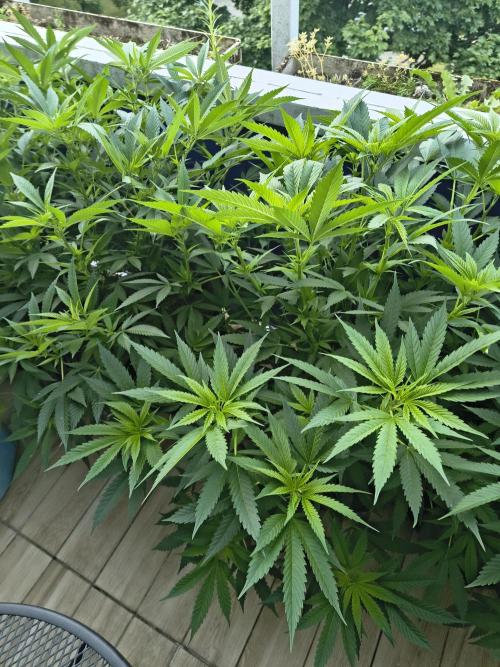
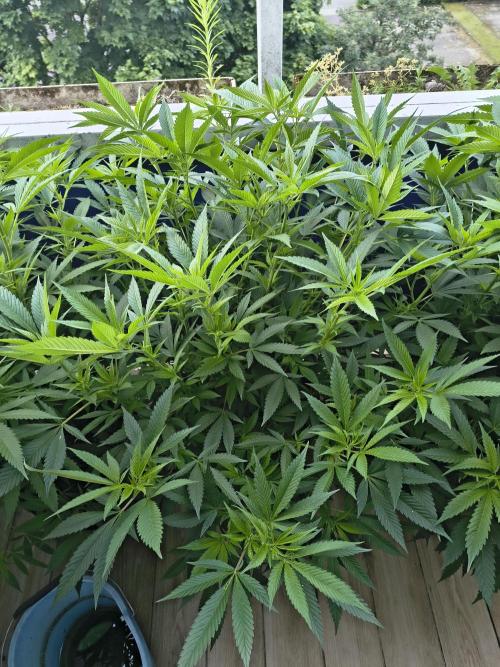
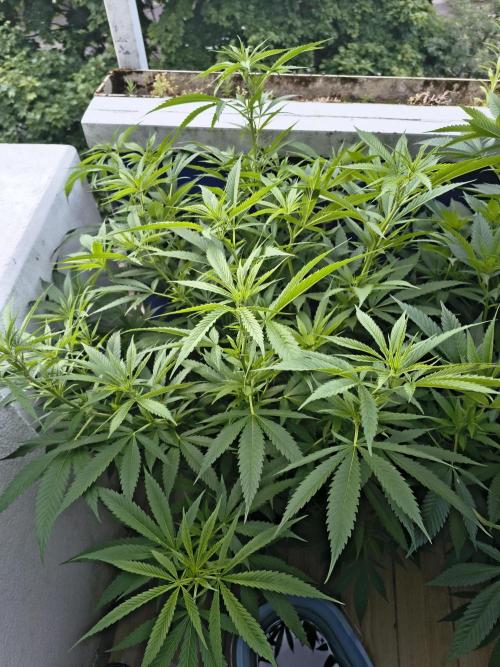
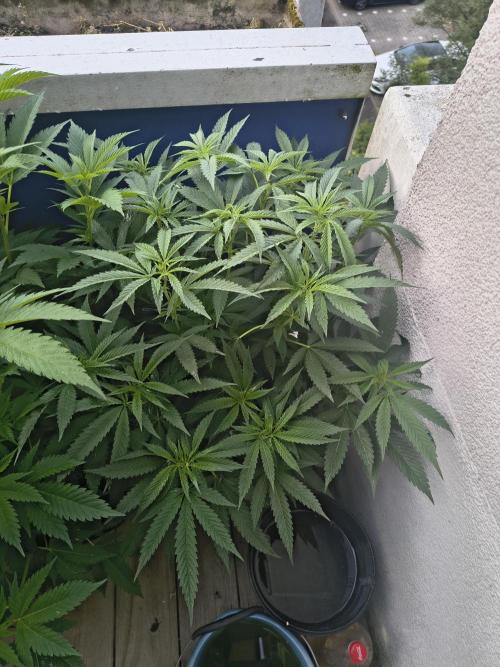
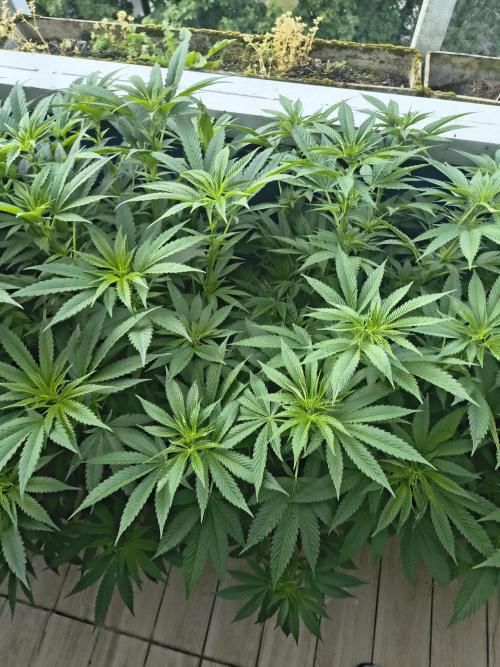
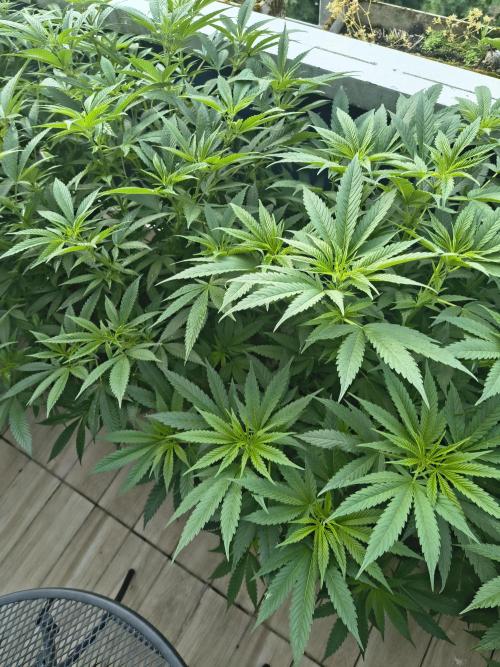
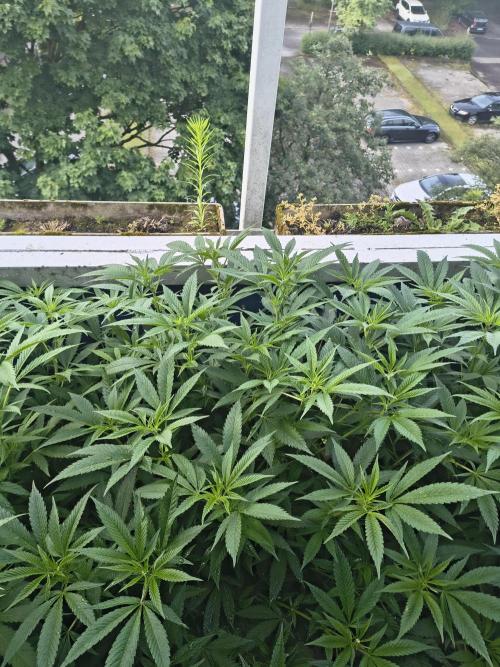
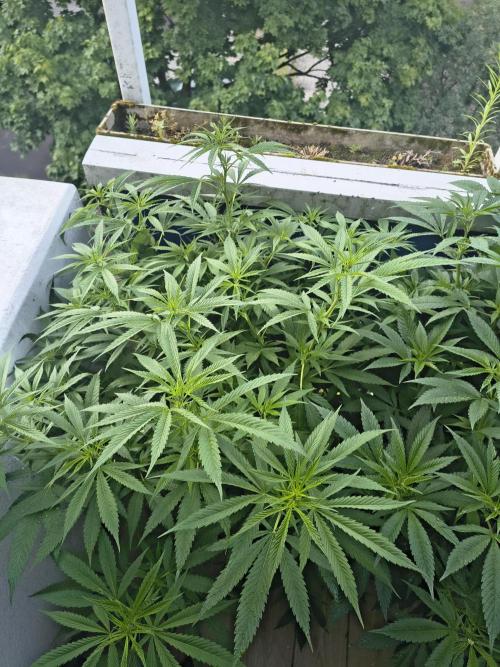
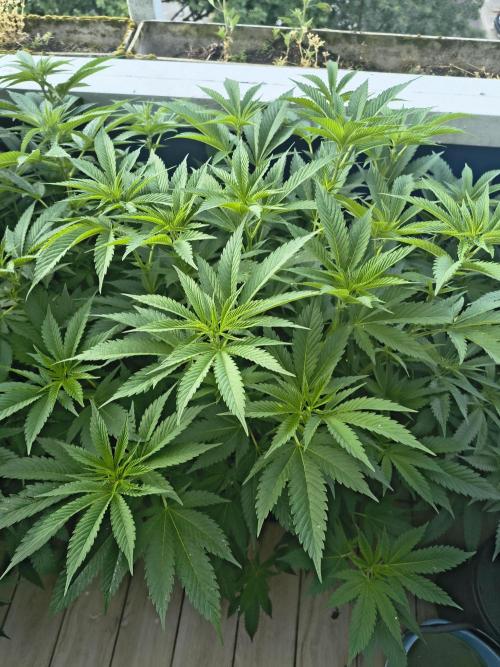
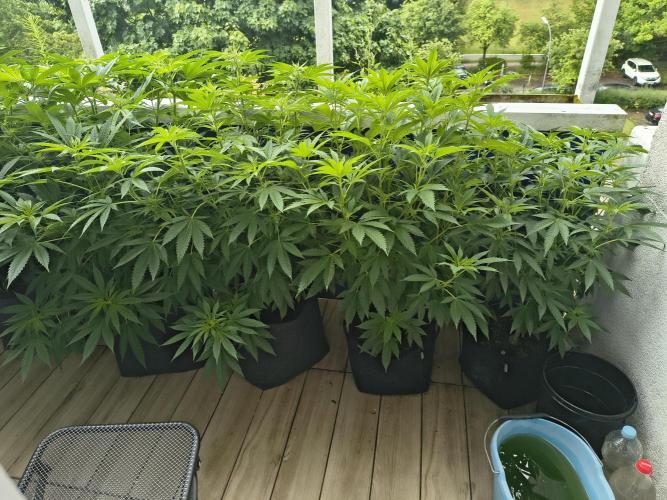
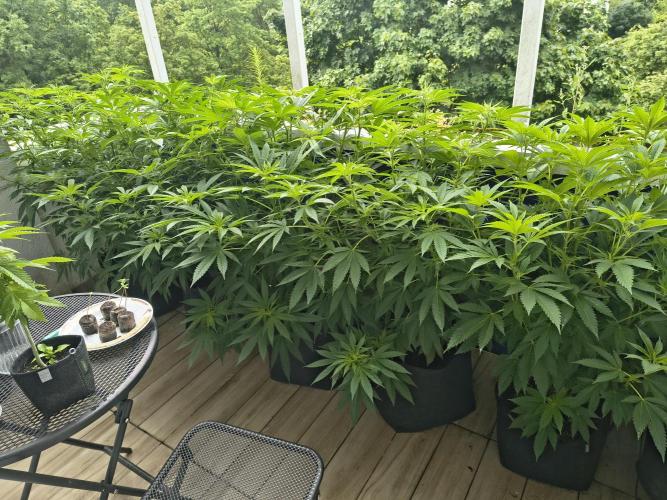
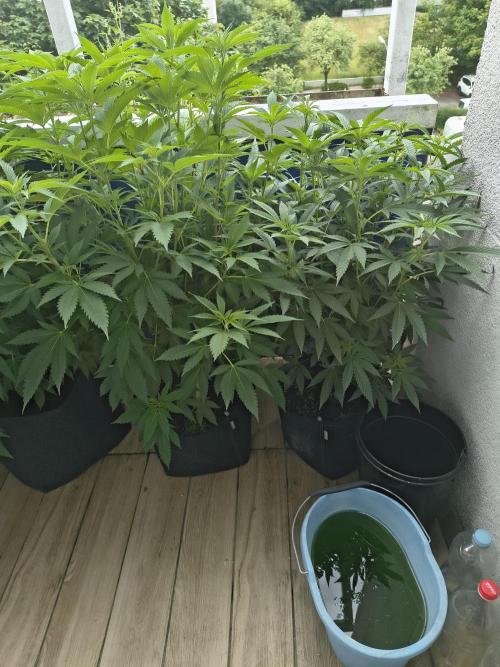
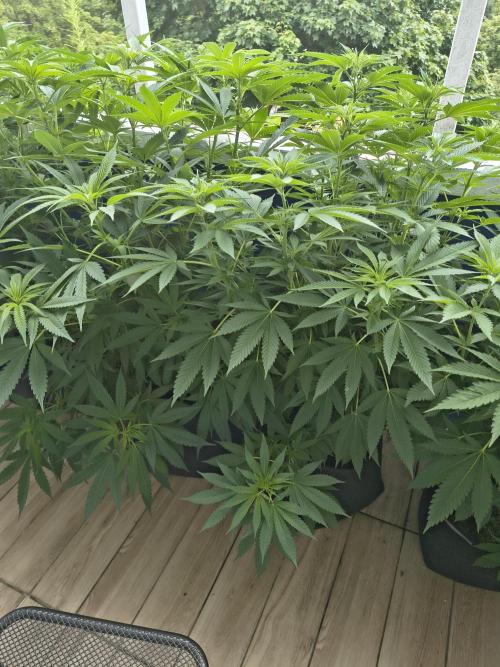
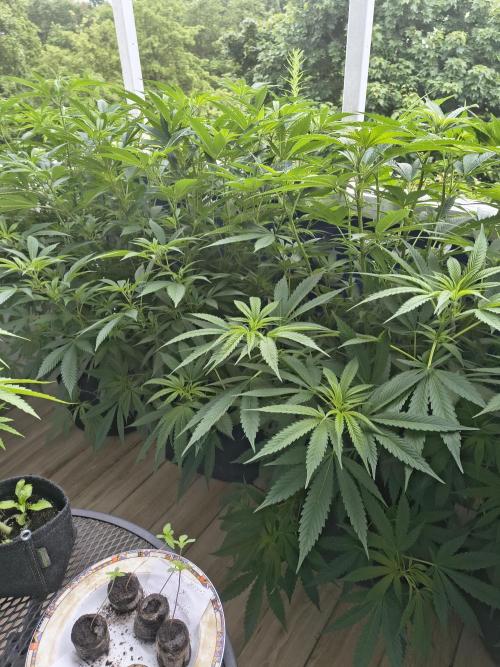
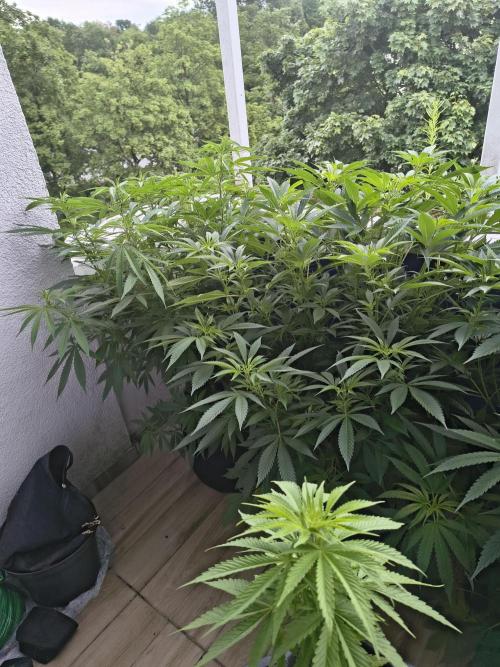
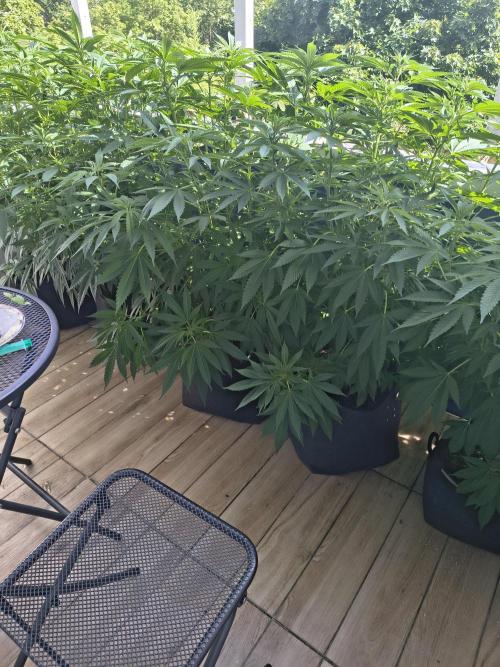
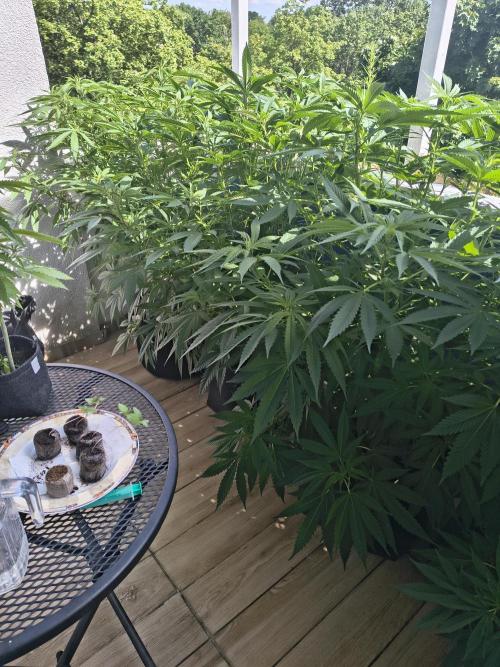
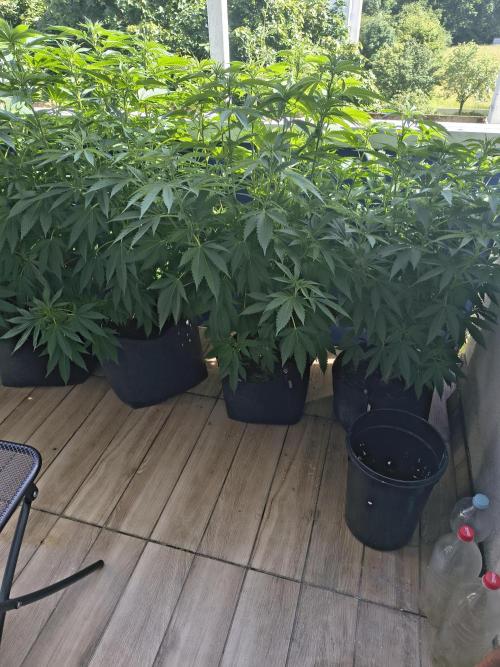
90 cm
Height
17 hrs
Light Schedule
18 °C
Day Air Temp
Normal
Smell
56 %
Air Humidity
20 °C
Solution Temp
10 °C
Night Air Temp
39 liters
Pot Size
2 liters
Watering Volume
200 cm
Lamp Distance
Nutrients 2
pH Perfect Sensi Grow Part A
1.5 mll
pH Perfect Sensi Grow Part B
1.5 mll
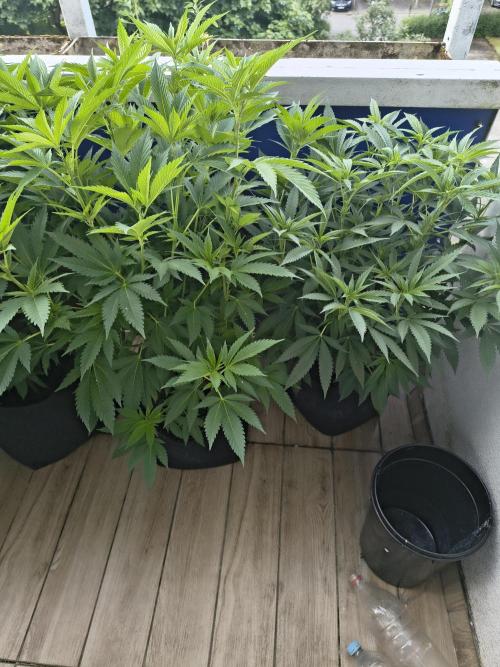
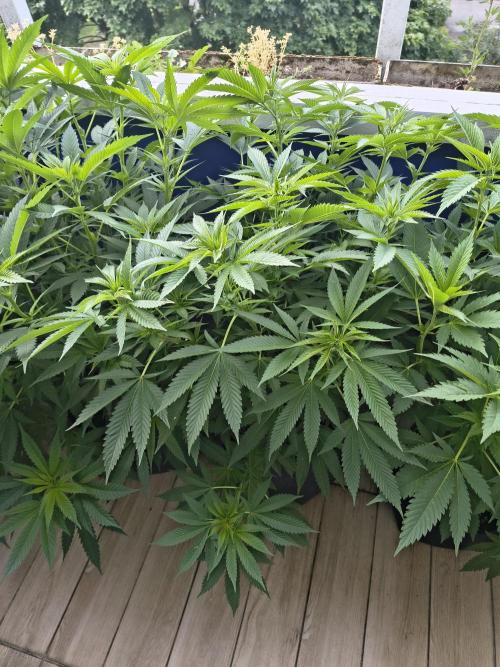
JaramnieJazz 17.06.26 So Woche 21 Veg startet alles sieht top aus
Die Dünger gabe gestern und heute hat echt was gebracht sind sofort dunkler geworden mit mineralischen Dünger geht das fix mit bio Dünger würde das min 1 Woche dauern bis man eine Verbesserung feststellt
18.06.26 Top nur das verfluchte Wetter
19.06.26 Regen und die Dünger gabe hat was gebracht sehen jetzt noch besser aus als vorher
20.06.26 Mehr Regen und heiß ist es Pflanzen sehen bombe aus die mögen den Regen guter PH die sehen so vital aus schönes Grün nur GDP sie ist eine hungrige und groß ist sie in ihren 15L mit ein bisschen mehr Dünger kann man die bestimmt noch weiter pushen wenn das so weiter geht und im September Mal mehr die Sonne raus kommt wird das eine Bomben Ernte Peace 🏻
21.06.26 Läuft
22.06.26 Wetter ist mal Bombe und soll noch heißer werden Morgens gegossen und nachmittags nachhause gekommen und alles hing hoffe nur das bleibt jetzt so
23.06.26 Letzter Tag der Woche alles super Wetter ist Bombe was will man mehr hab die ganzen kleinen Triebe die nicht genug Licht abbekommen haben und nicht mit dem canopy mithalten entfernt und entblättert kurz vor der blühte werde ich nochmals entblättern damit das Licht tiefer in die Pflanze kommt damit die nodien Licht bekommen und die Pflanzen Zeit haben sich zu regenerieren die sollen kein Stress in der blühte haben.Achso 1-2 kleine Triebe wurden gelassen die später bestäubt werden sollen falls ich ein Männchen finde bis jetzt hatte ich Pech 5 von 5 sind weiblich aber ich bin guter Dinge
9 likes
comments
Share
Used techniques
Defoliation
Technique
Love
Technique
22
Week 22. Vegetation3mo ago
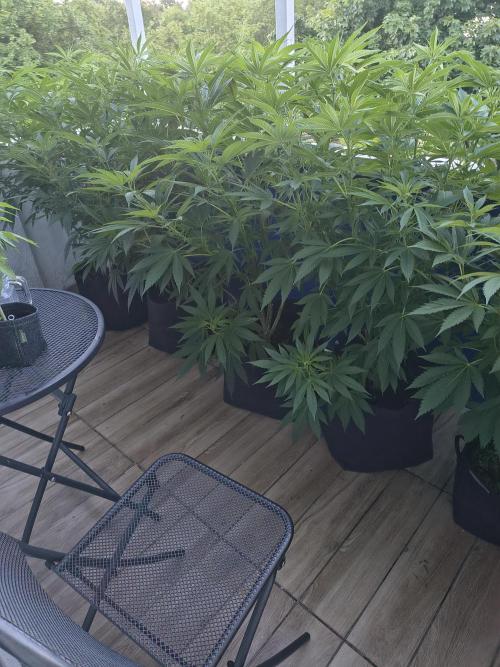
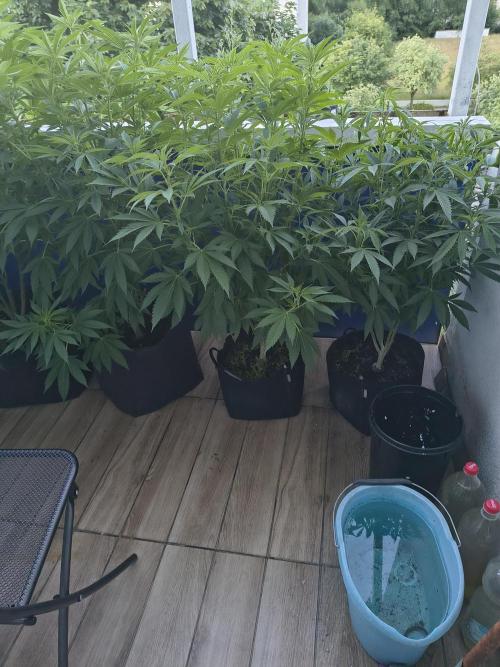
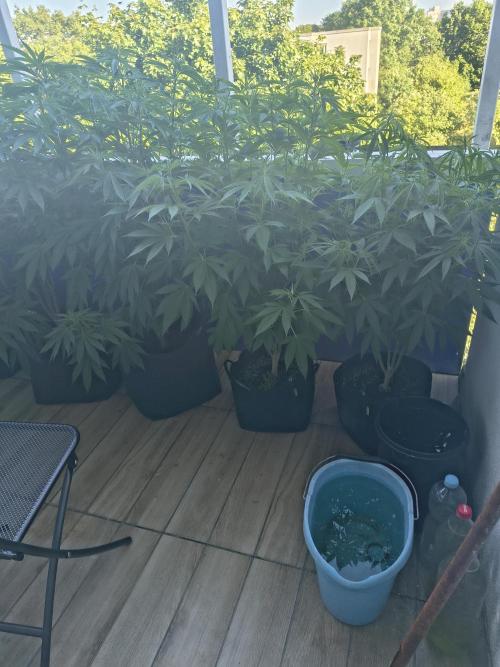
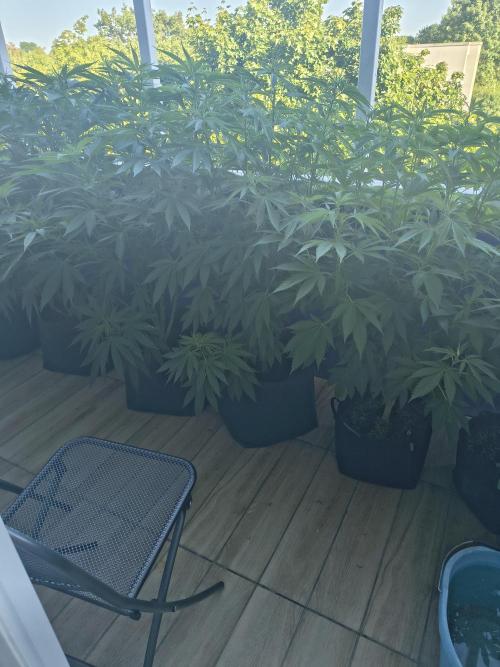
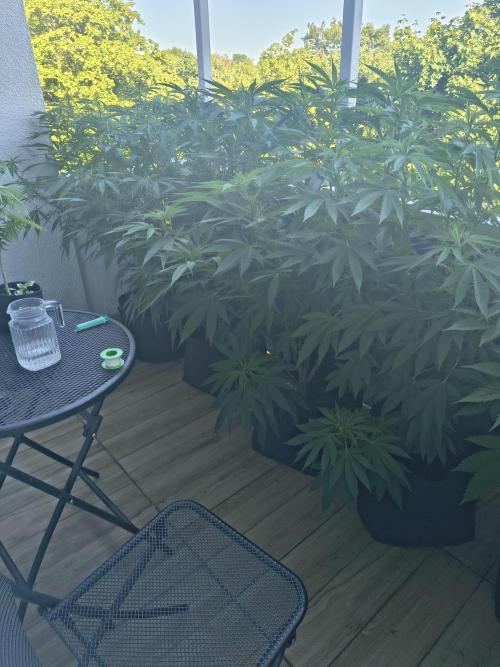
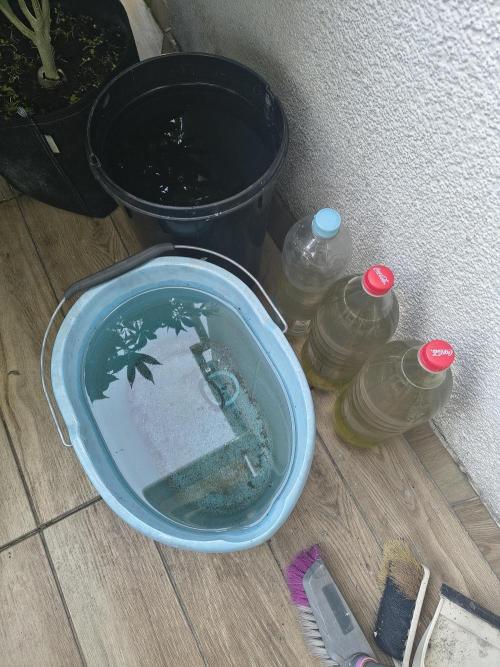
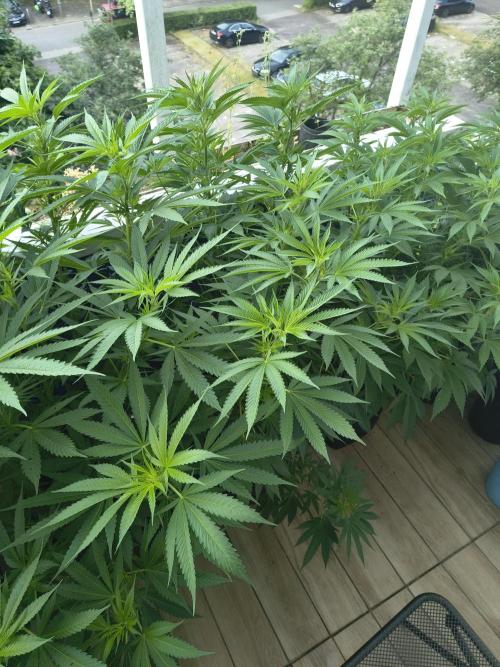
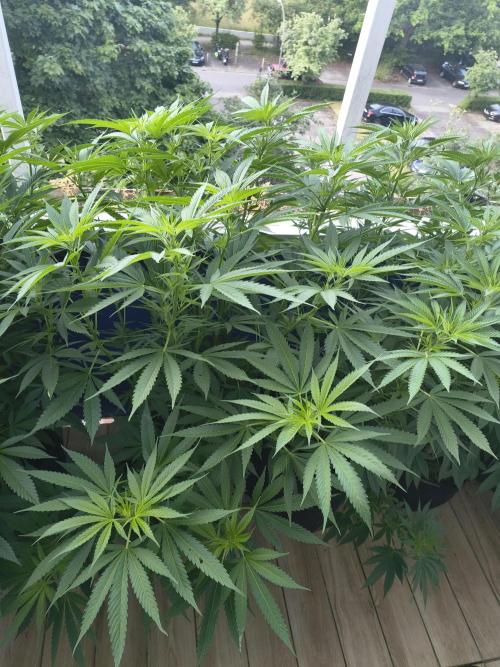
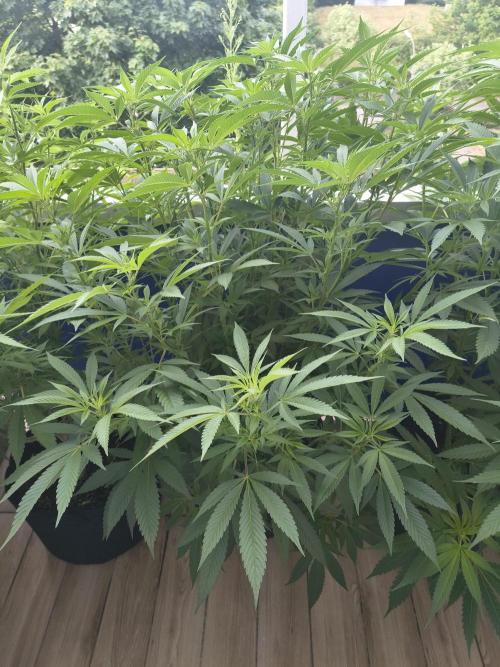
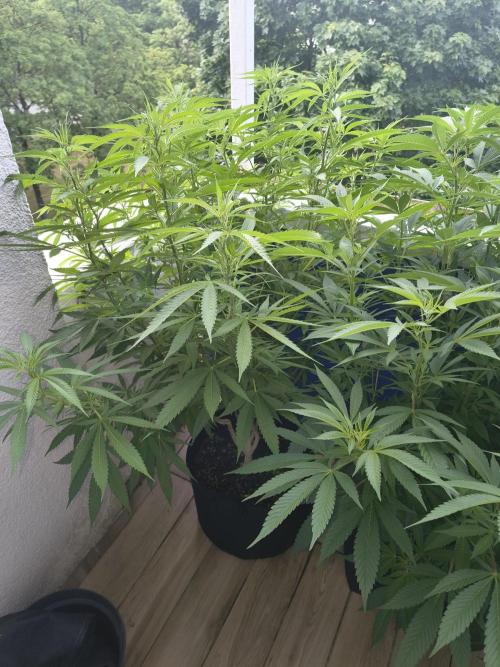
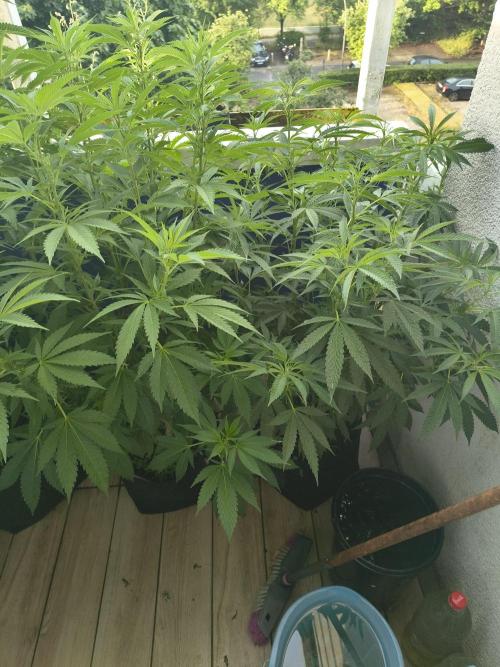
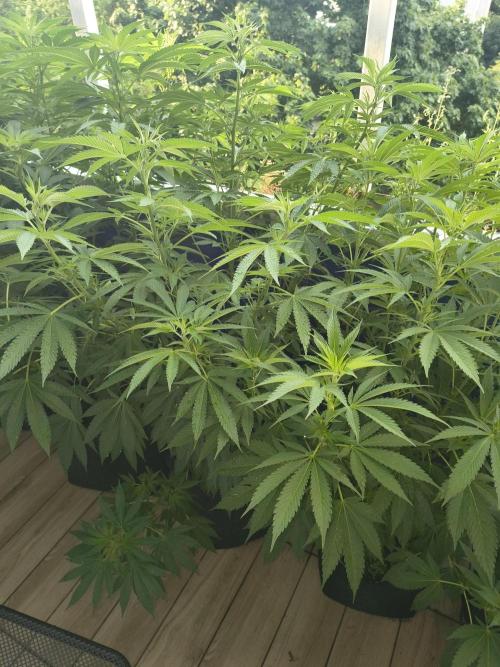
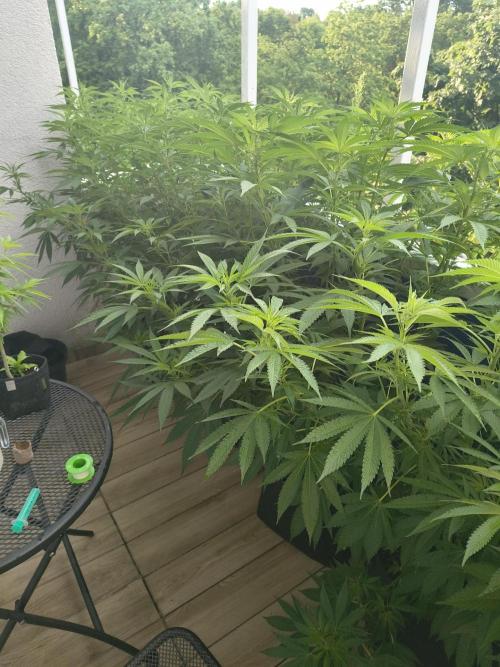
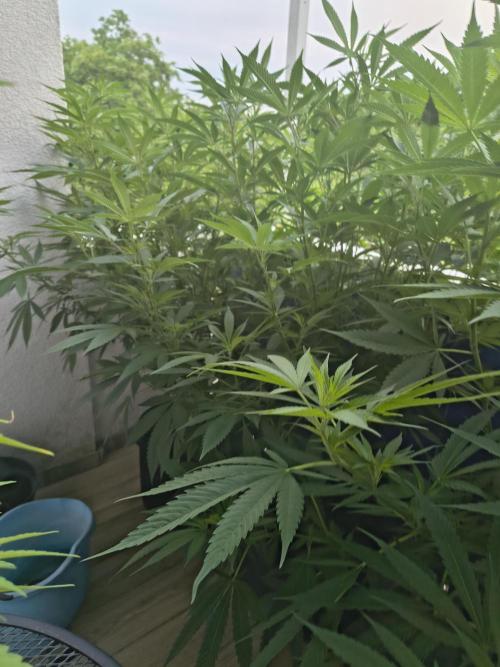
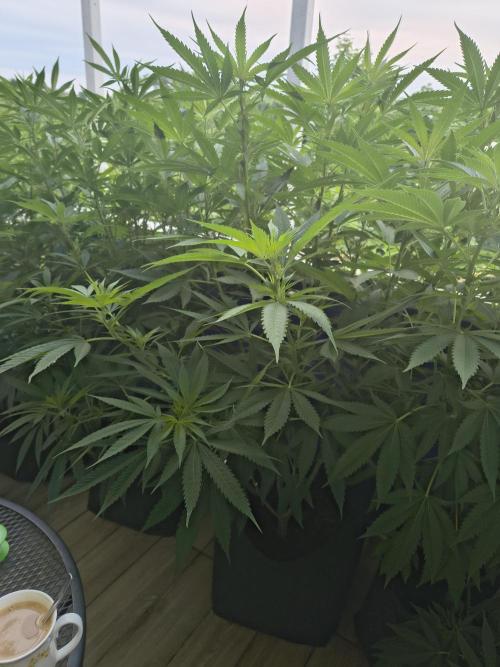
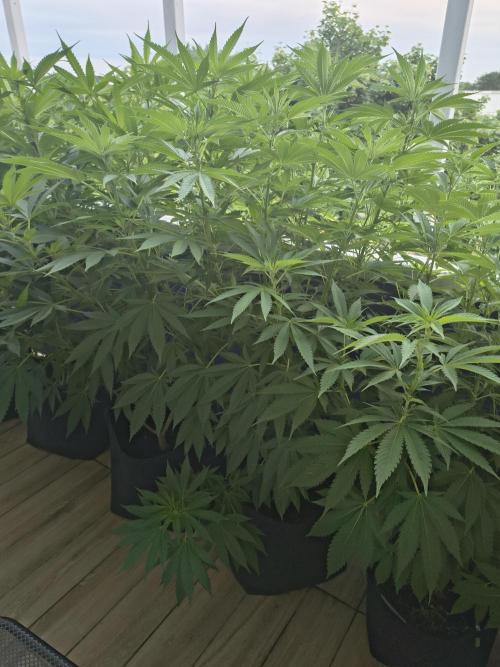
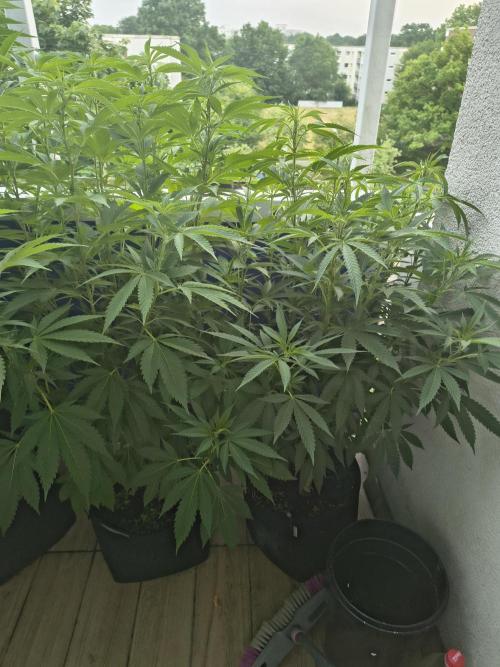
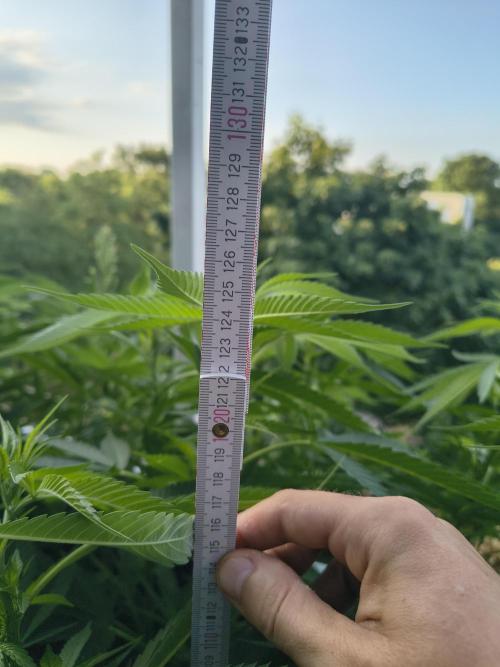
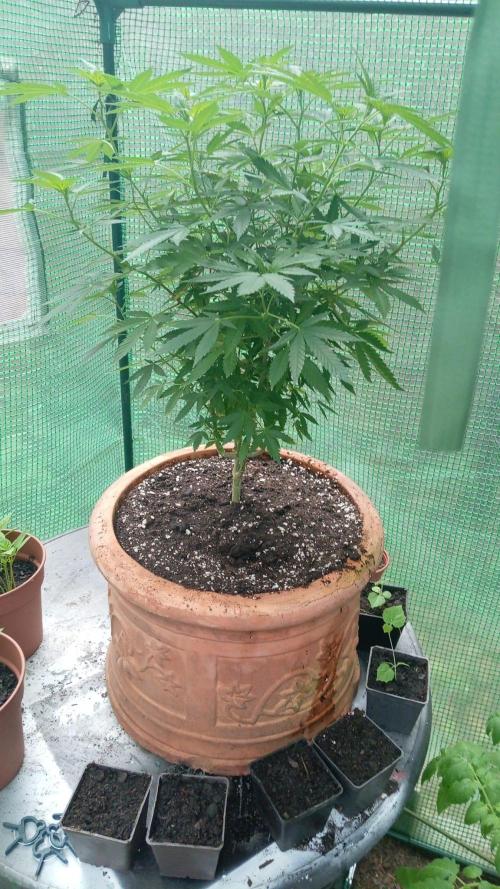
110 cm
Height
17 hrs
Light Schedule
30 °C
Day Air Temp
Normal
Smell
56 %
Air Humidity
20 °C
Solution Temp
23 °C
Night Air Temp
39 liters
Pot Size
3 liters
Watering Volume
200 cm
Lamp Distance
Nutrients 1

Fish-Mix
2 mll
JaramnieJazz 24.06.26 Läuft sind gut gewachsen in der letzten Woche
25.06.26 Läuft der Sommer ist da 30°C am Wochenende sollen es 37°C werden. Hab noch ein paar Äste an Sour Diesel, Chocobang, Apple Betty und Skunk Haze entfernt die nur Energie klauen. Und sie trinken im mom echt viel 2 Eimer und 2x 2L Flaschen mit Dünger täglich keine Ahnung wie viel das ist so 20L oder mehr auf alle verteilt
26.06.26 Heiß!!!
27.06.26 Läuft heute gab es ein bisschen Epsonsalz und Kelp im Giesswasser soll bei Stress helfen bei den Temperaturen die uns bevor stehen
28.06.26 Es ist heiß gab starke Gewitter
29.06.26 Läuft heute gab es ein bisschen FischMix so ~4ml auf 2L Wasser verteilt auf alle Pflanzen nur um das Bodenleben zu unterstützen da die immer noch nicht so wirklich Futter brauchen mal schauen wie das in der blühte wird. Es ist auch wieder etwas kälter geworden und regnet
13 likes
comments
Share
Used techniques
Defoliation
Technique
Love
Technique
23
Week 23. Vegetation3mo ago
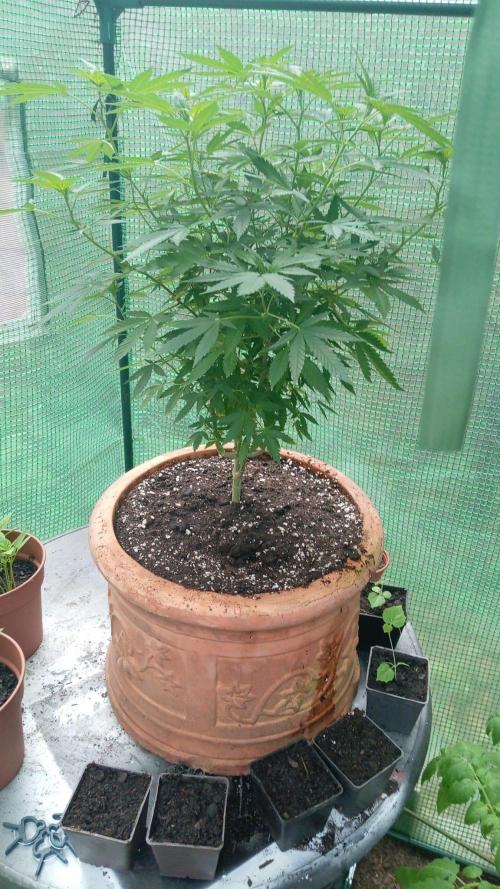
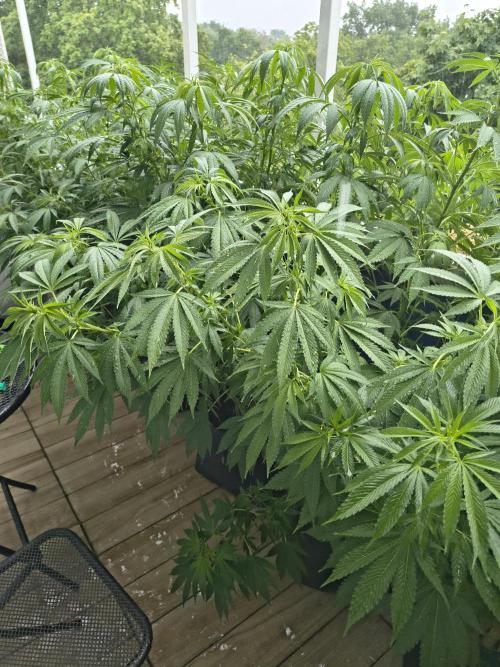
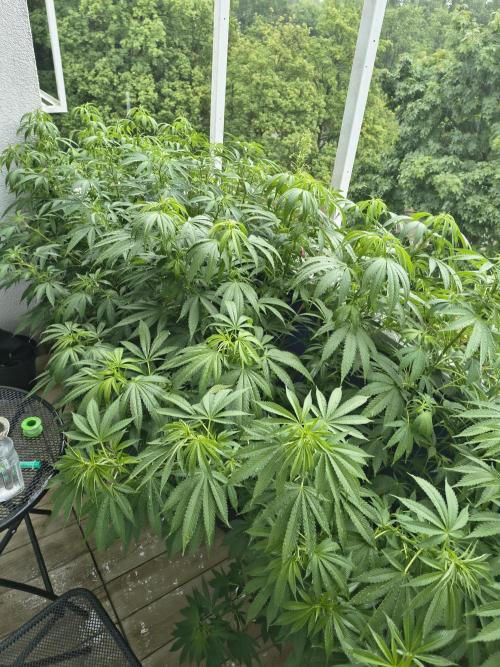
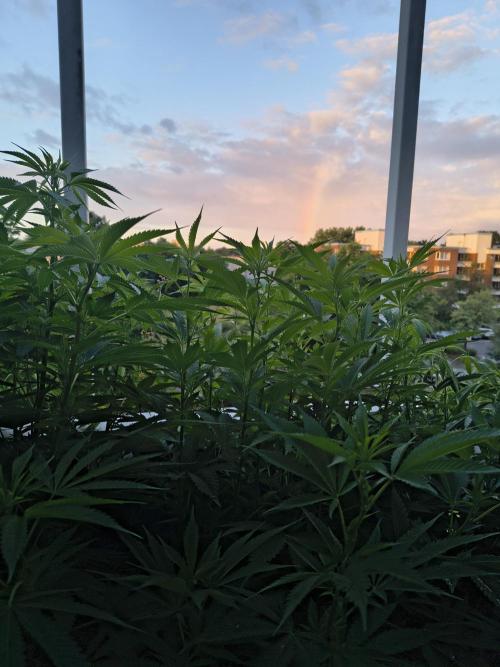
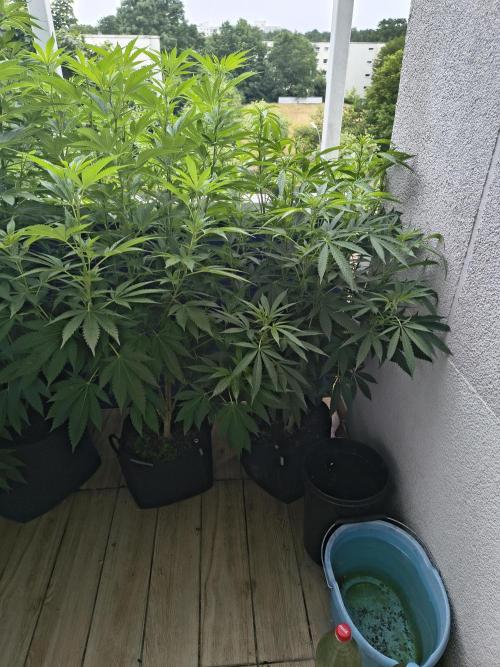
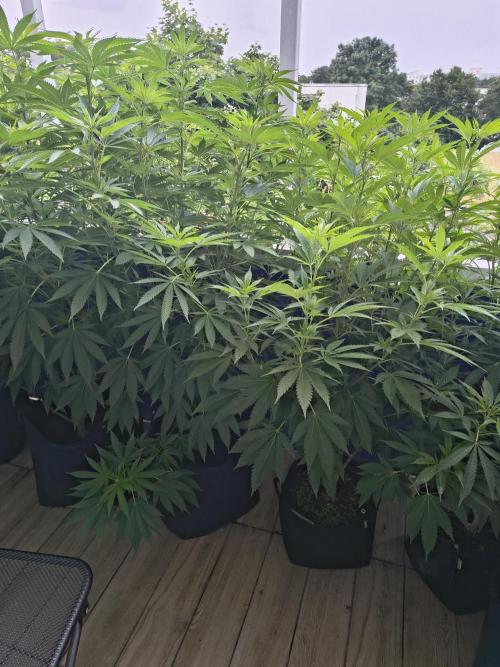
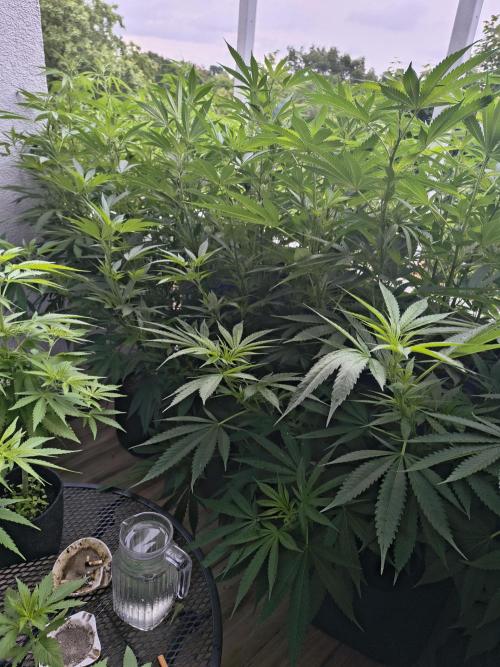
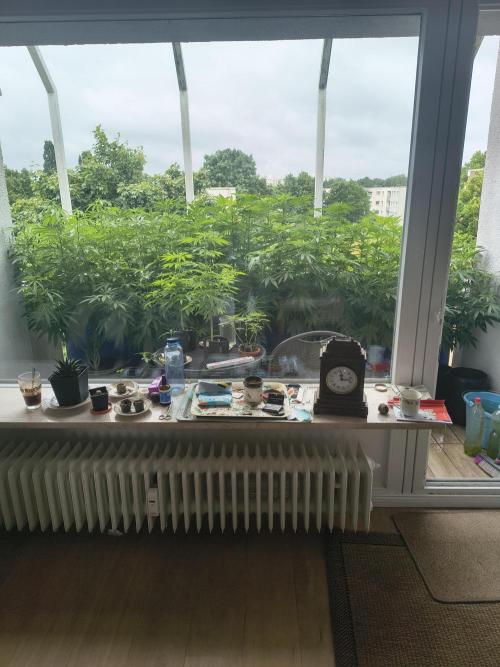
126 cm
Height
16 hrs
Light Schedule
18 °C
Day Air Temp
Normal
Smell
56 %
Air Humidity
20 °C
Solution Temp
10 °C
Night Air Temp
39 liters
Pot Size
508 cm
Lamp Distance
Nutrients 1

Easy Plus Micronutrients
1 mll
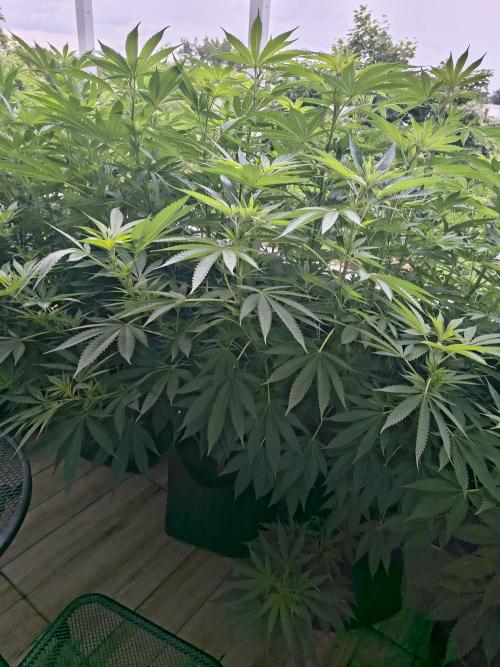
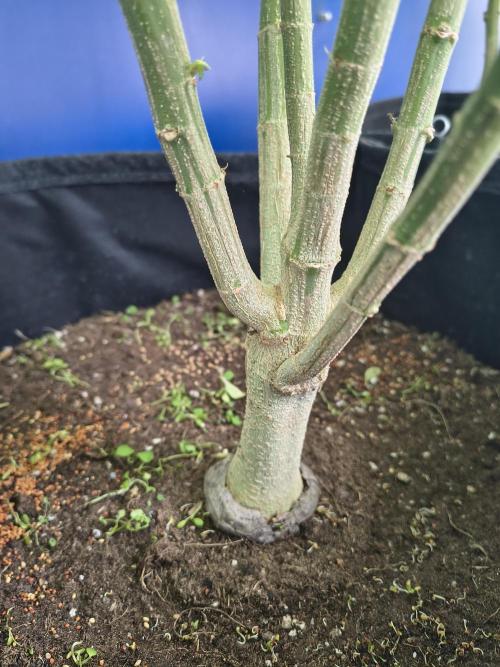
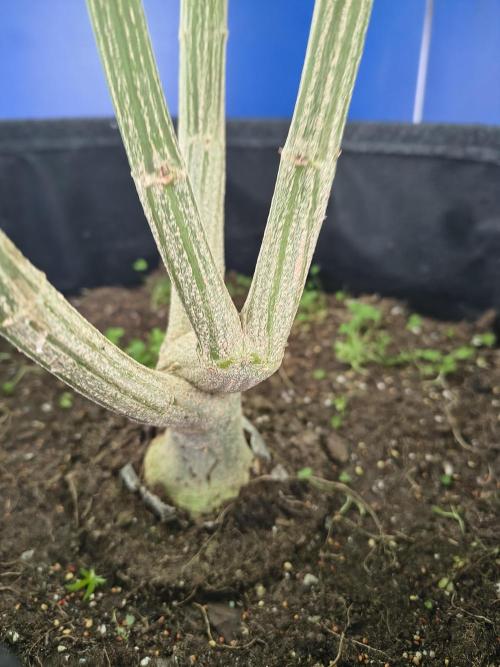
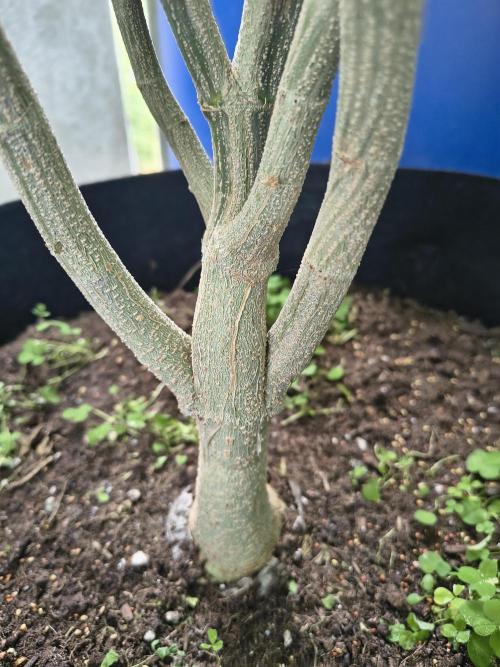
JaramnieJazz 01.07.26 Ja weiter geht's sind richtige Monster geworden und so wie sie im Moment aussehen werde ich wohl nicht entblättern müssen das Licht dringt schön in die Pflanzen ein ich denke Apple Betty wird wohl am meisten Ertrag bringen zusammen mit Chocobang aber GDP braucht sich nicht verstecken wir werden sehen die Frage ist nur wann in Blüte entweder in 2 Wochen oder am 01.08.26 in 2 Wochen wäre wohl besser da ich paar Sorten diese Runde hab die bis zu 11 Wochen gehen dann wäre Anfang Oktober ende sonst ende Oktober und da ist das Wetter Mist mal schauen Daumen drücken für gutes Wetter Peace 🕊️
02.07.26 Sieht Bombe aus
03.07.26 Keine Ahnung ob es mir nur so vorkommt aber irgendwie bekommen die immer voll den Schub nach Regen sind deutlich größer geworden
04.07.26 Wetter ist schlecht keine Sonne nur Regen ich will sie bald in die Blüte schicken Daumen drücken dass das besser wird zumindest in der 2 Hälfte der Blühte .
Hab noch paar Triebe gefunden die nichts werden und entfernt. Größe ist jetzt 133cm die Chocobang ist ein Riese fuck mein Balkon ist ein Busch ich musste auf den Stuhl mich stellen um ein Überblick zu bekommen ich wünschte ich könnte die draußen anbauen damit sie sich voll entfalten können so klaut eine der anderen Licht eigentlich darf ich so 4stk machen 6 ist zuviel die können garnicht ihr volles Potenzial ausschöpfen
05.07.26 Weiter geht's es regnet am Stück hoffe das bleibt nicht so führs Wachstum ist das gut aber nicht die Blüte und die rückt näher .Der Favorit fürs bestäuben ist Black Lemon wegen dem FIZZZZ im Stemrub
06.07.26 Mehr Regen 😑 und kalt 14°C die Dünger Angaben von RQS ist eine Tablette auf 10L
07.07.26 Regen Regen Regen Größe ist 143cm
18 likes
10 comments
Share
Used techniques
Defoliation
Technique
Technique
Love
Technique
24
Week 24. Vegetation3mo ago
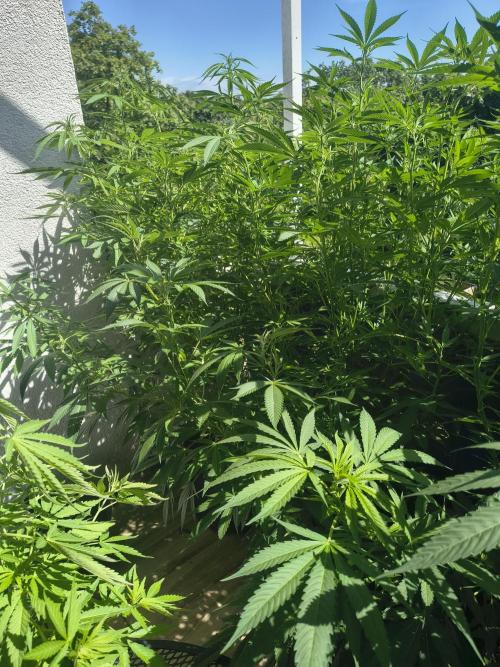
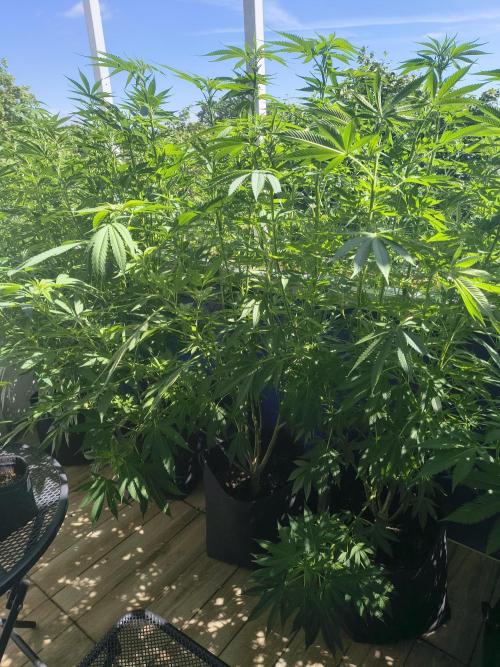
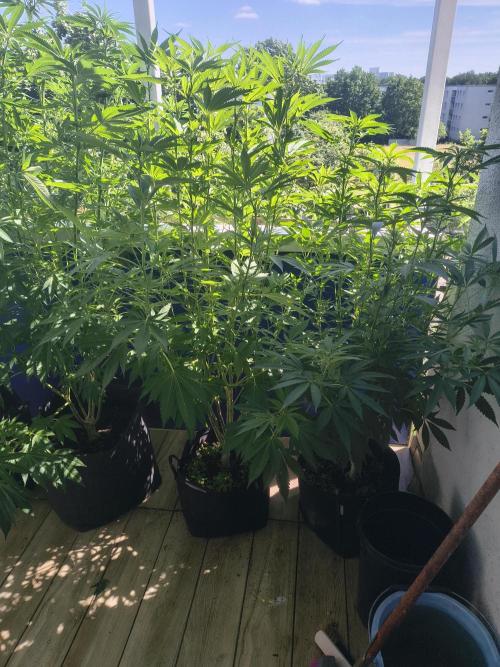
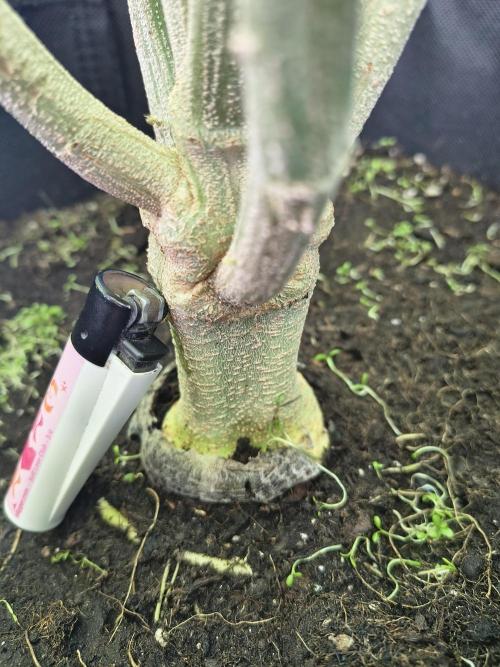
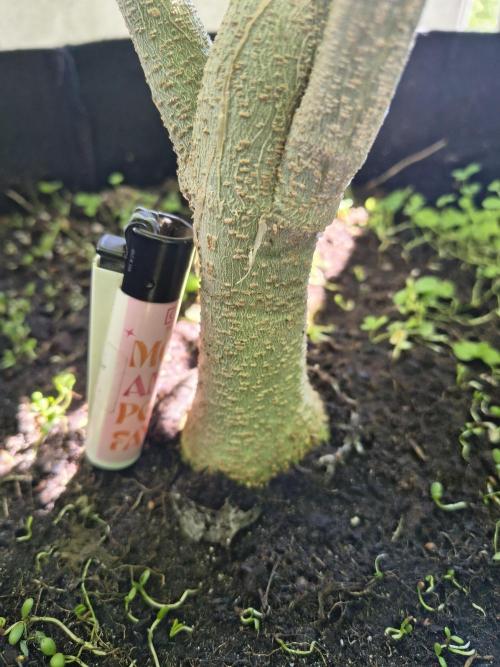
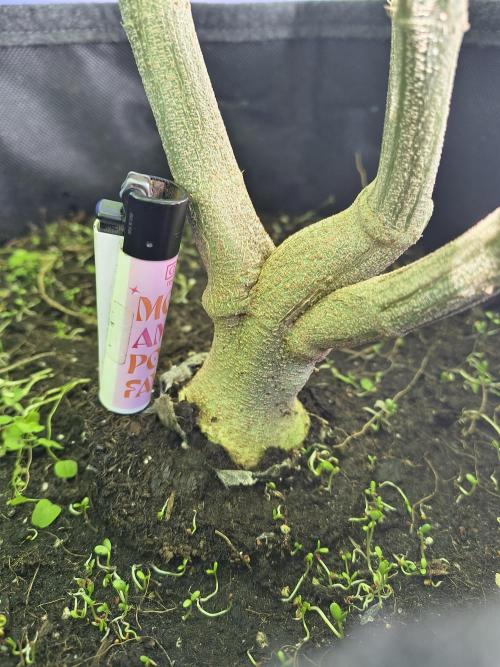
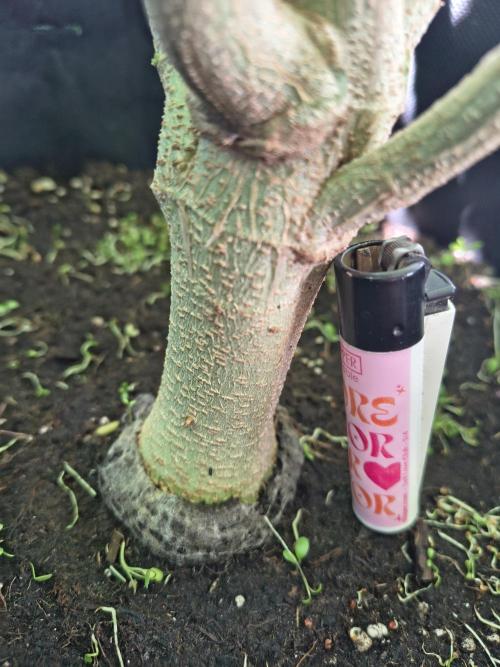
146 cm
Height
16 hrs
Light Schedule
18 °C
Day Air Temp
Normal
Smell
56 %
Air Humidity
20 °C
Solution Temp
10 °C
Night Air Temp
39 liters
Pot Size
508 cm
Lamp Distance
Nutrients 5
Bittersalz
3 mll
Zucker
10 mll
Kelp
1 mll
JaramnieJazz 08.07.26 Weiter gehts hab Chocobang,Sour Diesel,GDP und Black Lemon stark entblättert Apple Betty und Skunk Haze mache ich später das die Vorbereitung für die Blüte dies werde ich fortführen bis in die 3 Blütewoche dann ist Schluss sonst zu viel Stress und so kann man sehen wo sich Blüten nicht richtig entwickeln weil sie nicht genug Licht bekommen
Ganze 20cm mehr seit letzter Woche
10.07.26 So heute ein Eimer mit den RQS. B Vitaminen und Bittersalz angerührt morgen soll das Silicium kommen das ich bestellt habe achso die Mengen sind 3 Esslöffel auf ein Eimer
11.07.26 Läuft die Silicium Angabe bezieht sich auf 4g auf 10L Wasser. Es sieht so aus als ob die schon im Stretch sind/waren da ich heute gemessen habe und die immer noch bei 146cm sind 🤔 hmmmm Zucker und Kelp aufs auge Zucker nur bisschen Kelp bisschen mehr
14.07.26 Heute Letzter Tag der Veg morgen leite ich die Blüte ein ich bin gespannt wie der Balkon in ein paar Wochen aussieht
16 likes
comments
Share
Used techniques
Defoliation
Technique
Love
Technique
25
Week 25. Flowering2mo ago
150 cm
Height
12 hrs
Light Schedule
28 °C
Day Air Temp
Normal
Smell
56 %
Air Humidity
20 °C
Solution Temp
15 °C
Night Air Temp
39 liters
Pot Size
3 liters
Watering Volume
508 cm
Lamp Distance
Nutrients 6
Bittersalz
3 mll
Zucker
10 mll
Kelp
1 mll
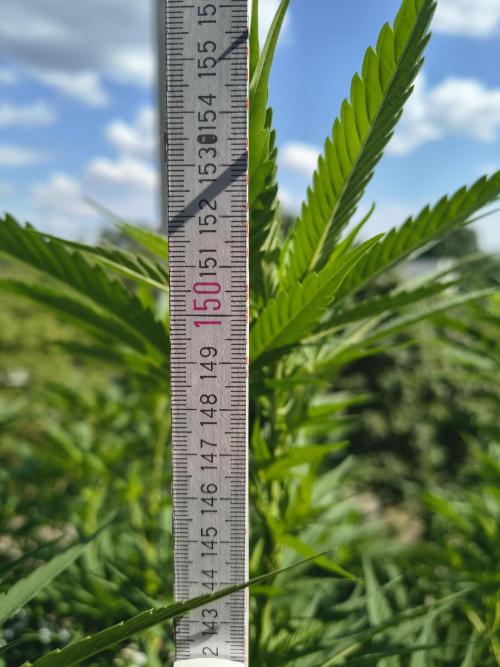
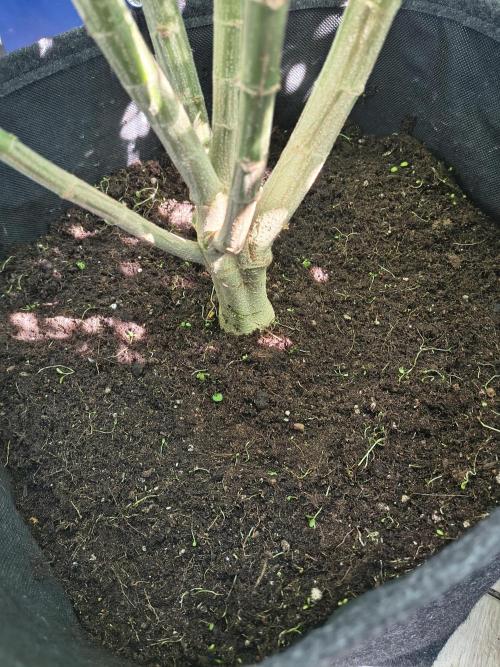
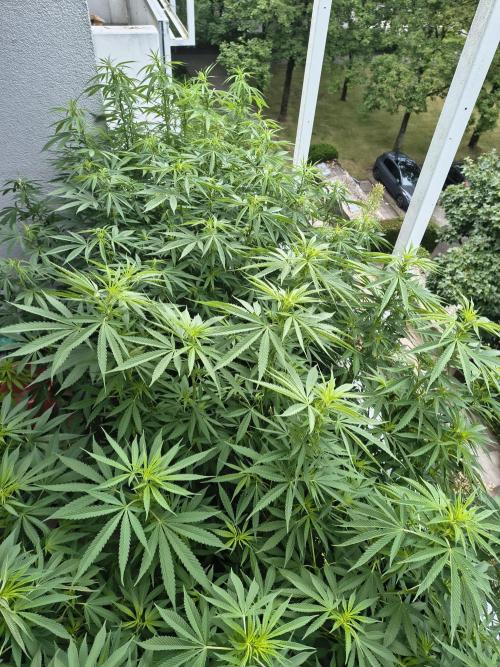
JaramnieJazz 15.07.26 So es geht los der erste Tag der Blüte
16.07.26 Ja jetzt warten wir bis sich die Blüten zeigen ich werde wohl anfangen müssen zu füttern aber sicher bin ich mir nicht sie sehen immer noch super aus nur Skunk Haze sieht bisschen hungrig aus OK die Guanokalong Angaben beziehen sich auf 50g für eine Pflanze ich glaube ich mache das Zeug klein und nehme eine Gabel und arbeite es oben ein so alles eingearbeitet hoffe das bringt gut was soll ja Geschmack verbessern gut gegen Krankheit helfen
20.07.26 Noch nicht wirklich was zu sehen Apple Betty ist ein bisschen gestresst hat wieder rote Blattstiele bekommen würde wieder ein bisschen entblättert damit jeder top das Max an Licht bekommt. Die tops auseinander machen geht diesmal nicht da kein Platz aber es sieht gut aus entblättert wird bis max 3 Blüte Woche so kann ich sehen wo sich die Blüten nicht voll entwickeln und den Licht zukommen lassen ich hoffe auf arm lange Blüten bei Apple Betty sind es über 20!! Aber wer nun am meisten abwirft wird die wage am ende zeigen da ich Pflanzen gesehen hab die mit 3 Tops genau so viel Ertrag einbrachten wie mit 10
17 likes
4 comments
Share
Used techniques
Defoliation
Technique
Love
Technique
26
Week 26. Flowering2mo ago
155 cm
Height
12 hrs
Light Schedule
28 °C
Day Air Temp
Normal
Smell
56 %
Air Humidity
20 °C
Solution Temp
15 °C
Night Air Temp
39 liters
Pot Size
3 liters
Watering Volume
508 cm
Lamp Distance
Nutrients 9
Bud Candy
1 mll

Silicate
4 mll
Fish-Mix
2 mll
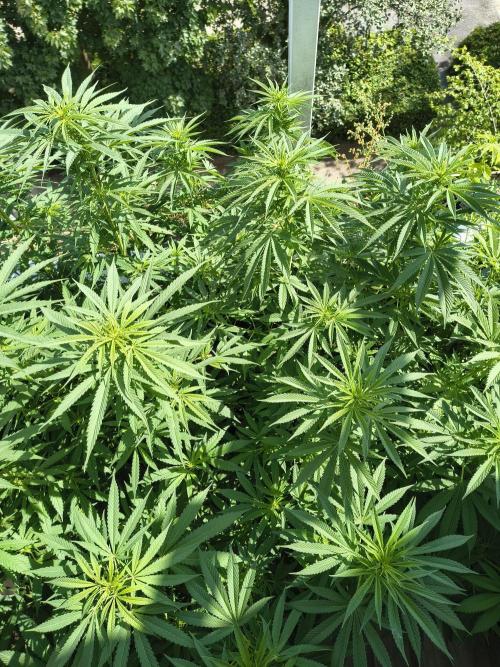
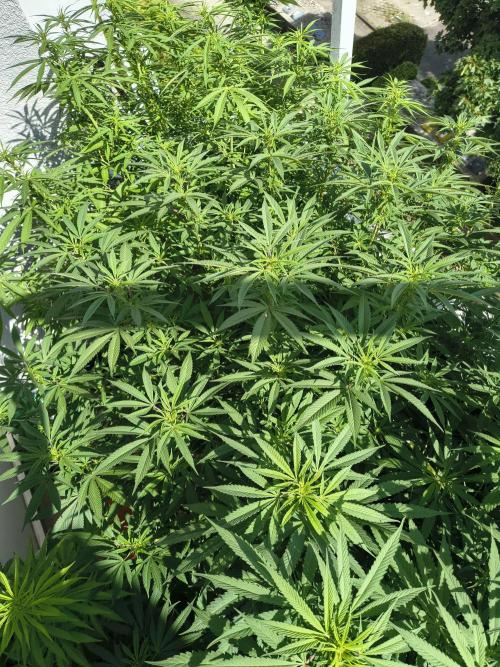
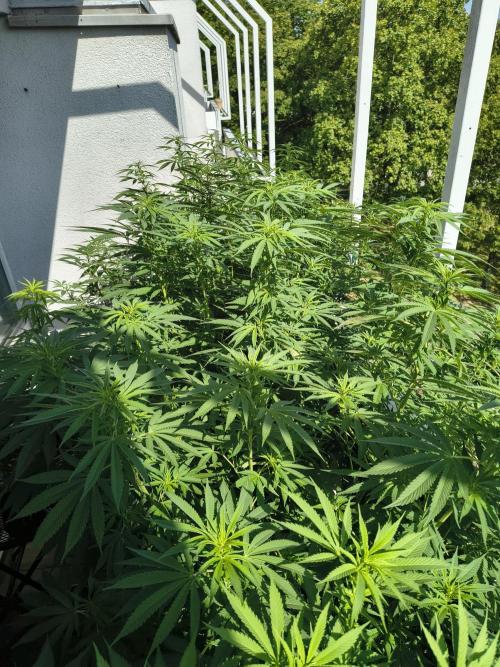
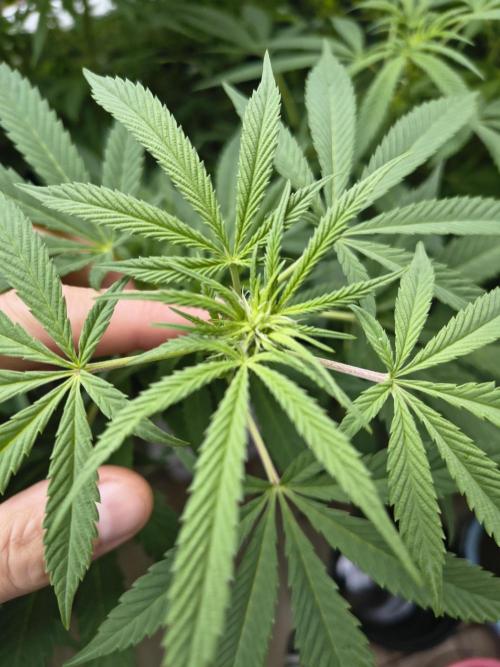
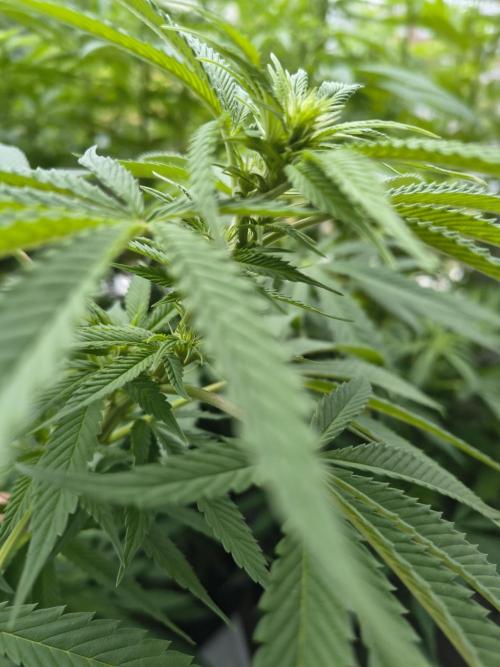
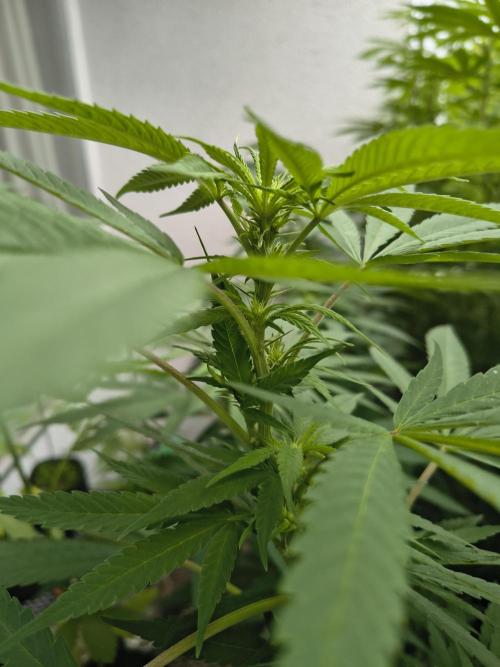
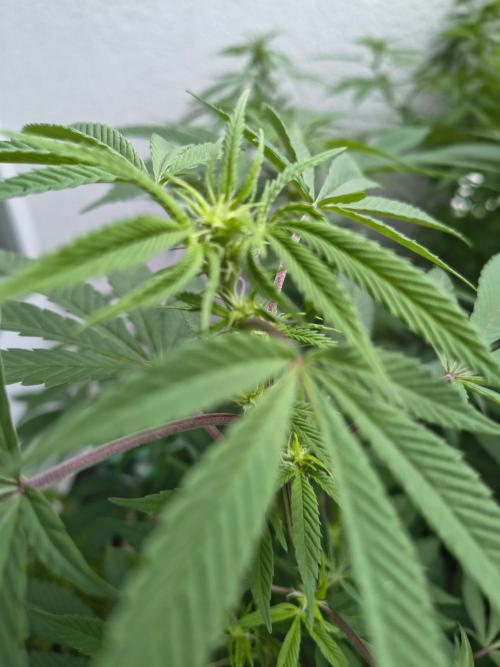
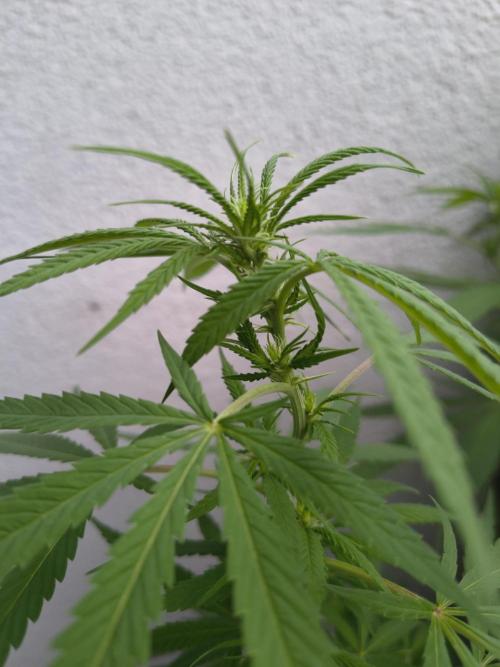
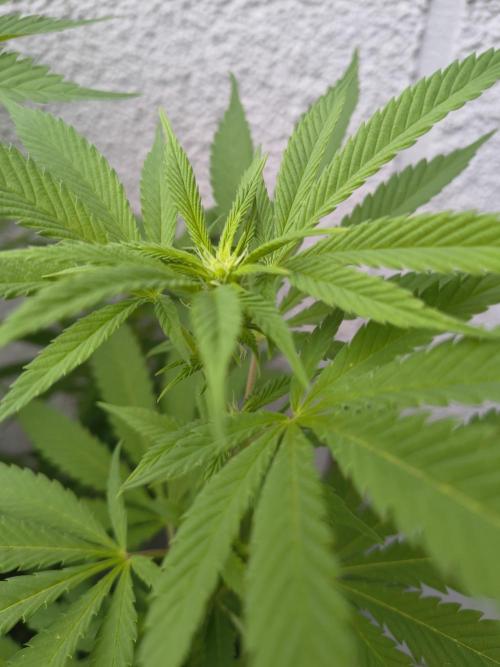
JaramnieJazz 22.07.26 Noch nicht viel zu sehen
23.07.26 Ja so langsam sieht man heftige vorblüten
27.07.26 Alle Pflanzen sind in voller Blüte 😊 und es sieht vielversprechend aus wenn das Wetter mitspielt wird das die Ernte des Jahres und meine Nachbarn werden sich noch Jahre das Maul zerreißen 😘 hab noch ein bisschen sugar royal dazu gegeben nächste Woche kommt noch Green Sensation dazu
28.07.26 Letzter Tag der 2 Blüte Woche sieht gut aus so langsam erkennt man wo die Blüten sein werden
14 likes
comments
Share
Used techniques
Defoliation
Technique
Love
Technique
27
Week 27. Flowering2mo ago
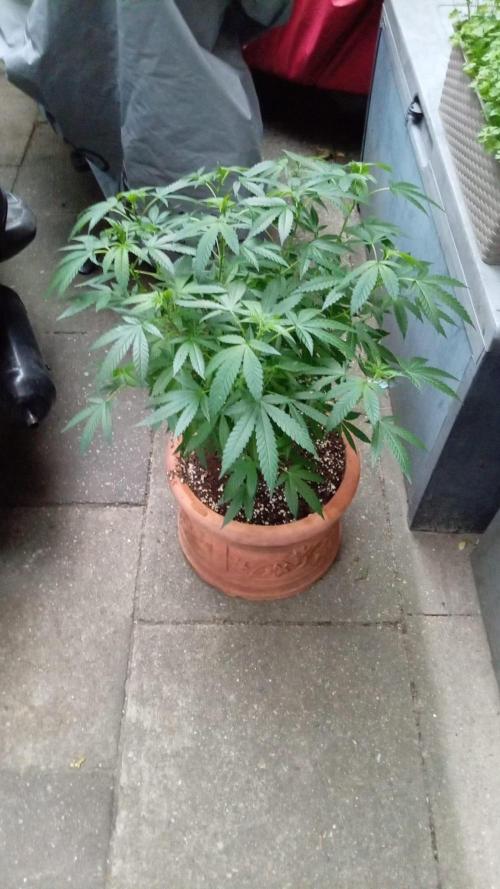
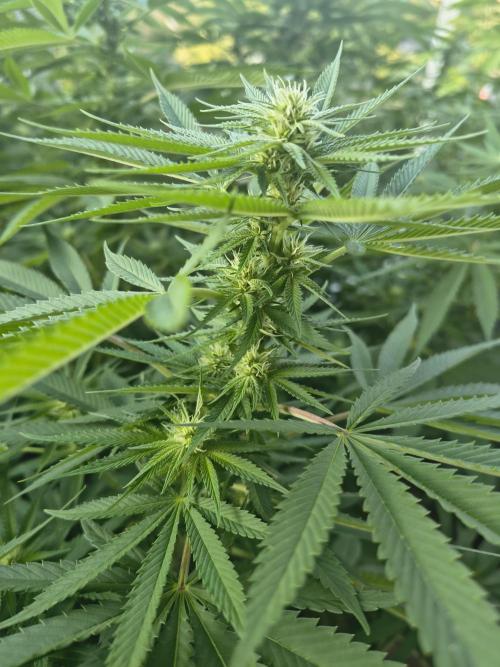
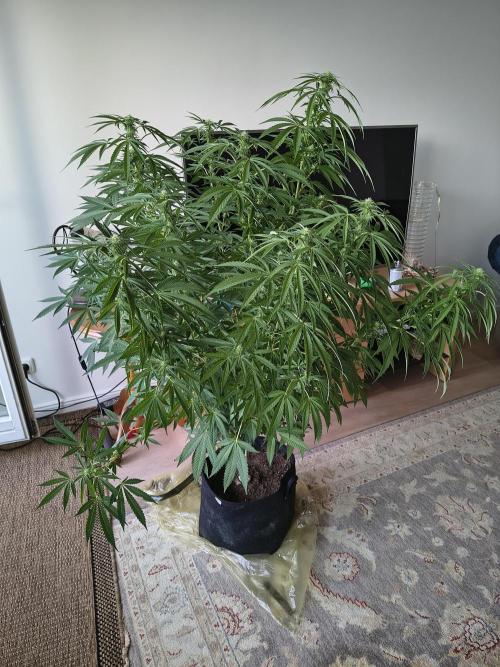
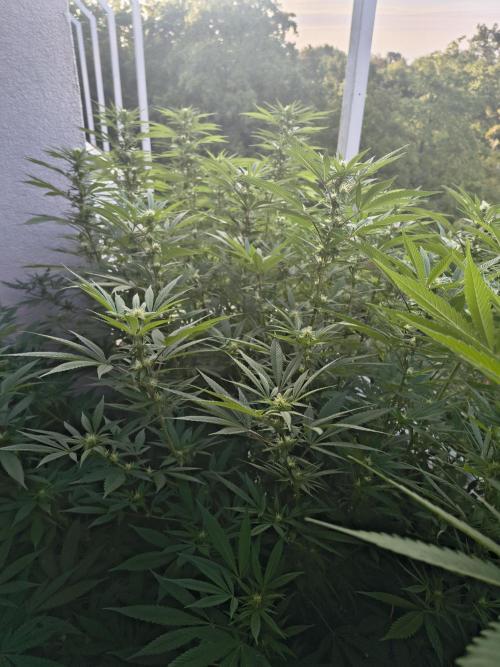
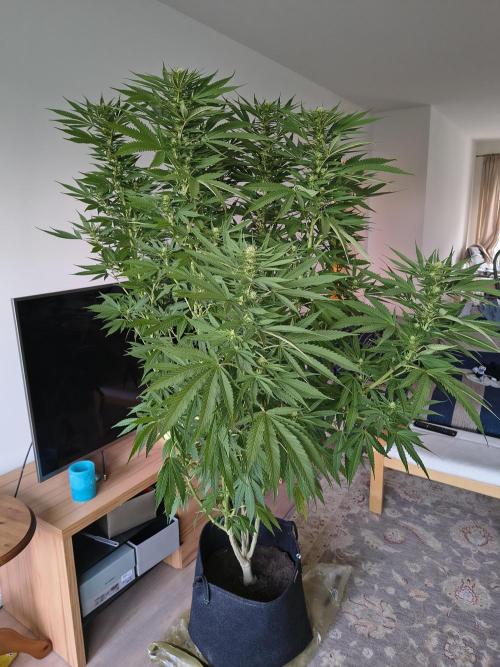
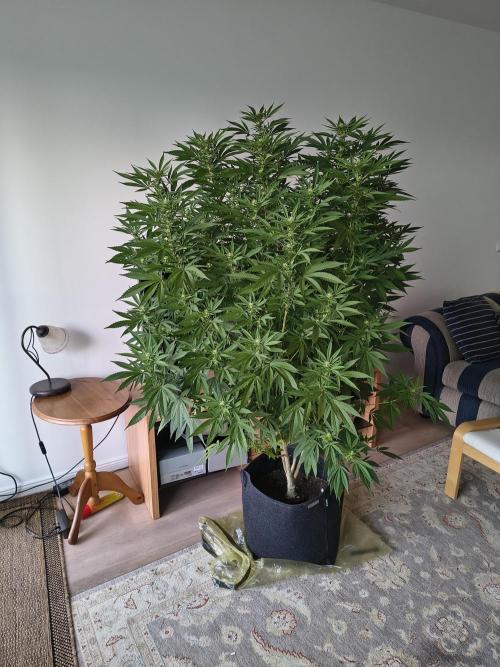
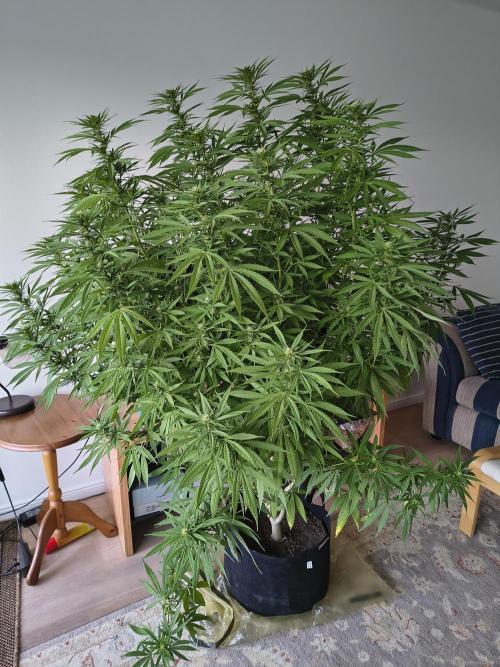
160 cm
Height
12 hrs
Light Schedule
28 °C
Day Air Temp
Normal
Smell
56 %
Air Humidity
20 °C
Solution Temp
15 °C
Night Air Temp
39 liters
Pot Size
3 liters
Watering Volume
508 cm
Lamp Distance
Nutrients 8
Bud Candy
1 mll
Silicate
4 mll

Bio-Bloom
1 mll
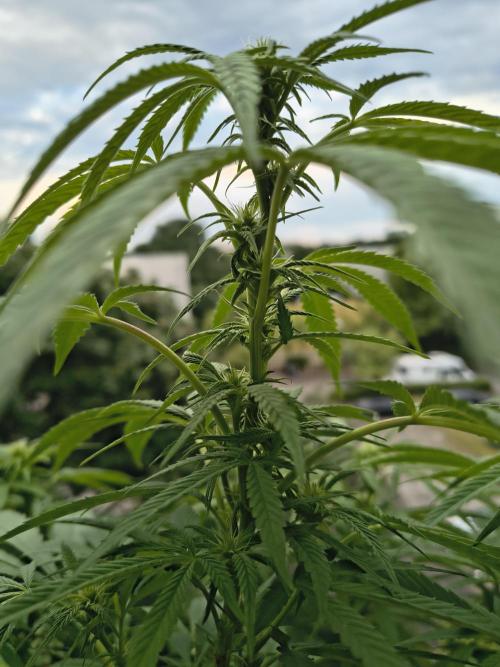
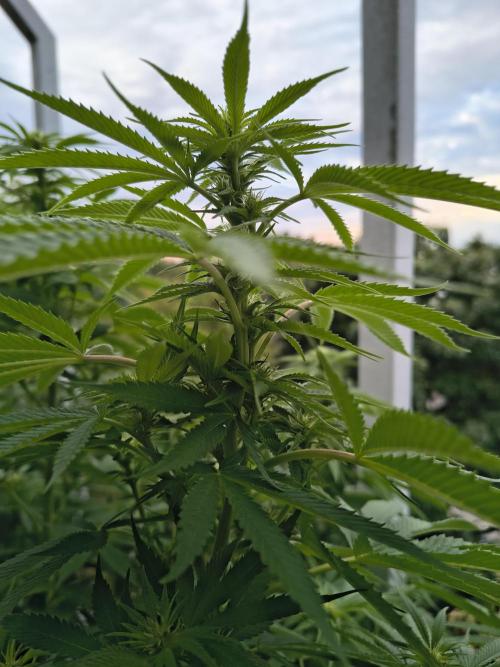
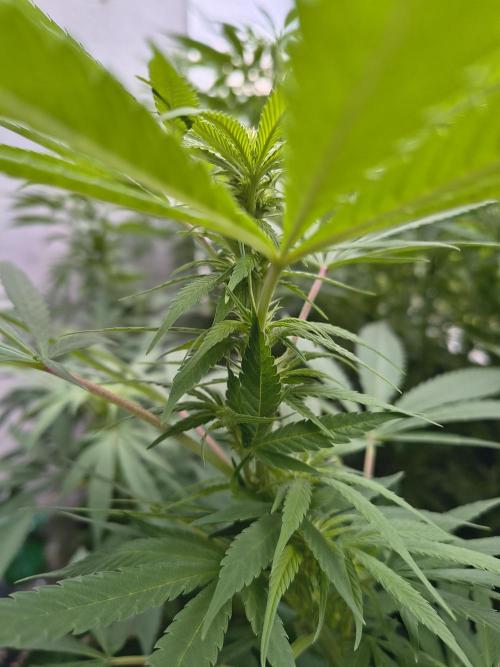
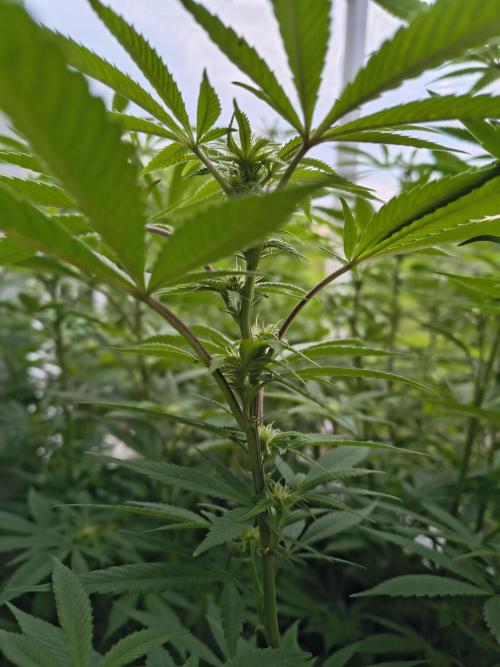
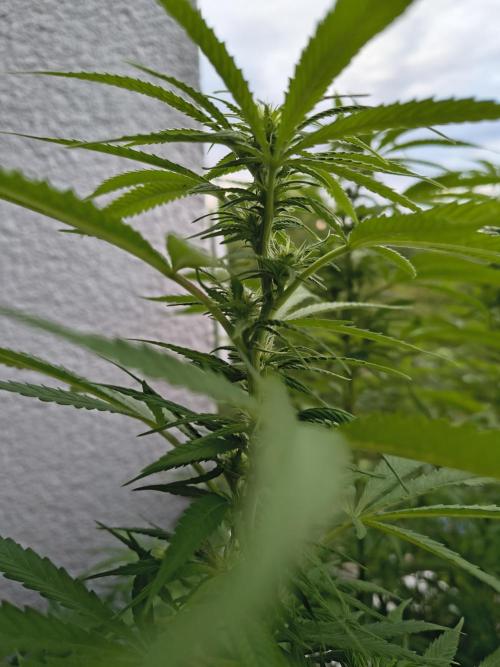
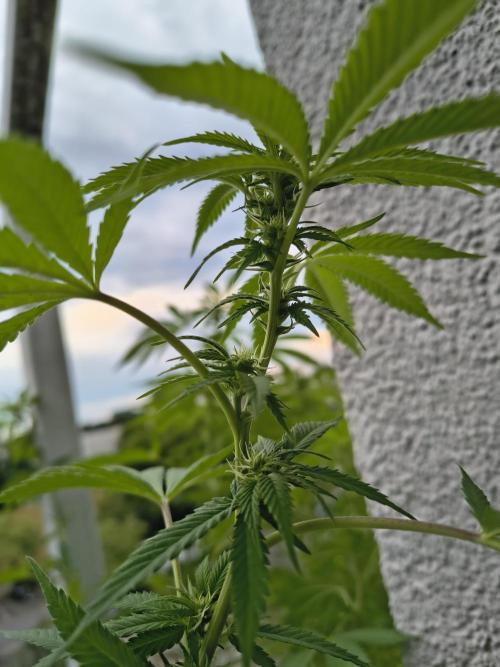
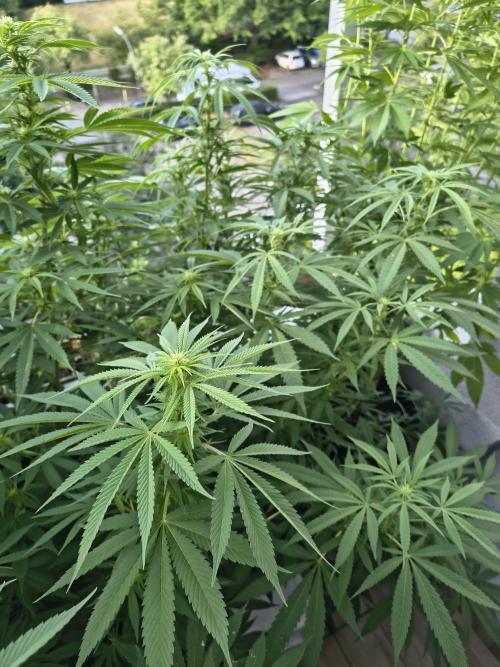
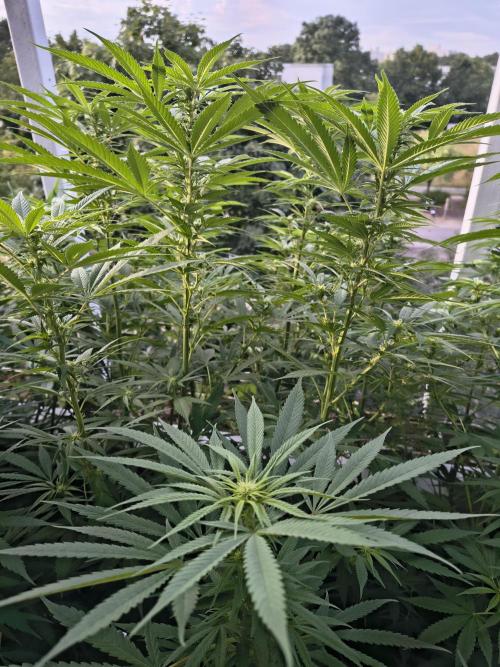
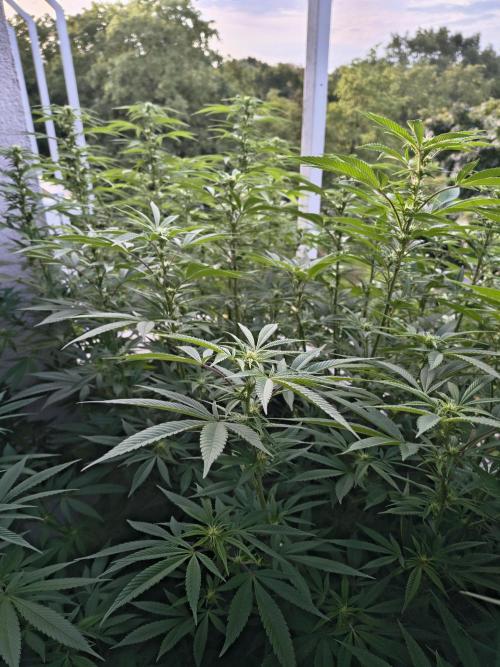
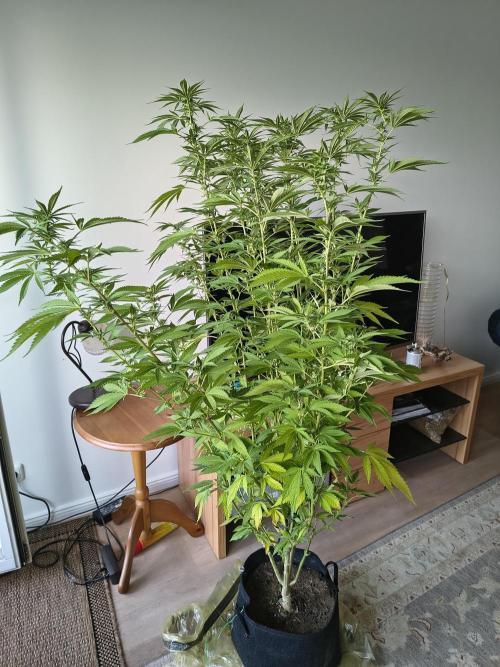
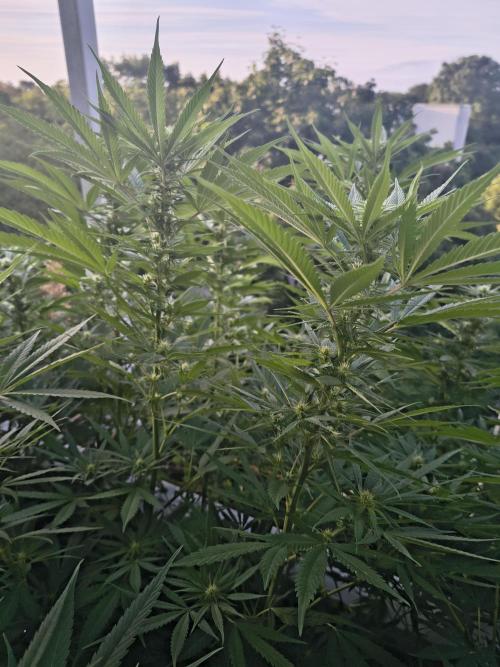
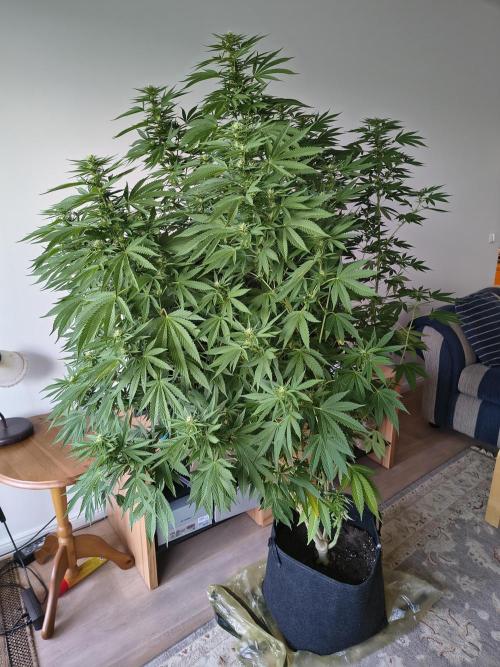
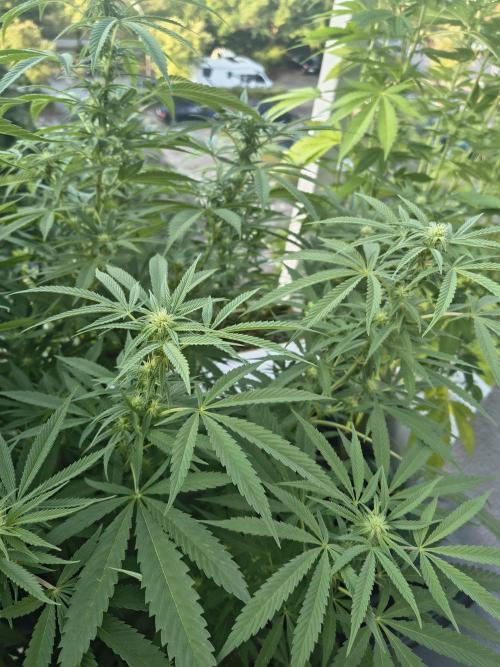
JaramnieJazz 29.07.26 Start der 3 Woche sieht gut aus alle zeigen schon richtig Blüten nur GDP ist ein bisschen hinterher die Skunk Haze wird wohl am besten abwerfen weil schön viel Licht in die Pflanze kommt durch die dünnen Finger.Stretch war praktisch nicht vorhanden ein paar Wochen vor der Blüte gab es ein merklichen boost im Wachstum was wohl der Stretch war hab das schon mal beobachtet wenn die schon so groß sind gibt's praktisch kein Stretch der war glaub ich in Woche 21-23 da haben die ordentlich an Höhe gewonnen. Diese Woche wird noch entblättert um Licht zu den nodien zu bekommen die noch nicht so gut entwickelte Blüten haben jetzt sieht man das nämlich wo noch Bedarf besteht aber nach dieser Woche ist Schluss mit entblättern will sie nicht zu sehr stressen die sollen sich jetzt voll auf die Blüten konzentrieren in den nächsten Wochen. Gab jetzt noch Green Sensation dazu und top max wurde auf 2ml/L erhöht bin mir nicht so sicher ob ich auch den Bloom Dünger erhöhen soll da sie das Guano als topdressing haben wird beobachtet und dann entschieden Danke fürs folgen und vorbei schauen werden jetzt spannende Wochen die uns bevor stehen bis dahin Peace.
💪🏻( ͝° ͜ʖ͡°)👍🏻
" Update " die Silicat Angaben beziehen sich auf 0,4g auf 1L Wasser
04.08.26 Letzter Tag der Woche und es regnet 😑 naja Hauptsache das bleibt nicht dauerhaft so wie letztes Jahr
Jetzt sieht man das absolut kein Platz mehr frei ist und das die beiden in 15L Black Lemon und GDP wohl genau so gut abwerfen werden wie zB Sour Diesel und Chocobang die in 39L sind und größer aber schön viel Licht in die 15L kommt außer Skunk Haze und Apple Betty die werden wohl massiv geben besonders Skunk Haze aber GDP sieht immer besser aus könnte richtig gut werden wenn ich das schaffe die Pflanzen so anzuordnen das jede genug Licht bekommt wir werden sehen bis morgen zur 4 Blüte Woche Peace 🏻
11 likes
comments
Share
Used techniques
Defoliation
Technique
Love
Technique
28
Week 28. Flowering2mo ago
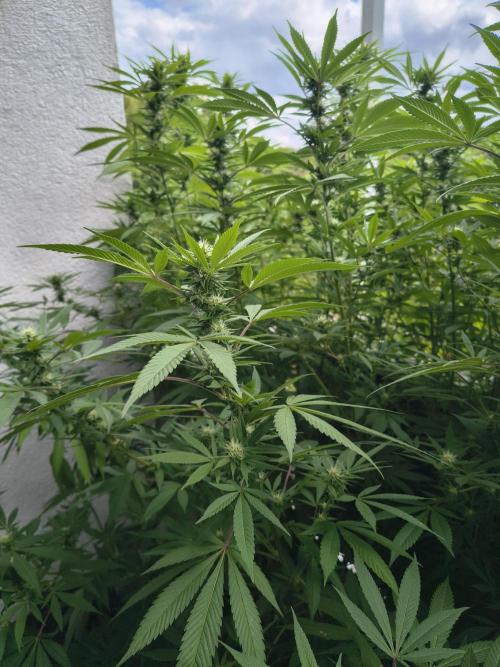
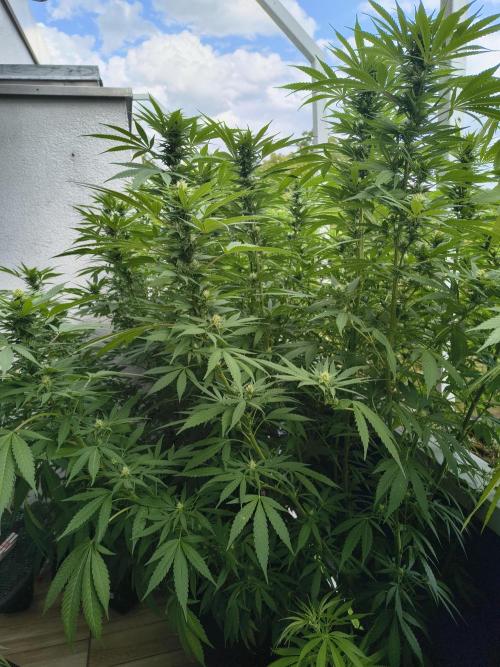
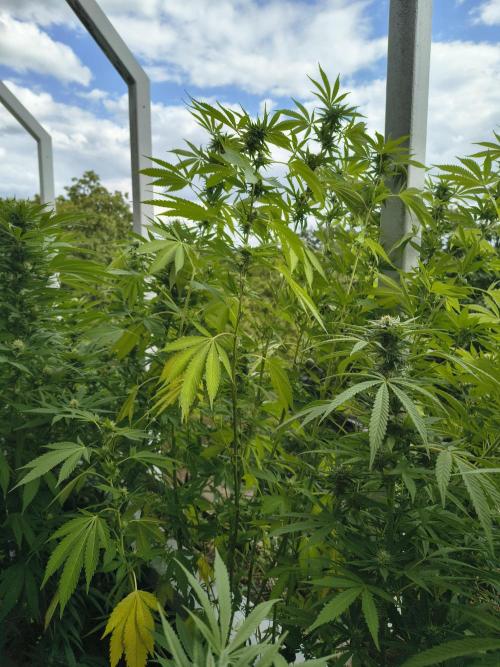
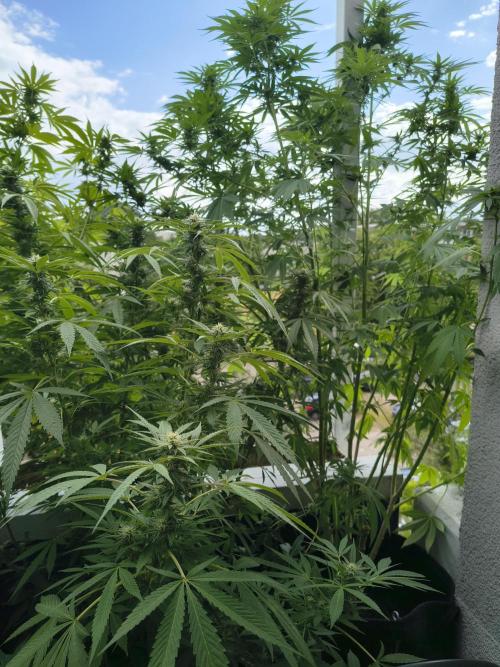
160 cm
Height
12 hrs
Light Schedule
28 °C
Day Air Temp
Normal
Smell
56 %
Air Humidity
20 °C
Solution Temp
15 °C
Night Air Temp
39 liters
Pot Size
3 liters
Watering Volume
508 cm
Lamp Distance
Nutrients 7
Bud Candy
1 mll
Silicate
4 mll
Bio-Bloom
2 mll
JaramnieJazz 05.08.26 Weiter geht's auch hier die Silicat Angabe bezieht sich auf 4g auf 10L Wasser
Man sieht auch schon die Kristalle auf den Blüten nur Skunk Haze ist ein bisschen hinterher und GDP hat voll aufgeholt werden wohl Arm lange Blüten werden wenn ich es schaffe das sie genug Licht bekommt in dem Jungle
06.08.26 Läuft das Wetter spielt mit bis jetzt sieht alles sehr vielversprechend aus
18 likes
8 comments
Share
29
Week 29. Flowering1mo ago
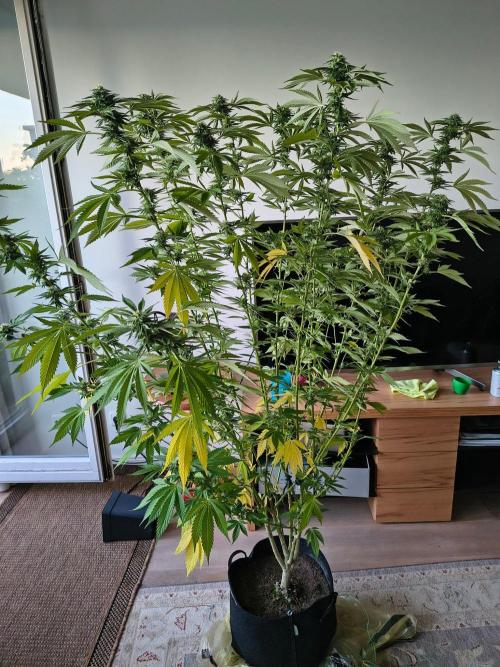
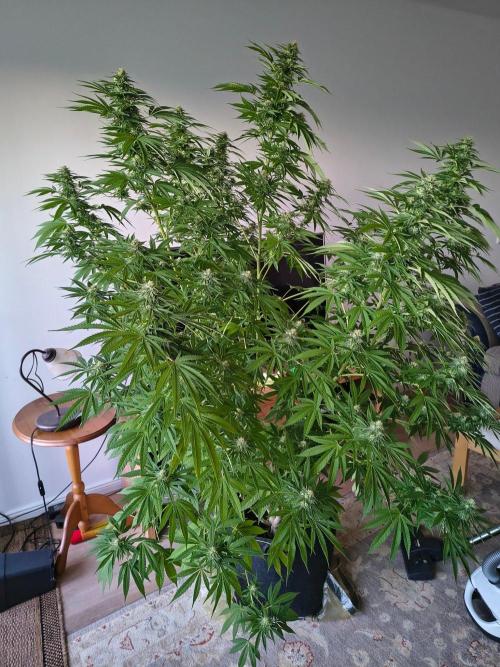
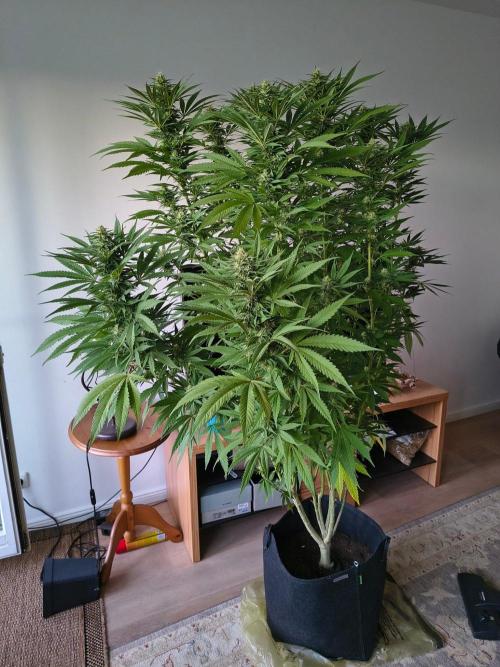
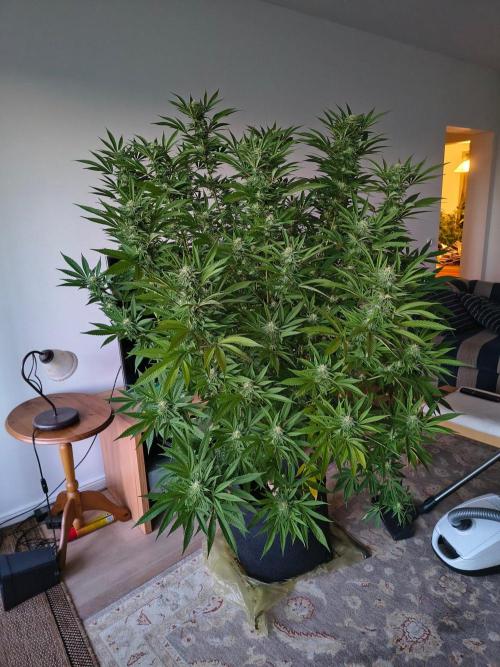
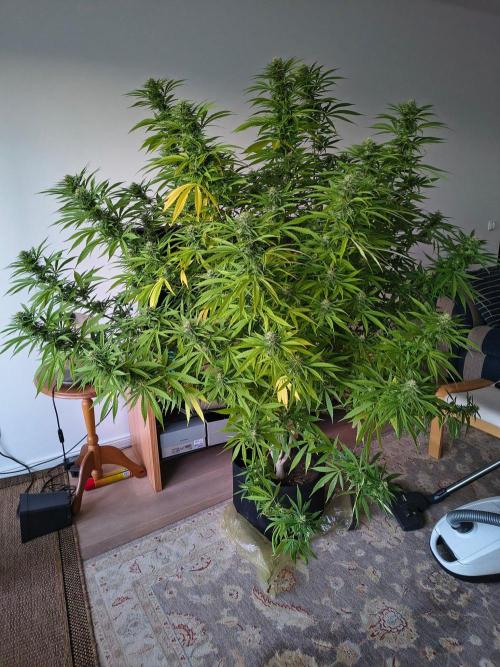
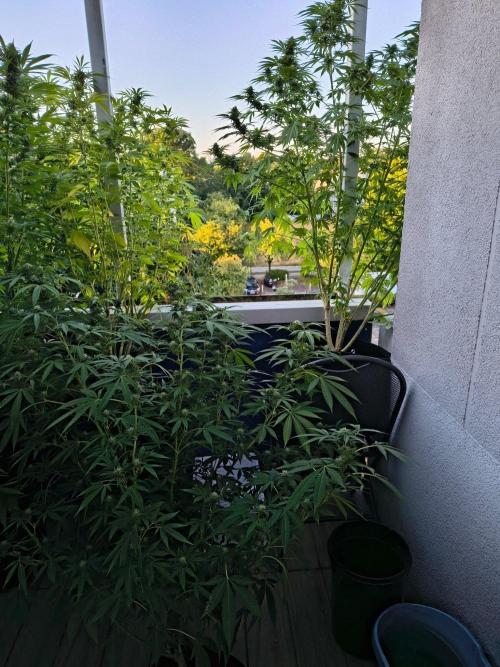
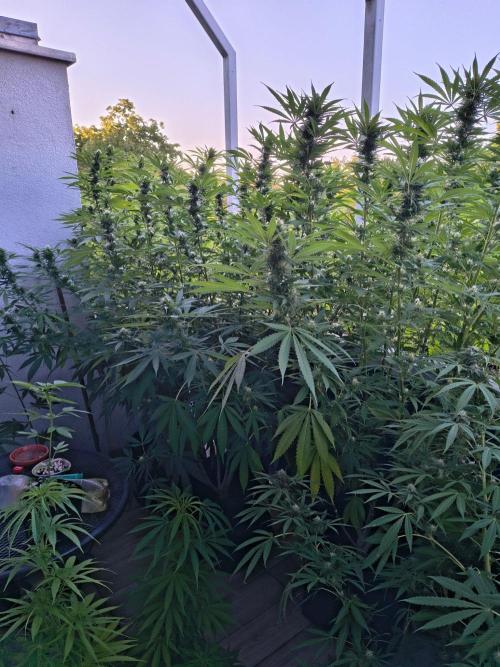
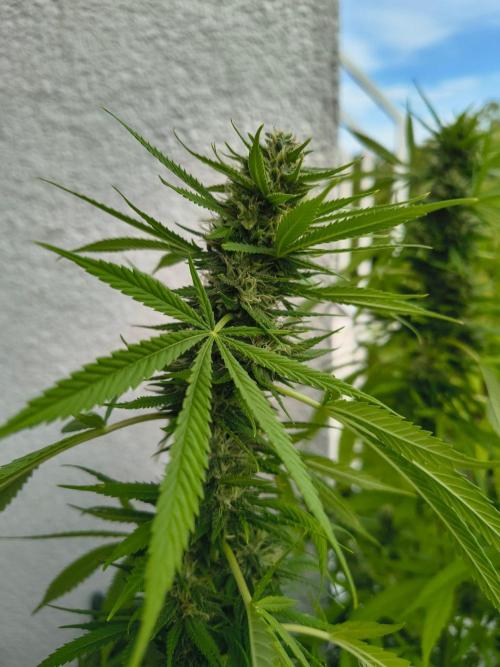
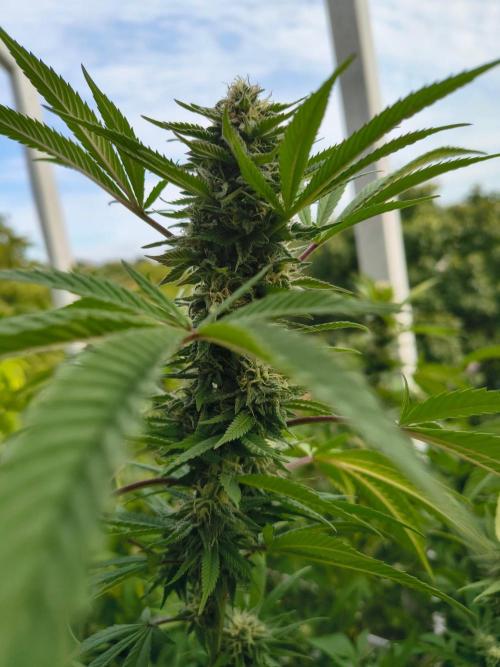
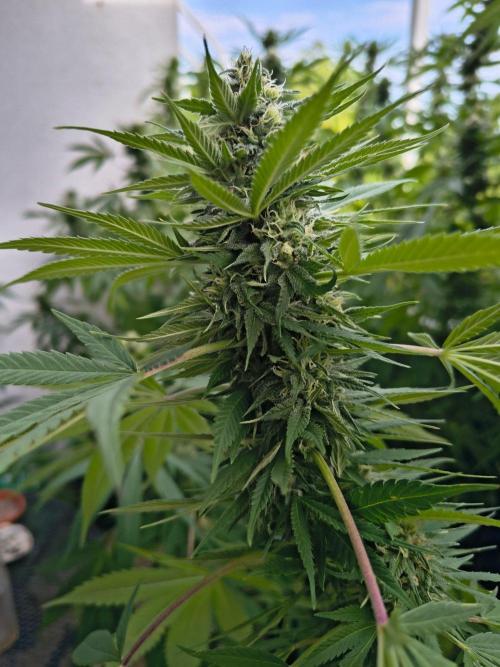
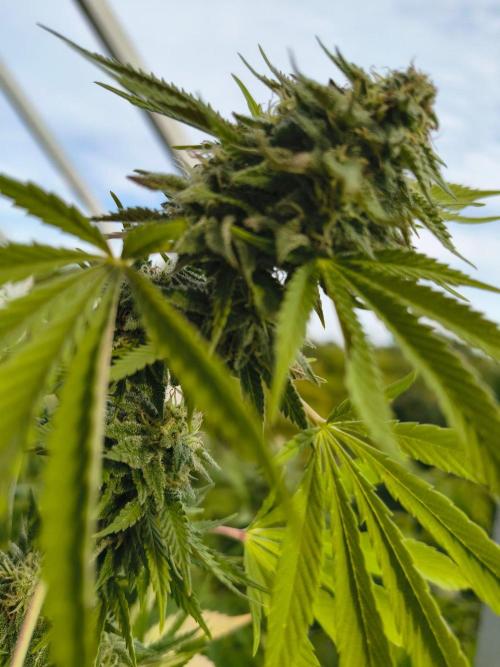
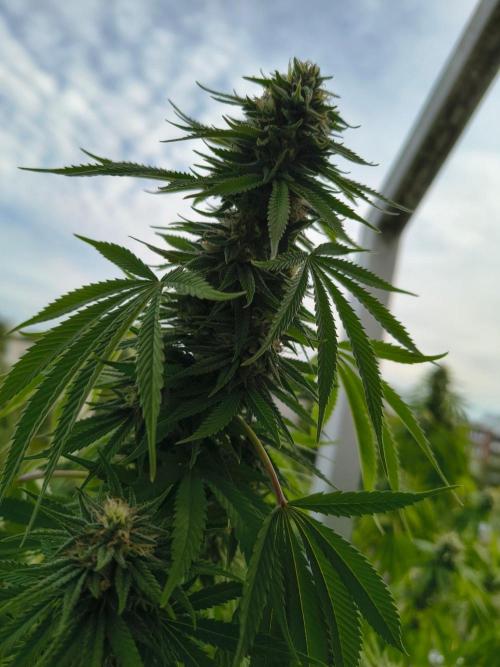
160 cm
Height
12 hrs
Light Schedule
28 °C
Day Air Temp
Normal
Smell
56 %
Air Humidity
20 °C
Solution Temp
15 °C
Night Air Temp
39 liters
Pot Size
3 liters
Watering Volume
508 cm
Lamp Distance
Nutrients 6
Silicate
4 mll
Bio-Bloom
3 mll

Top-Max
2 mll
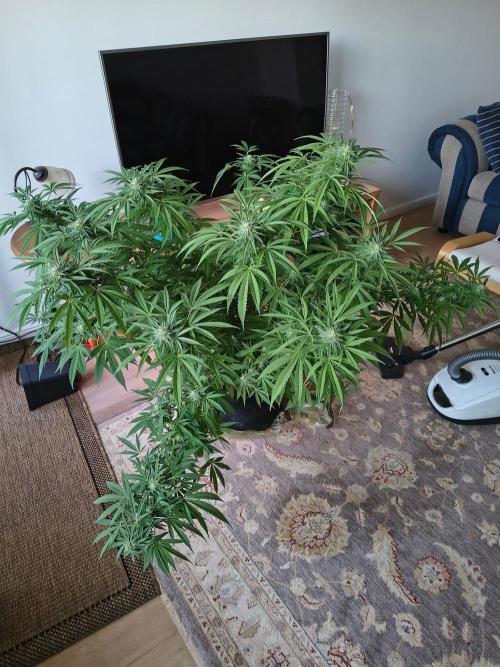
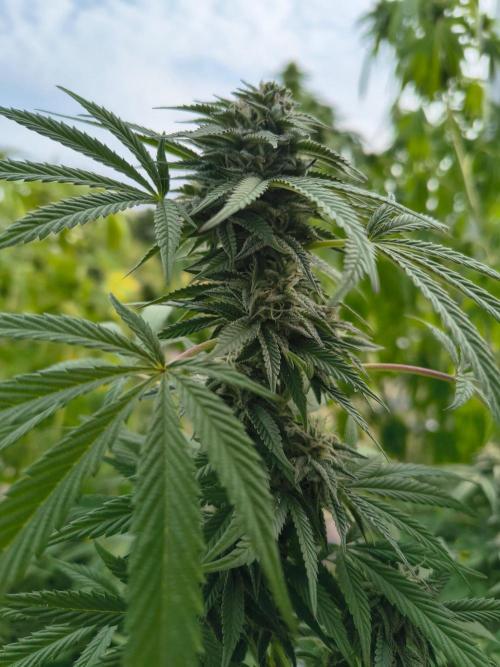
JaramnieJazz 12.08.26 Willkommen zum ersten Tag der 5 Blühte Woche sieht sehr gut aus die Blüten entwickeln sich und das Wetter ist auch schön was soll jetzt noch schief gehen 🙃
15.08.26 Läuft
13 likes
comments
Share
30
Week 30. Flowering1mo ago
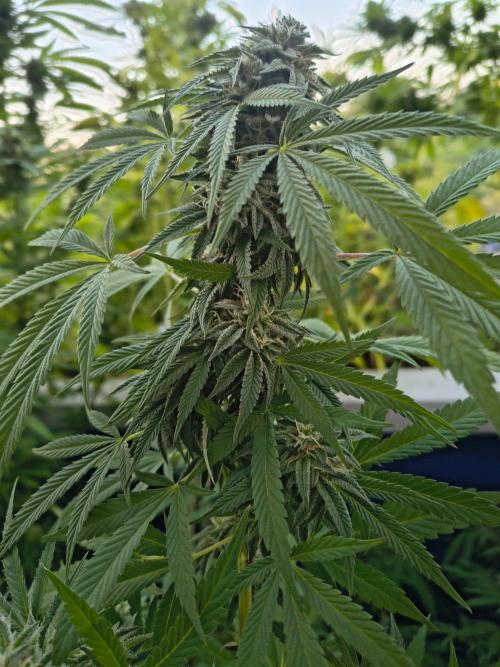
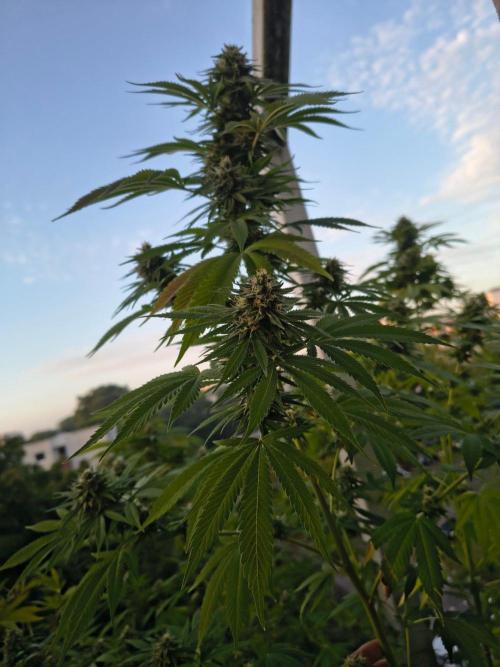
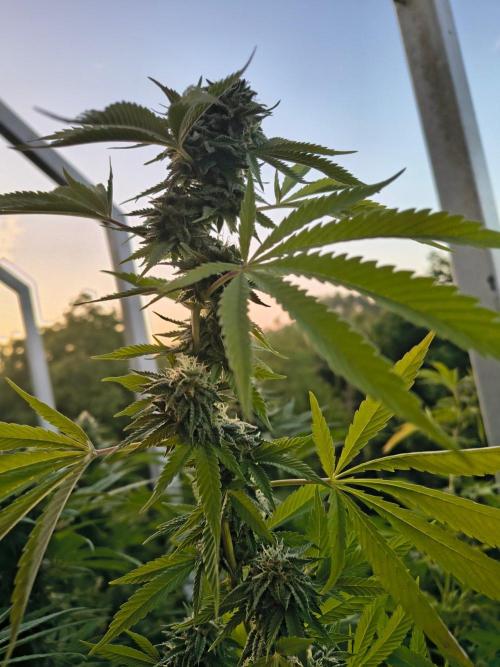
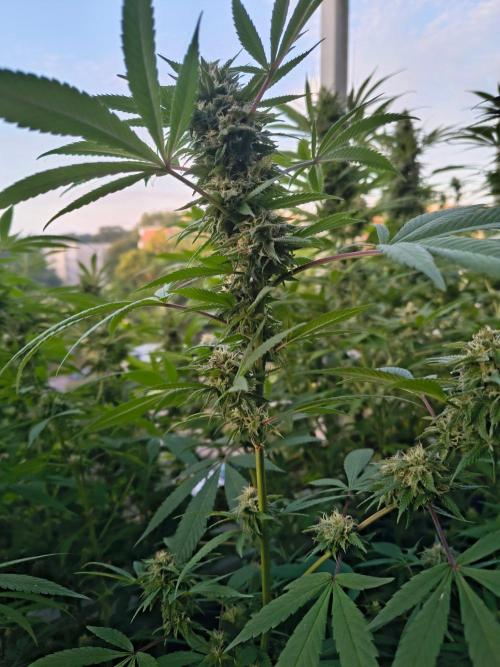
160 cm
Height
12 hrs
Light Schedule
21 °C
Day Air Temp
Normal
Smell
56 %
Air Humidity
20 °C
Solution Temp
14 °C
Night Air Temp
39 liters
Pot Size
3 liters
Watering Volume
508 cm
Lamp Distance
Nutrients 5
Honig
1 mll
Bio-Bloom
3 mll
Top-Max
2 mll
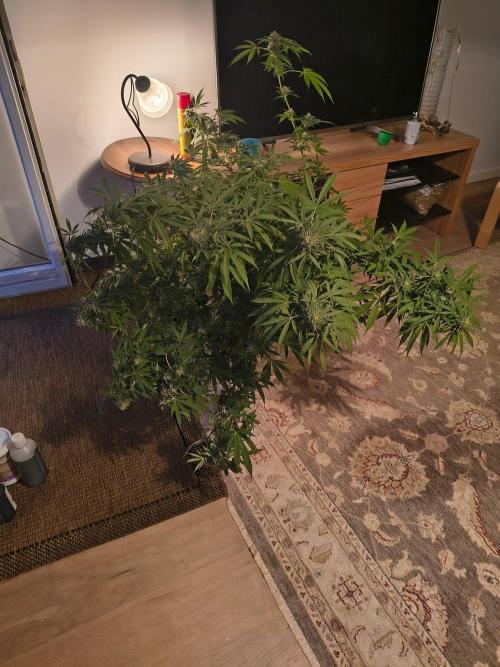
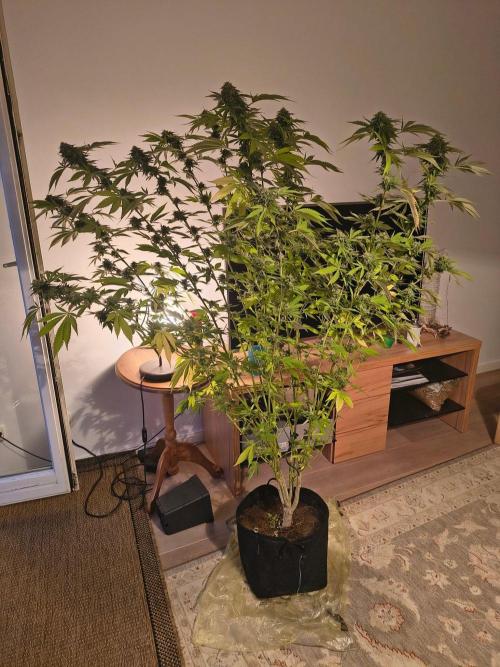
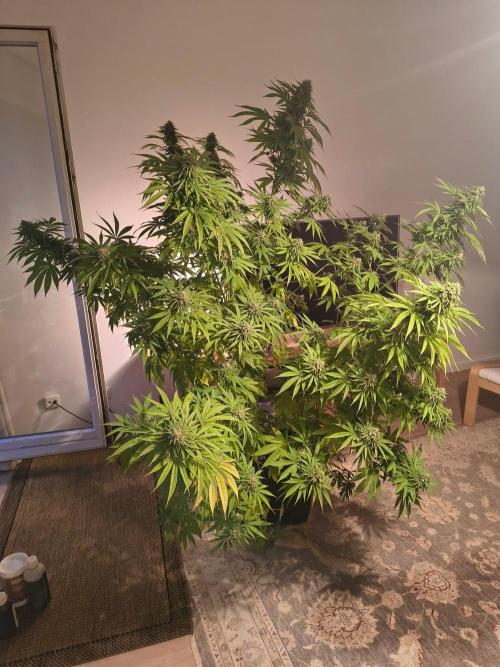
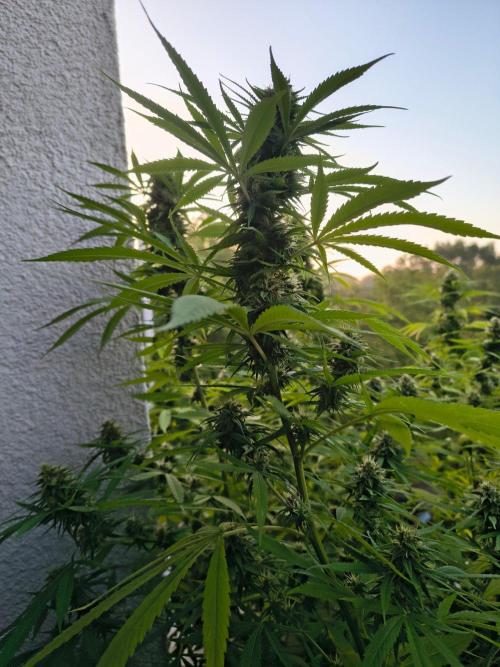
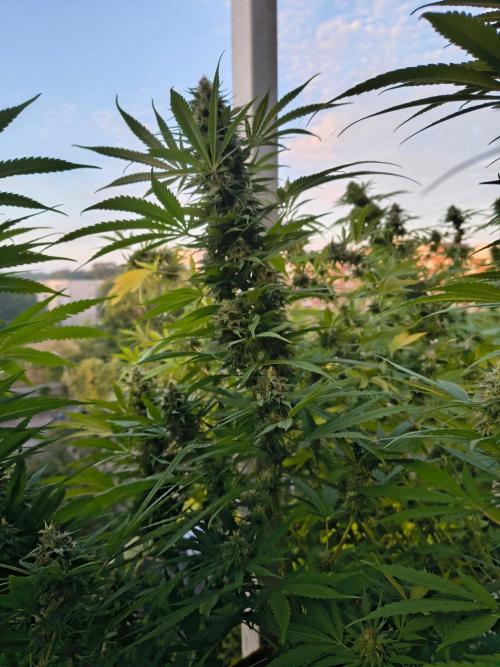
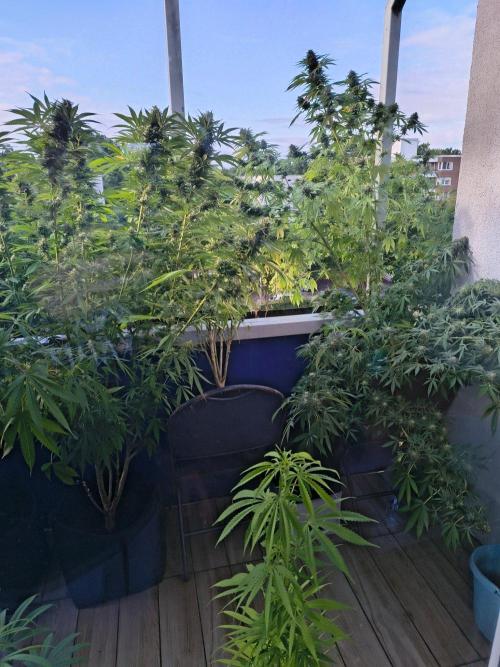
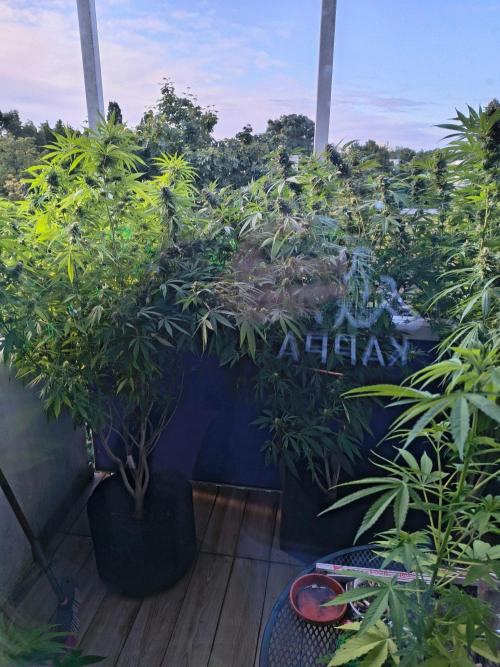
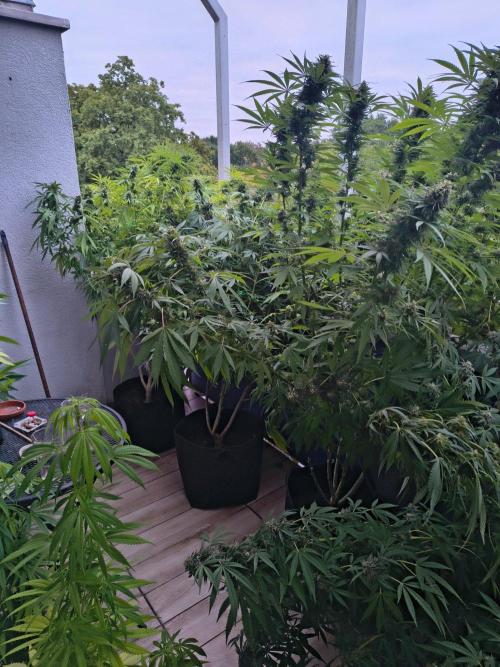
JaramnieJazz 19.08.26 So beim Skunk Haze und Black Lemon ist ein Ast abgebrochen durchs Gewicht und bei Apple Betty hängt auch alles mal schauen wie ich das manage bis zum Schluss scheisse scheisse
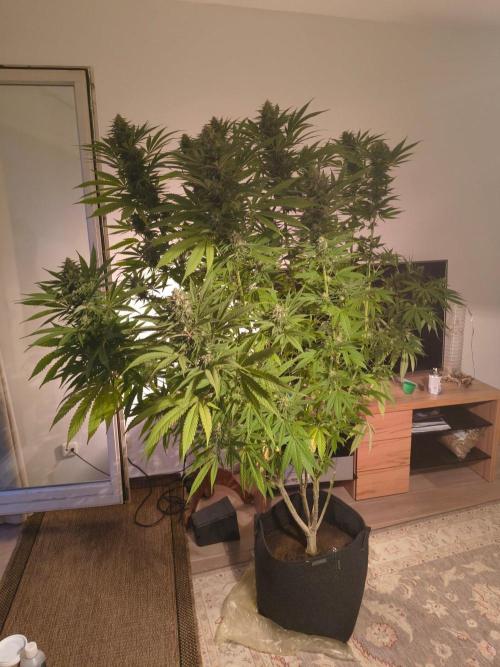
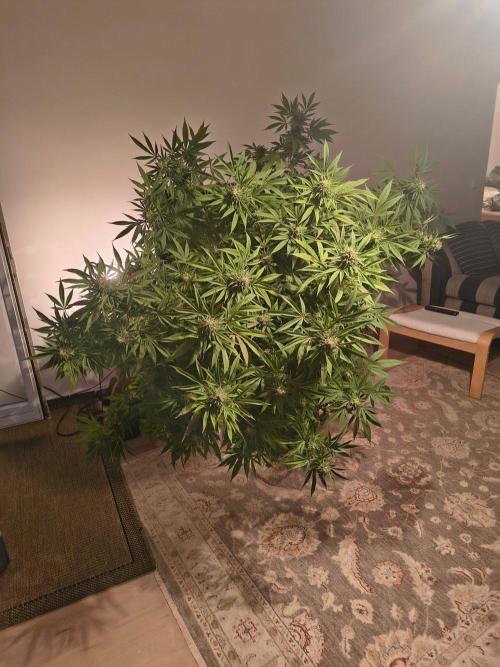
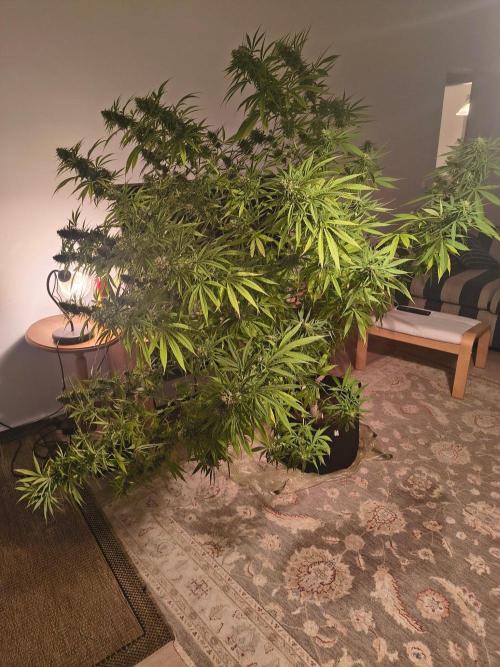
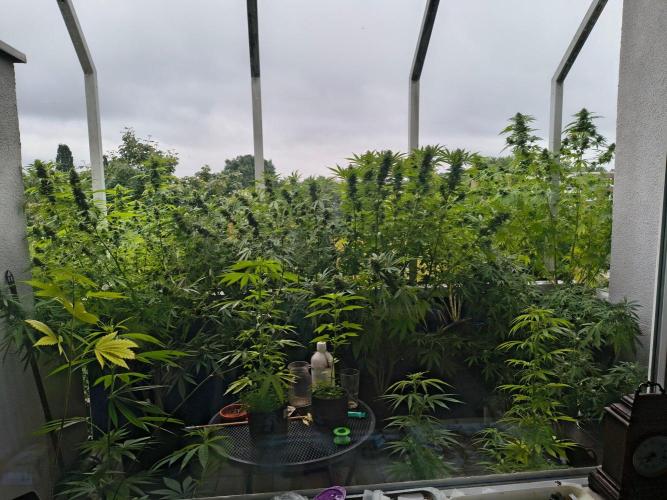
20.08.26 Läuft die Chocobang hat richtig die fetten Blüten die Skunk Haze hat auch richtig schöne Blumen die Apple Betty ist kollabiert vom ganzen Gewicht die Blüten sind nicht so groß aber stinken tun sie am meisten die GDP obwohl so klein könnten am ende super lange schöne Blüten werden Die Sour Diesel macht auch Fette leider hab ich sie ein bisschen zu spät an ihren jetzigen Platz gestellt ein Ast ist voll mit Blüten die anderen holen auf könnten aber genau so sein jetzt und die Black Lemon ist komplett kollabiert alles hängt hab Mühe die richtig zu platzieren damit sie genug Licht bekommt werden aber sicherlich gute Blüten am ende Exotic Seeds hat mich noch nicht enttäuscht bin gespannt wie es in ein paar Wochen aussieht
das Wetter muss nur mitspielen Daumen drücken 🤞🏻 Peace 💚
"Edit" Die Honig Angabe bezieht sich auf ein Teelöffel Honig in einem kleinen Glas Wasser aufgelöst und in die 10L Nährstofflösung gekippt
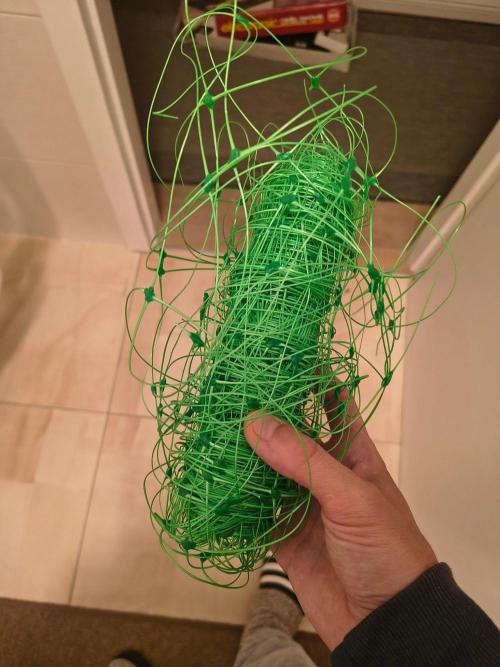
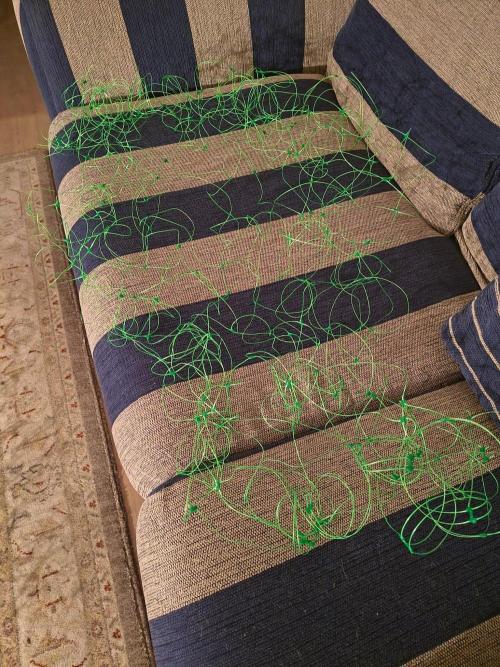
23.08.26 So hab ein Scrog Netz 3x5m oder so ähnlich zurechtgeschnitten was ich locker auf die Pflanze legen und die Blüten einarbeiten werde Dank geht raus an @Northern_Ent der mir den tip gab 😘
Hab jetzt 1h die Skunk Haze und Apple Betty in das Netz gefädelt das ein Akt es sieht schon ein bisschen besser aus nur das Wetter steht noch im weg
Wie man in den beiden neuen Videos sieht ist das ein Durcheinander von Blüten nur Black Lemon macht mir Sorgen das sie genug Licht bekommt der Rest läuft wenn das Wetter mitspielt Peace 💚
24.08.26 So weiter alles eingefädelt fast ne Stunde werde wohl oder übel noch weiter was machen müssen aber sieht schon sehr gut aus könnte natürlich noch besser sein
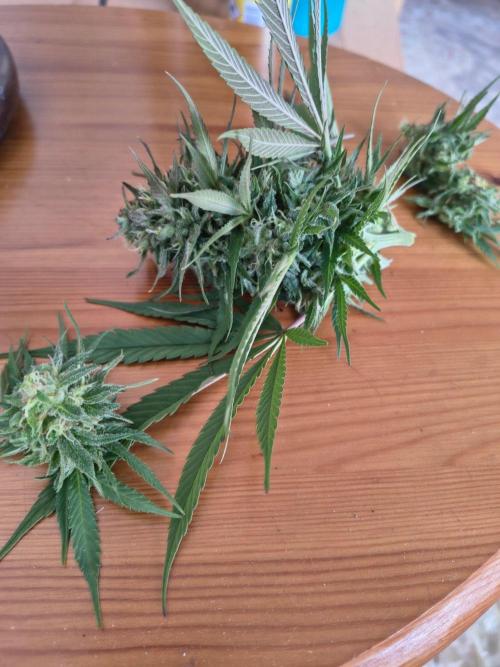
Hab bei der Apple Betty 2 stellen gefunden mit Schimmel wurden entfernt einmal ein kleiner top und 2 kleine Segment abgeschnitten also nicht viel verloren hoffe das ich nicht noch Mehr finde so die Chocobang auf 2 einzige stellen ein segment je Blüte also fast nix verloren zum Glück so früh gesehen die kleinen blàtter werden die dunkel das Problem in später Blüte ist das normal muss man dran ziehen wenn es einfach abreißt oder gleich ganzes Blatt rauskommt sollte man genauer schauen auf graue stellen das Problem manchmal erst Recht wenn ich ein gesmoked hatte war überall grau ist fast wie das glitzern hab dann úberall was gesehen war aber wohl nicht ganz so schlimm am ende😅
So noch mehr bei der Chocobang musste die ganze schóne top abschneiden weil der Ast in der Mitte war vergammelt das würde weiter gehen naja kein Wunder bei den fetten Blüten war leider noch mehr in der blúte ein bisschen konte ich retten großzügig abgeschnitten würde fast gerne Ernten aber erst 6 Wochen um kein plan was jetzt finde immer mehr hab mir die trichome angeschaut und sieht garnicht so schlecht aus ist schwerer bei Outdoor Pflanzen da Regen Wetter die auch verwischt kein plan ob das das Plagron Power Buds ist aber sieht aus als könnte ich ernten das macht 6Wochen aber man sieht jetzt kommt das anfetten besonders bei der Chocobang die würde ich ungerne Ernte jetzt Apple Betty auch nur da bin ich mir nicht sicher ob sie noch dickere werden Skunk Haze muss noch Diesel kein plan der Rest auch muss ich paar Tage beobachten dann entscheide ich und die Sour Diesel hat jetzt so ein unangenehmen Geruch bekommen könnte nicht bestimmen was das ist und heute traf es mich so chemisch wie altes schmierfett im Motor Maschinen und Co mit einem Orangen Abgang deshalb auch Diesel wa bin gespannt wie sich das nach dem aushärten entwickelt Die Black Lemon scheint sehr gut gegen Schimmel klar zu kommen GDP auch Skunk Haze ist auch sehr gut durch ihre luftigen Knospen die Diesel scheint auch nicht zu haben hoffe das bleibt so aber ich glaube schon durch ihre position auf dem Balkon alles "hängt" außerhalb des Balkons und der Wind lässt sie besser austrocknen Peace 💚
25.08.26 Läuft man sieht deutlich wir sind in der Anfettungsphase angekommen Skunk Haze,Sour Diesel, Chocobang,GDP selbst Apple Betty haute neue Stempel raus aber ich denke Apple Betty wird die erste werde die fertig wird hab Die Diesel mal richtig angeguckt muss sagen die hat genau so Fette Blüten wie die Choco
16 likes
7 comments
Share
31
Week 31. Flowering1mo ago

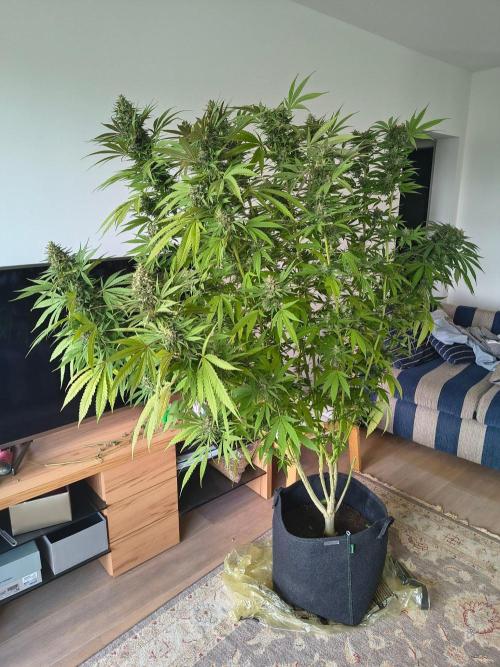
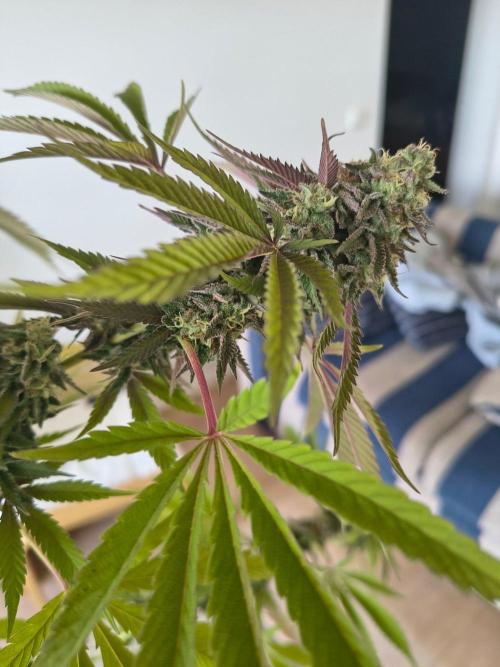
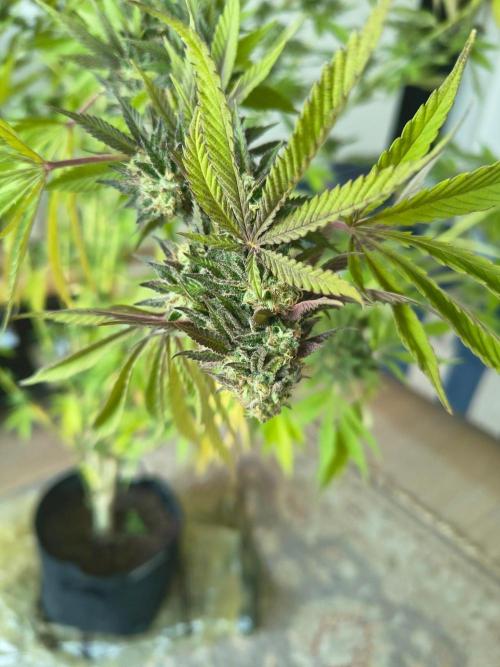
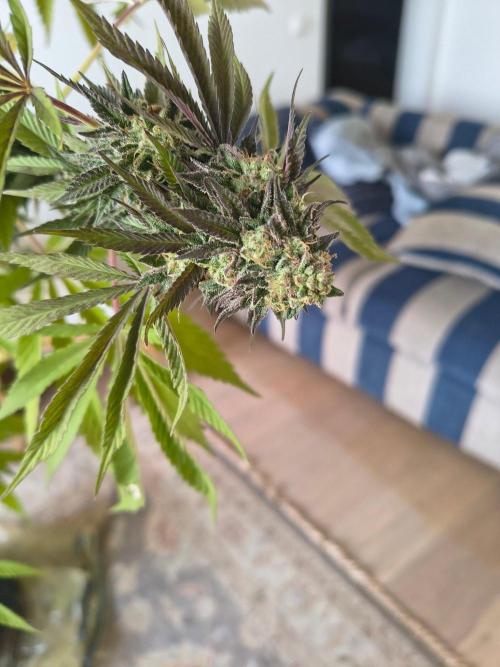

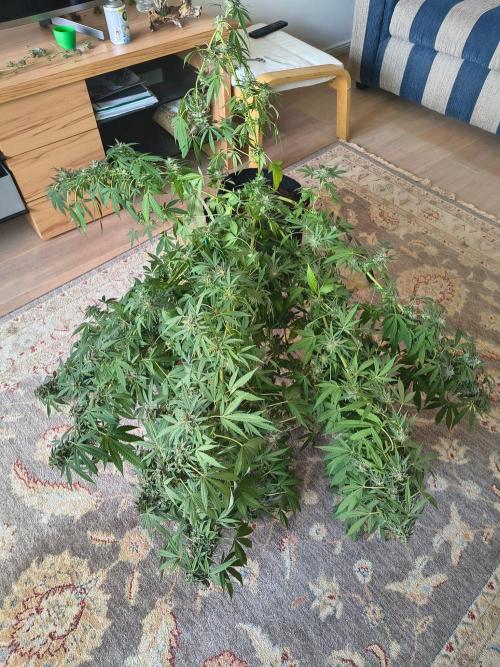
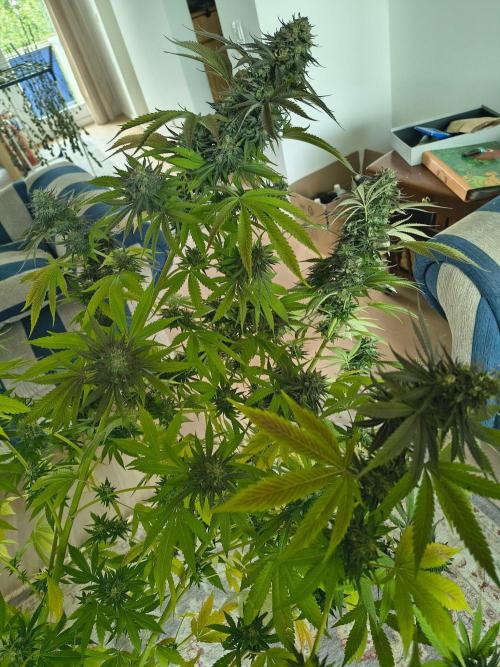
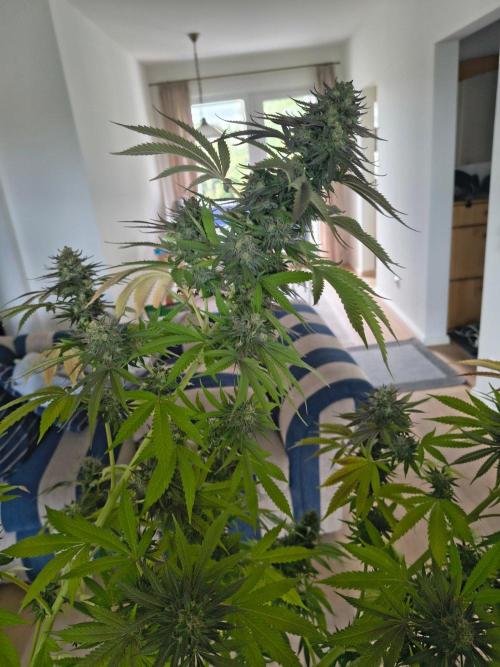
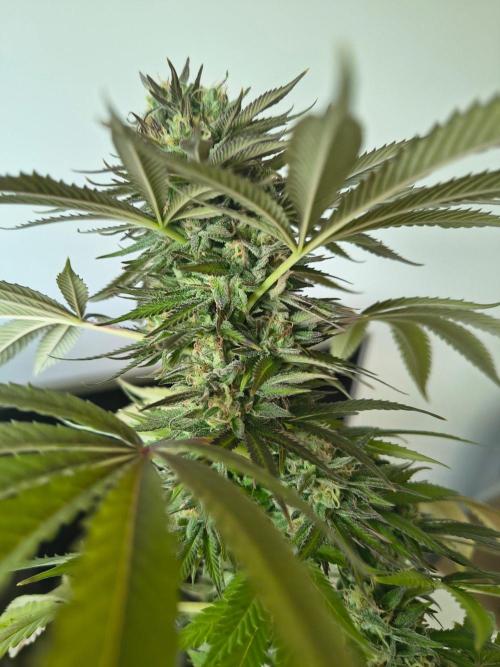
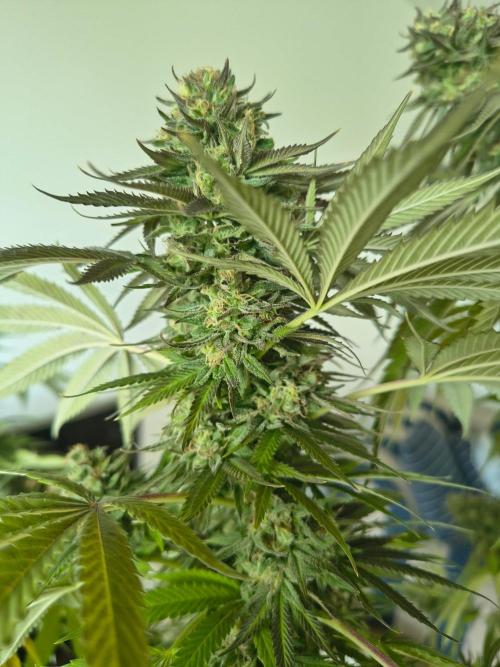
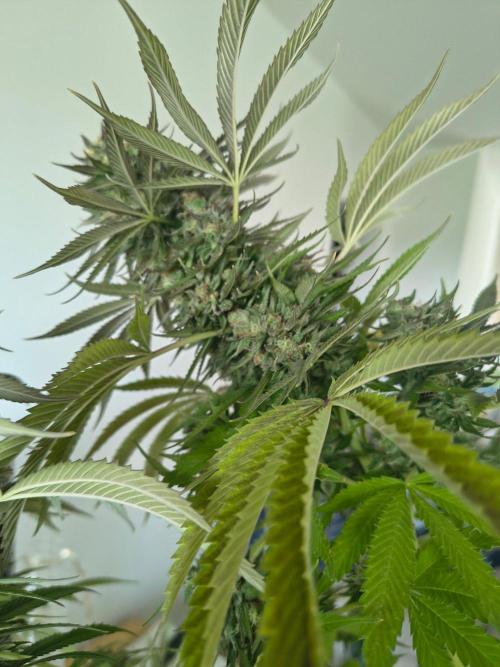
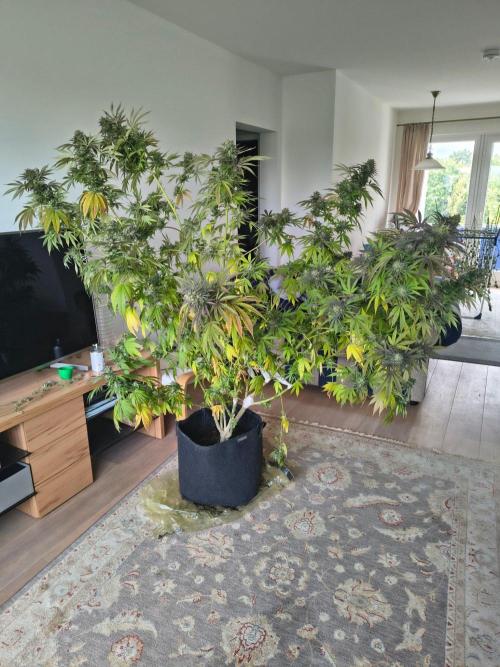
160 cm
Height
12 hrs
Light Schedule
21 °C
Day Air Temp
Normal
Smell
56 %
Air Humidity
20 °C
Solution Temp
14 °C
Night Air Temp
39 liters
Pot Size
3 liters
Watering Volume
508 cm
Lamp Distance
Nutrients 5
Honig
1 mll
Bio-Bloom
3 mll
Top-Max
2 mll
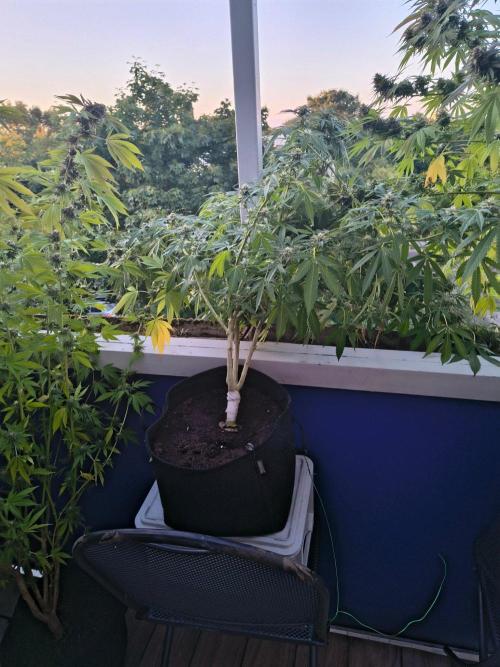
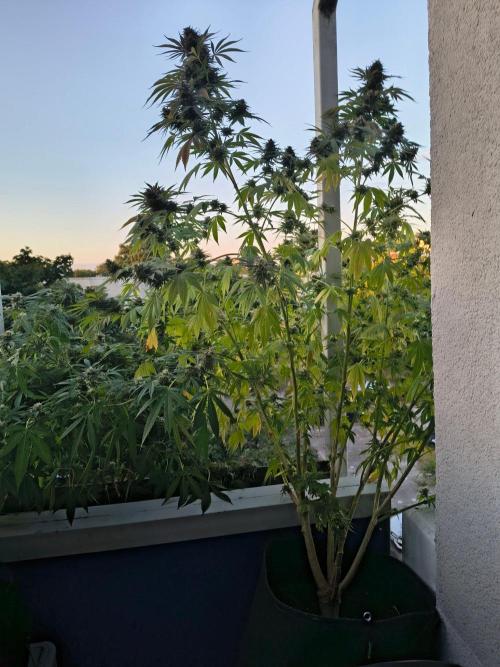
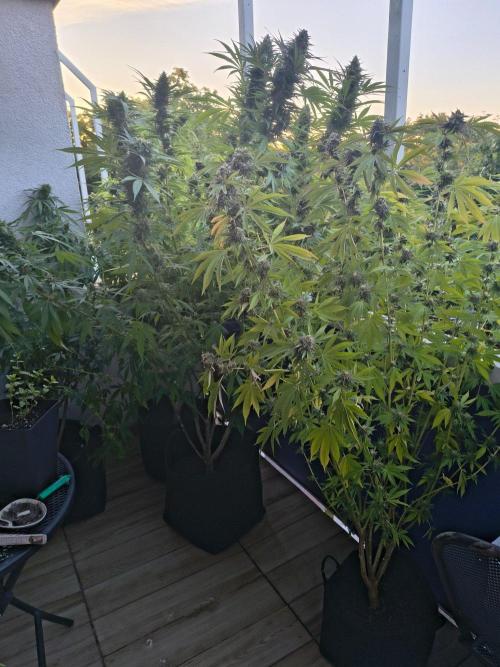
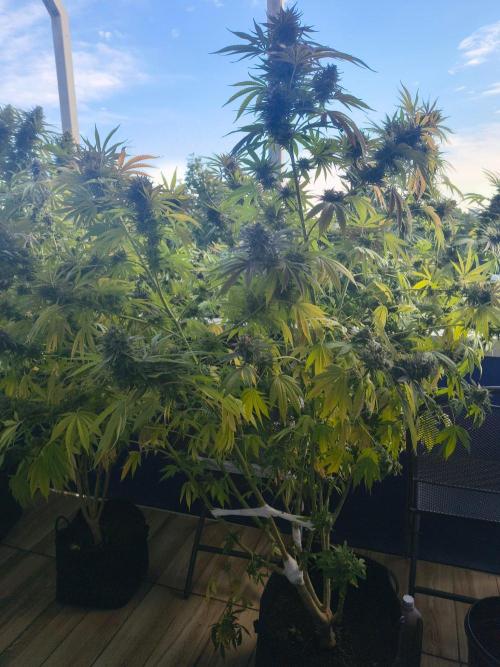
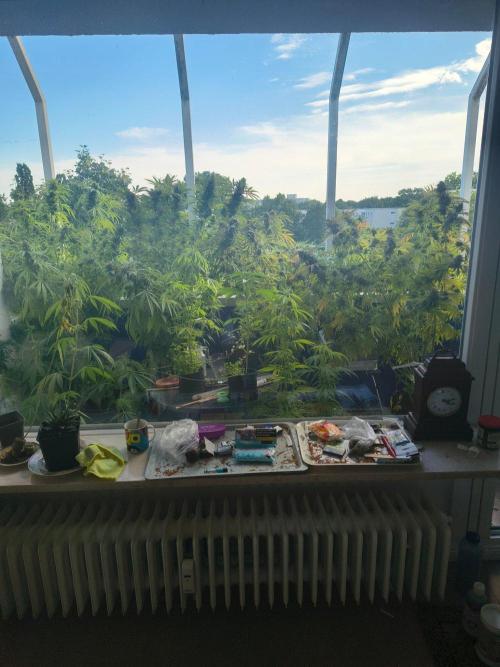
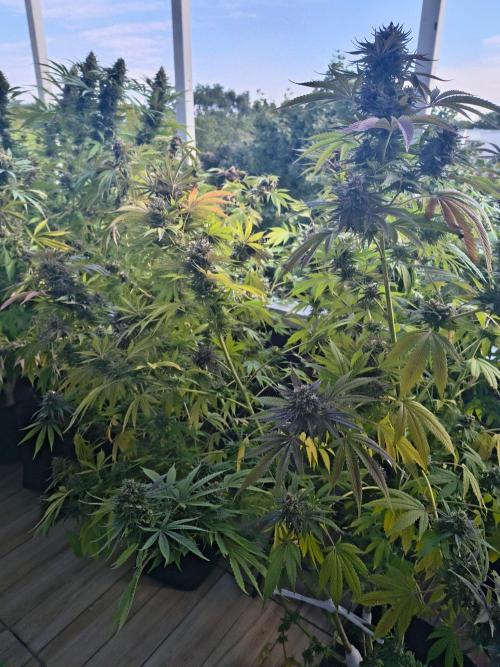
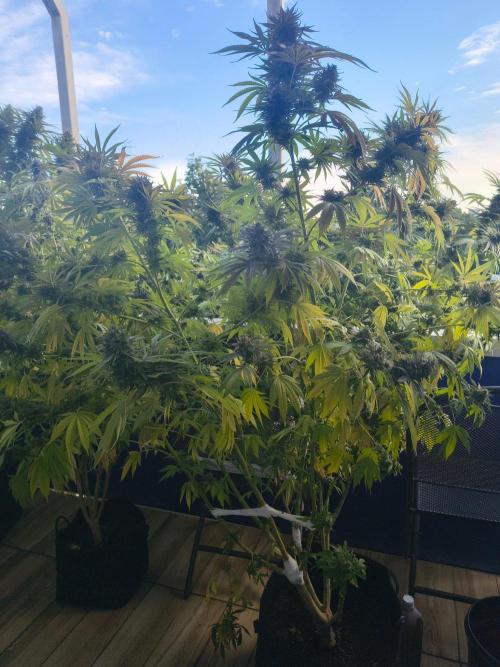
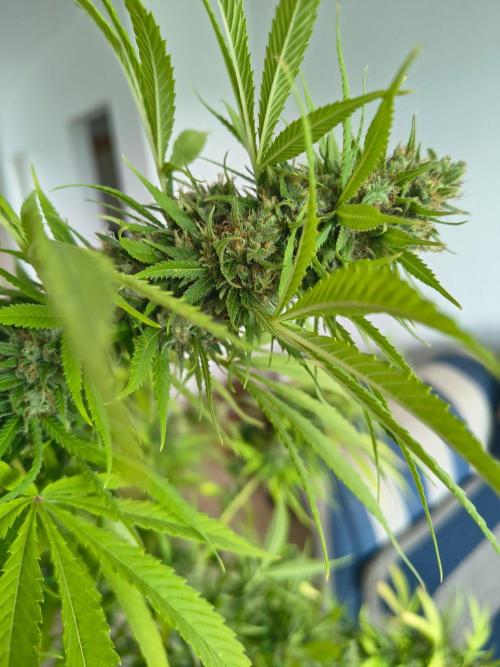
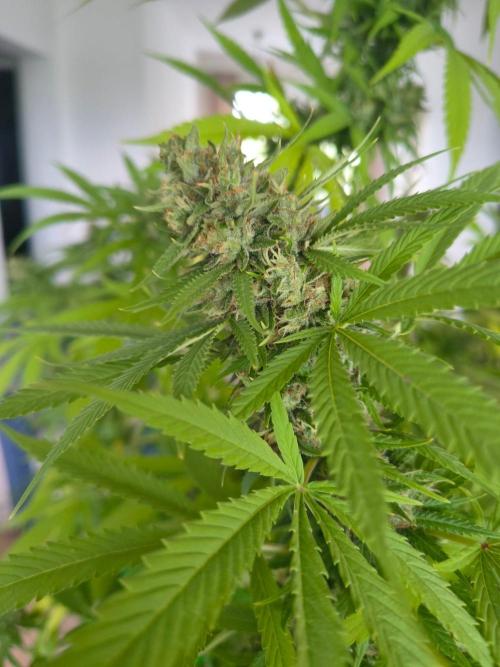
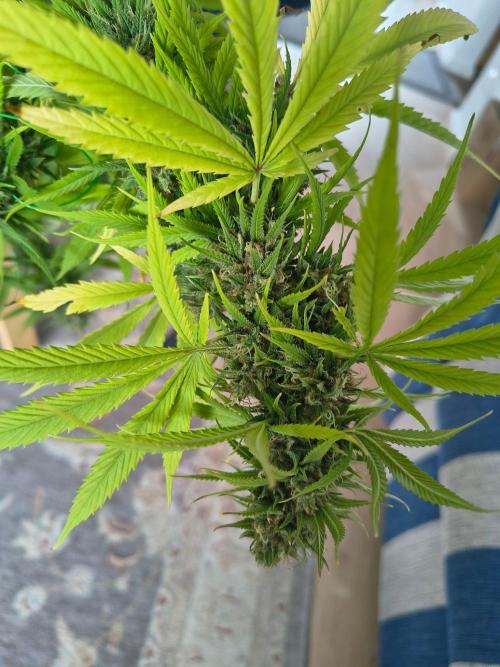
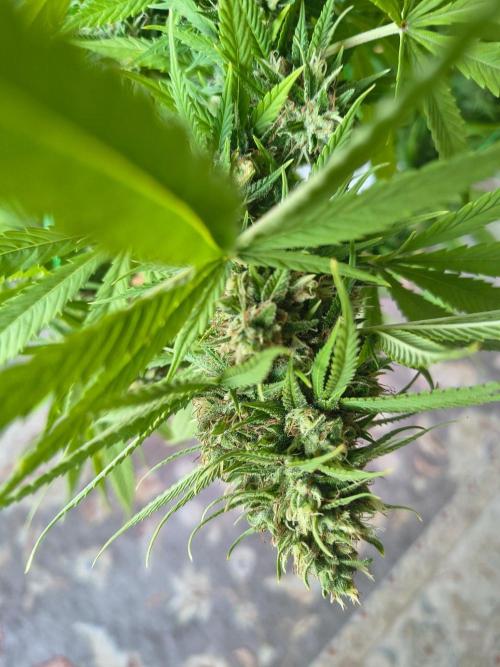
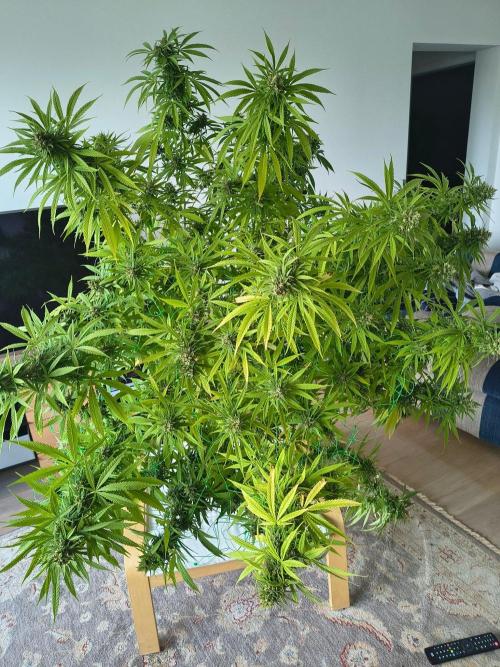
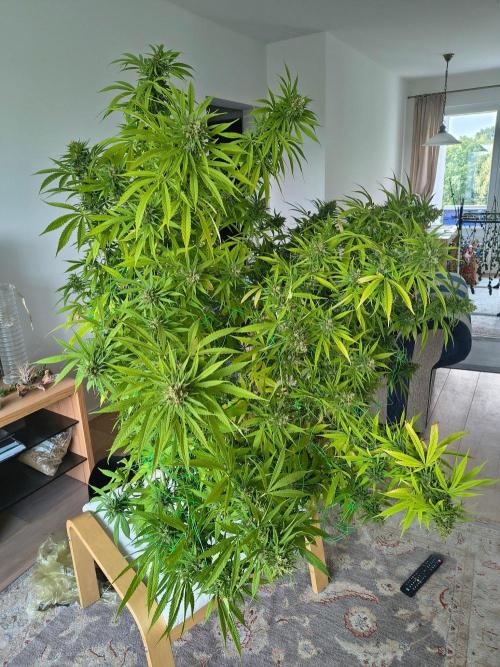
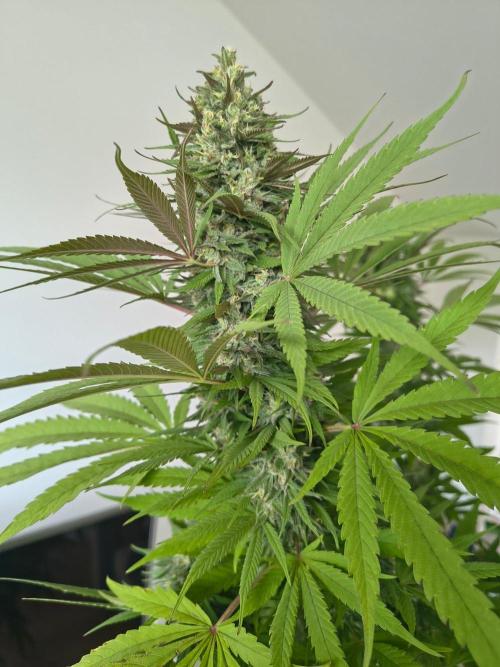
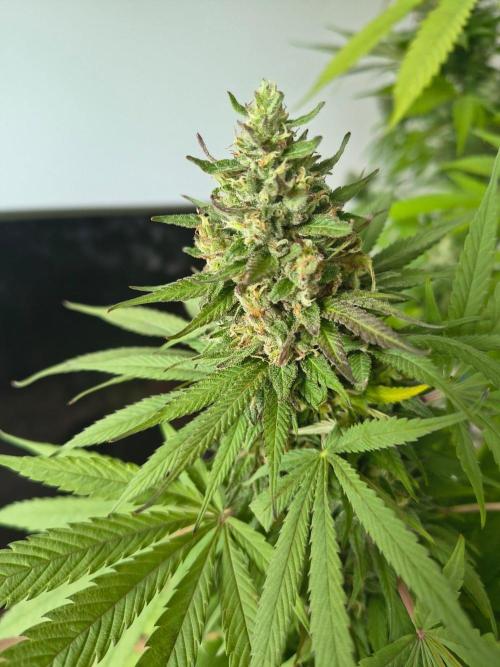
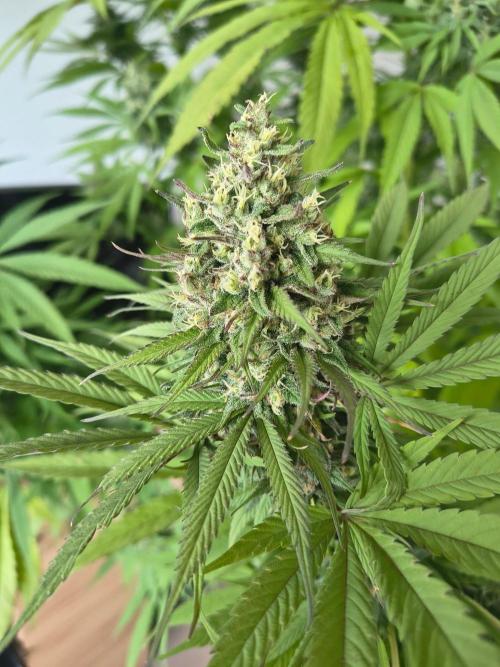
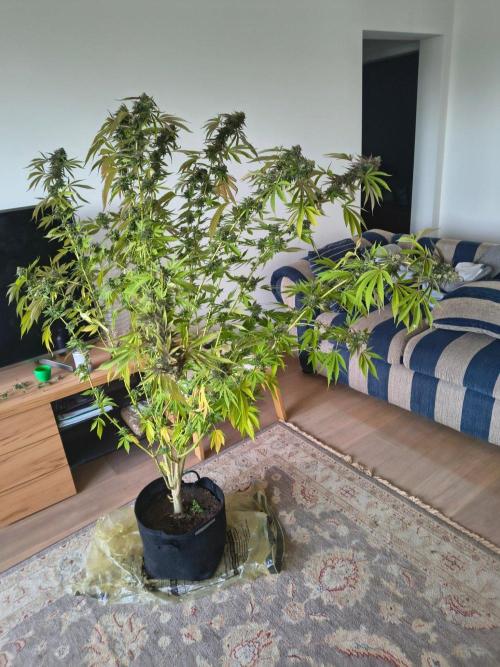
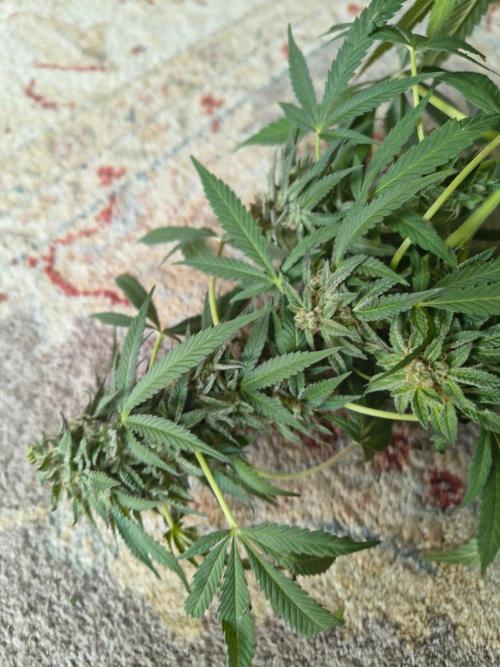
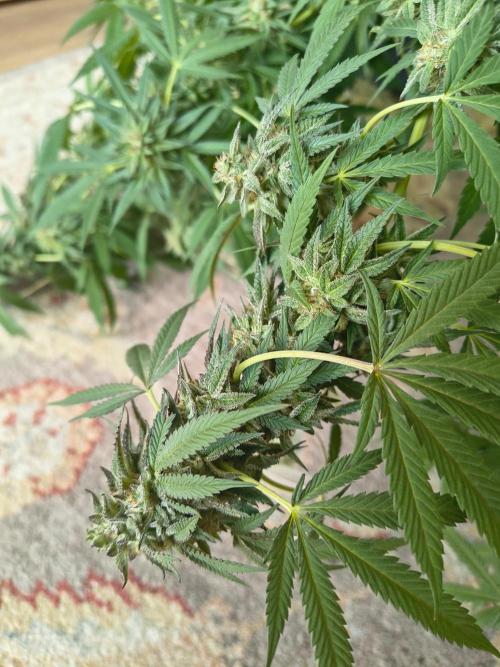
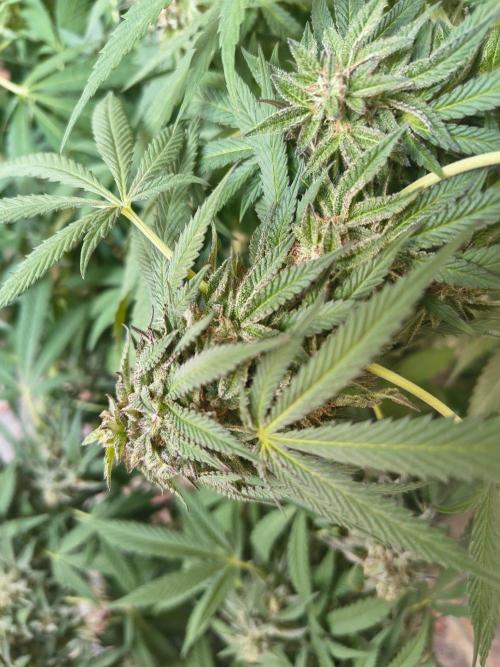
JaramnieJazz 26.08.26 Willkommen zum ersten Tag der 7 Blüte Woche Apple Betty musste not geschlachtet werden der Rest ist jetzt in der Phase wo die Buds anschwellen hoffe das wars mit dem Schimmel und endlich bekommt Black Lemon genug Licht
27.08.26 Langsam ist richtig fürs Auge obwohl wenn das so weiter geht alle hauen die Stempel raus die Diesel ist erst gespalten hads mit Pflaster wieder verbunden nach 1h der ganze Ast wo der gespaltene Ast sitzt fast komplett raus gerissen also auch geklebt und mit Pflaster die Äste zusammen ein bisschen das ein Ast den 2 stützt
9 likes
comments
Share
31
Week 31. Harvest1mo ago
Happy Harvest Day!


7/10
Rated
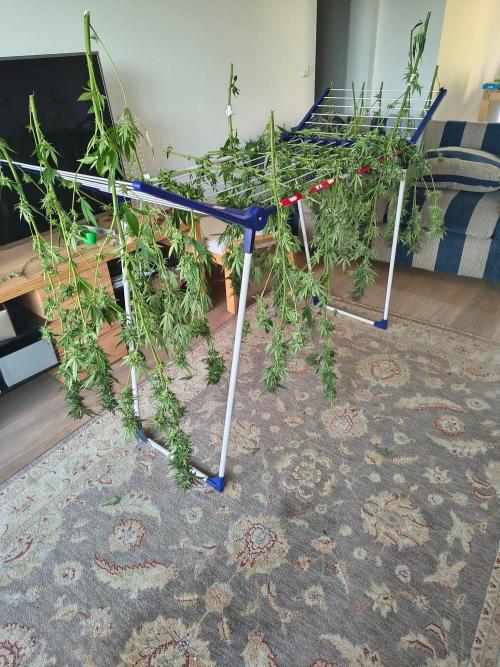
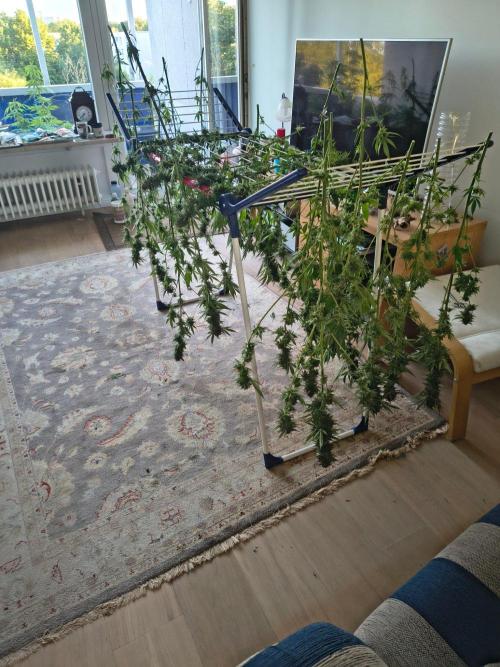
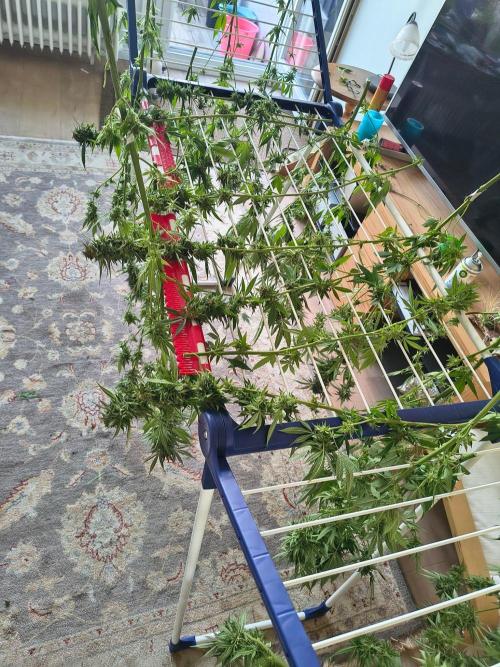
25.08.26 Letzter Tag der 6 Blüte Woche und ich finde immer mehr Schimmel selbst kleine einzeln stehende Blüten gammeln also Schere raus und ab schade hätte noch 2 Wochen gekonnt aber sieht fertig aus nicht wie die anderen die die Stempel raushauen
Show more
Translate
Spent 241 days
Ger Veg Flo Har
1
Plants
Normal
Difficulty
Height
Day air temperature
Air humidity
Light schedule
Solution temperature
Night air temperature
Pot size
Lamp distance
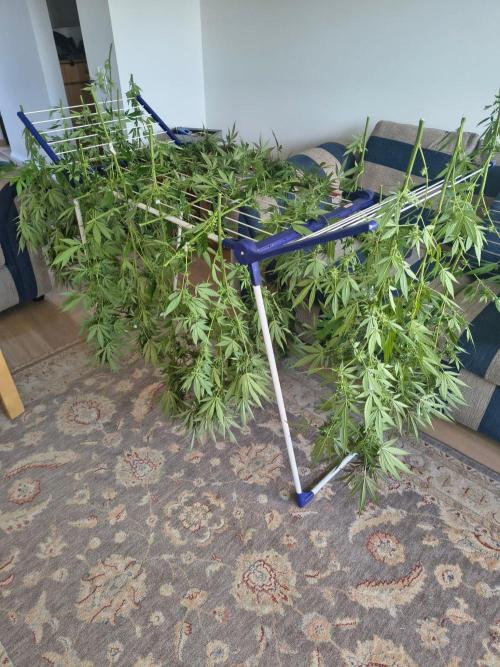
JaramnieJazz Ja ist ab nicht geeignet für Norddeutschland obwohl die so kleine Blüten hatte aber fest
7 likes
comments
Share
Equipment Reviews
31
Week 31. Harvest1mo ago
Happy Harvest Day!
7/10
Rated
25.08.26 Letzter Tag der 6 Blüte Woche und ich finde immer mehr Schimmel selbst kleine einzeln stehende Blüten gammeln also Schere raus und ab schade hätte noch 2 Wochen gekonnt aber sieht fertig aus nicht wie die anderen die die Stempel raushauen
Show more
Translate
Spent 241 days
Ger Veg Flo Har
1
Plants
Normal
Difficulty
Height
Day air temperature
Air humidity
Light schedule
Solution temperature
Night air temperature
Pot size
Lamp distance
JaramnieJazz Ja ist ab nicht geeignet für Norddeutschland obwohl die so kleine Blüten hatte aber fest
12 likes
1 comment
Share
Equipment Reviews
31
Week 31. Harvest1mo ago
Happy Harvest Day!
7/10
Rated
25.08.26 Letzter Tag der 6 Blüte Woche und ich finde immer mehr Schimmel selbst kleine einzeln stehende Blüten gammeln also Schere raus und ab schade hätte noch 2 Wochen gekonnt aber sieht fertig aus nicht wie die anderen die die Stempel raushauen
Show more
Translate
Spent 241 days
Ger Veg Flo Har
1
Plants
Normal
Difficulty
Height
Day air temperature
Air humidity
Light schedule
Solution temperature
Night air temperature
Pot size
Lamp distance
JaramnieJazz Ja ist ab nicht geeignet für Norddeutschland obwohl die so kleine Blüten hatte aber fest
7 likes
comments
Share
Equipment Reviews
31
Week 31. Harvest1mo ago
Happy Harvest Day!
7/10
Rated
25.08.26 Letzter Tag der 6 Blüte Woche und ich finde immer mehr Schimmel selbst kleine einzeln stehende Blüten gammeln also Schere raus und ab schade hätte noch 2 Wochen gekonnt aber sieht fertig aus nicht wie die anderen die die Stempel raushauen
Show more
Translate
Spent 241 days
Ger Veg Flo Har
1
Plants
Normal
Difficulty
Height
Day air temperature
Air humidity
Light schedule
Solution temperature
Night air temperature
Pot size
Lamp distance
JaramnieJazz Ja ist ab nicht geeignet für Norddeutschland obwohl die so kleine Blüten hatte aber fest
8 likes
comments
Share
Equipment Reviews
31
Week 31. Harvest1mo ago
Happy Harvest Day!
7/10
Rated
25.08.26 Letzter Tag der 6 Blüte Woche und ich finde immer mehr Schimmel selbst kleine einzeln stehende Blüten gammeln also Schere raus und ab schade hätte noch 2 Wochen gekonnt aber sieht fertig aus nicht wie die anderen die die Stempel raushauen
Show more
Translate
Spent 241 days
Ger Veg Flo Har
1
Plants
Normal
Difficulty
Height
Day air temperature
Air humidity
Light schedule
Solution temperature
Night air temperature
Pot size
Lamp distance
JaramnieJazz Ja ist ab nicht geeignet für Norddeutschland obwohl die so kleine Blüten hatte aber fest
9 likes
comments
Share
Equipment Reviews
31
Week 31. Harvest1mo ago
Happy Harvest Day!
7/10
Rated
25.08.26 Letzter Tag der 6 Blüte Woche und ich finde immer mehr Schimmel selbst kleine einzeln stehende Blüten gammeln also Schere raus und ab schade hätte noch 2 Wochen gekonnt aber sieht fertig aus nicht wie die anderen die die Stempel raushauen
Show more
Translate
Spent 241 days
Ger Veg Flo Har
1
Plants
Normal
Difficulty
Height
Day air temperature
Air humidity
Light schedule
Solution temperature
Night air temperature
Pot size
Lamp distance
JaramnieJazz Ja ist ab nicht geeignet für Norddeutschland obwohl die so kleine Blüten hatte aber fest
10 likes
comments
Share
Equipment Reviews
31
Week 31. Harvest1mo ago
Happy Harvest Day!
7/10
Rated
25.08.26 Letzter Tag der 6 Blüte Woche und ich finde immer mehr Schimmel selbst kleine einzeln stehende Blüten gammeln also Schere raus und ab schade hätte noch 2 Wochen gekonnt aber sieht fertig aus nicht wie die anderen die die Stempel raushauen
Show more
Translate
Spent 241 days
Ger Veg Flo Har
1
Plants
Normal
Difficulty
Height
Day air temperature
Air humidity
Light schedule
Solution temperature
Night air temperature
Pot size
Lamp distance
JaramnieJazz Ja ist ab nicht geeignet für Norddeutschland obwohl die so kleine Blüten hatte aber fest
10 likes
comments
Share
Equipment Reviews
32
Week 32. Flowering23d ago

160 cm
Height
12 hrs
Light Schedule
21 °C
Day Air Temp
Normal
Smell
60 %
Air Humidity
20 °C
Solution Temp
14 °C
Night Air Temp
39 liters
Pot Size
1 liters
Watering Volume
508 cm
Lamp Distance
JaramnieJazz So alles wurde geerntet aber ist noch nicht vorbei die basis der Pflanzen steht noch mit paar Blümchen die bestäubt werden wollen von dem Door's Männchen
9 likes
comments
Share
32
Week 32. Harvest23d ago
Happy Harvest Day!


10/10
Rated
Spent 241 days
Ger Veg Flo Har
1
Plants
3.5 m²
Grow Room size
Easy
Difficulty
Height
Day air temperature
Air humidity
Light schedule
Solution temperature
Night air temperature
Pot size
Lamp distance

JaramnieJazz Lieber den Spatz in der Hand als die Taube auf'n Dach
9 likes
comments
Share
Equipment Reviews
32
Week 32. Harvest23d ago
Happy Harvest Day!

10/10
Rated
Ja waren Fette Blüten musste leider Ernten wegen dem Schimmel und den Neidern aber ist alles gut gegangen alles in Sicherheit jetzt
Show more
Translate
Spent 241 days
Ger Veg Flo Har
1
Plants
Normal
Difficulty
Height
Day air temperature
Air humidity
Light schedule
Solution temperature
Night air temperature
Pot size
Lamp distance

JaramnieJazz Lieber den Spatz in der Hand als die Taube auf'n Dach
8 likes
comments
Share
Equipment Reviews
32
Week 32. Harvest23d ago
Happy Harvest Day!

3/10
Rated
Ja waren Fette Blüten musste leider Ernten wegen dem Schimmel und den Neidern aber ist alles gut gegangen alles in Sicherheit jetzt
Show more
Translate
Spent 241 days
Ger Veg Flo Har
210 g
Bud dry weight per plant
1
Plants
Normal
Difficulty

Sweet
Taste
Height
Day air temperature
Air humidity
Light schedule
Solution temperature
Night air temperature
Pot size
Lamp distance
JaramnieJazz Lieber den Spatz in der Hand als die Taube auf'n Dach
8 likes
comments
Share
Equipment Reviews
32
Week 32. Harvest23d ago
Happy Harvest Day!
10/10
Rated
Musste Ernten wegen Schimmel und Neider aber alles in Sicherheit jetzt
Show more
Translate
Spent 241 days
Ger Veg Flo Har
190 g
Bud dry weight per plant
1
Plants
3.5 m²
Grow Room size
Normal
Difficulty

Diesel, Citrus
Taste
Height
Day air temperature
Air humidity
Light schedule
Solution temperature
Night air temperature
Pot size
Lamp distance
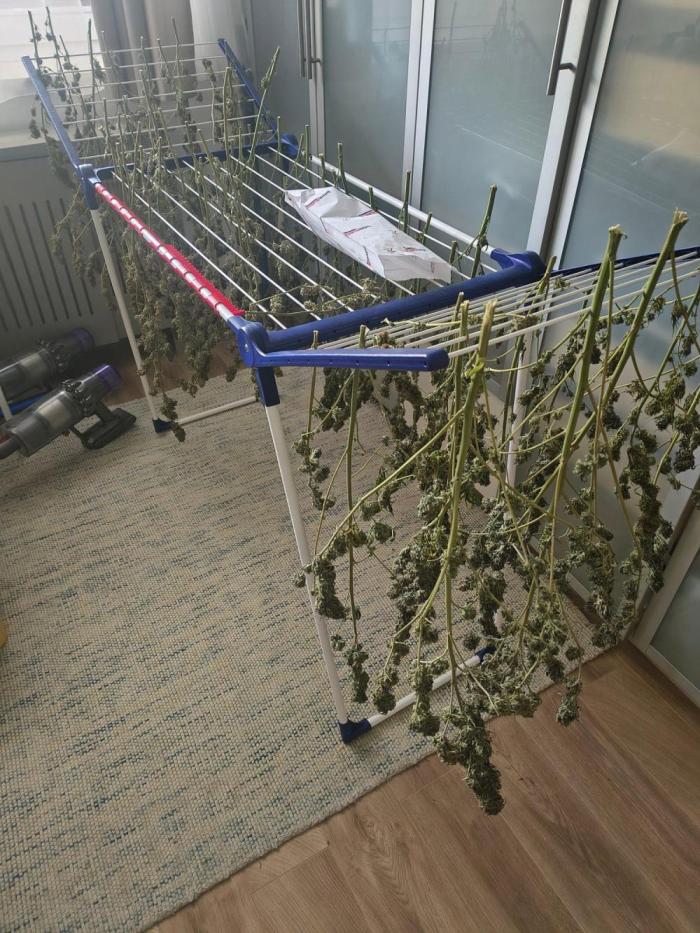
JaramnieJazz Lieber den Spatz in der Hand als die Taube auf'n Dach
9 likes
comments
Share
Equipment Reviews
32
Week 32. Harvest23d ago
Happy Harvest Day!
10/10
Rated
Musste Ernten wegen dem Schimmel und den Neidern aber alles in Sicherheit
Show more
Translate
Spent 241 days
Ger Veg Flo Har
1
Plants
3.5 m²
Grow Room size
Normal
Difficulty
Height
Day air temperature
Air humidity
Light schedule
Solution temperature
Night air temperature
Pot size
Lamp distance
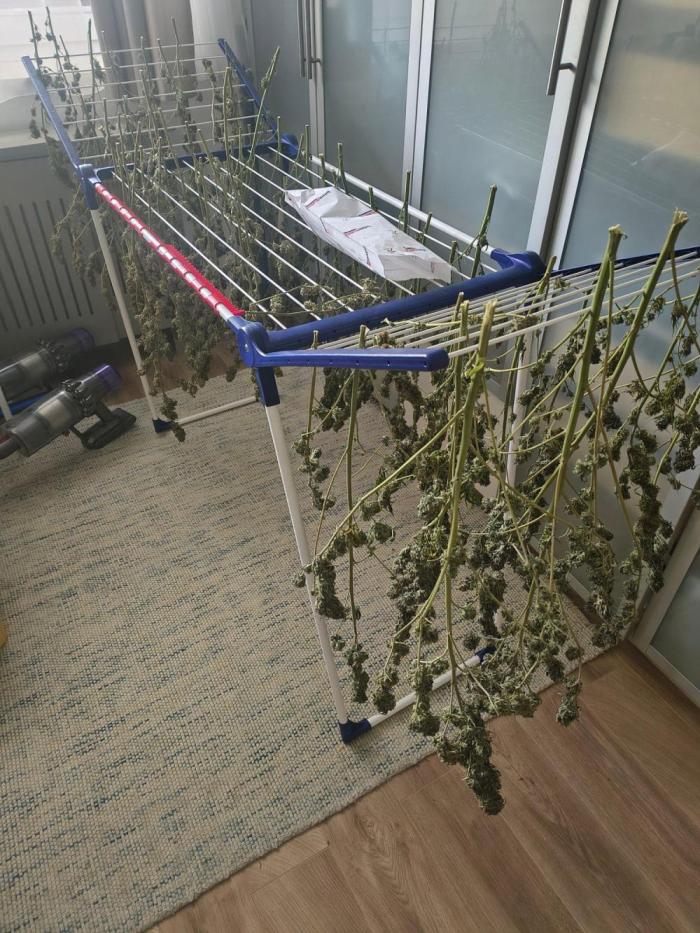
JaramnieJazz Lieber den Spatz in der Hand als die Taube auf'n Dach
12 likes
comments
Share
Equipment Reviews
33
Week 33. Harvest13d ago
Happy Harvest Day!


1/10
Rated
Kein plan ist beim Kollegen und noch nicht fertig
Show more
Translate
Spent 241 days
Ger Veg Flo Har
1
Plants
3.5 m²
Grow Room size
Hard
Difficulty
Height
Day air temperature
Air humidity
Light schedule
Solution temperature
Night air temperature
Pot size
Lamp distance
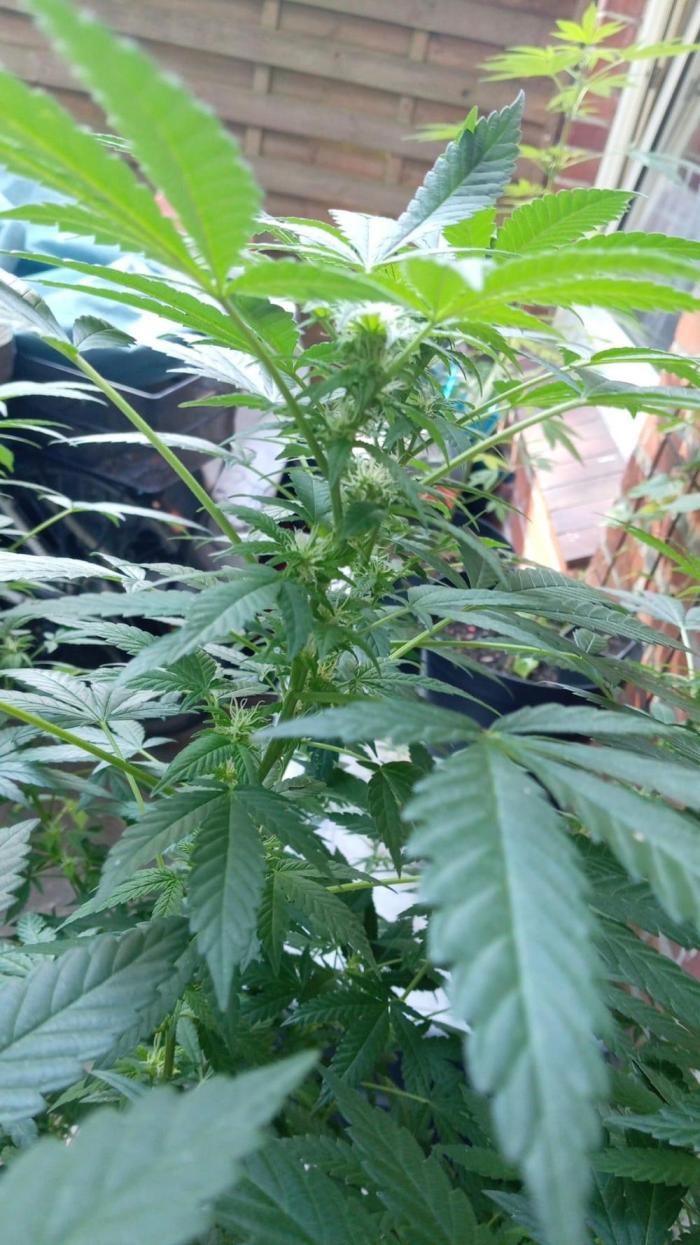
JaramnieJazz Ja
9 likes
1 comment
Share
Equipment Reviews
77 comments
Sort by
popularity
popularity
newest
oldest
JaramnieJazz commentedweek 37mo ago
Es läuft gut Mal schauen wie die Kleinen kommen ich hoffe sehr gut

likes 6

Gratak commentedweek 86mo ago
Viel Erfolg sieht bis jetzt sehr gut aus
likes 5
JaramnieJazz commented6mo ago
@Gratak, Danke
likes 6

TruTraTri commentedweek 37mo ago
Bin ich mal gespannt wanns dann endlich Outdoor geht.😎😏
likes 4
JaramnieJazz commented5mo ago
@TruTraTri, Ja😅 Das hab ich mir auch gedacht wenn die schon so groß in 15L wurden letztes Jahr was wird dieses in 39L
Also die Nachbarn haben immer geguckt wie blöd und grinsend gegrüßt die ganze Gegend guckt immer so komisch wenn ich auf der Straße laufe😅
likes 3
TruTraTri commented5mo ago
@JaramnieJazz, achso. Ich dachte immer weil ich sympathisch bin. Verdammt.💩
likes 2
JaramnieJazz commented5mo ago
@TruTraTri, 😂😂
likes 3
Show More (2)

WonderJo commentedweek 18mo ago
Looking good 💯 ( wish I could plant outside, @ -15 😂)
likes 3
JaramnieJazz commented8mo ago
@WonderJo, vielleicht in einem Gree nhouse?
likes 3

Webacca commented6mo ago
@WonderJo, Build a Walipini
likes 2
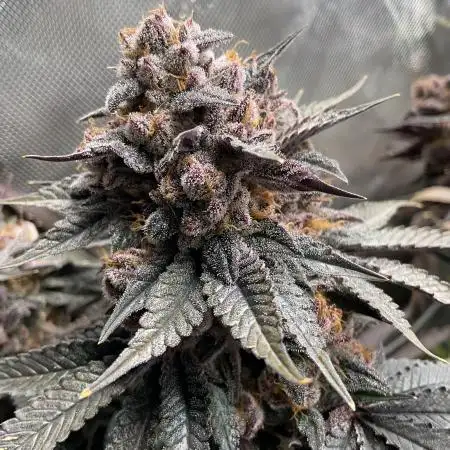
Tower84 commentedweek 194mo ago
Dank dir, ich drücke dir ebenfalls die Daumen das das Wetter mitspielt 🍀 Happy grow 👍
likes 3
JaramnieJazz commented4mo ago
@Tower84, 🙏🏻😊
like 1

Harry_Pothead commentedweek 145mo ago
Sehr schön, viel Erfolg weiterhin 🍀
likes 3
JaramnieJazz commented5mo ago
@Harry_Pothead, Danke
likes 2
DoctorWeedthumb commentedweek 125mo ago
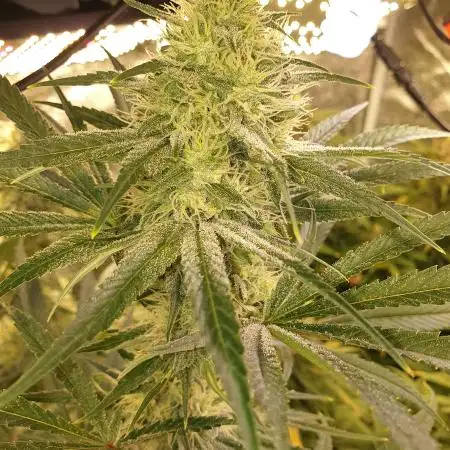
12 weeks vegi? Why re they so small? But look very healthy, beautiful plants. Im just irritated about the size. EDIT: 1Liter ?! crazy!!👌👌👋👏😮 Aber das lohnt sich doch zeitlich gar nicht im Vergleich zum normalen Wachstum in bspw 15L, oder? Da bist du bei in etwa der Hälfte der Zeit.
likes 2
DoctorWeedthumb commented5mo ago
@JaramnieJazz, Das solltest du in den Boden gießen, bevor du die Pflanze reinsetzt und mindestens 3 Tage arbeiten lassen, mein Empfehlung. So können die sich die Bakterien bereits im Boden vermehren. Aber Blutmehl hatte ich noch nicht gehört, nur gerade gelesen, dass viele Proteine und Mineralien drin sind. Kann man durchaus machen, spricht zumindest nichts dagegen. Hornspähne kann ich dir auch noch empfehlen. Praktisch sind die hier, hab davon 5 je Eimer rein, später mal pro Eimer eine auf der Oberfläche zerbröselt und angegossen, bin sehr zufrieden. Sind halt auch eewig viele drin (50 Stück). Hab 2 Grows mit einer Packung gemacht
https://www.amazon.de/Hack-Tabletten-Tomaten-Kräuter-Ganzjährig/dp/B08MTB56DJ/ref=sr_1_1?__mk_de_DE=ÅMÅŽÕÑ&crid=6VKSUMX27W8L&dib=eyJ2IjoiMSJ9.zRYVcE_FghJjndpYGxxRLBweSukcYBi0D8tRWhh-b_ZJCARKGzzplYxdQBIi2ZOywIOeeXsRWOQV7ZcLo-cFHrHJUd8UKDK4XtPzeT5XYM5aBpZY6CJkhMBfcLezszRT_TIgDf4aX2Aauu1rHND1aNzE8Fn1MCxZ55IjQB_oGnd6r5JlGW5hpPhc63jWScQxttoaKq2A2gboAhP7EFkMmFCd9vfgAqYSemU2XAFK8Mv96dZGfF6Tc9-Tw2Bva2RO.EmqU-gzvaU_L944ohNfXNjDKVes5FrZ8u5Z1GD62FKQ&dib_tag=se&keywords=Hack+Bio+Dünge+Tabs+50+Tabletten+im+Eimer+für+Gemüse+Tomaten+Kräuter+Ganzjährigtabs&qid=1776796915&s=garden&sprefix=hack+bio+dünge+tabs+50+tabletten+im+eimer+für+gemüse+tomaten+kräuter+ganzjährigtabs%2Coutdoor%2C159&sr=1-1
like 1
JaramnieJazz commented5mo ago
@DoctorWeedthumb, jo hab das eingearbeitet und das "Koch" seit einen Monat will noch dieses jadan und imo machen Microorganismen zūchten wie .
https://grundstoff-shop.de/pages/anleitungen
likes 4
DoctorWeedthumb commented5mo ago
@JaramnieJazz, Sehr interessant, danke!
likes 2
Show More (10)

GhostTerpZ commentedweek 67mo ago
Looking really good ❗️ ❗️ ❗️
likes 3
JaramnieJazz commented7mo ago
@@GhostTerpZ, THX
likes 4

GERGrowDesigns commentedweek 57mo ago
Good Luck ⭐💚
likes 3
JaramnieJazz commented7mo ago
@GERGrowDesigns, Danke
likes 4
GhostTerpZ commentedweek 86mo ago
🔥💪
likes 3
Webacca commentedweek 76mo ago
Dat Gebüsch macht aber mal nen feinen Eindruck. Was hast du für ne Grundfläche?
likes 2
JaramnieJazz commented6mo ago
@Webacca, Danke der Schrank hat 60 x 70 cm
likes 4
Webacca commented6mo ago
@JaramnieJazz, und da hast du 9 (!) Mädels drin? Alle Achtung.
likes 2
JaramnieJazz commented6mo ago
@Webacca, Ja es ist ein bischen eng aber wird schon noch 1 Monat dann kommen die Kleinen raus
likes 2
growcheckkk commentedweek 301mo ago
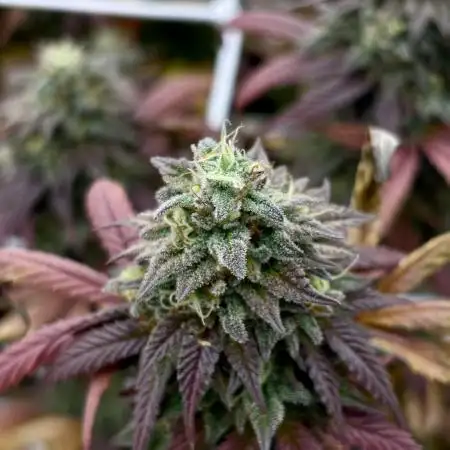
balcony at its finest 🌺👌🏽
likes 2
JaramnieJazz commented1mo ago
@growcheckkk, THX 😊
likes

Momentum commentedweek 233mo ago
schöne arbeit, wenn s bei mir so aussehen würde, wär ich sehr happy ✌️
likes 2
JaramnieJazz commented3mo ago
@Momentum, Danke hab in meinen letzten paar Runden bemerkt das wenn man sie lange in kleinen pötten hält und dann in guter Erde in größere umtopf explodieren die förmlich musst du mal ausprobieren ich mache das jetzt nur noch so Indoor vorziehen und raus
like 1
Tower84 commentedweek 233mo ago
Was für ein geiler Urwald 💪💚
likes 2
JaramnieJazz commented3mo ago
@Tower84, Läuft 💪🏻😊
likes 2
growcheckkk commentedweek 301mo ago
balcony at its finest 🌺👌🏽
likes 2

Furet commentedweek 282mo ago
Omg what a jungle 😅 no problem with neighbourhood ?
like 1
Furet commented2mo ago
@JaramnieJazz, Hopefully they wont smell it 😅 Nice job by the way
like 1
JaramnieJazz commented2mo ago
@Furet, they will 😅
likes
Furet commented2mo ago
@JaramnieJazz😂
likes
Show More (1)

Northern_Ent commentedweek 301mo ago
Just get a net to hold the branches with all the bud weight. A loose scrog net works great.
like 1
JaramnieJazz commented1mo ago
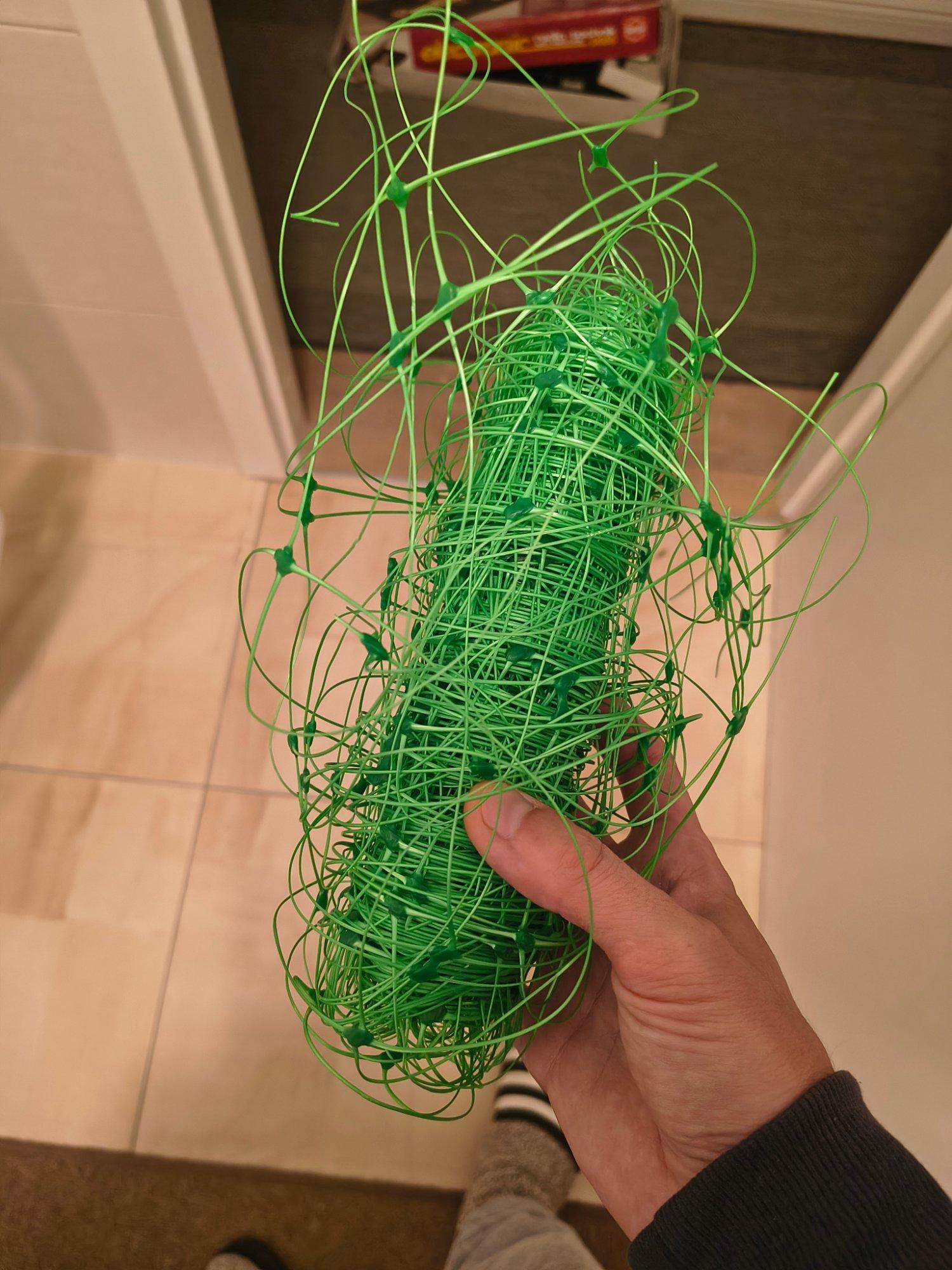
@Northern_Ent, ich hab ein netzt 3x5m oder so du meinst ich kann das einfach zurechtschneiden und dan locker auf die Pflanze legen weil ich muss sie reintragen das wäre super die Apple Betty und Skunk Haze brauchen das
like 1
Northern_Ent commented1mo ago
@JaramnieJazz, I use a soft string net but, yes, that will work. Just lay is loosely on top and work the colas through the net as needed. I tie the corners to weights to open it up to sunlight but you don’t need to do that. I’ve been doing this for a few years and it works great. Good luck with the finish.
like 1
JaramnieJazz commented1mo ago
@Northern_Ent, Thx for the tip I will do it as u say
like 1

BarneyRumble420 commentedweek 282mo ago
Beautiful garden 😍
like 1
JaramnieJazz commented2mo ago
@BarneyRumble420, THX 💪🏻( ͝° ͜ʖ͡°)ᕤ
like 1
BarneyRumble420 commentedweek 252mo ago
They're looking awesome 👌 doing great
like 1
JaramnieJazz commented2mo ago
@BarneyRumble420, 😊 thx
like 1

wolfvb commentedweek 252mo ago
@JaramnieJazz, first day of flower power in Germany 🌞
like 1
JaramnieJazz commented2mo ago
@wolfvb, (✿^‿^)
like 1

the end.
Enjoying this diary? Follow for more updates!
Prefer the old Diary view?
Go back to the old Diary view