


Micro-Reversal #2 - STS






Fan
Selfmade
PC-Fan


Indoor
Room Type
12-12
weeks 3
1 liters
Pot Size
0.1 liters
Watering
Start at Harvest
3
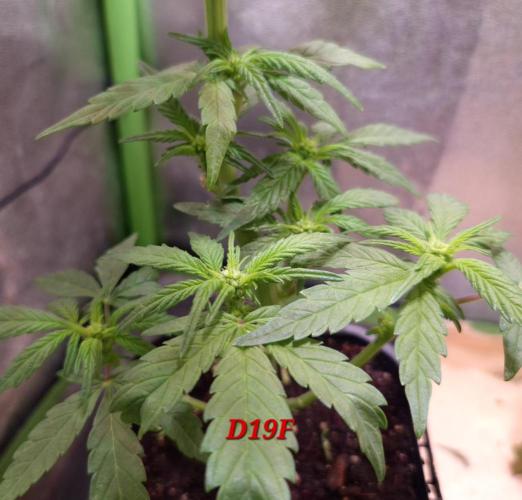
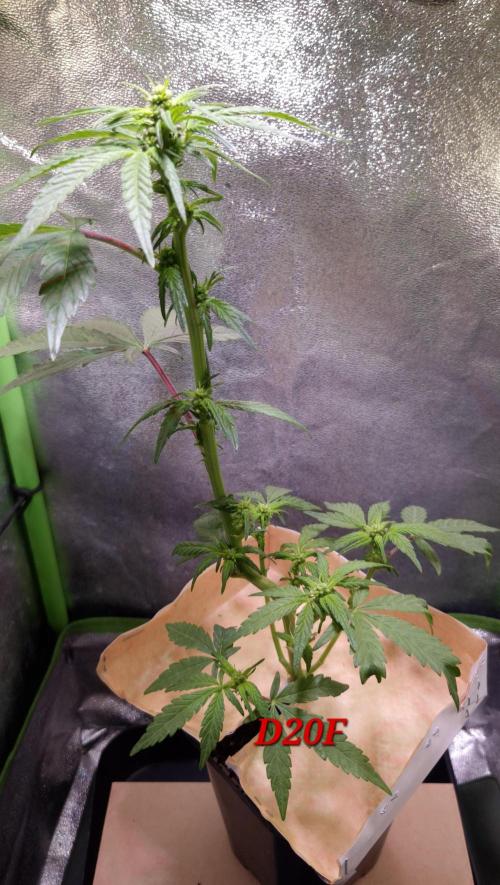
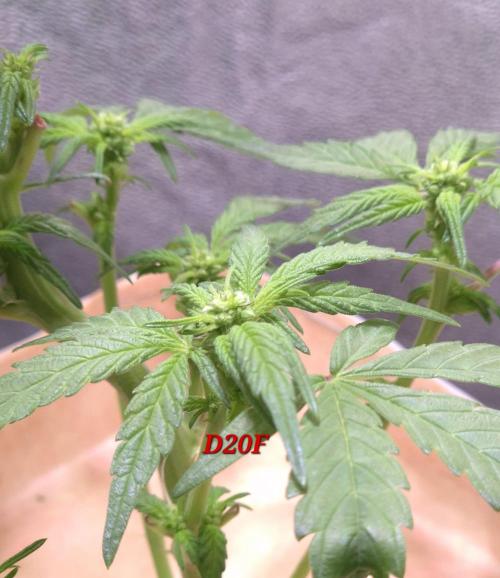
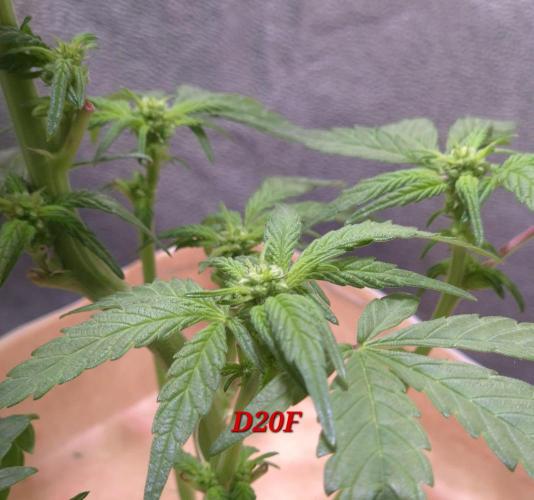
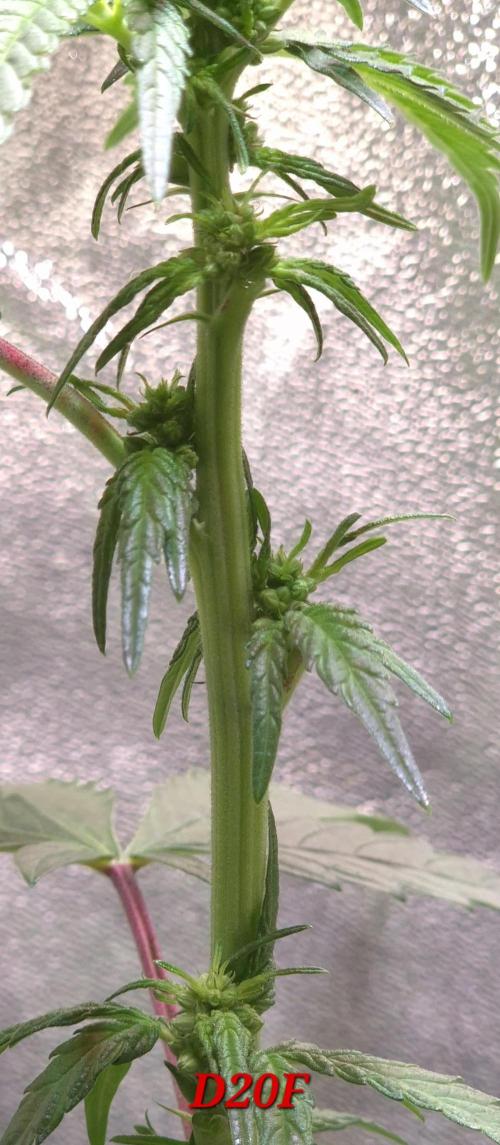
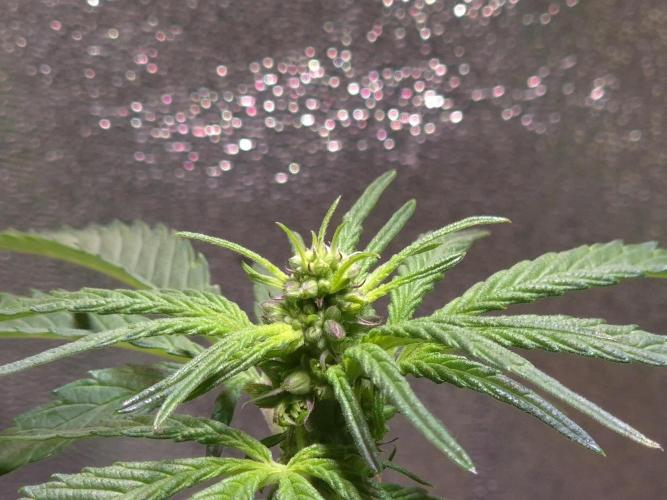
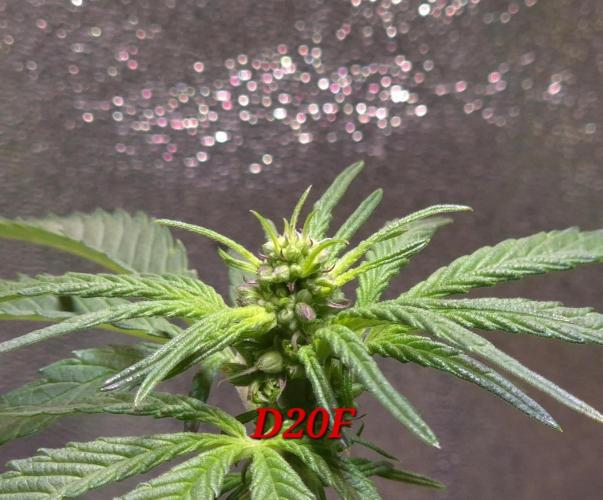
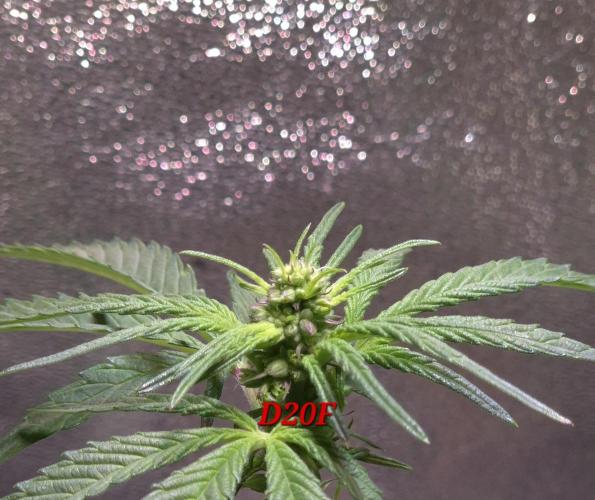
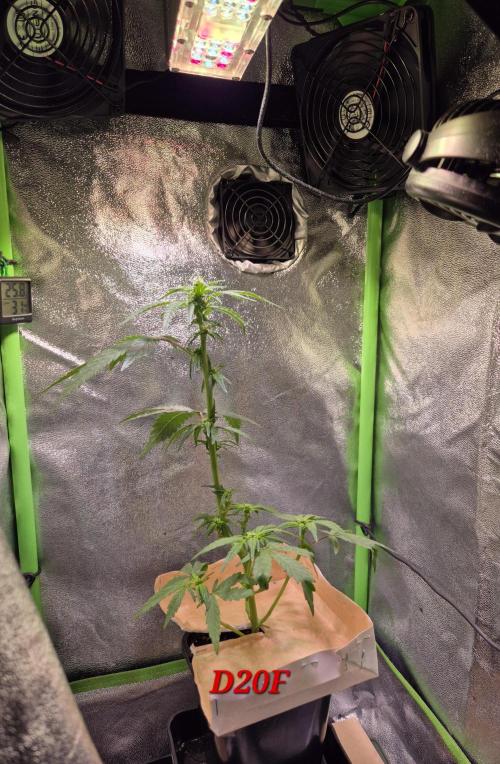
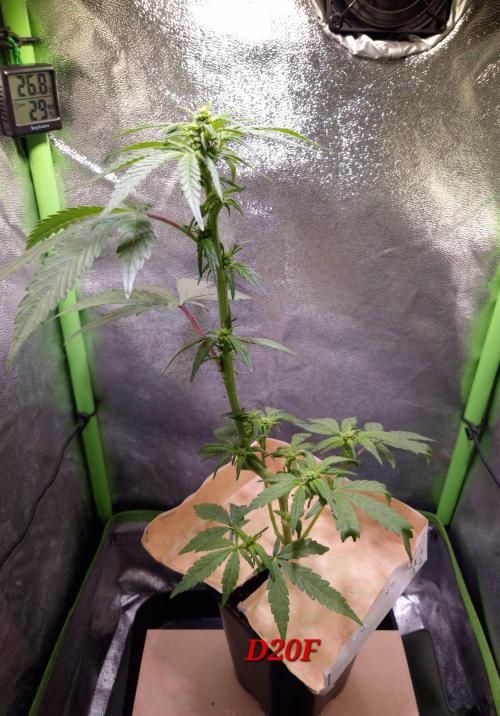
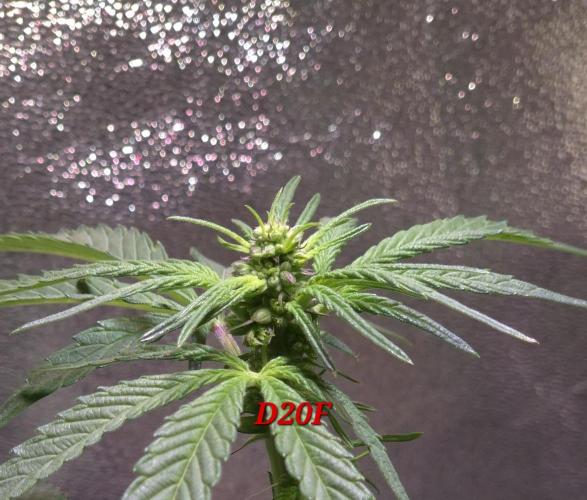
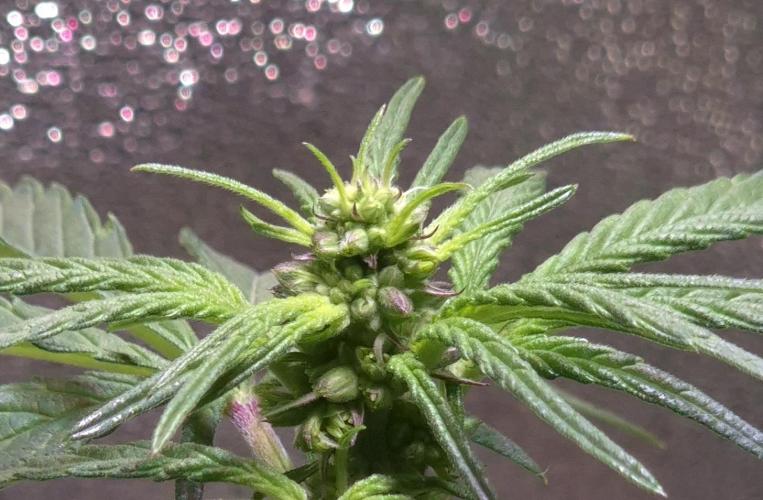
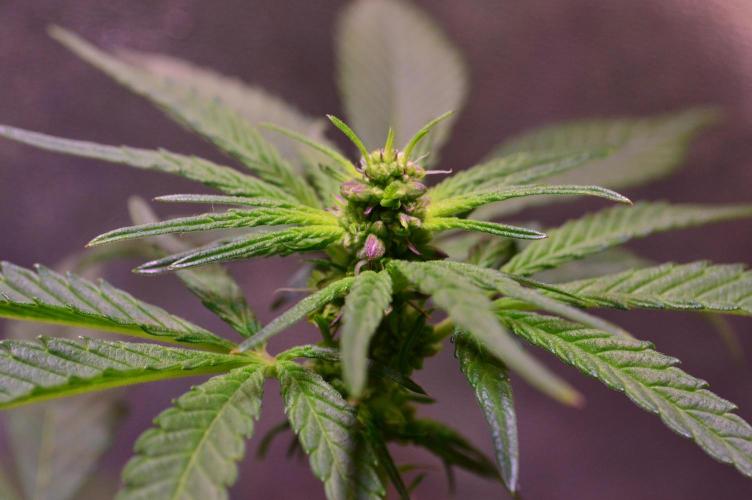
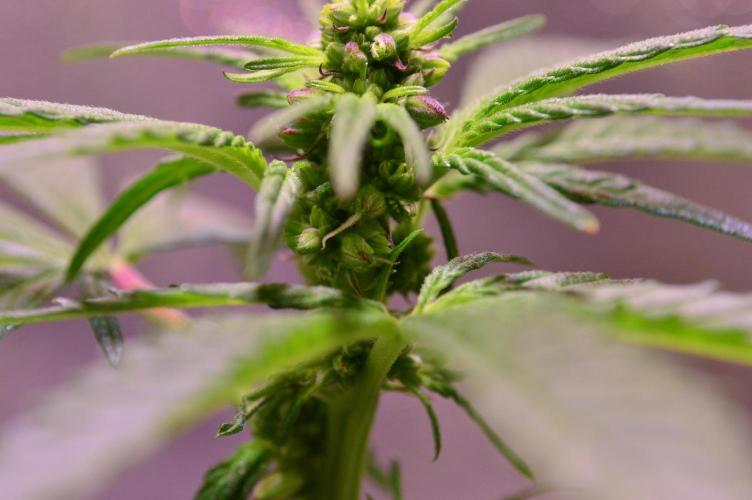
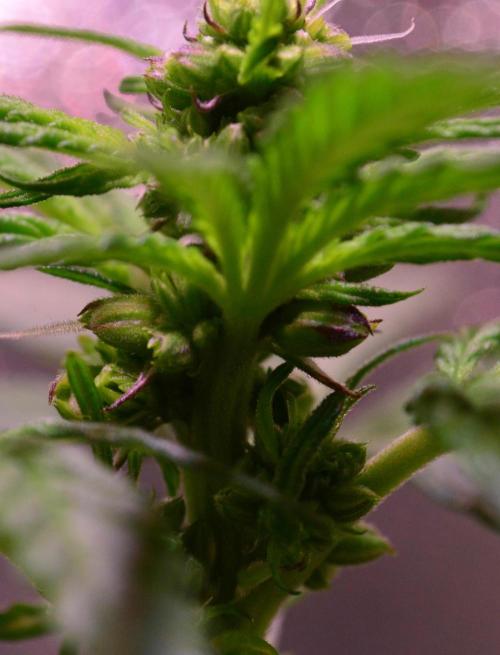
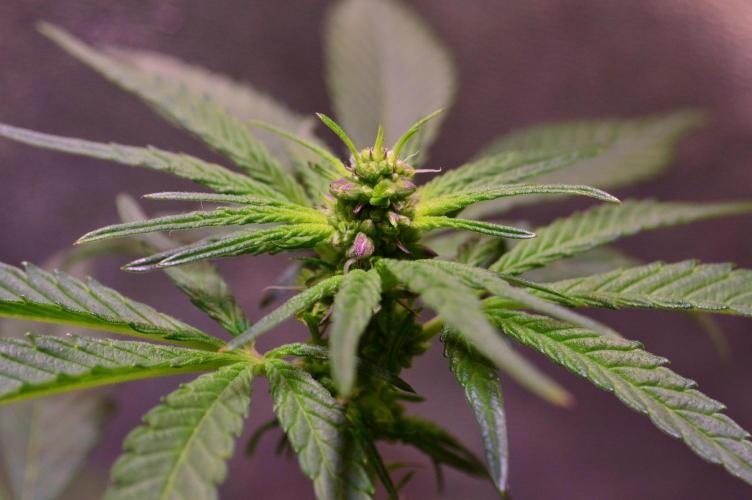
Week 3. Flowering6mo ago
31 cm
Height
12 hrs
Light Schedule
26 °C
Day Air Temp
6.3
pH
No Smell
Smell
40 %
Air Humidity
20 °C
Solution Temp
22 °C
Substrate Temp
20 °C
Night Air Temp
1 liters
Pot Size
0.1 liters
Watering Volume
20 cm
Lamp Distance
Nutrients 5
Mono-Silica
0.1 mll

BioBloom
15 mll

BioEnhancer
1 mll
GanjaGecko The second micro-reversal in short.
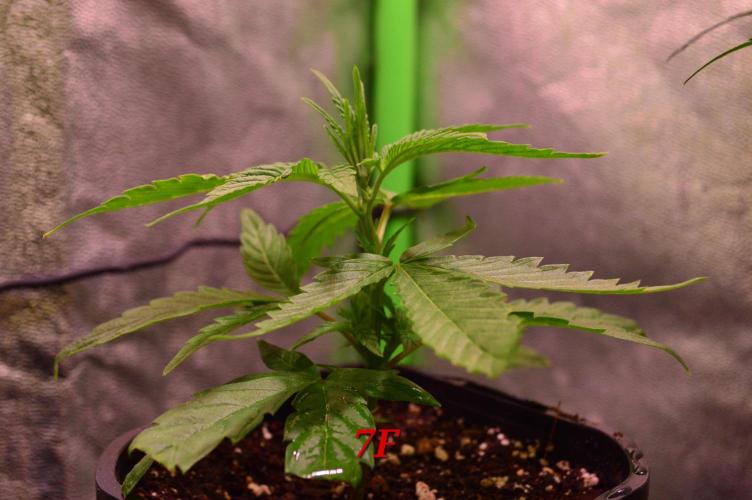
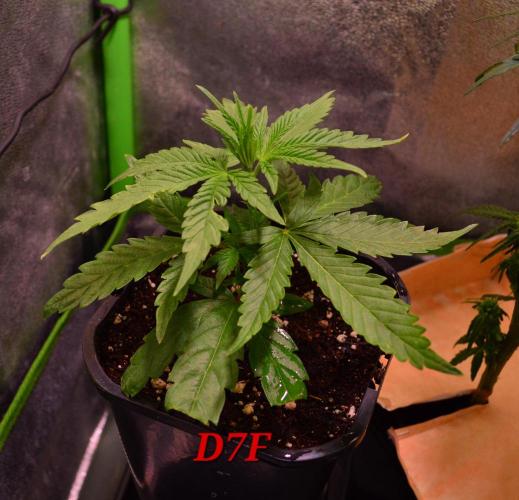
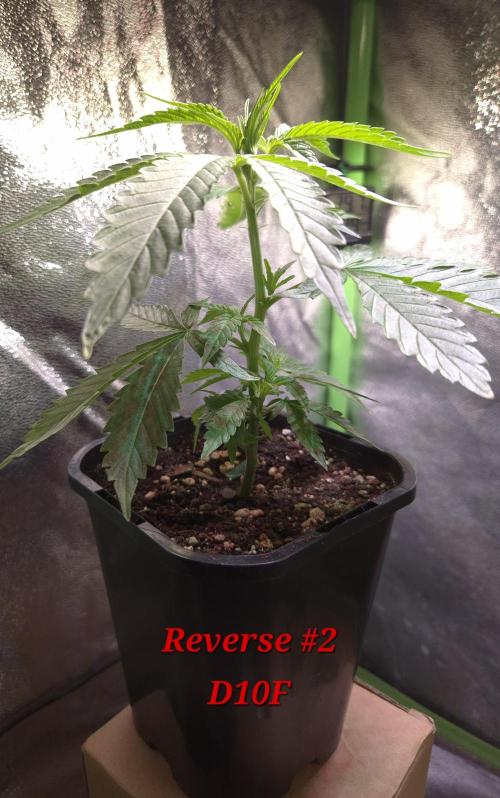
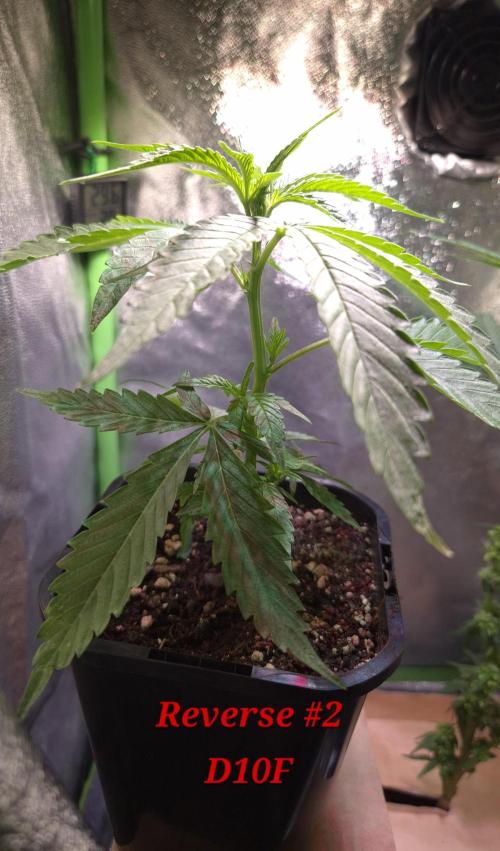
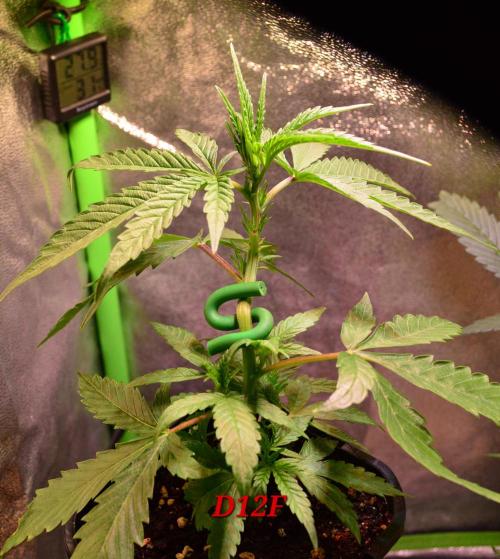
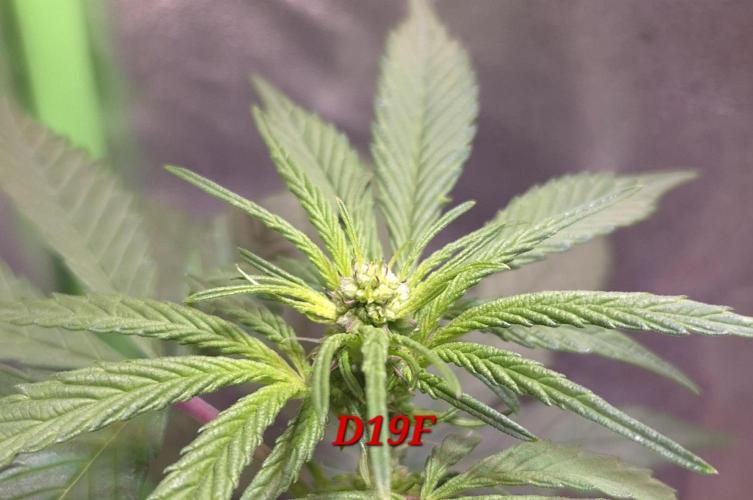
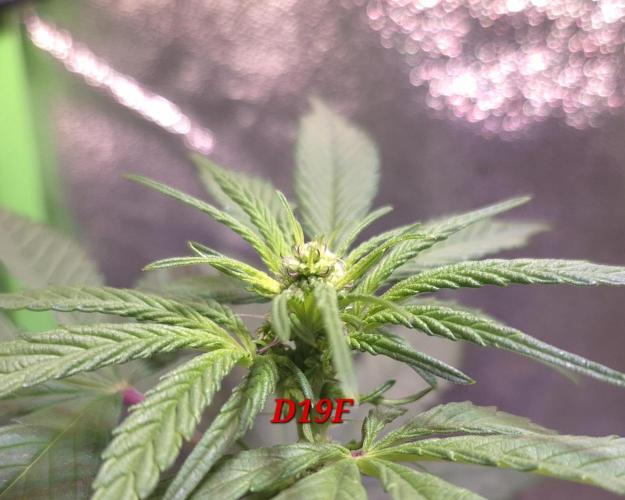
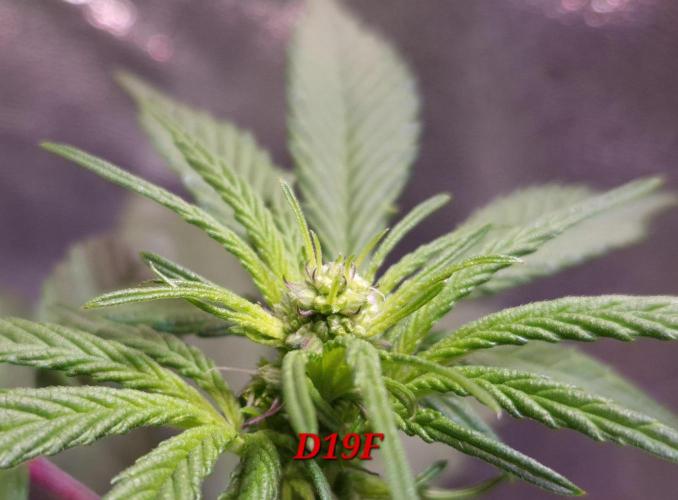
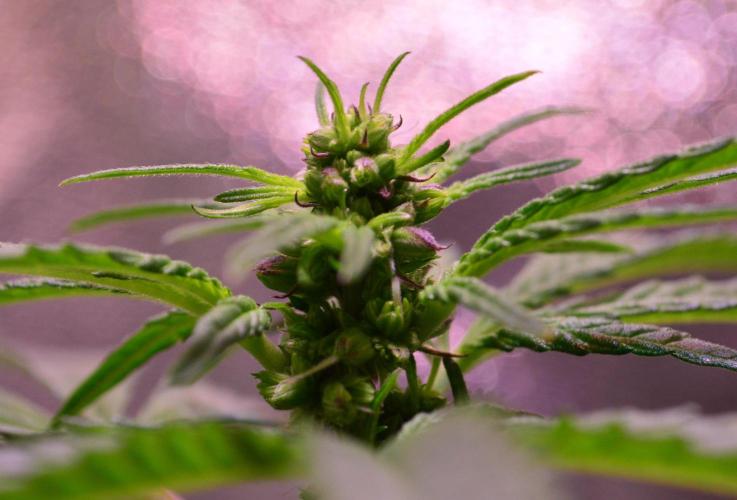
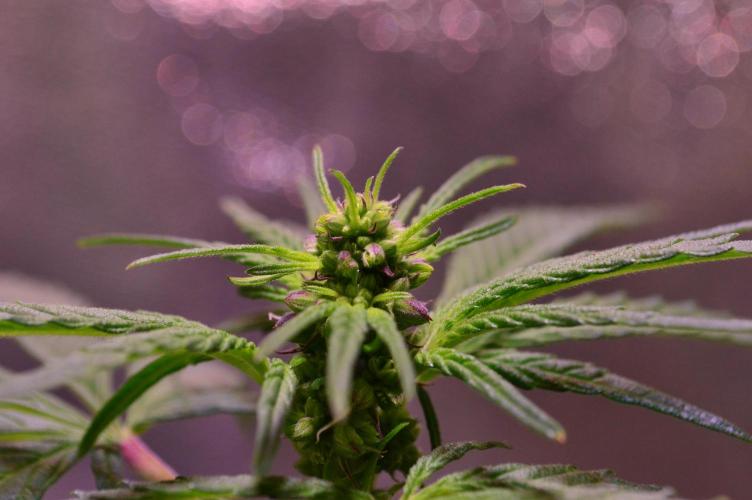
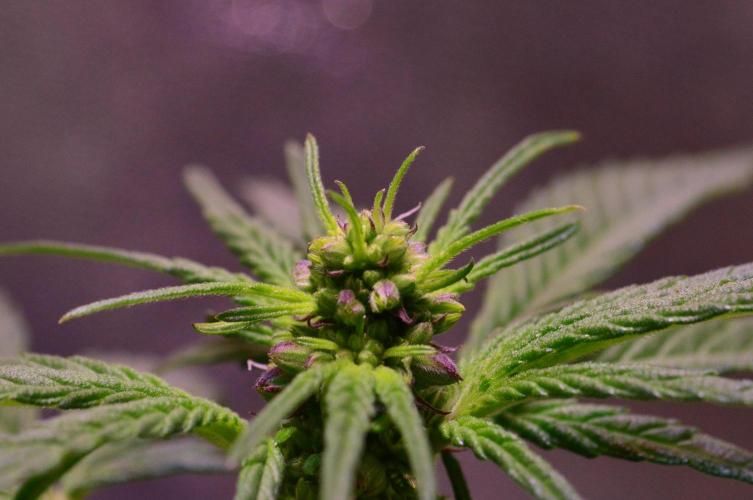
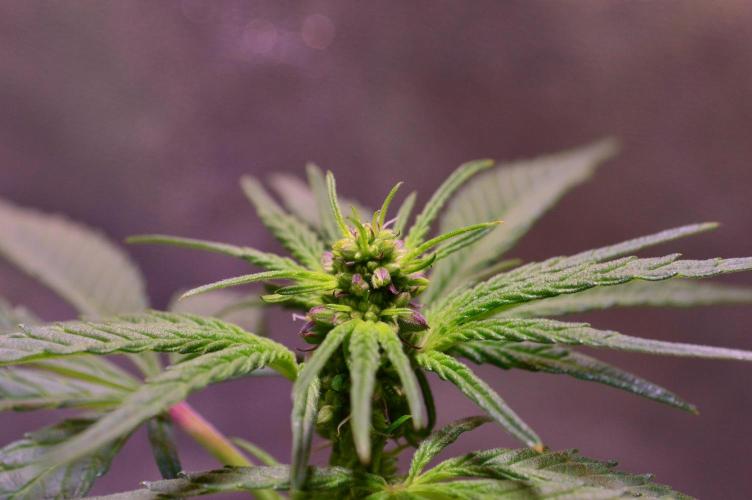
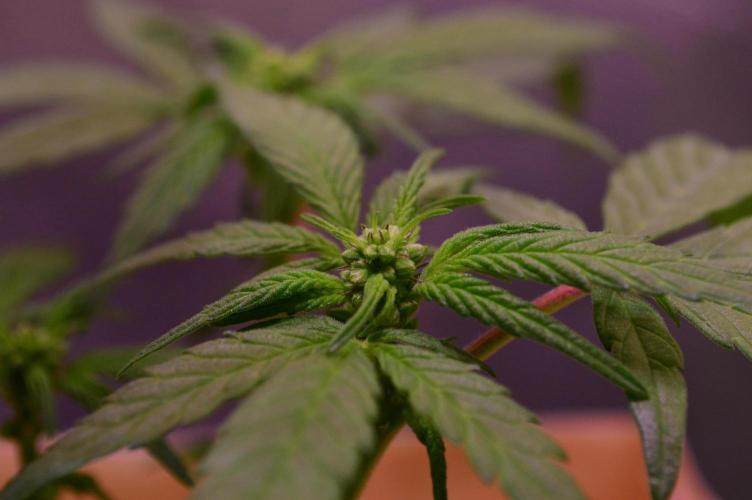
In this micro-reversal, STS was used from the very beginning. The plant was sprayed with the prepared STS solution every time the lights went out during the first 7 days. The mixed STS solution lasts for days; after that, a new STS solution should be mixed, as the silver thiosulfate formed from the mixture of silver nitrate and sodium thiosulfate breaks down over time. So, silver thiosulfate was mixed once for days 1-3 of flowering, then again for days 4-6 of flowering, and then half again for day 7 of flowering. Somehow, I wanted to play it safe and mixed STS again for days 10-14 of flowering. One thing to note is that at no point during the application did the plant look anywhere near as good as with colloidal silver. This lady is a bit behind. I can imagine that part of the reason could be that I kept taking the plant out of the tent while I was harvesting the other one, and for about 30 minutes, it didn’t have optimal light, which is why it’s lagging a few days behind compared to the pictures from the first reversal.
The cutting is in a small 40x40x80cm propagation tent under a Sanlight Q1Wdim in a small improvised setup.
To provide the Ocean Truffle with a decent ppfd value of just over 800 despite the low power of only 50W, the distance from the LED to the plant is only 20cm. With the Q1W, this distance works quite well without stressing the plant too much from the light.
__________________________________
Preparation and application of STS
For Solution A, 0.5g of silver nitrate was stirred in 500ml of distilled water with a PLASTIC SPOON until completely dissolved. For Solution B, 2.5g of sodium thiosulfate was stirred in 500ml of distilled water with a PLASTIC SPOON until completely dissolved. The silver nitrate Solution A is mixed 1:1 with the sodium thiosulfate Solution B. The silver nitrate Solution A is slowly poured into the sodium thiosulfate Solution B while constantly stirring. (!NEVER IN REVERSE!) The resulting solution is silver thiosulfate. The silver thiosulfate solution is diluted in a ratio of 1:2 with distilled water to obtain the ready-to-use STS spray. (The ratio of silver thiosulfate varies greatly if you do some research). This 1:2 ratio comes from the video podcast of Mr. Grow It, where the breeder from Brothers Grimm was a guest. He mentioned that he applies silver thiosulfate in a 1:2 ratio for the first 7-8 days of 12/12. He also mentioned that he has a friend who uses a product for reversal where one application is sufficient, and he noted that his friend's plant leaves curl, which he doesn’t want for his plants. Therefore, I assume from this statement that his plants look very healthy despite the relatively strong ratio of 1:2 and daily application. For the 100ml spray bottle and the micro-reversal, 30ml of silver thiosulfate (15ml silver nitrate + 15ml sodium thiosulfate) is mixed with 60ml of distilled water. This creates a 90ml ready-to-use solution that lasts for about 3 days. The Ocean Truffle will then be treated once daily for the next 3 days when the LED goes out. Possibly, another spray bottle will be prepared, and spraying will continue for another 3 days, depending on how the plant and flower development look. The silver nitrate Solution A and sodium thiosulfate Solution B are stored separately in glass bottles with plastic lids in the refrigerator. Only as much is mixed together as needed to fill one spray bottle that lasts for 3 days. This way, both solutions can last a few months in the refrigerator. So, for the next run, you can do another micro-reversal with 2-3 strains without having to prepare new base solutions first; you can just mix the STS spray and reverse.
__________________________________
Height from substrate surface: 28cm __________________________________
Light:
Distance: 20cm
Watt: 50W (100%)
Ppfd: 840
DLI: 36
__________________________________
Environment: Temp: 24-26°C
RH: 35-45%
VPD: 1.35 - 1.55 kPa
__________________________________
Strain:
OCEAN TRUFFLE (Wildberry Truffle x Ocean Fruit)
Terpene Profile: Sour, Sweet, Gas, Hint of berry
18 likes
comments
Share
Used techniques
12-12
Technique
4
Week 4. Flowering6mo ago
33 cm
Height
12 hrs
Light Schedule
26 °C
Day Air Temp
6.3
pH
Weak
Smell
40 %
Air Humidity
20 °C
Solution Temp
22 °C
Substrate Temp
20 °C
Night Air Temp
1 liters
Pot Size
0.1 liters
Watering Volume
20 cm
Lamp Distance
Nutrients 3
Mono-Silica
0.1 mll

Power Buds
1 mll

Bio PK 5-8
3 mll
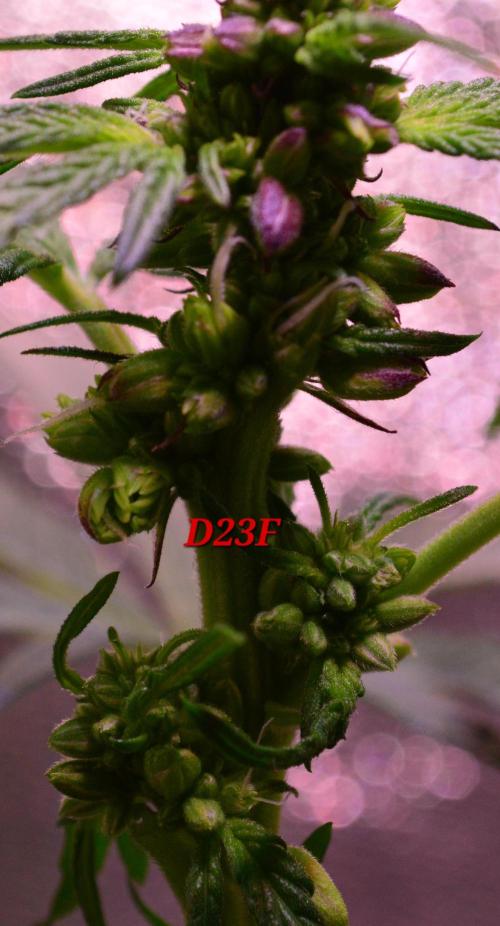
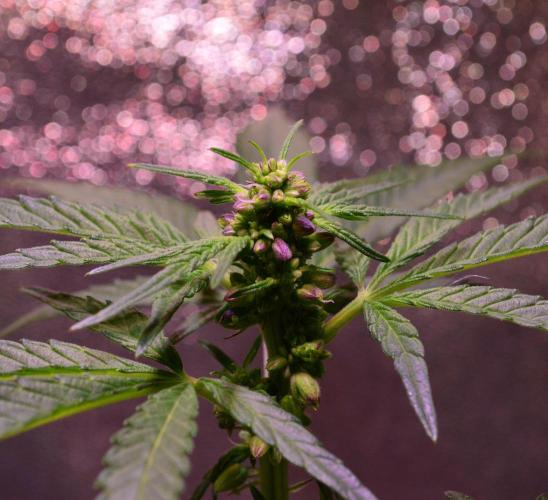
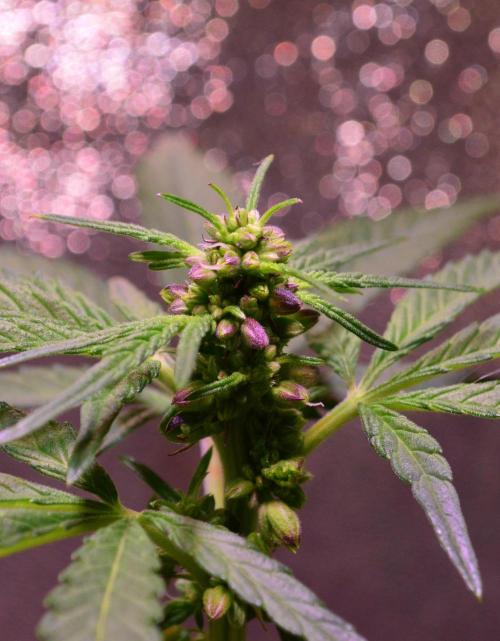
GanjaGecko Week 4 // D22F-D28F
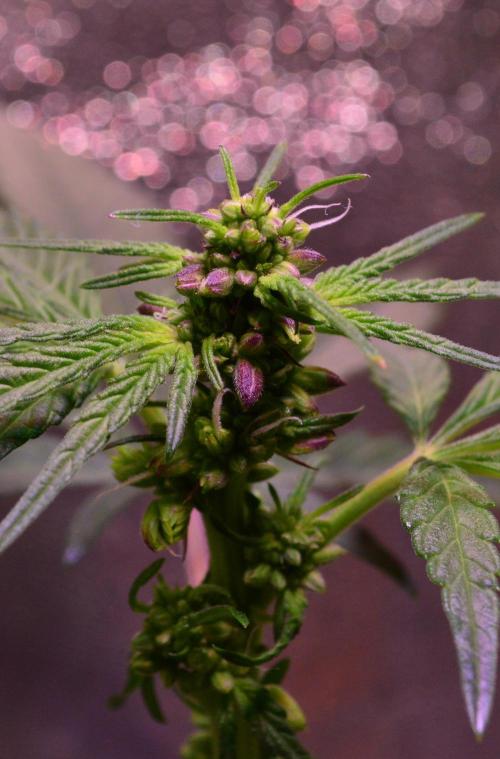
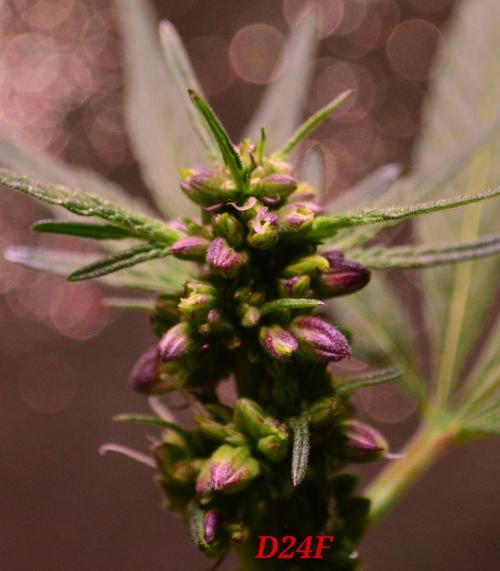
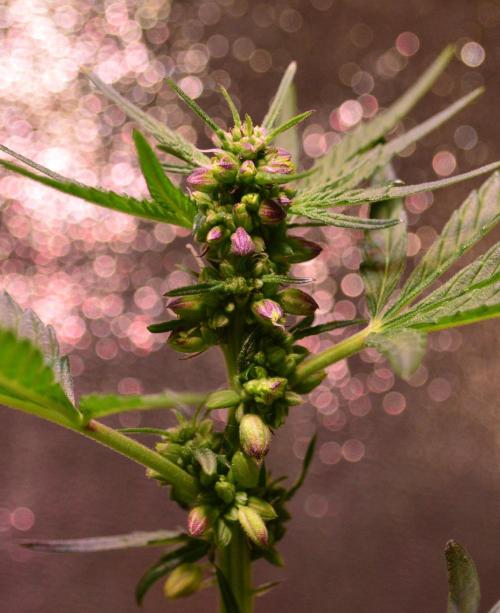
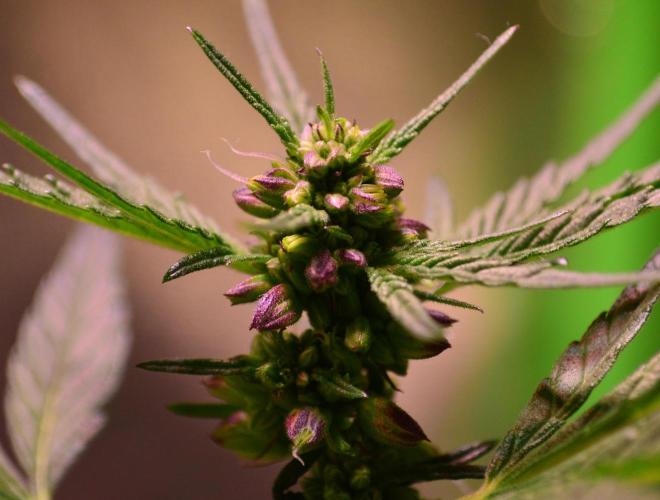
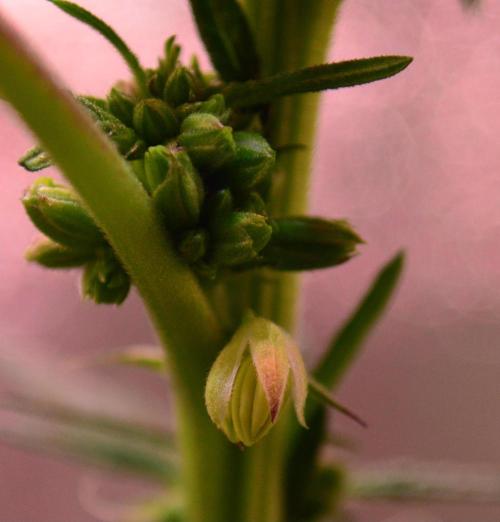
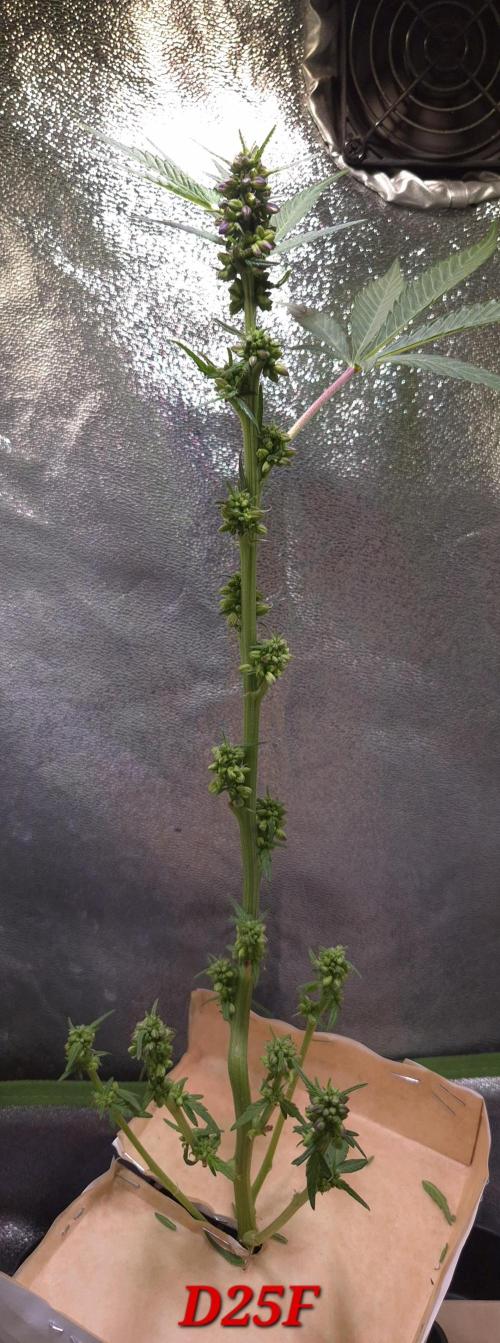
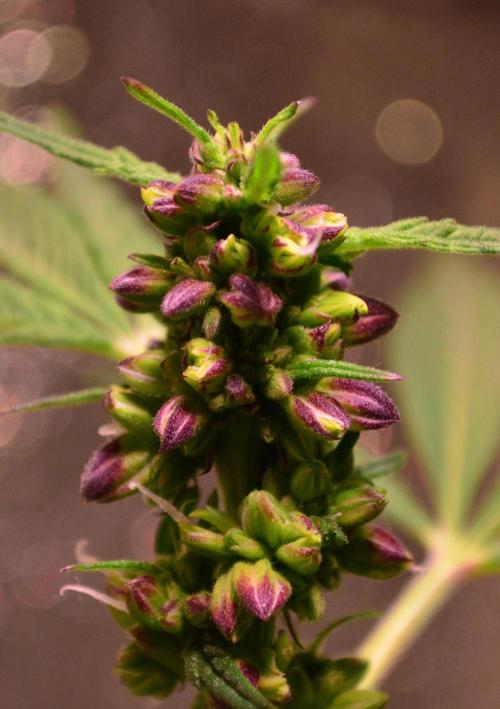
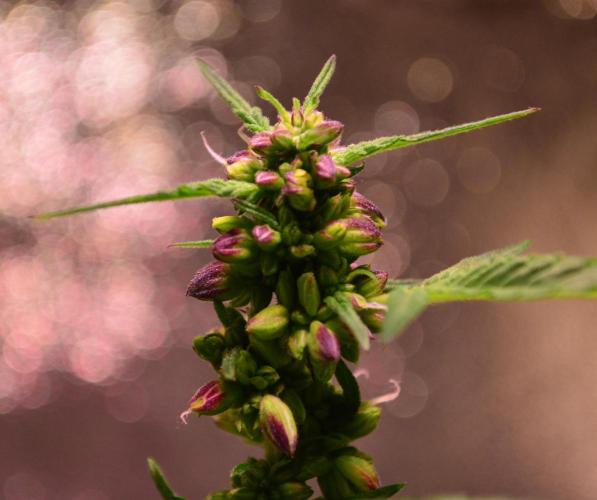
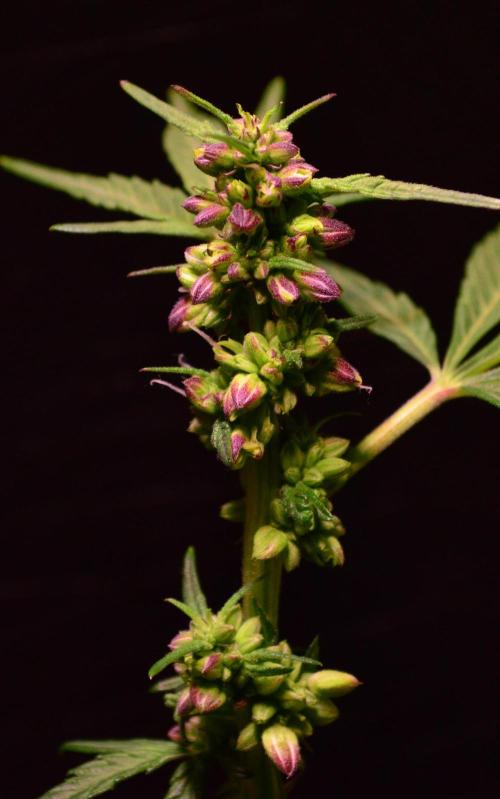
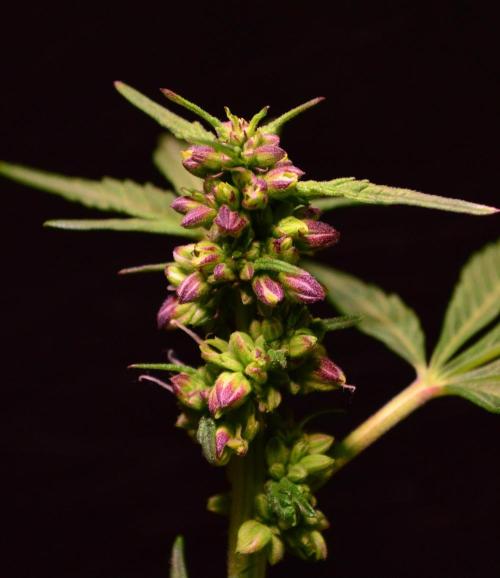
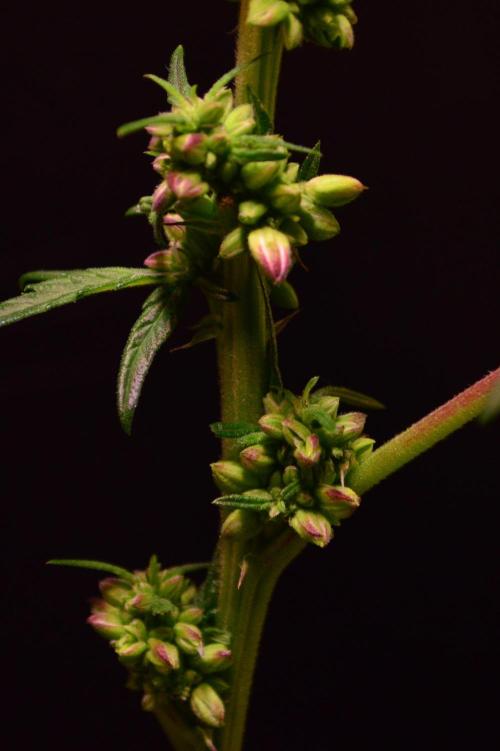
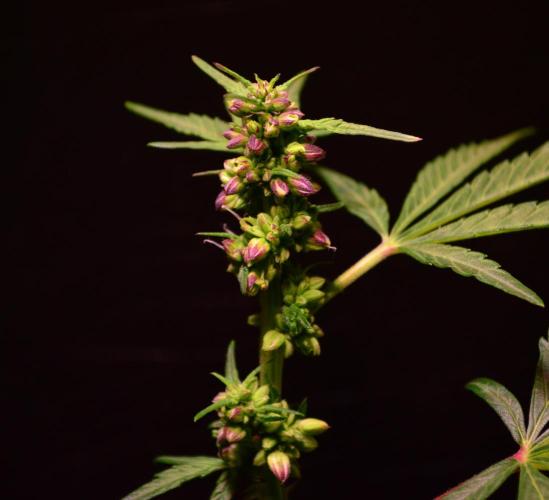
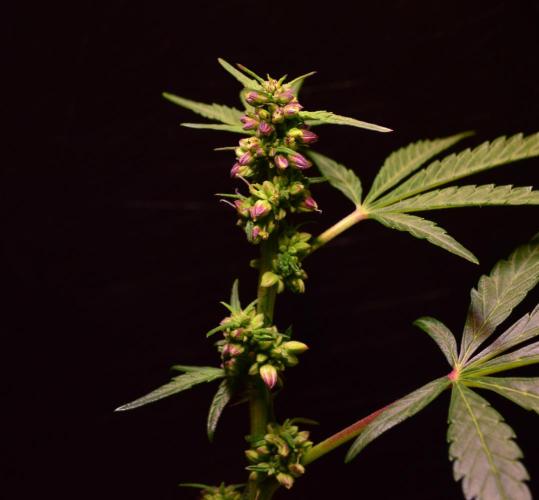
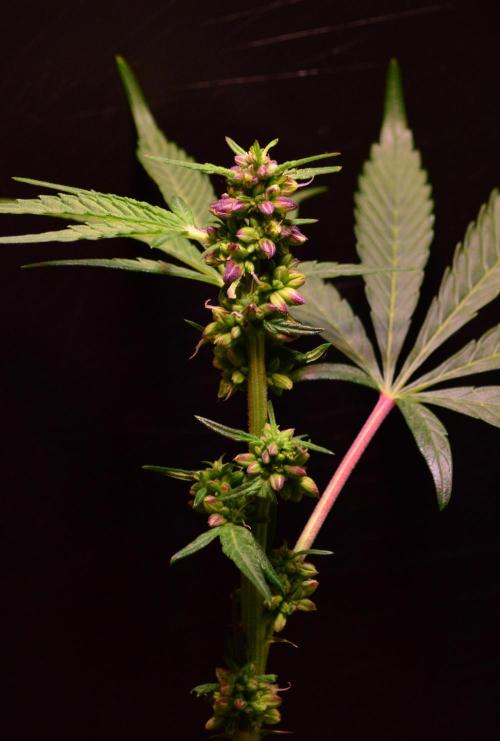
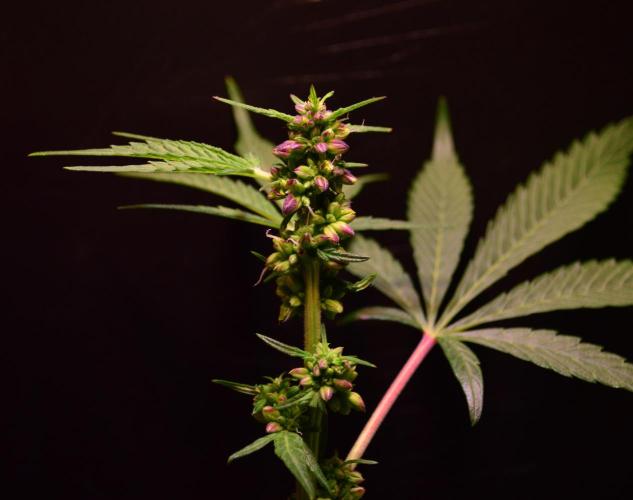
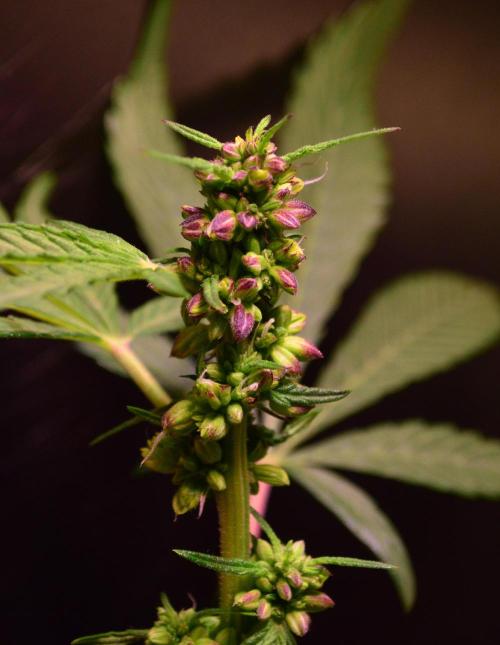
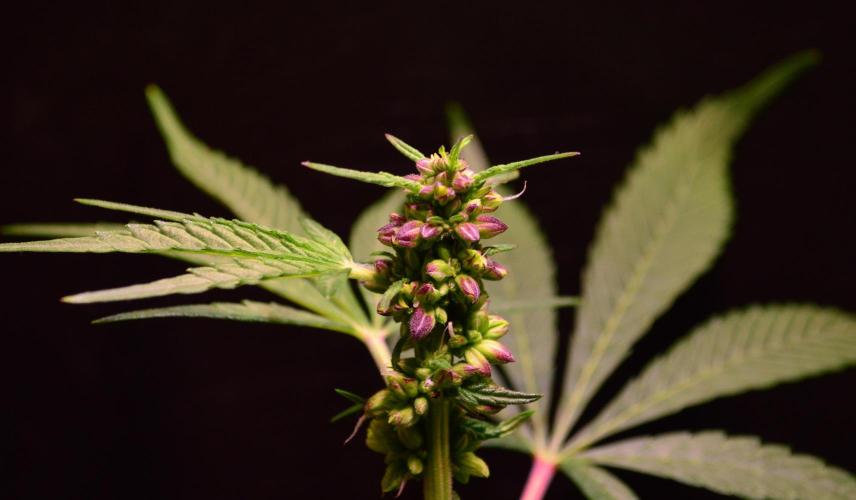
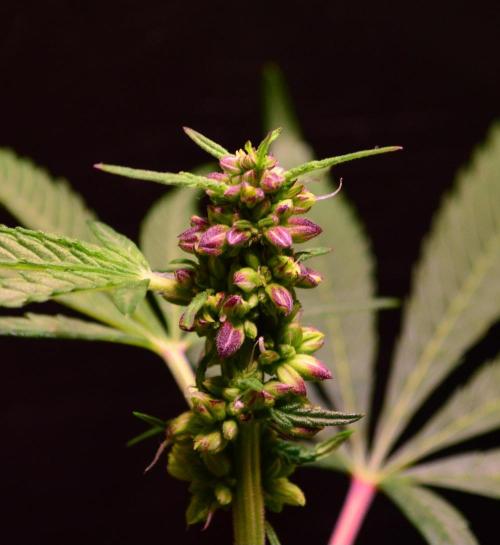
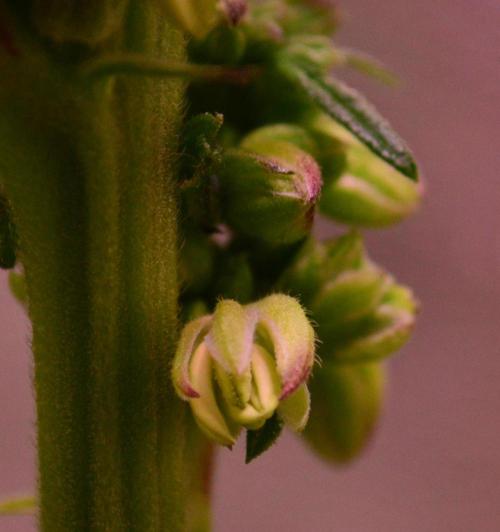
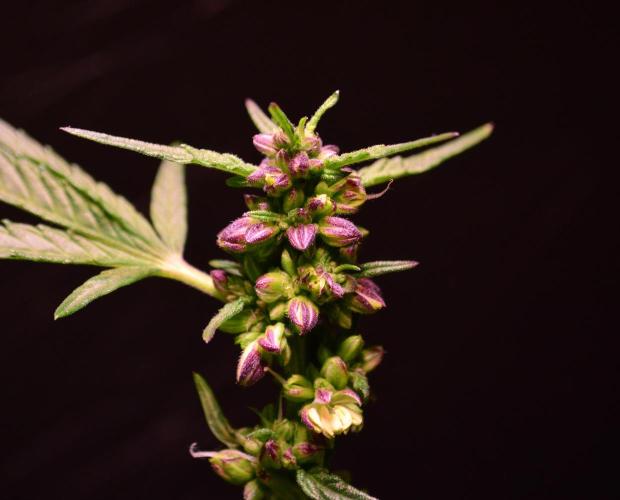
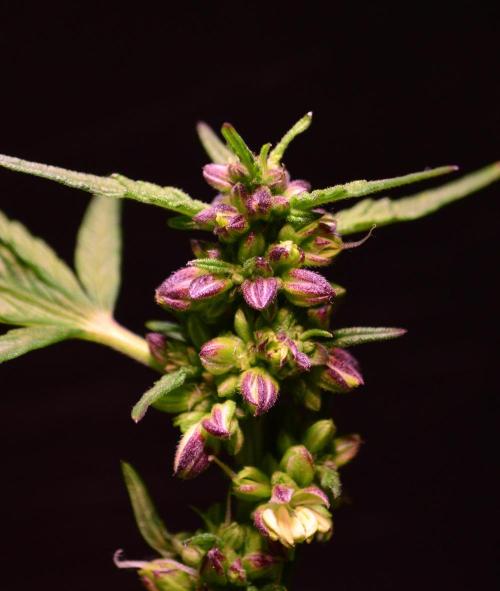
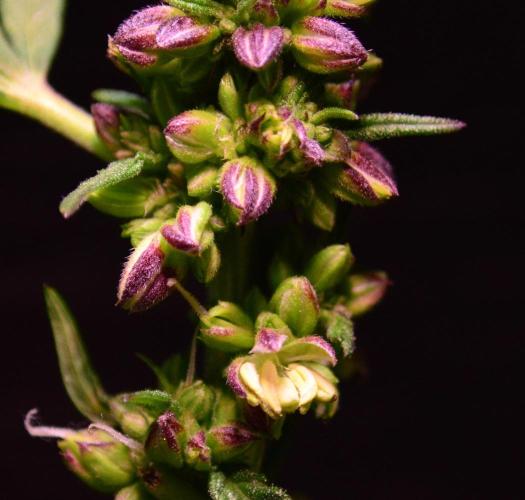
At the beginning of flowering week 4, you could see that the first flower buds were starting to open, and daily harvesting began around day 25-26. From day 25 onwards, the newly opening and already opened pollen sacs were harvested daily. It also seems that the pollen sacs in this reversal, where only STS was used, tend to mature and open more simultaneously, rather than gradually like in a Colloidal-Silver/STS reversal. Starting from day 27, it really kicked off, and proper harvesting had to be done every day.
__________________________________
Height from substrate surface: 33cm __________________________________
Light:
Distance: 20cm
Watts: 50W (100%)
Ppfd: 840
DLI: 36
__________________________________
Environment: Temp: 24-26°C
RH: 35-45%
VPD: 1.35 - 1.55 kPa
__________________________________
16 likes
comments
Share
5
Week 5. Flowering6mo ago
33 cm
Height
12 hrs
Light Schedule
26 °C
Day Air Temp
6.3
pH
Weak
Smell
40 %
Air Humidity
20 °C
Solution Temp
22 °C
Substrate Temp
20 °C
Night Air Temp
1 liters
Pot Size
0.1 liters
Watering Volume
20 cm
Lamp Distance
Nutrients 1
H2O
50 mll
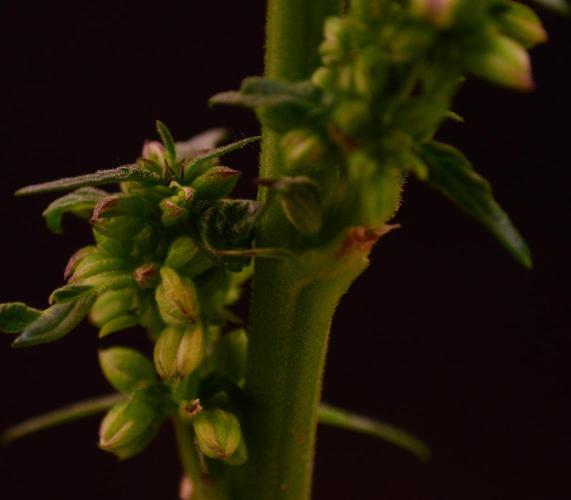
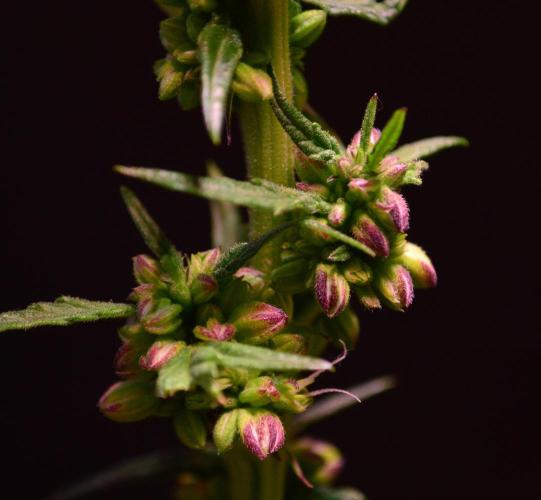
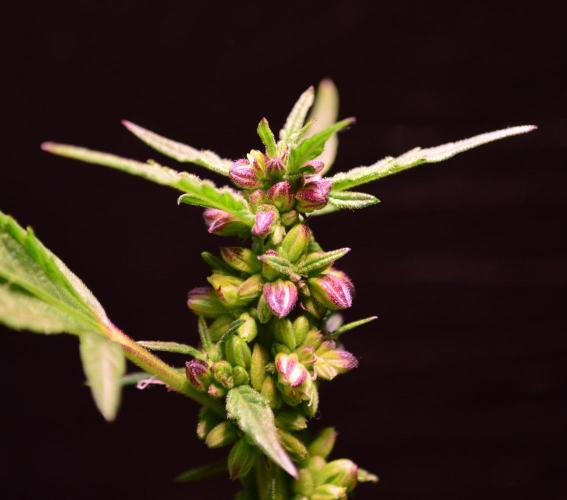
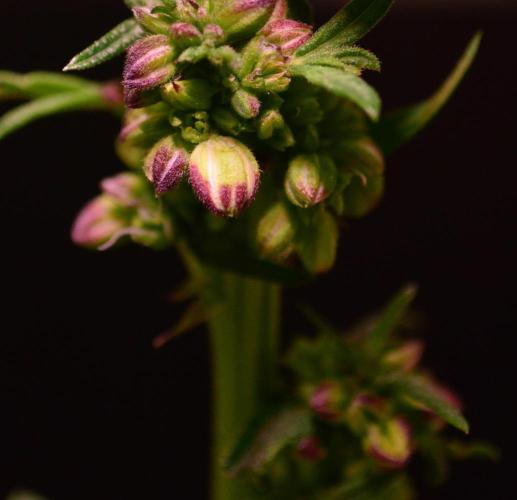
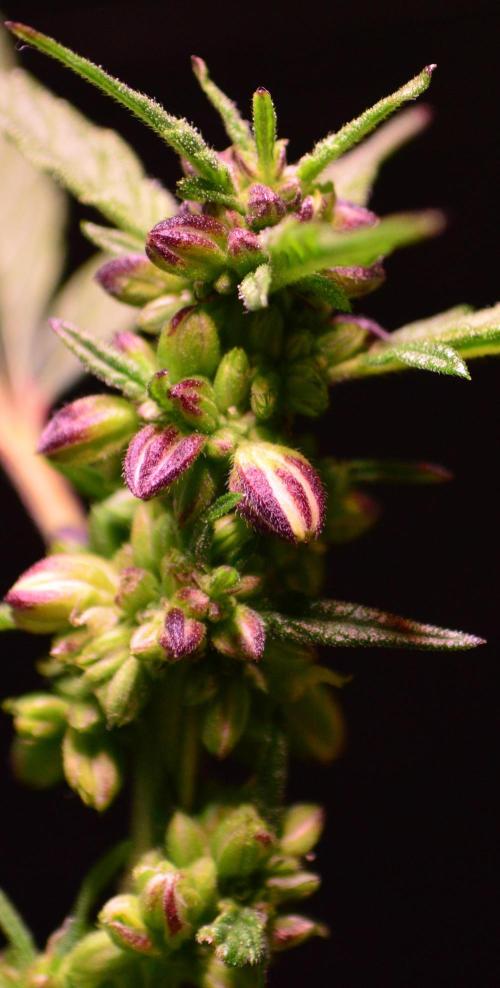
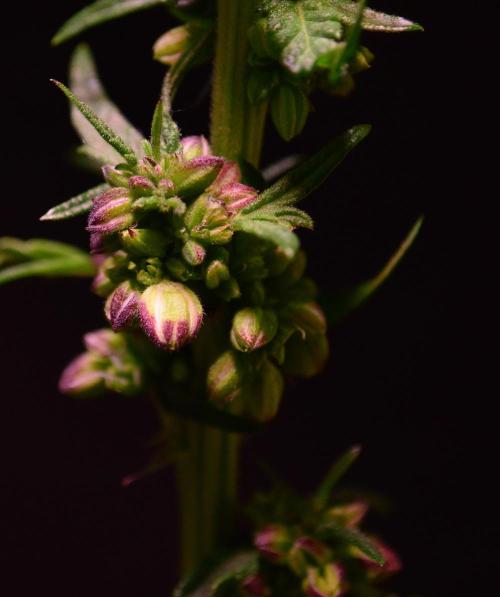
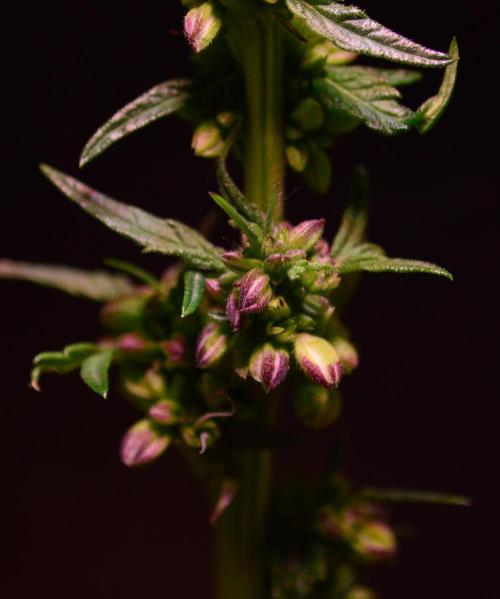
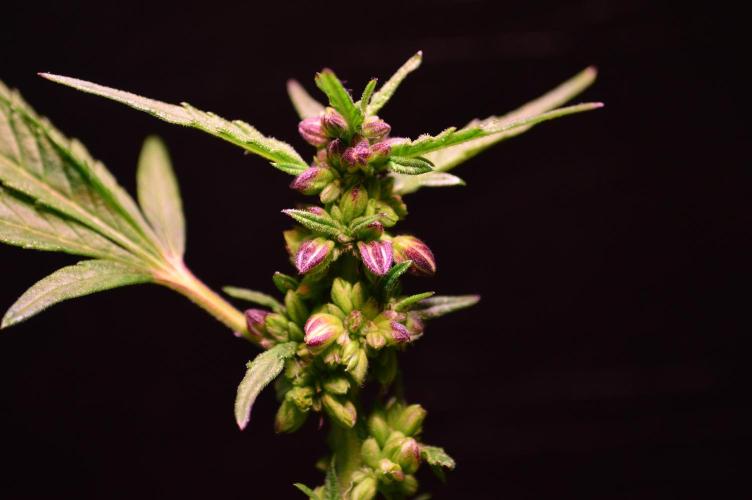
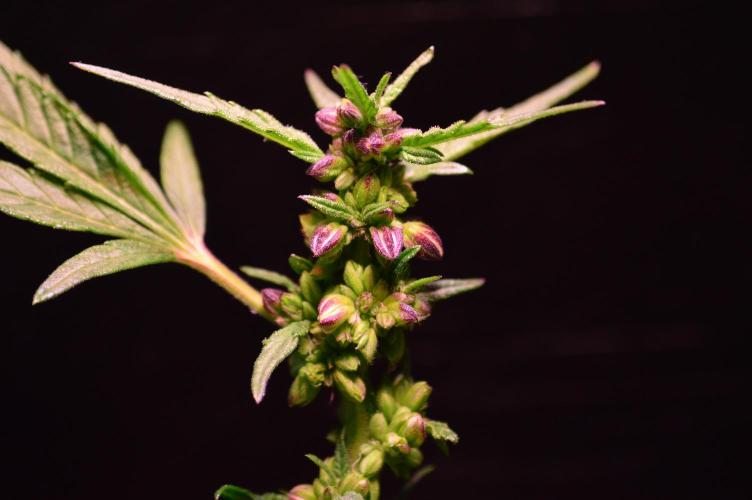
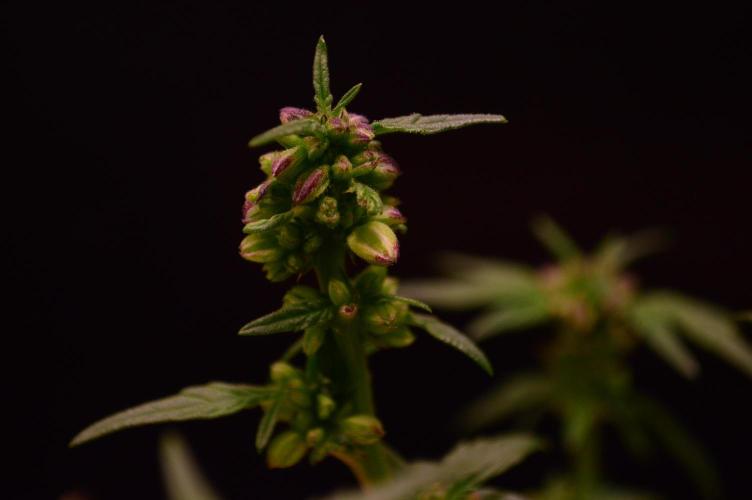
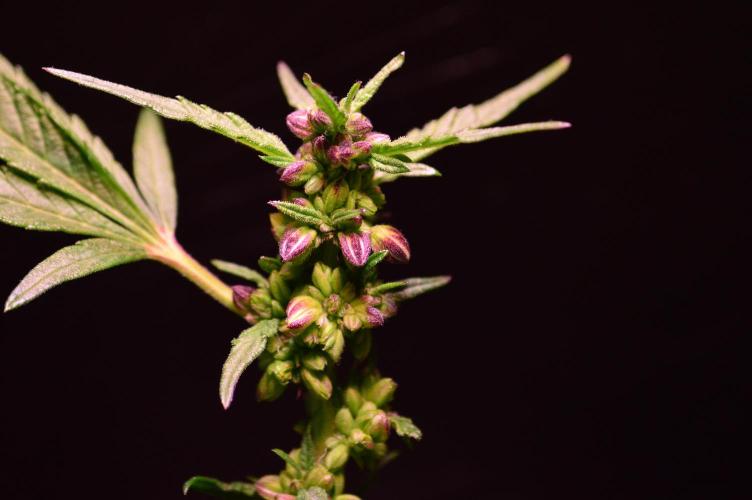
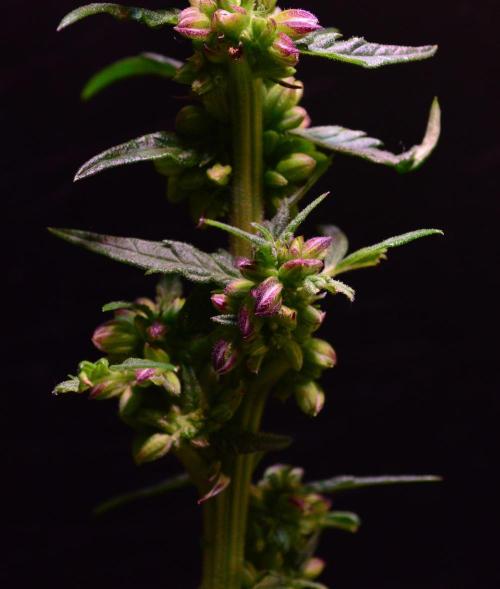
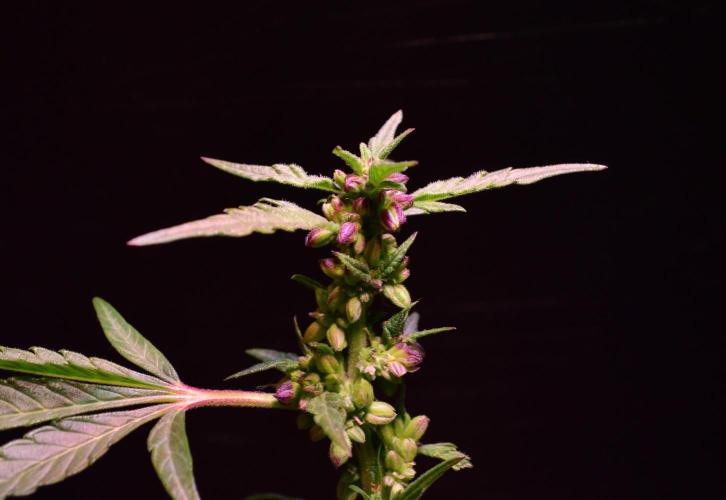
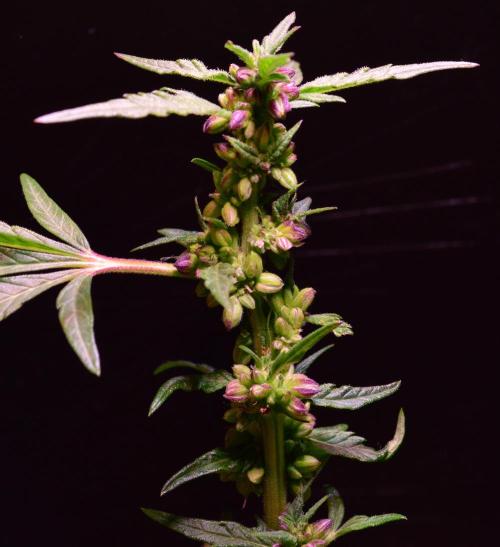
GanjaGecko Week 5 // D29F-D35F
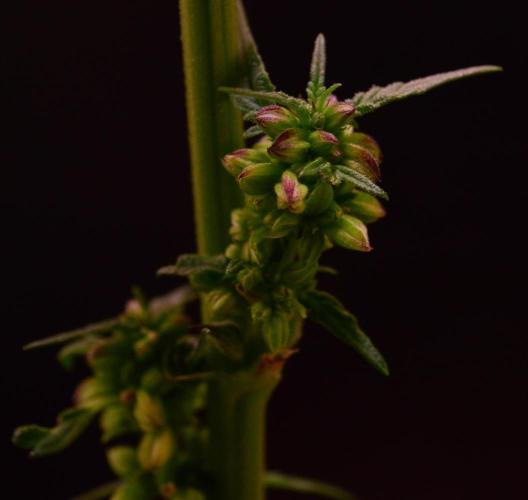
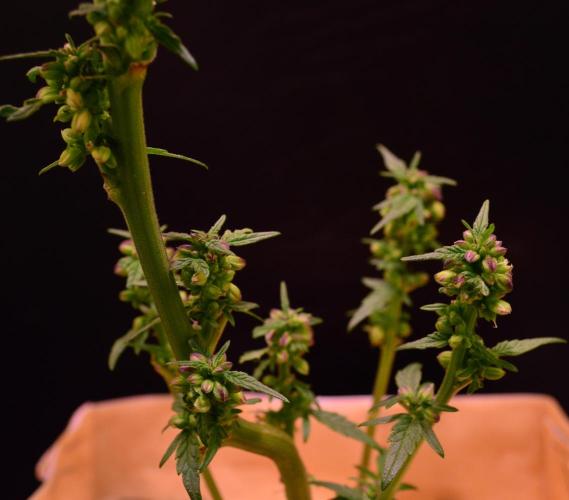
This week was the last week where the opening or already open flower buds were harvested daily 1-2 times. A few flower buds were still on the plant, but I collected more than enough pollen. This micro-reversal was just another attempt to learn the craft. Before, I could say that it worked with colloidal silver and STS. Now I can also say that it works wonderfully with STS 😄
__________________________________
Height from substrate surface: 33cm __________________________________
Light:
Distance: 20cm
Watts: 50W (100%)
Ppfd: 840
DLI: 36
__________________________________
Environment: Temp: 24-26°C
RH: 35-45%
VPD: 1.35 - 1.55 kPa
10 likes
comments
Share
6
Week 6. Harvest6mo ago
Happy Harvest Day!


10/10
Rated
The OceanTruffle handles training incredibly well, whether HST or LST. Topping at the right time really gets those little side branches going and creates a nice bush. (You can see the female mother clone in a separate diary (OT-Clones & Truffle&Rosa)). The stacking of the OceanTruffle is an absolute dream.
Show more
Original
Spent 22 days
Ger Veg Flo Har
1
Plants
0.1 m²
Grow Room size
Easy
Difficulty
Height
Day air temperature
Air humidity
PH
Light schedule
Solution temperature
Night air temperature
Substrate temperature
Pot size
Lamp distance
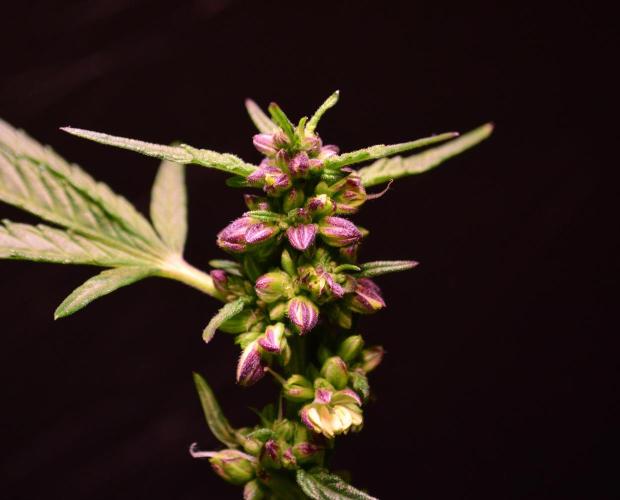
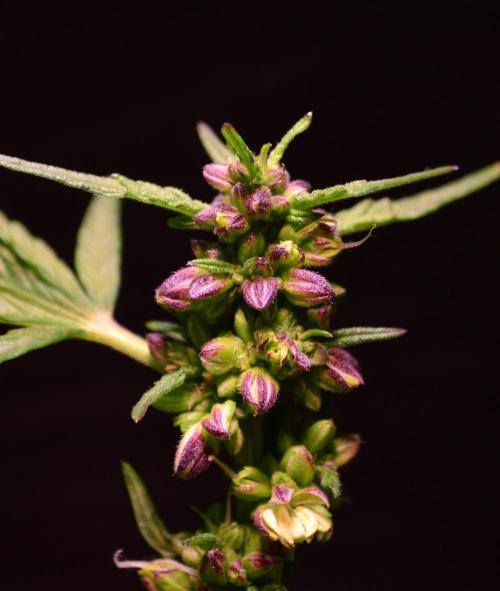
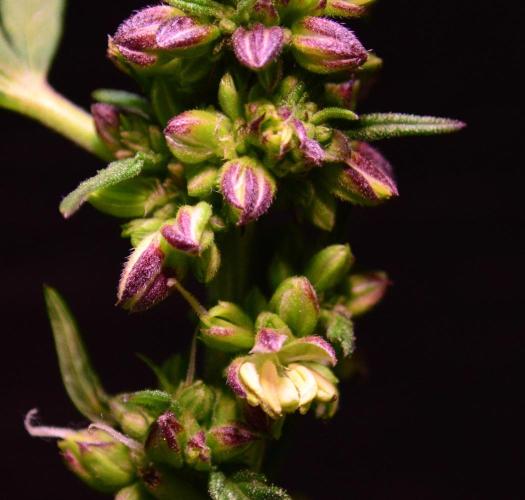
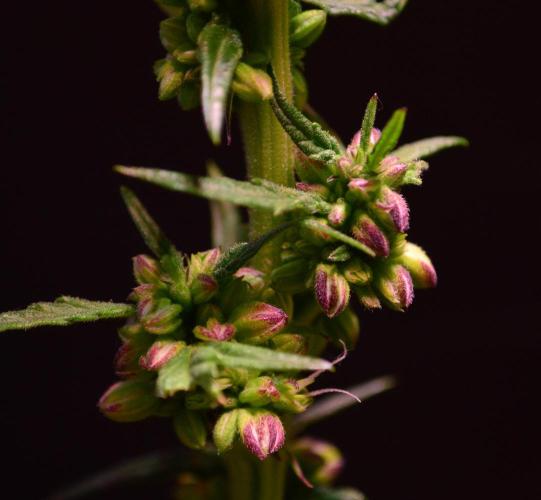
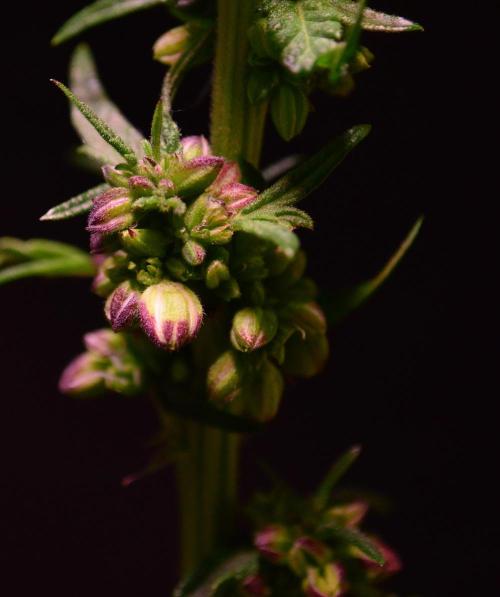
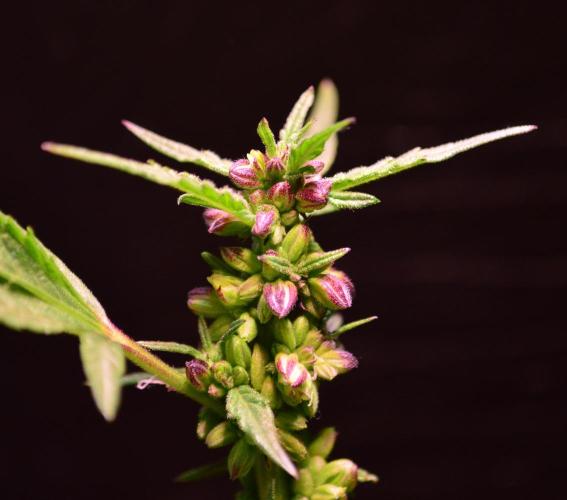
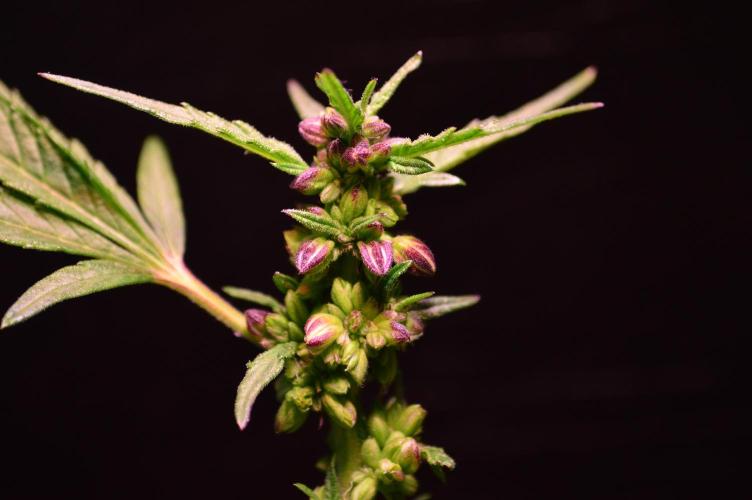
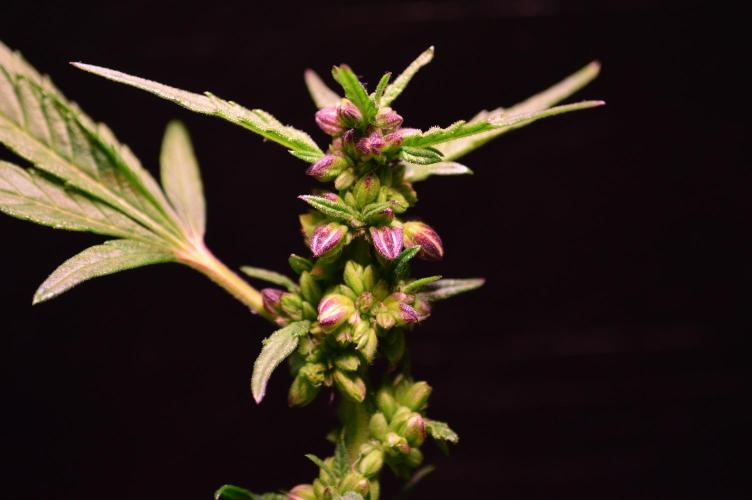
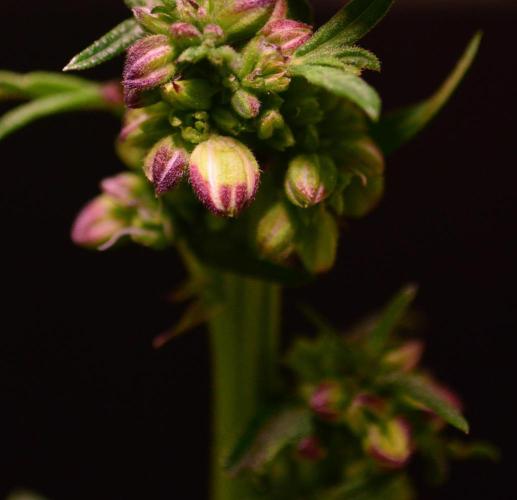
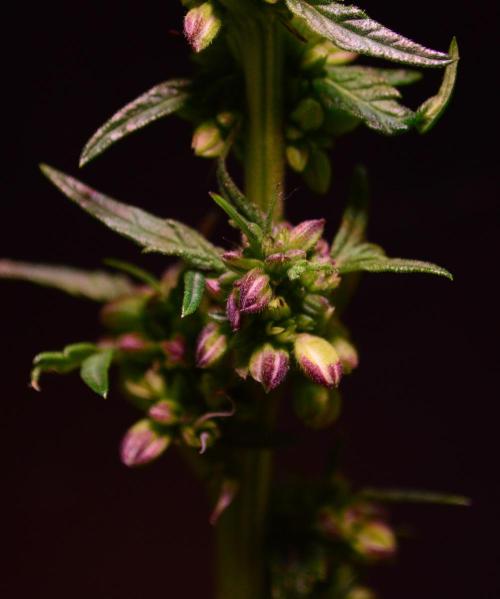
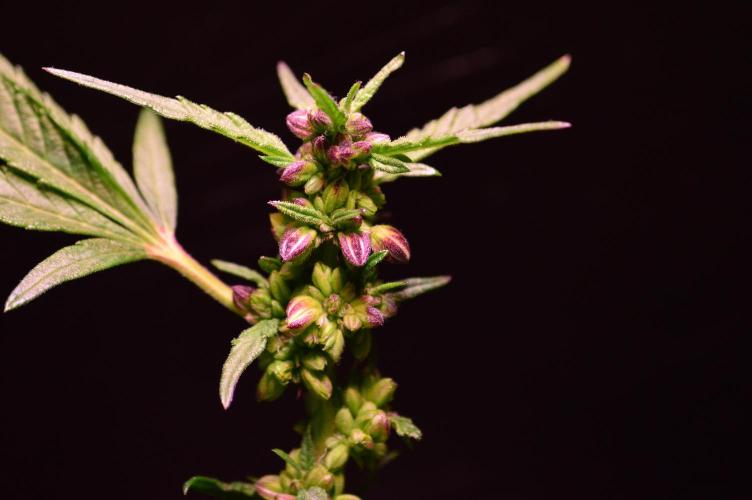
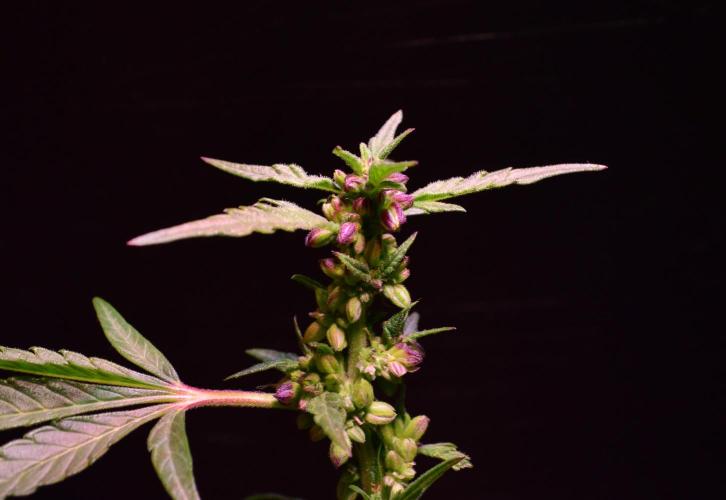
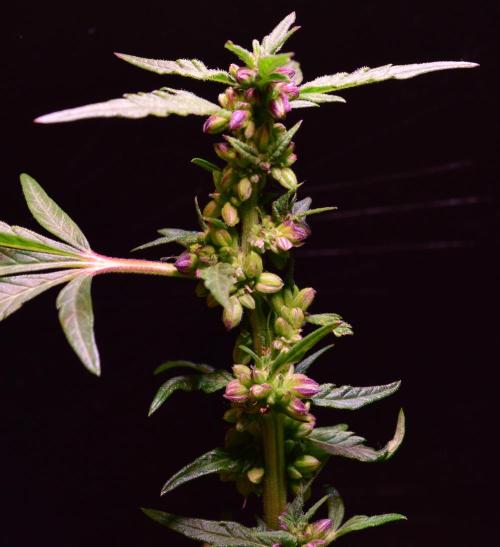
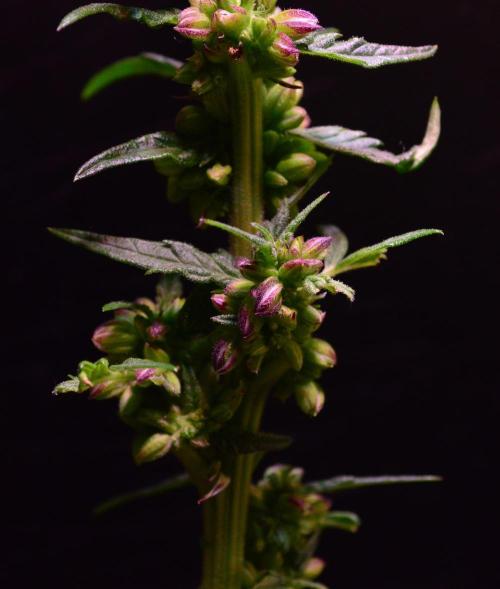
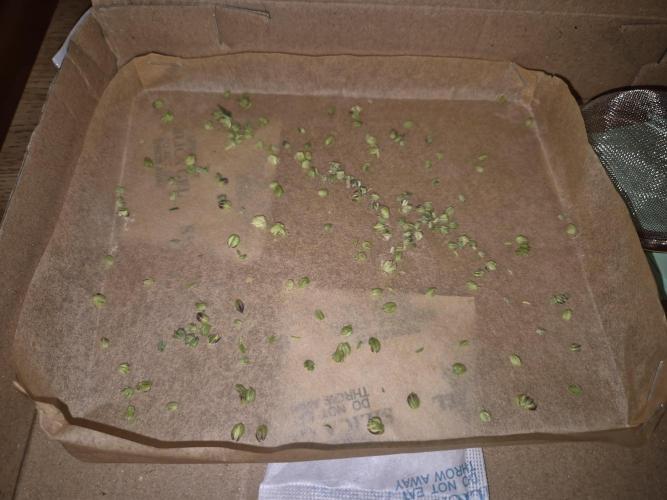
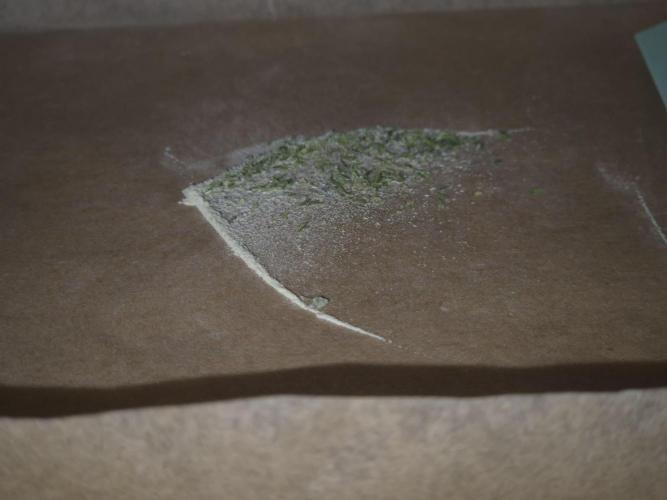
GanjaGecko The yield of the pollen is a delicate 0.24g. I don't know why I had a slightly lower pollen harvest here than during the last reversal. Maybe I had a more thorough lollipopping last time, or the colloidal silver played its part. This will be observed and tested a bit more closely in future reversals.
My recommendation for separating the pollen from the harvested flower cups and stamens is to carefully grind the harvest in a tea strainer while wearing gloves. This way, only the pollen and stamens fall through initially, and the larger plant material like the empty flower cups is already well separated from the rest. The whole thing then goes through a trimming sieve to separate the last plant residues like the stamens (nanners) from the pollen. This way, you end up with a pretty pure result. The harvested flowers were placed in a sealable box on baking paper for at least 24 hours. Each box had 3 silica packs to absorb excess moisture. The weather was quite lucky, so the environmental conditions during drying remained stable at 35-40% humidity and 20-22°C. For storage, the pollen was mixed in a ratio of 1:2-1:3 with sterilized and dehydrated flour, then placed in small Eppendorf cups, and then again into an empty film can with small silica gel packs, making it double airtight. Storing the pollen in several smaller portions is a bit more practical for later use. One part went into the fridge and the other part went into the freezer. When taking some pollen from the fridge or freezer for pollination, you should keep the pollen in its container sealed for about 1 hour until it reaches room temperature. If you open the container directly, the temperature difference will cause condensation to form, making the pollen unusable. The test pollination was also successful. The pollen is therefore potent and does its job. With successful pollination, the pistils already give you a hint of whether it was successful or not. About 3-5 days after pollination, the pollen reaches the ovary. The tips of the pistils turn brown with successful pollination while the rest remains white. Another indicator is when the pistils change color from white to dark orange or red. With non-potent pollen, the flowers would remain unpollinated, recognizable by the pistils staying white for a long time and then ripening brown as usual over time. Further progress will be documented in the OceanTruffle Clone Diary.
25 likes
1 comment
Share
Equipment Reviews




1 comment
Sort by
popularity
popularity
newest
oldest

Mia_BIOTABS  commentedweek 65mo ago
absolutely exciting project - thanks for sharing
like 1

the end.
Enjoying this diary? Follow for more updates!
Prefer the old Diary view?
Go back to the old Diary view