


DWC system





Contr

Other
water

Indoor
Room Type
Topping
weeks 3
72 liters
Pot Size
Start at 3 Week
1
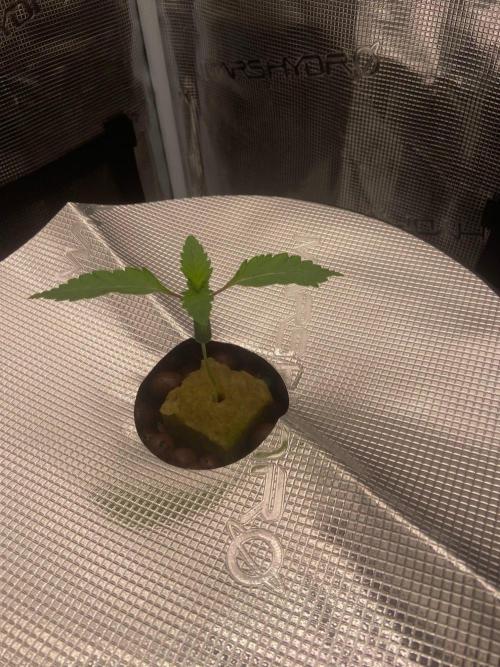
Week 1. Vegetation21d ago


10 cm
Height
24 hrs
Light Schedule
25 °C
Day Air Temp
7.2
pH
No Smell
Smell
110 PPM
TDS
60 %
Air Humidity
22 °C
Substrate Temp
20 °C
Night Air Temp
18.89 liters
Pot Size
80 cm
Lamp Distance
419 PPM
CO₂ Level
Nutrients 4
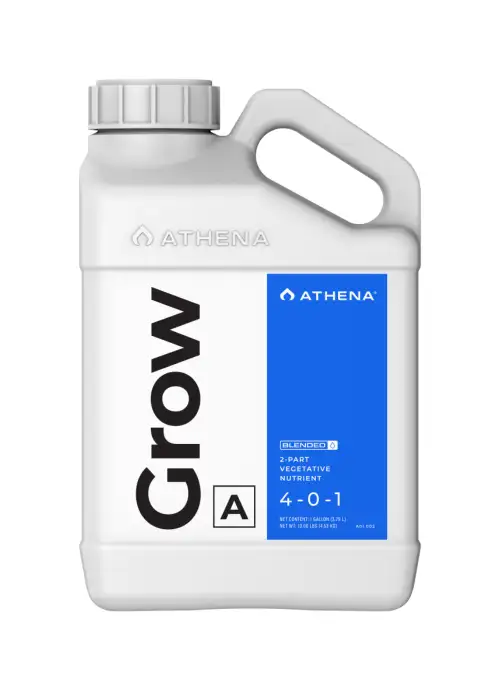
Grow A
0.016 mll
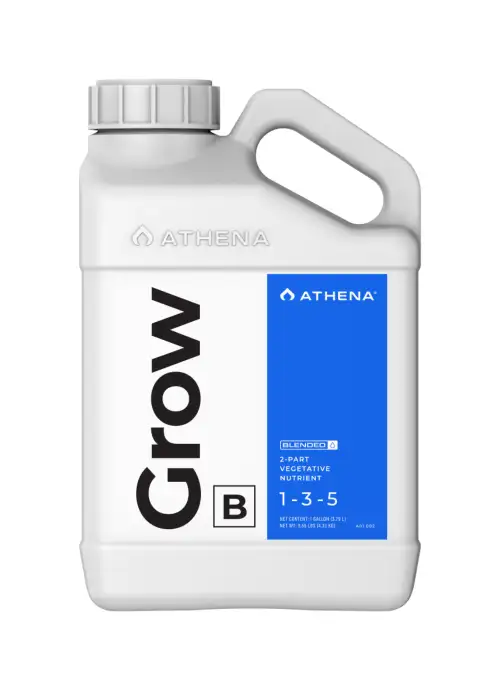
Grow B
0.016 mll
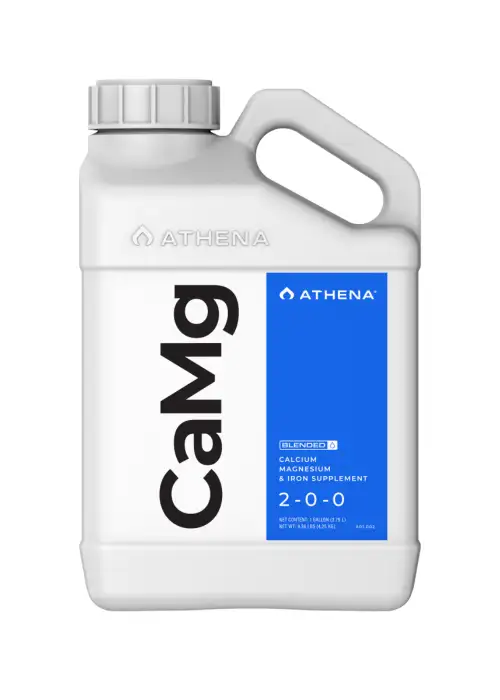
CaMg
0.008 mll
nosleepy I'm about to start my first DWC (Deep Water Culture) grow!
My goal is to put my academic knowledge into practice, gain hands-on experience with hydroponic cultivation, and better understand plant nutrition, pH, EC, water temperature, and root development.
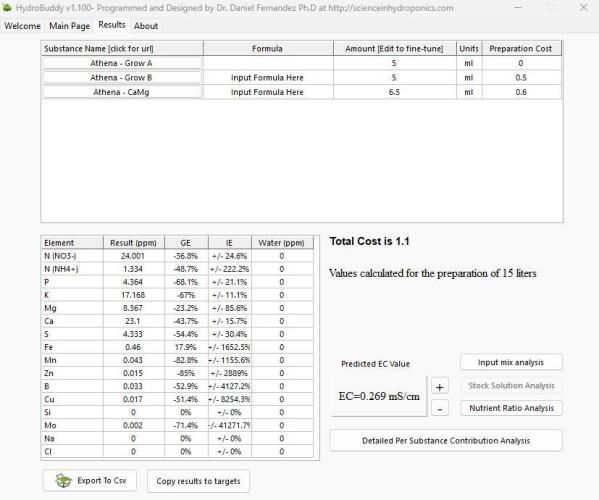
Throughout this grow, I'll also be conducting a continuous comparison between what I consider to be the ideal nutrient concentrations (in ppm) for each macro- and micronutrient, calculated using HydroBuddy, and the nutrient recommendations provided by Athena, the fertilizer brand I'm currently using.
I'll be following Athena's recommended feeding schedule while consistently comparing their nutrient ratios and concentrations with my own calculations in HydroBuddy. I'll carefully document any adjustments, monitor the plants' responses, and analyse how differences in nutrient concentrations may influence plant health, development, and overall performance.
I'll be documenting the entire journey, sharing results, analysing mistakes, and using this experience to better understand the relationship between theoretical nutrient requirements and real-world hydroponic cultivation.
Looking forward to seeing how this first DWC experience turns out!
Other info:
PPFD: 419 µmol/m²/s
VPD max: 1.27 kPa
VPD min: 1.22 kPa
2 likes
comments
Share
2
Week 2. Vegetation13d ago

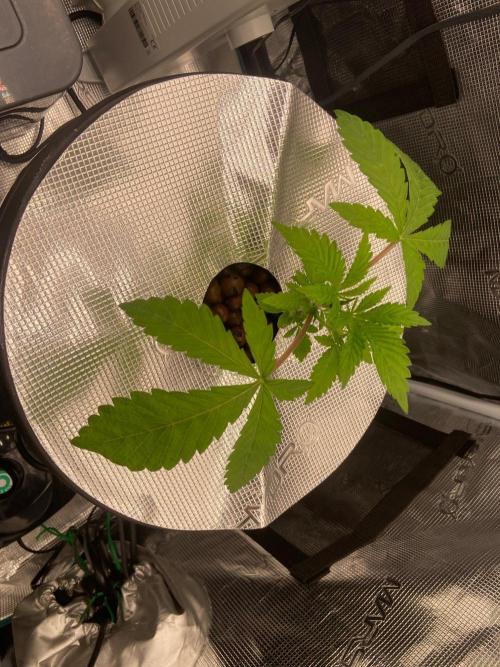


13 cm
Height
18 hrs
Light Schedule
24 °C
Day Air Temp
6.0
pH
No Smell
Smell
230 PPM
TDS
75 %
Air Humidity
21 °C
Substrate Temp
20 °C
Night Air Temp
71.54 liters
Pot Size
80 cm
Lamp Distance
419 PPM
CO₂ Level
Nutrients 4
Grow A
0.264 mll
Grow B
0.264 mll
CaMg
0.317 mll
nosleepy Other info:
PPFD: 226 µmol/m²/s
VPD: 0.7–0.9 kPa
I managed to resolve the pH issue I had during the first week, when it was hovering around 7–7.5. This may have reduced nutrient availability, particularly micronutrients such as iron, manganese, and zinc, and potentially phosphorus. Tap water alkalinity could have contributed, but I haven’t had my water tested, so I can’t confirm that. The tap water already had an EC of 0.14 before I added any nutrients. I’m not using reverse osmosis water, which would give me more control over the water’s mineral content and alkalinity.
I also reduced the light intensity to a PPFD of 226 µmol/m²/s, as the previous intensity was unnecessarily high for the plants' current stage of development. This adjustment should provide sufficient light while avoiding excessive light stress.
Additionally, I managed to bring the VPD down to a range of 0.7–0.9 kPa, correcting the previously higher values and creating a more suitable environment for early vegetative growth. These adjustments should help the plants maintain a better balance between transpiration, water uptake, and overall growth.
Today, I also performed a complete cleaning of both DWC buckets and replaced the nutrient solution with fresh tap water that had been left standing for approximately 24 hours. The purpose of this was to allow some of the dissolved free chlorine to dissipate before preparing the new nutrient solution. Although this method can reduce free chlorine levels, it is not effective at removing chloramine, which is more stable and may also be used in municipal water treatment.
After cleaning and refilling the buckets, I prepared a fresh nutrient solution following Athena's recommendations. The following nutrient quantities were added to each 5-gallon (approximately 18.9 L) DWC bucket:
Grow A: 5 mL (0.26 mL/L)
Grow B: 5 mL (0.26 mL/L)
CalMag: 6.5 mL (0.34 mL/L)
Once all the nutrients had been added and thoroughly mixed, I adjusted the pH to bring it into a more suitable range for hydroponic nutrient availability. I then allowed the solution to circulate and stabilise, monitoring both pH and EC before considering the preparation complete.
This process was intended to establish a cleaner and more consistent root-zone environment, reduce the accumulation of residues from the previous solution, and improve control over nutrient availability.
I'll continue monitoring pH and EC fluctuations, observing root development and plant responses, and comparing Athena's feeding recommendations with my own nutrient calculations using HydroBuddy.
3 likes
comments
Share
3
Week 3. Vegetation5d ago



18 hrs
Light Schedule
25 °C
Day Air Temp
5.9
pH
Weak
Smell
250 PPM
TDS
65 %
Air Humidity
23 °C
Solution Temp
21 °C
Substrate Temp
22 °C
Night Air Temp
71.54 liters
Pot Size
80 cm
Lamp Distance
419 PPM
CO₂ Level
Nutrients 4
Grow A
1.585 mll
Grow B
1.585 mll
CaMg
1.849 mll
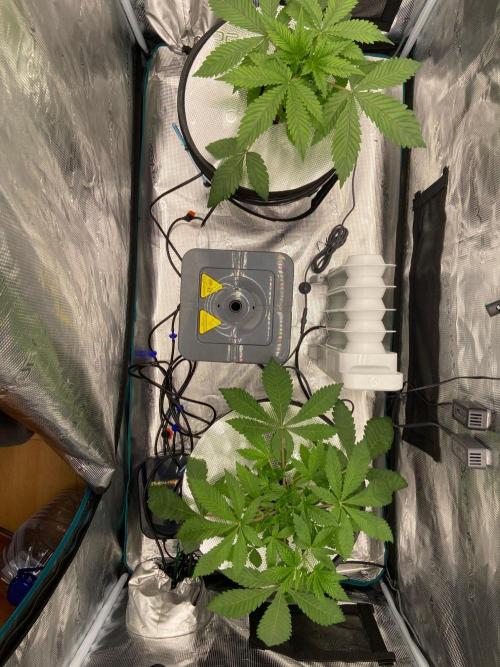
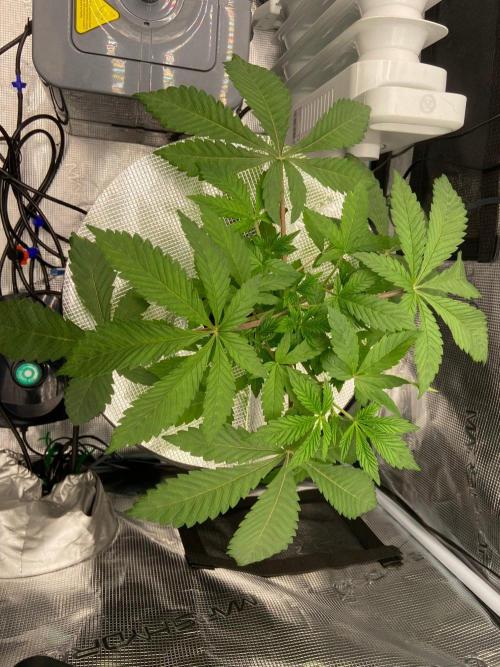
nosleepy This week, I finally managed to solve the pH instability issues by switching to water collected from my dehumidifier. The collected water has an initial pH of 6.0 and an EC reading of 0.0 mS/cm, providing a very low-mineral starting point for my nutrient solution.
Although this isn't the ideal water source due to potential microbial contamination, it has successfully helped stabilize the pH in my DWC system.
Some minor signs of nutrient deficiencies are still visible, possibly caused by the previous pH fluctuations when using tap water. However, nothing too concerning at this stage, and the plants seem to be recovering well.
I also increased the light intensity from 250 to 400 µmol/m²/s PPFD to support vegetative growth.
The VPD has remained relatively stable at around 0.8 kPa, providing suitable environmental conditions for this stage of development.
Overall, things are moving in the right direction! My main focus now is to maintain a stable root-zone environment, monitor nutrient uptake, and see how the plants respond to the increased light intensity.
1 like
comments
Share
Used techniques
Topping
Technique
Enjoying this diary? Follow for more updates!

Prefer the old Diary view?
Go back to the old Diary view