Likes
Comments
Share
@Paflucy
Follow
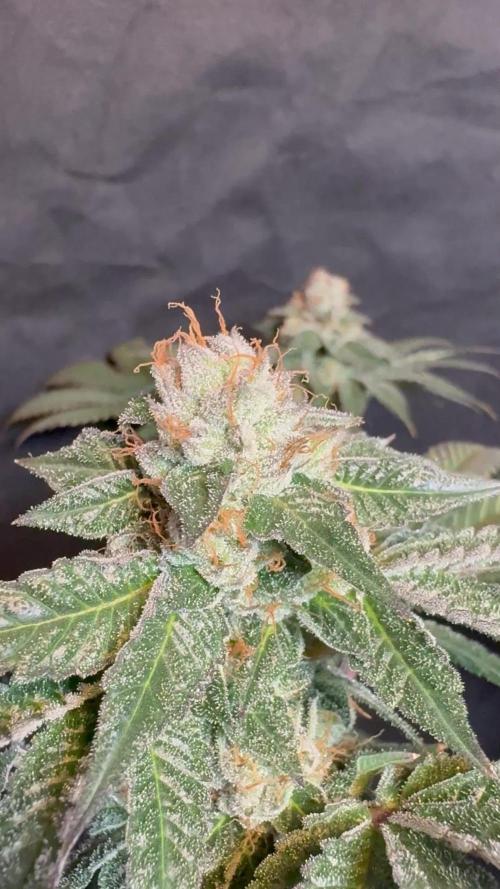
Hello Everybody :) New grow, new adventure, new lamp :) I've seen a lot of really hard and ultra frosty buds under this lamp, check it out yoursefl - https://firesun.pl/ This crop is an edition for absolute sativa lovers :) Grow Medium - Biobizz light mix + Rosahumus - 85% acid humus + dolomite + perlit + pebbles at the bottom and top + Great White Shark ( when transplanting) The end of the first week of flowering, the girls have already received the first dose of fertilizer for blooming. 1. Super Silver Haze - GHS 7 liter pot - Uncle Ben's cut Three main branches - the fourth lazy has already been removed 2. AMG - Kera 6 liter pot - lst work out 3. Wild Thailand - WOS 6 liter pot - classic Main Lining six main branches + lazy one... - the eight lazy has already been removed 4. Critical Haze - Resin 2 gallons Rout Pouch pot - classic Uncle Ben's cut four main branches 5. Pellezino Ghost Train - Blimburn 9 liter pot - classic Main Lining four main branches 6. Power Plant - DP 6 liter pot - Main Lining seven main branches + lazy one... Take care and wish me luck :)
Likes
2
Share
Topped once, turned off IR @ nights, slowed vertical growth back down, and took off both of the very lowest internodes on each plant. Eisenia fetida Stratiolaelaps scimitus Armadillidium vulgare Red wigglers (Eisenia fetida) are highly beneficial. They are considered an ideal choice for "no-till" or container-based organic growing because they live in the upper layers of soil, feeding on organic mulch rather than the plant's root system. Red wigglers accelerate the breakdown of organic amendments and produce high-quality, nutrient-dense worm castings directly in the root zone. Clover is another exceptional component of an organic rhizosphere, offering a sustainable, self-sustaining alternative to synthetic nitrogen fertilizers produced via the energy-intensive Haber-Bosch process. By forming a symbiotic relationship with Rhizobia bacteria, clover converts atmospheric nitrogen N2 into ammonium NH4, providing a steady, slow-release nutrient source that enhances soil health and reduces environmental impacts. Red clover offers superior nitrogen fixation and biomass production compared to white or yellow clover, making it the premier choice for maximum soil vitality, particularly for improving soil structure and providing a high-volume nitrogen credit for subsequent crops. If it is fully functional and efficient soil, the rhizophagy cycle is superior long-term than any synthetic delivery when it comes to preventing deficiencies, not because it's "better," per se. The medium will require a very high CEC to make it to harvest without re-fertilization. The rhizosphere acts as a dynamic, interactive exchange where plants and soil microbes trade resources based on immediate needs. When a plant lacks a specific nutrient, it changes its physiology and releases specialized chemical cocktails—root exudates—into the surrounding soil. These exudates, which include sugars, amino acids, and organic acids, serve as a "shopping list" to attract specific microorganisms, which in turn return higher levels of desired nutrients. There is nothing in comparison when using synthetic delivery, which can cause plants to stop producing exudates, effectively "starving" the beneficial soil life, over time turning the soil barren and void of microbial life. Responsible use, applying the right amount at the right time, can minimize these negative effects. Relying solely on synthetic fertilizers without replenishing organic matter is what typically leads to exhausted soil. The use of synthetic fertilizers can utilize the Cation Exchange Capacity (CEC) of the soil, but without a robust rhizosphere and active microorganisms, the efficiency of this process is significantly reduced. This makes synthetic growing more difficult to prevent deficiencies overall compared to an efficient organic living soil with a robust rhizophagy cycle, as there is no "one size, fits all" when it comes to different nutrient profiles of strains/genetics, making it trickier to "guess" and prevent creeping deficiencies. CEC does not contribute towards EC. Add more CEC using biochar, problem solved. If you keep pH between 6.3 and 6.7, hydrogen is exudated to cycle the medium's CEC for its needs. Keeping the pH between 6.3 and 6.7 creates an environment where plants release H+ to displace positively charged nutrients (like Ca2+, Mg2+, K+ held on soil particles or within artificial media this cycle through nutrients via the medium's Cation Exchange Capacity (CEC) Microorganisms generate a stable potential of approximately 0.5 V EC. The rhizosphere creates its own food, similarly to chelation, using 1000's of varying combinations to create its own food. Start to finish, just add water. Eventually, more materials will need to be added at the beginning of each new grow, but very attainable to go from seed to harvest without ever fertilizing. ATP is important when it comes to biomass accumulation. Cellular root respiration and cellular respiration are essentially the same biological process, the breakdown of glucose to create usable energy (ATP) in the presence of oxygen, just taking place in different parts of the plant. Synthetic (salt-based) grows have significantly lower levels of total rhizosphere respiration, often referred to as root-zone activity, compared to organic living soil grows. While the plant roots themselves may respire in both systems, the surrounding soil ecosystem in a living soil setup is vastly more active, teeming with bacteria, fungi, and beneficial microorganisms. 2 pools of ATP, it won't double in growth buuuut, but improving root respiration by ensuring high oxygen in the soil is crucial. Good aeration ensures roots can fully utilize glucose to generate the ATP necessary for nutrient uptake, leading to healthier and more productive plants, even if growth isn't exactly doubled. The ATP created using root respiration is dedicated to rootzone growth; the ATP created using regular cellular respiration in a synthetic system would have to dedicate a lot of ATP to the roots when there is little or no root respiration. It's true that there is less of an initial ATP cost in breakdown when nutrients are already in their final form (synthetic), but you lose a solid chunk of ATP when the entire plant is reliant on cellular respiration alone; a large portion of ATP is dedicated to root zones for "forced" nutrient uptake rather than traded. Making it overall less efficient, even if the initial cost of breakdown is higher. Not sure if I butchered that but one can hope It makes sense. Oxygen is of critical importance when growing in living soil compared to synthetic soil because it supports the metabolic needs of the microbial, fungal, and insect ecosystem, rather than just the root respiration required by the plant itself. While synthetic grows can survive in lower-oxygen environments with precise mineral feeding, living soil systems rely on aerobic microbes to decompose organic matter (microbial mineralization) to create plant-available nutrients, which is an oxygen-intensive process. While a specific fair percentage is difficult to guess, my experience points to a massive, compound difference between the two methods and the amount of oxygen required. All the ATP spared is used on more biomass, not only that, but the extra root respiration can achieve a much higher CO2 compensation point naturally than you could with synthetic and atmospheric CO2 alone. As a plant grows faster and increases in size, its demand for nutrients to support that growth increases, requiring a higher rate of nutrient uptake. As plants enter phases of rapid vegetative/floral growth, their metabolic demand for nutrients increases exponentially. Without a robust buffer zone—whether in the soil (cation exchange capacity) or in a hydroponic reservoir—deficiencies will occur rapidly because the instantaneous demand for specific nutrients can quickly exceed the rate of supply. A growing body of evidence suggests that organic living soil provides superior long-term soil health and environmental benefits compared to synthetic fertilizers, which are often criticized for promoting a cycle of dependency and degradation. While synthetic fertilizers offer short-term convenience and high yields, they often come at the expense of long-term soil health, sustainability, and increased corporate control over growers/ farmers. Organic living soil, while slower and requiring more care to establish, creates a sustainable, resilient, and, ultimately, more fertile environment. We don't really grow; we facilitate energy conversions, and energy is just numbers. Because the universe works the same way today as it did yesterday, there is a single, fundamental mathematical quantity that remains constant. We call this quantity energy. You cannot put "energy" under a microscope. You observe matter and forces (like heat, motion, or light), but energy is just a scalar number calculated to help predict how these things will change and interact. When an object falls, or when a battery powers your phone, matter shifts and changes form. Through it all, the universe ensures the "total score" of the numbers remains exactly the same. Once all water is removed, approximately 95% to 97% of a plant’s dry matter consists of carbon, oxygen, and hydrogen. These three elements form the structural backbone of all plants. NPK & all the rest 3-5%. Indigenous Amazonians created, or at least significantly enhanced, the fertile, dark soil known as Terra Preta de Índio (Portuguese for "Indian Black Earth") by incorporating biochar and other organic materials into the soil. This anthropogenic (human-made) soil technique, which dates back roughly 2,500 to 8,000 years, allowed ancient civilizations to flourish in regions with naturally poor, acidic, and nutrient-poor tropical soils.
Likes
44
Share
Dear Growers, Welcome to my Dutch Passion Diaries Competition 2025 entry! For this competition, I’ve chosen the Indoor Feminized strain: Orange Bud 2.0 Media from Week 15 or Flower week 4-5 After Moving into the New Tent for the flower weeks. Stage. Here’s what I’m working with for the Final Tent after Moving for the Flower time in the Future : • 🌱 Tent: 220x150x150 • 🧑‍🌾 Breeder Company: Dutch Passion • 💧 Humidity Range: 50 • ⏳ Flowering Time: 8W-10W • Strain Info: 20-25%THC, Sativa • 🌡️ Temperature: 26 • 🍵 Pot Size: 0.5l • Nutrient Brand: Narcos • ⚡ Lights : 720W x 2 Dimmed to 400w Each at the Moment. Because of Heatwave ⭐ A huge thank you to Dutch Passion for allowing me to be a part of this amazing competition and for supporting the grower community worldwide! Your genetics and passion speak for themselves! Curious to try these strains for yourself? You can check them out and support me at the same time through my personal link: https://dutch-passion.com/?a_aid=GGD I would truly appreciate every bit of feedback, help, questions, or discussions – and of course, your likes and interactions mean the world to me as I try to stand out in this exciting competition! Let’s grow together – and don’t forget to stop by again to see the latest updates! Happy growing! Stay lifted and stay curious! Peace & Buds!
Likes
41
Share
@Hawkbo
Follow
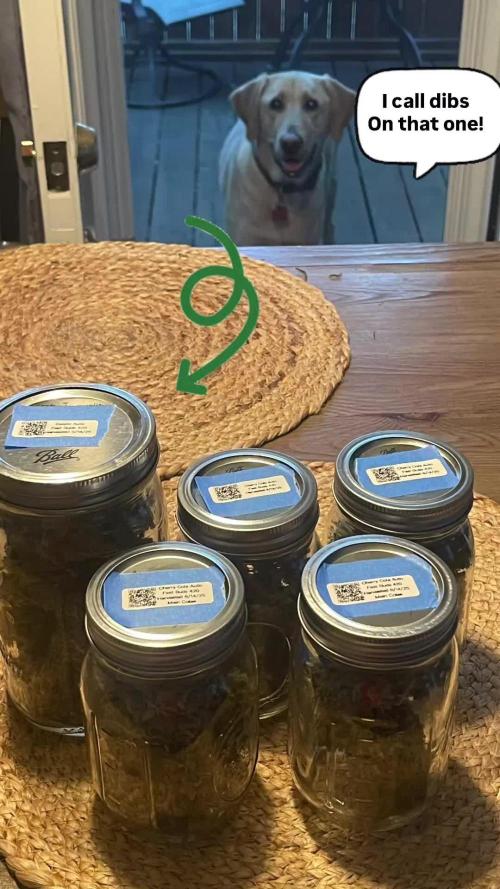
I still have to go thru all the photos but wanted to get the video up for all of them first. If your interested in the pics come back at the end of today and they will be up it just takes a while. Noticing more seeds poppin thru, I hope it's from the moonshine cookies pollen cuz the female turned out bomb and the male wasnt too bad either so they might be decent seeds. Started the flush on the citradellic and the other ones might have got their last feed yesterday. Should be finishing up next week and the week after. These are all getting flushed from here on out. They all smell like citrus and have some crazy lookin colors comin thru.
Likes
6
Share
@IamCy
Follow
My light broke. Sorry for not updating this week. Catch everyone back on Tuesday. Update: 3/27 installed a Spider Farmer SE5000 (2024 edition). Hopefully the recovery time will be quick.
Likes
2
Share
@Takeaims
Follow
Coming into flower nicely a few are still a few weeks behind the others but I expect a full tent in a couple weeks
Likes
50
Share
well everything is going alright. nothing to complain about. destroyers are getting a lighter shade in the new growth but still pretty much healthy, just a more natural sativa color. maybe around this time i could have thought about topdressing but i’m more inclined to let them go on with straight water just to see how this mix runs till finish with just water and no extra inputs. though who knows i may just decide to topdress tomorrow haha others seem happy and healthy as well. watered the dinachem pot yesterday with about 4l of distilled water and destroyers got 4l each 2 days before that. caribe and cannalope pot is still pretty heavy. see y’all next week edit; yesterday we had a blackout so timers were set back an hour so i guess when i opened the tent today light had just turned on because they were holding a less intense praying pose so just checked back 3 hrs later now and looks fine now. added those photos as well.
Likes
8
Share
Nona settimana di veg anche questa OG Kush si sta riprendendo...la cosa buona delle piante fotoperiodiche è proprio questa: che sé si ha un problemino, con il tempo si può aggiustare, mentre sé uno sbaglia con le auto non c'è tempo per recuperare... 🤣👍💪
Processing
Likes
1
Share
They are looking real good. I think I may have gotten some nutrients on one plants leaves and it caused some yellowing and leaf curl, I’m hoping it straightens out.
Likes
8
Share
RESUMEN DE CULTIVO: Esta cepa es brutal, resiste muy bien las manipulaciones y genera cogollos grandes y prietos, también soporta una fertilización poco controlada y ligeramente excesiva. Perfecta para alguien con pocos conocimientos (este es mi primer cultivo) OLOR: No tiene un olor fuerte, una buena opción para quien necesita disimular el olor del cultivo. SABOR: Su perfil de terpenos es muy bueno pero suave, varia en funcion de la planta, algunas tenían un sabor ligero, especiado y tirando a lo picante pero una en particular si sacó matices de olor y sabor muy dulces y afurtados entre el mango y el platano realmente buenos, me encantaría tener una madre de ese ejemplar. EFECTOS: Tiene altos porcentajes de THC, a tumbado a más de un amigo, me parece una buena opción si buscas una variedad potente. LO MALO: Poco malo tengo que decir, aunque tampoco es tan sabrosa como me hubiera gustado. Seguiré buscando otras variedades pero seguro que repito.
Likes
5
Share
The flowers are starting to form, and I’ve decided not to follow the fertilizing schedule recommended by the manufacturer. I’m concerned that adding more nutrients at this stage could lead to over-fertilization. There’s good airflow around the lower part of the plant, and soon I’ll apply a preventive antifungal treatment, since the environment here tends to be humid during the winter due to frequent rain.
Likes
10
Share
@Dunk_Junk
Follow
Looking gorgeous this week! Really frosty. I'm thinking she's got another week to go. 💪
Likes
6
Share
@Ciscohash
Follow
Esta semana fue genial las plantas crecieron todas muy parejas..teniendo por ahora mucha homogeneidad en el tamaño y forma de las plantas
Likes
9
Share
Welcome to Flower week 9 and harvest of Fast Buds LemonPaya For this Project , I’ve chosen the Feminized Photo strain Lemonpaya : Here’s what I’m worked with: • 🌱 Tent: 120x60x80 • 🧑‍🌾 Breeder Company: Fast buds • 💧 Humidity Range: 35 • ⏳ Flowering Time: 58 Days • Strain Info: 30%THC • 🌡️ Temperature: 26 • 🍵 Pot Size: 16l • Nutrient Brand: Narcos • ⚡ Lights : 600W x 2 A huge thank you to Fast Buds for allowing me to try my Best with this amazing collection from Automatic and Photo Strains they managed to Sponsore . Big thanks for supporting the grower community worldwide! Your genetics and passion speak for themselves! Let’s grow together – and don’t forget to stop by again to see the latest updates! Happy growing! Stay lifted and stay curious! Peace & Buds!
Likes
25
Share
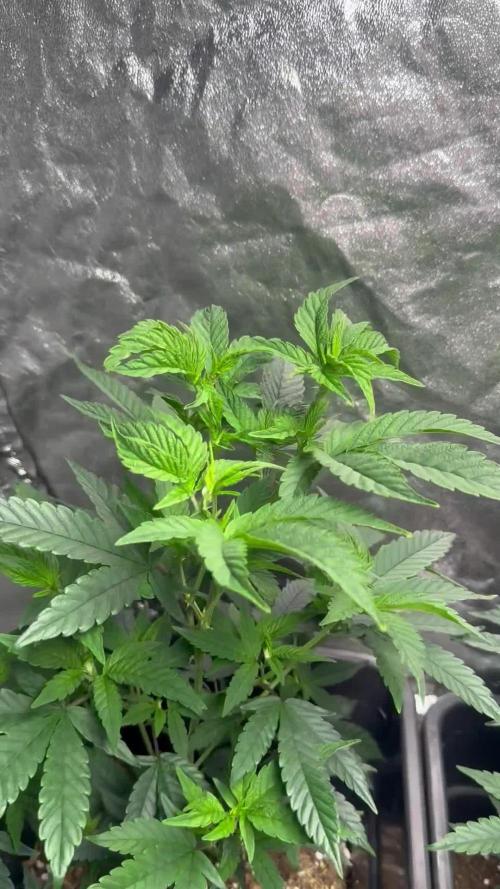
Great week, plants are healthy, they might stay on the short side but time will tell. Started low stress training. So far so good . Everything is growing fast now