


Likes
Comments
Share


@Canna96
Follow
Hope everyone is having a great weekend. It was a good week for the ladies, all the toppings are complete, and now I am just focusing on some LST to try and keep all 8 tops level on all the ladies. Today is day 42 and I just removed the milk crates that all of the ladies were sitting on to give them more vertical space.
I am still feeding GH nutrients, silica, cal mag, and maxi grow. I will transition to flower nutrients approximately one week after flipping to flower. I have found that it is important to continue feeding plenty of Nitrogen through the stretch. The only way I would transition sooner is if I was running out of vertical space.
Still very happy with the Spectrum X from Medic Grow. I am running her at 69% and the plants seem very happy and healthy. The heat and humidity are finally letting up in my region so it is nice to be able to open some windows and drop the temp outside the grow tent.
I hope everyone has a great weekend, Thanks for stopping by, Stay Safe and Blaze On!!! 💪
Website: https://medicgrow.com/
https://growdiaries.com/grower/medicgrowled

Likes
1
Share

@Jesperado
Follow
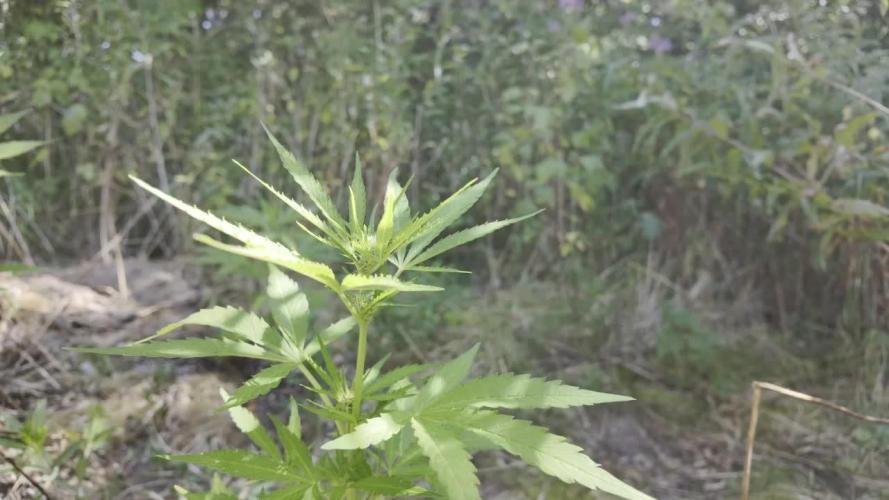
The Apes are flowering, and the difference between the plants is enormous. The one in the middle is the only one that truly took off, and I wouldn’t be surprised if it ends up producing as much as the rest of them combined.
Putting them directly into the ground probably wasn’t the mistake. The real problem was that I only planted them with the six litres of soil from their original pots. I should have brought plenty of additional soil to give the roots a much better environment to expand into.
I’ve since added guano as a top dressing and continue watering with plenty of molasses, but at this stage, the smaller plants are not going to catch up.


Likes
8
Share


@GReeNiNjaHashashiN
Follow
Trichomes terps & buds, getting better and better, watch the video I made for you guys...much love & stay blessed
Likes
12
Share


@Alice_in_Wonderland
Follow
Day 8 - First official day of veg and both ladies are looking good and on schedule for a couple of changes.
Nutrients: 10ml of Hydro A & Hydro B were added to both buckets (10L of water in each bucket)
PH: the Milwaukee PH controller was set to work - starting at a PH of around 7.6 - 7.8, it slowly worked down to a perfect 6.0 over about 50minutes.
Lights: The lights were readjusted to be 60cm from the seedlings who are all between 8-10cm tall and the intensity of the lights were increased to about 70% brightness.
Day 9 - Both plants are taking nicely to the adjustments and I am happy with the progress. Temp and humidity are stable and PH is controlled.
Day 11 - The second nodes are clearly visible today for both Chong and Max which would hopefully put them at 3 nodes by the end of the week - right on schedule!
Day 13 - The ladies seem to be showing some signs of heat stress, so thinking about adjusting the lights after their period of dark today because they are due to be adjusted tomorrow anyway for the new week of veg
Likes
23
Share


@DeepRootsGrowTrees
Follow
MATARO BLUE by KANNABIA
Week #9 Overall
Week #8 Veg
This week it's gotten extremely hot she's covered to help protect her with a sun screen that being said she's doing good dealing with the elements. Stay Growing!!
Kannabia.com MATARO BLUE

Likes
44
Share


@Chedderbob112
Follow
Waiting on a full plant hang dry so will wait at least two weeks maybe three hope ma vegging station holds up n can dae tge damage the now as av said guys this is definitely not the perfect set up am not on good terms with land lord so basically squatting here lol and growing and a got caught with one in this house the land lord doesn’t even know lol 😂


Likes
12
Share

@3rnest
Follow
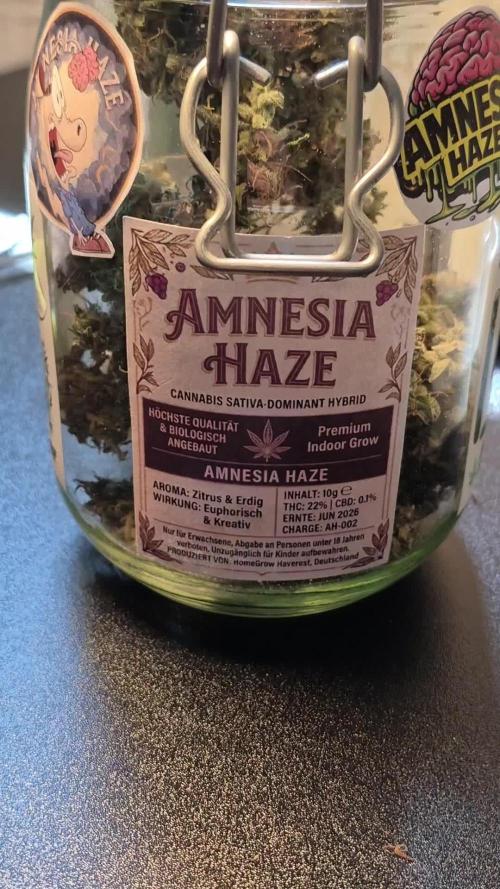
Alle drei Damen wurden geerntet. (Hier zu Amnesia Haze)
Am Ende haben die Blüten noch mal ordentlich zugelegt und wurden schön prall.
Auch war die Blütenzeit kürzer als erwartet und die Trichome hatten sich nach 10 Wochen schön ausgebildet.
Die Blüten sind schön Harzig und den Duft finde ich sehr angenehm.

Likes
4
Share


@SuperGluedGrow
Follow
Week is going good aside from me accidently cutting off a stem on pheno 2. If I can properly save the cutting though I might have a chance at another female. Pheno 3 I'm hoping can make some comeback as I really want to flower the plant, its not dead by any means but the way its growing I just cant see it allowing itself to flower the top leaves were barely growing so I topped. Hopefully positive changes within the next week.
Likes
4
Share


@I_Identify_As_A_Dan
Follow
Week 8 for Amnesia Zkittlez by fastbuds
Even though she spent 5/6 days of the week in a darkish shed due to the strong rain full all week, she seems like her buds have gained some size since last week😍 Definitely still the skinniest plant in flower but shes getting a little bulkier each week😇
She was fed once this week with some FPJ, Regulator, Enzym+ & Topbooster by @aptus_portugal right at the start of the week. Humidity has been so high that the pots still seem very heavy.
Finally getting a nice sweet smell to her too!
Besides killing a few small unwanted spiders doesn't seem to be having any issues pests wise.


Likes
2
Share

@TommyBVRSA75
Follow
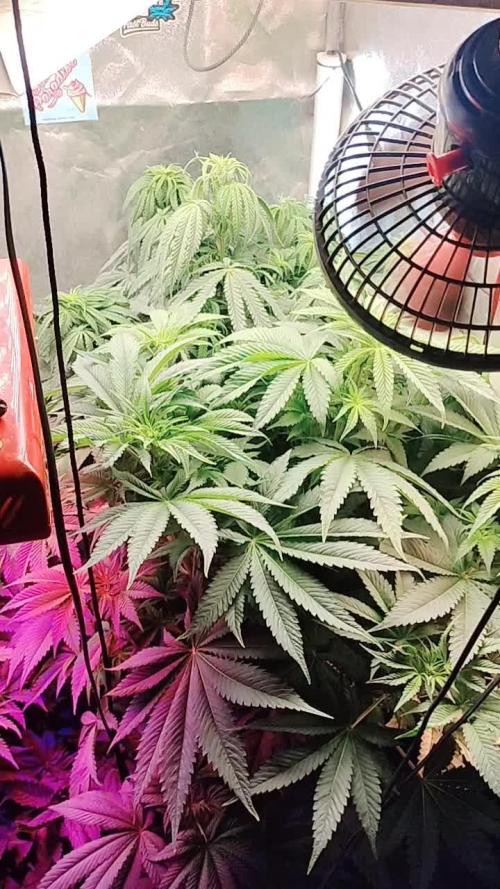
Video - middle growing phase on 9th week ( ending of 3rd flowering week ) - Blooming start.
Explaining my grow area - LED settings - temperature and humidity conditions - Strain descriptions
Likes
19
Share

@LueRootsGrowGermany
Follow
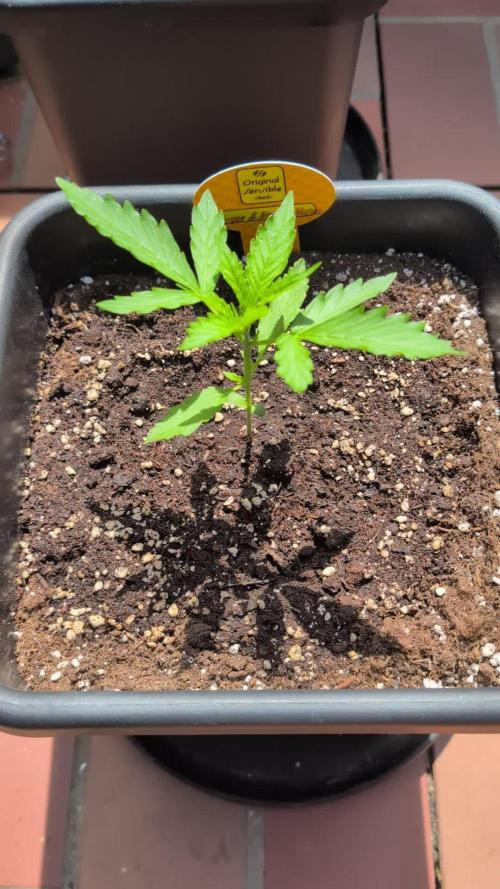
Hallo und herzlich willkommen in Veg. Woche 3
Endlich kam ordentlich Sonne und sie hat ein tolles Format. Wie es scheint haben wir uns gut um die Wurzeln gekümmert, im Moment konzentriert sie sich sehr schön auf Höhe, Kraft und Vitalität. Der jetzt noch (Stengel) bald Stamm, wird Stabiler und kommt in leichte Struktur. Blattmasse nimmt auch deutlich zu! Sie sieht fabelhaft aus und ich denke, ihr geht es auch super! Auch die ersten Triebe in den nodien wachsen. Insgesamt momentan eine top Geschwindigkeit!
Nebst sehr neugierige Kater (2) hat sich zusätzlich herausgestellt, dass ein Hornissennest sich 2 m entfernt im Dachstuhl befindet.
Zunehmender wird es sehr ungemütlich und ich denke, ich werde sie runter in den Garten verbringen müssen.
Auch da im Außenbereich sind noch mehr Katzen, daher werde ich am kommenden Dienstag irgendeine Art Schutz für die süßen fertigen.
Zur Nahrung:
Gegossen wird seit 3 Tagen jeden Tag 1 Liter. Aktuell fahren sie ganz gut mit 2 Tage angepasstem PH- Wasser und einen Tag 80% vom Düngerschema an Makro u. Mikronährstoffe. Stickstoff befindet sich noch ausreichend bis ca. Mitte nächster Woche im Medium. Trinken tun sie wirklich gut, Gestern wo es so heiß war, hab ich am Nachmittag noch etwas nachgießen müssen. War aber die selbige Menge wie Morgens ergo 2 mal 500 ml. Ich hatte mich auch dazu entschlossen, einmal Super Microbes am Mittwoch statt erst Sonntag zu geben. Ich werde jetzt sehr genau darauf achten, wie sich die schöne verhält. Aber mir macht es schon den Eindruck, das sie sehr hungrig sein werden!
Somit freue ich mich sehr auf die kommende Woche!
In diesem Sinne euch noch einen schönen Sonntag und eine erfolgreiche neue Woche!
Viele herzliche Grüße an alle Kollegen wie auch die Community!

Likes
17
Share


@jamjam887766
Follow
Getting close to harvest #1 (#2 is already curing)! The pistils are still mostly white and stretching but some trichomes are starting to turn amber - I'll give it another few days or maybe a week. For the last two weeks I have just been feeding just water with no nutrients.
Processing
Likes
18
Share


@CanadianFillmore
Follow
Week 7 begins for Divine storm. Both ladies are looking good and healthy, bud sites continue to bulk up and frost up. Switched out big bud coco for overdrive as we approach the end of the grow.
Thanks for checking in, tune in next week! 👽🌳🔥
Likes
38
Share


@Wicked_Stix
Follow
I am excited to try out this new gorilla cookies from fastbuds.
I originally started this setup to compete in the solo cup challenge, but I needed something that will be minimal maintainence and doesn't require hand watering. So this is what I ended up with. I will not be entering since I know it will bring controversy, but I am going to follow the rules and treat this grow as if I am competing.
I didn't want to use regular solo cups because last time I had a lot of algae growing in the root zone when I harvested. I opted to use a black light proof cup. These cups were 27 oz originally so I filled them with 16 oz of water, marked the level, then cut them down to 16 oz. I set the drain pipes about an inch from the bottom so they have a little reserve if I have pump or power issues. I know people will see the drains as a way for roots to grow out of the cup but in reality I have to keep the entire pipe free of roots or it will clog and overflow. So I am actually losing a little volume due to this.
I filled the bottom inch or so of the cups with river gravel to stop the perlite from washing into the reservoir.
I am running a 5 gallon reservoir with a small air pump and the plants will be getting irritated 24 hours a day from an aquarium power head pump. I set the system up to be totally self contained and easily portable. It was all built from things I had laying around other than 97¢ for the cups. I will be keeping the feed simple as always feeding maxigro and maxibloom with a couple flower boosters.
Likes
10
Share

@MasterGrowda88
Follow
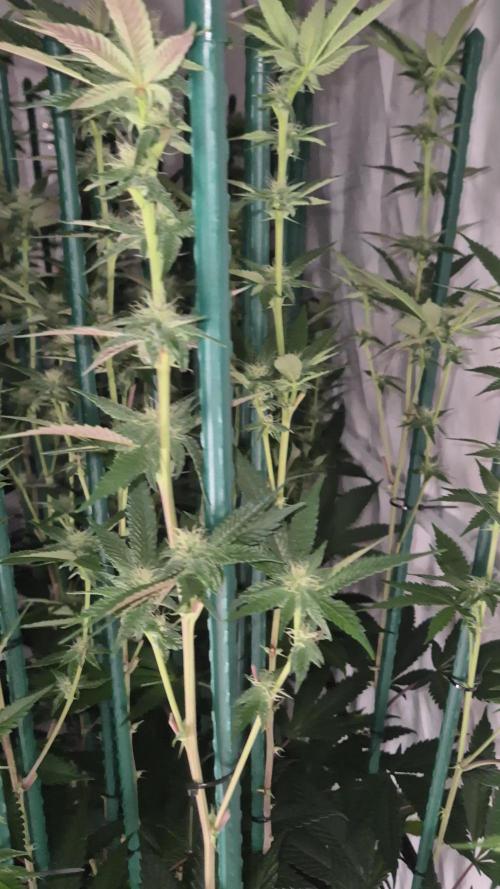
The third week is over, and the ladies have finished their stretching phase. This meant one last trimming. I removed all the solar eclipses that were on a flower. This way, every flower receives light and photosynthesis is absorbed through the lower part. This way, I achieve maximum yield and no undeveloped flowers

Likes
22
Share


@handsammich
Follow
scratch what I said last week, trichomes still milky and buds just getting more and more dense, in my last grows i’ve always been low on weed by the time harvest rolls around but i’m not this time so i’ll just be letting it go until I have to pull it.

Likes
37
Share


@masterofsmeagol
Follow
8/19 Rained again last night. No damage but medium is drenched. The 9lb kush I've been struggling with seems to be improving. I spent a lot of time on her yesterday and at least an hour this morning defoliating and pruning her. New growth and flowers look promising. I'm cautiously optimistic. I defoliated what needed it. I needcto qpplyvorganocide again. I can see random signs of septoria leaf spot. I really have been off my fame lately. I'm back on it now. This week the garden will be rearranged and I'll pull that big GDP back and better support the blueberry for flower. That NYCSA is a beast. It's resilient as all hell and just continues getting bigger and fuller. Despite pr9blems in the garden this girl seems absolutely fine. At least I don't have that defeated feeling anymore. I've got flowers on a few different plants. I'll try to get a couple pictures. I may take rapacaps advice and add a cheap plastic roof for later flower. I'm not sure if the explosive flower growth is due to the liquid kool bloom but I think I'm going to switch back to tiger bloom as it works better with the other nutes. I'll jeep this updated but I've got work to do.
8/20 Well it Rained again last night. This is getting discouraging. Now my other 9lb kush has the bottom branch all droopy like there's a borer or something. Realistically with the temp swings and the weather I think it's a firm of root rot or pythiym damage which isn't good. I posted pictures of the stalks and would be grateful if anyone has any advice. I'm go8ng back down to look again for a borer hole but i didn't see one. What it looks like to me is that the petroleum jelly I put on the stalks (to battle ear wigs) seems to keep them moist or something inviting mold or fungus. I'm kind of at a loss. I don't really know where to go from here. I don't know if I should just replant the severely damaged plant away from the rest of the grow, bag it and get rid of it or leave it be and hope for the best. I certainly don't want anything spreading. I'm getting tigerbloom today as my plants still need to eat and I'm nervous about the liquid kool bloom. It's probably fine but still. I'll update after I put in more work and research more today. Any advice helps. UPDATE: No borer holes. The stalk looks fucking horrible. It's supposed to rain today. I'm going to give it one more day then I'll amputate that branch and get rid of the other plant if I don't see an improvement. Perhaps I'll plant it in the ground. Don't really know what to do. Family bar b que today so my options are limited.
8/21 FED TWO GALLONS TO THE GARDEN. ONLY USED .5TSP/GAL OF LIQUID KOOL BLOOM. Did not feed dieing plant. Back to super hot weather 80° at 9am. Did a lot of research last night. I also went to several commercial growers and asked advice. What I came up with was a fusarium infection of pythiym infection
(Crown rot). I looked at all my stalks and they all have bark and are darker where I applied the petroleum jelly. I'm also NEVER using DE again. It fucking ridiculous amounts of water. Everyone swears by it bit it's not going in my garden again. Since use I can just watch water sit right on the GD soil. I tried to get some examples of what I'm talking about with the stems. I amputated that lowest bottom branch I trained (which was huge). I didn't have time to dispose of the other plant before my wife's doctor's appointment. I'll update when I go back over. I'm sure this won't help and may hurt but I used Bee Safe 3 in 1 on the wound and around the stalks of the plants I saw discoloration on. I didn't touch the NYCSA even though I see some discoloration. I may just be seeing things. That plant I'd super healthy and I don't want to risk losing it. It doesn't seem to have the stem rot like the others. At least I'm not the only one having problems. I hears some pretty bad stories. Still. I'm heart broken. I'll keep this updated after I go back over. FUCK. I MAY just go back to indoor. UPDATE: Got back from the appointment and the rest of the plant was all droopy just like the other 9lb kush (and the branch amputated). I wondered about that because other branches looked worse. I got the totally dead 9lb kush out and found some root rot. AFTER wheeling the bag out I found earwigs and other insects where the bag had been. Awesome. I used h202 to try to wipe down anything that looked Fingal in the stem. It sucks because it seems like that liquid kool bloom pushed them over the edge into flower. Cotton balls where there was nothing. So that's both my 9lb kush plants and the largest plant of the year the GDP that have all bit the dust. If you grow cannabis you know how I'm feeling. I KEEP TRY8NGVTO UPLOAD THE MINUTE VIDEO I TOOK BUT I CLICK ON SOMETHING ELSE AND IT DISAPPEARS. WIFI SLOW. HAVE TO WAIT FOR 5G
8/22 What do I say? Fusarium? Pythium? Stem rot? I'm going to have to get a tent to do some indoor to get the medicine I need for me and my wife. I took the last 9lb kush out and disposed of it. Well it's still in the bag. I'm hoping maybe it might come out of it (beyond hope and far away from the others (but I'm going to toss it today). This blows so hard. Flowers are just starting to develop. I like the liquid kool bloom. It seems to make flowers explode when there was none before. At least on the plants I have left. Actually even the dieing ones started flowering. I'm really concerned considering that one plant (at least) has septoria and every plant has that petroleum jelly on it. Cautio to people that use that. It seems thats where the rot started or is. In spots I spread the petroleum jelly. Anyway my NYCSA has the smallest amount of "funky looking stuff on the stem" so I'm hoping it will make it. Cotton balls starting to appear. If I lose the whole fucking crop I'm gonna go ape shit. UPDATE: Spoke with a few others and did more research. I removed my braces on the bottom of all the plants. It looks like the pjelly and the brace allowed for some type of contaminate. Other growers think I'm being too bleak. They think things will turn out okay. They are more knowledgeable about cannabis than me but I'm with these particular plants everyday. They're probably right and my anxiety is just getting g to me. It's scary seeing a healthy plant completely die in such a short time. After removing the other 9lb kush I could easily see extreme rootbound roots still too the size of the 1 gallon they came in. The bag was PACKED FULL of tight roots so they definitely made it down. The plant however just fell over when I pushed it. I had roughed it up a big before. Anyway I'm praying to the cannabis gods to not take what I have left.
8/23 Fucking pouring again. This sucks. I've gotten loads of advice and made another friend on here. I forgot my phone so I couldn't take pictures this morning. My spirits are up a little seeing that others are at least attempting to help. I'm headed to the grow shop after a night of research to grab supplies to battle this. I'll update later. EDIT: I picked up plant doctor at the grow shop. It was 50% off and I couldn't find anything with trichodermia. However, I've heard good things about this plant doctor. It's systemic and can be used as a root drench and a foliar spray. BIGGEST selling point for me is that it SPECIFICALLY lists fusarium, grey mold. Pythiym crown rot, black mold and all kinds of other shit. The thing that sucks is it's raining and it's not supposed to stop for a few days. That's going to make application more difficult. Oh well. I think I may do a root drench on the one plant that has a wilted bottom branch. I'll keep this updated. Thank you everyone who reached out. Especially growing grannies and my commercial buddy who is always here for me. However he has no experience with this so I'm kinda on my own here. EDIT: I couldn't find trichodermia and I don't have time to wait around and order. I found plant doctor which literally lists it treats all the possibly pathogens my issue could be. Even has a section for medical Marijuana. I did a root drench on the plant up front in the middle AND I did a foliar spray. Might as well get the septoria too. It's systemic but it gets in faster through the leaves I guess. It started sprinkling and I want to test this stuff out before I go ham with it. I did give some to the to other plants bit left my best AND THE TWO SMALLER ONES alone for now. I'm not seeing those issues on the NYCSA and I don't want to risk damaging it. I chose tge root drench as it's raining and the instructions for fusarium WAS a root drench. Thank you all for your help. I will close out tge question once I know it's figured out. Wish me luck. DID A SHORT VIDEO BUT WIFI IS SUPER SLOW SO I NEED TO WAIT TO UPLOAD IT. Went back over. Finished foliar spraying the other two and left the NYCSA and two Littles alone. Hopefully this works. I did I short video. Who knows if it uploads. UPDATE: Went back over and finished foliar spraying. Took a bunch of pictures and did a video but it didn't upload. I'm hoping this will do it. Plants actually look good. And they're flowering nicely! It's too bad I had to do a foliar bug this us supposed to combat PM and septoria as well.
8/24 It Rained last night but hasn't Rained today yet. It's supposed to and uts overcast. I'm really considering putting a roof on my grow (like rapacap suggested) for flower to decrease mold chances. Plants looked happy. I saw no negative effects from the Plant Doctor. I even sprayed a branch of the NYCSA and the stem and a little around tge roots. I finally feel like I can take a breath. I've been working so hard and worrying about losing g everything. I may have been able to save that 9lbkush but I don't think bit was worth taking the chance. The sun is peaking out now. My buddy at the grow shop called and set a side general hydroponics armor si 0-0-4 silica supplement cause it was 90% off. I pad like a buck sixty lol. I'll incorporate that next feed or water. Whatever comes first but it will be good to get it in the regimen. I was worried plant doctor might hurt but the girls seemed to kike it and I went ham on the worst plant. I mixed according to medical Marijuana guidelines on the label
(Theres another label on the internet, it's not on this one, it's at the very bottom and just recommdations from commercial growers. I hope this stuff works. Things look better already though. That liquid kool bloom is the bees knees. That's making flowers pop up like crazy! I think I'll stick with it. I was going to use beastie bloom and cha ching later on (and still might) but I hate the lockout bullshit. I've done a bunch of videos but most don't get uploaded as i forget to upload when I leave and wifi is slow here. Anyway at least I've got a few good ones left and pleating the words of my commercial poll buddy, "barring anything catastrophic you should be fine. I know your anxiety gets the better of you sometimes." Couldn't be a truer statement. I'm still getting a tent and doing indoor though. I'm going to need to.
8/25 Did some slight defoliation. I think today I'm going to reorganize my grow space. Things are looking better though. Plants look healthier. Flower is on and they are going to beat hell. I'm glad I took a cutting from NY 9lb kush. I also took one from the NYCSA. THose are tge little ones. The 9lb kush is flowering pretty good. Too bad it's just on a 3 gal. The NYCSA us in a 10 gal grow bag though and is doing amazing. I still see septoria on the leaves. I'm sure I'll need to reapply plant doctor but thus far I'm impressed. Things LOOK better. I don't even remember the last time I watered. It Rained last night. Looks sunny today. I'm going to feed tomorrow. I want the soil to dry out though. We usually don't get consistent rain like this. It's a first for me. I'll update later if I get stuff done.still wondering if I should amputate that wilted branch or give it a bit. It's still attached right now. I'll get some sealant and do some more research.

