


Likes
Comments
Share


@Chronnoisseur
Follow
Loved growing in my hydro system defientley not gonna look back to coco.
Stay tuned for the next to come I'll be using the pollen collected of the lemon skunk and will be crossing with chemo,blueberry,m39 grand daddy purple,gg4

Likes
9
Share


@Midterm
Follow
🤙🏼 🤙🏼
Sawasdee, Now 60 day
I changed watering 1L to 1.3L this week and watering every other day, nutrients every sunday on schedule photo.🗓️
First starting feed all nutrients last week but it to late so i will feed nutrient more quantity.
P.S. Compared photo to same fame and angles of weeks betweens.📸
See you next week.

Likes
13
Share
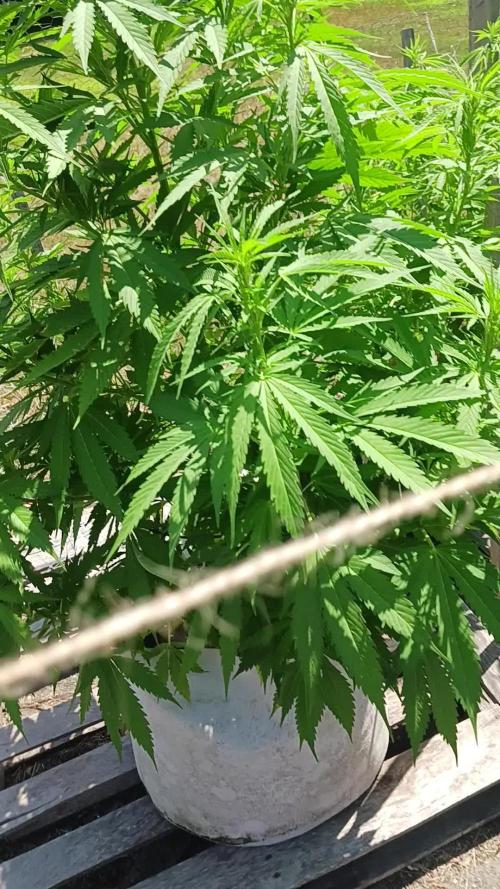

@masterofsmeagol
Follow
7/13 It's maine-ing out. Overcast and misting. I guess it rained last night but not much. Today is my watering day although I think they could've made it until tomorrow. These drastic temp changes makes it hard to get a STEADY routine in place. I watered everything in the 20's a gallon the 10's 1/2 gallon. The 10th planet in the front was still heavy so I didn't water it. I'll keep an eye on it. Temps are much milder. I noticed a few more septoria leaves on the 10th planet which I promptly defoliated. This pheno is flowering. I could've put this week as flowering as several plants have started. I also saw ONE leaf on my chem dog that had septoria on it. ONE f-ing leaf! I was planning on treating this early anyway so I mixed one gallon of plant doctor 3 tsp gallon/gallon which was the recommendation. I'll monitor this plant and continue treating it the next two weeks. I may do foliar too but the mixture is different. It's a systemic so I don't think that matters as much. Considering getting mulch to protect from spores on the soil. My plants look GORGEOUS. I Hate to use such a nice plant as a guennie pig but I'm not going to sit here and watch it progress. I'm lucky it's really not that bad and that it's on a reveg. There's so many leaves that I would be forced to prune anyway. I'm seeing two MAYBE three leaves a morning but I want to get this under control. Last year u let a plant with septoria go and it finished but went to extracts. I've got a pretty good feeling about this plant doctor. I've used it before with good results. Only time will tell though.🤞
EDIT: WENT OVER AT ABOUT 1PM. ITS 2 NOW AND BLUE SKIES AND SUNNY. IM SUPER GLAD I WATERED AND EVEN MORE SO THAT I APPLIED THE PLANT DOCTOR HOW I DID. THE GIRLS ALL LOOKED AMAZING. THE TENTH PLANET I TREATED WITH PLANT DOCTOR LOOKS THE BEST IVE EVER SEEN IT. I FOUND ON LEAVE DEEP ON THE INTERIOR WITJ A SMALL SPOT BUT ITS SOMETHING IM SURE I MISSED THIS MORNING. IF THIS WORKS THIS GOOD ILL BE APPLYING IT TO EVERYTHING EVEN IF ITS JUST PREVENTATIVE.
7/14 Rained last night andcwas still sprinkling when I went over. Amazingly the 10th planet that I treated with the plant doctorcmix had ZERO visible signs of septoria. I did find one leaf on Mt chem dog and two on my mk ultra with the big leaves. It could've been calcium deficiency but I really doubt it because I think I saw THAT as well. I'm going to wait a day or two and if there are still no negative results and the plant is still looking good I'm going to treat AT LEAST the two others that MAY be infected. It's a systemic and can be used proactively and supposably breaks down into p and k after stimulating immune response. I'll monitor a little longer but as it stands I think I'm going to treat the other two just in case. I also need to start feeding. I've watered a lot more than I normally do so obviously the soil won't last as long. This has been some tricky weather but I'm happy with how things are progressing. I probably should've changed this to the first week of flower as several plants are popping pistols everywhere.
EDIT: WENT OVER AROUND NOON AND MIXED UP TEO GALLONS OF PLANT DOCTOR PLANNING TO TREAT THE TWO PLANTS BESIDE THE 10TH PLANET. EVERYTHING LOOKED SO PERFECT AND TOMORROW IS MY WATER DAY SO I DECIDED TO HOLD OFF AND APPLY IT WHEN IT NEEDS WATER ANYWAY. I DID NOTICE THAT PLANTS SEEM TO BE FLOWERING MORE AGGREWWIVELY THAN BEFORE. THINGS ARE GETTING INTERESTING.
7/15 It was water day. The girls looked great this morning. I watered everything at least a gallon and 1.5 for the thirstier plants. I treated my big fan leaf mk ultra and my chem dog #4 with the same Plant Doctor mix as i did tge 10th planet beside it. I havent seen ANY septoria on that plant since application and it looks better than ever. I watered them with a half gallon of phed water before doing a soul drench with the gallon of Plant Doctor @ 3tsp/gal. I'm not seeing much septoria but plants are starting flower and I want to nip it in the bud. This product can be used preventatively and I went by the guidelines for medical marijuana. It was 70 earlier this morning. I'll update as I go forward.
EDIT: WENT BACK OVER AT 3 AS THE TENPS WERE PIST 90 AND HAD BEEN ALL DAY. I POSTED A SHORT VIDEO BUT EVERYTHING IS LOOKING GREAT. THE PLANT DOCTOR SEEMS TO HAVE HELPED SUBSTANTIALLY. DIDNT FIND ONE SEPTORIA LEAF. STILL IT WILL TAKE A WHILE TO WORK FULLY BUT IM GLAD I DIDNT CHICKEN OUT AND I APPLIED THE RIGHT AMOUNT. IM GOING TO KEEP AN EYE ON THINGS BUT I MIGHT JUST TREAT EVERYTHING PREVENTATIVELY WHICH IS JUST HALF A TSP A GALLON I THINK. IT DEF TRIGGERS A RESPONSE IN THE PLANT. I LOVE IT WHEN SHIT JUST WORKS OYT AND YOU END UP PLEASANTLY SURPRISED. NEXT WATERING ILL PROBABLY DO NUTES. IM DEBATING WHETBER TO TRELLUS OR JUST USE STAKES AND STRINGS ACROSS THE CAGE AS NEEDED. OH WELL. OVER 90 IS TO MUCH FOR ME TO BE OUTSIDE FOR TOO LONG.
7/16 Plant Doctor is doimg its job. I saw a couple septoria leaves on chem dog but it was interior amd I could've missed it. It takes a little bit to get going. I think I'm going to treat the rest of the garden with at least the preventative dose of 1tsp per gallon. I'll wait and see if this keeps it from popping back up. It almost got to 100 yesterday. It was 80 early this morning. I mixed up two gallons of water and gave the thistiest/lightest a half gallon. I'm hoping that will hold everything over until tomorrow which is water day. I'll have to check but I think it might be time to feed too. I def should make sure to treat tjis septoria before focusing on nutes. It says you can mix it with nutes but I'm leary of doing so. I'd rather apply them at seperate times. I'll watch the garden and of I NEED to water I will. I'm hoping what I did will be enough.
EDIT: WENT OVER AROUND ONE. IT WAS 93° WITH SUPER HIGH HUMIDITY. IM GLAD I SPLIT THAT TWO GALLONS WITH THOSE FOUR PLANTS THATS FOR SURE! THEY'D PROBABLY BE DROOPED IF I DIDNT. EVERYTHING WAD PRAYING TO THE SUN GODS. WELL, EVERYTHING EXCEPT THE MK ULTRA IN THE 30 AND THE 10TH PLANET. THEY ARENT DROOPING THEY JUST LOOK NORMAL. THEY ARENT "PRAYING" LIKE THE OTHERS. THEY ARE DEFINATELY A LITTLE LIGHT AND ARE LOOKING FORWARD TO THEIR WATERING. AND THEIR FEEDING. THATS FOR SURE. I WAS SUPER HAPPY WITH WHAT I SAW GOING OVER AND THE GIRLS WILL BE ABLE TO HOLD OUT UNTIL THE MORNING. ONE IN SPECIAL KUSH (WHICH GROW AMAZING AND LARGE HERE) IS IN A 10 AND I EVEN GAVE IT A LITTLE WATER THIS MORNING BUT ITS DROOPY. I COULD STILL FEEL A LITTLE BIT OF MOUSTURE EVEN THOUGH IT WAS LIGHT. IT CAN WAIT UNTIL THE MORNING WITH THE REST. IF IT WAS DROOPING BAD I WOULDA WATERED IT. I DONT GET WHY IM HAVING PROBLEMS FINISHING PLANTS IN 10GAL SMART POTS. YEARS AGO I COULD FINISH SOMETHING IN A 5GAL BUCKET! BUT NOW ITS LIKE THE PLANTS I GROW GET FAR TO BIG TO FINISH FLOWERING ON THESE TINY BAGS. ILL MONITER. HOPFULLY IT WILL BE FINE. IF I HAVE TO I SUPPOSE I COULD CUT THE BOTTOM OFF AND PUT THEM IN THE GROUND OR MORE SUBSTRATE BUT THATS NOT SOMETHING I REALLY WANT TO DO. I CANT WAIT TO SEE YOU THESE GIRLS TURN OUT.
7/17 I'm glad I gave those few plants that extra water. It hit 100 yesterday. Plants made it through it OK. It's 80 at 9am. I watered the garden even though it's supposed to rain with a chance of thunderstorms. Everything got at least a gallon. The mk ultra reveg in the 30 got 2gals as did the thirsty special kush on the end. I've figured out which plants use more water and I try to give them a little more. I also fed today. I was hesitant to feed the plants I treated with plant doctor, but I did anyway. 1tsp grow big 2tsp big bloom .5 tsp calmag. I've noticed pistles coming together on a few plants and forming buds. Next week will definitely be labeled flower. The plants treated with plant doctor LOOK great! I've found a few septoria leaves on a couple other plants. No big deal. I was going to treat the rest of the garden preventatively but if a couple more are infected I'll just add them to the rotation. I just need to make sure I follow-up with the next few treatments. Can't say enough good about this plant doctor.
7/18 Well this fucking sucks. It's 35mph wind gusts and windy as hell. It might've rained last night but if it didn't rain much. I spent the morning "trying" to put up little strong or rope supports to help the girls. I ran a rope across the front of the three on tje back to suppirt them. That one works good. I have one going the other way the entire length which helps support some. Then I took string and ran it around each side of a row for supports. So far no observable damage abd the plants all looked awesome. They've been through a lot and are big tough hardy plants. They'll make it through tjis no problem. I'd be more worried if they had big wet flowers on them but by then I'll have the proper supports and maybe a trellis up. I feel for them this morning and I hope that wind doesn't dry out my bags!
EDIT: SPIDY SENSE STARTED TINGLING AROUND ONE SO I WENT AND CHECKED. I GUESS WILL POWER ALONE WONT MAKE IT SO THE PLANTS MAKE IT TO WATERING DAY. WIND GUSTS HAVE BEEN HIGHER THAN 35MPH AND IVE SEEN REPORTS OF 25MPH SUSTAINED WIND. I DONT KNOW WHAT IT IS HERE BUT IT DRIED OUT SOME BAGS AND WAS TURNINGVPLANTS SIDEWAYS. BOTH 10TH PLANETS (THEY DRINK ALOT OF WATER) AND THE MK ULTRA REVEG WERE BADLY DROOPING. THE REST "MIGHT" HAVE MADE IT UNTIL MORNING BUT WHATS THE POINT? I ALSO HAVE TO LEAVE EARLY TOMORROW TO TAKE THE WIFE TO THE DOCTORS. WHAT I DECIDED ON WAS TO WATER THE PLANTS THAT DRINK THE MOST 2 GALS AND GIVE THE OTHERS TGATXWERENT DROOPING AND LIGHT 1.5. I GAVE THE TWO IN THE TENS A HALF GALLON EACH. THERE ATE TWO PLANTS AT THE BACK (SPECIAL KUSH AND PINK KUSH) THAT I DECIDED TO HOLD OFF AND WATER TOMORROW. I NOTICED SOME LEAVES WITH THE COMMON "IF THE BROWN SURROUNDS YOUR PLANT IS DROWNED" SO IF THE PLANTS HAVE A LITTLE WEIGHT, LOOK GOOD AND HAVE PRAYING LEAVES THEN I SHOULD PROBABLY WAIT TO WATER. THEY ARE ALL GETTING BEATEN TO SHIT BY THIS WIND STORM. IM SURPRISED THERE IS NO DAMAGE. THESE PLANTS ARE VERY STRONG. RESILIENT. I DIDNT WATER THE 50 EITHER AND IM UP IN THE AIR ABOUT WATERING IT TOMORROW.
Edit 2 I went over around six once the wind died down a little. All the plants I didn't water look great. It's jist the reveges that took it the worst and has some fading leaves. I fixed it with nutes but it doesn't fix the leaves already pale. The reverse mostly are the ones seeing any stress from this storm. The large special kush in the front has buds like an inch long now. Soon it will be time to treat with plant doctor again.
7/19 Well that was a ridiculous windstorm that lasted all day. It was 54 when I was there this morning. I watered the two kush's in the back with a gallon and the 60 with a gallon. Now it's 9 and 70 but it's not supposed to be as hot. This weather is crazy. I defoliated some leaves from the 10th planet that I treated first with plant doctor. Tomorrow it's due for its second treatment. The other plants are only a couple days different and are doing good. Next watering I think I may treat everything. It's a small enclosure. That would be the smart move. I'm having some leaves yellow up on two of the plants that reveged. It sucks because I know I've overwatered a little on occasion but that's because it's 100° with strong wind running through my bags and drying them out. I give them their 10% so its not that I'm not giving enough at a time. I've also noticed some random pest damage. I'm considering using citric acid as I have it on hand and it supposably also helps with septoria. If I do it it will be a diy of Dr. Zymes. The way I look at it is these are outdoor plants. This isn't a sterile environment and shit like this is going tp happen. I saw a leaf that was almost totally eaten. Probably jpn beetle or grasshopper/cricket but they certainly got a good meal! I need to spend more time in the garden.
EDIT: WENT over around noon to check things out. Windy and 77°. It LOOKS like the two 10th planet's and the mk ultra reveg are picking up a little. I think they suffered not only wind stress but over watering do to these 100° that can drop to 60° in a day. Those super hot days I even left them until they drooped before I watered but still wasn't good enough. They're in transition though so they use the most water. Plus those 3 are the ones that revegged. It's getting to be close to the one week mark where I do the second treatment of plant doctor. I may hold off a day to get everything on the same page. I'm thinking about treating everything. If some were good I'd guess they wouldn't be after that horrible wind storm. Plants LOOK good though. I defoliated a couple septoria leaves and a few overwatered or yellow leaves.


Likes
6
Share


@Hylex
Follow
05.10 Am abend nochmal die Pflanzen was gedehnt(LST). Morgen werde ich denke ich mal was entlauben hab glaube ich was zu lange gezögert weswegen sich zuviel Feuchtigkeit gebildet hat und die blätter mitgenommen hat.

Likes
6
Share


@CrashTest420
Follow
So just started giving them a bit of low stress training and upped the ml's nutrients. These are my first ever auto's and im a bit dubious to how they'll turn out. I do have high hopes for that tiny one i got there i think she'll put out most just you wait and see. Take care guy's n gals stay safe and happy growing :)
Likes
80
Share


@Roberts
Follow
Clone #1 has rooted and started getting a thinker base to her. My ph dropped pretty low from feed boungvtoo heavy. She has been flushed, and fed again. Will likely repeat again tomorrow to ensure her ph doesn't rebound. She should start showing revegging signs soon. It was kinda a craopy time to take a clone. Looks like it will work out though, just gonna take time. Thank you Pure Instinto seeds. 🤜🏻🤛🏻🌱🌱🌱
Thank you grow diaries community for the 👇likes👇, follows, comments, and subscriptions on my YouTube channel👇. ❄️🌱🍻
Happy Growing 🌱🌱🌱
https://youtube.com/channel/UCAhN7yRzWLpcaRHhMIQ7X4g

Likes
11
Share


@ClosetGrower
Follow
This week I added 9 ml of nutrient per gal of water to prepare for switching to flowering. Grow 5 inches this week getting ready to start flowering.
I lowered the light to eight inches which really had these plants growing faster and thicker.

Likes
34
Share


@Mr_Gezeta
Follow
Día 67. 6 de Noviembre de 2020.
Las riego con 0.70 litros de agua cada una
-5.5ml/l de TNT
-5.5ml/l complejo de floración
-3.5ml Hesi boost
-3ml de fósforo plus
-Todas están en floración. Hay 2 que están empezando pero la mayoría están totalmente floreciendo.
-Voy a colocarles tutores porque espero que engorden mucho así.
-Me preocupa que haya mucha humedad. Si el deshumidificador se llena y no estoy atento se dispara al 80% y eso es un problema en esta estapa.
-Una de las plantas mide 1 metro mientras otra no llega a los 50 centímetros. Misma luz, mismos nutrientes y misma LST
-He comprado un nuevo foco de 300w. Se que es un poco tarde pero srguro que slgo ayuda y voy a seguir cultivando así que ya se queda para el siguiente cultivo
Día 69. 8 de Noviembre de 2020.
Las riego con 0.70 litros de agua cada una
-5.5ml/l de TNT
-5.5ml/l complejo de floración
-2ml Hesi boost
-3ml de fósforo plus
Día 71. 10 de Noviembre de 2020.
-Las riego todas con 1L de agua cada una y los siguientes nutes:
-5ml de Hesi Boost.
Lo hago para que reciban más agua. Creo que no he explotado todo lo posible estas plantas. Están sanas pero no han sido llevadas a todo su potencial

Likes
4
Share

@Bdog7878
Follow
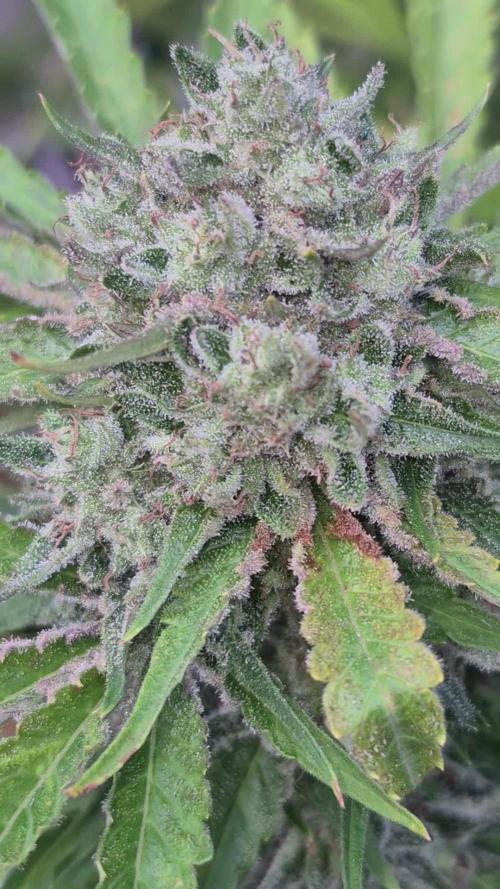
So we had some bad weather last week i decided to harvest the 2 skunks and 2 widows before bud rot got bad. They are currently hanging. I will complete diary in a few weeks after the dry and 10 day vivi cure pack so I can give a smoke report. The end games are doing great i was going to harvest tomorrow bc we were supposed to get rain all day but the weather cleared up now and is supposed to be sunny all week with 45 degree lower temps at night should bring out some more color. No issues with end games at all. So next week will be the final harvest and ill be back with a smoke report. The end games have been without fert for 10 days now and the widows had 2 week no fert before I cut them.

Likes
8
Share

@OrionGrowgul
Follow
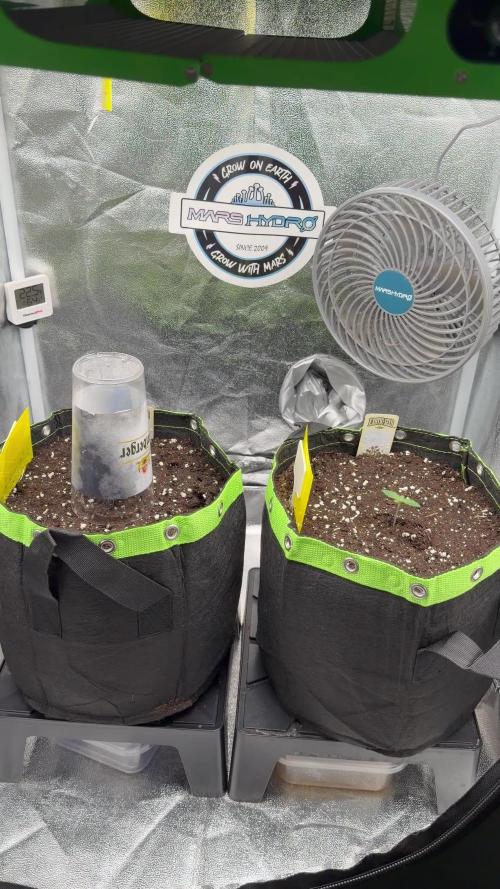
07.02.2026
PPFD= 200
Pflanze in 11L Topf umgetopft.
Leider Trauermücken im Zelt gehabt. Gelbfallen aufgestellt sowie Nematoden gegossen.
Ich hoffe es hilft.
Pflanze entwickelt sich ansonsten sehr gut.
Becher abgenommen da die Pflanze schon erste Blätter ausgestreckt hat.


Likes
11
Share


@Sawyer_grow
Follow
Hello guys,
hope you are doing well.
happy to start a new grow into my Ninja Bundle and what a grow : Bubba Slush from GHSC.
It all started well the seed germinate in 2 days, you can find the tutorial and video on my IG profile of course.
The plant is doing well 2 first leaves are out, no nutrients for the moment i will start it in 2 weeks only once she have reached a good size and anyways for the moment the nutrients in the soil are more than enough.
I got many messages about the first leaves of your grow don't worries they are always weird like your first steps when you are a baby. It's not an issue and not a sign of a weird plant just be patient and the plant will grow nice leaves very soon.
Take care all
Sawyer


Likes
11
Share


@Purplemed
Follow
D72.
Second day of week eleven and the citrus smell is out of this world, trichomes are still clear and no amber anywhere, both ladies smell fantastic 🔥
D77.
Today I harvested the old lady, she struggeled a lot last weeks since nutrient lock out, then overwatering, tricomes were already milky so I choose to not wait for amber because of the root rot and botrytis risk.
On the trim she smelled fantastic and made big colas despite last three weeks stunted eating herself.
Young lady is one ore two weeks to go 🔥
D75. YOUNG LADY
She smell so good and trichomes are milky with some still clear and very little amber.
Today I turned lights off to armaguedon her next 48 hours, no more light no more water until harvest this friday morning.
D77. YOUNG LADY
Bro science or not she's been thirsty for 48h in the dark and between 15 and 18°C and today, last day of eleventh week, she's already trimmed and drying with her old sister. Smell was not profound as before the dark period but smelled good when trimmed.
I'll go for 10 days drying as her old sister and update total dry weight by then.
Likes
21
Share


@Budhunter
Follow
As I did the flushing in day 68 I was watching the trichomes and on day 87 I could see 25-35% amber so I decided to cut it. I cut the whole plant on the base and hang them all to dry. For this reason I will update my findings later when it gets dry and trimmed. So far really happy with the results. It won’t yield much but the quality is impressive
Likes
37
Share

@Brujha77
Follow
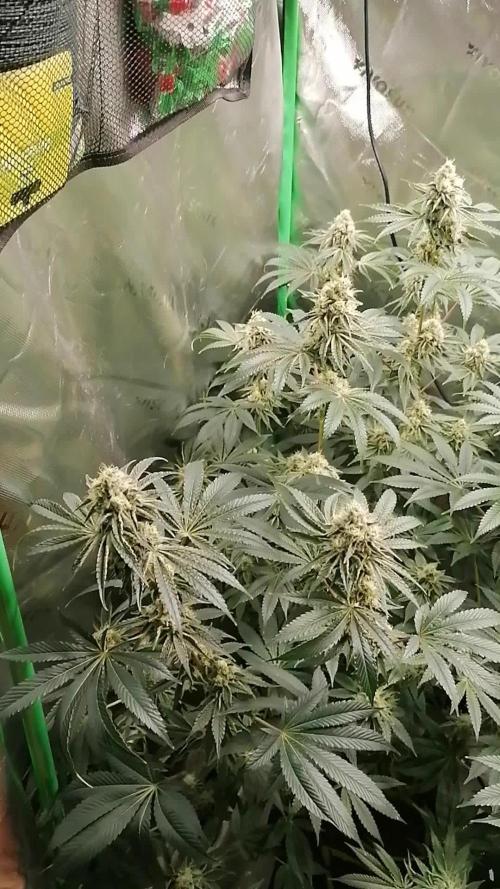
Beginn Woche 7 Blüte
Langsam legen die Buds an Masse zu.
Außer Tank füllen ist nix zu tun als Abwarten😉
Die 50l reichen so 4-5 Tage dann muss wieder nachgefüllt werden.


Likes
12
Share


@GhostByte
Follow
She is starting to work towards the finish line. Buds are stacking nicely and the smell is quite strong when the tent is opened. This strain kinda smells like sweet strawberry candy.
Kinda feel like she will be done within 2-3 weeks.
Seeing some excess K symthoms after her last feed, so i might stop feeding until harvest.
Likes
48
Share


@Focus420
Follow
Zdravím všechny pěstitele marijánky🌍🌞
Minulý týden sklizen BCN critilal xxl - tato rostlina měla od začátku problémy pak se spravila a nakonec vypadá celkem solidně.
Víc se dozvíte ve sklizni🌱🌱🙏
Nemůžu se dočkat dalšího růstu🌞🤗
Tento týden půjde pod kosu poslední automat (sleep)
Zbydou tam 3 celoroční odrůdy, ty vypadají nejlíp... ty ještě potřebují 2 až 3 týdny
Den 99. Hnojení
Celoročky - ph 6,3
ec 2,5
Den 100.🌱 holky vypadají úžasně😍
Dnes proběhla defoliace (focus)(franco lemon cheese)
Den 101.
Sekera🤟 (sleep) zbyly 3 celoroční odrůdy
2× focus , 1× franco lemon cheese
Proplach 8 - 10 dní
Den 102.
Kontrola trichomů -
focus = 10 % jantarových vrchů 🌱🤗
Franco lemon cheese = mléčné trichomy
Den 103.
Kontrola - Teplota,vlhkost,co2 v pořádku🤜
Den 104. Kontrola trichomu 15 procent jantar ( focus )👏
Den 105.proplach
Ph - 6,3
ec - 0,43
