The Grow Awards 2026 🏆 













Likes
Comments
Share
@Marihuanacali89
Follow
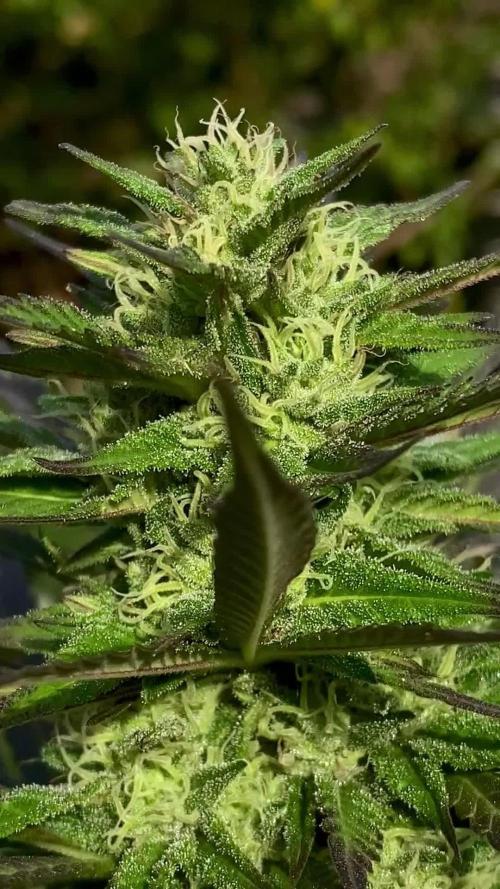
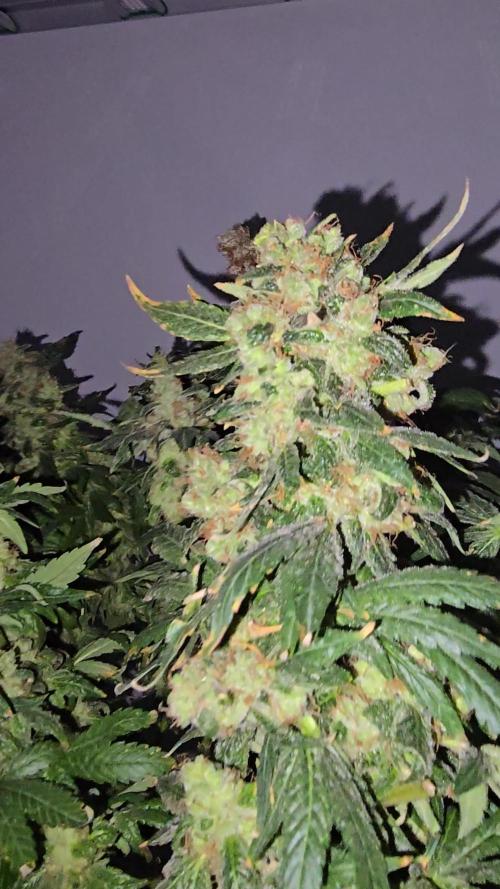
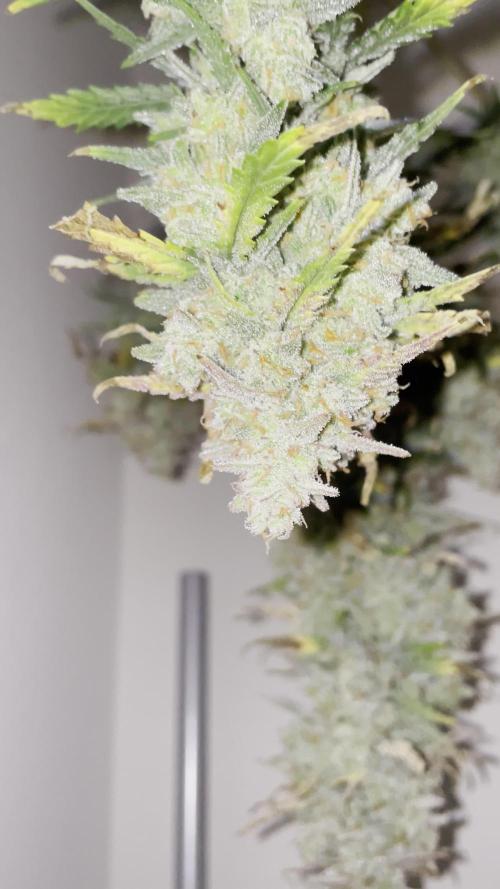
Bueno familia aquí tenemos el experimento en proceso ... Con muchas ganas de que salga bien y que cuando retire los cubos se vea claramente la calavera ..así que sigamos con la niña #maracuyá de @cremonawers_seed
Likes
127
Share
@Tropicannibis_Todd
Follow
💩Holy Crap Growmies , we are outdoors and in the Ground and there Doing Great💩
The Frosty is amazing 👏 She got hit the hardest , with bud rot , I had to remove alot , which is sad , but it had to be done ....
👉It's been another full week 63 days from seed and she's doing great , very nice Growth, considering shes been up against the wind and rain 👈
I GOT MULTIPLE DIARIES ON THE GO 😱 please check them out 😎
👉THANKS FOR TAKING THE TIME TO GO OVER MY DIARIES 👈
👉NutriNPK NUTRIENTS USED FOR FEEDING 👈rain water to be used entire growth👈
👉www.nutrinpk.com right now get 10% off using SPRING2022 as the coupon👈

Likes
4
Share
@eurorack
Follow
Started feeding this on Friday and things look to be growing well. Done some LST on this today.

Likes
61
Share
@Hou_Stone
Follow
✌️👨🚀🍊
C'est partis pour la floraison ! Mes lemon orange se développe excessivement bien, je croise les doigts pour que ça continue en espérant avoir de gros bourgeons savoureux dans 2 mois 🤞🍊
J'ai ajouté environ 25gr de poudre BioBloom par pot de 8L soit environ 3gr/L.
J'arrose chaque pot avec environ 1.5L tout les 5 jours. J'ajoute du biohenhanceur 1 fois sur 2
Intensité de la FC3000: 90%
Ventilation : 2 ventilateur oscillant ( ON 12/24H) + Extracteur pouces mars hydro power : 2/10 (24h/24h)
👋👨🚀🍊
Venez me voir sur instagram ! 🤩
https://www.instagram.com/hou_stone420/


Likes
39
Share
@Silverback_Guerilla
Follow
11/9:
The first Blackberry (Halle Berry) is dry now and beginning to cure....will probably sample it tomorrow.😋
The next 5 that I harvested are drying in a dark room at 75f with 60% RH and minimal airflow.👍
The colas of the remaining 11 plants are now within 9 inches of the QB's....MAXIMUM PAR!
I've increased UVB exposure by an additional hour a day. I've got the portable AC on high and blowing across their tops, which is keeping the temp just below 80f on them...they should be just fine..👌
11/13:
I harvested the purple Wedding Cheesecake and all three Lemon Pies today.
11/15:
I flushed the last two orange sherbets for the second time, but with only a few gallons each...I flushed the last two wedding cheesecakes, and the 3 x gorilla cookies with 8 gallons each.
Likes
40
Share
@Comfrey
Follow
Dutch Passion Shaman
Die vierzehnte Woche begann sonnig und warm und endete mit dem Beginn einer massiven Starkregen Front. Über 70 Liter Wasser werden in 48 Stunden fallen. So entschied ich zum Ende der Woche, beide Shamaninnen mit einem Gartenschirm zu schützen.
Die Blüten schwellen, die Aufregung steigt. Ich kontrolliere die Pflanzen täglich, um sicher zu stellen, dass beide weiterhin gesund bleiben und ich am Ende saubere und harzig leckere Buds ernten kann. Und diese Zeit ist gut investiert, denn ich entdeckte zu Beginn der Woche eine Blüte, die verdächtig aussah und sofort herausgeschnitten wurde. Shamanin No. 1, die stickstoffüberfütterte grüne Dame hatte ganz oben ein klein wenig Fäulnis zwischen Blüte und Stiel. Im Laufe der Woche konnte ich dann nichts weiteres mehr finden. Auch der Schnitt ist sauber verheilt. Beide stehen gut da.
Als klar war, dass es über Tage massiv regnen wird, habe ich begonnen beiden Shamaninnen nur noch sparsam Wasser zu geben. Ein bisschen Trockenstress soll sich gut auf die Trichom Bildung auswirken und ich hoffe, dass sie so in der kommenden Woche durstig und mit geschlossenen Spaltöffnungen weniger anfällig für Pilze sein wird. Denn eines ist sicher: Die kommende Woche wird für uns drei heftig. Ich habe das miese Virus und oben drauf noch eine bakterielle Bronchitis. 29 Grad Fieber. Knock out. 🤒 Zu den Pflanzen werde ich trotzdem täglich hinfahren. Bissl frische Luft tanken.
Danke für‘s vorbeischauen! 🤞💚

Processing
Likes
54
Share
@RastaGrow
Follow
Привет друзья, уже 57-58 день цветения , шишки маленькие смолистые и очень очень тяжёлые . Ветки опускаются вниз и за веса мне приходится привязывать обычной проволоками так как у нас в стране представители гроу магазинов ориентированы на продажах витаминов, а вспомогательных инструментов не продают , приходится делать всё самому ;)

Likes
33
Share
@TeknoRanger
Follow
🌱 Sour Apple⠀⠀⠀
🌸 flowering 9 weeks⠀⠀⠀⠀⠀⠀
💚 70% Indica, 30% Sativa⠀⠀⠀⠀⠀
💣up to 27% THC⠀⠀⠀⠀
👅Apple, lemon⠀⠀⠀
⚖️ 550g/m²⠀
Sour Apple was created by an intersection of the original Sour Diesel and a Pure Kush. It is an indica dominant hybrid with a combination of both indica and sativa effects. It has an delicious intense taste of sour apples and lemon and a gigantic potency.
The rockhard buds are covered in a thick layer of milky white trichomes and are packed with sweet resin. Users describe the high of the sour Apple as a strong mental shift, a uplifting head high that leaves you motivated and focused with a sense of overwhelming euphoria and social tendencies. This is followed by a slow fade into an intensely overwhelming couch-lock. Sour Apple sends her 27% of THC stright to your mind to kick you in other psychedelic spheres. We proudly present this unique goddess to all the growers in the world.
GROWING SOUR APPLE
When growing indoors it is a good idea using screen of green or sea of green methods. You can expect big yields of 500g or more per squae meter indoors, 700g per plant outdoors. The flowering time is 9-11 weeks. Indoors, Sour Apple is a vigorous grower with many side stems which can be trimmed to keep the plant in bounds. Indoors, the plants grow between 1,00-1,50 m depending on the introduction of the flowering phase, outdoors Sour Apple can reach four metres of hight.
MEDICAL USE
Because of its strong effects Sour Apple is an ideal strain for treating patients who suffer from conditions such as chronic stress or anxiety, chronic pain due to injury or illness, and sleep disorders (insomnia and sleep apnea). In low doses it is daytime suitable for medical applications, at higher doses, it is the ideal weed for medication at the evening.

Likes
42
Share
@Ultraviolet
Follow
Thank you. Gave her a cocktail to help with stress. Added 1st net for lateral support, not so much now, but for later. Blue light is absorbed by photoreceptor proteins called phototropins, which trigger a hormonal response that causes cells on the shaded side to elongate, making the plant bend toward the light. Try and fill this side a little. She is quite big already, just needs to find her stride again after the undue torture.
5 apex stems with 20-30 mini cola, let them develop a little, with the apical dominance shattered, all those 20-30 will all compete with each other as soon as that stretch is initiated. Key to a good stretch is making sure the plant is cycling efficiently, with large ATP conversions occurring lights out.
For now, I'm keeping light intensity high. A plant will slow its vertical growth in very high light intensities, leading to a more compact form with thicker stems and leaves. This response is a protective mechanism against light stress, which can damage the photosynthetic apparatus and lead to symptoms like leaf scorching, yellowing, and brittleness. Instead of growing taller, the plant invests its energy into creating a more robust, stress-tolerant structure.
Providing plants with necessary antioxidants helps protect the photosynthetic apparatus by scavenging reactive oxygen species (ROS) that cause damage from excess light.
UV light exposure can impact the xanthophyll cycle by either enhancing its photoprotective role or causing damage, depending on the intensity and type of UV radiation. UV exposure can trigger the synthesis of more xanthophyll cycle pigments to increase the plant's capacity to dissipate excess energy, but it can also cause direct damage, particularly to Photosystem II, and may lead to a decrease in the de-epoxidation state (DEPS ratio) which indicates a reduced capacity to dissipate excess energy.
Plants can respond to UV stress by increasing the synthesis of xanthophyll cycle pigments, such as violaxanthin and zeaxanthin, to improve their photoprotective capacity. UV-induced changes in xanthophyll cycle pigments can be linked to a plant's overall tolerance to high radiation stress. The xanthophyll cycle helps protect against photoinhibition, which is especially important when the plant is exposed to high levels of both UV and visible light. High doses of UV radiation can directly damage photosynthetic components, including the proteins, lipids, and pigments in the thylakoid membranes. Exposure to UV radiation can have a mixed effect on the de-epoxidation state (DEPS ratio) of the xanthophyll cycle pigments. In some cases, UV can inhibit the conversion of violaxanthin to zeaxanthin, resulting in a lower DEPS ratio and a reduced capacity for energy dissipation. However, the total pool of xanthophyll cycle pigments may increase, and this enhanced pool size could provide a greater potential for photoprotection despite a lower DEPS ratio.
The xanthophyll cycle works alongside other mechanisms, such as the accumulation of flavonoids (UV screens), to protect the plant from UV-induced damage.
Blue light repairs 100% UV-induced damage in plants through a process called photoreactivation, which uses a light-dependent enzyme called photolyase. This enzyme uses energy from blue and UV-A light to directly reverse the damaging pyrimidine dimers in the DNA caused by UV-B radiation, a key mechanism for maintaining the plant's genetic integrity.
After carbon, light, water, temperature, and nutrients, the limiting factor of a plant's growth is often its own internal factors or the amount of a key ingredient. Chlorophyll concentration is one such factor, as the amount of this pigment limits how much light can be captured for photosynthesis. Other factors include chloroplast number, respiration rate, and the concentration of carbon dioxide in the atmosphere, as plants are often in a CO2-deficient condition.
60x60x18=64800seconds x 700 = 45,360,000moles. 45DLI
Exposure to 165 µW/cm² of ultraviolet-B (UV-B) light for 3600 seconds = 1 hour, a extremely high, acute dose triggering stress responses and protective mechanisms.
.
The plant's photoreceptor protein, UVR8, senses the UV-B radiation. This triggers a signaling cascade that activates specific genes to protect the plant from damage. In response to the UV-B signal, the plant ramps up the biosynthesis of protective compounds like flavonoids, phenolic acids, and anthocyanins. These compounds absorb UV radiation and accumulate in the epidermal layers of leaves to shield inner photosynthetic tissues. The plant may increase leaf thickness or deposit more cuticular wax, creating a physical barrier to the radiation. The plant will produce more enzymatic and non-enzymatic antioxidants to neutralize the reactive oxygen species (ROS) produced by the UV-B radiation. The plant activates enzymes, including photolyases, to repair DNA damage caused by the UV-B. These repair mechanisms are critical for preventing permanent genetic mutations.
While protective measures are activated, a high dose delivered over a short period can cause stress that overwhelms the plant's defenses.
Photosynthesis is highly sensitive to UV-B. A high dose can inactivate Photosystem II (PSII), damage thylakoid membranes within the chloroplasts, and reduce chlorophyll content, which lowers the plant's overall photosynthetic capacity. Despite repair mechanisms, high UV-B doses can inflict persistent damage on the plant's DNA. The overproduction of reactive oxygen species can cause oxidative stress, leading to the oxidation of lipids and proteins and disrupting cellular function.


Likes
5
Share
@Jays_Not_Here_Man
Follow
Easy week, girls have been doing pretty good. The cronk nutrients are a bit of a learning curve. Very potent stuff, I have been working my way up and am still at 1/2 recommended dose. Noticed some yellowing starting on the bottom leaves, have started to increase nutrient dose, hopefully no burn.
VPD has been good, they are just chugging along. Happy Gardening 🇨🇦❤️🌱😎💨

Likes
17
Share
@greeneric
Follow
These are the last images before harvest. I turned the lights off and will let them be in the dark for 24+ hours. I will then proceed cutting/hanging and drying them.


Likes
17
Share
@StoneyMelony
Follow
Fastbuds gelato is a nice plant to grow, She is really vigourus and lush and has a lot of side stems. One of the nice things is that all the buds even the ones in the bottom are very dense and as good as the ones above. She was not as big as the gelato in my firts grow also the buds are not as big as the first time, but they are covered in trichomes. I like this pheno a bit more then the other one because the taste is better this time, and it was allready phenomenal. So if you want some delicious weed fast i can recommend it. 😋
Likes
4
Share


Likes
62
Share
@Reyden
Follow
Nella tenda Iniziano a sentirsi odori floreali e alcune delle signorine stanno prendendo colore sulle foglie della parte apicale 💜
Sto innaffiando le piante 🌱 a giorni alterni perché ho diverse tabelle da seguire, le Gorilla 🦍 di RQS e Zamnesia sono a circa 1.9 EC mentre quelle di Seeds Mafia a 1.8, le altre 2 di Anesia invece sono a 1.7 e andranno ad aumentare a 1.8 alla prossima settimana…cerco di cambiare ogni giorno posizione a farle girare nel box perché almeno riescono a prendere luce da tutti i lati…sono molto soddisfatto della SF2000 di Spider Farmer sta facendo un ottimo lavoro e le bollette non ne risentono come pensavo 😆 oltre che avere un ottimo spettro che aiuta le piante a essere in salute il più possibile 😎
Ci vediamo con altri aggiornamenti tra qualche giorno!


Likes
22
Share
@OutdoorRookie
Follow
Due to prolonged bad weather, I decided to harvest them to avoid mold and other damage.
There were three of us, and it took around 6 hours to trim about 80% of both plants.
I ended up with a yield of 205 grams dry per plant.
I'm more than satisfied with the plants.
For my first grow, I couldn't be happier.
Likes
76
Share
@Terp1
Follow
Moin 😎,
Woche 11 ist vorbei und die Damen gehen so langsam in Rente. Und zumindest die Papaya sieht auch schon so aus. 👻
Ich reduziere jetzt schrittweise die Wasserzufuhr und die Lichtstärke. Hatte bis jetzt so um die 1000 PPFD in der Mitte und 850 an den Rändern und ich gehe zurück bis auf 600 PPFD in den nächsten 10 Tagen. Weiß nicht, ob sie noch viel länger brauchen werden. Trichome sind 70% milchig und 30% klar. Auf den Zuckerblättern schon das eine oder andere Bernsteinfarbene.
Ich habe mir einen 150L Weinkühlschrank zugelegt (siehe Video) den versorge ich erstmal provisorisch mit einer Umluft und eventuell schon einer RH gesteuerten Abluft und dann werde ich Buds zum Testen schonmal reinlegen. Ich möchte Next Level Qualität und beim Grow kann ich kaum noch was rausholen. Jetzt muss die Trocknung optimiert werden. Als Tipp kann ich euch schonmal mitgeben, dass ihr am besten beim Trocknen einen VPD von 0.9kPa aufrecht erhaltet. Egal wie die Temperaturen erstmal sind. Der VPD ist auch bei der Trocknung verdammt wichtig.
Vielen Dank für euren Besuch und bis demnächst (und bald zur Ernte)
Terp 💪👽