



@GERGrowDesigns
Follow
Welcome to Flower Week 2 of Sweet Seeds Sweet Mandarine Skittlez F1
I'm excited to share my grow journey with you from my
Sweet Seeds Project . It's going to be an incredible ride, full of learning, growing, and connecting with fellow growers from all around the world!
For this Project , I’ve chosen the Feminized Photo strain Sweet Mandarine Skittlez F1 :
Here’s what I’m working with:
• 🌱 Tent: 120x60x80
• 🧑🌾 Breeder Company: Sweet Seeds
• 💧 Humidity Range: 50
• ⏳ Flowering Time: 7weeks
• Strain Info: 19-24%THC
• 🌡️ Temperature: 26
• 🍵 Pot Size: 16
• Nutrient Brand: Narcos
• ⚡ Lights : 600W x 2
A huge thank you to Sweet Seeds for allowing me to try my Best with this amazing collection from Photo Strains they managed to Sponsore . Big thanks for supporting the grower community worldwide! Your genetics and passion speak for themselves!
I would truly appreciate every bit of feedback, help, questions, or discussions – and of course, your likes and interactions mean the world to me as I try to stand out in this exciting competition!
Let’s grow together – and don’t forget to stop by again to see the latest updates!
Happy growing!
Stay lifted and stay curious!
Peace & Buds!

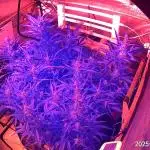


@Ultraviolet
Follow
Yellow butterfly came to see me the other day; that was nice.
Starting to show signs of stress on the odd leaf, localized isolated blips, blemishes, who said growing up was going to be easy!
Smaller leaves have less surface area for stomata to occupy, so the stomata are packed more densely to maintain adequate gas exchange. Smaller leaves might have higher stomatal density to compensate for their smaller size, potentially maximizing carbon uptake and minimizing water loss. Environmental conditions like light intensity and water availability can influence stomatal density, and these factors can affect leaf size as well. Leaf development involves cell division and expansion, and stomatal differentiation is sensitive to these processes. In essence, the smaller leaf size can lead to a higher stomatal density due to the constraints of available space and the need to optimize gas exchange for photosynthesis and transpiration. In the long term, UV-B radiation can lead to more complex changes in stomatal morphology, including effects on both stomatal density and size, potentially impacting carbon sequestration and water use. In essence, UV-B can be a double-edged sword for stomata: It can induce stomatal closure and potentially reduce stomatal size, but it may also trigger an increase in stomatal density as a compensatory mechanism. It is generally more efficient for gas exchange to have smaller leaves with a higher stomatal density, rather than large leaves with lower stomatal density. This is because smaller stomata can facilitate faster gas exchange due to shorter diffusion pathways, even though they may have the same total pore area as fewer, larger stomata. Leaf size tends to decrease in colder climates to reduce heat loss, while larger leaves are more common in warmer, humid environments. Plants in arid regions often develop smaller leaves with a thicker cuticle and/or hairs to minimize water loss through transpiration. Conversely, plants in wet environments may have larger leaves and drip tips to facilitate water runoff. Leaf size and shape can vary based on light availability. For example, leaves in shaded areas may be larger and thinner to maximize light absorption. Leaf mass per area (LMA) can be higher in stressful environments with limited nutrients, indicating a greater investment in structural components for protection and critical resource conservation. Wind speed, humidity, and soil conditions can also influence leaf morphology, leading to variations in leaf shape, size, and surface characteristics. Small leaves: Reduce water loss in arid or cold climates.
Environmental conditions significantly affect gene expression in plants. Plants are sessile organisms, meaning they cannot move to escape unfavorable conditions, so they rely on gene expression to adapt to their surroundings. Environmental factors like light, temperature, water, and nutrient availability can trigger changes in gene expression, allowing plants to respond to and survive in diverse environments.
Depending on the environment a young seedling encounters, the developmental program following seed germination could be skotomorphogenesis in the dark or photomorphogenesis in the light. Light signals are interpreted by a repertoire of photoreceptors followed by sophisticated gene expression networks, eventually resulting in developmental changes. The expression and functions of photoreceptors and key signaling molecules are highly coordinated and regulated at multiple levels of the central dogma in molecular biology. Light activates gene expression through the actions of positive transcriptional regulators and the relaxation of chromatin by histone acetylation. Small regulatory RNAs help attenuate the expression of light-responsive genes. Alternative splicing, protein phosphorylation/dephosphorylation, the formation of diverse transcriptional complexes, and selective protein degradation all contribute to proteome diversity and change the functions of individual proteins.
Photomorphogenesis, the light-driven developmental changes in plants, significantly impacts gene expression. It involves a cascade of events where light signals, perceived by photoreceptors, trigger changes in gene expression patterns, ultimately leading to the development of a plant in response to its light environment.
Genes are expressed, not dictated! While having the potential to encode proteins, genes are not automatically and constantly active. Instead, their expression (the process of turning them into proteins) is carefully regulated by the cell, responding to internal and external signals. This means that genes can be "turned on" or "turned off," and the level of expression can be adjusted, depending on the cell's needs and the surrounding environment. In plants, genes are not simply "on" or "off" but rather their expression is carefully regulated based on various factors, including the cell type, developmental stage, and environmental conditions. This means that while all cells in a plant contain the same genetic information (the same genes), different cells will express different subsets of those genes at different times. This regulation is crucial for the proper functioning and development of the plant.
When a green plant is exposed to red light, much of the red light is absorbed, but some is also reflected back. The reflected red light, along with any blue light reflected from other parts of the plant, can be perceived by our eyes as purple.
Carotenoids absorb light in blue-green region of the visible spectrum, complementing chlorophyll's absorption in the red region. They safeguard the photosynthetic machinery from excessive light by activating singlet oxygen, an oxidant formed during photosynthesis. Carotenoids also quench triplet chlorophyll, which can negatively affect photosynthesis, and scavenge reactive oxygen species (ROS) that can damage cellular proteins. Additionally, carotenoid derivatives signal plant development and responses to environmental cues. They serve as precursors for the biosynthesis of phytohormones such as abscisic acid () and strigolactones (SLs). These pigments are responsible for the orange, red, and yellow hues of fruits and vegetables, while acting as free scavengers to protect plants during photosynthesis.
Singlet oxygen (¹O₂) is an electronically excited state of molecular oxygen (O₂). Singlet oxygen is produced as a byproduct during photosynthesis, primarily within the photosystem II (PSII) reaction center and light-harvesting antenna complex. This occurs when excess energy from excited chlorophyll molecules is transferred to molecular oxygen. While singlet oxygen can cause oxidative damage, plants have mechanisms to manage its production and mitigate its harmful effects.
Singlet oxygen (¹O₂) is considered a reactive oxygen species (ROS). It's a form of oxygen with higher energy and reactivity compared to the more common triplet oxygen found in its ground state. Singlet oxygen is generated both in biological systems, such as during photosynthesis in plants, and in cellular processes, and through chemical and photochemical reactions. While singlet oxygen is a ROS, it's important to note that it differs from other ROS like superoxide (O₂⁻), hydrogen peroxide (H₂O₂), and hydroxyl radicals (OH) in its formation, reactivity, and specific biological roles. Non-photochemical quenching (NPQ) protects plants from damage caused by reactive oxygen species (ROS) by dissipating excess light energy as heat. This process reduces the overexcitation of photosynthetic pigments, which can lead to the production of ROS, thus mitigating the potential for photodamage. Zeaxanthin, a carotenoid pigment, plays a crucial role in photoprotection in plants by both enhancing non-photochemical quenching (NPQ) and scavenging reactive oxygen species (ROS). In high-light conditions, zeaxanthin is synthesized from violaxanthin through the xanthophyll cycle, and this zeaxanthin then facilitates heat dissipation of excess light energy (NPQ) and quenches harmful ROS.
The Issue of Singlet Oxygen!!
ROS Formation: Blue light, with its higher energy photons, can promote the formation of reactive oxygen species (ROS), including singlet oxygen, within the plant.
Potential Damage: High levels of ROS can damage cellular components, including proteins, lipids, and DNA, potentially impacting plant health and productivity.
Balancing Act: A balanced spectrum of light, including both blue and red light, is crucial for mitigating the harmful effects of excessive blue light and promoting optimal plant growth and stress tolerance.
The Importance of Red Light:
Red light (especially far-red) can help to mitigate the negative effects of excessive blue light by:
Balancing the Photoreceptor Response: Red light can influence the activity of photoreceptors like phytochrome, which are involved in regulating plant responses to different light wavelengths.
Enhancing Antioxidant Production: Red and blue light can stimulate the production of antioxidants, which help to neutralize ROS and protect the plant from oxidative damage.
Optimizing Photosynthesis: Red light is efficiently used in photosynthesis, and its combination with blue light can lead to increased photosynthetic efficiency and biomass production.
In controlled environments like greenhouses and vertical farms, optimizing the ratio of blue and red light is a key strategy for promoting healthy plant growth and yield.
Understanding the interplay between blue light signaling, ROS production, and antioxidant defense mechanisms can inform breeding programs and biotechnological interventions aimed at improving plant stress resistance. In summary, while blue light is essential for plant development and photosynthesis, it's crucial to balance it with other light wavelengths, particularly red light, to prevent excessive ROS formation and promote overall plant health. Oxidative damage in plants occurs when there's an imbalance between the production of reactive oxygen species (ROS) and the plant's ability to neutralize them, leading to cellular damage. This imbalance, known as oxidative stress, can result from various environmental stressors, affecting plant growth, development, and overall productivity.
Causes of Oxidative Damage: Abiotic stresses: These include extreme temperatures (heat and cold), drought, salinity, heavy metal toxicity, and excessive light. Biotic stresses: Pathogen attacks and insect infestations can also trigger oxidative stress. Metabolic processes: Normal cellular activities, particularly in chloroplasts, mitochondria, and peroxisomes, can generate ROS as byproducts. Certain chlorophyll biosynthesis intermediates can produce singlet oxygen (1O2), a potent ROS, leading to oxidative damage. ROS can damage lipids (lipid peroxidation), proteins, carbohydrates, and nucleic acids (DNA). Oxidative stress can compromise the integrity of cell membranes, affecting their function and permeability. Oxidative damage can interfere with essential cellular functions, including photosynthesis, respiration, and signal transduction. In severe cases, oxidative stress can trigger programmed cell death (apoptosis). Oxidative damage can lead to stunted growth, reduced biomass, and lower crop yields.
Plants have evolved intricate antioxidant defense systems to counteract oxidative stress. These include: Enzymes like superoxide dismutase (SOD), catalase (CAT), and various peroxidases scavenge ROS and neutralize their damaging effects. Antioxidant molecules like glutathione, ascorbic acid (vitamin C), C60 fullerene, and carotenoids directly neutralize ROS. Developing plant varieties with gene expression focused on enhanced antioxidant capacity and stress tolerance is crucial. Optimizing irrigation, fertilization, and other management practices can help minimize stress and oxidative damage. Applying antioxidant compounds or elicitors can help plants cope with oxidative stress. Introducing genes for enhanced antioxidant enzymes or stress-related proteins over generations.
Phytohormones, also known as plant hormones, are a group of naturally occurring organic compounds that regulate plant growth, development, and various physiological processes. The five major classes of phytohormones are: auxins, gibberellins, cytokinins, ethylene, and abscisic acid. In addition to these, other phytohormones like brassinosteroids, jasmonates, and salicylates also play significant roles.
Here's a breakdown of the key phytohormones:
Auxins: Primarily involved in cell elongation, root initiation, and apical dominance.
Gibberellins: Promote stem elongation, seed germination, and flowering.
Cytokinins: Stimulate cell division and differentiation, and delay leaf senescence.
Ethylene: Regulates fruit ripening, leaf abscission, and senescence.
Abscisic acid (ABA): Plays a role in seed dormancy, stomatal closure, and stress responses.
Brassinosteroids: Involved in cell elongation, division, and stress responses.
Jasmonates: Regulate plant defense against pathogens and herbivores, as well as other processes.
Salicylic acid: Plays a role in plant defense against pathogens.
1. Red and Far-Red Light (Phytochromes):
Red light:
Primarily activates the phytochrome system, converting it to its active form (Pfr), which promotes processes like stem elongation and flowering.
Far-red light:
Inhibits the phytochrome system by converting the active Pfr form back to the inactive Pr form. This can trigger shade avoidance responses and inhibit germination.
Phytohormones:
Red and far-red light regulate phytohormones like auxin and gibberellins, which are involved in stem elongation and other growth processes.
2. Blue Light (Cryptochromes and Phototropins):
Blue light:
Activates cryptochromes and phototropins, which are involved in various processes like stomatal opening, seedling de-etiolation, and phototropism (growth towards light).
Phytohormones:
Blue light affects auxin levels, influencing stem growth, and also impacts other phytohormones involved in these processes.
Example:
Blue light can promote vegetative growth and can interact with red light to promote flowering.
3. UV-B Light (UV-B Receptors):
UV-B light:
Perceived by UVR8 receptors, it can affect plant growth and development and has roles in stress responses, like UV protection.
Phytohormones:
UV-B light can influence phytohormones involved in stress responses, potentially affecting growth and development.
4. Other Colors:
Green light:
Plants are generally less sensitive to green light, as chlorophyll reflects it.
Other wavelengths:
While less studied, other wavelengths can also influence plant growth and development through interactions with different photoreceptors and phytohormones.
Key Points:
Cross-Signaling:
Plants often experience a mix of light wavelengths, leading to complex interactions between different photoreceptors and phytohormones.
Species Variability:
The precise effects of light color on phytohormones can vary between different plant species.
Hormonal Interactions:
Phytohormones don't act in isolation; their interactions and interplay with other phytohormones and environmental signals are critical for plant responses.
The spectral ratio of light (the composition of different colors of light) significantly influences a plant's hormonal balance. Different wavelengths of light are perceived by specific photoreceptors in plants, which in turn regulate the production and activity of various plant hormones (phytohormones). These hormones then control a wide range of developmental processes.


@OGbros
Follow
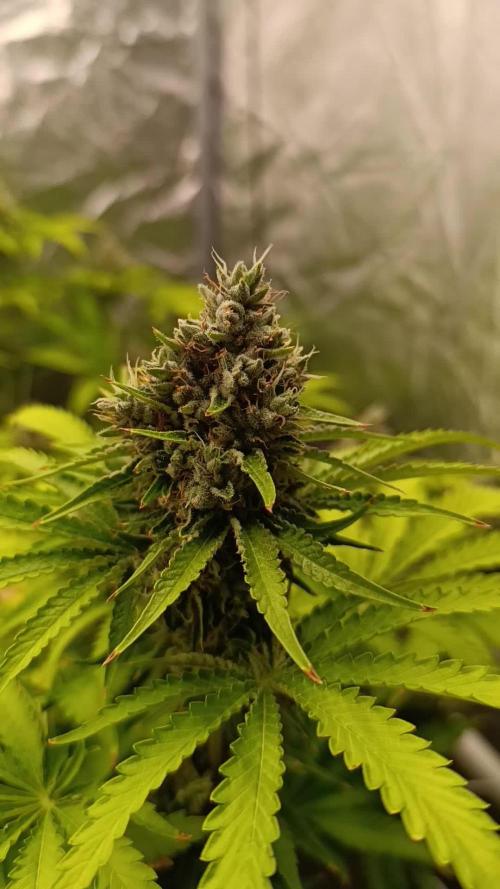
Tutto procede nella norma
Continuo a dare 9l d'acqua ogni 2 o 3 giorni a pH controllato e con i soliti fertilizzanti
L'odore inizia a farsi intenso, lo trovo molto dolce
Ci sono diverse punte bruciate e penso sia dovuto agli UV (per ora 1 minuto ogni 2 ore a luce accesa), quindi non penso che aumenterò l'esposizione, al massimo l'ultima settimana o proprio gli ultimissimi giorni, ci penserò ...
Edit
Ho trovato della muffa su una delle cime apicali
Starò via una settimana spero che il problema non si diffonda troppo
I parametri ambientali non erano ottimali per la comparsa ma è arrivata comunque
Peccato, in aggiunta all'ermafroditismo farà danni, si poteva fare meglio....


@DogDoctorOfficial
Follow
🌸 Pink Rosay Auto by Zamnesia | Pheno A | Week 7 (Flowering)
🌱 Sometimes the Quiet Ones Steal the Show
One of the things I love most about growing is that plants don't compete with one another.
They simply become the best version of themselves.
Pink Rosay has never been the biggest lady in the room.
She hasn't stretched toward the ceiling.
She hasn't demanded constant attention.
Instead, she's quietly transformed into one of the most elegant and captivating plants in this entire 8×8 Adventure.
Standing at approximately 111 cm, she remains beautifully compact while filling her own little corner of the tent with an incredible number of perfectly formed flowering sites.
She's one of those plants that makes you stop for a second every time you walk into the room.
Not because she's loud.
Because she's beautiful.
🌸 Week 7 – Finding Her Spotlight
This week she's truly beginning to shine.
The stretch is now almost completely behind her, allowing nearly all of her energy to be redirected toward flower production.
Every branch seems alive.
The flowers are stacking rapidly, calyxes continue swelling, and every cola is crowned with an explosion of brilliant white pistils that make the entire canopy glow beneath the lights.
There is something incredibly clean about her appearance.
Every branch is organised.
Every flower seems perfectly positioned.
Every day brings noticeably more substance.
She's developing with confidence.
And she's moving surprisingly fast.
✨ Already Frosty Before Her Time
One detail that's impossible to ignore this week is just how quickly resin production has begun.
For this stage of flowering, she's already wearing an impressive coating of trichomes.
The sugar leaves are becoming increasingly dusted with sparkling resin glands, surrounding each developing flower with that unmistakable frosted appearance that every grower loves to see.
It's still very early.
These aren't finished flowers.
They're only just getting started.
Yet the genetics are already hinting at the incredible resin production waiting later in bloom.
It's like watching winter slowly arrive, one crystal at a time.
🌼 The Language of White Pistils
Everywhere you look...
White.
Fresh.
Healthy pistils.
One of the most rewarding parts of early flowering is watching these bright white hairs emerge across every flowering site.
For newer growers, it's worth remembering that these aren't the flowers themselves.
They're part of the female reproductive structure, growing from each calyx as the plant continues building her buds.
They're essentially the roadmap of flower development.
Today they're long, soft and brilliantly white.
Over the coming weeks they'll slowly mature, change colour and retreat back into the swelling calyxes as each bud becomes larger, denser and more mature.
For now, they're telling us exactly what we want to hear.
"This plant is building flowers."
And she's doing it beautifully.
🍃 Healthy Leaves, Vibrant Colour & Perfect Balance
The foliage continues looking absolutely outstanding.
The leaves display a rich, healthy green from top to bottom, maintaining excellent posture throughout the day without signs of stress or nutrient imbalance.
Everything feels incredibly balanced.
The stems have become thick enough to support future flower weight, while the internodal spacing remains open enough to allow excellent airflow throughout the canopy.
Nothing feels crowded.
Nothing feels wasted.
The plant simply looks comfortable.
Comfortable with her feeding.
Comfortable with her environment.
Comfortable becoming exactly what her genetics intended.
💡 Lighting From Every Angle
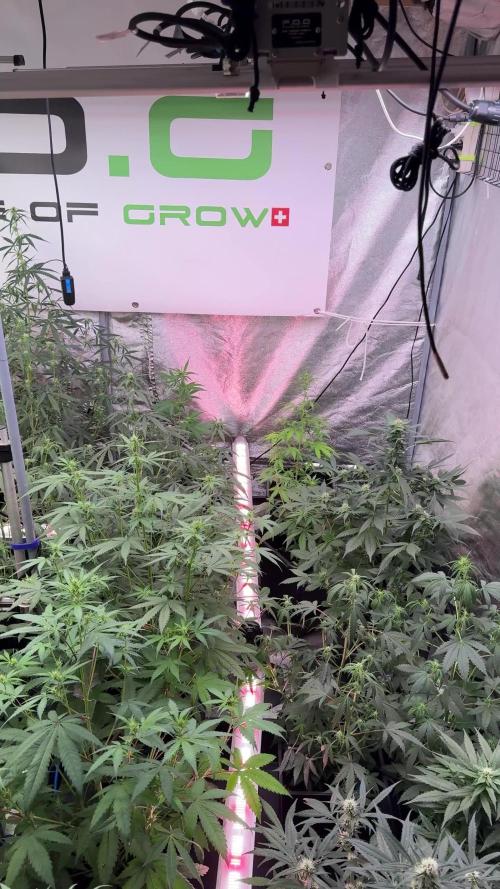
Although Pink Rosay isn't the tallest plant in the room, she's receiving approximately 1,000 PPFD across the canopy from the Future of Grow Black Series LED.
That level of light provides more than enough energy to support vigorous flower production while allowing this compact phenotype to maximise every square centimetre of her canopy.
Below the canopy, the Lumiflora under-canopy lighting continues adding another layer to the lighting strategy.
As the flowers become larger and the canopy naturally thickens, those lower branches often receive significantly less light.
The additional illumination helps maintain energy deeper into the plant, giving secondary flowering sites the opportunity to continue developing alongside the upper canopy.
The true difference will reveal itself at harvest.
But watching the room evolve under this combination of top and under-canopy lighting has been incredibly exciting.
💧 Hand Watering – Every Plant, Every Day
Like the rest of the garden, Pink Rosay is now completely hand watered.
It certainly takes more time.
Every plant needs individual attention.
Every watering means preparing nutrients, checking EC, adjusting pH and carefully delivering exactly what each lady needs.
It's more work than automation.
But it's also one of my favourite parts of the day.
It forces me to slow down.
To observe.
To notice small changes before they become big ones.
And honestly...
I wouldn't have it any other way.
Current feeding:
• Terra Grow — 2 ml/L
• Pure Zym — 1 ml/L
• Sugar Royal — 1 ml/L
• Power Buds — 1 ml/L
• Green Sensation — 1 ml/L
Maintaining:
• EC: 1.95 mS/cm
• pH: 5.8
Consistency continues to be one of the biggest reasons this garden keeps performing so well.
🌡️ Environment
The environment remains stable, allowing Pink Rosay to focus entirely on producing flowers.
Current conditions:
• Day temperature: 29°C
• Night temperature: 25°C
• Relative humidity: 60%
• Solution temperature: 21°C
• Root zone temperature: 21°C
• CO₂: Approximately 529 ppm
Healthy roots, stable temperatures and consistent environmental control continue allowing these genetics to express themselves naturally without unnecessary stress.
👀 Looking Ahead
Over the next week I expect the pace of flower development to accelerate even further.
The calyxes should begin stacking much more aggressively, individual flowers will gradually merge together into larger colas, and resin production should spread rapidly across the sugar leaves surrounding every bud site.
The pistils will continue multiplying before eventually beginning their slow journey toward maturity later in flower.
She's still far from finished.
But every single day she's becoming more impressive.
If she continues evolving like this, I genuinely believe she'll become one of the standout plants of this entire project.
🙏 Final Thoughts
Pink Rosay continues proving that elegance doesn't need to shout.
She has grown with remarkable balance from the very beginning, requiring very little intervention while rewarding that trust with beautiful structure, exceptional health and flowers that seem to become more attractive every single day.
Her compact frame, brilliant white pistils and rapidly increasing layer of resin make her one of those plants that's impossible to walk past without stopping for another look.
Some plants ask for attention.
Others simply earn it.
Pink Rosay has definitely earned hers.
A huge thank you once again to Zamnesia for these incredible genetics, Plagron for providing outstanding nutrition throughout the grow, Future of Grow for powering the garden with exceptional lighting, Lumiflora for bringing additional energy beneath the canopy, TrolMaster for maintaining precise environmental control, and to everyone following this journey here on GrowDiaries.
Your support, encouragement and shared passion continue making this 8×8 Adventure something truly special.
Until next week...
Growers Love and happy growing! 🌱💚


@SensimillaP
Follow
The journey for this lady is over! She is huge and gorgeous, the buds seem rocks just by touching them!


@Merrymoosefamilyfarms
Follow
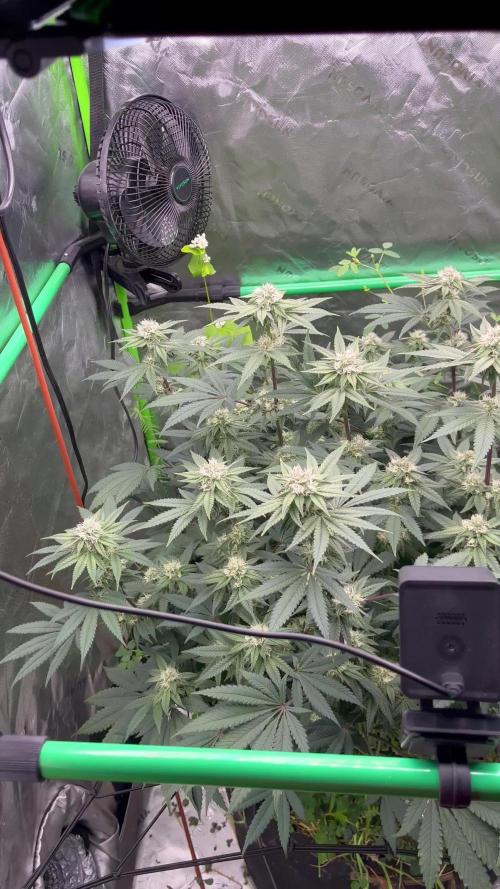
Hey hey my fellow growers, I hope everyone had an excellent week! It is great to be back here at the beginning of week six, let’s get into it!
Last week I had misspoke- I said I was going to train 5 of the 6 plants I have going from fastbuds, this was false…. What I meant is all 6…
Yes at the time I had only INTENDED on messing with 5 but the last one, the way it was structured with the self top, it was practically BEGGING me to get in there and play with it- and I ask you this- who would I be to deny that little strawberry pie the simple pleasure of a little training? So train I did…
Nothing crazy, but actually for all six plants (despite my best efforts, best being debatable) to not go overboard- I have been going in a doing a little bit of training and taking a leaf off here and there if it’s blocking any potential bud sites. I am trying to be really careful and not do too much at once and upset any of them- but at the same time, after stunting them a bit with the taproot incident (which I will keep referring to until I learn from that mistake) I want to do what I can to maximize yield after tripping up a bit in the beginning.
We will see how it goes, but for now, everything seems to be doing well and responding well to the bit of training I have been doing.
Right now I am seeing a range of sizes among the bunch- the forbidden runtz are both shorter and squatier coming in at about 5.5 inches in height each and I notice everything is spaced a bit tighter on these so I have had some difficulty spreading them out but not to any problematic extent, just in comparison with the rest-
Next we have the strawberry pie- the smaller one coming in at 5.5inches, is the one that I was speaking about that had topped itself. It seems to be doing well and handling the training just fine. However the other one, that one is much bigger and is about 8.5 inches tall. It wasn’t until I busted out the ruler that I saw that this was the second biggest plant of the fast buds.
That leaves the largest which of course was the gorilla cookies! The smaller of the two is coming in at 8 inches and the larger one coming in at 9.5! They are both tied down and doing great, showing growth each day after being trained and having select leaves removed.
We are getting closer and closer to flower I hope to have a bit more time with them but that is totally in their hands, so we will see what happens- the game plan now for me at this point is to keep doing what I’ve been doing- trying to balance on a delicate line.
As far as other news…
I am doing dishes the other day- I have my phone propped up with YouTube on and dude grows playing (my preferred way to do dishes) I hear the dude mention a giveaway they are doing that I had submitted an entry for recently so my ears had perked up…👀 I saw they had the contest page pulled up and on display and I thought to myself, wouldn’t it be cool if I got to see my picture right now, sure enough- I hear them start talking about my pictures! I in no way won (at this point, my fingers are crossed though haha) and I realize that this is debatably anticlimactic however, I listen to these guys everyday at work so I was stoked! I still am!
There are lots of good giveaways going on right now, all the amazing contests going on on this site, Instagram wherever! You have to be in it to win it folks and often it doesn’t take much to enter- I wish you all luck if you participate in any holiday contests and I hope you all have a fantastic holiday week and I will catch you all here at the same time in the same place hopefully with some new goodies and we can continue this fastbuds journey! Growers love and happy holidays everybody!!!
💚🤙🌱


@MrLahey
Follow
Day 30 of flower and so far things remain smooth sailing. Stretch ended day 26 or even day 27 I think. The smell is absolutely wonderful. It seems like in the past couple days the syrup smell has intensified a lot but now the butter element of the syrup is a lot more pronounced and recognizable/distinct.
I’m so excited for the next month if the smells are already this powerful!



@Lol_You_Looked
Follow
Starting to see some more amber, but minimal amounts. Definitely seeing the trichomes turning milkier though. Might end up cutting the plant down in half, maybe a week and a half tops, she's been going for sooo damn long.
It's day 119 and we decided we're gonna take it down this weekend, the 19th of February will mark the 17th week since it first sprouted, so what better time to chop!
We're also going to go the fridge dry method and then cure in Grove bags, hoping for some real nice smelling buds after all this.


@DeepRootsGrowTrees
Follow
KICKASS AUTO by KANNABIA
Week #6 May 7th-14th
Week#1 Flower
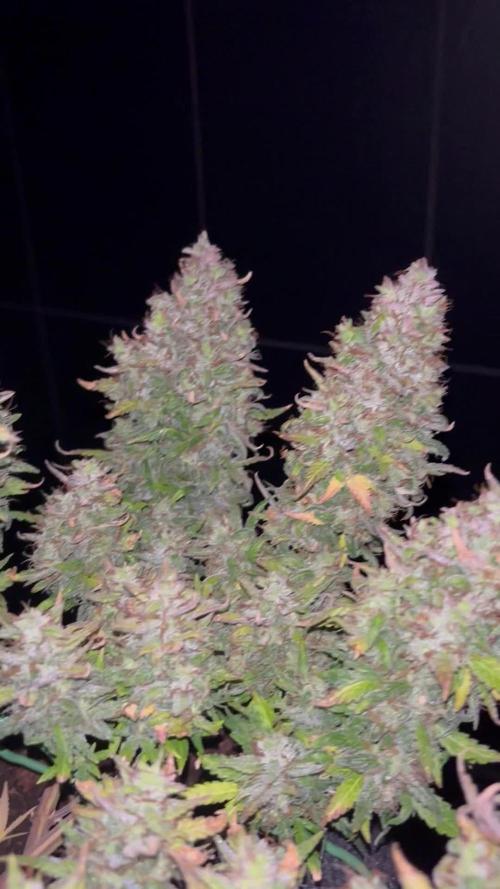
This week she had continued to stretch both vertically and horizontal her side branches all have multiple bud sites on them she's a really bushy plant looks like she's going to produce a nice harvest. She's looking 👍 good no issues being outside she's actually thriving ✨️ right now. Stay Growing!!
Kannabia.com Kickass Auto



@peterfly98
Follow
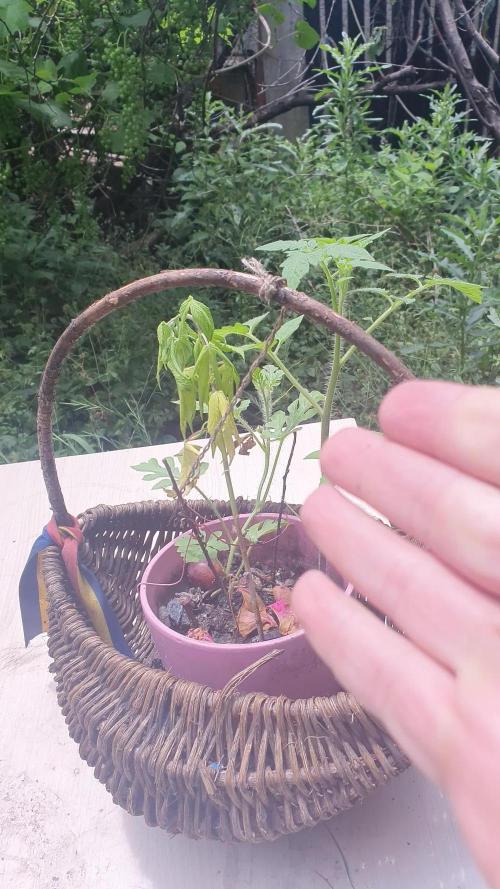
Day94: wedding glue is almost done, i noticed some new growth so I delayed the harvest a bit
Gorilla Z got a bit of defoliation and needs more time to mature. Maybe 2 weeks
Chop day! Wedding glue after 97 days went down. Super excited to see the final result



shorts_status_processing


@Mr_Motalovah
Follow
Hello growers and tokers! 👋 👩🌾 🧑🌾.🔥💨
This is one is living it up!
Transplanted to final pot, an 11L fabric pot like all the other strains.
Great root system going on.. I added 5 grams of Micro Vita from TopCrop to the soil.
I took the pictures with my phone so you can't really appreciate the details but the roots are thick and strong.
It sucks this one won't get as much veg time as the others so I'll definitely be growing this one again and with a full veg cycle.
Looks to be a very promising strain!
One Love!


@Willy_Balls
Follow
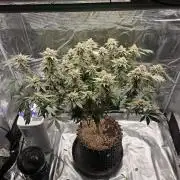
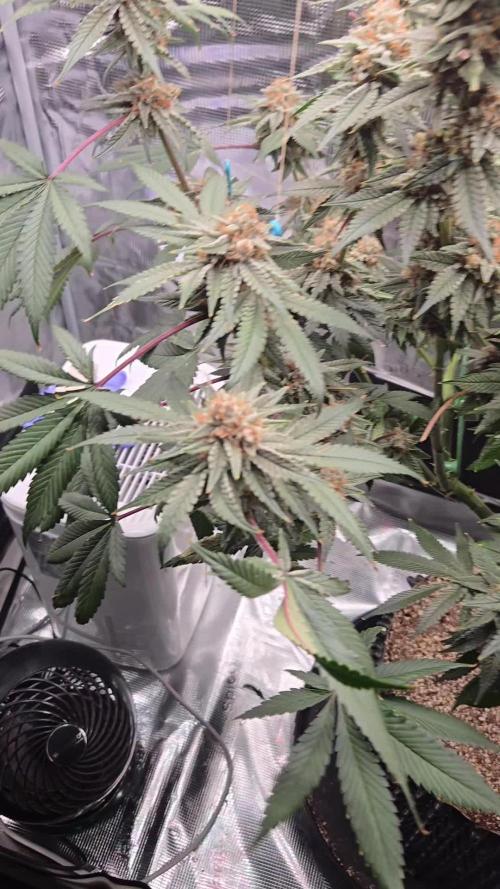
Cruising along.
Two gorilla girls are very sativa pheno and are way behind in maturation.
We will see how I will handle that.
Some #indica leaning phenos are maturing nice and fast.
I'm reducing EC to 1.4 gradually. I think some of them will have to be on plain water next week to have them ready for harvest.
Cheers everyone! Have a nice Sunday! 😎

@Growfather1
Follow
Hello everyone,
The tangerine dream is in day 44 of flowering and is almost finished she is flushed 3 days ago, after each watering her runoff is under the 100 ppm i also removed many fanleaves.
I'm really surprised by this strain she flowers so fast that i didn't add enough pk13/14 at the wright time.
All by all i can say that growing the tangerine dream was a pleasant experience enjoy the music in the video.
Thanks for stopping by and have a great day.
Best regards,
Growfather


@Legendaryseedthumb
Follow
170g dried buds
Mars hydro TS-1000
Increase Yield & Crop Quality in Led Grow
Newest SMD Led technology provides the highest Par/Lumen output, makes you get 30% higher yield compare old led lights, can get up to 2.5g/watt yield.
Only 150 watts true output so you don't have to check your bill every month. 342 pcs LEDs, more scientifically and energy-efficient! Perfect for 3'x3' (100x100cm) veg stage and 2'x2' (60x60cm) bloom stage
https://www.instagram.com/marshydro_aliexpress2/
Peace & love - L.S.T🌟


@MrGrowthSpurt
Follow
What's good in the hood growmies🤟🏽 Week 7 in the books Hello week 8🙌🏾🙌🏾. They are in their 3 week of flower and the colas are starting to really fatten. It's a jungle in the tent right now so very difficult to take good quality pictures or each plant individually.
I waited to water them 1 day to long this week, which caused White LSD #2 to start drooping over, I had to tie her up in order to keep the colas somewhat up right.
Other than that it is business as usual, I am still keeping a close eye on Caramelicious making sure she doesn't Hermie, I think she will be alright however she worries me because I had her pollinate an entire tent of 4 plants that were in 10 gallons ruining my whole run before. However I think it was due to my grow room flooding causing the temps and humidity to be out of wack. Since I was late watering I fed them a little extra this week about 1.5 liters (instead of 1)of plain water p.h.'d to 6.6 in the 2 gallon pot it takes about that amount to see run-of.
All in all everything is going smoothly I can notice a visible difference in White LSD #1 and 2. Number 2 has some red undertones while #1 is white.
That is all for this week so until next time my friends Happy growing and I hope the grow goddesses bless you all with a bountiful harvest 💪🏾


@Troy_Farms
Follow
Entering the 12th week and she is looking and smelling great. Lots of bud sites developing nicely. Super happy with how well the mainlining worked out for this auto. And still few more weeks still to finish up! Cheers 😎


@BlackSpotGrowers
Follow
Growing right along. I've got the carbon filter working overtime because these ladies STINK. as soon as the reservoir is empty I'll be pulling them out of the tent for a super heavy final defoliation. Top colas seem to be combining for some HUGE nugs. They are drinking an insane amount of water every day. My 15 gallon reservoir lasts maybe 3 days. Can't wait to try some blueberry headband when they are done.


@jen_zee
Follow
Big bush and beautiful dwarf
All going well. Really interesting to see how different they develep
Strawberry cough starts to develop dark leaves. Pineapple gets really nice and fat buds with a lot of frosting.