


Processing
Likes
Comments
Share


@CecilioJardinero
Follow
Entrando ya en tierra derecha 😑😑😑😑
Modo zen en este proceso, ser paciente estar atento al engorde y esperar. 🤯🤯🤯
Así va el mix fem en sus últimas 3 semana 4 semanas para el corte 🌲🌲
Una de las #critical47 de @positronicschileoficial es la que estará primero y ya podemos ver que lograremos plantas sanas y limpias al final.
Las de mayor producción son las #fatbanana y la #greenpunch. La deaoyr resina hasta el mentó es una de las #critical47 y las #Toxic.
Durante todo el proceso y desde hace ya 5 años confiamos el cultivo a los fertilizantes de @topcrop. 🍒🌽🍍🌼💐💮


Likes
8
Share


@Valleywestbuds
Follow
Final week at most! Going to keep a close eye on the important part from here on out. Smell has picked up big time over the last week. Almost there!

Likes
4
Share

@Drobubba
Follow
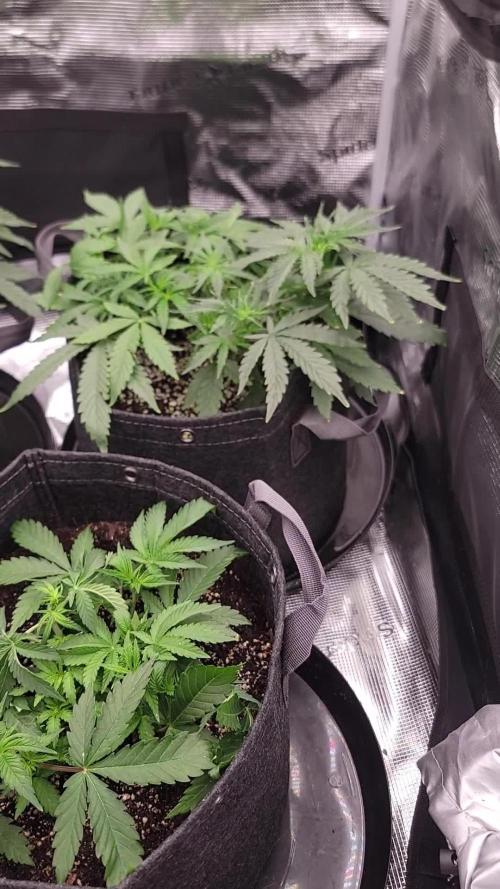
Week 4 in the books. They've suffered a lil nute burn or whatever it seems to be but all good for the moment. Ive LST'D these babies. I've given them their concoction of lotus nutrients , superthrive, fish shit, cal mag and stash blend.


Likes
14
Share


@DeeznugzAutoFlowers
Follow
This week she got top dressed with Gaia Green's All purpose 4-4-4 and Glacial Rockdust.She also got a little more LST and she is loving the treatment

Likes
8
Share

@Samsationalseeds
Follow
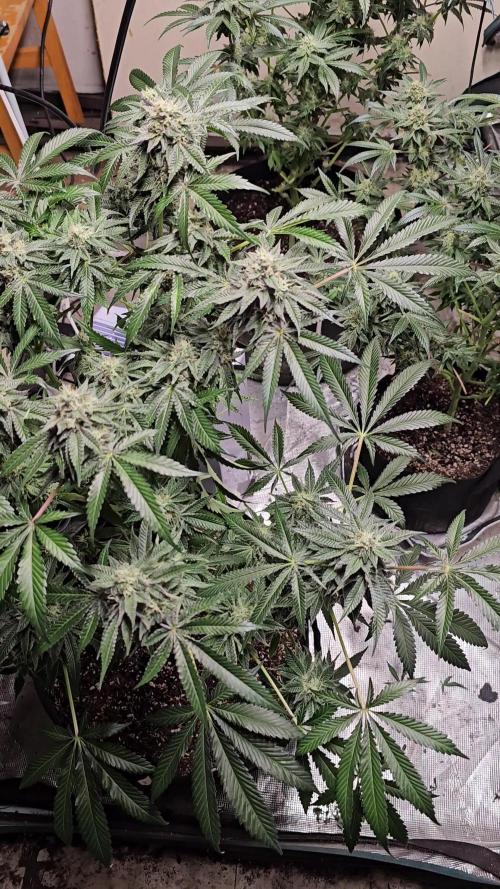
I trimmed these a little early because I am going away for two weeks.
The person taking care of them will only water them.That's why I trim them.Hopefully when I return, one would be ready to harvest and the other two would be finishing up shortly after.
The last couple posts of this might just be screenshots until I return and harvest.
I defoliated a lot of the leaves that were covering nug sites a lot of leaves that returning a slightly different color.


Likes
3
Share


@clstr8
Follow
5-24-20: Shes getting fat! Getting close to harvest. Leafs are starting to fade to yellow. Shes getting more and more stinky and stickier by the day. Good covering of trichomes and buds aren't to airy looking. Pistils are nice and amber with a few white ones still lingering around. Looks like the lower buds are maturing at the same rate as the top, so im sure i will be able to harvest all at once. Only the trichomes will tell.

Likes
10
Share


@HideAndFly420
Follow
Day 64 my baby is going really well by now, she s been running fast until now and I think that’s enough with fertiliser. From today o start my flush, I will give today my last dose of regulator and from next irrigation just on controlled water until the end of maturation, I want this baby to eat everything .
day 65 started flushing. ph controlled water at 6.0 i think 20 more days at max before m
Day 68 First check with micro today. The baby looks already milky and amber on the top buds but the rest of the plant is still transparent. I’ll wait at least until this weekend for a re check maybe I’ll cut her in two rounds. As I be been watching a lot with micro I noticed so many dust and other stuff on the buds so I think I’ll wash her in water.
Today watered ph 6.
Let’s see!
🌱🔥🌱🔥🌱🔥🔥
Likes
37
Share


@Mr_Motalovah
Follow
Hello Growers and Tokers! 👋 👩🌾 🧑🌾.🔥💨
Nice bit of progress from last week.
Bud sites are starting to grow out, buds starting to form.
She's way behind the other ladies in forming buds but then again she was planted 6 weeks after so she doesn't have the same veg time.
She's also a Sativa, which has a longer flowering period that also might have a lot to do with it.
It seems as if she stopped stretching. I sure hope so, because what i've mentioned last week about raising the other ladies has already been done.
I used whatever I had laying around, shoe boxes, PlayStation box, old ballast boxes and any other box I found sturdy and useful.. 😂😂
Branches are spreading apart so most likely add a little support around them.
That way in flower hopefully they won't fall over.
Picture were taken on day 27 of flower.
That's pretty much it, still watering every other day. I think that's something I don't even need to mention anymore. As it's just the way I water..
Have a great one!
One love!


Likes
18
Share


@la_piper
Follow
Ку🙋♂️
25.01.2022.
58дней от каски
14дней после перевода.
Смена бака
Залил следующий компот на цвет:
Ppm950., ph5.9
Силиконика 25мл/50л
Гидра цвет А 250мл/50л
Гидра цвет В 250мл/50л
Ph(-) 22мл/50л


Likes
23
Share


@adam_pawloski87
Follow
This grow was pretty simple ! They went a total of 103 days from seed! Very trichomy dense buds with the smell of Berries vanilla and skunk ! This is a must try for you all Fastbuds has the greats!!!
Processing
Likes
2
Share


@eldruida_lamota
Follow
Ya estoy de vuelta, hay errores con la página al subir los vídeos pero es igual, los intentaré subir otro rato si no suben ya.
Estas misty gorilla auto tienen un ritmo frenético , estoy con la modalidad LST , y la verdad que con esta variedad es muy recomendable.
Regulo el ph en 6,2 la temperatura no sube de 26 grados y la humedad oscila el 50%.
Están bajo un CFL de 250w.
Estas autos están siendo alimentadas con la gama completa de AgroBeta.
Sin zambeza y sin AgroBeta esto no es posible así que gracias 🙏.
Un saludo fumetillas.

Likes
18
Share


@DogDoctorOfficial
Follow
🌱✨ Super Sativa Seed Club Germination Report! ✨🌱
Hey fellow green thumbs! 🌿 Today, we're diving into the exciting world of germination with our latest run from Super Sativa Seed Club. Buckle up, because it's going to be a fun and informative ride!
We started our germination journey with the trusty Cannakan method. This approach is a game-changer for seed enthusiasts looking for robust and quick germination. Here’s how it went down:
Initial Soak: Our seeds (Auto Fast Pete and Auto Northern Dragon Fuel) took a luxurious bath in water for about 30 hours. This soaking period is crucial as it wakes up the seeds and starts the germination process. 🌊🌱
Once our seeds had a good soak, we moved them to soil. This transition is where the magic really begins! The seeds were carefully placed into a rich, well-draining soil mix to ensure they had the best start possible.
🌟 Genetic Breakdown:
1. Auto Fast Pete:
Lineage: This auto-flowering marvel comes from a lineage of speed demons, known for their rapid growth and resilience.
Characteristics: Expect a robust plant with a quick life cycle, perfect for those looking to get results fast. Auto Fast Pete is renowned for its sturdy structure and abundant yields.
Flavor & Effects: With a sweet and spicy profile, it’s a treat for the senses. The effects are balanced, offering a pleasant, uplifting high that's perfect for any time of the day.
2. Auto Northern Dragon Fuel:
Lineage: A powerhouse combination of Northern Lights and Dragon Fuel genetics, this strain is all about strength and vigor.
Characteristics: Known for its impressive growth and high resin production, Auto Northern Dragon Fuel is a cultivator's dream. It has a slightly longer life cycle compared to Auto Fast Pete but rewards with larger yields.
Flavor & Effects: A complex blend of earthy, pine, and fuel notes, it’s both intriguing and satisfying. The high is potent and relaxing, making it great for unwinding after a long day.
🌱🌿 What to Expect:
Fast Growth: With Auto Fast Pete, you’ll see rapid development. It's like watching nature's express train!
Resilient Plants: Both strains are known for their toughness. They handle stress well and are forgiving to minor cultivation errors.
Impressive Yields: Expect a bountiful harvest from both strains. Auto Northern Dragon Fuel might take a bit longer, but the wait is worth it.
Aromatic & Flavorful Buds: Get ready for a sensory delight with rich, complex aromas and flavors.
🌍🌟 Conclusion:
Germination is just the beginning of our exciting journey with Super Sativa Seed Club's Auto Fast Pete and Auto Northern Dragon Fuel. These genetics promise not only a rewarding cultivation experience but also top-notch end products. Whether you’re a seasoned grower or a curious newbie, these strains offer something special for everyone.
Stay tuned for more updates as our plants grow and flourish! Happy growing, and may your gardens always be green and bountiful. 🌿💚✨
Germination method 🌱 @thecannakan
Genetics @supersativaseedclub_official
Nutrition
@aptusholland 🌿
@aptus_world 🌎
@aptus_es 🌍
@aptusbrasil 🌱
@aptus_thailand 🌿
@aptus_portugal 🌳
@aptususa_official 🍀
@aptusplanttechnz 🌺
@aptusplanttechaus 🍃
Ambient controls🎮
@trolmaster.eu @trolmaster.eu.support @trolmaster.support @trolmaster.agro
Soil @promix_growers_eur @promix_cannabis
LED - @lumatekeu
Watering- @autopot_usa @autopot_global
Love and attention- @dogdoctorofficial
As always thank you all for stopping by, for the love and for it all , this journey of mine wold just not be the same without you guys, the love and support is very much appreciated and i fell honored and so joyful with you all in my life 🙏
With true love comes happiness 💚🙏 Always believe in your self and always do things expecting nothing and with an open heart , be a giver and the universe will give back to you in ways you could not even imagine so 💚
More info and complete updates from all my adventures can be found ⬆️link in the profile description ⬆️
Friendly reminder all you see here is pure research and for educational purposes only
💚Growers Love To you All 💚
#SuperSativaSeedClub #GerminationReport #FastPete #NorthernDragonFuel #PlantMagic #GardeningJoy #NatureLovers #PlantPower #Inspire #GrowYourOwn #aptus #aptusplanttech #aptusgang #aptusfamily #aptustrueplantscience #inbalancewithnature #trolmaster #trolmastereurope #trolmastersecrets #Autopots #sssc

Likes
19
Share


@Naujas
Follow
the girl looks good, the leaves are a little burnt, but it's really not a big problem. she doesn't have much time left until the finish:) I'm on vacation, so I can't take pictures myself, that's why I asked someone to visit her several times a week :) I'll be with her in a week :) ❤️


Likes
13
Share


@kakanero
Follow
I try Topping first time, I hope I've done everything right. The plant, its structure and color are still perfect :)

Likes
1
Share


@Ultraviolet_
Follow
Turned off IR @ nights
Red wigglers (Eisenia fetida) are highly beneficial. They are considered an ideal choice for "no-till" or container-based organic growing because they live in the upper layers of soil, feeding on organic mulch rather than the plant's root system. Red wigglers accelerate the breakdown of organic amendments and produce high-quality, nutrient-dense worm castings directly in the root zone. Clover is another exceptional component of an organic rhizosphere, offering a sustainable, self-sustaining alternative to synthetic nitrogen fertilizers produced via the energy-intensive Haber-Bosch process. By forming a symbiotic relationship with Rhizobia bacteria, clover converts atmospheric nitrogen N2 into ammonium NH4, providing a steady, slow-release nutrient source that enhances soil health and reduces environmental impacts. Red clover offers superior nitrogen fixation and biomass production compared to white or yellow clover, making it the premier choice for maximum soil vitality, particularly for improving soil structure and providing a high-volume nitrogen credit for subsequent crops.
If it is fully functional and efficient soil, the rhizophagy cycle is far superior long-term than any synthetic delivery when it comes to preventing deficiencies, not because it's "better," per se. The medium will require a very high CEC to make it to harvest without re-fertilization. The rhizosphere acts as a dynamic, interactive exchange where plants and soil microbes trade resources based on immediate needs. When a plant lacks a specific nutrient, it changes its physiology and releases specialized chemical cocktails—root exudates—into the surrounding soil. These exudates, which include sugars, amino acids, and organic acids, serve as a "shopping list" to attract specific microorganisms, which in turn return higher levels of desired nutrients. There is nothing in comparison to synthetic delivery, which causes plants to stop producing exudates, effectively "starving" the beneficial soil life, over time turning the soil barren and void of microbial life. Responsible use, applying the right amount at the right time, can minimize these negative effects. Relying solely on synthetic fertilizers without replenishing organic matter is what typically leads to exhausted soil. The use of synthetic fertilizers can utilize the Cation Exchange Capacity (CEC) of the soil, but without a robust rhizosphere and active microorganisms, the efficiency of this process is significantly reduced. This makes synthetic growing more difficult to prevent deficiencies overall compared to an efficient organic living soil with a robust rhizophagy cycle, as there is no "one size, fits all" when it comes to different nutrient profiles of strains/genetics, making it trickier to "guess" and prevent creeping deficiencies.
CEC does not contribute towards EC. Add more CEC using biochar, problem solved. If you keep pH between 6.3 and 6.7, hydrogen is exudated to cycle the medium's CEC for its needs. Keeping the pH between 6.3 and 6.7 creates an environment where plants release H+ to displace positively charged nutrients (like Ca2+, Mg2+, K+ held on soil particles or within artificial media this cycle through nutrients via the medium's Cation Exchange Capacity (CEC)
Microorganisms generate a stable potential of approximately 0.5 V EC. The rhizosphere creates its own food, similarly to chelation, using 1000's of varying combinations to create its own food.
Start to finish, just add water. Eventually, more materials will need to be added at the beginning of each new grow, but very attainable to go from seed to harvest without ever fertilizing, regenerative cultivation.
ATP is king above all else when it comes to biomass accumulation. Cellular root respiration and cellular respiration are essentially the same biological process, the breakdown of glucose to create usable energy (ATP) in the presence of oxygen, just taking place in different parts of the plant. Synthetic (salt-based) grows have significantly lower levels of total rhizosphere respiration, often referred to as root-zone activity, compared to organic living soil grows. While the plant roots themselves may respire in both systems, the surrounding soil ecosystem in a living soil setup is vastly more active, teeming with bacteria, fungi, and beneficial microorganisms.
2 pools of ATP, it won't double in growth buuuut, but improving root respiration by ensuring high oxygen in the soil is crucial. Good aeration ensures roots can fully utilize glucose to generate the ATP necessary for nutrient uptake, leading to healthier and more productive plants, even if growth isn't exactly doubled. The ATP created using root respiration is dedicated to rootzone growth; the ATP created using regular cellular respiration in a synthetic system would have to dedicate a lot of ATP to the roots when there is little or no root respiration. It's true that there is less of an initial ATP cost in breakdown when nutrients are already in their final form (synthetic), but you lose a solid chunk of ATP when the entire plant is reliant on cellular respiration alone; a large portion of ATP is dedicated to root zones for "forced" (active) nutrient uptake. Making it overall less efficient, even if the initial cost of breakdown is higher. If that makes sense. Oxygen is of critical importance when growing in living soil compared to synthetic methods because it supports the metabolic needs of the microbial, fungal, and insect ecosystem, rather than just the root respiration required by the plant itself. While synthetic grows can survive in lower-oxygen environments with precise mineral feeding, living soil systems rely on aerobic microbes to decompose organic matter (microbial mineralization) to create plant-available nutrients, which is an oxygen-intensive process. While a specific fair percentage is difficult to guess, my experience points to a massive, compound difference between the two methods and the amount of oxygen required. All the ATP spared is used on more biomass, not only that, but the extra root respiration can achieve a much higher CO2 compensation point naturally than you could with synthetic and atmospheric CO2 alone.
As a plant grows faster and increases in size, its demand for nutrients to support that growth increases, requiring a higher rate of nutrient uptake. As plants enter phases of rapid vegetative/floral growth, their metabolic demand for nutrients increases exponentially. Without a robust buffer zone—whether in the soil (cation exchange capacity) or in a hydroponic reservoir—deficiencies will occur rapidly because the instantaneous demand for specific nutrients can quickly exceed the rate of supply.
A growing body of evidence suggests that organic living soil provides superior long-term soil health and environmental benefits compared to synthetic fertilizers, which are often criticized for promoting a cycle of dependency and degradation. While synthetic fertilizers offer short-term convenience and high yields, they often come at the expense of long-term soil health, sustainability, and increased corporate control over growers/ farmers. Organic living soil, while slower and requiring more care to establish, creates a sustainable, resilient, and, ultimately, more fertile environment.
We don't grow; we facilitate energy conversions.
Once all water is removed, approximately 95% to 97% of a plant’s dry matter consists of carbon, oxygen, and hydrogen. These three elements form the structural backbone of all plants. Corporate interest sells you the other 3-5% NPK & all the rest in RATIOS! Why not throw the 3-5% in a pot, and focus your energy on the other 95-97%?
Indigenous Amazonians created, or at least significantly enhanced, the fertile, dark soil known as Terra Preta de Índio (Portuguese for "Indian Black Earth") by incorporating biochar and other organic materials into the soil. This anthropogenic (human-made) soil technique, which dates back roughly 2,500 to 8,000 years, allowed ancient civilizations to flourish in regions with naturally poor, acidic, and nutrient-poor tropical soils.

Likes
6
Share


@StonedandSteady
Follow
#AutoMontreal breed by Top of The Line Team #DivineSeeds #DivineSeedsSquad #DivineSeedsBreedingCompany
Yo!!! This Lil Beautiful Bean Popped in under between 20 hours of Germination using this Wet Papertowel Method, this New Heat Mat, Baked potato ToGo Container and Regular Tap Water Helped Tremendously! Heck Yeah Growmies and Growmets!!! She looks Awesomely Great in her 2nd week of Veg! Let's Grow!!!
DivineSeeds:
#AutoMontreal
Origin:Canada
Type:50% Indica/ 40% Sativa/ 10% Ruderalis
Flowering:65 Days
THC:23%
Harvest:550-750 g/m2
Height:120-160 cm
https://divineseeds.net/
https://instagram.com/divine.seeds?igshid=osxe2v7en33v
I love and Appreciate Everyone!!! Thanks Again Team! Cheers Famz!!! Much Props and Much Topz!💯

Likes
12
Share


@danielvt32
Follow
Wanted to try and grow my first autoflowers without any equipment. Natural sun in my terrace was more than enough for these plants to grow without any difficulty.