


Likes
Comments
Share


@SpliffFarmer
Follow
Ich habe mich entscheiden diese Pflanze Outdoor wachsen zu lassen.
Dadurch kann ich nur noch jede Woche ein Bild posten, ich hoffe dass das euch reicht 🙏🏽🙏🏽

Likes
10
Share

@carlitoshaze44
Follow
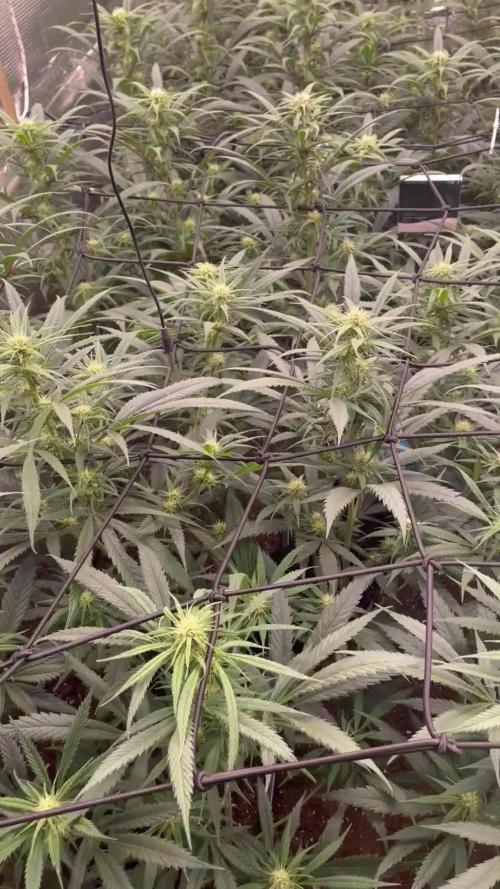
Día 20!!! Estamos en el punto de comienzo de la 4 semana de floración ! Esa en la que notamos como el cultivo nos da el cambio que queremos y a partir de los dos vemos como
Nuestras flores evolucionan de una manera u otra dependiendo de clima,genética,nuestra mano con ella etc..
Vamos a comenzar la media floración bien cargados con la paleta de nutrientes alta en potasio y nitrógeno!
Siempre añadiendo también,nuestras mañanas de agricultor.
Tuve el fallo de abrir el tupper de lombrices y echarlas a el cultivo y no poderos grabar el proceso.
Fue algo rápido que hice con el armario apagado..lo tuve que iluminar por un minuto para añadir la bola de lombrices unas 60!!!
La siguiente tanda de flores si empezara a sacarle provecho a estas amigas!!
Deciros que el cambio en altura es muy grande no para aún de crecer!
Y las últimas están engordando mucho las flores a pesar de el corto periodo se ve que nuestra selección de amnesia haze,es un fenotipo muy especial..
Es de unas 8 semanas de floración y muy buena productora!
Día 21
Primer día de la cuarta semana de floración tenemos una escalera
Desde la puerta del armario hacia el fondo tenemos alturas que van 54cm/62cm/71cm/80cm
Gracias a el control individual en altura de cada luminaria iré trabajando con el control de dividir el área en tres Alturas diferentes,así lo requiera cada planta.
Una pequeña planta que está cerca de una rendija de ventilación tuvo unas pequeñas picaduras de tips”.
Observaré si no es de un periodo anterior de antes del fumigado..
Si no es así trabajaré un poco de jabón potásico y ajo!
De momento el olor es muy sutil.
Algunas flores empiezan a producir resina de manera temprana.
Dia 22
Va todo sobre ruedas,un verde lima en las hojas,las puntas tensas y bien firmes esperando el regado de mañana!
Una humedad de un 55% en el armario,cerrándolo con un 59% una vez echo el seguimiento,inspecccion de este en el día de hoy.
Seguimos con una semana de humedad en el exterior del 90% y toda una semana por delante de más lluvias.
Seguiremos controlando la humedad como hasta ahora con los riegos.
Guardo paciencia en las plantas que aún no llegaron a la red,para poder tener un control visual de todas las puntas!
Me alegra ver la cantidad de flores que están produciendo por casi todas partes de la planta y la resina que empieza a producir alrededor de estas,es un gran fenotipo de amnesia haze,con gran rendimiento productivo de flores y resina.
Todo un hacierto para quienes buscan genes de sativa bien marcados con un corto periodo de floración.
Día 24
Primero felices fiestas y feliz navidad a todos.
Mi pequeño jardín de pinos 🌲 jejejej está estos días espectacular,ya comienza a afinar el olor ese toque a madera recién cortada y ese fondo de lima tan característico de las haze,aaag que rico olerá en las siguientes semanas buen fenotipo y no es el más oloroso..
Esta semana la humedad ronda 65% después de un riego que fueron 60litros,más de un litro por planta!.
Justo lo que va necesitando para esta etapa de formación y engorde de flores… espero que en los siguientes días vuelva mejor clima también a esta zona ya que estos días de agua fueron nefastos para la interacción de aire de el exterior..no ayudaban a reducir la humedad.
Deciros que el riego se aplicó el día 23.
Con una EC1300 PH6,3.
Una de las 44 en el último riego sufrió un poco de sobrefertilizacion,mostrando está un poco de color en el tallo,rojizo.
Solo una quedó más pequeña,siendo esta 52 cm.
🏴☠️
Dia 25
Todo perfecto,las plantas están al 100x100
Un color perfecto,las hojas tensas y cojiendo volumen como es debido.
Ya solo queda mantenerlas,y que no sufran ninguna carencia nutritiva ni exceso de esta.
Dia 26
Último riego de la cuarta semana de floración.
Esta vez adaptando el riego subiendo la EC de 1400 a 1700.
En la siguiente semana ya trabajaremos con una EC de 2000,si es que la planta lo permite ya que con la EC de la tabla no me convence.
El PH sube a 6,3 y se mantendra entre 6,2/6,3 en el sustrato.
El siguiente riego será otro con carga de azúcares y aminoácidos.
Intercalando riego sí y riego no el PK 50-30.
Hoy me sorprendió mucho lo definido que es el olor con la humedad ambiental exterior,teniendo la puerta abierta salía un rico aroma que gana más en madera que lima 🍋

Likes
3
Share


@Encuentra
Follow
20/11 : F+10
22.11 : 1 L of water
24.11: ras
26.11 : 0.75L of fertilizer. No more insects, humidifier + water spray worked :D
27.11 : nothing, ras


Likes
37
Share


@RFarm21
Follow
Hello growmies. We are reaching the end of the journey! I enjoyed the experience so much that I will repeat it. I'll take a look at the trichomes to decide when to cut it.
4 Setembro - flush a todas as plantas com água muito fria (3L a cada).

Likes
12
Share


@CaptainGary
Follow
13th - Checked the power usage data from the AC unit and the Smart logs: around the time heat stress on #1 occurred the AC barely turned on. New zigbee sensor is working well it seems!
CO2 tank is almost completely empty. I lost a fair bit from a few incidents I suppose, maybe a lot more than I thought!?.. ..want to look into stopping CO2 when AC is running with smart power switch and app.
14th - CO2 tank depleted. Setup smart plug on CO2 regulator, works fairly well. Occasionally stays on for a bit more than it should, but then self corrects. I can take that as an improvement..
15th
16th - Replenished water tank - TDS 650 , gave both a good soak, runoff was 1200 initially and eventually down to 800.
17th - Concerned about density - have clipped several sappy buds growing into already thick areas - hoping to improve ventilation within the canopy. Rotated the pots a bit and adjusted the tie downs.

Likes
6
Share


@PersonalSmok3s
Follow
Being Mephisto Freebies there’s not a lot of info on how these particular seeds grow. I found them low maintenance, they weren’t the thirstiest girls I’ve grown and I found quite late on they didn’t like high temperatures, caused over half of them to foxtail. That being said the trichome production was there from week 2 of flower and by the time I cut them down they were some of the greasiest plants I’ve grown to date!
I left a decent amount of the sugar leaves on while trimming with the hopes it will slow the drying process by a few extra days, between 7-10 days hanging, then into jars with humidity packs to cure.
It’s been a fun grow and an exciting introduction into the Mephisto brand, over the last year I’ve managed to purchase a few different strains on there Monday drops so il definitely be running some more in the future.
Hope this diary has been helpful ✌️
Il upload the dry weight before I put it all into jars.
Likes
13
Share


@Terp_Djiny
Follow
This week will be the last of the 18 hours of light. When the little ones have settled in on the increased light intensity. If the cycle is changed to 12/12 and then the wattage of the lamp is turned to its maximum of 300 watts. Gradually, of course. More on that later. I hope they will show their gender during the week that the bloom can be initiated.
Day 67: It is time for the first flowering phase. Plant 1 shows the first characteristics of the flower or rather it becomes sexually mature. If the others follow suit this week, it is the last week of growth. Instead of cutting out the big leaves, I spread them out under the net. In this way, the light also reaches the lower shoots without stressing the plants during sexual maturity. We don't want to provoke misfortune.
Day 70: 10 weeks of Vegetation. I think it's time for Bloom.

Likes
64
Share


@ClubRiot
Follow
The weight of these buds is unknown, but the Masters of this site will be visually approximate. I have all the confidence in their knowledge in elementary physics.
Likes
4
Share


@Mr_nugs_lover_David
Follow
Another lady looking excellent on her second week of life, she's a beautiful Healthy little seedling. I'm so excited to watch her develop to her fullest potential. Let's get to work and see how she performs! 💚💎👨🌾❤️✌️
Likes
31
Share


@Ssio91
Follow
76 Gramm kamen raus wieder mehr als ich anfangs erwartet habe. Die Buds sehen super aus haben eine tolle Festigkeit und riechen phänomenal.


Likes
13
Share


@Canadian
Follow
It seems like the plants have reached their Peak THC some of lower parts do need to mature more. It's highly improbable that will be ready because that light cannot penetrate that deep down they look very beautiful dark green with a lot of frost all over it . I will allow a few more days to continue until I see little bit of Amber on those heads . Because all the plans in my tent grow so tall the lower part will not develop very well and the lack of space doesn't help much it is a 3 by 3 ×8 feets. But I think I found a way around it. will trying to implement that on the next grow.
Thank you for reading I will continue to update have a happy grow.

Likes
4
Share


@Canadian_Bud
Follow
3-11-2019
Into week 5 of flower and it's time for a change out of the Nutrients and add some Fresh RO water and Power To Bloom followed 4 days later with some UMP. She takes on a lot of feedings and running the RO water has been a daily task. She looks good and producing well. Buds have been close to the light with no burn so far, keep bending them down against their will every now and then.

Likes
46
Share


@DogDoctorOfficial
Follow
Hey, cannabis enthusiasts and connoisseurs! 🌿🔥 The journey with our Runtz F1 has been nothing short of legendary, and now we’re at the stage that every grower eagerly awaits—the trim and smoke report. This Runtz F1 has delivered beyond expectations, and I can’t wait to share the details with you. Let’s dive in!
The Trim Process 🌾✂️
The trimming process was an experience in itself, filled with care and attention to detail. Here’s how it all went down:
• Breaking Down the Branches 🌿:
• First, we carefully broke down the plant into manageable branches, making sure to preserve the integrity of each bud. The structure of the Runtz F1 made this easy, with its dense, compact colas ready for precision trimming.
• Trim Bin Magic ✂️:
• Using a Trim Bin, we meticulously trimmed away the sugar leaves, leaving behind only the most beautiful, resin-coated buds. The Trim Bin isn’t just a tool; it’s a game-changer, allowing us to catch every last bit of precious kief that falls during the process. This extra kief is like a bonus for those special moments when you want to add a little something extra to your smoke.
• Preserving Terpenes with Grove Bags 🛍️:
• Once trimmed, the buds were placed into Grove Bags for curing. These bags are revolutionary in the cannabis world, designed to lock in terpenes and keep your buds fresh for the long haul. Unlike traditional jars, Grove Bags use a special TerpLoc technology that creates a perfect microclimate within the bag, balancing out oxygen and moisture levels. This means your buds cure evenly without the need for burping, preserving that incredible citrus terpene profile we’ve come to love from the Runtz F1.
The Legendary Smoke 🌬️🔥
Now, let’s talk about the smoke—because this is where the Runtz F1 truly shines.
• Flavor Explosion 🍊🍋:
• The moment you take your first inhale, you’re hit with a symphony of citrus flavors. It’s like walking through a citrus grove with the sun shining down—notes of oranges, tangerines, and lemons come through strong, each one distinct yet harmoniously blended. But the magic doesn’t stop there; an underlying hint of vanilla sneaks in on the exhale, rounding out the flavor with a creamy, smooth finish. It’s an experience that dances on your palate, leaving you craving more.
• Aroma 🌿🌸:
• The smell is just as captivating as the flavor. As soon as you open the Grove Bag, the room fills with that zesty citrus aroma, complemented by a subtle sweetness from the vanilla undertone. It’s the kind of smell that makes you pause and appreciate the craft that went into growing this plant.
• The Effects 🌟:
• The effects of the Runtz F1 are as balanced as its flavor profile. Expect an initial wave of uplifting energy—perfect for daytime use or when you need a creative boost. As the high settles in, it mellows into a relaxed, yet focused state. It’s the best of both worlds: energizing without being overwhelming, and calming without knocking you out. This makes it an ideal strain for those who want to stay productive while still enjoying a potent, flavorful smoke.
Final Thoughts and Invitation 🎥✨
The Runtz F1 has proven itself to be a true connoisseur’s strain—a perfect blend of flavor, aroma, and effects that’s both complex and satisfying. This was a journey that showcased the importance of patience, precision, and care, from germination all the way to the final cure.
If you want to dive deeper into the entire process, from the first week of veg to the final trim, I’ve documented it all on my YouTube channel. Join me there for a closer look at how this incredible strain came to life, and learn more about the tips and techniques I used to bring out the best in these plants.
Thank you to everyone who’s been part of this journey, from the community to the amazing brands like Gro Diaries, TrolMaster, Aptus Holland, Kannabia, and more. Your support and tools have been invaluable.
Remember, the magic is in the details—so never stop learning, growing, and enjoying the fruits of your labor. Stay positive, stay curious, and keep spreading the love! 🌿💚
#RuntzF1 #LegendarySmoke #CannabisConnoisseur #GroveBags #TrimMagic #StayPositive #GreenMagic #YouTubeJourney
Germination method 🌱 @thecannakan
Genetics Runtz F1 @zam.nesia Runtz auto @kannabiaglobal
Nutrition
@aptusholland 🌿
@aptus_world 🌎
@aptus_es 🌍
@aptusbrasil 🌱
@aptus_thailand 🌿
@aptus_portugal 🌳
@aptususa_official 🍀
@aptusplanttechnz 🌺
@aptusplanttechaus 🍃
Ambient controls🎮
@trolmaster.eu @trolmaster.eu.support @trolmaster.support @trolmaster.agro
Soil @promix_growers_eur @promix_cannabis
LED - @lumatekeu
Watering- @autopot_usa @autopot_global
Love and attention- @dogdoctorofficial
#aptus #aptusplanttech #aptusgang #aptusfamily #aptustrueplantscience #inbalancewithnature #trolmaster #trolmastereurope #trolmastersecrets #Autopots #RuntzBattle #KannabiaVsZamnesia #GreenJoy
As always thank you all for stopping by, for the love and for it all , this journey of mine wold just not be the same without you guys, the love and support is very much appreciated and i fell honored and so joyful with you all in my life 🙏
With true love comes happiness 💚🙏 Always believe in your self and always do things expecting nothing and with an open heart , be a giver and the universe will give back to you in ways you could not even imagine so 💚
More info and complete updates from all my adventures can be found ⬆️ link in the profile description ⬆️
Friendly reminder all you see here is pure research and for educational purposes only
💚Growers Love To you All 💚

Likes
10
Share

@Rangaku
Follow
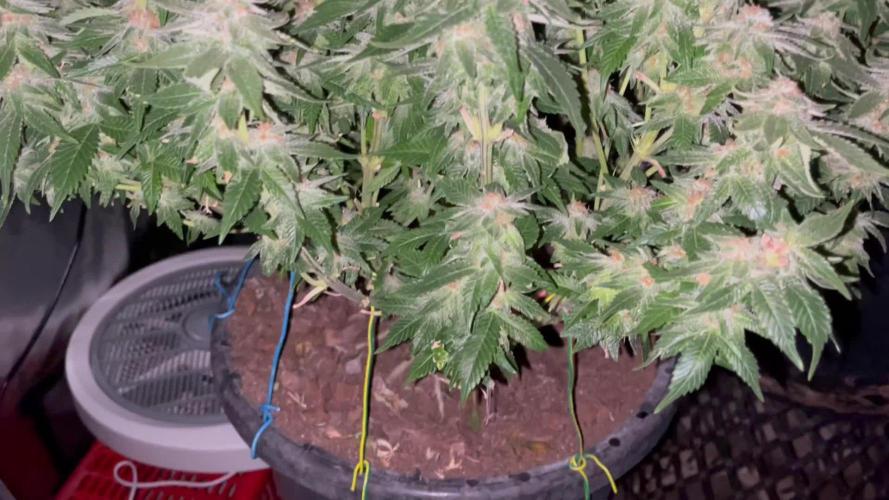
Looking healthy as , getting sticky and phat and real nice distinct smell . Feeding her up and watch her go same same next week

Likes
5
Share

@Failtobi196
Follow
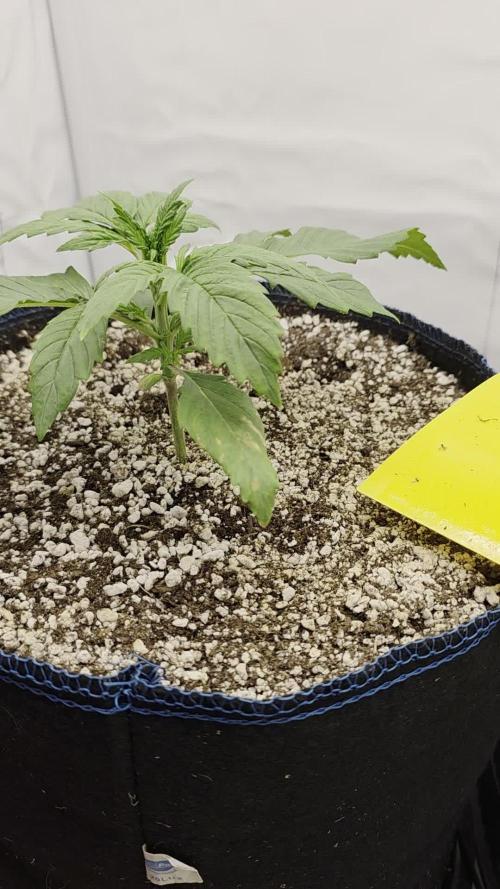
Hi Leute, heute ist der 8. Tag seit der Keimung. Die Werte sind relativ stabil, die Lady zeigt, dass sie Bock hat 😎. Es gab heute wieder 600 ml abgestandenes Wasser, darauf kamen Alfa Boost 2 ml/l, 0,3 ml/l BioBizz CalMag und 2 ml/l Magnesiumlösung. Ph wert auf 6.5 eingestellt.Schönen Tag noch und GoodGrow 🤓

Likes
2
Share


@Monks_Garden
Follow
It down half the closet sherbet autos half left got about 2-3 weeks on them. Any questions feel free to ask n comment 🤙

Processing
Likes
12
Share


@Adam420
Follow
Still doing her thing.
Fighting caterpillars
New growth everywhere and is shooting towards 5ft.(60inches)
Very bushy and gets stronger from winds lately.
Bent top stem to do low stress training


Likes
5
Share


@CRIM_mir
Follow
OCTOBER 20 (DAY 24): Week four has begun, and I am now so completely full of questions. I’ve got preflowers on at least 2 of the 3 plants, the terminal nodes (is that right?) on all three are looking... uh... busy... lots of long, skinny growth coming out of the bud sites. I am wondering if this means it’s time to start transitioning to bloom nutes, or if I’m a little early yet.
On the subject of bloom nutes..... wtf? There are so many options, and it’s hard to tell what can be used with other things and what products are supposed to be direct competitors. This is definitely going to require some trial and error.
I’m also not sure what to do about the lights. Because I’m using LST on some but not all of the plants, one is significantly taller than the others (and thus closer to the lights)... this looks like a grow question.
OCTOBER 21 (DAY 25): After dealing with a runaway heat problem in my tent and major height discrepancies between the LST’ed plants and the control plant, I decided to reorganize the tent... again. I’ve got my tiny tent in a nook in my bathroom, and there aren’t any ports for intake fans at the bottom of the tent (just windows), so I had been running a small intake fan shoved right up between one of the mesh intake windows and the wall. That didn’t give a ton of open air for the intake fan to draw from, so I rotated the tent 90 degrees so the intake fan has the open room air to pull from. I also raised the LST’ed plants by about 6” so the canopies of all three plants will sit roughly equal. We’ll see if this works.
Τoday I fed the plants again. I’m not sure if I am going to prefer to go the FF Bembe route or the AN Big Bud/Bud Candy/Overdrive route, so I am doing a side-by-side on my LST’ed plants. Plant 3 received Bud Candy today, while plant 1 will get Bembe starting next week.
I have only been feeding the plants nutes once a week. I’m wondering if I should step that up or just stick to once a week unless the plants start squawking. Any feedback would be much appreciated.
TL;DR:
To flower or not to flower... to feed or not to feed... to water or not to water... these are the questions. Control plant = winning.
***************************** LST Kit Info *****************************
In case anyone is interested in the LST kit I am using: https://www.etsy.com/listing/831218796/growth-manipulation-kit-for-low-stress
Engineered Essentials offers these in two sizes — regular and seedling/clone. I think these autos are small enough that I should have gone with the seedling size, but I have some on the way and will report back once I give them a shot and can compare.
