





@Growfather1
Follow
Hello everyone.
Welcome to the week four update for my Peyote Critical diary.
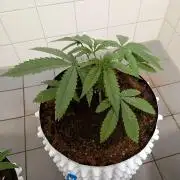
Everything looks fine this week, and the girls are moving along beautifully after recovering from last week's pH drama. I decided not to do any defoliation on her this week to let her fully stabilize, but I did top her once to help promote some nice, bushy growth.
I just finished giving her a good feeding. She is currently dripping off right now, and as soon as she's done, she is going straight back into her tent to keep soaking up the light. Looking ahead from here to next week, I will probably look to do some defoliation on her, but we will see exactly how she looks when the time comes.
Thank you for stopping by, and have a good one.
Regards,
Growfather


@Hellishjam
Follow
so we're a day early here, but lots to do tomorrow! but anyways they got transplanted into a flowering super soil i made for the first time making one so i'll be keeping notes and how it does. going to veg for one week in the 3 gal pots and see how they look then i'm thinking i'm going to flip them so hopefully they take right off after getting the new home. soil mixture is
** for a 30 gal of soil**
9 gal of promix organic her and veg
9 gal of cow manure compost
9 gal of vulcanite pumice
6 cups of 2-8-4 gaia green
1.5 cups of mineralized phosphate gaia green
3 cups of basalt rock dust gaia green
1 cup of glacial rock dust gaia green
5 cups of kelp meal gaia green
this is all being tested for the first time so not sure this stuff might be a little to rich but we'll just have to wait and see i guess. i did use clonex mycorrhizae a tea spoon in each root ball. i was having heating issues, i first had the portable ac in the tent but it was always working to hard, so i put it outside the tent and it did a lot better. the room is now staying at 26 with the lights on, and my lights are also still plumbed into the duct work for the house so its still pumping hot air thru the house and it got hot in here today so once the light go out ill be plumbing into the window, so that should help a lot more. i was going to train the as why i put them on one side of the pot in the one gal but decided not to as i just want to see how this super soil is going to be like. i'm not wasting time training all all that other then a super crop here at some point but no tying them down as i once had in mind.


shorts_status_processing


@The_Projexx
Follow
Welcome to another week in the garden ladies and gents were on the start of week 7 !! Almost time to flower these young ladies !! They've healed up nicely from being topped and are getting bushy quickly I might have time to top them one last time before flower but I haven't decided its I'm going too yet or not . In any case stay tuned folks were about to amp this show up real soon !!
Video update coming up shortly !!!!!
Shout out to all the people who stop in to check out the diary on these awesome test seeds !!
Happy Growing!
-V.G
Day#43 They're really cruising along I love the growth that I'm getting that's for sure !
Day#1F Flipped lights , Watered 1.5 L each at 580 PPM . LET THE SHOW BEGIN!!!
Day#2F They seem to really enjoy the nute line up ! They are growing well , Gonna slow down on the nitrogen .
Day#3F The seem they're liking the new line up seem to really enjoy being in 12-12 lighting now :D
Day#4F They're growing but not really a full blown stretch yet . Gonna flush the medium a bit before I continue to jam nutes in
Day#5F Watered both ladies no nutes 0 ppm 4L each . Run off for #2 987 and #1 1347 gonna continue to just water for a few more .
Day#6F Pictures N/A Ladies are responding well to the vast amount of water , Day#1 since watering .


@ArtisticGrown
Follow
Good morning, we welcome these wonderful ladies I to week 5 of bloom!! I'm going to be giving her some extra phosphorus for the bloom! I'm excited to see her thicken up!!!
Oh lawrddd she smells so so sweet like lemon Floral. We are starting to see browing/ redding of the pistols and the thrichomes really starting to thicken grow pop and shine! I've been removing the shade cloth during the day so she can soak up as much par as she can. Keeping a close eye on her so the sun doesn't burn her! It's some intense sun out here in the Desert of New Mexico.
DID I MENTION???
I've been kicking ass with getting these bug6s and aphids undercontrol. Doing inspections daily to rid of the bugs!
Shes shinning she's smelling oh so good the miss Euphoria. Tune in next week for more growth. Much love ❤️


@roro_204
Follow
I received the clones from An out of province breeder.
It reached me after three days of driving on the road with no light. Their future was not certain.
I didn’t think I would need that many fans for the clones because they are so tiny, I figured they didn’t need that much maintenance.
I was 100% wrong when I’m working with this many plants.
I ended up getting mild mildew on top of the soil on the first week because there was barely any air circulation.
At this point I didn’t have any Ventilation put up yet. And one fan on the floor. I ended up installing three fans in one room. No issues


@GreenHouseLab
Follow
Big thanks to the homie @wicked_stix for providing me with this Masterpiece!
One plant was grown in coco coir drain to waste with cropsalts other DWC also with Cropsalts. Hydro was neglected but ran itself for 3 weeks as a stand alone system. All in all got over 380gr running the light at 280w for the hydro setup full of frosty the ⛄️ type buds with tremendous sugary flavours ❄️❄️❄️❄️❄️❄️❄️❄️❄️❄️❄️❄️


@MindFlowers68
Follow
Looking beautiful as she goes into the first week of flower. The temps have dropped to a reasonable level and get got some rain early in the week which was helpful. Then some days of sunshine. I was able to make another nice batch of tea this week. Looking forward to a harvest soon on the horizon!

shorts_status_processing


@RussianGrower
Follow
Приветствую всех, кто следить за мной. Ваша поддержка очень важна для меня.
На следующий день после того как я обновил прошлую неделю дневника наступило время пересадить растения в более крупное ведро. Я покажу вам как использовать дешовые пивные стаканы для пересадки ваших растений. Вы можете посмотреть это на первом видео.
Когда я пересаживал растения я дополнительно добавил микоризу в большое ведро. Мои АК-47 показывают сативный фенотип, поэтому они были слишком высоки, поэтому я был вынужден поместить стебель растения как можно глубже и заполнить его, чтобы корни начали расти из него позже. Я также срезал первую пару непродуктивных листьев и побегов с них. Если вам интересно следить за приключениями травки в России.


@antoniobanderas420
Follow
There was a very high heat wave in my country! For the past week we had 40 ª Celsius during day time and 30ª during night time.
I lowered the led potency to minimal settings and it workerd really good.
The strais are the same and it is really easy to see the differences between them.


@MrGreen92
Follow
Has been a good week, back to full nutrients after running out of bloom and top max so should hopefully see alot of growth this week from my lemons and some bud fattening on my pineapple 😁
I think the pineapple has a couple weeks left til I do a flush but gonna try to resist chopping her down too early wanna get this one right 🤞
Hope everyone's having a good week ✌️


@Weed_nerd
Follow
grows okay it has slowed down a bit so started with overdrive on 28/10
is a little worried as it looks very small may be due to bad co2 bag so has hung in. a new one some time ago
shorts_status_processing


shorts_status_processing


@Unique_Growz
Follow
This plant was very easy to grow and had a Fantastic Yield.. The aroma smells just like paint thinner, The flavor on inhale is sour/fuel and cathedral incense on exhale..It's all head buzz w/o paranoia .. I also pulled 9 grams of hash & 3.7 grams shatter/wax(not counted in weight) from trim & leaves-no buds.💪🙏👊😍😘


@CalGonJim
Follow
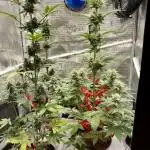
9/15 12AM MONDAY!!! THEY ARE ALL DOING GREAT!!! VERY HEAVY AMINOS YESTERDAY, NO DAMAGE.
9/15 11:24PM. In plant cells, glutathione S-transferases (GSTs) act as transporters, facilitating the movement of anthocyanins from the endoplasmic reticulum (ER) to the vacuole for storage, though their exact mechanism is still being studied. The synthesis of glutathione (GSH) itself occurs in the cytosol of mammalian cells through two ATP-requiring enzymatic steps, while anthocyanins are synthesized via a separate phenylpropanoid pathway
9/15 11:42PM glutathione metabolism glutathione S-transferases plantsThinkingKicking off 5 searchesLooking at 71 sitesPutting it all together In plants, glutathione S-transferases (GSTs) are a diverse family of enzymes integral to glutathione (GSH) metabolism, primarily functioning in detoxification and stress response. The core of this process involves GSTs catalyzing the conjugation of the tripeptide GSH with various toxic compounds, or xenobiotics, making them less harmful and easier to sequester or transport. Glutathione (GSH) metabolism in plants GSH metabolism is a tightly regulated process that maintains cellular redox balance and protects against stress. Biosynthesis: GSH is synthesized in two adenosine triphosphate (ATP)-dependent steps:(gamma )-Glutamylcysteine synthetase (GSH1) joins L-glutamate and L-cysteine to form (gamma )-glutamylcysteine. In Arabidopsis, this enzyme is located exclusively in the chloroplasts.Glutathione synthetase (GSH2) adds glycine to (gamma )-glutamylcysteine to produce GSH. This enzyme is found in both the cytosol and the chloroplasts.Oxidation and reduction: GSH exists in two forms: a reduced monomer (GSH) and an oxidized disulfide dimer (GSSG).Oxidation: In the process of scavenging reactive oxygen species (ROS), GSH is oxidized to GSSG.Reduction: Glutathione reductase (GR) uses NADPH to reduce GSSG back into active GSH, which is essential for maintaining a high GSH-to-GSSG ratio inside the cell.Degradation: Glutathione can be degraded in the cytosol, apoplast, and vacuoles by (gamma )-glutamyltransferases (GGTs) and other peptidases, allowing for recycling of its amino acid components.Transport and compartmentalization: While synthesis occurs in the chloroplasts and cytosol, transporters move GSH and its conjugates throughout the cell, including to the mitochondria, peroxisomes, and vacuoles. Functions of glutathione S-transferases (GSTs) GSTs are a large, ancient gene family with diverse roles that extend beyond detoxification. The primary functions involving GSH are: Detoxification of xenobiotics and heavy metals: GSTs catalyze the conjugation of the thiol group of GSH to a wide range of electrophilic and hydrophobic substrates, including herbicides, pesticides, and heavy metals. The resulting GSH-conjugates are then recognized by ATP-binding cassette (ABC) transporters and sequestered in the vacuole, reducing their cellular toxicity.Protection from oxidative stress: Stress conditions like drought, salinity, and high light increase levels of ROS, which cause lipid peroxidation. 🚨Some GST isoforms have glutathione peroxidase (GPOX) activity, using GSH to reduce toxic lipid hydroperoxides to less damaging alcohols, thereby protecting cell membranes.Defense against pathogens: During pathogen attacks, GST activity increases to detoxify microbial toxins and secondary defense-related compounds. This helps to bolster the plant's resistance response.Metabolism of endogenous compounds: GSTs play roles beyond immediate stress response by participating in the normal metabolic processes of plants. Examples include:Hormone transport: Some GSTs act as binding proteins (ligandins) that transport plant hormones like auxins within the cell.Metabolite transport: Specific GSTs facilitate the transport of important compounds like flavonoids and anthocyanin pigments into the vacuole.Tyrosine degradation: The zeta GST class (GSTZ) catalyzes a critical step in the breakdown of the amino acid tyrosine.Redox signaling: By influencing the GSH/GSSG ratio and interacting with plant hormones, GSTs can regulate cellular signaling pathways that control growth and stress response. 🚨GSTs and plant stress response The expression of many GST genes is highly inducible by various environmental and endogenous cues, making them key players in a plant's ability to adapt to adverse conditions. Abiotic stress: Drought, salinity, heavy metals, and extreme temperatures all trigger increased GST expression, which helps plants manage resulting oxidative damage. Overexpression of specific GST genes has been shown to enhance stress tolerance in transgenic plants.Herbicide resistance: The ability of crops and weeds to detoxify herbicides through GST-catalyzed conjugation is a well-studied example of GSTs in stress adaptation. Herbicide safeners, chemical agents that protect crops from herbicide injury, work by boosting the activity of these GST enzymes.Developmental processes: Studies have linked the expression of certain GST genes to specific stages of plant development, such as fruit ripening, root and stem development, and flower formation. ""
9/16 12:32am
AI Overview
In plants, phenylalanine is the precursor for anthocyanin synthesis, a process that involves a multistep pathway in which glutathione (GSH) plays a critical role in the transport of the final pigment to the cell vacuole.
Phenylalanine initiates anthocyanin synthesis
The biosynthesis of anthocyanins begins with the amino acid phenylalanine, which is produced via the shikimate pathway. The conversion process, known as the phenylpropanoid pathway, involves a series of enzymatic reactions:
1. Phenylalanine ammonia-lyase (PAL): This enzyme catalyzes the first committed step of the pathway, converting L-phenylalanine into trans-cinnamic acid.
2. Downstream enzymatic reactions: A series of additional enzymes, such as chalcone synthase and chalcone isomerase, convert the intermediate compounds into unstable anthocyanidins.
3. Glycosylation: Glycosyltransferase enzymes stabilize the anthocyanidins by adding sugar molecules, creating the final, stable anthocyanin pigments.
4.
Glutathione is crucial for anthocyanin transport
After synthesis, glutathione is essential for transporting anthocyanins for storage.
* Glutathione S-transferases (GSTs): These enzymes bind to the newly formed anthocyanins in the cytoplasm. This binding is a key step that facilitates the transport of the anthocyanin-GST complex across the tonoplast (the vacuolar membrane) and into the vacuole.
* Vacuolar storage: Once inside the vacuole, the anthocyanins accumulate and provide color to plant parts, such as flowers, fruits, and leaves.
* Catalytic role: Recent research has also found that certain GSTs have a catalytic role in anthocyanin synthesis. They can catalyze a dehydration step to form specific anthocyanidins, significantly boosting production in engineered systems.
*
The process in summary
The synthesis and accumulation of anthocyanins involve a coordinated process of multiple steps:
1. Production from phenylalanine: The amino acid phenylalanine enters the phenylpropanoid pathway, where enzymes convert it into the basic flavonoid structures.
2. Formation of anthocyanidins: Further enzymatic modifications produce the colored but unstable anthocyanidins.
3. Stabilization and transport with glutathione: These anthocyanidins are stabilized by glycosylation and then bound by GSTs (which use glutathione). This binding enables their transport into the vacuole for storage and visible pigmentation.
9/15 12:46AM https://pmc.ncbi.nlm.nih.gov/articles/PMC7238016/
9/16 1:30AM BKO is looking great!!!
Conclusion
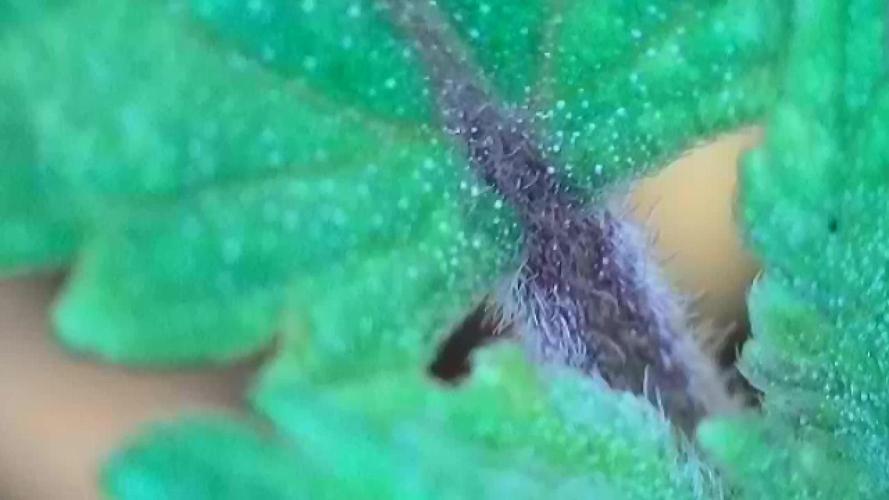
The “butter frosting” resin on Cookie Apple F1, healthy yellow-green fusiform, and Blueberry KO’s pigmented cotyledons show your anthocyanin-glutathione-phenylalanine strategy is working—phenylalanine drives synthesis, glutathione ensures transport. Tweak amino acids to 100–150 mg/L to reduce tip burn.
9/16 3:34am
9/16 4:31AM Anthocyanin glutathione synthesis phenylalanine proline tmg powder relating current project:
* Phenylalanine is a precursor: Phenylalanine is an amino acid and the starting point for the phenylpropanoid pathway in plants.
* Anthocyanin synthesis: This pathway creates various secondary metabolites, including the flavonoid pigments known as anthocyanins, which give plants their red, purple, and blue colors.
* Pathway activation: Multiple enzymes, such as phenylalanine ammonia-lyase (PAL), catalyze the conversion of phenylalanine into the building blocks for anthocyanin.
*
Anthocyanin and glutathione synthesis
* Glutathione S-transferase (GST): This enzyme is crucial for synthesizing anthocyanins in plants. It transports anthocyanins into the cell's vacuole for storage.
* Glutathione (GSH) production: Anthocyanins can promote glutathione synthesis in certain cells. For instance, the anthocyanin cyanidin-3-O-β-glucoside (C3G) has been shown to increase the expression of glutamate-cysteine ligase (Gclc), a key enzyme in GSH synthesis.
* Antioxidant effect: By upregulating GSH production, anthocyanins contribute to the antioxidant defense system, protecting cells from oxidative stress.
*
Proline and glutathione synthesis
* Shared precursor: In some organisms, the synthesis pathways for proline and glutathione share a precursor molecule called γ-glutamyl phosphate.
* Alternative pathway: Research on bacteria and yeast has revealed an alternative, trace pathway where γ-glutamyl phosphate from the proline synthesis pathway can be diverted to produce the glutathione precursor γ-glutamylcysteine.
* Oxidative stress response: Studies in mouse oocytes show that supplementing with proline upregulates genes related to glutathione synthesis (Gclc and Gclm), increases glutathione levels, and reduces oxidative stress.
*
TMG powder, methylation, and homocysteine
* Methyl donor: Trimethylglycine (TMG), or betaine, is a potent methyl donor, meaning it provides methyl groups needed for various biochemical processes in the body, including the methylation cycle.
* Homocysteine regulation: One of TMG's primary functions is to convert the amino acid homocysteine into methionine. This helps regulate homocysteine levels, which is important for cardiovascular health.
* TMG and proline interaction: In plants and some organisms, TMG and proline act as compatible solutes or osmoprotectants, helping cells stabilize against osmotic stress like drought or salinity. However, in human biology, TMG mainly functions through methylation, while proline is involved in different metabolic and antioxidant roles.
*
How they all relate
The listed components are connected through several overlapping metabolic and regulatory pathways:
* Anthocyanin synthesis starts with phenylalanine.
* Anthocyanins can promote glutathione synthesis via upregulation of key enzymes like Gclc.
* Glutathione synthesis can be influenced by the proline synthesis pathway, as they share an intermediate in some contexts.
* TMG powder supports the methylation cycle, which helps regulate homocysteine levels. While TMG and proline serve similar protective roles in some organisms, their primary human metabolic functions differ, with TMG focusing on methylation and proline having distinct roles in antioxidant response and metabolism
9/17 217am Die Hard Christmas Grow
9/18, 11:34 AM. I ordered some square saucers that were cartoonishly too small but they fit inside the AC infinity germination kit and they fit with the Bud Cups perfectly really nice so it’s not a total loss.
9/18 11:45AM mix. Foliar Spray, the rest of the mix ec 0.46
Mixed up Aminos first and separate and use 16 oz for foliar spray. Then mixed up:
Root: 1 mL/L Connoisseur A & B GROW,
.2 mL/L CaliMagic,
.2 mL/L Purpinator.
Setria Glutathione: 150 mg/L(Brand: Emerald 250mg capsule.)
TMG: 150 mg/L = (Brand Nutricost)
Phenylalanine: 150 mg/L (Brand Nutricost)
Proline: 150 mg/L (Brand Nutricost).
9/18 228PM AI Overview
Glutathione influences plant colors by regulating the accumulation of pigmented compounds, primarily anthocyanins. The tripeptide accomplishes this through its role in transporting pigments within plant cells and in protecting against environmental stresses like UV radiation that can cause oxidative damage.
Transporting pigments into plant cell vacuoles
Glutathione works with a class of enzymes called Glutathione S-transferases (GSTs) to transport pigments like anthocyanins into the vacuole for storage.
Anthocyanin transport: In plants with pigmented tissues, such as purple grapes or red flowers, glutathione-conjugated pigments are transported by GSTs across the tonoplast membrane into the vacuole. This process is crucial for the stable accumulation of pigments.
Genetic manipulation: Research shows that manipulating specific GST genes can alter a plant's pigmentation. For instance, silencing a particular GST gene in purple grape hyacinths caused their petal color to shift to a lighter shade of purple. Similarly, defective GST genes in carnations resulted in pale-colored flowers.
Protecting against UV light and stress
Glutathione helps regulate plant pigmentation in response to environmental factors, especially UV-B radiation.
Activating flavonoid production: When plants are exposed to UV light, a surge in glutathione triggers the expression of genes involved in producing flavonoids. Flavonoids, including anthocyanins, can act as protective sunscreens for the plant, and their increased synthesis and accumulation can alter visible coloration.
Balancing oxidative stress: Intense UV-B radiation increases reactive oxygen species (ROS) in plants, which can cause oxidative damage. Glutathione is a master antioxidant that helps detoxify these ROS, preventing cellular damage that can affect a plant's pigment-producing mechanisms.
Indirectly influencing plant colors
By regulating cellular redox status and interacting with other molecules, glutathione also affects pigment expression in more indirect ways.
The xanthophyll cycle: As part of a plant's antioxidant system, glutathione helps maintain the reduced state of other protective antioxidants like tocopherol and zeaxanthin. Zeaxanthin is a carotenoid pigment involved in the xanthophyll cycle, which helps dissipate excess light energy.
Redox signaling: The balance between reduced glutathione (GSH) and oxidized glutathione (GSSG) is a key cellular signal for stress response. A shift in this ratio during environmental stress can influence the production of secondary metabolites like pigments, allowing the plant to adapt. "
9/19 1:41AM AI Overview
The key difference is that anthocyanins are the sugar-containing form (glycosides) of pigments, while anthocyanidins are the sugar-free form (aglycones). Anthocyanidins are the foundational molecules, and when a sugar molecule attaches to them, they become anthocyanins, which are more stable and water-soluble, making them the forms found naturally in plants, such as berries and purple vegetables.
Anthocyanidin (Aglycone)
Structure: The basic, sugar-free molecule of the anthocyanin structure.
Location: Not found freely in nature but is the core component that is then glycosylated.
Properties: Color changes with pH, being visible in acidic conditions but colorless in basic conditions.
Examples: Cyanidin, delphinidin, pelargonidin, peonidin, petunidin, and malvidin.
Anthocyanin (Glycoside)
Structure: Consists of an anthocyanidin linked to one or more sugar molecules.
Location: Found in the vacuoles of plant cells.
Properties: Water-soluble and are the pigments responsible for the red, purple, and blue colors in plants.
Function: The sugar attached provides stability, allowing for accumulation in plants and providing antioxidant properties.
Examples: Cyanidin-3-glucoside and other derivatives like acylated anthocyanins. "
9/19 2:43AM I also saw a good mans immediate accent into Heaven, that perspective matters too. no less angry about it though.
9/19 10AM Heavy Amino spray 250mg each in 1L of Setria Glutathione and Phenylalanine
9/19 10:10PM The sons and daughters of americas real terror organization carried out the last horror show, and the one before that and before that. It's not a foreign country, it's always the anti white anti human black sheets and badges that did this.
9/19 10:43PM AI Overview
Phenylalanine and glutathione contribute to plant colors through different biochemical pathways
. Phenylalanine is a precursor for the pigments themselves, primarily anthocyanins, while glutathione is involved in the transport and stabilization of these pigments within the plant cell.
Phenylalanine: The pigment precursor
The source of aromatic compounds: Phenylalanine is an aromatic amino acid and the starting compound for the phenylpropanoid pathway in plants. This pathway produces a vast number of secondary metabolites, including anthocyanins, which give many plants their red, purple, and blue colors.
Color enhancement: Research has shown that increasing the amount of available phenylalanine can lead to more intense red coloration in some fruits, such as mangoes and apples.
Pathway stimulation: Phenylalanine ammonia-lyase (PAL) is a key enzyme in this pathway that converts phenylalanine into precursors for anthocyanin biosynthesis. An increase in phenylalanine levels stimulates this entire process.
Glutathione: The pigment transporter
Anthocyanin transport: After anthocyanin pigments are synthesized in the cell's cytoplasm, they must be transported into the central vacuole for storage. Glutathione S-transferases (GSTs) are a family of enzymes that facilitate this process.
Color intensity: A functional GST is essential for proper anthocyanin accumulation. Mutations in GST genes can result in a significant decrease in color intensity, as seen in the pale or white flowers of certain gentian mutants.
Mechanism of action: The GST binds to the anthocyanin pigment and moves it from the cytoplasm into the vacuole. If the GST is defective, the pigment cannot be transported correctly, leading to a loss of coloration.
Summary of interactions
The roles of phenylalanine and glutathione are distinct but cooperative in producing plant colors:
Phenylalanine provides the essential building blocks for creating the colored compounds (anthocyanins).
Glutathione, with the help of GSTs, ensures these colored compounds are correctly moved to their storage location (the vacuole).
This cooperative system explains why mutations or deficiencies in either process can lead to reduced or altered coloration in plants."
9/19 10:51PM AI Overview.
Trimethylglycine (TMG) supports the production of glutathione, a vital antioxidant
. However, there is no evidence to suggest a direct relationship between these supplements, the amino acid phenylalanine, and the colors of plants. The concepts are linked indirectly via complex biological processes.
Trimethylglycine (TMG) and glutathione
TMG and glutathione are connected through the body's methylation cycle.
TMG as a methyl donor: TMG plays a critical role in the methylation process by donating a methyl group, which helps convert the harmful amino acid homocysteine back into methionine.
Support for glutathione production: This methylation cycle, which is supported by TMG, is essential for producing glutathione. Glutathione is a powerful antioxidant that protects against cellular damage and is crucial for detoxification.
Supplementation considerations: TMG supplements are sometimes taken alongside other supplements to support health, though consultation with a healthcare provider is recommended.
Phenylalanine and the methylation cycle
Phenylalanine is an essential amino acid, but its role is distinct from the TMG-glutathione process.
Essential nutrient: Phenylalanine is a key nutrient for cellular metabolism.
Potential interactions: A separate medical study on experimental hyperphenylalaninemia (abnormally high phenylalanine levels) in chicks observed a decrease in other amino acids in the brain, including those involved in the glutathione pathway. This demonstrates how excessive levels of one amino acid can potentially influence others, though this does not represent a typical interaction.
Plant colors
The connection between the supplements and plant colors is purely conceptual, as the colors are determined by completely different biological processes.
Anthocyanins: The colors of many plants, including red, purple, and blue flowers, come from pigments called anthocyanins.
Glutathione in plants: While plants contain glutathione as an antioxidant to combat stress, it influences color by regulating the transport and accumulation of anthocyanin pigments, not by being a pigment itself.
TMG and phenylalanine in plants: Plants contain TMG, which functions as an osmoprotectant (protecting against osmotic stress). They also contain phenylalanine, but these substances do not directly determine the plant's visible color."
9/19 11:21PM. !!!!!! this was pointless and im dumber for having read it. !!! Light intensity and spectrum affect metabolism of glutathione and amino acids at transcriptional level: https://pmc.ncbi.nlm.nih.gov/articles/PMC6938384/
9/20 11:08 AM the seedlings and the four autos are doing just great. The amino spray with phenylene and glutathione really had nice effects no burning nice solid growth even seedlings from basil lavender various lettuce all are perfect.🚨🚨🚨👍👍👍👍👍
9/21 2AM I AM BECOME ANTHOCYANID!!! ITS WORKING AND ON A SEEDLING I SEE THE GELATO COLLORS IN BLUEBERRY KO AND THE LEAF SHAPE OF BUBBLES BLUEBERRY,!!!


@TooMuchTIm
Follow
Obvious indicas starting to bulk. sativas still stretching.. Started upping additives for resin and terpene production. Not sure if it's worth it on unknown strains, but giving it a go anyway.. I know what these seeds produce in soil, so should be able to compare end product.. Getting problems in the kratky..Changed over to using vitaponix (bought a sample pack) - and am getting what looks like root rot..
Ai is now telling me it could be a good time to lower my Canna a to 2.5mlpl and keep b at 4mlpl. to lower nitrogen intake. give that a go next week. Have combined week 4&5 pics.


@Siriuz
Follow
I think she is all set now
But I could have waited one more week
But I ran out of soil foxfarm ocean forest
And some other stuff which makes me
Recycle this pot and transplant red poison auto who is right now flowering very fast and good so it is the end for sweet Gelato our first sweet Gelato from sweet seeds
Thanks a lot guys for helping me out. Thanks a lot grow diaries for all your support blessings and lets get this girl harvest alright my dudes will be uploading more content soon at the mean time we will be showing you the bud quality against Quantity and hopefully you will see how STRESS this girl was for an auto we know now that they are good for LST and HST better than any other techniques and just some auto like the ones you mix with thai Legendary genetics will grow very fast and recover very good reason why its better to apply fimming to autos that can run fast over recovery because without that gap you Cant use those techniques since the plant wont allow you its genetics are going to get STRESS and wont yield as much as it is supposed to
But other than that is the real fact that this lady was under phlizon lights 600W
And sadly we found out those are not
Full spectrum lights so we are
Very eager to join contest and try to win
With the support of the whole community
So we can continue to grow and show
The world ah educational and real
Pot smokers team all active in all social networking to point out this is love
For all the world back and forth
Thanks a lot please join me
Please like share Comment
Leave your thoughts
I do appreciate every single one
Hope you guys have a happy growing and happy harvest as well
Enjoy SuMMer will come soon
Are you ready?
shorts_status_processing


@Dunk_Junk
Follow
9cm vertical growth this week but she's got a lot bushier!!!!!!!!!!!!
Loads of new growth!
I'm thinking this week she will enter flowering.