




Likes
9
Share


@la_piper
Follow
sherbet cuvee cookies.
Харвест✂️
Почти неделя на PK и харвест.
Шилки плотные, липкие очень смолистые и огромное количество трихом. Харвил в респераторе ибо начинаю чихать🌬️
Likes
6
Share


@TheFoxFarmer
Follow
Flush time!
I don't pump loads of water through each pot any more, now they're sitting on a tray without drainage. I've found feeding non ph'd water in the same amounts I've been giving them throughout still allows them to cannibalise, locking out any nutrients immediately now they're being given non ph'd water.
I've done this for long enough to be able to confirm no difference in the overall flush, the taste or smell, or a negative impact on the plants. Personally I find it a waste of time and ph down when the goal is to stop them feeding on the nutrients in the medium, but rather the nutrients stored in the plant.
I always feed only water for 2-3 weeks, never less.
The Runtz are swelling, with huge cola's on some of them. Even the little Runtz runts have stacked well and getting thick! Unfortunately only getting an earthy, piney smell from all of them. Was expecting a nice strong fruity profile, so a bit disappointed. The huge flowers make up for it a bit, but I do prefer a more tastier smoke, I can't deny! 🦊

Likes
14
Share

@TrichoWitchka
Follow
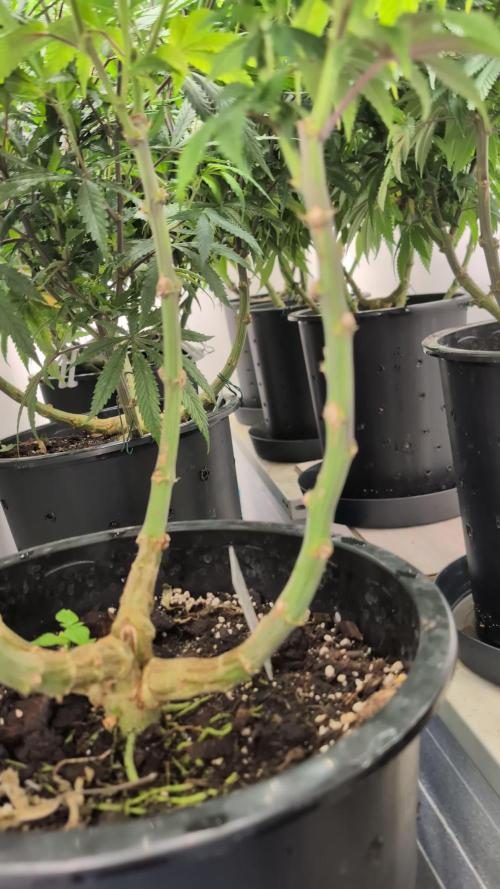
Nazdarek🌱😸. Pravje fcil sem sa rozhodua,ze ta otestujem z nasej slovenskej zahoractiny☝️🤣Co uz k temuto dodat?😆 Dneskaj 29.3. je tyden po prepnuci ,v patek sme dosli dom a skoro sem odpadua jaka dzuglabo na mna vyskociua🙈. Najvacej vyskocila za ten tyden Gorilla prime 🦍. Secko sem v sobotu polela a do stredy rana si teraz mozu cilovat🤣. Tipujem este dva tydne a donde mi fantazia,jak ich vynasat ven a focit📸. Uz fcileky maju svoju vahu😮💨. Nech sa vam seckym dari a nech vam to rostne🌱. Baj😸

Likes
29
Share


@DaddyPrime
Follow
8/10 buds are fattening up nicely. Moved plants under growlight to attempt to take better pictures. Cant wait to see what she looks like at the end

Likes
14
Share


@KannaKullektiv
Follow
Aloha Freunde der Sonne 😊
Meine schönen Pflänzchen zeigen stolz Ihre Härrchen.
Langsam fangen Sie auch an einen schönen Duft zu verteilen.
Viel Spaß🙏

Likes
7
Share


@XoticGROW666
Follow
I will b running the SHERBCAKE again to dial her in properly took a lot clones of her so I can’t wait to run her again terps of her is dessert and fuely 🍰⛽️ seeds made by k1 kreationz

Likes
16
Share


@artems
Follow
Don't have many things to say, flowering going ok and plant started to smell a little. The color is amazing!


Likes
16
Share


@SeshHouseCannabis
Follow
The plant have been harvested when this dairy was updated. The final result and the dry weight will be posted when the drying stage have been done. thank you for following our dairy this season, hopefully we will make the new dairy for next season soon.


Likes
17
Share

@Joni2017
Follow
Hello again, Growdiaries community! 😎
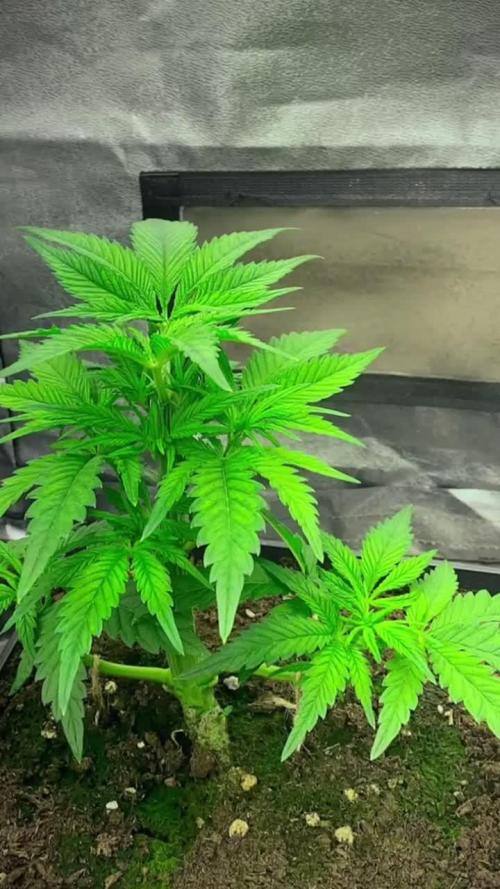
We have reached the end of the vegetative stage with my Critical, and I couldn't be happier with the results. This week has been entirely focused on preparing the 'engine' for the explosive flowering phase that begins this Sunday.
📏 Evolution & Structure: The plant is now 20 cm tall. After the intensive training last week, she has spent these days consolidating those 4 main colas. The canopy is perfectly flat, and the secondary shoots are receiving direct light thanks to a final strategic cleanup.
✂️ Applied Techniques:
Selective Thinning: I performed a cleanup in the center of the plant. By removing internal leaves and small shoots that were shaded, I’ve guaranteed total light penetration and better air circulation around that massive fasciated stem.
LST Maintenance: Adjusted the ties to keep the structure wide. No more topping from now on—I want those 4 heads to stretch vertically!
💧 Watering & Nutrition (The Big Jump):
Volume: Increased to 1 Liter of water per session.
Water Temperature: Always watering with lukewarm water (approx. 21°C) to avoid thermal shock, which is vital when growing in an outdoor terrace setup.
Fertilizers: Stepped up the dose to 2 ml/L of Bio-Grow. The plant is responding with a deep, healthy green and zero signs of stress.
🌤️ Bunker Environment (Terrace Setup):
Temperature: Stable at 27°C with lights ON. Even though external temperatures drop to 1-2°C, my 'closet-within-a-closet' system keeps the minimums at a safe 18-19°C.
Lighting: My QBK1500PLUS (150W) is running at 100% in Veg mode, kept at a 60 cm distance to encourage that final pre-flowering stretch.
Aroma: A very noticeable 'fresh green' scent fills the tent every time I open it!
Next Step: This Sunday is the BIG DAY. I’m switching the timer to 12/12, activating the Bloom switch (adding the Red/IR spectrum), and getting ready for the legendary Critical stretch.
The structure is ready, the nutrition is on point, and the bunker is prepared. Let the flowers come! 🌸
Thanks for following! Happy growing! 😉👍
Likes
3
Share


Likes
17
Share


@BLAZED
Follow
W19 (Harvest)
6-6
Last day before harvest.
7-6
Harvest day!
Installed a humidifier outside the tent, set to 55% aiming for a 60% humidity inside the dry tent.
17-6
After 10 days of drying she is ready to be trimmed.
While posting this a couple of months later i found out that i totally forgot to make pictures and video's of the trimmed buds 😅
End result #1:
37 Grams of dried buds.
35.84 Grams of dried trim and very small buds, into the freezer.
I would describe pheno 1 as normal frosty, almost stone like buds, smells chemical with hints of dish soap (i really like it!)
I cant describe the taste but it was very tasty out of the box, before the cure, very sad i only had 37 grams of it haha.
End result #2:
Around 70 grams of dried buds.
43.23 Grams of dried trim and small buds, into the freezer for bubble hash.
I would describe pheno 2 as very frosty buds, little bit fluffy, smells very gassy, with a nice sour taste after curing a couple of months.
Very interesting strain, i will definitely grow it again!
I have some trim and small buds saved up from different strains and i will be posting a diary of the full process making hash of them!
If you are interested in me making bubble hash feel free to follow me as i will make some in the next month, this way you keep notified!

Likes
10
Share


@Dirty_rich
Follow
Estupenda planta, la recomiendo mucho si ya has cultivado al menos 5 autoflorecientes, pues aunque no es un cultivo difícil pudo salir mucho mejor por un exceso de riego que tuvo en la semana 2 y no creció como debería, aún así estiró bastante durante la floración, cosa que me sorprendió en una variedad automática. Bellísima la volvería a cultivar sin duda.

Likes
17
Share

@masterofsmeagol
Follow
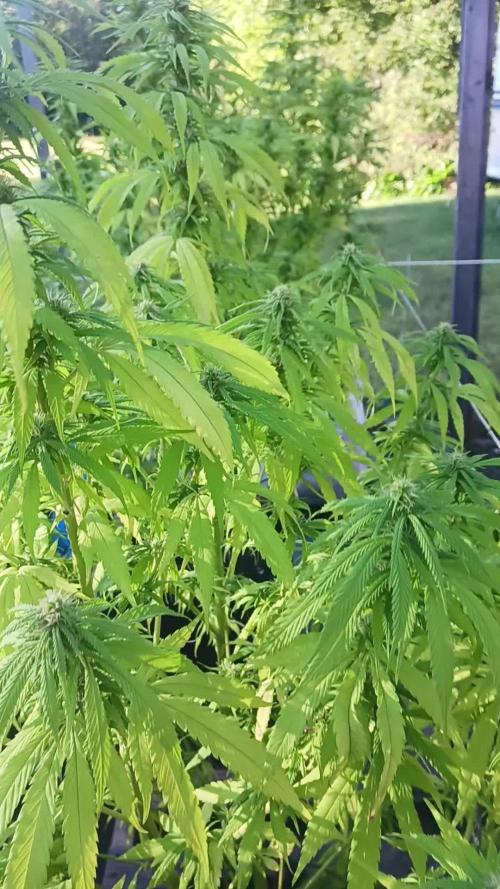
8/30 Rained yesterday and pretty much all night. Plants looked happy this morning. I'm thinking about feeding today or tomorrow. The late flowering special kush doesn't have much longer and it will be done. I'm going to need to do another treatment for the thrips. Nights are so cold that I think they aren't a major problem. No signs of septoria either. No signs of ANY molds or mildew. Even where I took the pillar out but I removed a lot. I am noticing (especially on the pink kush and the special kush in the back) the wierd "top hat" lower buds like I previously did. I don't think it's the chipmunk. It's like they eat fresh buds and leave the top there. I think it might be earwigs but I haven't seen ANY. Birds have been keeping my garden pretty clean. Almost everytime I walk down there it's like a flock of birds takes off lol. I was watching the little finches all perched on my cage. I've seen them dart in and grab a snack. It's pretty cool how it works. Symbiotic relationship. I feed the birds amd they help keep my garden pest free.
EDIT: Went to check the girls around 430. It seems like everytime I see the flowers they've swelled in size. Especially the natural mk ultra. Everything is really coming together. Pink kush is behind but it's starting. I'm getting lots of fall colors but I'm losing lots of leaves too. I wouldn't have defoliated as good as I have if I hadn't had problems. I thought the plants were done getting taller or stretching but after this rain they ALL seem taller. The buds are swelling as well. I'm on the home stretch with the early special kush. Few more weeks. Everything looked amazing tonight. I wanted to take some pictures but I left my phone. Smell is greatly increasing.
8/31 I don't get how we got NO rain the ENTIRE summer but it's rained the past few nights? Maines bipolar weather I guess. I see the same shit as prior years. Something crawls up and eats small shoots and developing buds but leaves larger ones alone. I thought it was earwigs before. I'm not sure now. I'll have to go look at night and figure out what's eating shit. It's just small secondary shoots mostly. Stuff I should've pruned but I leave on so the won't eat my fucking colas. I got some work to do but I'm getting closer.
9/1 Well we made it to September. Pink kush is finally STARTING to form little buds. After some research (and watching those fucking locusts try to fly into my cage but can't because they are to fucking big. I was lucky I found that enormous one on the stalk of the furthest special kush right where the tip cola starts. Luckily I was able to get him. Didn't have to take pics or a video or even check if they need water. It rained a little last night and the buds were a little wet. I'm planning to feed when I get back. If they need water I'll give it to them. My early special kush is getting real close. I want to harvest at peak timing but sometimes exigent circumstances screw that up. However i think I'll be able to let this girl finish properly.

Processing
Likes
2
Share


@Lil_Queazy
Follow
Start of week 2. Everything seems to be ok. The bottom left and right seem to have taken the lead. I switched the two biggest plants into the center. And raised the pots off the ground to help with airflow and temps. Plants are doing good. Two centers are taking the lead. Using RO water. Currently watering when top two inches are dry.

Likes
27
Share


@BoytzzBudzz
Follow
Howdy all!!
Thanks for checking in. Runtz is coming down in a couple days after 11 weeks flowering. Still waiting on some amber trichs, but she’s nearly there.
Looking super frosty!
Thanks for stopping by 🙌🏼


Likes
12
Share


@Lysidious
Follow
Was bummed out plant got red mites at the end but that’s fine, it didn’t not impact the grow (or at least I didn’t notice.)
Harvested at the end of the 6th week of flower. Trichomes had already started turning amber due to heat degradation (couch lock party) what trichomes that were not dust ridden or amber was milky so I’d say it’s ready.
Choosing the best time to harvest is still puzzling for me due to the fact that this is my 4th time harvesting cannabis.
Thanks for reading... more info to come ...TBC
Likes
2
Share


@Passionatos
Follow
I bring down the ph of the rockwool cubes by soaking them for a few hours in 3,5 and then flush them with ph 5,8 water with nutrients in and then let the cubes sit in ph corrected nutrients solution. I let them drain for 10 minutes After a 3,5 hours.