


Likes
Comments
Share


@OrganicNature420
Follow
Germination date 🌱 12/07/2021
Day 57 09/09/2021
Strain 🍁 Humboldt Purple Matcha (2nd time
(Sherbinski x HSO)
THC% • Unknown
💡 Mars Hydro FC4800
• Power draw 480W + 5%
• Max coverage 5 x 5
• LED 2070pcsSamsungLM30B1&Osram660nm
• Max Yield 2.5g / watt
• Noise level 0 DB
• Removable Driver +2m cable
• Daisy chain (multiple lights)
https://marshydroled.co.uk/products/mars-hydro-fc-4800-led-grow-light-samsunglm301b-commercial-greenhouse-medical-indoor-kit 🇬🇧
https://www.mars-hydro.com/buy-fc-4800-480w-4x4-energy-saving-full-spectrum-commercial-led-grow-light-mars-hydro-for-sale 🇺🇸
PROMO CODE • (ORG420) DISCOUNT 👍🏻 marshydroled.com
⛺ Mars Hydro 120 x 120 x 200cm
📤📥 AC infinity 6inch
💧 10lt dehumidifier
❄️ 3.1kw air con system
💉 Nutrients GreenBuzzLiquids
Organic Grow Liquid • 1-4ml until 2wk flower
Organic Bloom Liquid • 2-4ml flower stage
Organic More PK • 2-4ml +wk3 of flower
Organic Calmag • 1-2ml/lt whole grow
Fast Plants Spray • first 3days at night lights off
More Roots • 2-5ml veg +2wks flower
Fast Buds • 5ml +wk2 of veg until 1wk flower
Humic Acid Plus • 2-5ml whole grow
Growzyme • 2-5ml whole grow
Big Fruits • 2-5ml flower stage
Clean Fruits • 5ml flush 1wk
Ph powder
Root Gel
Living Organics
PROMO CODE • organicnature420 15% off ✌️🏼
https://greenbuzzliquids.com/
🥥 Growing Media • Coco Coir
Notes 📝
1st week of flower done. Girls looking good, temps are good and humidity is spot on but think i will struggle to get it under 40% without buying a new dehumidifier. Ac on dry mode won't stay at desired temp so running it on cool mode. I will have to get Manuel out and have a nosey to see what I'm doing wrong
Happy growing fam ❤️🌱🍁👍🏻

Likes
43
Share


@TheCannaProphet
Follow
~ FastBuds PAPAYA SHERBET Photoperiod~
Well here we go on another journey together through 'Canna-land' and this one's kinda special... forget that, it's VERY special because this is FastBuds newest surprise for the community, a FEMINIZED PHOTOPERIOD STRAIN!🤯
I was fortunate enough to score these seeds, of which only 1000 were available and can't wait to see what this strain can do! This Papaya Sherbet, according to FastBuds, is a hybrid with a 9-10 weeks flowering period. For a more detailed and accurate description of this strain the following from FastBuds says it best:
"Combining the massive stature of Papaya (Oni Selection) with the strength and resilience of one of our best keeper cuts (Sunset Sherbet), this strain develops into a big, expansive bush adorned with numerous bud sites that later transform into a generous harvest of medium-sized buds. Papaya Sherbet flowers deliver a signature flavor of premium cannabis with subtle citrus undertones that emerge upon inhaling. During growth, her aroma makes for a sweet yet pleasantly bitter fragrance, giving you an idea of what the smoke will taste like. Notably stress-resistant, Papaya Sherbet is a great choice for growers working in challenging environments. She is very forgiving and rebounds quickly from any adversity, allowing growers the freedom to experiment with confidence that she will take everything like a champion she is. This strain embodies resilience, flavor, and abundant yields in every grow cycle."
Sounds like an epic strain and I personally cannot wait for this lady to strut her stuff!😍
________________________________________________________________________________________________________________________________________________________________________________________________________________________________________________________________________________________________________________________
The Setup:
This is going to be an outdoor grow, but I have started the Papaya Sherbet photoperiod indoors as our weather is still a bit too chilly to put a newly sprouted seedling outside (nighttime temp's dipping regularly into the 40's℉).
The plan is simple... let her grow inside under a 19/5 light schedule until the nighttime temperatures are in the mid 50's℉, which shouldn't be long. After which, she'll be moved outside and transplanted into the soil which I have already setup and inoculated with beneficial microbes from BioTabs and slow release dry amendments from Gaia Green. Once she's established herself outside she'll be given periodic top dressings of Gaia Green 4-4-4 and 2-8-4 along with worm castings and Compost Tea's. Her grow area is approx. 5'x5' and I have posts and a trellis net set up already for when she gets bigger to aid in training her. Let the fun begin!🤪💚
________________________________________________________________________________________________________________________________________________________________________________________________________________________________________________________________________________________________________________________
Weekly Updates:
7/26- Week Eleven of veg is here and the FastBuds Papaya Sherbet photoperiod is getting taller by the day and is looking fantastic!
Our summer weather continues to be brutal with daytime high temperatures hitting over 90℉ everyday, and nighttime low temp's rarely going below 75℉ with super high nighttime RH in the 70-90% range.
7/28- I am continuing with my daily watering regime of 5-8g every afternoon after sunset, with the exception of days that we receive measurable rain.
7/30- The Papaya Sherbet photo is continuing her growth spurt and is at 6 1/2 feet tall now! She's got that wide node spacing reminiscent of Sativa's, and I'm just hoping that she doesn't wait too long to begin flowering which would run into our wet season when issues with fungus and mold become more of a concern.
8/1- The FastBuds Papaya Sherbet photoperiod is now 84 days since she first appeared, and she has really come a long way since. Hopefully in the next few weeks she will shift gears and begin to flower which will be a welcome sight to see!
Thank you for checking out my diary, your positive comments and support make it all worthwhile! 💚Growers Love!💚😎🙏

Processing
Likes
63
Share


@AsNoriu
Follow
Day 114. Gorilla Max is totally ready, maybe she would bulk up, but last white pistil went brown at least a week ago. Time to trim. Bud not solid, but kinda hard, bottom all airy and small, but she smells and sticky like hell, so fruity ...
Had to chop her, because got tiered of seeds everywhere, so cleaned my draws and fridge, from 45 found bag seeds started new diary, had to make space for them. Want to try out 12/12 from start and even if i would leave them under natural sun , they would stretch too much in first stage of grow and would repeat that grow patern indoors.
Scissors hash was nice, super soft, hard to roll, all stays on hands.
On this plant found two seeds, maybe some hidden in colas, but its not even close to bad that i was imagining at the beginning.
My watering damage is obvious, Gorilla Max and Bunny were best plants, now - they are smallest... Last weeks very important, till week 5 of flower and that incident they were leaders, overdrying don't work . Hope i will learn this lesson.
Day 120. Last 3 girls are down.
Gorilla Max - 88 g. Of dry bud. Think she and Bunny will be smallest of them all. Buds are airy, but very sticky and all calaxies went pink. So in spliff it looks really funky.
Needed to lolitop them higher, maybe overall look and cola structure would be better then.
Lanky Gorilla is a champ, no doubt. Think this girl should beat 4 ounces easy.
Day 126. So total of all 4 plants is 401. A bit less than was hoping, but target achieved.
Update will follow.


Likes
4
Share

@GERGrowDesigns
Follow
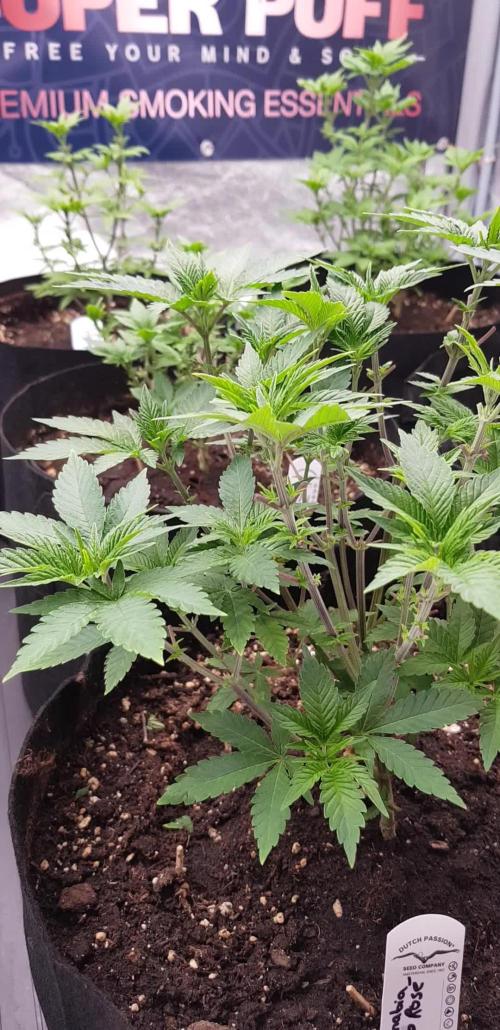
Welcome to Veg Week 5 of Kannabia Zoap Rosé
I'm excited to share my grow journey with you from my
Kannabia Seeds Project . It's going to be an incredible ride, full of learning, growing, and connecting with fellow growers from all around the world!
Check out Kannabia Seeds with my link [https://www.kannabia.com/de?ref=61966] and grab the germination device or the strains I used . Trust me – it’s worth it for sure !
Get another 20% Discount at all products using the code [GGD] at the checkout.
For this Project , I’ve chosen the Feminized Photo Strain Zoap Rosé :
Here’s what I’m working with:
• 🌱 Tent: 120x60x80
• 🧑🌾 Breeder Company: Kannabia Seeds
• 💧 Humidity Range: 60
• ⏳ Flowering Time: 56-63 Days
• Strain Info: 22%THC
• 🌡️ Temperature: 26
• 🍵 Pot Size: 20
• Nutrient Brand: Hy-Pro
• ⚡ Lights : 600W x 2
A huge thank you to Kannabia Seeds for allowing me to try my Best with this amazing collection from Photo Strains they managed to Sponsore . Big thanks for supporting the grower community worldwide! Your genetics and passion speak for themselves!
Let’s grow together – and don’t forget to stop by again to see the latest updates!
Happy growing!
Stay lifted and stay curious!
Peace & Buds!

Likes
10
Share


@oxieg3ngrows
Follow
After her 10/21 defol she has really started putting on some weight. her little golf ball sized flowers have almost doubled in size and the terps coming off her continue to increase in strength. If I even brush against her it sticks to me. The flower is insanely resinous.

Likes
Comments
Share


@Slap22
Follow
Starting to really stack up not going to be a giant harvest but those buds are dense af
Likes
2
Share


@ao_grows1978
Follow
The Afghani x Mac1 auto from DNA recovered well from the training and is in full bloom. Bud sites are looking great. Had an issue with humidity this week and the leaves started looking rough. She got a dose of Recharge this week and drinks about 8-12oz of water throughout each day. All in all she's trucking right along. Very happy with how smooth this solo cup grow is going.
Likes
1
Share

@BunnyBud
Follow
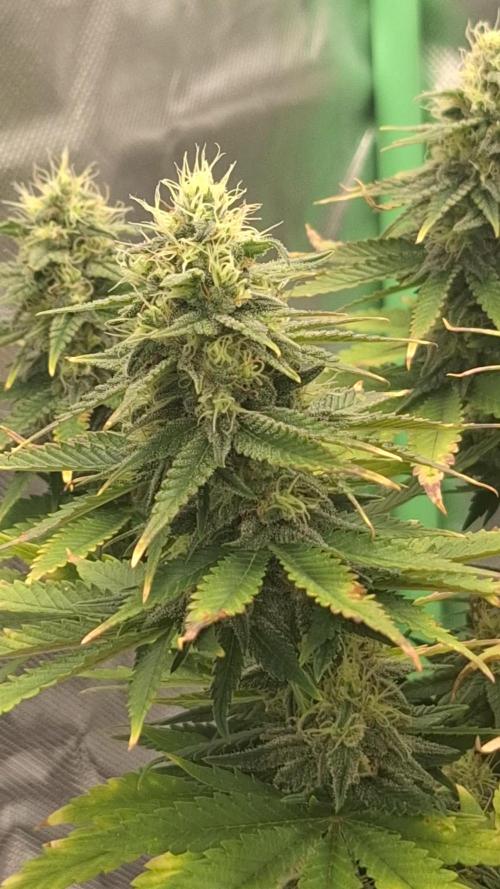
I noticed that the drainage EC exceeded 2.6. I'll have to correct that. 🙊


Likes
8
Share


@gothboiclique
Follow
Esta semana tuve dudas con el riego, como en casi toda la etapa de la planta, pero al fin, la veo super bien. Le doy 1 Litro de agua cada 3 dias, y parece que le encanta! Las ramas principales miden entre 70-80 cm, la mas grande llego a los 90 cm ! Ya no hay lugar para que siga creciendo mas alto, ya que no puedo subir mas la luz. Excepto ese asunto, todo va de 10 puntos! Ya estoy saboreando mis primeras cookies. Paz!
Likes
17
Share


@MoneyGrowup
Follow
Things are looking good, started with some lst with my hands at first now I've secured them with ties. The gelato looks like it finally want to start its growth due to whatever stress it was going through. Happy with how things are picking up

Likes
4
Share


@MarihuAchA
Follow
Última semana de alimentación. En estos días empezaré a lavar raíces para pronto cortar. Muy lindos cogollos en forma y olor.
Es la segunda vez que cultivo esta genética y estoy muy satisfecho. Vamos a ver cómo sigue amigos. Gran abrazo


Likes
31
Share


@JuicyFruit
Follow
back from holidays and the Quick one has grown so much more than doubled in size since last week! most leaves are fine but some are weird shaped and dark coloured leaves? any advice is appreciated. have fun growing!
Day 19 update, flushed the quick one as it had a nitrogen toxicity from being overfed when i was away. still growing new leaves but very droopy from all the water in the medium.
Day 20:
Posting pictures to show progress! new node appeared, leaves are still full of water and a friend said to let them recover and dry out. il leave all plants for another 3 days before feeding anything :) fingers crossed for harvest time.
Processing
Likes
32
Share


@BarrieGrower
Follow
The buds hage been building and full of tric's. A few new white hairs and most have turned amber.
Fed again this last week and added a bit of molasses. I think no more nutrients now.
I will start checking tric's and will harvest when they are mostly amber. I think this still a couple of weeks from harvest.
Thanks for looking.
Cheers

Likes
8
Share


@Mr_nugs_lover_David
Follow
Very good journey to me, she has responded very well to the lst training, providing me beautiful colas, enough for me to have nice clean organic nuggets to smoke. I would definitely would run this Ak420 by seedstockers again, the sweetest phenotype was the number #2 which you can take a look at here in my page!


Likes
32
Share

@Chubbs
Follow
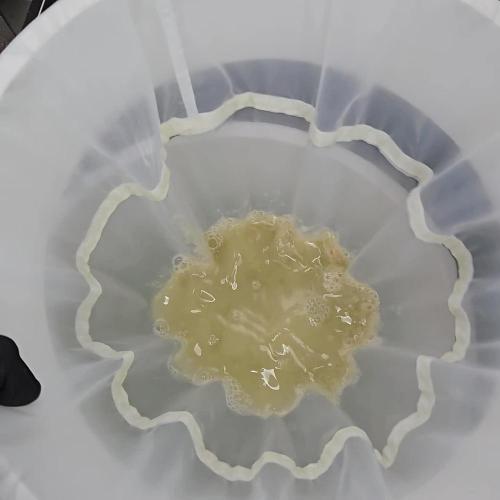
2025 Fastbuds GreenHouseGrow has come to an end. Its been an absolute roller coaster of a grow. So cool to watch them grow from sprouts to absolute giants around 8ft tall. They're a great and easy strain to grow and I could only imagine having them in bigger pots how much bigger they could get. I ended up harvesting them for fresh frozen and immediately put them into the deep freezer after trimming everything that didn't have trichs on it. Excited to do some bubble wash and make FreshFrozen Rosin/Hash. All in all highly recommended and Happy Growing.


Likes
27
Share


@LSchnabel
Follow
Installed new Vipar LED light. Watered with pH 6.2 RO water with General Hydroponics Flora Grow, CalMagic and Great White. 1/2 cup. I have a fan blowing on the babies to strengthen up the stem.
Likes
21
Share


@Chubbs
Follow
420FASTBUDS
ORT2109
All in all I would say this was an amazing and easy strain to grow. Unfortunately the worst happened with my flower tent and a few of the girls cought Powder Mold. So I ended up salvaging and harvesting what I could from a few of the plants left before completely overhauling and scrubbing the tent down from top to bottom. I decided to do a dryice sift with the flowers that I saved. I had some trim left over from a past grow so I mixed everything together and Wow am I happy I did. Probably the sweetest smelling kief I've extracted. I'm glad I have more of these seeds so I will not only recommend this strain but definitely be growing it again. I'll keep my fingers crossed that the improvements I've made with the tent I'll have better results as that's what growings all about. Learning with every grow from your mistakes and trying not to let it get your discouraged cause from my experience the more issue's you come across and learn to resolve the better grower you will be.
Happy Growing