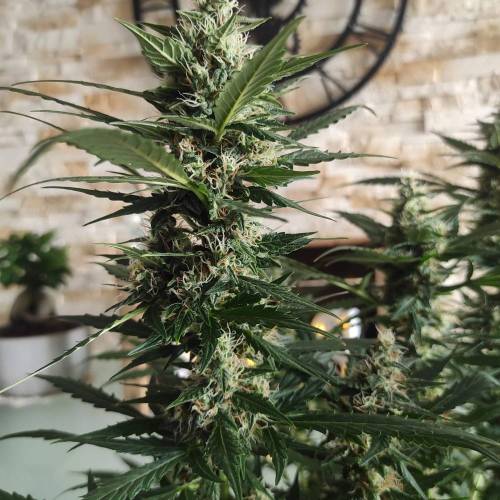
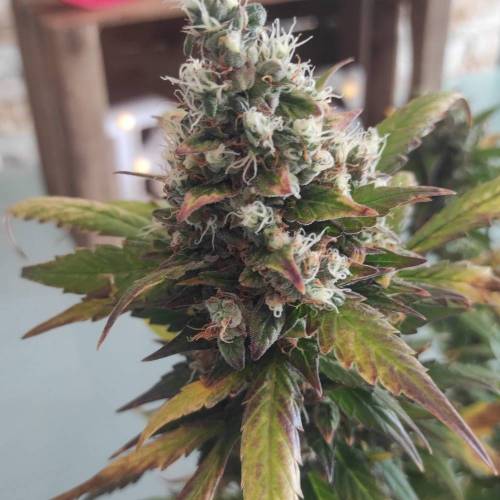
Master_weeda Hello to all the padawans and Jedi masters
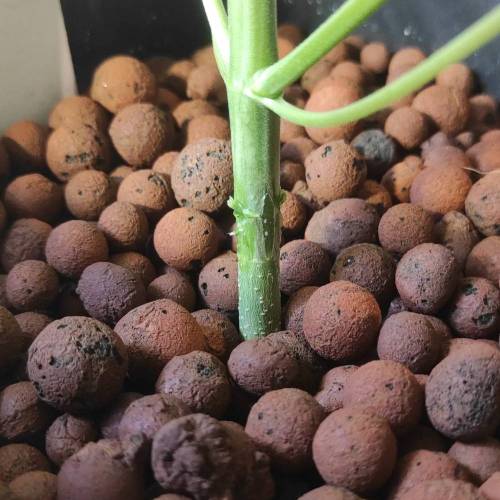
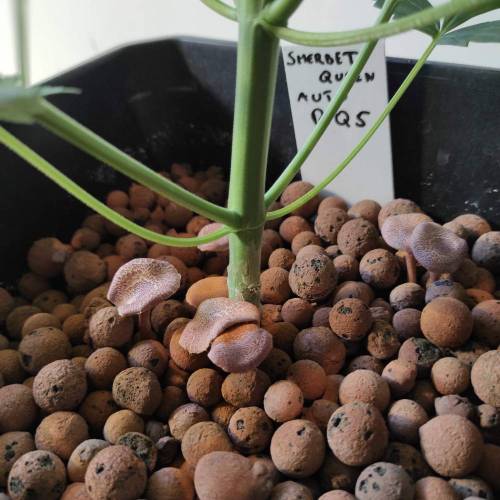
Just watering with 2 liters of pH 6.3 water to which I add 2 milliliters of rootbooster cellmax as well as 2 milliliters of PowerZyme by Hesi nutrients
9 likes
comments
Share
3
Week 3. Vegetation
5y ago
1/7
12 cm
Height
18 hrs
Light Schedule
30 °C
Day Air Temp
6.3
pH
No Smell
Smell
70 %
Air Humidity
26 °C
Night Air Temp
11 liters
Pot Size
90 cm
Lamp Distance
Nutrients 3
PowerZyme
2 mll
RootBooster
1 mll
Bio 8-2-2
2 mll
Master_weeda Hello to all the padawans and Jedi masters
Day 15 added clay pebbles up to 4 centimeters and watered with 2 liters of water pH 6.3 to which I added 2 milliliters of rootbooster cellmax as well as 2 milliliters of 8-2-2 cellmax and 2 milliliters of PowerZyme by Hesi nutrients
12 likes
13 comments
Share
4
Week 4. Vegetation
5y ago
1/9
29 cm
Height
18 hrs
Light Schedule
27 °C
Day Air Temp
6.3
pH
No Smell
Smell
70 %
Air Humidity
23 °C
Night Air Temp
11 liters
Pot Size
90 cm
Lamp Distance
Nutrients 2
RootBooster
2 mll
Bio 8-2-2
2 mll
Master_weeda Hello to all the padawans and Jedi masters
Nice plant to grow, vigorous and resilient
I don't practice any special technique except for removing the first node and I pinch its apex when new nodes appear, and I water every time the pot feels light with 2 liters of water at pH 6.3 to which I add 2 milliliters of rootbooster cellmax as well as 2 milliliters of 8-2-2 bio cellmax
May the force be with you 💪❤️
12 likes
comments
Share
5
Week 5. Flowering
5y ago
1/14
57 cm
Height
18 hrs
Light Schedule
27 °C
Day Air Temp
6.3
pH
No Smell
Smell
70 %
Air Humidity
22 °C
Night Air Temp
11 liters
Pot Size
90 cm
Lamp Distance
Nutrients 2
Bio 8-2-2
1 mll
Organic Bloom
2 mll
Master_weeda Hello to all the padawans and Jedi masters!
As much as I’m generous with compliments for the rootbooster cellmax, what can I say about the PowerZyme by Hesi nutrients!
Exceptional, a real boost for the plant, but to help you understand what I’m talking about, let me explain...
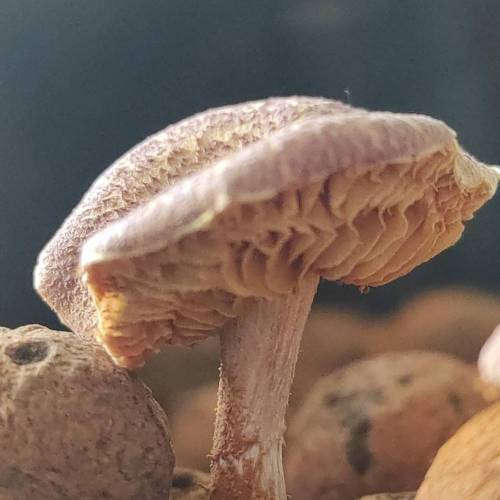
How mycorrhizal fungi help your cannabis plants thrive
When fungi and the roots of the plant work together, they form mycorrhizae. This increases water and nutrient absorption for the plants, protects them from diseases, and creates an optimal growing environment for your cannabis plants.
Fungi are a fascinating form of life, fundamental to all life on Earth. Interestingly for many people: fungi are a completely independent kingdom of life, separate from that of plants and animals. But they are genetically closer to animals than to plants. Fungi play a vital role in the ecosystem by decomposing dead organisms and biological by-products, which releases nutrients from these sources that can be used elsewhere in the cycle of life. Fungi form a symbiotic partnership with certain plants and algae and are actually responsible for the survival of many species. Fungi grow on thread-like structures called hyphae, which, due to their massive surface area, allows for maximum nutrient absorption.
Mycorrhizae are a symbiotic alliance made up of a fungus and the roots of a plant. This mutualistic association is present in nature and plays a fundamental role in soil life. By forming this relationship, the fungi and plants in question receive impressive benefits from each other, especially important when trying to maximize the quality and quantity of cannabis yields.
Fungi receive constant access to the sweet bounty of carbohydrates such as glucose and sucrose that are synthesized in the plant's leaves, transported through the root system, and into the fungal partner. In exchange, the plant benefits from the superior capabilities of the fungus to absorb water and nutrients from the soil where they are present. This is due to the much larger surface area of the hyphae, which are much thinner than plant roots, making them more efficient at extracting minerals.
The present fungi can also facilitate the task by making key building blocks like phosphorus and nitrogen accessible to the plant, which are crucial for optimal health, yield, and quality of the plant.
The formation of mycorrhizae goes beyond nutrient absorption. This phenomenon can also protect your plants against many threats faced by many growers. Mycorrhizal plants show increased resistance to pathogenic microbial diseases present in the soil. They are also better equipped to cope with drought and manage salt stress. They are also more resistant to certain soil toxicities, such as high concentrations of metals.
Cultivating This Special Relationship
Growers have several methods at their disposal to introduce these beneficial fungi into the soil. First, they can choose to attract mycorrhizal species present in the immediate environment of their plants. These species exist in most soils, and growers can easily attract those nearby and develop them by feeding them the right nutrients.
Mycorrhizal fungi appreciate organic matter like compost and other microorganisms, but they also feast on sugary substances. After all, sugars derived from photosynthesis are the main reason for their connection with plants.
To attract beneficial fungi nearby, simply add carbohydrate sources to the soil, such as fruit juice or maple syrup. Combine 10 ml of sugar with 4 liters of water and soak your beds and pots.
Alternatively, head to the nearest forest and capture a fungal colony by hand. Take a bit of soil from a wood far from any pollution and chemical contamination and place it in a bucket. Back home, inoculate your growing medium with this good soil rich in microbes.
Master_weeda Hello to all the padawans and Jedi masters!
On day 59, I'm doing a good defoliation and watering with 2 liters of pH 6.3 water to which I add 2 milliliters of organic bloom cellmax as well as half a drop of supervit Hesi.
I repeat the operation every time the pot feels light.
Have a great day, everyone!
Master_weeda Hello to all the padawans and Jedi masters!
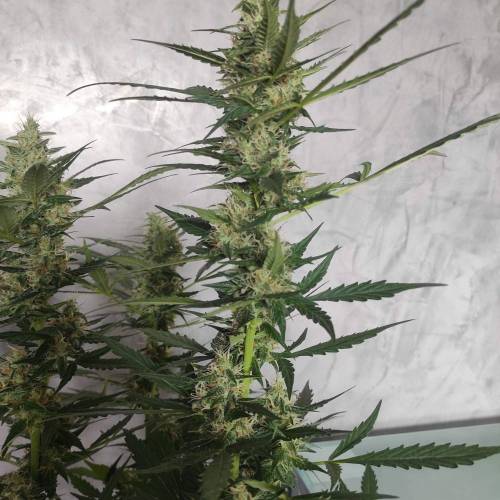
Senescence started on day 72, I was surprised and immediately inspected its trichomes, which were nicely milky with 5% amber. So, I started the flushing on day 73 and I will proceed with the harvest on day 80.
I want to mention my surprise that its pistils were still very white!