Likes
Comments
Share


@420DeepGrow
Follow
Gracias al equipo de Anesia Seeds y al de MarshHydro, sin ellos no sería posible esta hazaña.
💐 🍁 Purple Boost Highness es una variedad híbrida sativa dominante (70% Sativa / 30% Indica) resultante del cruce de Dankberry y Star Pebbles, dos variedades extremadamente potentes y versátiles. En un proceso de selección de varias etapas, seleccionamos plantas que tienen un valor de THCV particularmente alto y al mismo tiempo un alto contenido de THC. Terminamos desarrollando una cepa que tenía todos los rasgos que queríamos: un nivel de THCV particularmente alto combinado con un sólido nivel de THC y una abundante producción de sabrosos cogollos.
Purple Boost Highness alcanza un nivel medio de THCV extremadamente alto del 5-12% y un nivel medio de THC del 28%. Esto la convierte en una cepa potente y especial que ofrece a los usuarios medicinales y recreativos muchos beneficios y un subidón excitante y versátil. El subidón tiene un componente calmante a la vez que energizante de principio a fin y lleno de claridad cerebral, motivación y concentración.
El subidón comienza en la cabeza con una elevada sensación de felicidad que te envuelve por completo, transportándote a un estado de pura serenidad mental y ligereza trae. Te libera de pensamientos negativos y deja que tu mente vuele cada vez más alto. Te llenarás de dicha y desarrollarás una creatividad desenfrenada. Tu cuerpo está relajado y ligero. A medida que aumenta el subidón te vuelves extremadamente sociable y hablador hasta que los efectos cerebrales se vuelven demasiado fuertes y te pierdes en tu propia mente. Purple Boost Highness es un gran expansor sensorial: los colores, los sonidos y la música adquieren una profundidad y versatilidad totalmente nuevas.
Los cogollos tienen un intenso aroma dulce y afrutado a bayas y uvas con un toque de limón. Los cogollos son extremadamente densos, grandes y cubiertos de una gruesa capa de tricomas cristalinos de color blanco dorado.
🌻 🚀 Consigue aquí tus semillas:
https://anesiaseeds.com/es/product/purple-boost-highness/
💡 Mars Hydro TS 3000, como la lámpara de cultivo LED más grande de la serie TS, ofrece suficiente cobertura para un área de 4 × 4 pies con un precio asequible y rendimientos de calidad; a cambio, se puede aplicar tanto al cultivo doméstico como al cultivo comercial.
Potencia - 450w
Cobertura Vegetal – 5×5 pies
Cobertura de flores - 4 × 4 pies
La opción abrumadora para la mayoría de los productores que la aplican en tiendas de campaña.
Consigue aqui tu lámpara:
https://marshydro.eu/products/mars-hydro-ts-3000-led-grow-light/
📆 Semana 8:
Finalizando la etapa de engorde, esto va que vuela 😍, la resina esta cada vez mas presente ❄️ , los cogollos empiezan a madurar
Esta semana seguirá el TS-3000 de MarshHydro al 100% y 30cm de distancia.
Se estan desarrollando mejor que nunca, con una floracion mucho mas rapida, noto una gran mejoria gracias al Marshydro TS-3000.
Continuo con defoliaciones
Aplico una solución con nutrientes EC 1500 y otra con agua del grifo reposada y PH 6.6

Likes
24
Share


@Daweed83
Follow
Yooo 🖖🏽 Ladies are going well, buds are growing nicely and now that im in the middle of it im expecting them to get even fatter. I dont see any problem but please if you see any let me know :)
In my plan they have 4 weeks still with full nutes and a good week of flush. Same open to opinion on that ! Thank you 🖖🏽🖖🏽

Likes
16
Share


@Nookandplant42o
Follow
"it is going lightly, I have applied a spray of cal-mag leaf, it really is not possible to compare time with soil so, avoiding high watering so as not to leave the soil moist for a long time to wait for nature to do its part, fed with water this week , this soil contains organic mixtures and has a time of use maybe in the future I can think of introducing some more legal organics of strong nutritional weight ....


Likes
20
Share

@HinduGod
Follow
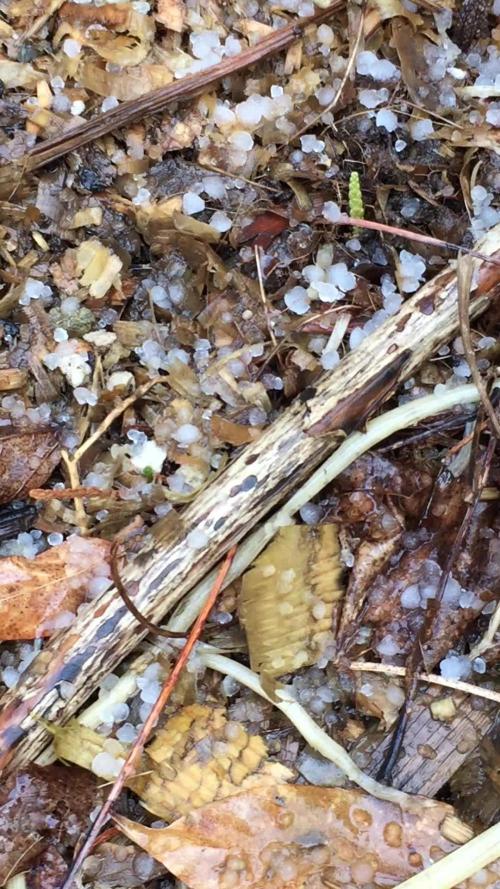
WOW LOOK AT DAT!!! DIS HAS BEEN A VERY VERY FCKED UP WEEK!!! DA WINDGOD AND DA HAILGOD PUNISHED DIS POOR GIRL!!! WINDGOD BLEW DA PLANT OVER!!! HAILGOD BEAT DOWN ON HER!!! JUST IN DA LAST 2 WEEKS FROST,WIND AND HAIL!!!! SHE IS VERY VERY TOUGH!!!! EVEN AFTER ALL DAT DA HINDUGOD DID A MAJOR DEFOLIATION AND ADDED SOME BUD CLIPS TO DAT PLANT!!!!! WHAT A TEST ON DIS CULTIVAR!!!! OUTDOORS IN DA LATE WINTER/EARLY SPRING BRING IT ON!!!!!
Likes
3
Share


@KcKush
Follow
*Increase PPM from 850 to 1000 over did it oh well.
*Transplanted from 1 gallon to 5.
* Might wait a week to let them recover to put them in flower.
Likes
12
Share


@FreakShow
Follow
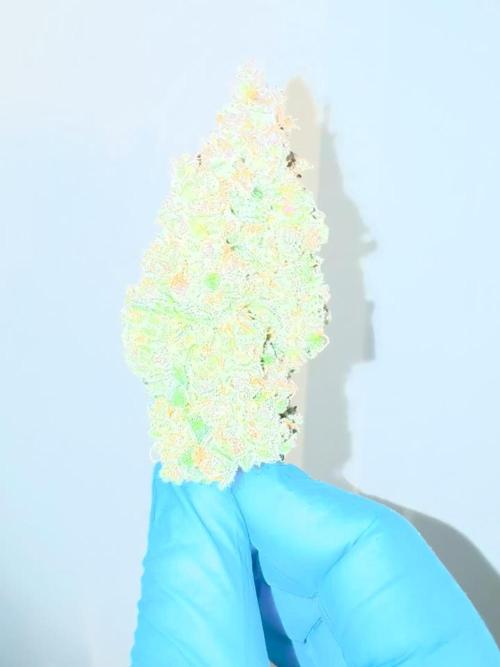
Thex "Sensi Seeds" for this grate genetics.
She's growing so fast and have really nice structure 😍😍

Likes
73
Share


@Herbz_Unkraut
Follow
1 plant was very ripe, 1 plant was almost perfect to harvest and the 3rd could take another 1-2 weeks...but it was end of 10th week of flower and i had to go on vacation, so i perhaps choped 1 plant abit too early....still awesome result!


Likes
2
Share

@Guerrilla_grower777
Follow
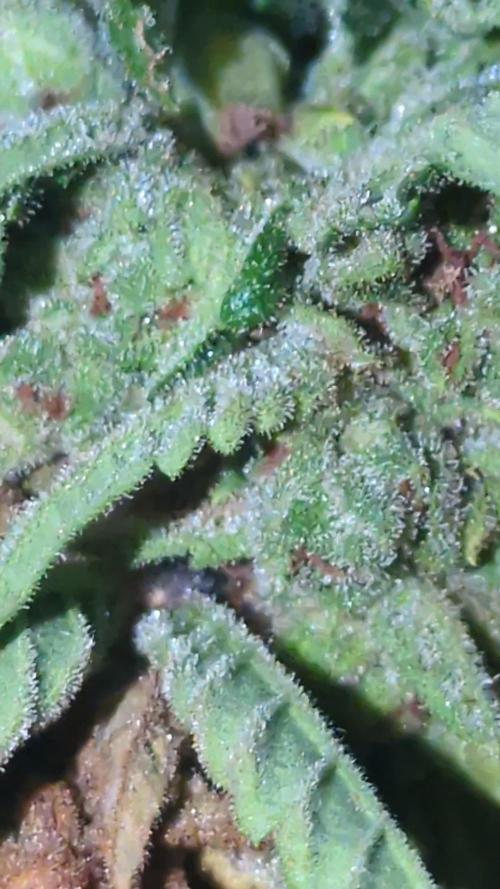
Strange hot week in the very end of Summer
I had to write something here to post this😄😄

Likes
15
Share

@masterofsmeagol
Follow
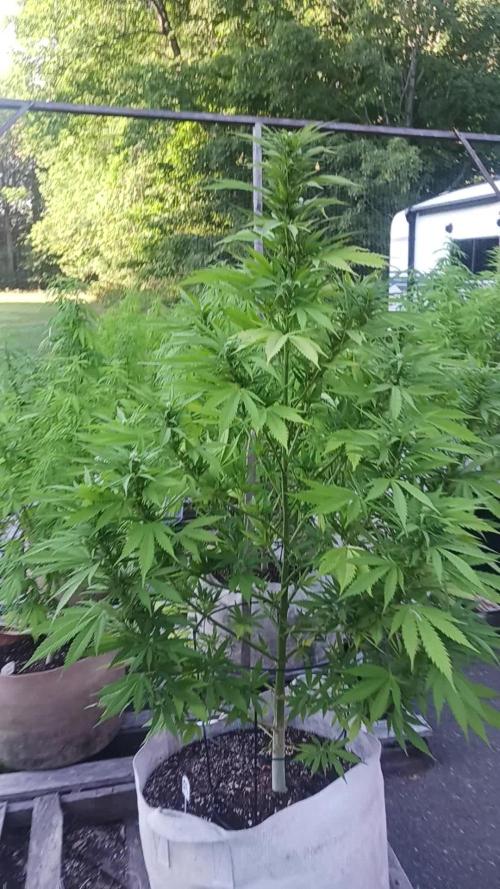
8/3 Went over to treat the 10th planet that needed water with plant doctor around 10:30. I was in the garden at 6 but didn't have much time. That plant seems to be curled up or "droopy". It DID need water. I defoliated a few sep leaves off it but I didn't see any today. I guess I don't ever really see the leaves "up" or praying like I do with the rest of tge plants. It's starting to flower like the rest though. Today is the day everything is supposed to get its second or third plant doctor dose but I decided to wait until they need the water. I don't think 24hrs will mean much. I've been staying on top of defoliation but I'm seeing some pillar damage. I'd like to spray bt but what my buddy said about spraying with septoria is still in my head. Maybe I can use citric acid. That way it won't "wash away" spores it will just eat them. At least I think. And I hope lol. Birds get most of the pillars but I hand pick some too. I need to pick up nutes. Wondering if I should just get grow big again. I don't use much but plants are switching to flower and leaves are fading. I have big bloom and kool bloom bit neither have nitrogen. I still need some sort of nitrogen. Especially since that could be a deficiency. Not sure if it's the transition or a condition with the sep. I see some interior small leaves bleeding out and some dying. I'm wondering if what I thought was earwig damage years prior was really a combo of sep and they just ate the evidence. I'm super grateful though. I've got some resilient girls and they're doing well. The special kush in flower is gorgeous as well. Looks like I'll have an early plant. Short flowering time on this strain. Smells pungent.
8/4 Treated everything in the garden with plant doctor except the 10th planet I got yesterday. I need to take a closer look at that plant. It rarely looks "happy" like my others. I'll check it again later. 3tsp per gallon and 1gal a plant. The 10s got a half gallon. This seems to be working great. I have some defoliation to do on the tenth planet I was talking about earlier. Everything is in some form of flower. The flowers on that early special kush are getting bigger. I'll update this later.
UPDATE: WENT BACK OVER AT NOON TO TAKE A LOOK AT THAT OTHER 10TH PLANET TO SEE IF IT PICKED UP AT ALL. IT DID. IM GLAD I CAME OVER TO CHECK THOUGH. MAKES ME FEEL BETTER. THE OTHER 10TH PLANET LOOKS HORRIBLE O. FILM FROM ONE ANGLE LOL BUT ITS REALLY A GREAT LOOKING PLANT AND IM USUALLY FILMING AT LIKE 6AM. JIST WANTED TO STICK UP FORCMY GIRL AND HER BAD HAIR DAY. ITS BEEN HIT AND A FEW OF HER LEAVES ARE TACOED. SHE GOT HER FIRST "PREVENTATIVE" DOSE OF PLANT DOCTOR WHICH WAS HALF A TSP/GALLON. IT REALLY SEEMS TO BE DOING SUBSTANTIALLY BETTER. EVERYTHING IS. IM HAVING TO LOOK HARDER AND AM HAVING TROUBLE FINDING LEAVES EFFECTED BY SEPTORIA. KNOCK ON WOOD. IM EXCITED. THIS IS GOING BETTER THAN I THOUGHT. IM STILL GOING TO BE MONITERING LIKE I USUALLY DO.
8/5 Watered the 10th planet I dodnt get yesterday. Looked and didn't see any sep leaves. Phone was dead so I vouldnt do a video. Went back over at like 130pm and did a quick video and checked out the girls. Everything is looking good and transitioning well. I WANT to use a diy Dr. Zymes with citric acid as I've noticed a few pillars. Only reason I've hesitated is because my buddy said not to spray it. But if what I spray it with "eats" it I would think it's ok. But what do I know. Birds get a great deal of them. I watch them on the camera sit on the cage and wait for one to stick it's head up before snatching it up. Still need to get either more grow big or a bloom product with nitrogen. I was able to defoliate that other 10th planet of anything suspect. It's hard work but it's worth it in the end.
8/6 It's like 81 at 4pm. I didn't have time to video this morning but i went back over. WATERED EVERYTHING THIS BUT THE 50 AND THE 10TH PLANET I GOT YESTERDAY. Temps are supposed to pick up soon and it will be in the 90's again. We've had like NO rain. I searched for leaves that had signs of sep to defoliate. I may find one or two but for the most part things are doing great. Overall I'm happy.
8/7 Bought a new bottle of grow big. Wanted to switch to the roots organic teas but I cant do that invthe middle of an already complicated grow. I'll switch nutes next season. I'm noticing some pillar damage. Not much amd I've been hand picking them. I've found a few in curled up leaves. I watered the 10th planet in the front corner that didn't get it yesterday. I hope the watering yesterday will hold them until the morning. I'm still thinking about doing an application of diy Dr. Zymes to clear up any random pests. I'll ask a question and see what other growers on here have to say.


Likes
22
Share


@bypado_farm
Follow
16 days of slow drying each plant with the environment controlled inside the tent with 2 meters.
I have two fans on, pointing at the floor to circulate the air
temps - 20 - 23 º
humid - 50- 60 %
Likes
92
Share


@DogDoctorOfficial
Follow
🌱 Week 2 Report: The Journey Evolves 🌱
Grow Fam, the adventure is in full swing! 🌟 The Gorilla Melon from Fast Buds is out and shining its light, and the Papaya Zoap has made its debut in the Cannakan, bringing with it a story that adds even more depth to this incredible run.
When the universe speaks, we listen. 🍈✨ I didn’t plan on popping Papaya Zoap from Sweet Seeds just yet, but sometimes things just have a way of aligning. After a few other seeds didn’t germinate, I felt an inner pull toward this special strain. As it turns out, the universe had something beautiful in mind! Just days later, my brother @daggadna also began germinating the same genetics—gifted to us during Spannabis. Was it a coincidence? I don’t think so. 🌱 This is more than just a grow now—it’s a journey with purpose, guided by synchronicity and connection. I can already feel the magic building up with this one, and I can’t wait to see where this road takes us!
Now, onto the Papaya Zoap… something tells me this plant is going to take us on a ride we didn’t expect but absolutely needed. 💚 Let’s make something incredible, Brother Dagga—this one’s going to be legendary.
Gear Updates: All Systems Go 🚀
This week, everything’s dialed in perfectly with the TrolMaster system. Shout out to the incredible DSH-2U Humidity Station! 🌬️ This tool is giving me precision control over the RH (relative humidity) ranges in the room, keeping the environment just right for my babies. Having that accurate readout and control allows me to maintain optimal levels for each stage of growth. It’s like magic—you plug it in, set the desired ranges, and let it do its thing! 🌡️
By monitoring and adjusting humidity levels on-the-fly through the TrolMaster app, I can ensure the environment remains stable, and that means happier plants and healthier growth! No more guessing games. From anywhere—whether I’m working in the garden or chilling out—I can track and tweak it all. Heck, I could be on the toilet and still have complete control over my room! 😂
The AMP-3 Precision Meter has been running 24/7 in my water solution, giving me real-time updates so I can make any corrections when needed, right from my phone. This tech has taken my grow to another level. ✨
Nutrition Update: Keeping It Balanced 🍃
As for feeding, we’re sticking with the basics to give the plants what they need, without overloading. Right now, I’m running:
• Regulator: 0.15ml/l
• Startbooster: 0.25ml/l
For now, I feel like this is the sweet spot—just enough to encourage root development and early growth without overloading them. I’ll be adjusting the feed as we go deeper into the grow, keeping an eye on how they respond. You know me, always tweaking and improving along the way!
Shoutouts & Gratitude 🙌💚
Huge love to everyone following along—whether you’re here on Grow Diaries, over on YouTube, or on IG. Your support keeps this journey alive, and I am so grateful for every comment, like, and message! Special shoutout to my sponsors for fueling this project:
• Nutrition: @aptusholland @aptus_world @aptus_es @aptusbrasil @aptus_thailand @aptus_portugal @aptususa_official @aptusplanttechnz @aptusplanttechaus
• Controls: @trolmaster.eu @trolmaster.eu.support @trolmaster.support @trolmaster.agro
• Soil: @promix_growers_eur @promix_cannabis @promixmitch
More to come soon, and you won’t want to miss it! 📺 I’m also documenting everything on my YouTube channel, and I’ll be sharing behind-the-scenes content on IG, so hit that subscribe button and follow along. Let’s grow together, fam!
Growers Love to All 💚
The love and support from the grow community is something I never take for granted. This journey wouldn’t be the same without all of you! I’m so honored to be part of this amazing community, and I can’t wait to share more updates and insights along the way. Remember, this isn’t just about growing plants—it’s about growing together. 🌱
Until next time, stay positive, stay inspired, and keep pushing forward!
This week’s shoutout is dedicated to the synchronicity of life, my growing community, and of course, Papaya Zoap and Gorilla Melon. Let’s see what magic we can create together!
#HighFrequency #PositiveVibesOnly #PapayaZoap #GorillaMelon #TrolMaster #InBalanceWithNature #GrowLife #AptusTruePlantScience #GrowersLove


Likes
6
Share


@valiotoro
Follow
Super easy trim✂️
The buds are super dense & sticky🤩
For the smell it’s cherry & blackcurrant with a gassy touch the Cherry Cola Diesel ⛽️🍒
Likes
44
Share


@RakonGrow
Follow
Note :
+ jegliches Zubehör wird in der GermniationsWoche aufgelistet . Zeitraffer Videos folgen immer nachträglich.
+ videos werden so geschnitten das nur ein geschlossenes Zelt erscheint , ergo Fehlen paar reale Minuten (ca 1 Std) .
Day 57:
+ 2.0 Liter Flaschenwasser
+ + Dünger für Blühte
+ + + Canna Terrar Flores (Achtung wirkt wie PH-)
+ + + Canna Boost
+ + + Cannazym
+ + + Canna PH+
+ + PH 5.91
Da es heute heiss ist , wird wie Gestern laufen . Bis 19:00 Uhr wird das Licht reduziert und dann DLI nachgeholt.
Day 58:
Da es immer noch heiss ist , wird wie Gestern laufen . Bis 19:00 Uhr wird das Licht reduziert und dann DLI nachgeholt.
Day 59:
+ 2.0 Liter Flaschenwasser
+ + Dünger für Blühte
+ + + Canna Terrar Flores (Achtung wirkt wie PH-)
+ + + Canna Boost
+ + + Cannazym
+ + + Canna Rhizotonic
+ + + Canna PH+
+ + PH 5.91
16h jetzt mit 1000 PPFD und jeweils 1 Stunde Sonnenaufgang und Sonnenuntergang.
Day 60:
Mal ein bissel Größenvergleiche gemacht .Das Clipper Feuerzeug ist 7.5 cm hoch .
Day 61:
+ 1.75 Liter Flaschenwasser
+ + Dünger für Blühte
+ + + Canna Terrar Flores (Achtung wirkt wie PH-)
+ + + Canna Boost
+ + + Cannazym
+ + + Canna Rhizotonic
+ + + Canna PH+
+ + PH 6.01
Day 62:
Das Wetter bleibt stabil, damit bleiben die Growwerte auch stabil. Bisher Läuft das 1000 PPFD Spitze und 750 PPFD Sekundätriebe ganz gut . Ihre Freundin die leider ein Wasserschaden erlitten hat (tja da war wohl irgendwas im Wasser was ein Regenbogenfilm erzeugt hat , im schlimmsten Fall Waschmittel) nimmt der einen Seite zwar licht, aber geht halt nicht anderes bei nur einer Lichtquelle . Ich fahr halt gleich ein doppel Experiement mit dem Licht. Bisher aber holt sie ganz gut nach mit 900-1000 PPFD auf die ziemlich gleich hohe Krone .
Day 63:
+ 1.75 Liter Flaschenwasser
+ + Dünger für Blühte
+ + + Canna Terrar Flores (Achtung wirkt wie PH-)
+ + + Canna Boost
+ + + Cannazym
+ + + Canna Rhizotonic
+ + + Greenhouse Feeding BioEnhancer
+ + + Canna PH+
+ + PH 6.01
Likes
17
Share


@Naujas
Follow
it's amazing, this growth looks much better than my first attempt, my decision was to put a smaller pot and change the light - the girl really liked it, FastBuds goriilla cookies with a small space manage perfectly:).
Likes
23
Share


@caliEskimo5
Follow
I'm done with autoflower cultivar! That and trying to grow outdoor specimens indoors, no bueno. In this micro-grow area of mine will be from now on, limited to two plants and I will be much more selective of what plants to grow out!
I've had a few autos turn out but with this grow getting so out-of-control, autos being photos, etc. It would just be easier for me as an individual limit the type of growing I'm doing to just breeding; one male, one female but with this bagseed male...we will see what the offspring are like at a later time but for now I'm trying to force this male to flower.
Alot of growth from the purple haze auto, so much so it has crowded out both Lemon Haze autos and I can't even see one but can smell it!! Once I get to 12/12, growth should be completely focused on buds but for now I'm allowing all plants time to transition @14 hrs and EOD Emerson effect treatments.
More soon.
Also, something is off with my camera's contrast, everything in my room from my perspective is very green, light/lime yes but it appears yellow in my photos. I suppose I could go a bit higher in soluble N, an and Iron when I feed but as of today, Blood meal is making it's way to the top of my favorite amendments...quick!
I've gone a tad bit more rich with feedings on the N side for the Purple Haze auto as it is not auto and kind of let the Lemon Autos finish, hopefully my 2 in 1 lemon isn't soaking up all the N in its last couple weeks...smoke might be zingy/zesty! Anyways, I've basically let the two lemon autos go and have focused on Purple Haze.
Can't wait until flower!

Likes
6
Share

@Naujas
Follow
That's how I know the crop was harvested too early:( ..... but only because someone started visiting my place of cultivation and took my two girls, and left two, so that he wouldn't come back a second time and take them, I decided to cut her down earlier:( that's it such news awaited me when I returned from vacation, but overall the girl looked very beautiful, although she got a lot of stress when the snails ate her, but she endured it and recovered very well:) I will dry the bigger flowers and make bubble hash from the rest, good luck to everyone be careful in nature :).

Likes
4
Share


@AutoCrazy
Follow
This sweet seeds lady smells really good at this point. Some of the bigger fan leaves are starting to fade a bit so she must be starting to ripen up.
I am finding the bud structure is not overly dense. It’s very foxtailish. But we will see if she fattens up as she swells up in her final weeks.
😎🍿🍻🌱
Processing
Likes
93
Share


@MadeInGermany
Follow
Welcome to the Zamnesia Spring Cup 🏆
Hi everyone 🤗.
This week she gave an extreme boost after topping :-), so I defenetively do it again completely top 😍.
Last week it was a bit dark from the Monster Bud Mix 😅, but this week it turned back into posetive, the new shoots all have a perfect leaf green 👍.
I think I will give her another 3-4 weeks of vegi phase that it will be a real bush 😍.
I wish you all a nice week, stay healthy 🙏🏻, and let it grow 🌱
The Strain Runtz is available at
www.Zamnesia.com
☝️🏼☝️🏼☝️🏼☝️🏼☝️🏼☝️🏼☝️🏼☝️🏼☝️🏼☝️🏼☝️🏼☝️🏼
Zamnesia Spring Cup 🏆🏆🏆
Type:
Runtz
☝️🏼
Genetics:
Zkittlez x Gelato
👍
Vega lamp: 2 x Todogrow Led
Quantum Board 100 W
💡
Bloom Lamp : 2 x Todogrow Led
Cxb 3590 COB 3500 K 205 W
💡💡☝️🏼
Soil : Canna Bio
☝️🏼
Nutrients : Monster Bud Mix
☝️🏼🌱
Water: Osmosis water mixed with normal water (24 hours stale that the chlorine evaporates) to 0.2 EC. Add Cal / Mag to 0.4 Ec Ph with Organic Ph - to 6.0 - 6.3
💦💧

Likes
4
Share