


Likes
Comments
Share


@1Prinz
Follow
The week started with spider mites. I saw them on the frosted guava and decided to take all of my plants outside to separate them a little even if the temperatures dropped under 10 degrees Celsius. Also I found a cockchafer in the room which had obviously time to spread his eggs.
After I did this, the amount of spider mites reduced.
I ordered some predatory mites and nematodes which I will use as soon as the will arrive.
11.06 I watered the plants with 150+150+150 ml pure water. It’s the last bottled water. From here the plants will get only tap water.
14.06 released the nematodes with around 1-1,2L for each plant.
15.06 released the predatory mites on a wet kitchen paper towel
16.06 LST Frosted Guava

Processing
Likes
2
Share


@Masterkeif
Follow
It's week 4, not doing anything different, I feed every other day and every third feeding is tea. I lst the back 2 rabbit shit girls because they are growing uncontrollable, they are by far the biggest plants I've ever had at 4 weeks, can't beat that rabbit shit. The other girls are growing good too, should be able to start lst this week with them.

Likes
2
Share


@Maddadog
Follow
From this week we started to give some extra nutrients to the plant. I used half of the quantity suggested from the fertilizer in order to reduce the overfert risks. She is growing day by day. I used to give water one time each 2 or 3 days during the night hours.

Likes
4
Share

@Chucky324
Follow
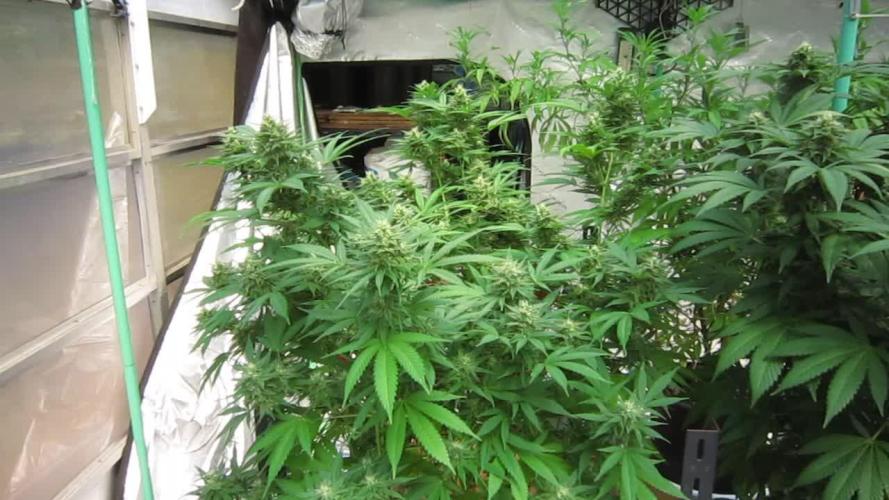
Hello. This is the end of week 6 and the beginning of week 7 of flowering.
The plant is growing well. I've spotted 2 small leaves with some white powdery mildew on them.
Took them off and throw them away. I have some heavy water that works well... I'll use it on the WPM.
I'll add another fan through the night to stir up the air more so the spores don't settle on the leaves, and drop the dehumidifier to 50%.
I've got the WPM on the squash plants in the garden just 20 feet away.
It's in the air here this time of year, just waiting for the right environment to start.
I see it on the leaves of the bushes and trees on our forest hikes.
So, I guess I'm saying that I might cut this plant down early if it gets to bad.
OK. Be Great.
Chuck.
Likes
24
Share


@Newbiegrower420
Follow
Update: Day 1 of week 11 - Thursday 29th October
I am soooooo fucking pissed! I don’t know whether watering the girls from the bottom has made the girls more thirsty or just that they are generally more thirsty due to needing more Nutes during flower but one of the ladies has wilted quite terribly. The other girls seem ok, slightly more thirsty and the leaves slightly droop a little more than usual at feeding time but one girl has defo been through the thirst wars.. She’s bounced back after a good water but the buds looks shrivelled and feeling very sorry for them selves. I’m not sure she will be as good a smoke now if she makes it at all..
Other than that moved the LED up slightly more to keep a good distance between the light and the girls.. I really haven’t got anymore space now so fingers crossed this all works!
Super vex this has happened in the final weeks.
UPDATE: Day 2 of week 11 - Friday 30th Oct
The wilted lady has made a great recovery but the buds still seem a little dishevelled. But considering what’s happened to her I’m happy so far.. Let’s see how she goes🤞🏼
UPDATE: Day 3 of week 11 - Saturday 31st Oct
All looking good and buds seem to be fattening up a little now ❤️
Nutes in as normal and happy the wilted lady has made a good recovery..
UPDATE: Day 5 of week 11 - Monday 2nd Nov
Nutes in and all looking good.. They don’t seem to be stretching much now and I’m hoping that means the buds will fatten up nicely from here on in..
UPDATE: Day 7 of week 11 - Wednesday 4th Nov
Nutes in and another week done.. Come on ladies it’s time to fatten up for me please 🤞🏼🙏🏼
Happy Halloween everyone 🎃 👻

Likes
7
Share


@MicroHidroGrow
Follow
Día 29. Tuve que atar las plantas porque seguían estirando, y estaban demasiado cerca de la luz. También subí la luz 25cm. que es lo único que me quedaba. Volví a agregar bud blood, ya que leí que suma mucho en la resina. Subí bastante la EC de la solución esperando ver hasta donde aguantan, ya que están comiendo mucho y rápido, al punto que tuve que subir la capacidad del depósito a 16 litros. Seguiré actualizando, pero veo que están tardando más de lo esperado, ya que de ser 6, debería estar mas avanzado. Voy a seguir esperando a ver que pasa.
Día 32. Las plantas están empezando a engordar. Por el momento se ven muy llenas de flores y brotes que van creciendo sin parar. Empiezo a pensar que van a ser demasiado tupidas, por lo que voy a necesitar manejar muy bien la humedad. Al momento creo que deben faltar 3 o 4 semanas, lo que me pone en duda si la variedad es la que puse. Probablemente me dé cuenta más al final, ya que hay una pequeña posibilidad de que se me hayan mezclado las variedades, y estas sean sweet tai. Espero que no, ya que esas últimas toman entre 10 y 11 semanas. Voy a esperar al final de la semana, que ya seguramente voy a poder hacer un estimado mejor sobre cuanto falta. Me interesa mucho, ya que no quiero adelantar el uso de overdrive, porque no sé si puede haber efectos negativos. Por el momento veo que hasta las hojas grandes estan pegajosas. Esto va a ser interesante.

Likes
7
Share


@Cultivatorcarlos
Follow
everything in the second week of flower went well. she really stretched and the buds quickly started getting fat. also every watering i would notice a very strong odor of weed.
december 22nd 2021: gaver her last half of gallon used in last feeding. also nothing was tested. ph tested at 6.6 last feeding and it usually comes out a little higher after a few days.
january 1st 2022 i noticed the first trichomes.

Likes
1
Share

@Northern_Ent
Follow
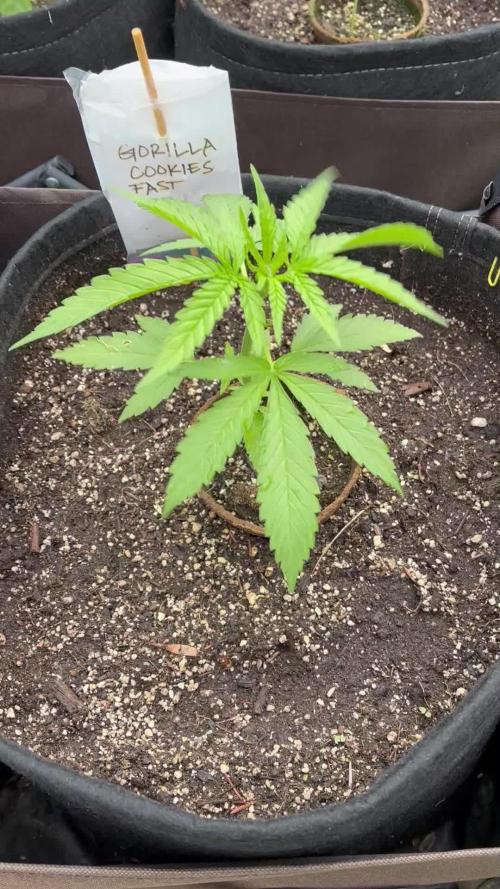
June 6 Day 36: last week was cool and rainy but growth will pickup here soon with warmer temperatures and direct sunlight. Will top it tomorrow to start the manifold. This will be a 16 cola manifold.
June 8 Day 37: plant had five nodes and I topped it back to third node and then removed lower growth tips and small leaves. This is the first of four rounds of topping needed to get 16 colas.


Likes
34
Share


@F4m0u5
Follow
Harvest some of wifi last week. Its now in jars and looks amazing! Cant wait for the smell when cured!! Got 80 grams already!( started 70% humidity in jars and go for 62% over 3 weeks)
Just finished cuting down some of the cookies right before uploading this, those are some super heavy dense nugs.
*Update*95 grams dry weight so far
Purple punch finally has a few blotchs of purple and will be coming down tomorow night just ran out of time today, that plant is just toppling all over and cant hold evrything up!


Likes
5
Share


@Mr_nugs_lover_David
Follow
This amnesia pro has peformed amazing, both phenos #1 and #2 have produced beautiful hard dense colas, full of citric lemony terps, ideal to use for daytime, very nice cerebral buzz. Hope you guys have enjoyed my work! Peace 💚💛❤️👨🌾

Likes
11
Share


@TerpyTears
Follow
Hi, nice to have you here😊✌️
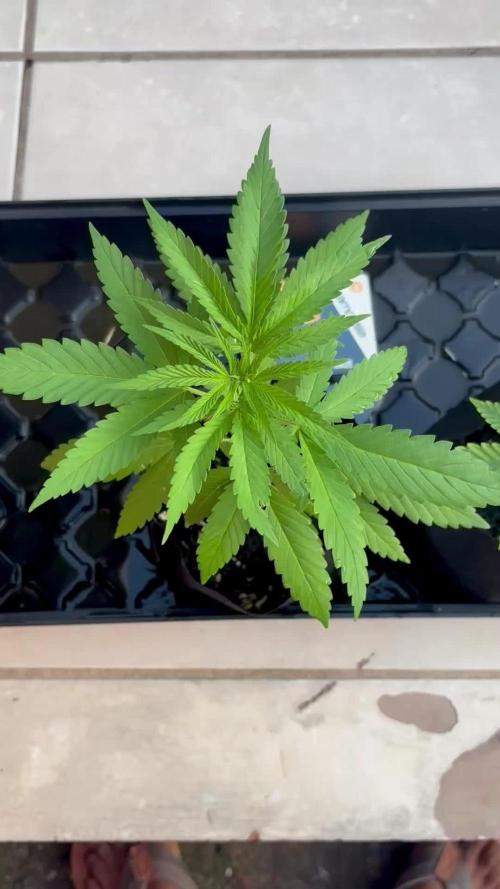
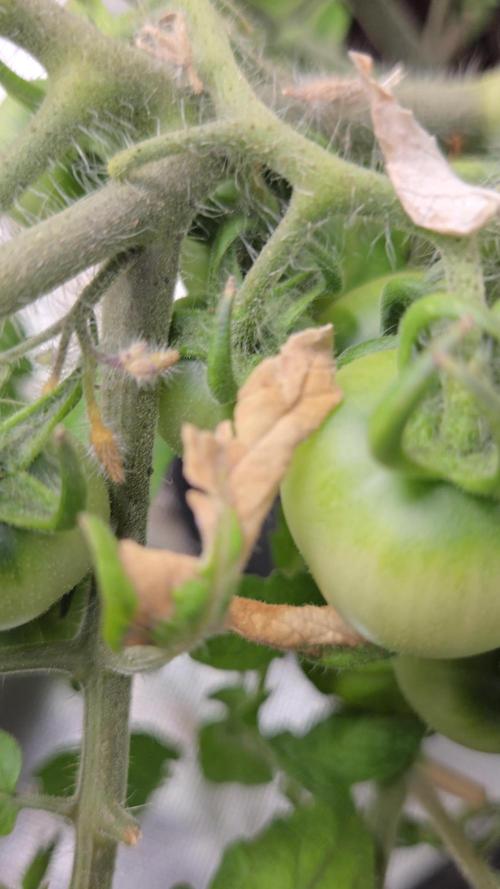
The FatMonkeyAuto is doing well 👍
Unfortunately, it has grown really tall.
Which unfortunately leads to slight chlorosis on the upper leaves! Hope she can handle it without drying out at the top 🙈
We'll see 😅✌️
Thanks for your time 😊👍💚




Processing
Likes
149
Share


@CBD_Sweden
Follow
Hi all the happy people here in GrowDiaries.
This is my second cultivation ever and it will be fun to try a bigger space than my closet grow.
First, I'm just going to say I'm done with the construction of my new growroom.
I put some pictures on the construction here in week one.
The room is 2.14 meters by 1.7 meters and has a ceiling height of 2 meters.
It provides a floor area of 3.6 square meters.
I use a 54 Watt Lightwawe T5 for germination and 2 Pcs 400 Watt HPS lamps.
I have a channel fan that replaces the room air about 40 times an hour to get a comfortable theme in the room, the air enters a fresh air intake from the outside.
The air is purified through a carbon filter to then leave the room to the rest of the basement.
Then I use that heat to heat the rest of the basement.
I will use 8 pcs 15 liter Autopots to grow with and a 100 liter water tank that supplies the pots of water and nutrition.
I will grow completely organically in soil and will watercure my buds to get the best possible medicine for me.
But there are no cultivation rooms to be displayed here, so I continue with what is most important.
I am very excited to see how the new growroom will work and how this Blue cheese Auto from Royal queen seeds will turn out.
Blue Cheese automatic cannabis seeds are a cross of Blueberry Automatic and Cheese Automatic that has been perfected over five years of breeding and careful selection. The result is a feminized, autoflowering strain with superior yield, flavor, and effects to either of its distinguished parent strains.
THC: 16%
CBD: Low
Yield Indoor : 325 - 375 gr/m2
Yield Outdoor: 60 - 110 gr/plant
Height Indoor: 40 - 70 cm
Height Outdoor: 60 - 110 cm
Flowering: 7 - 8 weeks
Harvest month: 9-10 weeks after planting
Genetic Background: Blueberry x Cheese x Ruderalis
Type: Sa 35% In 40% Ru 25%
Effect: Cerebral and uplifting
Climate: Mild
-----------------------------------------------------------------------
2017-09-18. Week 5 starts and the girls are doing fine. Girl Nr 1 is 37 cm high, Nr 2 is 88 cm and Nr 3 is 23 cm. Did a lot of defoliation.
---------------------------------------------------------------------------------------------------------------------------------------------------------
2017-09-19. 2 new fans is installed in the grow room. Added pic and video.
---------------------------------------------------------------------------------------
2017-09-20. Kl 10.00. New pics and video. Girl Nr 1 is 39 cm high, Nr2 is 99 and Nr 3 is 21 cm.
Kl 23.00. Did some massive defoliation, added video and pics
------------------------------------------------------------------------------------------------
2017-09-22. The girls have recovered well after my massive defoliation. Girl number 1 is now 40 cm high, number 2 is 105 cm and number 3 is 25 cm. It is strange that 3 plants from the same strain, with the same care and environment, can distinguish so much in appearance and size. It separates 80 cm in numbers 2 and 3. In 4 days Nr1 has grown 3 cm, Nr 2 has grown 17 cm and Nr 3 has grown 4 cm. They have received 7 liters of water and nutrition today.

Likes
90
Share


@1Right_Angle
Follow
July 30,
- Last week of Veg from the look of the plant, its heading into flower
- plant has had its 1st meal w/ Veg nutes reduced, 2nd meal w/ Bloom nutes introduced.
- Next meal posted above.
31st,
- branch-bending and some fresh compost on the plant base. (= tv dinner for a couple weeks)
Aug 1
- started the day with some LST and the top of this plant is now pretty darn wide and level. Yesterdays bending was well timed. After only 2 LST sessions on the Canopy, its a different more receptive plant heading into Flower
- last transition meal fed; 3 gallons. Next meal, its bloom nutes from here on out
Aug 2nd
- when gentle-bending becomes kinky… the plant looked great after the LST.
This morning I saw a great opportunity and it involved More aggressive tactics and saw some more aggressive kinking & super-cropping.
- plant had a nice “South-facing” slope.
Aug 3
- woke up to a beautiful plant, with a legitimate level canopy. Bring on the Blossoms, Jack is down to 38” again
Got rid of the last Sucker in the grow. No touch now lol, what you see is what you get
Aug 4
- next meal posted above…
- clipped the lower suckers on ea Cola branch to help keep the business on the end
Likes
8
Share


Likes
45
Share


@masterofsmeagol
Follow
I Messed Up A DAY Here. So one of the days is dated wrong. I tried to correct it the best that I could.
7/24 I decided to label this week as flower. It's more like preflower though. GMOs are stretching like crazy. Due to the rain we weren't supposed to get some of my plants are a little over watered. That's why I love the fabric pots. With the winds we get the bags dry out fast. The GMO's would've needed water anyway if we didn't get this storm. Event Horizon seems to be the furthest in flower amd the most over watered. WE'LL get a LITTLE more rain today and tomorrow but then hopfully my bags will dry out. They are heavy as hell right now. Had we not got rain for what seems like forever. Several plants would've needed to be watered if we didn't get this rain. Still the plants are currently overwatered. All the pics and video so far are from this morning after the horrible pounding rain of yesterday. Like I said before, I need to; defoliate for better air flow, add secondary supports or a vertical trellis, considering using a preventative pest application (e.g. BT), LST and spread branches apart and start using nutes.
7/25 Wasn't supposed to rain today. Like .001. It poured this morning and is still raining VERY LIGHTLY at 2:30. We got an inch yesterday. The total for these 3 days was suppised to be under half an inch. Anyway I went over around two and everything looks great! Things are clearly overwatered and heavy but the plants look happy! Most have their leaves out and everything! I love growing in bags because they dry out so quickly! I don't mind watering more. I defoliated one event horizon and the few yellow leaves I coukd see on other plants after shaking them off. The seedling in the 50 is far behind the others in flower and just showed its sex. I'm fairly certain that one is red runtz. Whatever it is is going to flower much later than the rest. It's going to be good if I have couple early finishers. I did a video but I'll have to upload tomorrow. I have a lot of work to do And not just in the garden so I'm hoping I can balance things out and get this stuff done. Caught three TINY inch worms. I'm wondering if me manually hunting has cut the adult population down and I'm just getting fresh born ones? If that's the case I wouldn't need to spray.
7/26 Plants looked pretty great today. I think me manually removing pillars has made a big difference. It's windy out too so it won't take long for those bags to dry out. Which is good because what wad supposed to be a half inch of rain turned into 3 straight days of rain. I'll be back over to work on the garden today and I'll update then.
7/27 Plants are looking pretty good. Good weather ahead and the bags are starting to lose weight. Found a pillar wrapped in a dead interior leaf all wrapped up. Found a couple more early this morning amd killed them. I did some slight leafing on some plants. I don't like doing that outdoors but since these are monster cropped they have far to many leaves. Airflow is improved. I'm not seeing any nutrient deficiencies yet. Plants are a vibrant healthy dark green. Soon I'll add a base nute like big bloom or ancient amber (I think that's the one, it's applicable to big bloom). I cam see some plants trying to start flowering and I've got one (in the 50) that has just shown sex. Hopfully this will give me some time between harvests. I'll update as I go along.
DAD CALLED IN THE AFTERNOON AND SAID HE THOUGHT A PLANT MIGHT BE STARTING TO DROOP. IT WAS MY GMO CANARY THAT GETS HIT ON ALMOST THREE FULL SIDES BY WIND (ONLY ONE PLANT). I CHECKED THE WEIGHT AND IT WAS LIGHT. IT WAS DROOPING TOO. I WATERED THAT ONE PLANT WITH A GALLON AND WATCHED IT PERK BACK UP. I CHECKED THE WEIGHT ON THE OTHER PLANTS AND LIKE I THOUGHT THEY WERE STILL HEAVY. I PUT MY FINGER IN THE SOIL AND IT CAME AWWY COVERED IN DIRT. MY SEEDLING IN THE 10 WAS KINDA LIGHT SO I GAVE THAT HALF A GALLON. I USED THE OTHER HALF AS "A CUP OF KINDNESS" ON THE PLANTS THAT SEEMED LIGHTEST TO CARRY THEM OVER. I PROBABLY SHOULDVE WAITED BUT I DOUBT IT MATTERS. ILL CHECK IN THE MORNING. I ASSUME ILL HAVE TO WATER THEN OR AT NIGHT. ILL GO BY THE WEIGHT. THE CANARY WILL NEED TO BE ON A SEPERATE SCHEDULE. THATS FOR SURE. Went back over at 6:30 and plants looked better than they have in a long time bags still have some weight. With the sunny weather we are going to have these plants will keep exploding in growth. Found one pillar but I wasn't there long. Seriously considering a spray of BT in the near future.
EDIT: UNFORTUNATELY MY SPIDEY SENSE STARTING TINGLING AROUND NOON. MY ANXIETY WONT LET ME IGNORE IT (IM NOW EMBRACING IT) AND I HAD TO CUT OFF A CONVERSATION WITH MY WIFE TO GO TO THE GARDEN. I IMMEDIATELY SAW THAT ONE OF MY GMOS WAS STARTING TO DROOP. NOT LIKE BEFORE BUT IF I HAD BRUSHED IT OFF AND LEFT IT FOR FOUR MORE HOURS IN THE 90° SUN IT WOULD'VE BEEN. I GAVE THE GMO'S (BESIDES THE ONE I GOT YESTERDAY EACH A GALLON. I DIDNT WANT TO WATER DURING THE DAY BUT THIS WAS MY BEST OPTION. I GAVE THE TOASTED TOFFY A GALLON AND THE 2 EVENT HORIZONS EACH GOT HALF A GALLON, AS WELL AS THE SHERB PIE WHICH GOT HALF A GALLON. I DECIDED TO DO THIS BECAUSE SOME PLANTS USE MORE WATER THAN OTHERS. BEFORE ACTUALLY GOING OVER I CONSULTED MY PREVIOS DIARIES. I HAD THIS SANE PROBLEM LAST YEAR ON THE SAME WEEK OF THE MONTH! THATS WHAT MADE ME TRUST MY INTUITION FULLY. I LEARNED FROM THE MISTAKE OF LAST YEAR. THINGS ARE GOING GOOD. IM STARTING NUTES SOON AND I NEED TO SPEAY FOR BT BUT DONT KNOW IF IT WILL BE TONIGHT.
7/29 Apparently my intuition worked out well. Plants looked great this morning. I may feed today. I defoliated a bit and watered the 10g with a half gallon and gave another half gallon to the gmo on the end that dries out fastest and that I didn't water yesterday. I think I've got the watering down. Now I need to start nutes and spray bt. Need to wait for the rain first though. Suppised to get minor showers the next couple days. I'm gonna try to get the trellis up too.
WENT BACK A LITTPE AFTER FOUR. HUMiDITY WAS 100% AND IT WAS RAINING VERY LIGHTLY. I MEAN AS LITTLE AS IT CAN POSSIBLY RAIN. ALMOST LIKE WHAT IT FEELS LIKE WITH THOSE MISTING FANS IF YOU STAND BACK A WAYS. I DIDN'T WATER. PLANTS WERE LOOKING GREAT! I DID SOME DEFOLIATION AND CAN TELL I NEED TO START NUTES. I CAN SEE SOME SLIGHT DEFICIENCIES IN BIG OLDER LEAVES. SOME SMALL INTERIOR LEAVES YELLOWED. NOT MANY. GRANTED THEY ARE STARTING TO FLOWER. I'LL PLAN ON FEEDING TOMORROW. THE NEXT FEW DAYS IS SUPPISED TO BE SHOWERS. I DOUBT IT WILL GIVE MY BIG GIRLS ALL THEY NEED BUT IT WILL BE A GOOD START. I DID A VIDEO BUT ITS RATHER LONG SO I CANT UPLOAD IT HERE. ITS COOL WATCHING HOW DIFFERENT THE DIFFERENT STRAINS GROW. STILL HAVE A BUNCH OF SHIT TO DO. IT WILL GET DONE THIS WEEK.
7/30 I held off watering today due to a supposed storm and rain we were supposed to be getting. I had early doctors appointments. I got back around 11 and the bags seemed light. After consulting last years diary I saw that I am underwatering. The root system weighs a lot! We haven't got the hundredths of an inch of rain but we got some sun. It's over cast now. I was there working for a few hours. I watered most a gallon. All the gmo's got a gallon. I gave the two event horizons about two thirds a gallon. About the same with the toasted toffy and the sherb pie. About 3/4 of a gallon as they seemed to have a little weight left. Looking at last years diary there were plants I was giving two gallons at a time in a 20 gal bag so I've been u Der watering a bit. I've caught it now and adjusted. I'm not losing leaves at the pace I have in the past. Even though some are in flower. I think I'm getting better. I fed for the first time today. Each plant got 1.75 pints. Except the 10gallon which got half the powerade bottle and the 5gal which got a qtr. By the time I left the plants were standing up nice and tall and looking amazing. Now I just need to apply bt and secondary supports.
7/31 Another eight day week. I'll have to do six days next week. Everything looked amazing this morning. I'm seeing less pest damage. Watering and feeding was the right move. Now I just have a little rearranging to do, add supports and spray if I decide to.


