


Cold climate cannabis strains are for growers dealing with shorter seasons, cool nights, early rain, and the pressure to finish before autumn turns rough. No cannabis strain truly likes frost, but some genetics are better suited to northern gardens, mountain regions, cooler summers, or places where the harvest window can close fast. These strains usually need to be resilient, practical, and ready to finish before cold, humidity, or bad weather starts damaging the crop. We see cold climate strains as genetics that give growers a better chance when the season is not generous. Fast flowering, strong structure, mold resistance, and the ability to handle temperature swings can all matter just as much as THC or yield. Grow reports show how these strains perform in real gardens, including flowering time, harvest window, plant health, weather resistance, aroma, effects, and final flower quality. Compare cold climate strains here to find genetics that fit your region, your season, and the kind of harvest you want to bring home clean.


















































































Cold Climate Cannabis Strains


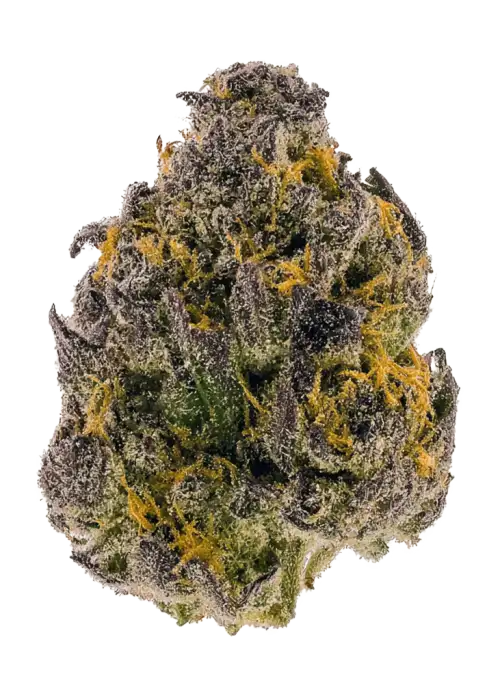
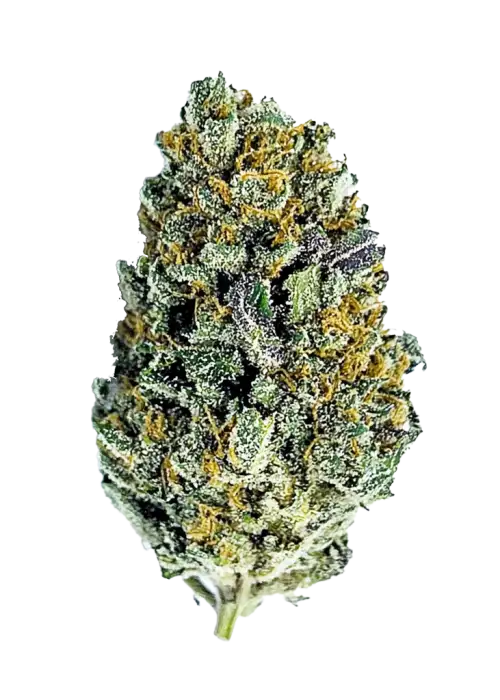

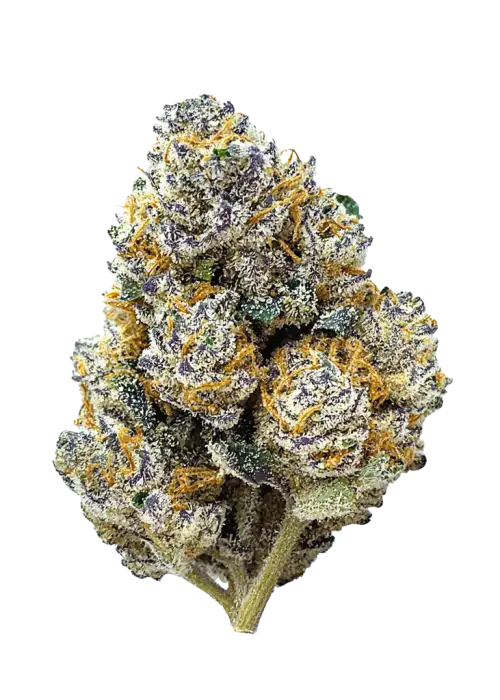

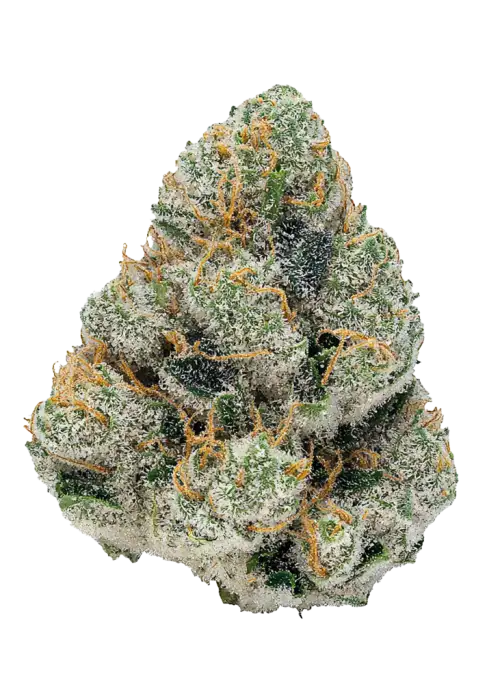

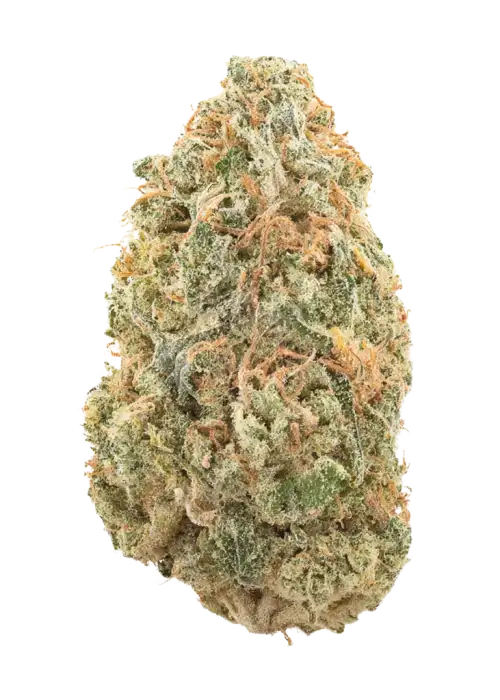

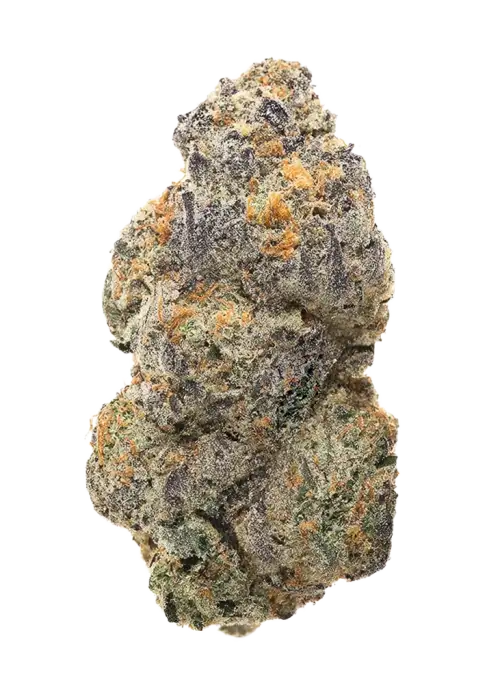
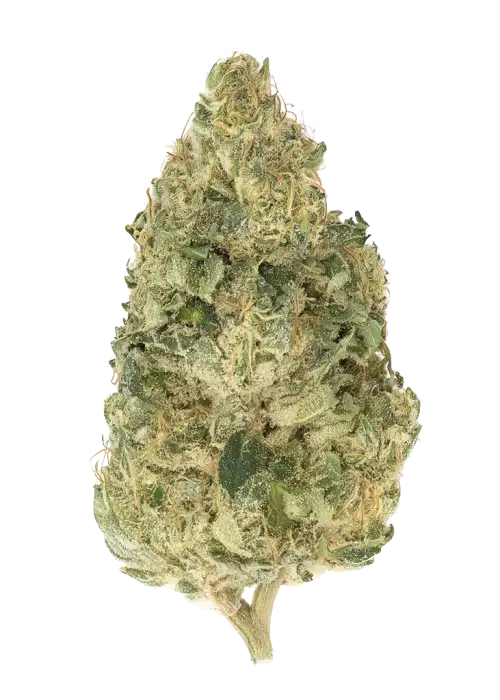


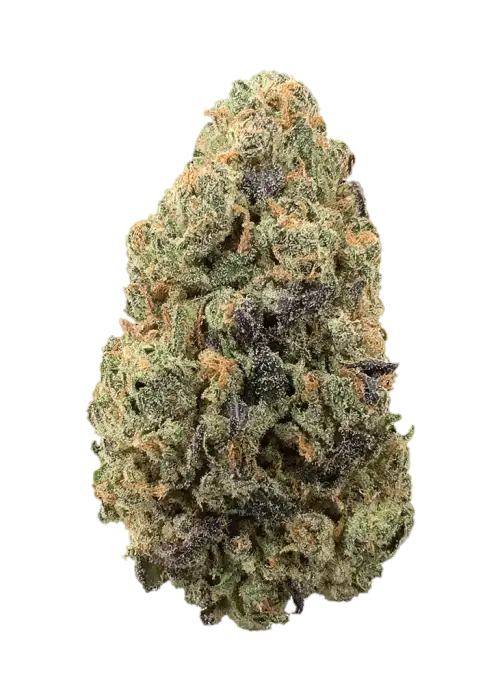
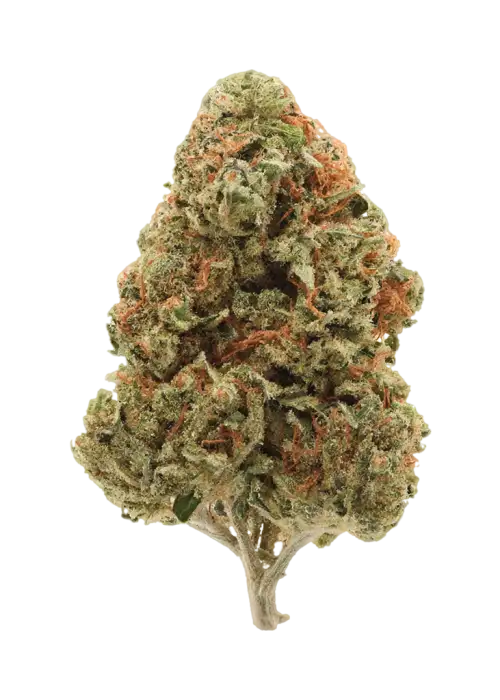

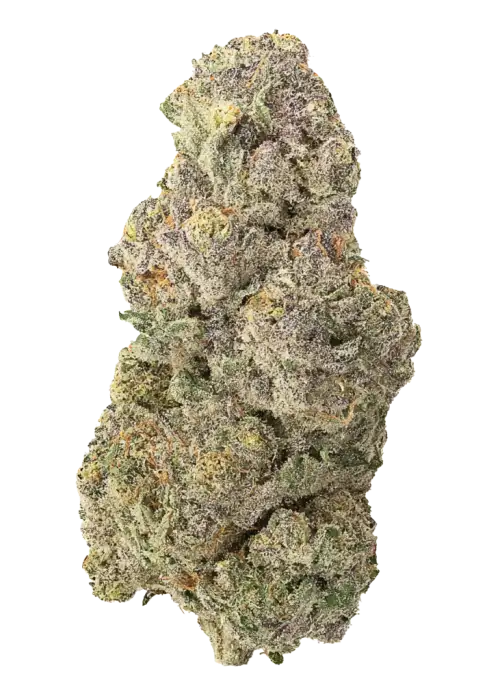
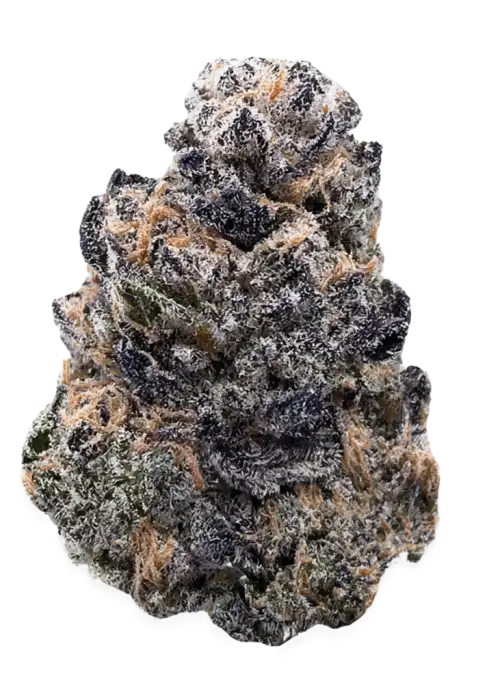
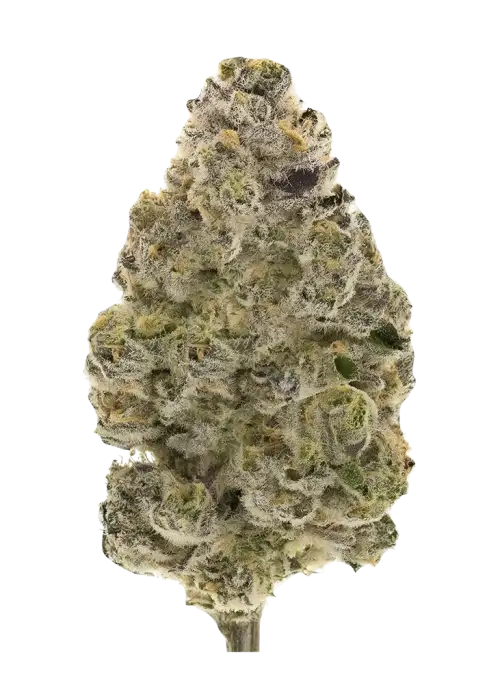
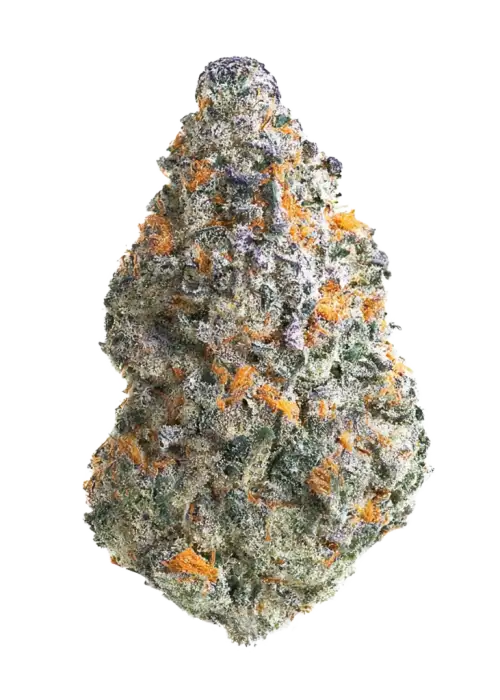


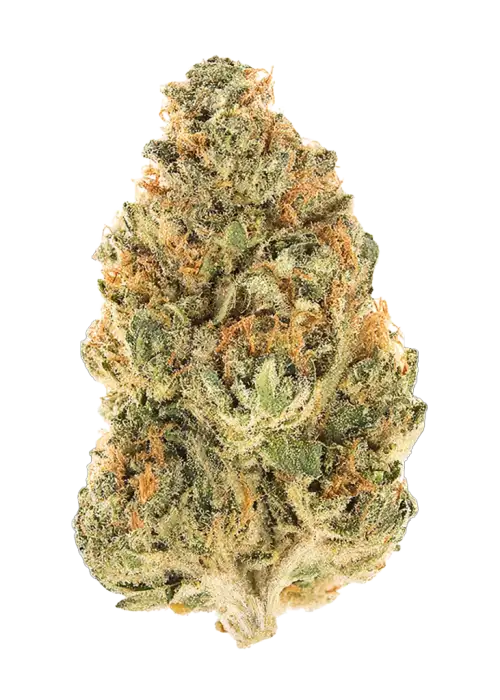
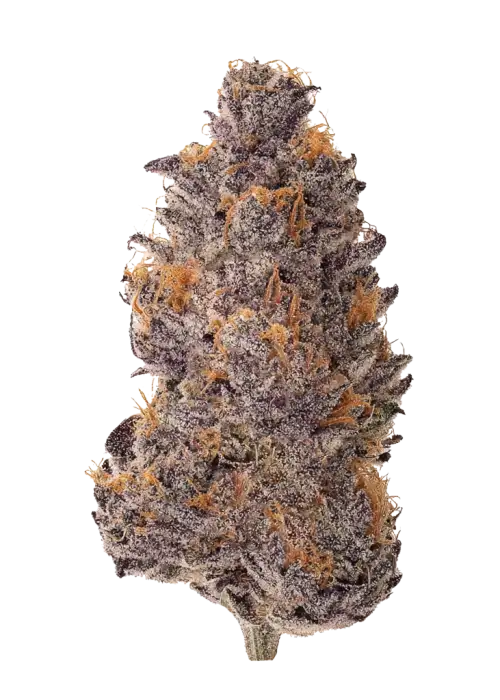
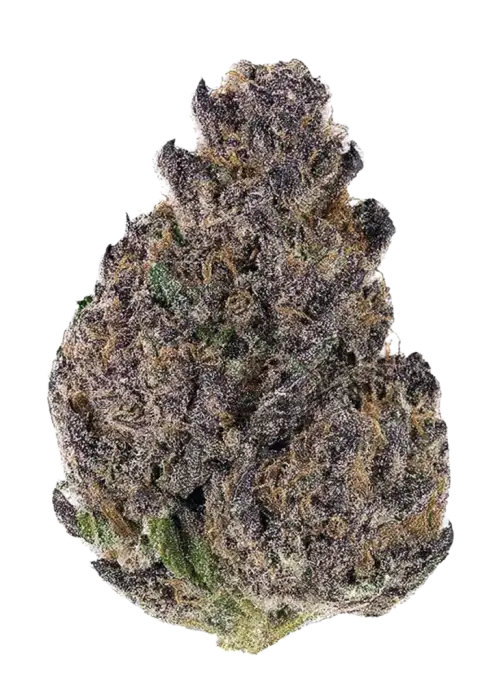
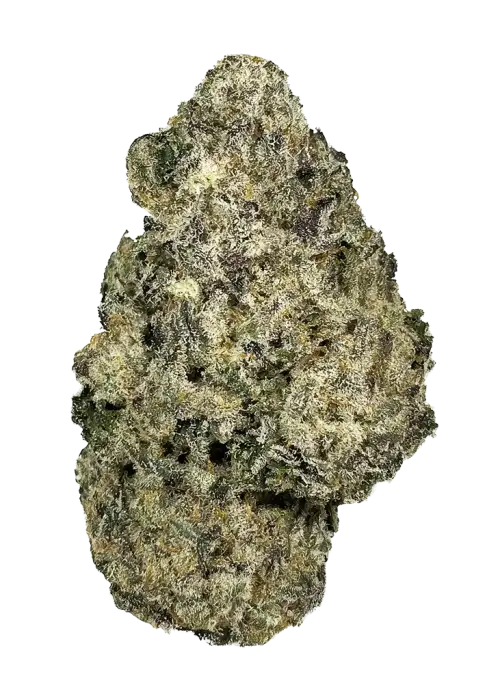
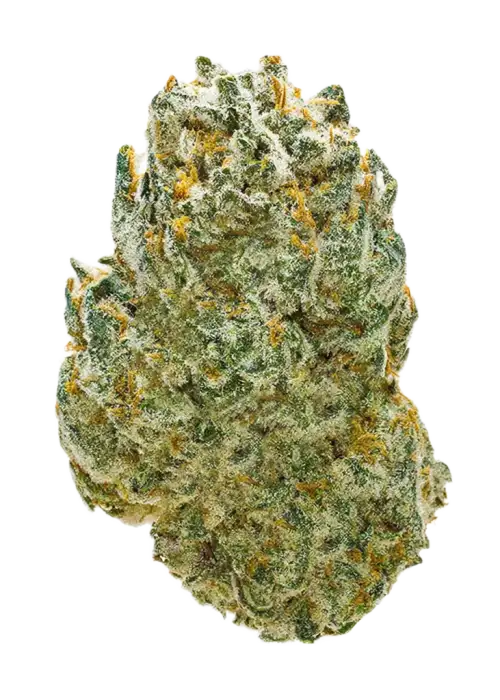
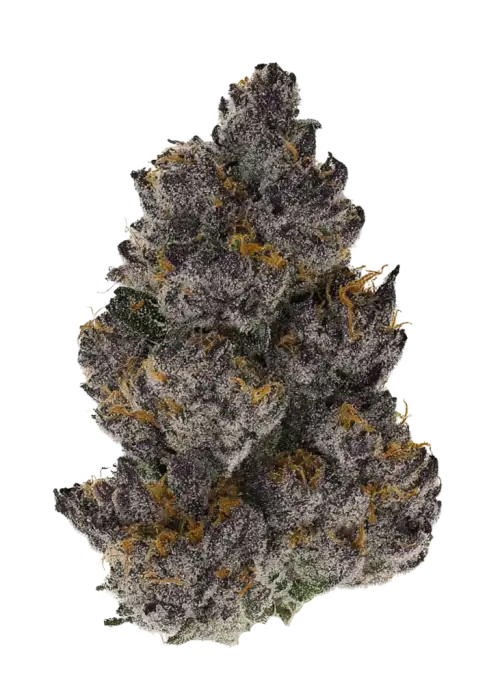

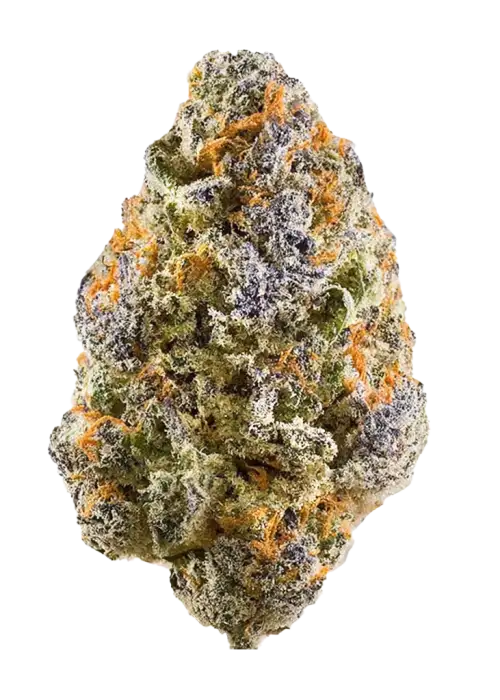
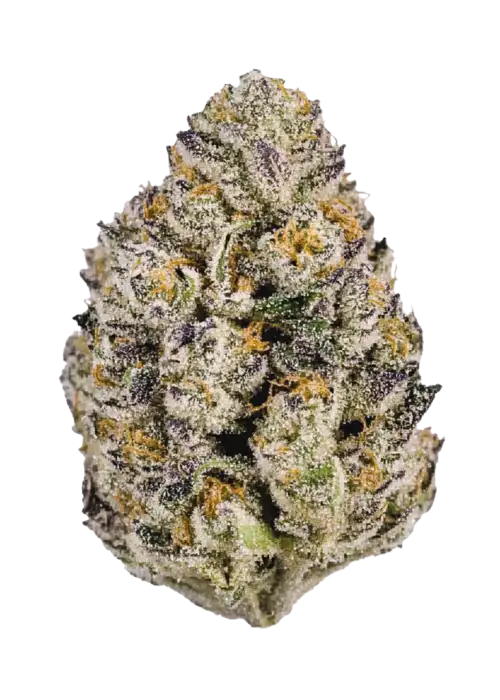
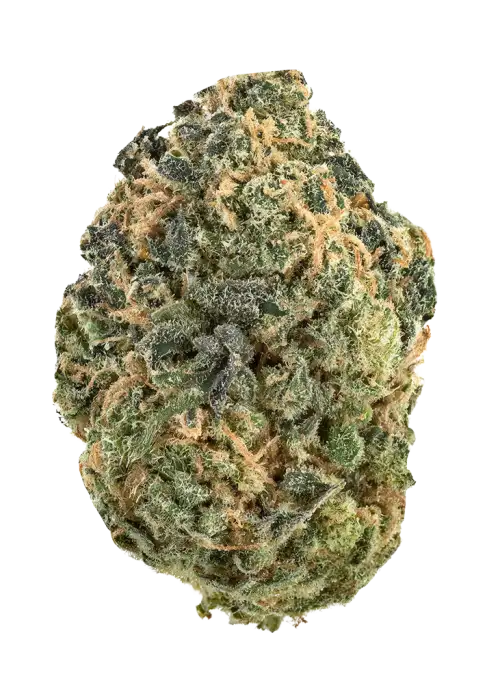
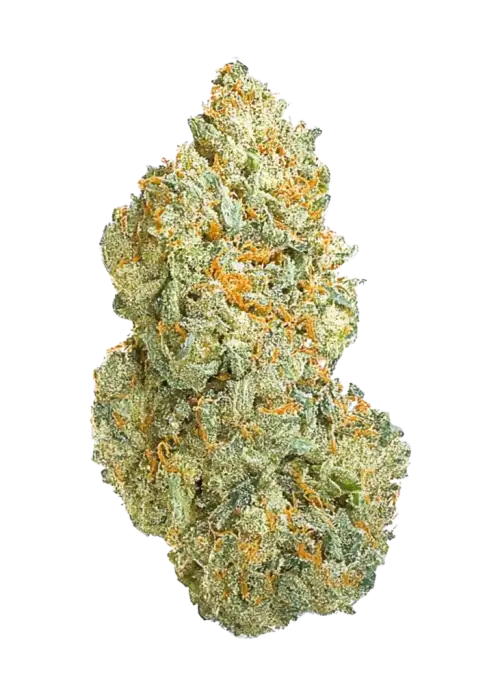
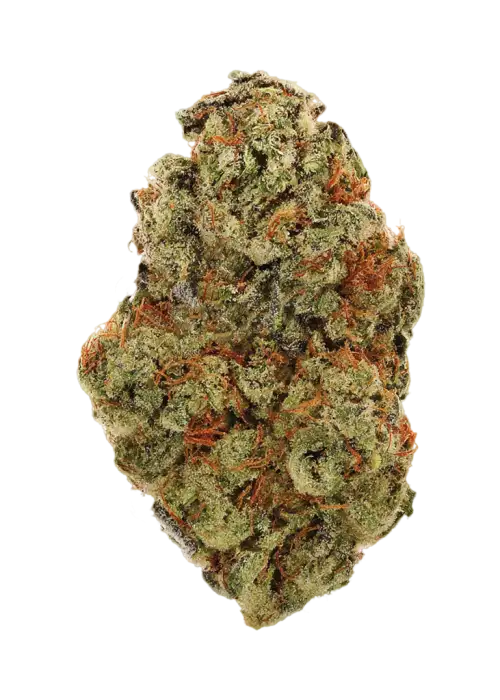
What are cold climate cannabis strains?
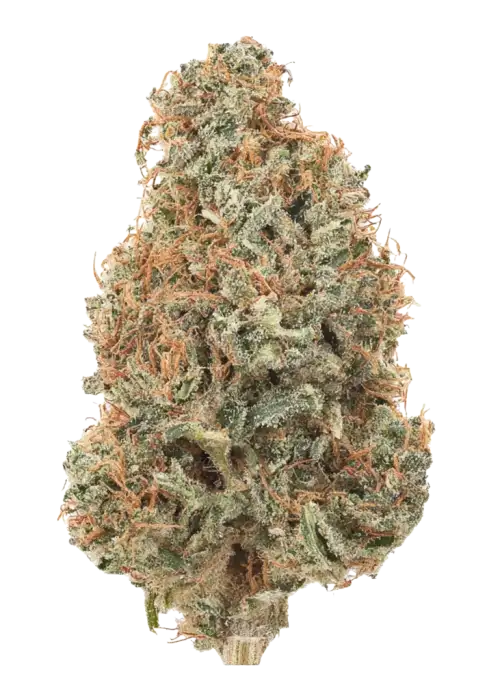
Cold climate cannabis strains are genetics that make sense when the season is short, the nights cool down early, and harvest timing matters. They are not plants that love frost, because cannabis does not need freezing weather to prove anything. They are strains that can handle a tougher outdoor window and still give growers a real shot at clean, finished flower. Pamir Gold is a good example of this kind of thinking: outdoor genetics selected for growers dealing with mountain weather, cooler regions, and less forgiving seasons.
Can cannabis really grow well in cold climates?
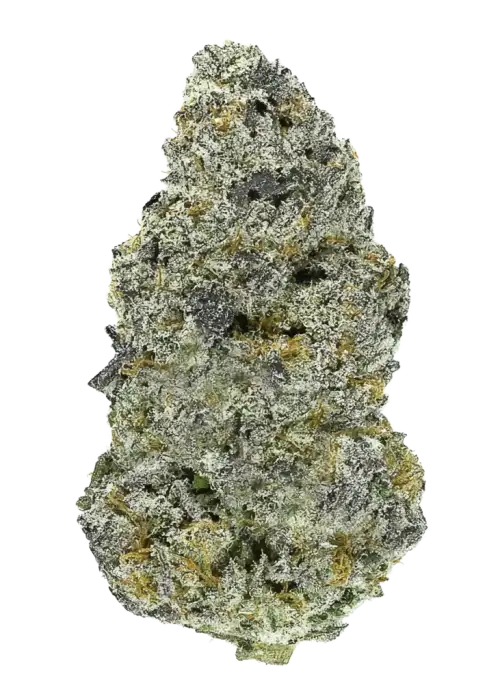
Yes, but the strain has to match the season. Cold climate growing is less about pushing a plant through bad weather and more about choosing genetics that can finish before the season turns ugly. Growers need to think about cold nights, early rain, humidity, wind, and how quickly autumn arrives. Snow Bud fits this conversation well because it was built for growers who need tougher outdoor genetics, not just plants that look good in perfect summer conditions.
What makes a cannabis strain suitable for cold climates?
A good cold climate strain usually has a practical mix of faster flowering, strong structure, stress resistance, and enough mold resistance to survive late-season pressure. Open plant structure can help after rain. Shorter flowering can help beat bad weather. Healthy vigor matters too, because weak plants struggle harder when temperatures swing. In cold regions, the best strain is often the one that finishes cleanly, not the one with the most impressive breeder number on paper.
Are fast flowering strains better for cold climates?
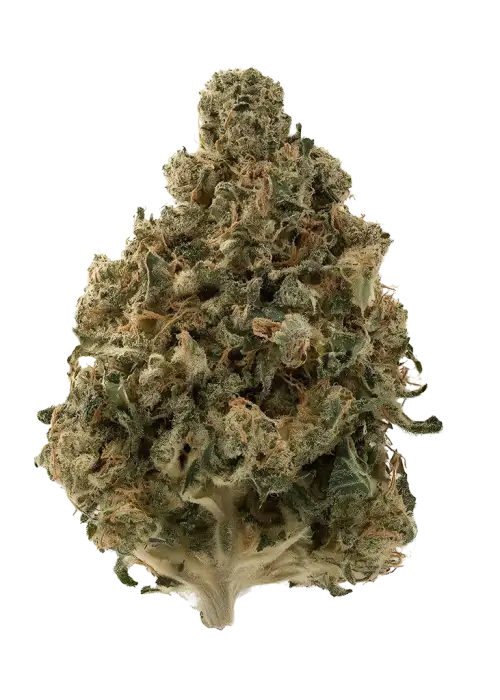
Often, yes. Fast flowering strains can be a big advantage because they give growers a better chance of harvesting before rain, frost risk, or heavy autumn humidity arrives. Early Frost fits this answer naturally because the whole point is an earlier finish and less time exposed to bad end-of-season weather. Gorilla Cookies FF also works here as a more modern fast-flowering option for growers who want speed without moving too far away from potency, resin, and strong flower quality. Speed alone does not make a strain perfect for cold climates, but it is one of the first traits we would look at.
Do autoflower strains work well in cold climates?
Autoflowers can work very well in cold climates, especially when the outdoor season is short. Because they flower by age rather than light cycle, growers can use them to finish earlier or fit a run into a narrow summer window. The tradeoff is that autos move quickly, so a bad start can cost you. In colder regions, we would start autos when the weather is stable enough for strong early growth, not just because the calendar says spring has arrived.
Are Indica strains better than Sativa strains for cold climates?
Indica-leaning strains often make sense in colder climates because they tend to finish faster and stay more manageable, but it is not a hard rule. Some Sativa or hybrid strains are bred specifically for outdoor resilience, while some Indicas can still struggle if the buds are too dense or the finish is too late. Hindu Kush is a useful classic example here: compact growth, a short flowering window, and a rugged reputation are exactly the kind of traits cold-climate growers tend to appreciate.
Do cold climate strains need better mold resistance?
Yes. Cold climate growing is not only about temperature. The real trouble often comes from wet flowers, heavy dew, rain near harvest, and humidity that sticks around late in the season. Mold resistance matters because a plant can handle cool nights and still lose the crop to bud rot if the flowers stay wet too long. In these regions, mold resistance and harvest timing often matter just as much as potency.
What are the biggest risks when growing cannabis in cold weather?
The biggest risks are slow growth, cold stress, wet flowers, mold, early frost, and plants that simply do not have enough time to finish. Cold weather can also make growers impatient, which leads to another problem: harvesting too early. We would watch the plant and the forecast together. If the buds are nearly ready and the weather is about to collapse, that decision becomes different from a warm, dry season where you can wait another week.
Can cold nights damage cannabis plants during flowering?
Yes, especially if temperatures drop too far or stay low for too long. Cool nights can sometimes bring out color in certain genetics, but that is not the same as true cold tolerance. A little late-season chill may be manageable, but repeated cold stress can slow the plant, affect flower development, increase moisture problems, and make the harvest window more stressful. In cold climates, growers should watch the forecast as closely as the trichomes. Pretty colors are nice, but clean, mature flower matters more.
When should growers harvest cannabis in cold climates?
In cold climates, harvest timing is a balance between plant maturity and weather risk. Growers should check trichomes, pistils, bud density, aroma, and overall plant health, but they also need to watch rain, frost, and humidity. Sometimes the perfect harvest window on paper is not the safest window outside. If the plant is close and the forecast turns ugly, bringing home clean flower can matter more than chasing a few extra days.
How do I choose the right cold climate strain for my region?
Start with your actual season, not the strain hype. Ask when your nights get cold, when rain usually arrives, how humid autumn gets, and how much time you really have before harvest becomes risky. If the season is short, choose faster genetics. If humidity is the bigger problem, look for mold resistance and looser structure. If the grow needs to stay practical in an outdoor garden, Frisian Duck can be worth comparing because its outdoor-friendly traits may matter just as much as raw potency. The right cold climate strain is the one that fits your weather, not just your wishlist.
Why use GrowDiaries to compare cold climate cannabis strains?
GrowDiaries is useful here because cold climate claims need real proof. Breeder descriptions can tell you a strain should handle tougher conditions, but grow reports show what happened in actual gardens: when the plant started flowering, how it handled cold nights, whether mold showed up, how long it took to finish, and whether the final harvest was worth the effort. For cold-climate growers, those details can be the difference between choosing a strain that sounds good and one that actually makes it to the jar.