


Different Growth Rates in RDWC – Day 15 Gorilla Haze (First Grow Issue?)

Qeqo0started grow question 8mo ago
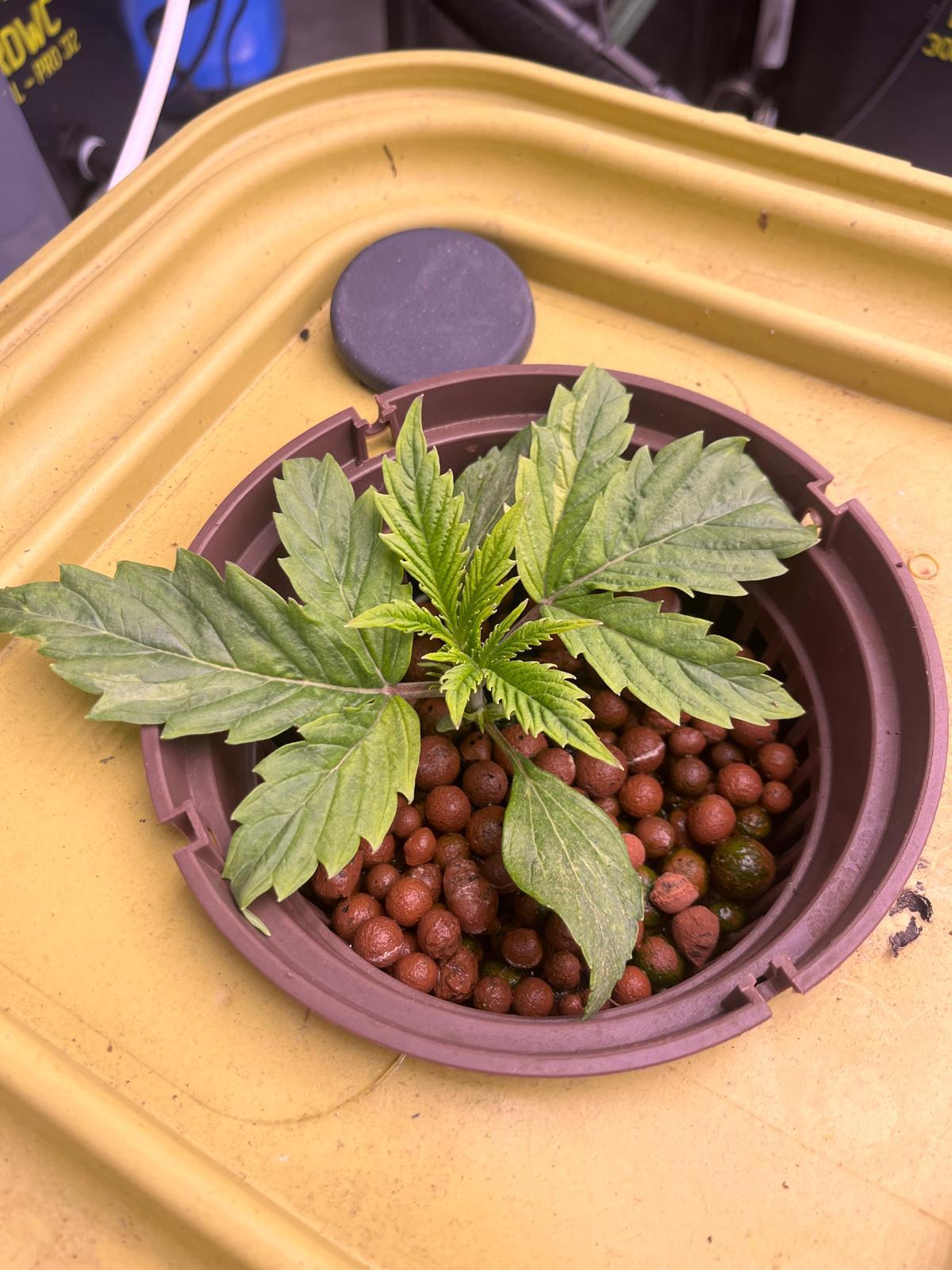
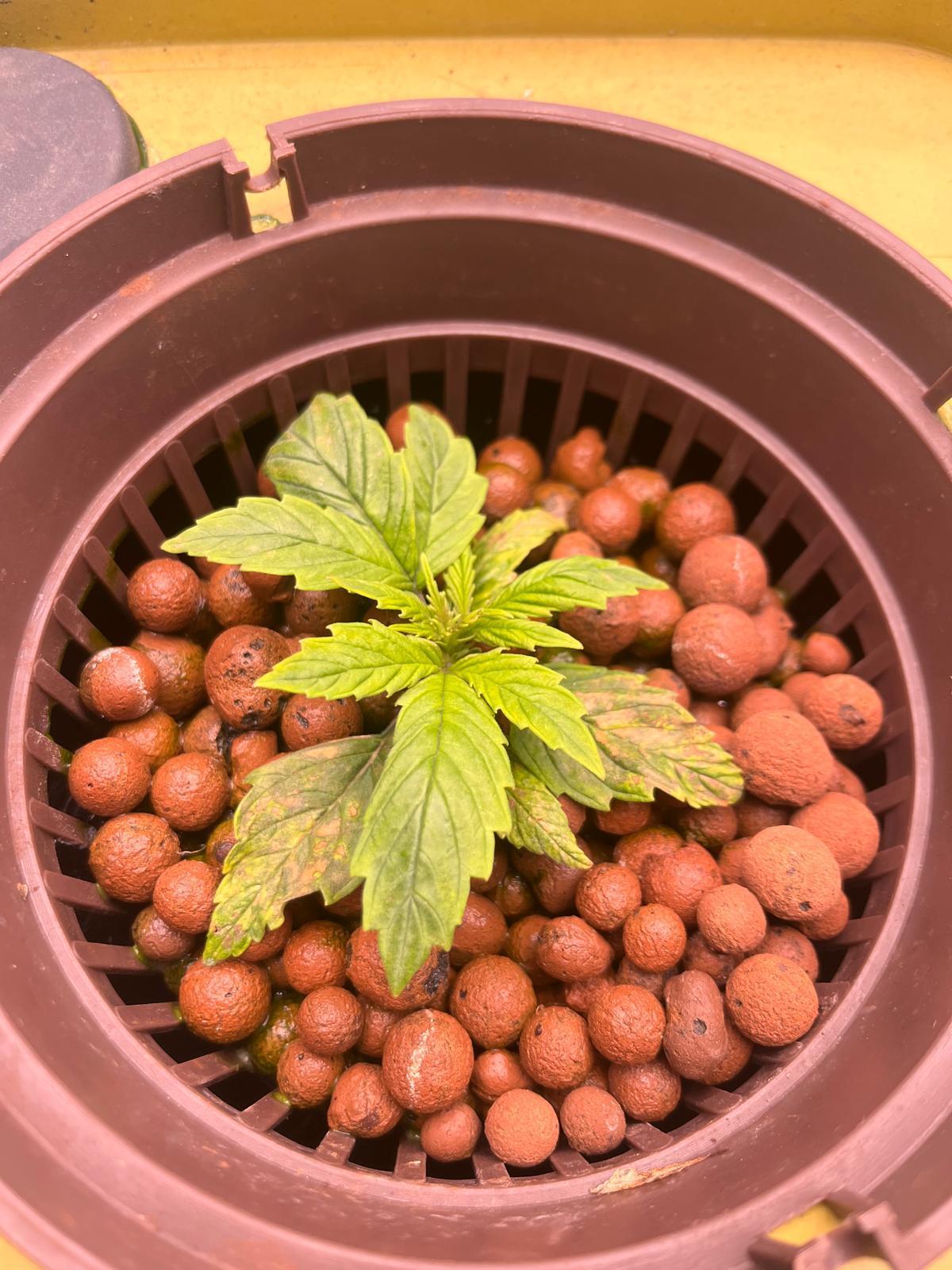
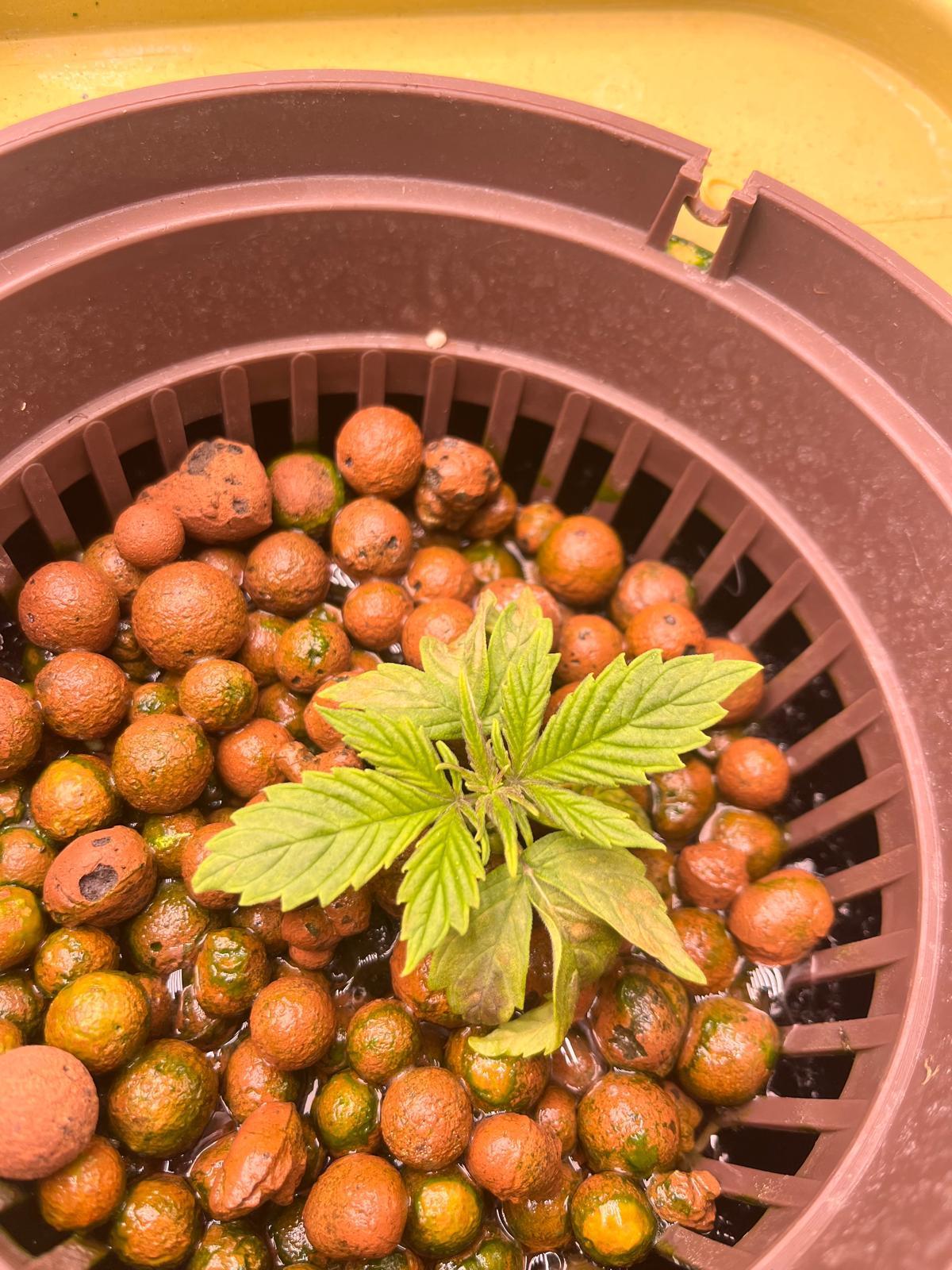
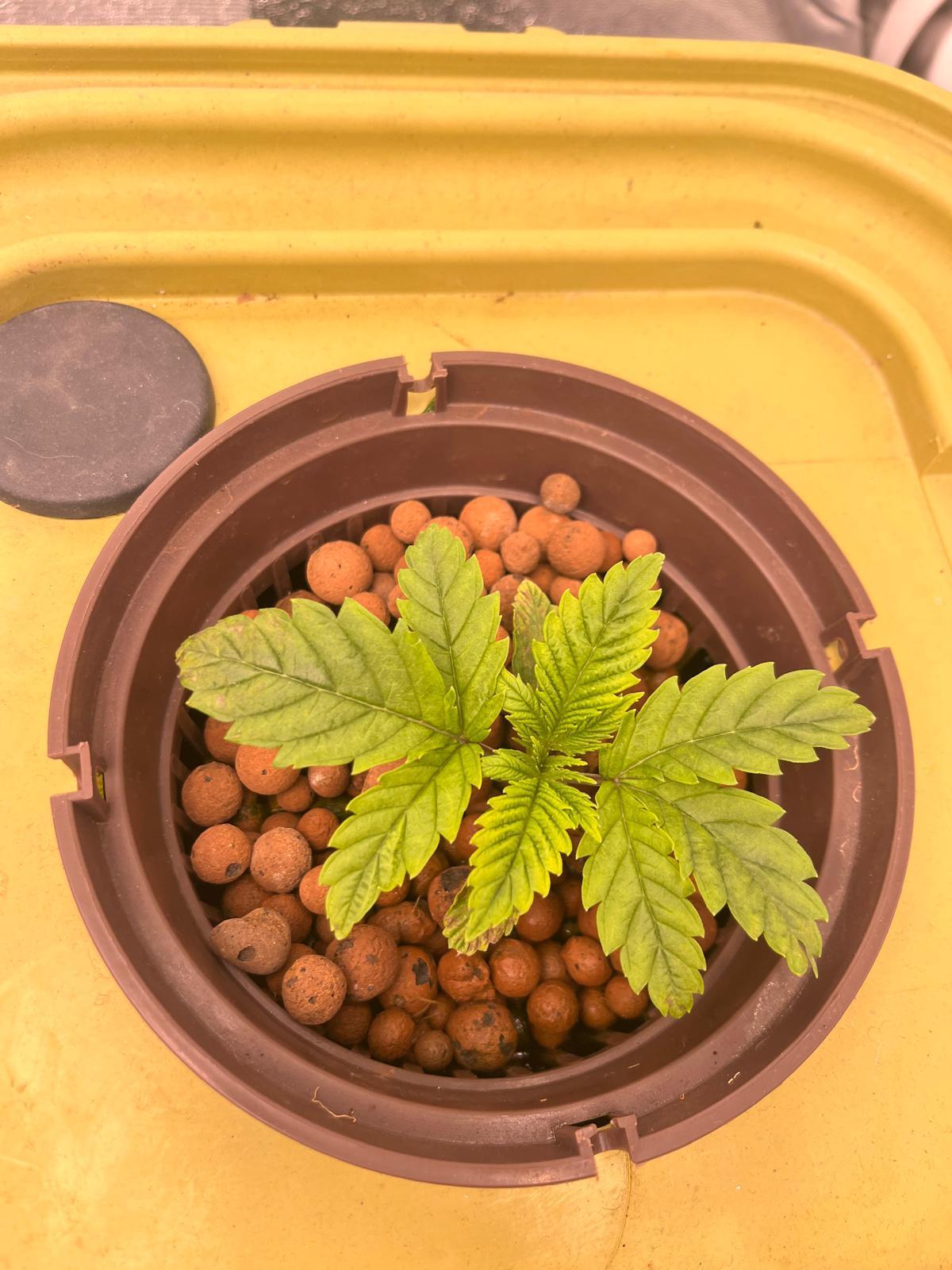
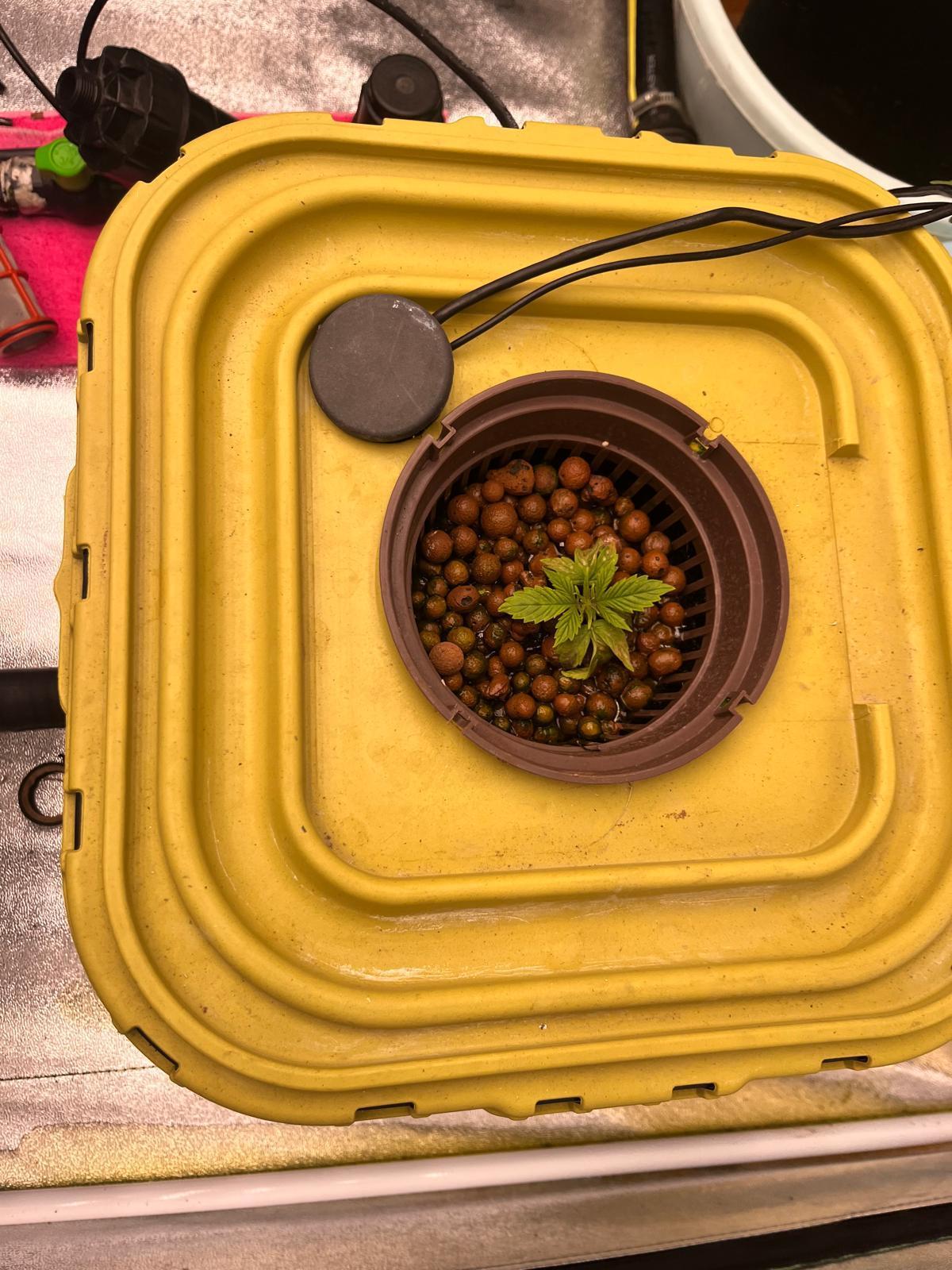
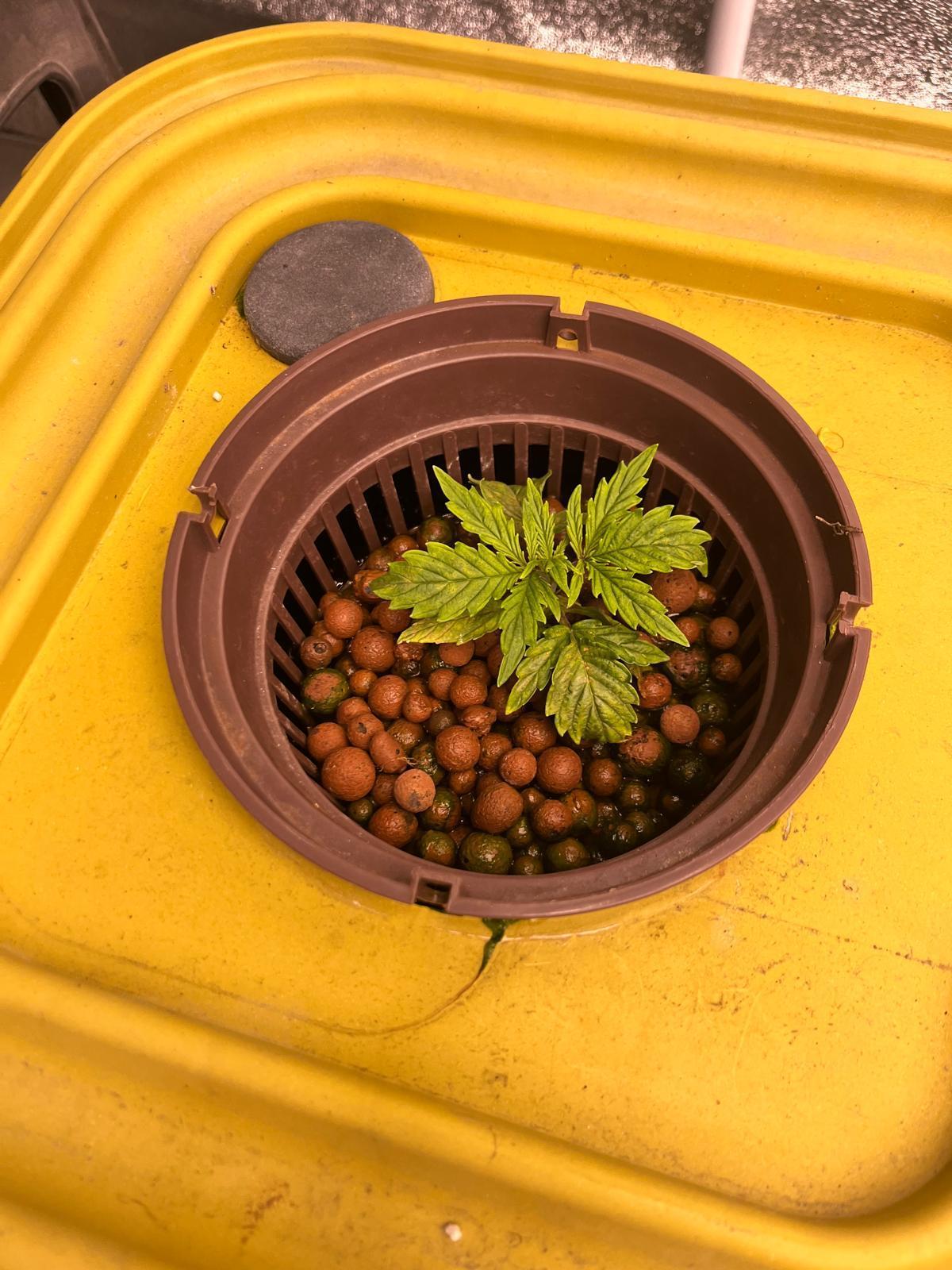
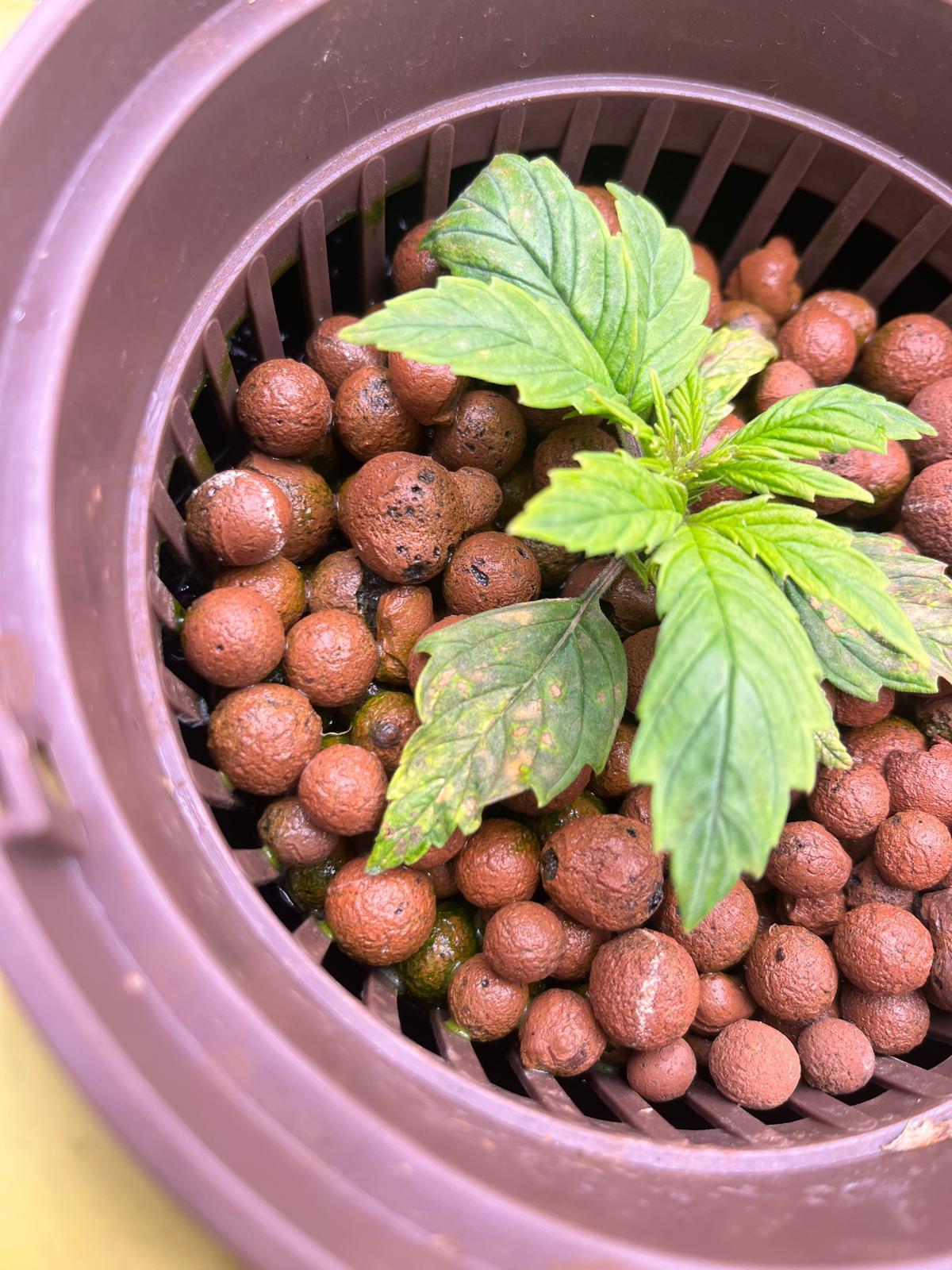
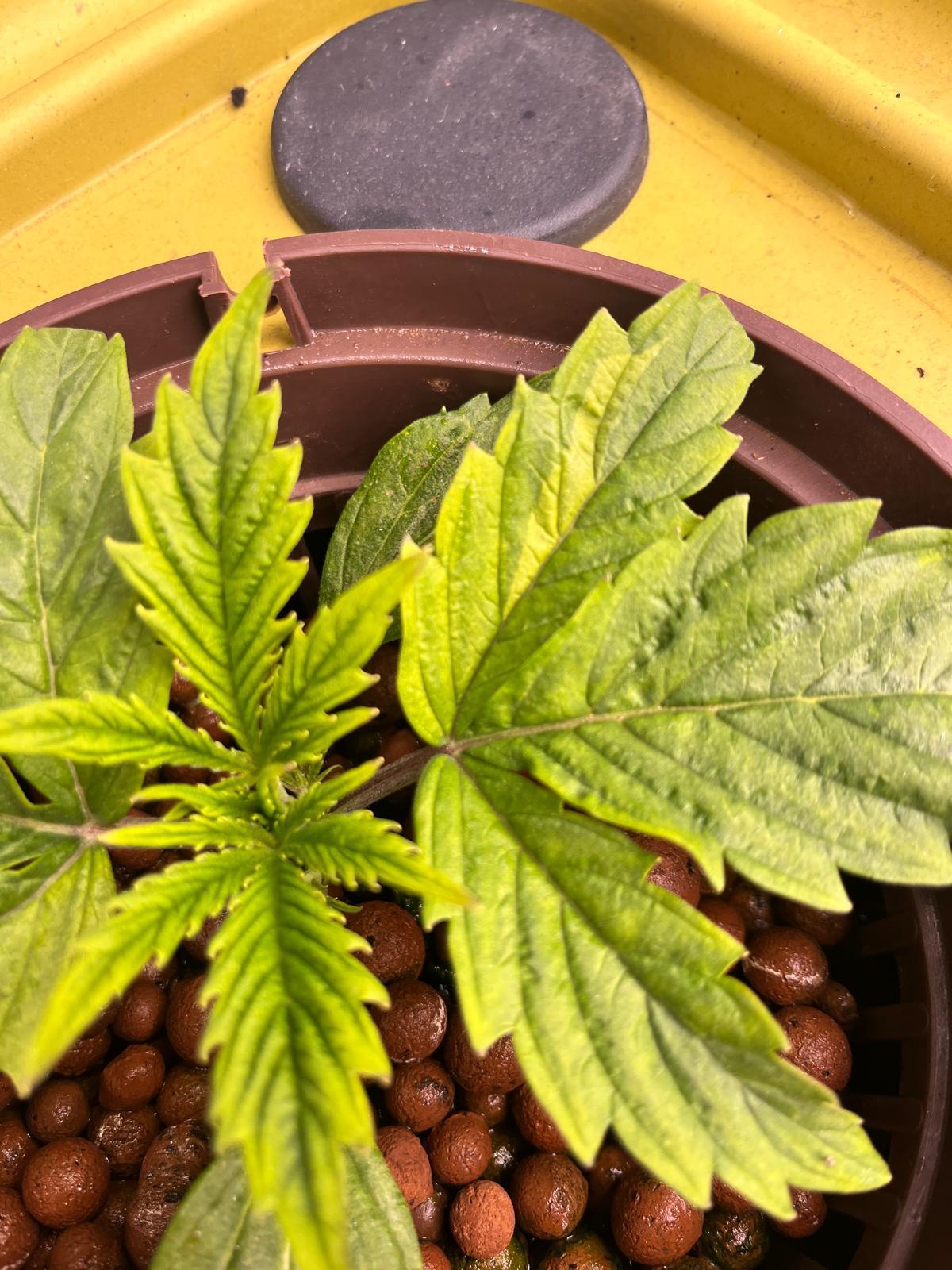
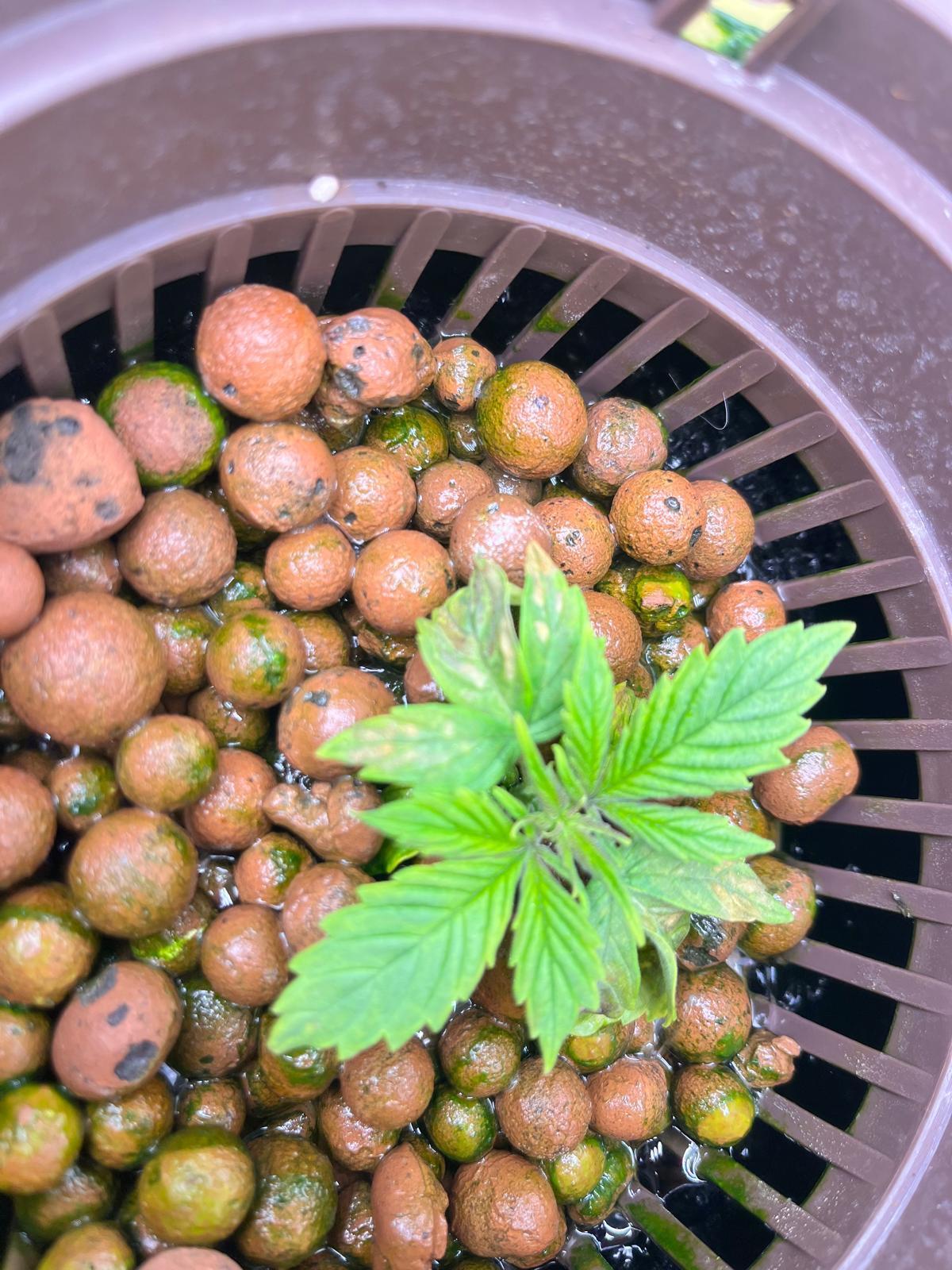
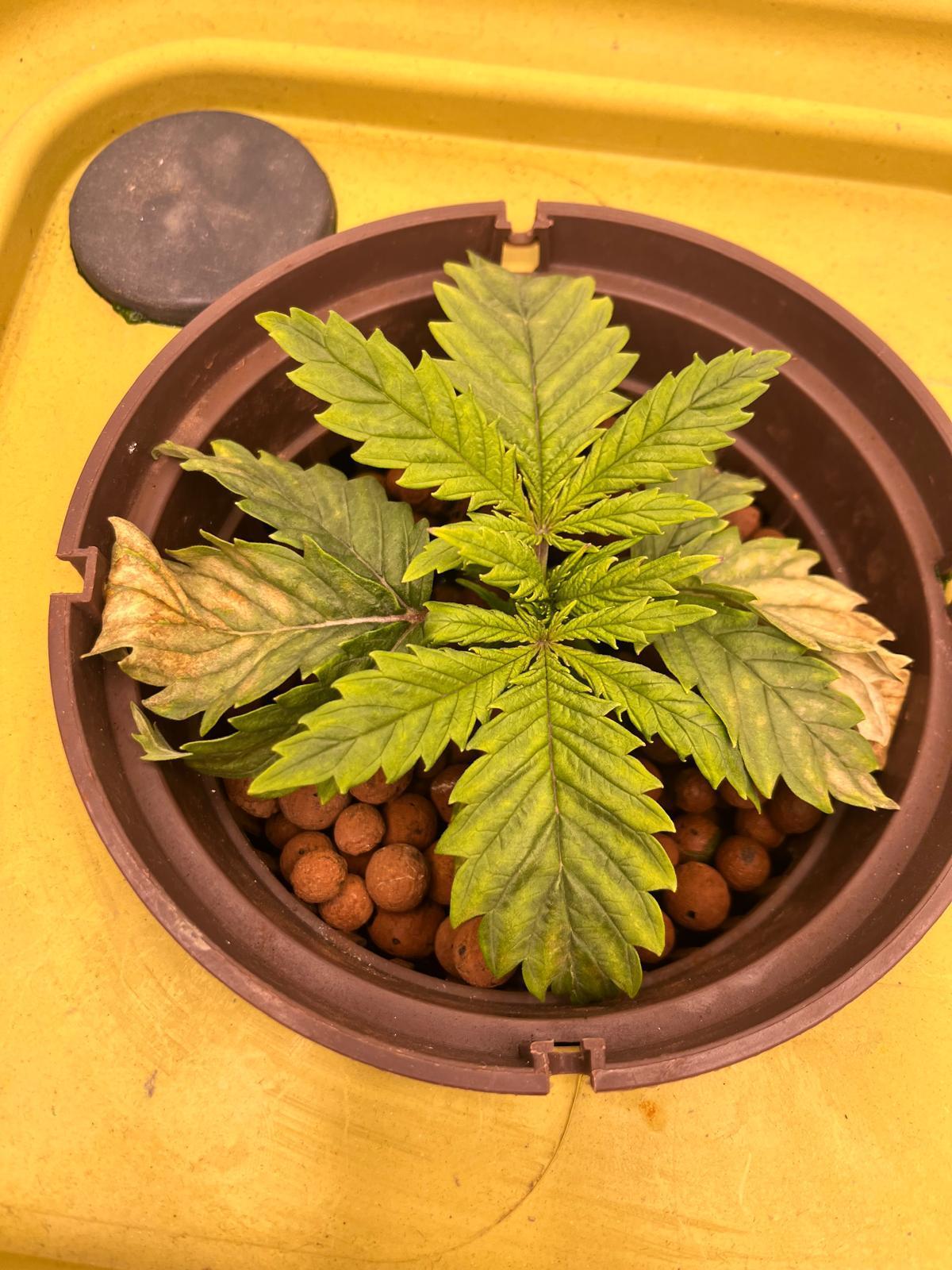
Running a 6-site RDWC system, day 15 of Gorilla Haze. Plants in all 6 pots show different growth rates, not growing evenly. First grow here. Using Canna nutrients, 1 ml/L A+B plus a bit of Cal-Mag. Is this something I’m doing wrong or just genetics? Thanks! Any input welcome. pl
Solved
Other. Other
2 likes

DogDoctorOfficialanswered grow question 8mo ago
Hey mate short answer: this is very common, especially on a first grow and even more in RDWC.
A few things happening at the same time here:
• Genetics: even from the same strain, plants don’t grow like clones. Some are naturally faster, some slower.
• Root development: at this stage, a lot of the difference you’re seeing is likely below the net pots, not above. You can’t see that part yet.
• RDWC reality: shared water doesn’t mean identical uptake. One plant might be drinking and feeding harder than the others.
From the photos, they all look healthy enough, just at different speeds. That’s important.
As long as:
• New growth is coming in
• Color is generally good (no severe burn or twisting)
• Environment and reservoir parameters are stable
…then this is more about patience and observation than correction.
If anything, the biggest “mistake” most first-time RDWC growers make is overcorrecting too early. Let them settle, watch trends over days (not hours), and they usually even out as roots really take off.
Just my humble opinion, looks like learning-in-progress, not failure 🌱

00110001001001111Oanswered grow question 8mo ago
Some parts are hard to judge -- leaves touching or extremely close to the often wet clay balls will show all sorts of symtpms due to impact on transpiration and when physically touching, absoring more nutes locally than it would receive had they entered through the roots properly.
But, even the new growth is looking a bit meh. This particular formula is not working well, but this plant is robust and even in less than ideal conditions can still turn out okay.
You can use free apps or websites to find these suggested ratios and concentrations.
120-130 N
40-60 P
180-200 K
100+ Ca
75-80 Mg
100ish S
That's a safe low start that should allow the leaves to gradually stock up building blocks as well as provide for as much growth as your enviornment and genetics allow. If they show any greater need, adjust upward in a proportional manner. Calculate from gauranteed analysis labels, don't rely on EC. EC has 20 different conversion factors to ppm that you might as well pick a number out of a hat (exaggeration but still conceptually true, lol). EC is also important for different reasons, but just doesn't convert accurately to PPM. The brand of TDS pen you use will make a 30-40% difference (500-scale to 700-scale) in the ppm value you see converted from EC... just the brand of the device and no logical reason.. the conversion from EC to ppm is a big grey area.
Gauranteed analysis labels are a gauranteed minimum. There's some fudge involved here, too, but it's still more accurate. Depending on the ingredients, it'll be incredibly accurate -- which in the case of soilless/hydro nutrients, they should be very accurate calculations. Ammonium nitrate is a rose is a rose, etc.. There's no circumventing its molecular formula as far as percent of mass for N.
If you used jacks 3-2-1 you'd have no problem running DWC or any hydro/soilless as your first grow. Minimal adjustments needed from instructions, if any. Every garden has some different variables, so some adjustment is always necessary for nutes and lights. A lot of these brands have esoteric formulas that might work well for a few plants, but lack consistency, hence people think hydro is difficult to figure out, but it really isn't if you avoid the bro science stuff and brands with cartoon graphics on the labels like it's some sugary cereal brand marketed to toddlers.
1 like
Complain

Lily_Bloomanswered grow question 8mo ago
Hello, dwc grower here :) always happy to see people trying out hydroponic growing :)
Can you tell a bit more about your set up? ec/ ph/ temperature and humidity? It’s not possible to answer correctly without those informations. You don’t need to worry too much because nothing is lost here, but I wouldn’t recommend to wait another week in hopes that it gets better. This is one of the key differences between soil and hydro - the timing.
Have a nice day!
likes
Complain

Gnrlymsntrp81answered grow question 8mo ago
Looks to me as if your PH is off. Should be around 6 at this stage.
1 like
Complain

Purrple_Hazeanswered grow question 8mo ago
Totally normal — and especially on a first RDWC run, this is nothing to beat yourself up over.
A few points:
Even if all plants are the same strain, they’re never identical. Different phenos, slightly different root development in the first days, or one site getting established a bit faster will already show by day 15. In RDWC, once a plant gets a head start, it often keeps it.
Things that can add to the difference:
One net pot rooting into the system earlier than the others
Slight differences in water movement / oxygen between sites
Minor variations in light spread across the canopy
Your feed sounds reasonable and not excessive for this stage. 1 ml/L Canna A+B plus a touch of Cal-Mag is pretty safe early on, so this doesn’t scream “nutrient issue” to me.
What I’d do:
Don’t chase it by changing nutrients or EC plant-by-plant
Let them go another week — RDWC often evens out once all roots hit the flow
Later on, you can use training or plant height management to level the canopy
If they’re all healthy and green, you’re doing fine. Uneven growth early in hydro is more common than perfectly uniform plants — genetics and early root timing play a bigger role than most charts admit.
2 likes
Complain

Similar Grow Questions
Solved

Rabidreject
Flushing timingHow many weeks do u think flowering before flushing? I want to flush for at least 2-3 weeks.
When I did my purple lemonade and one of my lemon pie auto’s and you get a nice fade. It’s hard to know when to stop nutes and start plain water. I was thinking 3 weeks nutes + 2 water.
5y ago
2
3
Solved

AUTOASSASSIN215
(Trichome pics) Is it ready for the flush ?Is my 9/10 week auto ready to be flushed All my leaves are still bright green but i think it’s only cause i’m still using nutes its only my 2nd grow took some pics best i could and if so what’s the best flushing method
Other. Other
6y ago
3


Solved

Bdawg
slow to bud2 weeks into flower slow to show buds. What can i do to speed it up.or jus be patient?Other. Other
6y ago
2
Solved

SLuGGeRNauT_420
Oh no ball bags!!!Something doesn’t look right with this plant I think it has ball bags
Other. Other
5y ago
2


Solved

RobBuzu
Pot Size!Hi there :) Planning on trying out Strawberry Banana / Purple Punch / Orange Sher / Zkittlez !
I currently have a 120/120/200 grow tent and plan to grow 3 / 4 plants at once. What pot size would you recommend for yield maximisation as well as plant health?Other. Other
Setup. Strain · Autoflowering
5y ago
7
6


Solved

JonGrow
Undefined StressSomething Wrong as i felt before, do not understand what is a reason of this stress, or even is it a stress at all.
one of the is Auto and second photo, so... mybe someone had same problem or maybe it is not a roblem at all, guys assist please.
Week 3
Other. Other
6y ago
2
3
Solved

RuiNas
Anyone with experience in Freak Show?Just to settle a doubt, I think this time it's a boy!!
I have experience with this bastard but I don't think I've ever had to extract sperm from a strain like this...help!!
Tips for temperature and humidity? and more....
Thanks.
Buds. Other
Other. Other
Plant. Other
2y ago
7
8
Solved

Lasninasverdes
Crees que es carencia de potasio ??Buenas fumo es ,
¿Creéis que las puntas quemadas en las hojas son por una carencia de potasio ?
Muy amables
Other. Other
Plant. Twisted
Plant. Other
5y ago
2
2
Solved

Tobecobe
Week 6 Defoliation? D70 DWC.Would you go for a week 6 flower defol? Shes pretty dense despite heavy defol on D50 and is just coming out of cal lockout due to nitrogen tox with PH and EC stabilized on the latest res change. Dont want to stunt, but also worried she might end up overly larfy. Vid in diary.
Week 9
Other. Other
4y ago
3


Solved

KenSpliffeyJr
Hey everyone, my bud is throwing off some weird flower:knuckle up top. Is this the beginning of a foxtail? Not quite sure ....
Buds. Other
Other. Other
6y ago
2
2

Solved

Boneco
Clones ? Tempo certo?Em que altura é aconselhável retirar clones? 3 semanas?Week 1
Other. Other
5y ago
1
3
Solved

Garreweedlover
HelloHola buenas , estoy abierto a pregunta y sugerencias , muchas gracias :)Week 3
Other. Other
6y ago
6
1
